


ThayerMahan
US maritime defense company providing autonomous undersea surveillance, acoustic intelligence, and counter-UUV systems (Outpost, SeaPicket, SeaGuard) for.
Contact ThayerMahan
WEBSITE
https://www.thayermahan.comPHONE
+1 860-405-0010HEADQUARTERS
United States

Company Facts
Founded
2016
Primary Role
Manufacturer
Company Size
employees 100-500
Primary Region
North America
Annual Sales
-
Funding Stage
-
Funding Total
-
Keywords
- ThayerMahan
- ThayerMahan Inc.
- undersea sensing
- autonomous maritime
- acoustic intelligence
- USV
- UUV counter
- anti-submarine
- maritime defense
- Logistics & Supply Chain
- Autonomous Vehicle / UGV
- Mobile Robot (AGV/AMR)
- Manufacturer
- Unmanned Marine Vehicle
- Perception & Vision
- Defense & Security
- Oil
- Gas & Energy
- Special / Extreme Environments
- Manufacturing
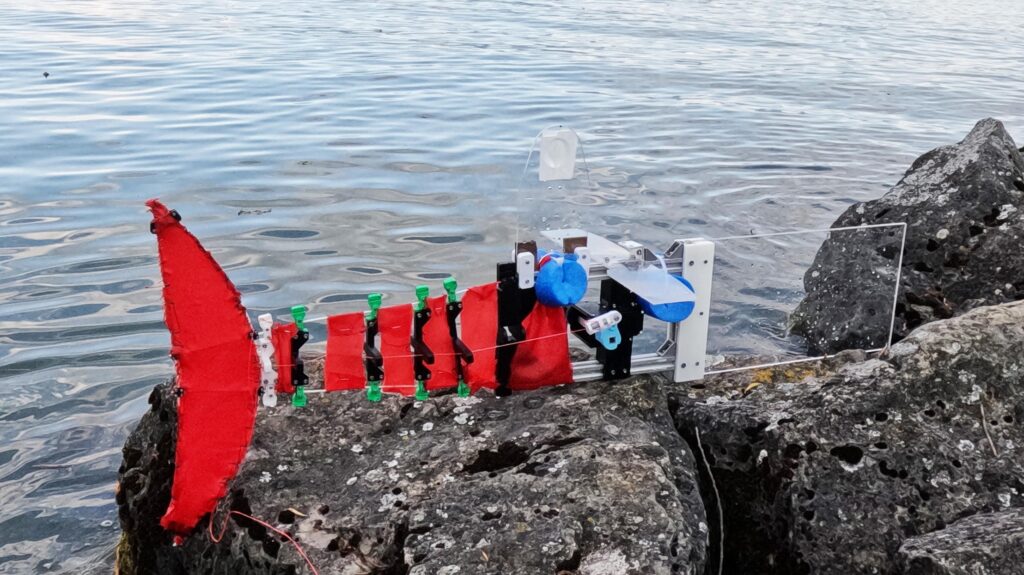
EPFL and NYU Develop Scalable Robotic Fish for Diverse Aquatic Environments
A team from EPFL and NYU has introduced ScaFi, a scalable robotic fish designed to adapt to various aquatic environments. Unlike traditional propeller-driven vehicles, ScaFi mimics the swimming motion of fish, allowing it to navigate shallow waters and dense vegetation without disturbing wildlife. The significance of ScaFi lies in its ability to maintain swimming efficiency across different sizes, which could reduce the engineering effort required for aquatic robots. The research highlights the importance of adaptable tools for environmental monitoring, as ecosystems vary greatly in size and complexity. Future developments will focus on understanding the energy efficiency of ScaFi as it scales, as initial tests revealed challenges with larger models. The team aims to explore whether the energy performance can be improved alongside the swimming capabilities of the robotic fish.

Chen Pu of Yuan Ke Vision Discusses Transitioning Robot Training Data from 2D to 4D with High Precision
On September 23, Chen Pu, Vice President of Product Development at Yuan Ke Vision, highlighted the importance of high-quality real data for robot training during a seminar in Beijing. He emphasized the need to elevate data from 2D to 4D and improve precision from centimeter to sub-millimeter levels to build a robust 4D data foundation for robotics. This transition is crucial as the industry faces challenges such as weak model generalization and inadequate scene adaptability. Chen noted that current training methods often rely on limited 2D video data, which fails to capture the complexities of three-dimensional space and temporal changes, hindering robots' ability to understand and interact with their environments effectively. Looking ahead, Yuan Ke Vision aims to address these challenges by developing new data collection and training paradigms that enhance dimensionality, enrich modalities, and improve precision. Chen pointed out that while video data serves as a foundation, it is often too simplistic, and the lack of tactile data remains a significant gap in the industry. No further timeline was disclosed at the time of publication.
Robot Training Data 4D Data Collection Industrial Robotics Embodied Intelligence Precision Robotics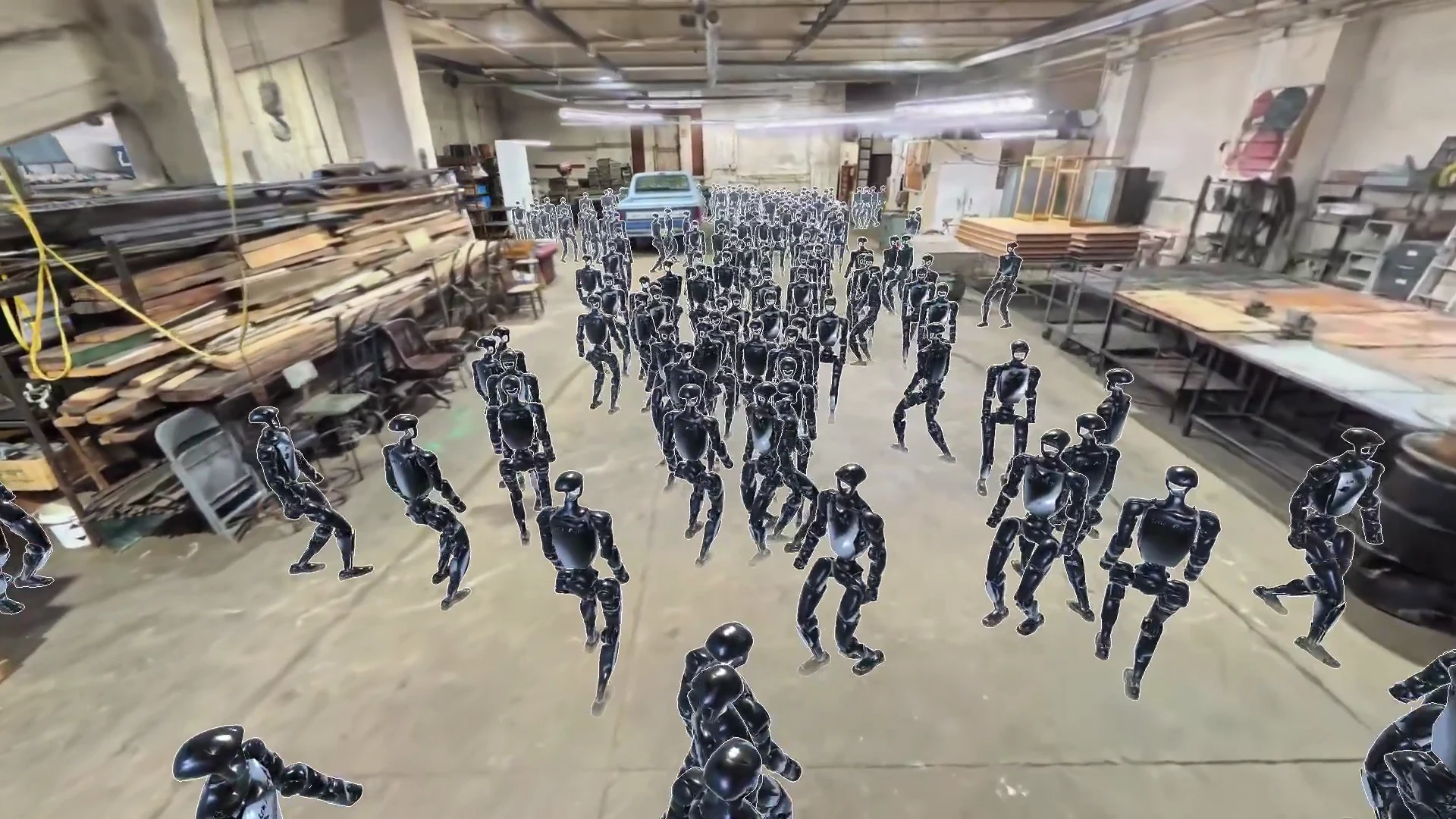
Niantic Spatial Introduces Places Library Featuring 100 Real Environments for Robot Training
Niantic Spatial has launched its Places Library, providing robotics developers with a catalog of 100 real environments for training and evaluation. The assets, available as USDZ files, include two representations for each environment: a Gaussian splat for visual appearance and a mesh for collision detection. This initiative aims to enhance embodied AI training by offering realistic settings that align with gravity and support various simulators, including NVIDIA Isaac Sim. The significance of this launch lies in its potential to improve robot training efficiency. By utilizing real-world environments captured with a standard 360-degree camera, Niantic ensures that robots receive accurate visual and collision data, which is crucial for effective navigation and interaction. The library includes diverse settings, such as medical warehouses and urban streets, allowing developers to test their robots in varied scenarios without the need for extensive in-house data collection. Looking ahead, the Places Library could facilitate more advanced evaluations of robotic behavior in different environments. While the library's impact on performance across the 100 environments remains to be seen, it offers a valuable resource for robotics teams aiming to refine navigation tasks and adapt to changing surroundings. No further timeline was disclosed at the time of publication.
Niantic Spatial Flexion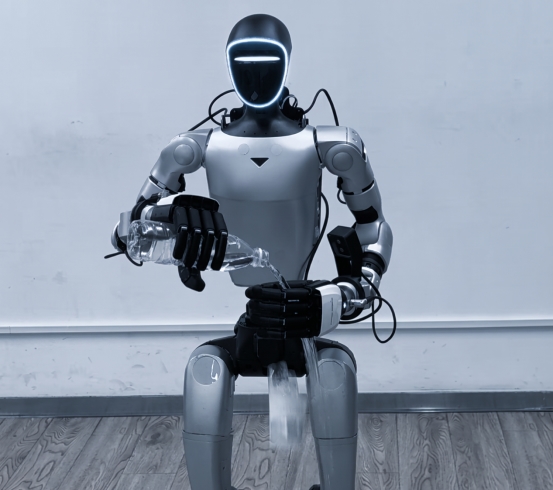
Memo Unveils Physical-WAM to Enhance Embodied Intelligence at Global Digital Trade Expo
At the Global Digital Trade Expo on September 24, Memo introduced the Physical-WAM, the world's first physical-world action model equipped with physical perception capabilities. This innovation aims to address the challenges faced by robots in understanding and interacting with the physical world, which has hindered the widespread adoption of embodied intelligence. The significance of this development lies in its potential to bridge the data gap that currently limits robots' physical interactions. Memo's CEO, Li Minghao, highlighted that the lack of foundational physical understanding in robots stems from insufficient real-world interaction data and inadequate evaluation metrics. The Physical-WAM model is designed to enhance robots' predictive capabilities and real-time adjustments in physical tasks. Looking ahead, the demand for embodied intelligence is surging, with significant investments in the sector. However, challenges remain in aligning order fulfillment with funding growth. As the industry evolves, the effectiveness of solutions like Physical-WAM will be crucial in overcoming existing barriers to practical implementation.
Embodied Intelligence Physical AI Robotics Machine Learning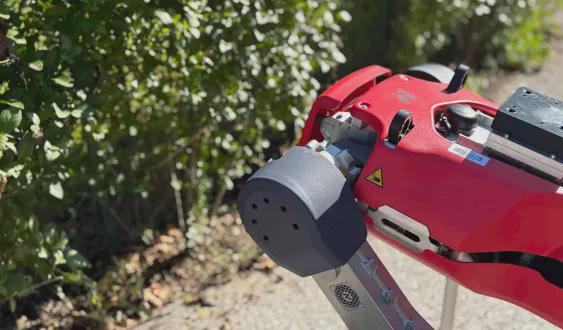
Robot Dogs Use Insect-Inspired Movements to See Through Obstructions in 17 Milliseconds
A collaborative team from Johannes Kepler University Linz, Free University of Bozen-Bolzano, University of Trento, and University of Sussex has developed a method for robot dogs to mimic insect movements to enhance their visual perception. By performing rhythmic lateral movements, akin to the 'peering' behavior observed in insects like locusts, these robots can effectively see through obstructions such as foliage and debris. This innovation is significant as it addresses a common challenge faced by exploration robots in environments cluttered with obstacles that hinder visual sensors. The research establishes a connection between the peering motion and synthetic aperture sensing, allowing the robots to create a virtual aperture that enhances background signals while blurring out obstructions. Future developments to watch include the potential applications of this technology in various environments, including forests and disaster sites. The research indicates that the synthetic aperture technique is most effective at around 50% obstruction density, suggesting a promising avenue for improving robotic vision in complex terrains. No further timeline was disclosed at the time of publication.
Robotics Computer Vision AI Obstacle Detection
Mondo Robotics' Beni: A Tumbling Robot Camera with Significant Obstacle Avoidance Issues
Mondo Robotics has introduced Beni, a small bipedal robot designed to capture and record video while following users. Equipped with a built-in camera and sensors, Beni can perform tricks like flips and roll while tracking specified objects via an app. However, after several weeks of testing, reviewers found Beni's obstacle avoidance capabilities severely lacking. The importance of Beni lies in its potential as a fun companion for personal activities like sports and pet video recording. Despite its interesting features, the robot struggles significantly with obstacle avoidance, often losing track of its target in cluttered environments. Reviewers noted that even in open spaces, Beni failed to navigate around obstacles effectively, which detracts from its overall usability. Moving forward, it will be crucial to monitor Mondo Robotics' efforts to improve Beni's obstacle avoidance technology. Currently priced at $599, the robot's value is questionable given its primary flaw. If Mondo can address these issues, Beni could become a more appealing option for users engaged in various activities, but until then, recommendations are limited.
Robot Cameras Obstacle Avoidance Consumer Robotics Video Technology
Noin Introduces GLOW Architecture for Instant Learning in Robotics
Noin has unveiled the GLOW architecture, a generative learning framework aimed at enhancing robot learning capabilities. This new technology allows robots to learn tasks instantly without the need for extensive data collection or predefined processes, addressing the challenges posed by dynamic real-world environments. GLOW's core innovation lies in its ability to enable robots to learn tasks through a single demonstration, transforming visual input and feedback into actionable tasks. The significance of GLOW is underscored by its potential to revolutionize how robots acquire skills, moving away from traditional methods that require separate strategies for each task. Instead, GLOW aims to equip robots with generalized capabilities that can be applied across various objects, environments, and tasks. This shift could lead to more efficient and adaptable robotic systems, as users will no longer need to break down their requirements into machine instructions. Future developments to watch include Noin's ongoing commitment to advancing the GLOW technology, which integrates visual understanding, spatial reasoning, task planning, and action generation within a unified model. The architecture has already shown promising results in various evaluations, indicating its effectiveness in physical scene understanding and task execution, paving the way for enhanced robotic intelligence and adaptability.
Robotics Generative Learning AI Embodied Intelligence
Ocius Technology Integrates ThayerMahan and Thales Australia Sonar Systems for BlueBottle USVs
Ocius Technology has finalized agreements to incorporate advanced sonar systems from ThayerMahan and Thales Australia into its fleet of Bluebottle uncrewed surface vessels (USVs). The integration includes retractable thin-line acoustic arrays aimed at enhancing intelligence, surveillance, and reconnaissance (ISR) capabilities for the Royal Australian Navy's AUD$176 million Program of Record. This collaboration is significant as it combines Australian maritime technology with advanced acoustic sensing capabilities from the United States, demonstrating a practical application of the AUKUS Pillar II initiative. The deployment of these systems will support ongoing operations for the Australian Maritime Border Command, enhancing maritime surveillance and border protection. Looking ahead, Ocius plans to leverage the adaptable design of the Bluebottle platform to meet diverse mission requirements. No further timeline was disclosed at the time of publication.
ocius thayermahan thales bluebottle usv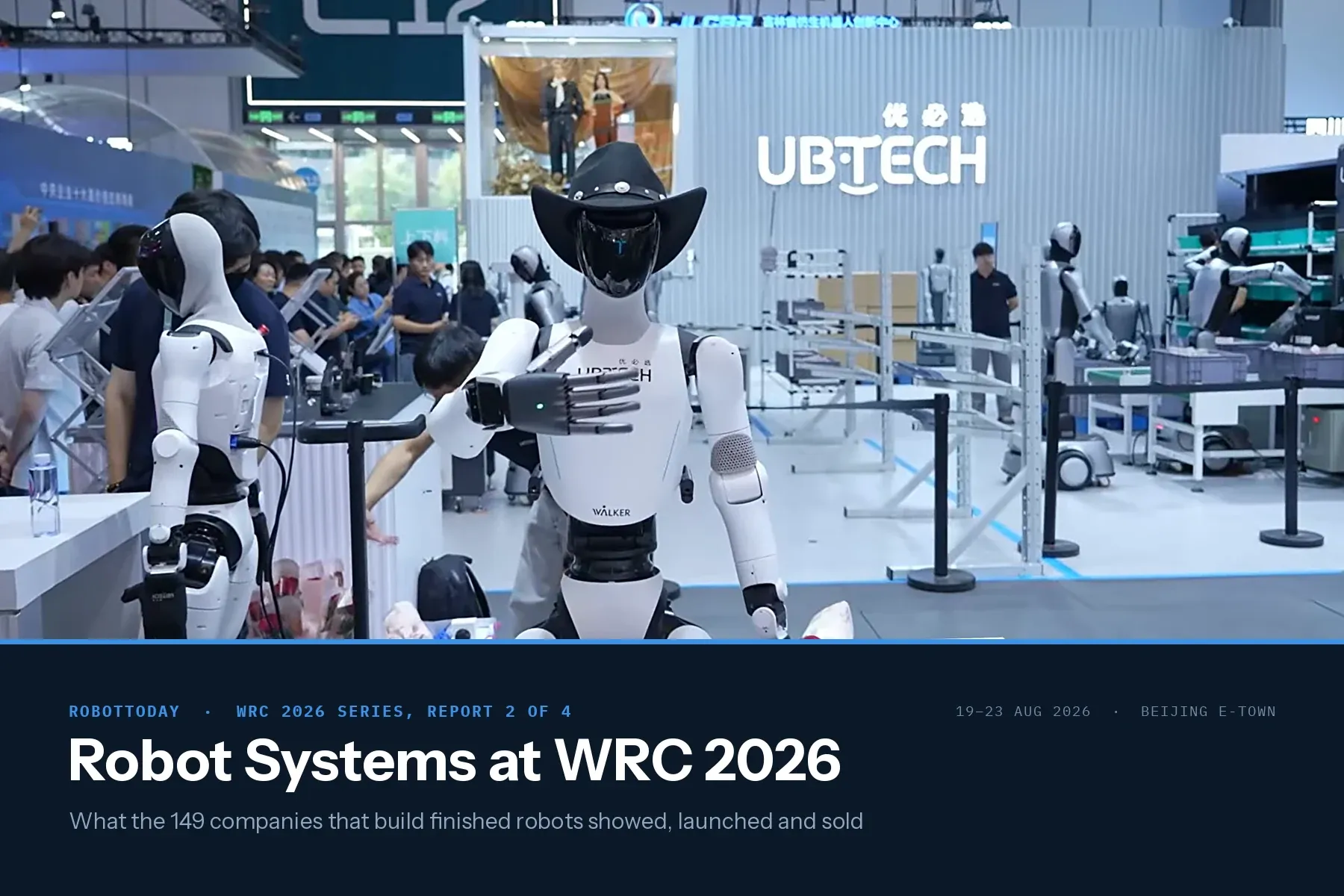
WRC 2026 Robot Systems: 149 Companies That Build Robots
149 of the 248 classified WRC 2026 exhibitors build finished robots. 93 build humanoid or legged machines. The audited humanoid sales number is one unit.
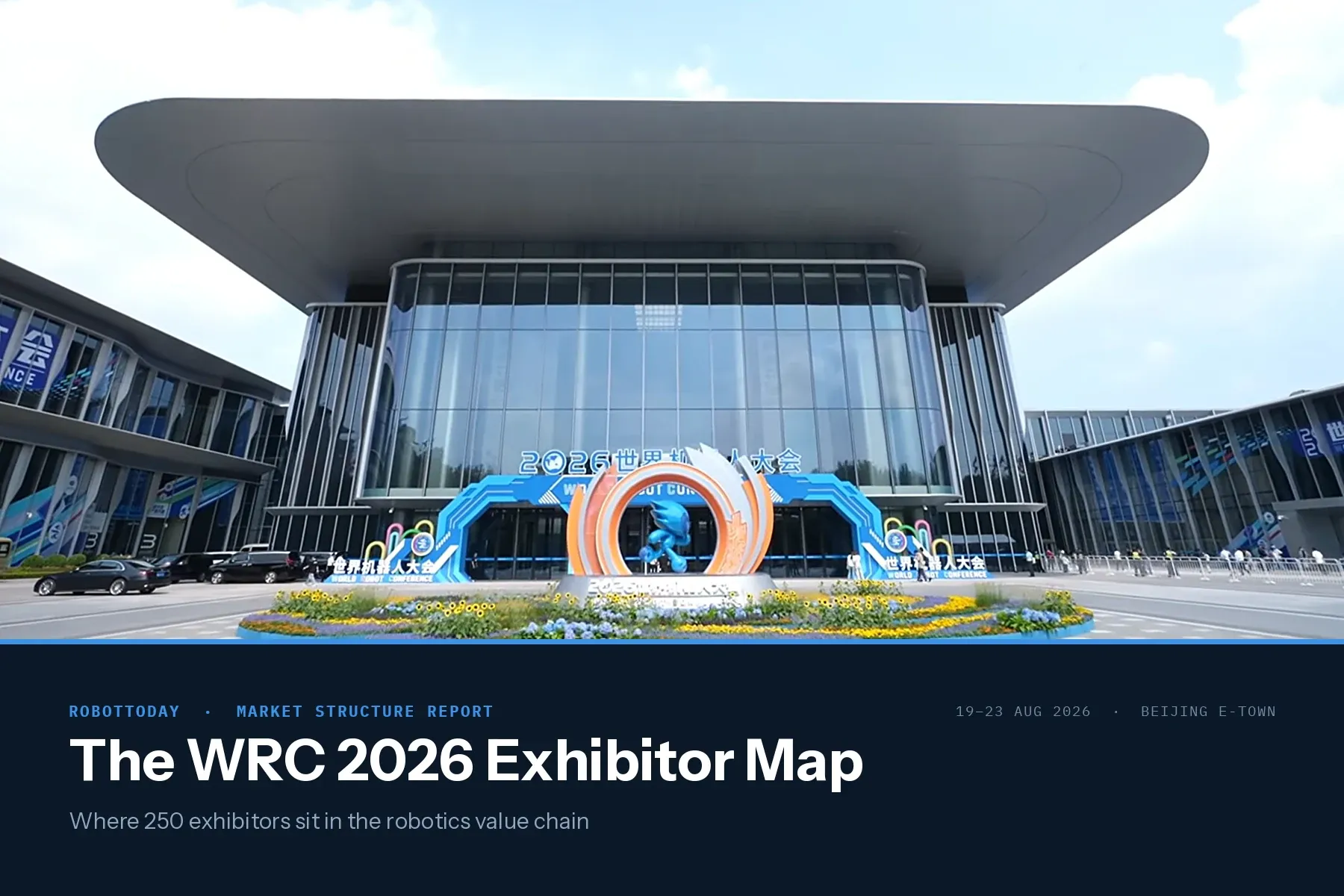
WRC 2026 Exhibitor Map: 248 Robotics Companies Mapped
We classified 248 WRC 2026 exhibitors with the RobotToday taxonomy. Motion & Actuation leads at 75 companies, Humanoid at 72, and compute stays thin at 12. (Modified 2026-08-27)

U.S. Navy Exercise Demonstrates Sonar Network Tracking for Various UUVs
The U.S. Navy's Exercise Lanternfish 26 showcased the capabilities of ThayerMahan's ShorePicket and Outpost systems in detecting unmanned underwater vehicles (UUVs). These systems successfully tracked UUVs ranging from six inches to extra-large sizes, highlighting the importance of distributed acoustic sensors in maritime security. This exercise, involving U.S., British, and Australian personnel, aimed to evaluate emerging undersea technologies in realistic environments. With 50 technologies from 26 industry partners, the event focused on enhancing interoperability under AUKUS Pillar II, emphasizing the need for effective detection methods in the challenging underwater environment. Looking ahead, the integration of ThayerMahan's TransparenSea software with acoustic data processing and AI-assisted analysis will be crucial for real-time maritime situational awareness. No further timeline was disclosed at the time of publication.
Military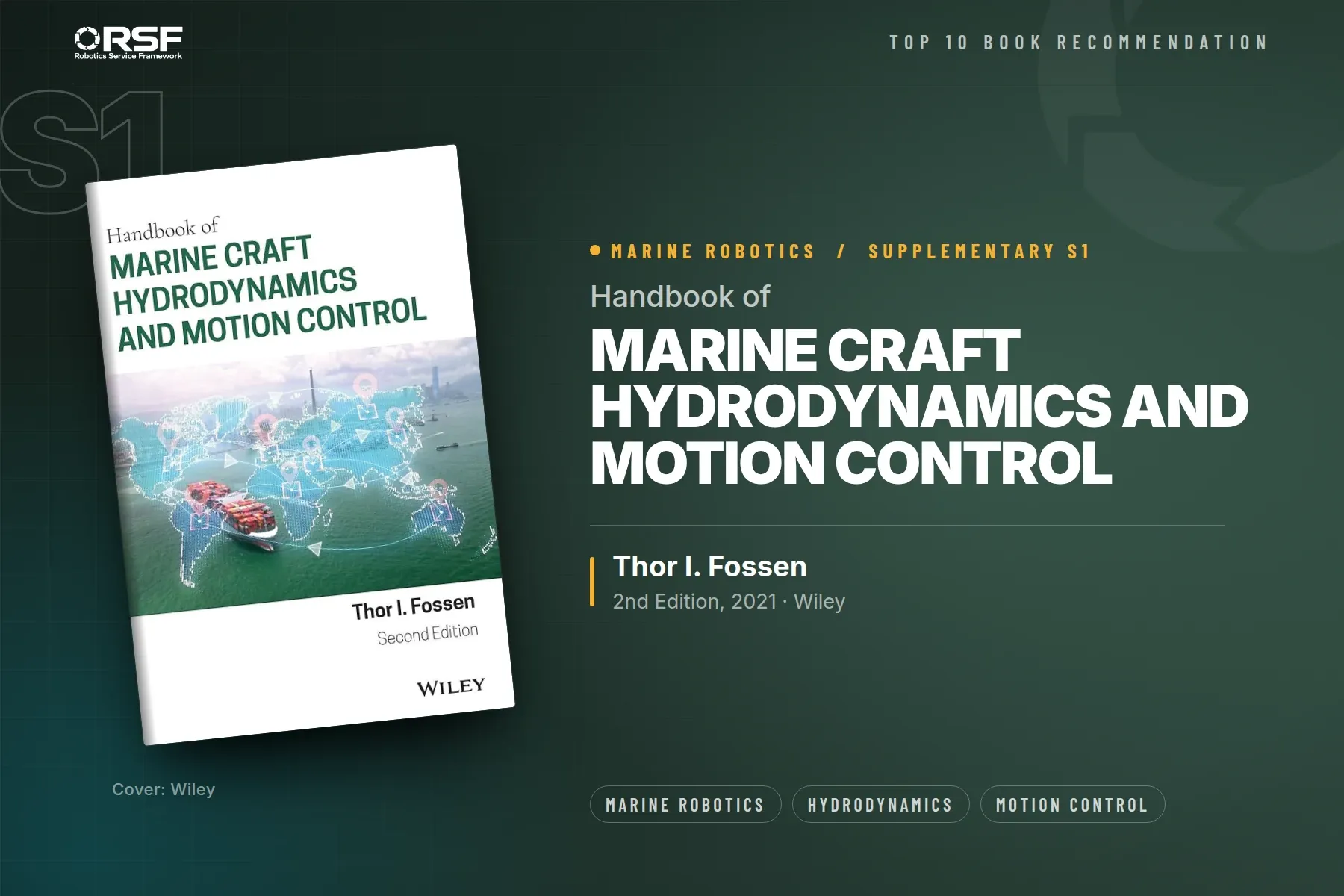
Handbook of Marine Craft Hydrodynamics and Motion Control Thor I. Fossen — RSF Specialist Shelf · Book S1 of 6
Added mass, wave loading, DVL navigation: the marine GNC reference for USV, ROV and AUV service engineers. The hardest book on the RSF list, 5/5.
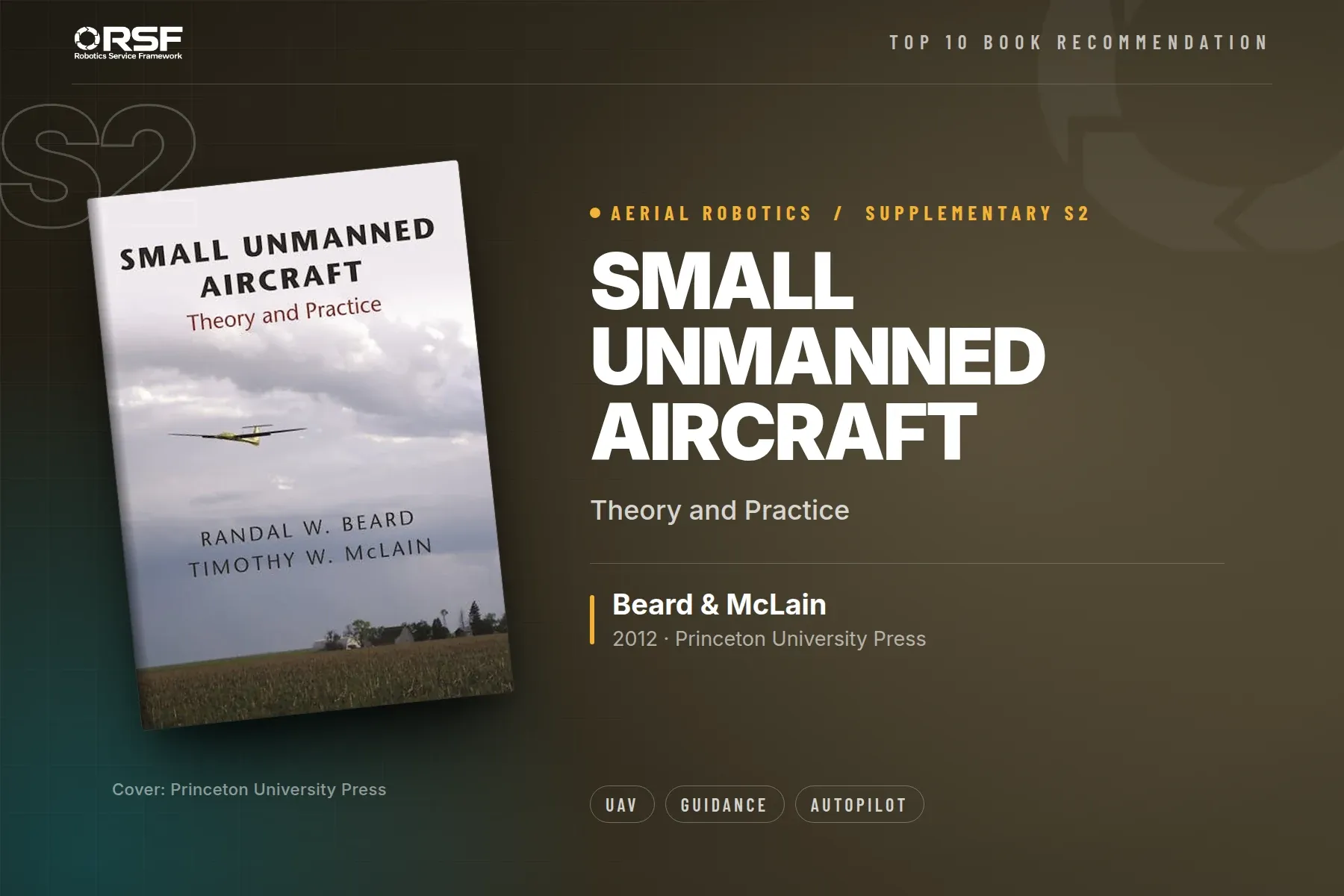
Small Unmanned Aircraft: Theory and Practice Beard & McLain — RSF Specialist Shelf · Book S2 of 6
Beard & McLain derive the fixed-wing autopilot the RSF Top 10 never does: successive loop closure on roll, pitch, altitude and airspeed. 4/5.
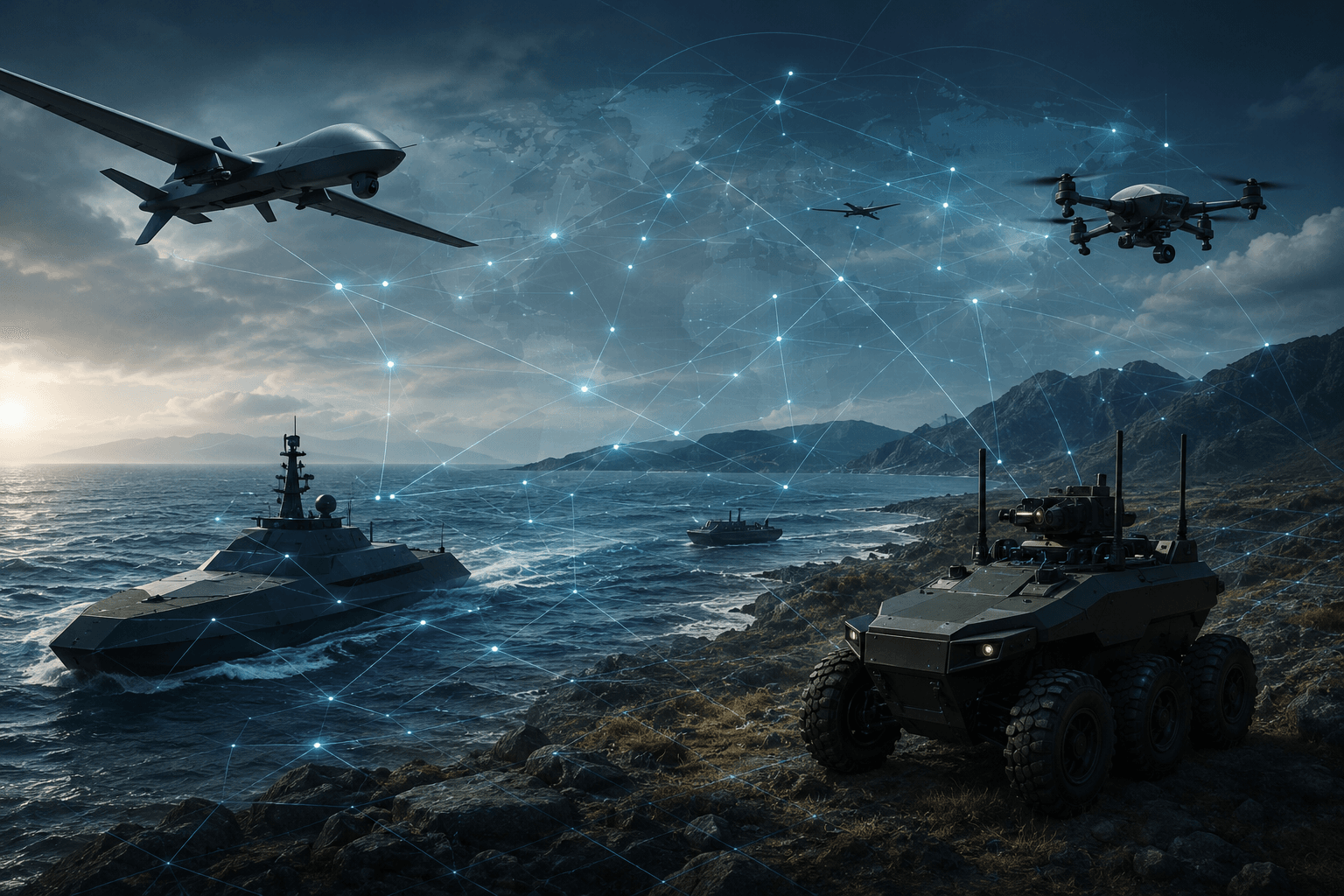
FUTURE WARFARE | Cross-Domain Integration - Integration How Land, Sea, Air and Software Are Converging Into a Single Kill Chain
Cross-domain robotics is reshaping modern warfare as drones, UGVs, AI targeting systems, and autonomous logistics converge into a single networked kill chain across land, sea, air, and software.
GLOBAL ROBOTICS INDUSTRY Comprehensive Sector Overview
A comprehensive global robotics industry overview for 2025, analyzing 14 key market segments — from industrial and humanoid robots to logistics AMRs, military systems, and service robots — with expert market sizing, US case studies, five-year forecasts, and bilingual English-Chinese analysis for executives and investors.
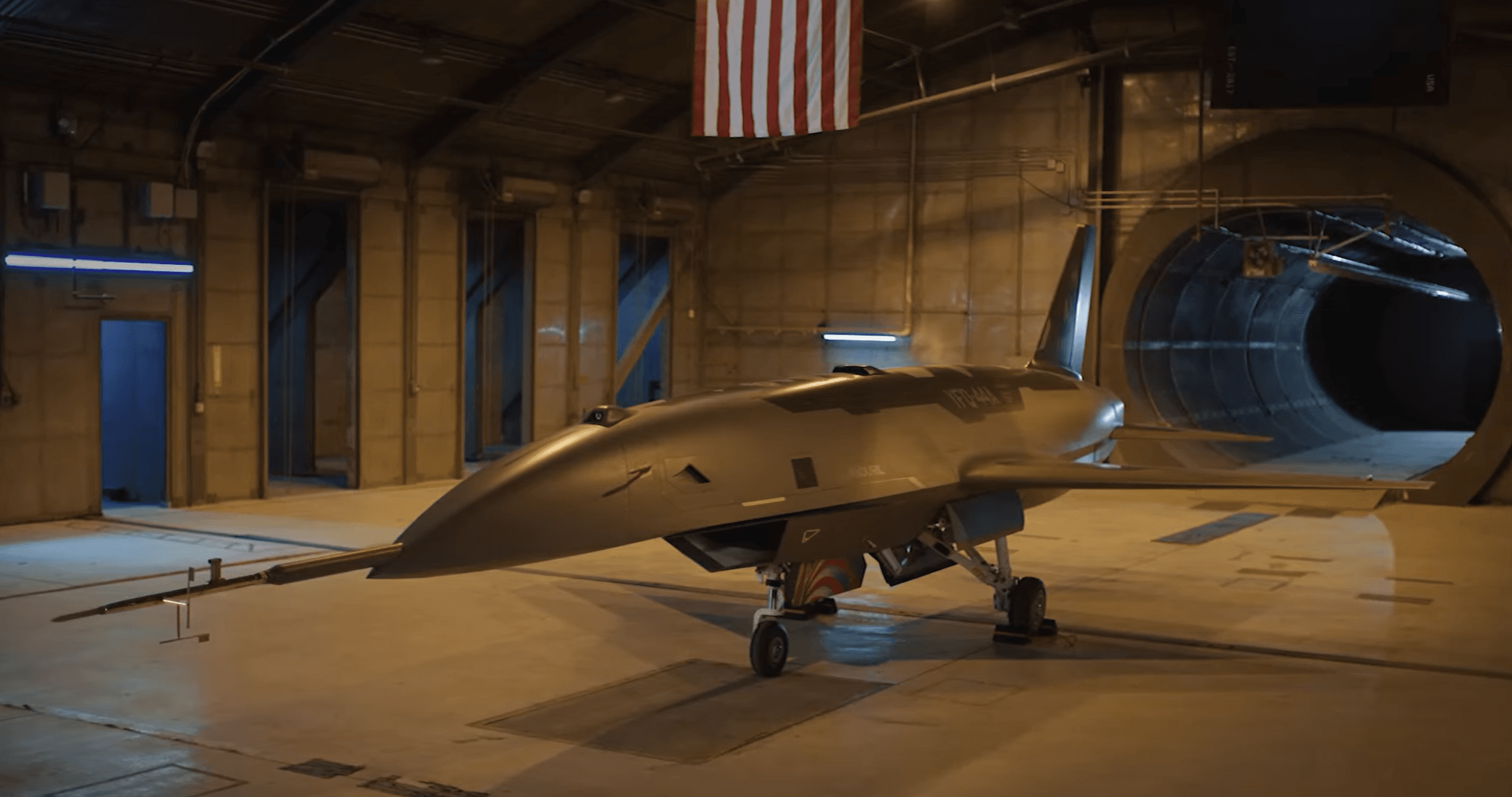
FUTURE WARFARE | Air - Collaborative Combat Aircraft, Drone Motherships & the Autonomy Race Above the Battlefield
Anduril’s YFQ-44A Fury flew its first semi-autonomous mission on 31 October 2025 — 556 days from contract to flight. By February 2026 it was carrying live missiles and swapping autonomy software mid-flight. China’s Jiutian drone mothership flew on 11 December 2025, capable of releasing over 100 loitering munitions from its internal bay at 15,000 metres. And the U.S. Air Force is standing up its second experimental one-way attack drone unit for mid-2026. This article maps the most consequential aerial autonomous systems competition in history: the CCA programme that will determine U.S. air dominance in the 2030s, the Valkyrie’s surprising rebirth, the A-GRA open-architecture breakthrough, and the Chinese drone mothership that has no Western equivalent.
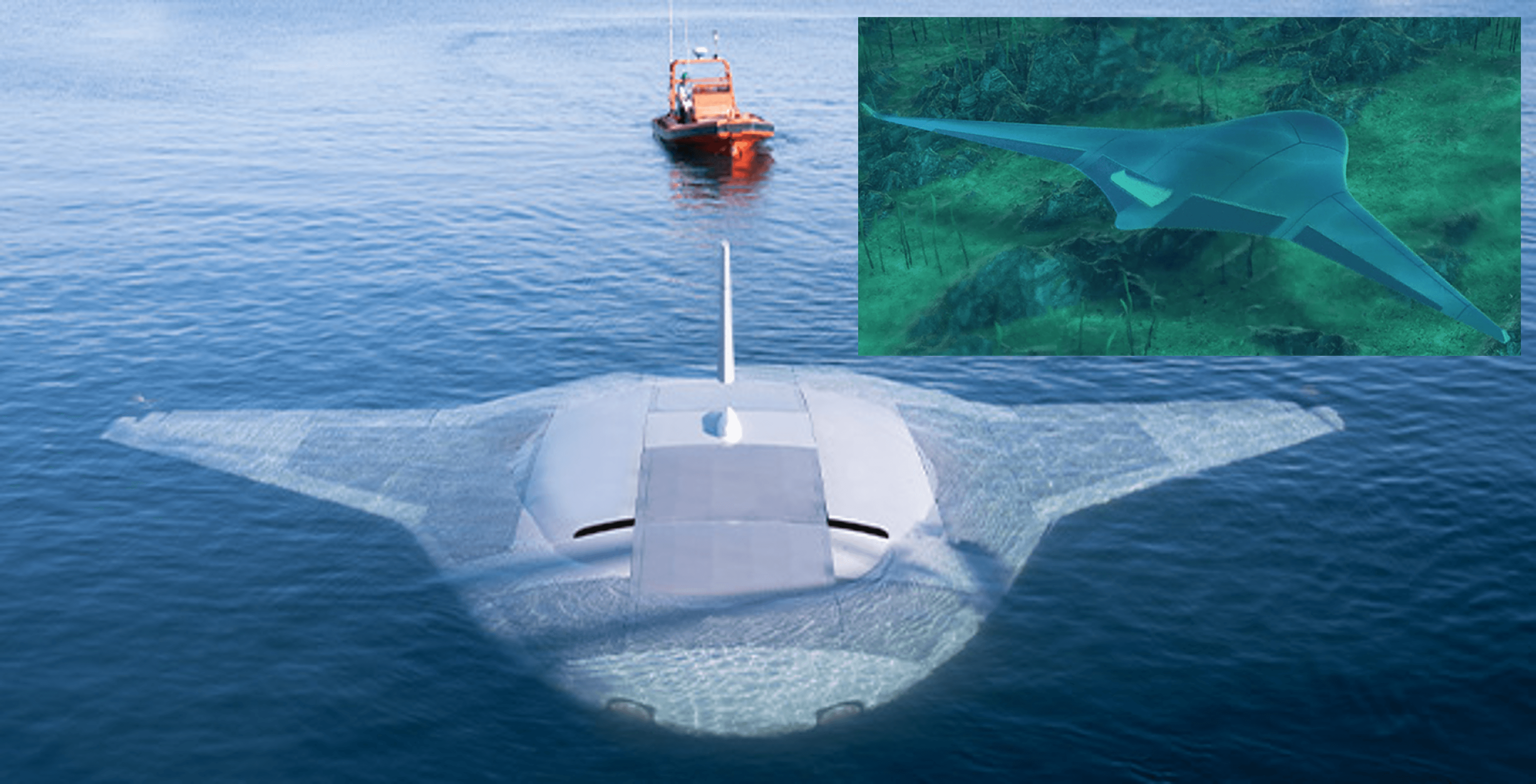
FUTURE WARFARE | Sea - Autonomous Surface Vessels & Unmanned Underwater Vehicles — The Hybrid Fleet Takes Shape
Ukraine’s ‘Sub Sea Baby’ autonomous torpedo struck a Russian Kilo-class submarine inside Novorossiysk harbour in December 2025 — the first confirmed underwater drone attack on a submarine in history. The U.S. Navy is requesting $5.3 billion for unmanned maritime systems in FY2026, a 70 percent year-on-year increase. Saronic Technologies went from prototype to $392 million production contract in under 12 months. And DARPA’s Manta Ray XL-UUV completed full-scale sea trials. This article maps the maritime autonomous systems revolution — from Ukraine’s improvised Black Sea fleet to the Pentagon’s hybrid manned–unmanned force of the 2030s, and from Saronic’s Franklin, Louisiana shipyard to Boeing’s 85-tonne robot submarine.
FUTURE WARFARE | Land - Unmanned Ground Vehicles — From Logistics Mules to Front-Line Robots
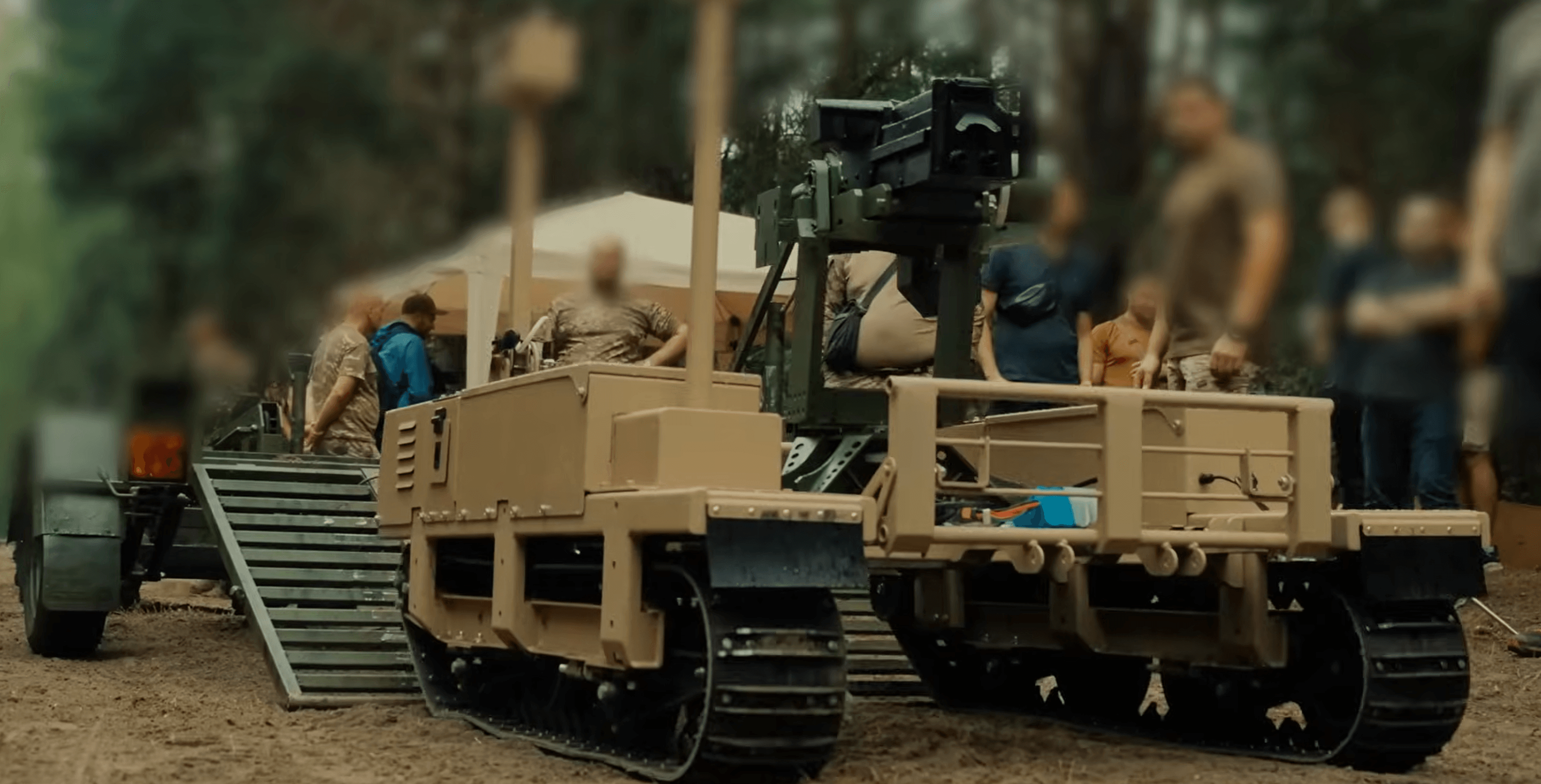
Ukraine fielded 15,000 unmanned ground vehicles in 2025 — surpassing its own procurement targets by over 100 percent. A single UGV held a front-line position for 45 days. Up to 90 percent of supplies to Pokrovsk now move by robot, not truck. The U.S. Army cancelled its $3 million Robotic Combat Vehicle and is starting over. China is deploying $3,000 robot dogs in PLA urban-warfare exercises. This article maps the emerging UGV battlefield — from Ukraine’s garage-built logistics fleet to the Pentagon’s stalled combat-vehicle ambitions, and from Ghost Robotics’ Vision 60 to the quadruped proliferation problem no treaty has yet addressed.

ThayerMahan Launches SeaGuard, A Mission-Ready Non-Kinetic UUV Defeat System to Defend Ports and Infrastructure
ThayerMahan, a prominent provider of unmanned maritime security and acoustic intelligence solutions, has officially launched SeaGuard™, a cutting-edge non-kinetic defeat system designed to safeguard high-value maritime assets and infrastructure. This innovative system addresses the increasing threats posed by Uncrewed Underwater Vehicles (UUVs). The announcement was made today, highlighting the company’s commitment to enhancing maritime security in response to evolving challenges in underwater threats. SeaGuard™ has undergone operational validation, ensuring its effectiveness in real-world scenarios, which positions ThayerMahan as a leader in the field of maritime defense.
thayermahan seaguard uuv defeat system ports and infrastructure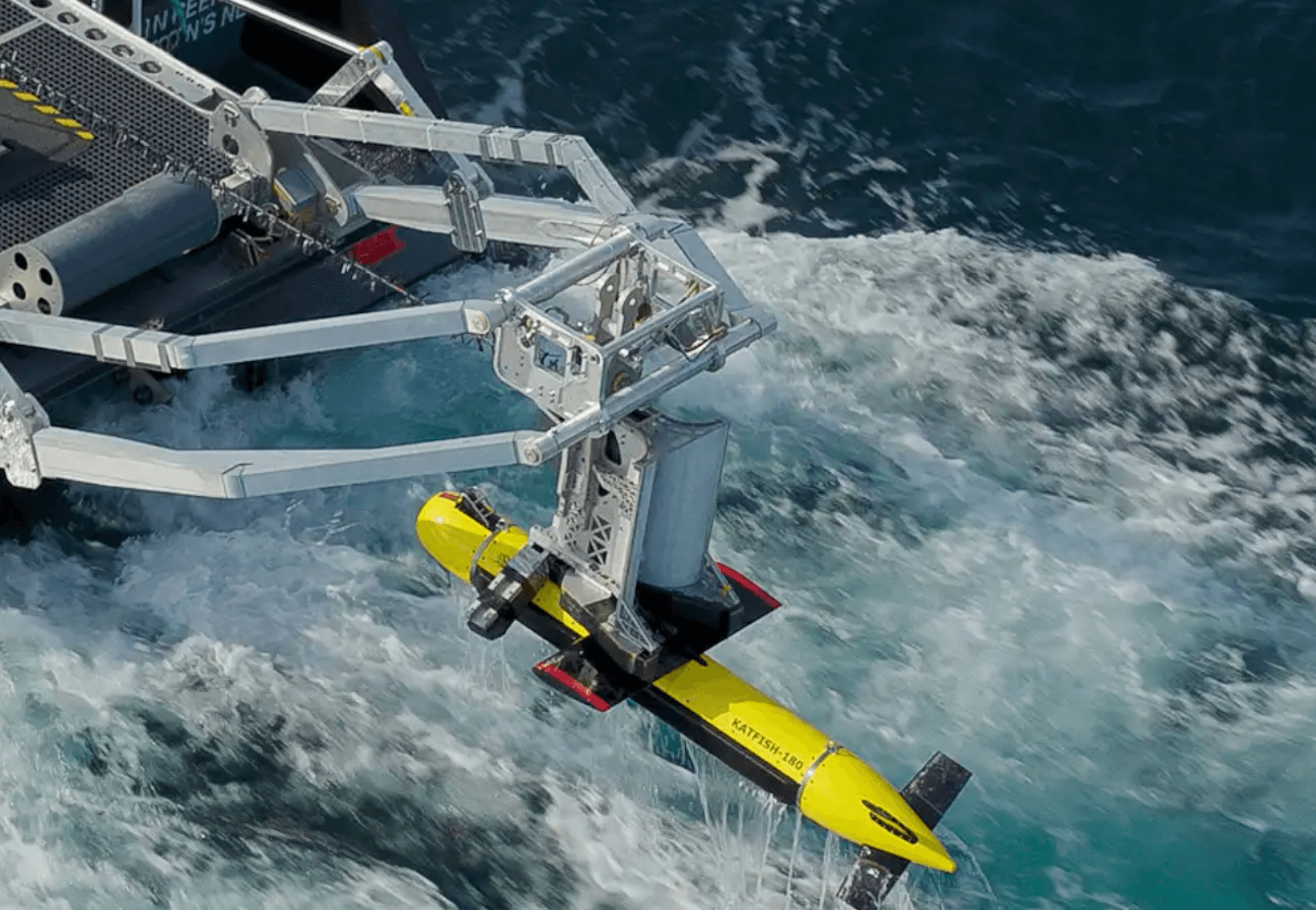
Kraken Robotics Revenue Surges as the Global USV Market Accelerates
Kraken Robotics posts record revenue growth as subsea sensing and autonomy demand surges, highlighting strong momentum in the global USV market.


