Industry Briefing
A single destination for timely, editor-curated robotics news from around the world.

Exotec Warns US Robotics Restrictions May Shift Chinese Suppliers to Europe
A senior executive from Exotec has issued a warning regarding the potential impact of new US robotics restrictions on the market. The Federal Communications Commission has recently tightened regulations concerning foreign-made robotics, which could influence the dynamics of the robotics supply chain. While European robotics systems authorized for sale in the US are not automatically banned, the new measures are expected to affect companies selling into the US market. This development is significant as it may lead to an increased interest from Chinese suppliers in European markets, potentially reshaping the competitive landscape. The tightening of US rules could create opportunities for European robotics companies, while also posing challenges for those reliant on the US market. The shift could result in a more diversified supply chain, but it may also intensify competition among suppliers in Europe. Looking ahead, industry stakeholders should monitor how these regulatory changes will influence supplier strategies and market dynamics. No further timeline was disclosed at the time of publication.
Economy Features Robotics chinese robots cybersecurity european manufacturing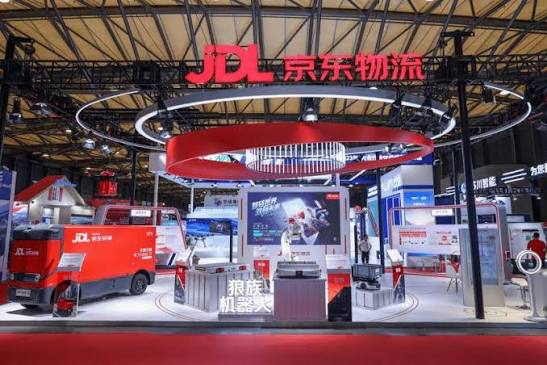
JD.com Unveils Ambitious Robotics Initiative: 3 Million Robots and Workforce Transition Plan
At the JD Global Technology Explorer Conference on September 9, 2026, JD Logistics introduced its 'Wolf Pack' of robots, featuring nine models designed for various logistics tasks. The company announced a bold 'Physical AI Acceleration Plan' aiming to procure 3 million robots, 1 million unmanned vehicles, and 100,000 drones over the next five years, marking a significant shift in China's logistics automation timeline. This initiative is crucial as it addresses the need for a robust after-sales service system in the rapidly evolving robotics industry. JD.com aims to fill the gap created by the transition from delivery personnel to robotic systems by training 700,000 delivery workers as technicians, ensuring they can maintain and repair the robots that will replace them in delivery roles. Looking ahead, JD.com's plan highlights the dual challenge of technological advancement and workforce transformation. The company has already begun training its first batch of employees for new roles as robot maintenance engineers. No further timeline was disclosed at the time of publication.
Robotics Logistics Automation AI Workforce Development
Palladyne AI and Fanuc America Collaborate on AI-Enhanced Robotics for Industry
Palladyne AI and Fanuc America have established a strategic partnership to advance AI-driven robotic automation tailored for manufacturing, warehousing, and logistics sectors. This collaboration aims to integrate Fanuc's industrial robots with Palladyne IQ, focusing on enhancing motion planning, adaptive behavior, and human-assisted learning capabilities. The significance of this partnership lies in addressing challenges faced by manufacturers and logistics operators, such as skilled labor shortages and the need for increased productivity. By combining their technologies, the companies aim to create more adaptable robotic systems that can efficiently respond to dynamic environments, ultimately streamlining deployment processes across various operations. Looking ahead, the collaboration will also emphasize joint customer validation and the development of standardized deployment workflows, which are expected to simplify the introduction of robotic automation. No further timeline was disclosed at the time of publication.
AI AI Funding & Investment Capital Markets Robotics automation Fanuc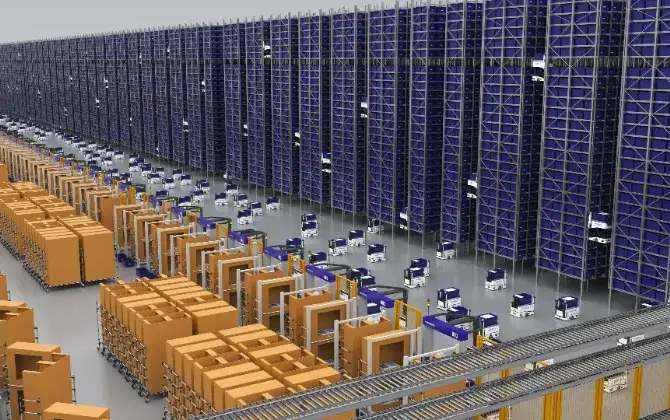
Hai Robotics Chosen for Largest Deployment of Rack-Climbing Warehouse Robots Worldwide
Hai Robotics has been selected to implement automation technology for a new large-scale e-commerce fulfillment center operated by a major European fashion retailer. This project features the HaiPick Climb system, marking the largest deployment of rack-climbing warehouse robots globally, with over 1,500 units set to enhance operational efficiency. The significance of this deployment lies in its potential to revolutionize warehouse automation, establishing a new benchmark in the industry. The retailer's expansion of its partnership with Hai Robotics underscores the reliability of the HaiPick Climb solution in managing high-volume online orders, with a throughput exceeding 24,000 totes per hour across a 30,000m² automated fulfillment operation. Looking ahead, the project exemplifies the increasing trend towards scalable robotic automation in large-scale fulfillment operations. No further timeline was disclosed at the time of publication, but the successful integration of over 1,500 HaiPick Climb robots is expected to enhance the retailer's capacity for omnichannel fulfillment significantly.
Warehouse Automation E-commerce Fulfillment Robotic Systems Logistics Supply Chain Management
Wang Xingxing Proposes 'Two 80%' Standard for Robotics Industry Advancement
On August 19, 2026, Yushu Technology debuted on the STAR Market, experiencing a surge of over 600% in its opening, with a market valuation exceeding 440 billion yuan. The following day, founder Wang Xingxing delivered a keynote speech at the 2026 World Robotics Conference, titled 'From Exhibits to Products: The Next Decade of Humanoid Robotics,' focusing solely on technology rather than stock prices. Wang introduced a quantifiable critical point for the emergence of embodied intelligence: a robot operating in 80% unfamiliar environments should be able to complete approximately 80% of tasks through voice or text commands. This standard transforms the previously conceptual metric of 'generalization capability' into a measurable target, which was frequently referenced by executives at the conference. Analysts noted that the capital market is now pricing based on shipment volume, order quality, technical convergence, and data feedback loops rather than just imaginative generalization. Wang also addressed a key technical challenge: the discrepancy between AI models and the real physical world, which leads to a significant drop in task success rates when environments change. He revealed Yushu Technology's ongoing research into a physical AI robot self-evolution V1.0 scheme, which aims to align AI model inputs and outputs with the real world, believing this issue will be resolved in the coming years.
Embodied Intelligence Robotics AI Development Automation Technology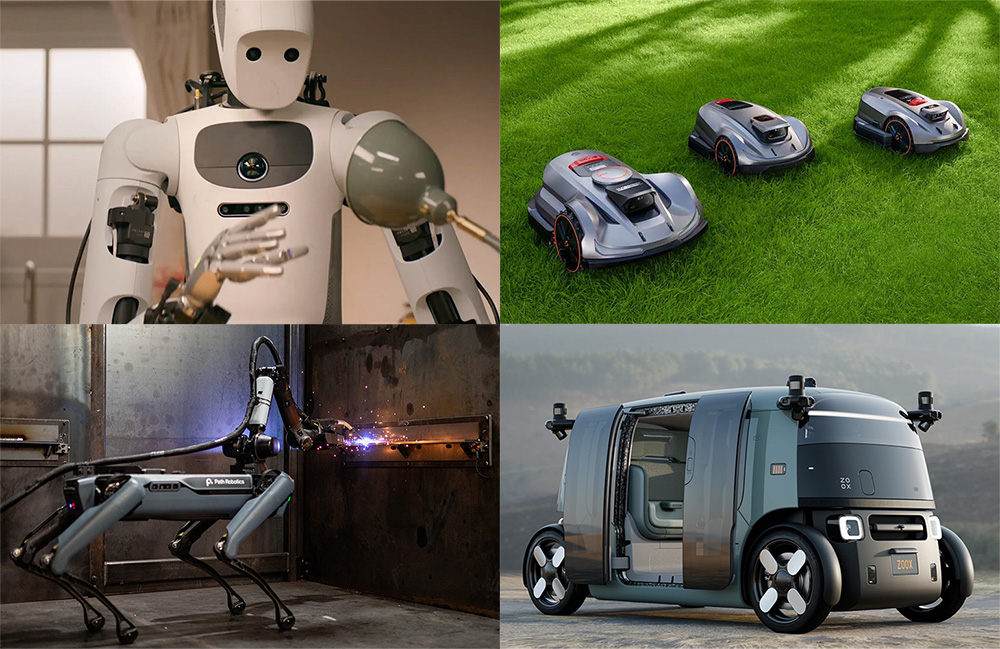
Top 10 Robotics Developments and Funding Highlights from August 2026
In August 2026, significant funding rounds and advancements in humanoid robotics captured attention across the industry. XPeng Motors' Dogotix unit raised over $900 million, achieving a post-transaction valuation exceeding $6.3 billion, marking a notable entry into humanoid robotics for the electric vehicle manufacturer. The construction sector is witnessing increased demand for automation, with SoftBank investing in Gravis Robotics' Series A round, which is touted as the largest in construction robotics history. Meanwhile, Reimagine Robotics is developing AI technology that allows robots to learn on the job, showcasing the potential for broader applications in various industries. Looking ahead, Unitree Robotics made a significant market debut, raising approximately $905 million in its IPO, while Zoox revealed its final design for a driverless robotaxi, signaling advancements in autonomous vehicle technology. No further timeline was disclosed at the time of publication.
Artificial Intelligence Artificial Intelligence / Cognition Automation Autonomous Mobile Robots (AMRs) Collaborative Robots Construction
HowToRobot and Robotics Australia Group Collaborate to Boost Automation Adoption in Australia
HowToRobot and Robotics Australia Group have announced a partnership aimed at enhancing automation adoption in Australia. With a robot density of 134 robots per 10,000 manufacturing employees, Australia lags behind the global average of 162, according to the International Federation of Robotics. The collaboration focuses on providing AI-driven tools to help businesses articulate their automation projects more effectively. This initiative is crucial as Australian manufacturing grapples with skilled workforce shortages and the slowest productivity growth in 60 years. By leveraging HowToRobot's platform, companies can develop project descriptions that facilitate funding requests, potentially unlocking significant productivity gains. The Australian government estimates that increased automation could contribute between $170 billion and $600 billion to the GDP by 2030. Looking ahead, the partners have launched AutomationFinder.com.au, a platform designed to assist Australian businesses in identifying automation opportunities. This site will provide structured project briefs and access to a global network of over 20,000 vetted suppliers, including 500 in Australia. No further timeline was disclosed at the time of publication.
Business Resources Manufacturing News Packaging & Palletizing • Pick-Place australia government
Multiway Robotics Enhances Malaysian Manufacturer's Smart Warehouse with Over 5,000 Storage Locations
Multiway Robotics has implemented a solution for a Malaysian manufacturer that features over 5,000 storage locations and multi-model autonomous forklift collaboration. This transformation has led to a more efficient and scalable warehouse operation, achieving a storage density improvement of over 30%. The significance of this development lies in its support for the customer's ongoing supply chain transformation, showcasing how advanced robotics can optimize warehouse logistics. By enhancing storage capabilities and operational efficiency, Multiway Robotics is setting a new standard in smart warehouse solutions. Looking ahead, it will be important to monitor how this implementation impacts the manufacturer's overall supply chain performance and whether similar solutions will be adopted by other manufacturers in the region. No further timeline was disclosed at the time of publication.

Locus Robotics Tackles Manipulation Challenges with NeuraGrasp Technology Acquisition
Locus Robotics Corp. has made significant strides in addressing robotic manipulation challenges by acquiring Nexera Robotics, known for its NeuraGrasp technology. This acquisition follows Locus's introduction of Array, a mobile manipulator designed for efficient robotic picking, which was launched in March 2025. The integration of NeuraGrasp's advanced gripping capabilities aims to enhance Locus's ability to handle a wider variety of SKUs in operational environments. The collaboration between Locus and Nexera is timely, as both companies are poised for growth in the robotics sector. Locus's autonomous mobile robots have already completed over 6 billion picks, showcasing their effectiveness in real-world applications. Roy Belak, senior vice president of robotic grasping at Locus, highlighted the importance of deploying NeuraGrasp technology at scale, indicating a strong commitment to innovation and improvement in robotic manipulation. Looking ahead, while no specific timeline has been disclosed for the public unveiling of Array with NeuraGrasp technology, Belak expressed optimism about the integration process. As Locus continues to deploy the initial version of Array, the anticipated enhancements from Nexera's technology could significantly impact the efficiency and versatility of robotic operations in various facilities.
Arms / Manipulators Artificial Intelligence Artificial Intelligence / Cognition Autonomous Mobile Robots (AMRs) Design / Development End Effectors / Grippers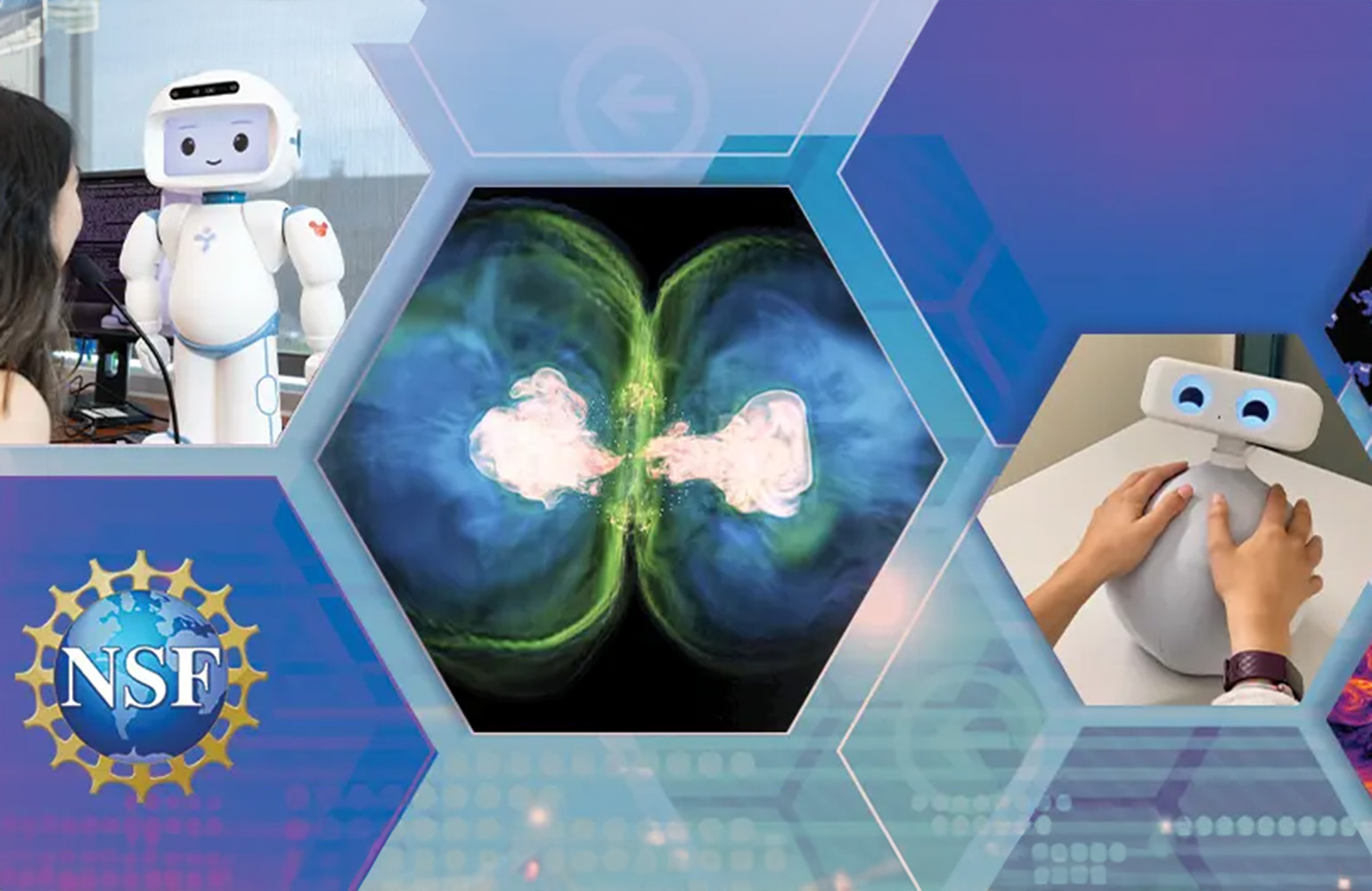
NSF Allocates $90 Million to Establish Three New Technology Centers, Including Robotics Focus
The National Science Foundation (NSF) announced a $90 million investment over five years to establish three new Science and Technology Centers (STCs), with each center receiving $6 million annually. One center, the Center for Human and Robot Co-Adaptation, will be led by The University of Texas at Austin and aims to explore the interaction between humans and robots in various environments. This investment is significant as it seeks to enhance American leadership in science and technology, bolster the STEM workforce, and promote innovation in fields such as AI and robotics. Brian Stone, acting NSF director, emphasized the importance of strong partnerships and skilled workforce in maintaining the U.S. position in global science and technology. Looking ahead, the centers will have the opportunity to compete for an additional five years of funding after the initial period. The NSF's STC program has a history of fostering new fields of discovery and technological advancements, and the upcoming centers are expected to contribute to foundational research and the development of practical solutions for societal benefits.
Academia / Research Financial Human Robot Interaction / Haptics Investments News Research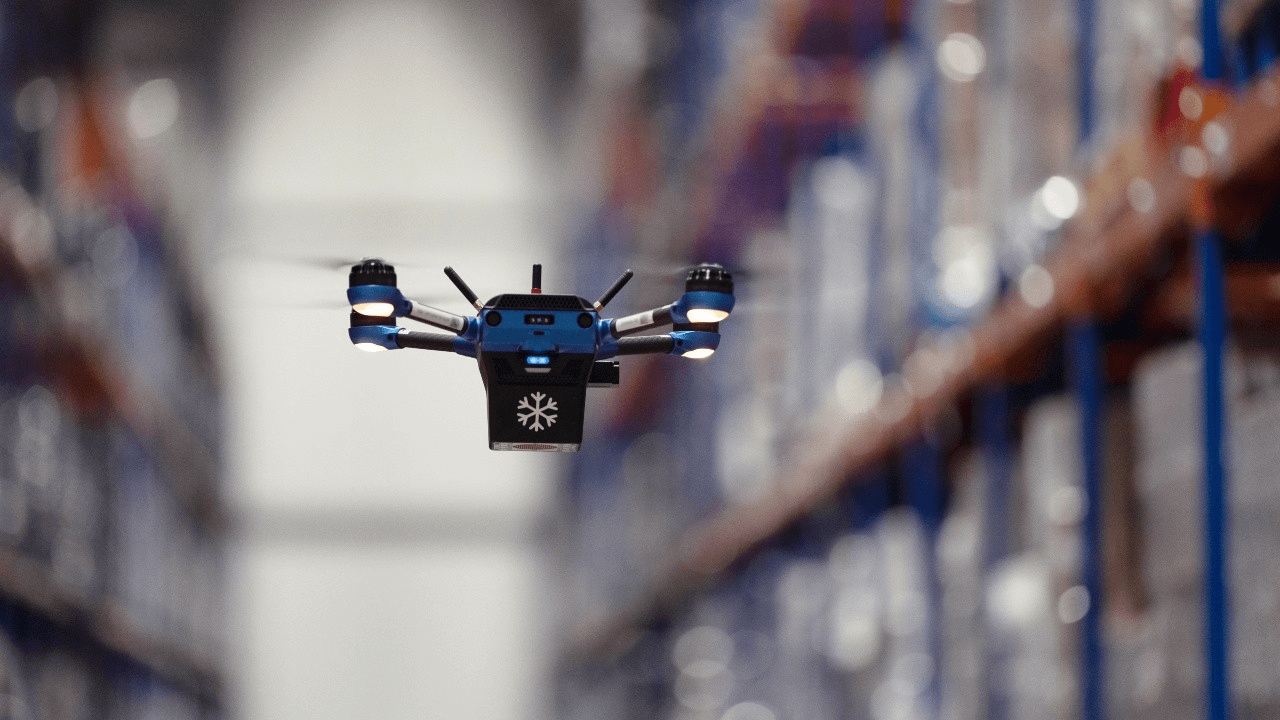
Corvus Robotics Appoints Co-Founder Mohammed Kabir as CEO and Secures $20 Million Funding
On August 25, 2026, Corvus Robotics appointed co-founder and Chief Technology Officer Mohammed Kabir as its new CEO, following Jackie Wu's transition to the board due to health reasons. Kabir has been integral to the company's technology and product development since its inception in 2017. This leadership change coincides with the most extensive product expansion in Corvus Robotics' history, including the launch of Corvus One for Cold Chain and Corvus Trident, an AI copilot for forklifts. The company has deployed over 300 warehouse inventory drones across North America, significantly enhancing operational efficiency for clients like Southern Glazer’s Wine & Spirits and Dermalogica. Looking ahead, Corvus Robotics aims to leverage its advanced drone technology to capture and analyze vast amounts of data within facilities. No further timeline was disclosed at the time of publication.
Business and Finance Drone News Drone News Feeds News aerospace news 2026 AIMS platform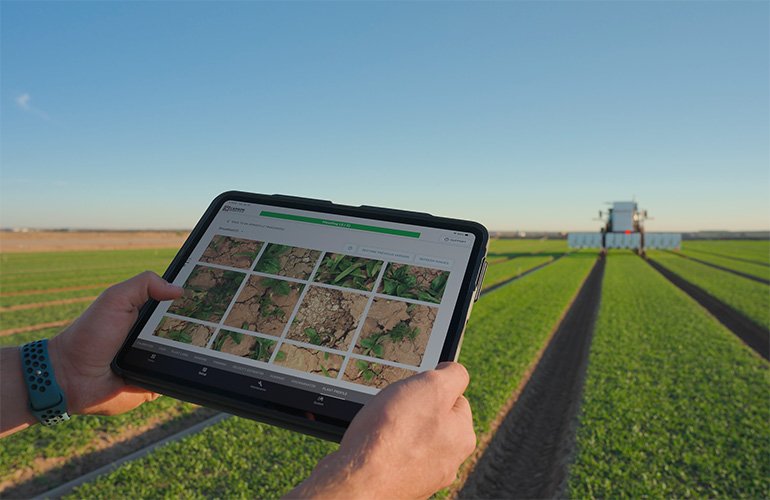
Carbon Robotics Enhances Laser Weeding with iMerit for Instant AI Customization
Carbon Robotics has introduced a large plant model that allows farmers to customize their laser weeder for specific crops and weeds in minutes. This innovation replaces traditional crop-specific AI models, enabling instant adjustments without retraining. Farmers can use an iPad app to tag plants, allowing the weeder to adapt to various crops across different regions. The significance of this development lies in its ability to streamline the weeding process, enhancing efficiency and reducing the time needed for farmers to adapt to new crops or weeds. By leveraging a foundation model trained on 150 million labeled plants, Carbon Robotics empowers farmers to optimize their weeding strategies instantly, improving soil health by returning nutrients from removed weeds. Looking ahead, the partnership with iMerit has proven crucial for the data annotation process, enabling Carbon Robotics to scale its model training effectively. No further timeline was disclosed at the time of publication.
Agriculture Artificial Intelligence Autonomous Mobile Robots (AMRs) News Self-Driving Vehicles Sensors / Sensing Systems
Industry Pushes Back Against Bill Gates' Proposal for Robotics and AI Taxation
Bill Gates has revived his proposal for a tax on robotics and AI, arguing it could mitigate job displacement and fund retraining programs. He emphasizes that AI will rapidly impact various sectors, including law and manufacturing, potentially leading to fewer jobs without proper policies. The idea, first introduced in 2017, has faced criticism for its economic efficiency, with South Korea being the only country to implement such a tax. The proposal has sparked significant debate within the industry, with organizations like the International Federation of Robotics (IFR) opposing the tax. They argue that taxing production tools rather than profits could hinder competitiveness and productivity, especially as manufacturers increasingly rely on robots to address labor shortages. Gates acknowledges both the benefits and risks of AI, highlighting its potential to improve lives while also raising concerns about societal impacts. As discussions continue, stakeholders are urged to consider the implications of AI and robotics on employment and economic structures. No further timeline was disclosed at the time of publication.

XPeng Secures $900 Million for Robotics Business, Valued at $6.3 Billion
XPeng has successfully raised over $900 million for its robotics division, achieving a post-money valuation exceeding $6.3 billion. This funding marks the largest single-round private capital raise in China's embodied AI sector, with contributions from IDG Capital, Gaorong Ventures, Tencent, and Alibaba. The capital will support the development of robotics hardware and software, training AI models, and expanding production facilities. This financing is crucial as XPeng prepares for the mass production of its IRON humanoid robot, expected to begin by the end of 2026. The IRON robot, designed for various applications, boasts 76 degrees of freedom and is powered by three Turing AI chips, enabling autonomous operation. The initial deployments will occur at XPeng stores and campuses, with a broader commercial launch planned for 2027 in both China and international markets. Looking ahead, XPeng's IRON humanoid robot is positioned as a key player in the global humanoid robotics market. The company's strategy leverages its automotive manufacturing expertise to enhance robotics production, aiming to create a self-reinforcing cycle of data generation and model deployment. No further timeline was disclosed at the time of publication.
Automotive Humanoids News Robotics alibaba china robotics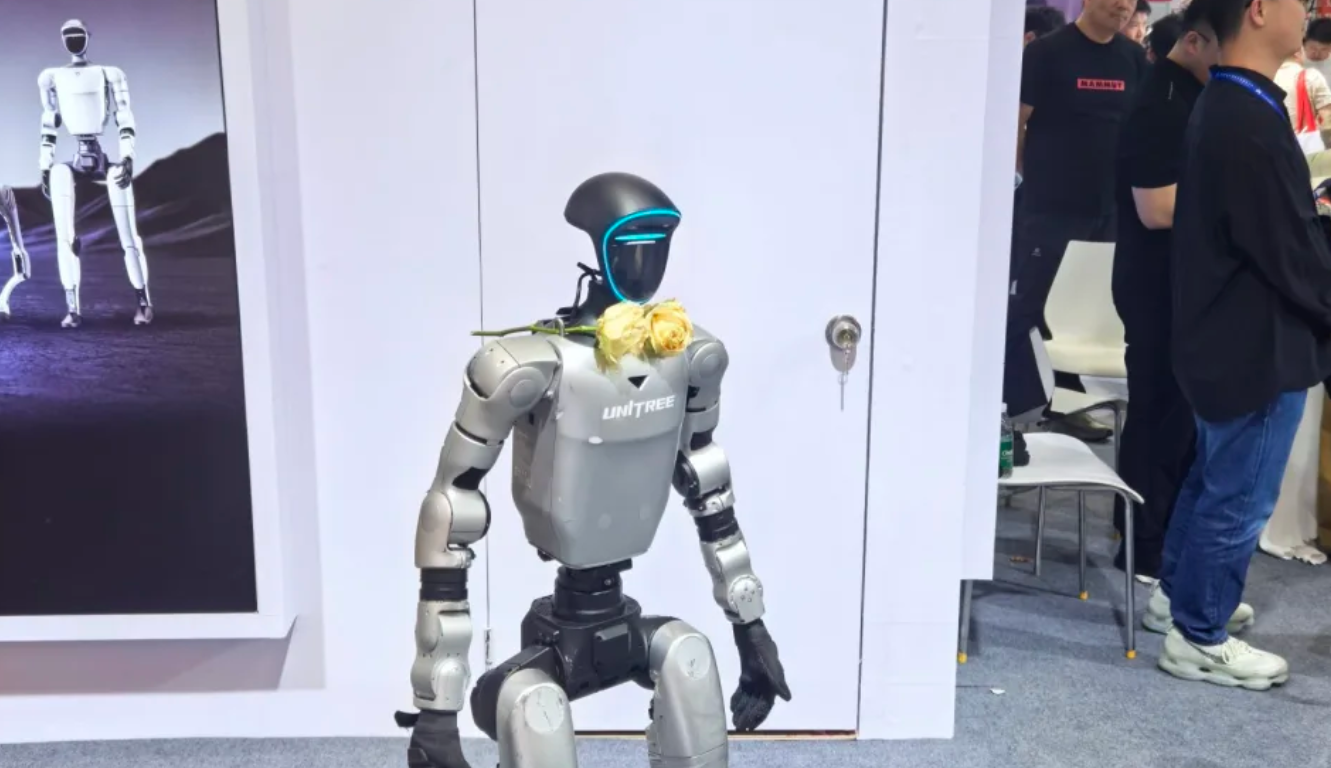
Yushu Robotics Expands International Rental Business with G1 Robots for Events
At a lively private birthday party in the United States, two silver Yushu G1 robots danced on stage, delighting guests. This scene exemplifies Yushu Robotics' overseas rental business, with daily rental fees reaching $3,000, excluding shipping and operator costs. Robonow Global has assembled a fleet of over 50 G1 robots, covering the entire U.S. market. The significance of this rental model lies in its ability to lower ownership costs for businesses and assist in calculating return on investment, as noted by Ethan Qi, Deputy Director at Counterpoint Research. However, the actual tasks performed by these rented robots often focus on entertainment and educational demonstrations rather than industrial applications, indicating a gap in their deployment in manufacturing. Looking ahead, Yushu Robotics' founder Wang Xingxing highlighted the industry's challenge of insufficient embodiment intelligence. He predicts that humanoid robots may achieve capabilities similar to ChatGPT within 2 to 10 years. As of August 25, Yushu's stock price has seen a decline, reflecting market skepticism about the robots' practical applications in production lines, suggesting that significant advancements are still needed before widespread industrial adoption occurs.
Service Robots Entertainment Robotics Robot Rental Research and Development Industrial Automation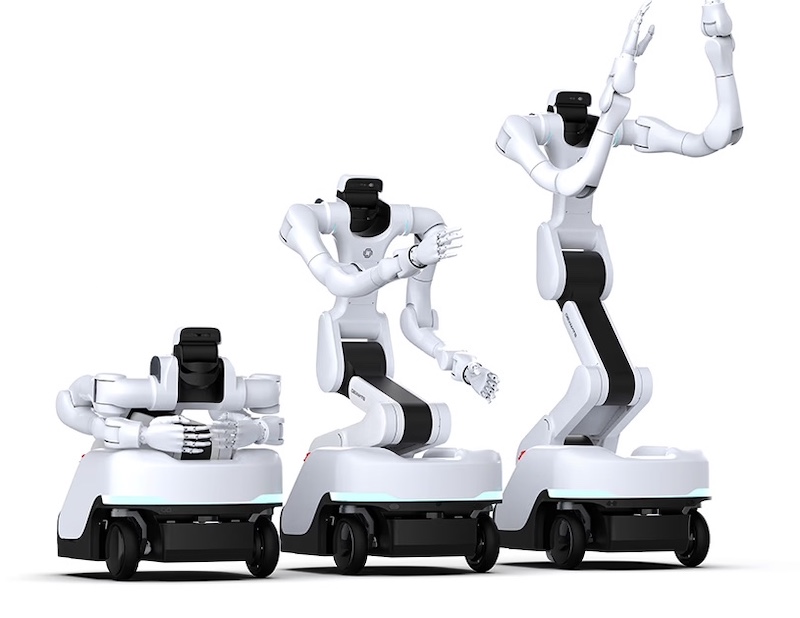
NEC's Corporate Venture Fund Invests in US Robotics Startup Dexmate
NEC Corporation's venture capital fund has made an investment in US-based robotics startup Dexmate, known for its VEGA humanoid robot and integrated physical AI development platform. This investment, facilitated through the NEC Orchestrating Future Fund, aims to explore the deployment of physical AI technologies across various industries. The significance of this investment lies in the growing interest of technology companies in physical AI systems that can interact with real-world environments. Dexmate's approach addresses challenges in deploying physical AI by integrating sensors, control systems, and training data, thereby simplifying the development and operation of AI-powered robots. Looking ahead, NEC plans to leverage Dexmate's technology alongside its own AI capabilities to explore potential applications across multiple sectors. No further timeline was disclosed at the time of publication.
Financials & Investments Humanoids News artificial intelligence dexmate humanoid robotics
Corvus Robotics Appoints Co-Founder Mohammed Kabir as New CEO
Corvus Robotics has appointed Mohammed Kabir, its Co-Founder and Chief Technology Officer, as the new Chief Executive Officer, effective August 25, 2026. Kabir takes over from Jackie Wu, who will transition to the Board of Directors due to health reasons. Kabir has been instrumental in leading the company's technology and product development since its inception. This leadership change is significant for Corvus Robotics, a key player in the deployment of physical AI robotic systems for logistics and warehousing. The appointment of Kabir, who has extensive experience in technology, is expected to drive the company's strategic direction and innovation in the rapidly evolving robotics sector. The transition comes alongside the announcement of $20 million in new funding aimed at enhancing their AI systems for warehouse and distribution operations. Looking ahead, stakeholders will be keen to observe how Kabir's leadership influences Corvus Robotics' growth and product development. The recent funding will likely play a crucial role in accelerating advancements in their physical AI systems. No further timeline was disclosed at the time of publication.

Neura Robotics Completes Acquisition of ADLATUS to Enhance Physical AI Capabilities
Neura Robotics, a German robotics startup, has announced its fifth acquisition in 16 months, acquiring Adlatus, a manufacturer of autonomous cleaning and sweeping robots. This acquisition aims to integrate Neura's sensor and AI technologies into Adlatus's fleet, enhancing the capabilities of these robots within Neura's physical AI infrastructure, known as the Neuraverse. The significance of this acquisition lies in Neura's vision to transform the cleaning industry through advanced physical AI. CEO David Reger emphasized that the goal is not merely to add another cleaning robot but to create machines that can understand their environment and tasks. This aligns with the growing demand for automation in a labor-intensive global market. Looking ahead, Neura Robotics is focused on expanding its Neuraverse platform and developing physical AI systems. The company recently raised up to $1.4 billion in funding, indicating strong investor interest in the physical AI sector, which has seen substantial venture capital investment in recent months. No further timeline was disclosed at the time of publication.
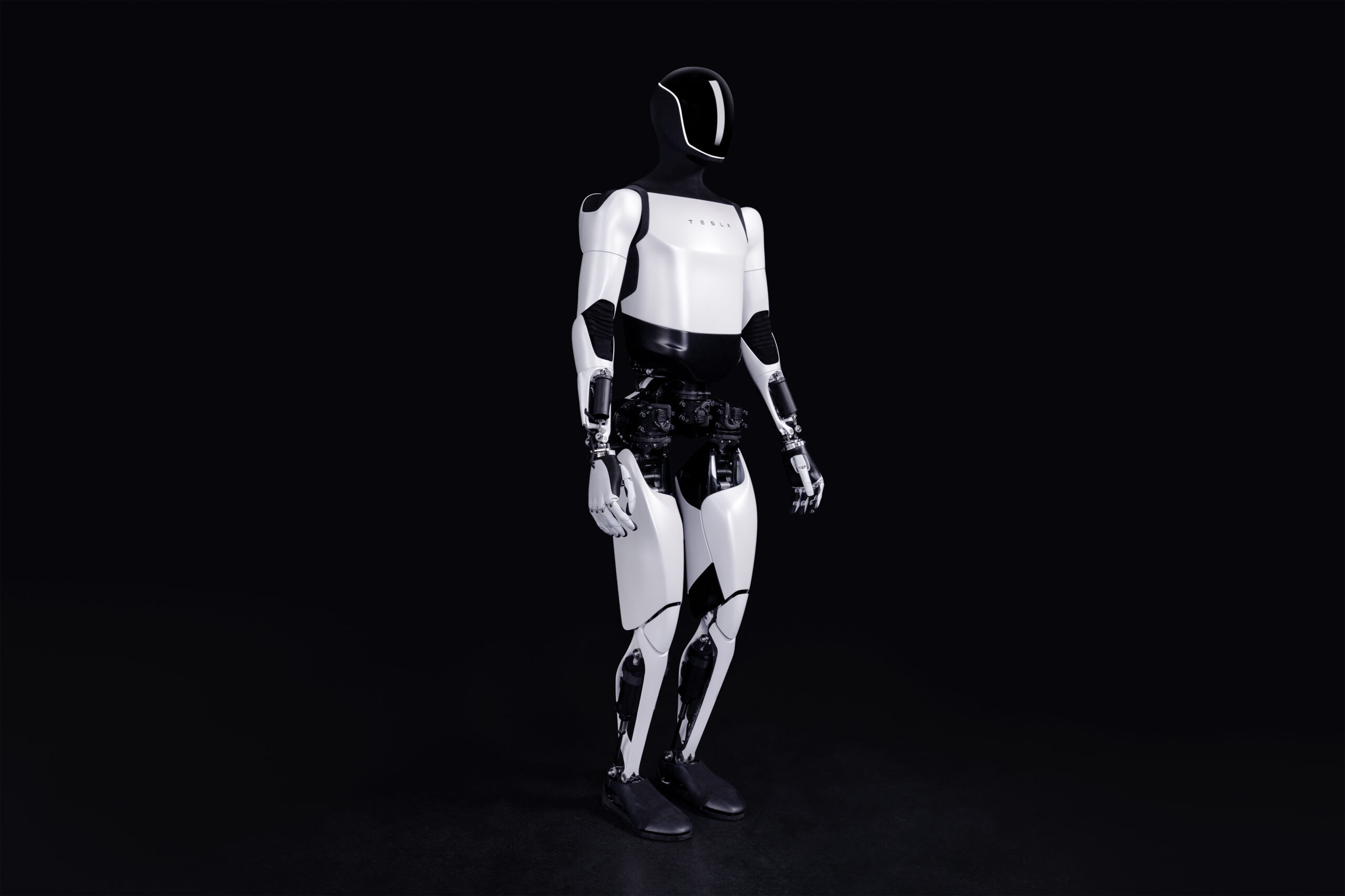
Exploring the Role of Humanoid Robotics in Future Warehouse Operations
As of August 2026, the potential for humanoid robots in UK and European warehouses is being scrutinized. Despite the excitement surrounding humanoid automation, experts like Russell Hutchinson from Daifuku express skepticism about its immediate practicality in warehouse settings. The challenges of increasing order complexity and unpredictable customer behavior highlight the need for adaptable solutions. The historical context of automation failures, such as General Motors' costly robotics experiment in the 1980s, serves as a cautionary tale. While humanoid robots like Tesla's Optimus 3 attract attention, their high costs and unproven effectiveness in warehouses raise concerns. Human labor remains the most flexible resource, capable of adapting to sudden changes in order patterns, although it has its limitations in scalability and consistency. Looking ahead, the focus should shift from merely adopting new technologies to enhancing operational elasticity. Daifuku's SOTR-S system exemplifies the need for dynamic capacity adjustment in fulfillment operations. As the industry evolves, it will be crucial to balance innovation with proven technologies to meet the demands of modern warehousing.
Automation Systems and Shuttles Jobs and Training Magazine Features Materials Handling Packaging and Ecommerce Robotic Picking
Neura Robotics Acquires Adlatus Robotics to Enhance Cleaning Automation Solutions
Neura Robotics has acquired 100 percent of Adlatus Robotics, a company specializing in autonomous cleaning robotics. This acquisition is part of Neura's strategy to integrate various robots and applications into a unified physical AI infrastructure, enhancing the capabilities of cleaning robots. The significance of this acquisition lies in Neura's aim to transform cleaning robots from simple navigators into intelligent agents capable of understanding their environment. Adlatus has developed a robust portfolio of autonomous cleaning systems, and Neura plans to enhance these with advanced sensor and AI technologies, ultimately connecting them to the Neuraverse. Looking ahead, Neura Robotics intends to leverage Adlatus as both a product platform and a testing ground for physical AI advancements. The integration is expected to foster collaboration with other manufacturers, promoting an open ecosystem for various autonomous systems and enhancing the scalability of physical AI solutions.
Humanoids News adlatus robotics amrs autonomous cleaning robots autonomous mobile robots
China's Robotics Industry Achieves Key Milestone at Two Major Events
From August 19 to 23, two significant robotics events were held simultaneously in Beijing, marking a pivotal moment for China's robotics industry. The World Robot Conference showcased advancements, with robots like the Galaxy Universal G1 performing complex tasks such as making breakfast and playing table tennis, demonstrating enhanced dynamic perception and real-time decision-making capabilities. The Second World Humanoid Robot Competition featured 666 teams and 2,056 robots from 16 countries, expanding its events from 26 to 51, including practical scenarios like food service and emergency response. The competition highlighted the industry's shift towards real-world applications, with the goal of aligning robotics with everyday tasks. Looking ahead, China's robotics industry is projected to exceed 300 billion yuan in revenue by 2025, with a 24.5% year-on-year growth expected in the first half of 2026. Despite these advancements, challenges remain in adapting embodied intelligence technologies to real-world applications, indicating a critical area for future development.
Robotics Humanoid Robots AI Automation Industry Innovation
Robotics Industry Transitions from Demonstrations to Real-World Applications
The 2026 World Robotics Conference, held in Beijing from August 19 to 23, showcased a significant shift in the robotics industry from mere demonstrations to practical applications. With 373 companies exhibiting over 3,000 products, including more than 150 new releases, the event highlighted the industry's focus on real-world problem-solving. This transition is underscored by the introduction of 'Procurement Day' and the launch of the 'Global Robot Application Exploration Program.' Innovations such as the Tian Gong Omni humanoid robot and the Ant Lingbo 'robot pharmacist' demonstrate the industry's commitment to integrating robotics into everyday tasks, moving beyond the showcase mentality. Looking ahead, industry leaders emphasize the need for large-scale production and the evolution of AI models to meet real-world challenges. The conference signaled a pivotal moment for the robotics sector, indicating a move towards high-quality, scalable solutions that address genuine operational needs.
Robotics Industrial Automation AI Healthcare Robotics Manufacturing Solutions
Amazon Robotics' Bhavana Chandrashekhar to Join Women in Robotics Lunch at RoboBusiness 2026
Bhavana Chandrashekhar, senior manager of applied science at Amazon Robotics, will participate in the Women in Robotics Lunch at RoboBusiness 2026, scheduled for October 20-21 in Santa Clara, California. This event aims to foster connections among women in the robotics industry, which currently sees only 35% of the global STEM workforce and 22% of the AI workforce comprised of women. The Women in Robotics Lunch will feature a fireside chat with Joyce Sidopoulos, co-founder of MassRobotics, providing an opportunity for mentorship and discussion on increasing female representation in robotics leadership. Chandrashekhar leads a team focused on developing AI-powered autonomous manipulation robots for Amazon warehouses, with notable projects including the Robin and Vulcan Stow robots. Additionally, Chandrashekhar will participate in the Day 1 closing keynote titled “Beyond the Demo: AI in Production Robotics,” alongside other industry leaders. This keynote will explore the application of AI in real-world robotic environments, highlighting the importance of innovation and collaboration in advancing the robotics sector. No further timeline was disclosed at the time of publication.
Events Logistics News Startups Amazon amazon robotics
Yushu Technology Debuts on Stock Market, Lei Jun Gains 15.2 Billion in Humanoid Robotics
On August 19, Yushu Technology, recognized as the first publicly traded humanoid robotics company in China, officially listed on the STAR Market. The stock opened at 1,100 CNY per share, surging 629% from its issue price, with a market capitalization briefly exceeding 444.9 billion CNY before closing at 341.8 billion CNY, marking a 460% increase. This significant rise has resulted in a floating profit of over 15.2 billion CNY for Lei Jun, who invested early through Shunwei Capital. Yushu Technology has achieved a remarkable 90% self-research rate for core components within less than a decade and is projected to deliver 5,500 humanoid robots by 2025 with a gross margin of 63.2%. Unlike many competitors relying on financing, Yushu has already turned a profit through robot sales. As Yushu's stock debut revitalizes the humanoid robotics sector, it also highlights the risks involved. The company's valuation is largely supported by its status as the first publicly listed humanoid robotics firm. The next two to three years will be critical for validating performance, as a mismatch between growth and valuation could lead to inevitable corrections. Yushu's projected revenue for 2025 is 1.699 billion CNY, with a net profit of 278 million CNY, resulting in a price-to-sales ratio exceeding 200 times at closing price.
Humanoid Robots Investment Robotics Industry AI Technology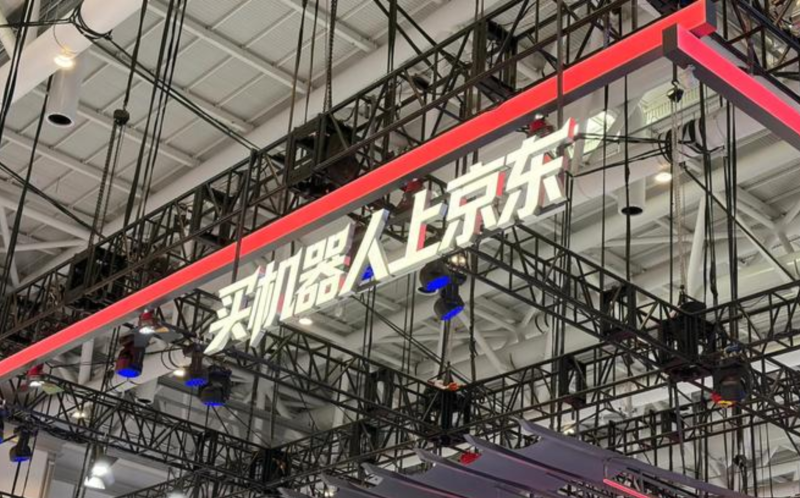
JD.com Unveils Ambitious Robotics Strategy with Billions in Investment by 2028
At the 2026 World Robot Conference, JD.com announced its unique approach to the robotics industry, focusing on infrastructure rather than manufacturing. The company aims to invest over 10 billion yuan in robotics by 2028, establishing a framework that ensures robots are easy to purchase, use, and maintain. This strategy is significant as JD.com plans to assist 100 robot brands in achieving independent sales exceeding 1 billion yuan, while integrating robots into a million end-user scenarios. The company has already partnered with over 200 robot brands and key component manufacturers across various sectors, including retail and logistics. Looking ahead, JD.com will build a global after-sales service network covering over 100 countries and create more than 100,000 service engineer positions. The establishment of 80 RoboBase facilities will connect various stages of robot deployment and maintenance, enhancing the overall ecosystem. No further timeline was disclosed at the time of publication.
Robotics Infrastructure Supply Chain Solutions After-Sales Services Consumer Robotics AI and Data Solutions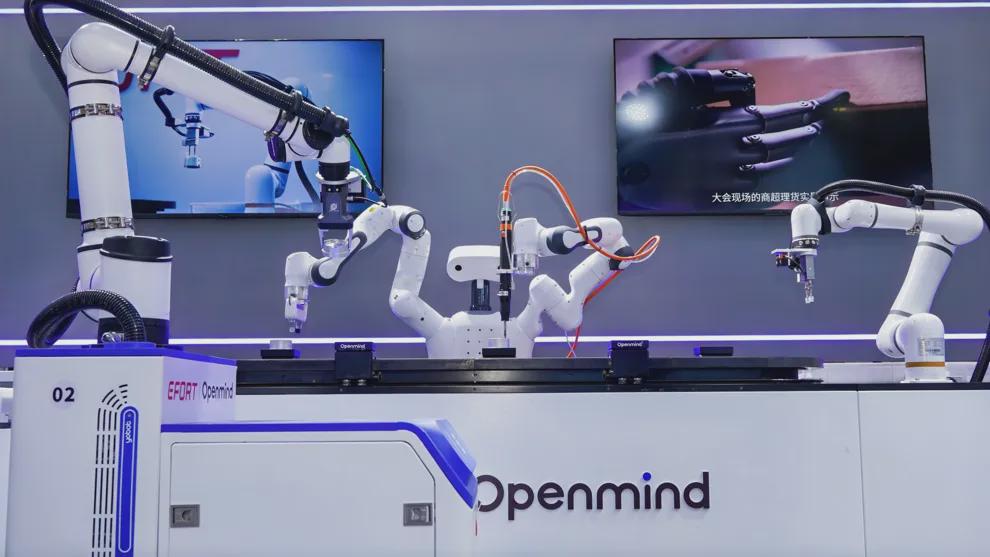
Industrial Robotics Market Growth: From 5.7 Billion to 77 Billion in China
The industrial robotics sector in China is witnessing a significant transformation, with the market projected to grow from 57.4 billion yuan in 2025 to over 110 billion yuan by 2026. This shift is marked by an increase in companies showcasing practical applications of robotics, moving beyond mere demonstrations to real-world implementations in factories. This evolution is crucial as it reflects a growing consensus within the industry that the scale is sufficient, but the focus must now shift to effective utilization of robotic technologies. Despite advancements, the actual deployment of robots in production environments remains low, with estimates suggesting that less than 10% of robots are actively working in factories, highlighting a substantial gap between potential and reality. Looking ahead, the industry faces challenges in bridging this gap, as evidenced by the low penetration rate of robots in general production, currently below 2%. Companies like Aeffort are attempting to address these issues by introducing versatile robotic solutions that integrate advanced technologies for seamless operation in manufacturing settings. No further timeline was disclosed at the time of publication.
Industrial Robotics Automation Technology AI in Manufacturing Robotic Systems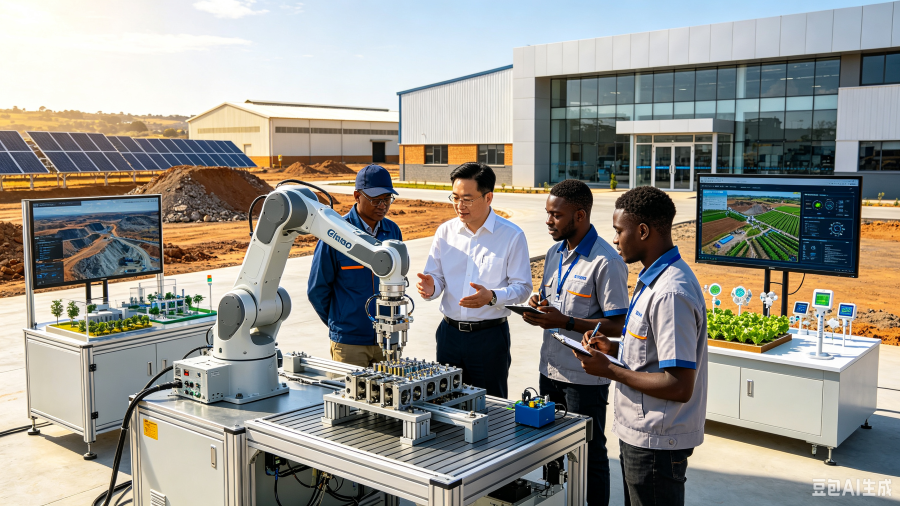
China's Robotics Industry Presents New Opportunities for Africa's Development
As China's humanoid robots begin to perform tasks in factories and warehouses, South African media highlights that this robotics revolution could benefit Africa. The rapid growth of China's robotics sector offers significant development opportunities for African nations in agriculture, healthcare, mining, and manufacturing. According to the International Federation of Robotics, China is expected to install approximately 295,000 new industrial robots in 2024, accounting for 54% of the global total. South African media describes China's robotics development model as a quick cycle of experimentation, cost reduction, and commercial deployment, driven by industrial demand, substantial R&D investment, and strong manufacturing capabilities. The article emphasizes that as African countries collaborate with China in robotics, moving beyond mere imports to assembly, maintenance, and training, they can cultivate new industrial capacities. This partnership could enable Africa to learn from China's long-term investments in manufacturing and innovation, creating a favorable window for collaboration as the continent seeks industrial breakthroughs.
Robotics Automation Agriculture Technology Healthcare Technology Manufacturing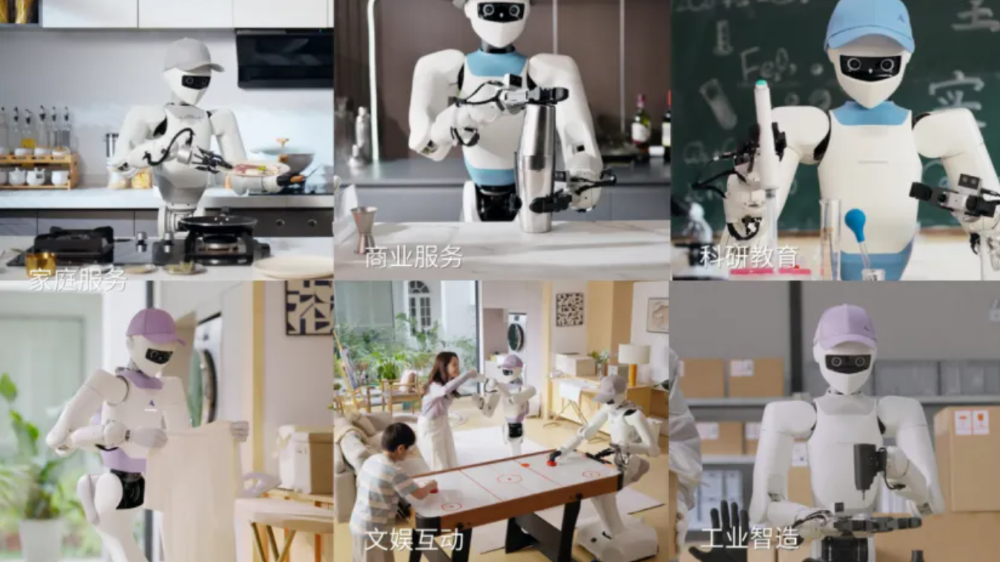
Digua Robotics and Stardust Intelligence Collaborate on T1 AI Robot Integration
On August 20, Digua Robotics announced a strategic partnership with Stardust Intelligence. The T1 AI robot from Stardust has successfully integrated with Digua's Xuri S100 high-performance computing platform, with plans to further adapt the T1 to the Xuri S600. The collaboration focuses on hardware and software synergy in key areas such as robot perception, decision-making, and motion control. This partnership is significant as it aims to enhance the capabilities of the T1 robot, which has already demonstrated its ability to perform complex tasks such as cooking, laundry, and automotive charging. With a height of 1.55 meters and a weight of approximately 66 kilograms, the T1 features 23 degrees of freedom and a payload capacity of 5 kilograms, making it suitable for various applications in home service, commercial operations, and industrial manufacturing. Looking ahead, the collaboration will continue to optimize the integration of the T1 with the Xuri S100, with a full rollout expected within the year. Additionally, efforts will be made to adapt the T1 to the Xuri S600, expanding its capabilities for more complex models and applications in intelligent manufacturing and education sectors.
AI Robotics Robot Integration High-Performance Computing Automation Technology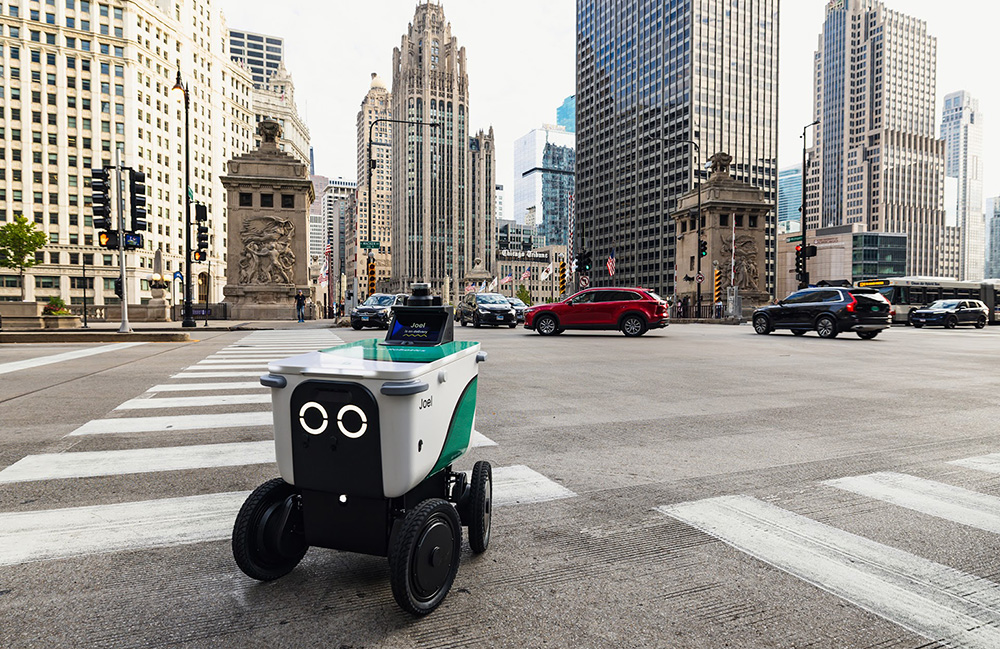
Serve Robotics Partners with Grubhub for Autonomous Delivery in Major Cities
Serve Robotics Inc. has announced a partnership with Grubhub to provide autonomous delivery services in Chicago, Los Angeles, and Alexandria, Virginia. This collaboration will enable Serve to offer robotic deliveries from over 100 Grubhub merchants in Chicago and nearly 200 in Los Angeles, with plans for more restaurants to join the program. This partnership is significant as it marks Serve's expansion into new markets, including Washington, D.C., and San Jose, California, where they have partnered with DoorDash. The introduction of microdepots in Miami will further enhance their operational efficiency, allowing for quicker deployment in high-demand neighborhoods with minimal infrastructure. Looking ahead, Serve Robotics is also launching Beacon, a countertop product designed to streamline the connection between restaurants and delivery robots. Additionally, they have introduced a new advertising product called “Characters,” which allows brands to create interactive experiences with their robots. No further timeline was disclosed at the time of publication.
Autonomous Mobile Robots (AMRs) Food / Beverage Markets / Industries News Robots / Platforms autonomous delivery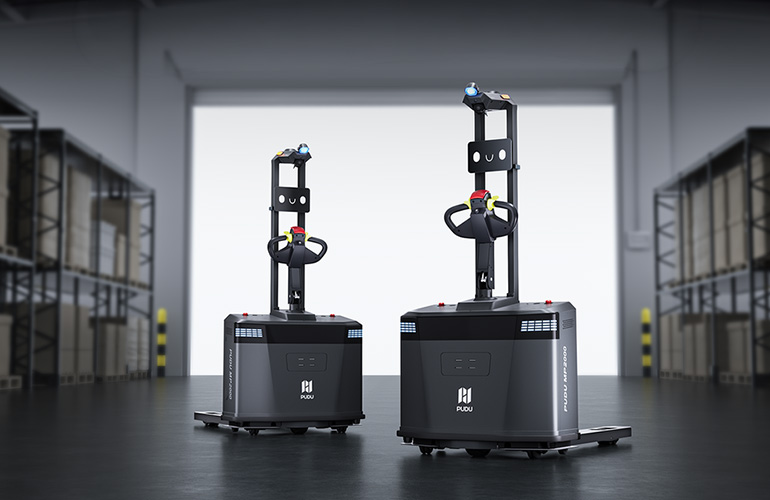
Pudu Robotics Introduces MP2000 Autonomous Forklift for Efficient Material Transport
Pudu Robotics has launched the MP2000, an AI-powered autonomous forklift designed for efficient floor-to-floor material transport in warehouses and factories. This new model features pallet pickup cycles as quick as 20 seconds, enhancing the company's portfolio of autonomous mobile robots (AMRs) for high-frequency, heavy-payload transport in busy logistics environments. The MP2000 is equipped with advanced 3D lidar and depth cameras, allowing it to identify pallet locations and adjust its approach in real time. This capability ensures safe navigation through facilities, avoiding obstacles while validating pallet sizes and configurations. The MP2000 supports various pallet formats and adapts to non-standard load carriers, making it versatile for different operational needs. As part of a distributed fleet, the MP2000 can coordinate with other Pudu Robotics AMRs, enhancing overall efficiency. It also features a manual operator override for use as a powered manual forklift. The vehicle's ability to communicate with peripheral equipment like doors and elevators further streamlines access to controlled areas within facilities. No further timeline was disclosed at the time of publication.
Automated Warehouse Autonomous Mobile Robots (AMRs) Logistics Manufacturing News Pudu Robotics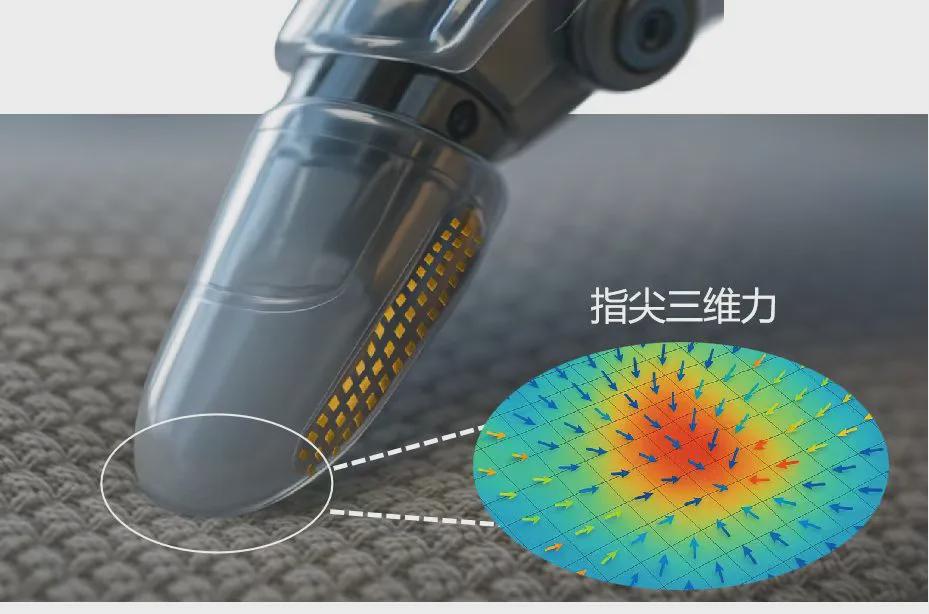
SUSTech Professor's Research on Tactile Sensing Leads to Major Orders for Robotics
In recent weeks, the tactile sensing sector has seen a surge in funding, with multiple startups announcing financing ranging from millions to hundreds of millions. This trend highlights the growing importance of tactile sensing in robotics, particularly as humanoid robots evolve from merely standing to performing tasks in precision manufacturing and assembly. The significance of tactile sensing lies in its ability to enhance robotic interactions with objects, addressing critical questions such as whether a cup has been grasped or if a part has slipped. According to Xiong Gengchao, CEO of Saigan Technology, while tactile feedback may not be essential for demonstrations, it becomes crucial for robots to integrate into factories and daily life. Saigan Technology, founded in June 2023 and rooted in research from SUSTech, has secured bulk orders for its tactile modules. The company plans to showcase its 3D force tactile modules and adaptive grasping solutions at the upcoming 2026 World Robot Conference, emphasizing the importance of material innovation in developing effective tactile sensing technologies.
Tactile Sensing Humanoid Robots Robotics Technology Automation Flexible Electronics
Gravis Robotics Secures $200 Million to Expand Autonomous Heavy Machinery in Construction
Gravis Robotics has successfully raised $200 million in a Series A funding round led by SoftBank to enhance its autonomous heavy machinery technology for construction sites worldwide. This investment comes at a crucial time as the construction industry faces increasing demands for energy networks, housing, and climate-resilient infrastructure, compounded by labor shortages and low automation levels in heavy construction. Looking ahead, Gravis Robotics aims to leverage its AI-driven technology to address the unique challenges of heavy machinery operation in dynamic environments. No further timeline was disclosed at the time of publication.
Construction News artificial intelligence autonomous construction autonomous excavators construction automation
Gravis Robotics Secures $200 Million from SoftBank for Autonomous Construction Innovation
Gravis Robotics has announced a significant investment of $200 million from SoftBank in its Series A funding round, marking a historic milestone in construction robotics. This funding aims to enhance the company's autonomous construction capabilities, addressing the industry's slow automation pace amid rising demands for infrastructure repairs and AI data center developments. The investment is crucial as Gravis Robotics seeks to revolutionize the construction sector, which has traditionally relied on mechanical hardware. With its Gravis Rack autonomous control kit, the Zurich-based company retrofits existing construction equipment, enabling it to operate in unpredictable jobsite conditions, thereby overcoming the challenges of traditional automation. Looking ahead, Gravis Robotics plans to leverage this funding to expand its workforce and deploy its technology across major job sites. The company emphasizes the importance of bridging the sim-to-real gap in construction, aiming to bring factory-floor precision to civil engineering tasks. No further timeline was disclosed at the time of publication.
Artificial Intelligence / Cognition Autonomous Mobile Robots (AMRs) Construction Controllers Investments News
A3 Reports Increased Robotics Demand in Q2 2026 Across Various Industries
In Q2 2026, the Association for Advancing Automation (A3) reported a rise in North American robot orders, with 8,940 units valued at $622 million, marking a 4.3% increase in units and a 21.3% increase in revenue compared to Q2 2025. This growth highlights a diversification in robotics demand across industries, despite a 25% decline in automotive OEM orders. Significant gains were observed in sectors such as semiconductors, electronics, and automotive components, which saw increases of 38% and 20%, respectively. Looking ahead, the trend of increasing robot adoption across various industries is expected to continue. Non-automotive customers accounted for 56% of units ordered, and collaborative robots, particularly in healthcare and electronics, are gaining traction, representing a notable portion of automation investments.
Analysis Automotive Cobot Arms Collaborative Robots Food / Beverage Industrial Robots
SemiAnalysis Report Reveals Yushu Technology's Strategy to Lead Global Robotics Market
A report by SemiAnalysis on the day of Yushu Technology's IPO indicates that the company is replicating the successful hardware growth paths of BYD and DJI, potentially positioning itself to dominate the global robotics industry. The report highlights Yushu's impressive cost structure, estimating the material cost of its G1 robot at just $8,976. Despite a price drop in overseas markets from over $50,000 to $27,300, the company maintains a gross margin of 67%. Yushu has evolved from a quadruped robot company three years ago to a leader in the humanoid robot market, with plans to deliver its 10,000th humanoid robot soon. Looking ahead, Yushu's revenue is projected to grow by 335.36% year-on-year by 2025, with a gross margin nearing 60%. The company plans to invest approximately 2.02 billion yuan in embodied model research and development. No further timeline was disclosed at the time of publication.
Humanoid Robots Robotics Industry Supply Chain Management Cost Structure AI Technology
US Robotics Industry Faces Challenges Amid Ban on Chinese Humanoid Robots
The US government has imposed a ban on Chinese humanoid robots, a move aimed at protecting the nascent American robotics industry. Brendan Carr, chairman of the FCC, emphasized that this action is one of the strongest technology-security measures in recent history, as Chinese manufacturers dominate approximately 85% of the global humanoid market. This ban raises questions about the effectiveness of isolating the US robotics sector from competition. While it is intended to foster growth in an industry that lacks established players, critics argue that such protectionist measures may hinder innovation and development. Evan Beard, CEO of Standard Bots, supports the ban, citing security concerns related to foreign-subsidized machines potentially being used for espionage. Looking ahead, the implications of this ban on the US robotics landscape remain to be seen. The exemption for federal government purchases indicates a complex approach to technology security, suggesting that the government may continue to leverage foreign technology while restricting it from the general public. No further timeline was disclosed at the time of publication.

RoboBusiness 2026 to Explore Robotics Innovations Over the Next Two Decades
RoboBusiness 2026, scheduled for October 20-21 in Santa Clara, California, will celebrate its 20th anniversary by examining the evolution of robotics. Industry leaders, including Rodney Brooks, Jonathan Hurst, and Ken Goldberg, will discuss the technological advancements and market opportunities that have emerged over the past two decades. The event is significant as it highlights the transition of robotics from a nascent technology to an essential tool across various sectors such as manufacturing, logistics, and healthcare. The keynote session will provide insights into the future challenges and innovations that will shape the industry, emphasizing the contributions of experts with extensive backgrounds in AI and robotics. Attendees can expect to gain valuable knowledge on cutting-edge research and trends in robotics and AI. No further timeline was disclosed at the time of publication.
Academia / Research Artificial Intelligence Events Human Robot Interaction / Haptics Humanoids Mobility / Navigation
ARX Robotics Demonstrates GEREON Uncrewed Ground Vehicles in US Army Trials
ARX Robotics UK has successfully showcased the capabilities of its GEREON uncrewed ground vehicles (UGVs) during Project Convergence-Capstone 6 (PC-C6). This event marks the largest experiment in the US Army's initiative to enhance land warfare capabilities. The successful demonstration is significant as it highlights the operational potential of GEREON UGVs in modern military applications. This aligns with the US Army's ongoing efforts to integrate advanced technologies into their land warfare strategies. Looking ahead, further developments in the integration of autonomous systems into military operations are expected. No further timeline was disclosed at the time of publication.
News
Multiway Robotics Completes Intelligent Warehouse Automation for Malaysian Manufacturer
Multiway Robotics has successfully deployed an intelligent warehouse automation system for a manufacturing company in Malaysia, integrating autonomous forklifts with warehouse management software to enhance storage capacity and material handling. This project supports over 5,000 storage locations, including raw material warehouses and finished goods storage, and has reportedly increased storage density by more than 30 percent. The significance of this deployment lies in its contribution to the ongoing trend of warehouse automation and digital transformation among manufacturers in Southeast Asia. By addressing the customer's growing storage needs and complex material flows, Multiway Robotics has implemented a fleet of autonomous forklifts alongside its proprietary Warehouse Management System (WMS) and Robot Control System (RCS), facilitating end-to-end automation of warehouse operations. Looking ahead, the system's capabilities include managing raw material receiving, finished goods storage, and internal material transportation. The deployment features three autonomous forklift models, each designed for specific tasks, and operates 24/7 with automatic charging. No further timeline was disclosed at the time of publication.
News Warehouse robots amrs automated warehouse autonomous forklifts autonomous mobile robots
Avatar Robotics Secures $6.5 Million Seed Funding to Enhance Industrial Automation
Avatar Robotics has successfully raised $6.5 million in seed funding to expand its capabilities in industrial automation. Since its launch in December 2025, the company has utilized its robots to pack, sort, and ship over 900,000 products, including those for a major global beauty retailer, demonstrating the effectiveness of its technology in real-world applications. This funding is significant as it positions Avatar Robotics to further develop its adaptive robotic solutions, which are designed to enhance operational flexibility and productivity in industrial settings. The ability to quickly respond to changing production requirements is crucial in today's fast-paced manufacturing environment, where traditional automation methods often fall short. Looking ahead, industry stakeholders should monitor Avatar Robotics' progress in deploying its technology across various sectors. The company's focus on creating an unlimited industrial workforce through advanced robotics could reshape the landscape of automation and address ongoing labor shortages in manufacturing. No further timeline was disclosed at the time of publication.

Icarus Robotics Co-Founder Jamie Palmer Discusses Robotic Labor Force for Space
Icarus Robotics, founded in 2024, is developing a robotic labor force for space, integrating embodied artificial intelligence with human-in-the-loop control. The aim is to automate routine tasks in orbit, enhancing astronauts' efficiency by allowing them to focus on scientific research rather than repetitive jobs like cargo handling and equipment inspection. This initiative is significant as it addresses the growing need for labor in commercial space stations and lunar infrastructure, where intelligent robotic workers could play a crucial role. By automating essential tasks, Icarus Robotics not only improves operational efficiency but also supports the broader commercial space economy, including future missions to the Moon and Mars. Looking ahead, Icarus Robotics plans to test its technology aboard the International Space Station, with co-founder Jamie Palmer emphasizing the importance of real-world testing over simulation. The company is focused on overcoming technical challenges to achieve fully autonomous operations in space, which will be vital for the future of space exploration and commercial endeavors.
Features Space artificial intelligence astronaut assistance Autonomous robots autonomous systems
Yushu Technology to Launch IPO as Zhejiang's Intelligent Robotics Sector Thrives
Yushu Technology, one of the 'Six Little Dragons of Hangzhou,' is set to begin its IPO on August 10, coinciding with the completion of IPO guidance by Yunshen Technology. This marks a significant moment for Zhejiang's embodied intelligence industry, which is gaining prominence as the first humanoid robot stock in China's A-share market. Zhejiang has emerged as an undisputed hub for embodied intelligence, with over 700 companies in Hangzhou alone. The industry cluster is projected to reach a value of 106.8 billion yuan by 2025, with quadruped and humanoid robots capturing 80% and 50% of the domestic market share, respectively. In the first half of this year, Zhejiang accounted for approximately 60% of the national exports of intelligent bionic robots. Yushu Technology aims to penetrate both consumer and general markets, with revenue expected to soar from 159 million yuan in 2023 to 1.699 billion yuan by 2025. Meanwhile, Yunshen Technology focuses on specialized applications, having deployed quadruped robots in high-risk areas like Switzerland's largest nuclear power plant. As these leading companies prepare for their A-share debut, Zhejiang is transitioning from a robotics manufacturing base to a source of innovation in embodied intelligence.
Embodied Intelligence Humanoid Robots Quadruped Robots Robotics Industry AI Technology
Challenges Ahead for RV Reducers in Industrial Robotics Market
Recently, Zhang Yueming, Chief Scientist at Beijing Zhihong Precision Transmission Technology and a professor at Beijing University of Technology, stated that the first phase of domestic replacement for core components of industrial robots has concluded. In the medium and small load sector, represented by RV reducers, domestic alternatives have largely been achieved. However, in high-load scenarios such as automotive manufacturing, foreign brands still hold 80% to 90% of the market share. This shift is significant as it marks a transition from merely having domestic products to focusing on the strength of these products. The ability to define independent technological routes will determine the competitive outcome. According to the Ministry of Industry and Information Technology, revenue from China's robot manufacturing enterprises is projected to exceed 90 billion yuan from January to May 2026, reflecting a 26.9% year-on-year growth, maintaining its status as the world's largest industrial robot market for 13 consecutive years. Zhang revealed that Zhihong Technology has been collaborating with Beijing University of Technology for nearly a decade to pursue forward development, moving away from imitation. Their products have achieved benchmarks against international giants like Nabtesco in key performance indicators. Notably, Zhihong is developing a gear transmission joint module with complete independent intellectual property rights, aiming to create a new category not previously seen overseas. Analysts believe that as domestic brands surpass 50% market share, core component companies must innovate and validate under heavy load conditions to transition from being merely usable to leading the market.
RV Reducers Industrial Robotics Automation Technology Manufacturing Innovation
University of Florida Launches Robotics Lab for Industrialized Construction Initiatives
The University of Florida (UF) has inaugurated a new robotics lab focused on industrialized construction, supported by a $1 million donation from Autodesk. This initiative aims to tackle Florida's housing shortage and the anticipated retirement wave in the construction workforce. The lab will enhance the university's Industrialized Construction Engineering (ICon) degree program, which is set to welcome its first cohort this fall. This lab is significant as it addresses critical issues in the construction industry, including worker safety and operational efficiency. By utilizing advanced manufacturing principles, the program emphasizes a shift from traditional construction methods to more precise, technology-driven processes. The integration of digital workflows, including BIM and AI, alongside hands-on experience with a COBOD BOD3 3D concrete printer, positions UF at the forefront of modern construction education. Looking ahead, the lab will provide essential resources for students and researchers to explore automated construction methods. The collaboration with Autodesk will facilitate the use of cutting-edge computational tools, enhancing the educational experience. No further timeline was disclosed at the time of publication.
Academia / Research Construction News autodesk STEM
Shifts in Robotics Investment Focus on Core Components Amid Market Changes
Since 2026, the robotics capital market has shifted focus from complete machines to core components such as chips, sensors, and actuators. This change reflects a move from concept validation to mass production, as investors seek more certainty in their investments. In July alone, 13 out of 52 financing events in the robotics sector were in core components, indicating a significant rise in interest. The importance of core components is underscored by the realization that relying solely on imported parts can severely impact profitability for humanoid robots. As domestic supply chains struggle to keep pace, companies with substantial funding may still find themselves at the mercy of foreign manufacturers. This shift highlights that competition in the robotics industry is evolving beyond just complete machines to encompass the entire supply chain. One notable player in this space is Tao Shi Intelligent, established in 2024, which has developed a unique orthogonal drive technology for reducers. With a focus on high precision and compact design, the company has successfully integrated its products into the supply chains of major firms like Foxconn. As demand for dexterous hands rises, Tao Shi Intelligent is poised to capitalize on this trend, having signed agreements for 100,000 joint modules with various robotics companies.
Robotics Core Components Supply Chain Investment Trends
Three Robotics and Automation Stocks to Consider for Investment in August
Recent advancements in artificial intelligence and chip technology are transforming robotics and automation from single-task machines to intelligent systems. This evolution is projected to significantly boost adoption in various sectors, including manufacturing and healthcare. According to Future Market Insights, the industrial robotics market is expected to grow from $65 billion this year to nearly $344 billion by 2036, reflecting an 18% compound annual growth rate. Rockwell Automation, a leader in industrial automation, holds a dominant 50% market share in programmable logic controllers in North America. The company reported $2.2 billion in sales for Q2, a 9% increase, with GAAP earnings per share rising 40% to $3.10. Rockwell's recent selection by Aalo Atomics as the control platform provider for its Aalo-X test reactor positions it for growth in the nuclear energy sector. Ouster and Symbotic are also notable players in the robotics space. Ouster, specializing in digital 3D LiDAR technology, saw a 49% revenue increase in Q1, while Symbotic focuses on AI-powered supply chain automation. Investors should monitor these companies as they navigate growth opportunities and market challenges in the evolving landscape of robotics and automation.

Autodesk and University of Florida Launch Advanced Robotics Lab for Industrialized Construction
Autodesk has made a $1 million donation to establish the Autodesk Design and Make Laboratory at the University of Florida. This initiative aims to equip students with the necessary skills for careers in industrialized construction, addressing a significant workforce gap as 41% of the current workforce is expected to retire by 2031. The establishment of this lab is crucial as Florida faces a shortage of over 121,000 homes and rental units. By preparing students for the industrialized construction sector, the lab will contribute to alleviating both housing and labor shortages in the region, fostering a new generation of skilled professionals. Looking ahead, the focus will be on how effectively the lab can bridge the skills gap in the construction industry and support local workforce development. No further timeline was disclosed at the time of publication.

FCC's Ban on Foreign Robots Initiates U.S. Robotics Industry Protection Measures
The U.S. Federal Communications Commission (FCC) has officially added foreign-produced connected mobile robots to its 'covered list,' prohibiting their commercial sale in the U.S. This action is not only a national security measure but also opens a policy gap for protecting the U.S. robotics industry. The definition of 'advanced robotic equipment' encompasses nearly all connected mobile robots, including humanoid robots, quadrupeds, warehouse platforms, delivery robots, autonomous forklifts, and even vacuum robots. The ban is not absolute, as previously authorized models like the Unitree G1 and Roomba remain unaffected. Certain manufacturers may obtain conditional approvals for exceptions. The critical factor is the definition of 'foreign production,' which could include products made by U.S. companies overseas while excluding products made by foreign companies in the U.S. The FCC's decision aims to mitigate risks associated with data breaches and remote control vulnerabilities posed by these robots. The robotics industry has strongly opposed the ban, particularly researchers reliant on Unitree robots. However, the author argues that current import rules for research are overly lenient. The FCC's initiative creates market certainty for U.S. manufacturers to develop safe and affordable robotic systems, shifting the landscape of investment and innovation in the sector. No further timeline was disclosed at the time of publication.
Robotics National Security Market Regulation Manufacturing
Leju Unveils Dual Ecosystem Engine for Trillion-Yuan Robotics Industry at National Competition
On August 1, 2026, at the Shougang Ice Curling Center in Beijing, 213 humanoid robot teams competed for top honors at the 28th China Robotics and Artificial Intelligence Competition (CRAIC). This event is significant not only for showcasing robotics but also for establishing standards and ecosystems in the industry. Leju is transforming the competition into a platform that elevates the focus from individual robots to broader industry standards. The year 2026 is recognized as a pivotal moment for the commercialization of humanoid robots, yet the industry faces a critical talent shortage, particularly in robotics, with a gap of 4.5 million skilled workers. Leju's approach emphasizes practical training through real-world scenarios, moving beyond simulations to create authentic industrial environments for competitors. This shift allows participants to conduct pressure tests on their robots in realistic settings, preparing them for future production lines. Leju's strategy is supported by the OpenLET community, which fosters an ecosystem encompassing training, data sharing, and talent development. With over 70 member organizations and 10,000 developers, the community aims to address the fragmented nature of the humanoid and embodied intelligence industries. The CRAIC 2026 features various competitions that reflect real industrial needs, pushing technology from demonstration to reliable operation, ultimately shaping the future of the robotics sector.
Humanoid Robots AI Robotics Competitions Talent Development Industrial Automation
Li Feifei and Yunzhu Li Discuss Robotics Challenges on a16z Podcast
In a recent a16z podcast, Li Feifei and Yunzhu Li from SceniX discussed the challenges in robotics, emphasizing that the biggest bottleneck lies not in hardware but in the scarcity of data and underestimation of evaluation systems. They highlighted the importance of simulation as a necessity for robotics, providing capabilities that real data cannot replace. The conversation also touched upon the integration of World Labs and SceniX, which combines generative 3D world modeling with real-to-sim-to-real engineering. This collaboration aims to create a robust infrastructure for robot learning and evaluation, leveraging both sparse inputs and high-fidelity environmental mapping. Looking ahead, Li Feifei noted that the future of robotics may involve multimodal models capable of both simulating actions and generating action commands. The path to practical robotics should begin with structured environments, gradually moving to semi-structured and unstructured settings, with a focus on specialized forms for specific tasks rather than general humanoid robots.
Robotics AI Simulation Data Scarcity Machine LearningRobotics needs a service framework.
RSF defines a common language for robot service capability, lifecycle operations, certification pathways, and service-provider networks.
Join the RobotToday community on LinkedIn
Daily robotics news, in-depth analysis, conference highlights, and discussions with professionals worldwide.