

Industry Briefing
A single destination for timely, editor-curated robotics news from around the world.
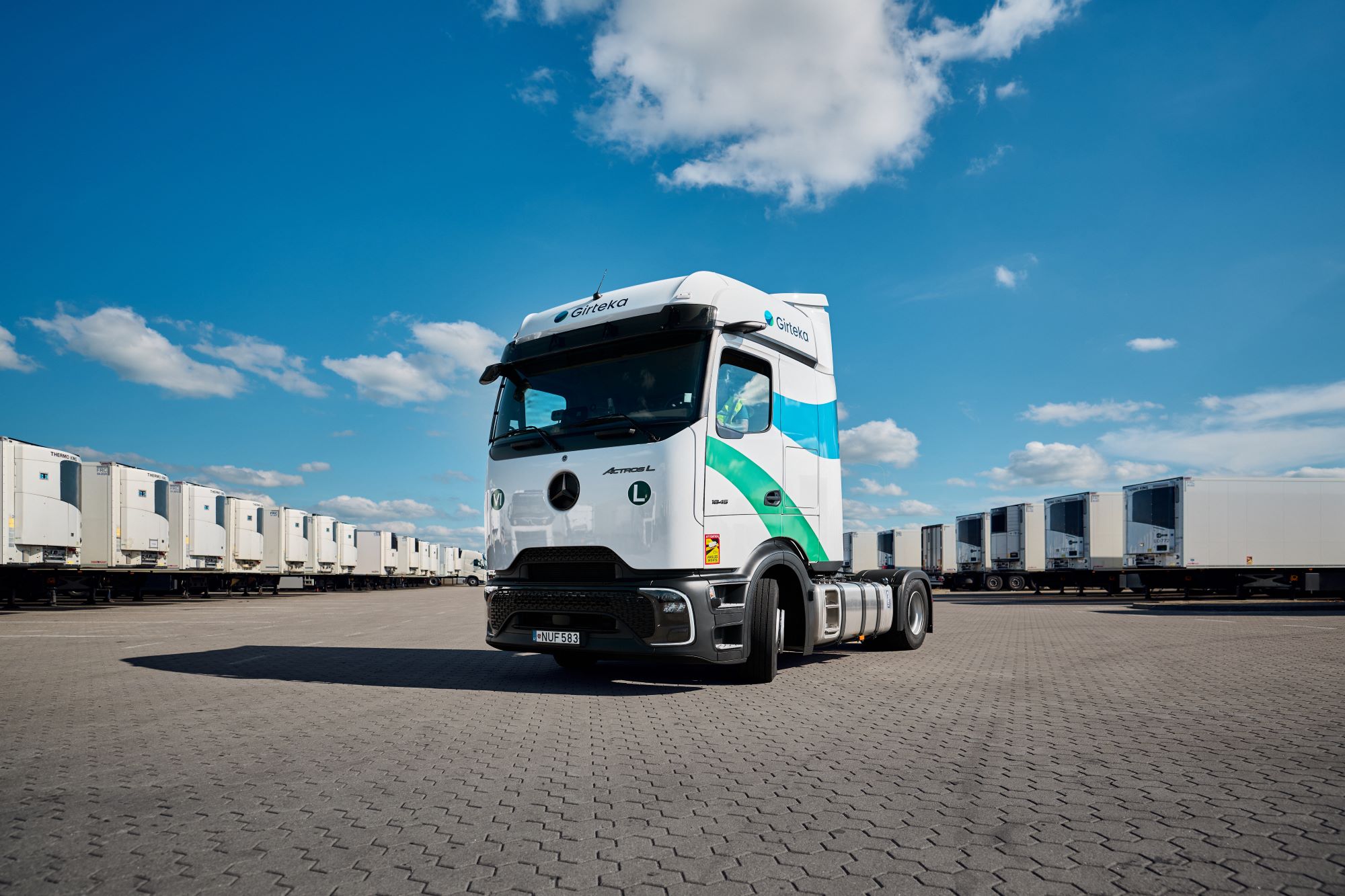
Girteka Orders 900 Mercedes-Benz Actros L ProCabin Trucks for Fleet Renewal
Girteka has placed an order for 900 new Mercedes-Benz Actros L ProCabin trucks, enhancing its fleet renewal efforts. This agreement, made during the IAA Transportation event in Hannover, continues the long-standing partnership between Girteka and Daimler Truck. In 2026, Girteka has already integrated 500 of these trucks into its operations, with the additional 900 expected to be delivered in the first half of 2027. This fleet renewal is crucial for Girteka, which operates Europe’s largest asset-based road transport fleet of approximately 6,500 trucks. The investment in modern vehicles not only improves operational efficiency but also enhances driver comfort and safety, which are vital for transporting temperature-sensitive and high-value cargo. CEO Edvardas Liachovičius emphasized the importance of introducing newer technologies to maintain reliability and service standards. Looking ahead, Girteka's commitment to fleet renewal signifies a focus on road safety and operational excellence. The Actros L ProCabin trucks are equipped with advanced safety assistance systems, reinforcing the company's dedication to providing a safe working environment for drivers. No further timeline was disclosed at the time of publication.
CV, Trucks, Vans and Trailers Road Transport and Haulage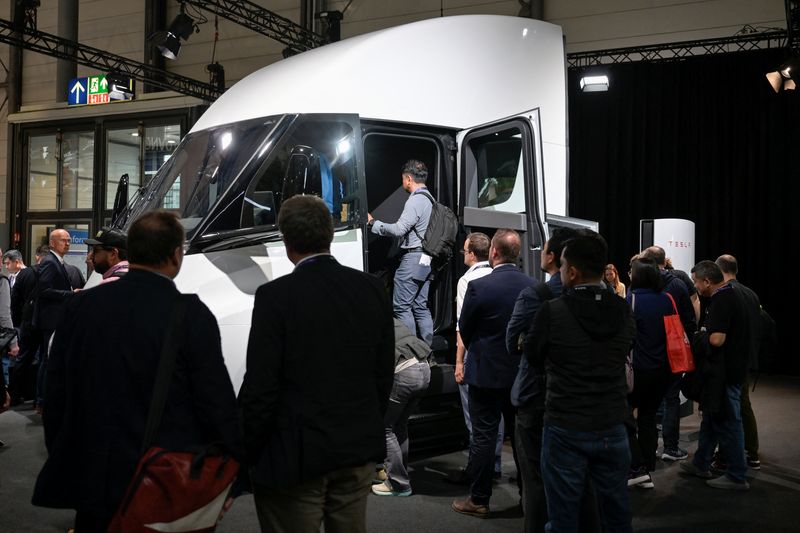
Einride Plans to Deploy 500 Tesla Electric Trucks in North America by 2028
Einride AB announced its intention to deploy 500 Tesla trucks across North America within the next two years, marking a significant milestone in the rollout of heavy-duty electric vehicles. This initiative, which begins in September 2026, will enhance operations for clients like Amazon along key freight corridors in states including California, Texas, New Jersey, Illinois, and Georgia, effectively tripling Einride's electric truck fleet. The deployment is crucial as it aims to convert approximately $800 million in potential long-term annual recurring revenue into active freight capacity. Einride's CEO, Roozbeh Charli, emphasized that this rollout demonstrates the company's capability to scale operations in response to customer demand and highlights the increasing adoption of electric freight technology. The rollout will be financed through third-party solutions and is set to be completed in phases by 2028. As the deployment progresses, it will be important to monitor the impact on operational costs and efficiency, particularly as Tesla's semi-truck director, Dan Priestley, noted the potential for electric trucks to reduce operating costs through fuel savings and improved uptime. No further timeline was disclosed at the time of publication.

Einride and DAF Trucks Collaborate to Enhance Autonomous Electric Freight Solutions
Einride AB has announced a partnership with DAF Trucks N.V. to integrate its autonomous driving system with DAF's premium vehicle platform. This collaboration aims to address industry challenges such as labor shortages and rising operational costs, marking a significant step toward the commercialization of SAE Level 4 autonomous electric freight transportation. The integration of Einride's technology with DAF's trucks is expected to create a more efficient, safer, and sustainable freight ecosystem. Jeroen van den Oetelaar, chief engineer at DAF Trucks, emphasized the importance of this partnership in future-proofing the logistics sector. Einride's platform, which includes AI-powered freight intelligence and a large electric heavy-duty fleet, serves customers across North America, Europe, and the Middle East. Looking ahead, Einride and DAF Trucks will begin defining and testing the integration of Einride Drive with DAF's platform, collaborating with TNO to ensure compliance for public road expansion. Initial tests are planned for this year, with the full integration of Einride's autonomous driving software expected by 2027. No further timeline was disclosed at the time of publication.
Artificial Intelligence Logistics Mobility / Navigation News Self-Driving Vehicles Software
PlusAI Updates Commercial Readiness Metrics for Autonomous Trucks Ahead of 2026 Launch
PlusAI Inc. has announced an update on its commercial readiness metrics, indicating significant progress towards deploying factory-built autonomous trucks by 2027. The company reported improvements in safety validation, operational maturity, and efficiency of its SuperDrive software in collaboration with global OEM partners. The advancements are reflected in key metrics: safety case readiness (SCR) increased from 90.1% to 93.4%, autonomous miles percentage (AMP) rose from 99.2% to 99.8%, and remote assistance-free trips (RAFT) improved from 79% to 85.2%. These metrics, introduced in 2025, demonstrate PlusAI's commitment to ensuring safe and reliable commercial deployment of its autonomous trucks. Looking ahead, PlusAI aims to achieve 100% SCR and over 90% RAFT before the commercial launch in 2027. The company emphasizes that successful commercialization requires not only advanced AI technology but also a proven track record of safety and operational efficiency, as stated by co-founder Shawn Kerrigan.
Artificial Intelligence Artificial Intelligence / Cognition Automotive Design / Development Logistics Markets / Industries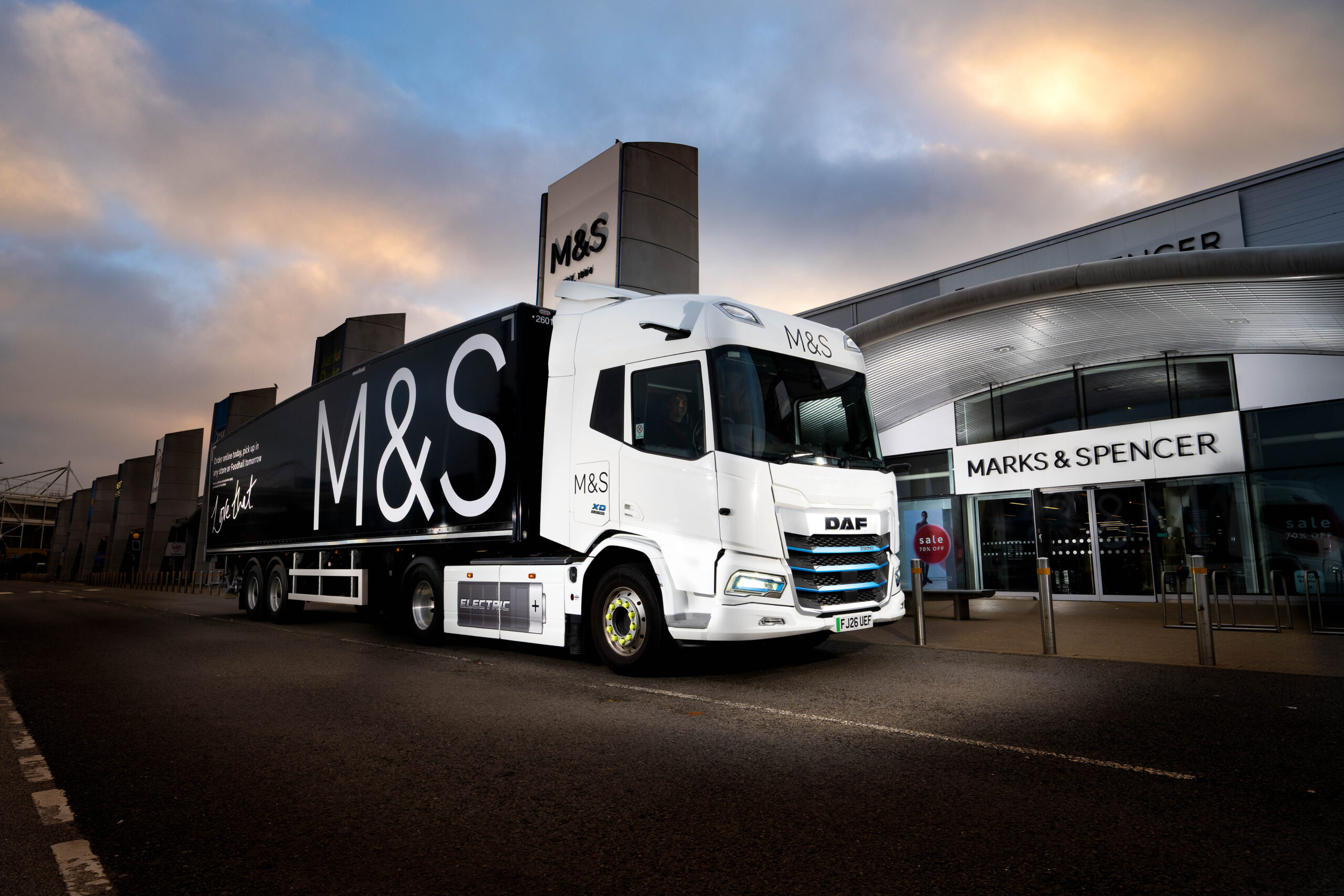
M&S Advances Towards Net Zero with Deployment of Electric Trucks
M&S has initiated the deployment of ten new DAF XD electric trucks within its logistics fleet, including a pioneering electric truck. This initiative is part of M&S's Plan A, which aims for Net Zero emissions by 2040, emphasizing low carbon logistics and the adoption of innovative technologies. The introduction of these electric trucks is significant as it includes a vehicle equipped with an integrated inverter that powers the trailer's refrigeration unit using electricity instead of diesel. This technology, developed through the eFREIGHT 2030 project under the UK Government’s Zero Emission HGV and Infrastructure programme, represents a crucial advancement in reducing reliance on diesel for refrigeration during transport. Currently, five of the new electric trucks are operational, with an additional five set to enter service this year. M&S's Group Fleet Manager, Mick Pethard, highlighted the importance of adapting their logistics network to meet Net Zero goals, showcasing the company's commitment to reducing carbon emissions and enhancing operational efficiency through collaboration with partners like Gist and DAF.
CV, Trucks, Vans and Trailers Electrification and Decarbonisation Transport and Distribution DAF electric trucks electrification
Windrose Technology Unveils iPad-Sized Electric PTO Delivering 70 kW for Trucks
Windrose Technology has introduced an electric power take-off (EPTO) capable of delivering up to 70 kW from electric semi-trucks, eliminating the need for diesel engines. This compact system is designed to power essential equipment like ramps and racks for vehicle transport trailers, addressing a significant challenge faced by electric trucks replacing traditional diesel powertrains. The development of this EPTO is crucial as it allows electric vehicle transport fleets to operate specialized trailers without relying on separate diesel power sources. As the commercial trucking industry transitions to battery-electric trucks, the need for equivalent auxiliary power solutions becomes increasingly important, especially given the existing ecosystem of equipment designed for conventional PTO systems. Looking ahead, the integration of the EPTO into Windrose's electric axle could enhance the versatility of electric trucks for various applications. However, details regarding the EPTO's continuous power rating, weight, efficiency, and battery energy consumption remain undisclosed. No further timeline was disclosed at the time of publication.
Transportation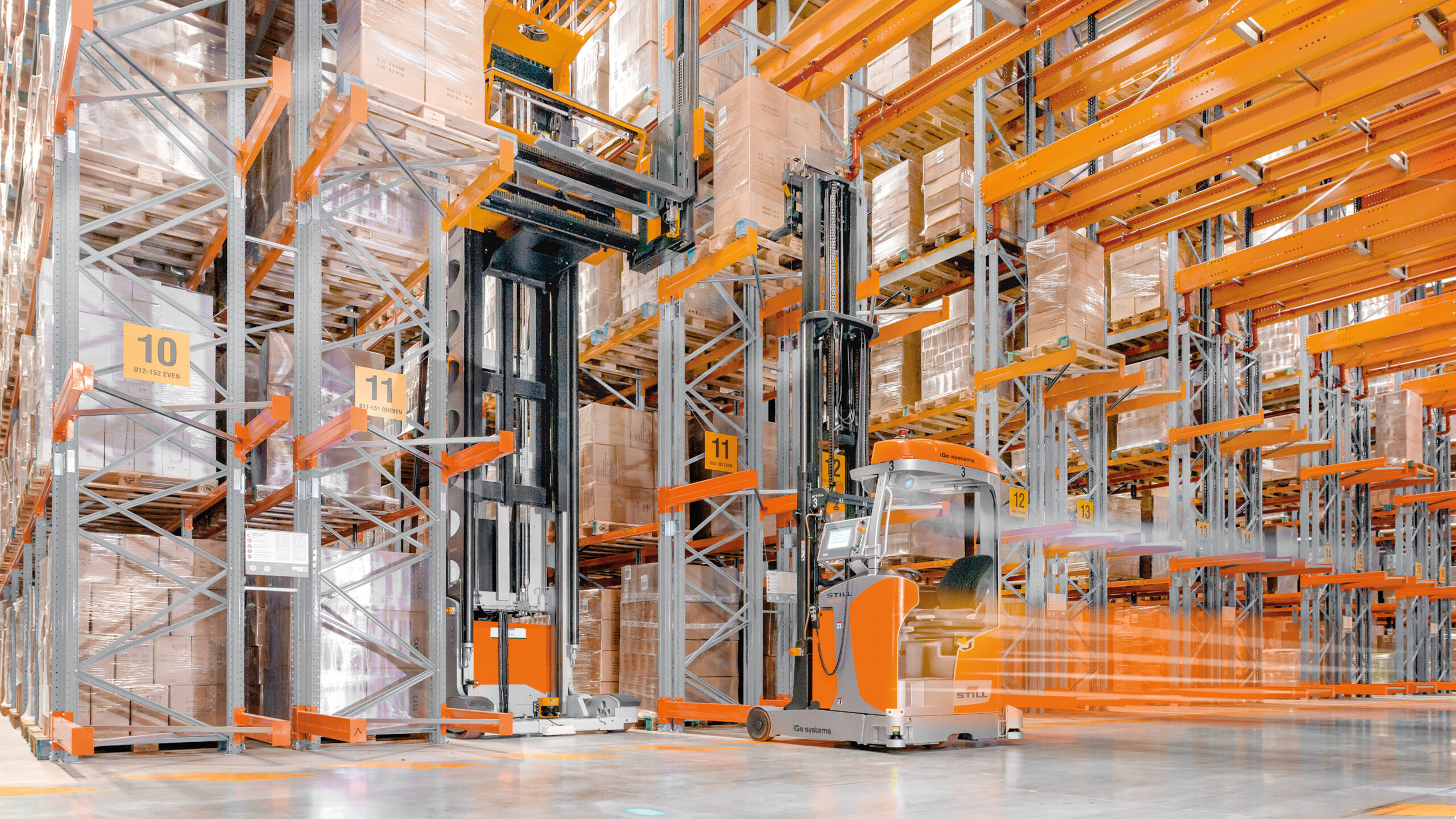
STILL UK Launches Automation Business Unit to Enhance Intralogistics Solutions
STILL UK has established its Automation Business Unit (ABU) to consolidate its expertise in intralogistics automation solutions. This initiative aims to shift perceptions that STILL solely manufactures manual trucks, showcasing its comprehensive automation portfolio, including automated storage and retrieval systems. The ABU will unify storage solutions, VNA trucks, and order pickers to provide a holistic approach to customer needs. The formation of the ABU is significant as it reflects STILL's commitment to evolving with customer demands and enhancing its consultative partnerships. By integrating various components of warehousing automation, STILL aims to offer tailored solutions that address specific customer objectives, moving beyond traditional product sales to solution-based selling. Looking ahead, STILL UK plans to emphasize its collaborative approach with clients, ensuring that all aspects of automation, including infrastructure considerations, are addressed. No further timeline was disclosed at the time of publication.
AMR and AGV Forklifts and Warehouse Vehicles Magazine Features Materials Handling forklifts KION
Army Replaces Infantry Squad Vehicles with Polaris MRZR for Unmanned Systems Testing
The U.S. Army has officially transitioned from using Infantry Squad Vehicles (ISVs) to Polaris MRZR platforms for its Unmanned Systems (UxS) autonomy program. This change, confirmed by Michael Rose, chief technology officer for CPE Mission Autonomy, aims to enhance off-road autonomy testing. The MRZR platforms will allow multiple companies to test their autonomy software in a standardized environment, facilitating direct comparisons of technological capabilities. This shift is significant as it marks a departure from the Army's previous plans to enhance ISVs with autonomy software from Forterra, Overland AI, and Scout AI. The decision to adopt MRZR platforms is based on evolving technological needs and aims to address challenges identified in the initial UxS program, including safety risks and financial constraints. The Army has received 12 MRZR Alphas from Polaris for this initiative, indicating a commitment to advancing unmanned ground vehicle capabilities. Looking ahead, the Army is evaluating various autonomy software providers for the MRZR platforms, although specific companies involved have not been disclosed. The ongoing participation of Forterra, Overland AI, and Scout AI in the UxS program suggests a competitive landscape as the Army seeks to refine its approach to unmanned systems. No further timeline was disclosed at the time of publication.
Land Warfare Army autonomy Drones ground autonomy GVSETS 2026
Atlas Energy Solutions to Expand Autonomous Truck Fleet to 100 in Permian Basin by 2027
Atlas Energy Solutions Inc. plans to increase its fleet of autonomous trucks in the US Permian Basin from 28 to 100 by mid-2027, collaborating with Kodiak AI, Inc. to implement AI-powered driving technology. This expansion aims to enhance operations at a new load-out point along the 42-mile Dune Express sand conveyor system, improving the supply chain for proppant used in hydraulic fracturing. The initiative is significant as it addresses the logistical challenges of transporting large quantities of proppant, which is essential for oil and gas extraction. The autonomous trucks have already completed around 7,000 loads, totaling approximately 450,000 tons of sand over 23,500 driverless hours. By adding another load-out point, Atlas aims to enhance customer order fulfillment and operational efficiency in the region. Looking ahead, Atlas and Kodiak plan to operate these autonomous trucks on public roads by early 2027, pending regulatory approval. This development could significantly broaden the delivery capabilities of the fleet, marking a pivotal step in transforming oilfield logistics through innovation, as emphasized by Atlas CEO John Turner and Kodiak CEO Don Burnette.
AI and Robotics Transportation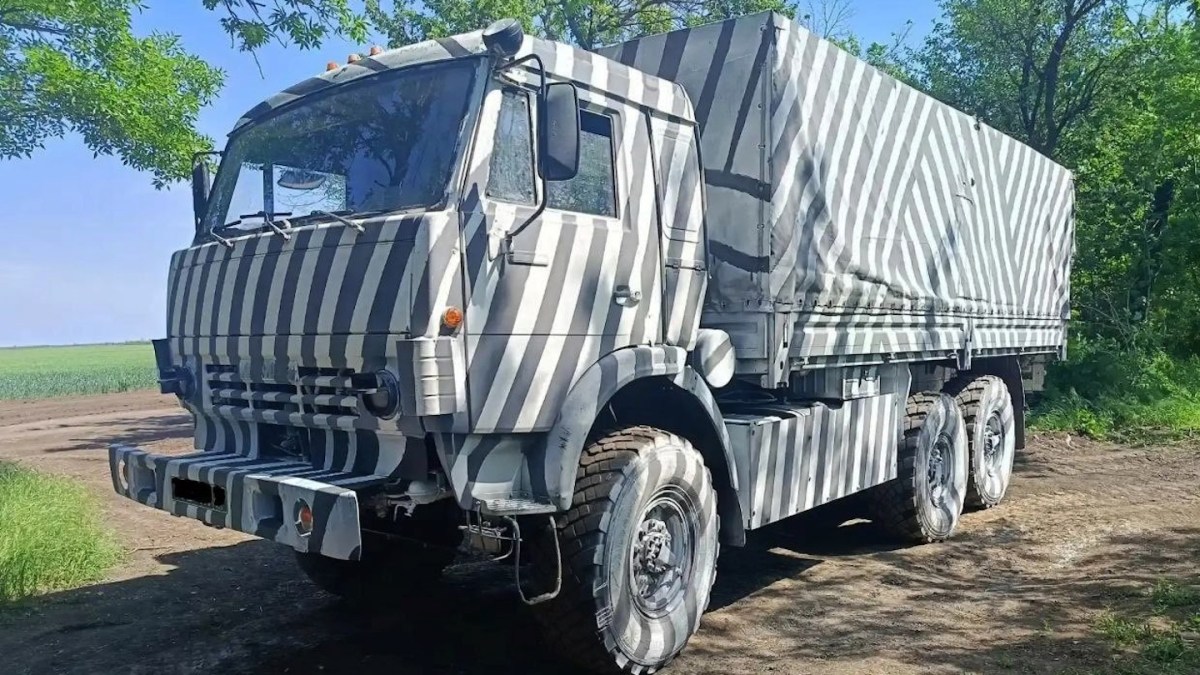
Russian Trucks Get ‘Dazzle’ Paint To Throw Off AI-Enabled Drones
Russian military trucks have been equipped with a new type of disruptive paint aimed at confusing machine-vision targeting systems. This development comes in response to the increasing threat posed by autonomous drones on the battlefield. The innovative paint, often referred to as "dazzle" paint, is designed to obscure the vehicles' outlines and hinder the ability of AI-enabled drones to accurately identify and target them. As the use of drone technology continues to evolve in modern warfare, this strategic move reflects Russia's efforts to enhance the survivability of its military assets against sophisticated aerial threats.
News & Features Around The Globe Drones Europe Russia Ukraine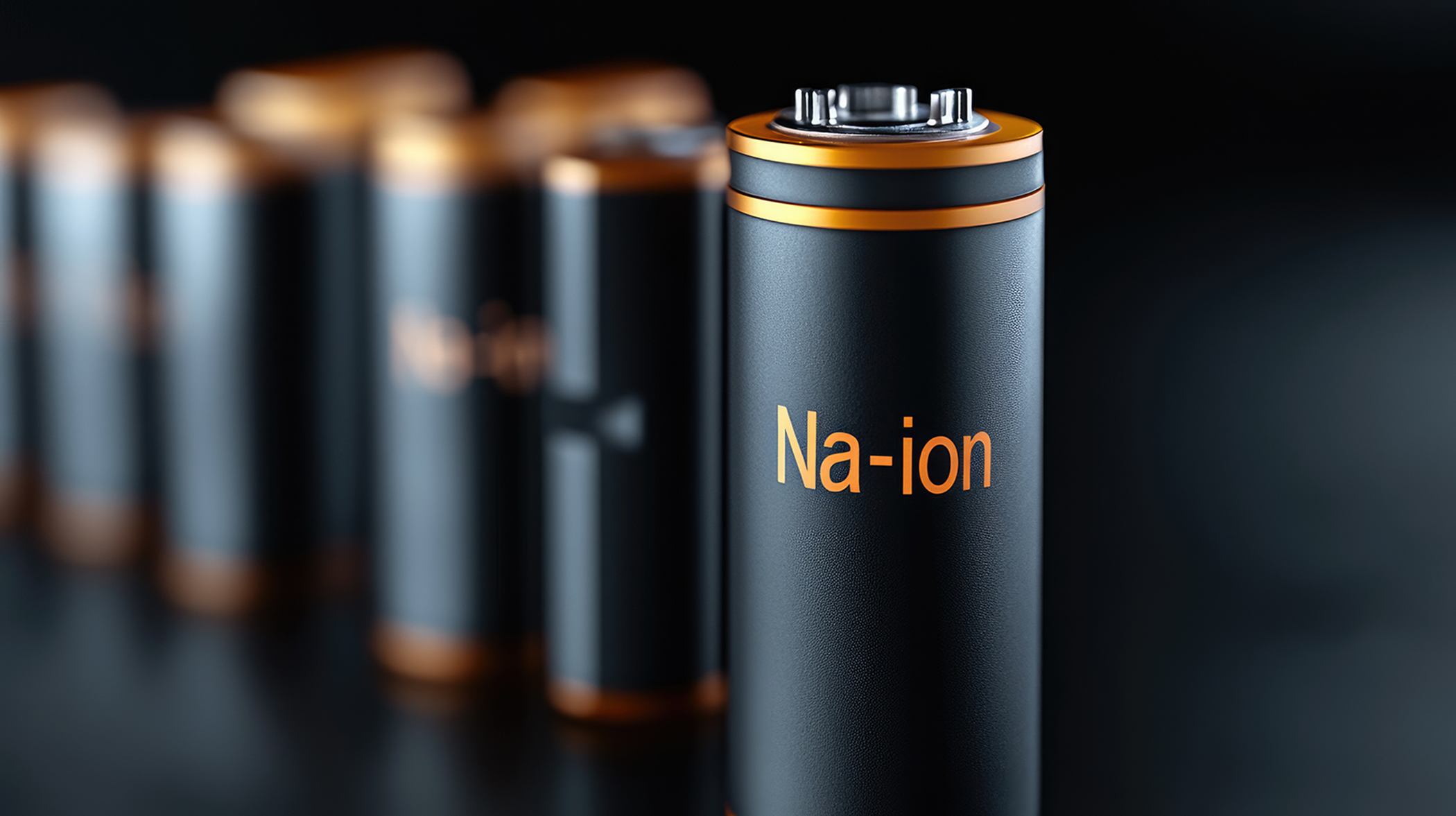
Sodium-ion Battery Field Trial for Trucks
Jungheinrich has announced the initiation of field trials for sodium-ion batteries in industrial trucks at select customer locations, marking a significant advancement in sustainable energy storage solutions. This initiative, which underscores the company's commitment to innovation in material handling, aims to explore the potential of these cutting-edge batteries in enhancing operational efficiency and reducing environmental impact. The trials are part of Jungheinrich's ongoing efforts to lead the industry in developing advanced battery technologies that align with sustainability goals.
AMR and AGV Components and Parts Electrification and Decarbonisation Forklifts and Warehouse Vehicles Materials Handling batteries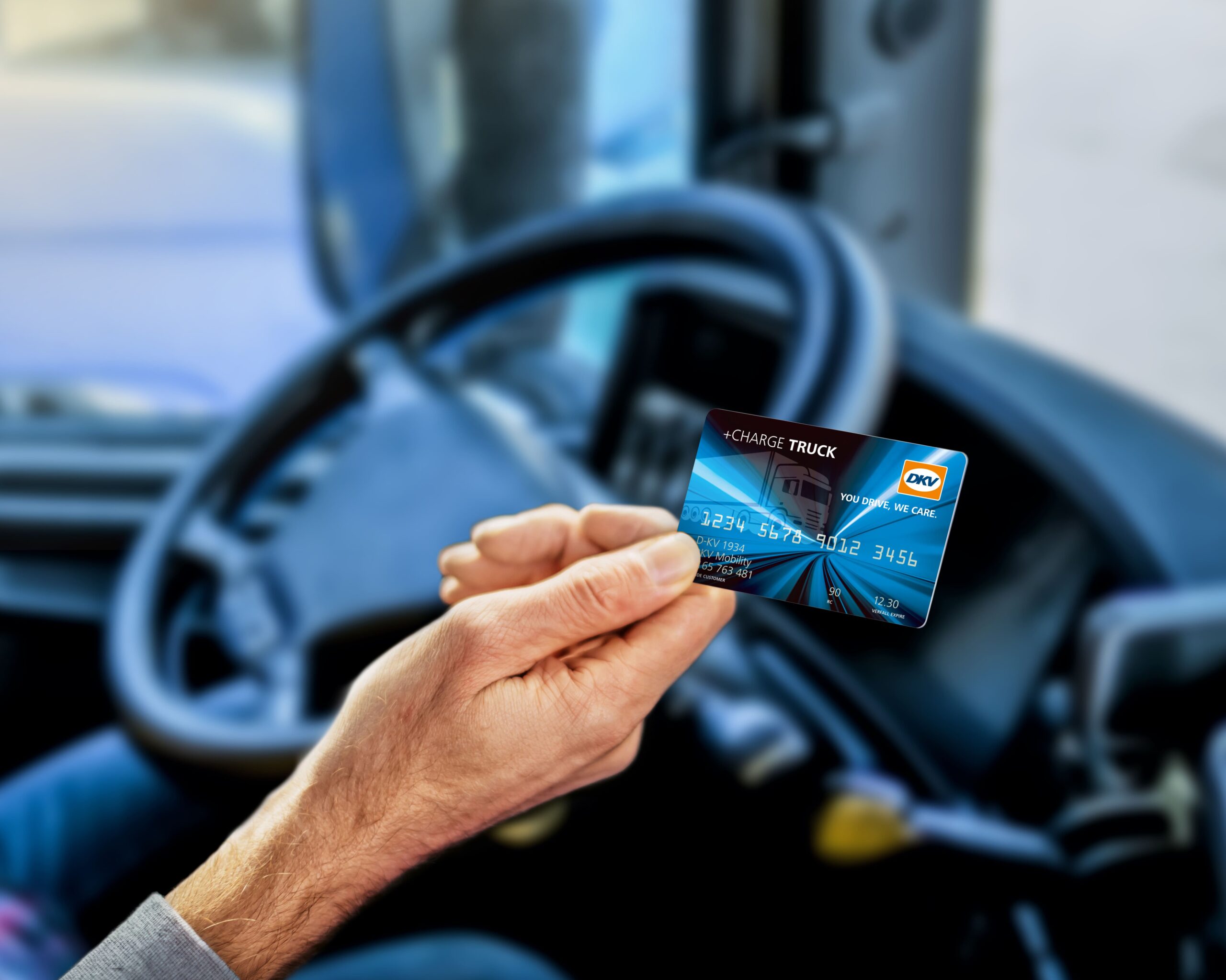
Charge Card Tailored for Electric Trucks
DKV Mobility is set to launch a new charge card tailored for transport operators utilizing electric commercial vehicles. The DKV Card +Charge Truck will provide access to over 3,000 verified truck-compatible charging points across more than 17 European countries, offering competitive rates. This initiative is part of DKV Mobility’s strategy to expand its e-mobility offerings and support the growing demand for sustainable transport solutions. The card aims to facilitate the transition to electric vehicles within the logistics sector, addressing the need for reliable and accessible charging infrastructure.
Couriers and Express CV, Trucks, Vans and Trailers Electrification and Decarbonisation Road Transport and Haulage Transport and Distribution CO₂ reduction
California lawmakers open the gate for autonomous trucks in the state
The California Department of Motor Vehicles (DMV) has introduced new safety and oversight regulations aimed at facilitating the operation of autonomous trucks within the state. This initiative marks a significant step towards integrating self-driving technology into California's transportation infrastructure. The updated requirements are designed to ensure that all autonomous vehicles adhere to stringent safety standards, reflecting the state's commitment to innovation while prioritizing public safety. The move comes as lawmakers seek to harness the potential benefits of autonomous trucking, including increased efficiency and reduced transportation costs. By enhancing regulatory frameworks, California aims to position itself as a leader in the development and deployment of autonomous vehicle technology.
Automotive Logistics Markets / Industries Mobility / Navigation News Safety & SecurityRobotics needs a service framework.
RSF defines a common language for robot service capability, lifecycle operations, certification pathways, and service-provider networks.
Join the RobotToday community on LinkedIn
Daily robotics news, in-depth analysis, conference highlights, and discussions with professionals worldwide.







