

Industry Briefing
A single destination for timely, editor-curated robotics news from around the world.
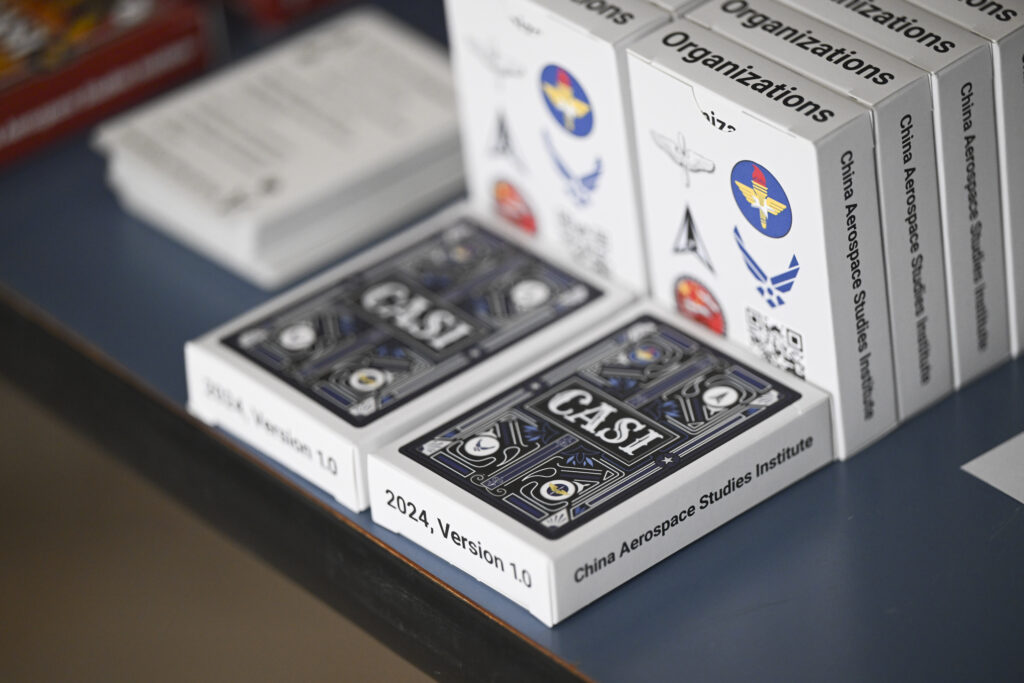
Air Force Confirms Continuation of China Aerospace Studies Institute Amid Civilian Staff Cuts
The Air Force has announced that it will eliminate civilian staff roles at the China Aerospace Studies Institute (CASI) but will not close the organization. An Air Force spokesperson stated that military service members will take over the institute's mission, which focuses on studying Chinese airpower. Affected civilian employees will remain in their positions until further notice and will be considered for reassignment. This decision comes as part of a broader civilian restructure within the Air Force’s Air Education and Training Command. CASI serves as a key think tank that publishes research on China's military capabilities, aiming to inform U.S. military strategy and policy. The institute's latest publication discusses how technologies intended for space exploration may enhance military operations in the Pacific region. As the Air Force navigates these changes, questions arise regarding similar research initiatives within the Army and Navy. While the Naval War College confirmed no anticipated changes at its China Maritime Studies Institute, the status of the Army's China Landpower Studies Center remains unclear. No further timeline was disclosed at the time of publication.
Air Warfare Global Air Education and Training Command Air Force Asia China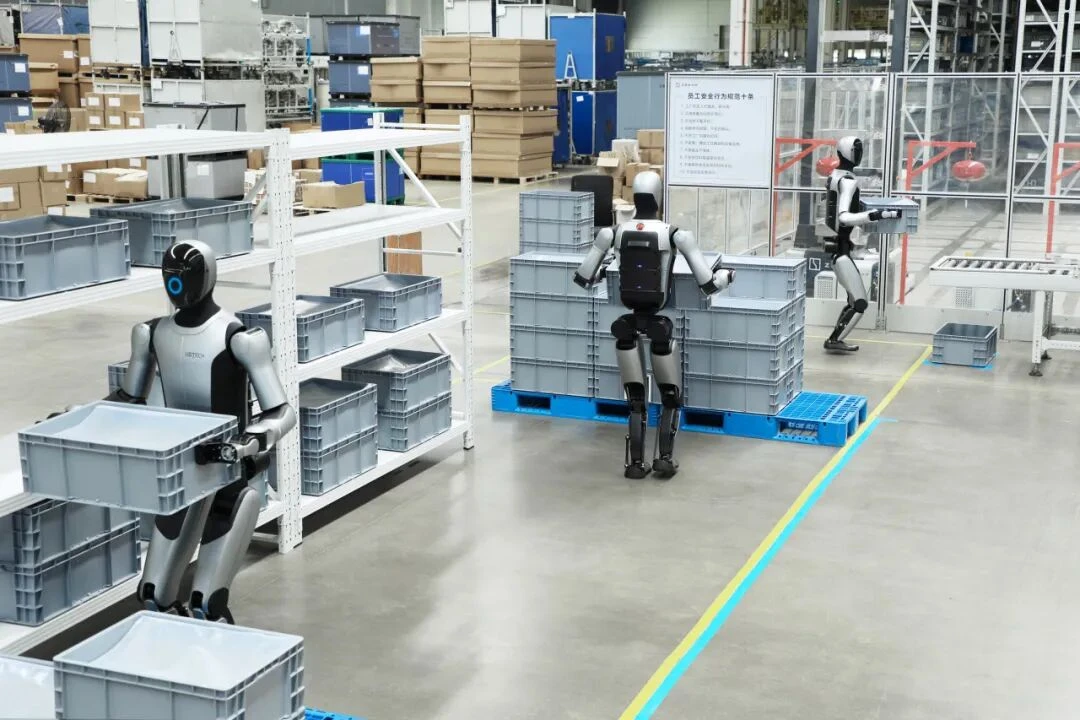
IFR Reports 7,000 Humanoid Robot Sales in 2025, Primarily for Research Purposes
According to figures from the International Federation of Robotics (IFR), approximately 7,000 humanoid robots were sold globally for industrial and professional service applications in 2025. This figure, while significant, does not fully capture the operational capabilities of these robots, as many purchasers are research institutions or companies focused on data collection to enhance AI models. The importance of this sales figure lies in its potential to benchmark the growth of humanoid robotics, although it is essential to note that the IFR's definition of humanoids includes machines with human-like appearances and autonomous functionality in human-designed environments. This definition excludes consumer and military robots, as well as medical devices, which complicates comparisons with broader industry totals. Looking ahead, the next critical metrics to monitor will be the operational performance of these humanoids post-sale, including usage hours, frequency of interventions, and task completion rates. While the growing sales figures indicate progress, the true measure of success will be their economic viability and effectiveness in real-world applications.
market analysis Market Research
Airwise Solutions Partners with UAS Sentry for Enhanced Drone Detection and Airspace Intelligence
Airwise Solutions and UAS Sentry have established a partnership aimed at improving low-altitude airspace awareness. This collaboration will integrate UAS Sentry Nexus detection capabilities with the Airwise Nexus platform, allowing users to visualize detected Remote ID signals alongside their drone operations. The integration will also enable the connection of this data with airspace information, mission activity, aircraft telemetry, weather, and FAA services. This partnership is significant as it supports critical infrastructure, utilities, airports, and industrial sites, while also catering to public safety agencies managing drone operations near sensitive areas. UAS Sentry Nexus is capable of detecting and identifying drones that transmit Remote ID signals, providing essential information about a drone's location and control station. The Airwise integration enhances this data by adding operational context, helping organizations differentiate between authorized and unauthorized drone activities. Looking ahead, the integration of UAS Sentry's detection capabilities with Airwise's operational tools could transform how organizations manage their airspace. No further timeline was disclosed at the time of publication. As the demand for drone operations continues to rise, the ability to understand and manage low-altitude airspace effectively will be crucial for various sectors.
Drone News Drone News Feeds News Remote ID UTM airspace awareness
US Space Force Deploys Space Control Weapons in Orbit, Air Force Secretary Confirms
The US Space Force has officially launched 'space control weapons' into orbit, marking a significant acknowledgment from Air Force Secretary Troy Meink. During a keynote address at the Air and Space Forces Association conference, Meink emphasized the importance of these weapons in defending against evolving threats from adversaries. This announcement highlights a shift in the US government's stance on discussing orbital weaponry, which has historically been a sensitive topic due to concerns about a potential arms race in space. The deployment of space control weapons is part of a broader strategy to ensure the United States can protect its interests in space. Meink noted that these weapons could include both kinetic and non-kinetic systems, although specific details were not disclosed. The discussion around space control is crucial for establishing deterrence against nations like China and Russia, which have been developing their own orbital weapon capabilities. Looking ahead, the Space Force is also preparing to launch space-based interceptors as part of the Golden Dome initiative, aimed at countering missile threats from orbit. Additionally, the first air-moving target indication satellites are set to be launched this month, enhancing the US's ability to monitor air-based adversary platforms globally. No further timeline was disclosed at the time of publication.
Air Warfare Space AFA 2026 Air Force airborne moving target indication (AMTI) Anduril
China Advances Toward Integrated Air, Land, and Sea Drone Swarm Systems
China is progressing from large formations of identical drones to a more complex network that coordinates uncrewed systems across air, land, and sea. The China Electronics Technology Group Corporation (CETC) highlights the evolution of drone swarms from mere numbers to distributed systems capable of communication and local decision-making. This shift is significant as it enhances operational capabilities in diverse environments, particularly in military applications. CETC identifies five key capabilities for effective swarm functionality: survivability, situational awareness, planning and decision-making, mission execution, and autonomous learning. While China has made strides in these areas, challenges remain, especially in integrating different types of uncrewed systems. Looking ahead, CETC envisions a heterogeneous swarm that allows various platforms to work together seamlessly. This integration could enable aerial drones, ground vehicles, and maritime systems to share information and resources, enhancing overall mission effectiveness. However, achieving this level of coordination presents substantial technical challenges.
Military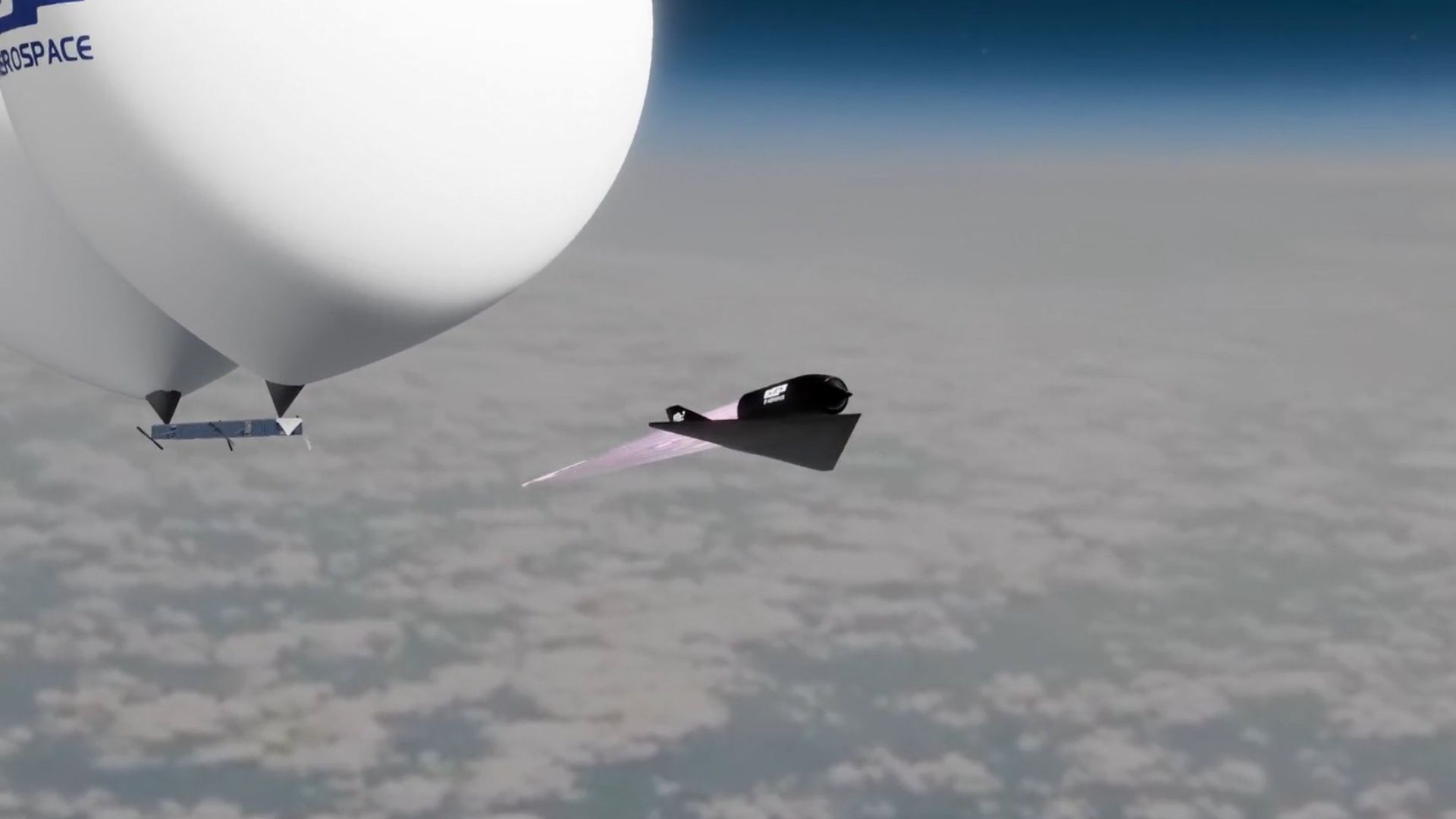
JP Aerospace Unveils Hazel Hypersonic Aircraft Concept for Space Access via Airships
JP Aerospace has introduced new computer-generated images of its Hazel vehicle, which aims to reach orbit without traditional rockets. The concept involves launching Hazel from a high-altitude airship named SuperTandem, as shared by company president John Powell. This innovative approach is part of a long-term vision to transport people and cargo to orbit using lighter-than-air vehicles. The significance of this project lies in its potential to revolutionize space travel. Unlike conventional rockets that provide quick, high-energy launches, JP Aerospace's Airship to Orbit program proposes a gradual ascent to space. Passengers and cargo would first be transported to a high-altitude base called Dark Sky Station before a larger orbital airship accelerates to orbital velocity using electric engines. Looking ahead, JP Aerospace's plans for the Hazel aircraft and its orbital-class airships remain ambitious yet unconfirmed in terms of construction and flight testing. No further timeline was disclosed at the time of publication.
Transportation
PAIR Program Assists Carnegie Mellon Students in AI Research Exploration
Carnegie Mellon University's School of Computer Science emphasizes research as a core component of its academic environment. Faculty and graduate students are engaged in defining innovative questions and developing new methodologies that push the limits of their respective fields. The PAIR program plays a crucial role in guiding students to discover their niche within the expansive realm of AI research. By facilitating connections between students and faculty, PAIR enhances the educational experience and fosters a collaborative research atmosphere. Looking ahead, the ongoing impact of the PAIR program on student engagement in AI research will be significant. As the program evolves, it will be essential to monitor how it continues to shape the research landscape at Carnegie Mellon University.
RI Life Uncategorized
European Space Agency Locates Philae Lander on Comet 67P After Two-Year Search
On September 2, 2016, the European Space Agency successfully located its long-lost Philae lander on Comet 67P after an extensive two-year search. Philae, which was deployed by the Rosetta spacecraft in November 2014, had experienced a rough landing due to failed harpoons, leading it to bounce and ultimately rest in a shadowed area where it could not generate sufficient solar power. The discovery of Philae's location provided closure for the European Space Agency, as it marked the culmination of a challenging mission that aimed to understand comet behavior. Despite its limited operational time, Philae made significant contributions, including the detection of organic materials on the comet's surface, before its batteries were depleted. Looking ahead, the Rosetta mission concluded with a controlled crash landing on Comet 67P on September 30, 2016. The mission's findings continue to influence our understanding of comets and their role in the solar system, making it a pivotal moment in space exploration history.
Space Exploration
Dronetag Integrates Remote ID Data into Airwise Nexus for Enhanced Airspace Awareness
Dronetag and Airwise Solutions have announced a new integration that incorporates Remote ID data into the Airwise Nexus common operating picture. This partnership aims to provide operators with a comprehensive view of low-altitude airspace activity, enhancing the management of complex drone missions, including beyond visual line of sight (BVLOS) operations. The integration is significant as it combines Dronetag's Remote ID transmitters and receivers with Airwise's drone operations management platform, airwiseOS. This collaboration allows users to access a unified interface that displays Remote ID detections alongside telemetry, radar information, and other sensor data, improving situational awareness and coordination for public safety and critical infrastructure teams. Looking ahead, the integration is available to Airwise customers utilizing Dronetag receivers or transmitters, allowing them to enable the connection through their app account settings. No further timeline was disclosed at the time of publication.
Drone News Drone News Feeds News Remote ID airspace awareness Airwise Solutions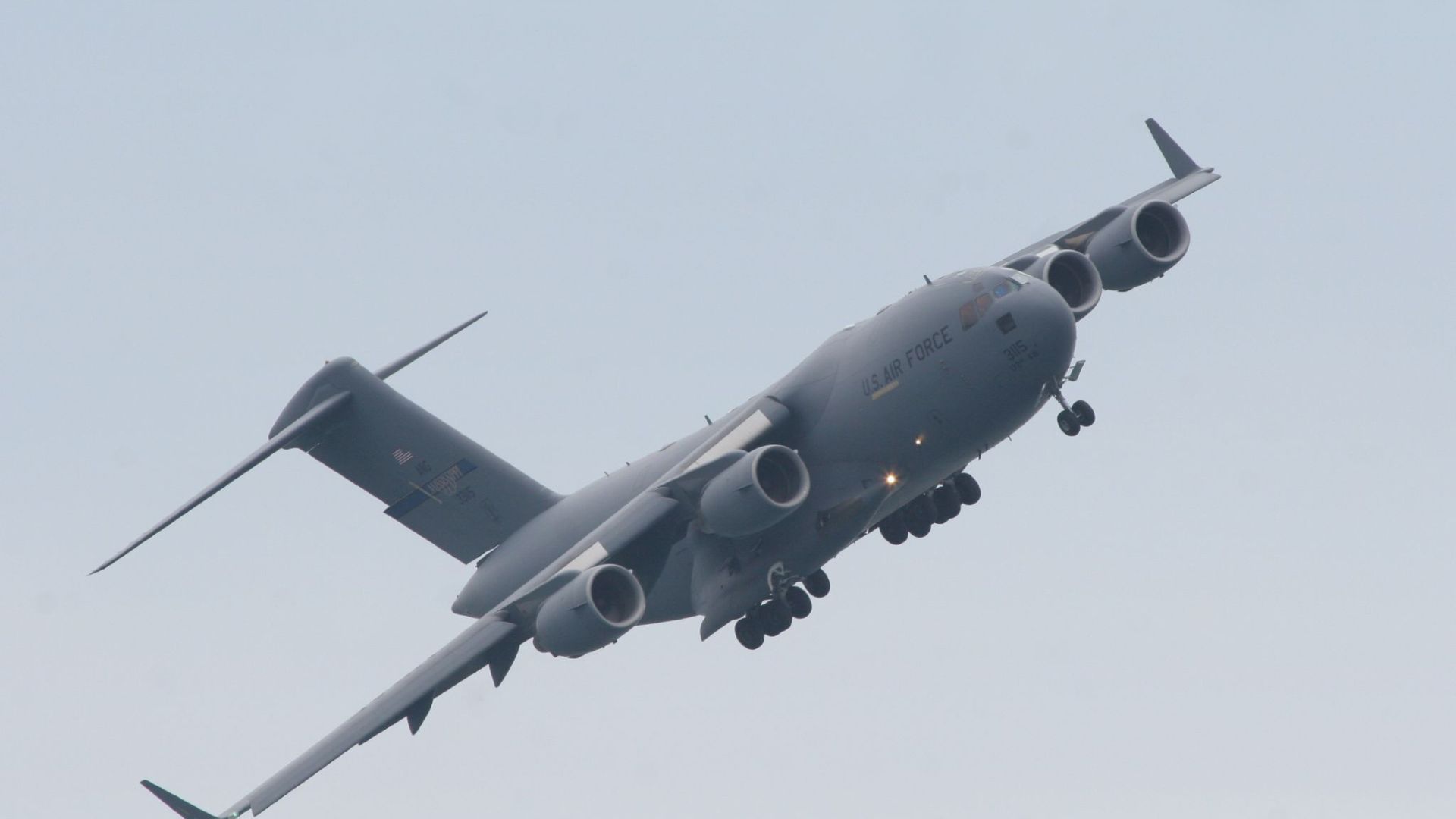
U.S. Air Force C-17 Globemaster Returns from Antarctica Due to Russian Aerospace Activity
A U.S. Air Force C-17 Globemaster transport aircraft was forced to turn back from its mission to Antarctica due to a warning about potentially hazardous Russian aerospace activity. The aircraft, operating under the call sign ICE28, departed from Christchurch, New Zealand, on August 18 but was redirected after receiving a NOTAM regarding a planned Russian missile launch. This incident underscores the risks associated with aviation in remote regions like the Southern Ocean, where emergency landing options are severely limited. The warning was issued by New Zealand's Civil Aviation Authority after being informed by Russia's State Air Traffic Management Corporation about the potential hazards in international airspace. The flight was part of the U.S. Air Force's winter fly season, which is crucial for transporting researchers and equipment to Antarctica ahead of the summer research season. No further timeline was disclosed at the time of publication.
Military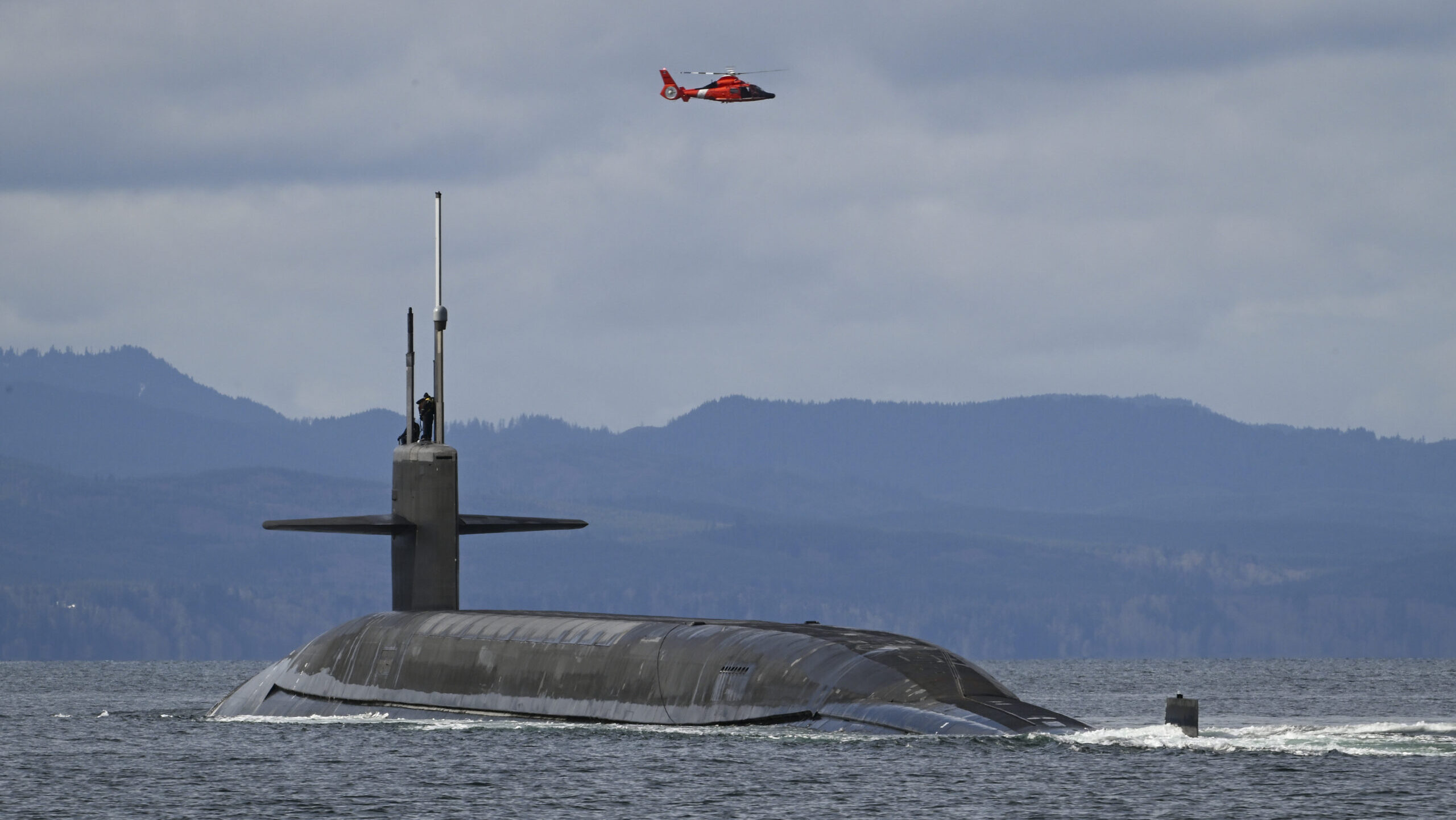
White House Unveils New Military Tech Strategy Prioritizing AI, Undersea, and Outer Space
The White House has released a new National Security Science & Technology Strategy, outlining a four-tiered priority framework for military technology, emphasizing artificial intelligence, undersea capabilities, and outer space. This strategy seeks to balance high-cost mega-programs with lower-cost innovations, reflecting a modernized approach to military tech acquisition. This new strategy is significant as it aims to maintain U.S. technological superiority in critical areas while addressing emerging threats, particularly from competitors like China. The focus on AI and autonomy, alongside traditional military strengths, underscores the evolving landscape of defense technology and the need for a diverse arsenal. Looking ahead, the strategy highlights the importance of building technological resilience through potentially transformative technologies, such as biotechnology and quantum technology. No further timeline was disclosed at the time of publication.
Air Warfare Naval Warfare Networks & Digital Warfare Pentagon Space AI & Autonomy
Humanoid Robot Stewie Secures Its Own Seat on Southwest Airlines Flight
The humanoid robot Stewie has made headlines by securing its own seat on a Southwest Airlines flight. This event marks a significant milestone in the integration of robotics into everyday life, showcasing the advancements in humanoid technology. The importance of this development lies in its implications for the future of travel and robotics. As humanoid robots like Stewie gain more visibility and functionality, they could transform passenger experiences and operational efficiencies in the airline industry. Looking ahead, it will be crucial to monitor how airlines adapt to the presence of humanoid robots and the potential regulatory changes that may arise. No further timeline was disclosed at the time of publication.
Robotics Automation AI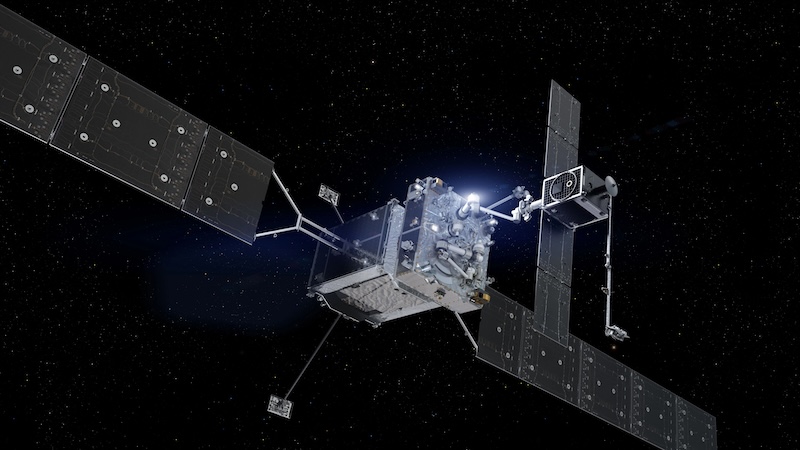
Northrop Grumman Unveils Robotic Spacecraft for Satellite Repair and Life Extension
Northrop Grumman has successfully launched its advanced robotic spacecraft, the Mission Robotic Vehicle (MRV), designed to service satellites in orbit. The MRV, which took off from Cape Canaveral Space Force Station on July 21 aboard a SpaceX Falcon 9 rocket, aims to repair, upgrade, and relocate satellites, extending their operational life beyond their original fuel limits. This initiative is significant as it addresses the growing need for satellite maintenance in space, allowing expensive assets to remain functional without the need for complete replacement. The MRV is equipped with two robotic arms that facilitate satellite inspection, debris removal, and the installation of Mission Extension Pods (MEPs), which act as propulsion modules for satellites running low on fuel. Looking ahead, the MRV's first mission will showcase its capability to install MEPs on existing satellites, effectively providing them with additional propulsion. This innovative approach could redefine satellite longevity and operational efficiency. No further timeline was disclosed at the time of publication.
Features Space Autonomous robots darpa in-orbit servicing MEP
Researchers Introduce Milo, the First Fully Autonomous Robotic Guide Dog for the Visually Impaired
Researchers have unveiled Milo, the world’s first fully autonomous robotic guide dog, aimed at assisting blind and visually impaired individuals in navigating various environments. This AI-powered mobile robot serves as a cost-effective alternative to traditional guide dogs, which can be expensive and in limited supply. Milo can be produced for under $2,000, significantly increasing accessibility for those awaiting trained guide dogs. The significance of Milo lies in its ability to navigate unfamiliar locations without the need for pre-mapped environments, utilizing onboard artificial intelligence to identify paths and avoid obstacles. This capability is crucial for users who require reliable navigation assistance in diverse settings. The robot's navigation system, trained through reinforcement learning, allows it to adapt to different lighting and environmental conditions, enhancing its usability. Looking ahead, the open-source release of Milo, including its hardware designs and AI models, invites further research and development in the field. This initiative could lead to advancements in assistive technologies for the visually impaired, making navigation safer and more efficient. No further timeline was disclosed at the time of publication.
Health News accessibility artificial intelligence assistive robotics assistive technology
UK Civil Aviation Authority's New Vision for BVLOS Drone Operations in Airspace
The UK Civil Aviation Authority has unveiled its Airspace Architecture Concept of Operations, aiming to transition Beyond Visual Line of Sight (BVLOS) drone operations from isolated trials to widespread commercial use across UK airspace. Published on July 30, 2026, the document outlines how drones and other airspace users can operate routinely at scale, emphasizing the need for integrated commercial operations rather than bespoke approvals. This initiative is part of the CAA’s Airspace Modernisation Strategy and Future of Flight programme, which recognizes the current limitations of BVLOS flights that rely on dedicated airspace arrangements. The Concept of Operations builds on the UK BVLOS Roadmap and introduces five key technology and process pillars, including electronic detection systems, conflict-avoidance systems, reliable communication links, digital traffic management services, and information sharing among operators and air traffic services. The CAA envisions a future where drone technology can deliver significant economic and societal benefits, with target use cases including faster inspections of critical infrastructure and support for emergency services. As technology evolves, the CAA expects the document to adapt, paving the way for a more integrated airspace system that maintains safety standards while fostering innovation. No further timeline was disclosed at the time of publication.
Drone News Drone News Feeds News aerial infrastructure inspection Airspace Architecture Concept of Operations Airspace Modernisation Strategy
SpaceX's Starship Successfully Lands at Sea After 13th Launch with New Videos
SpaceX's Starship completed its 13th launch on July 24, successfully landing its upper stage in the ocean. The flight achieved significant milestones, including deploying 20 next-gen Starlink satellites and reigniting a Raptor engine in space before a soft splashdown off Western Australia. This successful landing is crucial for SpaceX as it aims to develop a rapidly reusable system for various missions, including astronaut moon landings. The upper stage, measuring 171 feet, showcased impressive maneuvers during its descent, aided by Starlink satellites that provided real-time video footage. Looking ahead, SpaceX must address challenges related to the Starship heatshield and meet specific goals before participating in the Artemis III mission next year, which may involve lunar landings during Artemis IV. No further timeline was disclosed at the time of publication.
Launches & Spacecraft Space Exploration
Elon Musk Declares Himself a 'Former Trillionaire' Amid Tesla and SpaceX Stock Declines
Elon Musk humorously referred to himself as a 'former trillionaire' in a post on X, following a significant drop in his net worth. His fortune peaked at approximately $1.45 trillion in June, but by July 27, it had plummeted to below $700 billion, marking a loss of over $750 billion. This drastic decline is largely attributed to the volatility of Tesla and SpaceX stocks, with Tesla shares falling 25% in the past month and SpaceX experiencing a turbulent market debut. Musk's wealth is heavily tied to these companies, making such fluctuations a common occurrence for him, unlike typical investors who may panic during market downturns. Looking ahead, Musk remains the richest person globally, and his lifestyle is unlikely to change despite the valuation drop. No further timeline was disclosed at the time of publication.

Skypuzzler Proposes Mathematical Algorithms for Airspace Safety Amid Drone Traffic Surge
As the FAA seeks effective management of low-altitude airspace due to rising UAV traffic, Skypuzzler, a Copenhagen-based technology firm, offers a solution based on mathematical algorithms rather than AI. Their air traffic management system integrates strategic and tactical deconfliction to prevent airspace conflicts, allowing real-time traffic management without requiring additional drone hardware. Skypuzzler collaborates with major aerospace and logistics companies, including Thales Group and DSV, to implement its platform in Europe, notably at the Port of Rotterdam. With nearly 100 drone operators in the port, the company addresses the complexities of coordinating diverse drone missions in shared airspace, emphasizing the need for effective deconfliction strategies. Recently, United Airlines Ventures invested in Skypuzzler, facilitating its entry into the U.S. airspace management market, particularly in the Dallas-Fort Worth area. Skou warns that existing U.S. coordination models may not sustain as drone and manned aviation traffic increases, advocating for Skypuzzler's software integration into current UTM systems to enhance airspace safety and scalability.
Applications DL Exclusive Drone News Drone News Feeds Europe Drone Industry News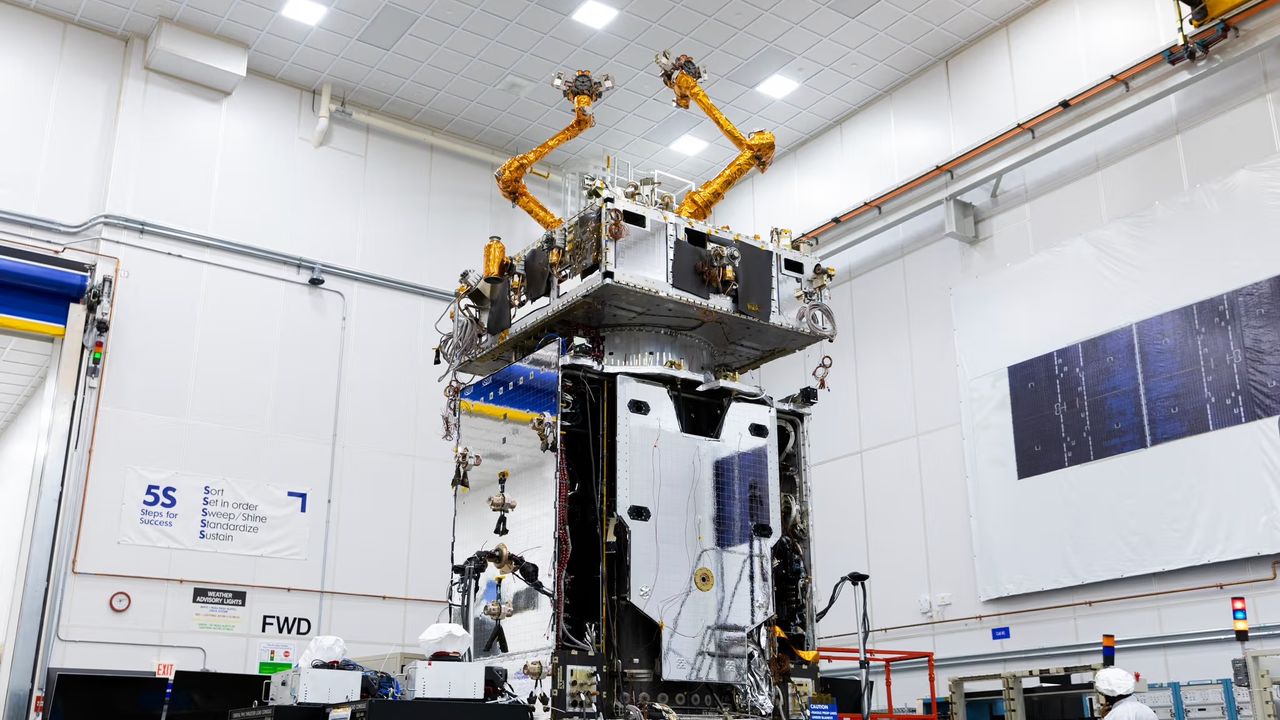
SpaceX Launches Innovative Satellite Repair Drone with Robotic Arms to Earth Orbit Today
SpaceX is set to launch a groundbreaking satellite-servicing mission today, July 21, using a Falcon 9 rocket from Cape Canaveral Space Force Station. The mission, named MRV-MEV, will deploy a Mission Robotic Vehicle (MRV) and three Mission Extension Pods (MEPs) to geostationary orbit (GEO) at an altitude of 22,236 miles (35,786 kilometers). The MRV, equipped with two robotic arms, will attach the MEPs to client satellites, extending their operational lives. This mission is significant as it marks the first launch of MEPs, which are designed to provide up to eight years of life extension for satellites in GEO. The MRV will not only install MEPs but also has capabilities to relocate, inspect, repair, and upgrade satellites in orbit. This advancement in satellite servicing technology is expected to enhance the resilience of space assets, as noted by Northrop Grumman, the parent company of SpaceLogistics, which operates the spacecraft. Looking ahead, the MRV will remain in GEO after installing the MEPs, awaiting future missions. The successful deployment of this technology could pave the way for more complex satellite servicing operations, building on Northrop Grumman's previous experiences with the Mission Extension Vehicle projects. No further timeline was disclosed at the time of publication.
Launches & Spacecraft Space Exploration
Air Force Suspends F-16 Ejection Seat Competition for 90 Days
The U.S. Air Force has announced a 90-day suspension of the competition for new ejection seats for the F-16 aircraft. This decision comes after the Air Force previously indicated plans to reopen the Next Generation Ejection Seat program, raising questions about the future of the procurement process. This suspension is significant as it sets the stage for a final decision regarding the competition for the ejection seats, which are critical for pilot safety during emergencies. The outcome of this decision could impact the timeline and direction of the Air Force's efforts to enhance the safety features of the F-16 fleet. As the Air Force evaluates its options, stakeholders will be watching closely for any developments regarding the Next Generation Ejection Seat program. No further timeline was disclosed at the time of publication.
Air Warfare Air Force B-1 Collins Aerospace f-15 f-16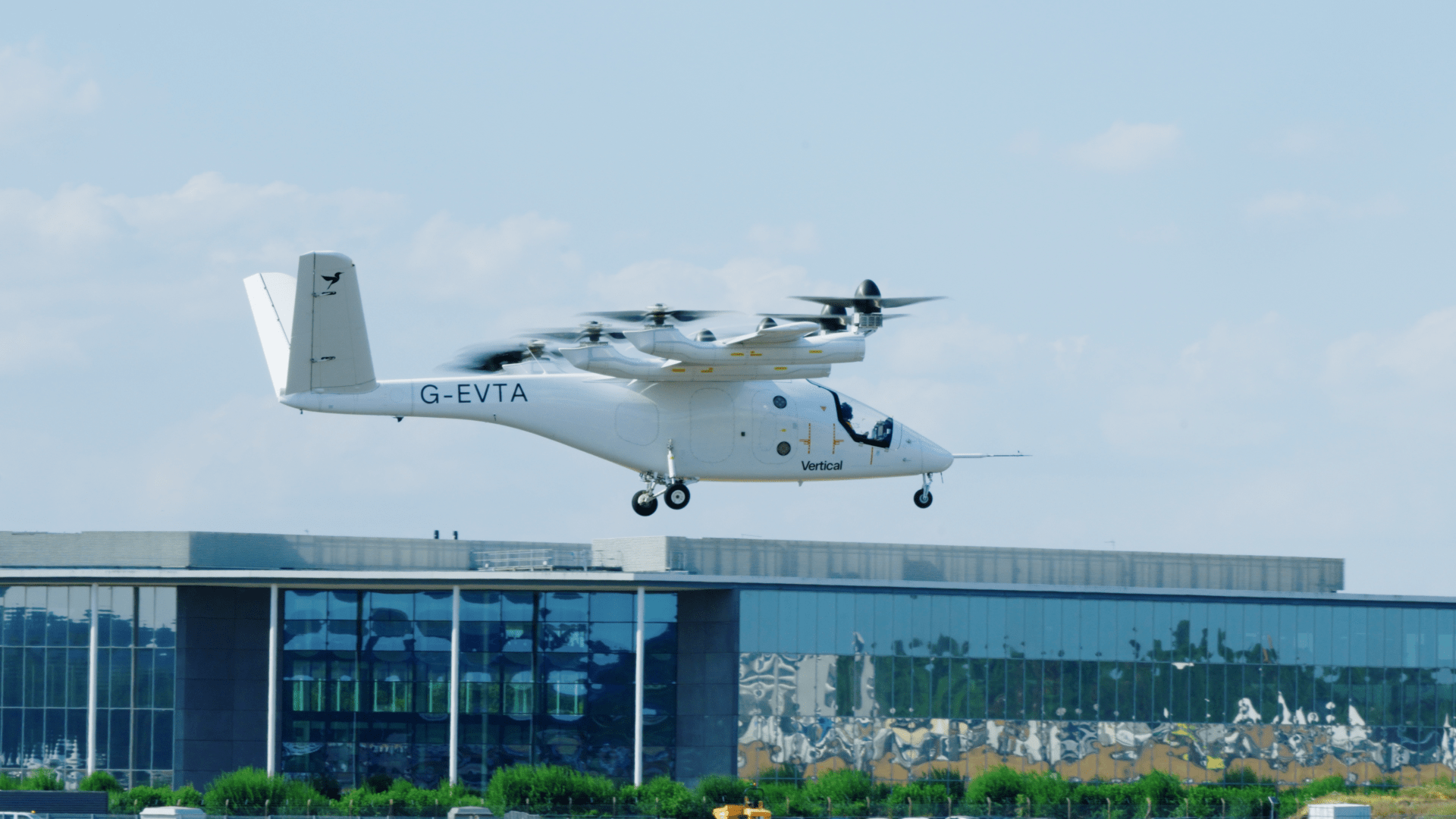
Vertical Aerospace to Showcase First Public eVTOL Flight Demonstrations at Farnborough Airshow
British aerospace company Vertical Aerospace is preparing to conduct its inaugural public electric vertical take-off and landing (eVTOL) flight demonstrations at the Farnborough International Airshow. This event marks a significant milestone in the company's journey toward certification and the launch of commercial electric aircraft services. The demonstrations are crucial as Vertical Aerospace has recently unveiled its Valo aircraft and completed successful piloted transition flights. The company has also strengthened its financial position and expanded its global technology partnerships, all while advancing its certification program. CEO Stuart Simpson emphasized that these milestones are vital for reducing risk and enhancing the company's competitive stance in the electric aerospace sector. Looking ahead, Vertical Aerospace aims to complete its Critical Design Review by the end of 2026, which will establish the certifiable design baseline for its aircraft. The company plans to bring its early production aircraft assembly facility online in Q3 2026 and begin hybrid-electric flight testing in the first half of 2027. No further timeline was disclosed at the time of publication.
Transportation
Dynamic Pricing Could Enhance Profitability for Air Taxis, Researchers Suggest
Research presented at the Korea Drone and UAM Expo indicates that dynamic pricing could make airport air taxis economically viable. The study, led by Mark Hansen from the University of California, Berkeley, highlights that airport transportation may be a strong commercial opportunity for electric vertical takeoff and landing (eVTOL) aircraft, particularly for routes to Los Angeles International Airport (LAX). The findings suggest that air travel can significantly reduce delays caused by road congestion, appealing to travelers who prioritize time savings. The researchers modeled a network of eight regional vertiports within 30 miles of LAX, estimating passenger demand based on current taxi and rideshare usage. They concluded that while ground travel times vary, UAM flight times remain consistent, offering substantial time savings during peak traffic. A key recommendation from the research is the implementation of variable pricing, akin to surge pricing in rideshare services. This approach could maximize revenue by aligning prices with the time savings perceived by travelers. The study points to Anaheim, California, as a potential market where dynamic pricing could support profitable operations that a fixed pricing model might not sustain.
Advanced Air Mobility Air Taxi Drone News Drone News Feeds Drones in the News News
NASA and Rice University Launch Open-Source Simulator for Space Robotics Research
Rice University and NASA have introduced the iMETRO Dynamic Simulation, the first open-source platform for developing robots for spacecraft and habitats. Unveiled at the 2026 IEEE International Conference on Robotics and Automation in Vienna, this simulator creates a digital twin of NASA's iMETRO facility, enabling global researchers to test intravehicular robotic systems in a virtual setting. This platform is significant as it broadens access to advanced space robotics research, facilitating innovation for future human space missions. It focuses on robot manipulators that assist with maintenance and logistics tasks, which are crucial for reducing astronaut workloads during extended missions. The simulator features an eight-degree-of-freedom robotic manipulator model and supports ROS 2 and MuJoCo, enhancing usability and compatibility for developers. Looking ahead, the iMETRO Dynamic Simulation aims to maximize astronaut productivity by automating routine tasks, allowing crew members to focus on scientific exploration. The research team successfully demonstrated the simulator's capabilities by transferring a robotic application from simulation to the physical facility in under a day. No further timeline was disclosed at the time of publication.
AI and Robotics
Retail Execution Insights from the 2025 Holiday Season for 2026 Planning
During the 2025 holiday season, retailers faced unexpected visibility in fulfillment due to economic uncertainty and high consumer demand. Adobe Analytics reported over $10 million in online spending every minute on Cyber Monday, while the National Retail Federation noted holiday spending exceeded $1 trillion. The performance of fulfillment became crucial in meeting customer expectations, highlighting the need for retailers to adapt their strategies. Consumer confidence in retailers' ability to manage holiday demand was high, with over 91 percent feeling assured. However, this confidence translated into elevated expectations, particularly among younger shoppers who prioritized speed and on-time delivery. In contrast, older generations focused on value and price sensitivity. Nearly half of U.S. shoppers experienced late deliveries, with Gen Z and parents feeling the most stress, indicating a need for retailers to optimize fulfillment models for resilience rather than just peak capacity. Looking ahead, retailers have three strategic opportunities to enhance warehouse automation and fulfillment processes. As challenges such as geopolitical tensions and labor pressures persist into 2026, treating fulfillment as a dynamic system will be essential for maintaining customer loyalty and brand differentiation. Retailers that fail to deliver consistently risk losing customers due to unmet delivery promises.

Terradepth to Showcase Enhanced Absolute Ocean Capabilities at Sea-Air-Space 2025
Terradepth, a frontrunner in autonomous subsea technology and ocean data intelligence, is set to showcase its latest innovations to the Absolute Ocean platform at the Sea-Air-Space 2025 exposition, a leading event in maritime defense. Scheduled for this year, the unveiling will highlight significant enhancements, including advanced analytics, real-time collaboration tools, and improved change detection capabilities. These upgrades aim to provide defense professionals with a cutting-edge subsea intelligence solution, enhancing their operational effectiveness in maritime environments.
terradepth absolute ocean sea-air-space 2025
Air Force Maintains China Aerospace Studies Institute Despite Director's Concerns
The Air Force has asserted that the China Aerospace Studies Institute (CASI) will continue its operations without civilian personnel. However, Brendan Mulvaney, the director of CASI, expressed skepticism about this claim, stating that the institute's functionality without civilian staff is 'not credible.' This situation highlights the ongoing debate regarding the viability of military think-tanks and their reliance on civilian expertise. Mulvaney's comments suggest that the Air Force's position may overlook critical operational needs, raising questions about the future effectiveness of CASI in providing insights on aerospace developments in China. Observers should monitor how the Air Force addresses these concerns moving forward. The ongoing discussions around CASI's operational structure may influence its ability to contribute meaningfully to U.S. defense strategies regarding China. No further timeline was disclosed at the time of publication.
Air Warfare Air Education and Training Command Air Force Asia China civilian workforce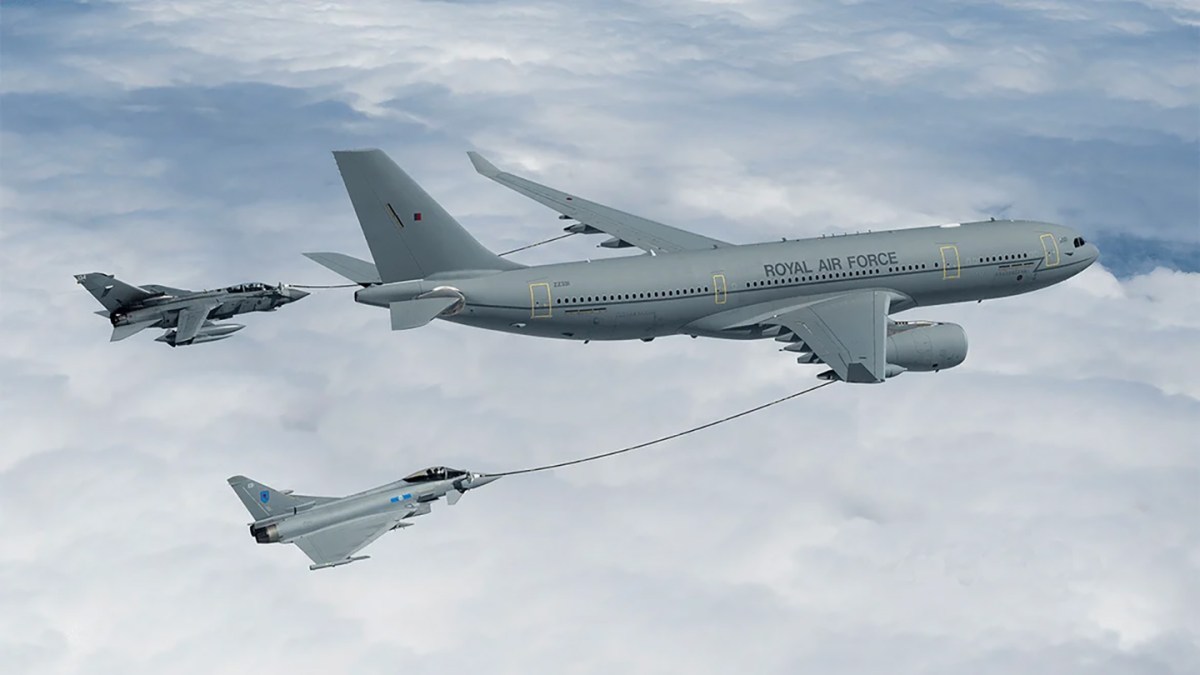
Royal Air Force Deploys Voyager Tanker to Support Saudi Arabia Against Houthi Attacks
The Royal Air Force (RAF) is deploying a Voyager aerial refueling jet to assist Saudi Arabia in defending against Houthi attacks from Yemen. This marks the first known international military support specifically aimed at countering the Houthi threat, which has escalated since the summer. This deployment is significant as it highlights the UK's commitment to Saudi Arabia amidst ongoing regional tensions. While the RAF's action involves only one tanker, it underscores the urgency of the situation, especially as other allies have not yet provided military assistance to the Kingdom in its fight against the Houthis. Looking ahead, the RAF's Voyager will operate from a UK air base in Cyprus and is set to begin air-to-air refueling operations shortly. The Ministry of Defense emphasized the importance of preventing Houthi success, as it poses a threat to stability in the Middle East and could lead to economic repercussions in the UK, including rising energy prices and supply disruptions.
Air Air Forces Around The Globe Iran Middle East News & Features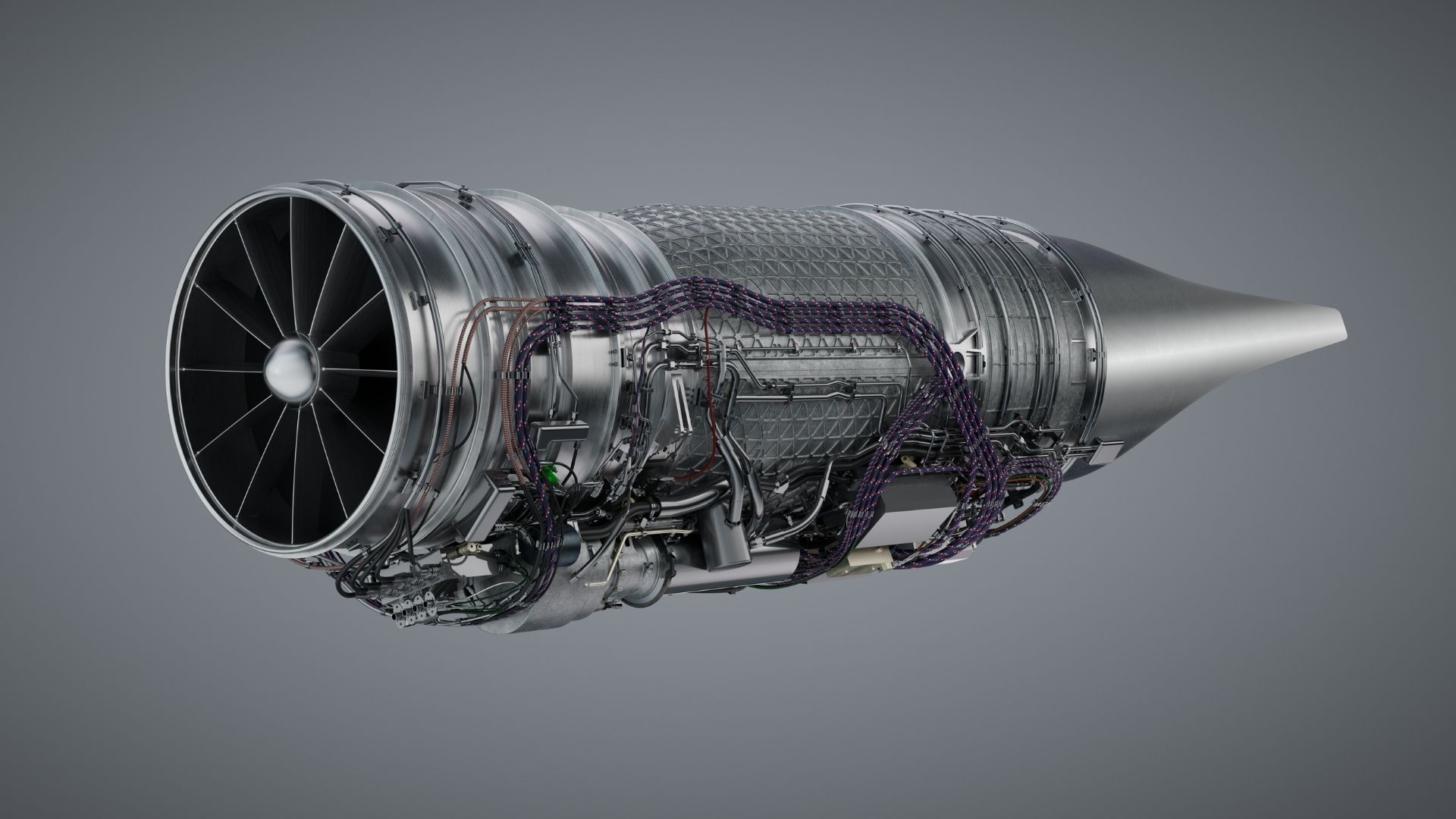
GE Aerospace Advances in XA102 Engine Development for U.S. Air Force Program
GE Aerospace is progressing towards the assembly of its XA102 adaptive cycle engine, a crucial component for the U.S. Air Force's Next Generation Adaptive Propulsion (NGAP) program. The company is currently collaborating with suppliers to procure hardware and test components in preparation for the assembly of the first XA102 test asset. This initiative builds on GE's previous XA100 engine program, introducing a digitally driven design and manufacturing approach. Notably, GE is employing model-based definition (MBD) to streamline the process, allowing for a machine-readable digital model that integrates engineering, manufacturing, and inspection, potentially reducing errors and accelerating the transition from design to hardware. While the XA102 is not yet operational, its development signifies a shift towards physical engine hardware, leveraging insights from the XA100 program. The successful implementation of this digital approach could enhance the aerospace industry's ability to adapt to future propulsion needs, particularly as military aircraft evolve to accommodate advanced technologies and systems.
Military
Airwise Solutions Partners with UAS Sentry to Enhance Remote ID Detection Capabilities
Airwise Solutions has announced a partnership with UAS Sentry to integrate the Nexus Remote ID detection system with its Nexus platform. This collaboration aims to provide enterprise customers with a comprehensive operational view of both their drone fleets and other Remote ID-equipped drones in their airspace. The integration enhances situational awareness for airports, utilities, and critical infrastructure operators. The significance of this partnership lies in its ability to offer a unified operational picture that includes drone location, pilot position, and other vital data alongside telemetry and weather information. This is crucial for organizations that require insights into the low-altitude airspace, as simply detecting a drone does not provide context about its presence or relevance to ongoing operations. Looking ahead, the integration of UAS Sentry’s detection capabilities into Airwise’s Nexus platform is expected to improve operational awareness for various sectors, including public safety and industrial facilities. No further timeline was disclosed at the time of publication.
News
U.S. Aerospace and Defense Sector Achieves $995 Billion in Sales in 2025
The Aerospace Industries Association (AIA) reported that the U.S. aerospace and defense sector generated $995 billion in sales in 2025, employing 2.2 million workers with an average operator wage of $115,000. The industry maintained a trade surplus of approximately 73%. This significant revenue underscores the importance of the aerospace and defense sector to the U.S. economy, highlighting its role in job creation and technological advancement. Boeing's acquisition of the F-47 next-generation fighter aircraft and Lockheed Martin's record delivery of 191 F-35 Lightning II fighter planes are notable achievements within this thriving industry. Looking ahead, companies like Astronics Corporation and Ducommun are making strides, with Astronics acquiring Bühler Motor Group and Ducommun being recognized as a BAE Supplier of the Year. No further timeline was disclosed at the time of publication.
Technology and IIoT
US Space Force Engages Leonardo DRS for Advanced Space Sensor Development
The US Space Force has selected Leonardo DRS to develop a new space sensor aimed at detecting, identifying, tracking, and targeting fast-moving threats. This initiative is part of the broader effort to enhance tactical responsiveness in space operations, particularly under the VICTUS HAZE mission framework. This development is significant as it addresses the increasing need for advanced surveillance and threat detection capabilities in space, especially given the growing complexity of space operations and the potential for conflicts in orbit. The optimized sensor system is expected to achieve uplink speeds of 1.25 Mbps and downlink speeds of 100 Mbps, enhancing communication and operational efficiency. Looking ahead, the advancements in space sensor technology will be crucial for future military satellite networks, with Redwire also investing in phased array antennas to improve data links. No further timeline was disclosed at the time of publication.
Space
U.S. Air Force Requests Anti-Aircraft Gun Systems for Global Base Defense
The U.S. Air Force is actively seeking anti-aircraft gun systems to enhance the defense of its overseas air bases against drones and cruise missiles. This Request for Information (RFI) is part of a broader initiative to improve ground-based air defenses, a role traditionally held by the Army, as the Air Force currently lacks such systems. This initiative is crucial as recent conflicts have highlighted vulnerabilities in the U.S. air defense capabilities for foreign installations, particularly in light of potential threats from adversaries like China and Russia. The RFI emphasizes the need for a Ground-Based, Medium-Caliber Gun Weapon System that can effectively engage subsonic cruise missiles and unmanned aircraft systems, ensuring persistent defense for U.S. Air Force operations. Looking ahead, the Air Force aims for these systems to be rapidly deployable and transportable, utilizing its fleet of transport aircraft. The evaluation will focus on the cost-effectiveness of munitions and the integration of advanced sensors for reliable target acquisition. No further timeline was disclosed at the time of publication.
Land Air Air Forces Short-Range Air Defense Systems (SHORADS) U.S. Air Force
Saab's Gripen F Two-Seater Completes First Flight Test in Sweden
Saab's Gripen F two-seat fighter has successfully completed its inaugural flight, marking the start of its flight-test campaign. The aircraft took off from Saab's airfield in Linköping, Sweden, at 9:40 a.m. local time, with Saab chief test pilot Jakob Högberg and Brazilian Air Force test pilot Lt. Col. Abdon de Rezende Vasconcelos onboard for approximately 40 minutes. This milestone is significant for both Saab and the Brazilian Air Force, as it demonstrates the culmination of years of engineering collaboration. The Gripen F is designed not only for pilot training but also to enhance operational performance in advanced combat missions, retaining an independent operational role for the rear cockpit. Looking ahead, the Gripen F will undergo a comprehensive test program to expand its flight envelope, including speed, altitude, and tactical capabilities. The integration of the Gripen F with advanced drone technologies, such as Saab's Autonomous Collaborative Platform, could further enhance its combat effectiveness and operational versatility in future missions.
Air Americas Around The Globe Fighters Gripen News & Features
Korea Aerospace Industries and Hyundai Rotem Collaborate on KF-21 Air-to-Air Missiles
Korea Aerospace Industries (KAI) and Hyundai Rotem have entered into a memorandum of understanding (MoU) to collaborate on the development and integration of advanced airborne weaponry, specifically focusing on air-to-air missiles for the KF-21 fighter jet. This partnership is significant as it underscores the growing emphasis on enhancing the capabilities of the KF-21, which is a key component of South Korea's defense strategy. The collaboration aims to leverage both companies' expertise in aerospace and defense technology to create more effective and advanced weapon systems. Looking ahead, industry stakeholders will be keen to observe the progress of this collaboration and its impact on the KF-21 program. No further timeline was disclosed at the time of publication.
News
Airwise Solutions Launches Nexus for Enhanced Sensor Integration in Airspace Awareness
Airwise Solutions has introduced Airwise Nexus, a new capability within its airwiseOS Operational Intelligence platform that enhances airspace awareness through sensor fusion. Nexus aggregates data from various airspace sensors, including radar, RF detection, Remote ID, ADS-B, and video, into a unified operating picture, facilitating better decision-making for organizations managing complex low-altitude airspace. This development is significant as it addresses the challenges faced by public safety agencies and infrastructure operators who often rely on multiple systems that operate independently. By correlating sensor data in real-time, Nexus simplifies the monitoring process, allowing users to respond more effectively to airspace activity. Initial applications include public safety, drone-as-first-responder programs, and counter-UAS operations. Looking ahead, Airwise Nexus is positioned as a hardware-independent platform, enabling sensor manufacturers to integrate their systems at no cost. This open integration model allows customers to utilize a variety of hardware, enhancing the value of their airspace awareness systems. No further timeline was disclosed at the time of publication.
Applications Drone News Drone News Feeds Drones in the News News Public Safety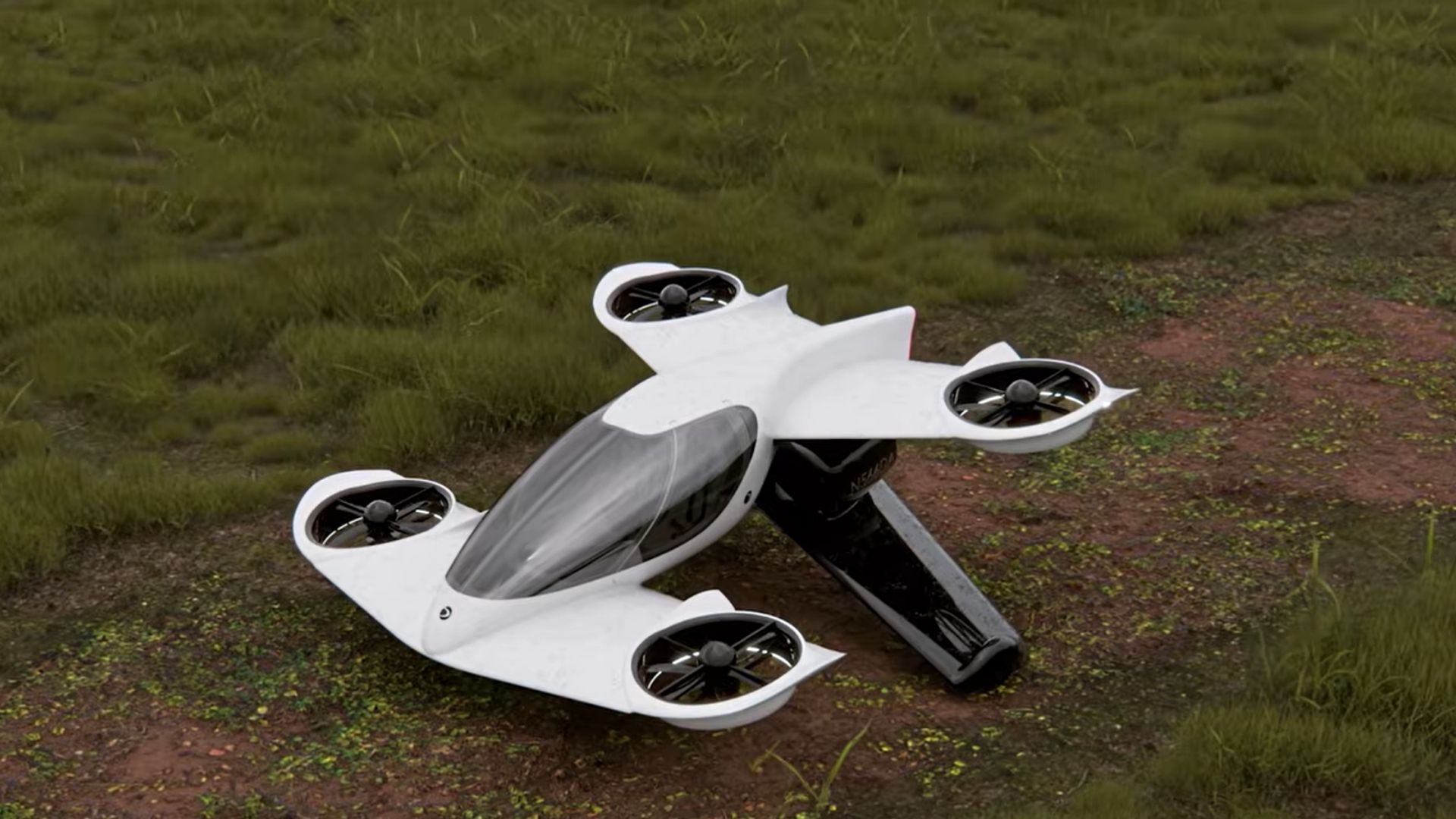
SES AI Partners with Doroni Aerospace to Develop High Energy Density Battery for eVTOL Aircraft
Battery technology company SES AI has signed a framework agreement with Doroni Aerospace to create battery systems for the H1-X electric vertical takeoff and landing (eVTOL) aircraft. This partnership, valued at up to $1.09 million, includes an initial commitment of $65,000 and will unfold in phases throughout 2026 and 2027. The collaboration is significant as it aims to enhance the H1-X's ground and flight-test program, with testing expected to commence as early as 2027. SES AI's lithium-metal batteries, designed to achieve energy densities nearing 400 Wh/kg, will play a crucial role in meeting the demanding performance and safety requirements of eVTOL platforms, which are critical for urban air mobility. Looking ahead, the agreement allows for potential expansion to include additional test systems and future production. As the eVTOL industry evolves, the focus on battery technology will be pivotal in determining the operational efficiency and range of aircraft like Doroni's H1-X, which is designed for short-distance travel with a range of 100 miles and a top speed of 120 miles per hour.
Energy Transportation
SAIRA Establishes Collaborative Network for Space AI Robotics Across Industries and Academia
The Space AI Robotics Association (SAIRA) aims to create a collaborative network that integrates diverse technologies such as AI, robotics, data science, and space engineering to advance space exploration and infrastructure. The organization promotes research exchanges and joint studies in areas like physical AI and digital twins, connecting universities, research institutions, companies, and government agencies. This initiative is significant as it fosters partnerships across various sectors, enhancing innovation in space AI robotics. SAIRA's activities include hosting symposiums, conducting research and demonstrations, and organizing the RoboCup@Space robotics competition, which is set to expand the field of robotics through collaborative efforts. Looking ahead, SAIRA is actively inviting researchers, companies, and students to participate as members or partners. The organization is focused on promoting research exchanges and collaboration in space AI robotics, with plans for future events and initiatives to further its mission. No further timeline was disclosed at the time of publication.

Vertical Aerospace Secures $4.6M for Electric Aircraft Charging and Cooling Project
Vertical Aerospace is spearheading a UK-supported initiative to enhance electric aircraft charging and liquid-cooling systems, addressing critical infrastructure challenges that could accelerate the commercial viability of electric aviation. The ECLiPSE project, which includes collaboration with the University of Bath and InnCat Ltd., aims to develop high-power charging and thermal management solutions to lower costs and improve operational efficiency for electric aircraft. This project is significant as it aligns with the growing demand for electric vertical take-off and landing (eVTOL) aircraft, which necessitate rapid recharging capabilities at airports and vertiports. With a total investment of approximately $4.5 million, including $2.3 million in government funding, ECLiPSE is set to enhance charging performance and reduce infrastructure size, ultimately facilitating more frequent flights from existing facilities. Looking ahead, the technologies developed through ECLiPSE may extend beyond aviation, potentially benefiting other electrified transport sectors. Vertical Aerospace is also in discussions with the UK Government for additional funding to support its global production sites, emphasizing the need for robust charging infrastructure to support the transition to zero-emission flight.
Transportation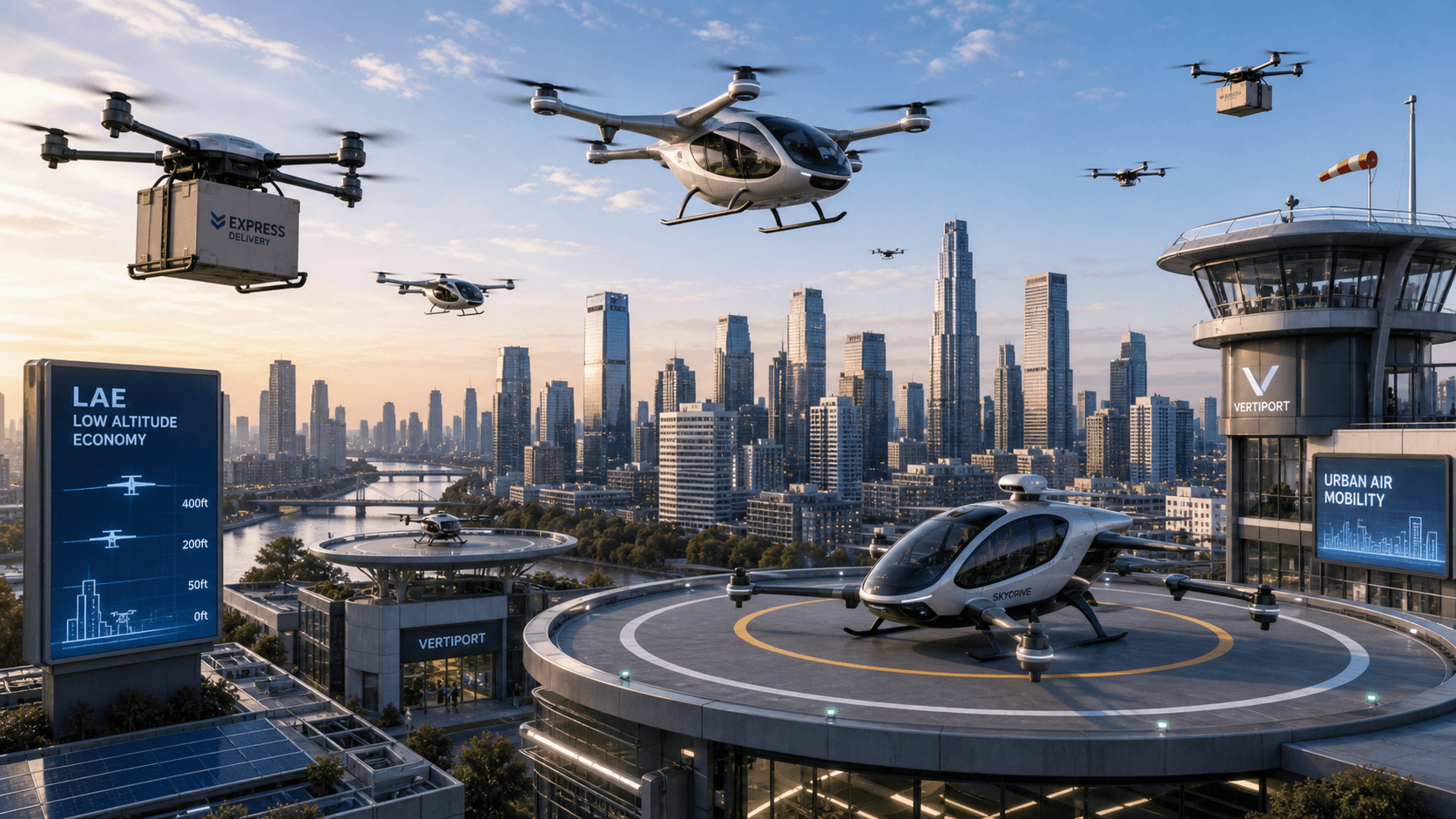
Low-Altitude Economy Experiences Rapid Growth with Logistics Drones and eVTOL Aircraft
The low-altitude economy is entering a significant growth phase as logistics drones, eVTOL aircraft, and airspace management systems converge. This convergence is marked by the commercialization of delivery drones and inspection robots, which are at the forefront of this emerging market. This development is crucial as it signifies an inflection point for the industry, highlighting the increasing demand for efficient logistics solutions and advanced airspace management. The integration of these technologies is expected to enhance operational capabilities and streamline delivery processes in various sectors. Looking ahead, stakeholders should monitor advancements in airspace management infrastructure and the deployment of logistics drones and eVTOL aircraft. No further timeline was disclosed at the time of publication.
Industry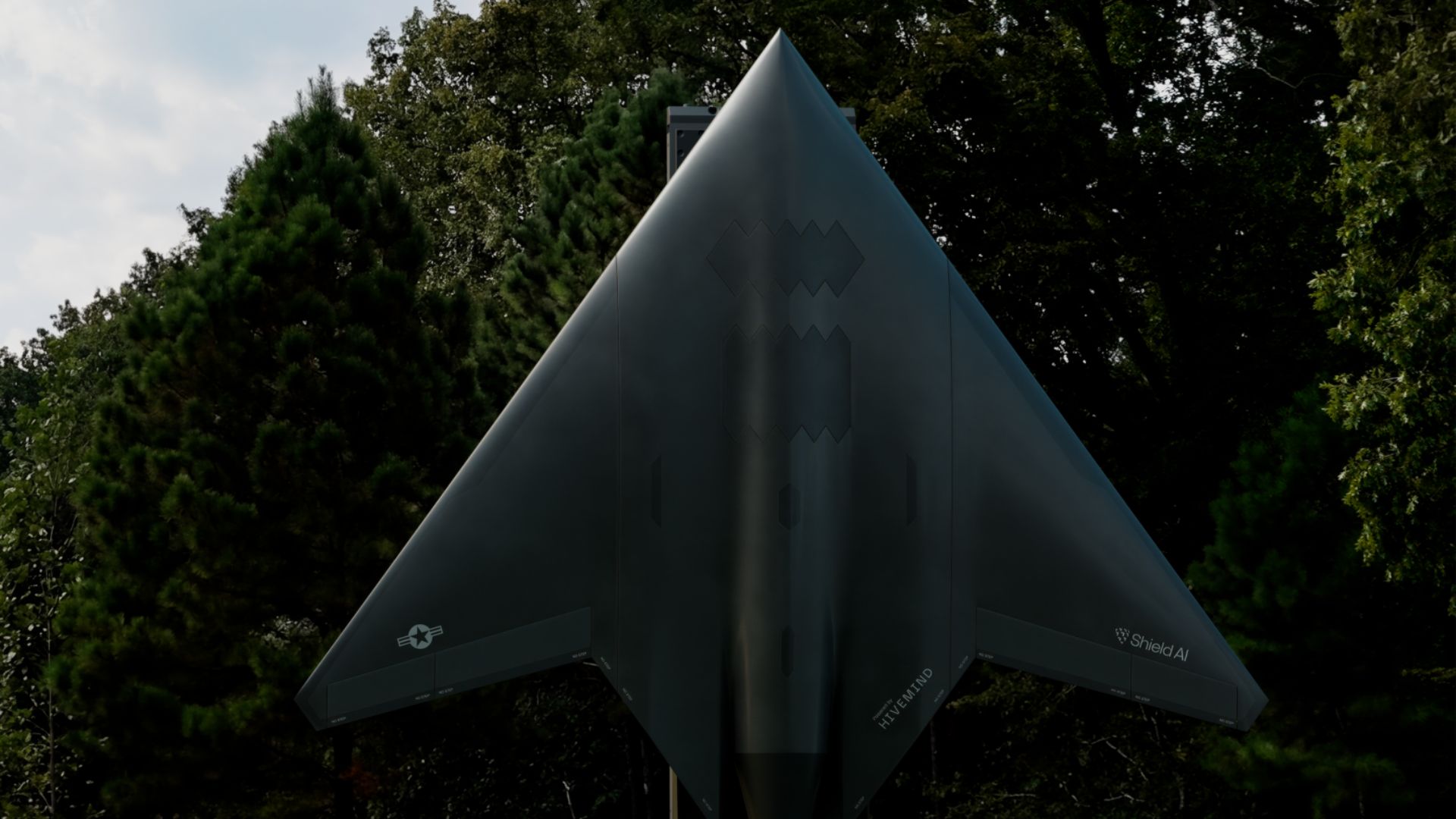
GE Aerospace and Shield AI Achieve Milestone in X-BAT Aircraft Engine Testing
GE Aerospace and Shield AI have successfully completed critical engine tests for the X-BAT unmanned strike aircraft, advancing the project towards vertical flight testing scheduled for later this year. The tests involved the integration and actuation of the Axisymmetric Vectoring Exhaust Nozzle (AVEN) on the F110-GE-129E engine, confirming the propulsion system's functionality. This achievement is significant as it marks the first fully integrated test of the nozzle and engine systems since the 1990s, showcasing the potential of the AVEN to enable vertical takeoff and landing without runways. The X-BAT is designed for deployment in areas lacking traditional airbases, enhancing operational flexibility in combat scenarios. Looking ahead, the next phase involves further ground tests of the AVEN before its installation on the X-BAT prototype for flight trials. The collaboration between GE Aerospace and Shield AI aims to refine the propulsion system, making future iterations of the X-BAT faster, lighter, and more capable for long-range missions.
Innovation Military Transportation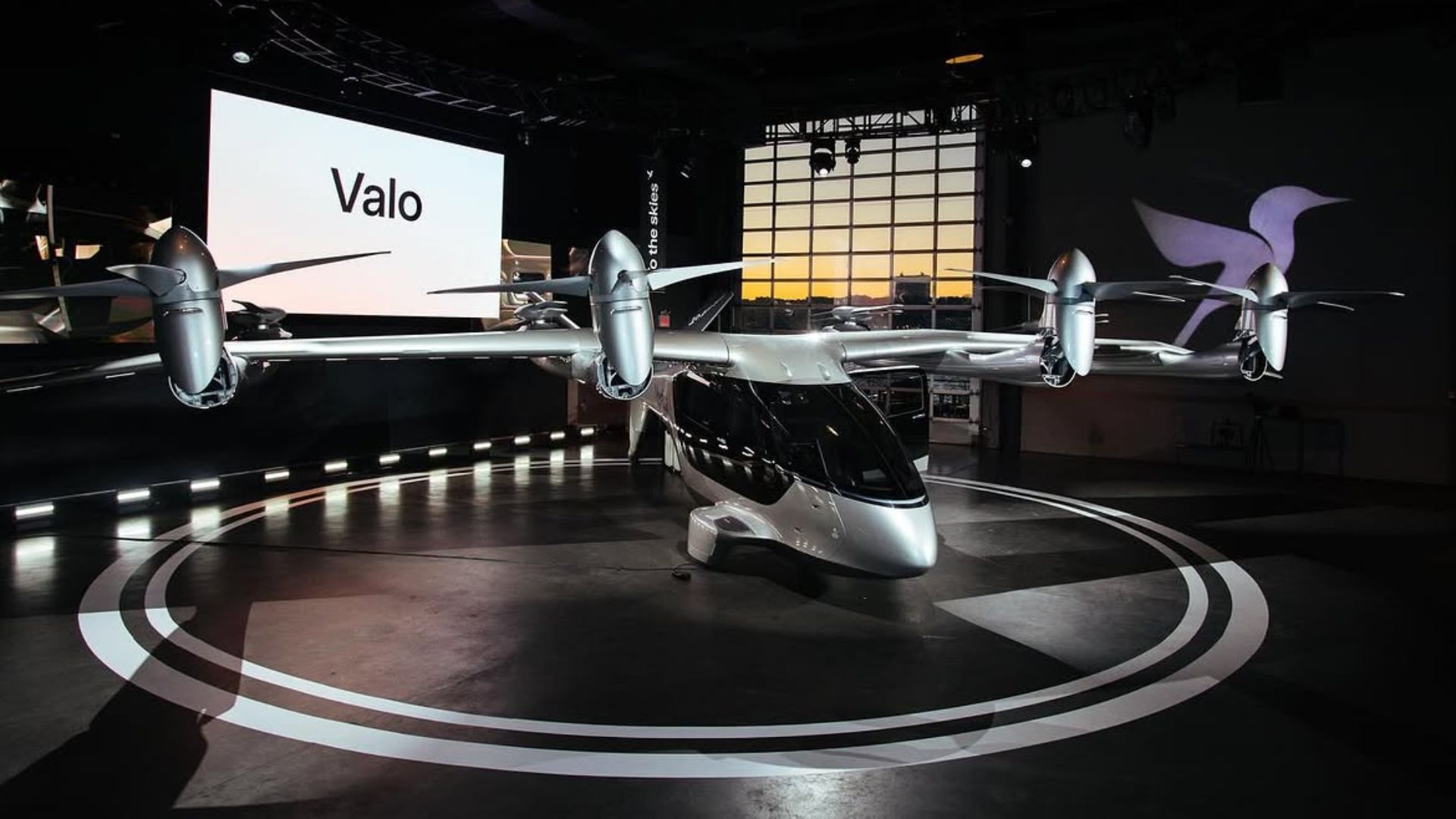
Vertical Aerospace Partners with Near Earth Autonomy for Valo Aircraft's Autonomous Flight Capabilities
Vertical Aerospace has partnered with Near Earth Autonomy to enhance its Valo aircraft with advanced autonomous flight capabilities. This collaboration aims to integrate Near Earth's autonomy software with Honeywell Aerospace's Anthem digital cockpit, facilitating the development of self-flying technology for defense and commercial aviation. The partnership is significant as it allows Vertical to leverage Near Earth's extensive experience in autonomous aviation, which includes systems developed for military applications. By utilizing a shared technology stack, the companies aim to reduce technical risks associated with expanding autonomous features in the Valo aircraft, which is designed for both defense and commercial markets. Looking ahead, Vertical plans to pursue defense programs while also preparing for automated commercial operations. The Valo aircraft, featuring hybrid-electric propulsion, is capable of flying up to 1,000 miles and carrying payloads of up to 2,400 pounds, making it a versatile option for various operational roles. No further timeline was disclosed at the time of publication.
Transportation
Study on Offshore Wind Turbine Blade Repair Using Particle Swarm Optimization and Advanced Control Techniques
A recent study published in the Journal of Field Robotics explores innovative methods for repairing offshore wind turbine blades. The research focuses on utilizing a Particle Swarm Optimization-Backpropagation Neural Network combined with Improved Active Disturbance Rejection Control to enhance repair efficiency. This research is significant as it addresses the growing need for effective maintenance strategies in offshore wind energy, which is crucial for maximizing energy output and minimizing downtime. The integration of advanced algorithms aims to improve the precision and reliability of repair processes, ultimately contributing to the sustainability of wind energy. Looking ahead, the implications of this study could influence future developments in wind turbine maintenance technologies. No further timeline was disclosed at the time of publication.
RESEARCH ARTICLE
MIT and EPFL Develop Flapping Robot for Seamless Water-Air Transition with Advanced Wing Design
Researchers from MIT and EPFL have created a flapping robot capable of transitioning between water and air without legs. Weighing approximately 250 grams, the robot features a streamlined body, two flexible wings, and a controllable tail. It can flap its wings at frequencies of up to 6 Hz underwater and 5.2 to 11 Hz in the air, mimicking the behavior of diving birds, as detailed in a recent Science publication. This innovation is significant as it addresses the complex physical challenges of transitioning from water to air, a feat that most diving birds achieve with the aid of their legs. The robot's flexible wings reduce drag and allow for a higher flapping frequency underwater compared to rigid wings. This design not only enhances its swimming efficiency but also aligns with biological observations of diving birds, providing insights into their locomotion strategies. Looking ahead, the research team is exploring optimal wing configurations and has tested various sizes and stiffnesses. Future experiments will focus on the robot's ability to transition from water to air solely through wing flapping, a critical milestone that could reveal more about the mechanics of avian flight and inspire advancements in robotic design. No further timeline was disclosed at the time of publication.
Flapping Robots Aerial Robotics Aquatic Robotics Bio-inspired Engineering
SpaceX Unveils AI1 Satellite Specs for Starmind Constellation with Key Thermal Challenges
SpaceX has introduced the AI1 satellite, the inaugural component of its Starmind constellation, which stands 20 meters tall and has a wingspan of 70 meters. This orbital compute node is designed to deliver computing power equivalent to one NVIDIA GB300 server rack, utilizing a unique cooling system with deployable liquid radiators. The satellite's specifications were revealed during a presentation on June 8, 2026, ahead of SpaceX's IPO. The significance of the AI1 satellite lies in its role as a compute platform rather than a traditional satellite, focusing on running AI inference workloads. The satellite's cooling system, which is critical for its operation in the vacuum of space, is designed to reject heat through infrared radiation. However, independent engineers have raised concerns about the feasibility of the thermal and mass claims made by SpaceX, suggesting that the cooling requirements may exceed practical limits. Looking ahead, SpaceX plans to launch two AI1 prototypes in early 2027, with full-scale production expected to commence later that year at its Gigasat facility in Bastrop, Texas. The ongoing debate regarding the satellite's thermal management capabilities will be crucial to monitor as the project progresses, with no further timeline disclosed at the time of publication.
SpaceX IPO Provides Indirect Investment Opportunity in Starmind Project
Starmind does not have a standalone stock or ticker; investors can gain exposure through SpaceX (ticker: SPCX), which began trading on Nasdaq after its IPO on June 12, 2026. Starmind is integrated within SpaceX, contributing to the company's AI and space initiatives, and its performance directly influences SPCX shares. The significance of Starmind lies in its role as a division of SpaceX, which encompasses other projects like Starlink and Starship. As of early July 2026, SPCX shares are trading between $149 and $150, significantly lower than their 52-week high of $225.64. The project’s milestones, such as AI1 prototype updates, can impact SpaceX's stock performance, making it essential for investors to monitor these developments closely. Looking ahead, the early 2027 launch of AI1 prototype satellites is a critical milestone that could provide verifiable data affecting Starmind's valuation and, consequently, SPCX stock. No further timeline was disclosed at the time of publication, but the upcoming events will be pivotal for investors tracking the relationship between Starmind and SpaceX's stock performance.
SpaceX's Starship V3 Plans for 1 Million Starmind Satellites by 2030
SpaceX's Starship V3 is set to revolutionize satellite deployment, aiming to launch 1 million Starmind satellites by 2030. The spacecraft can carry over 100 tonnes to low Earth orbit (LEO), significantly more than the Falcon 9's capacity. As of May 2026, Starship has completed 12 flights, with the next mission scheduled for late July 2026, focusing on operational payloads including AI1 prototypes in early 2027. This ambitious plan is crucial for expanding orbital compute capacity, targeting an annual addition of 100 GW through a million tonnes of satellite hardware. SpaceX's strategy hinges on achieving a launch cadence of approximately 12,000 flights, equating to about three launches per day. The company has invested over $15 billion in the Starship program, with expectations to begin payload deliveries in the second half of 2026, starting with Starlink V3 satellites. Looking ahead, the successful deployment of the Starmind constellation will depend on Starship's ability to meet its cost targets of $10–20 million per flight. If achieved, this would make launching satellites more economical than building ground data centers. The next significant milestone will be the launch of AI1 prototypes in early 2027, with full-scale deployments commencing in 2028 from the new Gigasat factory in Texas.

Starmind's Satellite Technology Achieves 880 Billion Liters in Annual Water Savings
Starmind has announced that its satellite technology can save approximately 880 billion liters of cooling water annually at full scale. This figure is equivalent to the annual household water use of around 6.5 million Americans. The technology operates by utilizing a closed-loop liquid cooling system that eliminates the need for water during its operational life, contrasting sharply with traditional ground data centers that consume vast amounts of water for cooling. The significance of this achievement lies in the growing water consumption crisis faced by data centers, particularly as AI expansion drives demand. In 2025, U.S. data centers consumed nearly one trillion liters of water, highlighting the urgent need for sustainable solutions. Starmind's approach not only addresses direct water usage but also avoids indirect water consumption associated with electricity generation, marking a substantial shift in how computing can be conducted in a resource-efficient manner. Looking ahead, Starmind's deployment strategy includes a projected buildout of 100 GW of orbital compute per year, which could displace an additional 735 billion liters of ground water demand annually. The first tranche of 10,000 satellites is already operational, offsetting approximately 8.8 billion liters of water per year. No further timeline was disclosed at the time of publication.

SpaceX set to go public; Musk may become world's first trillionaire; Bill Gates testifies on Epstein case.
SpaceX is set to make its debut on the Nasdaq on June 12, 2023, under the ticker symbol SPCX, with an initial public offering (IPO) that aims to raise $75 billion by issuing 555.6 million shares at a price of $135 each. This IPO is projected to surpass the previous record set by Saudi Aramco in 2019, which raised $29.4 billion. If underwriters exercise their option to purchase additional shares, the total funds raised could reach approximately $86 billion. With this valuation, CEO Elon Musk is on track to become the world's first trillionaire, thanks to his significant stake in Tesla and other assets. In other news, Alibaba announced a leadership change at DingTalk, appointing 1992-born tech entrepreneur Chen Yusen as the new CEO, making him the youngest division head at Alibaba. Meanwhile, former Microsoft co-founder Bill Gates testified before Congress on June 10, addressing his past relationship with Jeffrey Epstein and denying any involvement in illegal activities. OpenAI is reportedly considering a significant price reduction for its products to compete with rival Anthropic, while the European Central Bank raised interest rates by 25 basis points in response to rising inflation pressures. Additionally, the market for World Cup betting has surged, with transaction volumes exceeding $2 billion, indicating a potential record-breaking event.
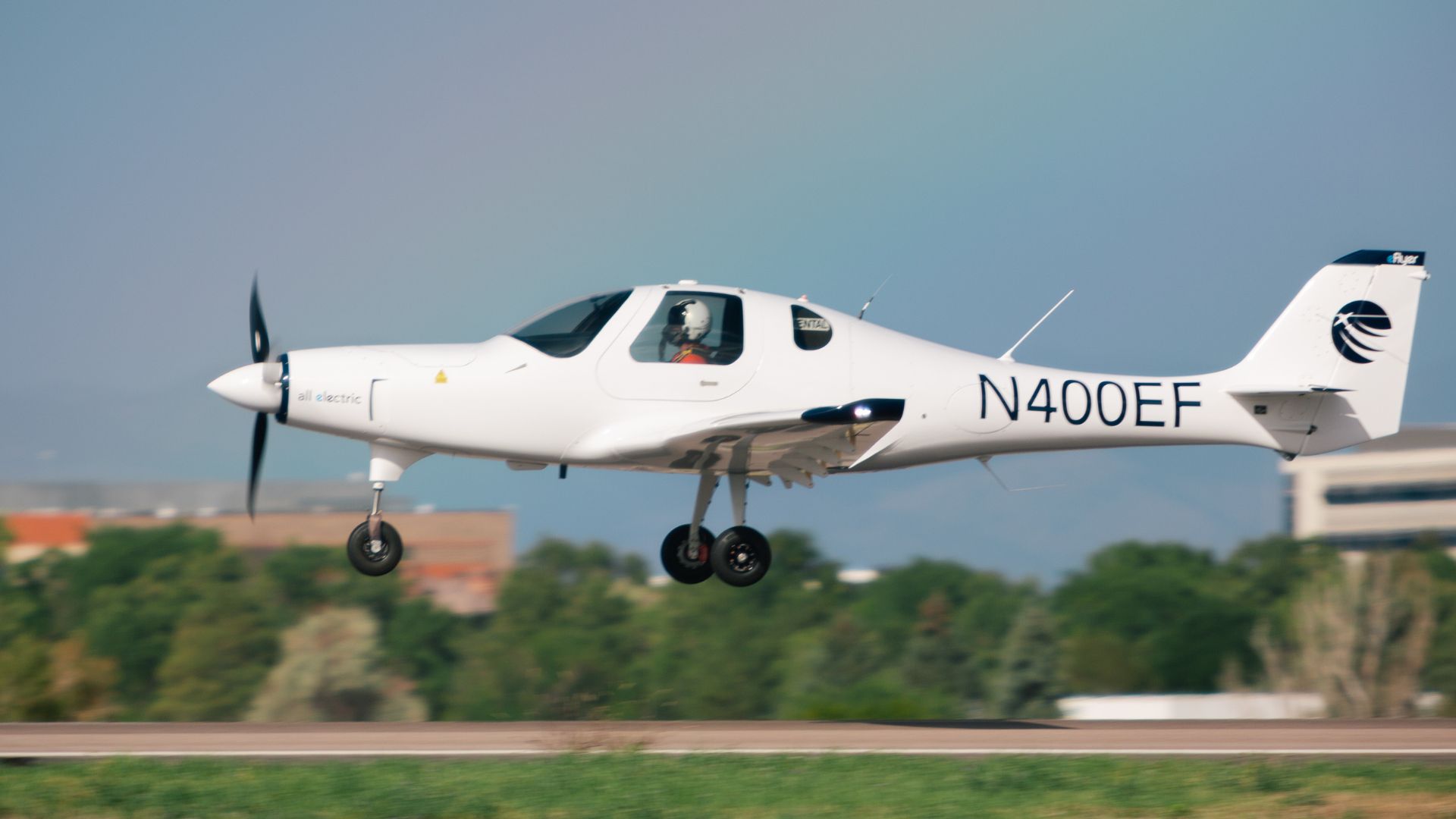
Bye Aerospace's eFlyer 2 Completes First Flight, Promising 80% Lower Operational Costs
Bye Aerospace has successfully conducted the inaugural flight of its eFlyer 2, an all-electric aircraft designed for U.S. pilot training. This milestone opens the flight-test campaign for the aircraft, which is projected to reduce operational costs by up to 80% while eliminating in-flight emissions. Chief Test Pilot Elliot Seguin flew the eFlyer 2 from Centennial Airport, gathering crucial data on its handling and performance. The significance of this development lies in its potential to transform flight training economics. With soaring fuel and maintenance costs, the eFlyer 2 offers a sustainable alternative that could alleviate financial pressures on U.S. flight schools. The aircraft's electric propulsion system and lightweight composite airframe are tailored to meet the demands of pilot training, ensuring predictable handling and high availability. Looking ahead, Bye Aerospace aims to progress through its flight-test program, gradually expanding the aircraft's capabilities. The eFlyer 2 is not only targeted at flight schools but also holds promise for air taxi operators and private owners. As the aviation industry faces a growing need for new pilots, the eFlyer 2's lower operating costs could provide training organizations with the flexibility needed to enhance student flight hours.
Transportation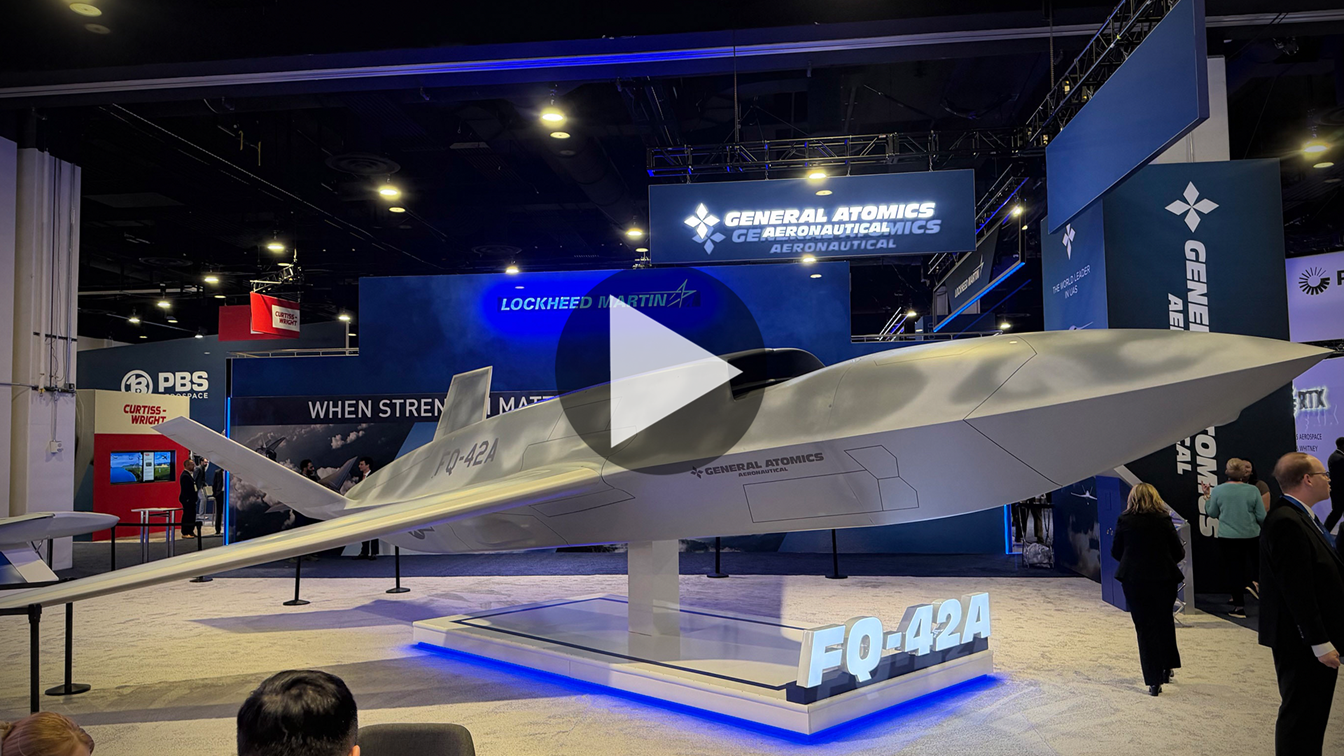
Highlights from the Air and Space Forces Association Conference in National Harbor, Maryland
This week’s episode of The Break Out features Deputy Editor Lee Ferran and Air Warfare Reporter Michael Marrow discussing key highlights from the Air and Space Forces Association’s Air, Space and Cyber conference held in National Harbor, Maryland. The conference showcased significant developments and surprising announcements that are crucial for industry stakeholders. The insights shared by Ferran and Marrow provide valuable context for understanding the evolving landscape of air and space forces. Viewers can also enjoy a guided tour of the show floor led by Breaking Defense Multimedia Director Daniel Woolfolk, highlighting various systems and displays. No further timeline was disclosed at the time of publication.
Air Warfare Space AFA 2026 Air Force Break Out Video Business & IndustryRobotics needs a service framework.
RSF defines a common language for robot service capability, lifecycle operations, certification pathways, and service-provider networks.
Join the RobotToday community on LinkedIn
Daily robotics news, in-depth analysis, conference highlights, and discussions with professionals worldwide.







