

Industry Briefing
A single destination for timely, editor-curated robotics news from around the world.

MES Inc. Advises Robotics OEMs to Prioritize Manufacturing Strategy Amid Record Robot Demand
MES Inc., a sourcing and supply chain firm based in Ohio, has reported that industrial robot installations have exceeded 500,000 units for the fourth consecutive year. The company emphasizes the importance of structural aluminum components in determining the scalability of humanoid, mobile, and collaborative robots as the industry transitions from prototypes to mass production. This guidance is crucial as robotics companies face increasing demand for their products. By treating structural aluminum components as a fundamental system decision rather than a mere sourcing task, developers can enhance their manufacturing strategies and better meet the growing market needs. The focus on these components could significantly impact production efficiency and speed. Looking ahead, robotics OEMs are encouraged to lock in their manufacturing strategies before design freezes occur. No further timeline was disclosed at the time of publication.

Exploring Centralized and Decentralized Power Models in Swarm Robotics
Swarm robotics systems are influenced by their power architecture, which affects coordination efficiency and fault tolerance in multi-agent environments. Centralized models rely on unified infrastructure for energy management, while decentralized approaches distribute control among individual robotic units. These differences lead to operational trade-offs in communication latency and adaptive responsiveness. Understanding power topology is crucial for robotics engineers and AI researchers, as it impacts autonomous decision-making and task execution. In dynamic environments, such as UAV swarms, maintaining operational continuity requires adaptive routing awareness to prevent disruptions caused by changing positions or communication ranges. The challenges of power architecture underscore its importance in evaluating swarm models. Centralized power models excel in structured environments like warehouses, optimizing synchronization and workload efficiency. However, they face scalability and vulnerability issues. Conversely, decentralized models enhance fault tolerance and scalability but can suffer from communication congestion as swarm size increases. The balance between these architectures is vital for effective swarm robotics deployment.
Artificial Intelligence Autonomous Mobile Robots (AMRs) Batteries / Power Supplies Drones Industrial Robots Networking / Connectivity
The Rise of 'Power' in China's Robotics Sector: Distinct Paths Emerging
In recent years, the term 'power' has emerged as a new identity label for robotics companies in China, reflecting a significant trend in the industry. Companies such as Super Dimension Power, Qingzhuo Power, and Future Power are rapidly carving out their niches within the embodied intelligence sector, which emphasizes the necessity of physical action in intelligent systems. This naming trend highlights the essence of embodied intelligence, which requires a physical body to operate in the real world, distinguishing it from traditional AI. The concept of 'power' encompasses narrative, growth, and technological innovation, which are crucial for companies to attract capital and customers while enhancing their technical capabilities. As several robotics startups adopt the 'XX Power' naming convention, it may signal a tribute to established leaders like Boston Dynamics, known for their pioneering work in robotics. The six mentioned 'power' companies, founded between 2022 and 2024, exhibit diverse funding scales and product paths, contributing to a competitive landscape expected to evolve significantly by 2026.
Robotics Embodied Intelligence Technology Innovation Automation
A3 Reports Increased Robotics Demand in Q2 2026 Across Various Industries
In Q2 2026, the Association for Advancing Automation (A3) reported a rise in North American robot orders, with 8,940 units valued at $622 million, marking a 4.3% increase in units and a 21.3% increase in revenue compared to Q2 2025. This growth highlights a diversification in robotics demand across industries, despite a 25% decline in automotive OEM orders. Significant gains were observed in sectors such as semiconductors, electronics, and automotive components, which saw increases of 38% and 20%, respectively. Looking ahead, the trend of increasing robot adoption across various industries is expected to continue. Non-automotive customers accounted for 56% of units ordered, and collaborative robots, particularly in healthcare and electronics, are gaining traction, representing a notable portion of automation investments.
Analysis Automotive Cobot Arms Collaborative Robots Food / Beverage Industrial Robots
EnPower and Echion Collaborate to Manufacture Ultra-High-Power Battery Cells for Robotics
EnPower, Inc. and Echion Technologies Ltd have announced a partnership to develop ultra-high-power battery cells in the U.S. for the North American industrial robotics market. This collaboration aims to combine Echion's XNO® niobium-based anode technology with EnPower's manufacturing expertise to create advanced battery solutions for automated guided vehicles and industrial robots. This partnership is significant as it aligns with Washington's efforts to secure the robotics supply chain and enhance domestic manufacturing capabilities. By producing these battery cells in the U.S., the companies aim to support critical infrastructure and autonomous systems, which are increasingly vital in various sectors, including AI datacenter power. Looking ahead, the agreement establishes EnPower as a key manufacturing partner for XNO® cells in North America. The companies plan to deepen their collaboration as their joint programs progress, indicating a strong commitment to advancing battery technology for industrial applications. No further timeline was disclosed at the time of publication.

Sapphire Technology Introduces EDGE+ Apex Robotics Platform Powered by AMD Ryzen AI Processors
Sapphire Technology has launched the EDGE+ Apex System-on-Module (SOM) and Carrier Robotics Platform, which is powered by AMD Ryzen AI Embedded X100 Series processors. This production-ready hardware platform is designed to enhance the development and deployment of physical AI in autonomous robotics, showcased at AMD Advancing AI 2026 in San Francisco. The EDGE+ Apex platform is engineered for rugged, always-on robotics applications, featuring a COM-HPC module with up to 128GB of LPDDR5x memory. It combines CPU, GPU, and NPU acceleration to support real-time perception and autonomous decision-making, making it suitable for demanding edge AI deployments. Sumit Shah from AMD emphasized that this platform unifies AI and industrial reliability, enabling the next generation of autonomous systems. Developers can leverage an open software ecosystem with familiar AI frameworks while utilizing AMD ROCm and Ryzen AI software. Paul Smith from Sapphire noted that the EDGE+ Apex aims to provide a complete foundation for robotics builders, facilitating a faster transition from prototype to production in challenging environments. No further timeline was disclosed at the time of publication.
Computing Robotics ai at the edge amd amd ryzen ai embedded x100 amd ultrascale+
Engineering Power Chains for Enhanced Robotics and Automation Performance
Recent advancements in power converters are crucial for addressing real-world challenges in robotics and automation. For instance, achieving long runtimes for battery-powered autonomous mobile robots (AMRs) and managing multi-megawatt peaks in welding cells require meticulous engineering of the power chain. This is as critical as the design of mechanical joints or control firmware. The importance of power converters extends to applications demanding microsecond-level responsiveness, such as in medical robots. These innovations not only enhance operational efficiency but also ensure reliability and performance in demanding environments. The rigorous engineering of power systems is essential for the successful deployment of advanced robotic solutions. Looking ahead, the focus on power chain engineering will likely continue to grow, particularly as industries seek to optimize performance and energy efficiency in robotics. No further timeline was disclosed at the time of publication.

Unitree Robotics Plans Production Expansion to Meet Growing Humanoid Robot Demand
Unitree Robotics, a leading Chinese humanoid robot manufacturer, is set to increase its production capacity this year. A senior executive revealed plans to potentially assemble robots overseas, indicating a strategic move to meet the rising demand for humanoid robots, particularly in North America, which is its largest overseas market. This expansion is significant as it aligns with Unitree's preparations for a public listing in Shanghai, aiming to raise $610 million. The company's focus on enhancing production capabilities reflects the growing interest and investment in humanoid robotics, a sector that is expected to see substantial growth in the coming years. Looking ahead, stakeholders should monitor Unitree's progress in scaling its operations and the potential establishment of an engineering hub in Japan. No further timeline was disclosed at the time of publication.
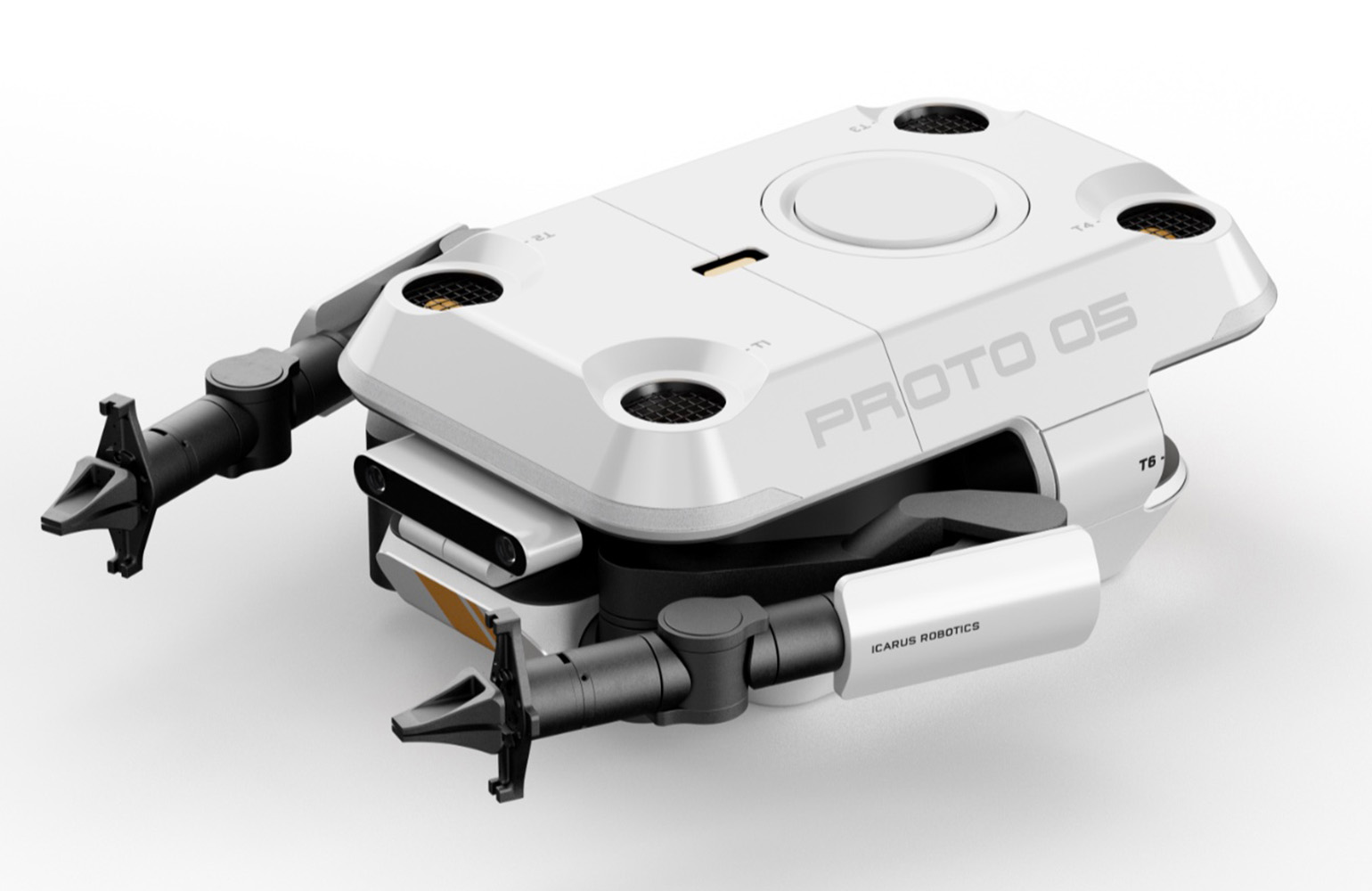
Icarus Robotics Selects KULR Technology for JOY Space Robot's Power System
Icarus Robotics has announced KULR Technology Group as the battery supplier for its autonomous free-flying robot, JOY, which is set to launch to the International Space Station (ISS) in early 2027. KULR will provide its KULR ONE Space (K1S) battery systems, engineered to NASA safety standards, ensuring reliable operation aboard the ISS. The partnership is significant as KULR’s battery technology has already been validated during the Artemis II lunar mission, which enhances the approval process with NASA. Icarus co-founder Ethan Barajas emphasized the importance of flight heritage in the space sector, stating that proven components expedite the approval process, crucial for a startup like Icarus. Looking ahead, JOY, powered by embodied AI, aims to assist astronauts with routine tasks and infrastructure maintenance, allowing them to concentrate on more critical research objectives. No further timeline was disclosed at the time of publication.
Aerospace Batteries / Power Supplies Markets / Industries News Technologies Icarus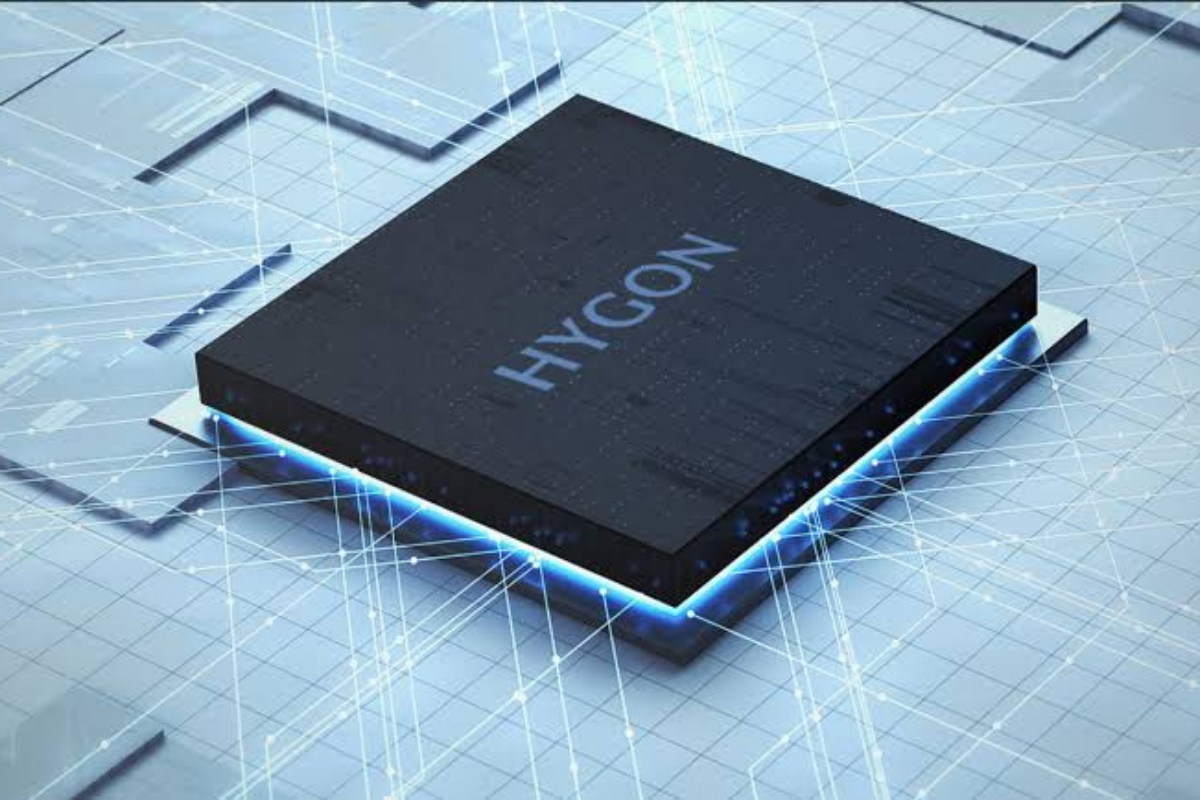
Hygon to Launch Robotics AI Chip with Slogan Emphasizing Physical World Computing Power
Hygon, a Chinese chipmaker, is set to unveil a new robotics AI chip. The launch is accompanied by the slogan, "Let computing power reach the physical world," highlighting the company's focus on bridging the gap between digital and physical realms. This development is significant as it underscores the growing importance of AI in robotics, particularly in enhancing the capabilities of machines to interact with their environments. Hygon's initiative reflects a broader trend in the tech industry, where companies are increasingly investing in AI-driven solutions to improve operational efficiency and innovation. Looking ahead, industry observers will be keen to see how Hygon's new chip performs in real-world applications and its potential impact on the robotics sector. No further timeline was disclosed at the time of publication.
Artificial Intelligence News Robotics AI chips China Hygon Information Technology
AI Enhancements in Robotics: Balancing Power and Risks 25 Years After 9/11
The integration of AI in robotics has significantly enhanced surveillance capabilities, raising concerns about potential risks. Experts warn that the rapid development of AI technologies, particularly in industrial robots and drones, could lead to misuse in sensitive applications, such as monitoring and security. As companies race to innovate, the implications for privacy and ethical considerations become increasingly critical. The advancements in robotics, including the MOFU's adjustable height and AEON's task validation, demonstrate the potential for improved efficiency and precision in industrial settings. However, the unchecked corporate competition in AI development poses unprecedented risks to society, as highlighted by researchers. The ability of systems like UnifoLM-X2-1.0 to predict and adapt in real-time further emphasizes the need for responsible deployment of these technologies. Looking ahead, the industry must address the ethical implications of AI in robotics, particularly in surveillance applications. With over 80 percent of production processes automated, the focus will be on ensuring that these technologies are used responsibly. No further timeline was disclosed at the time of publication.
AI and Robotics
D-Robotics Showcases Sunrise™ AI Chips at IFA 2026 for Home Robots
At IFA 2026 in Berlin, D-Robotics is highlighting its Sunrise™ AI chips, which power a variety of home robots. Notable products include TCL's hey AiMe companion robot, Vbot's SuperDog quadruped, and the xLean TR1 floor washer, showcasing the versatility of D-Robotics' technology. The significance of D-Robotics' contributions lies in its role as a leading provider of robotics development infrastructure. By equipping numerous robots with its AI chips, the company is influencing the evolution of home robotics, making advanced technology accessible to various manufacturers and enhancing consumer experiences. As IFA 2026 progresses, attention will be on how D-Robotics continues to innovate within the robotics sector. The impact of its Sunrise™ AI chips on the functionality and capabilities of home robots will be closely monitored, as the industry looks to the future of intelligent automation in domestic settings. No further timeline was disclosed at the time of publication.

European Parliament Hosts AI-Powered Robots to Showcase Robotics Innovation
This week, AI-powered robots made a brief appearance at the European Parliament, highlighting Europe's ambition to compete in the robotics sector. The demonstration aimed to position Europe as a significant player in a field currently led by the United States and China. The event underscores the urgency for Europe to enhance its technological capabilities and innovation in robotics. As global competition intensifies, showcasing advancements in AI and robotics is crucial for attracting investment and talent to the region. Looking ahead, it will be important to monitor how Europe develops its robotics strategy and whether it can effectively challenge the dominance of the US and China in this rapidly evolving industry. No further timeline was disclosed at the time of publication.
Robotics
Bonsai Robotics Innovates with AI to Transform 2D Images into 3D Farm Solutions
Bonsai Robotics, based in California, is revolutionizing agricultural robotics by developing a vision-based autonomy stack that converts 2D camera images into a comprehensive 3D understanding of farm environments. This technology allows the same system to be utilized across various crops, including orchards and vineyards, without the need for extensive code modifications, according to cofounder and CEO Tyler Niday. The significance of this advancement lies in its potential to reduce operational costs and enhance flexibility in agricultural machinery. By retrofitting existing equipment and creating new machines, such as larger versions of its Amiga platform, Bonsai aims to lower the overall expenses associated with farm operations while addressing labor shortages through automation. Looking ahead, Bonsai Robotics is poised to tackle previously challenging tasks like robotic harvesting, leveraging its unique approach to 3D modeling. No further timeline was disclosed at the time of publication.
Agtech Artificial intelligence Deeptech Precision agriculture Startups & funding US & Canada
Kingsoft Cloud Advances Robotics Innovation with Embodied Intelligence Solutions
The 2026 World Robot Conference was successfully held in Beijing, focusing on embodied intelligence and humanoid robot technologies. Kingsoft Cloud participated, showcasing its advancements in embodied intelligence and cloud services. Song Ye, General Manager of Internet Solutions at Kingsoft Cloud, emphasized that cloud computing is essential for industrial intelligence, helping manufacturers innovate in core robotics applications. Kingsoft Cloud addresses challenges in the robotics sector, such as high R&D costs and slow deployment, by offering a comprehensive computing cluster platform and simulation services tailored for various robot enterprises. Their robust computing resources support model development and real-time inference, ensuring efficient and stable cloud-based services for robotics. The company is committed to enhancing its presence in the embodied intelligence sector, providing essential support for the high-quality development of the domestic industry. As the field of embodied intelligence and humanoid robots continues to grow, Kingsoft Cloud's contributions are crucial for accelerating innovation and efficiency in this evolving market.
Embodied Intelligence Robotics Innovation Cloud Computing AI Model Development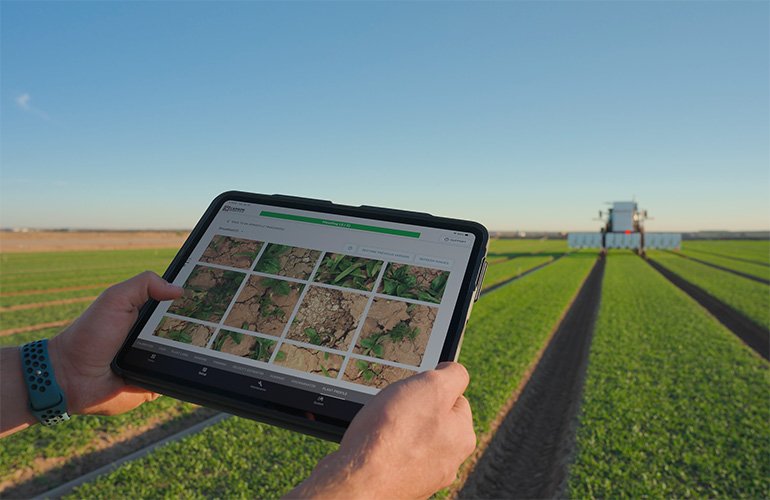
Carbon Robotics Enhances Laser Weeding with iMerit for Instant AI Customization
Carbon Robotics has introduced a large plant model that allows farmers to customize their laser weeder for specific crops and weeds in minutes. This innovation replaces traditional crop-specific AI models, enabling instant adjustments without retraining. Farmers can use an iPad app to tag plants, allowing the weeder to adapt to various crops across different regions. The significance of this development lies in its ability to streamline the weeding process, enhancing efficiency and reducing the time needed for farmers to adapt to new crops or weeds. By leveraging a foundation model trained on 150 million labeled plants, Carbon Robotics empowers farmers to optimize their weeding strategies instantly, improving soil health by returning nutrients from removed weeds. Looking ahead, the partnership with iMerit has proven crucial for the data annotation process, enabling Carbon Robotics to scale its model training effectively. No further timeline was disclosed at the time of publication.
Agriculture Artificial Intelligence Autonomous Mobile Robots (AMRs) News Self-Driving Vehicles Sensors / Sensing Systems
Sunrise Robotics Enhances Automation with ABB's GoFa™ Cobot Technology
Sunrise Robotics has integrated ABB Robotics' GoFa cobot into its autonomous cells to enhance precision manipulation for high-mix manufacturing tasks such as pick & place and machine tending. This collaboration has resulted in a 20% increase in throughput, elevating production from 72 to 90 parts per hour without hardware changes, solely by adjusting motion parameters through software. The significance of this development lies in Sunrise Robotics' ability to deliver intelligent, autonomous robotic cells that are adaptable to human-centric environments. By leveraging GoFa's speed and positional accuracy, the company aims to make automation more accessible and affordable for small and medium-sized manufacturers. The integration of on-board AI and radar-based safety features further enhances operational reliability. Looking ahead, Sunrise Robotics plans to continue optimizing its systems using ABB's technology, which provides long-term reliability and support. The combination of RobotStudio® for remote control and the robust software architecture allows for dynamic responses to environmental changes, ensuring that systems remain operational with minimal downtime. No further timeline was disclosed at the time of publication.

Neura Robotics Completes Acquisition of ADLATUS to Enhance Physical AI Capabilities
Neura Robotics, a German robotics startup, has announced its fifth acquisition in 16 months, acquiring Adlatus, a manufacturer of autonomous cleaning and sweeping robots. This acquisition aims to integrate Neura's sensor and AI technologies into Adlatus's fleet, enhancing the capabilities of these robots within Neura's physical AI infrastructure, known as the Neuraverse. The significance of this acquisition lies in Neura's vision to transform the cleaning industry through advanced physical AI. CEO David Reger emphasized that the goal is not merely to add another cleaning robot but to create machines that can understand their environment and tasks. This aligns with the growing demand for automation in a labor-intensive global market. Looking ahead, Neura Robotics is focused on expanding its Neuraverse platform and developing physical AI systems. The company recently raised up to $1.4 billion in funding, indicating strong investor interest in the physical AI sector, which has seen substantial venture capital investment in recent months. No further timeline was disclosed at the time of publication.

Analog Devices Reaffirms Strategic Sponsorship with MassRobotics to Support Startups
MassRobotics has announced that Analog Devices, Inc. (ADI) has renewed its role as a strategic sponsor. This partnership focuses on providing MassRobotics startups with direct access to ADI’s advanced technologies, including sensor, signal processing, and power management solutions, aimed at addressing complex hardware challenges. The collaboration is significant as it leverages ADI's Analog Garage, an internal venture and incubator group that combines technical expertise with seed funding. This initiative is designed to transform innovative ideas into viable products, enhancing the capabilities of robotics startups within the MassRobotics ecosystem. Looking ahead, the partnership is expected to foster innovation and accelerate the development of next-generation robotics solutions. No further timeline was disclosed at the time of publication.

Molex Launches MiniMix Hybrid Connectors for Enhanced Humanoid Robotics Production
Molex has unveiled its MiniMix hybrid power and signal connectors, designed to support humanoid robotics mass production. These connectors deliver 15.0A power and facilitate high-speed data communication, making them the smallest hybrid connectors available for robotic joints and actuators. The introduction of MiniMix connectors is significant as they allow routing through openings as small as 5.65mm, which can reduce routing area by up to 50% compared to alternative solutions. This advancement provides greater design flexibility and minimizes potential failure points in robotic systems. Looking ahead, the vertical and right-angle orientations of the MiniMix connectors are expected to optimize internal space utilization and reduce cable strain, accommodating various layout requirements in humanoid robotics applications. No further timeline was disclosed at the time of publication.

Regal Rexnord Enhances FANUC CRX with New Collaborative Robotics Solution
Regal Rexnord has introduced a new collaborative robotics solution that integrates its motion control brands with FANUC's CRX series. This solution utilizes Thomson linear motion technology, Boston Gear gearheads, Huco couplings, and Kollmorgen motors and software, allowing for the deployment of the Thomson Movotrak™ Cobot Transfer Unit (CTU). This development is significant as it provides FANUC CRX users with a seamless, out-of-the-box external axis solution, enhancing operational efficiency and flexibility in collaborative robotic applications. The integration of these advanced motion control technologies is expected to streamline workflows and improve productivity in various industrial settings. Looking ahead, the adoption of this collaborative robotics solution may influence the competitive landscape in the robotics sector, particularly in applications requiring enhanced motion control capabilities. No further timeline was disclosed at the time of publication.

Qingyang Gansu Achieves 185,000P Computing Power for Digital Wheat Fields
Qingyang's national data center cluster has achieved a remarkable computing power of 185,000P, with 99% of this power dedicated to intelligent computing. This advancement supports over 700 enterprises involved in the chip-compute-model-application chain, showcasing the region's commitment to digital agriculture. The significance of this development lies in its potential to enhance agricultural productivity through advanced computing technologies. With a green power rate of 0.398 yuan per kWh, Qingyang is positioning itself as a leader in sustainable energy use within the tech sector, which is crucial for supporting the growing demand for AI applications in agriculture. Looking ahead, the focus will be on how this computing power can further drive innovations in digital agriculture and AI token demand. No further timeline was disclosed at the time of publication.
Technology
FCC Expands Covered List to Include Foreign Advanced Robotics and Power Inverters
The Federal Communications Commission (FCC) has updated its Covered List to incorporate advanced robotic devices and foreign-produced power inverters. This decision follows assessments by an Executive Branch interagency body that identified these devices as potential threats to national security, citing risks such as supply chain vulnerabilities and cybersecurity concerns. This update is significant as it reflects the FCC's alignment with national security agencies in addressing risks posed by foreign-made technology. The inclusion of advanced robotics and power inverters on the Covered List indicates a proactive approach to safeguarding the United States' critical infrastructure and economic stability from potential disruptions. Moving forward, producers of these devices are encouraged to seek Conditional Approval from the Department of War or the Department of Homeland Security, which may exempt certain models from the restrictions. No further timeline was disclosed at the time of publication.
Economy News advanced robotic devices connected devices covered list critical infrastructure
NVIDIA Jetson Platform Empowers Developers with Compact AI Solutions for Robotics
Sarah Guo, founder of Conviction, recently showcased the NVIDIA Jetson platform, emphasizing its blend of power and portability for edge AI and robotics. The platform, compact enough to fit in a handbag, enables developers to tackle complex problems across various industries, from classrooms to labs. The NVIDIA Jetson modules and developer kits, including the Jetson Orin Nano Super, Jetson AGX Orin, and Jetson AGX Thor, provide the necessary tools for students, professors, and researchers to innovate in intelligent robotics. With 67 trillion operations per second, the Jetson Orin Nano Super offers a practical entry point for first-time builders to explore AI and computer vision. As Guo highlighted, the Jetson platform supports real-world AI applications without needing cloud connectivity, making it ideal for autonomous systems. Developers can look forward to a series of examples demonstrating the capabilities of Jetson Orin Nano Super, showcasing its potential to inspire the next generation of robotics projects.

KULR Technology Group Chosen by Icarus Robotics for Space Station Robotic Platform
KULR Technology Group, Inc. has been selected by Icarus Robotics to provide its KULR ONE Space battery for the JOY autonomous free-flying robotic platform. This platform is set to be deployed on an upcoming mission to the International Space Station. The collaboration is significant as it highlights KULR's role in advancing energy systems for critical applications in space and robotics. The JOY platform represents a step forward in autonomous space robotics, showcasing the potential for innovative technologies in extraterrestrial environments. Looking ahead, the deployment of the JOY platform aboard the International Space Station will be a key milestone for both KULR and Icarus Robotics. No further timeline was disclosed at the time of publication.
Advancements in Humanoid Robotics Driven by Power Management Solutions
The latest episode of Designing the Future highlights the significant progress in humanoid robotics, driven by advancements in speed, mobility, and dexterity. As these technologies evolve, the role of power management becomes increasingly critical, particularly in the context of battery and fuel cell usage. Engineers face challenges in converting energy from onboard sources to effectively power mechatronics and logic systems. This focus on power management is essential for the realization of humanoid robots that can perform a wide range of tasks, fulfilling the long-held promise of general-purpose machines. The conversation between Jim Anderton and John Quinlan from Murata Power Solutions underscores the importance of efficient power solutions in enhancing robotic performance. As the industry continues to innovate, the interplay between power systems and robotic capabilities will shape future developments. Looking ahead, the demand for compact and efficient power products will likely grow as humanoid robots become more prevalent in various sectors, including industrial and medical markets. No further timeline was disclosed at the time of publication.
Humanoids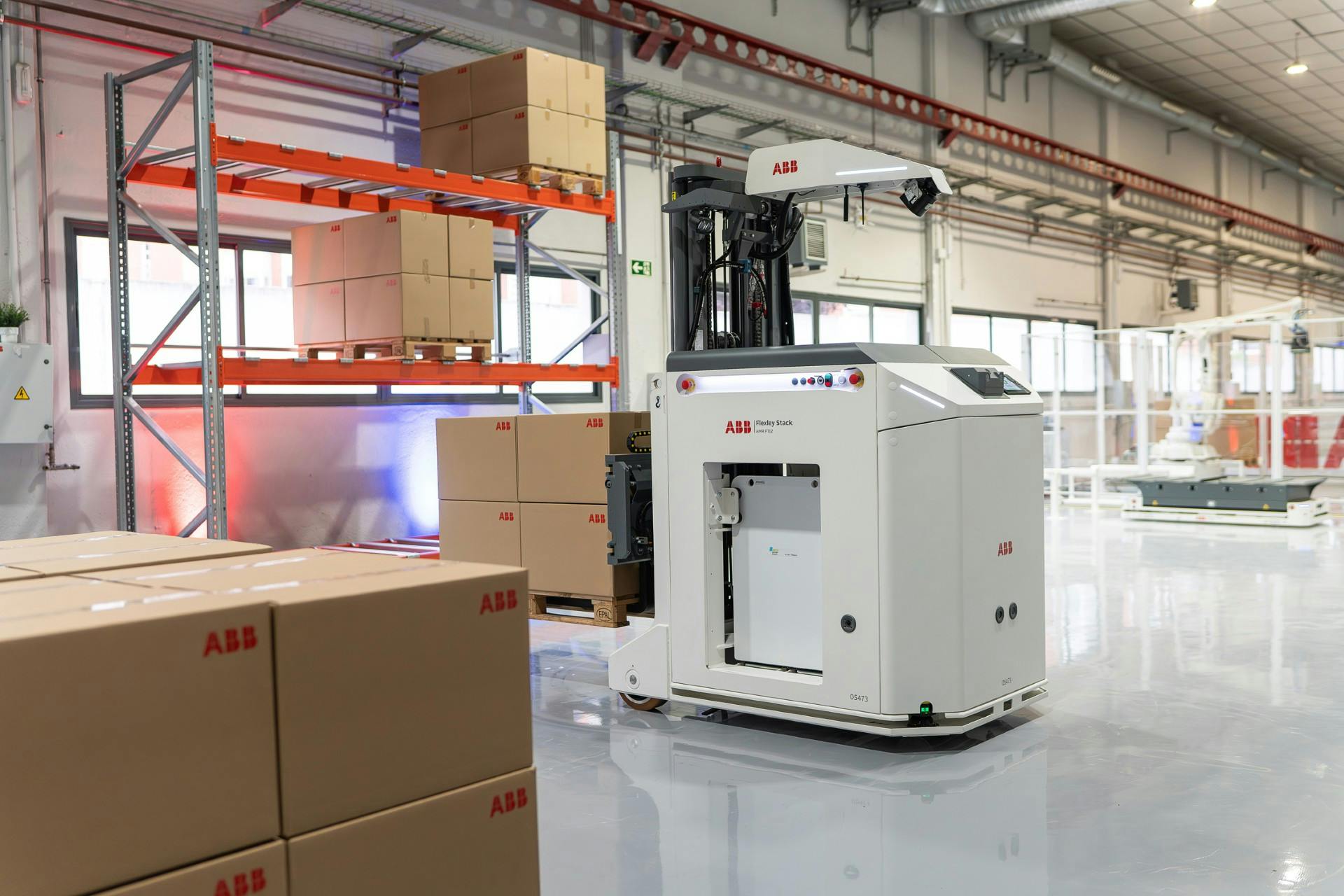
ABB Robotics Introduces Flexley Stack F712 Platform for AI-Driven Autonomous Forklifts
ABB Robotics has launched the Flexley Stack F712 platform, enhancing its AMR portfolio with AI-powered visual technology for autonomous forklifts. This innovation facilitates pallet transport and high-density storage, creating a cohesive ecosystem among ABB’s Visual SLAM AMR types, aimed at improving efficiency in material handling and warehouse operations across various industries, including automotive manufacturing. The introduction of the F712 is significant as it addresses the growing demand for faster and more flexible goods movement in intralogistics, particularly under constraints of limited labor availability. Marc Segura, president of ABB Robotics, emphasized the need for businesses to adapt to increased processing demands while leveraging advanced vision, mobility, and intelligence in their operations. Looking ahead, the Flexley Stack F712 can manage diverse load types and sizes, allowing customers to implement mixed fleets of Visual SLAM-powered vehicles on a unified navigation and fleet management platform. No further timeline was disclosed at the time of publication.
Factory / Analytics
Critical Semiconductor Testing for AI and Data Center Power Demands
As artificial intelligence (AI) drives significant power requirements in data centers, the importance of thorough semiconductor testing has escalated. This trend highlights the growing challenges faced by data centers in managing energy consumption while ensuring optimal performance. The new video series aims to provide insights into these critical testing processes and their implications for the industry. The increasing reliance on AI technologies necessitates a robust approach to semiconductor testing, which is essential for maintaining efficiency and reliability in data centers. As power demands rise, organizations must adapt their testing methodologies to address these challenges effectively. This shift underscores the vital role that semiconductor testing plays in supporting the evolving landscape of AI and data center operations. Looking ahead, industry stakeholders should monitor advancements in semiconductor testing techniques and their impact on energy management in data centers. The ongoing development of testing protocols will be crucial in ensuring that data centers can meet the growing power demands associated with AI applications. No further timeline was disclosed at the time of publication.

Analysts Predict PEEK Demand Surge in Humanoid Robots, Kingfa's Yu Fei Calls It Overhyped
A recent report highlights the growing interest in PEEK, a high-performance plastic, for use in humanoid robots. European manufacturers like Victrex and Evonik are poised to benefit as demand increases, but Kingfa's Yu Fei argues that much of the excitement surrounding PEEK in embodied AI is exaggerated. Current estimates suggest that humanoid robots may utilize 6-10 kg of plastics, with future designs potentially increasing this demand significantly. The implications of this discussion are significant for the robotics industry, as Barclays analysts predict that one million robots by 2030 could lead to a demand for 10,000 tons of PEEK. This projection indicates a potentially exponential growth in the market, although the specifics of whether this demand is annual or cumulative remain unclear. The established applications of PEEK in various industries further underscore its potential utility in robotics, particularly in components like joints and actuators. Looking ahead, the market for PEEK is expected to exceed $1.56 billion by 2034, with new production capacities being announced, particularly from Chinese manufacturers. As companies like XPENG and Tesla ramp up their robot production, the actual demand for PEEK and its applications in humanoid robots will become clearer. No further timeline was disclosed at the time of publication.
Europe Actuators Schaeffler Supply Chain China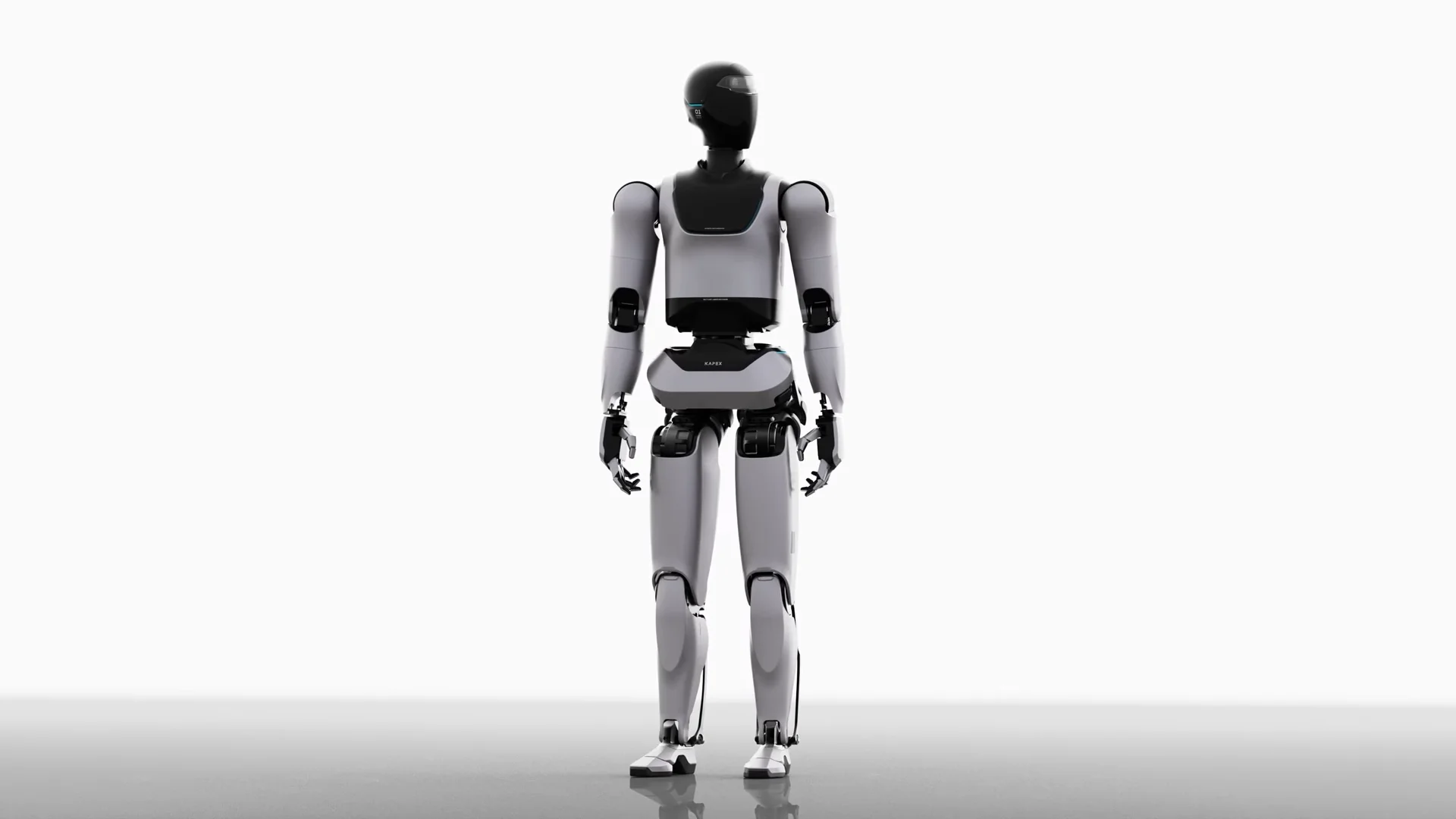
KIST President Envisions South Korea as a Major Player in Humanoid Robotics
Oh Sang-rok, president of the Korea Institute of Science and Technology (KIST), stated that South Korea has the potential to become a significant force in AI humanoids, joining the United States and China. During a public research briefing on September 17 in Seoul, he emphasized the importance of formulating the right strategy to achieve this tripartite balance of power. This ambition reflects a strategic vision rather than a current ranking of robotic capabilities. KIST is actively pursuing the KAPEX hardware initiative and a Vision-Haptic-Language-Action (VHLA) approach, which integrates touch with vision, language, and action modeling. The institute aims to demonstrate robots working alongside humans in various settings by 2030, highlighting the importance of effective manipulation and feedback in robotic tasks. KIST's broader humanoid ecosystem plan, which includes a KRW 2.3 trillion investment through 2030, focuses on component development, public procurement, and training-data infrastructure. The success of these initiatives will depend on effective execution, including the availability of reliable components and the willingness of customers to maintain robotic systems post-pilot.
South Korea kapex Europe kist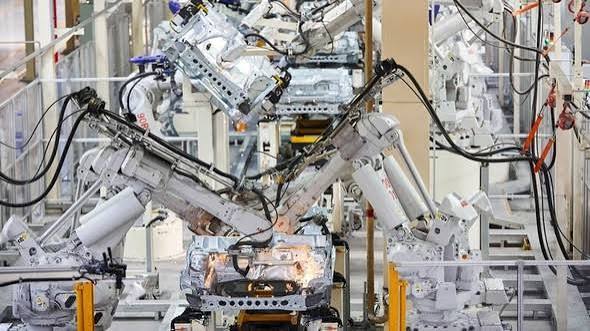
Power Shift in the Global Robotics Industry as Traditional Leaders Face Challenges
In 2026, a significant power shift is occurring within the global robotics industry, particularly impacting the Chinese market. The four major foreign companies, Fanuc, Yaskawa, ABB, and KUKA, known as the 'Four Families,' are experiencing unprecedented challenges, while domestic brands have gained a market share exceeding 55% in industrial robotics. Fanuc's share has dropped to 9%, highlighting a dramatic change in the competitive landscape. This shift is crucial as it marks the decline of established players who once dominated over 60% of the Chinese industrial robotics market. The rise of domestic brands, particularly in collaborative and welding robots, indicates a growing trend towards local innovation and manufacturing capabilities. ABB's strategic retreat, including the planned sale of its robotics business, underscores the urgency of this transformation. Looking ahead, the robotics industry is witnessing the emergence of new players and innovative technologies. Companies like Tianji Intelligent and Yushu Technology are making strides in capital markets, while cross-industry giants like Xiaomi and Midea are integrating robotics into their operations. The ongoing power transfer suggests that the industry is entering a new phase, with the balance of power shifting towards domestic manufacturers and innovators.
Industrial Robots Vacuum Robots Automation Chinese Robotics Market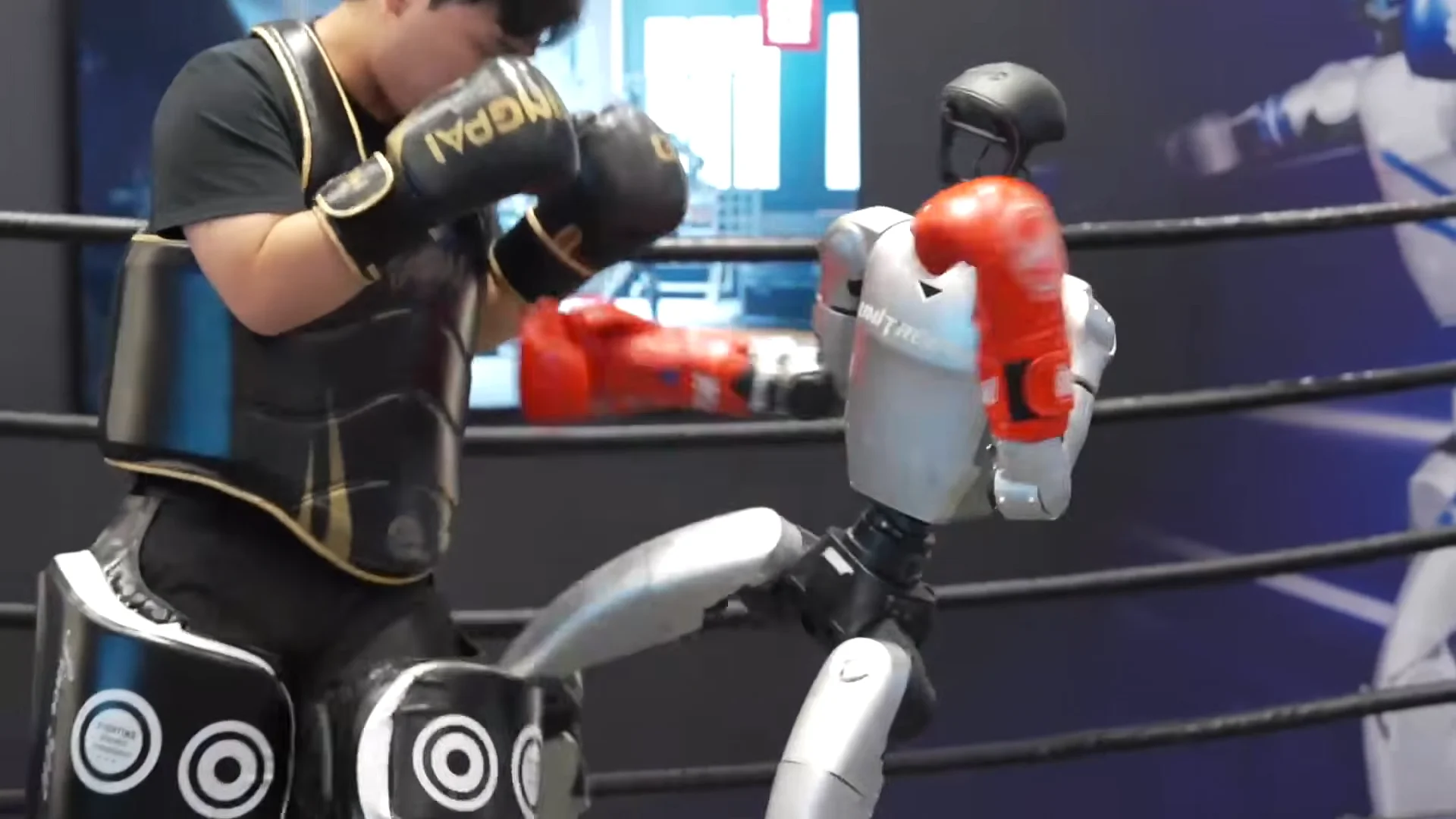
Unitree Robotics Introduces UnifoLM-X2: A Fully Autonomous Combat Robot
Unitree Robotics has launched the UnifoLM-X2-1.0, a groundbreaking AI architecture that enables its G1 humanoid robot to engage in fully autonomous combat. This innovation marks a significant shift from previous humanoid combat, which relied on human operators for control. The demonstration showcases the G1's ability to spar in real-time against a human partner, utilizing predictive modeling to anticipate and react to movements. The introduction of UnifoLM-X2-1.0 is crucial as it addresses latency issues that have historically hindered robotic performance in dynamic environments. By employing a predictive perception-to-action loop, the G1 can execute complex maneuvers such as slipping strikes and recalibrating footwork without human intervention. This advancement positions Unitree at the forefront of the robotics sector, particularly in the rapidly growing field of humanoid combat. Looking ahead, the evolution of Unitree's AI capabilities will be pivotal in shaping the future of robotic interactions in competitive settings. The success of the UnifoLM-X2-1.0 could lead to further innovations in autonomous robotics, enhancing their application in various sectors beyond combat. No further timeline was disclosed at the time of publication.
Unitree Robotics China Autonomy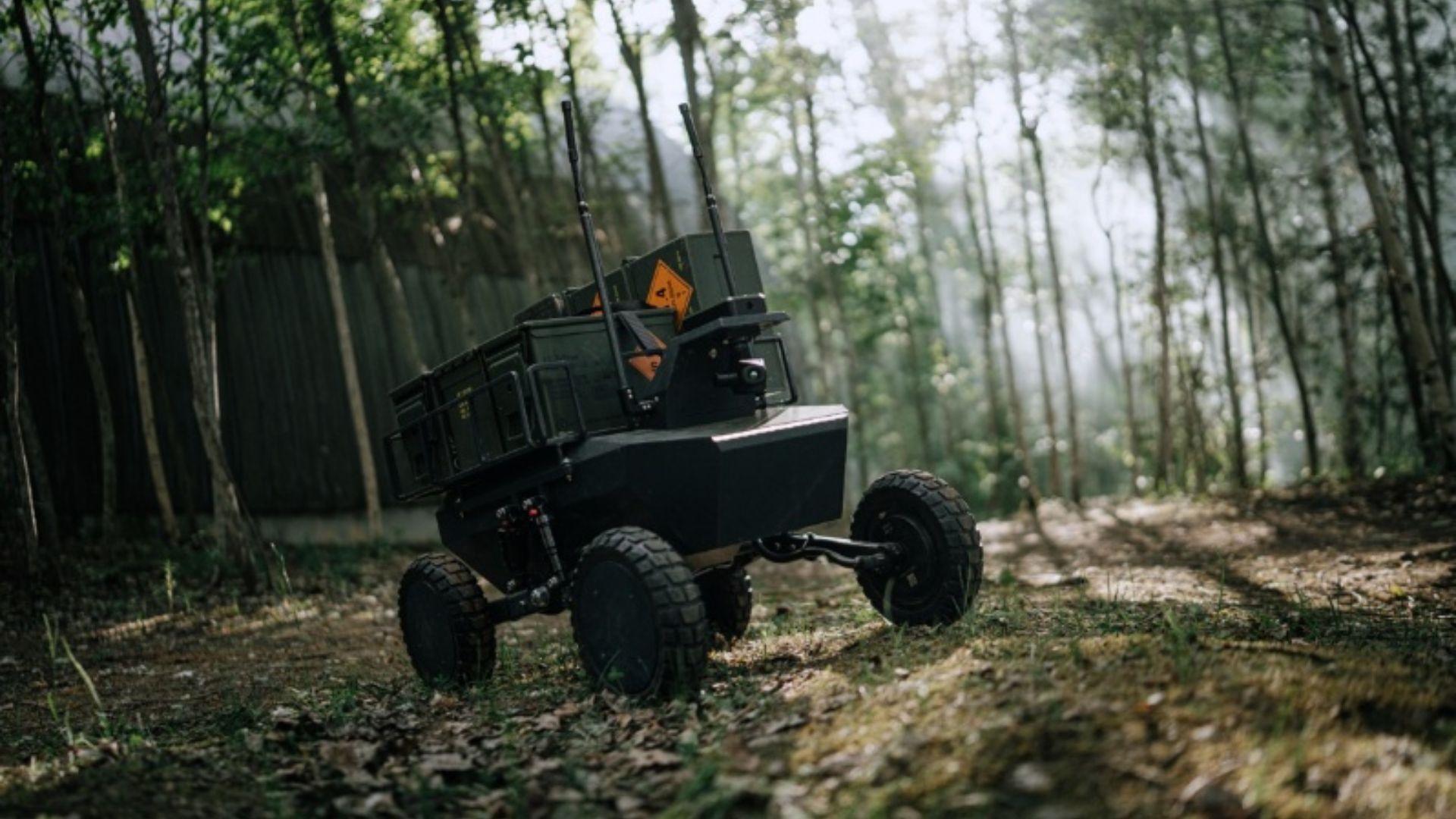
XTEND Expands Robotics Portfolio with AtlasROVER Ground Robot Deployment
Israeli physical AI firm XTEND has launched its AtlasROVER ground robot, marking its first delivery to a customer in the Asia-Pacific region. This deployment integrates XTEND’s XOS operating software, which is designed to unify control across various robotic platforms, including aerial and ground systems. The introduction of the AtlasROVER signifies XTEND's strategic shift to create a cohesive software ecosystem for robots operating in diverse environments. By utilizing XOS, XTEND aims to streamline operator workflows and enhance mission-specific capabilities across its robotic offerings, thereby improving operational efficiency. Looking ahead, XTEND's focus will be on further integrating XOS into its ground robotics portfolio, following the acquisition of Latvia-based Atlas. This move is expected to enhance XTEND's engineering and manufacturing capabilities in Europe, while also expanding the operational roles of its robotic systems. No further timeline was disclosed at the time of publication.
AI and Robotics
Noah Medical Plans Hong Kong IPO to Support Expansion in Mainland China
Noah Medical, a surgical robotics firm backed by SoftBank, is preparing to file for a Hong Kong listing as early as next year. The company aims to raise over $100 million to bolster its expansion efforts in mainland China. Founder Zhang Jian emphasized that Hong Kong's status as an international financial center makes it an ideal location for their listing. The move is significant as Noah Medical seeks to tap into the growing demand for surgical robotics in China. With regulatory approval from China's drug regulator obtained in November, the company is targeting hospitals such as Sir Run Run Shaw Hospital for its products. Currently, 90% of Noah Medical's revenue comes from the U.S., where its surgical robots have successfully treated around 15,000 patients. Looking ahead, the company’s listing could provide the necessary capital to enhance its market presence in China. No further timeline was disclosed at the time of publication.

Burns & McDonnell and Gritt Collaborate to Implement AI Robotics in Solar Construction
Burns & McDonnell has partnered with Gritt to assess and deploy AI-driven robotics technology for utility-scale solar projects. This collaboration aims to enhance safety, improve project predictability, and support construction teams amid rising demand for new energy infrastructure. The integration of Gritt's AI and robotics technology into construction processes is significant as it addresses labor challenges and boosts efficiency in solar construction. Gritt's systems can autonomously perform tasks such as assembling solar arrays and pouring concrete, which are typically labor-intensive and repetitive. Looking ahead, the partnership is set to continue evaluating robotic technologies in real-world environments. No further timeline was disclosed at the time of publication.
Construction Energy Infrastructure News ai robotics autonomous construction equipment
The Evolving Role of Human Workforce in Scaling Robotics Operations
As robotic systems transition from pilot phases to large-scale deployments, the workforce becomes the critical factor for success. According to HireArt, the traditional model of small, highly coordinated teams falters when scaling to multiple sites and shifts, necessitating a hybrid human-robot workforce. This shift is significant as it highlights the need for structured teams that ensure quality in dynamic environments, where uptime, safety, and customer experience are paramount. The evolution mirrors changes in AI labor, moving from task-based models to those requiring judgment and accountability, which is crucial for effective robotics operations. Looking ahead, organizations are increasingly adopting hybrid workforce structures, balancing trained operators with flexible surge capacity. New roles are emerging that bridge engineering and operations, emphasizing the importance of accountability and performance metrics tailored to physical environments. No further timeline was disclosed at the time of publication.
Artificial Intelligence Artificial Intelligence / Cognition Business Resources News Opinion workforce
Seeing Machines Introduces Physical AI Platform for Advanced Humanoid Robotics
Seeing Machines Limited has launched its Physical AI Platform, which aims to enhance humanoid robots by leveraging its expertise in human sensing technology. This new platform is designed to facilitate safe and intuitive interactions between humans and machines, building on the company's established leadership in the automotive sector. The introduction of the Physical AI Platform is significant as it represents a shift towards integrating advanced computer vision capabilities into robotics and industrial automation. By applying its Human-Centred AI design philosophy, Seeing Machines is poised to redefine how robots interact with humans, potentially improving safety and efficiency in various applications. Looking ahead, industry stakeholders should monitor the development and deployment of the Physical AI Platform, as it may set new standards for human-robot interaction. No further timeline was disclosed at the time of publication.

Global Robotics Industry Could Demand 363 TWh of Electricity by 2035
Research from Wood Mackenzie indicates that the global robotics industry may require 363 TWh of electricity annually by 2035, equivalent to the consumption of approximately 35 million average US households. This demand is compounded by existing pressures on energy capacity from AI data centers, marking robotics as a significant, yet largely unaccounted, factor in global electricity consumption. The anticipated growth of industrial robots is expected to account for 357 TWh of this demand, with humanoid robots contributing an additional 6 TWh. Currently, 5 million operational robots consume 78 TWh annually, nearly double the electricity usage of London. If the growth rate of 12 percent per year continues, the operational fleet could reach 16 million units by 2035, with China leading the market by installing over 70 percent of global industrial robots. As humanoid robots gain traction, their power demand could rival South Korea's entire electricity generation by 2026 if the market reaches one billion units by 2050. The decline in humanoid robot prices, dropping 93 percent from 2020 to 2025, is making them more accessible, despite current limitations in their deployment. No further timeline was disclosed at the time of publication.
Energy Robotics artificial intelligence china china state grid data centres
University of Stuttgart and Max Planck Institute Develop Magnet-Controlled Microscrolls for Robotics
Researchers at the University of Stuttgart and the Max Planck Institute for Solid State Research have created innovative microscrolls that can be magnetically controlled to unroll and roll up. Inspired by butterfly proboscises, these ceramic microscrolls represent a significant advancement in smart materials. This development is crucial for enhancing drive technologies in micro- and soft robotics, which are increasingly important in various economic sectors. The ability to manipulate these microscrolls with precision opens new avenues for efficient robotic applications, potentially transforming how tiny robots operate. Looking ahead, the implications of this research could lead to more sophisticated robotic systems that leverage these smart materials. No further timeline was disclosed at the time of publication.
Robotics
Palladyne AI to Engage with Investors at Needham Virtual Industrial Tech Conference
Palladyne AI, a U.S.-based aerospace and defense technology company, announced its participation in the Needham Virtual Industrial Tech, Robotics, & Power 1x1 Conference. CEO Ben Wolff and CFO Trevor Thatcher will hold one-on-one meetings with institutional investors on August 17 and 18, 2026. This engagement is significant as it provides Palladyne AI an opportunity to showcase its embodied AI-powered collaborative autonomy solutions and advanced aerospace engineering services to potential investors. The conference is a platform for companies in the industrial tech and robotics sectors to connect with institutional investors, which can lead to increased funding and support for innovative technologies. Looking ahead, stakeholders should monitor the outcomes of these meetings and any potential partnerships or investments that may arise from the conference. No further timeline was disclosed at the time of publication.

UNIT AI Secures $12 Million to Enhance AI-Driven Ecommerce Fulfillment and Returns
UNIT AI has announced a successful funding round of $12 million aimed at scaling its AI-powered platform for ecommerce fulfillment and returns. This funding will support the company's efforts to enhance commercial deployments across North America, addressing the growing demand from retailers and third-party logistics providers. The significance of this funding lies in UNIT AI's commitment to making enterprise-grade automation more accessible, which is crucial as ecommerce continues to expand. The investment will enable UNIT AI to improve its modular platform, thereby streamlining operations for businesses in the ecommerce sector and enhancing customer satisfaction through efficient returns management. Looking ahead, UNIT AI's focus will be on accelerating the deployment of its platform in response to increasing customer demand. No further timeline was disclosed at the time of publication.

XTI Aerospace to Join Needham's 15th Annual Virtual Industrial Tech Conference in 2026
XTI Aerospace, Inc. will participate in the 15th Annual Needham Virtual Industrial Tech, Robotics & Power Conference scheduled for August 17-18, 2026. The company's executive leadership team is set to discuss its second quarter results, strategic direction, and growth opportunities with institutional investors. This participation is significant as it highlights XTI Aerospace's commitment to engaging with investors and stakeholders in the aerospace and technology sectors. By sharing insights on its performance and future strategies, the company aims to strengthen its position in the market and attract potential investment. Looking ahead, industry observers should monitor XTI Aerospace's discussions during the conference for insights into its growth trajectory and strategic initiatives. No further timeline was disclosed at the time of publication.
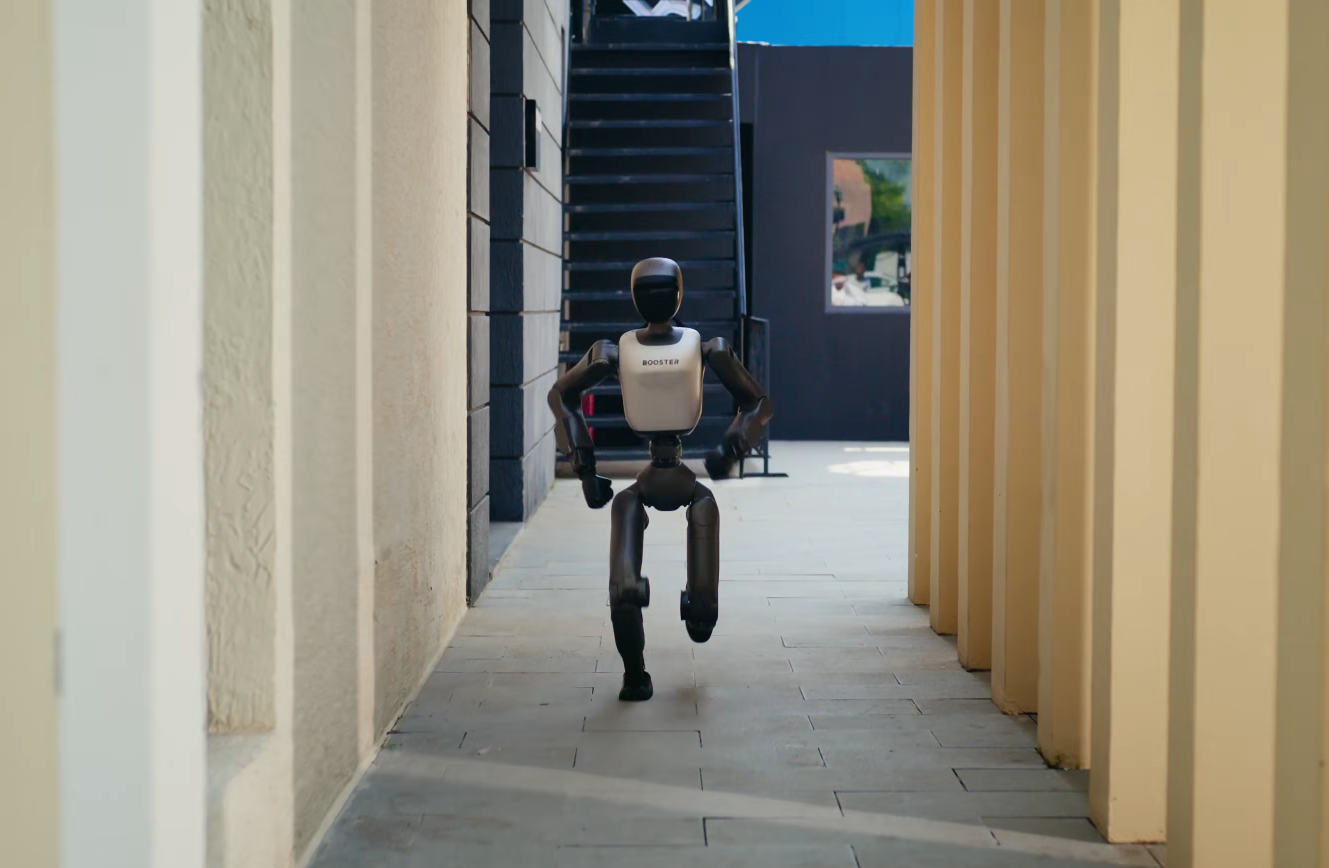
Booster Robotics Launches Booster T2 Humanoid Robot with NVIDIA Thor Computing Power
Booster Robotics has introduced the Booster T2, a humanoid robot platform aimed at real-world applications and embodied AI research. The T2 Pro version utilizes NVIDIA’s Thor chip, delivering up to 2,070 TFLOPS for real-time perception and control. The robot is designed for tasks requiring mobility and manipulation, showcasing advanced capabilities such as walking, dynamic balance, and athletic movements. The significance of the Booster T2 lies in its integration of cutting-edge technology and open development. With features like whole-body coordination and onboard AI computing, it supports a wide range of applications in robotics. The introduction of Booster Studio, an open software platform, further enhances its utility by allowing developers to simulate and deploy AI models effectively. Looking ahead, the Booster T2 is positioned to advance research in embodied AI and robotics. Its robust design, including 31 degrees of freedom and multiple hardware configurations, makes it suitable for various manipulation tasks. No further timeline was disclosed at the time of publication.
AI and Robotics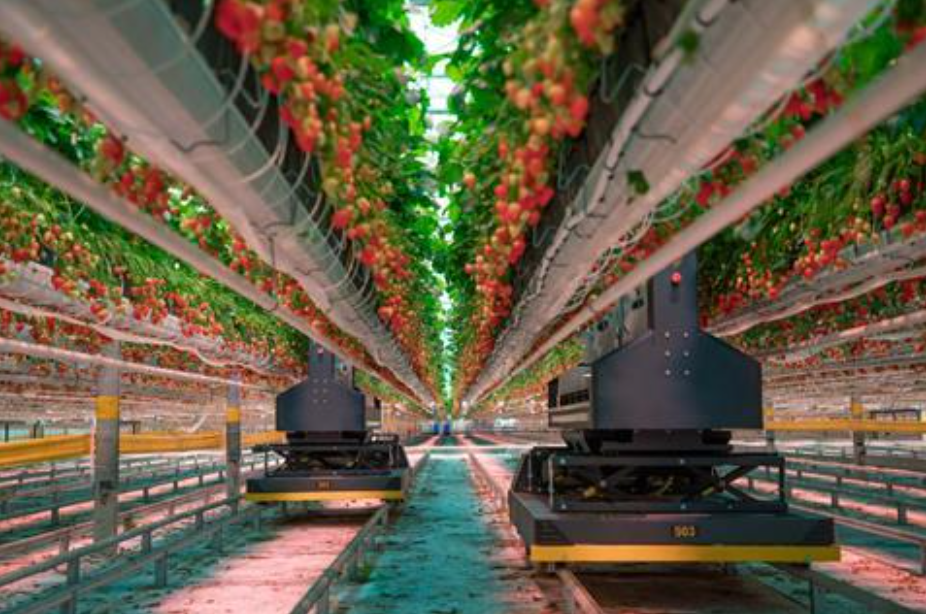
Dogtooth Technologies Secures £14 Million for AI-Powered Strawberry Harvesting
UK-based Dogtooth Technologies has successfully raised over £14 million in funding to enhance its AI-driven strawberry picking robots. The financing, provided by 24 Haymarket, EMV Capital, and ACF Investors, along with a grant from Innovate UK, aims to accelerate the deployment of these robots in both the UK and international markets. The company has already established a fleet of approximately 70 robots operating on commercial farms in the UK and Australia, harvesting tens of tons of fruit each season. The significance of this funding lies in addressing the ongoing labor shortages in agriculture, which have made robotic harvesting a necessity rather than a luxury. Dogtooth's robots utilize advanced computer vision and precision mechanical arms to autonomously navigate complex growing environments, identify ripe fruit, and perform harvesting without damage. This technology allows for continuous operation, even in cooler night conditions, thereby extending the shelf life of harvested produce. Looking ahead, Dogtooth Technologies is poised to expand its market presence, having recently delivered systems to Dyson Farming, a UK indoor berry producer. As the global horticultural industry grapples with seasonal labor shortages and rising costs, the successful deployment of these agricultural robots could signal a shift towards more widespread adoption of embodied intelligence in farming. No further timeline was disclosed at the time of publication.
Agricultural Robotics AI Technology Fruit Harvesting Embodied Intelligence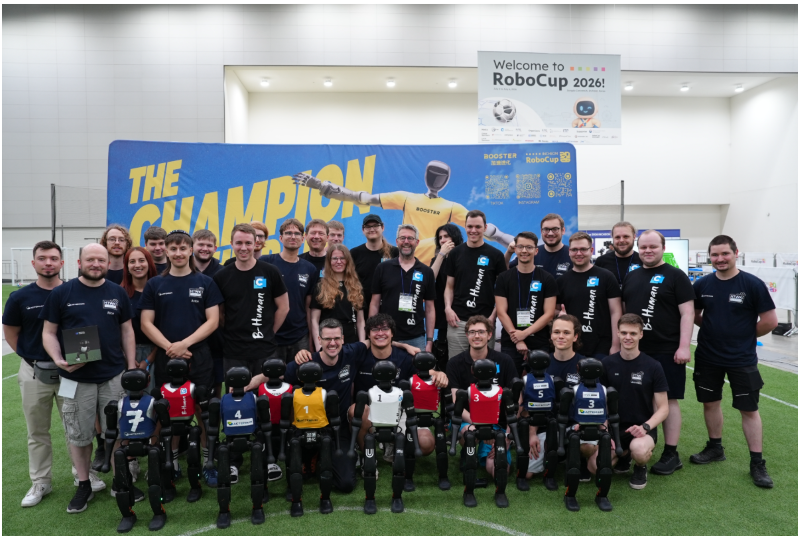
Booster Robotics Powers All Gold Medal Wins at RoboCup 2026 in South Korea
At the RoboCup 2026 held in Incheon, South Korea, Tsinghua University's Fire God team secured the championship title by defeating their opponent 6-2. Notably, all gold medals in the humanoid categories were won by robots from the same Chinese company, Booster Robotics. A total of 59 teams participated, with 38 utilizing Booster Robotics' platforms, including the Booster T1, K1, and K1 Air models. The significance of this achievement lies in the shift towards a shared robotics platform, allowing teams to focus on advanced capabilities such as visual perception and multi-agent collaboration rather than starting from scratch. This year, teams like B-Human and the University of Wuhan leveraged Booster Robotics' technology, which has evolved to enhance leg movement control, enabling high-speed running and quick recovery from falls. This collaborative approach has streamlined development and improved performance in competitive settings. Looking ahead, the emergence of the youngest participating team from Macau, which utilized Booster Studio for algorithm training, highlights the growing accessibility of robotics education. As more teams adopt Booster Robotics' platforms, the trend towards a unified infrastructure for embodied intelligence is becoming evident. No further timeline was disclosed at the time of publication.
Humanoid Robots Robotics Competitions AI Robotics Development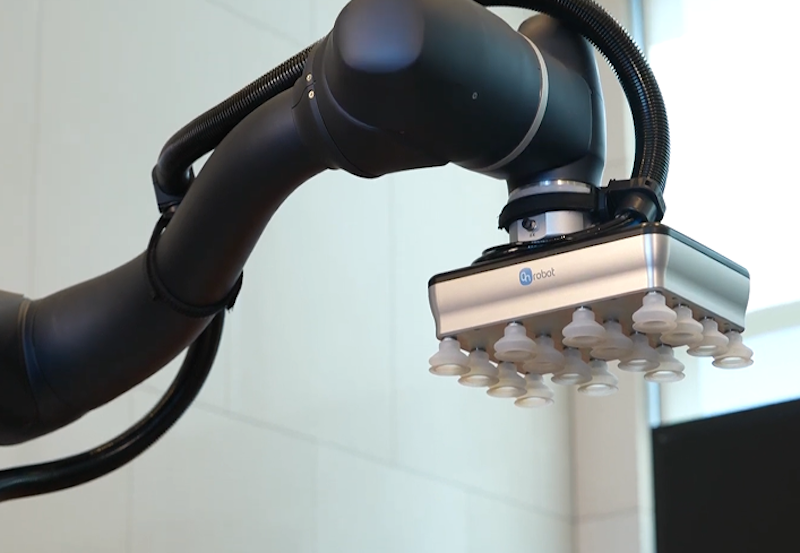
Doosan Robotics launches AI-powered palletizing solution for high-mix manufacturing
Doosan Robotics has introduced its latest innovation, PalletizHD+, an AI-driven palletizing solution aimed at streamlining the automation process for manufacturers. The launch took place at Automate 2026, where the company highlighted the system's ability to simplify engineering complexities while enhancing adaptability to evolving production needs. Built on the proprietary PalletizOS operating platform, PalletizHD+ is presented as a comprehensive, production-ready system designed to meet the demands of modern manufacturing environments. This development reflects Doosan Robotics' commitment to advancing automation technology and supporting manufacturers in optimizing their operations.
Industrial robots News ai artificial intelligence Automate 2026 cobots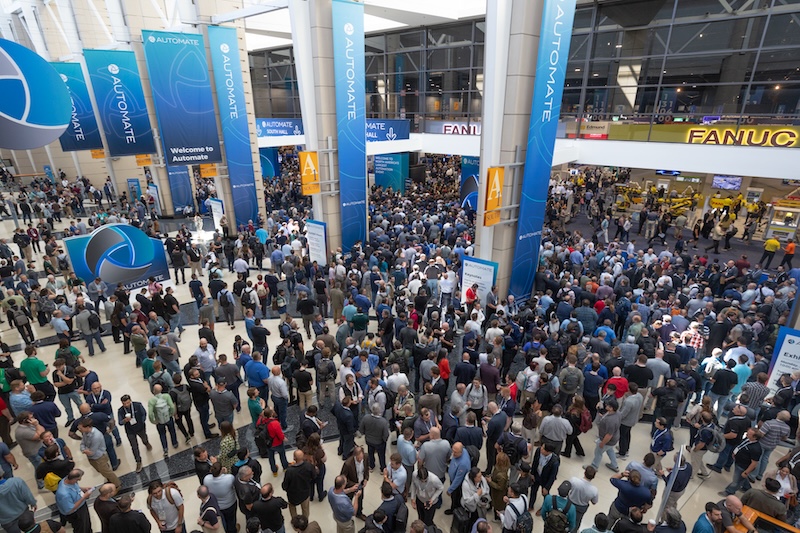
A3’s Automate 2026 breaks records as demand for robotics, AI and automation grows
Automate, North America’s largest robotics and automation event, celebrated its most successful show to date, drawing more than 50,000 registrants and 1,230 exhibitors to McCormick Place in Chicago from June 22-25. Hosted by the Association for Advancing Automation (A3), Automate 2026 filled 425,000 square feet of show floor space with the latest technologies in robotics, […]
Events Features a3 amrs artificial intelligence association for advancing automation
Starmind's Satellite Technology Achieves 880 Billion Liters in Annual Water Savings
Starmind has announced that its satellite technology can save approximately 880 billion liters of cooling water annually at full scale. This figure is equivalent to the annual household water use of around 6.5 million Americans. The technology operates by utilizing a closed-loop liquid cooling system that eliminates the need for water during its operational life, contrasting sharply with traditional ground data centers that consume vast amounts of water for cooling. The significance of this achievement lies in the growing water consumption crisis faced by data centers, particularly as AI expansion drives demand. In 2025, U.S. data centers consumed nearly one trillion liters of water, highlighting the urgent need for sustainable solutions. Starmind's approach not only addresses direct water usage but also avoids indirect water consumption associated with electricity generation, marking a substantial shift in how computing can be conducted in a resource-efficient manner. Looking ahead, Starmind's deployment strategy includes a projected buildout of 100 GW of orbital compute per year, which could displace an additional 735 billion liters of ground water demand annually. The first tranche of 10,000 satellites is already operational, offsetting approximately 8.8 billion liters of water per year. No further timeline was disclosed at the time of publication.
SpaceX Proposes 1 Million AI Satellites to Address Ground Data Center Constraints
On January 30, 2026, SpaceX filed with the FCC to launch up to 1 million AI compute satellites, positioning orbital data centers as a solution to the increasing demand for AI computing power. Ground data centers are facing significant challenges, with energy consumption projected to reach approximately 1,050 TWh in 2026, making them the fifth-largest electricity consumer globally. The demand for new data center capacity is outpacing the growth of power generation infrastructure, leading to a critical bottleneck in the grid system. The significance of this initiative lies in the structural constraints faced by ground data centers, including power delivery limitations, high water consumption, and local opposition to new projects. The Uptime Institute's 2026 outlook identifies power as the primary constraint on data center growth, with capacity clearing prices in the PJM grid skyrocketing to $329.17/MW, driven by data center expansion. Additionally, cooling requirements are becoming increasingly unsustainable, with facilities consuming vast amounts of water, further complicating their operational viability. Looking ahead, SpaceX's orbital AI compute initiative aims to circumvent these challenges by leveraging the advantages of space, such as continuous solar power and minimal local opposition. The first AI prototypes are expected to launch in early 2027, with operational deployments planned for 2028. No further timeline was disclosed at the time of publication.

ABB Robotics completes its AI-powered Visual SLAM AMR portfolio with new autonomous forklift
ABB Robotics completes its AI-powered Visual SLAM AMR portfolio with new autonomous forklift Visit http://go.abb/robotics for further information -The new Flexley Stack F712 extends ABB Robotics’ AI-powered Visual SLAM technology to autonomous forklifts, enabling pallet transport and high-density storage. -Customers can now deploy mixed fleets of Visual SLAM-powered tugs, movers and forklifts on a common navigation, fleet management and software platform. -Powered by ABB Robotics' AMR Studio, the portfolio enables up to 20% faster commissioning while ensuring seamless interoperability and safe, reliable operation. 07/07/26, 07:10 AM | Industrial Robotics, Mobile Robots | ABB Inc. ABB Robotics is expanding its Autonomous Mobile Robotics (AMR) portfolio with the launch of the Flexley® Stack F712, creating a complete interoperable ecosystem across all major Visual SLAM AMR types. Combining autonomous forklifts, tugs and movers on one platform, ABB Robotics enables customers to automate a broader range of material-handling and intralogistics processes. Offering market-leading accuracy, the F712 is designed for demanding material handling, end-of-line storage and warehouse operations across industries including automotive manufacturing, helping increase efficiency, flexibility and scalability. More Headlines A3's Automate 2026 Breaks Records as Demand for Robotics, AI and Automation Grows NVIDIA and Hugging Face Bring New Models and Frameworks to LeRobot for the Open Robotics Community Palladyne AI Executes $4.2 Million U.S. Air Force Contract to Advance Swarming Capabilities for Integrated Cross-Domain Operations UMA Unveils Its Vision for the Next Generation of Humanoid Robots Robbyant Unveils LingBot-Depth 2.0 and LingBot-Vision to Redefine Robotic Spatial Perception Articles Unleash AI Innovation: The Power of NVIDIA RTX PRO 6000 Blackwell Workstation Edition Fueled by PNY-Supplied GPUs Automate 2026 Q&A with DESTACO Automate 2026 Q&A with Roboteon Advances in Robots to See & Interpret within Warehouse Environments Building Resilient Fulfillment Networks with Robotics and Real-Time Logistics Data "Across intralogistics operations, businesses are being asked to process greater volumes in less time, while working with increasingly limited resources," said Marc Segura, President, ABB Robotics. "They are under pressure to move goods faster and with greater flexibility, while labour availability is becoming a critical constraint. As part of our journey to more autonomous and versatile robotics (AVRTM), we have combined advanced vision, mobility and intelligence in the Flexley Stack F712 forklift AMR, completing our scalable, AI-powered AMR portfolio." F712 is versatile, capable of handling multiple load types and sizes - including open and closed pallets, containers or racks- up to 2,000 kg and reaching heights of 8.5 meters. The Flexley Stack AMR F712 joins the Flexley Tug and Flexley Mover in ABB Robotics' growing Visual SLAM AMR portfolio. Applications include intralogistics tasks such as warehouse storage and retrieval, as well as line supply, end-of-line handling, body- and press-shop and drive-in and light buffer in the automotive and industries sector. Unlike conventional AMR forklifts on the market, F712 uses Visual SLAM to map and navigate its environment, eliminating the need for pre-installed infrastructure like markers or reflectors. The AI-enabled Visual SLAM supports the autonomous decisions required to operate in complex, dynamic warehouse operations with a market-leading positional accuracy of ±10 mm. Together with AMR Studio®, this shortens commissioning times by up to 20 percent and creates a versatile and reliable system that can adapt instantly when a warehouse or production floor layout changes. Certified to the latest ISO and ANSI safety standards, Flexley Stack F712 can safely operate at class-leading speeds of up to 1.7 m/s while loaded. F712 is fully integrated with AMR Studio and is VDA5050 compatible, enabling seamless integration with ABB Robotics' Visual SLAM AMRs and existing systems within a unified project. This makes it easy to manage complex projects and integrate different types of mobile robots. The no-code, drag-and-drop software suite supports rapid setup, fleet coordination, traffic management and real-time visualization, allowing ABB Robotics' tugs, movers and forklifts to operate together in the same layout for scalable turnkey automation projects. ABB Robotics as one of the world's leading robotics companies, is the only company with a comprehensive and integrated AI-powered portfolio covering robots, cobots and Autonomous Mobile Robots (AMRs), designed and orchestrated by our value-creating software. We help companies of all sizes and sectors - from automotive to electronics and logistics - to outperform by becoming more resilient, flexible and efficient. ABB Robotics is at the forefront of developing and commercializing a new generation of Autonomous Versatile Robotics
Robotics needs a service framework.
RSF defines a common language for robot service capability, lifecycle operations, certification pathways, and service-provider networks.
Join the RobotToday community on LinkedIn
Daily robotics news, in-depth analysis, conference highlights, and discussions with professionals worldwide.







