

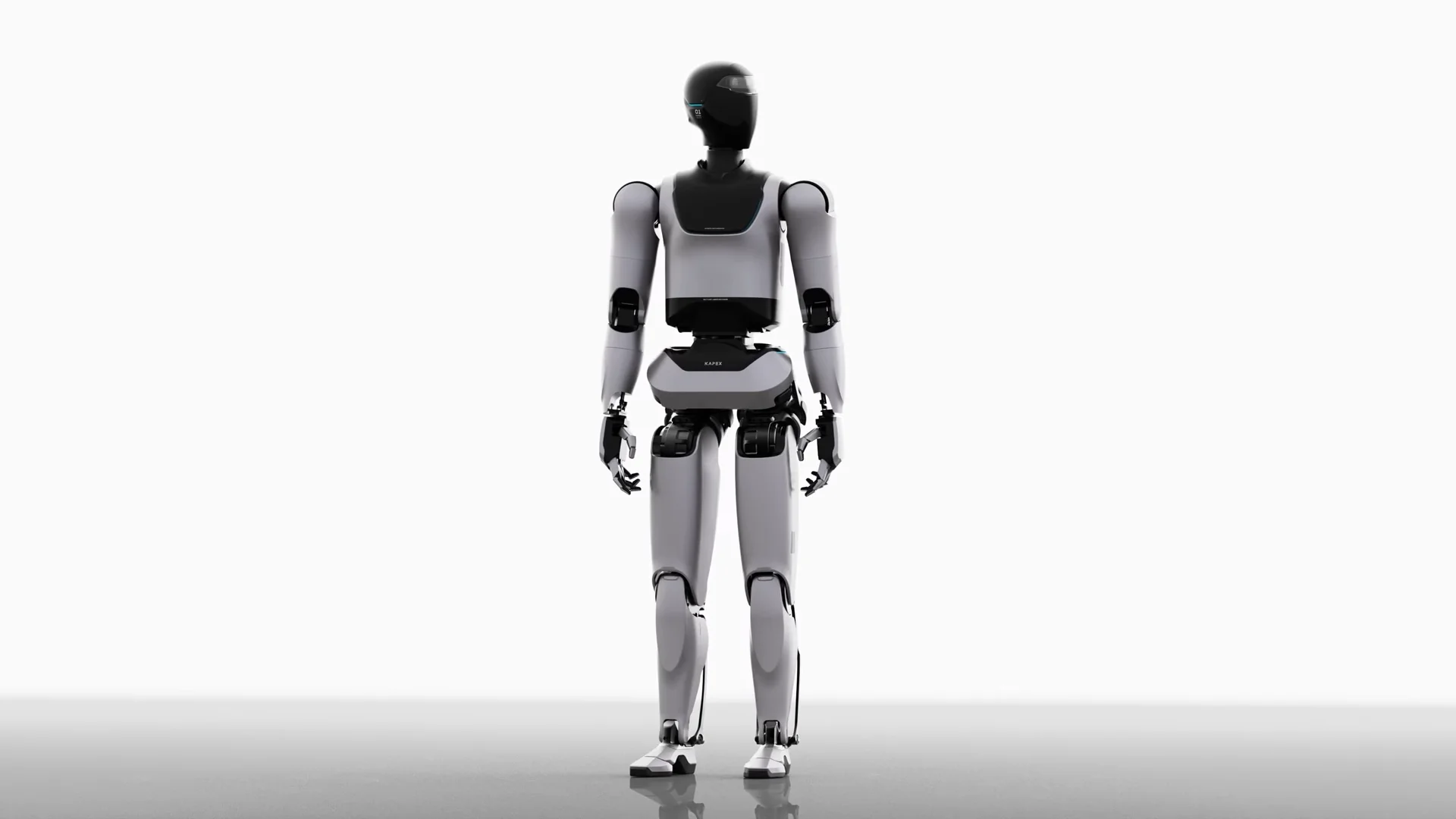
Oh Sang-rok, president of the Korea Institute of Science and Technology (KIST), stated that South Korea has the potential to become a significant force in AI humanoids, joining the United States and China. During a public research briefing on September 17 in Seoul, he emphasized the importance of formulating the right strategy to achieve this tripartite balance of power.
This ambition reflects a strategic vision rather than a current ranking of robotic capabilities. KIST is actively pursuing the KAPEX hardware initiative and a Vision-Haptic-Language-Action (VHLA) approach, which integrates touch with vision, language, and action modeling. The institute aims to demonstrate robots working alongside humans in various settings by 2030, highlighting the importance of effective manipulation and feedback in robotic tasks.
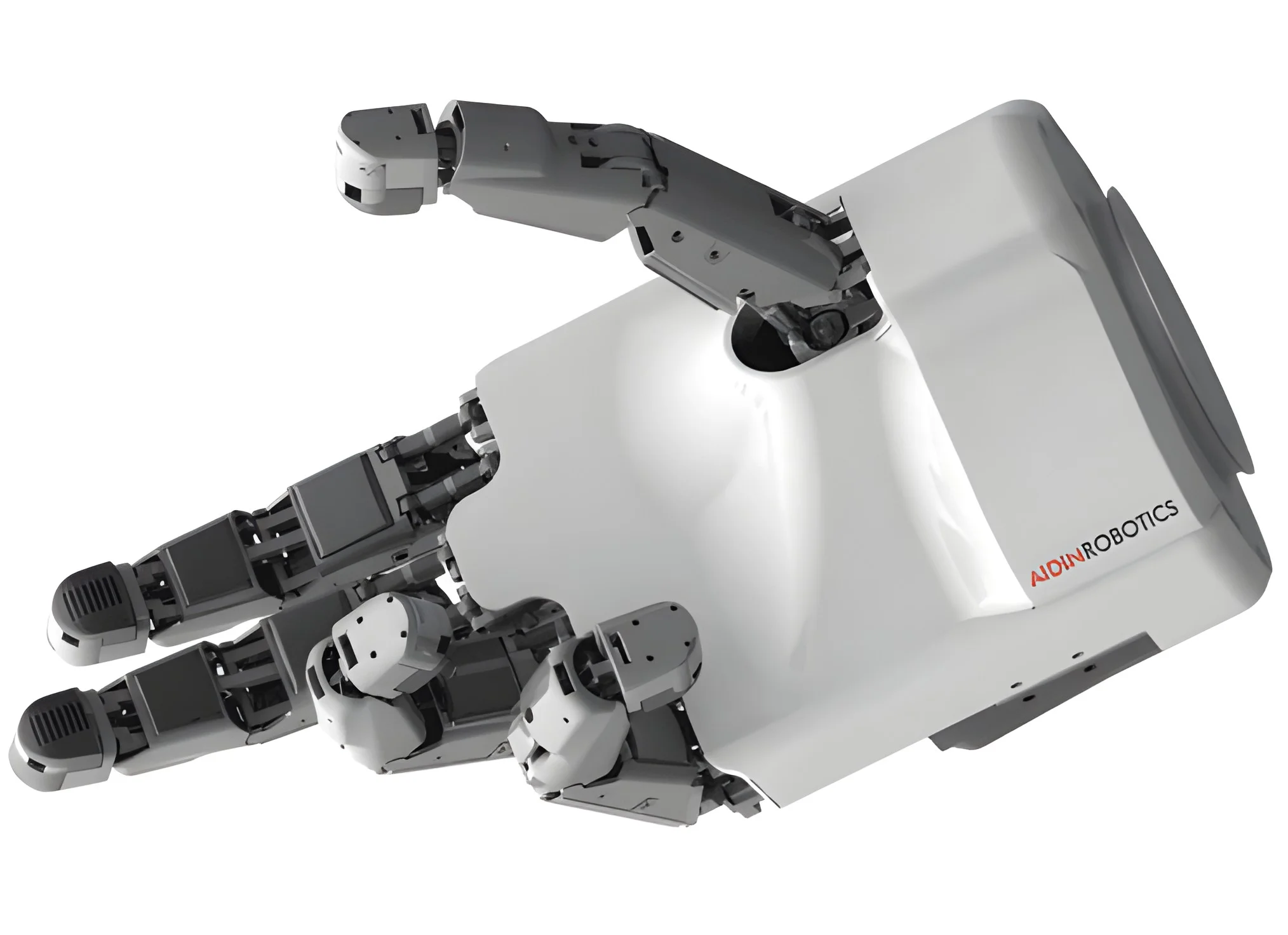
KIST's broader humanoid ecosystem plan, which includes a KRW 2.3 trillion investment through 2030, focuses on component development, public procurement, and training-data infrastructure. The success of these initiatives will depend on effective execution, including the availability of reliable components and the willingness of customers to maintain robotic systems post-pilot.
Editor's Note
The robotics landscape is evolving, with South Korea positioning itself as a potential leader in humanoid technology. The collaboration between KIST and industry players like LG, along with substantial government investment, indicates a strong commitment to advancing AI and robotics. The success of these initiatives will be crucial for South Korea to establish itself alongside the US and China in this competitive field.






















Leave a comment