Top News

Industry Briefing

A single destination for timely, editor-curated robotics news from around the world.

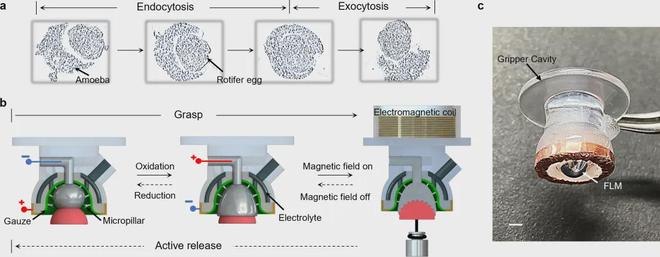
New Record in Robotic Micro-Manipulation: 42G Ejection and Precision Control Across 14 Orders of Magnitude

New Record in Robotic Micro-Manipulation: 42G Ejection and Precision Control Across 14 Orders of Magnitude

A team of researchers has unveiled a revolutionary liquid metal universal gripper (LiMU) that boasts exceptional manipulation capabilities, achieving a record ejection speed of 42G. This cutting-edge technology can handle a wide range of objects, from picograms to hundreds of grams, making it suitable for delicate tasks across various environments. The development of LiMU represents a significant advancement in robotic manipulation, potentially transforming industries that require precision handling of fragile materials.

Robotic Grippers Micro-Manipulation Liquid Metal Technology Adaptive Robotics
Beyond Dexterity: Why Contact May Define the Next Era of Robotics

Beyond Dexterity: Why Contact May Define the Next Era of Robotics

At the 2026 IEEE International Conference on Robotics (ICRA) in Vienna, AGILINK showcased a captivating demonstration of robotic dexterity by creating a balloon dog, which drew significant attention from attendees. This seemingly playful task is recognized in the robotics community as a complex manipulation challenge due to the balloon's lightweight and highly deformable nature. The demonstration highlighted the intricate balance between motion and contact intelligence, essential for successful robotic manipulation. AGILINK's approach involved mapping the actions of professional balloon artists to robotic hands, allowing the robot to learn both successful manipulation sequences and recovery strategies during failures. This dual focus on motion and contact intelligence is crucial, as maintaining stable interaction with the balloon is as important as executing the correct sequence of actions. In conjunction with the balloon dog demonstration, AGILINK introduced the OmniHand 3 Ultra-M, a dexterous robotic hand designed to enhance contact intelligence through advanced sensing and faster response capabilities. The hand features 20 active degrees of freedom and a direct-drive architecture, enabling precise force regulation and tactile sensing across its surface. The significance of these advancements extends beyond balloon animals, addressing broader challenges in robotics related to unstable and deformable interactions, such as delicate assembly and household tasks. As robotics research increasingly prioritizes interaction dynamics, AGILINK's innovations may pave the way for more effective manipulation in unpredictable real-world environments.

Humanoid-robots Physical-ai Dexterous-hands Direct-drive-actuation Robotic-manipulation Reinforcement-learning
PHANES AI Launches TouchWorld Tactile Model for Enhanced Robot Dexterity

PHANES AI Launches TouchWorld Tactile Model for Enhanced Robot Dexterity

PHANES AI, established by 28-year-old Yang Shuo from HIT, has introduced TouchWorld, a tactile foundation model designed to enhance robotic manipulation capabilities. This model enables robots to perform precise physical tasks by incorporating a sense of touch, marking a significant advancement in robotic dexterity and interaction with their environment. The introduction of TouchWorld is significant as it allows robots to predict and react to tactile stimuli, which is crucial for applications requiring fine motor skills. This development could lead to improved performance in various sectors, including manufacturing and healthcare, where dexterous manipulation is essential for tasks such as assembly or surgical procedures. Looking ahead, the impact of TouchWorld on the robotics industry will be closely monitored, particularly regarding its adoption in real-world applications. No further timeline was disclosed at the time of publication, but the potential for this technology to transform robotic capabilities is substantial.

Technology
Robot Talk Episode 159 – Robot sensing and manipulation, with Maria Koskinopoulou

Robot Talk Episode 159 – Robot sensing and manipulation, with Maria Koskinopoulou

Claire recently engaged in a conversation with Maria Koskinopoulou, an Assistant Professor in Robotics and Computer Vision at Heriot-Watt University, regarding the advancements in autonomous robotic manipulators. The discussion highlighted the applications of these technologies in various fields, including surgery and industry. Koskinopoulou, who co-leads the ARM²Lab—focused on Autonomous Robotic Manipulation and Multi-Agent Systems—alongside Ignacio Carlucho, shared insights into her research interests and the potential impact of robotics on future innovations. The dialogue underscores the growing significance of robotics in enhancing efficiency and precision across multiple sectors.

Breakthrough in Robotic Hands: One Motor Drives Six Joints, Capable of Gentle Foam Handling and Lifting 3 Pounds

Breakthrough in Robotic Hands: One Motor Drives Six Joints, Capable of Gentle Foam Handling and Lifting 3 Pounds

A research team at Northwestern University has unveiled an innovative robotic hand that operates using a single motor to control six joints, thanks to a groundbreaking electric adhesive clutch system. This design enables the robotic hand to seamlessly transition between gentle and strong gripping, enhancing its versatility in robotic manipulation. The development aims to improve the functionality of robotic systems, making them more adaptable for various tasks.

Robotic Hands Electric Adhesive Clutch Soft Robotics Robotics Technology
Replacing Grasping with Support: EPFL Team Proposes a New Paradigm for Robot Manipulation

Replacing Grasping with Support: EPFL Team Proposes a New Paradigm for Robot Manipulation

Researchers from the École Polytechnique Fédérale de Lausanne (EPFL) have unveiled a groundbreaking robotic manipulation technique that moves away from conventional grasping methods to a surface-based support system. This new approach enables robots to interact with a wide range of objects without requiring stable grips, significantly improving their dexterity. The development, announced recently, has the potential to transform automation processes across multiple industries, enhancing efficiency and versatility in robotic applications. By allowing robots to manage objects more fluidly and adaptively, this innovation could lead to advancements in fields such as manufacturing, logistics, and service industries.

Robotic Manipulation Automation Technology Surface-Based Handling EPFL Research
Genesis AI introduces GENE-26.5 model for more dexterous robot manipulation

Genesis AI introduces GENE-26.5 model for more dexterous robot manipulation

Genesis AI has unveiled its latest innovation, the GENE-26.5 foundation model, which incorporates an advanced data engine alongside a proprietary robotic hand designed to enhance dexterity in robotic manipulation. This development aims to push the boundaries of robotic capabilities, enabling more precise and versatile movements. The introduction of the GENE-26.5 model marks a significant advancement in the field of robotics, reflecting the company's commitment to leveraging cutting-edge technology to improve robotic functionality. The announcement was made recently, highlighting the potential applications of this model in various industries where enhanced manipulation is crucial.

Arms / Manipulators Artificial Intelligence Artificial Intelligence / Cognition End Effectors / Grippers Grippers Humanoids
From Prosthetics to Pixels: PSYONIC and NVIDIA Bridge the Robotics "Data Gap" with Real-to-Real Transfer

From Prosthetics to Pixels: PSYONIC and NVIDIA Bridge the Robotics "Data Gap" with Real-to-Real Transfer

PSYONIC has integrated its Ability Hand into NVIDIA's Isaac Lab, marking a significant advancement in robotic manipulation technology. This collaboration introduces a "real-to-real" transfer pipeline that leverages human-driven data to enhance the training of dexterous robots. By utilizing data collected up to October 2023, the initiative aims to improve the precision and effectiveness of robotic tasks, ultimately bridging the gap between human and robotic capabilities. This innovative approach is expected to accelerate the development of more sophisticated and adaptable robotic systems, paving the way for broader applications in various industries.

NVIDIA US hand PSYONIC Ability Hand
Generalist AI Unveils GEN-0, Claims Scaling Laws for Robotics Backed by 270,000 Hours of Real-World Data

Generalist AI Unveils GEN-0, Claims Scaling Laws for Robotics Backed by 270,000 Hours of Real-World Data

Startup Generalist AI has introduced GEN-0, a groundbreaking embodied foundation model that the company asserts is trained on an extraordinary 270,000 hours of real-world manipulation data. This innovative model features a new architecture known as "Harmonic Reasoning," which, according to Generalist AI, has enabled the discovery of predictable scaling laws for robot intelligence. The announcement marks a significant advancement in the field of robotics and artificial intelligence, showcasing the potential for enhanced capabilities in robotic manipulation and decision-making.

Data Collection Figure Generalist AI embodied-ai
Sanctuary AI Touts Reinforcement Learning Success for Dexterous Robot Hand Manipulation

Sanctuary AI Touts Reinforcement Learning Success for Dexterous Robot Hand Manipulation

Sanctuary AI has showcased its advanced robotic hand, featuring hydraulically actuated five fingers, successfully executing in-hand object reorientation. This demonstration took place recently, highlighting the company's innovative approach to robotics. The robotic hand utilized a reinforcement learning policy that was initially trained in a simulated environment, achieving a notable sim-to-real transfer even when subjected to an unexpected load of 500 grams. Sanctuary AI credits this accomplishment to its proprietary reinforcement learning techniques and the sophisticated design of its high-degree-of-freedom hand hardware, marking a significant milestone in the development of robotic manipulation capabilities.

phoenix sanctuary-ai
Video Friday: Heavy Robotic Machinery Operates Itself

Video Friday: Heavy Robotic Machinery Operates Itself

IEEE Spectrum robotics has released its latest edition of "Video Friday," showcasing a variety of innovative robotics videos and announcing upcoming robotics events. Notable conferences include ICRA 2026 in Vienna from June 1-5, and the Summer School on Multi-Robot Systems in Prague from July 29 to August 4, 2026. Among the featured content is a groundbreaking autonomous material-handling solution developed by ETH Zurich, capable of operating a 40-ton material handler, traditionally a labor-intensive task. Other highlights include the introduction of the world's first production-ready manned mecha by Unitree, and the launch of NIX, an embodied AI exploring dance and movement, which will be made available for free to select partners. NTNU has unveiled the Unified Autonomy Stack, a robust system designed for aerial and ground robots, enhancing their autonomy through advanced perception and navigation capabilities. This system has been validated in challenging environments, showcasing its effectiveness in exploration and object discovery. Robotics expert Rodney Brooks, cofounder of Robust AI, shared insights on the challenges of innovation in robotics and the implications of the current AI surge during a Q&A session ahead of his panel at the Forbes America Innovates event in San Francisco. As the field continues to evolve, the integration of data collection methods remains a significant challenge, with the Koala platform exemplifying innovative approaches to enhance robotic manipulation tasks.

Home-robots Humanoid-robots Video-friday Material-handling-technology Robot-videos Robot-grippers
mimic Robotics Launches Comprehensive Platform for Advanced Dexterous Robot Manipulation

mimic Robotics Launches Comprehensive Platform for Advanced Dexterous Robot Manipulation

mimic Robotics has unveiled a new robotic hand, the mimic hand M1, along with the mimic wearable U1 exoskeleton and a proprietary software platform. This integrated system aims to enhance general-purpose dexterous manipulation in industrial robots by addressing the challenge of collecting high-quality training data for AI models that perform human-like tasks. The significance of this launch lies in mimic Robotics' approach to design, which focuses on human hand morphology rather than traditional two-finger grippers. The mimic hand M1 features 15 actuated degrees of freedom and is capable of handling payloads over 25 kg, while the mimic wearable U1 allows human operators to demonstrate tasks in real-time, improving data collection for AI training. Looking ahead, the company’s innovative middleware and teleoperation software are expected to enhance robot control and AI inference speed. No further timeline was disclosed at the time of publication.
Components Computing News ai automation dexterous manipulation
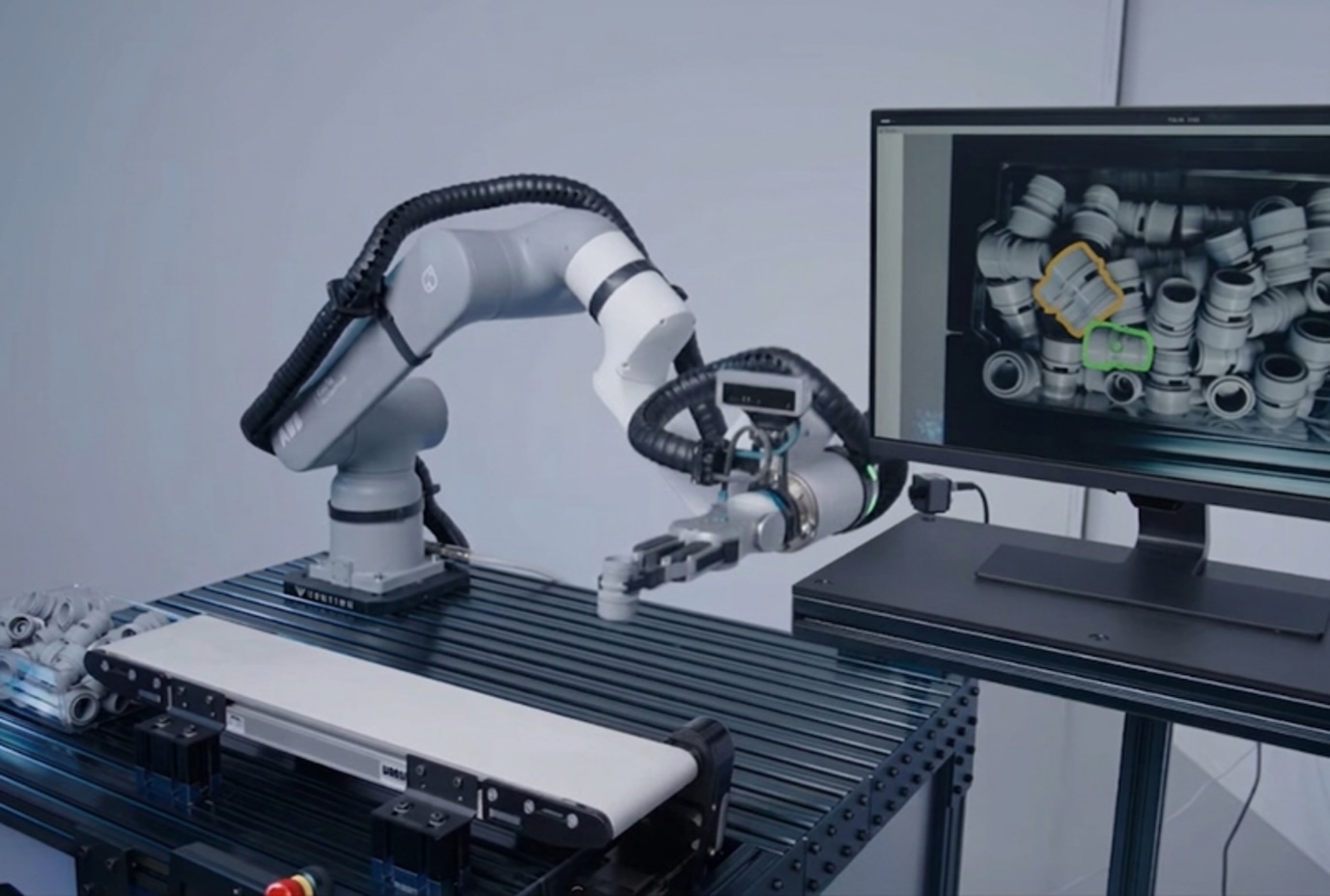
Robot hand company settles Tesla trade secret suit and announces $11M raise

Robot hand company settles Tesla trade secret suit and announces $11M raise

Proception, a startup focused on advancing robotics, is innovating in the field of training data collection to address the complex challenges associated with robotic hand functionality. Established with the aim of enhancing robotic dexterity, the company is developing methods to gather and analyze data that will improve the performance of robotic hands. This initiative comes in response to the growing demand for more sophisticated and capable robotic systems in various industries. By leveraging cutting-edge technology and research, Proception aims to overcome the limitations currently faced in robotic manipulation, ultimately contributing to the evolution of robotics as a whole. The startup's efforts are expected to play a significant role in shaping the future of automation and robotics, particularly in applications requiring intricate hand movements.

AI Robotics Exclusive proception robotics
Video Friday: Humanoid Learns Tennis Skills Playing Humans

Video Friday: Humanoid Learns Tennis Skills Playing Humans

IEEE Spectrum robotics has released its latest edition of Video Friday, showcasing a variety of innovative robotics videos and announcing upcoming events in the field. Notable events include the International Conference on Robotics and Automation (ICRA) scheduled for June 1-5, 2026, in Vienna, and a Summer School on Multi-Robot Systems from July 29 to August 4, 2026, in Prague. Among the featured advancements, researchers have developed LATENT, a system designed to teach humanoid robots tennis skills by learning from imperfect human motion data. This innovation addresses the challenges of replicating human-like athleticism in robotics. Additionally, a breakthrough has been achieved in robotic manipulation, with a robot successfully peeling an apple using dual dexterous hands, showcasing significant progress in bimanual tasks. The development of MoDE-VLA, a control system that integrates vision, language, force, and touch data, further enhances the robot's ability to perform complex tasks with stability and precision. This shared-autonomy approach allows human operators to guide robots in executing intricate movements. In other highlights, collaborations between Tesollo and Hanyang University have led to advancements in robotic hand technology, while the Fluent Robotics Lab at the University of Michigan is set to present a paper on operational PR2 robots. The KAIST DRCD Lab has also demonstrated the capabilities of its humanoid robot, trained through deep reinforcement learning. As robotics continues to evolve, these innovations reflect the ongoing efforts to bridge the gap between human-like dexterity and robotic functionality.

Humanoid-robots Video-friday Robot-locomotion Nvidia Robot-manipulation Quadruped-robots
BF-GNet: A Network for RGB-D Fusion in Grasp Pose Estimation

BF-GNet: A Network for RGB-D Fusion in Grasp Pose Estimation

The article discusses BF-GNet, a novel RGB-D fusion network designed for grasp pose estimation in complex background environments. This technology aims to enhance robotic manipulation capabilities by accurately determining grasp poses despite challenging visual conditions. The significance of BF-GNet lies in its potential to improve the efficiency and reliability of robotic systems in real-world applications. By effectively integrating RGB and depth data, the network addresses common challenges faced in environments with clutter and varying textures, making it a valuable tool for advancing robotic perception. Looking ahead, the adoption of BF-GNet could lead to more sophisticated robotic applications in various sectors, including logistics and manufacturing. As the technology matures, further developments and potential collaborations may emerge to enhance its capabilities and deployment in practical scenarios. No further timeline was disclosed at the time of publication.

RESEARCH ARTICLE
Yuequan Bionics Launches Innovative 299.7g Y-Hand M1 with Unique Biomechanical Technology

Yuequan Bionics Launches Innovative 299.7g Y-Hand M1 with Unique Biomechanical Technology

On July 3, Yuequan Bionics unveiled the Y-Hand M1, a dexterous robotic hand weighing 299.7 grams. Unlike competitors that focus on increasing degrees of freedom, the Y-Hand M1 employs a unique bionic tension-compression technology, achieving significant dexterity with only 26 degrees of freedom. This innovation is crucial as the robotics industry grapples with the challenge of balancing performance, cost, and reliability in dexterous hands. The Y-Hand M1 represents a paradigm shift, addressing the industry's 'impossible triangle' where high performance often leads to increased costs and reduced reliability. Looking ahead, the dexterous hand market in China is projected to grow significantly, with sales expected to reach 70,200 units in 2026. As investment in this sector surges, the Y-Hand M1's unique approach may set a new standard for future developments in robotic manipulation technology. No further timeline was disclosed at the time of publication.

Dexterous Hands Bionic Technology Robotics Innovation Embodied Intelligence
1X Enhances NEO Humanoid Robot with Advanced 25-DOF Hands for Versatile Tasks

1X Enhances NEO Humanoid Robot with Advanced 25-DOF Hands for Versatile Tasks

Norwegian robotics firm 1X has introduced new 25-degree-of-freedom (DOF) tendon-driven hands for its NEO humanoid robot, marking a significant advancement in robotic dexterity. These hands feature 22 actuated joints across the fingers and palm, along with three at the wrist, enabling NEO to perform tasks such as assembling LEGO models and catching balls with precision and strength. The redesigned hands allow for force sensing and durability, overcoming previous hardware limitations in robotic manipulation. With a unique tendon-drive system and low gear ratios, the hands can detect contact forces and provide continuous proprioception, enhancing the robot's ability to manipulate objects safely and effectively. The hands' human-like joint distribution, particularly the opposable thumb, facilitates a wide range of fine manipulation tasks, making NEO suitable for various household applications. 1X has commenced mass production of the NEO robot at its new California facility, aiming to commercialize home robots for daily assistance. The company emphasizes the hands' combination of precision, strength, and safety features, including IP68 waterproofing and self-cleaning capabilities. No further timeline was disclosed at the time of publication.

AI and Robotics
Breakthrough in Mobile Electrostatic Grippers: Soft on Contact, Rigid During Transport

Breakthrough in Mobile Electrostatic Grippers: Soft on Contact, Rigid During Transport

Researchers at Harbin Institute of Technology have unveiled a groundbreaking electrostatic gripper capable of adjusting its stiffness on demand. This innovative device remains soft when in contact with objects, allowing for improved adherence, and transitions to a rigid state during transport to mitigate the risk of drop-offs caused by inertia. The development aims to enhance the stable handling of diverse surfaces and has been integrated into mobile robots, significantly boosting their operational performance. This advancement represents a significant step forward in robotic manipulation technology, promising to improve efficiency in various applications.

Electrostatic Grippers Robotics Mobile Manipulation Variable Stiffness Technology
DexRobot Unveils Full Dexterous Hand Series and New DexTele Teleoperation System at Automate 2026

DexRobot Unveils Full Dexterous Hand Series and New DexTele Teleoperation System at Automate 2026

At this year's exhibition, a dedicated Humanoid Robot Pavilion highlights the increasing emphasis on AI-driven industrial automation. This event serves as a prime platform for DexRobot to showcase its latest advancements in robotic manipulation and high-fidelity data acquisition. The demonstration aims to illustrate how these technologies are not only becoming practical and affordable but also ready for real-world application. The focus on integrating AI into industrial processes underscores the growing trend of automation in various sectors, reflecting the industry's commitment to innovation and efficiency.

Award-Winning Researcher Trains Robots to Make Educated Guesses

Award-Winning Researcher Trains Robots to Make Educated Guesses

Yen-Ling Kuo, an assistant professor of computer science at the University of Virginia, has been recognized for her significant contributions to robotics and automation. Last year, she received the IEEE Robotics and Automation Society’s inaugural Outstanding Women in Robotics and Automation Early Career Contribution Award for her paper, “Diff-DAgger: Uncertainty Estimation with Diffusion Policy for Robotic Manipulation.” This innovative research introduces a method that enhances robots' ability to identify and manage uncertainty during unfamiliar tasks, thereby reducing the need for human supervision and increasing task completion rates. Kuo’s journey began in Taiwan, where her fascination with science and technology was sparked by early exposure to programming and computer logic. After earning her degrees from National Taiwan University and MIT, she gained practical experience at Google, where she contributed to AI-driven shopping technologies. This experience motivated her to pursue a Ph.D. to deepen her understanding of neural networks. Her current research focuses on developing computational models that enable robots to interpret both explicit data and subtle social cues, aiming to replicate human-like reasoning in machines. Kuo's work has garnered attention from the National Science Foundation, which awarded her a five-year Career Award to support her research on human-robot interactions. As robotics and autonomous vehicles become more prevalent, Kuo envisions creating robots that can seamlessly integrate into social environments, enhancing human-robot collaboration.

Ieee-member-news Robots Artificial-intelligence Ieee-robotics-and-automation-soc Careers Type-ti
UCLA Develops Open-Source Tactile Robot Hand for $3000

UCLA Develops Open-Source Tactile Robot Hand for $3000

Researchers at UCLA's RoMeLa lab have unveiled the MIDAS Hand, an innovative open-source robotic hand designed to enhance robotic manipulation capabilities. Weighing 700 grams and priced at approximately $3,000, the MIDAS Hand is equipped with tactile sensing and a low-impedance direct drive structure, allowing it to execute intricate tasks such as using scissors and repositioning objects. This development aims to reduce barriers for researchers and experimenters in the field of robotics, facilitating advancements in manipulation technology. The introduction of the MIDAS Hand represents a significant step forward in making sophisticated robotic tools more accessible for research and experimentation.

Robotic Hands Tactile Sensing Open-Source Robotics Robotics Research
RoboScience Advances Embodied Intelligence Towards the VLOA Era at ICRA

RoboScience Advances Embodied Intelligence Towards the VLOA Era at ICRA

RoboScience is making strides in the field of embodied intelligence with its innovative Vision-Language-Object-Action (VLOA) framework, designed to improve robotic capabilities by enabling robots to predict changes in objects within dynamic environments. The company recently gained notable recognition at the International Conference on Robotics and Automation (ICRA), where it presented groundbreaking research focused on robotic manipulation and dual-arm collaboration. This research aims to tackle the complexities faced in real-world applications, positioning RoboScience at the forefront of advancements in robotics.

Embodied Intelligence Robotic Manipulation Dual-Arm Robotics AI VLOA
Video Friday: Extreme Omnidirectional Robot

Video Friday: Extreme Omnidirectional Robot

IEEE Spectrum robotics has released its latest edition of "Video Friday," showcasing a variety of innovative robotics videos that highlight the growing integration of robots into daily life. The weekly roundup includes a calendar of upcoming robotics events, such as the International Conference on Robotics and Automation (ICRA) scheduled for June 1-5, 2026, in Vienna, and the Robotics Summer School on Multi-Robot Systems from July 29 to August 4, 2026, in Prague. Among the featured videos, one introduces the Eco-Score for Robots, a new framework aimed at assessing the environmental impact of robotic systems, akin to eco-labels in other industries. Another video demonstrates advancements in robotic manipulation, showcasing AthenaZero's ability to juggle using multi-fingered hands, while a collaboration between the University of Texas and Sony Group Corporation presents the ARISTO hand, designed for delicate object manipulation. Additionally, the segment includes insights from Kacper Nowicki, CEO of Nomagic, who discussed the ongoing debate between humanoid and purpose-built robots at the Web Summit in Vancouver. As robots continue to evolve, these developments raise important questions about their performance, cost, and sustainability in various applications.

Video-friday Robot-videos Humanoid-robots Omnidirectional Quadruped-robots
Breaking the 'Impossible Triangle' of Dexterous Hands: Global Launch of the Y-Hand M2 by Yuequan Biomimetic

Breaking the 'Impossible Triangle' of Dexterous Hands: Global Launch of the Y-Hand M2 by Yuequan Biomimetic

At the AI Show 2026, Beijing Daqi Yuequan Biomimetic Technology introduced the Y-Hand M2, an advanced robotic hand boasting 38 degrees of freedom. This cutting-edge technology aims to overcome existing challenges in robotic manipulation, including performance, cost, and reliability. The unveiling of the Y-Hand M2 represents a notable milestone in the evolution of robotics, showcasing the company's commitment to innovation in the field.

Dexterous Hands Robotics Technology Biomimetic Robotics AI and Automation
Swiss Team Develops 'Diffused Orientation Fields' to Enable Robots to Manipulate Curved Objects

Swiss Team Develops 'Diffused Orientation Fields' to Enable Robots to Manipulate Curved Objects

Researchers from the École Polytechnique Fédérale de Lausanne (EPFL) and the Idiap Research Institute have developed a groundbreaking method known as 'Diffused Orientation Fields' aimed at improving robotic manipulation of complex, curved objects. This advancement, unveiled recently, leverages point cloud data alongside partial differential equations to establish a flexible and smooth coordinate system. As a result, robots can achieve greater dexterity and precision in real-time tasks such as peeling and slicing. This innovation addresses the challenges faced by robots in handling intricate shapes, potentially revolutionizing their application in food preparation and other industries requiring fine motor skills.

Robotics Machine Learning AI Automation Computer Vision
Genesis AI Releases GENE-26.5: Humanoid Robot Finally Takes On Tomato and Egg Stir-Fry

Genesis AI Releases GENE-26.5: Humanoid Robot Finally Takes On Tomato and Egg Stir-Fry

Genesis AI, a French robotics startup, has unveiled its inaugural foundation model, GENE-26.5. This advanced robot is designed to perform a variety of tasks autonomously, including cracking eggs, cutting tomatoes, making smoothies, solving Rubik's cubes, and organizing cables. The launch took place recently as the company aims to revolutionize robotic manipulation through a novel training approach that combines extensive human operation data with simulation-based closed-loop evaluation. This innovative methodology is intended to enhance the capabilities of robots, moving them closer to a comprehensive foundation model training paradigm.

Robotics
IEEE Interview with Wang Yu: Daimon Aims to Give Robots a Sense of Touch

IEEE Interview with Wang Yu: Daimon Aims to Give Robots a Sense of Touch

Wang Yu, co-founder and chief scientist of Daimon Robotics, recently unveiled the Daimon-Infinity dataset during an exclusive interview with IEEE Spectrum. This dataset, recognized as the largest multimodal tactile dataset to date, is designed to significantly improve robotic manipulation capabilities. Wang highlighted the critical role of tactile feedback in enabling robots to perform dexterous tasks, underscoring its potential to advance the field of robotics. The launch of this dataset marks a pivotal step towards more sophisticated and responsive robotic systems, aiming to bridge the gap between human-like dexterity and robotic efficiency.

Tactile Robotics Robotic Manipulation AI Data Sets Embodied Intelligence
The Apple Peeling Milestone: How Sharpa’s "MoDE-VLA" Unlocks Bimanual Dexterity

The Apple Peeling Milestone: How Sharpa’s "MoDE-VLA" Unlocks Bimanual Dexterity

Sharpa Robotics has introduced an innovative hierarchical framework designed to enhance complex manipulation tasks that require contact-rich interactions. This new system integrates shared-autonomy data collection with a sophisticated "mixture-of-experts" AI model, enabling robots to perform intricate operations more effectively. The announcement was made in October 2023, showcasing the company's commitment to advancing robotic capabilities in various applications. By leveraging this cutting-edge technology, Sharpa Robotics aims to improve the efficiency and precision of robotic manipulation, addressing the growing demand for automation in industries that rely on complex physical tasks.

SharpaWave hand Sharpa Robotics hands Singapore
UK Team Secures £5M to Advance Human-Like Robot Dexterity with AI Co-Design

UK Team Secures £5M to Advance Human-Like Robot Dexterity with AI Co-Design

A research team from the University of Bristol and Imperial College London has been awarded a £5 million grant from the Advanced Research and Invention Agency (ARIA) to advance the development of AI-driven techniques for designing highly dexterous robotic hands and their control systems. This initiative, which aims to address existing challenges in robotic manipulation, seeks to democratize the creation of specialized robotic solutions for various tasks. The project underscores the growing importance of artificial intelligence in enhancing robotic capabilities and making advanced technology more accessible.

ARIA
Scott Walter: Why Humanoid Robots Just Need to Be "Good Enough"

Scott Walter: Why Humanoid Robots Just Need to Be "Good Enough"

Dr. Scott Walter, a leading figure in robotic technology, has dedicated the past 40 years to exploring the convergence of virtual design and physical reality. In a recent interview, he shared insights on the current state of robotics, particularly focusing on Tesla’s Optimus humanoid robot. Walter discussed the challenges surrounding robotic hands, referencing the "Fermi paradox" to illustrate the complexities of creating effective robotic manipulation. He also addressed prevalent misconceptions regarding the safety of home robots, emphasizing that the industry is now poised to tackle issues that have persisted since 1985. This evolution in robotics is attributed to advancements in technology and a growing understanding of human-robot interaction, suggesting a promising future for the field.

Scott Walter Interview
Kirisense wins funding to develop robotic fingertips that can sense touch and slip

Kirisense wins funding to develop robotic fingertips that can sense touch and slip

Kirisense, a UK robotics startup, has received funding from the Henry Royce Institute to advance its development of tactile sensing technology aimed at enhancing robots' sense of touch to more closely resemble that of humans. This initiative, part of the Henry Royce Institute’s Industrial Collaboration Programme, is being executed in collaboration with the University of Sheffield. The project will concentrate on creating robotic fingertips that can provide a more nuanced and sensitive interaction with their environment, potentially revolutionizing the field of robotics by improving the dexterity and functionality of robotic systems.

News Sensors advanced automation advanced materials artificial intelligence automation news
Why robotics can’t advance without physical AI

Why robotics can’t advance without physical AI

Recent advancements in robotics are shifting focus from enhancing processors and mechanical designs to improving data quality, particularly through realistic training environments. This emerging field, known as Physical AI, emphasizes the creation of 3D assets and simulation environments that incorporate genuine physical properties. By accurately mimicking real-world behaviors, these simulations aim to enhance the training of robotic systems, enabling them to perform more effectively in various applications. As researchers and developers prioritize realistic data over traditional methods, the potential for breakthroughs in robotic capabilities is becoming increasingly evident. This evolution in robotics is expected to redefine how machines interact with their environments, paving the way for more sophisticated and adaptable technologies.

Artificial Intelligence Robotics ai robotics automation news Autonomous robots digital twins
Mimic Robotics Launches Mimic Hand M1: A 55-Pound Lifting Robotic Hand with Human-Like Precision

Mimic Robotics Launches Mimic Hand M1: A 55-Pound Lifting Robotic Hand with Human-Like Precision

Swiss startup Mimic Robotics has introduced the Mimic Hand M1, a robotic hand capable of lifting over 55 pounds while mimicking human dexterity. This innovative design features a tendon-driven architecture that houses actuators in the forearm, allowing for a compact yet powerful solution for factory automation. The Mimic Hand M1 is significant as it addresses the challenge of general-purpose dexterous manipulation in robotics. By utilizing a human-like hand structure, Mimic Robotics aims to enhance the transfer of skills from human demonstrations to robotic systems, thereby expanding the range of tasks AI can perform in industrial settings. Looking ahead, the focus will be on how the Mimic Hand M1 can be integrated into various manufacturing applications. Its ability to handle both delicate and heavy objects with precision positions it as a versatile tool in the evolving landscape of robotics and automation. No further timeline was disclosed at the time of publication.

AI and Robotics
Review of Underwater Grippers for Dexterous Manipulation and Enabling Technologies

Review of Underwater Grippers for Dexterous Manipulation and Enabling Technologies

A recent review published in the Journal of Field Robotics examines the design and technologies behind underwater grippers for dexterous manipulation. These grippers are essential for various underwater applications, including marine research and exploration, where precise handling of objects is crucial. The significance of this review lies in its comprehensive analysis of the current state of underwater gripper technology, highlighting advancements that enhance their functionality and adaptability. As underwater tasks become more complex, the need for sophisticated grippers that can perform delicate operations is increasingly important. Looking ahead, the review suggests that ongoing research and development in this field will focus on improving the dexterity and efficiency of underwater grippers. No further timeline was disclosed at the time of publication.

SURVEY ARTICLE
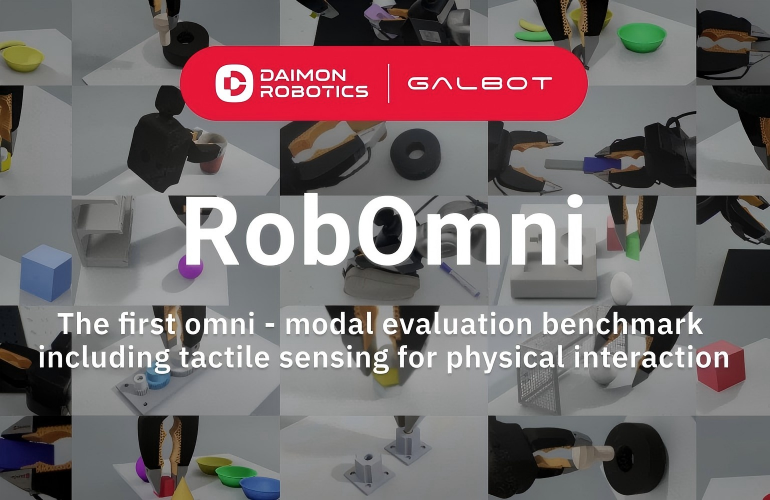
Daimon Robotics and Galbot jointly launches RobOmni for benchmarking tactile perception and dexterous manipulation

Daimon Robotics and Galbot jointly launches RobOmni for benchmarking tactile perception and dexterous manipulation

Daimon Robotics and Galbot have announced the launch of RobOmni, a new platform designed to benchmark tactile perception and dexterous manipulation in the field of embodied AI. This development marks a significant shift from traditional vision-centric approaches to a more comprehensive understanding of physical interactions. The collaboration aims to enhance the capabilities of robots in performing complex tasks that require fine motor skills and sensitivity to touch. The launch event took place recently, highlighting the growing importance of tactile feedback in robotics and its applications across various industries. By integrating advanced tactile sensing technologies, RobOmni is set to provide researchers and developers with the tools needed to push the boundaries of robotic dexterity and perception.

Sponsored Content
RLWRLD named World Economic Forum Technology Pioneer for advancing physical AI infrastructure

RLWRLD named World Economic Forum Technology Pioneer for advancing physical AI infrastructure

RLWRLD, a company specializing in physical artificial intelligence, has been recognized as a World Economic Forum Technology Pioneer for 2026 due to its development of the Robotics Foundation Model RLDX-1. This prestigious designation is awarded annually to 100 innovative technology firms that are expected to create significant, transformative impacts on industries and society at large. The World Economic Forum's analysis highlights RLWRLD's potential to lead advancements in technology, underscoring the company's role in shaping the future of robotics and AI.

Artificial Intelligence News Technology AI infrastructure artificial intelligence automation news
Interview with Columbia professor and co-founder of SceniX Yunzhu Li: ‘Simulation is central’

Interview with Columbia professor and co-founder of SceniX Yunzhu Li: ‘Simulation is central’

The robotics industry is currently experiencing a significant influx of investment and media coverage, driven by ambitious projections regarding the future of humanoid machines. Numerous companies have unveiled plans to produce thousands of robots, leveraging recent advancements in artificial intelligence that have heightened expectations for the integration of general-purpose robots into various environments, including factories, warehouses, workplaces, and homes. This surge in interest reflects a growing belief that robots could soon become a standard presence in everyday life. However, amidst the enthusiasm, there are underlying challenges and considerations that the industry must address to realize these ambitious goals.

Artificial Intelligence Features Robotics ai robotics artificial intelligence automation news
Generalist AI raises $400 million to scale robot intelligence platform

Generalist AI raises $400 million to scale robot intelligence platform

Generalist AI, a startup focused on creating foundation models for robotics, has successfully secured $400 million in a recent funding round. This investment aims to expedite the development of what the company refers to as “physical AGI,” or artificial general intelligence that can function in the physical world through robotic systems. Following this funding, Generalist AI's valuation has reached approximately $2 billion. The influx of capital will enable the company to enhance its research and development efforts, positioning it at the forefront of advancements in robotics and AI technology.

Computing News Software 8VC ai funding AI models
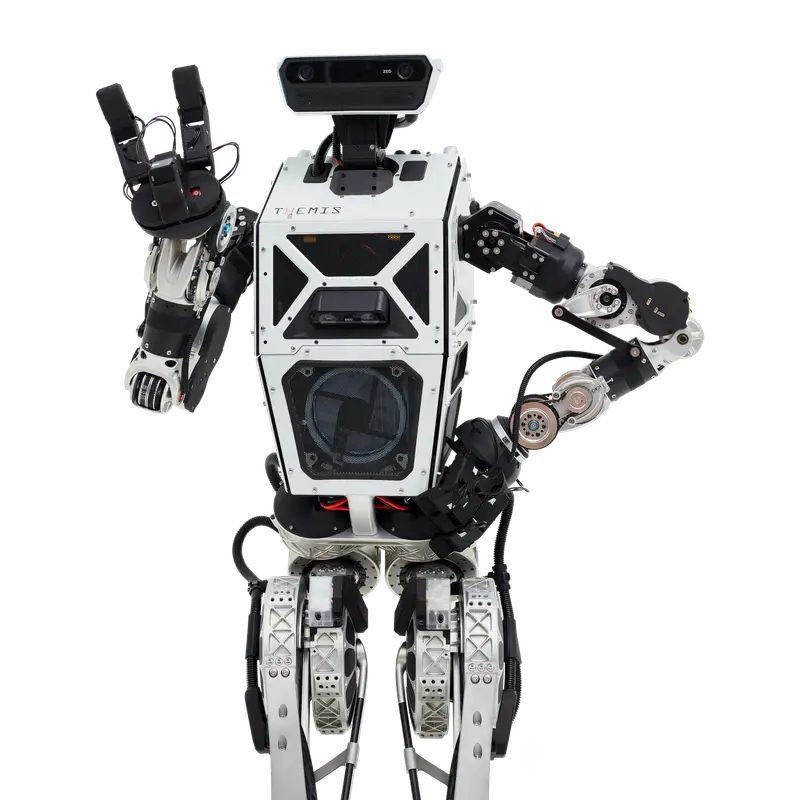
Westwood Robotics Details Agile THEMIS V2 Humanoid with Advanced Manipulation

Westwood Robotics Details Agile THEMIS V2 Humanoid with Advanced Manipulation

Westwood Robotics has unveiled its latest humanoid robot, the THEMIS V2, designed to operate in challenging work environments. Standing at 1.6 meters tall, the robot boasts 40 degrees of freedom (DoF) and is equipped with proprietary BEAR actuators that enable agile and compliant movements. The upgraded model features enhanced 6-DoF arms and 7-DoF hands, allowing for greater dexterity and functionality. Incorporating advanced artificial intelligence processing and stereo vision capabilities, THEMIS V2 is engineered to perform complex tasks efficiently. Additionally, the robot is designed with hot-swappable batteries, ensuring minimal downtime during operation. This innovative technology aims to meet the increasing demand for versatile robotic solutions in various industries, highlighting Westwood Robotics' commitment to pushing the boundaries of robotic capabilities.

themis-v2 westwood-robotics
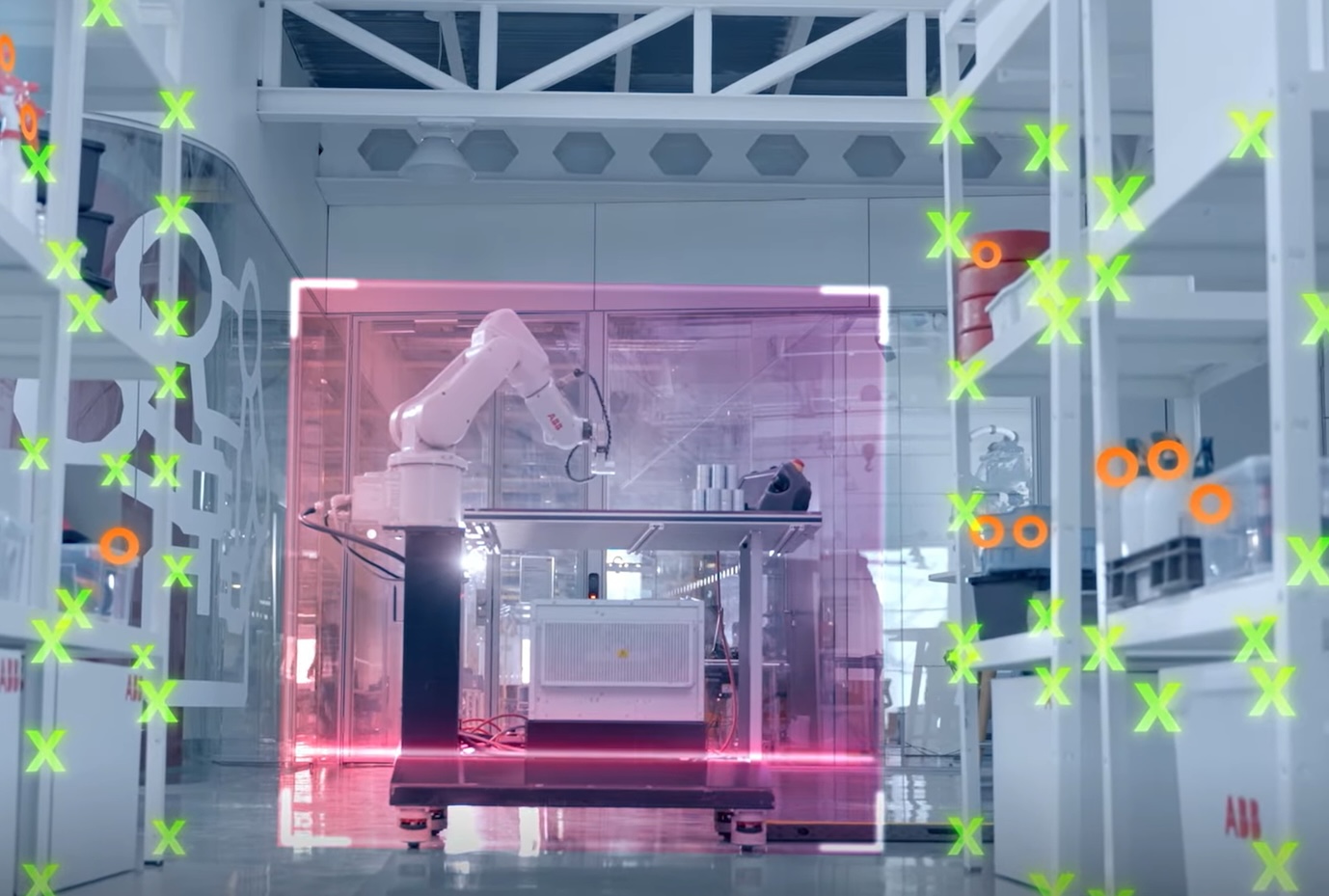
ABB Robotics and Roche Partner to Enhance Laboratory Efficiency with Intelligent Robotics

ABB Robotics and Roche Partner to Enhance Laboratory Efficiency with Intelligent Robotics

ABB Robotics has entered into a collaboration with Roche to develop digitally connected laboratories utilizing intelligent robotics. This partnership aims to improve laboratory workflows significantly, with initial applications focusing on pathology slide handling and enhancing intralogistics within Core Labs. The deployment will feature a variety of ABB Robotics technologies, including autonomous mobile manipulation and fixed articulating robots. This collaboration is significant as it represents a shift towards integrating advanced robotics in laboratory settings, which can lead to increased efficiency and reduced operational costs. By automating tasks such as slide handling, laboratories can expect to streamline processes, minimize human error, and enhance overall productivity. The use of intelligent robotics in this context is expected to set a new standard for laboratory operations. Looking ahead, the first applications of this collaboration are anticipated to roll out soon, although no specific timeline was disclosed at the time of publication. Stakeholders in the robotics and healthcare sectors should monitor this partnership closely, as it may pave the way for further advancements in laboratory automation and connectivity.

Locus Robotics Acquires Nexera Robotics, Advancing a Patented Breakthrough in Mobile Manipulation

Locus Robotics Acquires Nexera Robotics, Advancing a Patented Breakthrough in Mobile Manipulation

Locus Robotics has announced its acquisition of Vancouver-based Nexera Robotics, a move aimed at enhancing its capabilities in mobile manipulation. The acquisition, revealed on May 19, 2026, will integrate Nexera's patented NeuraGrasp™ technology into Locus's existing AI platform, significantly expanding the range of SKUs that the Locus Array can autonomously handle. This advancement is expected to open new categories and improve efficiency in warehouse operations, addressing challenges that have historically limited robotic picking capabilities. Rick Faulk, CEO of Locus Robotics, emphasized the importance of AI-driven mobile manipulation for the future of warehouse robotics, stating that the ability to efficiently grasp a wide variety of inventory is crucial for creating value in the coming decade. The NeuraGrasp™ technology combines AI intelligence, sensory inputs, and computer vision, allowing a single gripper to adapt to various item characteristics, thereby enhancing reliability in real-world warehouse conditions. The acquisition follows the successful launch of Locus Array at MODEX 2026, where it garnered significant market interest and recognition as a top innovation. With Nexera now wholly owned by Locus Robotics, the integration of NeuraGrasp™ is expected to accelerate the company's growth and broaden its market reach, positioning it at the forefront of the autonomous fulfillment industry.

The Advancements in Dexterous Hands for Robotics and Their Implications

The Advancements in Dexterous Hands for Robotics and Their Implications

At the 2026 WAIC, a notable shift in robotics was observed as manufacturers increasingly focused on developing dexterous hands. Over the past two years, the industry has seen a surge in the complexity of these hands, with degrees of freedom increasing from six to twelve, sixteen, or even more. The ability of a robotic hand to perform tasks such as solving a Rubik's Cube or threading a needle has become a key benchmark for technological capability. As more dexterous hands demonstrate impressive capabilities, the industry must now address critical questions about their operational continuity, scalability, repairability, and the data they generate to enhance future performance. Companies like Aoyi Technology are expanding their product boundaries beyond mere actuators to include tactile-enabled devices like ROHand and OpenArm, integrating data collection and training tools into a cohesive system. This evolution signifies a shift from merely creating human-like hands to developing hands that can engage in a robotic learning loop. The industry's future hinges on whether these hands will become high-end toys or genuine industrial products, with reliability emerging as a core performance metric alongside flexibility and load capacity.

Dexterous Hands Robotics Technology Industrial Automation Sensor Technology
RoboScience Unveils First Cloud-Based Large Model for Robotics at WAIC

RoboScience Unveils First Cloud-Based Large Model for Robotics at WAIC

At the WAIC, RoboScience showcased a groundbreaking cloud-based embodied large model named Visics, capable of controlling multiple robotic hands. This innovation allows for seamless switching between different robotic hands while maintaining operational efficiency, demonstrating the ability to recognize and grasp various objects autonomously within 30 seconds. The significance of this development lies in its potential to revolutionize robotic operations across diverse applications. By enabling a single model to adapt to various hand configurations, Visics enhances the versatility of robotic systems, allowing them to perform complex tasks without the need for extensive retraining when hardware changes occur. Looking ahead, the industry will be keen to observe how Visics performs in real-world scenarios and its ability to execute long-term tasks by integrating multiple actions. No further timeline was disclosed at the time of publication.

Robotics Cloud Computing AI Automation Object Recognition
Weave Robotics Introduces Isaac 1, Its First Mobile Humanoid Robot for Home Use

Weave Robotics Introduces Isaac 1, Its First Mobile Humanoid Robot for Home Use

Weave Robotics has launched Isaac 1, a wheeled humanoid robot designed for household chores, with deliveries set to begin this fall. Priced at $7,999 or $449 per month, Isaac 1 features a friendly design and is equipped to perform tasks like folding laundry and tidying rooms. The introduction of Isaac 1 marks a significant step in consumer robotics, providing an approachable solution for everyday household tasks. With its adjustable height and autonomous navigation, the robot can efficiently move around homes, allowing users to schedule tasks via a companion app. Looking ahead, Weave Robotics aims to position Isaac 1 as an affordable entry point into home robotics. The company has previously sold units of Isaac 0 for laundry services, and it will be interesting to see how the market responds to this new consumer-focused model. No further timeline was disclosed at the time of publication.

Arms / Manipulators Autonomous Mobile Robots (AMRs) Human Robot Interaction / Haptics Humanoids News household
Innovative Robotic Hand Uses Single Motor for Versatile Gripping Solutions

Innovative Robotic Hand Uses Single Motor for Versatile Gripping Solutions

A new robotic hand has been developed that can switch between multiple grippers using just one motor. This innovation addresses the need for robots to handle a wide variety of objects across different environments, including factories and households. The ability to manage diverse objects with a single motor reduces the complexity associated with traditional robotic hands, which typically rely on multiple motors and intricate control systems. This advancement not only lowers the weight and cost of robotic systems but also minimizes the risk of failures and simplifies control mechanisms. As the demand for adaptable robotic solutions grows, this new technology could significantly impact various sectors. Future developments may focus on enhancing the versatility and efficiency of robotic hands, although no further timeline was disclosed at the time of publication.

Robotics
Qianjue Robotics Launches X-TouchMind V1 and TacVerse 1k for Enhanced Robot Interaction

Qianjue Robotics Launches X-TouchMind V1 and TacVerse 1k for Enhanced Robot Interaction

On July 16, Qianjue Robotics unveiled its first embodied tactile model, X-TouchMind V1, alongside the TacVerse 1k multimodal dataset. This development addresses the limitations of traditional visual models in robotic operations, particularly in precision assembly and handling delicate objects, where failures often occur after contact. The new model integrates visual, linguistic, tactile, and robotic state data to enhance physical interaction capabilities. The significance of this release lies in Qianjue's comprehensive approach, which encompasses tactile perception hardware, self-developed multimodal data collection devices, and the new tactile model. Unlike previous attempts that merely supplemented tactile signals to visual data, the VTLA embodied tactile model establishes a closed-loop system that fundamentally redefines the perception boundaries of robotic models. This innovation allows robots to understand and respond to physical interactions more effectively. Looking ahead, Qianjue Robotics will demonstrate the capabilities of the VTLA model at the WAIC 2026 exhibition, showcasing real-world applications such as autonomous box stacking and precise assembly of headphones. The focus will be on how the model can dynamically adjust actions based on tactile feedback, marking a significant advancement in robotic interaction technology. No further timeline was disclosed at the time of publication.

Tactile Intelligence Robotic Interaction Precision Assembly Multimodal Data AI Robotics
Shenzhen Company Stella-Robot Introduces Affordable Robotic Hands with High Performance

Shenzhen Company Stella-Robot Introduces Affordable Robotic Hands with High Performance

At the 2026 World Artificial Intelligence Conference, Shenzhen-based Stella-Robot unveiled its innovative robotic hands, the Pantheon Hand 20 and Gaia Hand 20. The Pantheon Hand 20, weighing only 290 grams, can grip up to 50 kilograms, thanks to its unique 'drive separation' technology that relocates the drive unit away from the hand itself. This breakthrough in design allows for a lightweight yet powerful robotic hand, making advanced robotics more accessible. The Gaia Hand 20 features a modular design with a quick-change joint system, enabling easy repairs without returning the entire unit. Priced at 16,999 yuan, the affordability of these products marks a significant shift in the robotics market, previously dominated by high-cost alternatives. Stella-Robot's products are already being utilized in top universities and research institutions, indicating their potential impact on the field of embodied intelligence. As the cost of robotic hands drops from the millions to tens of thousands, the company is poised to democratize advanced robotic capabilities for developers everywhere. No further timeline was disclosed at the time of publication.

Robotic Hands Modular Robotics AI Technology Automation Precision Engineering
1X Launches Neo Robotic Hand Featuring 25 Degrees of Freedom and Force Transparency

1X Launches Neo Robotic Hand Featuring 25 Degrees of Freedom and Force Transparency

On July 9, 2026, 1X, a unicorn supported by OpenAI, unveiled the Neo robotic hand designed for humanoid robots. This advanced hand boasts 25 degrees of freedom, enabling it to perform a wide range of human-like tasks, such as delicately picking grapes without crushing them and lifting weights up to 20 pounds. The innovative design incorporates a tendon-driven system that enhances dexterity and responsiveness. The significance of the Neo robotic hand lies in its unique 'Force Transparency' technology, which allows for bidirectional communication between the hand and its environment. Unlike traditional robotic hands that operate with high gear ratios, the Neo hand utilizes a low gear ratio of approximately 5:1 to 15:1, enabling it to provide real-time feedback on applied forces. This design not only enhances the hand's functionality but also improves the training of AI models by providing rich physical interaction data. Looking ahead, while the Neo hand addresses fundamental perception challenges, real-world complexities remain a concern. The hand must operate effectively in various domestic environments, where it may encounter grease, sauces, or dust. Ensuring safety during interactions with children and maintaining functionality in challenging conditions will be critical for the widespread adoption of this technology. No further timeline was disclosed at the time of publication.

Robotic Hands Humanoid Robots AI Tactile Sensors Robotics Technology
AI² Robotics Secures $735 Million Funding for Wheeled Humanoid Robots Development

AI² Robotics Secures $735 Million Funding for Wheeled Humanoid Robots Development

AI² Robotics has successfully raised approximately $735 million in a recent funding round, elevating its valuation to around $2.8 billion. The Shenzhen-based company specializes in wheeled humanoid robots, which feature a humanoid torso and five-fingered hands, offering a unique alternative to traditional bipedal systems. This funding round attracted a diverse group of investors, including government-backed entities and major corporations, highlighting the growing importance of physical AI technology in China. The strategic choice to develop wheeled robots instead of bipedal models allows AI² Robotics to focus on mechanical simplicity and durability, making their robots more cost-effective and easier to deploy in public spaces. With over 34 degrees of freedom and a custom lifting mechanism, the robots are designed for various industrial applications, including logistics, manufacturing, and retail. The company’s proprietary Alpha Brain software enhances the robots' capabilities in real-time spatial reasoning and task planning, positioning them as practical solutions in structured environments. Looking ahead, AI² Robotics aims to further penetrate industrial markets while steering clear of the consumer robotics hype. The company is actively deploying its AlphaBot 2 in practical settings, emphasizing its utility in sectors such as biotech and public service. No further timeline was disclosed at the time of publication regarding future funding or product releases.

Artificial Intelligence / Cognition China Financial Humanoids Investments News
China’s new robotic hand combines hybrid actuation for smarter robot manipulation

China’s new robotic hand combines hybrid actuation for smarter robot manipulation

Chinese robotics company Xynova has introduced its second-generation dexterous hand, designed to enhance the capabilities of humanoid robots. The unveiling took place recently, showcasing advancements in robotic technology that aim to improve the dexterity and functionality of robots in various applications. This innovation is part of Xynova's ongoing commitment to push the boundaries of robotics, addressing the growing demand for more sophisticated and versatile robots in industries such as manufacturing, healthcare, and service. The new hand features improved grip strength and precision, enabling robots to perform complex tasks with greater ease. By advancing robotic dexterity, Xynova seeks to facilitate the integration of humanoid robots into everyday environments, ultimately enhancing human-robot collaboration.

RobotToday Initiative

Robotics needs a service framework.

RSF defines a common language for robot service capability, lifecycle operations, certification pathways, and service-provider networks.