Industry Briefing
A single destination for timely, editor-curated robotics news from around the world.
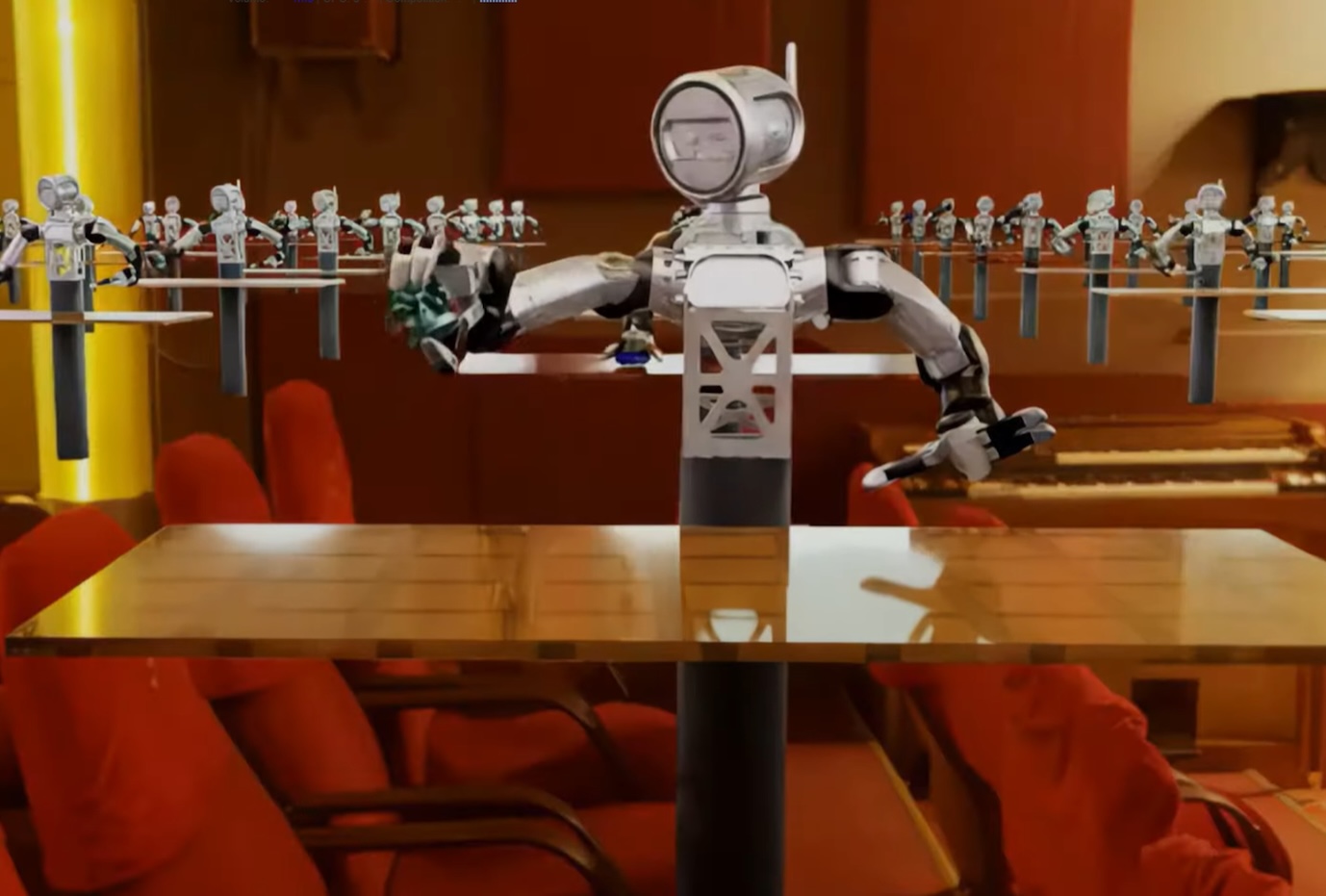
217 Robots Undergo Training to Improve Elderly Care in Qingdao
In Qingdao, 217 robots are undergoing training at China's first rehabilitation robot training verification center to enhance elderly care. With over 320 million people aged 60 and above in China, and more than 50 million elderly individuals with disabilities, the demand for professional caregivers is significant, with a shortfall of 10 million workers. The training focuses on teaching robots essential tasks such as medication delivery, folding clothes, and assisting with wheelchairs. Each action is broken down into numerous detailed steps to ensure precision, especially when interacting with elderly individuals. The training aims to address the unique needs of seniors, as highlighted by experts who emphasize the importance of personalized care in robotic applications. As the robots learn to perform basic tasks, challenges remain, particularly in understanding dialects and providing appropriate responses to seniors' needs. The Qingdao training center has attracted 45 companies and 210 robot models, indicating a growing interest in the development of care robots. The future of these robots in the market will depend on their ability to interact effectively with humans, rather than just their technological capabilities.
Elderly Care Robots Robotics Training Assistive Technology Healthcare Innovation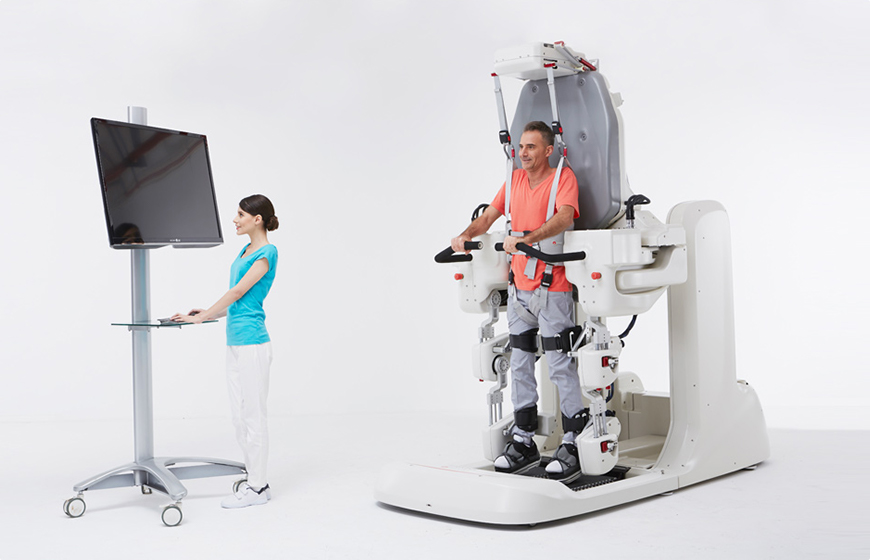
The Evolution of Rehabilitation Robots: From Training Tools to Treatment Partners
The WAIC 2026 showcased a significant evolution in rehabilitation robots, highlighting their transition from mere training tools to essential treatment partners. This shift reflects advancements in embodied intelligence, which is becoming increasingly relevant in the field of rehabilitation. This transformation is crucial as it indicates a growing recognition of the importance of human-machine collaboration in therapeutic settings. The integration of rehabilitation robots into treatment protocols can enhance patient outcomes and streamline rehabilitation processes, making them indispensable in modern healthcare. Looking ahead, the focus will be on how these rehabilitation robots will continue to develop and adapt to meet the needs of patients and healthcare providers. No further timeline was disclosed at the time of publication.
Robotics Automation AI
Mountain Club Launches Humanoid Robot Training Program for Young Learners
On August 15, Mountain Club officially launched its first training course in collaboration with Lion Technology and Jumping Equation. This program integrates theoretical learning, hands-on practice, and competition experience, centered around the second World Humanoid Robot Sports Competition's dance project. Over ten days, 14 students embarked on a journey from understanding to practical application of humanoid robotics. The course began with an introduction to robots, guided by instructor Zhang Hengxi, covering competition rules and robot structures. Students engaged in hands-on activities, disassembling and reassembling robots, and progressed to AI programming, communication, and decision-making. They learned to control robots through code, understand sensor functions, and explore visual systems, transforming abstract concepts into functioning robots. From classroom learning to real-world applications, students visited the competition site from August 22 to 24, observing how humanoid robots perform under pressure. This experience provided them with a comprehensive understanding of the robotics industry, emphasizing the long journey from laboratory development to market readiness. The training concluded, but the lessons learned extend beyond technical skills, highlighting the importance of practical experience in robotics education.
Humanoid Robots Robotics Education AI Programming Robotics Competitions
Humanoid Robot Crashes During Training for World Humanoid Robot Games in Beijing
A humanoid robot experienced a severe crash during a training sprint in Beijing, colliding with a cushioned wall and nearly splitting in half. This incident occurred as part of the preparations for the World Humanoid Robot Games, also known as the 'Robot Olympics,' set to begin on August 22. The event will feature 2,056 machines from 666 teams across 16 countries. The crash, which was captured on video and has garnered over 13 million views online, raises questions about the robot's programming and perception capabilities. Experts note that such failures are crucial for testing robots under challenging conditions, allowing developers to gather data to enhance performance and safety before real-world deployment. As the World Humanoid Robot Games approaches, with 30 competitive events planned, the increase in participation—up 138 percent in teams and quadrupled robot entries—highlights the growing interest and advancements in humanoid robotics. No further timeline was disclosed at the time of publication.
AI and Robotics
Xiaomi Unveils New-Generation Humanoid Robot After Four Months of Auto-Factory Training
On August 19, 2026, Xiaomi introduced its new-generation humanoid robot at the World Robot Conference, following four months of training in an auto-factory environment. This robot, named CyberOne 'Tieda', stands 1.70 meters tall and weighs 66 kilograms, featuring 66 degrees of freedom. The significance of this development lies in the robot's ability to perform florist interactions autonomously, without relying on preset scripts. This capability is driven by advanced model-based autonomous decision-making, showcasing Xiaomi's commitment to innovation in robotics. Looking ahead, industry observers will be keen to see how Xiaomi's humanoid robot integrates into various applications and the potential impact on the robotics market. No further timeline was disclosed at the time of publication.
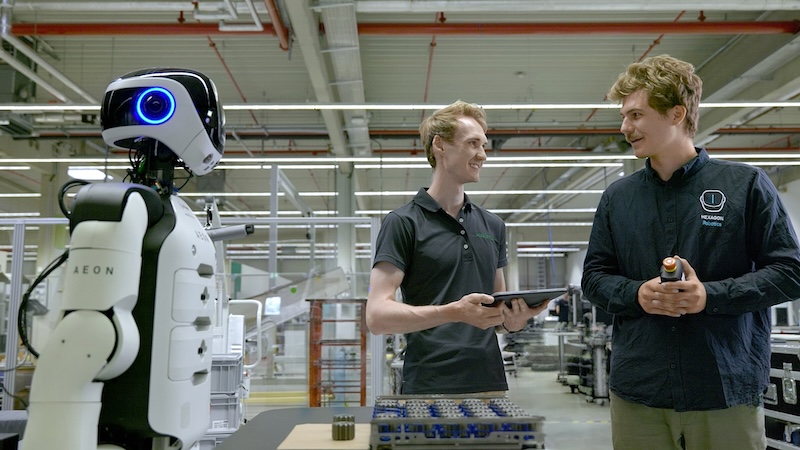
Hexagon Robotics Begins Training AEON Humanoid Robots at Schaeffler's Facility in Germany
Hexagon Robotics and Schaeffler have initiated the training of AEON humanoid robots at Schaeffler’s Humanoid Gym in Germany. This marks a significant step towards deploying at least 1,000 AEON robots in the coming years, utilizing a Train-Validate-Deploy model tailored for industrial environments. The collaboration is crucial as it allows both companies to enhance AEON's industrial capabilities while building Schaeffler's expertise in operating and integrating humanoids into their production processes. The training will focus on imitation learning and refining robot policies to ensure reliable performance in real manufacturing applications. Looking ahead, the training at the Humanoid Gym is expected to expedite AEON's deployment across various manufacturing workflows within Schaeffler over the next six months. This initiative not only supports the integration of humanoids into Schaeffler's operations but also aims to strengthen overall manufacturing performance and scalability in automation.
Components Computing News Training aeon factory automation
A3 and Mahoning County Launch Free Robotics Training in Ohio with $499,000 Grant
The Association for Advancing Automation (A3) and the Mahoning County Career & Technical Center (MCCTC) are set to provide free robotics and automation training in Ohio, supported by a $499,000 workforce grant. This initiative aims to enhance the skills of approximately 3,000 residents by June 30, 2027, through the Ohio Individual Microcredential Assistance Program (IMAP). This program is significant as it addresses the growing demand for skilled workers in technology-driven careers, particularly in robotics and automation. A3 will offer online courses covering essential topics such as industrial robotics and robot safety, which are crucial for small and medium-sized manufacturers looking to adopt these technologies effectively. Looking ahead, the program will continue to expand, with five additional courses planned for release in the coming months. Ohio residents interested in these opportunities can enroll through the A3 website, contributing to a stronger workforce prepared for the future of manufacturing and automation in the region.
News Robotics a3 advanced manufacturing automate automation training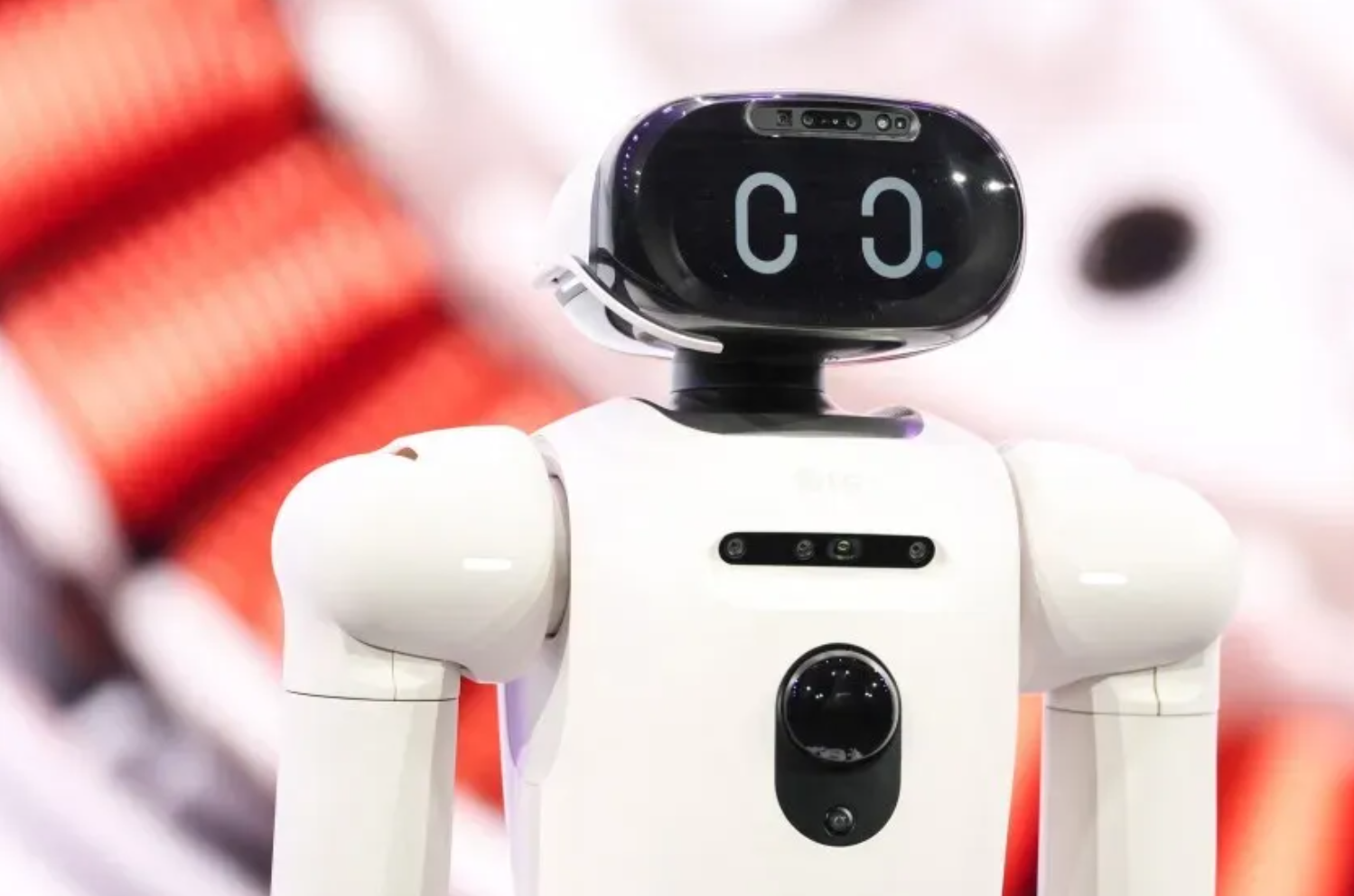
NVIDIA and LG Set Ambitious Goal of 100,000 Hours of Robot Training Data by Year-End
NVIDIA and LG Electronics have set a new benchmark in robot training data, aiming for 100,000 hours by year-end. This initiative was announced during a visit by NVIDIA's Senior Director of Omniverse and Robotics Marketing, Min-San Huang, to LG's Yangjae R&D Center in Seoul, following a strategic partnership agreement signed just days earlier. This ambitious target is significant as it surpasses the training data of other companies, such as Ant Group's LingBot-VLA 2.0 model, which has 60,000 hours. The training data will be sourced from a mix of real and synthetic data, leveraging decades of LG's operational data in manufacturing and logistics, enhanced through NVIDIA's Omniverse and Isaac robotics development platform. Looking ahead, LG plans to deploy hundreds of CLOiD robots at the Yangjae data factory, which features various training environments. The company aims to launch a next-generation bipedal robot based on NVIDIA's Isaac GR00T model by Q1 2027. No further timeline was disclosed at the time of publication.
Robot Training AI Robotics Manufacturing Data Analytics
A3 and Mahoning County Career & Technical Center Launch Free Robotics Training Initiative in Ohio
The Association for Advancing Automation (A3) and the Mahoning County Career & Technical Center (MCCTC) have announced a new initiative to provide no-cost robotics and automation training throughout Ohio. This program is supported by a $499,000 workforce grant aimed at enhancing the skill sets of residents in the state. This initiative is significant as it addresses the growing demand for skilled workers in technology-driven careers, particularly in robotics and automation. By offering free training, A3 and MCCTC are making it easier for individuals to gain valuable skills that are increasingly sought after in the job market. Looking ahead, stakeholders will be monitoring the impact of this training program on workforce development in Ohio. The success of this initiative could serve as a model for similar programs in other regions, promoting the importance of skills training in adapting to technological advancements. No further timeline was disclosed at the time of publication.

Shelford Group Expands START Programme for Robotic Surgery Training in South East England
The Shelford Group has announced a significant expansion of its Surgical Training in Advanced Robotic Technology (START) programme. This initiative will extend accredited robotic surgery training to surgical trainees in the South East of England, starting from the 2026/27 academic year. Previously available in the North East, North West, and East of England, the START programme will now include regions such as Thames Valley, Wessex, and Kent, Surrey, and Sussex. This expansion aims to enhance the skills of surgical trainees in robotic surgery, which is becoming increasingly important in modern medical practices. As the demand for advanced surgical techniques grows, the expansion of the START programme is a crucial step in ensuring that more surgical trainees receive high-quality training. Stakeholders will be watching closely to see how this initiative impacts the quality of surgical care in the newly included regions. No further timeline was disclosed at the time of publication.

58.com Partners with Woan Robotics to Enhance Robot Training in Real Homes
In August, Woan Robotics signed a strategic cooperation agreement with 58.com’s subsidiary, Xingxing Kexing Technology. This partnership aims to bridge the gap between AI-driven home robots and real-world living scenarios. Woan Robotics' AI brain, OneModel, requires practical household experiences to function effectively, which 58.com can provide through its extensive local service platform. The collaboration will initially focus on health and commercial environments, with plans to expand into real home applications. With over 90 countries served and more than 5 million households impacted by Woan's products, the partnership is set to enhance the post-sale service network for robots, utilizing 58.com’s talent pool for maintenance and support. Future developments will explore human-robot collaboration, using real-life job processes from 58.com’s platform as training material for robots. This innovative approach positions 58.com not just as an information intermediary but as a supplier of training data for robots, potentially reducing error rates in household robots by leveraging real-world practice before deployment.
Home Robotics AI Training Robot Maintenance Human-Robot Collaboration
Joint Robot Training in Guiyang Achieves Success with Over 2.04 Million Views
On August 7, 2026, a training program on the safety and effectiveness of domestic joint surgery robots was successfully held at Guizhou Provincial People's Hospital. This event was organized by the Sichuan International Medical Exchange Promotion Association and featured experts from various prestigious hospitals, including Sichuan University West China Hospital and the PLA General Hospital. The training included surgical demonstrations and academic discussions, showcasing the capabilities of Yuanhua Intelligent Technology's surgical robots. The significance of this training lies in its demonstration of advanced robotic technology in orthopedic surgeries, particularly in total knee arthroplasty (TKA) and total hip arthroplasty (THA). Yuanhua Intelligent's robots, equipped with precise navigation capabilities, received high praise from attending experts. The event highlighted the importance of integrating robotics into surgical practices, which can enhance surgical precision and improve patient outcomes. Looking ahead, the continued development and application of robotic-assisted surgeries will be crucial in the orthopedic field. Experts shared insights on the future of robotic surgery, emphasizing the need for ongoing training and knowledge sharing among medical professionals. No further timeline was disclosed at the time of publication.
Orthopedic Robotics Surgical Training Medical Technology Healthcare Innovation
MIT Develops SceneSmith: AI Agents Create Virtual Environments for Robot Training
MIT has introduced SceneSmith, a system utilizing AI agents to generate realistic 3D environments for robot training. This innovation addresses the challenge of providing diverse and rich simulation content, which is crucial for robots to learn effectively. By employing a vision-language model, SceneSmith creates detailed indoor scenes that allow robots to practice various tasks before real-world deployment. The significance of SceneSmith lies in its ability to enhance the training process for robots, reducing the time engineers spend on real-world testing. The system constructs scenes with up to six times more objects than previous methods, enabling robots to learn complex skills in a controlled virtual setting. This advancement could lead to more efficient and effective robot training, ultimately accelerating their integration into everyday tasks. Looking ahead, the researchers aim to further refine SceneSmith and explore its applications in diverse robotic tasks. The ability to simulate realistic environments will be critical as robots become more prevalent in various sectors. No further timeline was disclosed at the time of publication.

Chengdu's Robot Training Facility Prepares Robots for Real-World Applications
Chengdu's new robot training facility, located in the W7 building of the Chengdu Science and Technology Innovation Island, has commenced trial operations. The facility features various training zones focused on electronic skin, home services, industrial operations, retail services, and rehabilitation, creating a comprehensive hardware system that includes robots, mechanical arms, and sensory devices. This initiative is significant as it addresses the limitations of traditional laboratory training by simulating real-world scenarios. The facility's design ensures that data collected during training reflects practical applications, which is crucial for the future development of robots capable of gentle handling and safe interactions. The training center not only supports local enterprises but also extends its services to robotics research teams across the province. Looking ahead, the facility aims to enhance the integration of artificial intelligence in everyday life. As robots learn tasks such as cash handling in simulated environments, they move closer to becoming integral parts of our daily routines. The opening of this training school marks a pivotal step towards advancing embodied intelligence from mere mobility to functional autonomy.
Robotics Training AI Applications Industrial Automation Data Collection Smart Home Technology
Shanghai Concludes Spring Training for Robotics Teams with Real-World Testing
Thirty-two maker teams showcased their robots in a real-world environment, tackling tasks such as CityWalk, coffee delivery, and urban inspections. Despite their capabilities, the robots faced challenges, including reliance on remote control and limitations in long-distance tasks. This testing highlighted the need for standardized data systems among teams to facilitate collaboration between carbon-based and silicon-based entities. The training culminated in a short film depicting a robotic dog navigating various tasks, revealing both its limitations and the technological advancements made by participating teams. The film emphasized the importance of human oversight and decision-making in enhancing robotic functionality, such as modifying elevator access for robots. Shanghai has introduced the 'Dual-Base Friendly Agreement' to ensure that silicon-based entities do not compromise human safety or privacy. The team is drafting guidelines for creating friendly communities that integrate these technologies. As robots transition into everyday life, it is crucial to align technological advancements with urban planning, social norms, and human psychology.
Robotics Urban Navigation Human-Robot Interaction AI Technology
Jiangsu's AI Innovations Showcase Rapid Robotics Training and Practical Applications
Jiangsu is demonstrating the capabilities of AI through various practical applications, including a quadruped robot conducting inspections and individuals mastering laser welding in just three days. This was highlighted during the 'Vibrant China Research Tour' organized by the Publicity Department, where over 100 journalists explored AI practices across eight cities in Jiangsu. The 'AI Mirror' ecosystem in Nanjing features an exoskeleton device that enhances user strength and a development center that connects product innovation with market testing. Since its launch in November, the center has engaged over 200 companies and facilitated nearly 70 million yuan in transactions, showcasing a successful model of technology integration. In Wuxi, various robots are being trained for precision tasks, while Nantong is transforming traditional manufacturing with AI systems. Suzhou's collaboration with local chip manufacturers is accelerating the laser industry. Jiangsu's diverse AI applications are providing concrete answers to the fundamental question of what technology can achieve in today's era.
AI Robotics Manufacturing Laser Technology
Virtuix Partners with Tesla to Enhance Robot Training Amid Stock Market Challenges
On July 27, Virtuix Holdings announced that Tesla has purchased its first Omni One Enterprise system for the Optimus humanoid robot division. This marks Virtuix's first public enterprise-level collaboration with Tesla, expanding its business from consumer entertainment and defense medical to industrial robotics. The significance of this partnership lies in its potential to address the current challenges faced by the Tesla Optimus project, particularly in teaching robots to operate in real environments. Virtuix's system allows operators to remotely control robots in virtual settings, collecting valuable human operation data for AI training while simulating complex scenarios safely. Looking ahead, the collaboration could pave the way for Virtuix to attract more industrial clients, despite the initial market reaction that saw its stock drop over 30%. No further timeline was disclosed at the time of publication.
Robot Training Virtual Reality Industrial Robotics AI Development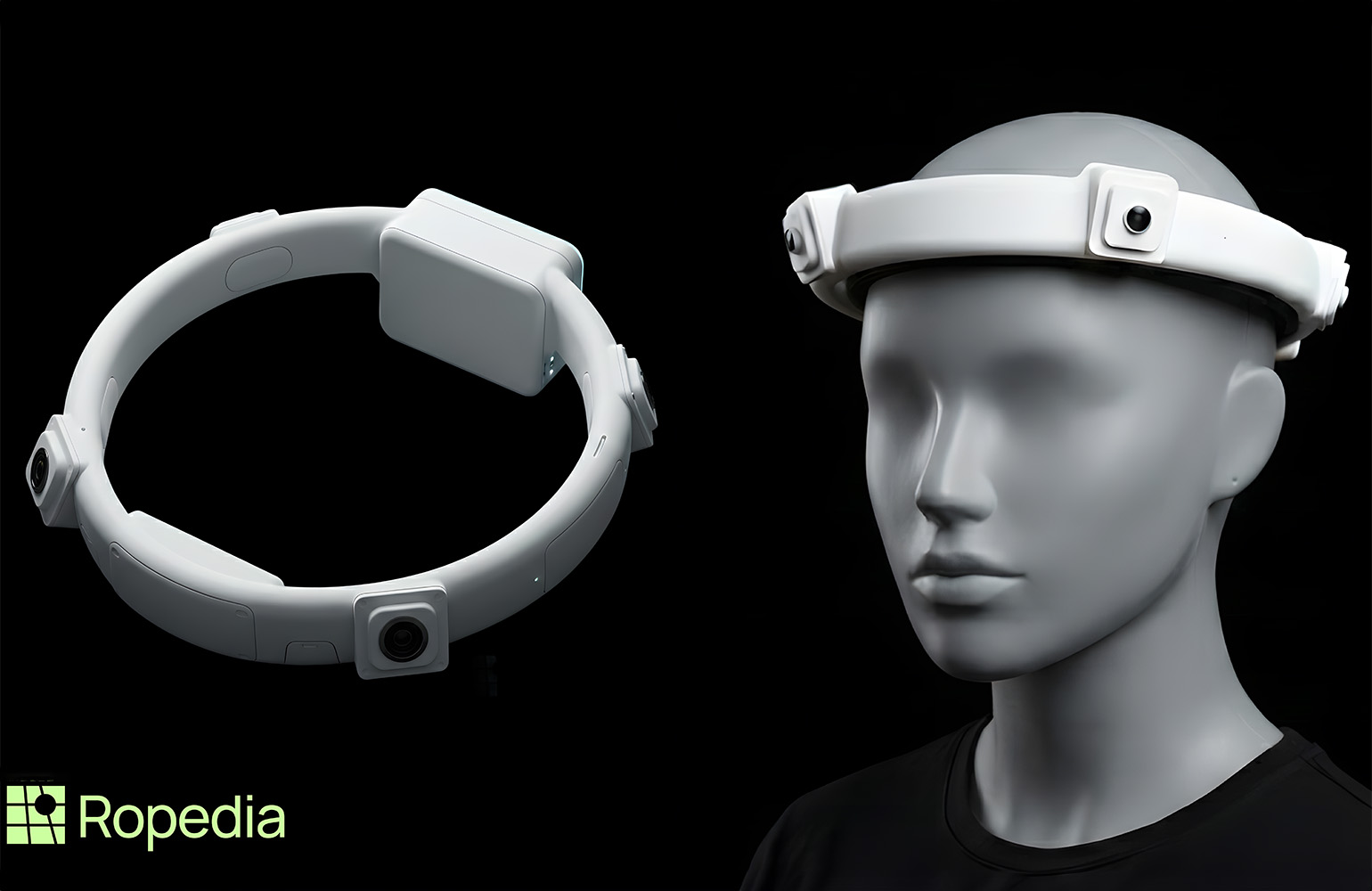
Ropedia Secures $22 Million to Enhance Data Collection for Robotics Training
Ropedia has announced the successful completion of a $22 million pre-Series A funding round, bringing its total funding to $30 million. The investment will be utilized to scale HOMIE, a lightweight, head-mounted device designed to capture first-person human movement and spatial context, which is essential for training robots. This funding is significant as it allows Ropedia to expand its business and technical teams, particularly in hardware, software, and data infrastructure. The company aims to enhance its presence in North America, especially the United States, where most of its clients are located. Ropedia's approach to data collection, which involves generating and structuring data internally, distinguishes it from traditional data-labeling providers. Looking ahead, Ropedia plans to further develop its data platform, incorporating annotation tools and quality analytics. The company is committed to building the necessary data infrastructure for the robotics industry to scale effectively. No further timeline was disclosed at the time of publication.
Artificial Intelligence Artificial Intelligence / Cognition Design / Development Financial Investments News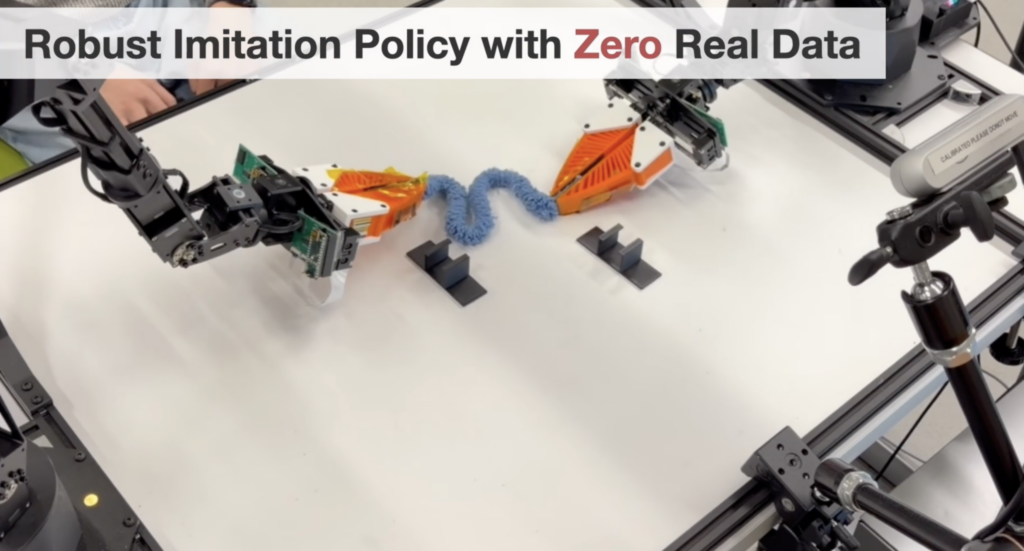
New Interactive World Simulator Enhances Robot Policy Training and Evaluation
A new Interactive World Simulator has been developed to improve robot policy training and evaluation by replacing traditional methods with a learned, action-conditioned video prediction model. This simulator allows for efficient data generation and scalable policy evaluation, addressing long-standing challenges in robot learning. The significance of this development lies in its ability to reduce the time and costs associated with data collection and evaluation. By enabling demonstrations to be collected within the simulator, the process becomes more reproducible and less prone to the issues faced in real-world settings, such as hardware failures and environmental changes. Looking ahead, the simulator has been trained on diverse manipulation tasks, showcasing its capability to accurately predict robot interactions. No further timeline was disclosed at the time of publication.

AI Agents Develop Virtual Environments for Robot Training Using SceneSmith System
AI agents have developed the SceneSmith system, which creates realistic 3D environments such as kitchens and hotels for robot training. This innovative approach allows robots to simulate everyday tasks, enhancing their operational capabilities. The significance of this development lies in its potential to address the skills gap in the manufacturing sector. With over 2 million jobs projected to remain unfilled due to a shortage of skilled workers, effective training solutions like SceneSmith are crucial for preparing the workforce of the future. Looking ahead, the integration of AI in training environments will likely continue to evolve, providing robots with the necessary data to perform complex tasks. No further timeline was disclosed at the time of publication.
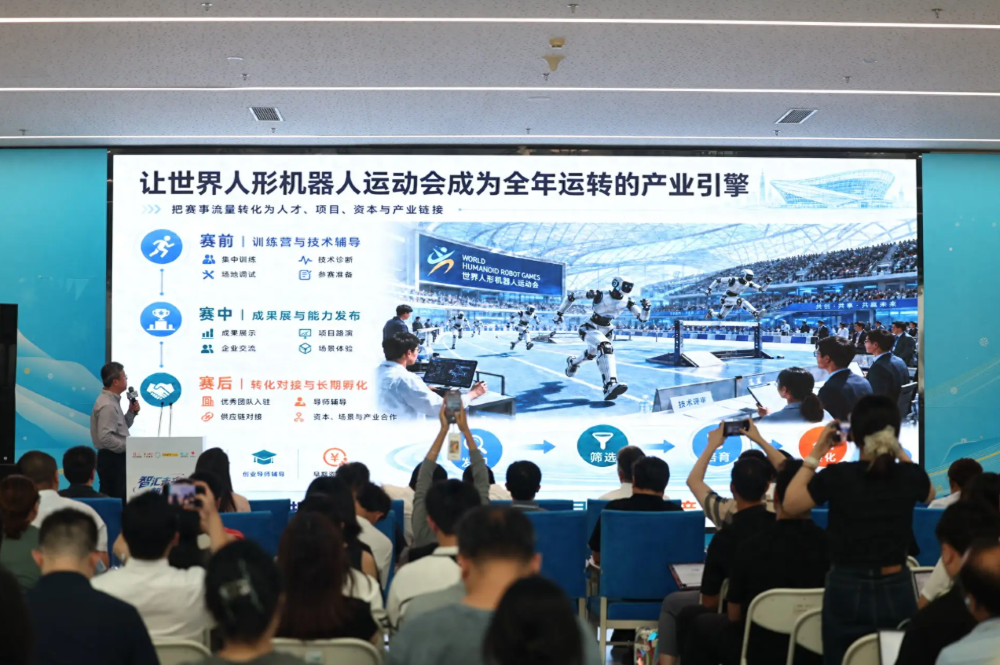
Beijing Launches 2,000 Square Meter Hub for Humanoid Robot Training at Ice Ribbon
On July 16, Beijing officially opened the Humanoid Robot Training Base at the Ice Ribbon, a 2,000 square meter innovation workshop. This facility will serve as a core venue for the upcoming second World Humanoid Robot Games in August. It was co-established by several organizations, including the Chaoyang Park Management Committee and Beijing Olympic Group, featuring research labs and testing areas. The establishment of this workshop is significant as it aligns with Chaoyang District's three-year action plan for the robotics industry, which has seen over 100 humanoid robot companies emerge in the area. The workshop aims to facilitate technology transfer and support the development of public service platforms for financing and research collaboration, enhancing the local robotics ecosystem. Looking ahead, the Olympic Village Street will actively participate in the workshop's development, providing real-world urban governance scenarios for companies. With the introduction of new application scenarios in various sectors, including environmental monitoring and elder care, the Ice Ribbon is evolving from an Olympic landmark into a major incubator for embodied intelligence in Beijing. No further timeline was disclosed at the time of publication.
Humanoid Robots Robot Training Innovation Workshop AI Technology
General Intuition Achieves $2.3 Billion Valuation with Innovative Robot Training Approach
General Intuition, a New York-based company, has proposed a groundbreaking approach to training robots using millions of hours of gaming footage instead of vast amounts of real-world data. In June 2026, the company completed a $320 million Series A funding round, achieving a valuation of $2.3 billion, led by renowned investor Vinod Khosla. The significance of General Intuition's method lies in its potential to revolutionize how robots learn spatial reasoning and physical intuition. By utilizing gaming data, the company claims to have pre-trained a spatial reasoning model that allows quadruped robots to navigate unfamiliar environments with minimal real-world data, challenging traditional training methods that rely heavily on real-world scenarios. Looking ahead, the success of General Intuition will depend on its ability to validate its technology in diverse real-world environments beyond office settings. The company's vision of creating a 'robot brain' for universal physical AI could redefine the operational frameworks for future robotics, potentially surpassing existing systems like Windows and Android in impact.
AI Robotics Gaming Technology Machine Learning
MIT and Toyota Research Institute Unveil SceneSmith for Robot Household Training
MIT's Computer Science and Artificial Intelligence Laboratory (CSAIL) and the Toyota Research Institute have developed SceneSmith, an AI-powered system that allows robots to practice household tasks in a virtual environment. This system utilizes three visual language models to collaboratively create realistic 3D scenes, enabling robots to learn complex skills through extensive simulation. SceneSmith not only generates lifelike environments but also incorporates physical properties like mass, friction, and inertia, allowing robots to interact meaningfully within these spaces. The research team tested over 100 unique action plans in the digital world, revealing flaws in the robots' planning that were validated by human consensus over 99% of the time, helping to refine their strategies before real-world application. The effectiveness of SceneSmith was highlighted at a recent international machine learning conference, where it received positive feedback from over 200 testers, with more than 90% rating its visual realism highly. As robots learn to perform tasks like moving objects in a kitchen, the prospect of robots handling household chores may soon become a reality.
AI Robotics Virtual Reality Machine Learning
AI Agents Develop Virtual Environments for Essential Robot Training Data
Robots are becoming more visible in public spaces, captivating onlookers. However, they still lack the versatility needed for tasks in kitchens or factories, primarily due to a significant data bottleneck. Similar to human learning, robots acquire skills through experience, but the process of physically training them in various environments is labor-intensive and time-consuming. This challenge highlights the need for innovative solutions to streamline robot training. By utilizing AI agents to create virtual playgrounds, developers can simulate diverse scenarios, allowing robots to learn efficiently without the constraints of physical environments. This approach could significantly reduce the time and resources required for training, ultimately accelerating the deployment of robots in practical applications. Looking ahead, the development of these virtual training environments may pave the way for more capable robots in various industries. As AI technology continues to evolve, it will be essential to monitor advancements in virtual training methodologies and their impact on robot performance and adaptability. No further timeline was disclosed at the time of publication.
Robotics
MIT and Toyota Develop SceneSmith to Enhance Robot Training with AI-Generated Environments
MIT and the Toyota Research Institute have introduced SceneSmith, a system that utilizes AI agents to create realistic 3D environments for robot training. This innovation addresses the significant challenge of generating diverse simulation content, which is crucial for teaching robots various tasks in a cost-effective manner. The SceneSmith system employs three AI agents, leveraging the advanced vision-language model GPT-5.2, to design intricate indoor scenes. These environments, featuring up to six times more objects than previous methods, allow robots to practice skills in a rich virtual playground, ultimately reducing the need for extensive real-world testing. As the research progresses, the effectiveness of these AI-generated environments will be closely monitored. The team has already demonstrated that robots can successfully navigate and perform tasks in these virtual settings, indicating a promising future for robotic training methodologies. No further timeline was disclosed at the time of publication.
Research Robotics Artificial intelligence Simulation Computer science and technology Machine learning
Figure Partners with Nscale to Deploy 100,000 GPUs for Humanoid Robot AI Training
U.S. robotics company Figure has entered a strategic partnership with UK-based Nscale to secure up to 100,000 GPUs for training its next generation of humanoid robots. This collaboration aims to meet the increasing data and computational demands of developing advanced AI models for general-purpose robotics, utilizing NVIDIA’s Vera Rubin platform. The partnership is significant as it represents an initial commitment of $3.5 billion, with plans to expand to over $6 billion. The deployment of this large-scale computing infrastructure is expected to begin in the second half of 2027 in Barstow, Texas. This investment will support Figure's Helix AI system, enhancing the capabilities of its humanoid robots by processing vast amounts of real-world data. Looking ahead, Figure is also scaling its Index dataset, which has gained over 264,000 downloads globally. This dataset is crucial for training AI models by capturing diverse human activities. The collaboration with Nscale is designed to create a comprehensive infrastructure for physical AI, facilitating the transition from model training to real-world deployment of humanoid robots. No further timeline was disclosed at the time of publication.
AI and Robotics
Former ByteDance and Tencent AI Researcher Sun Peng Joins Stardust Intelligence for Robot Learning
Sun Peng, a former core researcher in AI at ByteDance and Tencent, has joined Stardust Intelligence to improve post-training processes in robot reinforcement learning. This move is expected to enhance the capabilities of robots in learning from their environments more effectively. The significance of this development lies in the growing importance of reinforcement learning in robotics, particularly in the context of embodied intelligence. With Sun Peng's expertise, Stardust Intelligence aims to advance its technology and potentially lead the market in intelligent robotics solutions. Looking ahead, industry observers will be keen to see how Sun Peng's contributions will shape the future of robot reinforcement learning at Stardust Intelligence. No further timeline was disclosed at the time of publication.
Robotics Automation AI
Researchers Develop BeyondMimic Framework for Humanoid Robots to Perform Agile Acrobatics
Researchers have introduced a new framework named BeyondMimic, enabling humanoid robots to execute agile, humanlike movements without the need for separate training for each skill. This system allows robots to perform complex maneuvers such as cartwheels and spin kicks by learning from human motion data, addressing the limitations of current humanoid control systems that often require extensive fine-tuning. The significance of BeyondMimic lies in its ability to teach robots a wide range of skills through a two-stage learning framework. The first stage employs reinforcement learning to track human motions, utilizing a shared reward structure to avoid the need for motion-specific tuning. The second stage introduces a latent diffusion model, allowing the robot to generate and adapt movements based on existing skills, thus overcoming challenges in natural skill transitions. Looking ahead, the BeyondMimic framework demonstrates promising capabilities, such as smoothly transitioning between walking and acrobatics. The potential for integrating waypoint tracking with obstacle avoidance suggests further applications in dynamic environments. No further timeline was disclosed at the time of publication.
AI and Robotics
Northeast Texas Community College Achieves Yaskawa MERIT Certification for Robotics Training
Northeast Texas Community College (NTCC) has achieved certification as a Yaskawa Motoman Endorsed Robotics Instructor Training (MERIT) center. This certification enables NTCC to provide training in YRC1000 Basic Programming and Basic Programming with Material Handling, enhancing educational opportunities in robotics. The certification is significant as it expands access to recognized robotics training for students, manufacturers, and workforce professionals in Northeast Texas and the surrounding areas. This initiative aligns with the growing demand for skilled professionals in the robotics sector, supporting local economic development. Looking ahead, NTCC's status as a certified training center positions it to play a crucial role in workforce development in the region. No further timeline was disclosed at the time of publication.

China's Humanoid Robot Wuji Welcomes Schoolchildren at Robot Training Institute
A group of schoolchildren gathered to witness Wuji, a humanoid robot, serve as a tour guide at a robot school in eastern China. Wuji enthusiastically showcased the institute's goal of developing the future mechanical workforce. This event highlights China's commitment to advancing robotics education and training, aiming to prepare a skilled workforce for the growing automation sector. The presence of humanoid robots like Wuji signifies a shift towards integrating robotics into everyday learning environments. Looking ahead, the focus will be on how such initiatives can influence the future of workforce development in robotics and automation. No further timeline was disclosed at the time of publication.
Robotics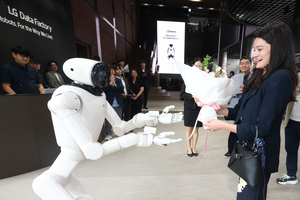
LG Electronics and Nvidia Aim for 100,000 Hours of Humanoid Robot Training Data
LG Electronics is enhancing its collaboration with Nvidia to expedite the creation of training data for humanoid robots. This initiative follows a memorandum of understanding signed by LG Group Chairman Koo Kwang-mo and Nvidia CEO Jensen Huang, aimed at expanding cooperation in physical AI and mobility. Madison Huang, Nvidia's senior director, visited LG's data factory in Seoul to review the progress of this partnership. The significance of this collaboration lies in its potential to advance the capabilities of humanoid robots through extensive training data. By utilizing LG's CLOiD robots in various simulated environments, including a home setting and a washing machine plant, the companies aim to gather diverse data for training purposes. The data will be processed using Nvidia's advanced robotics solutions, enhancing the learning process for these robots. Looking ahead, LG Electronics plans to fully operationalize the Yangjae data factory by the end of the year, with a target of collecting 100,000 hours of training data. This ambitious goal represents nearly 12 years of continuous operation, marking a significant milestone in the development of humanoid robotics.
All News
Robotics Companies Compete to Collect Human Videos for AI Training in India
Robotics companies are actively gathering videos of workers in India performing tasks such as shoe stitching and steel welding. This initiative aims to enhance the capabilities of robots by providing them with the necessary skills through human demonstrations. The significance of this effort lies in the ongoing competition among robotics firms to develop advanced AI systems that can replicate human tasks. By utilizing real-life footage of skilled workers, these companies hope to improve the training processes for their robots, ultimately leading to more efficient automation solutions. Looking ahead, it will be important to monitor how these efforts evolve and the impact they have on both the workforce and the robotics industry. No further timeline was disclosed at the time of publication.

Reimagine Robotics Launches Innovative Learning Robots for On-the-Job Training
Reimagine Robotics Ltd has emerged from stealth mode, introducing robots capable of learning tasks on the job through direct human interaction. CEO Jonathan Scholz emphasized that these robots can be trained by workers who demonstrate tasks and provide corrections in real-time, a process he describes as 'monkey-see, monkey-do.' This approach aims to integrate robots into workflows without the need for specialized programming. The significance of this technology lies in its potential to enhance productivity by allowing workers to teach robots how to perform tasks, thereby reducing the need for repetitive manual labor. Scholz highlighted that the robots are designed to assist rather than replace human workers, with the goal of optimizing processes and addressing bottlenecks in various industries. Reimagine Robotics has already deployed its robots in advanced manufacturing and electronics disassembly facilities, showcasing their ability to automate tasks such as tending to 3D printers and disassembling hard drives. No further timeline was disclosed at the time of publication.
Artificial Intelligence Artificial Intelligence / Cognition Assembly Collaborative Robots Human Robot Interaction / Haptics Manufacturing
LUMISTAR's AI Basketball Training Robot Raises Over $1 Million on Kickstarter
LUMISTAR's AI basketball training robot, CARRY, successfully raised over $1 million on Kickstarter within its first day. The robot aims to address common challenges faced by amateur players, such as the lack of a partner to pass the ball, correct shooting techniques, and track progress during practice sessions. The significance of this crowdfunding achievement lies in the robot's innovative features, including four 4K cameras that provide a 190° field of view, enabling it to track player movements and adjust ball delivery in real-time. This technology enhances the training experience by allowing players to focus on their shooting techniques without interruptions. Looking ahead, the CARRY robot is priced starting at $2,399 for early backers, with retail pricing around $4,299. The demand for such training aids in the North American market suggests a growing interest in automated sports training solutions. No further timeline was disclosed at the time of publication.
AI Basketball Robots Sports Technology Training Equipment Crowdfunding
China's National Robot Vocational School: Merging Simulation with Practical Skills Training
The National Robot Vocational School in Hangzhou has officially opened, focusing on bridging the gap between simulated training and real-world applications. This facility, known as a national-level vocational skills training ground, aims to enhance the practical capabilities of robots by addressing the challenges faced when transitioning from laboratory success to real-world performance. The significance of this initiative lies in its innovative dual-driven testing model, combining real-world scenarios with virtual simulations. With over 140 robots and more than 40 application-oriented training scenarios, the school enables precise data collection and model training, facilitating the development of robots capable of performing tasks in various sectors, including power inspection and logistics. Looking ahead, the robots trained at this facility have already begun to be deployed in real-world settings, such as traffic management and hazardous environment inspections. The implementation of local regulations supporting the development of embodied intelligent robots further underscores the importance of this initiative in advancing practical robotics applications in China.
Robotics Training Embodied Intelligence AI Applications Automation Vocational Education
Neura Robotics Partners with RWTH Aachen University to Launch Neura Gym in Germany
Neura Robotics has announced a partnership with RWTH Aachen University to create a new Neura Gym in Germany, set to open by the end of 2026. This facility will be part of a global network of Physical AI training centers aimed at addressing the shortage of real-world training data for robots. The establishment of Neura Gym RWTH Aachen is significant as it will facilitate the training of robots in real-world environments, enhancing their learning capabilities. Neura Robotics is developing ten such gyms worldwide, with five expected to be operational across Europe, the United States, and China by the end of 2026, thereby contributing to the advancement of Physical AI. Looking ahead, the Neura Gym will cover approximately 3,000 square meters and will support research, AI training, and industrial validation of intelligent and humanoid robots. No further timeline was disclosed at the time of publication.
Humanoids News Research Robotics ai training infrastructure cognitive robotics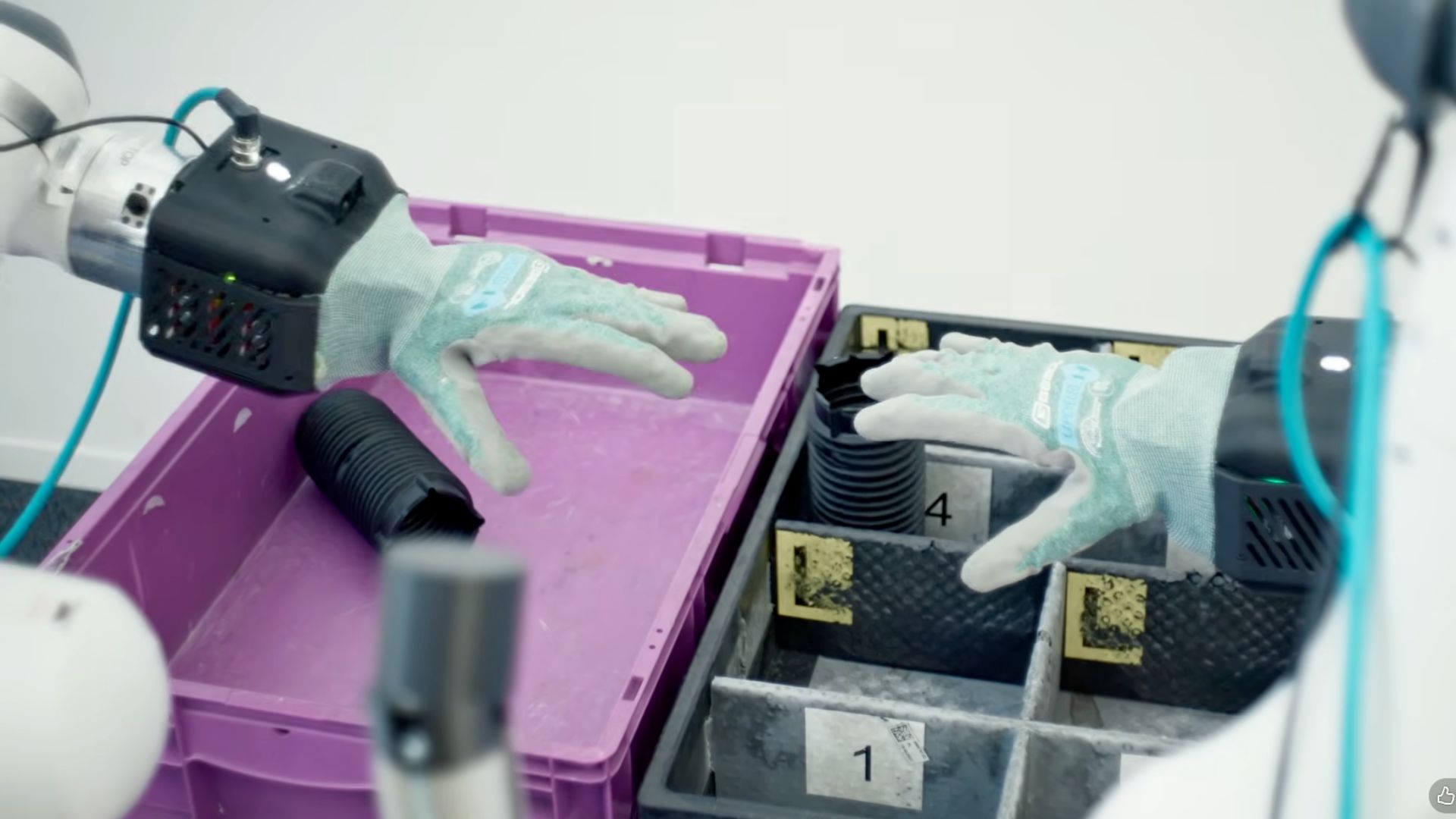
Mimic Robotics Introduces FLUX-mimic for Efficient Robot Learning from Video Demonstrations
Mimic Robotics has launched FLUX-mimic, a cutting-edge Video-Action Model developed with Black Forest Labs, enabling robots to learn intricate industrial tasks from video demonstrations. This innovative system significantly reduces the amount of training data required, allowing for faster and more efficient robot training in factory settings, including deployments at Audi. The importance of FLUX-mimic lies in its ability to streamline robot training processes, which traditionally demand extensive demonstration data. By utilizing a generative video foundation model, FLUX-mimic can fine-tune manipulation tasks with as little as 30 minutes of data, compared to the 30 hours often needed by conventional systems. This advancement is expected to shorten deployment cycles from months to weeks, enhancing operational efficiency. Looking ahead, the collaboration with Audi will test FLUX-mimic's performance in real-world factory environments, particularly for high-dexterity tasks. The focus on automating complex manipulations could lead to broader applications in manufacturing and logistics, making robotic automation more adaptable to evolving production needs. No further timeline was disclosed at the time of publication.
AI and Robotics
NEURA Robotics Partners with RWTH Aachen to Launch NEURA Gym for Physical AI Training
NEURA Robotics GmbH has announced a partnership with RWTH Aachen University to establish the NEURA Gym RWTH Aachen, aimed at training physical AI. This initiative addresses the challenge of limited real-world data for cognitive robotics, as robots typically operate with far less data than large language models. The gym will combine physical training with high-fidelity simulations to create quality datasets for the Neuraverse platform. The establishment of NEURA Gyms is significant as it allows partners to train and validate robots for specific applications, thereby reducing risks associated with industrial deployment. NEURA Robotics plans to build 10 facilities globally, with half expected to be operational by the end of 2026. The Aachen facility will span approximately 3,000 square meters, while a second gym at Munich Airport will focus on cognitive and humanoid robots. Looking ahead, NEURA Robotics aims to leverage its recent Series C financing of up to $1.4 billion to support the global gym network. The collaboration with RWTH Aachen is expected to enhance Germany's position in the global AI landscape, combining academic expertise with cutting-edge technology to prepare skilled professionals for the future.
Academia / Research Artificial Intelligence Artificial Intelligence / Cognition Automotive Healthcare Robotics Humanoids
Optimus Robots to Train at Internal Academy Before Market Launch
Tesla's Q2 earnings report revealed that the Optimus robots are nearing completion, but the initial units will not be deployed in factories or sold to customers. Instead, they will be utilized at the internal 'Optimus Academy' for data collection and functionality development. The Fremont factory's previous Model S/X production line has been dismantled, and the first generation of Optimus production lines is currently being installed, with production expected to commence 'soon.' This production line is designed for an annual capacity of 1 million units in the long term. Elon Musk acknowledged during the earnings call that Optimus will be Tesla's 'most challenging product to scale for mass production.' Initial production will be slow due to the novelty of the process, but he anticipates a significant increase in output next year, especially after the Texas factory begins operations in 2027. No further timeline was disclosed at the time of publication.
Humanoid Robots AI Robotics Development Manufacturing Technology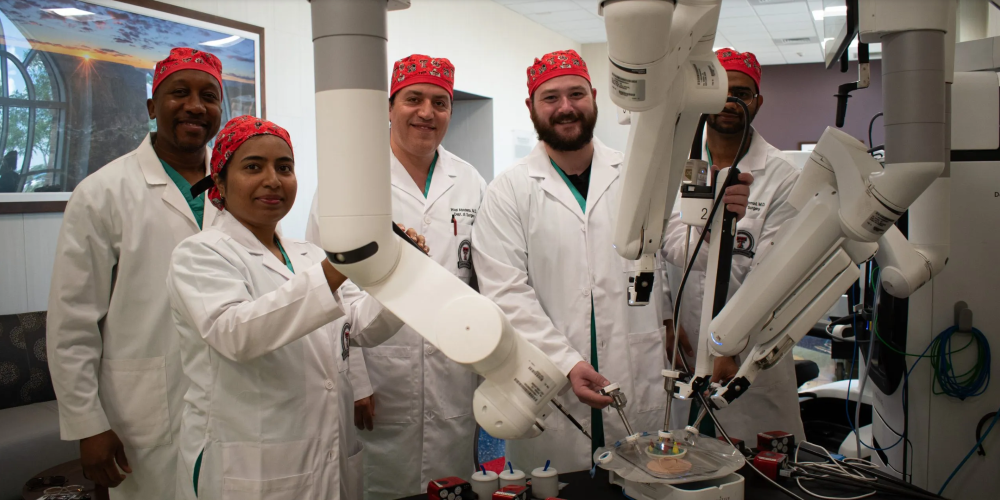
Texas Tech Surgeons Initiate Training with Advanced da Vinci Surgical System
In July, Texas Tech University Health Sciences Center (TTUHSC) welcomed its first cohort of general surgery residents, who began their training with the da Vinci Surgical System. This innovative approach aims to equip new surgeons with skills comparable to those at leading institutions like Mayo Clinic and hospitals in Dallas and Houston. The training program, led by Dr. Izzy Obokare, emphasizes a systematic learning process over five years, allowing residents to master robotic surgery techniques. The da Vinci Surgical System, approved by the FDA in 2024, features a tactile feedback system that enhances the surgical experience by reducing tissue trauma and promoting quicker recovery. TTUHSC's initiative aims to provide high-quality surgical care in the Texas Panhandle, minimizing the need for residents to travel to larger cities for advanced procedures. The program also includes an open experience event for healthcare providers to witness the capabilities of robotic surgery firsthand, showcasing the arrival of cutting-edge surgical technology in rural Texas.
Robotic Surgery Medical Technology Surgical Training Healthcare Innovation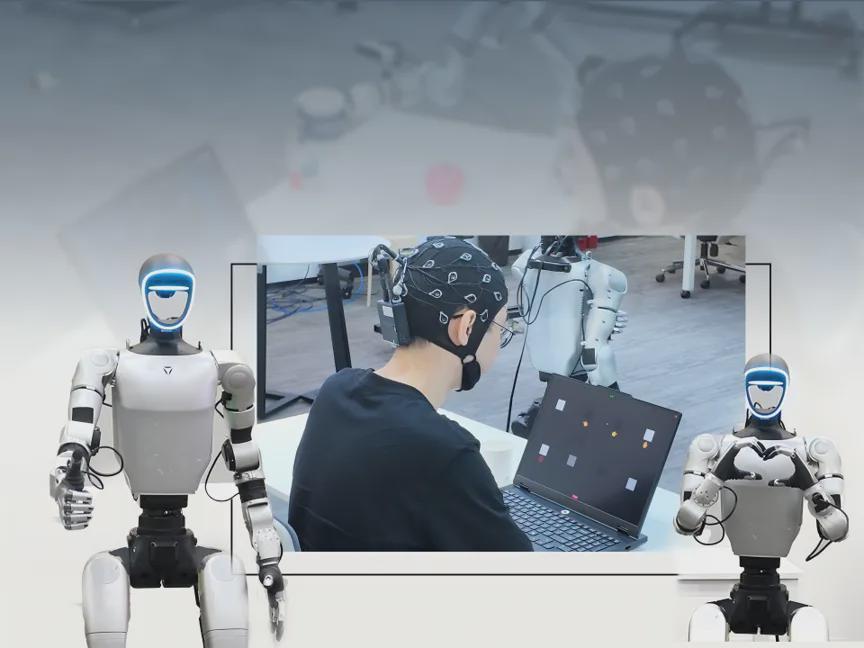
BrainCo Unveils Brain-Controlled Robot Training Platform at WAIC 2026
At the 2026 World Artificial Intelligence Conference (WAIC), BrainCo showcased a brain-controlled robot training platform. This innovative platform allows users to control robotic arms through brainwave signals, enabling actions like pouring water and picking apples without traditional interfaces. The significance of this technology lies in its ability to bridge the gap between human intention and robotic action. By decoding brain signals, the platform facilitates a direct communication pathway, allowing robots to understand and execute tasks based on users' thoughts. This advancement simplifies the integration of brain-machine interfaces with robotics, making it accessible to researchers without specialized backgrounds. Looking ahead, BrainCo's platform supports various robotic types, including humanoid robots and robotic arms, and is adaptable for ongoing developments. Researchers can select robots based on their study focus, whether for grasping tasks or complex human-robot interactions. No further timeline was disclosed at the time of publication.
Brain-Controlled Robots AI Research Neuro-Embodied AI Human-Robot Interaction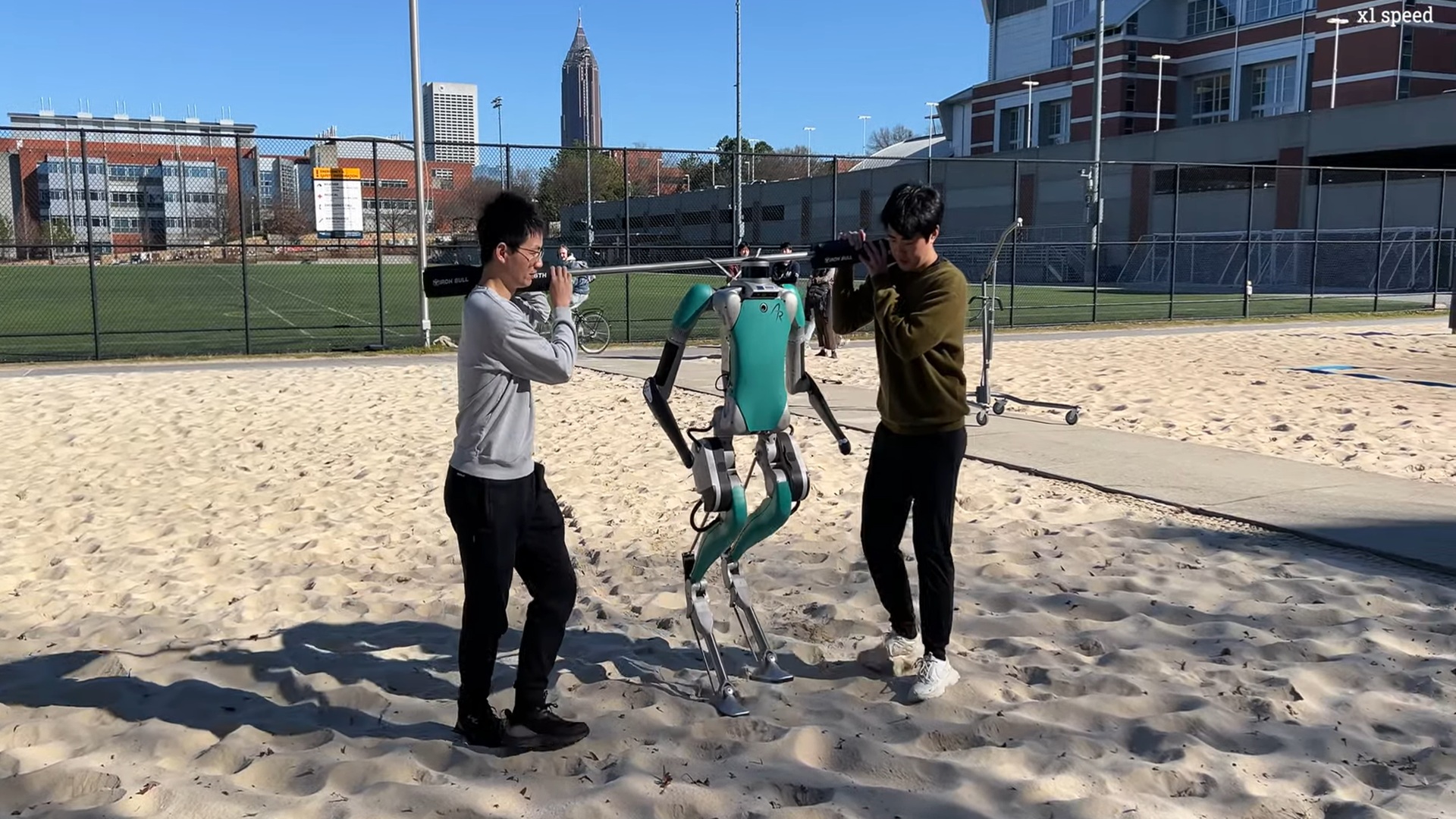
Georgia Tech Researchers Develop Framework for Humanoid Robot to Walk on Varied Terrain
Researchers at Georgia Tech have created a novel machine-learning framework that allows a humanoid robot to traverse diverse terrains, including sand, gravel, and slopes. This framework, named 'Learn to Teach,' enhances the traditional teacher-student reinforcement learning method by enabling simultaneous training of both agents, significantly reducing the time and computational resources required. The significance of this development lies in its ability to equip the robot with a controller capable of adapting to unfamiliar terrains without extensive prior training. The humanoid robot successfully navigated various challenging surfaces, demonstrating stability even when pushed or pulled during tests. This advancement could have broader implications for robotics, as the framework can be adapted for other robotic tasks beyond walking. Looking ahead, the potential for this training framework to be applied to different robots and tasks is promising. The researchers highlighted that their approach not only streamlines the training process but also allows for real-time knowledge transfer between the teacher and student models. No further timeline was disclosed at the time of publication.
AI and Robotics
MIT Develops SceneSmith: AI System for Creating Realistic 3D Training Environments for Robots
Researchers at MIT have developed SceneSmith, an AI-powered platform that generates realistic 3D indoor environments for robot training. This innovative system utilizes three collaborative AI agents to create detailed virtual spaces, enabling robots to practice everyday tasks safely and efficiently before real-world deployment. The significance of SceneSmith lies in its ability to reduce the costs and time associated with traditional robot training methods. By providing a virtual setting that mimics real-life environments such as kitchens and offices, robots can learn to interact with various objects without the need for extensive human supervision or physical trials. Looking ahead, SceneSmith has already generated over 1,300 virtual environments, allowing robots to practice tasks like placing fruit on plates and opening cabinets. Researchers have tested robot control programs in 100 different environments, achieving over 99 percent agreement between AI evaluations and human reviewers. No further timeline was disclosed at the time of publication.
AI and Robotics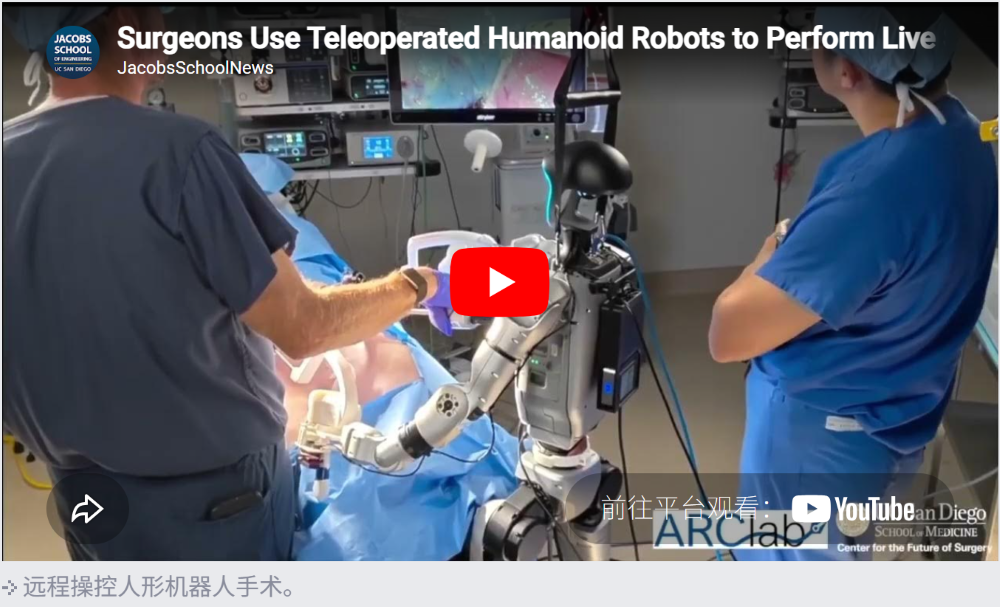
Westlake Robotics Raises Over 100 Million Yuan to Enhance Dual-Pretraining Technology
Westlake Robotics completed a funding round exceeding 100 million yuan in June 2026, backed by Henan Investment Group's Huirong Fund. This marks the company's third financing round in five months, with total disclosed funding reaching several hundred million yuan. The funding is aimed at advancing their unique dual-pretraining technology, which combines a general brain and a humanoid small brain for improved robotic performance. The significance of this funding lies in Westlake Robotics' differentiated technical approach, utilizing a dual-pretraining model that integrates VLA and world model fusion. Their General Action Expert (GAE) model addresses common issues in humanoid robots, such as stiffness and imbalance, by enabling real-time interpretation of human motion intent. This capability allows a single operator to control multiple Westlake o1 robots simultaneously, reducing deployment and labor costs in applications like logistics inspection and data collection. Looking ahead, Westlake Robotics plans to use the latest funding to further develop their unified embodied large model and accelerate deployment with industrial clients. The company, founded by academic researchers from Westlake University, is positioned to leverage its strong academic background to bridge the gap between laboratory demonstrations and real-world applications. No further timeline was disclosed at the time of publication.
Robotics Embodied Intelligence Automation Logistics AI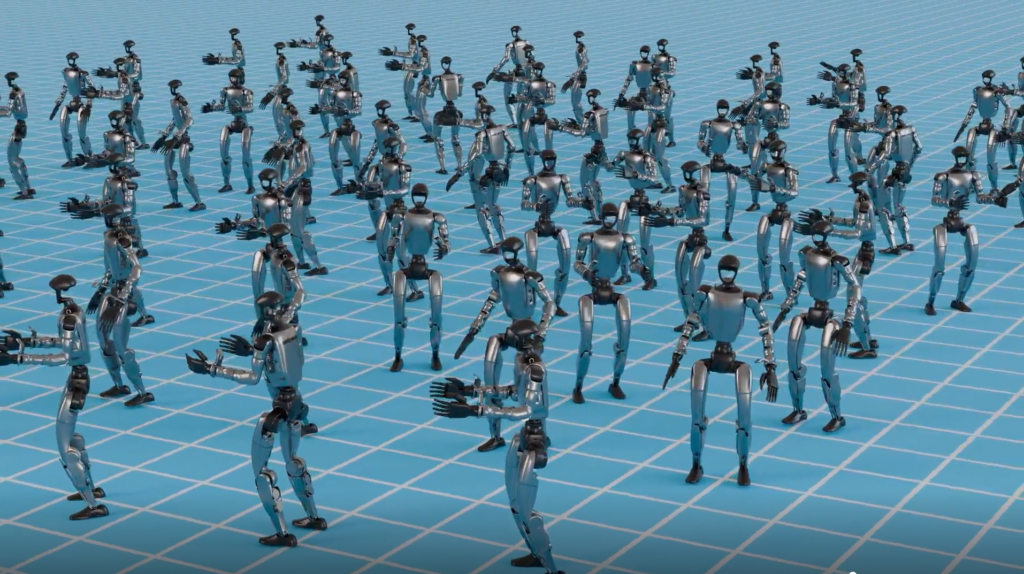
SoftServe Introduces Virtual Gyms for Enhanced Robotics Training and Deployment
SoftServe has highlighted the importance of 'virtual gyms' for robotics teams, emphasizing their role in preparing robots for dynamic environments. These high-fidelity simulation environments allow robots to train, fail, and recover safely before real-world deployment, addressing the challenges posed by unpredictable operational conditions. The global robotics market is projected to grow at a 19.6% CAGR from 2026 to 2036, underscoring the need for effective training solutions like virtual gyms to enhance robotic autonomy and performance. The shift from programmed automation to physical AI necessitates that robots adapt to constantly changing environments, which traditional training methods struggle to accommodate. Virtual gyms integrate technologies such as digital twins, reinforcement learning, and sensor modeling to provide a comprehensive training platform. This approach mitigates the risks and costs associated with real-world trials, enabling teams to generate valuable training data in a controlled setting, thus improving deployment success rates. Looking ahead, the adoption of virtual gyms is expected to become a standard practice in robotics development, as they offer a solution to the simulation-to-reality gap. No further timeline was disclosed at the time of publication, but the increasing complexity of robotic tasks suggests that the demand for such training environments will continue to rise as the industry evolves.
Artificial Intelligence Artificial Intelligence / Cognition Autonomous Mobile Robots (AMRs) Development Tools / SDKs / Libraries Industrial Robots Logistics
Training and Upskilling, Not Automation, Key to Productivity Growth in Manufacturing
Recent insights indicate that while innovation in automation and robotics is ongoing, the immediate solution to productivity growth does not stem from these technologies. Instead, the focus should be on training and upskilling the workforce, which is becoming increasingly critical for manufacturers in the automotive and machine-building sectors. This emphasis on workforce development highlights a significant challenge for manufacturers, as the lack of skilled labor may hinder their ability to fully leverage technological advancements. As industries evolve, the need for a well-trained workforce will become a bottleneck, impacting productivity and competitiveness in the market. Looking ahead, companies must prioritize investment in training programs to address this skills gap. No further timeline was disclosed at the time of publication, but the ongoing shift towards upskilling suggests that manufacturers will need to adapt their strategies to ensure they can meet future demands effectively.
Index Launches as the Largest and Most Diverse Robot Training Dataset Ever Created
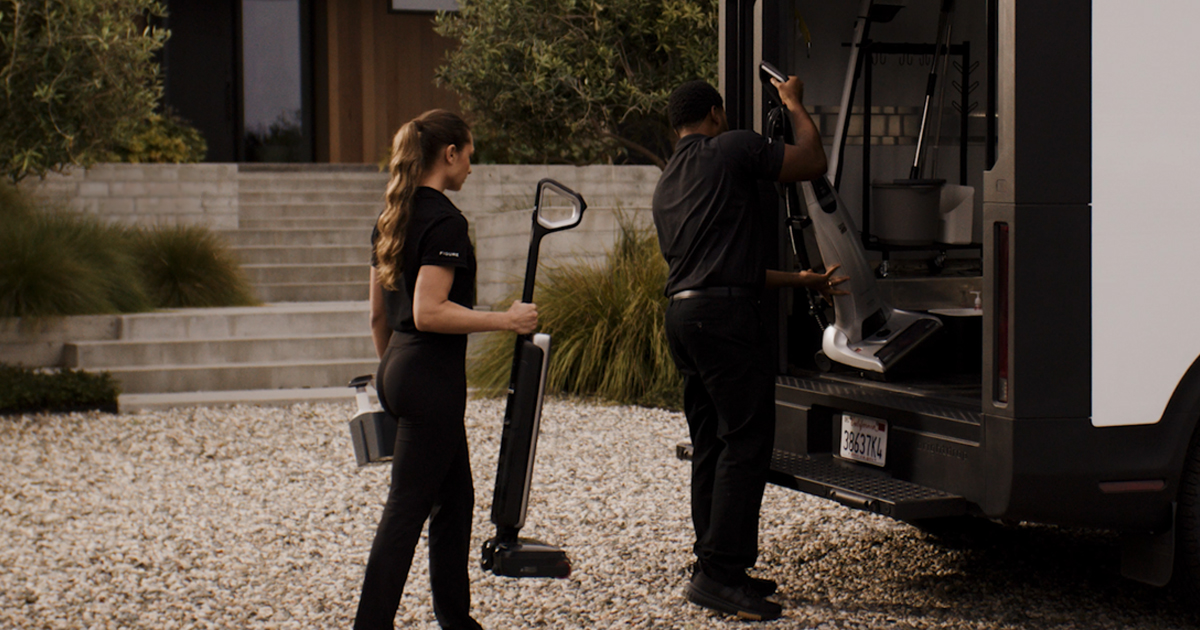
Today, Figure has unveiled Index, a groundbreaking robot training dataset designed to address the data scarcity for general-purpose robots. Over the past four months, the company has developed a unique pipeline to collect real-world physical data, achieving over 264,000 app downloads across 108 countries and 44,000 weekly active users contributing to the dataset. The significance of Index lies in its ability to provide diverse and high-quality data essential for training AI systems like Helix. With over 16 million videos uploaded and 30 minutes of video processed every second, the dataset captures a wide range of tasks, objects, and environments. Figure has committed to investing over $1 billion in data and compute resources over the next year to further enhance this initiative. Looking ahead, Figure aims to scale its data collection efforts significantly, with plans to increase the dataset's capabilities and diversity. The company is already witnessing promising generalization results from its AI stack, Helix, and will share more insights on its findings in the near future. No further timeline was disclosed at the time of publication.
robotics AI data collection machine learning technology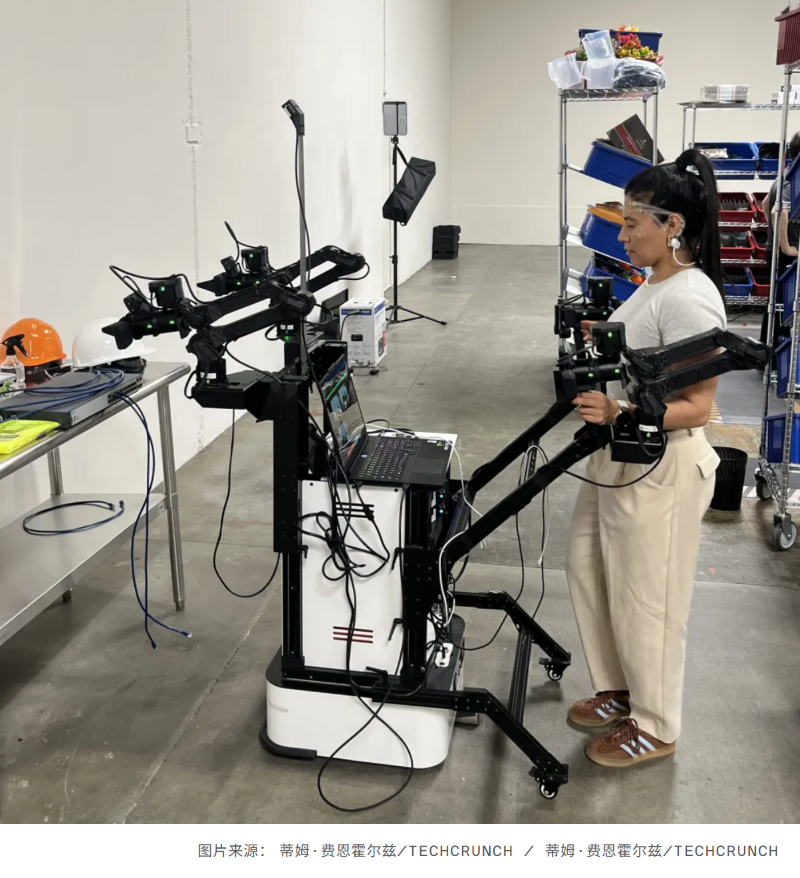
Encord and Zander Labs Use EEG Data to Advance Physical AI Training Techniques
In a warehouse in San Leandro, California, a worker is participating in an experiment that combines a data collection helmet with EEG sensors to train robots. This collaboration between Encord and Zander Labs aims to address the scarcity of real-world training data for physical AI, which is a significant challenge in the field. The importance of this experiment lies in its potential to generate valuable training data by capturing the neural activity of operators during tasks. This data can inform robot models about operator states, such as confusion or focus, enabling more efficient training and resource allocation. Encord is also collecting remote control data and first-person videos to create a comprehensive data production system. Looking ahead, the integration of EEG helmets, muscle sensors, and detailed annotations could revolutionize how robots are trained, providing the necessary real-world data that is currently lacking. No further timeline was disclosed at the time of publication.
Physical AI Robot Training Data Collection EEG Technology
World Labs Acquires SceniX to Enhance Physical Robot Training Capabilities
On July 22, World Labs, founded by AI pioneer Li Feifei, announced its acquisition of the American robotics simulation startup SceniX. This marks World Labs' first public acquisition since its inception, expanding its focus from 3D world generation to physical robot training. Li Feifei emphasized that spatial intelligence involves interaction, not just perception and generation. Founded in April 2024, World Labs has quickly positioned itself at the forefront of spatial intelligence, securing $230 million in initial funding and an additional $1 billion in early 2026 from major investors like NVIDIA and AMD. Its flagship product, Marble, generates high-fidelity 3D virtual environments from text and images, but the technology has primarily served creative industries, lacking the physical accuracy required for effective robot training. SceniX aims to address this gap by developing a game engine tailored for robotic learning, integrating high-precision physics simulation and sensor modeling. Their research, in collaboration with Columbia University and Google DeepMind, has demonstrated the potential for high-fidelity transfer from simulation to reality. Following the acquisition, the SceniX team will join World Labs to further advance physical simulation and robot training, highlighting the industry's ongoing challenges in generalizing robotic capabilities despite advancements in hardware.
Robotics Simulation Embodied Intelligence AI Technology Physical Robotics Training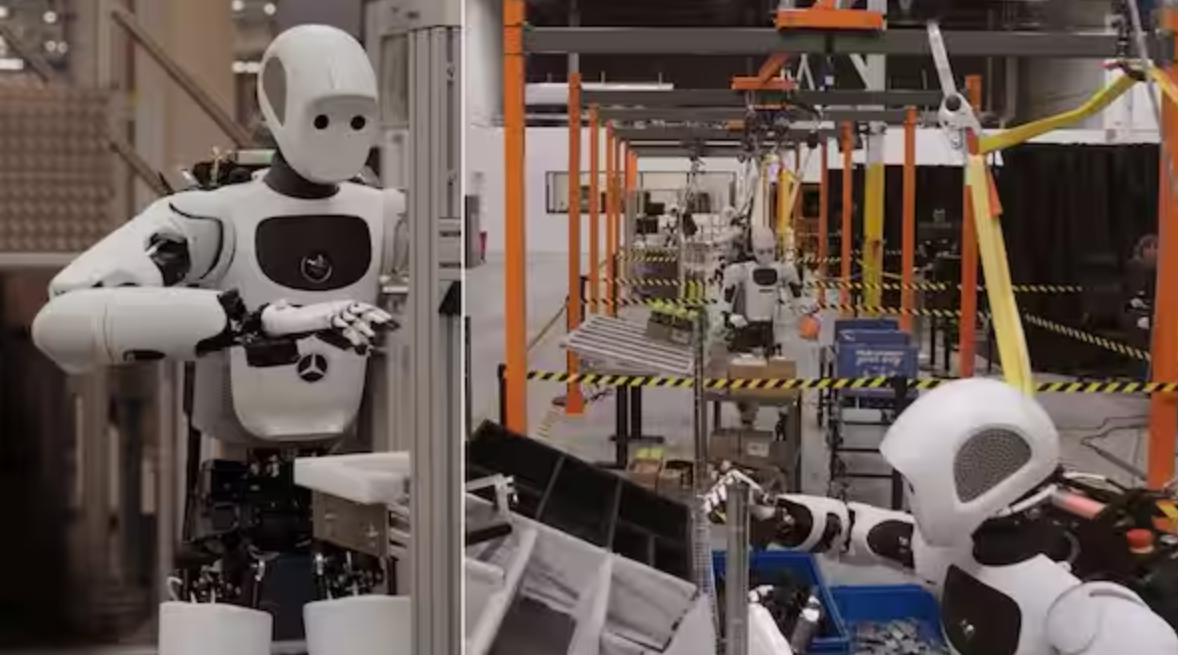
Google's Apptronik opens a 90,000 square foot "robot park": training humanoid robots with a data factory to walk towards...
Apptronik, a robotics company backed by Google, has inaugurated a 90,000 square foot facility known as a "robot park" dedicated to the training of humanoid robots. This state-of-the-art center, located in Austin, Texas, aims to enhance the capabilities of robots by utilizing a sophisticated data factory that allows them to learn and refine their walking abilities. The opening of the robot park comes as part of Apptronik's broader mission to advance humanoid robotics technology, driven by the increasing demand for automation and intelligent machines in various industries. By leveraging extensive data and innovative training methods, the facility is expected to significantly accelerate the development of robots that can perform complex tasks in real-world environments.
Robotics Automation AIRobotics needs a service framework.
RSF defines a common language for robot service capability, lifecycle operations, certification pathways, and service-provider networks.
Join the RobotToday community on LinkedIn
Daily robotics news, in-depth analysis, conference highlights, and discussions with professionals worldwide.