Industry Briefing
A single destination for timely, editor-curated robotics news from around the world.

BridgeDP Robotics Secures Significant Pre-A+++ Funding for Universal Robot Operating System Development
BridgeDP Robotics has announced the completion of a Pre-A+++ funding round, led by China Mobile Chain Long Fund, with additional investments from existing shareholders. The funding, amounting to hundreds of millions, will support the development of the RoboCraft AI platform, enhance production capacity for cross-body motion data, and improve motion control models. This funding is crucial as the robotics industry transitions from technology validation to large-scale applications, shifting competition towards foundational infrastructure and platform capabilities. BridgeDP Robotics aims to leverage its expertise in motion control to create a universal robot operating system, addressing the challenges of deploying robots in unstructured environments. Looking ahead, BridgeDP Robotics plans to deepen its core advantages in motion control while building a comprehensive infrastructure that includes the RoboCraft AI platform, a motion data factory, and motion control models. No further timeline was disclosed at the time of publication.
Universal Robot Operating Systems Motion Control AI Robotics Robotics Infrastructure
RevOps for Robotics OEMs Integrates AI Agents as New GTM Operating System
RevOps for robotics OEMs is evolving to unify sales, marketing, and customer success teams under a strategic framework. This integration aims to enhance customer attraction and retention, increase average order value (AOV), and maximize customer lifetime value (CLV), all while optimizing costs. Efficiency is paramount, making tech stack management a critical function of RevOps. The introduction of Go-to-Market (GTM) AI agents is transforming the tech stack, enabling improved predictive forecasting, market data analysis, and buyer intent tracking. These AI agents streamline lead routing, scheduling, and personalized outreach, allowing RevOps teams to focus on innovative strategies to drive revenue growth. The use of GTM AI APIs facilitates the development of core tech stack layers, enhancing the ability to analyze prospect interactions and identify effective sales tactics. As AI agents are integrated into intent layers, they monitor high buying intent signals and enrich prospect profiles by gathering data from various sources. This data is visualized as contact graphs, enabling targeted outreach. A practical example in the robotics OEM sector illustrates how these AI agents enhance operational efficiency and strategic decision-making, ultimately contributing to revenue preservation and growth.
AI agents Technology agentic ai ai agents artificial intelligence automation
Strategic Partnership to Integrate Humanoid Robots into Urban Sanitation Systems
On September 7, 2026, Qiaoyin Urban Management Co., Ltd. signed a strategic cooperation agreement with the National Local Co-construction Humanoid Robot Innovation Center. The partnership aims to establish the first national application hub for humanoid robots in urban services, integrating advanced technology into real-world sanitation and property management scenarios. This collaboration is significant as Qiaoyin is the only selected partner for urban service applications, indicating that the center's technological innovations will be tested in frontline sanitation operations. The agreement outlines the joint development of two product lines for humanoid robots, with practical training models being created in various urban projects, including those in Guangzhou and Maoming. Looking ahead, Qiaoyin's President, Xia Guanming, has set a timeline for validating sanitation operations by the end of this year and implementing applications in Maoming next year. The integration of humanoid robots into urban sanitation represents a critical step in addressing labor shortages and enhancing operational efficiency in city services, marking a pivotal moment for the industry as it moves towards mass production of humanoid robots.
Humanoid Robots Urban Sanitation Robotics Innovation AI in Urban Services
Productive Robotics Launches Tregaskiss Tough Gun I.C.E. Torch for Blaze Welding Systems
Productive Robotics has unveiled the Tregaskiss Tough Gun I.C.E. (Integrated Cooling Enhancer) torch, designed specifically for its 7-axis Blaze robotic welding systems. This new option aims to mitigate heat-related consumable failures that can occur during automated welding processes with high duty cycles. The introduction of the I.C.E. torch is significant as it addresses a common challenge in robotic welding—overheating of consumables. By enhancing cooling capabilities, Productive Robotics aims to improve the reliability and efficiency of its Blaze systems, which are increasingly utilized in demanding industrial applications. Looking ahead, the adoption of the Tregaskiss Tough Gun I.C.E. torch could lead to broader implementation of Productive Robotics' solutions in sectors requiring robust welding capabilities. No further timeline was disclosed at the time of publication.
US Navy Demonstrates Robotic Refueling System for Unmanned Vessels at Sea
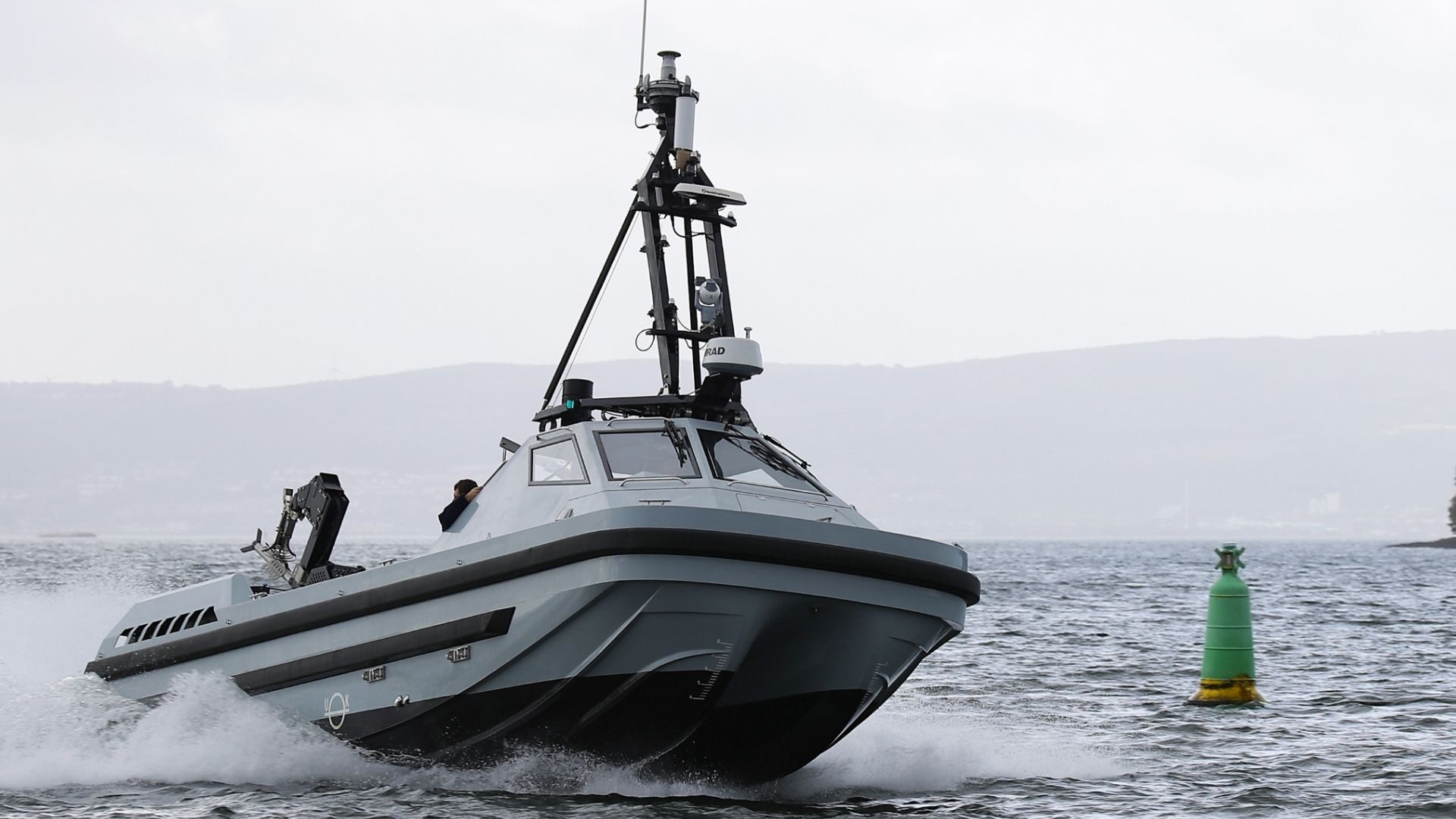
The US Navy has successfully showcased a robotic system capable of capturing, refueling, and releasing an unmanned surface vessel (USV) at sea. This demonstration, led by the Naval Air Warfare Center Weapons Division, took place off Joint Expeditionary Base Little Creek-Fort Story, Virginia, and involved the T38 USV and a towable refueling system. This innovative capability is significant as it allows USVs to remain deployed for extended missions without the need to return to port for fuel. By reducing the frequency of refueling stops, the Navy can enhance sensor coverage during operations and decrease reliance on crewed support vessels, which is crucial for ongoing testing and operational efficiency. Looking ahead, the robotic refueling system is expected to support the Blue Water Instrumentation program, particularly in trials related to hypersonic systems and precision long-range fires. No further timeline was disclosed at the time of publication.
Innovation Military Science
Can Improved Hydraulic Systems Propel Humanoid Robots Towards Greater Versatility?
The humanoid robot industry faces a paradox: the pursuit of versatility necessitates specialized power solutions. Tesla's Optimus, Figure AI's tests at BMW, and Agility Robotics' Digit at Amazon showcase advancements but reveal structural weaknesses in execution. Issues like insufficient power, range anxiety, and adaptability to extreme environments remain unresolved. Experts, including Zhang Jianwei and Wang Jian, emphasize that the fundamental challenges lie in the physical properties of materials used in motors, which are limited by cost and efficiency. They argue that hydraulic systems, often deemed 'non-scientific' due to their complexity, could redefine actuator capabilities if the basic problems are solved. The economic paradox of traditional robotic actuators is highlighted by the high integration costs associated with systems like Boston Dynamics' Atlas. As the humanoid robot sector evolves, it inherits the complexities of traditional hydraulic systems, which require numerous sensors and intricate control networks. The real question is not whether hydraulics can provide power, but whether that power can be easily harnessed by robots. ClearZhu Power aims to address this challenge with its digital hydraulic technology.
Hydraulic Systems Humanoid Robots Robotics Technology Automation
Reframe Systems Secures $40 Million to Expand Robotic Microfactories for Home Construction
Reframe Systems has successfully raised $40 million to enhance its network of robotic microfactories aimed at addressing the U.S. housing shortage. With a current deficit of 4.5 million homes, the company plans to utilize this funding to scale operations across North America, adapting to various local requirements and conditions. The fragmented nature of the construction industry, which typically relies on numerous subcontractors, has contributed to the housing crisis. Reframe's innovative approach combines robotics and its Pixels to Parts software to streamline home building, enabling faster and more efficient production of energy-efficient and climate-resilient homes. Looking ahead, Reframe aims to deliver one million homes by 2040, five years earlier than initially planned. The company is set to open a new microfactory, FAB1, in Billerica, Massachusetts, which will be operational by October 5. With plans to produce up to 500 multifamily units or 250 single-family homes annually, Reframe is on track to significantly impact the housing market in the coming years.
Artificial Intelligence Artificial Intelligence / Cognition Construction Design / Development Financial Investments
Selecting Roller Brushes for Effective Robotic Solar Panel Cleaning Systems
Solar panel cleaning robots are evaluated based on their dust removal efficiency, but the brush roller's design is crucial for effective cleaning. It must balance cleaning action with controlled contact and serviceability, considering the specific conditions of photovoltaic modules. Real-world environments often present challenges such as loose dust, bird droppings, and mineral deposits, making the selection of roller brushes complex. The choice of roller brush is not solely based on softness; it must align with the module specifications, site conditions, cleaning methods, and robot interfaces. For OEMs and replacement projects, it is essential to review brush assemblies in relation to module requirements and planned service cycles. The term 'soiling' encompasses a variety of contaminants, from light dust to compacted particles, each requiring different cleaning approaches. As moisture can significantly affect cleaning effectiveness, understanding the interaction between dust and moisture is vital. In water-scarce areas, robotic dry cleaning can be beneficial, but care must be taken to avoid abrasive damage from trapped hard particles. No further timeline was disclosed at the time of publication.
Energy Environment Robotics brush rollers cleaning robots industrial brushes
Galileo Robotics Introduces Next-Generation Galileo X at WRC 2026 with Innovative Mobility System
Galileo Robotics has unveiled the Galileo X at the 2026 World Robot Conference, introducing a revolutionary 'Embodied Ground Mobility System'. This launch signifies a significant advancement in product design and technology, setting a new standard for future ground robots. The introduction of the Galileo X is crucial as it redefines the existing paradigms in robotics, particularly in ground mobility. This innovation positions Galileo Robotics as a leader in the field of embodied intelligence, potentially influencing the development of next-generation robotic solutions. Looking ahead, industry stakeholders will be keen to observe how the Galileo X performs in practical applications and its impact on the robotics market. No further timeline was disclosed at the time of publication.
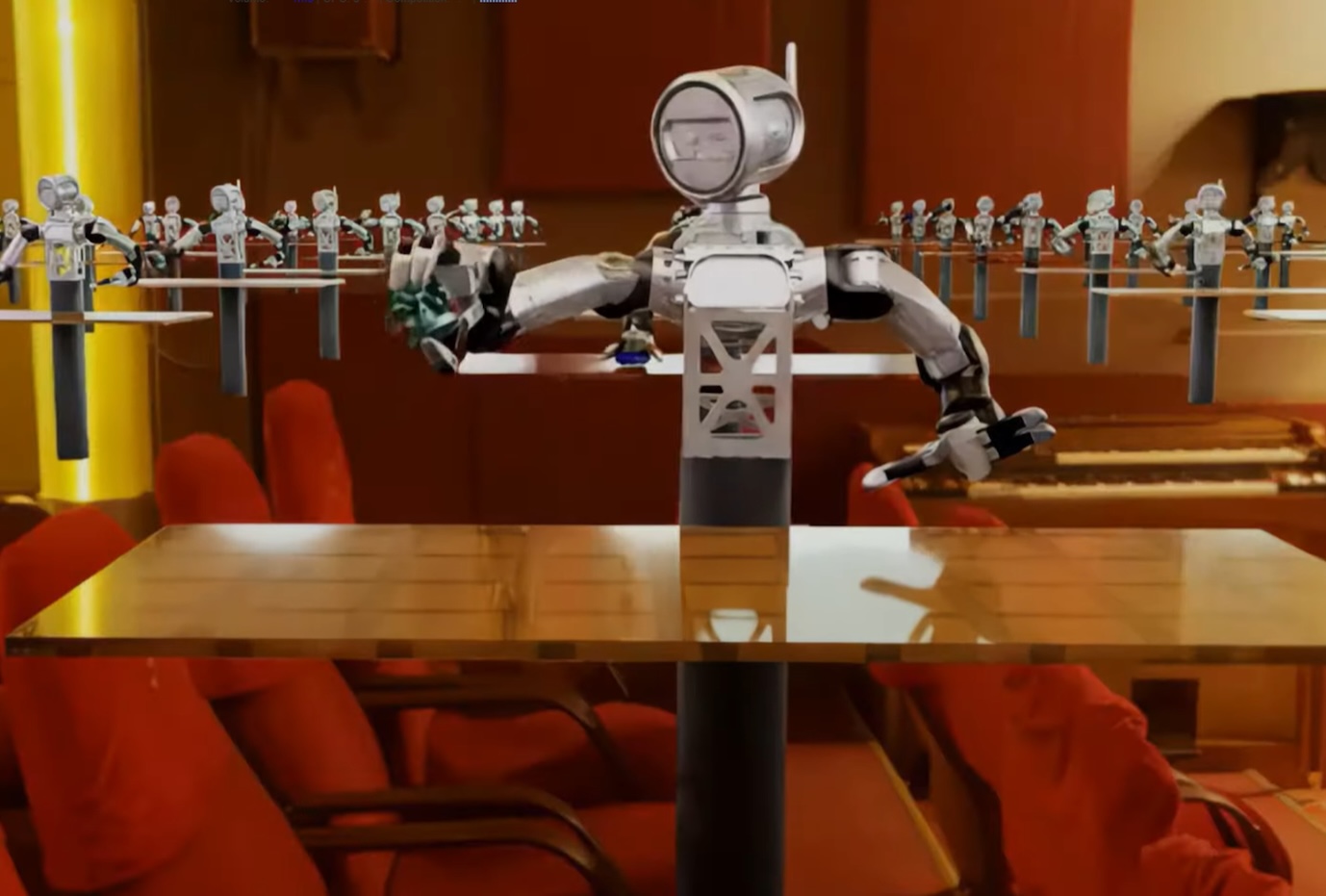
Systematic Review of Acoustic Microbots: Fabrication Techniques and Actuation Mechanisms
A systematic review published in the Journal of Field Robotics explores the relationship between fabrication techniques and acoustic actuation mechanisms in acoustic microbots. This study highlights various methods used in the development of these microbots, emphasizing their significance in advancing robotics technology. Understanding the connection between fabrication and actuation is crucial for enhancing the performance and capabilities of acoustic microbots. The findings of this review could lead to improved designs and applications in fields such as medical devices and environmental monitoring, where precision and efficiency are paramount. Future research should focus on integrating innovative fabrication methods with advanced acoustic actuation systems to unlock new functionalities in microbot technology. No further timeline was disclosed at the time of publication.
SURVEY ARTICLE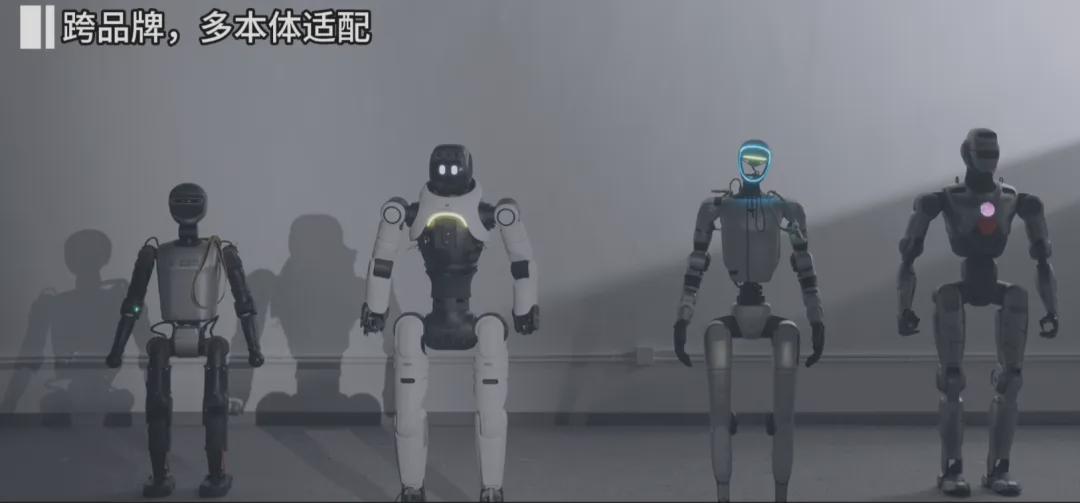
Shenzhen's Qiaojie Robotics Aims to Redefine Robotics with New Operating System
Qiaojie Robotics has emerged as a leader in motion control for bipedal robots, claiming to have the highest number of configurations globally, according to founder Shang Yangxing. At the 2026 World Robotics Conference, the company showcased its RoboCraft AI and discussed advancements in embodied intelligence technology with industry partners. The significance of Qiaojie's approach lies in addressing a major pain point in the robotics industry: the need for teams to relearn basic functions with each new robot. Shang Yangxing emphasized that their goal is to create a universal operating system that encapsulates the underlying capabilities of robotic hardware, making it accessible for users unfamiliar with robotics. Looking ahead, Qiaojie Robotics is focused on developing a three-layer operating system, with the Motion layer as its foundation. This approach differentiates it from traditional systems like ROS, which do not encapsulate motion capabilities effectively. No further timeline was disclosed at the time of publication.
Robotic Operating Systems Motion Control Humanoid Robots AI Robotics Innovation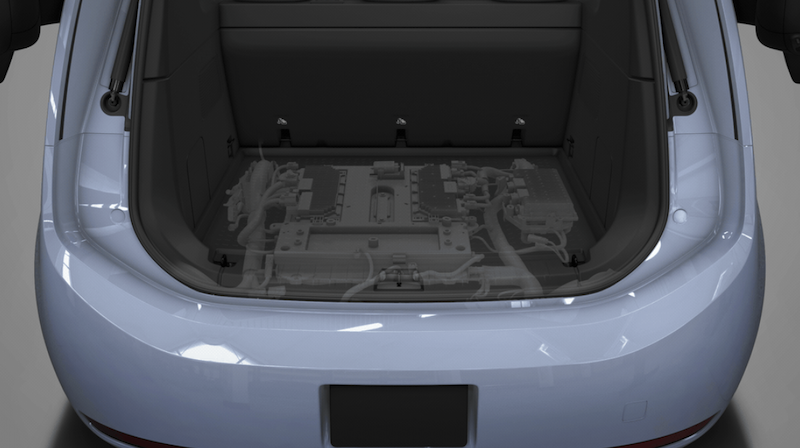
Waymo Unveils Nvidia-Powered Computing System for Enhanced Robotaxi Performance
Waymo has disclosed new technical specifications of its onboard computing system that powers its autonomous driving technology. This system features a custom-built 5 nm ASIC that delivers over 1,000 TOPS of machine learning performance, designed to operate under challenging conditions encountered by its autonomous vehicles. The significance of this development lies in its ability to provide millisecond-level response times, which are crucial for the Waymo Driver's complete driving task. Unlike traditional driver-assistance systems, the Waymo Driver operates independently, necessitating a robust computing architecture that ensures low latency, reliability, and redundancy based on insights from over 200 million miles of autonomous driving. Looking ahead, Waymo has scaled its computing power by 20 times in the last eight years, focusing on ultra-low latency to enhance responsiveness in complex environments. The company emphasizes the importance of reducing “pixels-to-actuation” latency to achieve fast decision-making capabilities, which will be critical as it expands its commercial robotaxi operations.
Autonomous Vehicles Computing Features accelerated computing amd artificial intelligence
Surgical Robots Shine at International Medical Expo: Domestic Innovations Reshape Operating Rooms
From August 14 to 16, the 32nd China International Medical Instrument and Equipment Exhibition took place at the National Convention Center. Surgical robots became the highlight of the event, which focused on showcasing innovative medical devices and digital healthcare technologies. Attendees observed demonstrations of various surgical robots, including both international models like the da Vinci and domestic innovations, highlighting their evolution from auxiliary tools to primary surgical instruments. The significance of this event lies in the emergence of domestic surgical robot companies, whose products span laparoscopic, orthopedic, and neurosurgical applications. Some of these robots have already completed thousands of surgeries in top-tier hospitals, and their competitive pricing compared to imported devices is expected to accelerate their adoption in grassroots healthcare facilities. The exhibition also featured China's medical equipment applications in Africa, reflecting the growing export of Chinese medical devices, with a notable increase in high-value products like surgical robots. Looking ahead, industry experts noted that as the costs of surgical robots decrease and demand from grassroots hospitals rises, the Chinese medical robot market is entering a growth phase. According to Frost & Sullivan, the market size for surgical robots in China is projected to exceed 50 billion yuan by 2030, with domestic production rates expected to surpass 50%. No further timeline was disclosed at the time of publication.
Surgical Robots Medical Devices Healthcare Technology AI in Medicine
Development and Evaluation of a Push-Based Gangue-Sorting Robotic System
A new push-based gangue-sorting robotic system has been designed and developed, with successful integration and field evaluation reported in the Journal of Field Robotics. This innovative system aims to enhance the efficiency of sorting gangue materials in mining operations. The significance of this development lies in its potential to improve resource recovery and reduce waste in mining processes. By effectively sorting gangue materials, the robotic system can contribute to more sustainable mining practices and optimize operational efficiency. Looking ahead, the industry will be keen to observe further advancements in robotic sorting technologies and their applications in various mining environments. No further timeline was disclosed at the time of publication.
RESEARCH ARTICLE
Navy Establishes New Direct Reporting Portfolio Manager for Robotic and Autonomous Systems
The Navy has announced the creation of a new Direct Reporting Portfolio Manager for Robotic and Autonomous Systems (DRPM RAS) as part of a leadership restructuring. Chris Miller, currently leading the portfolio acquisition executive Maritime office, will take on the role of acting DRPM RAS, reporting to William Toti, who is performing the duties of undersecretary of the Navy. This initiative aims to enhance the development and acquisition of RAS capabilities within the Navy and Marine Corps. This move is significant as it reflects the Navy's recognition of the need for a more efficient approach to robotic and autonomous systems. According to Toti, the current processes are outdated and do not meet the urgent needs of Sailors and Marines. The establishment of DRPM RAS is intended to bring about faster decision-making and clearer accountability in line with Secretary of the Navy Hung Cao's directives. Looking ahead, the Navy is considering relocating DRPM RAS staff closer to Fleet warfighters to improve collaboration and ensure that operational feedback is integrated into capability development. No further timeline was disclosed at the time of publication.
Naval Warfare Drones Medium Unmanned Surface Vessel Navy portfolio acquisition executives Unmanned
Lumos Nexcore System Advances Scalable Production of Robot Skills for Industry Applications
Lumos Robotics has introduced the Lumos Ego Vue dual-camera first-person skill experience interface and the Lumos data pipeline for automated skill production. These innovations address the challenge of enabling robots to continuously learn from real-world experiences and convert human operational knowledge into reusable skills, essential for scaling industry applications. The significance of these developments lies in their ability to enhance embodied intelligence by creating a comprehensive infrastructure that connects real-world experiences with skill understanding and model training. This integration is crucial for robots to operate effectively in complex industrial environments, where understanding task logic and physical interactions is vital. Looking ahead, the Lumos Ego Vue system aims to facilitate the transition from single-task training to sustainable learning and scalable applications in various sectors, including manufacturing and logistics. No further timeline was disclosed at the time of publication.
Robot Skill Production Embodied Intelligence Automation Technology Data Processing Industrial Robotics
Neya Systems and GS Engineering Collaborate to Enhance Robotic Construction Equipment for Defense
Neya Systems and GS Engineering have announced a strategic collaboration aimed at advancing robotic and autonomous construction equipment for defense applications. This partnership combines Neya's N-Drive™ autonomy technology with GS Engineering's Remote Expeditionary Autonomous Pioneer (REAPr) unmanned ground vehicle, focusing on creating an integrated solution that enhances operational efficiency in military engineering tasks. The collaboration is significant as it seeks to improve the safety and effectiveness of warfighters by automating the most hazardous and labor-intensive engineering tasks. By leveraging proven autonomy technology and advanced UGV capabilities, the initiative aims to streamline construction processes in defense operations, ultimately contributing to enhanced mission readiness and operational success. Looking ahead, the integration of these technologies is expected to lead to the development of field-ready autonomous solutions that can significantly reduce the risks faced by military personnel. No further timeline was disclosed at the time of publication.

Tsinghua University Team Creates Programmable Robotic Musculoskeletal System
A team from Tsinghua University and Beihang University has developed a programmable artificial musculoskeletal actuator inspired by biological systems. This innovation allows for dynamic adjustments in morphology and stiffness, enabling robots to switch between different forms and functions. Two prototypes have been created: one weighing 1.8 grams that can alternate between quadrupedal and humanoid forms, and another mimicking a sugar glider, weighing 6.4 grams, capable of crawling, carrying objects, and gliding. This development is significant as it addresses the complexities of robotic design, particularly in miniaturized systems where space and power are limited. The new actuator system utilizes liquid crystal elastomers and shape memory polymers to achieve shape retention and dynamic control. The ability to independently adjust the stiffness and morphology of the robotic muscles enhances performance versatility, allowing robots to adapt to various tasks. Future developments to watch include potential applications of this technology in diverse fields such as search and rescue, exploration, and personal assistance. The research team has published their findings in the journal Science Advances, highlighting the importance of this work in advancing robotic capabilities and functionality.
Robotics Programmable Actuators Bio-inspired Technology Soft Robotics
Chiba University Researchers Enhance Control System for Flapping-Wing Robots in Windy Conditions
Researchers from Chiba University in Japan have developed a new control method for flapping-wing micro aerial vehicles (FW-MAVs) that significantly improves stability in windy conditions. This method addresses the limitations of existing control systems, reducing X-axis position error by 53.1 percent, which is crucial for applications like inspection and search-and-rescue operations. The importance of this advancement lies in the unique flight capabilities of FW-MAVs, which are inspired by birds and insects. Their ability to hover and maneuver in confined spaces makes them ideal for various applications, but their susceptibility to disturbances such as wind gusts has posed challenges. The new control method enhances their performance, enabling more stable and accurate flight. Looking ahead, the research paper detailing these findings will be published in the October issue of Control Engineering Practice, following its online release on June 4, 2026. The study's insights into non-minimum-phase behavior and its impact on disturbance correction will be critical for future developments in the field of aerial robotics.
Features Science aerial robotics autonomous flight Autonomous robots bio-inspired robotics
Certified Systems Integrators Mitigate Commissioning Risks in Robotic Production Cells
Commissioning a robotic production cell involves complex testing across various components, including robot controls and safety functions. Despite successful shop demonstrations, issues can arise during actual plant operations due to discrepancies in parameters, wiring, and network conditions. A qualified systems integrator plays a crucial role in minimizing these risks by treating the entire system as a cohesive unit with clear acceptance criteria. The importance of certified systems integrators lies in their ability to establish a comprehensive commissioning plan that begins during the design phase. This plan includes an approved controls narrative, I/O list, and network map, ensuring that all interfaces are clearly defined. By transforming vague requirements into measurable outcomes, integrators can effectively address potential issues before production begins, thus enhancing operational reliability. Looking ahead, it is essential for teams to conduct thorough factory testing to identify and resolve logic and interface problems. The IEC 62381:2024 standard emphasizes the need for agreed-upon test procedures among owners, buyers, and vendors. As commissioning challenges often stem from the interaction between various components, a holistic approach to testing will be vital for successful robotic cell operations in real-world environments.
Automation Automation News Industry Robotics Robotics and Automation Robotics and Automation News
The Importance of Companion Mobile Apps in Robotics and Automation Systems
Companion mobile apps are becoming essential in robotics and automation, allowing operators to manage machines remotely. As the International Federation of Robotics reported 542,000 industrial robot installations in 2024, the need for efficient monitoring and maintenance alerts has surged, making these apps integral to operations. The rapid growth of robot fleets, now exceeding 4.6 million units globally, necessitates real-time telemetry and role-based access in companion apps. These applications must provide offline functionality and timely alerts to prevent operational delays, as a five-minute lag in communication can lead to significant production losses. Looking ahead, the evolution of robotics-as-a-service is transforming companion apps to support features like usage-based billing and in-app payments. This shift indicates that the role of these apps will expand beyond monitoring to include handling regulated financial data, reflecting the changing landscape of industrial automation.
Automation Robotics Software automation companion apps cybersecurity
The Impact of System Rigidity: Legacy Automation vs. Adaptive Robotics Performance
Adaptive robotics provide the necessary flexibility to swiftly meet changing production demands, enhancing productivity and long-term return on investment (ROI). In contrast, while legacy automation can still perform effectively for certain repetitive tasks, its inherent lack of adaptability limits overall operational agility. This distinction highlights the growing importance of adaptive solutions in modern manufacturing environments. The ability of adaptive robots to adjust to varying production requirements is crucial in today's fast-paced industrial landscape. As businesses seek to optimize their operations, the limitations of legacy automation become increasingly apparent, making it essential for companies to consider more flexible robotic solutions. The shift towards adaptive robotics signifies a broader trend towards enhancing efficiency and responsiveness in manufacturing processes. Looking ahead, organizations should monitor advancements in adaptive robotics technology and consider integrating these systems to improve their operational capabilities. The ongoing evolution of robotics will likely continue to challenge the status quo of legacy automation, pushing industries towards more agile and efficient production methodologies. No further timeline was disclosed at the time of publication.

Leju Unveils Dual Ecosystem Engine for Trillion-Yuan Robotics Industry at National Competition
On August 1, 2026, at the Shougang Ice Curling Center in Beijing, 213 humanoid robot teams competed for top honors at the 28th China Robotics and Artificial Intelligence Competition (CRAIC). This event is significant not only for showcasing robotics but also for establishing standards and ecosystems in the industry. Leju is transforming the competition into a platform that elevates the focus from individual robots to broader industry standards. The year 2026 is recognized as a pivotal moment for the commercialization of humanoid robots, yet the industry faces a critical talent shortage, particularly in robotics, with a gap of 4.5 million skilled workers. Leju's approach emphasizes practical training through real-world scenarios, moving beyond simulations to create authentic industrial environments for competitors. This shift allows participants to conduct pressure tests on their robots in realistic settings, preparing them for future production lines. Leju's strategy is supported by the OpenLET community, which fosters an ecosystem encompassing training, data sharing, and talent development. With over 70 member organizations and 10,000 developers, the community aims to address the fragmented nature of the humanoid and embodied intelligence industries. The CRAIC 2026 features various competitions that reflect real industrial needs, pushing technology from demonstration to reliable operation, ultimately shaping the future of the robotics sector.
Humanoid Robots AI Robotics Competitions Talent Development Industrial Automation
Tacta Systems Launches AI-Driven Robotic Hand for Advanced Manufacturing Applications
Tacta Systems has introduced a new robotics platform aimed at enhancing industrial automation with human-like dexterity. The TactaBot, the company's inaugural product, integrates a robotic hand, a wearable skill capture system, and an AI engine to perform intricate manufacturing tasks that demand precision and tactile feedback. This innovation is significant as it addresses critical challenges in robotics, such as creating a robotic hand for industrial performance and enabling robots to possess a sense of touch. Tacta's platform, featuring the proprietary Fluidic Tendon actuation technology, is designed to automate complex tasks in sectors like electronics and automotive manufacturing, with initial deployments expected in early 2027. Looking ahead, Tacta plans to expand its technology into additional industries, including medical devices and aerospace. The company aims to revolutionize the way robots interact with their environment, potentially transforming manufacturing processes across various sectors. No further timeline was disclosed at the time of publication.
Components News ai robotics Dexterous Intelligence dexterous robotics industrial robotics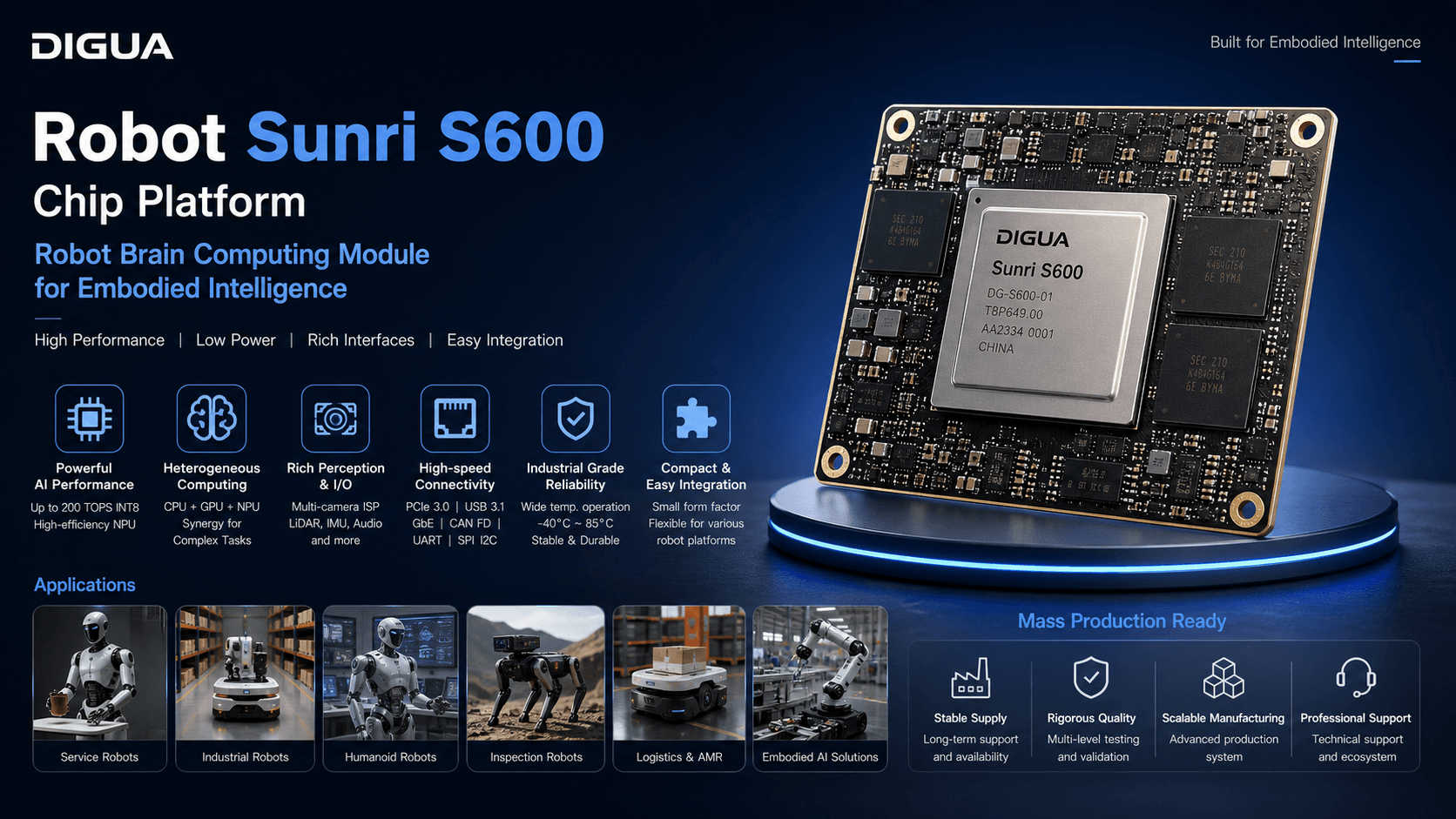
Digua Robot Expands Sunri S600 Production Ecosystem Ahead of 2026 Milestones
Digua Robot, an affiliate of Horizon Robotics, has announced significant milestones for its Sunri S600 platform. As 2026 approaches, the company is positioning itself for mass production in embodied intelligence, aiming to tackle the three critical challenges of deploying models on robots. This development is crucial as it signifies a shift towards the industrialization of embodied intelligence, which is expected to enhance operational efficiencies and broaden the application of robotics across various sectors. The focus on overcoming deployment challenges indicates a strategic move to ensure the successful integration of advanced robotic systems into real-world environments. Looking ahead, stakeholders should monitor the progress of the Sunri S600 platform and its impact on the robotics landscape as 2026 approaches. The emphasis on addressing deployment issues will be key to the platform's success and the broader acceptance of embodied intelligence in industrial applications. No further timeline was disclosed at the time of publication.
Technology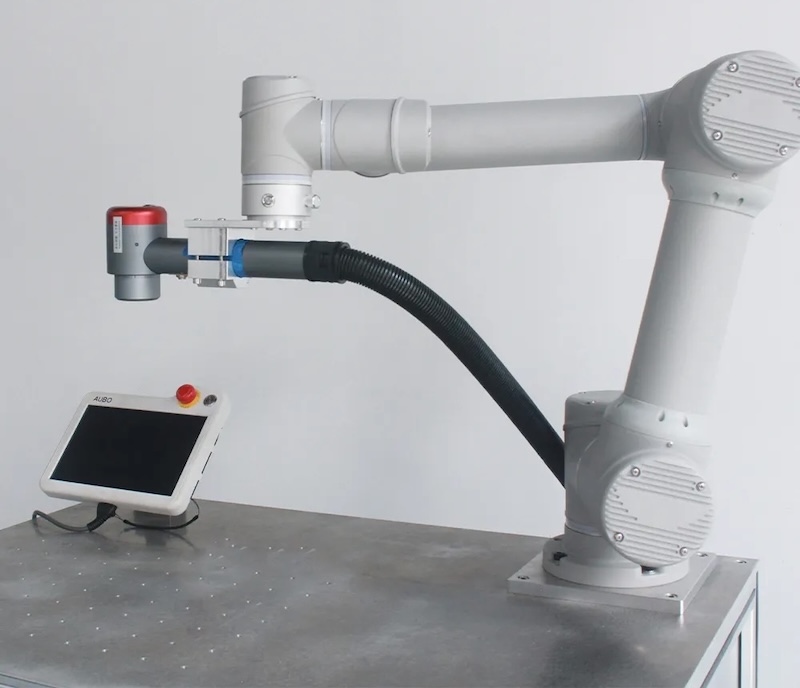
Integrating Industrial Robots with Laser Cleaning Systems Enhances Production Efficiency
Recent advancements in technology are transforming factory operations, with companies striving to reduce cycle times, cut costs, and ensure quality. The integration of industrial robots with laser cleaning systems is emerging as a solution to automate the removal of burrs from metal components, significantly enhancing productivity and efficiency in production lines. This combination of technologies is crucial as it addresses the need for cleaner surfaces before processes like painting, coating, or welding, which are essential for maintaining product quality. Laser cleaning, a modern technique that utilizes powerful laser beams to eliminate unwanted materials without damaging the underlying metal, offers a more environmentally friendly alternative to traditional cleaning methods that often rely on harsh chemicals. As more companies explore the benefits of industrial laser cleaning machines, the focus will be on how these systems can further optimize production lines. The automation of the cleaning process not only saves time but also improves overall manufacturing efficiency. No further timeline was disclosed at the time of publication.
Engineering Robotics Technology factory automation industrial automation industrial robots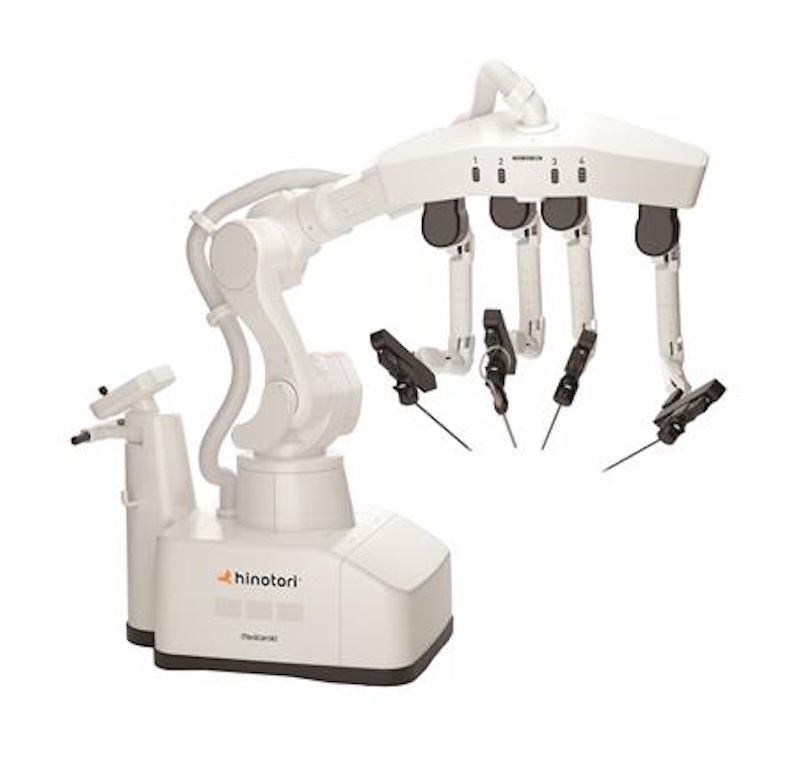
Medicaroid Achieves CE Marking for hinotori Surgical Robot System in Europe
Medicaroid has obtained CE marking for its hinotori Surgical Robot System under the EU's Medical Device Regulation, allowing it to market the system across EU member states and select non-EU countries. This approval is a crucial part of Medicaroid's strategy to expand internationally beyond Japan and the Asia-Pacific region. The hinotori Surgical Robot System was initially approved for manufacture and sale in Japan in 2020 and has since gained regulatory approvals in Singapore, Malaysia, and Vietnam. The recent CE marking enables Medicaroid to enter the European, Middle Eastern, and African markets, which is vital for the company's growth and the global adoption of medical robotics. Looking ahead, Medicaroid aims to leverage its new certification to enhance its presence in the EMEA region. The company established Medicaroid Europe GmbH in Germany in 2020 to facilitate its commercial operations. No further timeline was disclosed at the time of publication.
Health News automation CE marking europe healthcare robotics
Benchmarking Your Development System for Effective Robotics Simulations
The development of robotics begins long before physical assembly, relying heavily on simulations to validate designs and refine algorithms. These simulations demand significant computational resources, making system benchmarking crucial to identify hardware limitations early in the process. By measuring workstation performance under demanding workloads, engineers can establish a performance baseline that aids in spotting potential bottlenecks. Understanding how different hardware components affect simulation performance is essential for robotics development. Whether using macOS, Windows, or Linux, benchmarking helps determine if slowdowns are due to software changes or hardware limitations. Key components such as the processor, graphics card, memory, and storage play varying roles in performance, and the weakest link can dictate the overall experience. As robotics projects grow in complexity, the need for robust hardware becomes increasingly important. Engineers should focus on comprehensive benchmarking to ensure their systems can handle the demands of their simulations. No further timeline was disclosed at the time of publication.
Components Robot simulation ABB RobotStudio automation cpu delmia
FF Robotics Upgrades Strategy with 'Quad-Core Intelligence' Ecosystem and 2000 Units Target
On July 13, FF founder Jia Yueting announced the upgrade of FF Robotics' strategy from a 'Trinity' model to a 'Quad-Core Intelligence' ecosystem. This strategic iteration follows the launch of four major robot series in February and the completion of the 'Full-Form EAI Robot World' in June, marking a significant advancement in embodied intelligence. The upgrade introduces a new core module focused on industry productivity solutions and a developer platform, targeting four key sectors: education, industrial, security, and inspection. Jia emphasized that this shift aims to transition from standalone capabilities to a comprehensive system that addresses industry-specific pain points, facilitating the practical application of FF robots in real-world scenarios. Looking ahead, FF aims to achieve a sales target of 2000 units by the end of the year, with the Q3 launch of the first FF EAI Robot Productivity Practical League to showcase real-world applications. This initiative, alongside the sales goal, is expected to validate the effectiveness of robots as productivity tools, moving beyond mere demonstrations to practical utility.
Robotics Artificial Intelligence Industry Solutions Productivity Tools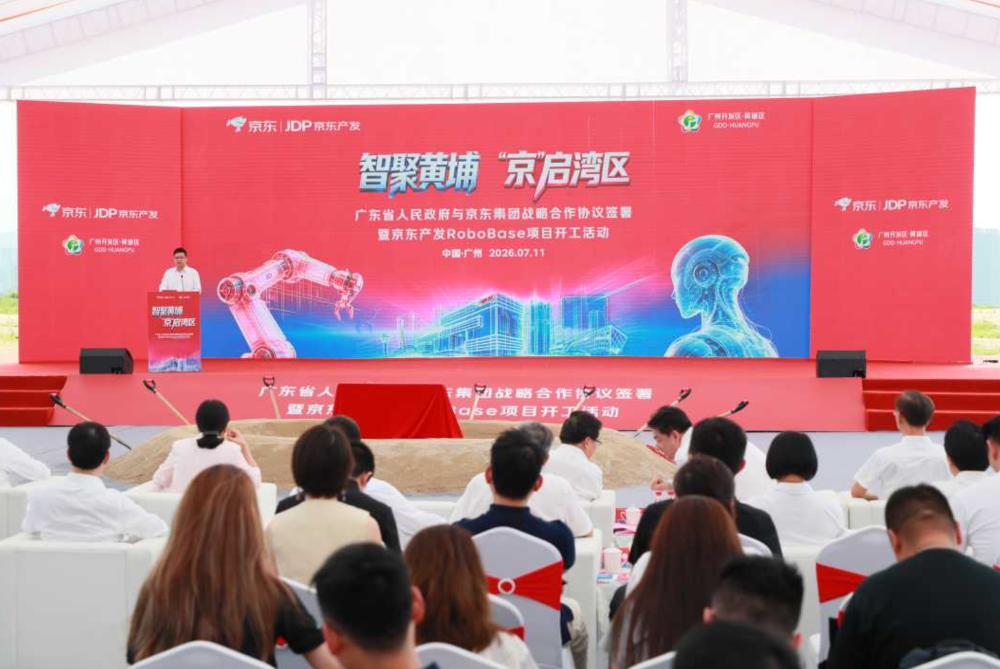
JD Group Launches First RoboBase Project in Guangzhou to Foster Robotics Ecosystem
On July 11, JD Group signed a comprehensive strategic cooperation agreement with the Guangdong provincial government, focusing on nine key areas including digital economy and modern logistics. The first physical benchmark of this agreement, the RoboBase project, commenced construction in the Huangpu Science City, Guangzhou. This marks JD's first RoboBase globally, covering approximately 190,000 square meters, with completion expected by the end of 2028 and an anticipated annual output value of about 1.75 billion yuan. The RoboBase project aims to integrate high-end manufacturing, technological innovation, and ecological services, concentrating on core robotic components, complete machine manufacturing, and high-end intelligent equipment. JD's approach is unique as it positions itself as an 'industrial infrastructure operator' rather than directly engaging in robot manufacturing. This strategy is designed to support robotics companies by providing a conducive environment for their operations. Looking ahead, JD's RoboBase will facilitate long-term testing for robots across various real-world scenarios, including JD MALL and logistics parks. The project also emphasizes talent development through partnerships with vocational schools in Guangdong. No further timeline was disclosed at the time of publication.
Robotics Ecosystem High-End Manufacturing Technological Innovation Supply Chain Solutions
OpenHarmony Achieves Major Milestones in Operating System Development and Ecosystem Growth
OpenHarmony has reached significant milestones, surpassing 13,000 contributors and 140 million lines of code, while powering 1.3 billion devices in its ecosystem. This growth is pivotal for driving digital transformation across various sectors, including mining, power, healthcare, and government services. The expansion of OpenHarmony's ecosystem highlights its role in facilitating technological advancements and improving operational efficiencies in industries that are critical to modern society. With its extensive codebase and contributor network, OpenHarmony is positioned to influence the future of digital infrastructure. Looking ahead, stakeholders should monitor how OpenHarmony continues to evolve and adapt to the needs of diverse industries. No further timeline was disclosed at the time of publication.
Technology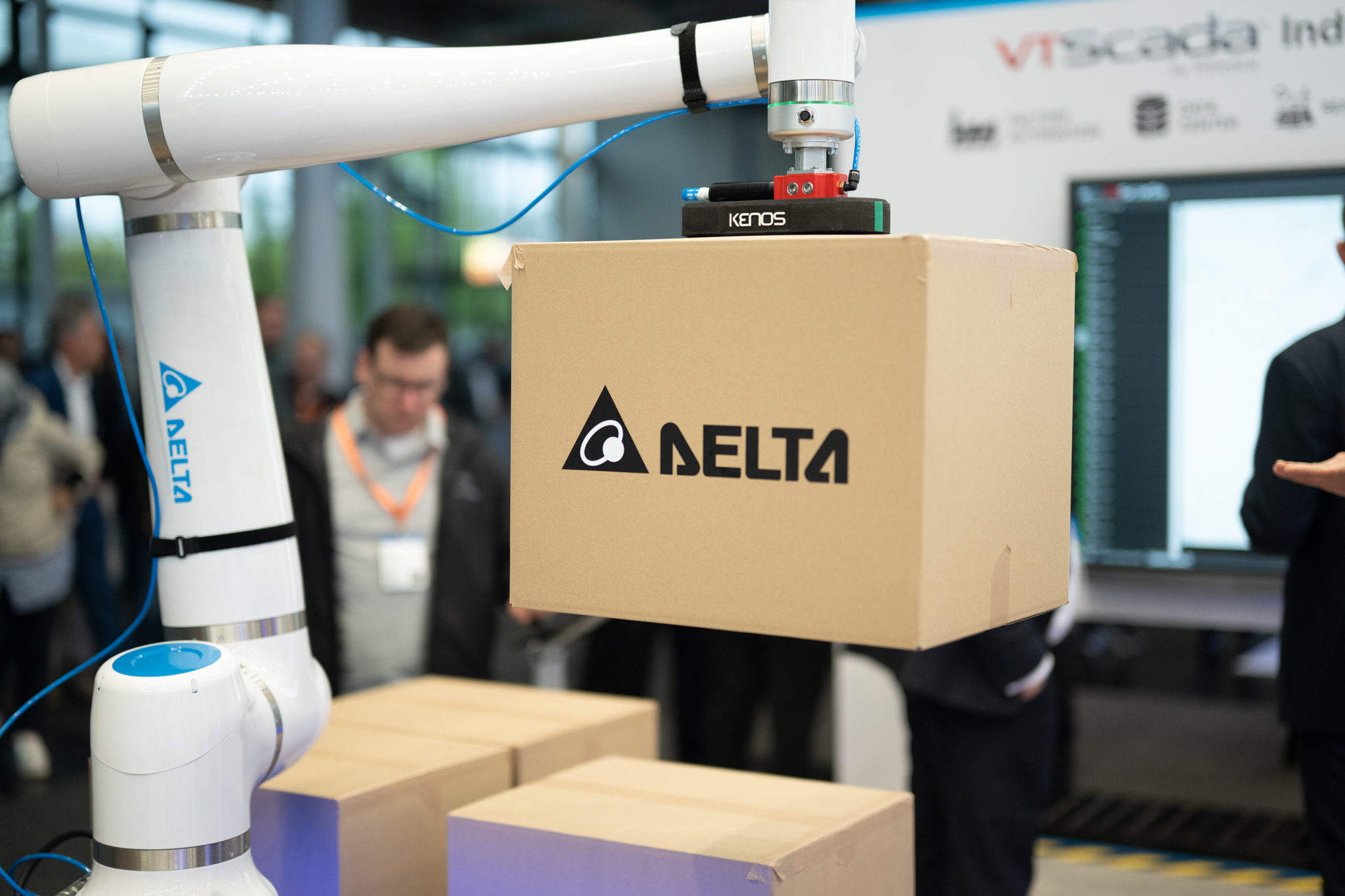
Delta expands ecosystem for collaborative robotics.
In a move to enhance its collaborative robotics ecosystem, Delta has announced three new partners just weeks after the Hannover Messe. This strategic expansion aims to foster continuous growth and innovation within the D-Bots framework. The partnerships are expected to leverage each company's strengths, contributing to the development of advanced robotic solutions and enhancing Delta's position in the market. The announcement underscores Delta's commitment to collaboration and technological advancement in the robotics sector.
Allgemein Cobots & MRK Newsarchiv
Mobile robots as part of a comprehensive system
The effective deployment of mobile robots hinges not only on the quantity of vehicles utilized but also on their operational behavior in conjunction with various factors such as layout, material flow, charging infrastructure, and control systems. This comprehensive approach is essential for optimizing the integration of mobile robots within industrial settings, ensuring they function seamlessly as part of a holistic system. The insights were shared in a recent article on ROBOTIK UND PRODUKTION, highlighting the importance of strategic planning in the implementation of robotic technology in modern production environments.
Allgemein Automation Fördertechnik & Handling Lagerlogistik & Materialfluss Mobile Robotik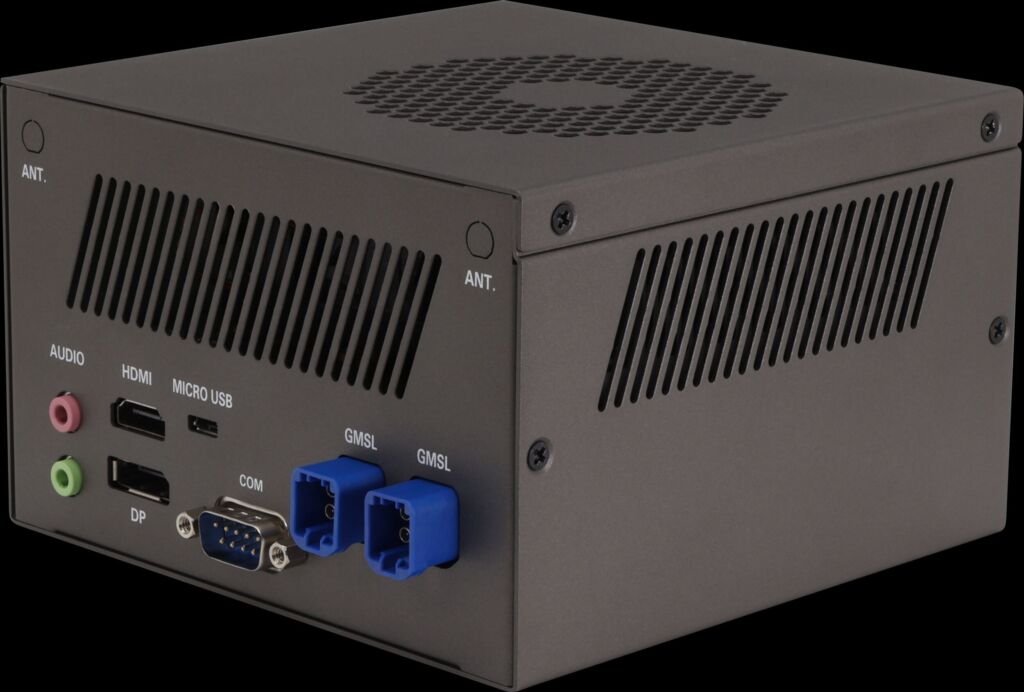
Open AI Development System for Robotics
AAEON has announced the launch of the CEXD-INTRBL, an open robotics development system from its Embedded Computing division. This innovative platform is designed to facilitate advancements in robotics technology, providing developers with the tools needed to create and enhance robotic applications. The introduction of the CEXD-INTRBL marks a significant step in AAEON's commitment to supporting the growing field of artificial intelligence and robotics. The system aims to streamline the development process, making it easier for engineers and researchers to implement AI solutions in various robotic systems.
Allgemein Humanoide Robotik Künstliche Intelligenz & maschinelles Lernen Robotik
Comau Implements Innovative Robotic Order Preparation System for EU MASTERLY Initiative
Comau has successfully designed and validated an advanced order preparation solution within Decathlon's e-commerce fulfillment operations. This deployment is part of the MASTERLY project, a European initiative aimed at enhancing the shift from traditional mass production to more flexible and customized manufacturing systems. The significance of this development lies in its potential to revolutionize warehouse logistics by utilizing Comau's MyCo collaborative robot, which operates on a ROS2-based software architecture. The system incorporates intelligent sensors and a sophisticated modular gripper, enabling it to autonomously perform picking, handling, and palletizing tasks across diverse product flows. Looking ahead, the focus will be on monitoring the effectiveness of this solution within Decathlon's logistics environment and its implications for broader applications in the manufacturing sector. No further timeline was disclosed at the time of publication.

Galbot Introduces RoboGesture for Enhanced Natural Movement in Humanoid Robots
Chinese robotics company Galbot has launched RoboGesture, a new framework designed to enhance nonverbal communication in humanoid robots. This system generates real-time gestures that correspond with spoken language, aiming to make robot interactions more natural and engaging during conversations. The significance of RoboGesture lies in its ability to address common limitations in humanoid robotics, such as mechanical and repetitive movements that detract from effective communication. Scheduled for presentation at the European Conference on Computer Vision (ECCV) 2026, this technology could revolutionize how humanoid robots engage in social settings by allowing them to respond with gestures that reflect the meaning and tone of speech. Looking ahead, the research team, which includes experts from Galbot and several prestigious universities, is focused on overcoming challenges in robot communication, including limited training data and safety concerns. No further timeline was disclosed at the time of publication.
AI and Robotics
Medtronic Partners with Cornerstone Robotics, Investing $700 Million in Sentire System
Medtronic PLC has announced a strategic partnership with Cornerstone Robotics Ltd., which includes a significant investment of $700 million. This collaboration grants Medtronic distribution rights for Cornerstone's Sentire surgical system in select international markets, enhancing its portfolio alongside the existing Hugo robotic-assisted surgery system. This partnership is crucial as it aims to expand access to robotic-assisted surgery, addressing the diverse needs of surgeons and healthcare systems. Medtronic's senior vice president, Matt Anderson, emphasized the importance of investing in multiple robotic platforms and digital tools to drive the next generation of minimally invasive surgery, a key growth area for the company. Looking ahead, the collaboration is expected to enhance Medtronic's offerings in the surgical ecosystem, providing a dual-platform solution that meets various clinical and operational requirements. No further timeline was disclosed at the time of publication.
Financial Healthcare Robotics Investments Markets / Industries News Robots / Platforms
Tsubaki KabelSchlepp Introduces Robotrax System for Protecting Industrial Robot Cables
Tsubaki KabelSchlepp has launched the Robotrax System, a specialized three-dimensional cable carrier designed to protect electrical cables and hoses in six-axis articulated robots. This innovative system addresses the mechanical stress caused by rapid movements and torsional twists, which often lead to conductor fatigue and costly production halts. The Robotrax System features a central steel cable that absorbs tensile loads, preserving conductor integrity and extending cable service life. Its unique spherical link design allows for smooth flexing across three axes, while modular cable routing prevents signal interference and mechanical abrasion. This design significantly reduces installation and maintenance time, making it a valuable solution for automated manufacturing environments. Looking ahead, the Robotrax System's active retraction mechanism minimizes collision risks during complex robot movements. With tailored protective accessories, it is built to withstand demanding industrial conditions. No further timeline was disclosed at the time of publication.
Articulated-robots Robot-uptime Automation Robot-arms Manufacturing Factory-robots
Zeroth Launches Bridge, the First AI-Native Humanoid Robot with OpenBridge Ecosystem
Zeroth, a Chinese robotics company, has unveiled Bridge, touted as the world's first AI-native embodied robot, along with the OpenBridge open-source ecosystem. This platform aims to facilitate real-world robot development through its compact humanoid design and developer-friendly interfaces, with the first Bridge Geek Edition units now available for purchase. The introduction of Bridge is significant as it represents a shift towards more adaptable and interactive robotics, moving away from traditional fixed-motion robots. With features like bipedal walking and obstacle avoidance, Bridge is designed to support developers in creating innovative capabilities, making physical AI development more accessible and collaborative. Looking ahead, Zeroth's Bridge Builder Program will engage developers globally, with the first phase selecting 500 participants for a co-creation challenge. This initiative aims to foster community-driven development within the OpenBridge ecosystem, enhancing the robot's capabilities and encouraging shared contributions among developers. No further timeline was disclosed at the time of publication.
AI and Robotics
Creation of a Robotic Flying Fish Capable of Operating Across Different Mediums
A new robotic flying fish has been developed, showcasing its ability to operate in both aquatic and aerial environments. This innovative design allows for seamless transitions between water and air, enhancing its versatility for various applications. The significance of this development lies in its potential to revolutionize how robotic systems interact with different environments. By combining functionalities of both aquatic and aerial vehicles, this robotic fish could be utilized in fields such as environmental monitoring, search and rescue operations, and marine research. Looking ahead, the focus will be on further testing and refinement of the robotic fish's capabilities. No further timeline was disclosed at the time of publication.
RESEARCH ARTICLE
Reservoir Highlights Increased Investability of Agricultural Robotics at Ruggedize Conference
At the Ruggedize conference held at Reservoir Farms in Salinas, industry leaders discussed the evolving landscape of agricultural robotics. According to Reservoir founder Danny Bernstein, advancements in perception technologies, edge computing, AI, and robotics have made the entire system more investable, allowing for machines to be assembled and tested in under six months. The growing availability of off-the-shelf hardware and software has enabled startups to create more flexible agricultural machines. Bernstein emphasized that these machines can now handle multiple crops and tasks, which is crucial for attracting investment. Additionally, Reservoir is fostering innovation through a $10 million R&D partnership with John Deere and is raising $50 million to support early-stage companies in the sector. As the agricultural robotics field becomes increasingly attractive to investors, it is essential to monitor how these developments will impact the speed of commercialization and the overall growth of the industry. No further timeline was disclosed at the time of publication.
Agtech Artificial intelligence Deeptech Investing Startups & funding US & Canada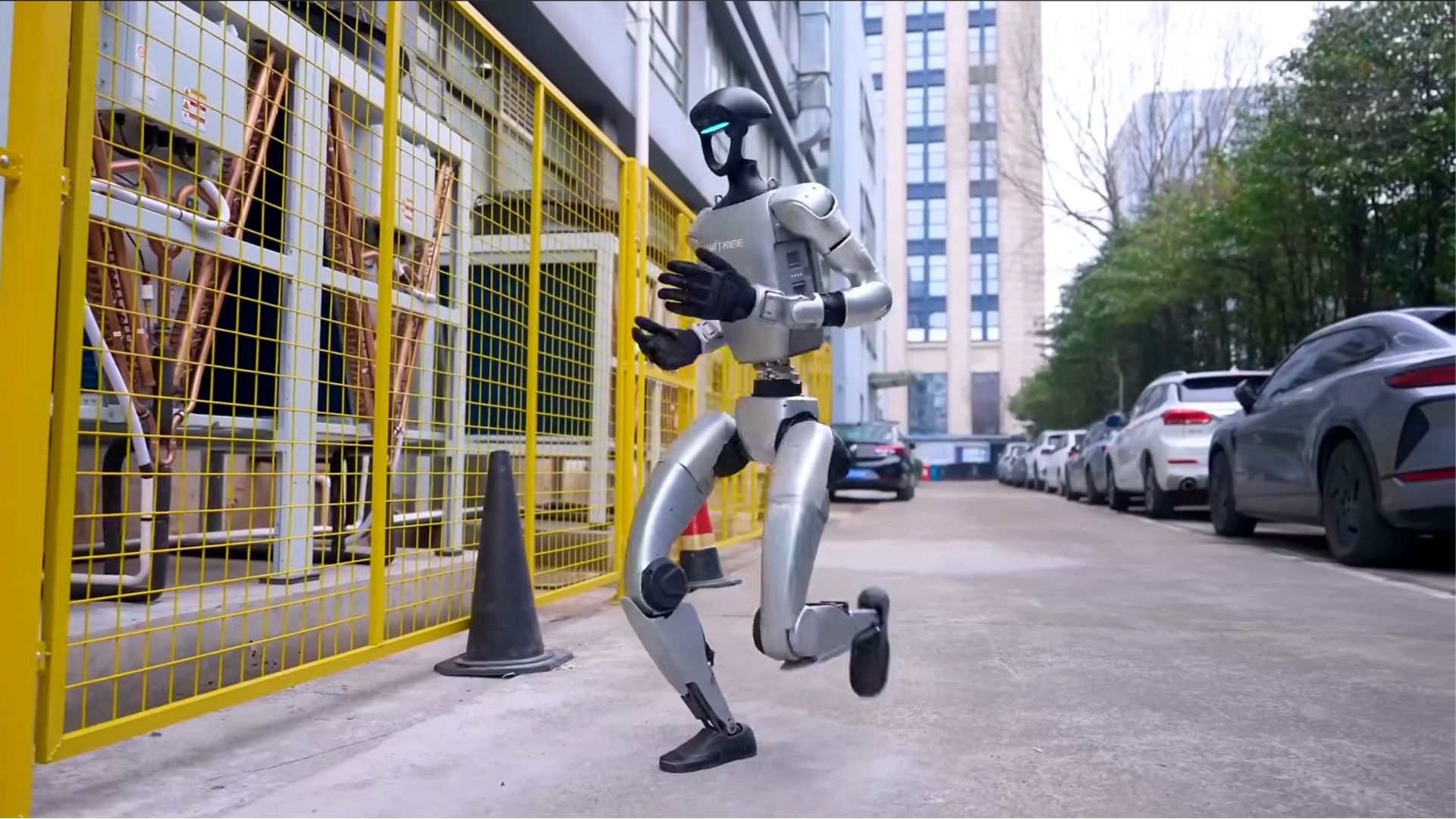
Researchers Develop BeyondMimic Framework for Humanoid Robots to Perform Agile Acrobatics
Researchers have introduced a new framework named BeyondMimic, enabling humanoid robots to execute agile, humanlike movements without the need for separate training for each skill. This system allows robots to perform complex maneuvers such as cartwheels and spin kicks by learning from human motion data, addressing the limitations of current humanoid control systems that often require extensive fine-tuning. The significance of BeyondMimic lies in its ability to teach robots a wide range of skills through a two-stage learning framework. The first stage employs reinforcement learning to track human motions, utilizing a shared reward structure to avoid the need for motion-specific tuning. The second stage introduces a latent diffusion model, allowing the robot to generate and adapt movements based on existing skills, thus overcoming challenges in natural skill transitions. Looking ahead, the BeyondMimic framework demonstrates promising capabilities, such as smoothly transitioning between walking and acrobatics. The potential for integrating waypoint tracking with obstacle avoidance suggests further applications in dynamic environments. No further timeline was disclosed at the time of publication.
AI and Robotics
Selecting the Optimal Motor for Mobile Robots and Automation Systems
The selection of motors for mobile robots involves complex interdependencies among various components, including gearboxes, controllers, and mechanical layouts. Mistakes in motor selection often only become apparent during real-world testing, where issues such as overheating and inconsistent acceleration can arise when the robot operates under load. This disconnect highlights the importance of considering the entire drivetrain rather than focusing solely on individual specifications. Understanding the robot's operational parameters—such as total mass, expected payload, and environmental conditions—is crucial for effective motor selection. These factors dictate the forces the drivetrain must generate, which are often overlooked when relying solely on motor catalogs. A design review revealed that a robot's performance could be significantly impacted by changes in its operating environment, necessitating a reevaluation of the entire drivetrain ratio rather than simply upgrading to a larger motor. To optimize motor selection, engineers should prioritize calculating the required wheel torque based on real-world conditions. This approach ensures that the drivetrain is adequately designed to handle various scenarios, including inclines and repeated starts. Additionally, wheel diameter plays a critical role in determining tractive force, and its impact on performance should not be underestimated during the design process.
Enhancing Urban Traffic Management Efficiency with IoT-Aided Robotics and Graph Neural Networks
Recent advancements in IoT-aided robotics have shown significant potential for improving urban traffic management. By utilizing a multi-component attention graph convolutional neural network, these systems can enhance real-time traffic monitoring capabilities, leading to more efficient traffic flow and reduced congestion. This development is crucial as urban areas continue to face increasing traffic challenges. The integration of advanced robotics and IoT technologies can provide city planners and traffic management authorities with the tools needed to optimize traffic patterns and improve overall urban mobility. Looking ahead, the focus will be on the implementation of these technologies in real-world scenarios. Continued research and development in this area will be essential to fully realize the benefits of IoT-aided robotics in urban traffic systems. No further timeline was disclosed at the time of publication.
RESEARCH ARTICLE
Waymo Advances Robotaxi Goals with Custom 5 nm Chip for Self-Driving System
Waymo has made significant strides in its robotaxi expansion, recently launching its sixth-generation Ojai robotaxi for riders in Los Angeles, Phoenix, and San Francisco. This next-gen vehicle is designed to be more cost-effective in terms of production, operation, and maintenance, which is essential for the company's profitability aspirations. A key component of this advancement is Waymo's custom 5 nm ASIC chip, engineered to process vast amounts of data from the Ojai's 13 high-fidelity cameras. The chip boasts over 1,000 TOPS of computing performance, comparable to Nvidia’s DRIVE AGX Thor processor, enhancing the system's efficiency and performance in complex urban environments. Waymo's collaboration with partners like AMD, Micron, and Nvidia underscores its commitment to innovation in self-driving technology. As the company continues to refine its systems, attention will be on how these developments impact the competitive landscape of autonomous vehicles and the ongoing investigation into potential security risks associated with lidar sensors from China.
Transportation Tesla Uber Waymo wayve robotaxis
Siemens Executive Highlights Semiconductors as the Core of Humanoid Robot Intelligence
Siemens Semiconductor Vice President Michael Mancy emphasized that the true essence of humanoid robots lies not in their physical appearance but in the semiconductors that enable their functionality. These robots must process real-time sensor data, run AI models, and coordinate joint movements simultaneously, requiring a robust semiconductor computing platform to avoid being mere 'puppets'. Mancy pointed out that humanoid robots are fundamentally software-defined systems, with their capabilities stemming from the integration of software, electronics, and mechanics rather than just mechanical hardware. The intelligence of these robots must extend to safely responding to various situations, necessitating advanced physical AI that coordinates perception, feedback, and actuation, which is significantly more complex than executing a large language model. As AI workloads increase on processors, heat management becomes critical, especially in high-temperature and electrically noisy factory environments. Mancy proposed heterogeneous integrated circuits as a solution, allowing multiple chips to be stacked in one package to optimize thermal performance. He also highlighted the importance of digital twins for modeling and validating humanoid systems before physical construction, enabling engineers to test software and hardware collaboratively and share verified improvements across fleets, ensuring continuous evolution and reliable operation in real-world environments.
Humanoid Robots Semiconductors AI Digital Twins Industrial Automation
Development of Innovative Gripping Mechanism and Dual Manipulator System for Apple Harvesting with Tractor
A novel gripping mechanism and dual manipulator robotic system designed for apple harvesting using a tractor has been developed. This innovative system aims to enhance the efficiency of apple picking, addressing the labor shortages faced in agriculture. The significance of this development lies in its potential to revolutionize apple harvesting processes, making them more efficient and less reliant on manual labor. By integrating advanced gripping technology with a dual manipulator system, the project seeks to improve productivity in the agricultural sector. Looking ahead, the focus will be on testing the system in real-world conditions to evaluate its performance and effectiveness in apple harvesting. No further timeline was disclosed at the time of publication.
RESEARCH ARTICLE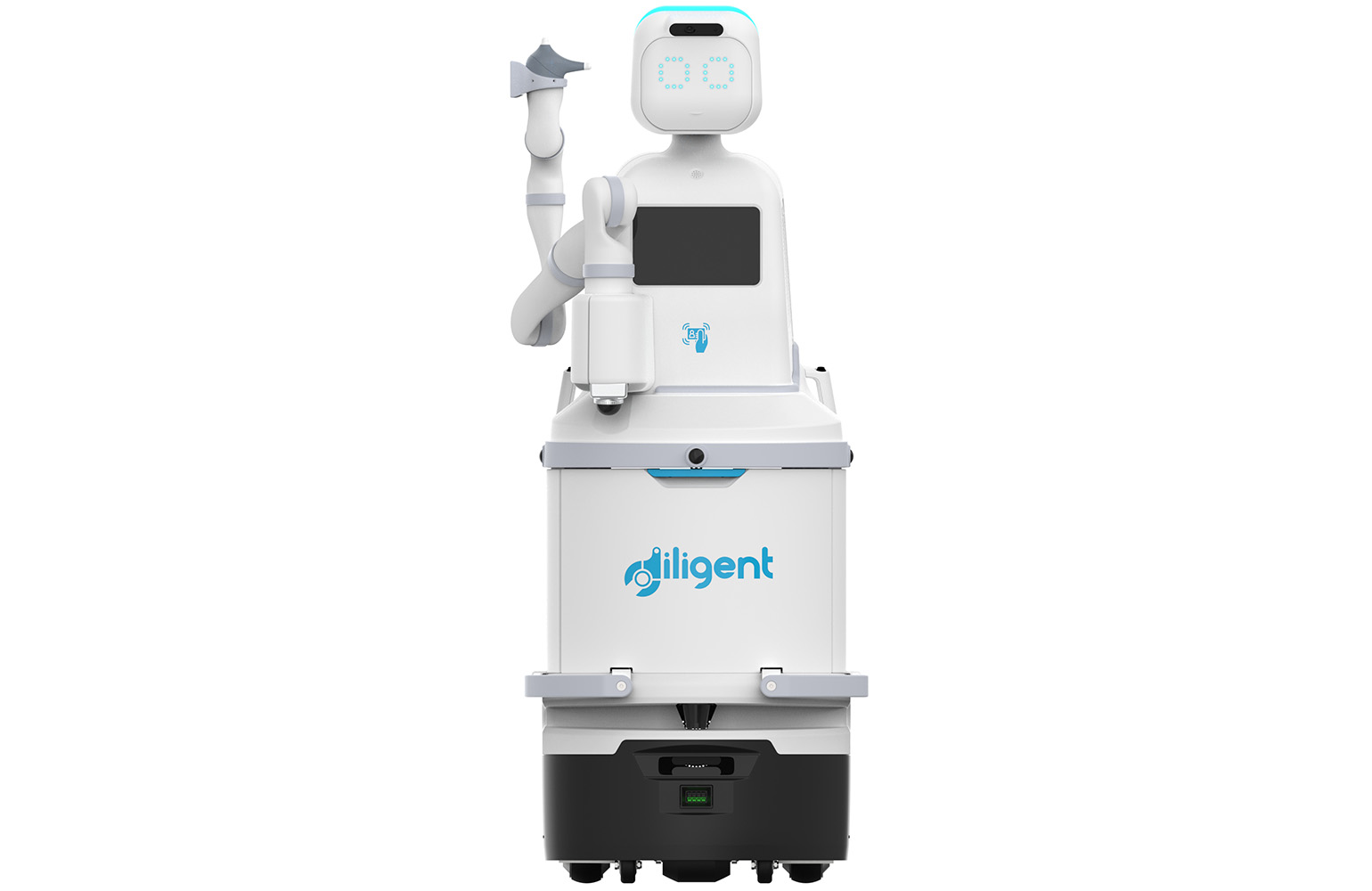
Diligent Robotics Begins Rollout of Moxi 2.0 to U.S. Health Systems
Diligent Robotics has commenced the rollout of Moxi 2.0 to health system customers across the United States. This next-generation platform has been shaped by five years of operation in over 25 hospitals, enhancing its capabilities for dynamic hospital environments. Moxi 2.0 features a proprietary learning flywheel that continuously improves the robot's performance based on deployment experiences. The significance of Moxi 2.0 lies in its advanced physical AI platform, designed to navigate the complexities of hospital hallways with greater confidence and safety. According to Andrea Thomaz, founder and CEO of Diligent Robotics, the new robot is equipped with enhanced compute, sensors, and models that allow it to operate more effectively in tight spaces filled with fast-moving people and equipment. The rollout includes partnerships with health systems such as Endeavor Health Edward Hospital and Providence Saint John’s Health Center. Looking ahead, Diligent Robotics is actively taking orders from health systems eager to implement Moxi 2.0, which can be integrated without altering existing infrastructure. The company, recently acquired by Serve Robotics for $29 million, is leveraging shared investments in physical AI research to accelerate innovation in its hospital deployments. No further timeline was disclosed at the time of publication.
Artificial Intelligence Artificial Intelligence / Cognition Autonomous Mobile Robots (AMRs) Design / Development Healthcare Robotics Markets / Industries
Bioxtreme's Plaxtreme System Transforms Stroke Rehabilitation with Robotics
Bioxtreme's Plaxtreme system utilizes Error Augmentation-based technology to enhance upper limb rehabilitation for stroke survivors. With a stroke occurring every 40 seconds in the U.S., the need for effective rehabilitation solutions is critical. Robotic rehabilitation systems are emerging as essential tools that can accelerate neuroplasticity and personalize therapy, addressing the challenges of traditional rehabilitation methods. The significance of this advancement lies in its potential to reshape stroke recovery. Traditional rehabilitation often struggles with limitations in intensity and frequency, but robotic devices can provide controlled, repeatable movements that enhance motor learning. By increasing the number of repetitions and offering precise feedback, these systems help patients rebuild neural pathways disrupted by strokes, making rehabilitation more effective. Looking ahead, the integration of robotics in stroke rehabilitation is set to grow. The approach of error augmentation, which emphasizes recognizing and correcting movement errors, is particularly promising. As healthcare systems face increasing demands for neurological care, the role of robotics in enhancing recovery processes will likely expand, offering new hope for stroke survivors seeking to regain their independence.
Healthcare Robotics Markets / Industries News Rehabilitation / Therapeutic Systems Robots / Platforms Bioxtreme
NVIDIA Develops SONIC Framework for Advanced Humanoid Robot Control and Movement
Researchers at NVIDIA have developed a large-scale framework named SONIC that enables humanoid robots to perform a variety of natural movements, including running, jumping, and grasping, using simple commands. Unlike traditional controllers that are limited to specific tasks, SONIC employs a single policy trained on over 100 million motion frames, allowing for improved generalization and adaptability in motion. The significance of SONIC lies in its ability to address the limitations of existing humanoid robotics control systems, which often rely on small neural networks tailored for individual tasks. By treating motion tracking as a scalable learning challenge, SONIC utilizes extensive human motion data to create a robust training signal, enhancing the robot's capability to execute diverse behaviors seamlessly. Looking ahead, SONIC's architecture supports multimodal control, allowing inputs from video, text, and music to influence robot movements. The framework has already demonstrated impressive performance, achieving a 99.2 percent success rate in real-world applications. Future developments may focus on enhancing higher-level perception and reasoning to further advance humanoid autonomy.
AI and RoboticsRobotics needs a service framework.
RSF defines a common language for robot service capability, lifecycle operations, certification pathways, and service-provider networks.
Join the RobotToday community on LinkedIn
Daily robotics news, in-depth analysis, conference highlights, and discussions with professionals worldwide.