

Industry Briefing
A single destination for timely, editor-curated robotics news from around the world.

AI-Enhanced Actuation-Compatible Tracking for Miniature Robot Navigation in Vivo
A recent study published in Science Robotics details advancements in AI-driven actuation-compatible tracking systems designed for miniature robots operating in vivo. This innovative approach aims to enhance closed-loop navigation capabilities, enabling more precise movements and interactions within biological environments. The significance of this development lies in its potential applications in medical robotics, where accurate navigation of miniature robots can lead to improved surgical procedures and targeted drug delivery. By integrating AI with actuation systems, these robots can adapt to dynamic biological conditions, thereby increasing their effectiveness in real-world scenarios. Looking ahead, researchers and industry professionals will be monitoring the progress of these technologies as they move towards practical applications in healthcare. The ongoing advancements in AI and robotics could pave the way for groundbreaking solutions in minimally invasive procedures and personalized medicine. No further timeline was disclosed at the time of publication.
Research Article
MilliTrack Introduces AMR+ for Enhanced Robot Navigation Using Millimeter Wave Technology
MilliTrack, a South Korean startup, has developed AMR+, an additional positioning system that utilizes millimeter wave radio signals to enhance robot navigation in challenging environments. Traditional systems relying on cameras and LiDAR often fail in dusty, foggy, or brightly lit conditions, which are common in industrial settings. AMR+ supplements existing navigation systems without replacing them, providing a more reliable source of location data. The significance of AMR+ lies in its ability to improve the accuracy of autonomous mobile robots (AMRs) in environments where conventional SLAM (Simultaneous Localization and Mapping) becomes unreliable. MilliTrack claims that AMR+ can achieve a positioning accuracy of 3 centimeters within a 30-meter range, with a latency of less than 100 milliseconds. This dual-layer positioning approach allows robots to switch between their existing navigation systems and AMR+ as needed, ensuring continuous operational reliability. Looking ahead, MilliTrack plans to launch AMR+ in March 2027, with an expected price of around $1,000 for a tracker and a tag, and $200 for additional tags. The technology has already been deployed in over 30 projects in South Korea, demonstrating its potential to enhance industrial robot navigation without the need for extensive infrastructure changes. No further timeline was disclosed at the time of publication.
Autonomous Mobile Robots Positioning Technology Industrial Automation Millimeter Wave Technology
SFPathFormer Enhances Robot Navigation Using AI Framework and Advanced Techniques
SFPathFormer has significantly improved robot navigation capabilities by integrating frequency-aware perception, dynamic feature selection, and global environmental modeling across four benchmark datasets. This advancement is crucial as it enhances the efficiency and accuracy of vision-based navigation systems in robotics. The importance of this development lies in its potential to optimize how robots perceive and interact with their environments, which is essential for various applications in automation and intelligent manufacturing. By leveraging these advanced techniques, SFPathFormer sets a new standard for performance in robot navigation. Looking ahead, industry professionals should monitor the implementation of SFPathFormer in real-world scenarios and its impact on the robotics landscape. No further timeline was disclosed at the time of publication.

Innovative Instance Segmentation Method for Navigation Line Extraction in Paddy-Field Weeding Robots
A novel approach utilizing instance segmentation for navigation line extraction has been developed for paddy-field weeding robots. This method enhances the robot's ability to navigate effectively in agricultural environments, improving efficiency in weed management. The significance of this advancement lies in its potential to optimize agricultural practices by enabling robots to perform precise weeding tasks. By employing advanced segmentation techniques, the weeding robots can better identify and navigate around crops, thereby minimizing damage and maximizing yield. Looking ahead, the agricultural robotics sector may see increased adoption of such technologies, which could lead to more autonomous solutions in farming. No further timeline was disclosed at the time of publication.
RESEARCH ARTICLE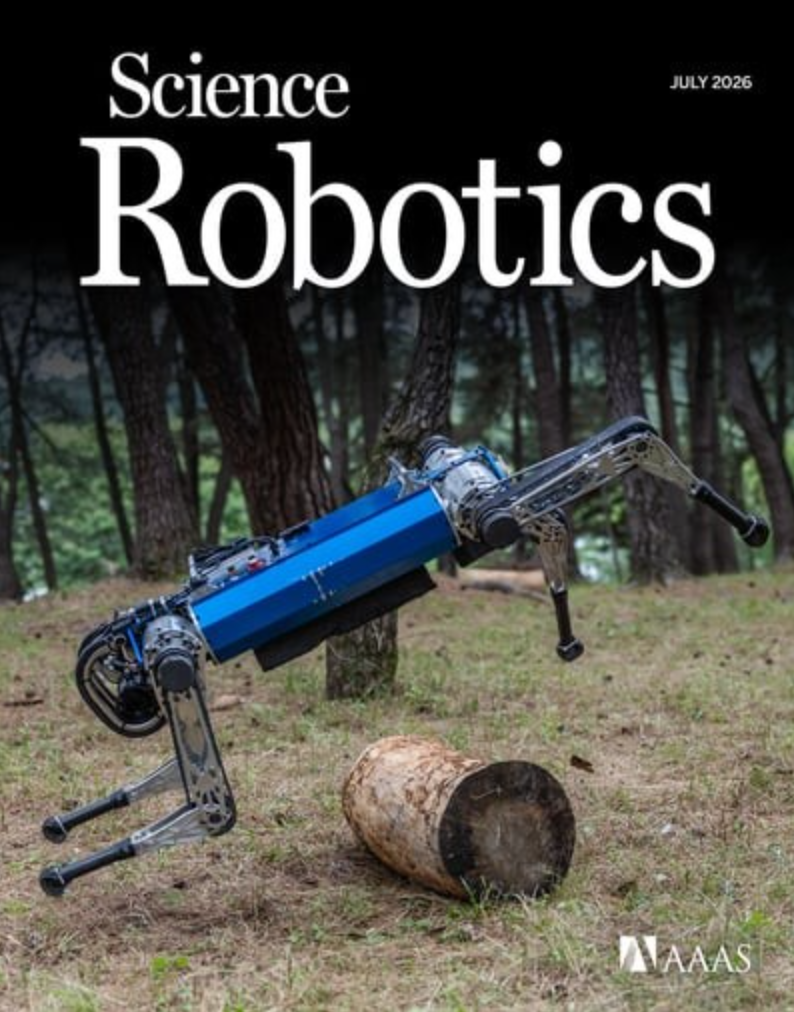
KAIST Unveils Advanced Four-Legged Robot with Autonomous Navigation Technology
KAIST's mechanical engineering team, led by Professor Park Hai-won, announced a breakthrough in robotic technology on July 16. They developed a four-legged robot capable of autonomously selecting and switching between various gaits in real-time, enabling it to navigate complex outdoor environments with speed and stability. This innovation is significant as it integrates a new control architecture called APT-RL (Action Pre-training Reinforcement Learning based on Transformers), which allows the robot to learn movement through computer simulations rather than traditional motion capture. The robot, named KAIST HOUND, demonstrated its capabilities by traversing diverse terrains, achieving peak speeds of 6 meters per second, faster than an average cyclist. Future developments to watch include the potential applications of this technology in disaster response, defense tasks, and industrial inspections. The research was published in the July issue of the journal Science Robotics, highlighting its importance in advancing the field of robotic control and physical AI.
Four-Legged Robots Robotics Technology AI Autonomous Navigation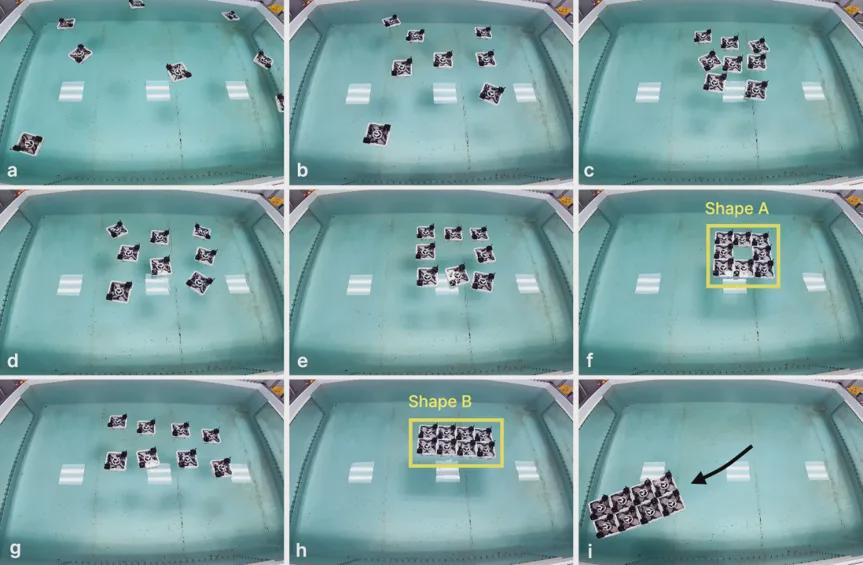
MIT Team Unveils Transformable Robot Fleet for Advanced Water Navigation
A team from MIT, along with collaborators from the University of Wisconsin-Madison, KU Leuven, and Politecnico di Milano, has developed a fleet of eight modular robot boats capable of transforming and navigating water autonomously. Each boat measures 21 cm on each side and can connect to form larger floating platforms, demonstrating advanced coordination without remote control. The significance of this development lies in its potential applications in complex environments where traditional navigation methods may fail. The robots can autonomously handle positioning, collision avoidance, and movement control, adapting their configurations based on tasks, similar to how fire ants form rafts during floods. Looking ahead, the research team has categorized their system as a Modular Self-Reconfigurable Robot (MSRR) system, which allows for dynamic reconfiguration and enhanced functionality. No further timeline was disclosed at the time of publication.
Modular Robotics Autonomous Systems Water Navigation Distributed Control Robotics Research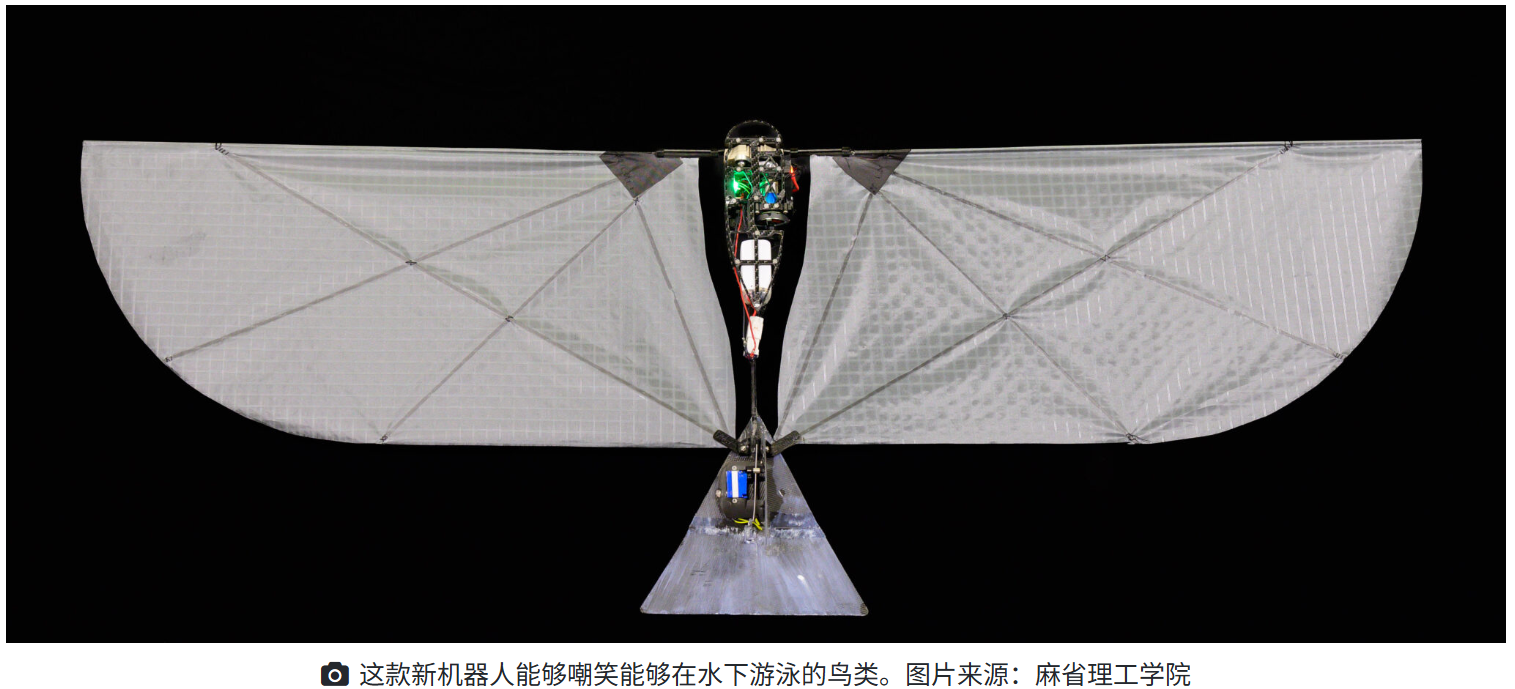
MIT and EPFL Unveil 250g Flapping Robot for Dual Aerial and Aquatic Navigation
MIT and EPFL have developed the Flapping-wing Aerial-Aquatic Vehicle (FAAV), weighing just 250 grams. This innovative robot can navigate both air and water, achieving a cruising speed of 6.3 meters per second in the air and 1 meter per second underwater. Remarkably, it can take off from water using only its wings, without any additional propulsion systems. The significance of the FAAV lies in its ability to overcome the challenges of transitioning between air and water, which have historically hindered the development of amphibious robots. The wings of the FAAV passively deform underwater, allowing for efficient movement and reduced motor load. This design enables the robot to exploit the surface tension of water for takeoff, a feat that has been difficult for previous models reliant on complex propulsion mechanisms. Looking ahead, the research team aims to complete the full flight-dive-flight cycle, which is yet to be validated. The FAAV has already demonstrated its capability to breach the water's surface, marking a significant milestone in the evolution of cross-medium robotic systems. No further timeline was disclosed at the time of publication.
Flapping Robots Aerial-Aquatic Vehicles Robotics Marine Technology
Humanoid Robots Enhance Navigation in Cluttered Environments with Whole-Body AI Control
Humanoid robots, designed with human-like body structures, have the potential to assist in various environments such as homes, offices, and healthcare facilities. However, for effective deployment, these robots must demonstrate the ability to navigate safely through cluttered and dynamic spaces. This capability is essential for their integration into everyday settings where obstacles are common. The ability of humanoid robots to navigate narrow gaps and obstacles is crucial for their functionality in real-world applications. This advancement in whole-body AI control technology is significant as it enhances the robots' adaptability and safety, making them more reliable companions in environments that require interaction with humans and other objects. Looking ahead, the focus will be on further developing these navigation capabilities to ensure that humanoid robots can operate effectively in diverse settings. No further timeline was disclosed at the time of publication.
Robotics
KAIST's Urban Robotics Lab Achieves Top Honors in International Navigation Challenges
KAIST's Urban Robotics Lab secured first and second place in two prestigious international robot navigation challenges. The team developed an AI system that enables robots to self-verify their decisions, ensuring they reach the correct destination. This innovative self-checking technology was instrumental in their success at the competitions held in Malmo, Sweden, and Sydney. The significance of this achievement lies in the advancement of embodied artificial intelligence, which allows robots to better understand human instructions and navigate complex environments. By addressing common navigation errors, such as misidentifying destinations, KAIST's technology enhances the reliability of robotic systems in real-world applications. The competitions were part of the European Conference on Computer Vision 2026 and Robotics: Science and Systems 2026, highlighting the importance of AI in robotics. Looking ahead, the focus will be on further refining the CoRe-VLN system, which utilizes AI to analyze visual and textual data for improved navigation accuracy. No further timeline was disclosed at the time of publication.
All News
New AI Training Technique Enhances Robot Navigation in Crowded Areas
A research team led by Professor Daehee Park at DGIST, in collaboration with KAIST, has developed an innovative AI training method. This technique allows a single compact AI model to predict the movements of nearby individuals while planning safe navigation paths for robots, effectively minimizing performance degradation in both tasks. This advancement is significant as it addresses the challenges faced by robots in crowded environments, enhancing their ability to operate safely and efficiently. The research was presented at the 19th European Conference on Computer Vision (ECCV 2026) in Malmö, Sweden, highlighting its relevance in the field of robotics and AI. Looking ahead, the implications of this research could lead to improved robotic applications in various sectors, particularly in environments where human-robot interaction is critical. No further timeline was disclosed at the time of publication.
Robotics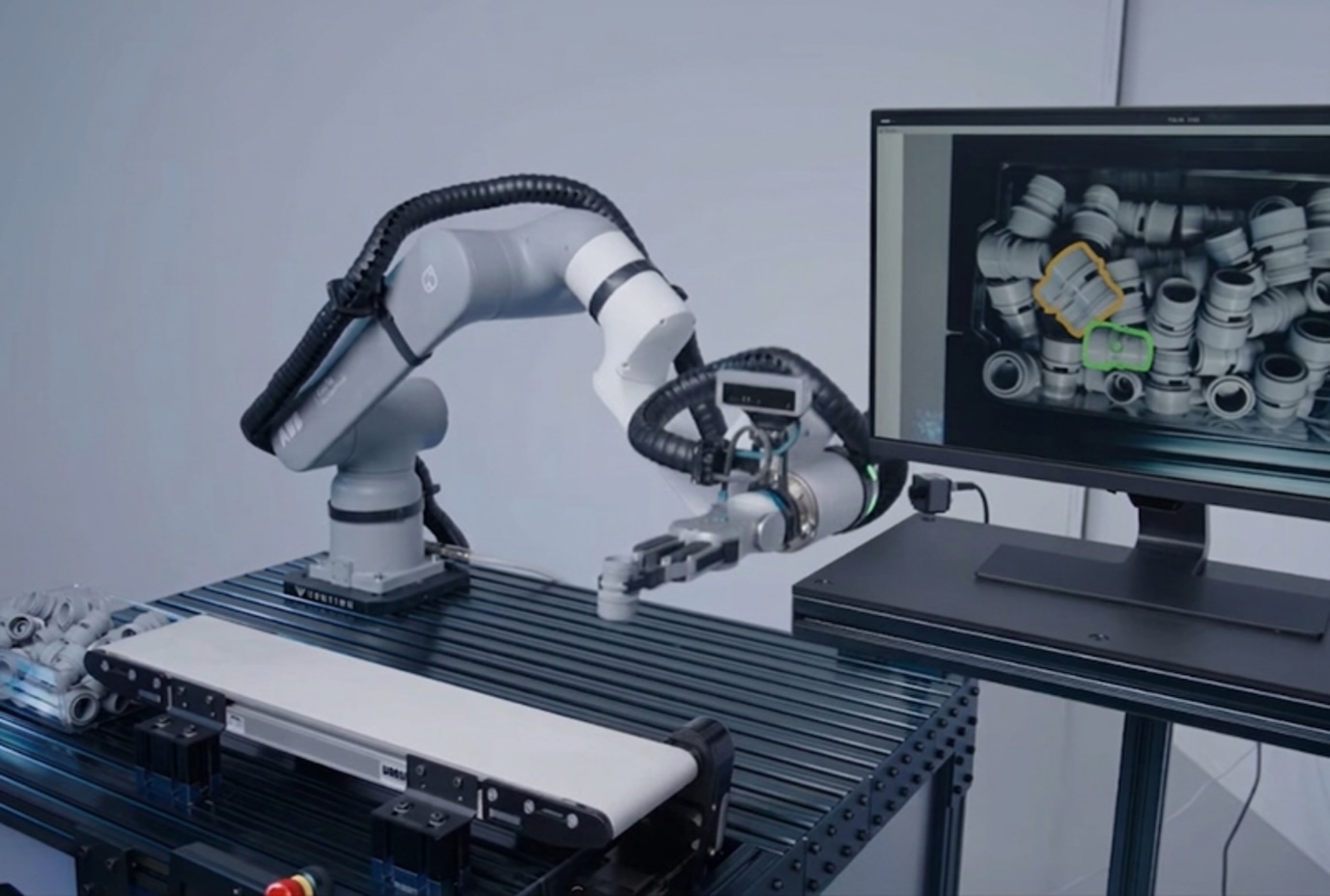
International Team Develops Robots Learning to Navigate Terrain from Stick Insects
An international team from Tohoku University and VISTEC is studying stick insects to enhance robot navigation in challenging terrains. The research focuses on the insect's six legs, which allow for agile movement across various surfaces, surpassing current multi-legged robots in coordination. By employing adversarial inverse reinforcement learning, the team enabled a six-legged robot to autonomously learn to navigate diverse terrains within an hour by observing stick insect locomotion. This research is significant as it proposes a shift from traditional biomimetic approaches that require specific programming for each robot and terrain. Instead, the team aims to extract fundamental movement control principles, allowing robots to adapt to changing environments without extensive reprogramming. This adaptability is crucial for disaster scenarios where uneven surfaces and obstacles are prevalent, particularly in earthquake-prone Japan, where the demand for effective rescue robots is high. Looking ahead, the team plans to validate the learning system's robustness in realistic rubble environments and explore the potential for robots to compensate for lost limbs through continuous learning. The implications of this research could redefine how robots navigate complex terrains, making them more effective in emergency situations.
Robotics Disaster Response Machine Learning Bio-inspired Robotics
Researchers Develop Six-Legged Robot Mimicking Stick Insect for Uneven Terrain Navigation
Researchers from Tohoku University and VISTEC have created a six-legged robot that learns to walk by imitating stick insect movements. This AI-powered system adapts its walking strategies to navigate various surfaces, potentially enhancing robotic operations in challenging environments such as disaster zones. The significance of this development lies in its ability to overcome limitations of traditional robotic gait systems, which often rely on fixed patterns. By employing adversarial inverse reinforcement learning (AIRL), the robot learns coordination principles from biological data, enabling it to maintain stability even on uneven terrain. Looking ahead, the ability of the robot to adapt to changes, such as losing a leg, demonstrates its potential for real-world applications. The researchers also noted that the learned reward structure could be transferred to different robot models, improving efficiency in training and adaptability across various robotic platforms. No further timeline was disclosed at the time of publication.
AI and Robotics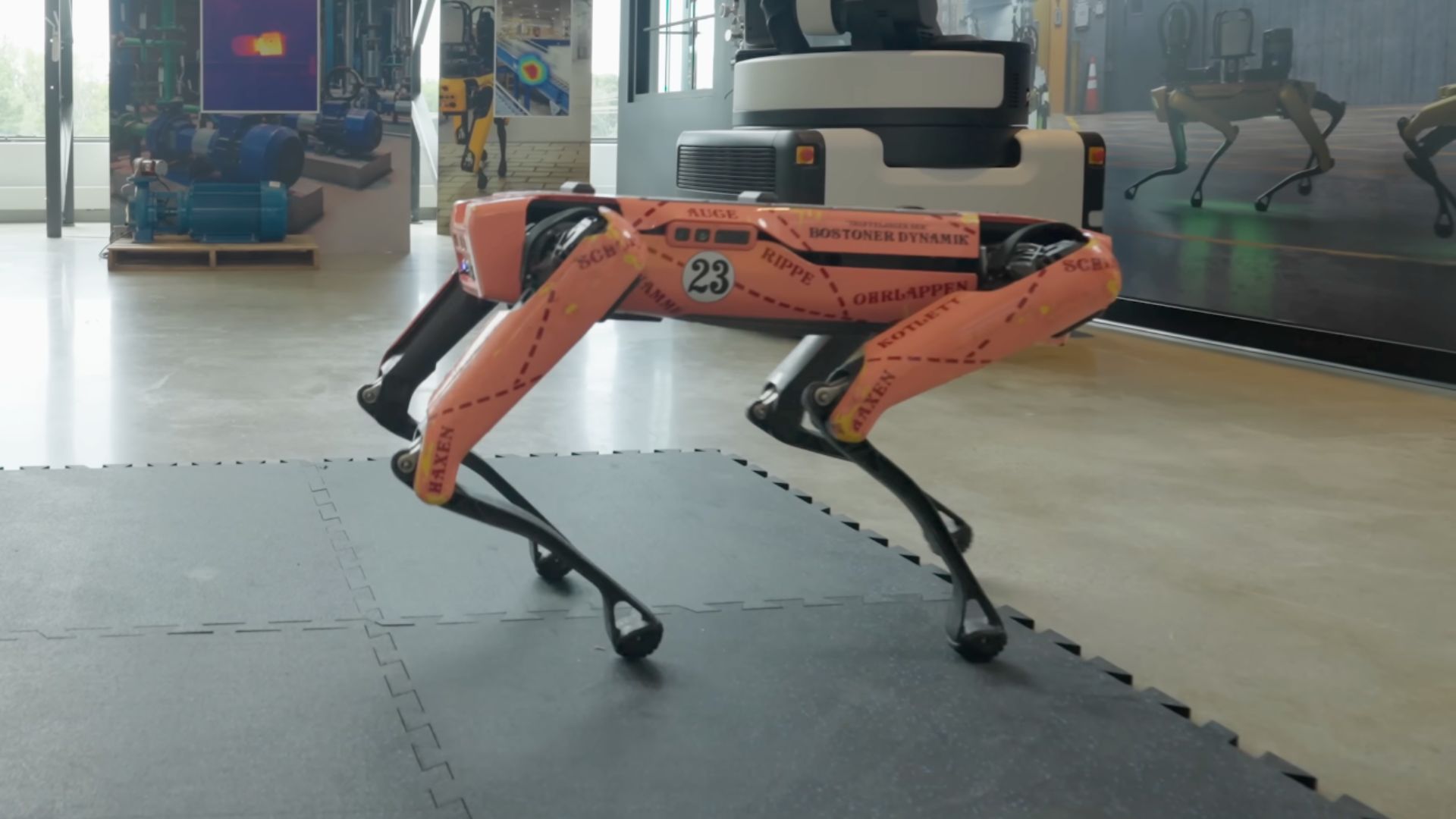
NVIDIA Introduces COMPASS Framework to Enhance Robot Navigation Learning
Researchers have developed NVIDIA's new framework, COMPASS, aimed at simplifying the training of robot navigation systems across various machines and environments. This innovative approach combines AI agents, simulation, reinforcement learning, and automated testing to significantly reduce the time and effort required to adapt navigation policies when changes occur in robots, scenes, or operating conditions. The importance of COMPASS lies in its ability to streamline the development process for robot navigation, which is inherently complex. Traditional methods often require extensive data collection and retraining when robots or environments change. By leveraging a pretrained navigation model and reinforcement learning, COMPASS allows developers to adapt existing policies rather than starting from scratch, thus minimizing workload and improving efficiency. Looking ahead, developers can utilize COMPASS with robots like the Boston Dynamics Spot quadruped, testing in both built-in and complex environments. The framework's integration with NVIDIA’s SAGE-10K dataset and Omniverse NuRec for realistic simulations will be crucial for fine-tuning navigation policies. No further timeline was disclosed at the time of publication.
AI and Robotics
3D-Printed Auxetic Metamaterial Robot Developed for Navigating Complex Pipeline Geometries
A new 3D-printed auxetic metamaterial robot has been developed to enhance adaptive navigation in pipelines featuring complex geometries. This innovative design allows the robot to deform and adapt its shape, enabling it to maneuver through challenging environments effectively. The significance of this development lies in its potential applications across various industries, particularly in maintenance and inspection tasks within intricate pipeline systems. By utilizing auxetic materials, the robot can achieve greater flexibility and resilience, which is crucial for navigating tight spaces and avoiding obstacles. Looking ahead, the focus will be on further testing and refinement of the robot's capabilities in real-world scenarios. No further timeline was disclosed at the time of publication.
RESEARCH ARTICLE
Deep Robotics' DR02 Humanoid Robot Demonstrates Stair Climbing and Terrain Navigation
Deep Robotics has unveiled new footage of its DR02 humanoid robot successfully climbing outdoor concrete stairs, showcasing its capability to navigate challenging terrains. This demonstration marks a pivotal moment for the Hangzhou-based company as it advances its development and commercialization strategies, positioning the DR02 for complex real-world tasks. The significance of this demonstration lies in the competitive landscape of Chinese robotics, where investors are keen to see humanoid robots perform reliably in practical environments. The DR02's ability to traverse uneven surfaces and carry equipment, such as a fire extinguisher, highlights its potential for industrial applications and hazardous environments. Looking ahead, Deep Robotics is preparing for a significant financial milestone with its application to raise approximately $367.4 million through an initial public offering on Shanghai’s STAR Market. As the company aims to build on its first-ever net profit of about $4.2 million reported in 2025, the ongoing development of the DR02 will be crucial in attracting investor confidence and demonstrating the robot's capabilities in real-world scenarios.
AI and Robotics
Testing Five Robot Lawnmowers Reveals Significant Improvements in Navigation and Performance
A recent comparison of five robot lawnmowers showcased their advancements in handling challenging landscapes, particularly in coastal South Carolina. While these machines are not yet fully autonomous, they significantly reduce yard maintenance efforts, provided users monitor their operation to prevent mishaps. The improvements in navigation and maneuverability, particularly with the adoption of network RTK technology, have led to better performance and reliability. Users can now enjoy a well-maintained lawn with minimal effort, as these mowers operate quietly and efficiently, creating a professional appearance. Looking ahead, the integration of secondary navigation technologies like lidar and vSLAM will further enhance the reliability of robot lawnmowers. However, challenges remain, and users should remain vigilant to ensure optimal performance and prevent issues in their yards.
Buying Guides Gadgets Reviews Robot Smart Home Smart Home Reviews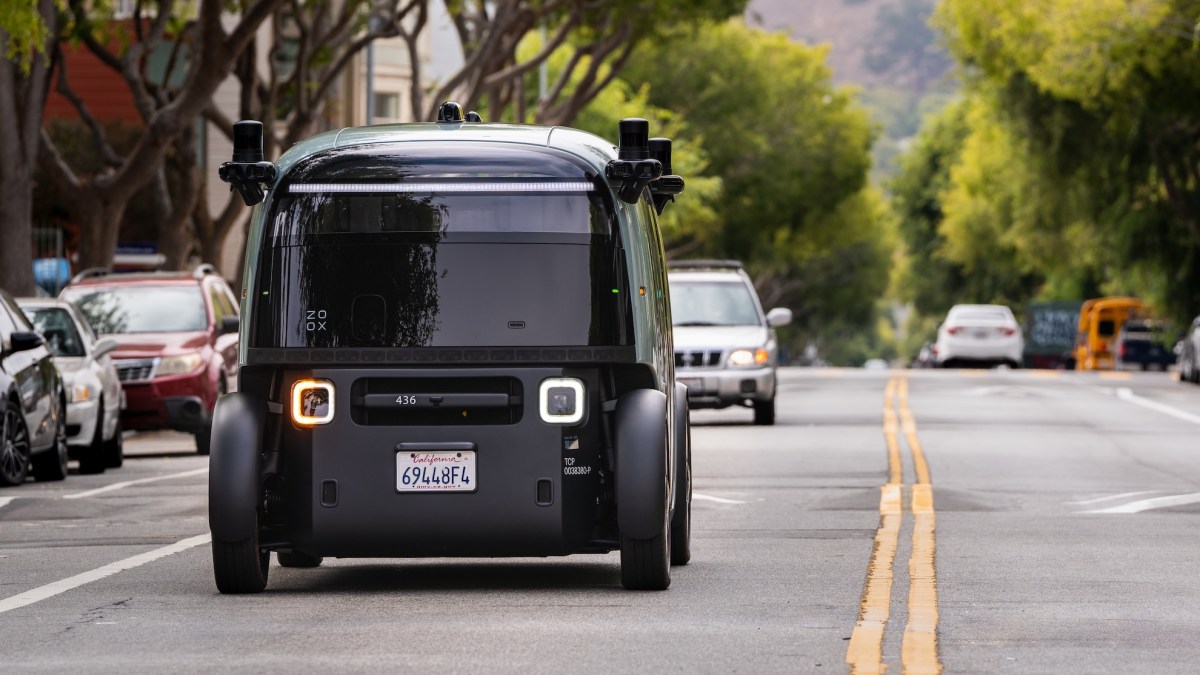
Zoox Issues Software Recall for Robotaxi After Smoke Navigation Incident
Zoox has announced a software recall following an incident in June where one of its robotaxis struggled to navigate a smoke-filled emergency scene. The Amazon-owned company has dispatched a software update to its fleet of 105 vehicles, enhancing the detection and response capabilities for heavy smoke in emergency situations. No injuries were reported during the incident, which involved a Zoox robotaxi encountering heavy smoke that obscured an active fire scene. This recall highlights significant concerns regarding the ability of autonomous vehicles to respond appropriately to emergency situations. The National Highway Traffic Safety Administration (NHTSA) has emphasized the need for self-driving car companies to address functional insufficiencies in their systems. The incident prompted Zoox to conduct an investigation and engage with NHTSA regarding the severity and root causes of the issue, leading to the software update. Looking ahead, Zoox is expanding its testing in cities like Las Vegas and San Francisco, with plans for a commercial launch pending NHTSA approval for exemptions from certain safety standards. The company has faced recalls in the past, indicating ongoing challenges in ensuring the safety and reliability of its autonomous vehicle technology. No further timeline was disclosed at the time of publication.
Transportation autonomous vehicles robotaxis self-driving cars zoox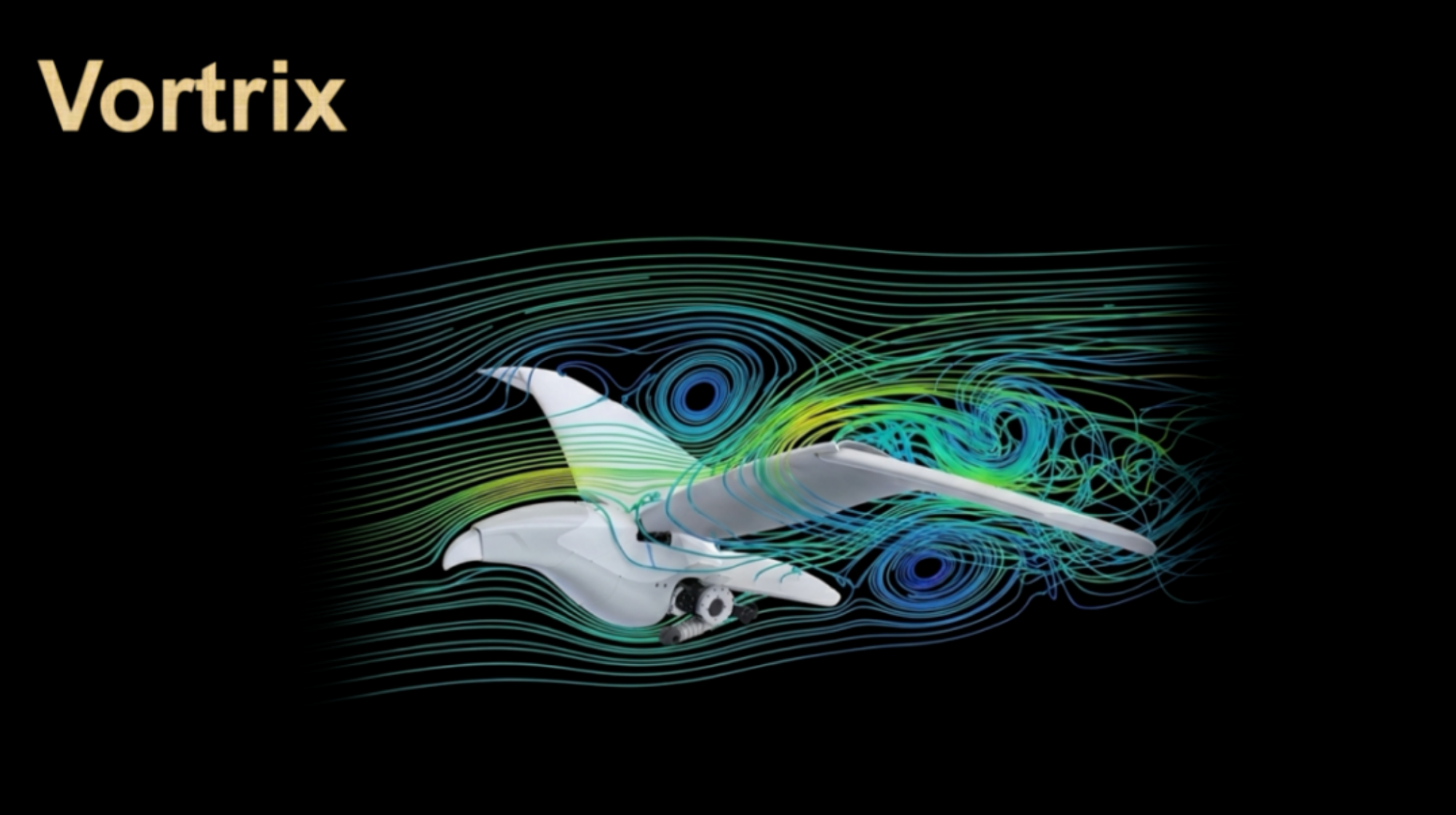
Post-00s PhD Team Secures Funding for Biomimetic Flapping Robot Development
A team of PhD students born after 2000 has developed a biomimetic flapping robot capable of fluid navigation, announced by Eagle Eye Intelligent Wings. The company recently completed a Series A funding round, raising tens of millions of yuan, led by Yuanhe Puhua with participation from Futen Capital and Houxue Capital. This marks the third funding round for the company within three months since its establishment 15 months ago. The funding will primarily support the mass production of their first consumer product, the 'Eagle X,' and the development of the next-generation flapping robot and fluid simulation engine. Founded in March 2025 in Shenzhen, Eagle Eye Intelligent Wings is among the early companies focusing on embodied intelligent flapping robots. The core team consists of over ten members from Shanghai Jiao Tong University, all born after 2000, with notable achievements in research. The 'Eagle X' has completed over 3,000 hours of flight testing and is set to launch on Kickstarter in Q3 of this year. The next-generation product will feature approximately 15 degrees of freedom, allowing for independent wing adjustments. The Vortrix fluid simulation engine is expected to be opened for external use, enhancing training for flying robots and optimizing aerodynamics for fixed-wing aircraft and wind turbine blades. No further timeline was disclosed at the time of publication.
Biomimetic Robots AI Fluid Dynamics Robotics Drone Technology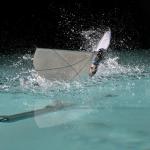
MIT and EPFL Develop Flapping-Wing Robot for Air and Water Navigation
Engineers from MIT and EPFL have created a flapping-wing aerial-aquatic vehicle (FAAV) inspired by puffins. Weighing under 300 grams, the robot features a central fuselage, flexible wings, and a steerable tail. Field tests in Lake Geneva demonstrated its ability to swim and then take flight, showcasing its dual-medium capabilities. This innovation is significant for oceanography and marine biology, as it allows for cost-effective data collection from both air and water. The FAAV can fly at speeds of 6 meters per second and swim at 1 meter per second, providing a versatile tool for researchers. The design mimics the natural mechanics of birds, which maintain similar physical dynamics in both environments by adjusting their speed. Looking ahead, the team aims to refine the robot's ability to breach the water's surface, a challenging transition requiring a precise 70-degree pitch. No further timeline was disclosed at the time of publication, but the potential applications for environmental monitoring and research are substantial.
AI and Robotics
RoboBall: A Novel Inflatable Robot for Moon Exploration and Challenging Terrain Navigation
A team from Texas A&M University has developed RoboBall, a 1.8-meter diameter inflatable robot designed to traverse diverse terrains on the Moon. This innovative approach, which began as a NASA project in 2003, aims to address the critical challenge of tipping over faced by traditional wheeled or legged rovers. RoboBall's spherical design allows it to roll over obstacles while protecting its internal components from harsh lunar conditions. The significance of RoboBall lies in its potential to enhance lunar exploration, particularly in the Moon's south polar region, where permanent shadow areas may contain water ice and ancient geological layers. Scheduled for a paper presentation at an IEEE conference in December 2025, the team is also developing a dual lidar module named Remora to help the robot navigate slopes without compromising its sealed structure. This innovation could provide crucial data for autonomous navigation in challenging environments. As global interest in lunar exploration intensifies, with NASA's $20 billion lunar base plan set for completion by 2032, RoboBall could play a vital role in future missions. The research team is also investigating terrestrial applications for RoboBall, such as disaster response, showcasing the robot's versatility in extreme conditions. No further timeline was disclosed at the time of publication.
Lunar Exploration Robotic Innovation Terrain Navigation Disaster Response Space Robotics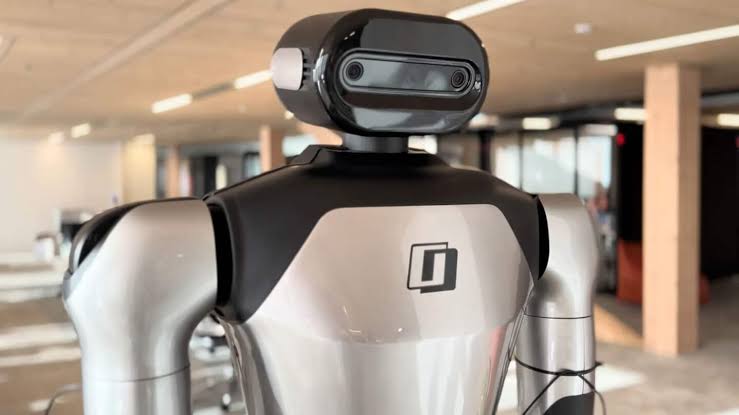
Mistral AI Introduces Robostral Navigate for Autonomous Robotic Navigation
Mistral AI has launched Robostral Navigate, the first AI model specifically designed for robotic navigation. This marks a significant shift for the French company, which has previously focused on large language models, as it ventures into Physical AI. The goal is to enable robots to understand natural language instructions, interpret their surroundings using a standard RGB camera, and plan routes without relying on complex sensor infrastructures. The introduction of Robostral Navigate is important as it simplifies the navigation process, traditionally reliant on multiple technologies like LiDAR and depth cameras, which are costly and complex to integrate. By utilizing only RGB images and natural language commands, Mistral AI's approach could significantly reduce costs for robot manufacturers. An RGB camera is much cheaper than industrial LiDAR sensors, making this technology more accessible. Robostral Navigate operates on a model with 8 billion parameters, balancing computational power and operational efficiency. This size allows for faster execution on embedded platforms with limited resources, crucial for timely navigation decisions. Mistral AI trained the model on nearly 400,000 trajectories across over 6,000 simulated environments, showcasing its potential for real-world applications. No further timeline was disclosed at the time of publication.
À la une IA Industrie Robotique AMR benchmark R2R-CE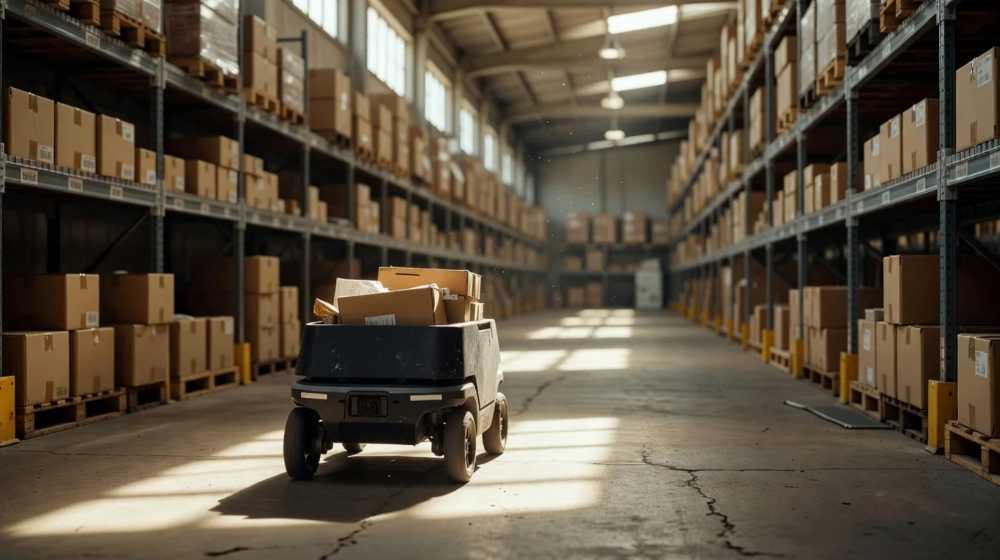
Mistral AI Launches First Robot Navigation Model: Single Camera with 8 Billion Parameters
Mistral AI has introduced its inaugural robot model, Robostral Navigate, designed for autonomous navigation in complex environments. This new robot employs a single RGB camera and responds to natural language commands, achieving a notable success rate of 76.6%. By eliminating the reliance on lidar and depth sensors, Mistral AI presents a cost-effective solution tailored for commercial applications, particularly in warehousing and logistics. The efficiency of Robostral Navigate is further bolstered by advanced training techniques and algorithms, marking a significant step forward in robotics technology.
Robot Navigation AI Technology Computer Vision Autonomous Robots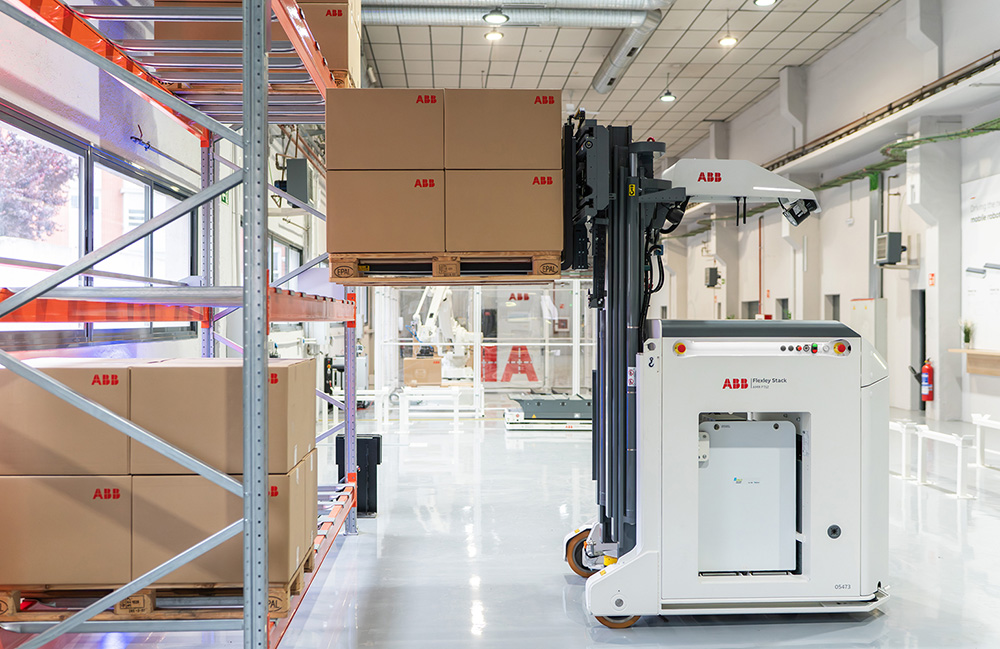
ABB Robotics includes vSLAM navigation in F712 autonomous forklift
The Flexley Stacy F712 forklift uses vision to navigate, works with other robots, and complies with safety standards, says ABB Robotics. The post ABB Robotics includes vSLAM navigation in F712 autonomous forklift appeared first on The Robot Report.
Automotive Autonomous Mobile Robots (AMRs) Cameras / Imaging / Vision Logistics Manufacturing Mobility / Navigation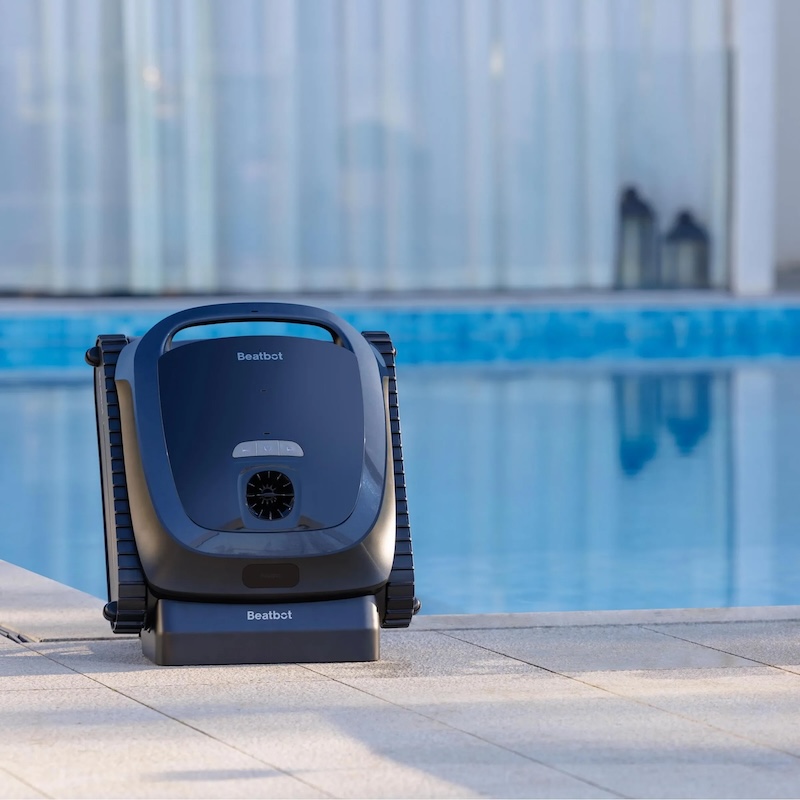
How AI Navigation is Improving the Performance of Robotic Pool Cleaners
Robotic pool cleaners have evolved beyond traditional metrics such as suction power and debris collection, with a significant emphasis now placed on navigation capabilities. Previously, these devices were primarily evaluated based on their ability to pick up dirt and debris, but advancements in technology have shifted the focus to how effectively they can navigate a pool's surface. A robot that operates randomly may clean certain areas thoroughly while neglecting others, leading to inconsistent cleaning results. This change in evaluation criteria reflects a growing understanding that efficient navigation is crucial for maximizing the overall performance of pool cleaning robots. As manufacturers continue to innovate, the integration of sophisticated navigation systems is becoming a key factor in the design and functionality of these devices, ensuring a more comprehensive cleaning experience for pool owners.
Artificial Intelligence Environment Technology AI navigation ai robotics AquaSense 2 Ultra
Multi‐Robot Collaborative Navigation Framework Based on 3D Voronoi Partitioning in Uneven and Unstructured Environments
A recent study published in the Journal of Field Robotics highlights advancements in autonomous robotic systems designed for agricultural applications. Researchers from various institutions collaborated to develop innovative algorithms that enhance the efficiency and accuracy of these robots in crop monitoring and management. The study, released in early October 2023, emphasizes the growing need for automation in agriculture due to labor shortages and the increasing demand for food production. The research was conducted across multiple farms in the Midwest, where the team tested the robots' capabilities in real-world conditions. By integrating machine learning techniques, the robots can now analyze crop health, detect pests, and optimize resource usage, significantly reducing the environmental impact of farming practices. This initiative aims to address the challenges faced by farmers, particularly in light of climate change and the need for sustainable agriculture. The findings suggest that implementing these robotic systems can lead to improved yields and reduced operational costs, ultimately benefiting both farmers and consumers. As the agricultural sector continues to evolve, the integration of such technologies is seen as a crucial step toward a more sustainable future.
RESEARCH ARTICLE
Award Registration! Top Scholars Discuss Micro Robots and Autonomous Navigation Innovations
A recent Cell Press Live event brought together three prominent experts to explore the latest advancements in autonomous navigation technologies. The discussion covered a range of applications, including self-driving cars, drones, and innovative drug delivery systems. Scheduled for a future date, the event offers free registration for attendees eager to gain insights into cutting-edge research in micro-robotics, light-driven robots, and optimization frameworks for enhancing autonomous systems. This initiative aims to inform and engage the public in the rapidly evolving field of autonomous technology, showcasing how these innovations can transform various industries.
Micro Robots Autonomous Navigation Soft Robotics AI Drug Delivery Systems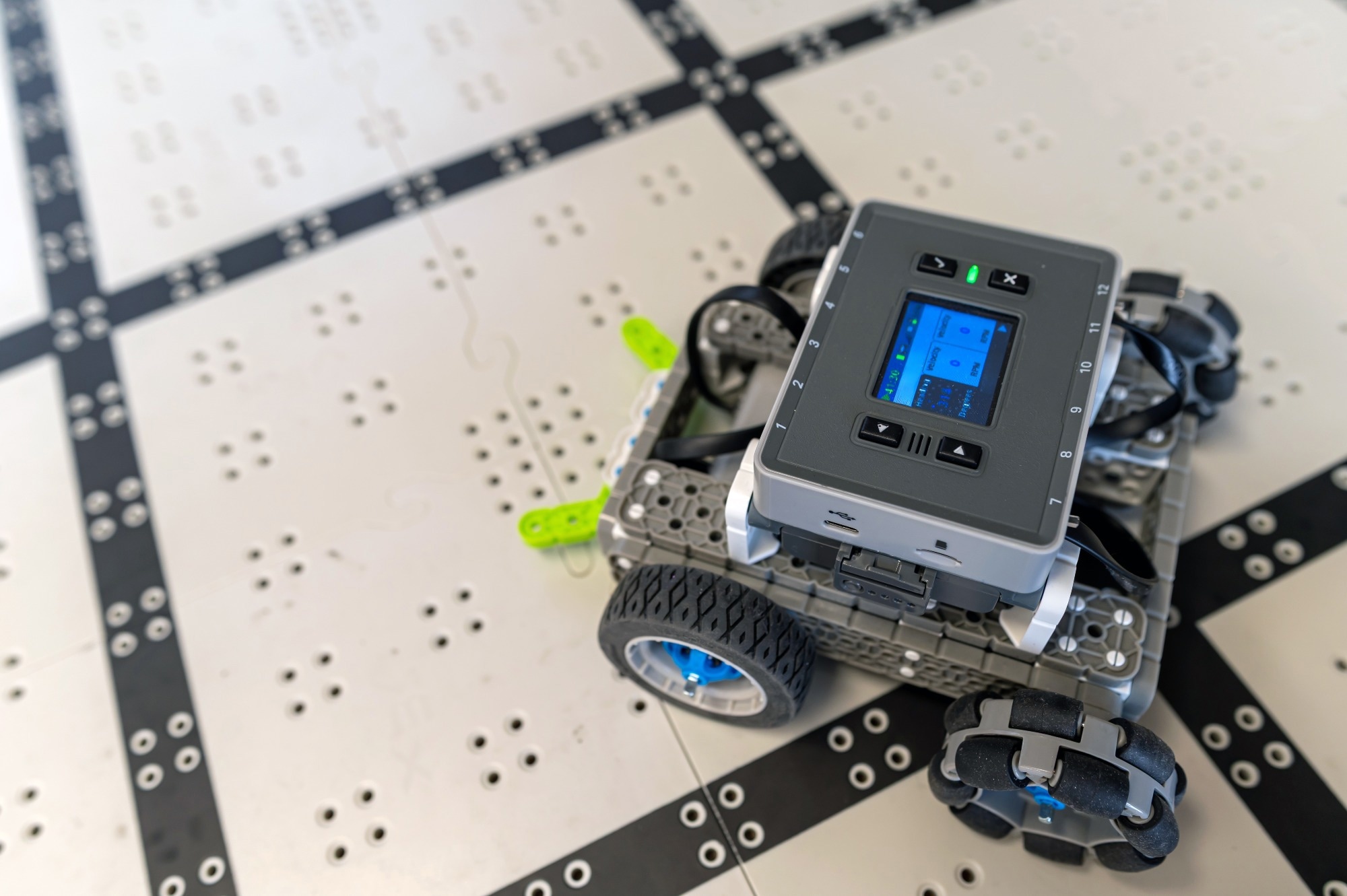
Robot Navigation Learns Faster Through Greedy Replay
A significant advancement in autonomous navigation has been achieved by GER-RL, a leading research initiative focused on enhancing robotic movement. This development emphasizes the importance of prioritizing valuable experiences, which enables robots to navigate complex environments more quickly, safely, and efficiently. By leveraging advanced algorithms and machine learning techniques, the project aims to improve the operational capabilities of robots in various settings, potentially transforming industries that rely on automation. This breakthrough comes at a time when the demand for sophisticated robotic systems is on the rise, driven by the need for increased efficiency and safety in tasks ranging from manufacturing to logistics. The research team continues to refine these technologies to ensure that robots can adapt to dynamic situations, ultimately paving the way for a new era of intelligent automation.
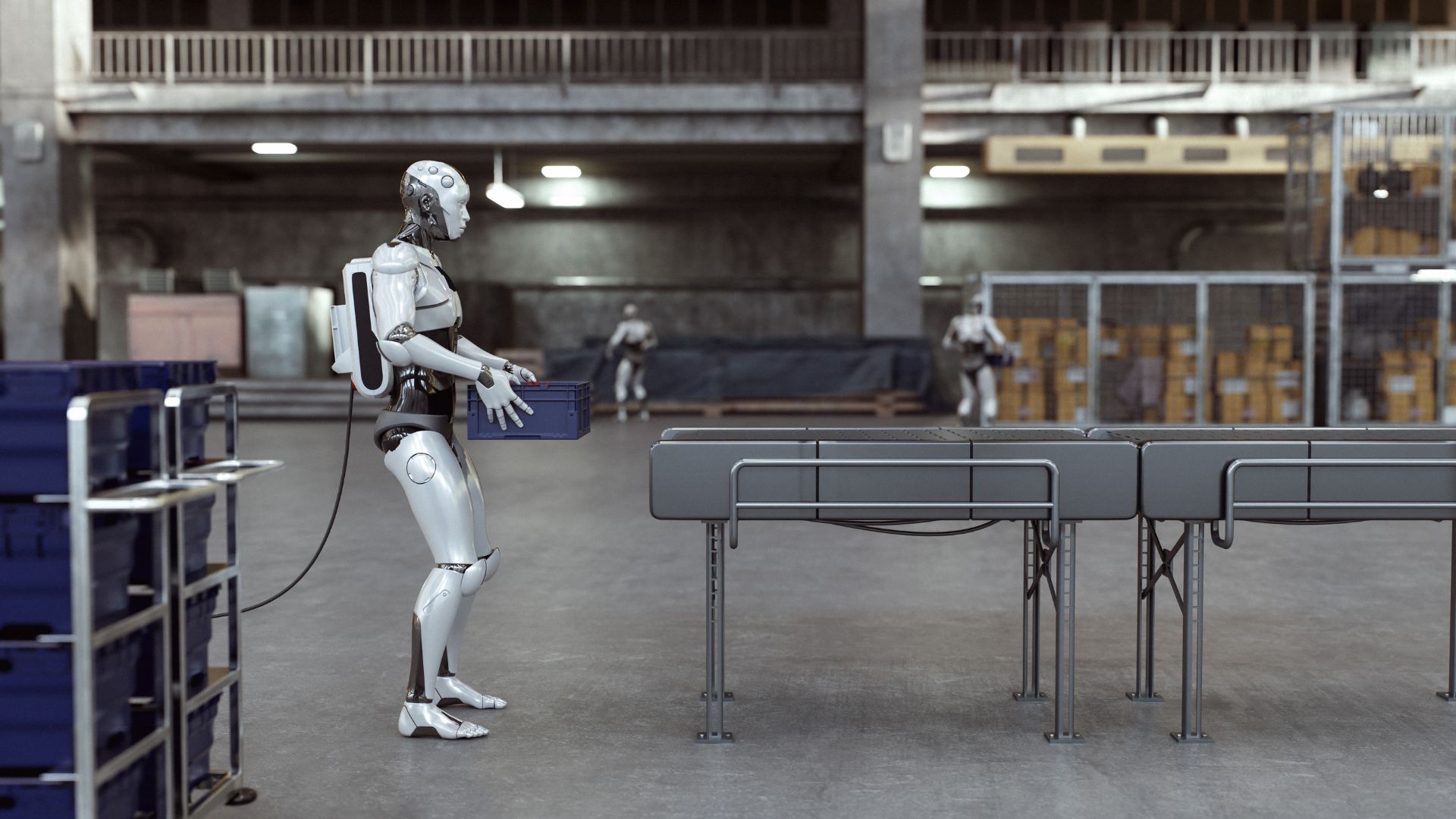
Robots could learn to predict, plan navigation with new ‘bio-inspired’ framework
A recent study highlights the advanced capabilities of robot vacuums in home cleaning. Researchers observed that when placed in a living room, these devices effectively create detailed maps of their surroundings, allowing them to navigate and clean efficiently. This development comes as more households adopt smart home technology, seeking convenience and improved cleaning solutions. The study, conducted in various residential settings, demonstrates how robot vacuums utilize sensors and algorithms to optimize their cleaning paths. As the demand for automated home care increases, manufacturers are focusing on enhancing these technologies to meet consumer expectations for efficiency and thoroughness.
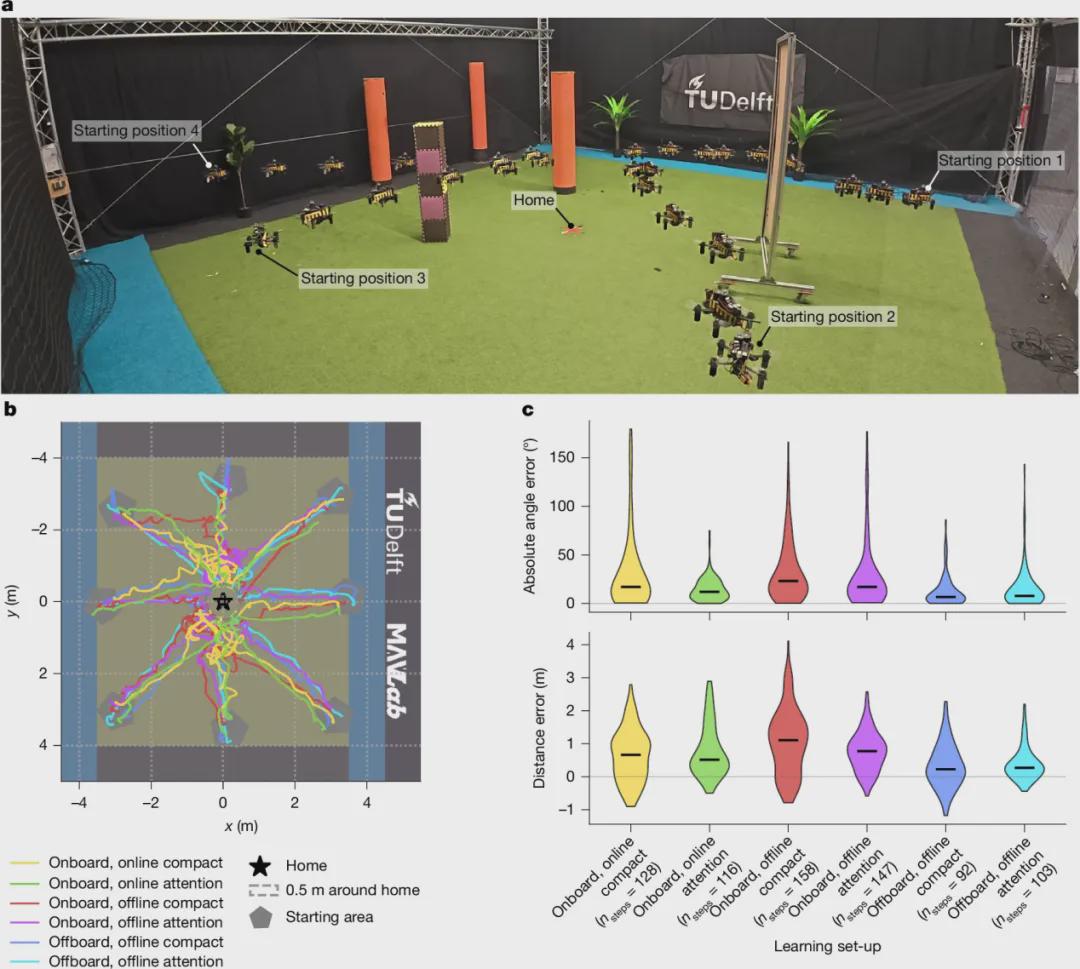
Bees Inspire Navigation! This Small Flying Robot Uses a 42KB 'Brain' to Fly 600 Meters Home
Researchers at Delft University of Technology have unveiled Bee-Nav, an innovative navigation strategy for flying robots, drawing inspiration from the natural navigation abilities of bees. This lightweight system enables the robot to successfully return home after traveling a distance of 600 meters, utilizing a compact 42.3KB neural network. The breakthrough combines path integration with visual memory, enhancing the robot's capability for long-distance navigation. This development marks a significant advancement in robotics and artificial intelligence, potentially paving the way for more efficient autonomous navigation systems in various applications.
Flying Robots Navigation Technology AI Robotics Machine Learning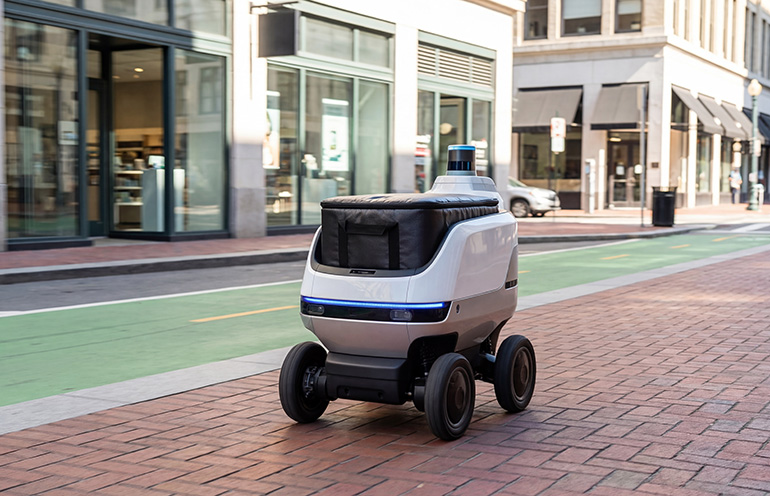
How agentic AI can enable general-purpose robotic navigation
Researchers are exploring the capabilities of agentic AI to enhance robotic navigation by integrating perception, simultaneous localization and mapping (SLAM), reasoning, and planning. This innovative approach aims to improve the performance of robots operating in dynamic environments. The findings were discussed in a recent article published by The Robot Report, highlighting the potential of agentic AI to transform how robots navigate and interact with their surroundings. By leveraging advanced algorithms and technologies, this method seeks to address the challenges faced by robots in real-world scenarios, ultimately paving the way for more versatile and efficient robotic systems.
Artificial Intelligence Artificial Intelligence / Cognition Autonomous Mobile Robots (AMRs) Cameras / Imaging / Vision Mobility / Navigation Motion Control
Sixth sense: Robot uses human-like touch awareness for camera-free navigation
Researchers at the National University of Singapore have unveiled an innovative soft robot system designed to enhance human-robot interaction. This groundbreaking development, announced on October 15, 2023, aims to improve the safety and effectiveness of collaborative tasks in various environments, including healthcare and manufacturing. The motivation behind this project stems from the growing need for robots that can work alongside humans without posing risks. Traditional robots often lack the flexibility and adaptability required for close collaboration, which can lead to accidents or inefficiencies. The new soft robot system addresses these challenges by utilizing advanced materials and design techniques that allow for greater dexterity and a more human-like touch. The research team achieved this by integrating soft actuators that mimic the movements of human muscles, enabling the robot to perform delicate tasks with precision. This technology not only enhances the robot's ability to interact safely with humans but also opens up new possibilities for applications in fields such as rehabilitation, where gentle handling is crucial. As the demand for collaborative robots continues to rise, this development represents a significant step forward in creating machines that can seamlessly integrate into human environments, ultimately improving productivity and safety. The researchers are optimistic that their soft robot system will pave the way for more advanced human-robot partnerships in the future.
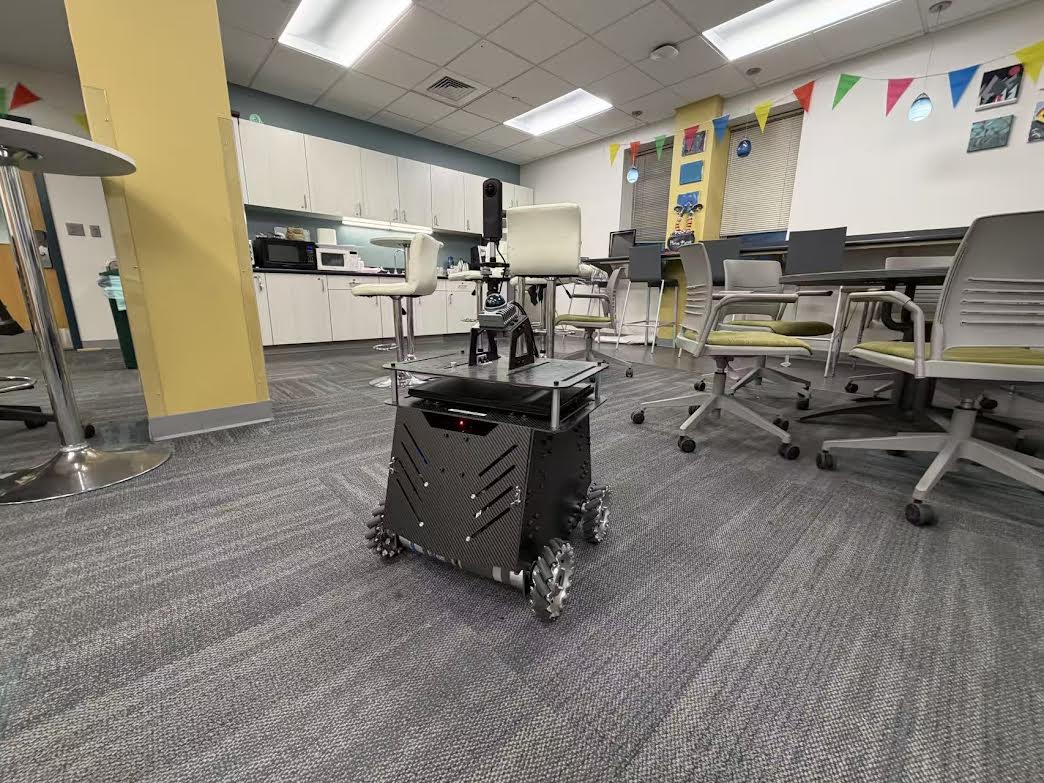
Robotics Institute Launches Next Phase of Vision-Language-Navigation Challenge
Carnegie Mellon University’s Robotics Institute is set to host the latest phase of the Vision-Language-Navigation (VLN) Challenge, aimed at advancing the ability of robots to comprehend and execute human instructions in real-world environments. This new iteration of the challenge, which takes place this year, marks a significant evolution from previous versions by eliminating certain constraints, thereby enhancing the complexity and applicability of the tasks involved. The initiative seeks to unite researchers in tackling one of the most challenging aspects of robotics, ultimately striving to improve the interaction between humans and machines.
Research
Robot Talk Episode 154 – Visual navigation in insects and robots, with Andrew Philippides
In a recent conversation, Claire engaged with Andrew Philippides, a Professor of Biorobotics at the University of Sussex, to explore insights from the behaviors of ants and bees that could enhance robot navigation systems. Philippides, who co-directs the Centre for Computational Neuroscience and Robotics as well as the be.AI Leverhulme Doctoral Centre for Biomimetic Embodied AI, emphasized the potential of studying these social insects to inform the development of more efficient and adaptive robotic technologies. The discussion highlighted how the intricate navigation strategies employed by ants and bees can inspire innovative approaches to solving complex challenges in robotics. This dialogue took place at the University of Sussex, a hub for advanced research in robotics and artificial intelligence, underscoring the institution's commitment to interdisciplinary collaboration and the application of biological principles in technological advancements.
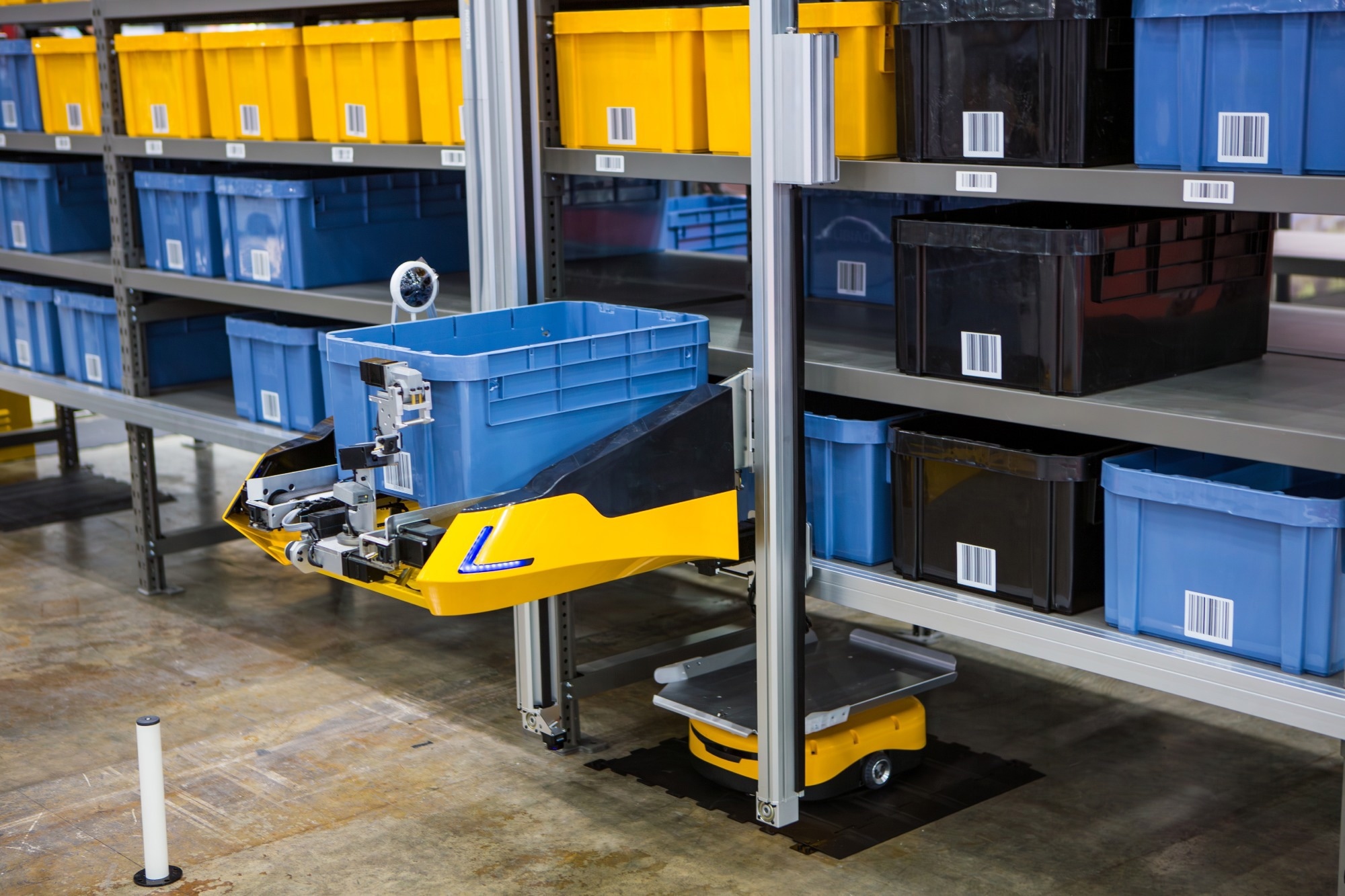
VSLAM Navigation Improves Indoor Logistics Robot Efficiency
A new research initiative has unveiled a VSLAM (Visual Simultaneous Localization and Mapping) framework designed to enhance obstacle avoidance in indoor logistics. This innovative approach utilizes advanced algorithms and integrates multiple sensors to improve navigation efficiency within complex environments. Conducted by a team of researchers, the study aims to address the growing challenges faced in warehouse and distribution center operations. By optimizing the movement of automated systems, the framework seeks to minimize accidents and increase productivity. The findings, which were developed using data collected up to October 2023, promise to significantly advance the capabilities of indoor logistics technology.

Groundbreaking: The World's First Open-Source Humanoid Robot Marathon Navigation System!
At the inaugural Humanoid Robot Games, a groundbreaking event in the robotics industry, a team introduced Marathongo, the world's first open-source navigation system designed for humanoid robots. This innovative technology enables robots to autonomously run a distance of 21 kilometers, showcasing a significant advancement in their capabilities. The event, held recently, highlights the rapid progress being made in robotics and the potential for future applications in various fields. By allowing robots to navigate independently, Marathongo represents a pivotal step toward enhancing the functionality and versatility of humanoid machines.
Humanoid Robots Autonomous Navigation Open Source Technology Robotics Innovation
Soft Computing Techniques Applied to Adaptive Hybrid Navigation Methods for Tethered Robots in Dynamic Environments
A recent study published in the Journal of Field Robotics highlights advancements in robotic technology aimed at enhancing agricultural efficiency. Researchers from various institutions conducted experiments over the past year, focusing on the integration of autonomous robots in crop monitoring and management. The study, carried out in multiple agricultural settings across the Midwest, demonstrates how these robots can significantly reduce labor costs and increase yield by providing real-time data on soil conditions and crop health. The motivation behind this research stems from the growing need for sustainable farming practices amid rising global food demands. By employing sophisticated sensors and machine learning algorithms, the robots are designed to analyze vast amounts of agricultural data, allowing farmers to make informed decisions quickly. The findings indicate that the use of these robotic systems can lead to a more precise application of resources, ultimately promoting environmental sustainability. As the agricultural sector faces challenges such as labor shortages and climate change, the implementation of robotic technology presents a viable solution to improve productivity and resilience in farming operations. The research team plans to continue refining these technologies, aiming for broader adoption in the industry.
RESEARCH ARTICLE
Real‐Time Monocular 2D Occupancy Grid Mapping for Autonomous Navigation of Ground Robots
In May 2026, researchers published a significant study in the Journal of Field Robotics, focusing on advancements in robotic technology. The study, appearing in Volume 43, Issue 3, pages 1844-1860, highlights innovative methodologies for enhancing the efficiency and autonomy of field robots. Conducted by a team of experts in robotics and artificial intelligence, the research aims to address the growing demand for automation in various industries, including agriculture and disaster response. The findings reveal new algorithms that improve navigation and decision-making processes for robots operating in complex environments. This research is particularly relevant as industries increasingly seek to integrate robotic solutions to optimize operations and reduce human risk in hazardous situations. By employing advanced machine learning techniques, the team demonstrated how robots can adapt to dynamic conditions, thereby increasing their effectiveness in real-world applications. The study's implications extend beyond theoretical advancements, as it provides practical frameworks for deploying robots in challenging scenarios. As the field of robotics continues to evolve, this research contributes to the ongoing dialogue about the future of automation and its potential to revolutionize traditional practices across multiple sectors.
RESEARCH ARTICLE
Control System for the Navigation of the Agricultural Robots: A Review
The Journal of Field Robotics has published new research findings that highlight advancements in autonomous robotic systems. This study, released in EarlyView, focuses on the integration of artificial intelligence in navigation and obstacle avoidance, showcasing significant improvements in efficiency and safety for robotic applications. Conducted by a team of researchers from various institutions, the study emphasizes the growing importance of robotics in fields such as agriculture, manufacturing, and disaster response. The research was initiated in response to the increasing demand for reliable autonomous systems capable of operating in complex environments. By employing advanced algorithms and machine learning techniques, the team successfully enhanced the robots' ability to adapt to dynamic surroundings, thereby reducing the risk of accidents and improving operational performance. The findings are expected to influence future developments in robotic technology, paving the way for more sophisticated applications that can operate seamlessly alongside humans. This work not only contributes to the academic field but also has practical implications for industries looking to implement robotic solutions in their operations. The study underscores the potential of robotics to transform various sectors by providing safer and more efficient alternatives to traditional methods.
SURVEY ARTICLE
Robots Helping Robots: STL Uses HP SitePrint to Enable Geek+ AMR Navigation
STL has announced a partnership with LE34, a certified HP SitePrint Service Provider, to enhance warehouse automation through the precise positioning of QR codes for Autonomous Mobile Robot (AMR) navigation. This collaboration aims to improve operational efficiency by achieving an accuracy of ±2 mm in QR code placement. By implementing this technology, project timelines are significantly reduced, allowing completion in days rather than the previous weeks. The initiative reflects STL's commitment to advancing automation solutions in the logistics sector, streamlining processes, and optimizing workflow in warehouses.

Sonardyne Revolutionises Small Marine Robotics Navigation with Launch of SPRINT-Nav U
Sonardyne International Ltd has unveiled the SPRINT-Nav U, a groundbreaking hybrid acoustic-inertial navigator tailored for compact marine robotic platforms. This innovative device, recognized as the world's smallest of its kind, aims to enhance navigation capabilities in various underwater applications. The launch took place in October 2023, showcasing Sonardyne's commitment to advancing marine technology. By integrating both acoustic and inertial navigation systems, the SPRINT-Nav U offers improved precision and reliability, addressing the growing demand for efficient navigation solutions in the field of marine robotics.
sonardyne small marine robotics navigation launch sprint-nav u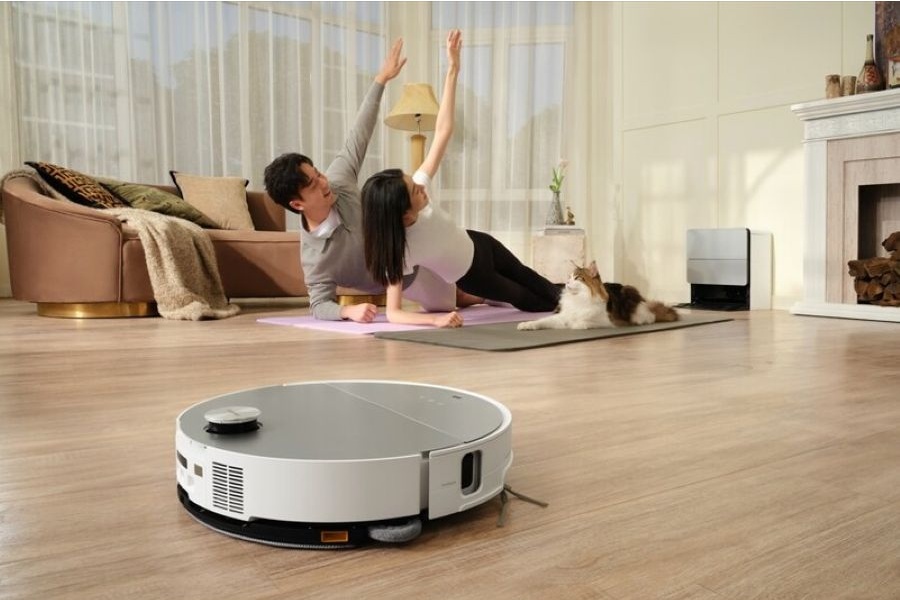
Roborock Launches Roborock Saros 10 – Ultra-Slim Robotic Vacuum Flagship with RetractSense Navigation System
Roborock has introduced the Saros 10, a sleek robotic vacuum equipped with the cutting-edge RetractSense Navigation System, which improves maneuverability beneath low furniture. This latest model, unveiled recently, incorporates advanced cleaning technologies, including the VibraRise 4.0 mopping system and anti-tangle features, aimed at delivering efficient and thorough home cleaning solutions. The Saros 10 reflects Roborock's commitment to innovation in smart home technology, enhancing user convenience and cleaning effectiveness.
Robotic Vacuum Home Automation Smart Home Technology Cleaning Technology CES 2025Robotics needs a service framework.
RSF defines a common language for robot service capability, lifecycle operations, certification pathways, and service-provider networks.
Join the RobotToday community on LinkedIn
Daily robotics news, in-depth analysis, conference highlights, and discussions with professionals worldwide.







