Industry Briefing
A single destination for timely, editor-curated robotics news from around the world.

MassRobotics Launches Sponsorships for RoboBoston 2026 and AI Career Fair Announcement
MassRobotics has revealed plans for RoboBoston 2026, its ninth annual Robot Block Party, scheduled for September 26, alongside a Robotics & AI Technical Career Fair on September 25. The event will take place at Boston’s Seaport and is expected to host over 50 robotics companies, universities, and student teams, showcasing interactive exhibits and demonstrations. The significance of RoboBoston lies in its role in highlighting the region’s robotics ecosystem, uniting industry, academia, and students. Attendees will experience a variety of activities, including a Sidewalk Robot Parade and a ribbon-cutting ceremony, while exhibitors will present new technologies and research projects. MassRobotics has opened sponsorship opportunities, inviting organizations to support the event and promote STEM education and robotics innovation. Looking ahead, the Robotics & AI Technical Career Fair on September 25 aims to connect employers with technical talent in the robotics and AI sectors. Previous events have drawn over 800 job seekers, making it a valuable opportunity for both companies and candidates. No further timeline was disclosed at the time of publication.
Business Features ai careers artificial intelligence automation boston
MassRobotics Announces Sponsorship for RoboBoston 2026 and Career Fair for Robotics & AI
MassRobotics has opened sponsorship opportunities for RoboBoston 2026, scheduled for September 26, 2026, at Boston's Seaport. This event marks the 9th Annual Robot Block Party, showcasing over 50 robotics companies, universities, and student teams. Attendees will engage with innovators and experience interactive exhibits and demonstrations. The significance of RoboBoston lies in its role as the largest robotics celebration in the region, highlighting Boston's position as a global leader in robotics and AI innovation. The event aims to foster connections between industry professionals and the public, encouraging interest in robotics and technology among attendees of all ages. Looking ahead, companies interested in participating as sponsors or hiring at the Robotics & AI Technical Career Fair should prepare for the event. No further timeline was disclosed at the time of publication.

RoboParty Launches Open Source Framework for Next-Gen Humanoid Robot Development
In the past two years, the humanoid robot industry has seen numerous impressive demonstrations, but a shift is emerging in the second half of 2026. Companies are now focusing on developing training frameworks, development platforms, data tools, open-source models, and various R&D infrastructures. The competition is evolving from showcasing superior robots to enabling more developers to create robots faster. Recently, RoboParty established RoboParty Lab (RPLab) and introduced Party OS, an open-source embodied intelligence R&D foundation for next-generation humanoid robots. Alongside this, they released three R&D infrastructures: MimicLite, UFO, and hhtools. This move signifies a transition from merely demonstrating capabilities to building a robust R&D ecosystem that fosters collaboration and scalability within the developer community. As humanoid robots move from laboratories to practical applications in factories, warehouses, and homes, the industry is shifting its focus toward creating a reproducible, collaborative, and scalable R&D system. The emphasis is now on sustaining and accelerating development capabilities, marking a significant change in industry dynamics over the past year.
Humanoid Robots R&D Infrastructure Open Source Embodied AI Robot Development Tools
Tesla's Optimus Robots to Support Starmind Satellite Production, Not Maintenance
Tesla's Optimus robots will not be used to repair Starmind satellites in orbit, as confirmed by recent statements from Elon Musk. Instead, these robots are intended to assist in the construction and operation of the Terafab chip manufacturing facility in Texas. The AI1 satellites, designed to disintegrate upon reentry, highlight the company's swap-and-replace strategy rather than traditional maintenance practices. This approach is significant as it reflects a broader trend in satellite management, where mass-produced satellites are replaced rather than repaired. The economics of servicing missions are prohibitive, with the cost of launching a replacement satellite being significantly lower than conducting a repair mission. This model aligns with SpaceX's operational history, where rapid replacement of satellites is more efficient than attempting to maintain them in orbit. Looking ahead, the focus will remain on the production capabilities of the Gigasat factory, which is expected to support the continuous replacement of satellites. No further timeline was disclosed at the time of publication, but the demand for rapid satellite turnover suggests a robust future for Optimus robots in terrestrial manufacturing rather than in-space servicing.

Highline Commerce Expands in Industry City, Utilizing Ultra Robotics for E-commerce Fulfillment
Highline Commerce, a third-party logistics provider, has expanded its operations to 60,000 square feet in Industry City, Brooklyn. This growth allows the company to fulfill up to 30 percent of its clients' orders using humanoid robots from Ultra Robotics, another tenant in the area. With e-commerce booming in New York City, Highline Commerce supports over 200 brands by providing essential distribution services. The significance of this expansion lies in the strategic positioning of Industry City as a hub for logistics and retail technology. New York has become a critical location for moving retail goods, with Amazon operating over 40 facilities in the region. Highline Commerce's growth reflects a shift in the narrative of New York as a manufacturing and fulfillment center, moving beyond its historical role as merely a sales market. Looking ahead, Highline Commerce's innovative use of humanoid robots in its fulfillment process marks a notable trend in the logistics sector. As the company continues to scale, it will be important to monitor how this integration of robotics influences efficiency and competitiveness in the rapidly evolving e-commerce landscape. No further timeline was disclosed at the time of publication.
Business Industry 3pl automation Brooklyn e-commerce
BrainCo Launches Innovative Brain-Controlled Robot Platform at World AI Conference in China
BrainCo, based in Hangzhou, has introduced a groundbreaking robot platform that allows users to control robots using only their thoughts through EEG headsets. This advancement signifies a major step forward in embodied AI technology, where artificial intelligence is integrated into physical machines, enabling them to interact with the real world. The significance of this development lies in its potential to revolutionize human-robot interaction. By utilizing electroencephalogram (EEG) headsets, BrainCo's platform captures brain signals and employs AI algorithms to decode these signals, translating user intentions into robotic actions. This capability could enhance various applications across industries, making robots more intuitive and responsive to human commands. Looking ahead, the platform's compatibility with diverse third-party hardware, including humanoid robots and robotic arms, suggests a wide range of potential use cases. As the competition among global technology firms intensifies in the realm of embodied AI, BrainCo's innovation will be crucial to monitor for its impact on the future of robotics and AI integration. No further timeline was disclosed at the time of publication.

ROBOTS Secures Seed Funding for Integrated Control Platform Development with NTT Docomo and Incubate Fund
ROBOTS has announced the completion of a seed funding round through third-party allocation from Incubate Fund and NTT Docomo. The startup focuses on developing an integrated control platform for robots that become smarter through on-site operations. The funding will accelerate research and development of this platform and physical AI, particularly for implementation in the security sector. The significance of this development lies in addressing the severe labor shortages in the security industry, where high turnover rates and an aging workforce pose challenges. By integrating various robots and sensors into a cohesive system, ROBOTS aims to enhance operational efficiency and reduce the burden on security personnel. This approach allows for a flexible response to diverse on-site tasks, which is crucial given the unique demands of different environments. Looking ahead, ROBOTS plans to leverage insights gained from security applications to expand into other sectors such as equipment inspection and construction. CEO Koki Kawauchi emphasized the importance of robotics in addressing real-world challenges, aiming for a future where diverse robots work alongside humans seamlessly.

Paradigm Secures $1.2 Billion Fund to Invest in AI and Robotics
Paradigm, a prominent investment firm based in San Francisco, has successfully raised $1.2 billion for a new venture fund aimed at expanding its investments into artificial intelligence and robotics. This fund represents a strategic shift for the firm, which has historically focused on crypto investments, and marks a significant increase from its previous $850 million fund announced in 2024. Paradigm is now managing approximately $11.9 billion in assets as of 2025. The expansion into AI and robotics is significant as these sectors are increasingly attracting venture capital, reflecting a broader trend in technology investment. Paradigm's new fund will not only continue to support digital assets but will also target opportunities in frontier technologies, indicating a shift in investment strategy to include emerging technologies beyond blockchain. This move aligns with the growing intersection of AI and crypto, particularly in areas like autonomous payments and programmable financial systems. Looking ahead, Paradigm's approach suggests a potential for innovation at the convergence of AI and crypto technologies. The firm aims to leverage its expertise in software and financial systems to explore new market opportunities. No further timeline was disclosed at the time of publication regarding specific investments or milestones for the new fund.
RoboParty Secures $20 Million in Angel Funding, Pioneering Open-Source Humanoid Robot Development
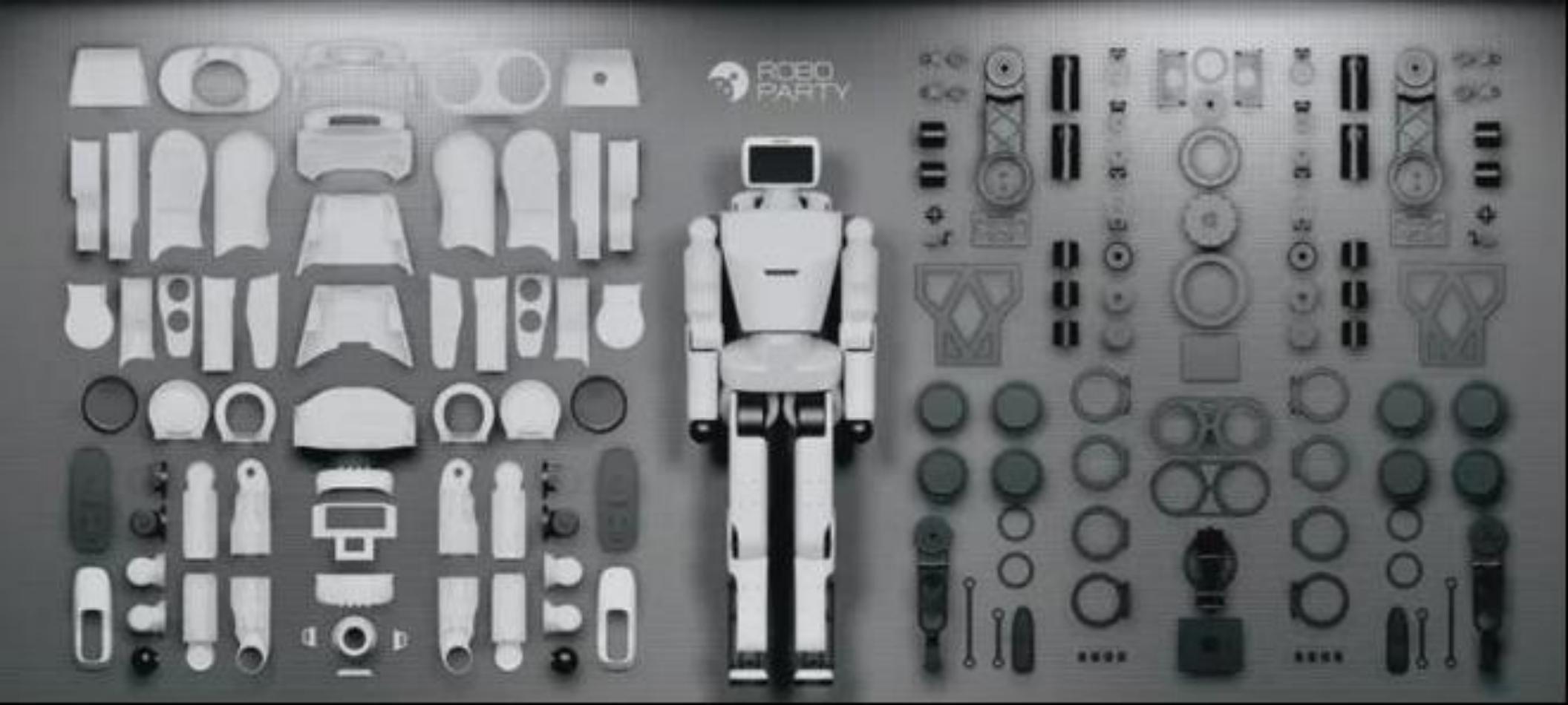
RoboParty, a startup specializing in humanoid robotics, has successfully secured $20 million in its latest angel funding round, representing its third financing achievement in just six months. This influx of capital will support the company's mission to innovate within the humanoid robotics sector through an open-source framework. The recent launch of its ROBOTO Origin prototype has garnered significant interest from developers worldwide, positioning RoboParty as a potential game-changer in the industry. The funding will enable further development and expansion of their technology, reflecting a growing confidence in the future of humanoid robots.
Humanoid Robots Open-Source Technology Robotics Development AI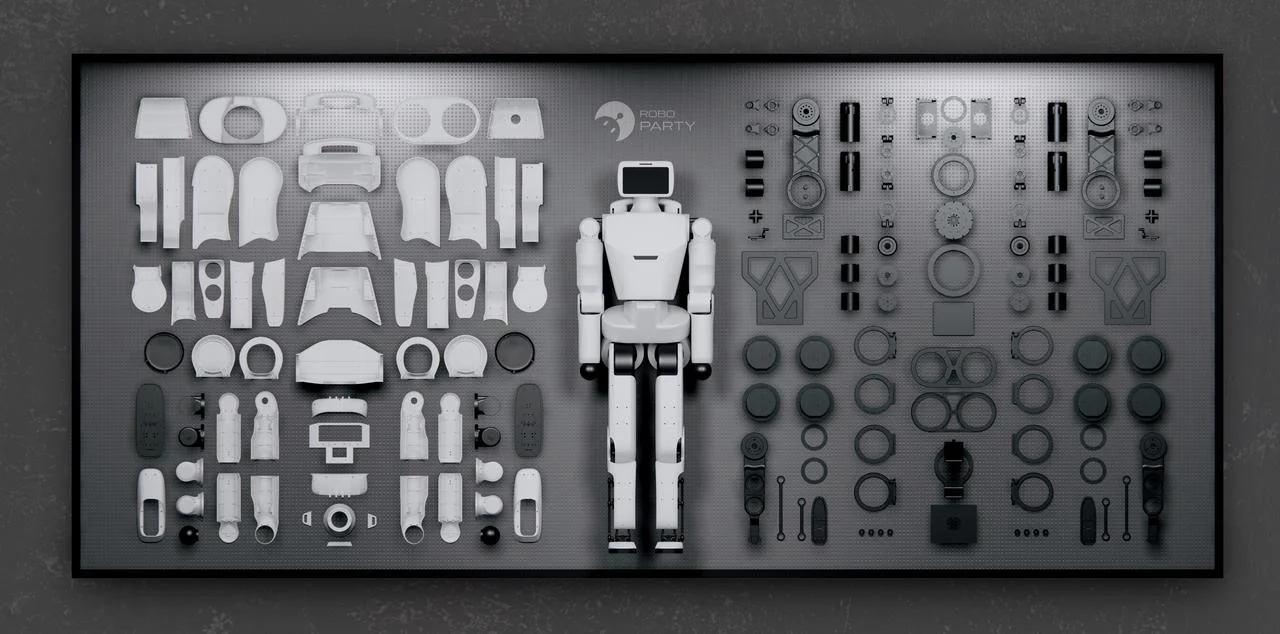
120 Days to a Run: RoboParty Open-Sources Its "ROBOTO ORIGIN" Humanoid Baseline
RoboParty has unveiled the complete designs and software for its inaugural bipedal humanoid robot, marking a significant advancement in open-source robotics. This initiative aims to create a new era of "reproducible" robotics, addressing the financial challenges that have historically hindered similar projects. By providing accessible resources, RoboParty hopes to democratize the development of humanoid robots, enabling a broader range of innovators to participate in this field. The release is expected to foster collaboration and innovation, potentially accelerating advancements in robotics technology.
open-source China ROBOTO ORIGIN RoboParty
Robotically assembled building blocks could make construction more efficient and sustainable
Researchers at MIT have unveiled a study suggesting that robotically assembled building blocks may offer a more sustainable alternative to traditional construction methods for large-scale structures. Published in the journal Automation in Construction, the study highlights the potential environmental benefits of this innovative approach. By utilizing robotic technology, the process of constructing buildings could become more efficient and reduce waste, addressing growing concerns about the ecological impact of conventional construction practices. The findings indicate that adopting such methods could significantly lower the carbon footprint associated with building projects, making it a timely solution in the face of increasing environmental challenges.
Robotics
New reconfigurable block system allows robots to assemble and reuse buildings
Researchers at the Massachusetts Institute of Technology (MIT) have unveiled an innovative construction system that utilizes modular, interlocking building blocks. This groundbreaking approach aims to revolutionize the way structures are built, enhancing efficiency and sustainability in the construction industry. The development was announced in October 2023, showcasing the potential for these blocks to be easily assembled and disassembled, allowing for greater flexibility in design and use. The motivation behind this project stems from the need for more adaptable and environmentally friendly building solutions, particularly in response to the increasing demand for sustainable architecture. By employing a system that minimizes waste and maximizes reusability, the researchers hope to address some of the pressing challenges faced by traditional construction methods. The construction system operates by allowing builders to connect the blocks in various configurations, which not only simplifies the building process but also reduces the time and labor typically required for construction projects. This innovative method could significantly lower costs and improve accessibility to quality housing and infrastructure, particularly in underserved areas. As the construction industry continues to evolve, MIT's modular building blocks represent a significant step towards a more sustainable future, demonstrating how technology can be harnessed to meet modern needs while promoting environmental stewardship.

SpaceX's Starmind Project: Supplier Strategy and Chip Manufacturing Plans for 2026
SpaceX's Starmind project, aimed at deploying up to 1 million AI satellites, was filed with the FCC on January 30, 2026. The initiative is designed to minimize reliance on external suppliers, with CEO Elon Musk stating that current chip production capabilities only meet 2% of the projected needs. The first satellite, AI1, is set for prototype launches in early 2027, featuring a 70-meter wingspan and a modular payload system that allows for interchangeable chips from various suppliers. The significance of Starmind lies in its ambitious supply chain strategy, which seeks to transition from external hardware suppliers to a fully integrated Musk-owned facility by 2028. The Gigasat manufacturing site in Bastrop, Texas, is expected to be operational by the end of 2027, with plans for high-volume production of the D3 chip, specifically designed for space applications. This approach aims to consolidate chip manufacturing processes under the Terafab joint venture, which has an estimated initial investment of $55 billion. Looking ahead, the next milestone for Starmind is the launch of AI1 prototypes in early 2027, while the full-scale chip production at Terafab is projected to ramp up significantly thereafter. However, analysts express skepticism regarding the feasibility of achieving Musk's ambitious compute goals, which may require substantial investment and time to establish the necessary manufacturing capabilities.

Robotics Strategic Partnership Signed
Libiao Robotics has entered into a strategic partnership with South Korea's LX Pantos, a third-party logistics provider, by signing a Memorandum of Understanding (MOU). The agreement, which aims to enhance warehouse and logistics automation, was formalized by Yifei Yeo, Vice President of Marketing at Libiao Robotics, and Dr. Auh Jae-Hyuck, Executive Vice President and Head of LX Pantos. This collaboration signifies a commitment to innovate and improve efficiency in the logistics sector, reflecting the growing demand for automation solutions in the industry. The partnership is expected to leverage both companies' expertise to drive advancements in logistics technology.
AMR and AGV Conveying and Sortation Materials Handling automation Libiao partnership
The Small Component Problem Behind More Reliable Industrial Robots
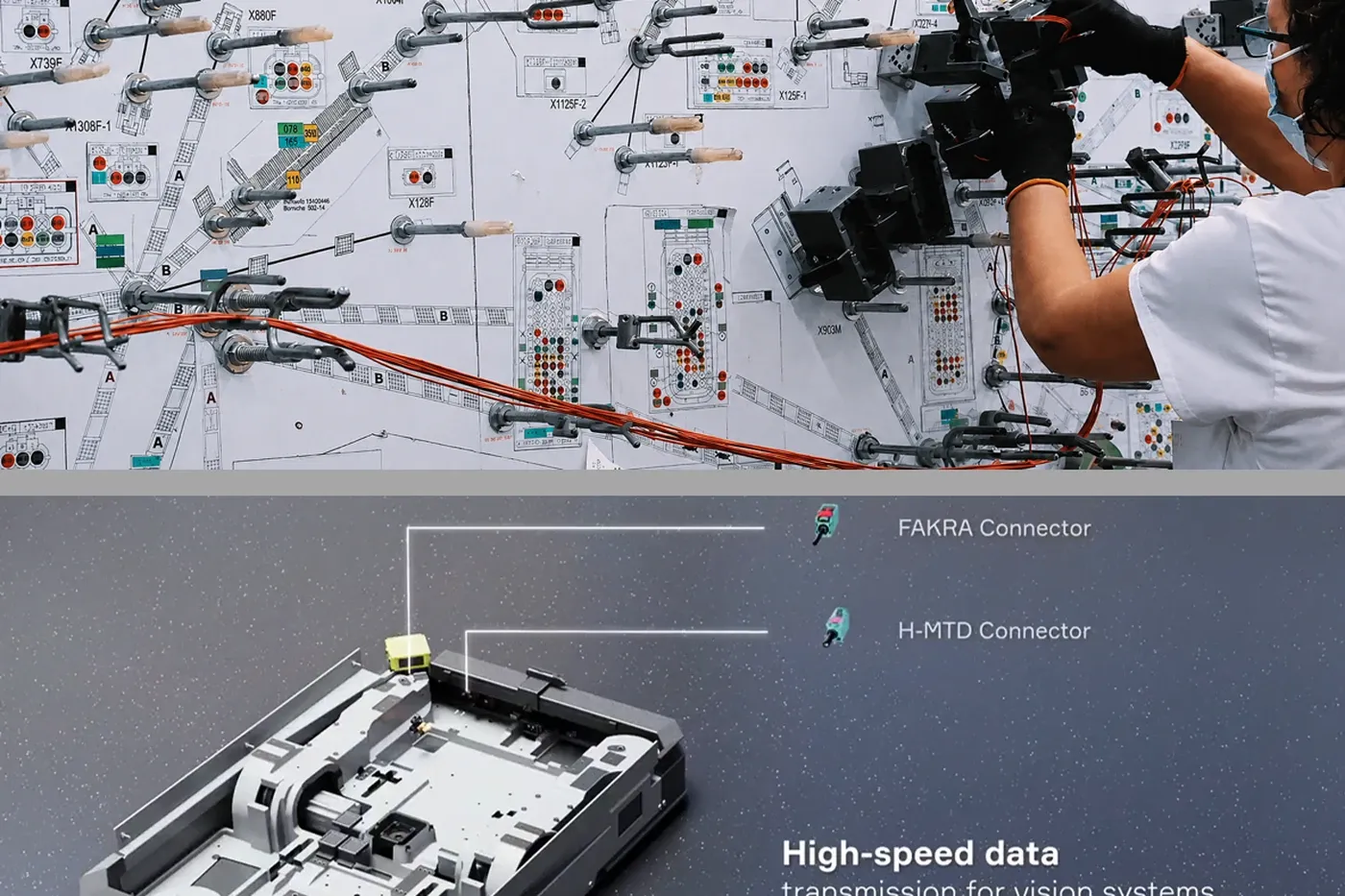
In a groundbreaking development for the manufacturing industry, advanced automation technology is transforming assembly lines and semiconductor packaging facilities. A robotic arm, capable of executing movements with sub-millimeter precision at an impressive rate of 300 cycles per minute, is at the forefront of this innovation. These robotic systems are enhanced by machine vision technology, remote input/output blocks, and sensitive microcontrollers, allowing for seamless coordination and efficiency in production processes. This technological advancement is taking place in various industrial settings, where multiple machines share a common power source through an industrial rail system. The integration of heavy CNC machines into this grid further exemplifies the collaborative nature of modern manufacturing, where precision and speed are paramount. The motivation behind this shift towards automation is to increase productivity and reduce human error in manufacturing processes. By leveraging sophisticated robotics and interconnected systems, companies aim to streamline operations and enhance overall output. As industries continue to adopt these cutting-edge technologies, the future of manufacturing looks increasingly automated and efficient, promising significant advancements in production capabilities.
Components Design Engineering Industrial robots amrs automation news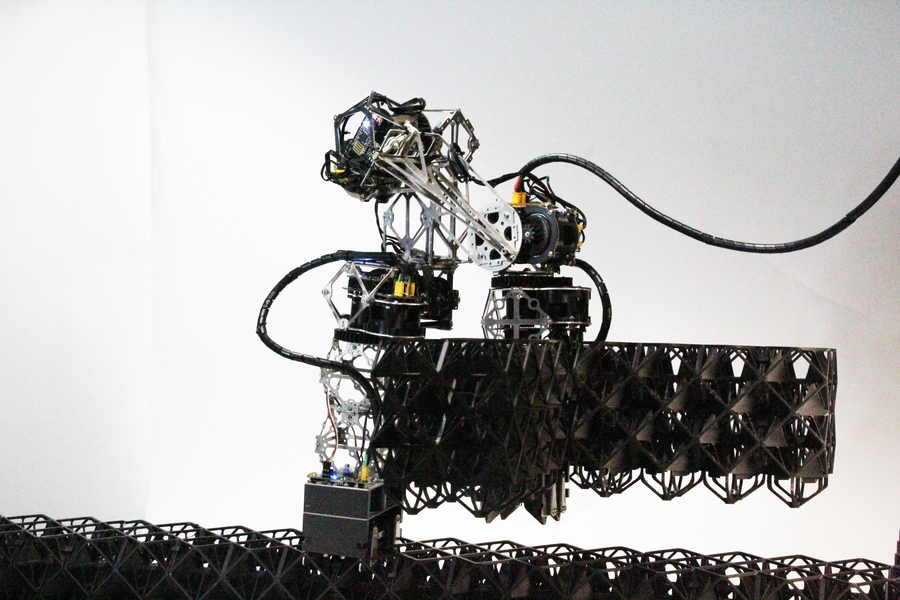
Robotically assembled building blocks could make construction more efficient and sustainable
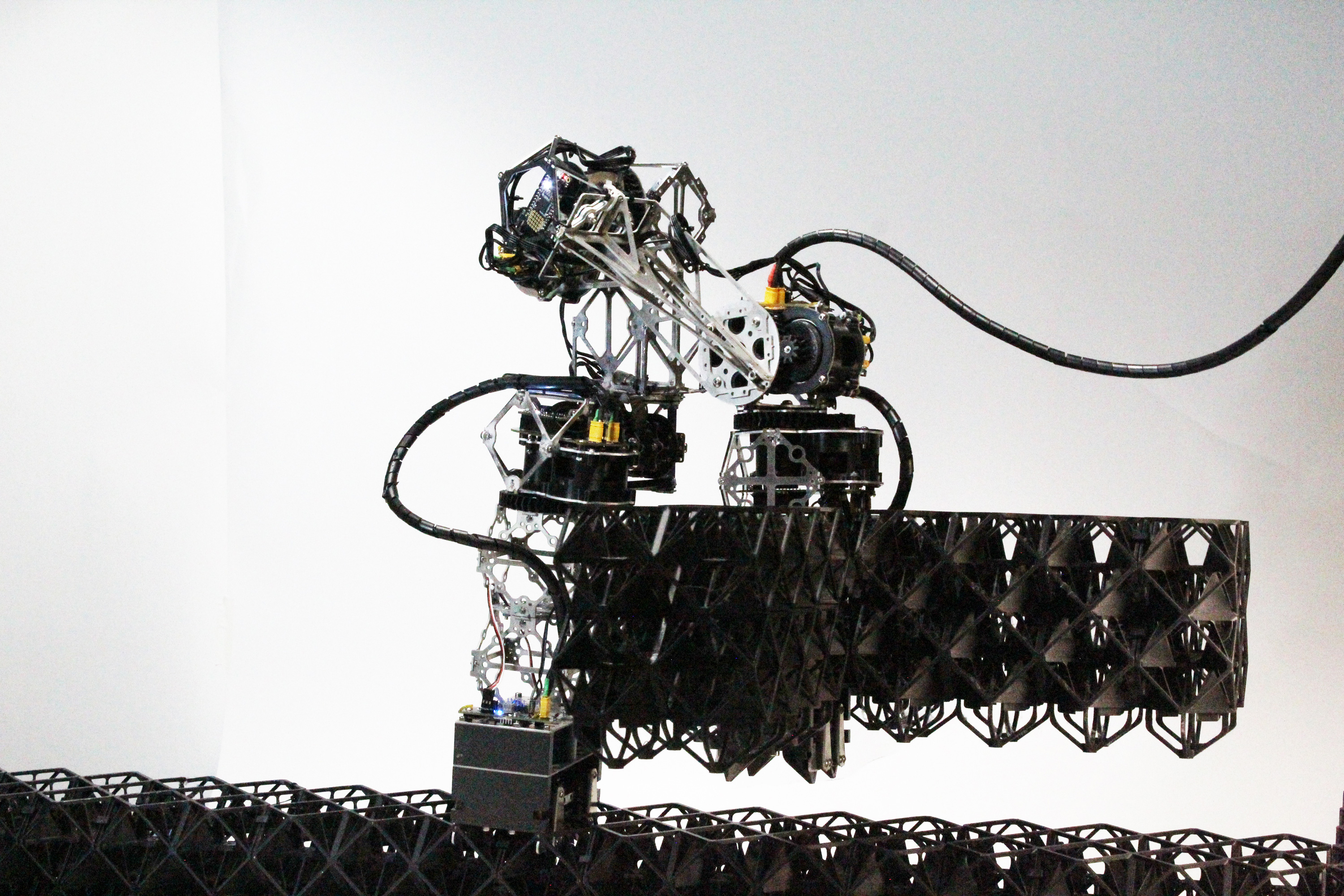
Recent research indicates that the construction of buildings using interlocking subunits is not only mechanically viable but also significantly reduces carbon emissions. This innovative approach to building design aims to address environmental concerns associated with traditional construction methods. The findings, which emerged from a study conducted by a team of engineers and architects, highlight the potential for a more sustainable future in the construction industry. By utilizing modular components that fit together seamlessly, this method could streamline the building process while minimizing waste and energy consumption. The research, completed in late 2023, emphasizes the urgent need for eco-friendly practices in architecture and construction, as the industry seeks to lower its carbon footprint and contribute to global sustainability efforts.
Robotically assembled building blocks could make construction more efficient and sustainable
Recent research indicates that the construction of simple buildings using interlocking subunits is not only mechanically viable but also significantly reduces carbon emissions. This innovative approach to building design could transform the construction industry by offering a sustainable alternative to traditional methods. The findings, which emerged from a study conducted by a team of engineers and architects, highlight the potential for these modular structures to minimize environmental impact while maintaining structural integrity. The research underscores the urgent need for more eco-friendly construction practices in response to growing concerns about climate change and resource depletion. By utilizing interlocking components, builders can streamline the construction process, reduce waste, and enhance energy efficiency, ultimately contributing to a greener future for urban development.
Research Construction Robotics Self-assembly Concrete Additive manufacturing
Video Friday: These Robots Were Born to Run
IEEE Spectrum's weekly feature, Video Friday, showcases a collection of innovative robotics videos and highlights upcoming robotics events, including the International Conference on Robotics and Automation (ICRA) scheduled for June 1-5, 2026, in Vienna. This week’s videos introduce advanced modular building blocks that allow for the automatic design and rapid assembly of agile robots capable of navigating unstructured outdoor environments, a significant advancement from traditional legged robots that rely on predefined designs. Additionally, the RIVR project presents a concept for an ideal urban delivery robot, while KIMLAB introduces TRIP-Bag, a portable teleoperation system designed for high-fidelity data collection in various settings. TUM has developed an open-vocabulary semantic exploration system that enhances robots' ability to map and locate objects in dynamic environments. In a practical demonstration, a reconfigurable robot assists a team responding to a simulated radiation leak at a nuclear facility, showcasing its adaptability in challenging conditions. Meanwhile, Carnegie Mellon University's Robomechanics Lab reflects on a devastating flood that destroyed many of its robots, honoring them with a tribute video. Lastly, the 2025 Silicon Valley Humanoids Summit features a keynote by Disney Research's Moritz Baecher, discussing insights into robotic character development.
Robotics Humanoid-robots Video-friday Modular-robots Robot-videos Quadruped-robots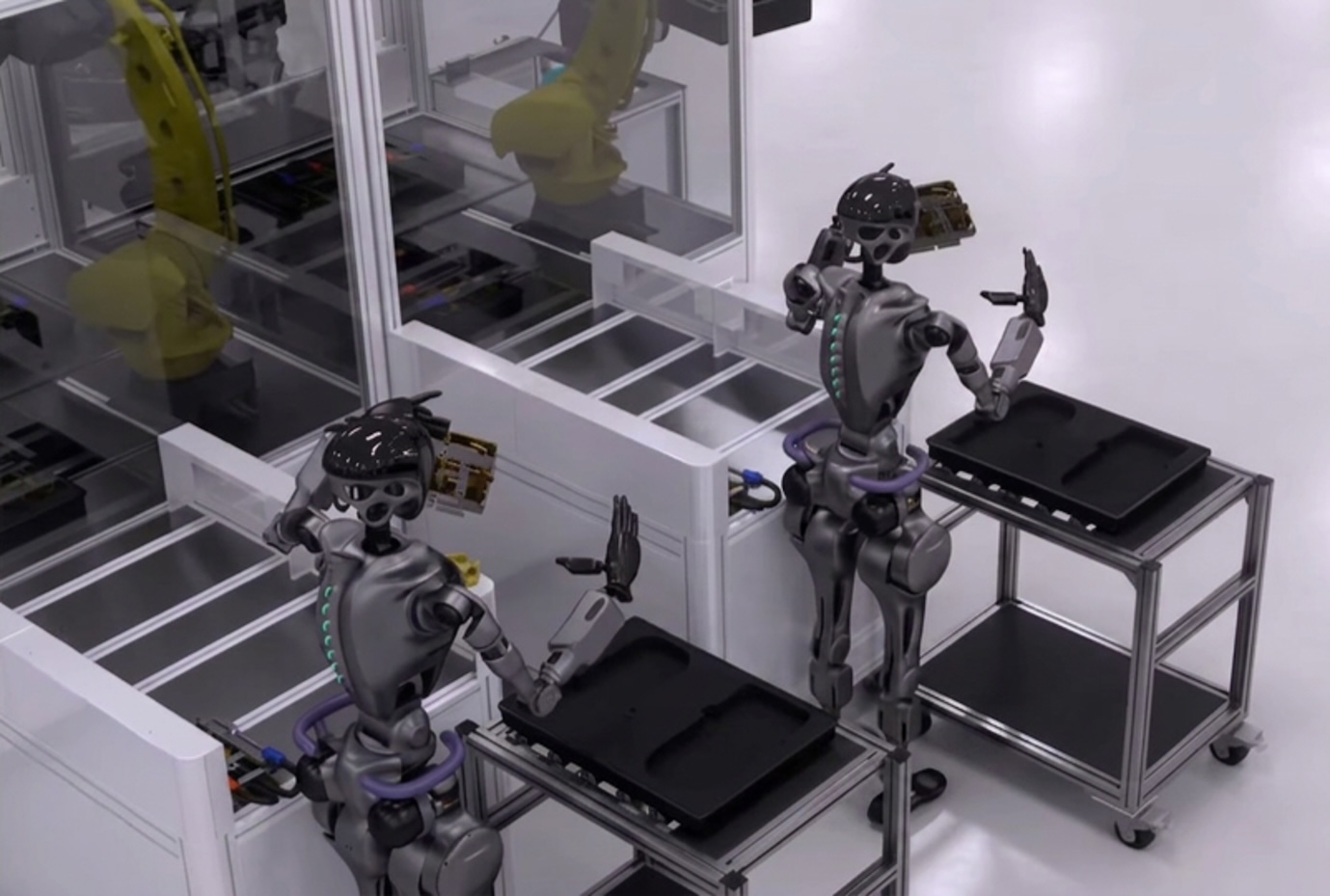
RoboParty Founder Alex Huang Named to Forbes Asia 30 Under 30 List
Alex Huang, the founder of RoboParty, has been honored in Forbes' 2026 Asia 30 Under 30 list for his significant contributions to the field of robotics innovation. Recognized for his pioneering work with open-source bipedal humanoid robots, Huang emphasizes the importance of embodied intelligence in robotics. His efforts not only highlight technological advancements but also foster community collaboration and leverage engineering expertise to push the boundaries of what is possible in the industry. This recognition comes as a testament to his impact on the robotics landscape and his commitment to advancing the field through inclusive and innovative practices.
Humanoid Robots Robotics Innovation Open Source Technology AI Engineering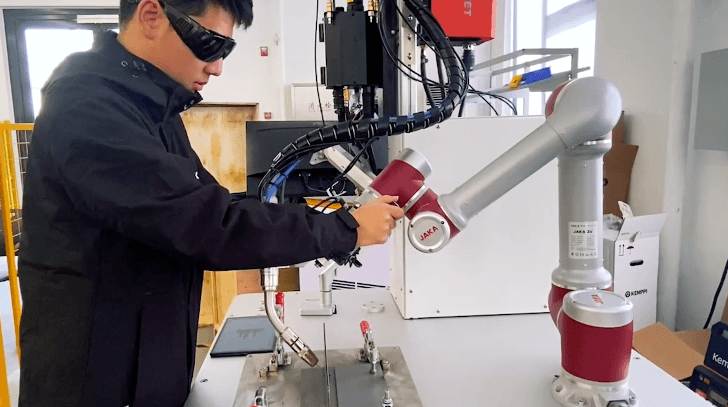
How Does Someone Control a Robot Arm?
JAKA Robotics is revolutionizing the interaction between humans and industrial machinery by simplifying the control of robotic arms. Traditionally, operating these systems required extensive knowledge of complex coding and strict safety protocols. However, JAKA's innovative approach now enables operators with diverse technical skills to manage high-precision movements through user-friendly interfaces. The company has introduced several methods for controlling collaborative robots, including handheld teach pendants and tablet-based graphical user interfaces (GUIs) that allow users to create action sequences by dragging and dropping command blocks. One of the standout features is direct teaching, where operators can manually guide the robot arm to desired positions, which the system records in real-time, streamlining tasks like gluing and polishing. Additionally, advancements in IoT and wireless technology have made it possible for operators to control robotic arms remotely via smartphones or laptops, facilitating efficient management in smart factory settings. JAKA's Zu30 and AL series arms can be programmed using standard tablets, supporting a "Drag-and-Graphic Programming" feature that simplifies the control process. By prioritizing accessibility and flexibility, JAKA Robotics aims to eliminate the barriers of traditional automation, catering to everyone from small workshop owners to large manufacturers. The company also supports various programming languages and ROS integration for advanced users, combining safety features with intuitive control methods to foster a collaborative environment between humans and machines.
DroneQ Robotics Signs Exclusive Deal with Mark Offshore
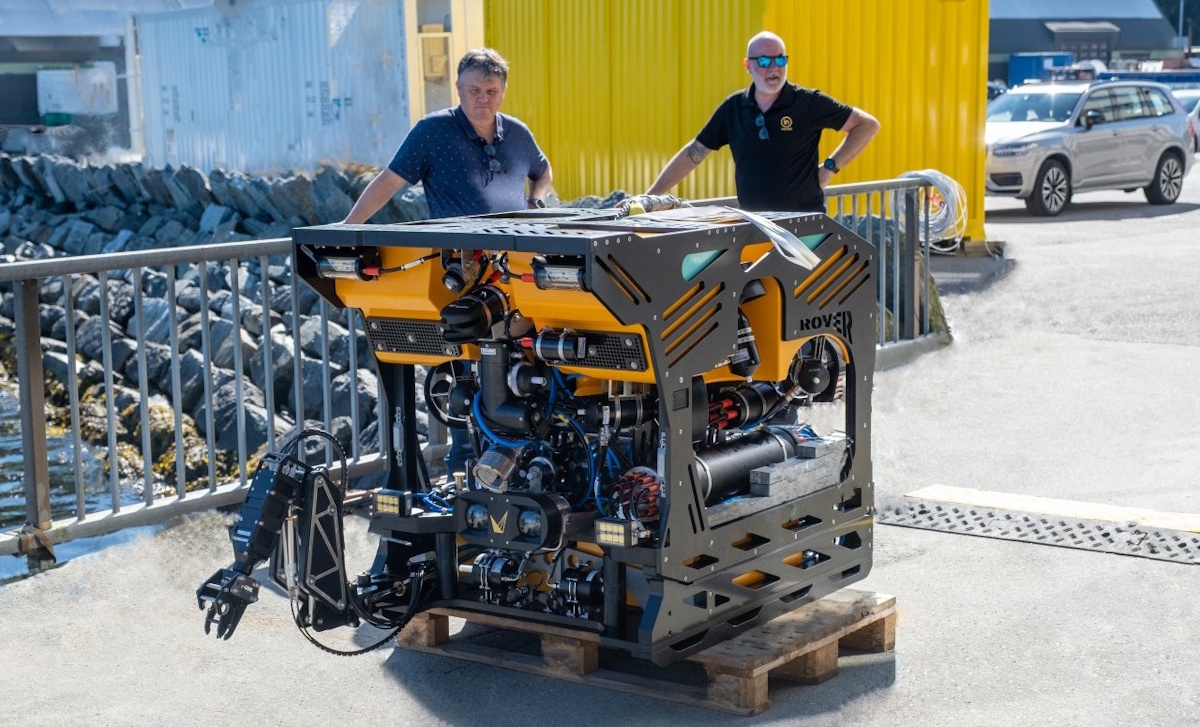
DroneQ Robotics, a provider of unmanned robotics services, has secured an exclusive agreement with Mark Offshore regarding the deployment of the newly added vessel, R/V Mintis. This DP1 ROV Support & Survey vessel will be managed and operated by Mark Offshore, which specializes in offshore support and vessel management. Under the terms of the deal, DroneQ Robotics will have the rights to utilize the R/V Mintis for its own projects, as well as for initiatives undertaken by Intertek and other third-party clients. This collaboration aims to enhance operational capabilities in the offshore sector, leveraging advanced robotic technologies for various applications.
OpenMind Opens Pre-Orders for "BrainPack," Betting on a Universal Nervous System for Robots
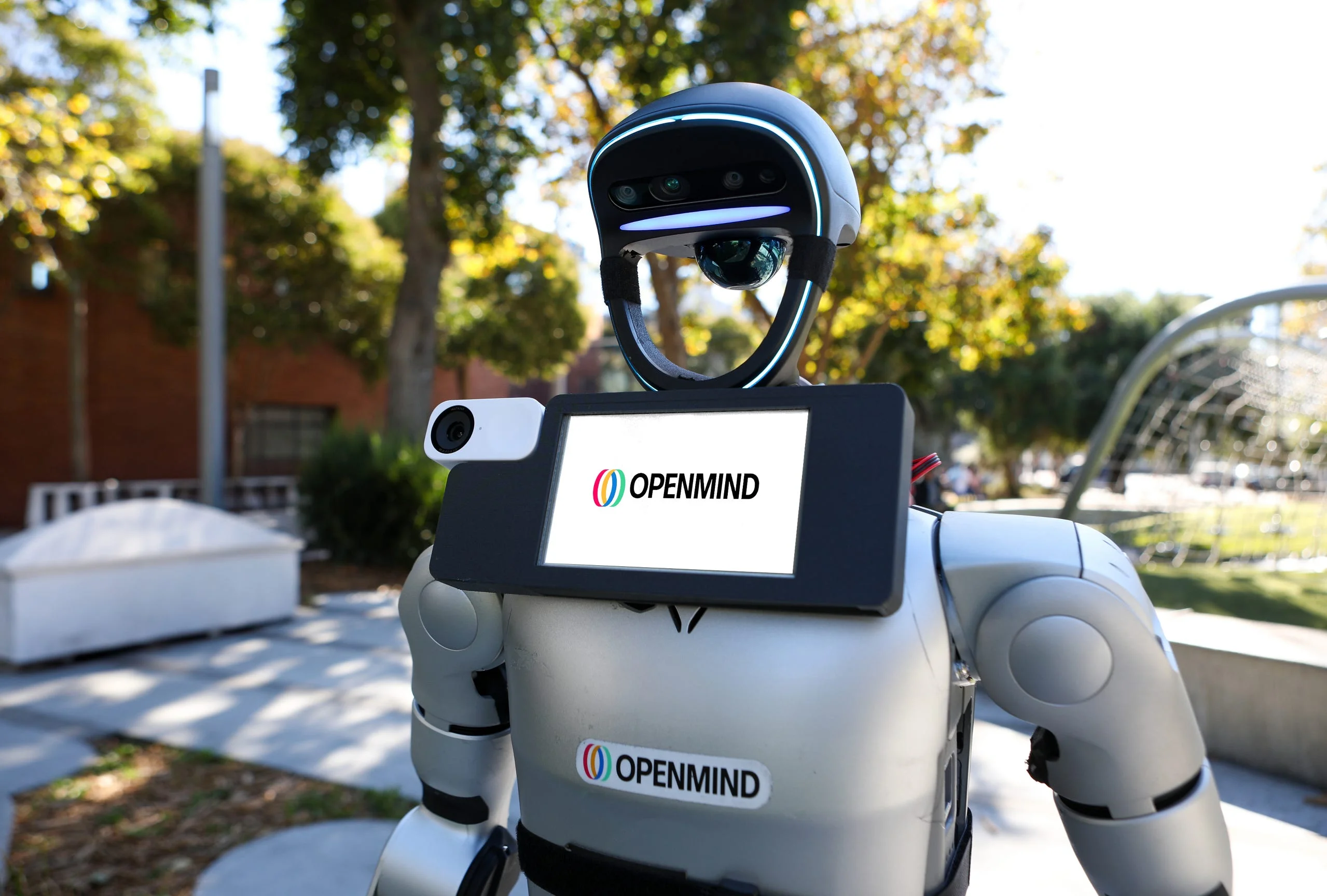
OpenMind has introduced its flagship hardware, a cutting-edge backpack featuring NVIDIA’s Jetson Thor, aimed at enhancing the autonomy of third-party robots. This announcement comes just three months after the company successfully completed its Series A funding round. The innovative design of the backpack is intended to empower various robotic systems by providing them with advanced processing capabilities, thereby facilitating their independent operation in diverse environments. The unveiling marks a significant milestone for OpenMind as it seeks to position itself at the forefront of robotics technology, leveraging recent financial backing to accelerate product development and market entry.
G1 Unitree Robotics OpenMind
China Rolls Out First Dedicated Insurance for Humanoid Robots, Tackling a Key Commercial Hurdle
China Pacific Insurance has introduced the country's first insurance product tailored for humanoid robots, aiming to mitigate risks associated with their commercial use. This innovative offering covers various aspects, including manufacturing defects and third-party liability, reflecting the growing maturity of the robotics market in China. However, the company has yet to disclose essential details regarding underwriting processes and the scalability of the insurance product. This initiative marks a significant step in supporting the integration of humanoid robots into various sectors, as businesses seek to navigate the complexities of deploying advanced technologies.
insurance China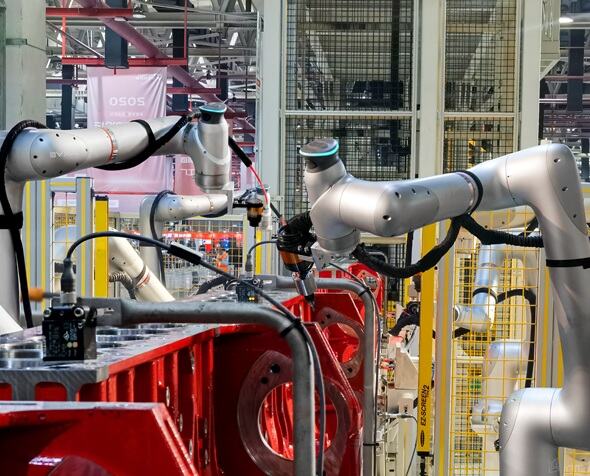
ROKAE Robots Empower Foton Cummins “Lights-Out Factory” with 24/7 Smart Production
ROKAE has successfully deployed over 100 robots across more than 30 different application scenarios, providing customized automation solutions that include machining, assembly, surface treatment, inspection, and dispensing. This significant implementation supports Foton Cummins’ lights-out factory, where these robots are integral to essential processes such as cylinder block machining, final assembly, and quality inspection. The initiative aims to enhance operational efficiency and productivity within the manufacturing environment, showcasing ROKAE's commitment to advancing industrial automation technologies.

Amazon Reportedly Exploring Humanoid Robots for Deliveries, Focusing on AI Software
Amazon is reportedly in the process of developing artificial intelligence software designed for humanoid robots that would facilitate package deliveries. According to a report from The Information, the tech giant is constructing a specialized testing facility, referred to as a "humanoid park," in San Francisco. This initiative aims to refine the software capabilities while initially relying on third-party hardware for the robots. As of now, these developments have not been confirmed by Reuters, and Amazon has not issued any official comments regarding the project.
logistics Amazon
The Decentralized Future of Physical AI: Can DAOs Democratize Robotics?
Decentralized Physical AI (DePAI) is gaining attention as a transformative approach that integrates robotics with blockchain technology and decentralized autonomous organizations (DAOs). This innovative paradigm seeks to transfer the control and ownership of intelligent machines from large corporations to local communities, potentially revolutionizing the landscape of automation. As interest in DePAI grows, experts are examining its operational mechanisms and the implications it may have for the future of technology and labor. By empowering communities to manage and utilize robotic systems, DePAI could democratize access to advanced automation tools, fostering greater equity and participation in technological advancements. This shift not only aims to enhance local economies but also to redefine the relationship between humans and machines in an increasingly automated world.
DePAI XMAQUINA
Why Choose Solana for Blockchain App Development?
Solana, a next-generation decentralized blockchain, is gaining traction in the realm of blockchain app development due to its scalability and advanced technological features. Launched in 2017, Solana offers a secure and decentralized infrastructure capable of supporting numerous nodes while maintaining high performance levels. Its growing popularity is attributed to its ability to handle complex applications efficiently, making it an attractive choice for developers seeking a robust platform for innovative projects. As the demand for scalable blockchain solutions increases, Solana's unique capabilities position it as a leading contender in the competitive landscape of blockchain technology.
Business Computing Software automation news blockchain development blockchain technology
Oceaneering Awarded Contract by Esso Exploration Angola (Block 15) Limited for ROV Services and Integrated Solutions
Oceaneering International, Inc. has secured a significant contract with Esso Exploration Angola, a subsidiary of ExxonMobil, to provide support services for offshore operations in Angola's Block 15. The agreement, which began on July 1, 2025, is projected to yield between $80 million and $90 million in revenue over the next three years. This partnership underscores Oceaneering's commitment to enhancing operational efficiency in the region's oil and gas sector.
oceaneering contract award esso exploration angola block 15 rov services
Visual Language Models Train Robots to Read Human Emotions
A recent study led by Seung Chan Hong at the University of Melbourne explores the emotional capabilities of collaborative robots as they increasingly work alongside humans. Published on May 18 in IEEE Robotics and Automation Letters, the research investigates how robots can better understand human emotions through contextual cues, beyond just facial expressions. Involving 40 volunteers, the study trained a vision language model (VLM) to interpret emotions based on video interactions where robots handed objects to humans. The VLM outperformed traditional AI systems, scoring 0.86 in emotional accuracy compared to 0.77 for conventional methods. This improvement is attributed to the VLM's ability to consider the entire context of interactions rather than isolated facial expressions. In a follow-up experiment, participants interacted with a robot that was programmed to make an error, receiving either an emotionally adaptive apology or a standard one. The majority preferred the adaptive response, but trust in the robot diminished after it failed to complete its task, highlighting that emotional responses cannot compensate for a lack of functionality. While the VLM effectively recognized emotions from a third-party perspective, its accuracy dropped when compared to participants' self-reported feelings, indicating that robots still struggle to fully understand human emotions. The findings suggest that while emotional adaptivity is valuable, the primary concern for users remains the robot's competence in performing tasks.
Robotics Journal-watch Ai-models Emotion-recognition
Teledyne FLIR adds Emesent Hovermap to third-party payload programme
Teledyne FLIR Defense has announced the certification of Emesent’s Hovermap LiDAR payload for integration with its uncrewed aerial systems (UAS), ground robots, and radiation detection platforms. This development, which took place in October 2023, enhances the capabilities of Teledyne FLIR's technology by allowing for advanced mapping and navigation in various environments. The certification aims to improve operational efficiency and data collection accuracy in defense and industrial applications. By incorporating the Hovermap LiDAR payload, Teledyne FLIR Defense is positioned to offer more robust solutions for complex missions, leveraging Emesent's innovative technology to enhance situational awareness and safety.
News
Teledyne FLIR Defense Grows Third-Party Payload Integration Program, Adds Emesent Hovermap LiDAR for Unmanned Air, Ground, and Detection Platforms
A newly certified payload is set to enhance the capabilities of drones, robots, and radiation detection systems, facilitating faster deployment of mapping in environments where GPS signals are unavailable. This innovative technology aims to improve the efficiency of fused Chemical, Biological, Radiological, and Nuclear (CBRN) visualizations, which are critical for various applications, including emergency response and environmental monitoring. The certification, achieved in October 2023, underscores the growing importance of advanced technological solutions in navigating complex and hazardous situations. By integrating these systems, operators can obtain real-time data and insights, significantly improving situational awareness and decision-making in challenging scenarios.

Explained: How blockchain secures the future of US drone fleet
The United States drone industry is currently facing significant supply chain challenges that threaten its growth and efficiency. In response to these issues, industry leaders are exploring the potential of blockchain technology as a solution. This innovative approach could enhance transparency and traceability within the supply chain, allowing for more efficient tracking of components and reducing delays. As the demand for drones continues to rise, particularly in sectors such as delivery services and surveillance, addressing these supply chain disruptions has become increasingly urgent. Experts believe that implementing blockchain could streamline operations and foster greater collaboration among manufacturers, suppliers, and logistics providers. The exploration of this technology is gaining momentum as stakeholders seek to secure the future of the drone market in the U.S.
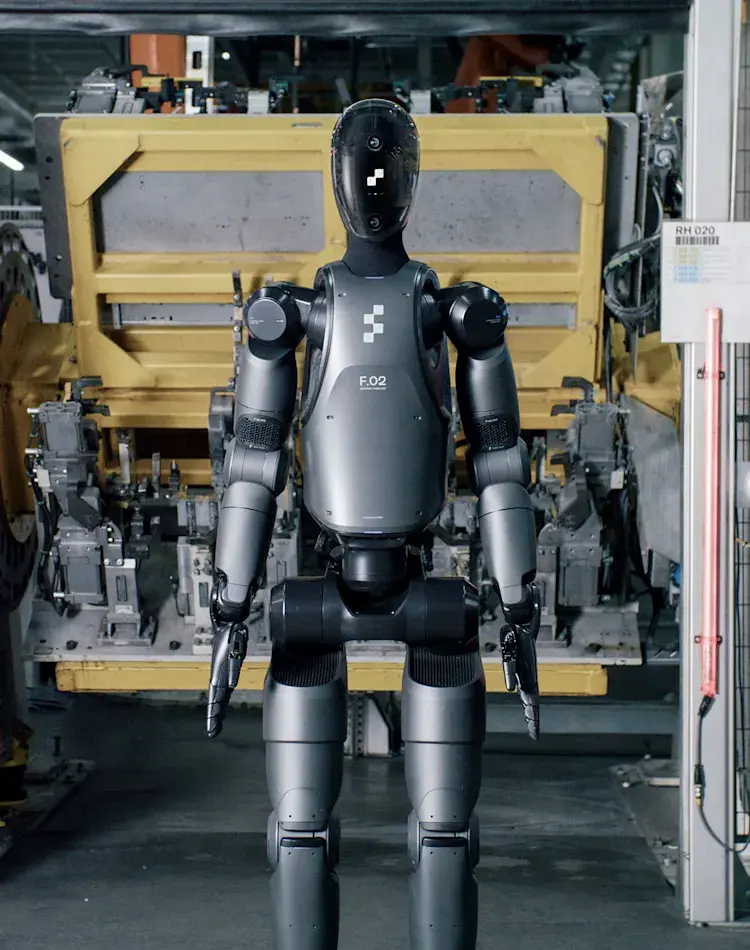
Figure AI Moves to Block Secondary Stock Sales Amid Talks of $39.5 Billion Valuation
Figure AI, a humanoid robotics company, has taken a firm stance against secondary market brokers by issuing cease-and-desist letters, instructing them to halt the marketing of its shares. This move comes in the wake of the company’s efforts to secure a significant funding round, aiming for a valuation of $39.5 billion. The decision marks a notable shift from the CEO's previous assertions that the company was experiencing high demand in secondary markets. The timing of this action suggests a strategic response to protect its market position as it navigates the complexities of securing new investments.
Figure
Baidu CEO says robotaxi business ‘scale-up’ underway in 2025
Baidu, the Chinese technology giant, is set to accelerate the expansion of its autonomous ride-hailing business, as announced by CEO Robin Li during an earnings call with investors on Tuesday. The company is actively seeking partnerships with various entities, including mobility service providers, local taxi companies, and third-party fleet operators, to significantly increase the size of its driverless fleet. This strategic move aims to enhance Baidu's competitive edge in the rapidly evolving autonomous transportation market.
News Feed
How Blockchain and Emerging Technologies Are Revolutionizing the Jewelry Industry
The jewelry industry, recognized as one of the oldest luxury markets globally, has long struggled with transparency regarding production methods and the origins of materials. Traditionally, consumers relied heavily on the trustworthiness of artisans and brands, often lacking access to crucial information about their purchases. However, recent advancements are beginning to change this landscape. As of October 2023, new technologies and initiatives are emerging that aim to enhance transparency within the sector. These developments are designed to provide buyers with clearer insights into the sourcing and manufacturing processes of jewelry, thereby fostering greater trust and accountability. This shift not only benefits consumers but also encourages ethical practices among producers, ultimately transforming the way jewelry is marketed and sold.
Artificial Intelligence Software 3d printing additive manufacturing AI gem grading artificial intelligence
Melody: Humanoid robot masters 39 degrees of freedom to achieve lifelike presence
The Bitcoin 2026 Conference is set to take place at the Venetian Resort, attracting cryptocurrency enthusiasts and industry leaders from around the globe. Scheduled for this upcoming week, the event aims to foster discussions on the future of Bitcoin and blockchain technology. Attendees can expect a series of panels, workshops, and networking opportunities designed to enhance understanding and collaboration within the crypto community. The conference is particularly significant as it comes at a time when interest in digital currencies is surging, driven by recent market developments and regulatory changes. Organizers have implemented a comprehensive layout and signage throughout the resort to assist participants in navigating the venue, ensuring a smooth experience for all.

How Robotics Is Transforming the Worker Experience Across 3PL, Manufacturing & E-Commerce
As global supply chains experience a surge in demand, third-party logistics providers (3PLs), manufacturers, and e-commerce fulfillment centers are facing unprecedented pressure. This situation has been exacerbated by ongoing labor shortages, which have led to increased injury rates and highlighted the physically demanding nature of warehouse and factory jobs. The challenges these sectors face are prompting a reevaluation of operational strategies to ensure efficiency and worker safety in an increasingly competitive environment.

25 new DJI launches blocked by FCC, $1.5 billion at stake
DJI, a leading drone and camera manufacturer, has announced that its fans in the United States may miss out on up to 25 new product launches this year. This setback is attributed to a crackdown by the Federal Communications Commission (FCC), which the company claims could result in financial losses exceeding $1.5 billion by 2026. The regulatory actions are part of broader efforts to address concerns regarding technology and communications, impacting DJI's ability to introduce new innovations in the US market. As a result, the company is reassessing its product rollout strategy in light of these challenges.
News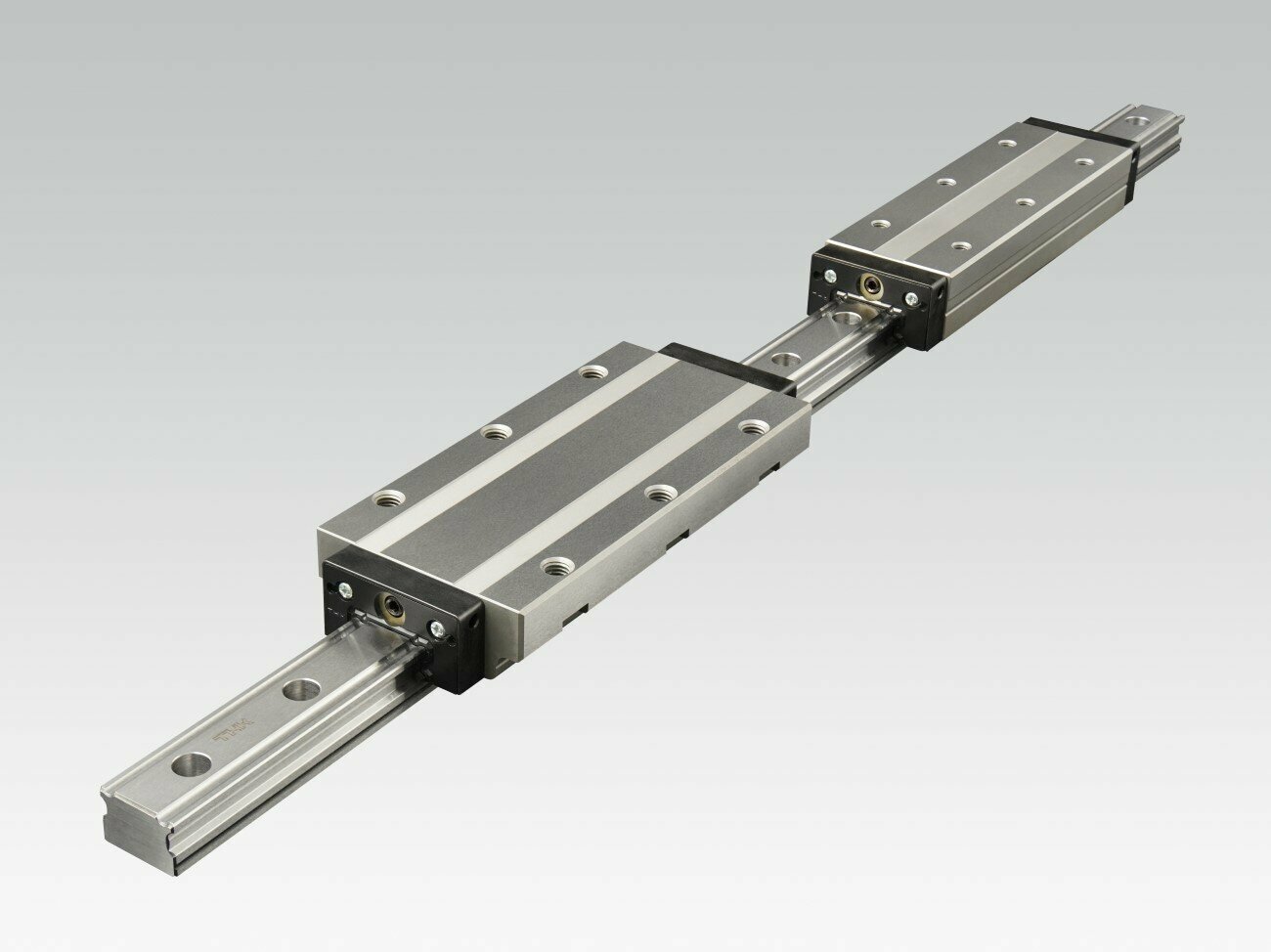
Expanded Lineup of Super-Heavy Load LM Guide Model NR-X/NRS-X for Machine Tools: 24 Super-Long Block Model Types Added
THK, a leading manufacturer of mechanical components, has announced its ongoing commitment to innovation and quality in the production of essential technologies. The company specializes in the development and manufacturing of a wide range of products, including Linear Motion systems, LM Guides, Ball Splines, Ball Screws, and electric actuators. With a global client base, THK also focuses on mechatronics products, automotive parts, and seismic isolation systems. This strategic expansion aims to meet the growing demand for advanced mechanical solutions across various industries. By leveraging cutting-edge technology and engineering expertise, THK continues to enhance its product offerings, ensuring they remain at the forefront of the mechanical components market.
THK Linear Motion LM Guides Linear bearing Linear Guide Ball Splines
Teledyne FLIR Defense Expands Payload Program with Emesent Hovermap for GPS-Denied Operations
Teledyne FLIR Defense has announced an expansion of its Third-Party Payload Integration Program by incorporating Emesent’s Hovermap LiDAR payload, a development unveiled at the Modern Day Marine 2026 event. This integration enables the Hovermap system to function seamlessly across Teledyne FLIR’s unmanned aerial systems (UAS) and ground robots, enhancing capabilities in GPS-denied environments. The collaboration aims to improve operational efficiency and data accuracy in various defense applications, allowing for advanced mapping and radiation detection across both air and ground platforms.
Applications Defense Drone News Drone News Feeds Dual Use LiDAR
China's WAIC Highlights AI Advancements Amid US Rivalry and Global Collaboration Efforts
The World AI Conference (WAIC) in Shanghai is set to showcase China's ambition to compete in the AI sector, particularly in models, chips, and robotics. This event occurs against the backdrop of increasing technological rivalry with the US, which has imposed restrictions limiting China's access to advanced computing chips. China's government has prioritized technological self-reliance, accelerating the development of domestic alternatives in both hardware and software. Foreign ministry spokesman Lin Jian emphasized that China opposes ideological divisions and technological blockades, aiming to use WAIC to foster exchanges and consensus while promoting AI benefits to developing countries. This year's WAIC will serve as a critical indicator of China's progress in transforming AI model advancements into a comprehensive industrial ecosystem. Observers should pay attention to how China plans to influence global AI governance, safety standards, and international collaboration as AI technology increasingly integrates into the physical world.

Momenta Launches on Hong Kong Stock Exchange with Strong Market Reception
On July 8, Momenta officially debuted on the Hong Kong Stock Exchange with an initial price of HKD 295.6, rising over 6% on opening day and achieving a market capitalization exceeding HKD 70 billion. The public offering was oversubscribed by approximately 414 times, leading to its designation as the 'first stock of physical AI.' This label has been previously claimed by other companies, indicating a competitive market for the 'physical AI' concept. Momenta's significance lies in its dual approach to autonomous driving, focusing on both L2++ driver assistance and Robotaxi services. As of April 2026, the company reported a 65% market share in the third-party city NOA supplier market. With over 1 million vehicles equipped with Momenta systems and partnerships with nine of the world's top ten automakers, the company demonstrates strong growth potential, with revenue projected to increase from CNY 743 million in 2023 to CNY 2.413 billion by 2025. Looking ahead, Momenta's transition from being labeled a 'city NOA supplier' to the 'first stock of physical AI' could significantly impact its valuation. However, the market will ultimately focus on its financial performance and the practical application of its technologies. No further timeline was disclosed at the time of publication regarding future developments or milestones for the company.
Autonomous Driving Physical AI Market Valuation Technology Startups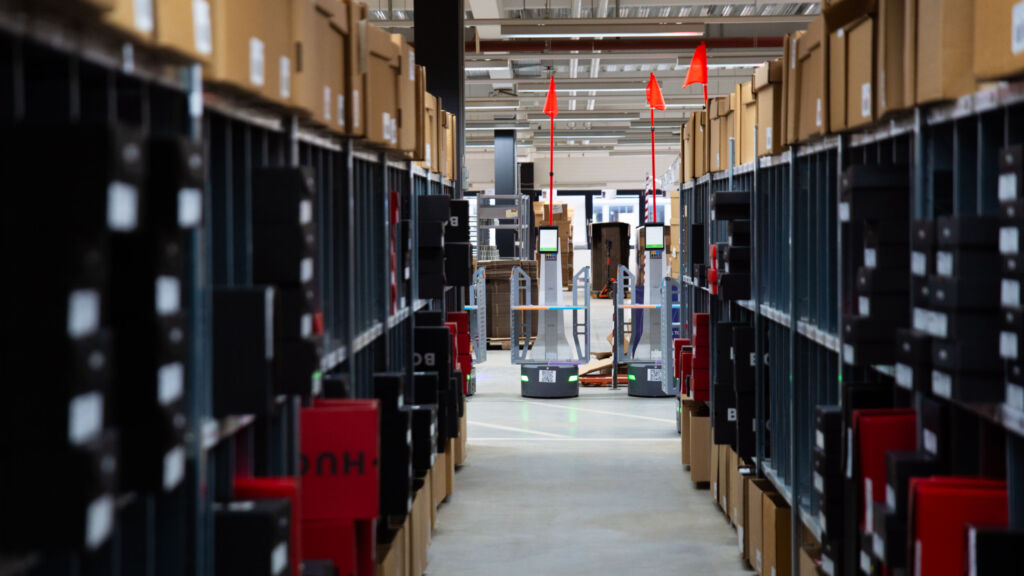
Increased throughput in narrow aisle warehouse
Locus Robotics has announced the successful implementation of its robotics solution at the logistics center of third-party logistics provider ITG, located near Munich Airport. This deployment aims to enhance throughput in the narrow aisle warehouse, showcasing the effectiveness of Locus Robotics' technology in optimizing logistics operations. The initiative reflects the growing demand for automation in supply chain management, as companies seek to improve efficiency and productivity in their warehousing processes.
Allgemein Automation Fördertechnik & Handling Lagerlogistik & Materialfluss Mobile Robotik
Post-00s entrepreneurs take center stage at 36Kr offline event: "Go big or go home."
On the evening of May 29, 36Kr and Light Source Capital hosted the second offline gathering titled "TokenAge" in Beijing, focusing on the impact of AI on productivity rather than just token consumption metrics. The event featured four prominent guests from the AI startup scene: Huang Yi, founder of RoboParty, which specializes in open-source bipedal robots; Zheng Jiaxi, founder of Eup Robotics, developing underwater inspection robots for offshore energy platforms; Jin Ruofan, founder of Science Intelligence, exploring AI applications in scientific research; and Huang Xinxin, head of Light Source Capital's 3i Innovation Incubator. The gathering highlighted the challenges faced by young entrepreneurs in the AI sector, emphasizing the need for rapid product delivery and clear commercialization strategies. Attendees, including entrepreneurs and investors, engaged in discussions about how companies should reorganize in the AI era and why AI has yet to significantly enhance organizational efficiency. Light Source Capital's CEO, Zheng Xuanle, noted that AI represents a fundamental shift in productivity, akin to electricity, and is driving innovation across various sectors. The event underscored the importance of understanding AI's potential and the necessity for organizations to adapt to its rapid evolution. As AI becomes increasingly integrated into business processes, the focus will shift from merely adopting technology to fostering a culture of innovation and strategic thinking among teams. The evening concluded with each guest setting ambitious goals for the coming year, reflecting their commitment to advancing their respective fields within the AI landscape.

Nanoloy Unveils RoboX
A deep-tech battery company based in India has successfully obtained third-party validation for its high-energy battery platform, designed specifically for drones, robotics, and autonomous systems. This significant achievement was announced recently, highlighting the company's commitment to advancing energy solutions in the rapidly evolving tech landscape. The validation process, conducted by an independent entity, confirms the platform's efficiency and reliability, which are crucial for the performance of various applications in the fields of automation and aerial technology. The company aims to leverage this validation to attract investment and partnerships, further enhancing its position in the competitive battery market. This development underscores the growing importance of innovative energy solutions in supporting the future of autonomous technologies.
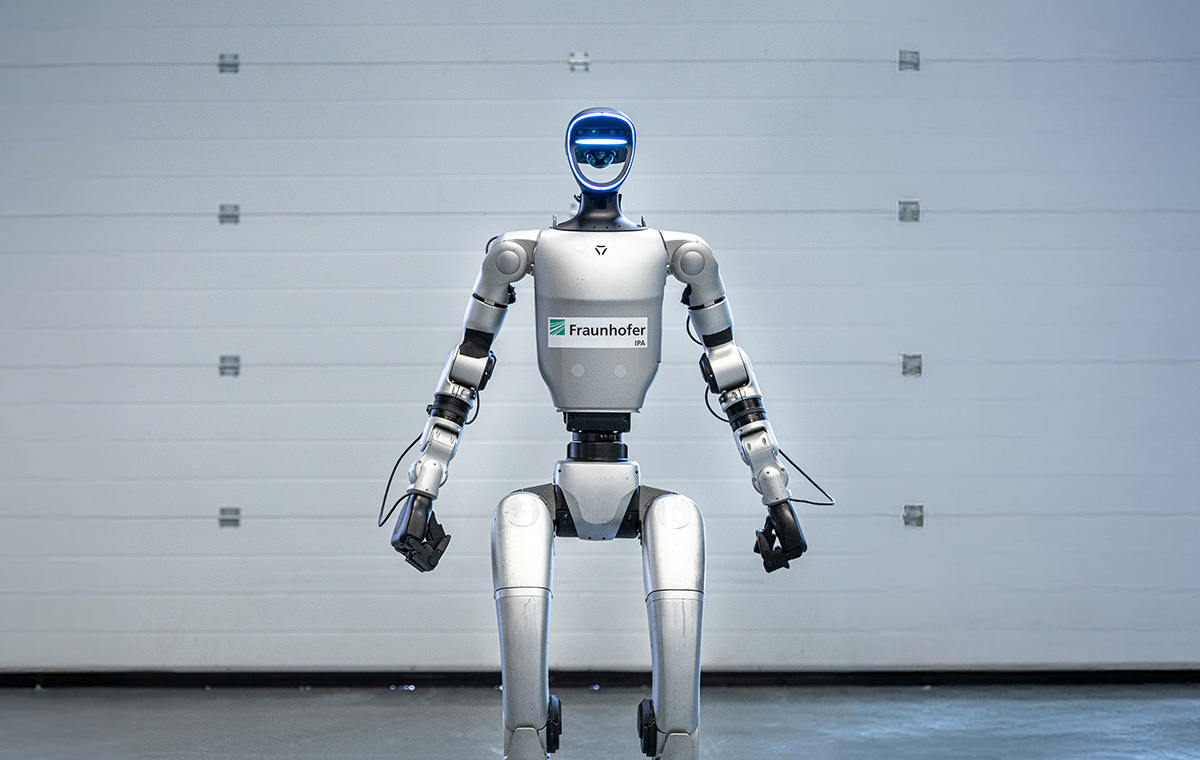
Fraunhofer IPA offers new test benchmark for humanoids
Fraunhofer IPA has introduced a new benchmark aimed at evaluating humanoid robots for industrial applications. This initiative addresses the need for standardized criteria that can be utilized by third-party analysts to assess the performance and suitability of these robots in various industrial settings. The development of this benchmark reflects the growing demand for reliable and efficient humanoid robots in the workforce, as industries seek to enhance productivity and automate processes. By providing a structured framework for evaluation, Fraunhofer IPA aims to facilitate the integration of humanoid robots into industrial environments, ensuring they meet specific operational requirements.
Actuators / Motors / Servos Arms / Manipulators Batteries / Power Supplies Cameras / Imaging / Vision Controllers End Effectors / Grippers
Unitree Enters H1 in Beijing Marathon, Distances Itself from Independent Teams
Unitree Robotics has officially announced its participation in the upcoming Beijing Humanoid Robot Marathon, marking a significant shift after a year of distancing from third-party performance. The company is set to compete with its newly refined H1 robot, which is specifically engineered to achieve a sub-60-minute finish in the half-marathon event. This decision to enter the race reflects Unitree's commitment to showcasing its advancements in robotics and artificial intelligence. The marathon is scheduled to take place in Beijing, with the event serving as a platform for innovation and competition among leading robotics developers. By entering the race, Unitree aims to demonstrate the capabilities of its technology and contribute to the growing field of humanoid robotics.
H1 Unitree Robotics China
Taiwan Opposition’s $7.5 Billion Plan Stirs Drone Defense Debate
Taiwan's main opposition party has unveiled a strategy to advance the drone industry, shortly after blocking a similar initiative proposed by President Lai Ching-te's administration. This development comes amid ongoing discussions regarding unmanned systems, which hold significant importance for Taiwan's defense capabilities. The opposition's move reflects a growing emphasis on enhancing the island's technological and military resources in response to regional security challenges. The initiative aims to bolster Taiwan's defense infrastructure and ensure its preparedness in an increasingly complex geopolitical landscape.

New Manchester Hub Unlocks Potential
Autodoc SE, a prominent online retailer specializing in automotive spare parts and accessories, has launched its first warehouse in the UK, located in Manchester. This facility, which spans 7,200 square meters, was opened in late May in collaboration with Radial, a logistics service provider that is now part of the newly established third-party logistics leader, Paxon. With this new addition, Autodoc expands its operational footprint to five distribution centers across Europe, enhancing its capacity to meet growing demand in the automotive sector. The strategic move aims to improve logistics efficiency and customer service in the UK market.
eFulfilment Warehouse Property Warehousing Autodoc automotive Manchester hubRobotics needs a service framework.
RSF defines a common language for robot service capability, lifecycle operations, certification pathways, and service-provider networks.