


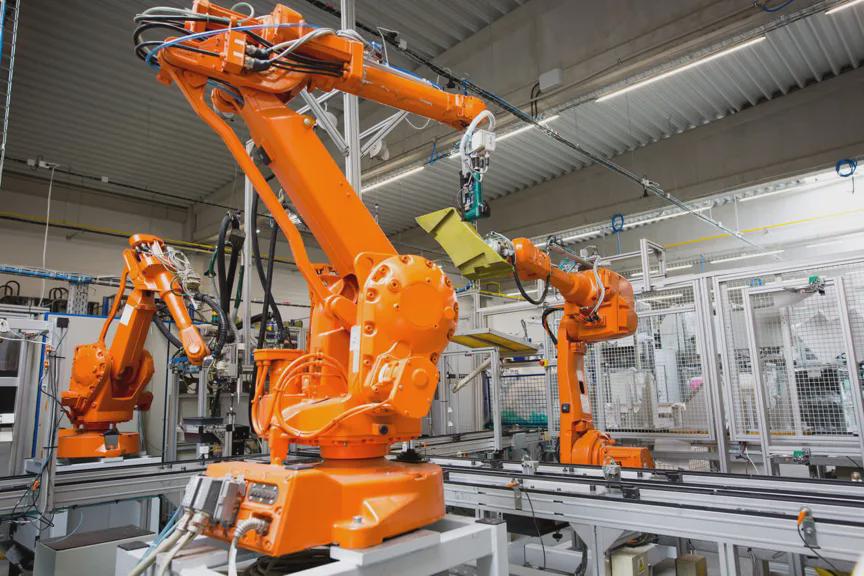
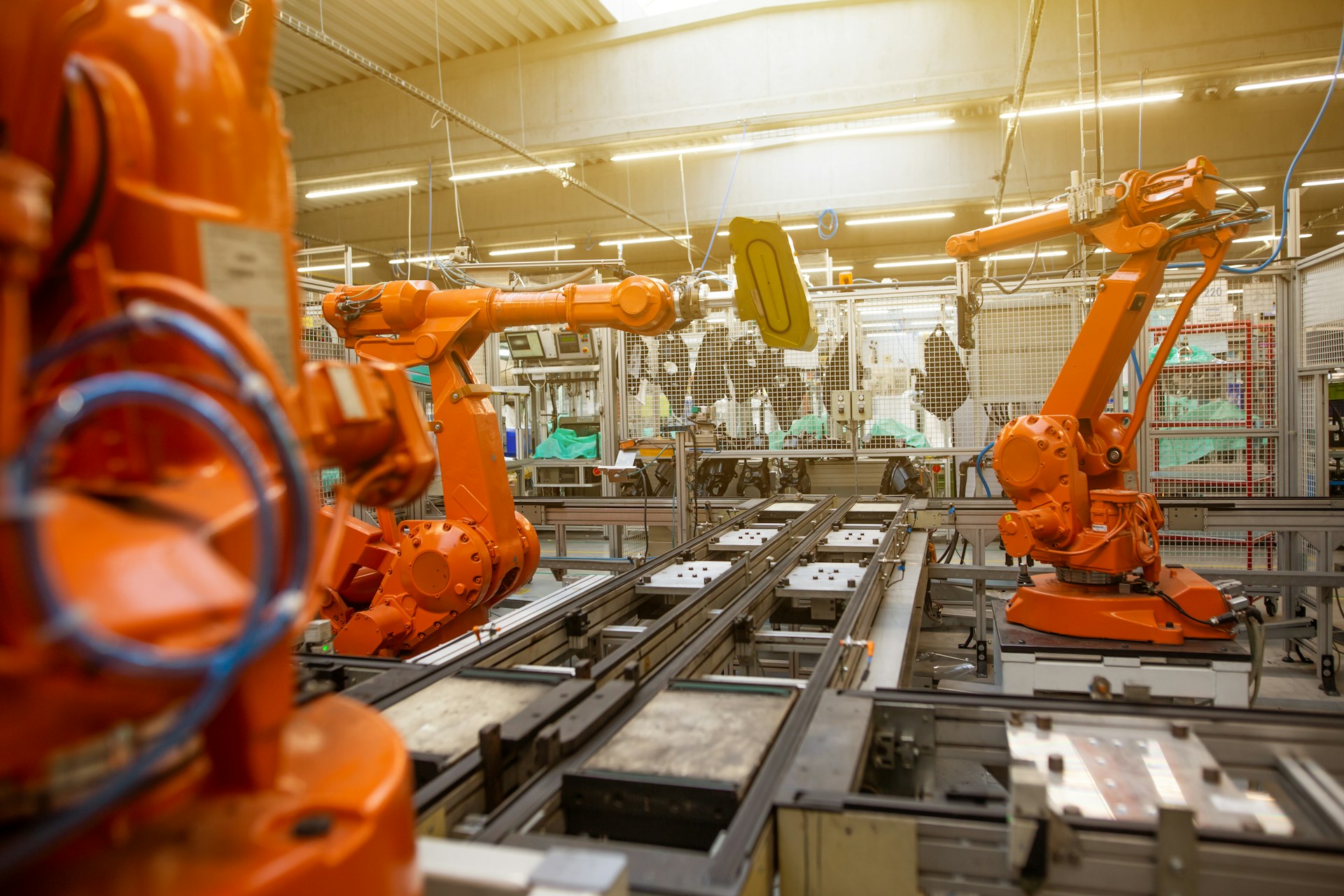
The Trump administration's recent decision to block the sale of advanced industrial robots from foreign countries has sparked mixed reactions among experts. The Federal Communications Commission updated its covered list to include mobile robots and connected power inverters, citing national security concerns. This ban effectively prohibits the import, marketing, or sale of these products in the U.S., although companies can seek conditional approval.
Experts like Robert Little believe this move is not only a cybersecurity measure but also a strategy to boost domestic production of humanoids and mobile robots. The U.S. is currently a leader in robotics investment, attracting significant venture capital, yet it faces a growing gap in robot manufacturing compared to China, which installed 295,000 robots in 2024 alone. This disparity highlights the need for the U.S. to enhance its competitive edge in the global robotics market.
Looking ahead, the Association for Advancing Automation is advocating for a national robotics strategy that could include subsidies and tax incentives to promote domestic robot production. The FCC's ban, applicable only to new products, may provide an opportunity for U.S. companies to strengthen their market position before potential future changes to these restrictions.
Editor's Note
The FCC's recent ban on foreign robotics imports underscores the ongoing challenges in the U.S. robotics landscape. As domestic production struggles to keep pace with international competitors, particularly China, this move may catalyze a shift towards nearshoring and increased local manufacturing. Stakeholders in the robotics sector should monitor how these regulatory changes influence investment and production strategies moving forward.































Leave a comment