Industry Briefing
A single destination for timely, editor-curated robotics news from around the world.
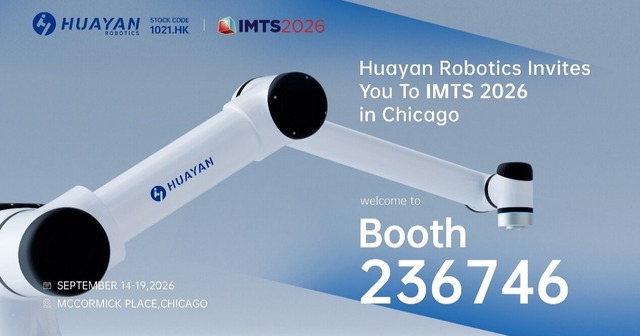
Huayan Robotics to Showcase 7-Axis Humanoid Arms at IMTS 2026 in Chicago
Chinese robotics manufacturer Huayan Robotics will exhibit at the International Manufacturing Technology Show (IMTS 2026) in Chicago from September 14 to 19, 2026. The company plans to showcase its advanced manufacturing capabilities, including welding, palletizing, CNC machine tending, vision inspection, and force control polishing. The IMTS, a historic manufacturing technology exhibition established in 1927, is expected to host over 2,000 exhibitors and attract more than 90,000 visitors in 2026. Huayan Robotics will present its collaborative robots, including the E12-Pro welding robot with a reach of 1.8 meters and a payload capacity of 60 kg, designed for large or irregular welding tasks. Additionally, Huayan Robotics will display its 7-axis humanoid robot arms, the HY 7 and Echo 5, which offer flexibility and obstacle avoidance in confined spaces. The company has over 20 years of experience in technology development and has implemented its collaborative robots across more than 60 process scenes in over 50 countries. No further timeline was disclosed at the time of publication.
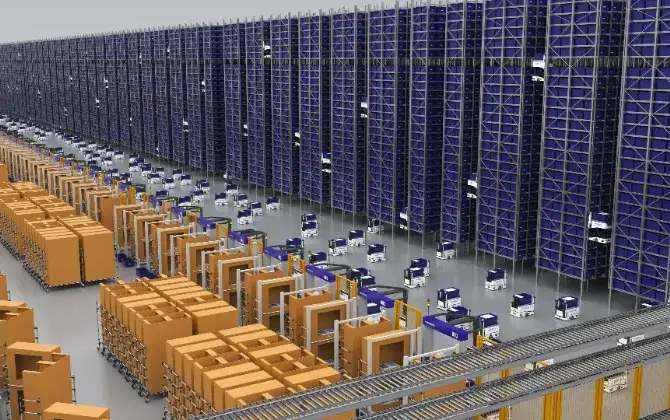
Hai Robotics Chosen for Largest Deployment of Rack-Climbing Warehouse Robots Worldwide
Hai Robotics has been selected to implement automation technology for a new large-scale e-commerce fulfillment center operated by a major European fashion retailer. This project features the HaiPick Climb system, marking the largest deployment of rack-climbing warehouse robots globally, with over 1,500 units set to enhance operational efficiency. The significance of this deployment lies in its potential to revolutionize warehouse automation, establishing a new benchmark in the industry. The retailer's expansion of its partnership with Hai Robotics underscores the reliability of the HaiPick Climb solution in managing high-volume online orders, with a throughput exceeding 24,000 totes per hour across a 30,000m² automated fulfillment operation. Looking ahead, the project exemplifies the increasing trend towards scalable robotic automation in large-scale fulfillment operations. No further timeline was disclosed at the time of publication, but the successful integration of over 1,500 HaiPick Climb robots is expected to enhance the retailer's capacity for omnichannel fulfillment significantly.
Warehouse Automation E-commerce Fulfillment Robotic Systems Logistics Supply Chain Management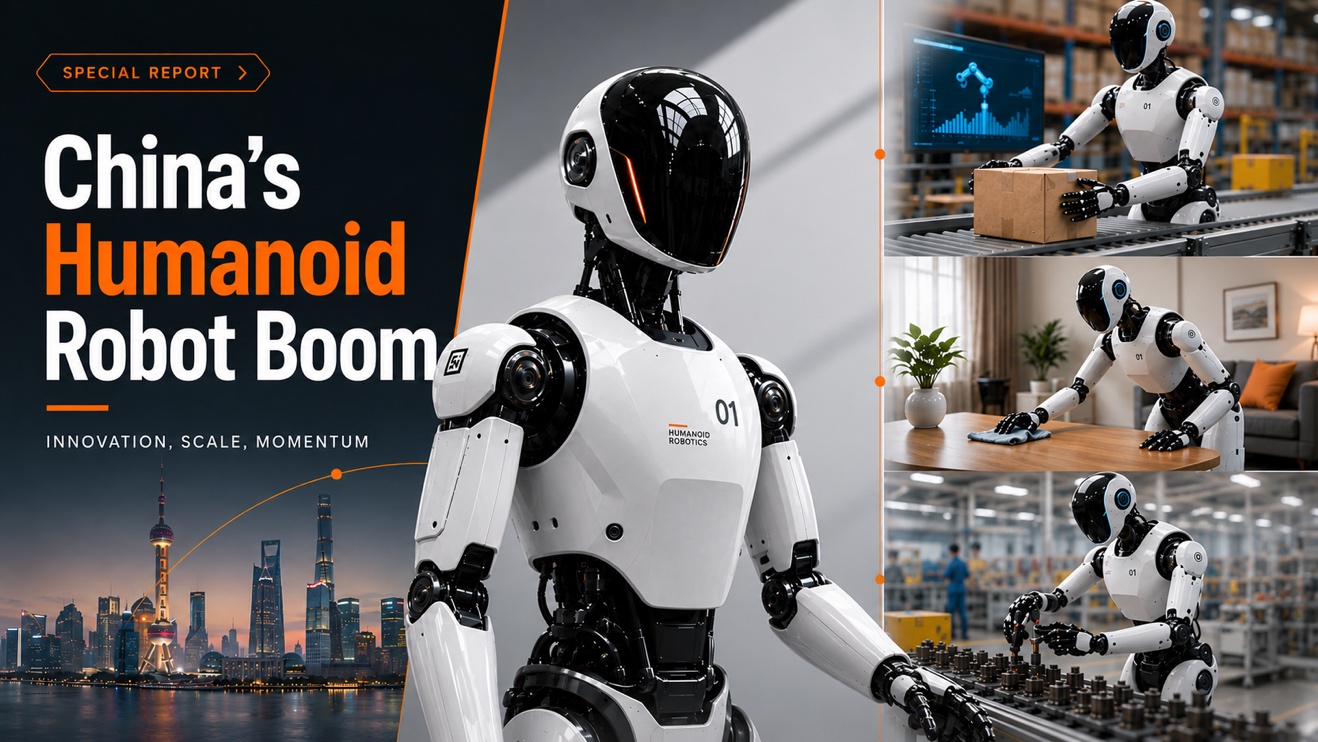
China's Humanoid Robot Boom: Startups Transition from Demonstrations to Practical Applications
China's humanoid robot sector is experiencing significant growth, marked by increased capital investment and diverse applications. Unitree has emerged as a key player, listing on Shanghai’s STAR Market in August 2026, with shares initially soaring to RMB 1,100, reflecting a 629% increase from its offering price. Despite a subsequent stock correction, Unitree reported a 48.5% year-over-year revenue increase, generating RMB 1.15 billion in the first half of 2026 and producing approximately 18,000 bipedal humanoid robots. The expansion of China's robotics industry is also evident in startups like Zerith and RobotEra, which are addressing specific challenges in automation. Zerith's H1 robot, priced at RMB 199,000, began global shipments in Q2 2026 and has been deployed in commercial settings, including airports and supermarkets. Meanwhile, RobotEra is focusing on dexterous manipulation, with its robots already operational in logistics centers for major companies like China Post and SF Express, securing orders exceeding RMB 500 million. As the humanoid robot boom evolves, the focus is shifting from industrial applications to service-oriented environments. The success of these startups will depend on their ability to deliver reliable performance in everyday tasks, ensuring continued customer investment in robotic solutions. No further timeline was disclosed at the time of publication.
Heavy Hitters Highlight News
The Rise of Household Robots: Transforming Mobility and Daily Life by 2026
By 2026, the tech industry anticipates a significant shift where robotaxis will replace personal vehicles, and humanoid robots will become essential household members. This narrative suggests that cars will transition from personal ownership to mobility services, while robots will evolve similarly, becoming integral to family life. The implications of this shift are profound, as automotive companies leverage their expertise in intelligent driving technologies for robotics. Tesla's Optimus and FSD share architecture and AI chips, with mass production delayed until summer 2027. Meanwhile, BYD's humanoid robot, Xiaodi, is already in experience centers, highlighting the automotive sector's readiness to adapt. However, the transition from industrial to home environments remains challenging. Despite a surge in humanoid robot shipments, household penetration is low, with most units directed towards entertainment and education. As the industry moves towards a service-oriented model, the focus will shift from hardware ownership to the value of the underlying intelligent systems, data, and services that drive competition in this evolving landscape.
Humanoid Robots Robotaxi Service Robotics AI Mobility Solutions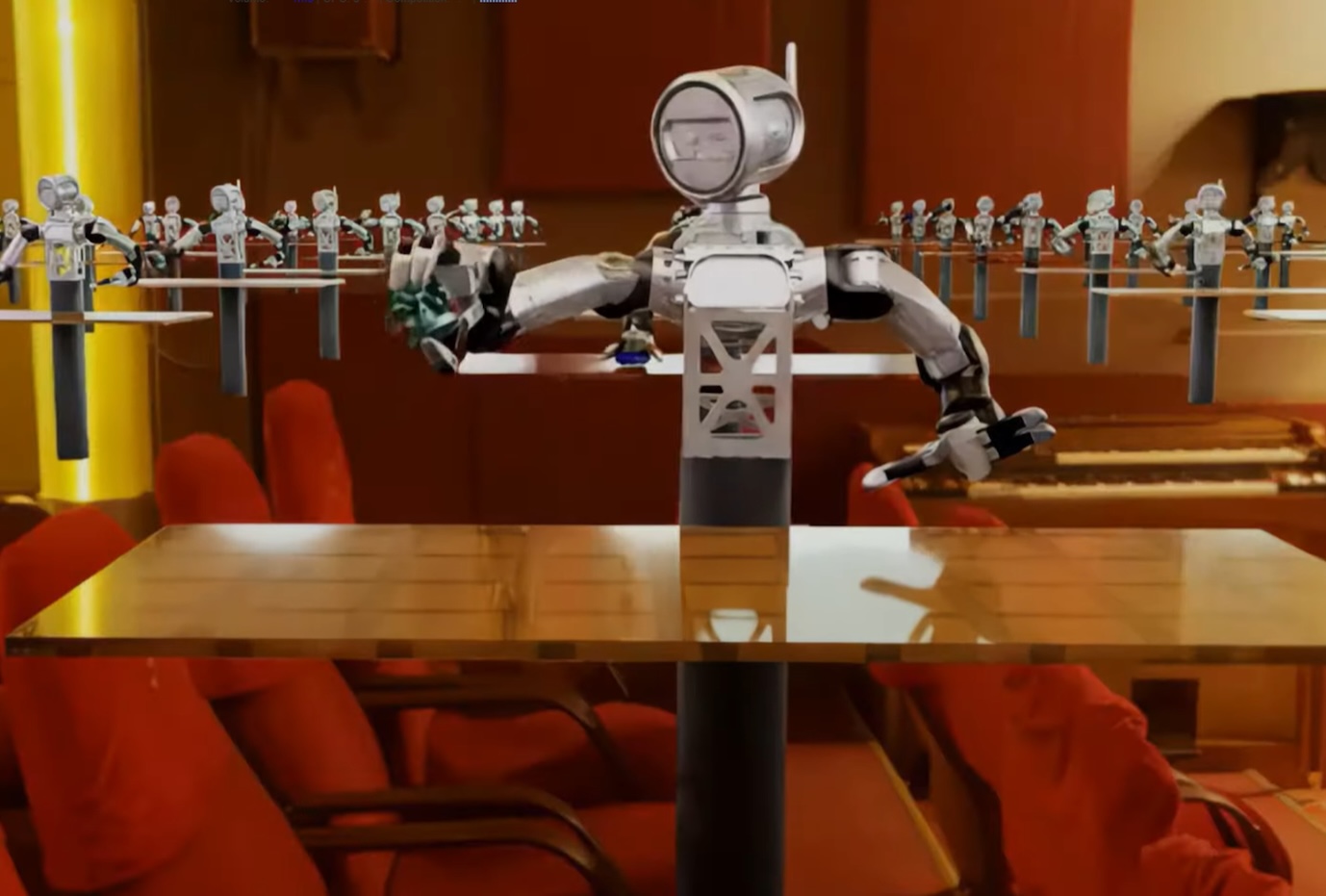
BigWave Robotics Partners with Space Factory to Deploy Humanoid Robots in Construction by 2026
BigWave Robotics, a South Korean AI company, has announced a partnership with modular housing manufacturer Space Factory to deploy humanoid robots in housing production starting in 2026. This initiative marks a significant shift in the construction industry, which has traditionally relied on human expertise, as robots begin to automate complex tasks such as insulation installation. The entry of humanoid robots into the construction sector is crucial as it addresses labor shortages and enhances production efficiency amid rising housing demands. Modular housing, which involves factory prefabrication and on-site assembly, is increasingly seen as a solution to expedite housing construction, and the integration of robotics is expected to further advance this trend towards smart manufacturing. Looking ahead, the success of humanoid robots in various industries will depend on their cost, reliability, and efficiency. While BigWave Robotics is focusing on the construction sector, the broader implications of this technology could lead to its application in logistics, energy maintenance, and public facility management, marking a new era in industrial automation.
Humanoid Robots Construction Automation Smart Manufacturing Modular Housing AI Technology
LG Electronics Advances Humanoid Robot Actuator Production Plans Amid Industry Shift
As artificial intelligence technology progresses, the humanoid robot industry is transitioning from proof-of-concept to commercialization. The focus of competition is shifting from showcasing complete robots to the core components that drive scalability. Actuators, which connect the robot's control system to its mechanical structure, are becoming a key area of investment. Recently, LG Electronics announced its commercialization plan for humanoid robot actuators at the IFA 2026 exhibition, revealing plans to establish an automated production line in Changwon, South Korea, to supply its AXIUM series integrated actuators globally. This move indicates LG's transition from a consumer electronics company to a core supplier in the robotics sector, aiming to secure a critical position in the future humanoid robot supply chain. The actuator's performance and cost significantly impact the robot's mobility, stability, and commercialization costs, as a standard humanoid robot typically requires around 30 actuators, which can account for 60% to 70% of the total cost. The competition in the humanoid robot industry will not only revolve around mechanical structures but also the integration of hardware and software capabilities, necessitating industry collaboration to address challenges in power, perception, computation, and algorithms.
Humanoid Robots Actuators AI Technology Robotics Supply Chain
Military Humanoid Robots in Engineering Validation Phase Amid Global Defense Research Trends
The global embodied intelligence industry is increasingly capturing the attention of national defense research, with humanoid robots expected to enhance their mobility, dexterity, and environmental perception by 2025-2026. Chinese manufacturers dominate the global humanoid robot shipment market, providing a substantial hardware foundation for military research. Various military research institutions are exploring potential battlefield applications, including urban warfare and infiltration, with simulations indicating that usable prototype systems may emerge within 5-10 years. However, despite advancements, there is currently no public evidence that armed humanoid robots have been officially deployed in combat units, as most projects remain in laboratory and training validation phases. The battlefield presents complex conditions that impose stringent reliability and endurance standards, far exceeding those of commercial products. Challenges such as high energy consumption and complex repair processes hinder the operational capabilities of humanoid robots in high-intensity combat scenarios. Tactically, humanoid robots are not the sole optimal solution for battlefield unmanned equipment. More mature technologies like wheeled and tracked vehicles are already fulfilling reconnaissance and logistics roles at lower costs. The dual-use technology approach emphasizes the importance of civilian advancements in robotics for military applications, while military requirements can drive improvements in civilian products. The path forward involves addressing environmental adaptability, energy consumption, and cost issues to ensure humanoid robots can reliably operate in harsh conditions and meet tactical and economic demands.
Humanoid Robots Military Robotics Dual-Use Technology Robotics Research
North Carolina State University Develops Soft Robot for Continuous Jumping Without Electronics
Researchers at North Carolina State University have developed a soft robot capable of continuous jumping without electronic control. This innovation utilizes geometric structures and light-responsive materials to enable the robot to autonomously jump under constant infrared light, overcoming previous limitations that required manual resets or external stimuli for each jump. This advancement is significant as it opens new pathways for the movement of micro soft robots, allowing them to navigate diverse environments without the need for complex electronic systems. The robot, named the annular jumper, can adapt to various terrains, achieving vertical jumps up to 80 times its size and horizontal jumps exceeding three times its length, showcasing its potential for real-world applications. Looking ahead, the research highlights the importance of physical intelligence in robotics, where movement logic is embedded in material properties and geometric configurations. While the current prototype is still in the concept validation stage and faces challenges such as reliance on infrared light and material fatigue, it lays the groundwork for future developments in low-cost micro soft robots that could be deployed in swarm formations for environmental exploration and disaster response.
Soft Robotics Autonomous Systems Light-Responsive Materials Geometric Structures
International Team Develops Robots Learning to Navigate Terrain from Stick Insects
An international team from Tohoku University and VISTEC is studying stick insects to enhance robot navigation in challenging terrains. The research focuses on the insect's six legs, which allow for agile movement across various surfaces, surpassing current multi-legged robots in coordination. By employing adversarial inverse reinforcement learning, the team enabled a six-legged robot to autonomously learn to navigate diverse terrains within an hour by observing stick insect locomotion. This research is significant as it proposes a shift from traditional biomimetic approaches that require specific programming for each robot and terrain. Instead, the team aims to extract fundamental movement control principles, allowing robots to adapt to changing environments without extensive reprogramming. This adaptability is crucial for disaster scenarios where uneven surfaces and obstacles are prevalent, particularly in earthquake-prone Japan, where the demand for effective rescue robots is high. Looking ahead, the team plans to validate the learning system's robustness in realistic rubble environments and explore the potential for robots to compensate for lost limbs through continuous learning. The implications of this research could redefine how robots navigate complex terrains, making them more effective in emergency situations.
Robotics Disaster Response Machine Learning Bio-inspired Robotics
DEEP Robotics' Lynx Robot Operates in Extreme 55°C Desert Conditions
DEEP Robotics has released a video showcasing its Lynx wheeled-legged robot navigating extreme desert terrains, including soft sand and steep slopes. The robot's design combines wheeled movement for efficiency on flat surfaces with adjustable jointed legs for overcoming obstacles, making it suitable for narrow spaces like vineyards. The Lynx series operates in temperatures ranging from -30°C to 55°C and features an IP66 rating for dust and water resistance. For instance, the Lynx M20 weighs 33 kg, has a payload capacity of 15 kg, and can operate for 2.5 hours under load. It is equipped with dual 96-line LiDAR and dual-frequency cameras for real-time obstacle detection, significantly reducing manual labor in high-temperature environments. The robot has already been deployed in commercial vineyards in Xinjiang, reducing manual transport workload by over 70%. Additionally, it has been utilized for industrial inspections and public safety tasks, demonstrating its versatility in various applications. No further timeline was disclosed at the time of publication.
Robotics Industrial Automation Extreme Environment Technology Agricultural Robotics
Ji'er 2.0: The First Humanoid Robot Transforming Smart Breeding in China
On September 4, 2026, at the 33rd China Beijing Seed Industry Conference, the team led by Xu Cao from the Institute of Genetics and Developmental Biology of the Chinese Academy of Sciences unveiled Ji'er 2.0, the world's first humanoid intelligent breeding robot. This fully domestically produced robot can autonomously navigate through tomato flowers and perform pollination in under 10 seconds. The significance of Ji'er lies in its innovative strategy called 'crop-robot collaborative design.' Traditional hybrid pollination relies heavily on manual labor, with hybrid varieties accounting for over 90% of commercial seeds. The Xu Cao team has re-engineered flower structures through gene editing, allowing the robot to effectively perform pollination tasks, improving the accuracy of stigma recognition from 85% to 92.8%. The upgraded Ji'er 2.0 features a dual-arm system, enhancing its adaptability. It can autonomously operate in various conditions, significantly reducing labor intensity in hybrid pollination. The technology has also been validated in soybean breeding, and future applications may extend to extraterrestrial environments, potentially aiding in greenhouse construction on the Moon or Mars. No further timeline was disclosed at the time of publication.
Smart Breeding Agricultural Robotics AI Technology Genetic Engineering
Batten & Kamp Unveils 'Beauty Seeker': An AI Robot as a Mobile Flower Vase
At the 2026 IFA in Berlin, Batten & Kamp introduced 'Beauty Seeker,' a unique creation combining an AI six-legged robot with an orchid, transforming it into a mobile vase. This design intentionally diverges from mainstream technology narratives by stripping the robot of its built-in camera and multiple functionalities, focusing instead on a fundamental question: what does it mean for a high-tech robot to coexist with us as a simple container in a home environment? The robot retains a single core function: using LiDAR to track nearby people and slowly adjust its position to draw attention to the orchid it carries. This design creates a sense of absurdity, as the advanced robot serves not to perform tasks but to act as a moving base for a flower. Interestingly, this limitation reduces the typical threat perception associated with such robots, as it merely holds a flower, creating a peculiar tension between its potential power and its chosen role as a vase. This is not Batten & Kamp's first exploration of such contradictions; their 2023 project 'Comfort Seeker' featured an iconic Eames chair on a four-legged robot, examining the intersection of furniture and autonomous systems. 'Beauty Seeker' continues their inquiry into the relationship between technology and nature, as the orchid, evolved to attract pollinators, now competes for human attention through an AI-driven robot. The designers aim to shift the focus from what robots can do to what they should do, suggesting that the rarest behavior may be simply to hold a flower and quietly revolve around us.
AI Robots Design Innovation Human-Robot Interaction Domestic Technology
Concerns Rise Over Violence in Fighting Robots at Trade Shows Like IFA 2026
At the IFA 2026 in Berlin, fighting robots captured significant attention, particularly the EngineAI T800 humanoid robot, which mimicked boxing moves. CNET's Katie Collins expressed deep concerns about the implications of showcasing such robots, especially as they are increasingly associated with violence in entertainment. The presence of aggressive robots raises questions about public perception of risk, especially as autonomous robots are already used in military applications. Collins highlighted the troubling normalization of violence through entertainment, noting that while robots like the T800 can engage in combat scenarios, their safety measures and decision-making capabilities remain uncertain. This contrasts sharply with strict safety protocols observed in industrial settings, where robots pause operations when humans enter their work zones. The disparity raises alarms about the potential dangers of allowing aggressive robots to interact freely with the public. The article argues that while technology may enable the creation of violent autonomous machines, it does not justify their production or display as harmless entertainment. Collins calls for a reevaluation of the safety culture within the robotics industry, emphasizing the need for responsible public engagement with these technologies. No further timeline was disclosed at the time of publication.
Fighting Robots Robot Safety Entertainment Technology AI Ethics
Robots Engage in Activism: Demonstrating for Job Preservation and Human Employment
Recent developments in robotics have seen machines taking on activist roles, with robots staging protests to advocate for the preservation of human jobs. This movement highlights the growing intersection of technology and social issues, emphasizing the need for a balance between automation and employment. The significance of this robotic activism lies in its potential to influence public perception and policy regarding automation in the workforce. As industries increasingly adopt robots for various tasks, the conversation around job displacement and the future of work becomes more critical. Companies like Monumental are focusing on automating construction while maintaining skilled jobs, showcasing a commitment to both innovation and employment. Looking ahead, the evolution of robotics and AI technologies will likely continue to shape these discussions. The integration of advanced systems, such as XTEND’s XOS and DEEP Robotics’ capabilities, will be pivotal in determining how robots can coexist with human workers. No further timeline was disclosed at the time of publication.
AI and Robotics
Xpeng Launches Automated Production Line for Humanoid Robots with High-Level Capabilities
Xpeng has successfully activated an automated production line dedicated to humanoid robots, marking a significant milestone in robotics. The company claims that the first high-level general-purpose humanoid robot has completed its assembly and autonomously walked off the production line. This production line is engineered for mass production, boasting an automation rate exceeding 80% in its essential processes. The establishment of this production line is crucial as it positions Xpeng to meet the growing demand for humanoid robots in various sectors. With plans to initiate volume production by the end of 2026, Xpeng aims to deliver these advanced robots to both domestic and international markets starting in 2027. This move highlights the company's commitment to innovation and leadership in the robotics industry. Looking ahead, stakeholders should monitor Xpeng's progress toward its production and delivery timelines. The successful launch of this automated line could set a precedent for other companies in the robotics sector, potentially influencing market dynamics and technological advancements. No further timeline was disclosed at the time of publication.
News Feed
EcoPro Co. Targets Humanoid Robotics for Growth Beyond Electric Vehicles
EcoPro Co. is set to engage in the South Korean battery-materials sector's initiative to support the humanoid robotics industry. The company is betting on the increasing demand for lightweight and powerful batteries, which is expected to create a new growth market beyond the traditional electric vehicle sector. This strategic move is significant as it highlights the evolving landscape of battery applications, where the need for advanced battery technology is expanding into new domains like humanoid robotics. The shift could lead to innovative developments in both battery design and robotics, potentially transforming how these technologies are integrated. Looking ahead, industry stakeholders will be keen to observe how EcoPro Co. and other battery manufacturers adapt their technologies to meet the specific needs of the humanoid robotics market. No further timeline was disclosed at the time of publication.
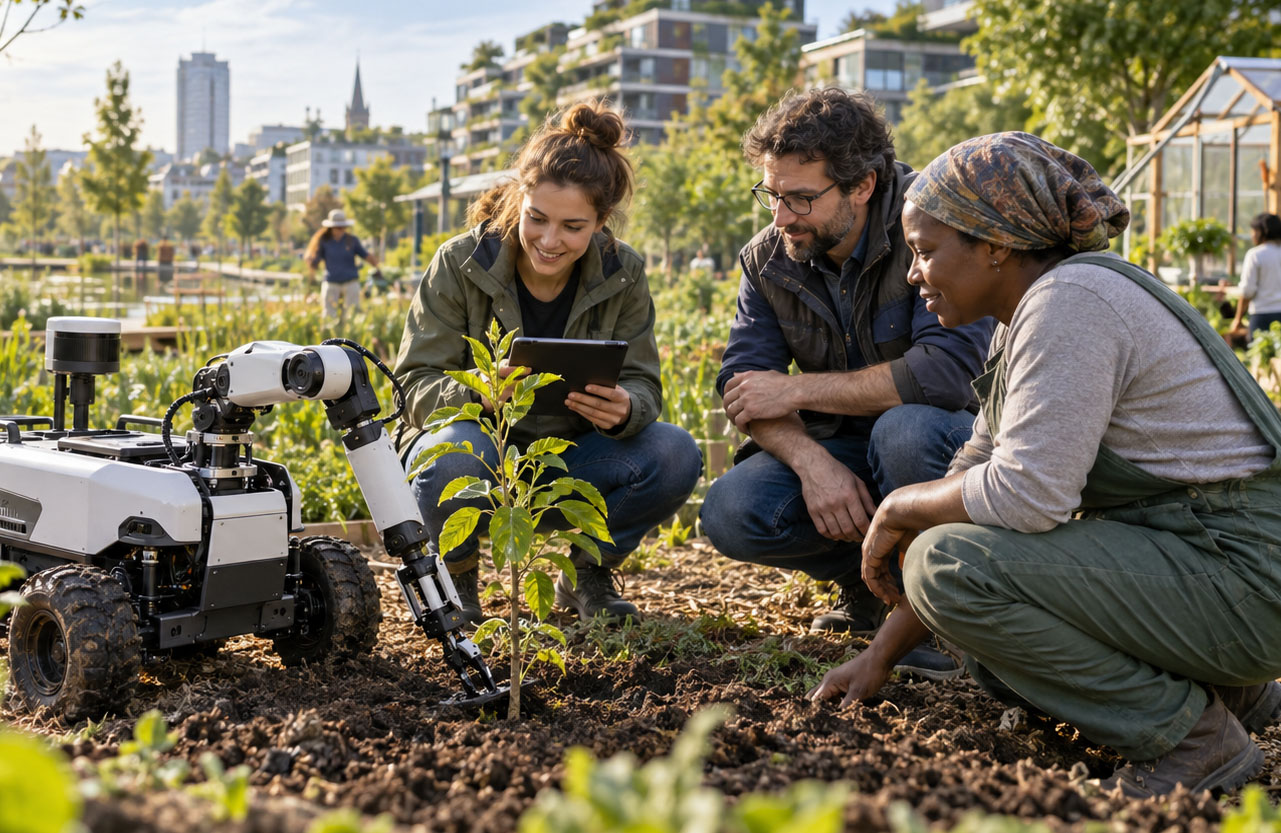
Robotics Must Address Major Ecological and Societal Challenges, Says Catherine Simon
Catherine Simon, an Industrial Digital Advisor at the General Secretariat for Investment, discusses the significant transformations in the robotics industry, from the era of Innorobo to the rise of Physical AI. She emphasizes the potential of service robotics across various sectors, including healthcare, logistics, and agriculture, highlighting its evolution from specialized industrial tools to a General Purpose Technology. The rapid advancement of generative AI and Physical AI is fundamentally changing robotics, moving it beyond niche applications and technological demonstrations. Simon argues that France and Europe have the potential to become global leaders in robotics by adopting a demand-driven strategy that focuses on addressing urgent economic and environmental needs, rather than merely pushing technological advancements. Looking ahead, Simon suggests that identifying promising markets where the demand for robotics is both urgent and substantial will be crucial. France and Europe can leverage a robust industrial ecosystem that includes international corporations, innovative SMEs, and top-tier research laboratories to ensure a seamless transition from innovation to practical applications in the robotics sector.
À la une Humanoide IA Interview Robotique Santé
Astribot Launches SmoothRL: A New Era in Online Reinforcement Learning for Robots
Astribot has introduced SmoothRL, an online reinforcement learning framework validated through real robot tasks. This technology addresses a critical challenge in embodied intelligence: how robots can learn and improve while executing tasks in real-time. Traditional models struggle with precision in real-world applications, often failing in details like positioning and force control despite extensive training. The significance of SmoothRL lies in its ability to allow robots to receive feedback through real interactions, adjusting their strategies based on success or failure. Unlike conventional offline training, which pauses for data collection and model updates, SmoothRL enables continuous operation, thus enhancing the robot's learning process without disrupting its tasks. This shift marks a pivotal change in how robots are trained, moving from reliance on pre-collected data to ongoing adaptation based on real-world experiences. Initial tests with the Astribot S1 robot show promising results, with task success rates significantly improving across various activities. However, challenges remain for widespread adoption, including high data collection costs and the need for reliable reward mechanisms. The future of robotic learning may evolve into a continuous optimization process, moving away from fixed capabilities post-deployment.
Reinforcement Learning Embodied Intelligence Robot Development Real-Time Learning
AI Ultrasound Robots Revolutionize Congenital Heart Defect Surgery with Intelligent Imaging
Recently, a medical team in China successfully performed a congenital heart defect closure surgery using an AI-assisted ultrasound robot. This operation, conducted by the Sixth Medical Center of the PLA General Hospital, involved a 48-year-old male patient and marks the first global use of an AI ultrasound robot with intelligent imaging capabilities for such minimally invasive treatment. This breakthrough signifies a shift in medical robotics from traditional execution tools to intelligent assistance systems. Previously, interventional surgical robots primarily handled mechanical tasks, while physicians relied on their experience to interpret ultrasound images. The AI ultrasound robot enhances this process by integrating image recognition, real-time analysis, and operational guidance, enabling automatic image acquisition and abnormal structure identification, which is crucial for precise placement of occluders in complex cardiac structures. As the field of medical robotics rapidly evolves, the cardiovascular sector is a key area for AI exploration due to the high precision and risk involved in heart interventions. The successful application of AI ultrasound robots in China reflects a significant trend towards redistributing medical resources, potentially improving access to high-quality healthcare in underserved regions. No further timeline was disclosed at the time of publication.
AI in Healthcare Surgical Robotics Cardiovascular Technology Medical Imaging Precision Medicine
China Achieves First AI-Guided Surgery for Congenital Heart Disease Using Intelligent Robotics
Recently, a medical team in China completed the world's first AI ultrasound robot-assisted interventional procedure for congenital heart disease. Conducted by the Cardiovascular Medicine Department of the Sixth Medical Center of the PLA General Hospital, this surgery marks a significant milestone in the clinical application of intelligent technology in healthcare. This breakthrough is crucial as it signifies the integration of artificial intelligence into one of the most critical aspects of surgical procedures: interpreting images, assessing positions, and aiding doctors in formulating operational plans. Traditionally, cardiovascular interventions heavily relied on physician experience, particularly in complex cases where accurate understanding of heart structure changes is essential. Looking ahead, the focus may shift from merely achieving higher precision with robotic arms to whether robots can comprehend medical images, analyze patient conditions, and adapt strategies in real-time. The integration of AI models, medical imaging, and robotic control systems will be vital for advancing surgical capabilities, especially in areas lacking experienced specialists.
AI in Healthcare Surgical Robotics Medical Imaging Cardiovascular Surgery
Restaurant Robots Enter Real Operations: Efficiency and Cost Challenges Ahead
Restaurant robots are transitioning from exhibitions to real operations, with significant implications for efficiency and cost. In late August, a dual-arm robot developed by Sharpa began working at a DQ store in Shanghai, completing 55 steps to make ice cream using existing equipment and ingredients. While the robot's production time is currently longer than that of skilled staff, the focus is on ensuring process stability before improving speed. The introduction of cooking robots in Chinese kitchens is gaining traction, with brands like Xiaocaiyuan deploying them across nearly 300 locations. Industry estimates suggest that cooking robots can enhance service efficiency by 30% to 50%. The market for cooking robots in China is projected to grow from 3.7 billion yuan in 2025 to 4.59 billion yuan in 2026, indicating a strong demand for automation in food preparation. Despite the potential benefits, challenges remain, particularly in customizing dishes and maintaining quality. High-end restaurants are hesitant to adopt cooking robots, emphasizing the irreplaceable skills of chefs. The future of restaurant robots will likely focus on human-robot collaboration, where robots handle repetitive tasks while humans manage personalized service and quality control.
Restaurant Automation Robotics AI Food Technology
Chinese Robots Dominate IFA 2026: Assessing European Market Readiness
In September 2026, Berlin witnessed a significant presence of Chinese robots at the IFA, with 932 companies from mainland China participating, contributing to nearly half of the 1,900 exhibitors. The event showcased a record number of humanoid robots, with performances that captivated audiences, including demonstrations of martial arts and interactive displays. However, a critical question arose regarding the European market's readiness to adopt these technologies. The interest in Chinese robots was evident, yet many European attendees expressed uncertainty about their practical applications in business. Feedback from a Paris-based electronics distributor highlighted a common sentiment: while the robots were intriguing, their utility in real-world scenarios remained unclear. This disconnect between the excitement of the demonstrations and the practical needs of the market raised concerns about the actual demand for such technologies in Europe. As the IFA concluded, the challenges for Chinese robotics companies became apparent. European distributors emphasized the importance of cost-effectiveness, system stability, and local support. The path forward for Chinese firms in Europe requires a deeper understanding of local market dynamics and a commitment to establishing robust partnerships with local distributors and integrators. No further timeline was disclosed at the time of publication.
Humanoid Robots Market Entry European Robotics Robotics Demonstrations AI Technology
Xiamen Tong'an District Launches Investment Model with 'Scenario Lists' for Robotics Firms
At the 26th China International Investment and Trade Fair, Xiamen's Tong'an district unveiled an innovative investment strategy using 'scenario lists' to highlight specific market demands in robotics and smart technology. This initiative is designed to draw in global companies by tackling key challenges within the hard tech industry. The introduction of 'scenario lists' is significant as it aims to stimulate collaboration and innovation across various sectors, including artificial intelligence and smart construction. By clearly defining market needs, Tong'an district seeks to create a conducive environment for robotics firms to thrive and contribute to technological advancements. Looking ahead, it will be important to monitor how effectively this investment model attracts international enterprises and whether it leads to tangible developments in the robotics sector. No further timeline was disclosed at the time of publication.
Robotics Smart Technology Investment AI Construction
MassRobotics Survey Reveals Impact of FCC's Robotics Ruling on Companies
A recent survey conducted by MassRobotics highlighted the varying effects of the FCC's July 2026 decision to include foreign-produced advanced robotics devices on its Covered List. Companies manufacturing primarily in the U.S. generally perceived the ruling positively, while those reliant on overseas production reported neutral or negative impacts, particularly concerning sourcing essential components like motors and sensors. The survey, which gathered responses from 14 companies between August 17 and August 23, 2026, indicated that the ruling's influence on product roadmaps was more disruptive than on fundraising efforts. Some companies expressed a desire for a vetted domestic supplier network and clearer regulatory guidance, while others already compliant with the ruling saw it as a competitive advantage. Looking ahead, the survey results suggest that the impact of the FCC ruling will continue to vary based on manufacturing locations and component sourcing. Companies are urged to adapt their supply chains, with many requesting additional support to navigate the regulatory landscape. No further timeline was disclosed at the time of publication.
AI AI Funding & Investment AI Policy & Regulation Robotics Covered List FCC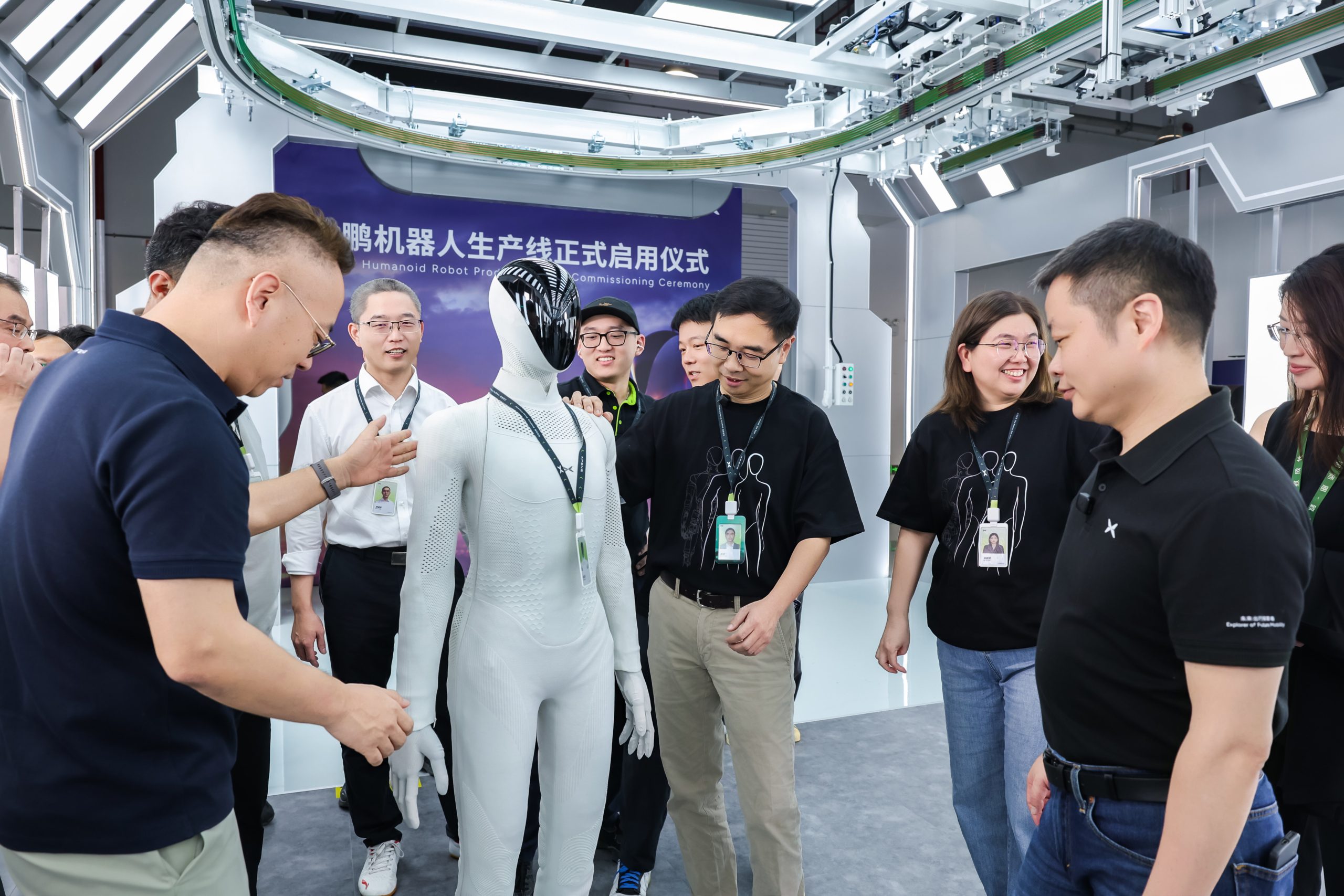
Xpeng Launches Automated Humanoid Robot Production Lines in China
Xpeng has announced the commissioning of humanoid robot production lines in China, with over 80% of core processes being automated. This significant step highlights Xpeng's commitment to advancing robotics technology in manufacturing. The automation of these production lines is crucial as it enhances efficiency and reduces labor costs, positioning Xpeng as a competitive player in the robotics sector. The move reflects a broader trend in the industry towards increased automation and intelligent manufacturing practices. Looking ahead, it will be important to monitor how Xpeng's investment in automated humanoid robot production impacts its market position and the overall robotics landscape. No further timeline was disclosed at the time of publication.
News Robotics China Funding humanoid robots Xpeng
Surge Robotics Established Following Majority Stake Acquisition in Idea8
Surge has officially launched Surge Robotics by acquiring a majority stake in Idea8, a product engineering firm. This strategic move allows Surge to expand into industrial automation and physical technology, integrating Idea8's expertise in IoT, edge computing, and sensor engineering with Surge's AI and cloud capabilities. The formation of Surge Robotics is significant as it aims to enhance factory operations through digital integration, focusing on predictive maintenance and real-time factory intelligence. Idea8's technology is already in use by notable companies such as Uniqlo, MAS, and Brandix, showcasing its practical applications in the manufacturing sector. Looking ahead, Surge has appointed Henry Wu and Sarath Sathkumara to its advisory board, indicating a commitment to expanding its smart-manufacturing initiatives into international markets. No further timeline was disclosed at the time of publication.
AI AI Funding & Investment Robotics acquisition Idea8 industrial automation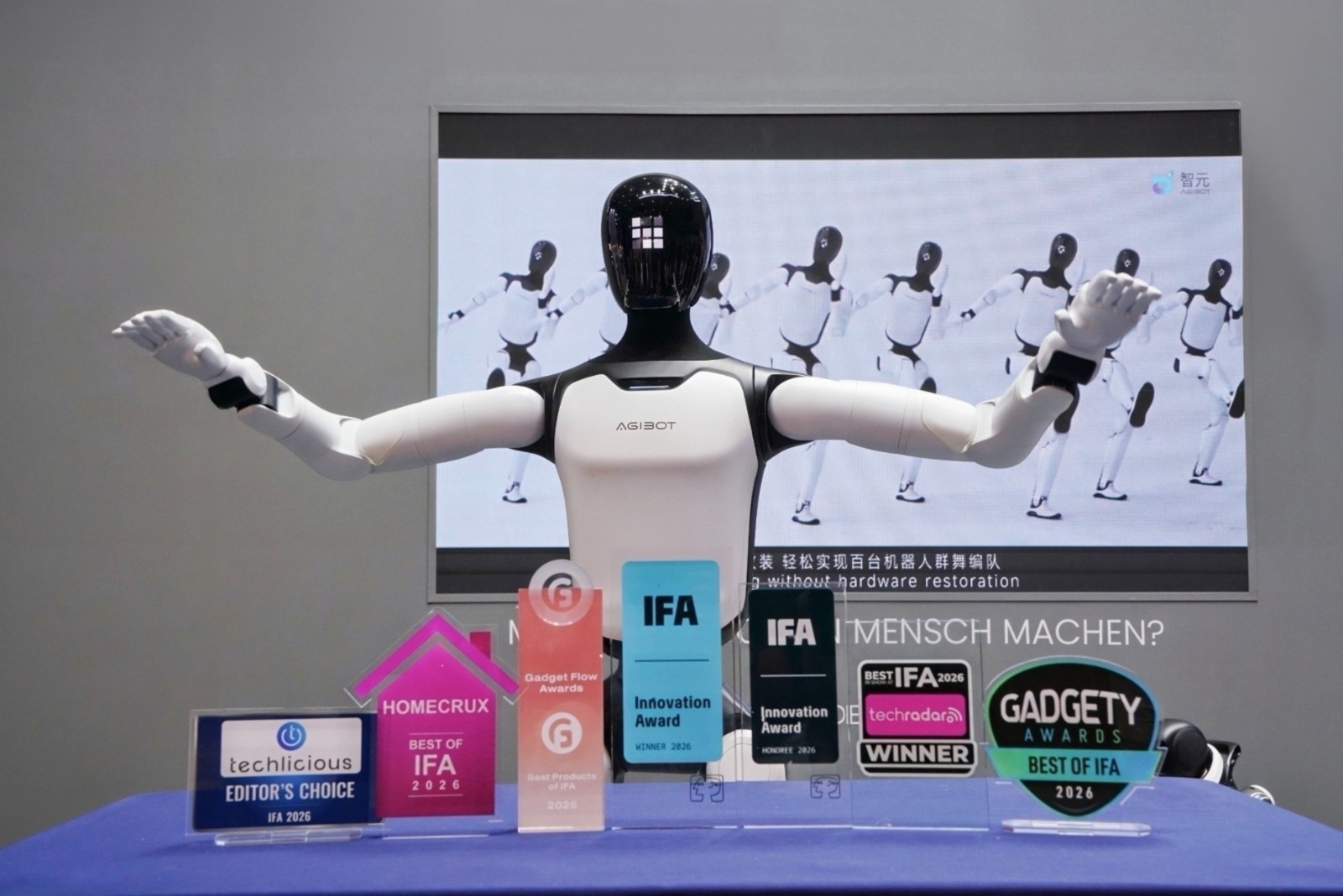
AGIBOT's Humanoid Robots Win IFA Innovation Awards at IFA 2026
AGIBOT's humanoid robots, the AGIBOT A3 and AGIBOT X2, were honored with the IFA Innovation Awards at IFA 2026. These awards highlight the robots' advancements in mobility, interaction, and multi-robot coordination, demonstrating their capabilities for practical applications in various sectors. The recognition from IFA and global tech media underscores the significance of AGIBOT's innovations in the robotics field. The AGIBOT A3 and AGIBOT X2 are designed to enhance human-robot interaction and improve operational efficiency through advanced coordination techniques, making them valuable assets in real-world scenarios. Looking ahead, the continued development and deployment of AGIBOT's humanoid robots could lead to broader adoption in industries that require sophisticated robotic solutions. No further timeline was disclosed at the time of publication.
Humanoid Robots AI Robotics Innovation Awards Technology Automation
Ninth China Robot Summit Set for September to Explore Industry Trends
The Ninth China Robot Summit will take place from September 16 to 18, 2026, at the Academic Exchange Center in Hangzhou Future Science and Technology City. The summit, themed "Intelligent Connection New Ecology, Empowering All Scenarios - The Intelligent Change and Quality Change of the Robot + Era," is organized by the China Electromechanical Integration Technology Application Association and aims to gather global expertise to explore new paths for high-quality development in the robotics industry. This annual event is significant for the robotics sector, attracting leading figures and innovative researchers from various fields. Notable attendees include prominent academics and industry leaders, such as professors from the Chinese Academy of Sciences and Nankai University, who have made substantial contributions to robotics technology and research, including advancements in intelligent perception, control technologies, and autonomous robots. As the summit approaches, attention will be on the discussions and insights shared by these experts, which could shape future trends in robotics and automation. No further timeline was disclosed at the time of publication.
Robotics Industry Artificial Intelligence Automation Smart Manufacturing
Jaipur Robotics Secures €4.3M Seed Funding to Enhance AI Platform for Waste-to-Energy Operations
Jaipur Robotics has successfully raised €4.3 million in seed funding, led by EquityPitcher Ventures and High-Tech Gründerfonds, to enhance its AI and automation platform tailored for waste-to-energy plants. The company’s advanced computer-vision system processes over 5 million tons of waste each year and utilizes a dataset of more than 50 million labeled images to achieve a 99% accuracy rate in hazardous material detection. This funding round is significant as it will allow Jaipur Robotics to expand its operations into new regions and enhance its product offerings, thereby increasing its customer base across Europe. The company aims to revolutionize plant operations by leveraging data to improve safety, combustion efficiency, and crane automation, which are critical for modern waste management. Looking ahead, Jaipur Robotics plans to continue developing tools for hazard detection, waste mixing, and crane automation. The company is also in the process of hiring for various roles, including AI and engineering positions, to support its growth. No further timeline was disclosed at the time of publication.
AI AI Funding & Investment Robotics automation EquityPitcher Ventures Europe
The Impact of Robotics and Automation on Island Supply Chains
Discussions on port automation often focus on large terminals like Rotterdam and Singapore, which handle immense volumes of cargo. However, the true challenge for logistics technology lies in island supply chains, where delays can have immediate and significant consequences. A single late shipment can lead to empty grocery shelves or stop construction projects, highlighting the critical need for efficient logistics solutions. The importance of optimizing island supply chains cannot be overstated, as these regions face unique logistical challenges. The reliance on timely deliveries makes them particularly vulnerable to disruptions. As robotics and automation technologies are integrated into these supply chains, they promise to enhance efficiency and reliability, ensuring that essential goods reach their destinations without delay. Looking ahead, stakeholders in island supply chains should monitor advancements in robotics and automation technologies. These innovations could provide the necessary tools to mitigate risks associated with supply chain disruptions. No further timeline was disclosed at the time of publication.
Logistics Robotics Supply chain agvs automated guided vehicles cargo tracking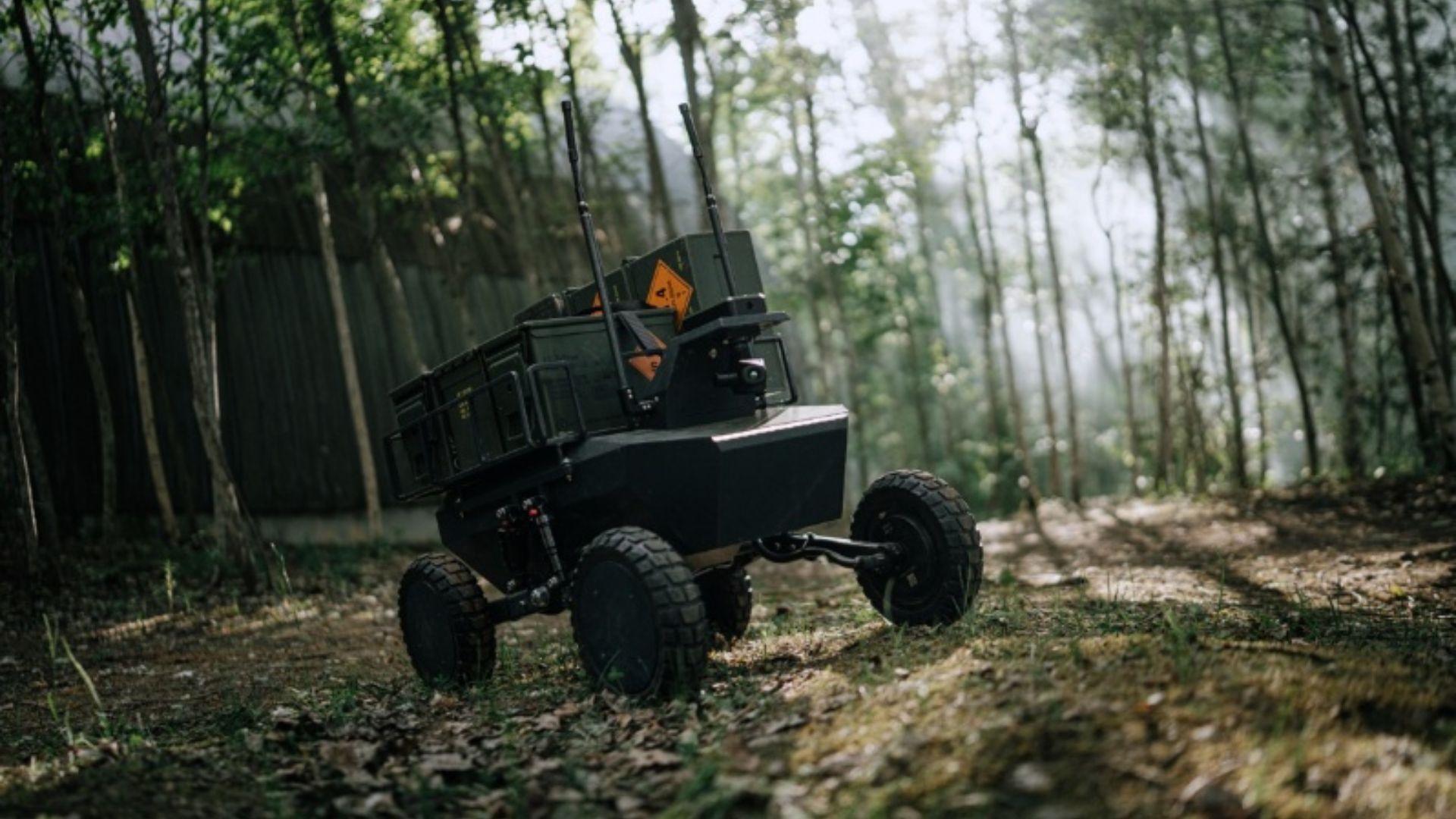
XTEND Expands Robotics Portfolio with AtlasROVER Ground Robot Deployment
Israeli physical AI firm XTEND has launched its AtlasROVER ground robot, marking its first delivery to a customer in the Asia-Pacific region. This deployment integrates XTEND’s XOS operating software, which is designed to unify control across various robotic platforms, including aerial and ground systems. The introduction of the AtlasROVER signifies XTEND's strategic shift to create a cohesive software ecosystem for robots operating in diverse environments. By utilizing XOS, XTEND aims to streamline operator workflows and enhance mission-specific capabilities across its robotic offerings, thereby improving operational efficiency. Looking ahead, XTEND's focus will be on further integrating XOS into its ground robotics portfolio, following the acquisition of Latvia-based Atlas. This move is expected to enhance XTEND's engineering and manufacturing capabilities in Europe, while also expanding the operational roles of its robotic systems. No further timeline was disclosed at the time of publication.
AI and Robotics
DEEP Robotics Showcases Lynx M20 Robot's Off-Road Capabilities in Harsh Desert Conditions
DEEP Robotics has unveiled footage of its Lynx M20 wheel-legged robot navigating extreme desert terrain, demonstrating its advanced off-road mobility. The robot effectively traverses loose sand, steep slopes, and uneven ground, showcasing its ability to operate in hazardous environments where traditional wheeled machines struggle. This demonstration is significant as it highlights the Lynx series' potential for industrial applications, particularly in areas that pose safety risks for human workers. The hybrid mobility system, combining wheels and articulated legs, allows the Lynx to adapt to various terrains, making it suitable for tasks such as inspections, emergency response, and scientific exploration in challenging conditions. Looking ahead, DEEP Robotics aims to further develop the Lynx M20 series for diverse environments, having already tested it in extreme cold and icy conditions. The company emphasizes the robot's resilience in high temperatures and its ability to maintain mobility in dusty environments, positioning it as a versatile solution for industries requiring robust robotic systems in hazardous settings. No further timeline was disclosed at the time of publication.
AI and Robotics
Thirty Robots Demonstrate for AI Regulation in Warsaw, Poland
Approximately 30 robots gathered in Warsaw on Monday to advocate for stricter regulations on artificial intelligence. The demonstration took place in front of the Polish digital affairs ministry, where the robots waved flags and chanted slogans to express their concerns. This event highlights the growing awareness and demand for regulatory measures surrounding AI technologies. As robots increasingly integrate into various sectors, the call for oversight becomes more pressing, reflecting broader societal concerns about the implications of unregulated AI. Observers should monitor how this demonstration influences policy discussions in Poland regarding AI regulation. The actions of these robots may serve as a catalyst for further dialogue on the ethical and practical aspects of AI deployment in society. No further timeline was disclosed at the time of publication.
Robotics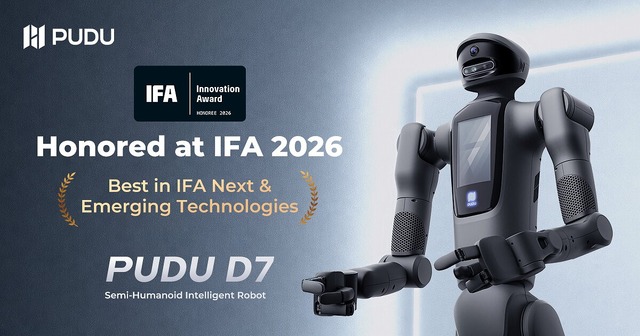
Pudu Robotics' Semi-Humanoid D7 Wins IFA Innovation Award for Emerging Technologies
On September 6, 2026, Pudu Robotics announced that its semi-humanoid service robot, PUDU D7, won the 'Best in IFA Next & Emerging Technologies' category at the IFA Innovation Awards. This recognition highlights the D7's capabilities in mobile navigation, dexterous manipulation, and intelligent sensing, which enable it to perform a wide range of tasks in industrial and commercial environments. The significance of this award lies in the D7's design, which allows it to operate in spaces such as industrial facilities, warehouses, retail stores, and hospitality venues. With a payload capacity of up to 20 kg (44.1 lbs) and a maximum working height of 2 m (6.6 ft), the D7 can handle material transport, product picking, and customer interaction, enhancing operational efficiency and user experience. Looking ahead, Pudu Robotics aims to expand the D7's applications beyond single-use cases, leveraging its autonomous battery swapping feature and advanced sensing systems. The D7 was showcased at IFA 2026 from September 4 to 8, where live demonstrations allowed attendees to experience its interaction capabilities and operational versatility in real-time.
Agility Robotics Reports $1.8 Million Revenue Ahead of SPAC Merger with Churchill Capital Corp. XI
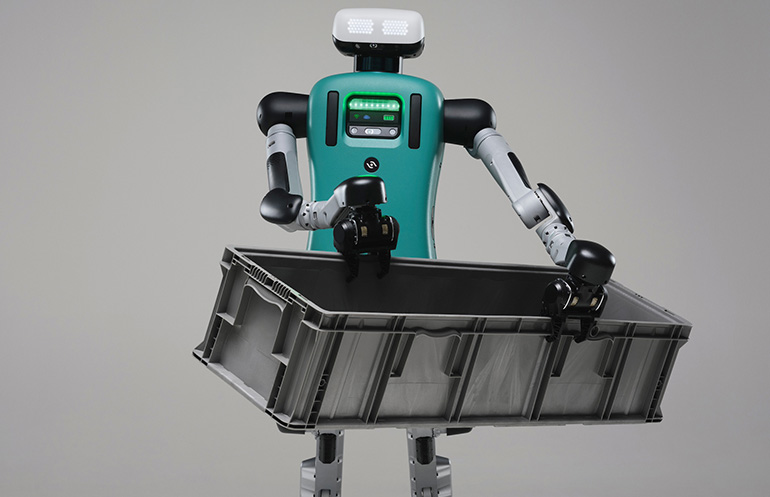
Agility Robotics has announced that its Digit humanoid has been deployed at nine customer sites as it prepares for a public offering through a merger with Churchill Capital Corp. XI. According to a recent S-4 filing, the company generated $1.8 million in net sales in 2025, while facing a $140 million operating loss and spending $111 million on operations. The significance of Agility's financials lies in its valuation of $2.5 billion, which translates to approximately 1,400 times its annual revenue. This valuation is part of a broader trend among U.S.-based humanoid robotics companies, which have attracted substantial funding despite not yet being public. Agility's Digit humanoids have accumulated over 65,000 operating hours, and the company has secured more than $300 million in multi-year orders for its Digit v5 model. Looking ahead, Agility Robotics operates under two business models for its Digit v5: Robots-as-a-Service (RaaS) and direct sales. The RaaS model charges customers around $8,500 monthly, while direct ownership costs about $200,000 upfront. No further timeline was disclosed at the time of publication.
Financial Humanoids News Agility Robotics
China Achieves World-First with AI-Driven Ultrasound Robot for Heart Surgery
A groundbreaking achievement in cardiology occurred when a Chinese medical team successfully utilized an AI-driven, ultrasound-guided robot to perform a transcatheter closure for congenital heart disease in a 48-year-old patient. This milestone was reached at the Sixth Medical Center of the Chinese PLA General Hospital, also known as 301 Hospital, marking a significant advancement in surgical techniques. The importance of this development lies in its potential to enhance surgical precision and transform cardiovascular care. Unlike existing surgical robots that require direct human control, this innovative system employs deep learning algorithms to autonomously navigate and perform the procedure, significantly reducing radiation exposure for both patients and medical staff. Looking ahead, the implications of this technology are profound, as it could facilitate the expansion of specialized healthcare access globally. The intelligent automation of complex ultrasound-guided procedures may streamline workflows, reduce human error, and ultimately improve patient outcomes in cardiovascular interventions. No further timeline was disclosed at the time of publication.
Science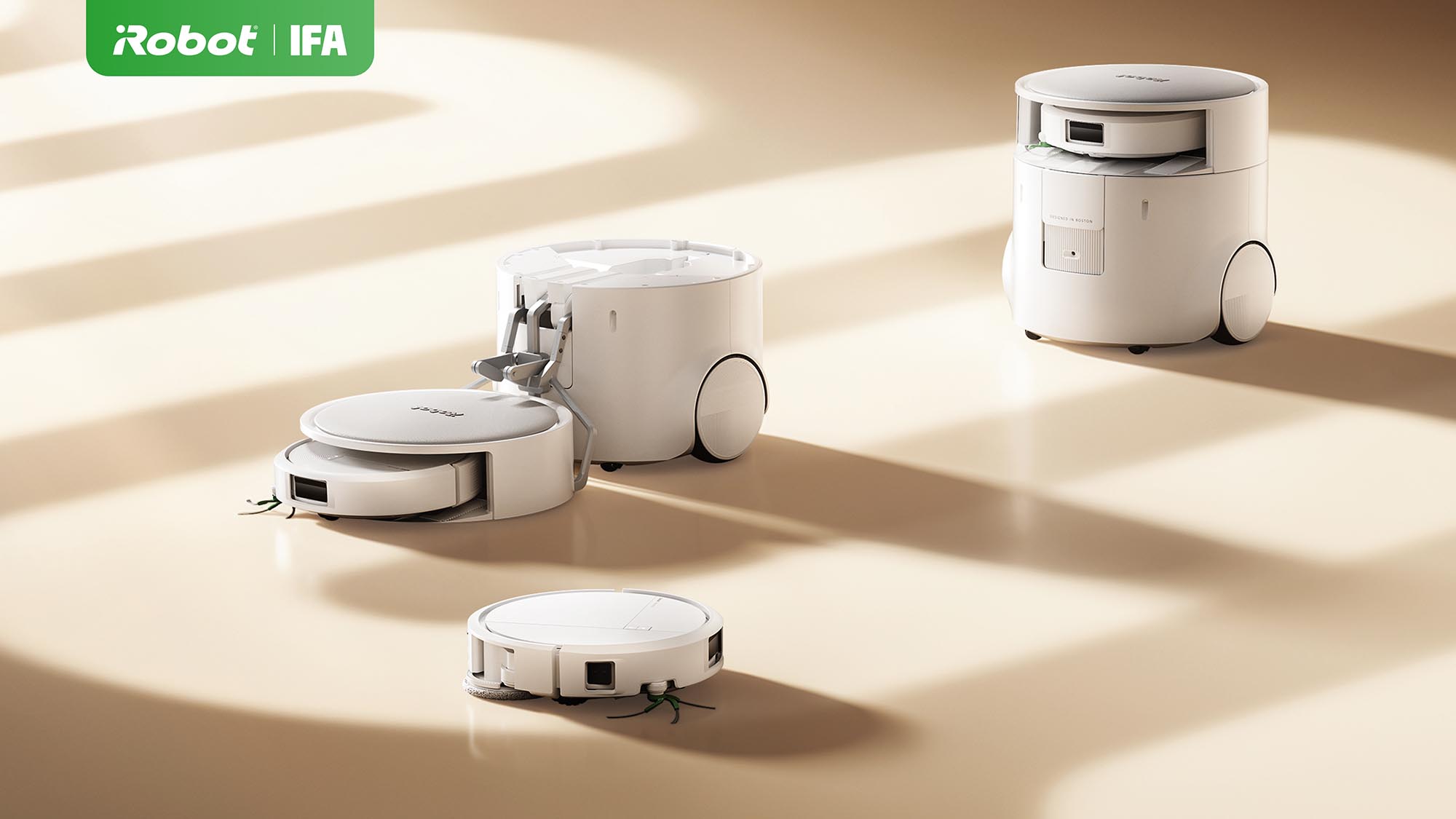
iRobot Unveils Roomba Duo Concept Model at IFA 2026 Featuring Dual-Robot Design
iRobot introduced the Roomba Duo, a concept model of a robotic vacuum cleaner, at IFA 2026 in Berlin on September 4. This innovative design features two robots that can share cleaning tasks, including a companion robot for tight spaces and a main robot for powerful vacuuming and floor washing. The Roomba Duo's dual-robot system utilizes AI to allocate cleaning areas in real-time, enhancing coverage efficiency. The main robot boasts a cylindrical design, equipped with a high-performance motor and a large battery for robust suction and cleaning capabilities. However, iRobot has stated that there are no plans for commercial release of this concept model. As the robotics market evolves, the introduction of the Roomba Duo highlights iRobot's commitment to innovation in home cleaning solutions. Observers should watch for potential developments in dual-robot systems and how they may influence future product offerings. No further timeline was disclosed at the time of publication.
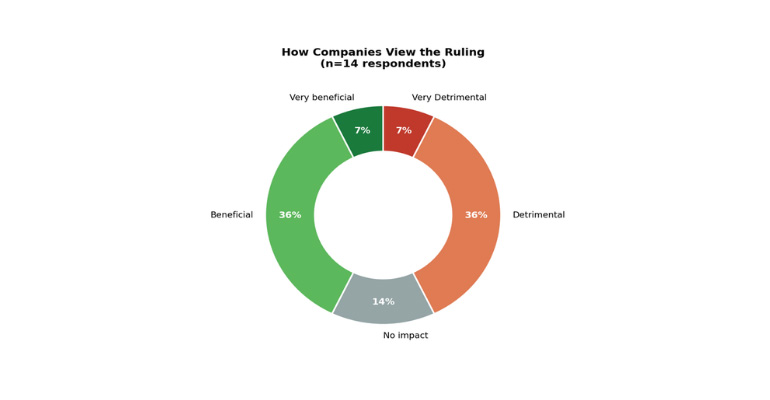
MassRobotics Reveals Mixed Reactions to FCC Robotics Ban in Member Survey
MassRobotics conducted a survey among its members regarding the FCC's ban on foreign-made advanced robotic devices, which was announced in July 2026. The ban targets ground-based robots over 4.4 lb. that utilize environmental sensors and connectivity, with a requirement for 65% of components to be domestically produced, increasing to 75% by 2029. The survey revealed that opinions on the FCC ruling were evenly split, with 43% of respondents viewing it as beneficial and an equal percentage considering it detrimental. The sentiment largely depended on the companies' manufacturing footprints, with domestic producers seeing it as an advantage while those reliant on foreign supply chains viewed it as disruptive. Looking ahead, the FCC's policy has prompted companies to reassess their supply chains, with 29% of surveyed organizations indicating plans to onshore production. No further timeline was disclosed at the time of publication.
Autonomous Mobile Robots (AMRs) China Defense / Security Drones Humanoids Manufacturing
Warehouse Managers Transition to Robot Supervisors Amid Industry Transformation
In September 2026, China's Ministry of Human Resources and Social Security introduced the new profession of 'Smart Warehouse Operations Technician' under the 'Logistics Service Specialist' category, reflecting a significant transformation in the warehousing sector. Xu Peng, a 31-year-old technician at Hebei Baiyang Chengda Pharmaceutical Co., has transitioned from managing workers in a traditional warehouse to overseeing robotic systems in a modern logistics center, where efficiency has dramatically increased. This shift from social management to technical management highlights the evolving skill requirements in the industry. Xu, originally trained in vehicle engineering, has had to relearn concepts in electrical engineering, automation, and mechanical principles to effectively manage the robotic systems. Similarly, other technicians like Zhang Weiliang and Pan Longjie emphasize the necessity of combining skills in electrical control and programming to troubleshoot robotic issues, as the demand for such hybrid capabilities grows. As more warehouses adopt automated systems, the role of Smart Warehouse Operations Technicians is becoming crucial. Data shows that automated systems can significantly enhance operational efficiency, with some facilities reporting over threefold increases in output. However, technicians like Xu acknowledge the need for further training in programming and system architecture to address complex issues, underscoring that the future workforce will require individuals who can interpret data and communicate with robotic systems effectively.
Warehouse Automation Smart Logistics Robotics AI Supply Chain Management
217 Robots Undergo Training to Improve Elderly Care in Qingdao
In Qingdao, 217 robots are undergoing training at China's first rehabilitation robot training verification center to enhance elderly care. With over 320 million people aged 60 and above in China, and more than 50 million elderly individuals with disabilities, the demand for professional caregivers is significant, with a shortfall of 10 million workers. The training focuses on teaching robots essential tasks such as medication delivery, folding clothes, and assisting with wheelchairs. Each action is broken down into numerous detailed steps to ensure precision, especially when interacting with elderly individuals. The training aims to address the unique needs of seniors, as highlighted by experts who emphasize the importance of personalized care in robotic applications. As the robots learn to perform basic tasks, challenges remain, particularly in understanding dialects and providing appropriate responses to seniors' needs. The Qingdao training center has attracted 45 companies and 210 robot models, indicating a growing interest in the development of care robots. The future of these robots in the market will depend on their ability to interact effectively with humans, rather than just their technological capabilities.
Elderly Care Robots Robotics Training Assistive Technology Healthcare Innovation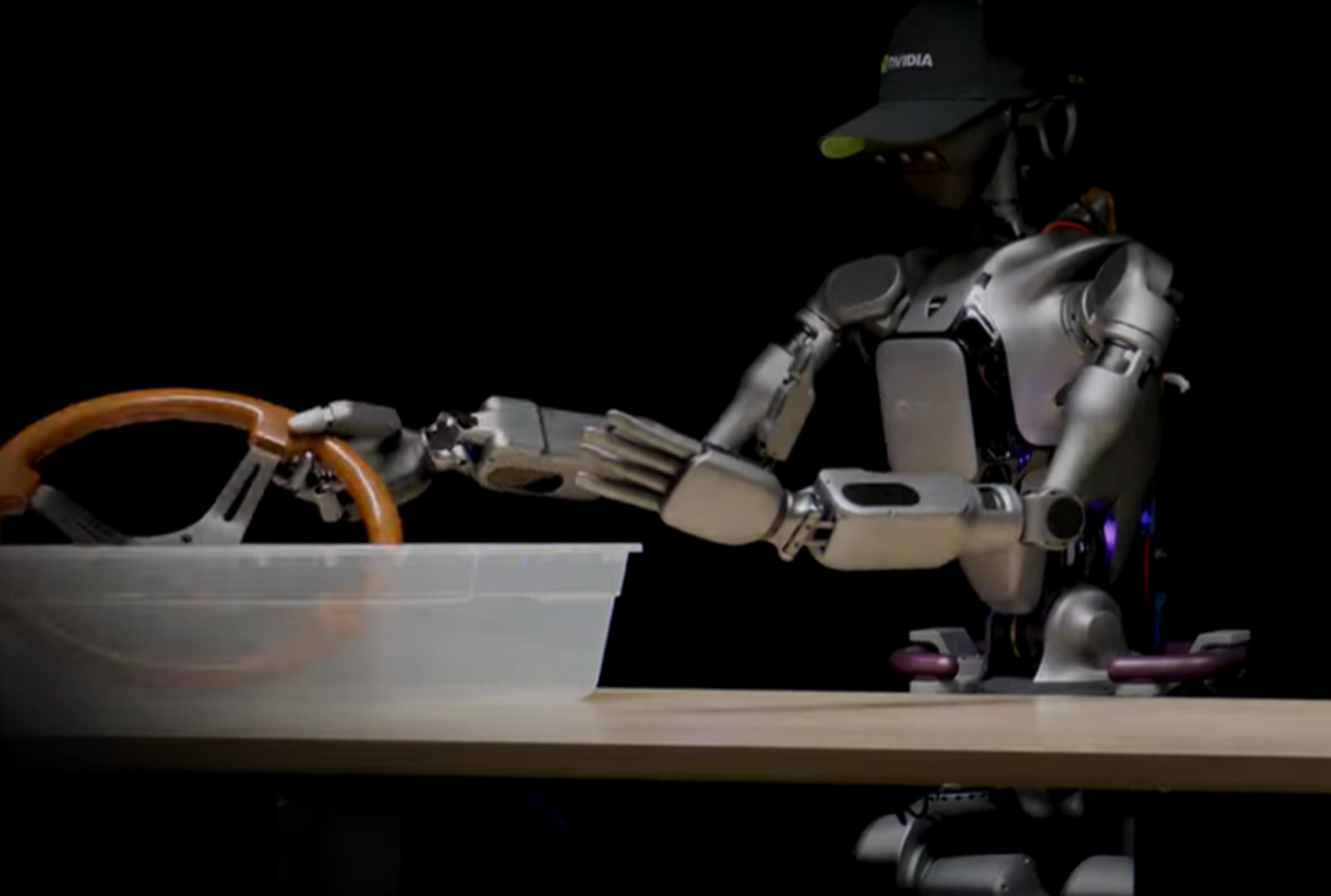
Quadruped Robots Highlighted at IFA: China's Solution to Global Labor Shortages
At the 2026 IFA in Berlin, quadruped robots emerged as a significant focus, with Shenzhen's Xuanji Power winning the Best in IFA Next & Emerging Technologies award for its Hypertron-T01 heavy-duty quadruped robot. Unlike previous exhibitions showcasing dancing robots, Xuanji Power presented a product already operational in the field, capable of handling dynamic loads up to 80 kg across challenging terrains. The importance of this development lies in addressing labor shortages in specialized industries, as highlighted by Xuanji Power's emphasis on the robot's ability to perform reliably in real-world scenarios. The Hypertron series has been successfully deployed in substations, demonstrating its capability for long-term, unmanned operations. The company aims to transition quadruped robots from demonstration to practical applications, focusing on stable performance in real environments. Looking ahead, Xuanji Power announced the opening of its core SDK interfaces to facilitate rapid development of localized solutions by European integrators and developers. This move underscores the shift of quadruped robots from mere exhibition pieces to essential tools capable of operating in hazardous environments, marking a significant step towards industrialization in response to global labor challenges.
Quadruped Robots Industrial Automation Robotics Technology AI Solutions
Fendt e107 Vario Electric Tractor Demonstrates Battery Power for Autonomous Field Robots
A recent test compared the Fendt e107 Vario electric tractor with the diesel-powered Fendt 207 Vario in both summer conditions in the Netherlands and winter conditions in Norway. The results indicate that while the electric tractor is advanced, its battery capacity remains a key limitation for heavy-duty tasks. This development is significant for the future of autonomous field robots, as electric drive systems could offer inherent advantages in efficiency and sustainability. The Fendt e107 Vario's performance suggests that battery-electric technology is becoming increasingly viable for agricultural applications. Looking ahead, the evolution of battery technology and electric drivetrains will be crucial for enhancing the capabilities of autonomous field robots. No further timeline was disclosed at the time of publication.
Tech in focus electric fendt
Galbot Introduces RoboGesture for Enhanced Natural Movement in Humanoid Robots
Chinese robotics company Galbot has launched RoboGesture, a new framework designed to enhance nonverbal communication in humanoid robots. This system generates real-time gestures that correspond with spoken language, aiming to make robot interactions more natural and engaging during conversations. The significance of RoboGesture lies in its ability to address common limitations in humanoid robotics, such as mechanical and repetitive movements that detract from effective communication. Scheduled for presentation at the European Conference on Computer Vision (ECCV) 2026, this technology could revolutionize how humanoid robots engage in social settings by allowing them to respond with gestures that reflect the meaning and tone of speech. Looking ahead, the research team, which includes experts from Galbot and several prestigious universities, is focused on overcoming challenges in robot communication, including limited training data and safety concerns. No further timeline was disclosed at the time of publication.
AI and Robotics
BBC's Ann Droid Explores Robots as Companions for Tackling Loneliness in Care
The new BBC sitcom 'Ann Droid' imagines a future where robots provide care and companionship to the elderly, focusing on a widow named Sue and her assistive robot, Linda. The show raises critical questions about the role of robots in addressing loneliness among older adults and whether machines can truly offer companionship without replacing human connections. As researchers in social care and robotics, the creators highlight that while the technology depicted in 'Ann Droid' is exaggerated, some real-world applications are already being tested. Initiatives like Comfort Companions, developed in partnership with Age UK South Gloucestershire, aim to provide conversational AI to combat loneliness, supplementing human befrienders rather than replacing them. Looking ahead, the potential for robots to enhance social connections rather than replace them is a key takeaway from the series. However, significant barriers remain, including limitations in technology and social acceptance. The sitcom cleverly addresses public concerns about trusting robotic caregivers, emphasizing the importance of maintaining human control and connection in the caregiving process.

Neura Robotics and Seco Form Strategic Partnership for Physical AI and Robot Compute
Neura Robotics and Seco have established a strategic partnership focused on developing robot compute hardware and physical AI automation. This collaboration aims to manufacture key computing components for Neura's cognitive robots, including the 4NE1 humanoid, using Qualcomm Dragonwing processors. The partnership also includes plans to open a Neura Gym in Italy for training and to collect real-world production data from industrial applications. This partnership is significant as it aims to enhance the capabilities of Neura's robots through advanced computing and physical AI, which could revolutionize semiconductor and electronics manufacturing. By leveraging real-world data, Neura and Seco intend to create automation solutions that can be deployed globally, thereby contributing to a broader European physical AI ecosystem that integrates regional robotics and manufacturing expertise. Looking ahead, the collaboration will focus on training machines to handle complex production processes, with the goal of scaling these capabilities across various manufacturing environments. No further timeline was disclosed at the time of publication.
AI AI Funding & Investment Capital Markets Robotics Europe Germany
NVIDIA's Acquisition of Hugging Face: Impact on Robotics and AI Development
On September 3, NVIDIA announced its acquisition of Hugging Face for $11.9 billion, with up to $1 billion allocated for talent retention. Hugging Face, known for its extensive open-source AI resources, has 18 million developers, 3 million models, and 500,000 datasets. This acquisition marks a significant shift in the AI landscape, particularly for the robotics sector, which heavily relies on Hugging Face's resources. The acquisition is crucial as Hugging Face has developed a robust data infrastructure for embodied intelligence, including the LeRobot framework and 181 standardized robot datasets. Many robotics companies utilize Hugging Face for their training processes. Despite previous refusals of NVIDIA's investment offers, Hugging Face's leadership recognized the challenges of remaining independent in a competitive market dominated by major tech players. Looking ahead, the acquisition raises questions about Hugging Face's future direction under NVIDIA's ownership. As the robotics industry evolves, stakeholders will be keen to observe how this integration affects the availability and development of AI models and datasets critical for robotics applications. No further timeline was disclosed at the time of publication.
AI Robotics Machine Learning Data Management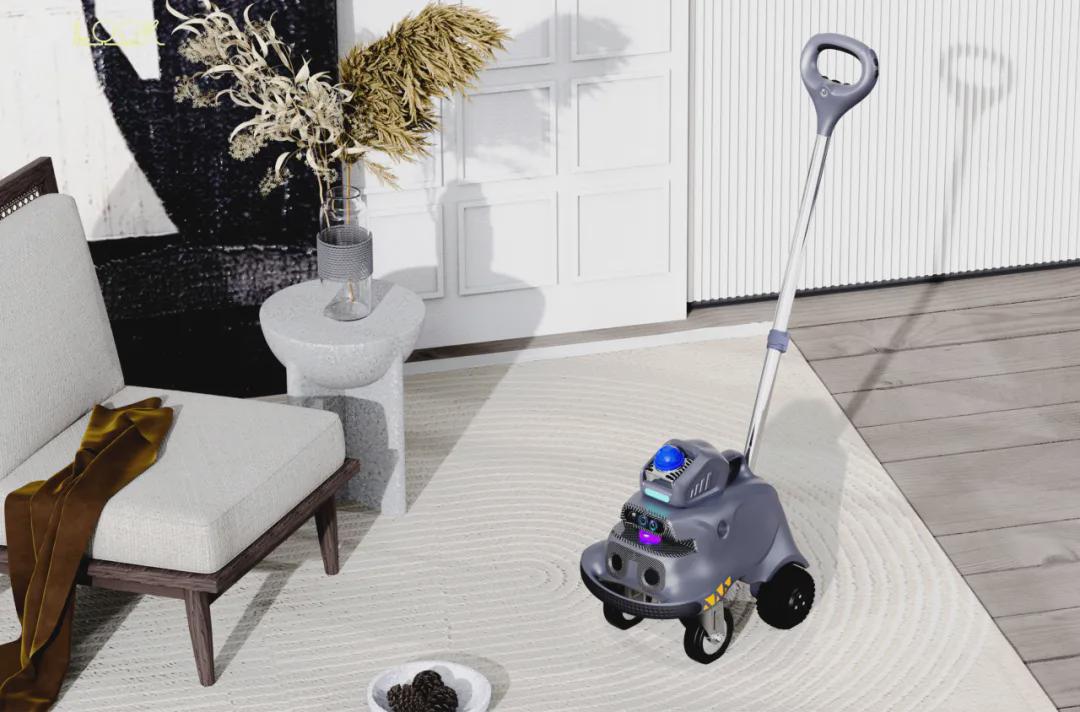
Blind Engineer Unveils AI LOOK Guide Robot for Enhanced Mobility Independence
On September 3, 2023, Zhu Qingyi, a blind software engineer and chairman of Shandong Zhuge Robot Co., unveiled the AI LOOK robot at the 2026 China International Welfare Expo. Weighing approximately 12 pounds, this innovative guide robot enabled Zhu to navigate the stage independently, showcasing its potential for assisting visually impaired individuals. The significance of AI LOOK lies in its advanced sensor fusion technology, which allows for real-time navigation without relying on pre-built maps. Unlike traditional SLAM-based robots, AI LOOK focuses on immediate obstacle detection and navigation, making it particularly suitable for dynamic environments that visually impaired individuals often encounter, such as busy streets and shopping malls. Looking ahead, the company has secured 31 software copyrights and 5 invention patents for the project. The AI LOOK robot is designed to recognize obstacles and provide navigation assistance, with a reported traffic sign recognition accuracy of 99.7%. No further timeline was disclosed at the time of publication.
Assistive Technology Robotics Blind Navigation Sensor Fusion
Household Robots Face Challenges: Market Growth and Open Source Solutions Ahead
The shipment of humanoid robots is surging, with IDC projecting around 18,000 units globally by 2025, a 508% increase. However, the penetration of these robots into households remains minimal, as most are still used in entertainment, education, and data collection. Ecovacs Group Chairman Qian Dongqi noted that it may take three to five years for humanoid robots to enter homes, citing a decade-long journey for their vacuum robots to achieve household integration. Despite technological advancements, the industry faces significant challenges, particularly high component costs and the lack of a robust supply chain. The performance of humanoid robots drops dramatically in real home environments, with a success rate of only 12% compared to 89.4% in simulated settings. This disparity highlights the complexities of domestic environments, which present unpredictable variables that robots struggle to navigate. To address these issues, leading companies are shifting towards open-source ecosystems. Ecovacs launched the “Eight Realms” open-source robot platform, allowing community contributions to improve functionality. Similarly, Lexiang Technology is focusing on community-driven product development. While the widespread adoption of household robots may take longer than anticipated, the path forward is becoming clearer as companies seek to engage users in defining practical applications.
Humanoid Robots Open Source Robotics Household Automation AI Robotics Development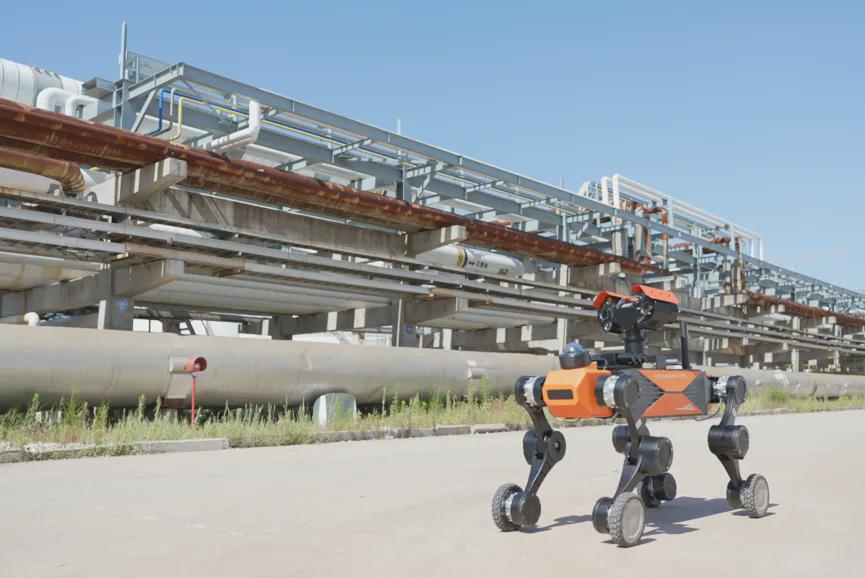
Ruiguan Robotics Achieves China's First Dual Explosion-Proof Certification for Inspection Robot
Ruiguan Robotics has successfully obtained China's first dual explosion-proof certification for its Delta four-wheeled inspection robot, which is designed for hazardous environments. This milestone highlights the increasing reliance on robotics in industries such as oil, chemicals, and coal, where human entry poses significant risks due to flammable and explosive conditions. The significance of this achievement lies in addressing safety concerns in high-risk areas, where traditional inspection methods are inadequate. The dual certification, Ex IIC T6 Gb for gas and Ex IIIC T80℃ Db for dust, ensures that the robot can operate safely without becoming a source of ignition in explosive atmospheres. This development marks a critical step in the evolution of industrial safety practices. Looking ahead, the market for explosion-proof inspection robots is projected to grow rapidly, with a compound annual growth rate of 45.0% from 2026 to 2032. As safety regulations tighten and labor costs rise, the demand for robotic solutions in hazardous environments is expected to increase significantly, making robotic replacements a necessity rather than an option.
Explosion-Proof Robots Industrial Safety Robotics Technology Hazardous Environments
Goldman Sachs and Morgan Stanley Revise Humanoid Robot Shipment Forecasts Significantly
On September 1, 2026, Goldman Sachs analysts released an 80-page report predicting a significant increase in global humanoid robot shipments. The forecast for 2026 was raised from 51,000 to 75,000 units, and for 2035, from 1.4 million to 6.5 million units, marking an almost fourfold increase. This adjustment reflects a broader trend among major financial institutions, including Morgan Stanley and Deutsche Bank, which have also revised their projections upward, indicating a collective shift in market expectations. The importance of these revised forecasts lies in their implications for the humanoid robot industry, which is experiencing exponential growth rather than the linear increases typically seen in traditional industries. Goldman Sachs highlighted that by 2035, the market size for humanoid robots could reach approximately $138.3 billion, with shipment volumes expected to increase over a hundredfold in just ten years. This shift in expectations is prompting traders to reassess their strategies in light of new data. Looking ahead, the report indicates that each humanoid robot will generate a semiconductor demand of $3,000 to $6,000, underscoring the significance of silicon-based computing in the pricing of physical intelligence. As the industry transitions from two-dimensional to three-dimensional applications, the implications for technology adoption and market dynamics will be critical to monitor in the coming years. No further timeline was disclosed at the time of publication.
Humanoid Robots Market Forecasts AI Automation Supply ChainRobotics needs a service framework.
RSF defines a common language for robot service capability, lifecycle operations, certification pathways, and service-provider networks.
Join the RobotToday community on LinkedIn
Daily robotics news, in-depth analysis, conference highlights, and discussions with professionals worldwide.