

Industry Briefing
A single destination for timely, editor-curated robotics news from around the world.
OpenMind Report Reveals China's Dominance in Physical AI Readiness Over Major Economies
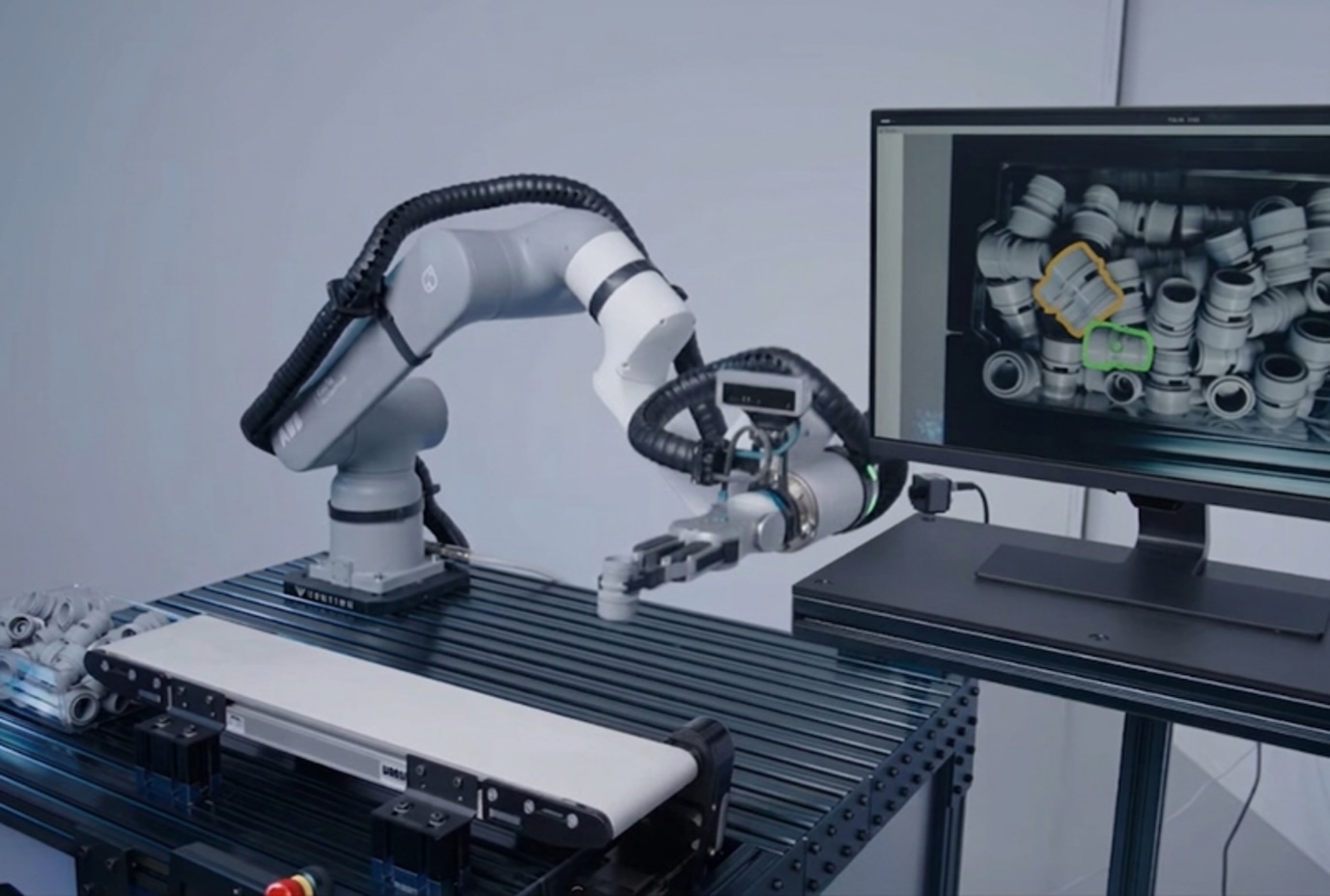
A recent study by OpenMind indicates that China has a significant lead in physical AI readiness compared to the United States and other major economies. The OpenMind Physical AI Readiness Index 2026 evaluates 58 countries and 22 metropolitan areas on their capabilities to develop and deploy advanced embodied AI systems, scoring China at 82.9, followed by Japan at 69.6 and the United States at 69.0. This substantial gap highlights the growing international competition in artificial intelligence, particularly between the U.S. and China. While U.S. President Donald Trump has emphasized American leadership in AI, the OpenMind report suggests that success in software does not directly correlate with the ability to implement AI in physical systems. The study points out that countries differ in their physical infrastructure and supply chains, which are crucial for manufacturing robots. Looking ahead, the report underscores the importance of physical infrastructure in the AI race. China excels in materials and robotics, scoring 95.3 and 83.2 respectively, while the U.S. leads in human capital and software. No further timeline was disclosed at the time of publication.
Artificial Intelligence Economy Features ai readiness artificial intelligence china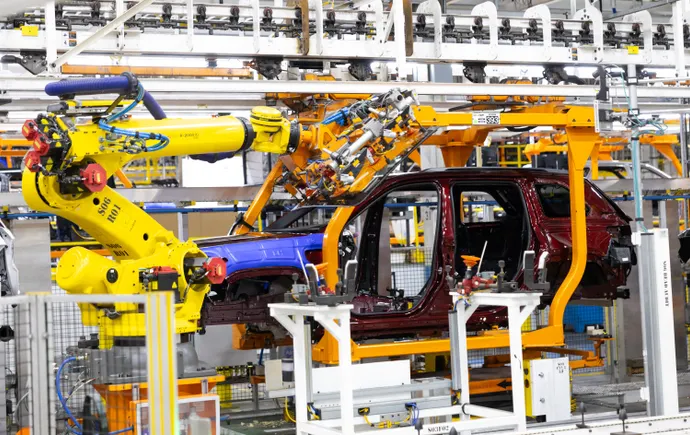
Intel Report Highlights Robotics Readiness Gap Amid Evolving Industry Expectations
Intel's report reveals a significant gap in robotics readiness among organizations, as highlighted by John Healy, Intel's VP of industrial and robotics. While companies are moving towards integrating robotics into daily operations, many are still relying on outdated systems and lack the necessary training to manage intelligent robots effectively. The transition from fixed tasks to intelligent interaction is reshaping the robotics landscape, but it also uncovers a stark reality: 26% of manufacturing leaders are unprepared to manage robots by 2030. This gap is more pronounced in sectors like smart cities and defense, which face a 48% preparedness gap. As robotics deployment accelerates, organizations must address challenges related to workforce training, safety, and operational scaling. Companies that successfully navigate these issues will be better positioned to implement robotics effectively, moving beyond pilot programs to full integration into their operations. No further timeline was disclosed at the time of publication.

PlusAI Achieves 93.4 Percent Safety Readiness Ahead of 2027 Truck Launch
PlusAI has announced that it has achieved 93.4 percent 'Safety Case Readiness' as it prepares for the commercial launch of its factory-built driverless trucks in 2027. The company reported significant improvements in safety validation and autonomous driving metrics during the first half of 2026, including an increase in the Autonomous Miles Percentage from 99.2 percent to 99.8 percent. This progress is crucial as PlusAI aims to reach 100 percent Safety Case Readiness by 2027, which is essential for the deployment of its SuperDrive autonomous driving system. CEO David Liu emphasized the importance of transparency in their commercial readiness metrics, highlighting operational improvements and recent milestones that indicate PlusAI's advancement toward large-scale deployment of autonomous trucks. Looking ahead, PlusAI is targeting over 90 percent of trips to be completed without remote assistance before the commercial launch. The company has also expanded its operations with a commercial fleet trial in Texas and plans to introduce autonomous trucks in Southern Europe through partnerships with local logistics firms. No further timeline was disclosed at the time of publication.
Artificial Intelligence Autonomous Vehicles News artificial intelligence autonomous driving autonomous trucking
Boeing’s MQ-28 Ghost Bat Demonstrates Deployment Readiness in Valiant Shield 2026
Boeing's MQ-28 Ghost Bat successfully completed multiple operational sorties during the Valiant Shield 2026 exercise, showcasing its deployment capabilities from a remote Pacific location. Conducted by the U.S. Air Force’s Experimental Operations Unit from June 21 to July 1 at Rota in the Northern Mariana Islands, the 11-day deployment assessed the necessary personnel, infrastructure, and resources for sustaining Collaborative Combat Aircraft (CCA) operations away from established bases. This exercise is significant as it moves the MQ-28 beyond controlled testing into a large-force event under operationally relevant conditions. The U.S. Air Force emphasized that insights gained from both successful and unsuccessful activities will inform the future development and employment of CCAs. Major Daniel Pesich highlighted the EOU's role in rapidly experimenting with CCA prototypes to provide valuable feedback to vendors, aiming for quicker integration into operational environments. Looking ahead, the EOU plans to participate in more large-force exercises with the CCA, building on the lessons learned from this event. The support network established by the 21st Air Expeditionary Wing was crucial for the operation, managing essential logistics such as power production and communications, which are vital for the successful functioning of the MQ-28.
Military
Rick Rider Critiques AI-Readiness Concept in Manufacturing Sector
Rick Rider, SVP of AI Innovation at Infor, argues that the concept of 'AI readiness' is misapplied in the manufacturing sector. He believes that many manufacturers are stuck in pilot purgatory due to vendor requirements for perfect conditions before AI can be implemented. Instead of waiting to become 'AI-ready,' successful companies are adopting AI within their existing fragmented environments. Rider highlights that the most common approach to AI adoption is 'point solution enthusiasm,' where manufacturers deploy AI tools to address isolated pain points without a cohesive strategy. This often results in disconnected systems that fail to provide actionable insights across operations, leading to more data but less clarity. The 'AI readiness gap' is defined by Rider as the disparity between a manufacturer's current data infrastructure and the requirements for AI to create sustained value. He emphasizes that siloed data and inconsistent processes create a structural gap that cannot be bridged by AI alone, underscoring the need for a more integrated approach to AI implementation.
Business Intelligence
Preparing Humanoid Robotics for Industrial Deployment: Key Considerations
Humanoid robotics is advancing towards industrial application, with the transition from demonstration to regular operation requiring thorough preparation. Companies must early on determine if their processes, data, interfaces, and responsibilities are adequate for safe and economical deployment. This readiness is crucial as it impacts the efficiency and safety of operations involving humanoid robots. Ensuring that all necessary elements are in place can facilitate a smoother integration into existing workflows, ultimately enhancing productivity. Looking ahead, organizations should focus on assessing their current capabilities and identifying gaps that need to be addressed. No further timeline was disclosed at the time of publication.
Allgemein Anwendungen & Lösungen Humanoide Robotik Menschen & Meinungen Robotik
US Air Force Conducts Sentinel Dragon 26-02 Exercise to Test Nuclear Missile Readiness
The US Air Force executed a four-day exercise named Sentinel Dragon 26-02 from August 4 to 7, 2026, to evaluate its nuclear missile force's readiness under unexpected conditions. The drill involved a simulated drone threat and the recapture of a missile launch facility, testing the transition from routine operations to high-pressure scenarios without prior notice. This exercise is significant as it emphasizes the necessity for a nuclear deterrent to maintain constant readiness, as highlighted by Maj. Gen. Colin Connor of the 20th Air Force. The lack of traditional preparation time forced operational units to rely on their command-and-control systems and adapt to unforeseen challenges, showcasing their ability to perform under pressure. Looking ahead, the exercise's focus on integrating security forces with air units and managing complex scenarios indicates a shift towards a more cohesive operational approach. The results will likely influence future training and operational strategies, particularly in how the Air Force prepares for potential threats involving unmanned aerial vehicles. No further timeline was disclosed at the time of publication.
Military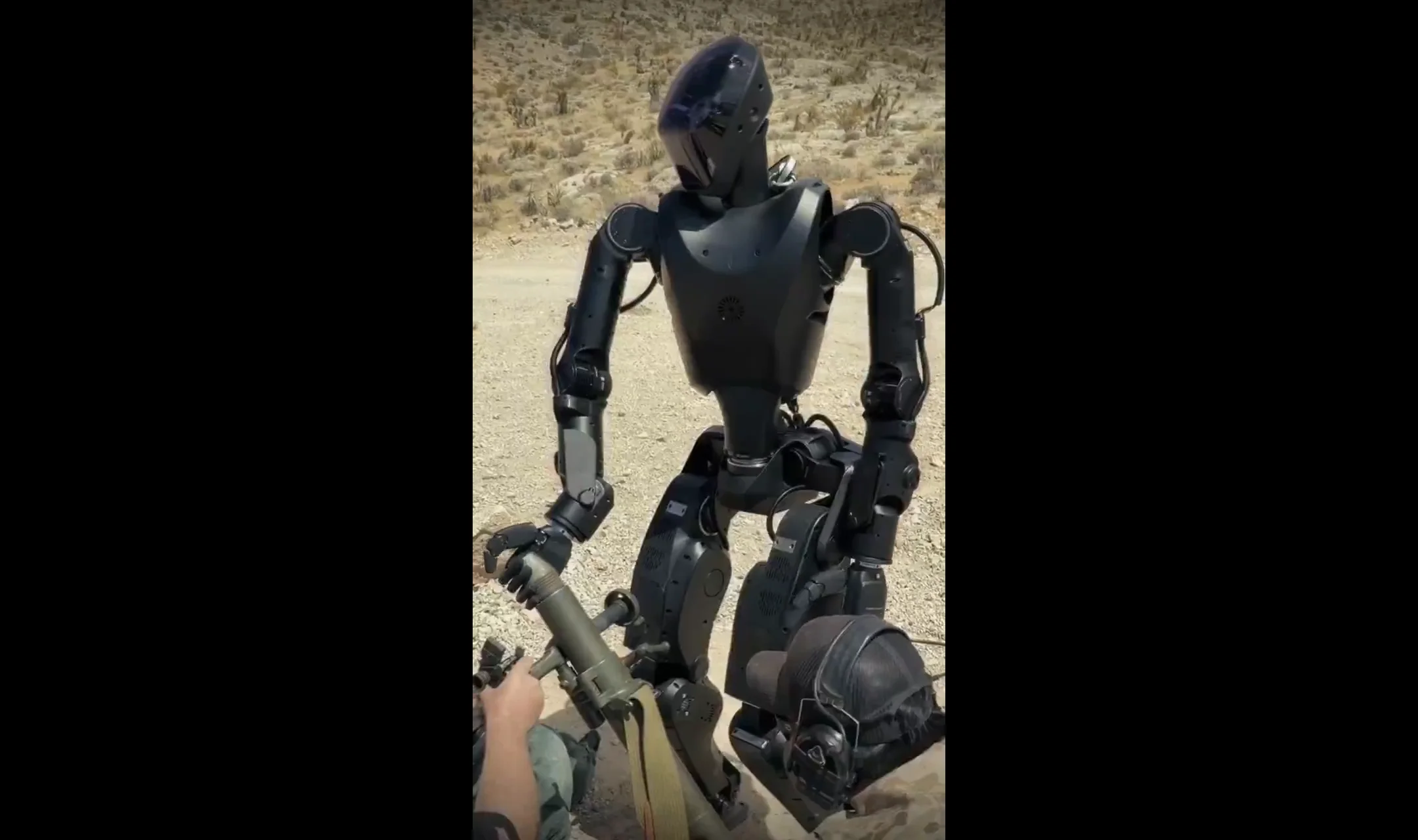
China's Military Advances in Humanoid Robotics for Combat Readiness
Last month in Beijing, bipedal humanoid robots impressed audiences at the 2nd World Humanoid Robot Games, where they excelled in speed and manipulation. However, the event caught the attention of China's defense sector, which is pushing to integrate these robots into military operations. The PLA Daily has called for accelerated development to transition laboratory robotics into combat-ready units, reflecting a significant shift in military strategy influenced by lessons from the Ukraine conflict. The analysis of over 100 military procurement documents reveals that China is planning for the deployment of humanoid robots on the battlefield. Research from the National University of Defense Technology indicates that these robots could operate alongside human soldiers in urban environments within five to ten years. Recent military exercises have already incorporated humanoid platforms into tactical simulations, demonstrating their potential for reconnaissance and security tasks. As China develops its humanoid capabilities, the American defense industry remains cautious, with major firms like Boston Dynamics refusing to weaponize their robots. The contrasting approaches highlight the competitive landscape in military robotics, with China's domestic supply chain providing a significant advantage in production and integration of humanoid technology. No further timeline was disclosed at the time of publication.
US China Foundation
Chinese Robots Dominate IFA 2026: Assessing European Market Readiness
In September 2026, Berlin witnessed a significant presence of Chinese robots at the IFA, with 932 companies from mainland China participating, contributing to nearly half of the 1,900 exhibitors. The event showcased a record number of humanoid robots, with performances that captivated audiences, including demonstrations of martial arts and interactive displays. However, a critical question arose regarding the European market's readiness to adopt these technologies. The interest in Chinese robots was evident, yet many European attendees expressed uncertainty about their practical applications in business. Feedback from a Paris-based electronics distributor highlighted a common sentiment: while the robots were intriguing, their utility in real-world scenarios remained unclear. This disconnect between the excitement of the demonstrations and the practical needs of the market raised concerns about the actual demand for such technologies in Europe. As the IFA concluded, the challenges for Chinese robotics companies became apparent. European distributors emphasized the importance of cost-effectiveness, system stability, and local support. The path forward for Chinese firms in Europe requires a deeper understanding of local market dynamics and a commitment to establishing robust partnerships with local distributors and integrators. No further timeline was disclosed at the time of publication.
Humanoid Robots Market Entry European Robotics Robotics Demonstrations AI Technology
Survey Reveals 40% of Organizations Have Strategy for Human-Robot Workforce Management
A recent survey indicates that only 40% of organizations have developed a strategy to effectively manage a workforce that combines human employees and robots. This statistic highlights a significant gap between the plans for robot adoption and the readiness of the workforce to integrate these technologies. The findings are crucial as they underscore the challenges organizations face in preparing their workforce for the increasing presence of robots in various sectors. Without a clear strategy, companies may struggle to achieve the full benefits of automation and risk falling behind competitors who are better prepared. Looking ahead, it will be important to monitor how organizations address this gap in workforce readiness. Future initiatives may focus on training programs and strategic planning to ensure a smoother integration of robots into the workforce. No further timeline was disclosed at the time of publication.

PlusAI Updates Commercial Readiness Metrics for Autonomous Trucks Ahead of 2026 Launch
PlusAI Inc. has announced an update on its commercial readiness metrics, indicating significant progress towards deploying factory-built autonomous trucks by 2027. The company reported improvements in safety validation, operational maturity, and efficiency of its SuperDrive software in collaboration with global OEM partners. The advancements are reflected in key metrics: safety case readiness (SCR) increased from 90.1% to 93.4%, autonomous miles percentage (AMP) rose from 99.2% to 99.8%, and remote assistance-free trips (RAFT) improved from 79% to 85.2%. These metrics, introduced in 2025, demonstrate PlusAI's commitment to ensuring safe and reliable commercial deployment of its autonomous trucks. Looking ahead, PlusAI aims to achieve 100% SCR and over 90% RAFT before the commercial launch in 2027. The company emphasizes that successful commercialization requires not only advanced AI technology but also a proven track record of safety and operational efficiency, as stated by co-founder Shawn Kerrigan.
Artificial Intelligence Artificial Intelligence / Cognition Automotive Design / Development Logistics Markets / Industries
Maximizing Drone Utilization: The Importance of Human-Guided Autonomy for Militaries
The increasing deployment of drones in military operations necessitates a strategic approach to autonomy. This involves assessing both industrial and operational frameworks to optimize the effectiveness of drone technology. Understanding how to best implement human-guided autonomy is crucial for militaries aiming to enhance their operational capabilities. The integration of autonomous systems can lead to improved efficiency and effectiveness in various military applications, making it a vital area of focus. Looking ahead, militaries must prioritize the development of strategies that leverage human-guided autonomy in drone operations. This will not only enhance current capabilities but also prepare forces for future challenges in warfare. No further timeline was disclosed at the time of publication.
Features
Drone AI Enhances Combat Readiness Through Synthetic and Federated Training
Militaries are increasingly focusing on real-time battlefield learning for drone operations to adapt to evolving threats. This approach emphasizes the importance of synthetic and federated training methods, which allow for rapid adaptation and improved decision-making in combat scenarios. The significance of this development lies in its potential to enhance the effectiveness of drone operations in dynamic environments. By leveraging advanced training techniques, military forces can better prepare their drones to counter new and emerging threats, ensuring operational superiority on the battlefield. Looking ahead, the integration of synthetic and federated training in drone AI will be crucial for military strategists. As threats continue to evolve, the ability to adapt training methodologies in real-time will be essential for maintaining a tactical advantage. No further timeline was disclosed at the time of publication.
Features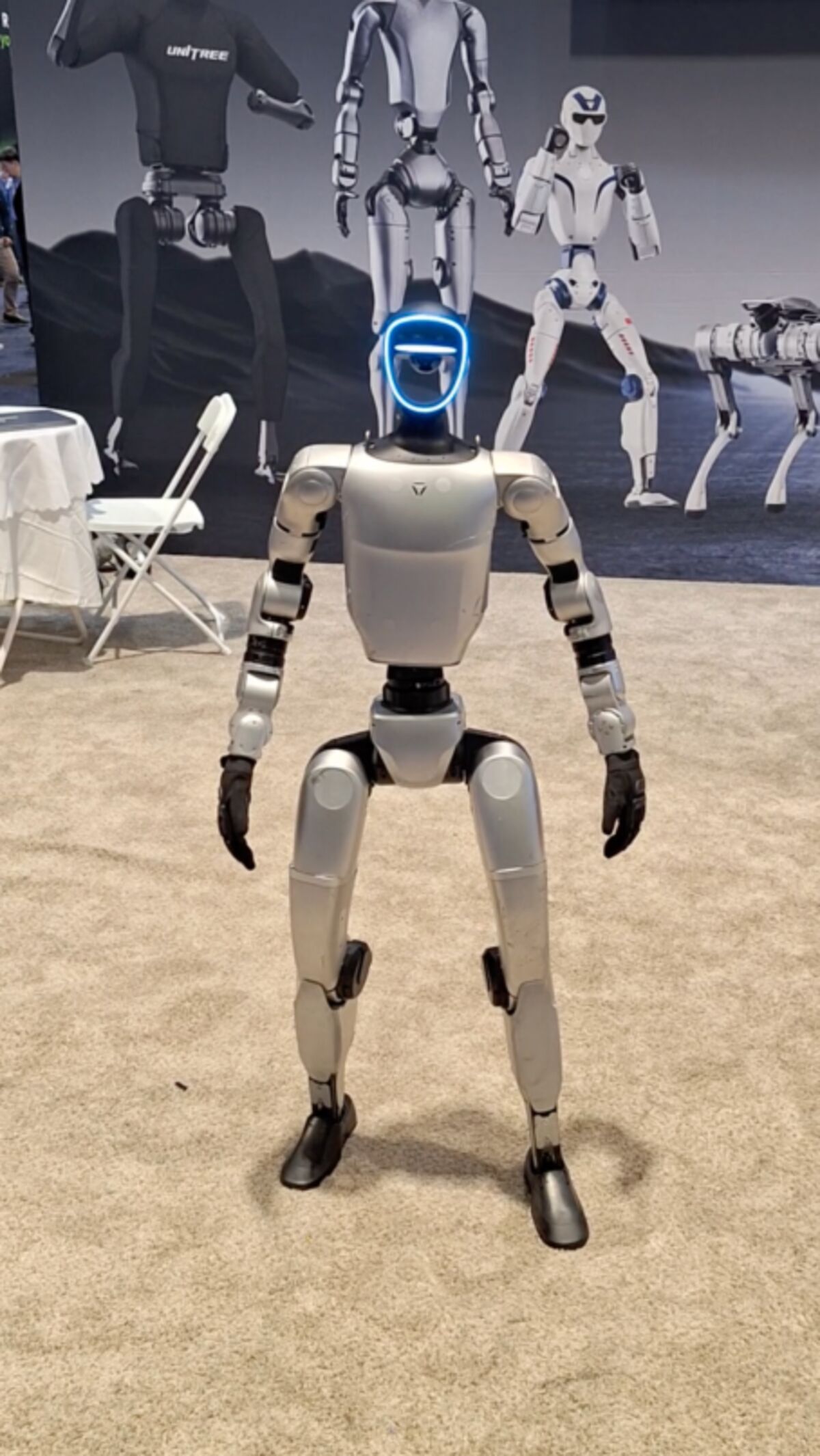
Automate Show Highlights Challenges in Robotics Adoption and Market Readiness
At the recent Automate Show, Bloomberg Opinion columnist Thomas Black observed a significant presence of robots but noted that the technology has not yet reached a stage of widespread everyday use. This event showcased various robotic innovations, yet the consensus was that substantial advancements are still required for mainstream adoption. The observations made at the Automate Show underscore the gap between current robotic capabilities and market expectations. Despite the proliferation of robotic technologies, challenges such as integration, cost, and user acceptance continue to hinder their deployment in everyday applications. This situation reflects a broader trend in the robotics industry, where enthusiasm often outpaces practical implementation. Looking ahead, industry stakeholders will need to focus on overcoming these barriers to realize the full potential of robotics. No further timeline was disclosed at the time of publication regarding specific advancements or initiatives aimed at accelerating adoption in various sectors.

Preparing for Artificial Intelligence: The Real Question Is Facility Readiness
A recent analysis highlights the critical factors for successful industrial AI implementation, emphasizing the importance of data quality, a comprehensive understanding of processes, and robust cybersecurity measures. Experts in the field assert that organizations aiming to leverage artificial intelligence in their operations must prioritize these foundational elements to ensure effective integration and performance. The insights were shared during a conference held in October 2023, where industry leaders gathered to discuss advancements and challenges in AI technology. By focusing on these key areas, businesses can enhance their operational efficiency and safeguard their systems against potential cyber threats, ultimately driving innovation and competitiveness in the industrial sector.
Factory / IIoT
Defense manufacturing readiness hinges on autonomous finishing, says GrayMatter Robotics
A recent review of the Navy's industrial base has revealed a significant demand for 174,000 new workers to support defense manufacturing. In response to this workforce challenge, GrayMatter Robotics has proposed that robotics technology could effectively address the labor shortage. The company emphasizes that the integration of autonomous finishing processes in manufacturing could enhance efficiency and productivity, thereby meeting the urgent needs of the defense sector. As the military seeks to bolster its operational capabilities, the adoption of advanced robotics may play a crucial role in ensuring readiness and sustainability within the industry.
Collaborative Robots Defense / Security Manufacturing Maritime Markets / Industries News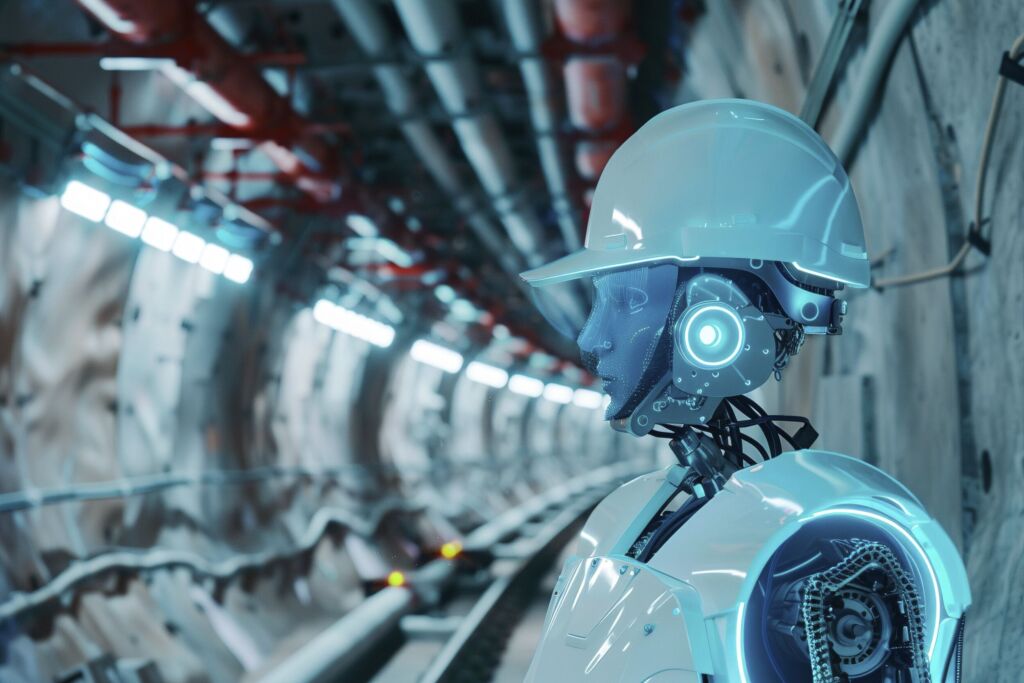
From Prototype to Production Readiness
In recent years, the field of humanoid robotics has experienced remarkable growth, surprising even seasoned industry experts. By 2026, the transition from mere prototypes to the implementation of pilot projects featuring humanoid robots in valuable industrial applications is expected to take place. These robots are designed to perform tasks traditionally carried out by humans, not as replacements but as supportive aids to alleviate the pressures of a global labor shortage. This shift highlights the potential of humanoid robots to enhance productivity and efficiency in various sectors.
Allgemein
Building a Resilient Supply Chain: Regional Security Leaders Focus on Industrial Readiness
The Northeast National Security Conference recently convened to address the pressing need for the United States to bolster its defense industrial base, particularly in the context of the drone industry. As the government seeks to enhance domestic drone manufacturing and minimize dependence on foreign suppliers, the focus has shifted to securing access to critical technologies. This initiative aims to strengthen supply chain security, which has emerged as a significant concern for manufacturers navigating the complexities of sourcing and production. The discussions highlighted the challenges and strategies necessary for building a resilient supply chain that meets national security demands.
Applications Defense defense DL Exclusive Drone News Drone News Feeds
San José State University and Teradyne Partner to Advance Engineering Education and Workforce Readiness
San José State University (SJSU) has announced a partnership with Teradyne aimed at enhancing educational experiences by integrating industry expertise into its curriculum. This collaboration, set to last for two years, will focus on the development of a new memory test engineering program. The initiative is designed to equip students with practical skills and knowledge that align with current industry standards, thereby better preparing them for careers in technology and engineering. By leveraging Teradyne's extensive experience in the field, SJSU aims to bridge the gap between academic learning and real-world applications, fostering a more robust educational environment. The program is expected to launch in the coming months, marking a significant step in SJSU's commitment to innovation in education.
Robotics needs a service framework.
RSF defines a common language for robot service capability, lifecycle operations, certification pathways, and service-provider networks.
Join the RobotToday community on LinkedIn
Daily robotics news, in-depth analysis, conference highlights, and discussions with professionals worldwide.







