

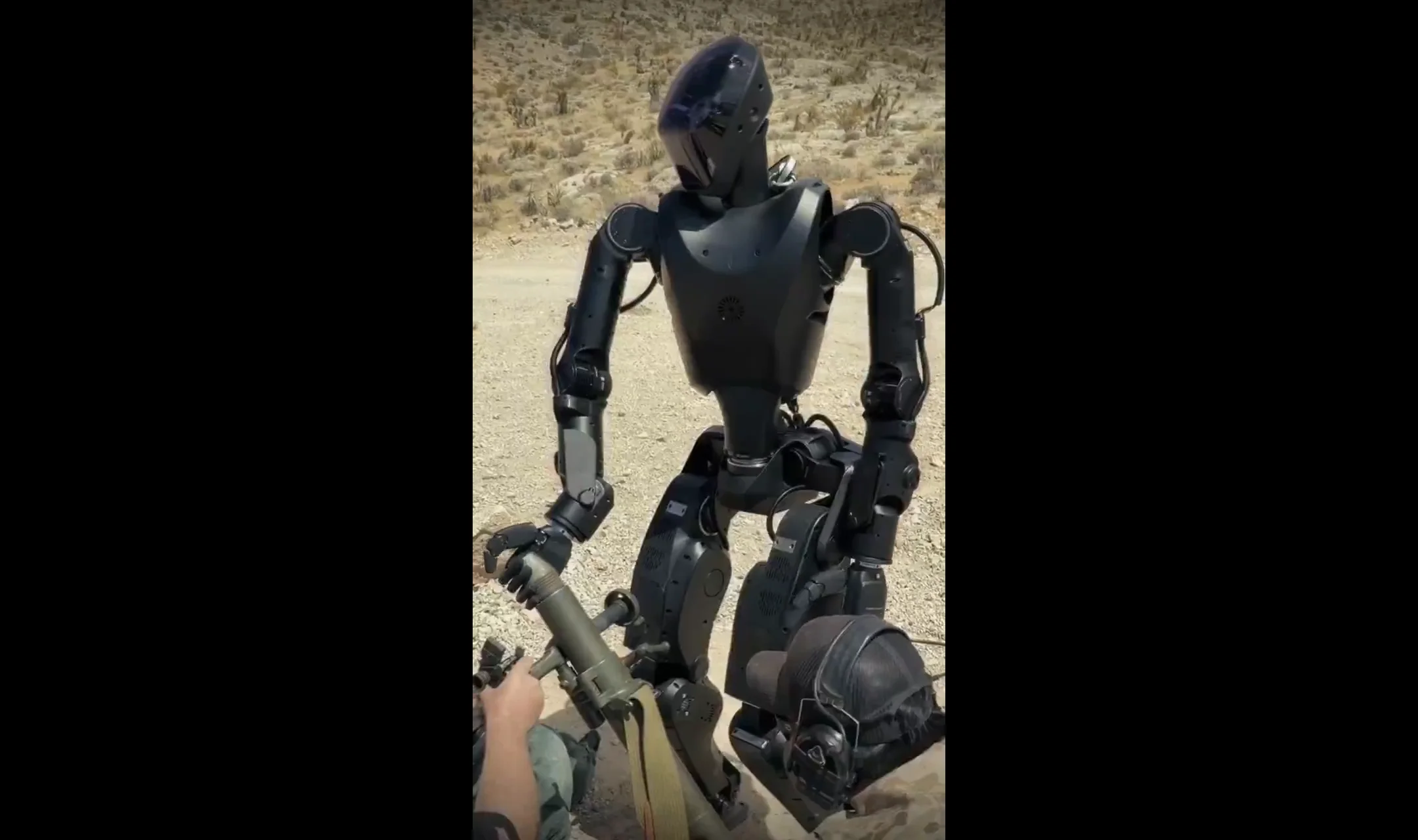
Last month in Beijing, bipedal humanoid robots impressed audiences at the 2nd World Humanoid Robot Games, where they excelled in speed and manipulation. However, the event caught the attention of China's defense sector, which is pushing to integrate these robots into military operations. The PLA Daily has called for accelerated development to transition laboratory robotics into combat-ready units, reflecting a significant shift in military strategy influenced by lessons from the Ukraine conflict.
The analysis of over 100 military procurement documents reveals that China is planning for the deployment of humanoid robots on the battlefield. Research from the National University of Defense Technology indicates that these robots could operate alongside human soldiers in urban environments within five to ten years. Recent military exercises have already incorporated humanoid platforms into tactical simulations, demonstrating their potential for reconnaissance and security tasks.
As China develops its humanoid capabilities, the American defense industry remains cautious, with major firms like Boston Dynamics refusing to weaponize their robots. The contrasting approaches highlight the competitive landscape in military robotics, with China's domestic supply chain providing a significant advantage in production and integration of humanoid technology. No further timeline was disclosed at the time of publication.
Editor's Note
The integration of humanoid robots into military operations represents a pivotal shift in defense strategies for both China and the US. As China accelerates its development of these technologies, the implications for global military dynamics could be profound. The contrasting stance of American firms on weaponization raises questions about ethical considerations and the future of robotics in warfare.



























Leave a comment