

Industry Briefing
A single destination for timely, editor-curated robotics news from around the world.

CMU Robotics Institute Launches Fourth Year of Pathways Fellowship Program
The Carnegie Mellon University Robotics Institute has officially commenced the fourth year of its Pathways Fellowship Program. This initiative, in collaboration with InnovatePGH, aims to cultivate non-traditional entrepreneurial talent and drive innovation within the robotics sector. The new cohort consists of seven aspiring engineers, designers, and entrepreneurs. This program is significant as it provides a platform for diverse talent to engage in robotics, which is crucial for fostering creativity and innovation in the field. By supporting individuals from various backgrounds, the fellowship seeks to enhance the entrepreneurial landscape in robotics, ultimately contributing to the industry's growth and evolution. Looking ahead, it will be important to monitor the progress of this new cohort and the impact of their contributions to the robotics community. No further timeline was disclosed at the time of publication.
Announcements
The Rise of 'Power' in China's Robotics Sector: Distinct Paths Emerging
In recent years, the term 'power' has emerged as a new identity label for robotics companies in China, reflecting a significant trend in the industry. Companies such as Super Dimension Power, Qingzhuo Power, and Future Power are rapidly carving out their niches within the embodied intelligence sector, which emphasizes the necessity of physical action in intelligent systems. This naming trend highlights the essence of embodied intelligence, which requires a physical body to operate in the real world, distinguishing it from traditional AI. The concept of 'power' encompasses narrative, growth, and technological innovation, which are crucial for companies to attract capital and customers while enhancing their technical capabilities. As several robotics startups adopt the 'XX Power' naming convention, it may signal a tribute to established leaders like Boston Dynamics, known for their pioneering work in robotics. The six mentioned 'power' companies, founded between 2022 and 2024, exhibit diverse funding scales and product paths, contributing to a competitive landscape expected to evolve significantly by 2026.
Robotics Embodied Intelligence Technology Innovation Automation
HII Enters $900M Agreements with Path Robotics and GrayMatter Robotics for Shipbuilding Automation
Huntington Ingalls Industries (HII) has announced long-term performance-based production agreements with Path Robotics and GrayMatter Robotics, potentially worth up to $900 million over seven years. These agreements aim to enhance shipbuilding capabilities through advanced robotic technologies, including welding and sanding systems. The significance of these agreements lies in HII's commitment to invest in automation that can adapt to complex manufacturing environments. Eric Chewning, HII's executive vice president, emphasized the importance of these partnerships in redefining robotics in shipbuilding, particularly under the High-Yield Production Robotics (HYPR) program launched in April. Looking ahead, HII plans to accelerate the development and deployment of physical AI technologies across various U.S. Navy shipbuilding programs. The agreements include a two-stage approach focusing on Navy-grade development and delivery, with the goal of integrating high-precision production techniques into autonomous production lines. No further timeline was disclosed at the time of publication.
Artificial Intelligence Artificial Intelligence / Cognition Construction Defense / Security Design / Development Earnings
HII Establishes Long-term Production Agreements with Path Robotics and GrayMatter Robotics
HII has signed long-term performance-based production agreements with GrayMatter Robotics and Path Robotics to enhance advanced physical AI automation in U.S. Navy shipbuilding programs. These agreements aim to improve the efficiency and capacity of shipbuilding operations, including aircraft carriers and submarines. The collaboration is significant as it represents a strategic investment in the future of American shipbuilding, focusing on resilience and efficiency in the industrial base. HII plans to allocate up to $900 million in shipbuilding work to both companies over seven years, contingent on meeting specific performance milestones. Looking ahead, the partnerships are expected to drive substantial advancements in robotics and autonomous systems, enabling the delivery of Navy-grade production at scale. No further timeline was disclosed at the time of publication.
hii production agreement path robotics graymatter robotics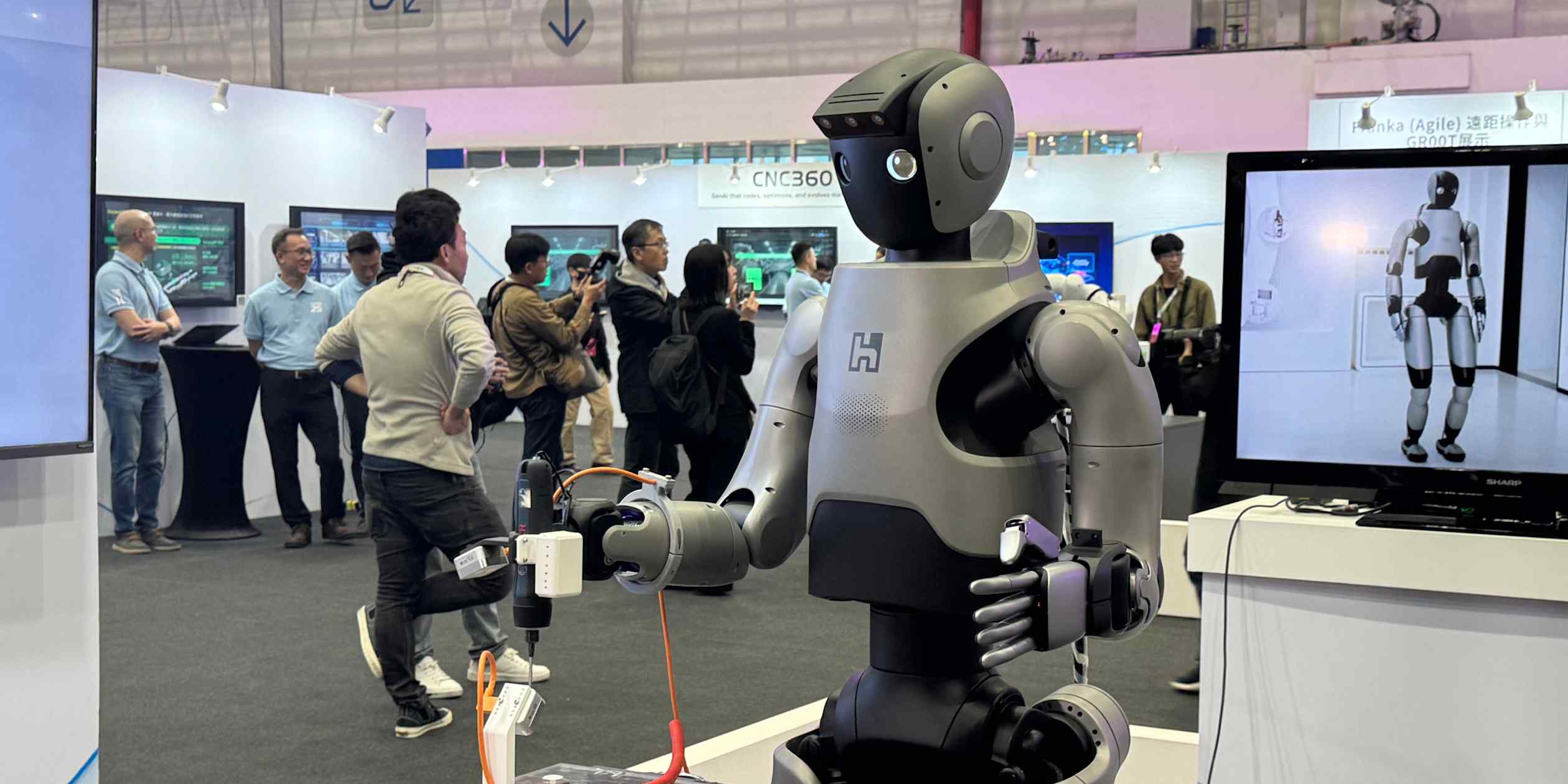
Taiwan's Robotics Industry to Follow Unique Path Distinct from China's Approach
Taiwan is set to enhance its robotics sector, focusing on strengthening its AI technology supply chain while addressing the challenges posed by an aging population. This initiative, led by Taiwan's top technology official Wu Cheng-wen, aims to differentiate Taiwan's approach from China's military-oriented robotics development. The emphasis on building a robust AI supply chain is crucial for Taiwan as it seeks to position itself as a leader in advanced robotics. By prioritizing societal needs, such as support for an aging society, Taiwan's strategy reflects a commitment to innovation that aligns with its democratic values, contrasting sharply with China's focus on military applications. Looking ahead, industry observers will be keen to see how Taiwan's robotics initiatives evolve and whether they can effectively compete with China's advancements. No further timeline was disclosed at the time of publication.

Path Robotics Enhances Welding Efficiency with AI and Boston Dynamics Robots
In a recent episode of The Robot Report Podcast, Andy Lonsberry, co-founder and CEO of Path Robotics, detailed the company's innovative approach to robotic welding. Based in Columbus, Ohio, Path Robotics utilizes AI to optimize the welding process by identifying torch paths and employing real-time vision guidance. This technology aims to streamline operations in manufacturing environments, addressing longstanding challenges in the industry. The significance of Path Robotics' advancements lies in their application of physical AI to enhance robotic systems. By integrating AI-driven solutions, the company is not only improving the efficiency of welding operations but also expanding the capabilities of robots in complex production settings. The deployment of Boston Dynamics' Spot robots for mobile welding applications in shipbuilding further exemplifies the potential of combining AI with robotics to tackle industry-specific challenges. Looking ahead, the focus will be on the continued integration of AI in robotic systems and the potential for further advancements in welding technology. No further timeline was disclosed at the time of publication, but the ongoing development in this area suggests a promising future for AI-enhanced manufacturing solutions.
Artificial Intelligence Assembly Cameras / Imaging / Vision Controllers Humanoids Manufacturing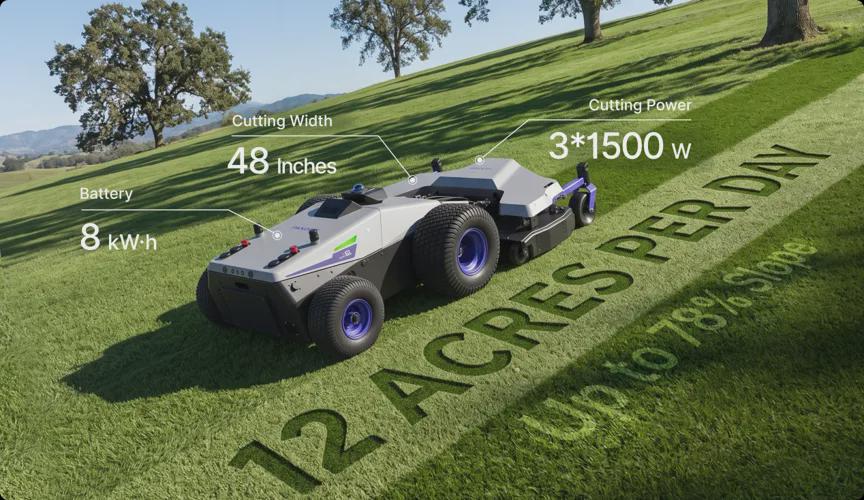
PANDAG Technology Secures Funding to Advance Commercial Lawn Maintenance Robotics
PANDAG Technology, a Chinese commercial lawn maintenance robotics company, has recently completed a significant A-round funding, exclusively backed by Yunshi Capital. The company aims to transform its professional expertise into reusable system capabilities. This spring, a 300-kilogram robotic mower was showcased at the KLPGA, demonstrating its cutting efficiency on golf courses. The importance of PANDAG's innovation lies in addressing the automation gap in large commercial landscapes, such as golf courses and municipal green spaces. Traditional mowing methods are labor-intensive and inefficient, with a reported 60% of landscaping companies facing workforce shortages. PANDAG's approach focuses on creating a scalable solution that integrates professional experience into automated systems, which is essential for enhancing operational efficiency in commercial lawn maintenance. Looking ahead, PANDAG Technology is poised to lead the way in commercial lawn care automation. The company believes that while consumer-grade mowers have gained traction, the commercial sector requires robust systems that can deliver consistent results across various terrains and conditions. No further timeline was disclosed at the time of publication.
Commercial Robotics Lawn Maintenance AI Technology Automation Solutions
JAKA Robotics Addresses Patent Claims, Highlights Self-Development in Robotics Technology
On September 2, JAKA Robotics issued an official statement regarding overseas patent litigation, asserting that it does not infringe on the opposing party's patents based on comprehensive technical tracing and patent comparison analysis. This confidence stems from over a decade of the company's full-stack self-developed technology system. The performance of a robot is rooted in hundreds of precision components, including reducers, servo systems, and controllers, which directly influence the machine's accuracy, load capacity, and reliability. As Chinese robotics companies accelerate their entry into the global market, the originality of technology and intellectual property rights are becoming critical competitive factors, making JAKA's self-development path significant in this context. Looking ahead, JAKA Robotics aims to enhance its general intelligent robot capabilities, evolving from collaborative robots to embodied intelligent robots. The company has successfully integrated core components and developed over 60 self-developed collaborative robots in its production base, achieving a closed-loop verification of its technological strength. No further timeline was disclosed at the time of publication.
Collaborative Robots Humanoid Robots AI Robotics Technology
Carbon Robotics Reports Over $100 Million Revenue and Plans for IPO
Carbon Robotics, based in Seattle, has surpassed $100 million in revenue as of March 2026 and is pursuing an IPO. The company focuses on laser weeding and tractor autonomy, with plans to develop a new, yet-to-be-announced machine in the agricultural robotics sector. The significance of this growth lies in the vast market potential for laser weeders and autonomous tractors, with estimates of 30,000 to 40,000 tractors annually. Founder and CEO Paul Mikesell emphasizes that the company does not need to diversify beyond agriculture to achieve substantial growth, highlighting the demand for their technology in major vegetable-growing regions. Looking ahead, Carbon Robotics aims to continue scaling its operations and solidifying its position in the agriculture sector. The company is currently available in around 20 countries, with strong traction in the United States, Western Europe, and Australia. No further timeline was disclosed at the time of publication.
Agtech Artificial intelligence Deeptech Precision agriculture Startups & funding US & Canada
Agility Robotics Enters SPAC Deal Valued at $2.5 Billion Amid Industry Shift
On June 24, Agility Robotics Inc. announced a definitive business combination agreement with Churchill Capital Corp XI, a SPAC, valuing Agility at a $2.5 billion pre-money equity valuation. This transaction is significant as it reflects a growing trend among robotics companies to pursue non-traditional paths to public markets, particularly in light of labor shortages and the increasing need for automation. The deal is expected to generate approximately $620 million in gross transaction proceeds, including $200 million from a private placement of public equity led by Foxconn. As traditional IPO routes become more challenging, de-SPAC transactions may offer a viable alternative for robotics firms seeking capital and public market access. The transaction is anticipated to close in 2026, pending shareholder approval and regulatory reviews. Agility's move follows a similar path taken by Serve Robotics Inc., which completed a reverse merger with Patricia Acquisition Corp. in July 2023. As the robotics industry evolves, stakeholders should monitor how these financial strategies impact the growth and deployment of robotics technologies in various sectors.
Analysis Autonomous Mobile Robots (AMRs) Financial Humanoids Investments Mergers & Acquisitions
SemiAnalysis Report Reveals Yushu Technology's Strategy to Lead Global Robotics Market
A report by SemiAnalysis on the day of Yushu Technology's IPO indicates that the company is replicating the successful hardware growth paths of BYD and DJI, potentially positioning itself to dominate the global robotics industry. The report highlights Yushu's impressive cost structure, estimating the material cost of its G1 robot at just $8,976. Despite a price drop in overseas markets from over $50,000 to $27,300, the company maintains a gross margin of 67%. Yushu has evolved from a quadruped robot company three years ago to a leader in the humanoid robot market, with plans to deliver its 10,000th humanoid robot soon. Looking ahead, Yushu's revenue is projected to grow by 335.36% year-on-year by 2025, with a gross margin nearing 60%. The company plans to invest approximately 2.02 billion yuan in embodied model research and development. No further timeline was disclosed at the time of publication.
Humanoid Robots Robotics Industry Supply Chain Management Cost Structure AI Technology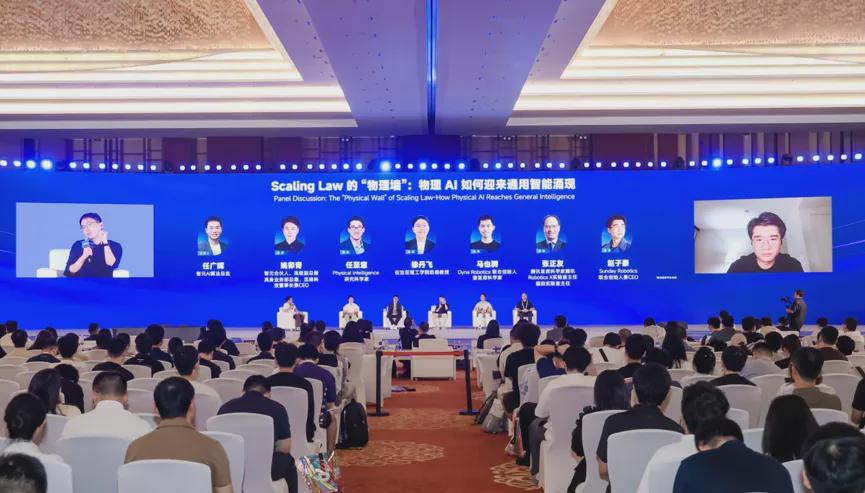
Exploring Robotics' Path to Its 'GPT Moment' and the Need for Physical Experience
Recent discussions at the 2026 World Artificial Intelligence Conference highlighted the challenges and opportunities in achieving a 'GPT moment' for robotics. Experts emphasized that while large language models have thrived on vast data, robotics lacks a comparable 'physical internet' for learning. The consensus is that the next phase of embodied intelligence must focus on creating systems that can continuously generate physical experiences and learn from failures. The conversation revealed differing opinions on when robotics might reach its 'ChatGPT moment,' with predictions ranging from two to five years. However, experts agree that the real challenge lies not in creating impressive demos but in scaling 'experience' rather than just data. Current embodied intelligence data is significantly less than that of leading language models, highlighting a critical gap in the field. As the industry evolves, the need for a robust data infrastructure akin to the internet for language models becomes apparent. Experts pointed out that achieving a high success rate in robotic tasks will require extensive data, potentially in the order of hundreds of millions of hours. This underscores the urgent need for the robotics sector to develop its own data ecosystem to foster growth and innovation.
Physical Intelligence Robotics AI Data Infrastructure
EF Robotics Launches First Joint Module Selection Platform for Robotics Industry
EF Robotics has introduced the first joint module selection platform in China, aiming to innovate in a market focused on mass production and cost reduction. The platform addresses the limitations of current mainstream planetary and harmonic joints, which affect the performance of embodied robots. EF Robotics emphasizes the need for technological breakthroughs to enhance the industry's future. The joint module selection platform is designed to streamline the process for industry participants, allowing them to find suitable suppliers and optimal joint integration solutions without the hassle of manual searches. EF Robotics leverages its extensive customization experience and a robust supply chain to provide clients with verified components and tailored solutions. Looking ahead, EF Robotics aims to collaborate with various suppliers in the robotics sector, including motor and reducer manufacturers. The company is committed to advancing technology and expanding its database to support the ongoing development of the joint selection platform, which represents a significant step in enhancing the capabilities of embodied intelligence in robotics.
Joint Modules Humanoid Robotics Supply Chain Innovation AI Technology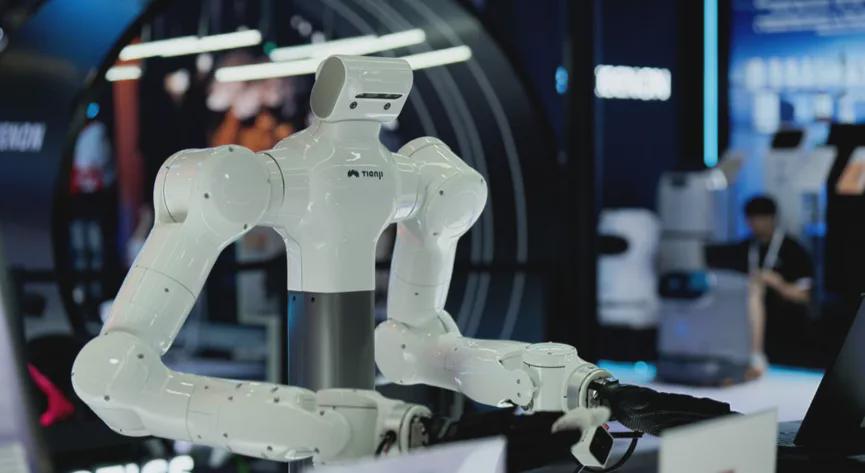
At WAIC 2023, Robotics Companies Pursue Divergent Strategies for Industry Advancement
At the WAIC 2023, the AI and robotics sectors have become increasingly intertwined, with robotics taking center stage. Various robotic technologies, including humanoid and dual-arm robots, were prominently displayed, showcasing their capabilities and advancements. This year marked a shift in focus from generative AI to the robotics industry, highlighting the evolution of robots and their functionalities. The event revealed a divergence among robotics companies. Some continue to emphasize the capabilities of robots, demonstrating their speed, precision, and fluidity in performing tasks, which captivates public and investor interest. In contrast, companies like Tianji focus on the stability and safety of robotic operations, emphasizing the interaction between AI models and physical environments, thus addressing the practical applications of robotics in real-world scenarios. This shift in focus from capability to foundational infrastructure signifies a critical transition in the robotics industry. As companies recognize that the limitations to robotics deployment may lie in the supporting infrastructure rather than the robots themselves, the industry is poised for a redefinition of what it means for robots to operate effectively in various environments, including factories and homes. No further timeline was disclosed at the time of publication.
Robotics AI Industrial Automation Physical Intelligence
UltraSense Proposes Ultrasound as a Solution for Tactile Intelligence in Robotics
UltraSense has introduced ultrasound technology as a solution to enhance tactile sensing in robotics, addressing the wear and tear associated with traditional electronic skin. As robots evolve to interact more effectively with their environments, reliable touch sensing becomes crucial for various applications, including humanoid hands and industrial systems. The challenge lies in developing a scalable tactile architecture that can withstand harsh mechanical conditions while maintaining signal integrity over time. The significance of this development is underscored by the limitations of current tactile sensing technologies, which often struggle with durability and accuracy due to environmental factors. Traditional methods, such as capacitive and piezoelectric sensors, face challenges like wear, hysteresis, and recalibration burdens, particularly in high-duty-cycle applications. UltraSense's approach aims to provide a more robust solution that can sustain performance across millions of contact cycles, making it a potential game-changer in the field of physical AI. Looking ahead, the industry will need to monitor advancements in ultrasound technology and its integration into robotic systems. As physical AI continues to gain traction, the ability to maintain accurate and reliable tactile sensing will be critical for the success of various robotic applications. No further timeline was disclosed at the time of publication.
Artificial Intelligence / Cognition Grippers Human Robot Interaction / Haptics Humanoids Microprocessors / SoCs News
XPENG's He Xiaopeng Discusses Challenges and Vision for Humanoid Robot IRON
XPENG has unveiled its first production-intent humanoid robot, IRON, which recently completed its automated assembly line debut. CEO He Xiaopeng shared insights in a candid video, addressing the engineering challenges and public skepticism faced during the six-year development process. He emphasized the importance of focusing on functional durability over flashy demonstrations, positioning XPENG to create a general-purpose humanoid robot capable of autonomous work. The significance of this milestone lies in XPENG's $900 million funding round, which has bolstered its valuation to $6.3 billion. Xiaopeng's narrative highlights the friction between public perception and engineering realities, as he recalls early missteps that garnered public mockery. He argues that the path to developing effective humanoid robots is often overlooked due to the industry's focus on entertainment rather than practical applications. Looking ahead, XPENG aims to leverage its automotive expertise to enhance the bipedal autonomy of IRON. The company is focusing on integrating large-language and Vision-Language-Action models to enable the robot to learn from real-world data. No further timeline was disclosed at the time of publication.
Xiaopeng He China XPENG IRON
Benmo Technology Achieves Rapid Growth in Robotics Physical Components Market
Benmo Technology has experienced significant revenue growth, increasing from 17.54 million yuan to 282 million yuan in three years, with a compound annual growth rate exceeding 300%. The company focuses on integrated direct-drive joints, eliminating the need for reducers, which reduces energy loss and noise while extending lifespan to 50,000-100,000 hours. As of 2025, Benmo Technology is projected to capture 61.1% of the Chinese consumer robotics direct-drive module market, with shipments of approximately 8.5 million units across various robot categories. The company also operates a wheeled robot business, exporting products to over 50 countries, and has become a leading manufacturer in this sector. Looking ahead, Benmo Technology's dual business model allows for a feedback loop between mass production of power modules and whole machine development. The consumer-grade direct-drive modules are expected to account for 88% of total revenue by 2025. The company is well-positioned to meet future demands for reliable robotic bodies as advanced AI models mature.
Robotics Direct-Drive Modules Embodied Intelligence Robot Manufacturing
Brain Corp's John Black Discusses Scaling Robot Fleets and Trust in Public Spaces
In Episode 259 of The Robot Report Podcast, John Black, the chief technology officer at Brain Corp, discusses the scaling of robot fleets and the importance of building trust while operating in public spaces. Brain Corp has successfully commercialized a fleet of over 50,000 autonomous mobile robots (AMRs) that have collectively logged more than 25 million hours of safe operation using their BrainOS technology. This achievement is significant as it highlights the growing role of autonomous mobile robots in various sectors, demonstrating their reliability and safety in real-world applications. The extensive operational hours underscore the effectiveness of Brain Corp's technology and its potential to transform industries by enhancing operational efficiency and safety. Listeners should keep an eye on the advancements in autonomous mobile robotics, particularly how companies like Brain Corp continue to innovate and address challenges related to public trust and safety. No further timeline was disclosed at the time of publication.
Artificial Intelligence Automated Warehouse Logistics News Opinion Podcast
Interview with Clearpath Robotics co-founder Ryan Gariepy: ‘Most industries in Canada are under-automated’
Canada is acknowledged for its significant contributions to robotics research, boasting prestigious universities, groundbreaking startups, and advanced technologies utilized in various sectors such as manufacturing, logistics, agriculture, mining, and defense. However, despite this robust technical foundation, experts suggest that the country has struggled to effectively translate its research capabilities into widespread industrial applications. This gap raises concerns about the potential for Canada to fully leverage its innovations in the competitive global robotics landscape.
Automation Economy Features Industry amrs automation news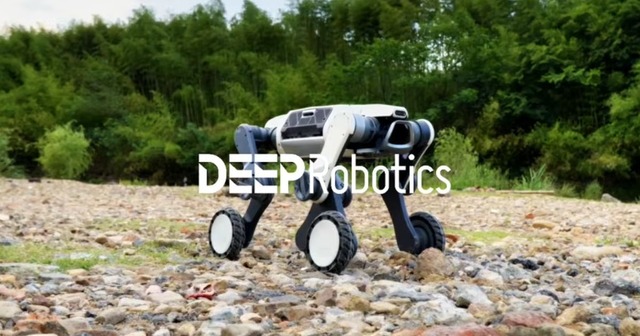
Compact yet powerful, the quadruped robot "Lynx S10" conquers gravel paths and obstacles.
DEEP Robotics, a robotics company, has garnered significant attention with the launch of its quadruped robot, the Lynx S10. Despite its compact frame, the Lynx S10 showcases impressive capabilities that exceed expectations. This innovative robot is designed to navigate various terrains, demonstrating agility and strength that make it suitable for a range of applications. The announcement of the Lynx S10 has sparked interest in the potential of robotic technology in diverse fields, highlighting DEEP Robotics' commitment to advancing robotics solutions.
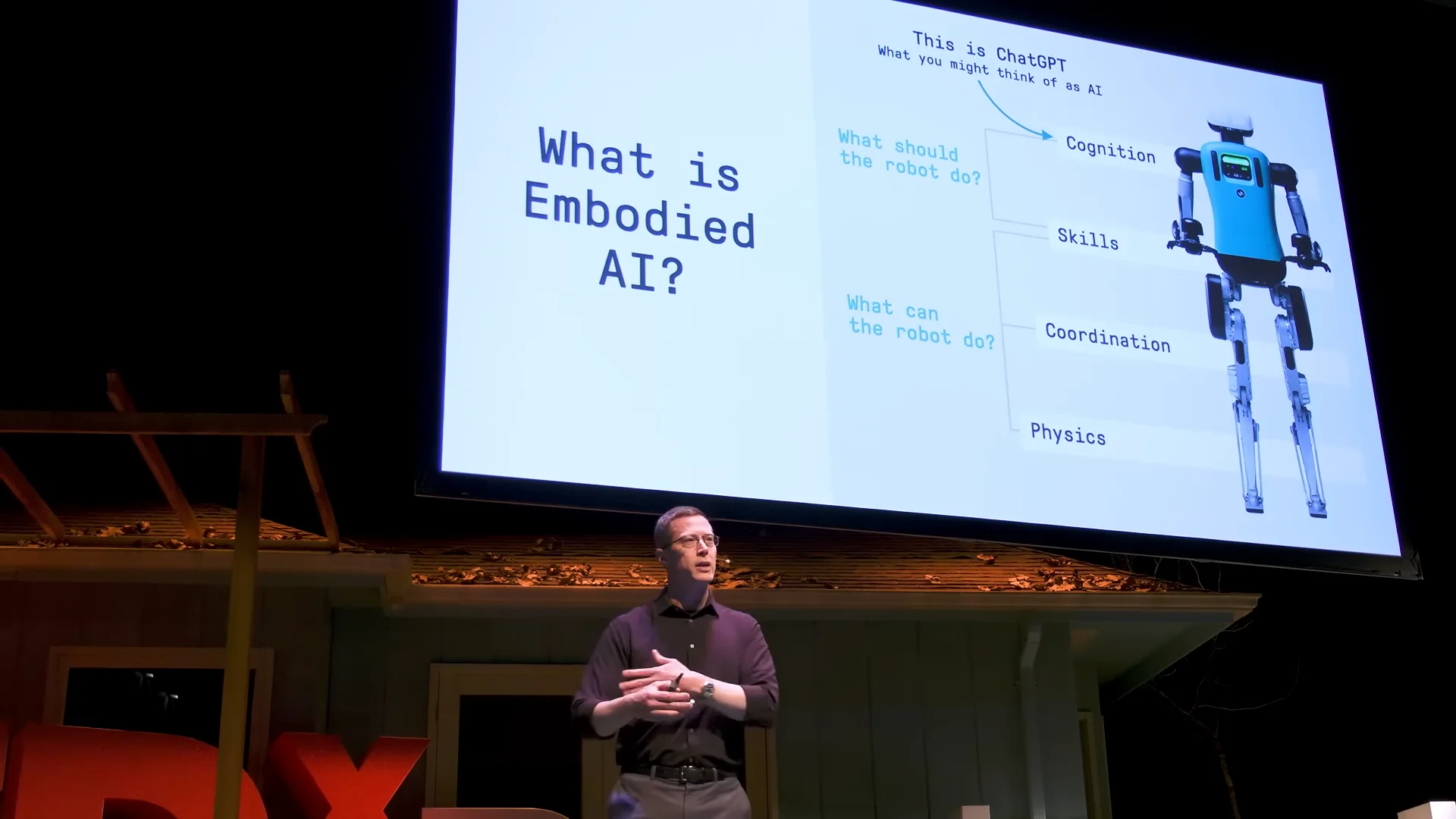
Agility's Jonathan Hurst Discusses the Realistic Future of Humanoid Robotics
Agility co-founder Jonathan Hurst recently presented a pragmatic vision for the future of humanoid robots during a TED Talk. He projected that by 2050, the humanoid robot market could be twice the size of the current automotive industry, marking a significant shift in robotics. Hurst emphasized that this new era of robotics is characterized by embodied AI, which allows machines to perceive their environments and make autonomous decisions. Hurst highlighted the challenges of translating digital intelligence into physical motion, noting that unlike text-based models, there is a lack of physical coordination data for robots. This data must be generated through simulation and reinforcement learning, which is a major reason Agility has been cautious about entering the consumer market. He identified three main obstacles preventing humanoids from being used in homes: the chaotic nature of human environments, the need for cost-effective solutions, and the critical importance of safety. Agility is focusing on industrial applications as a proving ground for humanoid robots, with deployments like Digit working with partners such as Toyota. Hurst likened this approach to the early adoption of electricity, where initial applications were simple yet valuable. He stressed that while safety is a significant barrier, the company is committed to ensuring compliance and reliability in its robots before expanding into more complex environments.
US Digit Agility Robotics
RoboStrategy Launches on Nasdaq with New 'BOT' Ticker for Humanoid Robotics Investment
RoboStrategy, Inc. (Nasdaq: BOT) began trading on the Nasdaq Global Market today, aiming to connect private venture innovation with public market liquidity. This closed-end management investment company offers a focused portfolio of robotics and Physical AI firms, addressing the previous lack of direct investment opportunities in humanoid technologies for retail investors. The launch of the 'BOT' ticker is significant as it provides public investors with access to a concentrated selection of companies that have collectively raised billions in private funding over the past two years. Key holdings include Dyna Robotics, Standard Bots, and Dexmate, which represent both the cognitive and mechanical aspects of embodied AI. Looking ahead, RoboStrategy's leadership under CEO Andrew Kang and the expertise of Dr. Scott Walter, a veteran in robotics research, will be crucial in navigating the investment landscape. The fund's strategy focuses on robust technology providers, aiming to mitigate the risks associated with market hype and capitalize on the emerging revenue opportunities in industrial automation.
US Market RoboStrategy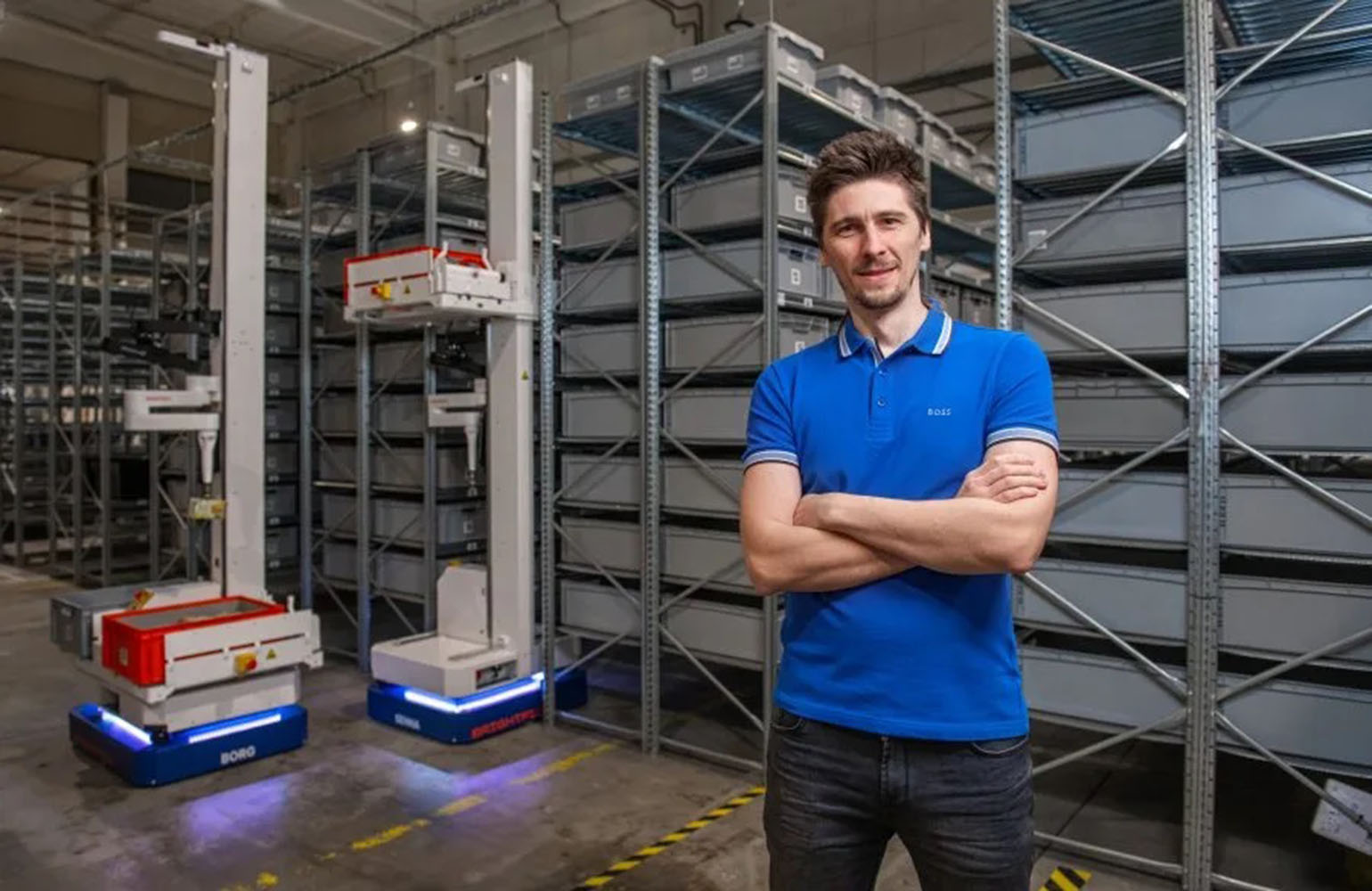
Brightpick to outline the path to lights-out warehouses at Robotics Summit
Jan Zizka, co-founder and CEO of Brightpick, is set to present a comprehensive strategy for achieving more autonomous operations in warehouses at the upcoming Robotics Summit. This event will take place in the near future, where industry leaders gather to discuss advancements in robotics technology. Zizka's presentation aims to address the growing demand for efficiency and automation in logistics, highlighting how businesses can transition towards "lights-out" warehouses—facilities that operate with minimal human intervention. Through this roadmap, Brightpick seeks to demonstrate the potential benefits of automation in enhancing productivity and reducing operational costs in the warehousing sector.
Artificial Intelligence Artificial Intelligence / Cognition Autonomous Mobile Robots (AMRs) Design / Development Events Logistics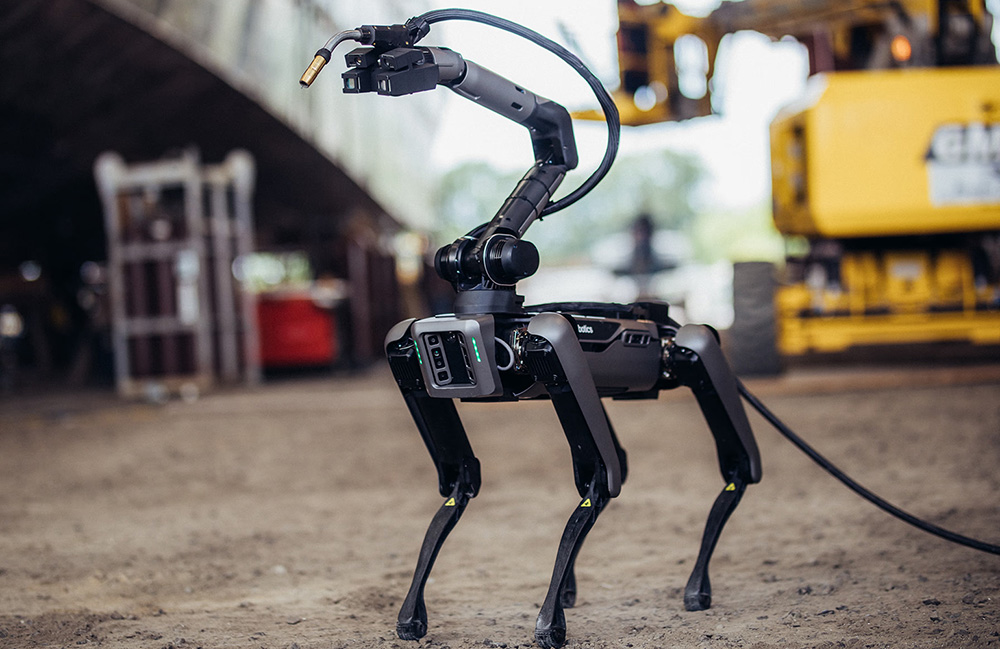
HII partners with Path Robotics, GrayMatter Robotics to accelerate shipbuilding
GrayMatter Robotics and Path Robotics are enhancing their collaboration with HII, a prominent shipbuilding company in the United States. This partnership aims to accelerate the shipbuilding process by integrating advanced robotics technology into HII's operations. The initiative is part of a broader effort to innovate and streamline production methods within the shipbuilding industry. By leveraging the expertise of both robotics firms, HII seeks to improve efficiency and reduce costs in its manufacturing processes. This strategic alliance marks a significant step forward in modernizing shipbuilding practices, reflecting the growing trend of automation in traditional industries.
Artificial Intelligence Artificial Intelligence / Cognition Defense / Security Design / Development Manufacturing Maritime
Path Robotics Launches Rove, Bringing Mobility to Welding Automation Powered by Physical AI
Path Robotics has unveiled Rove™, a mobile robotic welding system that integrates its advanced Obsidian™ physical AI model with a quadruped robot, marking a significant advancement in welding automation. Announced on April 16, 2026, this innovative system allows for intelligent welding directly at the workpiece, rather than requiring the part to be moved to a fixed welding cell. This development comes at a crucial time as industries face skilled welder shortages and the challenges of large-scale fabrication environments, such as shipbuilding and heavy construction. Rove is designed to operate effectively in high-variability settings, overcoming the traditional limitations of legged robots in precision welding. Early adopter Saronic Technologies, a leader in autonomous maritime vessels, is set to evaluate Rove's capabilities in its shipbuilding operations in Franklin, Louisiana. John Morgan, Head of Manufacturing at Saronic, emphasized the importance of adaptable tooling in modernizing shipyard operations. The Rove system will be showcased at the Sea-Air-Space 2026 maritime expo in National Harbor, Maryland, from April 19 to 22, where attendees can witness its capabilities firsthand. Path Robotics aims to revolutionize manufacturing processes by combining artificial intelligence, machine learning, and computer vision to enhance production quality and efficiency. For more information, interested companies can visit Path Robotics' website.

HII Teams with Path Robotics to Integrate Physical AI into Manned and Unmanned Shipbuilding
HII and Path Robotics have entered into a memorandum of understanding to explore the integration of Path's physical artificial intelligence for welding into HII's shipbuilding operations. The agreement, signed today at Path Robotics' headquarters, aims to enhance production efficiency, bolster the maritime industrial base, and support the shipbuilding workforce. The ceremony was attended by HII's executive vice president of maritime systems and corporate strategy, Eric Chewning, and Path Robotics CEO and co-founder, Andy Lonsberry. This collaboration reflects a commitment to advancing technology in the shipbuilding sector.
hii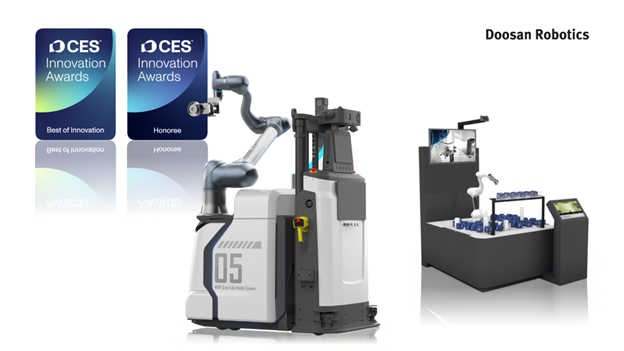
Doosan Robotics Unveils Award-Winning AI Robot Solution, as the Beginning of a New Path at CES 2026
Doosan Robotics Inc., a leader in collaborative robotic solutions, is set to showcase its latest innovations at CES® 2026, taking place from January 6 to 9 at the Las Vegas Convention Center. The company will present the Scan & Go Autonomous Robotic Solution, which has garnered two CES Innovation Awards, including “Best of Innovation” in the AI category. This AI-driven system revolutionizes large-scale composite repair by utilizing cognitive learning and laser-based 3D vision to interpret complex geometries in real time, thereby eliminating the need for traditional CAD modeling. Deployed on an autonomous forklift, Scan & Go is designed to perform intricate tasks such as sanding and grinding on large structures, enhancing production efficiency and workplace safety. In addition, Doosan Robotics will unveil its AI-Powered Depalletizing demonstration, which features real-time motion planning using Nvidia cuMotion technology. This automated solution employs 3D vision for box recognition and obstacle avoidance, significantly improving operational efficiency in logistics environments. Kevin Kim, CEO of Doosan Robotics, emphasized the company's commitment to providing cutting-edge solutions that enhance efficiency and safety across various industries. Earlier this year, Doosan Robotics announced a strategic shift towards becoming an AI robotic solutions company, focusing on future growth and technological competitiveness. The company plans to launch its AI Palletizing Solution in the first half of this year, further solidifying its position in the robotics market.

Robotics Institute Pathways Fellowship Expands Opportunities for Emerging Founders
Carnegie Mellon University’s Robotics Institute is now inviting applications for its 2026-2027 Pathways Fellowship, aimed at fostering non-traditional entrepreneurial talent in the fields of robotics and technology. This fellowship serves as a platform for aspiring founders looking to establish or grow ventures that incorporate robotics, automation, or similar technologies. The initiative seeks candidates who are dedicated and ready to commit to their entrepreneurial journeys. By providing resources and support, the Pathways Fellowship aims to expand opportunities for emerging innovators in the tech landscape.
Announcements
Explosion-Proof Robotics in ATEX/IECEx Environments: Progress, Challenges and Practical Pathways
Industrial robotics has significantly impacted various sectors, including manufacturing, logistics, and maintenance. However, their application in potentially explosive environments, such as refineries, petrochemical plants, offshore platforms, and battery production facilities, presents unique challenges. As industries seek to enhance safety and efficiency, the integration of robotics in these hazardous settings requires careful consideration of the risks involved. The need for advanced technology that can operate safely in such volatile conditions is driving innovation and research in the field. As of October 2023, experts are exploring solutions to ensure that robotic systems can effectively navigate these environments while minimizing the potential for accidents and ensuring compliance with safety regulations.

Humanoid Founder Artem Sokolov on Pragmatic Path to Commercial Robotics, Prioritizing Market-Ready Solutions
Artem Sokolov, the founder of the UK-based robotics firm Humanoid, has unveiled a strategic plan aimed at introducing commercially viable humanoid robots designed for industrial applications. The initiative emphasizes the importance of market readiness, affordability, and a modular design approach. Initially, the company will focus on developing wheeled robots, with a target price range of $50,000 to $70,000. By capitalizing on a 'second-mover advantage' and incorporating advanced artificial intelligence, Humanoid aims to position itself competitively in the robotics market.
HMND-01 Humanoid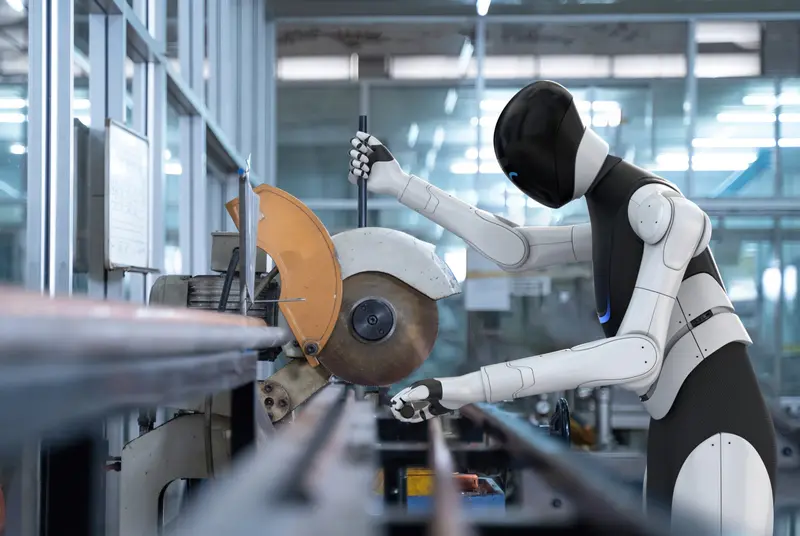
Neura Robotics CEO David Reger on Cognitive Platforms, Humanoid Design, and the Path to Physical AI
In a recent podcast episode hosted by Scott Walter, David Reger, CEO of Neura Robotics, elaborated on the company's vision for cognitive robotics and the significance of their Neuraverse platform. During the discussion, Reger provided insights into the engineering processes that underpin their humanoid robots, particularly focusing on the 4NE-1 model. He emphasized the company's commitment to in-house development as a strategy to enhance human-robot interaction in a rapidly evolving technological landscape. The conversation sheds light on Neura Robotics' innovative approach and its implications for the future of robotics.
David Reger Scott Walter 4NE-1 Neura Robotics EuropeRobotics needs a service framework.
RSF defines a common language for robot service capability, lifecycle operations, certification pathways, and service-provider networks.
Join the RobotToday community on LinkedIn
Daily robotics news, in-depth analysis, conference highlights, and discussions with professionals worldwide.







