At WAIC 2023, Robotics Companies Pursue Divergent Strategies for Industry Advancement
- Published
- Source
- leaderobot.com
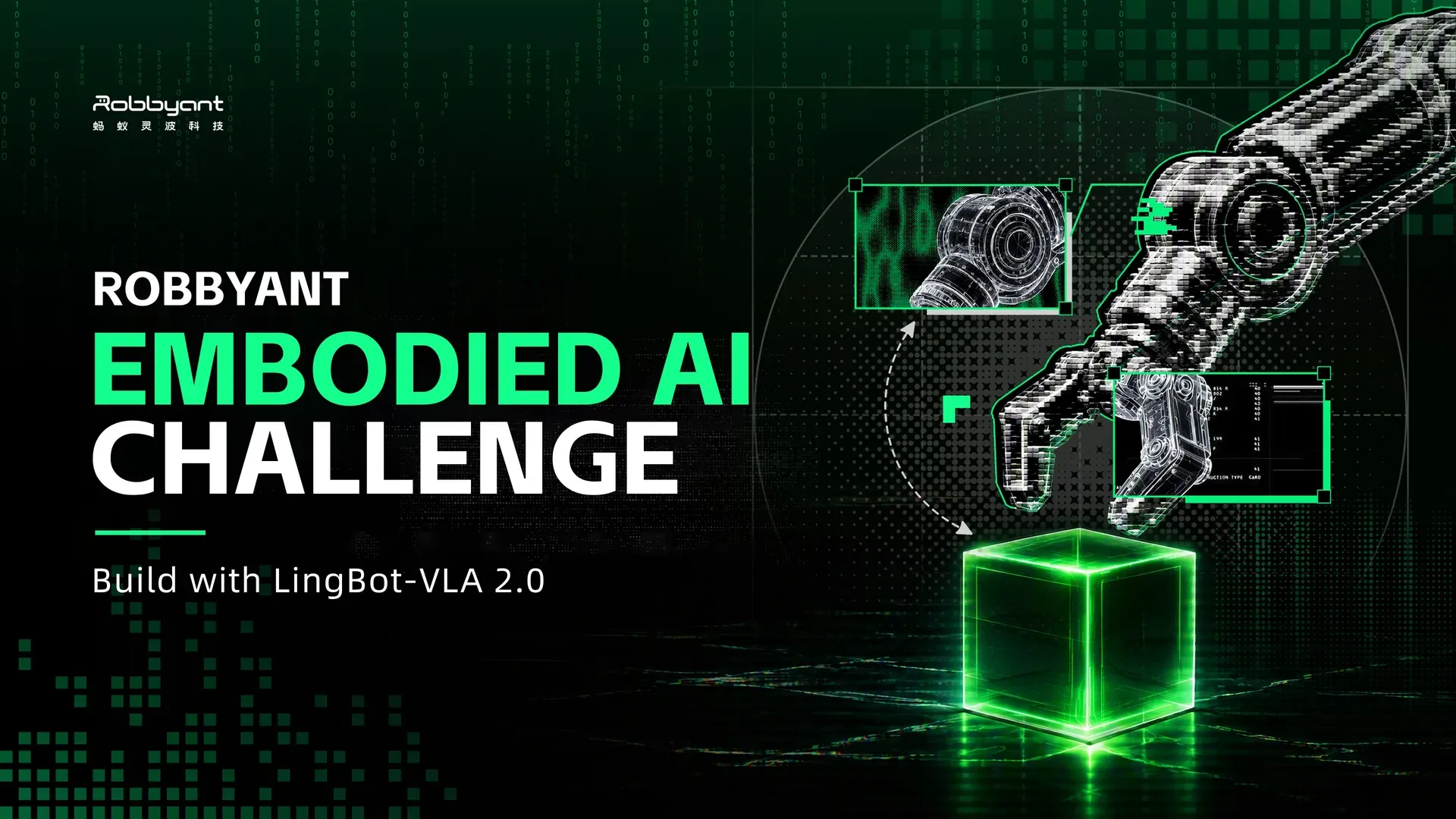
At the WAIC 2023, the AI and robotics sectors have become increasingly intertwined, with robotics taking center stage. Various robotic technologies, including humanoid and dual-arm robots, were prominently displayed, showcasing their capabilities and advancements. This year marked a shift in focus from generative AI to the robotics industry, highlighting the evolution of robots and their functionalities.
The event revealed a divergence among robotics companies. Some continue to emphasize the capabilities of robots, demonstrating their speed, precision, and fluidity in performing tasks, which captivates public and investor interest. In contrast, companies like Tianji focus on the stability and safety of robotic operations, emphasizing the interaction between AI models and physical environments, thus addressing the practical applications of robotics in real-world scenarios.
This shift in focus from capability to foundational infrastructure signifies a critical transition in the robotics industry. As companies recognize that the limitations to robotics deployment may lie in the supporting infrastructure rather than the robots themselves, the industry is poised for a redefinition of what it means for robots to operate effectively in various environments, including factories and homes. No further timeline was disclosed at the time of publication.
Original report
At WAIC, Robotics Companies Choose Diverging Paths
leaderobot.com · LeaderobotThis briefing is an independently written summary based on publicly available reporting and is provided for industry information and news discovery. The original report and source publication are credited and linked where applicable. RobotToday does not claim ownership of third-party source material.
Rights concerns? Contact [email protected] with the relevant URL and details. We will review the matter and take appropriate action where warranted.
More related news
- 1
- 2
- 3
- 4
- 5
- 6
- 7
- 8
- 9
- 10
- 11
- 12
Related Suppliers
Galileo (Tianjin) Technology Co., Ltd. 伽利略(天津)技术有限公司
China
Galileo (Tianjin) builds bio-inspired C1/E1/S1 quadruped and GH1 humanoid robots used for hazardous-area inspection work in China.
Tianji Intelligent 广东天机智能系统有限公司
China
Chinese robot maker (Dongguan, 2017) with 300+ staff and 289 patents; product lines span SCARA, 6-axis, collaborative, and Marvin humanoid dual-arm robots.

Tianjin Hanhai Lanfan Ocean Technology Co., Ltd. 天津瀚海蓝帆海洋科技有限公司
China
Tianjin maker of modular AUVs such as the 21-inch Jinfan JF, small inspection and hull-cleaning ROVs, and deep-sea thrusters and actuators.

Gento Robotics 天机智能
China
Humanoid robot brand of Guangdong TianJi Intelligence: force-controlled dual arms, MEMS joint torque sensors and the foldable Gento Luna
AIRY3D
Canada
Canadian deep-tech company enabling single-sensor 3D depth perception via patented Transmissive Diffraction Mask tech for robotics and industrial vision.

Dorna Robotics
United States
US maker of affordable desktop robotic arms for lab automation, education, and research with Python API and web-based software.

METECS
United States
Houston engineering firm (est. 2003) building robotics, GN&C and simulation software for NASA JSC; prime on NASA's up-to-$150M SASS II contract.

Altara
United States
Altara builds a scientific-intelligence platform with agentic AI purpose-built for the physical sciences to accelerate R&D through manufacturing.

VinDynamics
Vietnam (Viet Nam)
Vietnamese robotics company under VinGroup developing robot motors, robotic hands, and physical AI data infrastructure from TechnoPark Tower, Hanoi.
Rohmann-Automation GmbH
Germany
Ingelheim am Rhein, Germany automation firm led by founder Jascha Rohmann; builds modular robotic infrastructure for welding, laser, and e-mobility lines.

Nexus Patio Tech
Bolivia
Bolivian robotics company building autonomous delivery robots and indoor service bots with NVIDIA Jetson and 360-degree LIDAR; exhibited at CES 2026.

Industry Alpha
Japan
Tokyo and Nagoya AMR maker whose Kagero lift robots carry up to 1,200 kg and whose FMS software runs factory and warehouse transport fleets.
Robotics needs a service framework.
RSF defines a common language for robot service capability, lifecycle operations, certification pathways, and service-provider networks.
Join the RobotToday community on LinkedIn
Daily robotics news, in-depth analysis, conference highlights, and discussions with professionals worldwide.