


Recent discussions at the 2026 World Artificial Intelligence Conference highlighted the challenges and opportunities in achieving a 'GPT moment' for robotics. Experts emphasized that while large language models have thrived on vast data, robotics lacks a comparable 'physical internet' for learning. The consensus is that the next phase of embodied intelligence must focus on creating systems that can continuously generate physical experiences and learn from failures.
The conversation revealed differing opinions on when robotics might reach its 'ChatGPT moment,' with predictions ranging from two to five years. However, experts agree that the real challenge lies not in creating impressive demos but in scaling 'experience' rather than just data. Current embodied intelligence data is significantly less than that of leading language models, highlighting a critical gap in the field.
As the industry evolves, the need for a robust data infrastructure akin to the internet for language models becomes apparent. Experts pointed out that achieving a high success rate in robotic tasks will require extensive data, potentially in the order of hundreds of millions of hours. This underscores the urgent need for the robotics sector to develop its own data ecosystem to foster growth and innovation.
Editor's Note
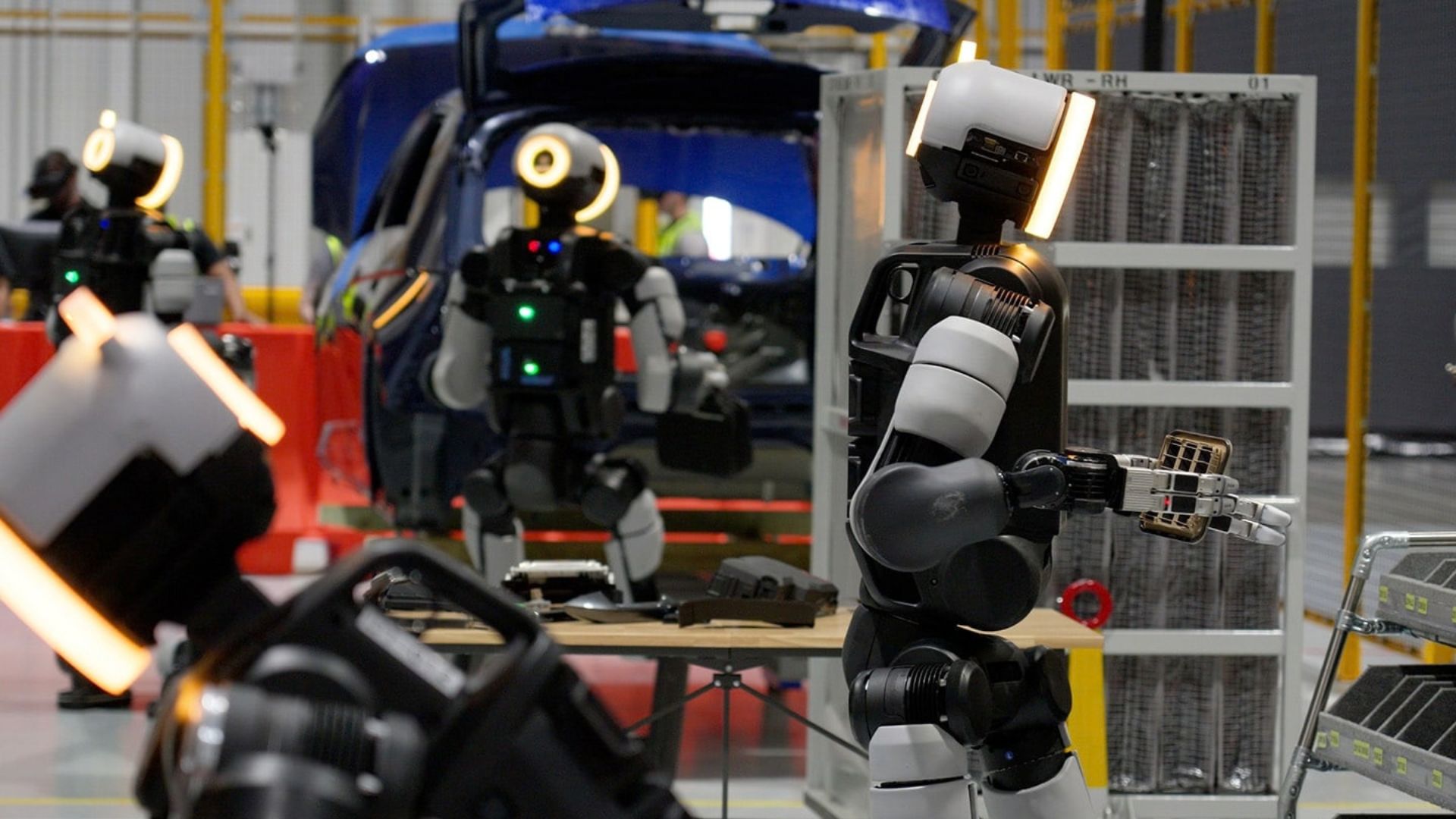
The robotics industry is at a pivotal point where the integration of physical experience into AI systems is becoming crucial. As companies explore various data strategies, the focus is shifting from mere technological advancements to the establishment of a comprehensive data infrastructure. This evolution could redefine how robots learn and operate in real-world environments, impacting supply chains and manufacturing processes significantly.























Leave a comment