

Industry Briefing
A single destination for timely, editor-curated robotics news from around the world.

A Multilevel Path Planning Framework for Unmanned Surface Vehicles in Environmental Monitoring
A new multilevel path planning framework has been developed for unmanned surface vehicles (USVs) aimed at enhancing environmental monitoring of uninhabited islands and reefs. This framework utilizes information-driven techniques to optimize navigation and data collection processes in challenging marine environments. The significance of this development lies in its potential to improve the efficiency and effectiveness of environmental monitoring efforts. By employing advanced path planning strategies, USVs can navigate complex terrains and gather critical data, which is essential for conservation and research initiatives in remote areas. Looking ahead, the implementation of this framework could lead to more widespread use of USVs in environmental studies. As researchers and organizations seek innovative solutions for monitoring ecosystems, the advancements in path planning technology will be crucial in facilitating these efforts. No further timeline was disclosed at the time of publication.
RESEARCH ARTICLE
Path-Planning Method for Orchard Robots Enhanced by Reinforcement Learning
A new path-planning method for orchard robots has been developed, utilizing reinforcement learning techniques. This innovative approach aims to improve the efficiency and effectiveness of robotic navigation in agricultural settings. The significance of this development lies in its potential to enhance the operational capabilities of orchard robots, allowing for better navigation and task execution in complex environments. By leveraging reinforcement learning, the method can adapt to various conditions, which is crucial for optimizing agricultural processes. Looking ahead, the adoption of this path-planning method could lead to advancements in robotic applications within agriculture. As the technology matures, it will be important to monitor its implementation and the impact it has on productivity and operational costs in orchard management. No further timeline was disclosed at the time of publication.
RESEARCH ARTICLE
Hierarchical Path Planning for Construction Robots Using I-Bi-RRT-APF and LLM-DT
The article discusses a novel hierarchical path planning approach for on-board mechanical arm construction robots, utilizing I-Bi-RRT-APF and LLM-DT methodologies. This innovative strategy aims to enhance the efficiency and accuracy of robotic operations in construction environments. The significance of this research lies in its potential to improve the operational capabilities of construction robots, which are increasingly being integrated into various construction processes. By employing advanced path planning techniques, these robots can navigate complex environments more effectively, reducing time and resource consumption. Looking ahead, the adoption of such hierarchical path planning methods could lead to more widespread use of robotic systems in construction. The ongoing development and refinement of these technologies will be crucial for their successful implementation in real-world applications. No further timeline was disclosed at the time of publication.
RESEARCH ARTICLE
MobileViT-Based Multimodal Perception Enhances UAV Obstacle-Avoidance Path Planning
A recent study published in the Journal of Field Robotics explores a novel approach to obstacle-avoidance path planning for unmanned aerial vehicles (UAVs). This method utilizes MobileViT-based multimodal perception combined with deep reinforcement learning to improve navigation capabilities in complex environments. The significance of this research lies in its potential to enhance UAV operational efficiency and safety. By integrating advanced perception techniques with reinforcement learning, UAVs can better adapt to dynamic obstacles, making them more reliable for various applications, including delivery services and surveillance. Looking ahead, the ongoing development of this technology could lead to more sophisticated UAV systems capable of autonomous navigation in challenging scenarios. No further timeline was disclosed at the time of publication.
RESEARCH ARTICLE
Research on the Application of SSG‐RRT Path Planning Algorithm Integrated With Dynamic Obstacle Avoidance in Wheeled Picking Robot
A recent study published in the Journal of Field Robotics highlights advancements in robotic technology aimed at improving agricultural efficiency. Researchers from various institutions conducted the study to explore how autonomous robots can enhance crop management and reduce labor costs. The findings, released in early October 2023, indicate that these robots can perform tasks such as planting, monitoring, and harvesting with greater precision than traditional methods. The research was conducted in diverse agricultural settings, showcasing the robots' adaptability to different crops and terrains. By integrating advanced sensors and machine learning algorithms, the robots can analyze soil conditions and plant health, allowing for timely interventions that can lead to increased yields. This initiative is driven by the growing need for sustainable farming practices in response to global food demands and labor shortages in the agricultural sector. The study emphasizes that implementing robotic solutions could not only optimize resource use but also address environmental concerns associated with conventional farming techniques. As the agricultural industry faces mounting challenges, the deployment of these innovative robotic systems represents a significant step forward in modernizing farming practices and ensuring food security for the future.
RESEARCH ARTICLE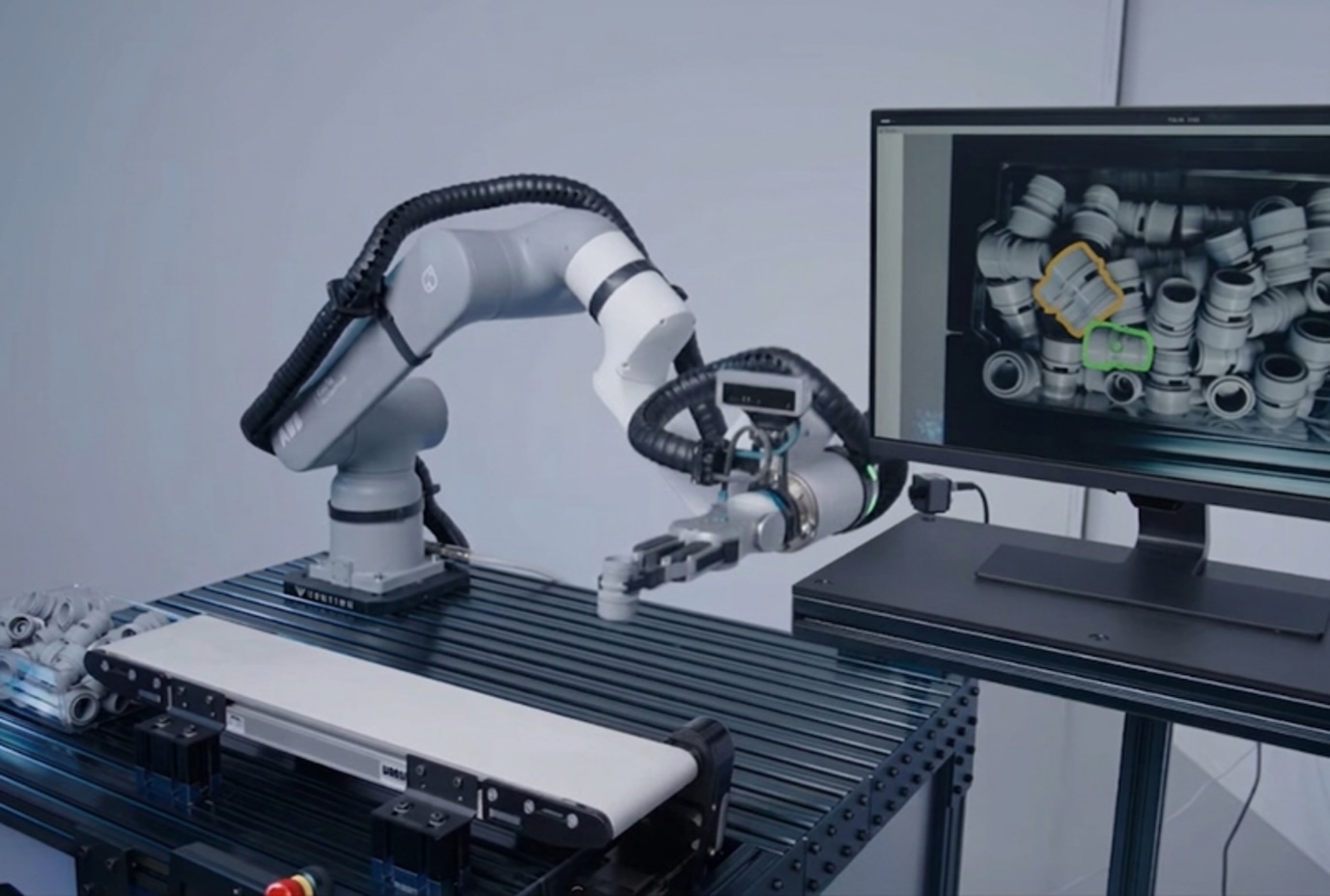
Research on Orchard Navigation Path Planning Based on 3D LiDAR SLAM Considering Terrain Roughness
A recent study published in the Journal of Field Robotics highlights advancements in autonomous robotic systems designed for agricultural applications. Researchers from a consortium of universities and tech companies conducted the study to address the growing need for efficient farming solutions amid rising labor costs and food demand. The research, which began in early 2023, took place across various agricultural sites in California, focusing on the integration of robotics in crop monitoring and harvesting. The team developed a prototype robot equipped with advanced sensors and machine learning algorithms, enabling it to navigate fields and collect data on crop health. This innovation aims to enhance productivity and reduce the reliance on manual labor, which has become increasingly scarce. The researchers conducted extensive field tests to evaluate the robot's performance and adaptability to different farming conditions. The findings suggest that these autonomous systems could significantly improve yield and reduce waste, addressing both economic and environmental challenges in agriculture. The study underscores the potential of robotics to transform traditional farming practices, paving the way for more sustainable and efficient food production methods in the future.
RESEARCH ARTICLE
LIO‐RRTNav for Cattle Yard Inspection Robots: Prior Map Aided Relocalization and Goal‐Oriented, Smooth RRT Path Planning
A recent study published in the Journal of Field Robotics highlights advancements in autonomous robotic systems designed for agricultural applications. Researchers from a leading university conducted the study to address the growing need for efficient farming solutions amid increasing global food demands. The research, which took place over the past year, focused on developing robots capable of performing tasks such as planting, weeding, and harvesting with minimal human intervention. The team utilized cutting-edge technologies, including machine learning and computer vision, to enhance the robots' ability to navigate complex agricultural environments. By integrating these technologies, the robots can adapt to varying crop conditions and optimize their performance. The findings indicate that these autonomous systems could significantly reduce labor costs and improve productivity in the agricultural sector. The study's implications are particularly relevant as farmers face challenges related to labor shortages and the need for sustainable practices. By demonstrating the effectiveness of robotic solutions, the researchers aim to encourage wider adoption of automation in farming, ultimately contributing to food security and sustainability efforts worldwide. The research underscores the potential for robotics to transform traditional agricultural practices, paving the way for a more efficient and resilient food production system.
RESEARCH ARTICLE
Dynamic Environment Adaptive Path Planning for Mobile Robots: A Hybrid Enhanced Path‐Planning Approach
The Journal of Field Robotics has published a new study highlighting advancements in autonomous robotic systems. Researchers from various institutions collaborated on this project, aiming to enhance the efficiency and safety of robots used in field applications. The study, released in early October 2023, focuses on innovative algorithms that improve navigation and obstacle avoidance in complex environments. Conducted in diverse outdoor settings, the research demonstrates how these advancements can significantly reduce operational risks and increase productivity in sectors such as agriculture, search and rescue, and environmental monitoring. By integrating cutting-edge machine learning techniques, the team was able to develop robots that adapt to changing conditions in real-time, showcasing their potential for practical deployment. This research is particularly timely as industries increasingly seek automation solutions to address labor shortages and improve operational efficiency. The findings underscore the importance of continued investment in robotic technologies, which are poised to transform various sectors by enhancing capabilities and ensuring safer working conditions. The study serves as a pivotal step toward realizing the full potential of autonomous systems in real-world applications.
RESEARCH ARTICLE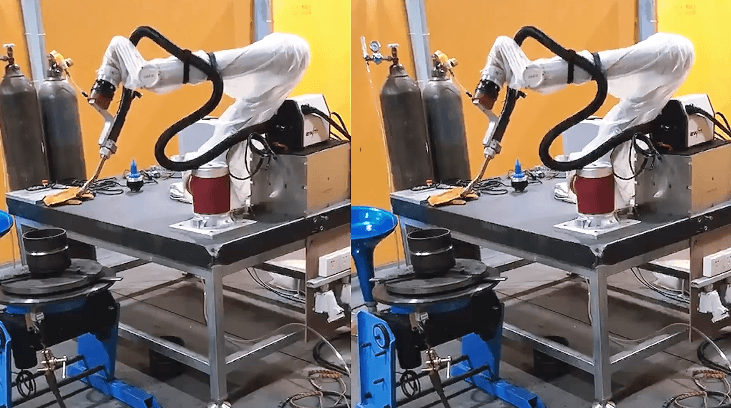
The Future of Welding Cobot Technology: AI Path Planning and Simulation
The welding industry is experiencing a significant digital transformation in response to a global shortage of skilled welders and an increasing demand for high-precision manufacturing. This shift is marked by the introduction of collaborative robots, or welding cobots, which are evolving from traditional automated tools into intelligent partners capable of executing complex welding tasks. These advancements allow small-to-medium enterprises to achieve high-quality welding standards with reduced setup times. Key innovations include AI-driven path planning and vision integration, which address the challenges posed by variability in workpieces. By employing technologies such as "Through-the-Arc" sensing and laser vision systems, these cobots can analyze seams in real-time and adjust their movements to compensate for any misalignments. Additionally, "Lead-through" programming enables human welders to guide the robotic arm, which the AI then refines into a precise trajectory. The use of simulation and digital twin technology further enhances the welding process. Engineers can create virtual models of welding cells to optimize operations without interrupting production. This capability allows for the prediction of thermal effects and minimizes heat distortion, significantly reducing the time required to deploy welding cobots from days to hours. At the forefront of this innovation is JAKA, which is integrating these intelligent features into its collaborative platforms. Their welding cobots, equipped with advanced sensors and motion control, are designed for various welding applications. JAKA also offers a user-friendly software package that simplifies complex path planning, enabling operators to monitor and adjust weld parameters remotely, thereby enhancing craftsmanship while ensuring precision.

Traversability Risk Assessment and Path Planning for Off‐Road Autonomous Vehicles in Winter Conditions
A recent study published in the Journal of Field Robotics highlights advancements in autonomous robotic navigation. Researchers from a leading robotics institute conducted experiments to improve the efficiency and accuracy of robots in complex environments. The study, released in early October 2023, focuses on the application of new algorithms that enable robots to better interpret and respond to their surroundings. The research was carried out in various settings, including urban landscapes and natural terrains, to test the robots' adaptability and performance under different conditions. The motivation behind this work stems from the growing demand for autonomous systems in industries such as agriculture, logistics, and disaster response, where precise navigation is crucial. By employing advanced machine learning techniques, the team was able to enhance the robots' decision-making capabilities, allowing them to navigate obstacles more effectively. The findings are expected to pave the way for more reliable and efficient robotic systems, ultimately contributing to the broader integration of autonomous technology in everyday applications.
RESEARCH ARTICLE
A Critical Review of Reinforcement Learning Algorithms for Mobile Robot Path Planning
The Journal of Field Robotics has published an early view article highlighting recent advancements in robotic technology. Researchers from various institutions have collaborated to explore innovative applications of robotics in diverse fields, including agriculture, healthcare, and disaster response. The findings, released in October 2023, underscore the growing importance of robotics in enhancing efficiency and safety across these sectors. The study emphasizes the integration of artificial intelligence and machine learning to improve the functionality and adaptability of robotic systems. By leveraging these technologies, the researchers aim to address complex challenges faced in real-world scenarios, such as precision farming and emergency management. This publication is part of an ongoing effort to disseminate cutting-edge research that can inform future developments in robotics. The collaborative nature of the research showcases a commitment to interdisciplinary approaches, fostering innovation that can lead to significant societal benefits. As the field continues to evolve, the implications of these advancements are expected to resonate across various industries, driving further investment and interest in robotic solutions.
SURVEY ARTICLE
Combining Neural Network and RRT*: A Novel Path Planning Method for Hyper‐Redundant Manipulators With 2N + 1 DOF
The Journal of Field Robotics has published an early view article highlighting recent advancements in robotic technology. This publication, released in October 2023, focuses on innovative applications of robotics in various fields, including agriculture, healthcare, and environmental monitoring. Researchers from multiple institutions collaborated to explore how these technologies can improve efficiency and accuracy in their respective sectors. The motivation behind this research stems from the increasing demand for automation and precision in tasks traditionally performed by humans. By utilizing advanced algorithms and machine learning techniques, the study demonstrates how robots can adapt to dynamic environments and perform complex tasks with minimal human intervention. This work is expected to contribute significantly to the ongoing discourse on the future of robotics and its potential to transform industries worldwide.
RESEARCH ARTICLE
A Boustrophedon‐Optimized Neural Network for Autonomous Path Planning in Large‐Scale Photovoltaic Farms
In May 2026, researchers published a significant study in the Journal of Field Robotics, focusing on advancements in robotic technology. The study explores innovative algorithms designed to enhance the navigation capabilities of autonomous robots in complex environments. Conducted by a team of engineers and computer scientists, the research aims to address the challenges faced by robots in real-world applications, such as search and rescue operations and environmental monitoring. The team conducted extensive field tests to validate the effectiveness of their algorithms, demonstrating improved accuracy and efficiency in navigation tasks. This research is particularly relevant as industries increasingly rely on autonomous systems for various applications, highlighting the need for reliable and adaptable robotic solutions. The findings are expected to contribute to the development of more sophisticated robots capable of operating in unpredictable settings, ultimately advancing the field of robotics and its practical applications.
RESEARCH NOTE
A Review on Path Planning for Autonomous Underwater Vehicles: From Models, Classical Methods, and Learning‐Based Intelligence Perspectives
In a recent study published in the Journal of Field Robotics, researchers explored advancements in robotic technologies aimed at enhancing agricultural efficiency. The findings, released in May 2026, highlight innovative methods for deploying autonomous robots in farming environments to improve crop management and yield. Conducted by a team of experts in robotics and agriculture, the research took place in various agricultural settings, focusing on the integration of artificial intelligence and machine learning to optimize planting, monitoring, and harvesting processes. The motivation behind this initiative stems from the growing need for sustainable farming practices and the increasing global demand for food production. By utilizing advanced robotics, the study aims to address labor shortages and reduce environmental impacts associated with traditional farming methods. The researchers conducted extensive field trials to assess the effectiveness of these robotic systems, demonstrating significant improvements in efficiency and productivity. This work not only contributes to the field of robotics but also offers practical solutions for the agricultural sector facing modern challenges.
SURVEY ARTICLE
Redefining Optimal Coverage Path Planning for FLS‐Equipped AUVs With Deep Reinforcement Learning
The Journal of Field Robotics has recently published an EarlyView article highlighting advancements in robotic technology. Researchers from various institutions have collaborated to explore innovative applications of robotics in field environments. This study, released in October 2023, focuses on enhancing the efficiency and effectiveness of robotic systems in agricultural and environmental monitoring tasks. The motivation behind this research stems from the increasing demand for precision agriculture and sustainable practices, which necessitate the integration of advanced robotics. By employing cutting-edge algorithms and sensor technologies, the team aims to improve data collection and analysis in challenging outdoor conditions. The findings suggest that these advancements could significantly reduce labor costs and increase productivity for farmers, while also providing critical insights for environmental conservation efforts. This collaborative effort underscores the potential of robotics to transform traditional practices and address pressing global challenges.
RESEARCH ARTICLE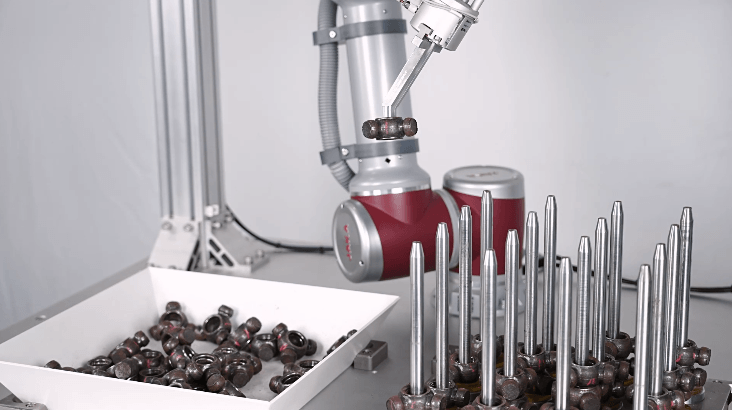
Understanding Robot Path Planning for Obstacle Avoidance with an Industrial Arm
As manufacturing environments grow increasingly complex, the importance of robot path planning in industrial automation has surged. JAKA, a leader in collaborative robotics, emphasizes that effective obstacle avoidance is now a fundamental capability of industrial arms, directly impacting productivity and safety. Modern factories require robots to navigate shared spaces, adapt to layout changes, and respond to real-time production demands. The JAKA A12L, an intelligent visual perception robot, exemplifies this advancement by integrating visual sensing with motion control. This integration allows the robot to continuously assess its surroundings, identifying both static and dynamic obstacles, and to calculate safe, efficient trajectories without interrupting workflow. By combining auto focus and 2.5D vision, the A12L simplifies deployment and minimizes external complexity. In practical applications, this obstacle-aware path planning enhances operational consistency, enabling industrial arms to perform tasks like material handling and assembly while safely coexisting with human operators. This approach reduces the need for rigid safety barriers and frequent manual adjustments, allowing production lines to remain flexible as layouts evolve. JAKA's commitment to merging perception, planning, and motion control aims to create safer and smarter industrial applications. By making visual perception and path planning more accessible, the company helps manufacturers build adaptable automation systems that align with real production needs, fostering a collaborative environment between humans and robots.

Three Tips to Optimize Robotic Deburring Efficiency Using Adaptive Path Planning
In the realm of modern manufacturing, JAKA is addressing a common challenge in the deburring process, which often serves as a bottleneck due to its repetitive nature and the need for high precision. The company advocates for the use of robotic deburring systems, particularly emphasizing the advantages of their flexible robot arms. By integrating sophisticated software strategies, such as adaptive path planning, JAKA enhances the efficiency of these robotic systems. The flexible design of JAKA's robot arms allows them to adjust their approach to maintain optimal tool contact, accommodating variations in part tolerances without manual reprogramming. This capability ensures a consistent finish across different components, significantly reducing rework rates. Additionally, the integration of real-time force feedback enables the robotic system to maintain consistent pressure during material removal, adapting its speed and position based on the interaction with the workpiece. To further streamline operations, JAKA employs parametric models that allow for quick setup of new deburring paths based on 3D CAD models. This method reduces the time required for programming and enhances the adaptability of the robotic system in high-mix production environments. By focusing on dynamic path planning, real-time force control, and model-based programming, JAKA is revolutionizing the robotic deburring process, making it faster, more reliable, and easier to manage amidst varying production demands.
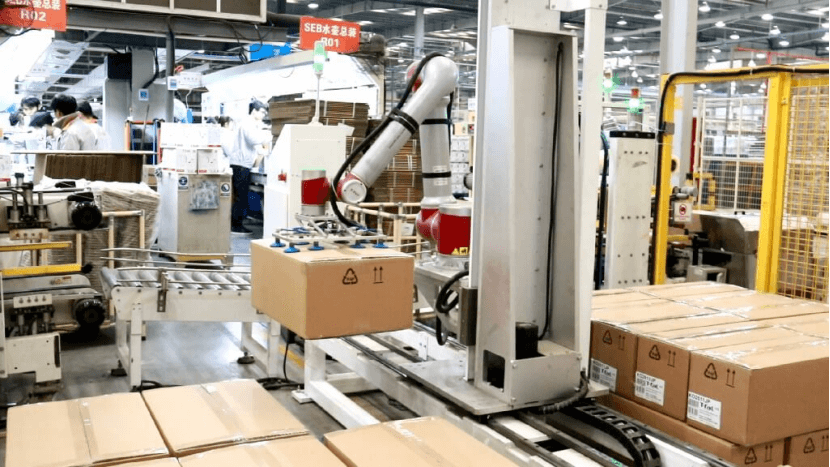
Flexible Robot Path Planning: How to Adapt to Changing Workpiece Geometry
JAKA, a leader in robotics technology, is addressing the challenges of automated finishing processes, particularly in polishing applications where workpiece dimensions can vary. Traditional robots, which rely on fixed programming, often struggle to maintain quality when faced with different part geometries. To overcome this limitation, JAKA has developed a flexible robotic system that intelligently adapts its polishing path in real time, ensuring consistent quality across diverse production batches. This innovative approach integrates advanced sensory technology, such as vision systems and laser scanners, which capture the actual geometry of each workpiece. The robot's control system then compares this data to the ideal CAD model, allowing for dynamic adjustments in its trajectory. JAKA's proprietary force control technology further enhances this adaptability by maintaining optimal contact pressure, compensating for minor deviations in part shape. To simplify the user experience, JAKA's systems feature intuitive graphical off-line programming software that enables operators to easily import new CAD models and generate tool paths with minimal reprogramming. The compact and lightweight design of JAKA's robotic arms facilitates quick repositioning for different production lines, while standardized communication protocols allow for swift integration of various sensors, reducing downtime. By combining mechanical dexterity, integrated perception, and intelligent control algorithms, JAKA is transforming polishing robots from rigid tools into adaptive partners. This advancement ensures high-quality finishing standards, even as product designs evolve, ultimately benefiting manufacturers in high-mix production environments.

A Novel Global Path Planning Algorithm for Underwater Vehicle Engineering Applications
A recent study published in the Journal of Field Robotics has unveiled significant advancements in robotic technology aimed at enhancing agricultural practices. Researchers from various institutions collaborated to develop a new robotic system designed to improve crop monitoring and management. Conducted over the summer of 2023, the project took place in various agricultural settings across the Midwest, where the team tested the system's capabilities in real-world conditions. The motivation behind this initiative stems from the increasing need for efficient farming solutions that can address labor shortages and optimize resource use. By integrating advanced sensors and artificial intelligence, the robotic system is capable of analyzing soil health, monitoring plant growth, and identifying pest infestations more effectively than traditional methods. The research team employed a series of field tests to evaluate the robot's performance, collecting data on its accuracy and efficiency in various agricultural tasks. The results indicate that the robotic system not only enhances productivity but also reduces the environmental impact of farming practices. This innovative approach represents a significant step forward in the field of agricultural robotics, promising to support farmers in meeting the challenges of modern agriculture while promoting sustainable practices. The findings are expected to influence future developments in the sector, paving the way for broader adoption of robotic technologies in farming.
RESEARCH ARTICLE
Nested Actors and Critics With Uncertainty Parameter in Robot Path Planning
A recent study published in the Journal of Field Robotics highlights advancements in robotic technology aimed at enhancing agricultural efficiency. Researchers from various institutions have developed innovative robotic systems designed to optimize crop monitoring and management. The study, released in early October 2023, emphasizes the growing need for sustainable agricultural practices in response to increasing global food demands and environmental concerns. The research team conducted extensive field tests across multiple agricultural settings to evaluate the performance of these robotic systems. By integrating advanced sensors and artificial intelligence, the robots can analyze soil conditions, monitor plant health, and automate tasks such as planting and harvesting. This approach not only aims to reduce labor costs but also seeks to minimize the environmental impact of farming. The motivation behind this initiative stems from the urgent need to address food security challenges while promoting sustainable practices. As climate change continues to affect agricultural productivity, the deployment of such technologies is seen as a critical step towards ensuring a resilient food supply chain. The findings suggest that these robotic systems could significantly improve efficiency and productivity in agriculture, paving the way for a new era of smart farming. The researchers advocate for further investment and development in this field to fully realize the potential benefits of robotics in agriculture.
RESEARCH ARTICLERobotics needs a service framework.
RSF defines a common language for robot service capability, lifecycle operations, certification pathways, and service-provider networks.
Join the RobotToday community on LinkedIn
Daily robotics news, in-depth analysis, conference highlights, and discussions with professionals worldwide.







