


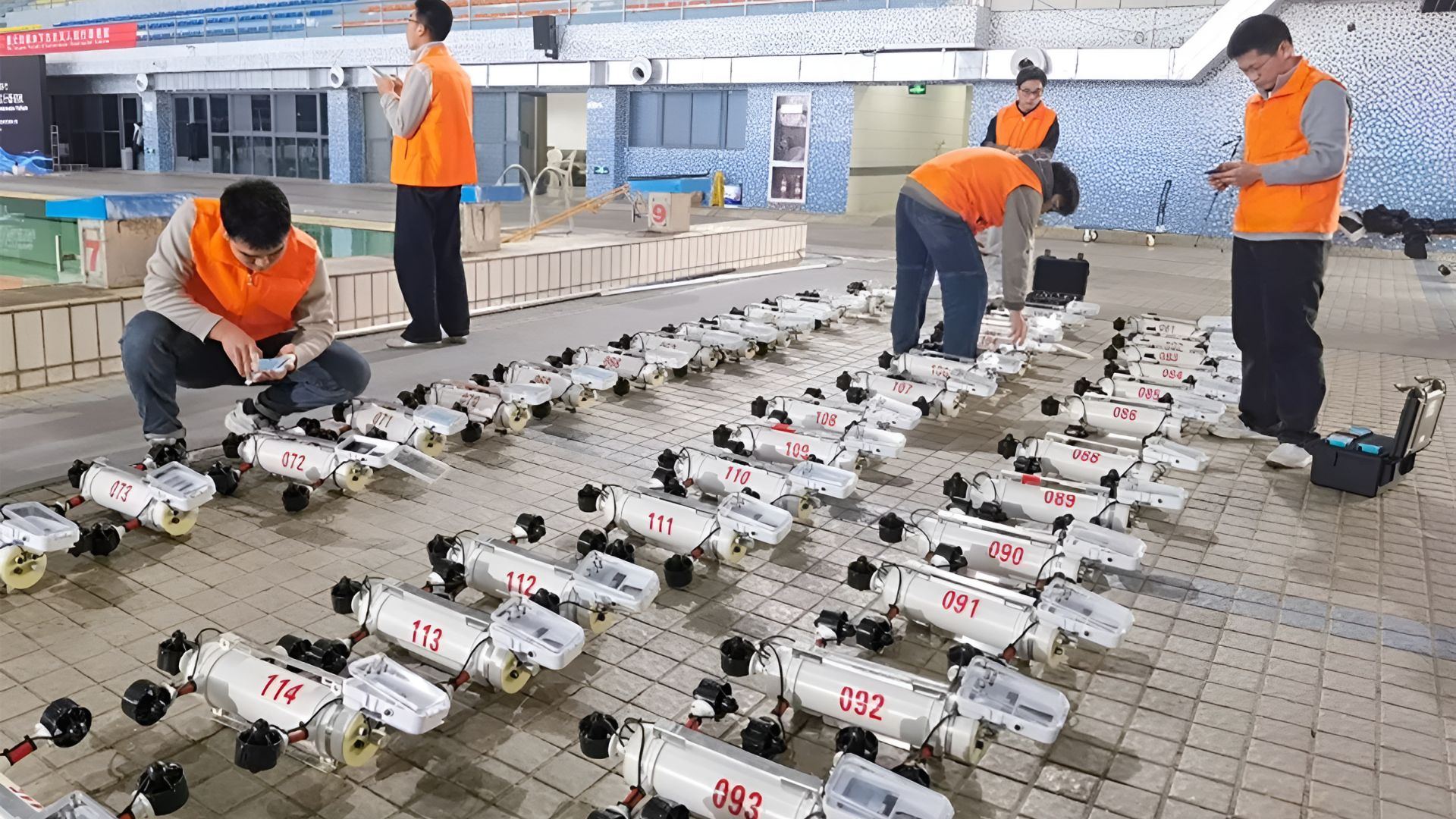
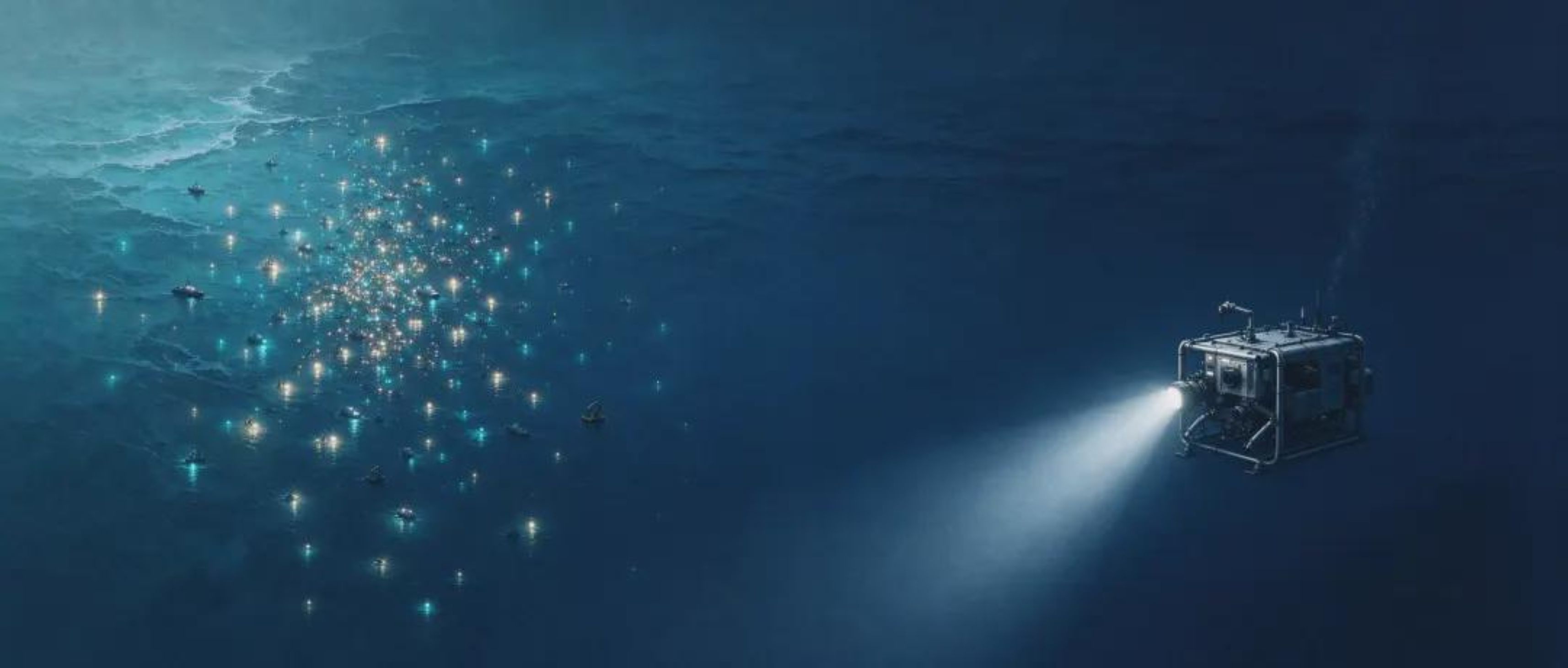
A novel sunlight algorithm has been developed to improve the global path planning of Autonomous Underwater Vehicles (AUVs) through grid-constrained sampling techniques. This advancement aims to enhance the efficiency and effectiveness of AUV navigation in complex underwater environments.
The significance of this algorithm lies in its potential to optimize AUV operations, making them more reliable and capable of executing missions in challenging conditions. By utilizing grid-constrained sampling, the algorithm addresses the limitations of traditional path planning methods, which often struggle with dynamic underwater obstacles.
Looking ahead, the adoption of this sunlight algorithm could lead to more sophisticated AUV applications in marine research, underwater exploration, and environmental monitoring. No further timeline was disclosed at the time of publication.
Editor's Note
The development of advanced algorithms for AUV path planning is crucial for enhancing operational capabilities in underwater environments. As AUVs become integral to marine research and monitoring, innovations like the sunlight algorithm can significantly improve navigation efficiency and mission success rates. Stakeholders should monitor advancements in this area closely.
Copyright Notice
This briefing is an independently written summary based on publicly available reporting and is provided for industry information and news discovery. The original report and source publication are credited and linked where applicable. RobotToday does not claim ownership of third-party source material.
Rights concerns? If you believe any material in this briefing infringes your copyright or other rights, please contact [email protected] with the relevant URL and details. We will review the matter and take appropriate action where warranted.


































Leave a comment