

Industry Briefing
A single destination for timely, editor-curated robotics news from around the world.

VicOne Launches Free Radeis Extension for NVIDIA Isaac Sim to Enhance Robot Cybersecurity Testing
VicOne Inc. has introduced the free VicOne Radeis Extension for NVIDIA Isaac Sim, aimed at enabling robotics developers to simulate and test the impact of cyber-attacks on robot behavior. This release comes as the industry shifts towards deploying robots at scale, necessitating robust cyber-safety validation alongside functional testing. The importance of this extension lies in its ability to help developers address cybersecurity risks early in the development process. Max Cheng, CEO of VicOne, emphasized that as robotics companies move towards real-world deployment, ensuring reliability in the face of digital system compromises is crucial. The extension transforms DEF CON research into practical simulation scenarios, promoting the development of resilient physical AI. Looking ahead, VicOne's efforts to integrate cybersecurity validation into robotics development will be critical as the industry evolves. The company has already identified over 180 zero-day vulnerabilities and continues to enhance its threat intelligence capabilities. No further timeline was disclosed at the time of publication.
Artificial Intelligence Automotive Development Tools / SDKs / Libraries Events News Safety & Security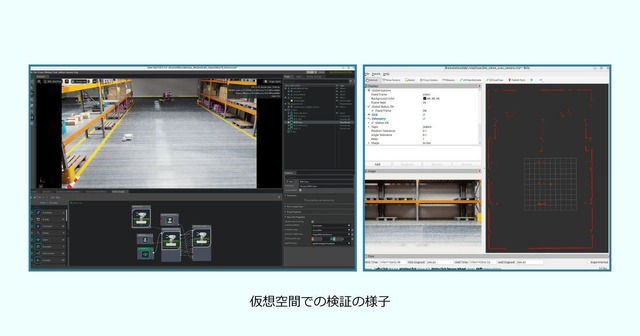
Attract Lab Develops Digital Twin Environment Using NVIDIA Isaac Sim for Field Robot Validation
Attract Lab has established a digital twin development environment utilizing NVIDIA Isaac Sim. This integration allows for high-precision validation of their AI autonomous control system, AT-SYNAPSE, and ROS 2-based control stack for field robots before physical deployment. The field robot, AT-CART8, can be tested in a virtual space without modifying its control stack, leading to reduced prototype iterations, shorter development times, and improved quality. The significance of this development lies in addressing the challenges of testing field robots in real environments, particularly in logistics warehouses and medical facilities where safety and operational constraints limit validation time. Attract Lab aims to replicate real-world environments as digital twins, enabling thorough testing of the AT-CART8's autonomous movement, obstacle avoidance, and safety protocols in a controlled setting. Looking ahead, Attract Lab plans to fully integrate this environment into the development processes for UAVs, UGVs, and USVs, enhancing collaboration with companies and research institutions for joint development. The goal is to create a new development and deployment process that allows for virtual testing before actual implementation in customer facilities, thereby improving lead times and development quality.
Nvidia Unveils Isaac ROS 5.0 Featuring AI Agents for Enhanced Robotics Development
Nvidia has launched Isaac ROS 5.0, which introduces AI agent capabilities aimed at accelerating the development, customization, and deployment of robotics applications within the open-source Robot Operating System ecosystem. This release, announced at ROSCon in Toronto, Canada, enhances support for Nvidia’s Jetson computing platform and includes new workflows for AI agents. The significance of Isaac ROS 5.0 lies in its ability to streamline robotics development for a community of nearly 1.3 million users. The introduction of AI agents is a major advancement, providing developers with reusable workflows for setup and manipulation tasks. Notably, the FoundationStereo fine-tuning skill allows AI agents to adapt stereo perception models to specific environments and applications, enhancing the overall efficiency of robotics projects. Looking ahead, Nvidia's collaboration with the Open Source Robotics Alliance to create a standard data-handling interface is expected to improve software interoperability across various computing hardware. Several robotics companies are already integrating Isaac ROS into their systems, indicating a growing trend towards AI-enhanced robotics solutions. No further timeline was disclosed at the time of publication.
Nvidia Unveils Isaac ROS 5.0 Featuring Enhanced AI Agent Tools for Robotics Developers
Nvidia has launched Isaac ROS 5.0, an update to its open-source robotics software that introduces new AI-agent tools, expanded support for ROS, and enhanced capabilities for perception and manipulation. This version includes support for ROS Lyrical and Ubuntu 24.04, along with reusable skills for setup, manipulation, and pick-and-place workflows. The significance of this release lies in its potential to streamline robotics development by allowing developers to leverage AI agents alongside traditional robotics tools. Nvidia's collaboration with the Open Source Robotics Alliance has resulted in a standard interface for efficient data movement across computing hardware, which is beneficial for the broader ROS community. Looking ahead, several robotics companies, including RealSense and Universal Robots, are already integrating Isaac ROS 5.0 into their systems. This integration is expected to enhance various applications, from object detection to vision-guided manipulation. No further timeline was disclosed at the time of publication.
AI AI Funding & Investment AI Infrastructure & Compute Robotics AI agents Ekumen
NVIDIA Launches Isaac ROS 5.0 to Enhance Robotics Development with AI Agents
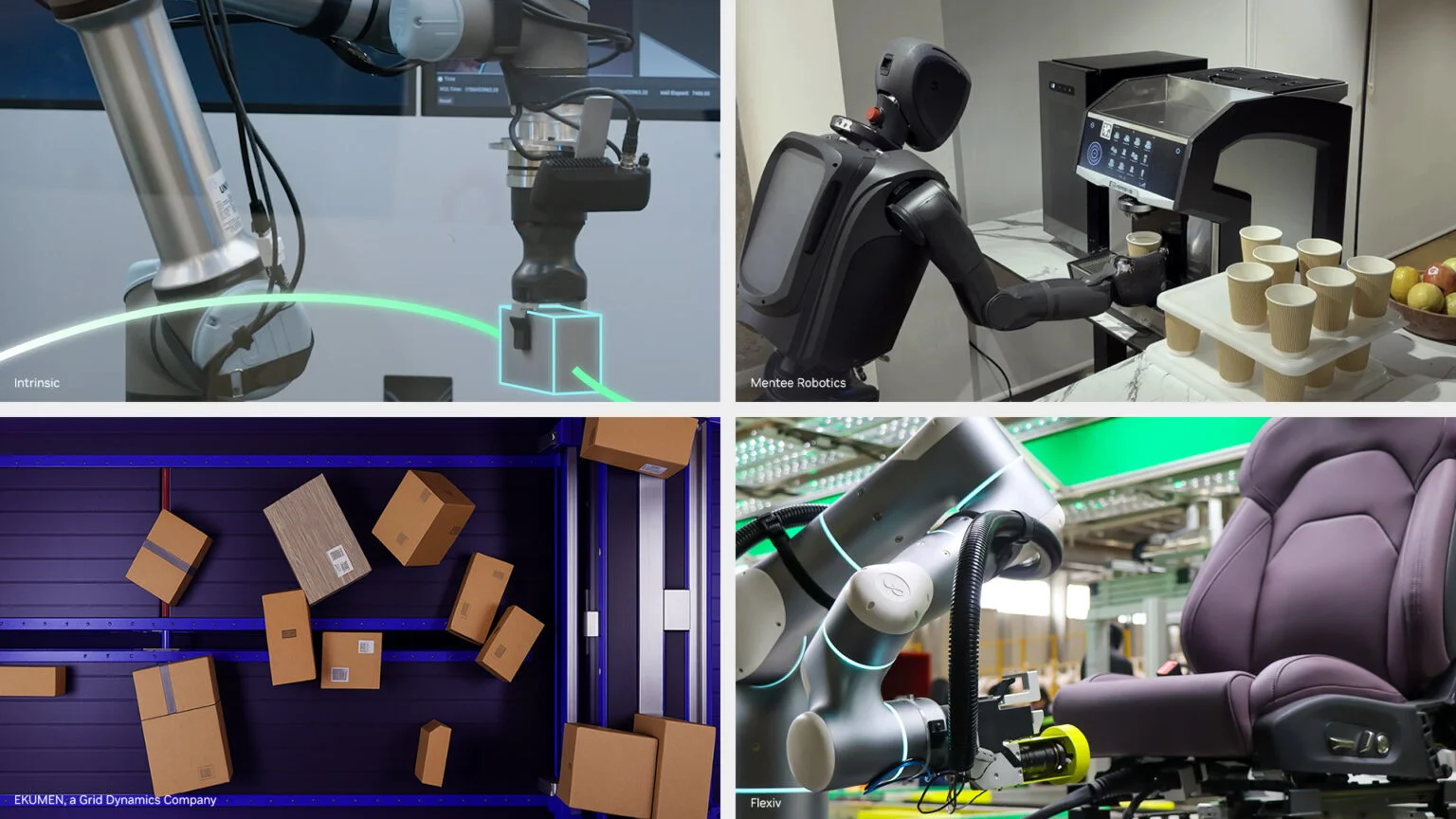
NVIDIA Corporation has unveiled Isaac ROS 5.0 at the ROSCon conference in Toronto, a new suite of GPU-accelerated packages designed to streamline robotics development. This release introduces agentic workflows and platform support, enabling developers to build, customize, and deploy robotics applications more efficiently. Companies like Intrinsic, Mentee Robotics, EKUMEN, and Flexiv are already utilizing this latest version. The significance of Isaac ROS 5.0 lies in its ability to reduce friction in the robotics development process, as highlighted by NVIDIA's product marketing manager, Katie Washabaugh. By integrating computing capabilities, physical AI models, and production-ready libraries, the platform aims to assist nearly 1.3 million ROS users in creating high-performance applications using familiar open-source tools. The enhancements also include support for ROS 2 Lyrical and Ubuntu 24.04, facilitating the adoption of the latest ROS platform. Looking ahead, developers can expect Isaac ROS 5.0 to automate repetitive tasks and streamline the setup process, ultimately accelerating the transition from concepts to functional applications. No further timeline was disclosed at the time of publication.
Artificial Intelligence Artificial Intelligence / Cognition Design / Development News Packaging & Palletizing • Pick-Place ROS / Open Source Solutions
NVIDIA Launches Isaac ROS 5.0 to Enhance Open Source Robotics Development
NVIDIA has released Isaac ROS 5.0, which introduces advanced AI agent capabilities to the ROS developer ecosystem. This latest version also expands open source physical AI libraries and enhances deployment options across the NVIDIA Jetson platform. The significance of this release lies in its provision of new physical AI models and tools that enable developers to create and deploy sophisticated robotics applications. These applications are designed to perceive, reason, and act within dynamic environments, addressing the growing demand for advanced robotics solutions. Looking ahead, developers will likely focus on leveraging the capabilities of Isaac ROS 5.0 to innovate in robotics applications. No further timeline was disclosed at the time of publication.
NVIDIA Launches Isaac ROS 5.0 to Enhance Open Source Robotics Development
NVIDIA has unveiled Isaac ROS 5.0 at the ROSCon conference in Toronto, Canada, aimed at advancing robotics applications. This release introduces new agentic workflows and platform support, enabling developers to build and deploy robotics applications more efficiently. With nearly 1.3 million ROS users, NVIDIA Isaac ROS integrates accelerated computing and physical AI models to enhance the development process. The significance of this release lies in its ability to streamline robotics development through the introduction of reusable workflows and agent-ready documentation. These features allow developers and AI agents to collaborate effectively, automating repetitive tasks and accelerating the transition from concepts to functional applications. The integration with ROS Lyrical and Ubuntu 24.04 further supports the adoption of the latest ROS platform while leveraging NVIDIA's computing capabilities. Looking ahead, the robotics community is expected to embrace the agentic approach introduced by Isaac ROS 5.0, which includes new skills for setup and manipulation. The introduction of advanced features, such as the FoundationStereo fine-tuning skill and FoundationPose model, will likely enhance perception and tracking capabilities in robotics applications. No further timeline was disclosed at the time of publication.

LG to Launch Next-Generation Humanoid Robot Utilizing NVIDIA Isaac GR00T Technology
LG has announced the development of a next-generation bipedal humanoid robot, leveraging NVIDIA's Isaac GR00T technology. This innovative robot is set for a public unveiling in the first quarter of next year. The collaboration between LG and NVIDIA signifies a shift from strategic planning to tangible execution in the robotics field. By utilizing NVIDIA's advanced humanoid foundation model, LG aims to enhance the capabilities of humanoid robots, potentially impacting various applications. As the unveiling approaches, industry watchers should keep an eye on the features and functionalities of this new robot. The integration of NVIDIA's technology could set new standards in humanoid robotics, making it a significant development to follow in the upcoming months.
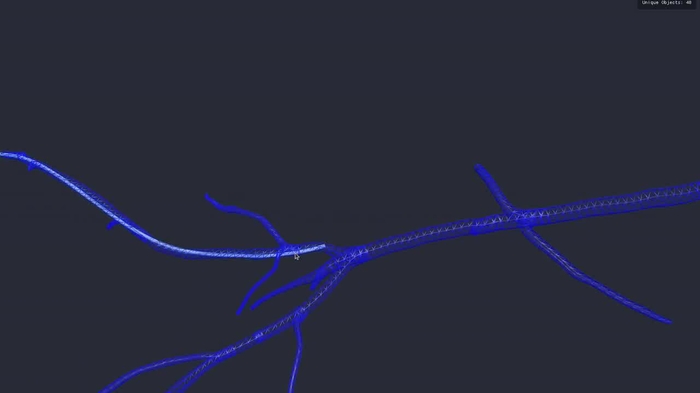
NVIDIA Launches Open Source GPU-Accelerated Medical Physics Simulation Framework for Healthcare Robotics
NVIDIA has introduced the Medical Physics Simulation framework, an open-source, GPU-accelerated tool designed to aid healthcare robotics developers. This framework allows for the modeling of anatomy-device interactions and the generation of complex scenarios that are difficult to capture in real-world settings. By facilitating in silico testing and training, it aims to streamline the development process and enhance robot behavior. The significance of this framework lies in its ability to provide healthcare robotics developers with a reusable simulation environment, reducing the time needed for custom scene creation. With the integration of anatomy and medical device behavior, along with sensor simulation, developers can more efficiently train and evaluate robot policies. The open-source nature of the framework ensures transparency, enabling teams to adapt it to their specific needs and contribute to its evolution. Looking ahead, the Medical Physics Simulation framework is expected to extend its capabilities to various devices and healthcare robotics domains. The framework's ability to run hundreds of parallel simulations significantly accelerates training times, allowing developers to explore a wider range of scenarios and identify potential failure modes earlier in the development cycle. No further timeline was disclosed at the time of publication.
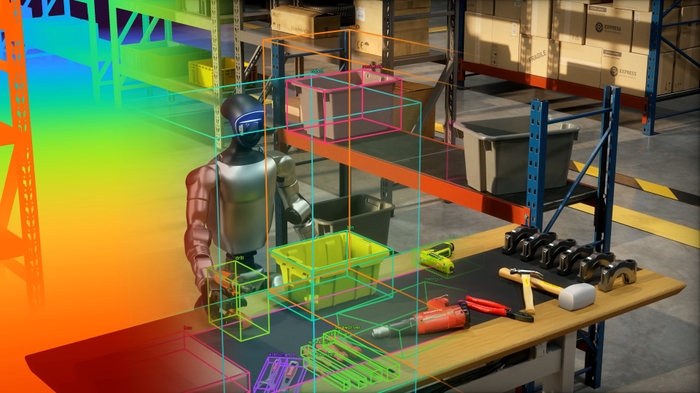
NVIDIA Expands Agent Toolkit with Omniverse Libraries for Enhanced Simulation Capabilities
NVIDIA has announced the integration of NVIDIA Omniverse libraries into the NVIDIA Agent Toolkit, enhancing AI agents' capabilities to prepare 3D content for simulation. This development is crucial as robots and autonomous systems require thorough testing in simulated environments before real-world deployment. The addition of Omniverse libraries allows AI agents to build workflows, inspect scenes, and prepare assets, significantly accelerating the transition from 3D content to simulation-ready environments. Jensen Huang, NVIDIA's CEO, emphasized that the future of physical AI will be rooted in simulation, highlighting the importance of this toolkit in the development of robotics and industrial AI. Software makers like SideFX and PTC are already leveraging these libraries to enhance their applications, integrating features such as sensor simulation and asset validation. As more developers adopt these tools, the focus will be on how they can streamline workflows and improve the efficiency of creating simulation-ready content. No further timeline was disclosed at the time of publication.
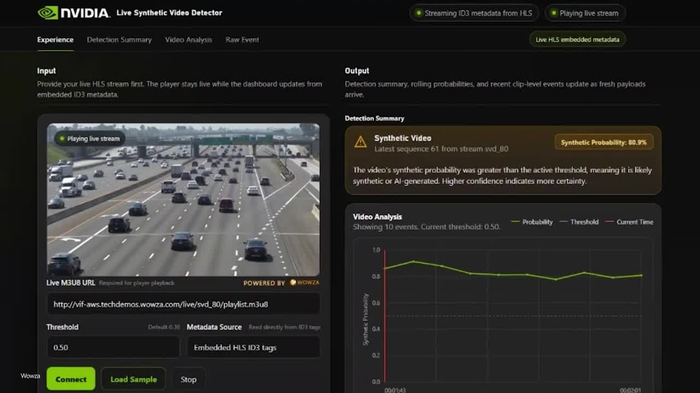
NVIDIA Showcases Advances in Graphics and Simulation at SIGGRAPH Conference
At the SIGGRAPH conference in Los Angeles, NVIDIA is highlighting advancements in graphics and AI technologies. The keynote, featuring NVIDIA leaders, focuses on neural rendering and simulation methods that enhance creative workflows. With the introduction of the Model Context Protocol (MCP), AI agents can now assist artists in various tasks while maintaining human control over creative decisions. This development is significant as it marks a shift in how creative applications operate, making them agent-ready and improving efficiency in the production process. NVIDIA's technologies, including GPU-accelerated tools and real-time simulation, have been pivotal in the creative industries for over two decades, and the MCP is set to further enhance this by integrating AI capabilities directly into existing workflows. Looking ahead, the integration of MCP across creative platforms, including Adobe's expansion of its AI Assistant, indicates a growing trend towards more collaborative AI tools in creative environments. No further timeline was disclosed at the time of publication.

NVIDIA unveils its first open humanoid reference design, "Isaac GR00T."
NVIDIA has unveiled its first open-source humanoid robot reference design, named the NVIDIA Isaac GR00T Reference Humanoid Robot, aimed at advancing robotics research. This announcement was made recently, highlighting NVIDIA's commitment to fostering innovation in the field of robotics. The new design is expected to provide researchers and developers with a versatile platform to explore and develop robotic applications. By making the design open-source, NVIDIA aims to encourage collaboration and accelerate advancements in humanoid robotics, allowing a broader community to contribute to and benefit from this technology.
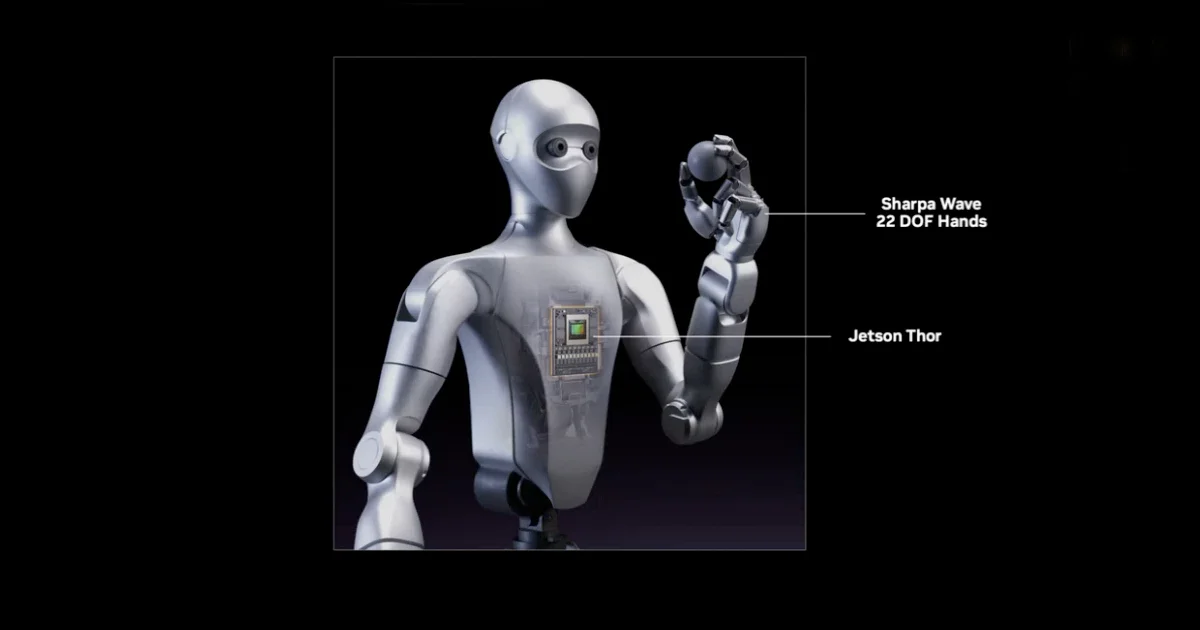
NVIDIA and Sharpa Introduce the NVIDIA Isaac GR00T Reference Humanoid Robot at GTC
At NVIDIA GTC Taipei, the NVIDIA Isaac GR00T Reference Humanoid Robot was unveiled, a collaborative project between NVIDIA and Sharpa, utilizing hardware from Unitree Robotics. This platform aims to address fragmentation in physical AI research by providing an integrated solution that combines advanced robotics with high-fidelity tactile capabilities. The significance of the NVIDIA Isaac GR00T lies in its design, which features 75 degrees of freedom across its hands and body, allowing for complex real-world skill training. According to Rev Lebaredian from NVIDIA, this reference design will enable research labs to focus on advanced training rather than basic hardware maintenance, streamlining the development process. Looking ahead, the NVIDIA Isaac GR00T Reference Humanoid Robot is expected to be available in October 2026, with a pilot program targeting food and beverage applications set to launch in the summer of 2026. This initiative reflects a growing integration of workflows among NVIDIA, Sharpa, and Unitree Robotics, enhancing the capabilities of humanoid robots in practical settings.
NVIDIA Unitree Robotics nvidia-gtc SharpaWave Sharpa Robotics H2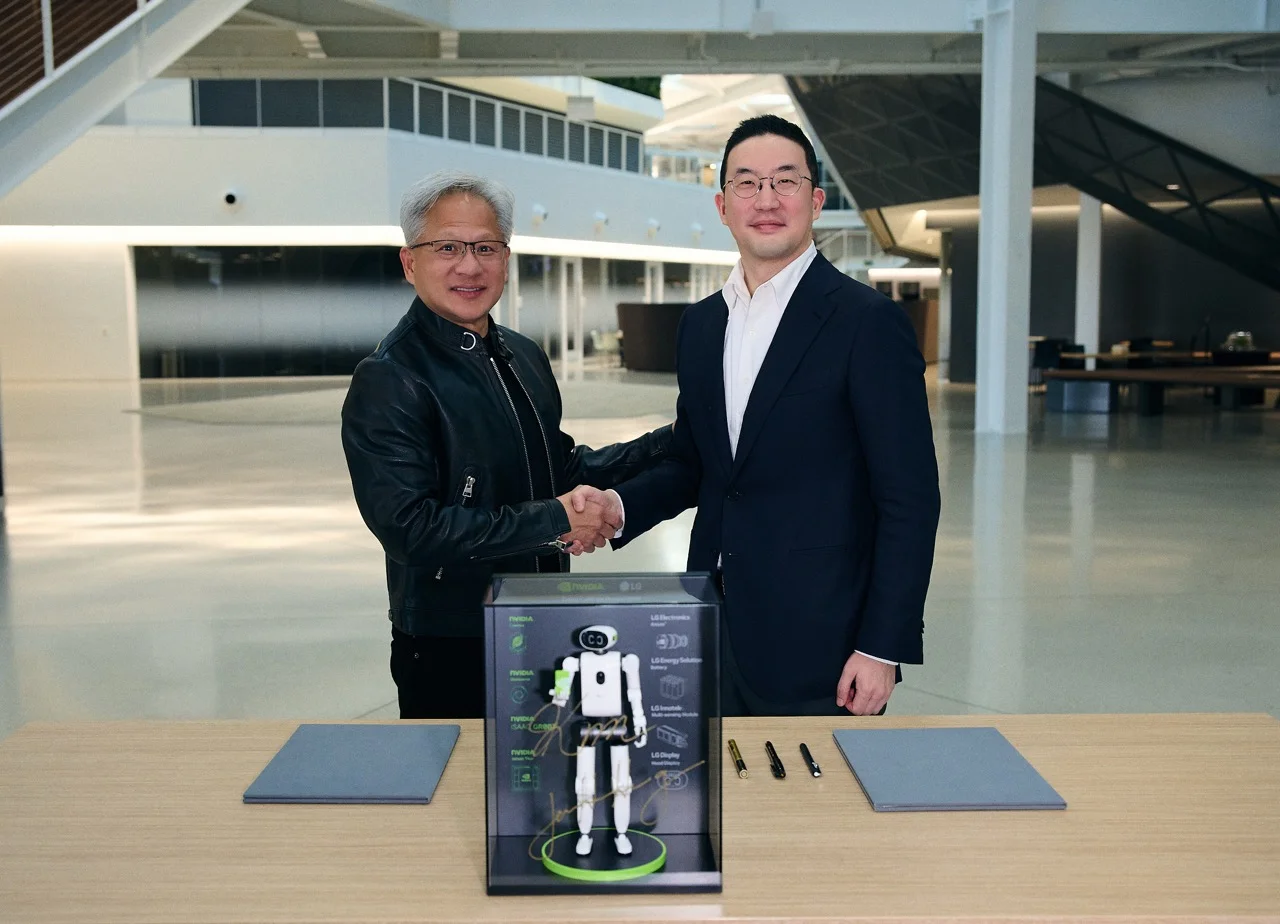
LG Partners with NVIDIA to Launch Next-Gen Humanoid Robot in Early 2027
LG Corp. has announced a partnership with NVIDIA to co-develop a next-generation bipedal humanoid robot, set to be unveiled in early 2027. This collaboration, formalized in a memorandum of understanding between LG CEO Kwang Mo Koo and NVIDIA CEO Jensen Huang, marks LG's transition from research to commercial execution in robotics. The new humanoid will leverage NVIDIA's Jetson Thor system-on-module for onboard computing and will be powered by the Isaac GR00T open humanoid foundation model. LG aims to utilize its extensive industrial capabilities by integrating components from its subsidiaries, which is expected to reduce the high costs associated with humanoid commercialization. In addition to the humanoid project, LG will deploy its CLOiD wheeled robots in Tennessee to collect operational data, which will enhance its proprietary Robot Foundation Model. This dual approach ensures LG's independence from a single software vendor while bolstering its AI infrastructure through significant investments in NVIDIA's DSX AI factory architecture. No further timeline was disclosed at the time of publication.
NVIDIA US South Korea LG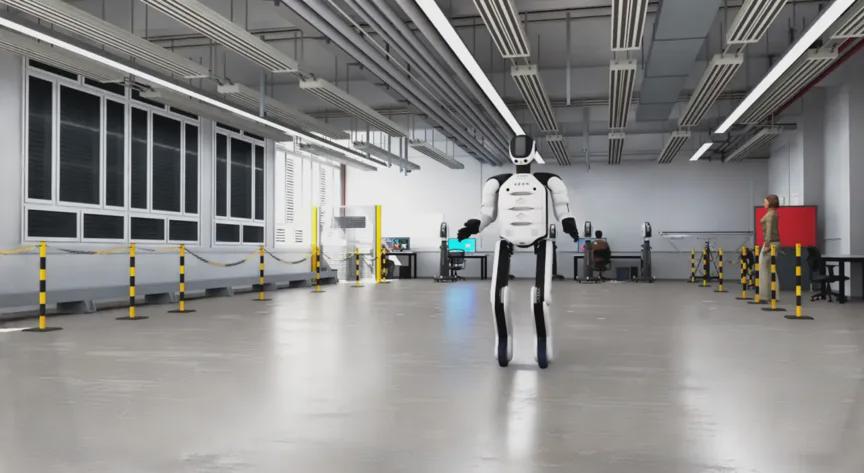
NVIDIA and DeepMind Lead Robotics Simulation Debate with New Industrial Applications
The field of embodied intelligence is witnessing a fierce debate over the best approach to training robots for industrial applications. One faction advocates for simulation-based training, leveraging structured environments to generate synthetic data, while the opposing view emphasizes the necessity of real-world data to handle complex physical interactions and unpredictable scenarios. Key players include NVIDIA, DeepMind, and Intrinsic, each with unique strategies and technologies. NVIDIA's Omniverse platform and Isaac Sim engine exemplify the simulation approach, enabling comprehensive digital twins of factories for training and optimization. Their collaboration with BMW on a digital twin project in Hungary showcases the potential of synthetic data in logistics and robotic movements. However, challenges remain in achieving the necessary fidelity for force control and physical interactions, prompting NVIDIA to seek partnerships with companies like Hexagon Robotics. Conversely, DeepMind's use of the MuJoCo physics engine has demonstrated that pure simulation can achieve industrial-grade precision in specific tasks, such as sorting with known rigid models. Yet, this method's effectiveness is limited to scenarios with minimal contact and force control. Intrinsic aims to transform simulation into a comprehensive development tool for industrial robots, focusing on lowering barriers for small manufacturers. The ongoing challenge of the SIM2REAL gap remains a critical factor in the success of these approaches.
Robotics Industrial Automation Simulation Technology AI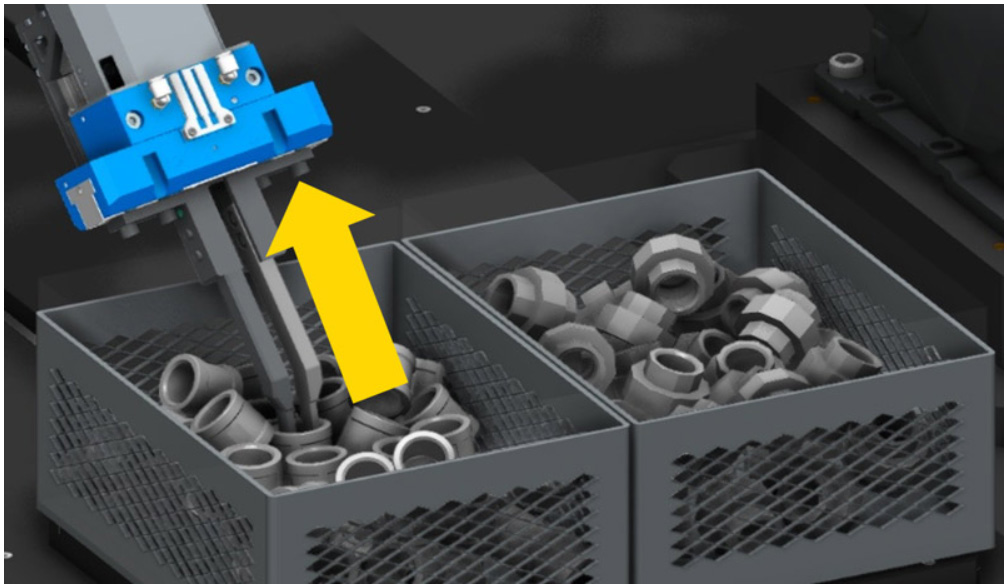
FANUC strengthens robot integration with NVIDIA Isaac Sim
FANUC is enhancing its robotics technology by integrating its robots and teach pendant with NVIDIA's simulation and artificial intelligence capabilities. This collaboration aims to improve the efficiency and intelligence of robotic operations, allowing for smoother and more adaptive actions in various applications. The integration leverages NVIDIA's Isaac Sim, a platform designed to facilitate advanced simulation and AI training for robots. This development marks a significant step forward in the robotics industry, as it combines FANUC's expertise in automation with NVIDIA's cutting-edge technology to create smarter, more responsive robotic systems.
6-Axis Arms / Manipulators Artificial Intelligence Artificial Intelligence / Cognition Cobot Arms Collaborative Robots
NVIDIA Develops SONIC Framework for Advanced Humanoid Robot Control and Movement
Researchers at NVIDIA have developed a large-scale framework named SONIC that enables humanoid robots to perform a variety of natural movements, including running, jumping, and grasping, using simple commands. Unlike traditional controllers that are limited to specific tasks, SONIC employs a single policy trained on over 100 million motion frames, allowing for improved generalization and adaptability in motion. The significance of SONIC lies in its ability to address the limitations of existing humanoid robotics control systems, which often rely on small neural networks tailored for individual tasks. By treating motion tracking as a scalable learning challenge, SONIC utilizes extensive human motion data to create a robust training signal, enhancing the robot's capability to execute diverse behaviors seamlessly. Looking ahead, SONIC's architecture supports multimodal control, allowing inputs from video, text, and music to influence robot movements. The framework has already demonstrated impressive performance, achieving a 99.2 percent success rate in real-world applications. Future developments may focus on enhancing higher-level perception and reasoning to further advance humanoid autonomy.
AI and Robotics
SpaceX's Starmind Targets AI Labs with $6.3 Billion Compute Contracts
SpaceX's Starmind is designed to provide wholesale AI compute services to businesses, particularly AI labs and cloud customers, rather than individual consumers. The service operates similarly to AWS, where users benefit from applications running on Starmind without direct subscriptions. The compute capacity of a single AI1 satellite is comparable to one NVIDIA GB300 rack, emphasizing its enterprise-grade capabilities. The significance of Starmind lies in its positioning as a potential fourth hyperscaler, joining the ranks of AWS, Microsoft Azure, and Google Cloud. The Reflection AI contract, valued at $150 million per month, exemplifies the enterprise-focused model, with total payments potentially reaching $6.3 billion through 2029. This contract highlights the growing demand for AI compute resources, particularly from AI-native startups and labs. Looking ahead, the focus will remain on securing additional enterprise contracts as Starmind expands its offerings. No consumer-facing products or subscriptions have been announced, and the current strategy is to cater to businesses with substantial AI workloads. No further timeline was disclosed at the time of publication.

From Materials Simulation to Experimental Astronomy, New NVIDIA AI Software Unlocks Scientific Discoveries
During the ISC conference taking place this week in Hamburg, NVIDIA unveiled innovative software aimed at accelerating artificial intelligence applications in scientific research. The newly introduced DAQIRI library and ALCHEMI NIM software are designed to enhance processes in various fields, including chemistry, materials discovery, and even the exploration of dark matter. By leveraging advanced AI capabilities, NVIDIA seeks to empower researchers and scientists to achieve breakthroughs more efficiently, addressing the growing demand for faster and more effective scientific solutions.

Unitree Announces H2 Plus, an NVIDIA Isaac GR00T Reference Humanoid Robot for Academic Research
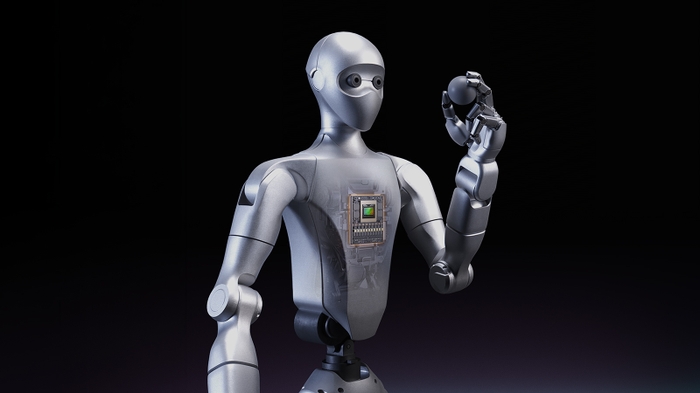
Unitree Robotics has unveiled the H2 Plus, a groundbreaking humanoid robot designed for academic research, which integrates advanced technologies from NVIDIA. Announced on June 1, 2026, the H2 Plus combines the Unitree H2 chassis with Sharpa five-fingered hands and is powered by the NVIDIA Jetson Thor, utilizing the NVIDIA Isaac GR00T development platform. This innovative reference design aims to streamline humanoid robotics research by providing a comprehensive hardware and software solution that eliminates the need for proprietary systems. The H2 Plus stands nearly six feet tall and weighs 150 pounds, featuring 31 degrees of freedom in its body and 22 in its hands, allowing for sophisticated manipulation and interaction. Equipped with multi-view sensing capabilities, including a stereo camera and wrist cameras, the robot is designed for real-world applications, enhancing its utility in various industries. Unitree's CEO, Xingxing Wang, emphasized that the H2 Plus offers developers a validated starting point for creating robotic skills, while NVIDIA's CEO, Jensen Huang, highlighted the potential economic opportunities that humanoid robots could unlock. By unifying the development process, the H2 Plus aims to accelerate advancements in physical AI, enabling researchers to transition from initial setup to skill development and practical validation more efficiently.
NVIDIA Announces NVIDIA Isaac GR00T Reference Humanoid Robot for Academic Research
NVIDIA has unveiled the NVIDIA Isaac™ GR00T Reference Humanoid Robot, marking a significant advancement in robotics technology. This innovative humanoid robot is the first of its kind to be built on the NVIDIA Jetson Thor™ platform and utilizes the NVIDIA Isaac GR00T open development framework. The announcement was made today, highlighting NVIDIA's commitment to pushing the boundaries of artificial intelligence and robotics. By providing an open reference design, NVIDIA aims to facilitate collaboration and innovation within the robotics community, enabling developers to create advanced applications for various industries. The introduction of the GR00T robot is expected to accelerate the development of humanoid robots capable of performing complex tasks, thereby enhancing automation and efficiency in multiple sectors.
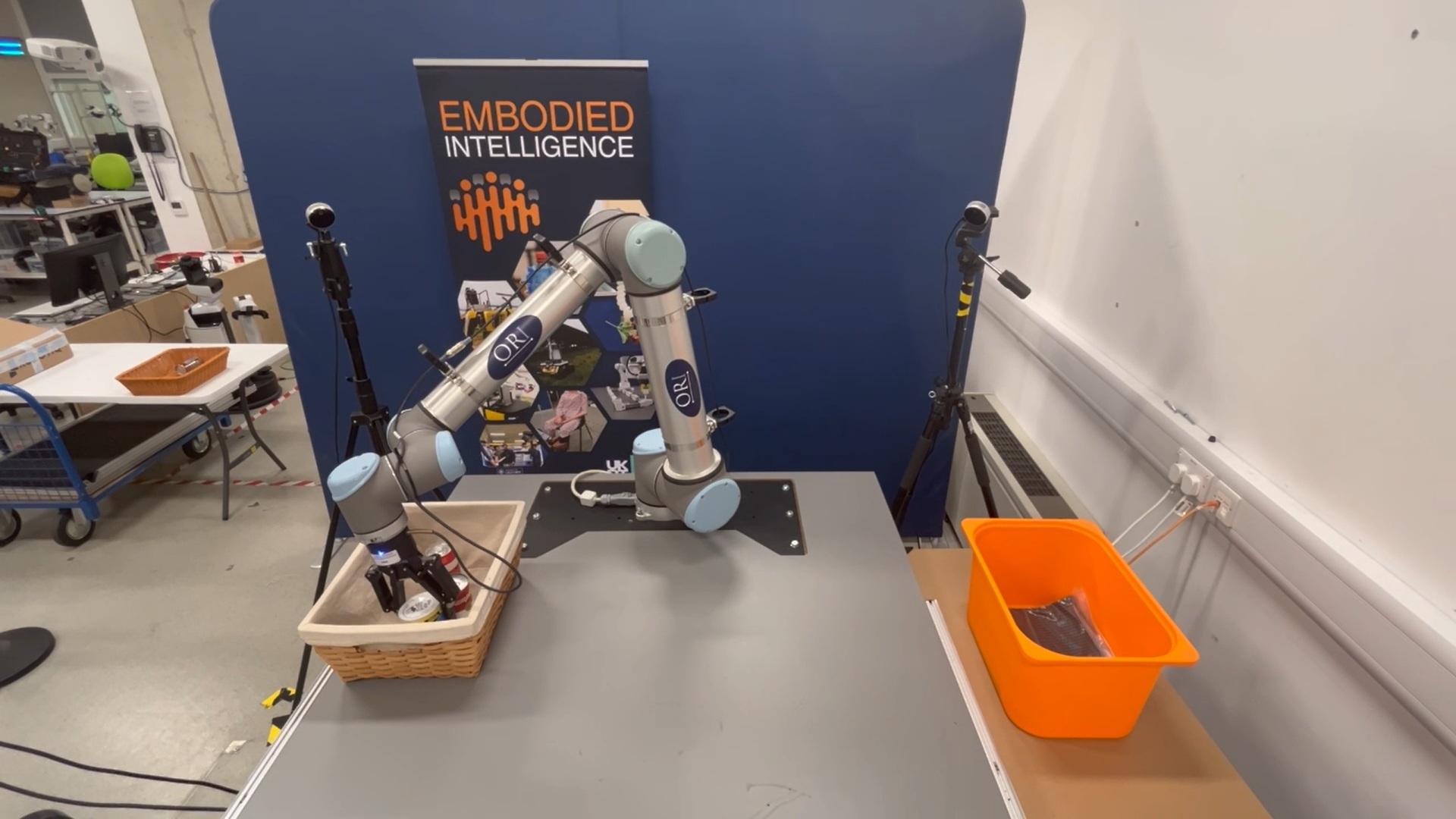
NVIDIA research shows robots trained in simulation can handle real-world tasks
Recent advancements in robotics have led to significant improvements in the reliability of robots trained entirely in simulation. Researchers have found that these simulated robots are now capable of performing tasks with greater accuracy and efficiency in real-world environments. This development comes as a response to the growing demand for automation across various industries, where the ability to seamlessly transition from virtual training to practical application is crucial. The breakthrough was reported in October 2023, highlighting the successful application of simulation-based training methods that allow robots to learn complex tasks without the risks and limitations associated with physical training. By utilizing advanced algorithms and machine learning techniques, these robots can adapt to unpredictable conditions and execute tasks that were once considered too challenging for automated systems. As industries increasingly seek to integrate robotic solutions to enhance productivity and reduce labor costs, the ability of these robots to operate reliably in the real world marks a significant milestone in the field of robotics. The ongoing research aims to refine these training methods further, ensuring that robots can meet the diverse needs of various sectors, from manufacturing to healthcare.
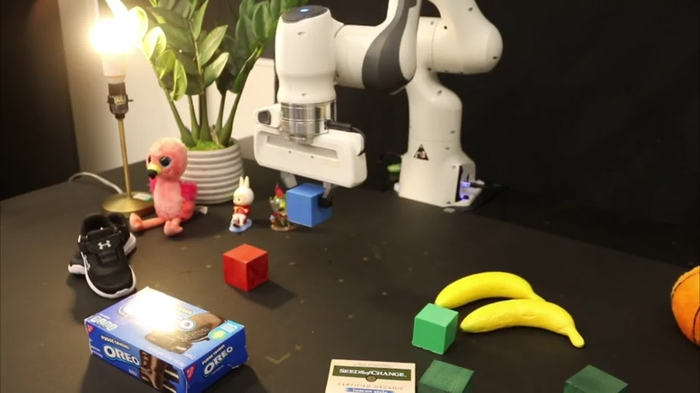
NVIDIA Research Advances Robotics From Simulation to the Real World
At the International Conference on Robotics and Automation (ICRA), NVIDIA Research showcased advancements in robotics that signal a significant shift towards achieving reliable embodied autonomy in real-world applications. This transition marks a departure from traditional controlled demonstrations and scripted automation, emphasizing the need for robots to operate effectively in unpredictable environments. The event, held recently, highlighted eight innovative projects that illustrate how robotics can adapt and function autonomously outside of laboratory settings. This evolution is driven by the increasing demand for robots to perform complex tasks in diverse scenarios, enhancing their utility across various industries. By leveraging cutting-edge technology and research, NVIDIA aims to pave the way for a future where robots can seamlessly integrate into everyday life, improving efficiency and productivity.
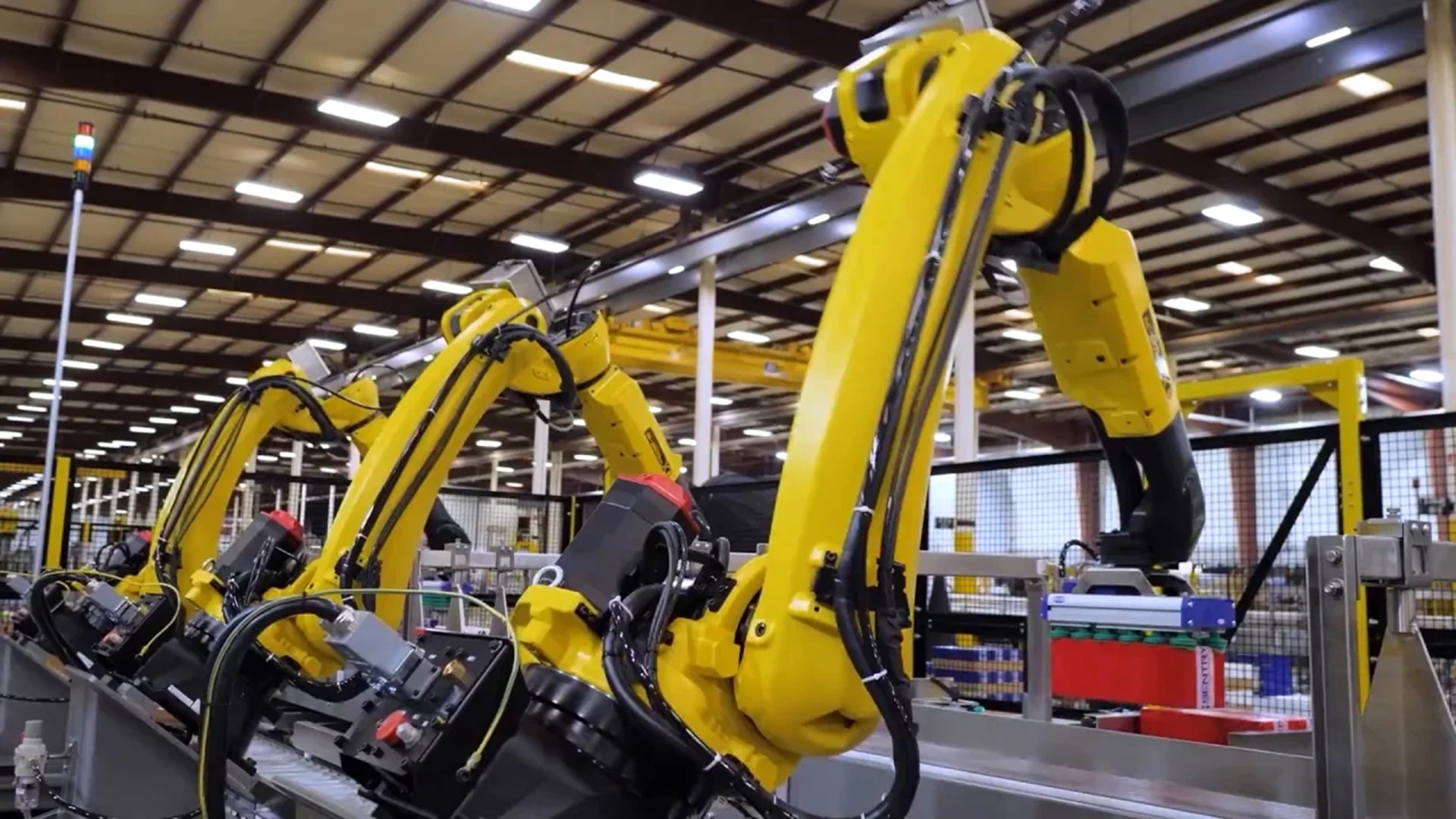
FANUC and NVIDIA build robots that act identically in simulation and reality
Japanese robotics company FANUC has announced an expansion of its partnership with NVIDIA to develop advanced factory robots. This collaboration aims to integrate NVIDIA's artificial intelligence technology into FANUC's robotics systems, enhancing automation capabilities in manufacturing. The announcement was made on October 10, 2023, during a technology conference in Tokyo. The partnership is driven by the increasing demand for smarter and more efficient manufacturing solutions, as industries seek to improve productivity and reduce operational costs. By leveraging NVIDIA's expertise in AI and machine learning, FANUC intends to create robots that can adapt to various tasks and environments, ultimately transforming the landscape of factory automation. The integration process will involve combining FANUC's robotics hardware with NVIDIA's AI software, enabling real-time data processing and decision-making. This innovative approach is expected to lead to significant advancements in the efficiency and versatility of factory robots, positioning both companies at the forefront of the rapidly evolving automation market.
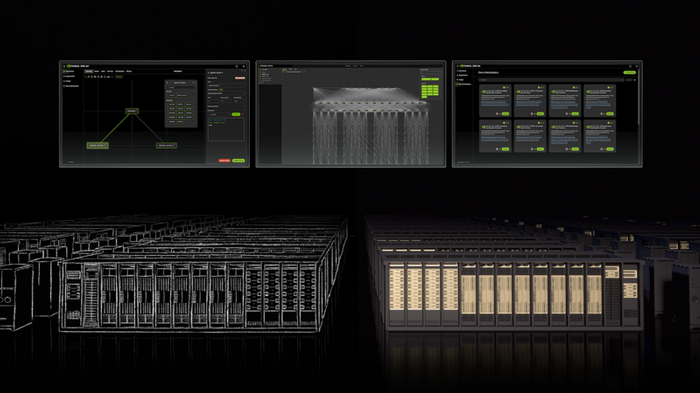
NVIDIA DSX Air Boosts Time to Token With Accelerated Simulation for AI Factories
At the GTC 2026 conference in San Jose, NVIDIA founder and CEO Jensen Huang showcased the rapid advancements in artificial intelligence technology, particularly the establishment of AI factories that significantly reduce deployment time from months to mere days. This innovation is seen as a catalyst for the next industrial revolution, highlighting the growing importance of AI in manufacturing and production processes. The event underscored the potential of AI to transform industries by streamlining operations and enhancing efficiency, paving the way for a new era of technological development.
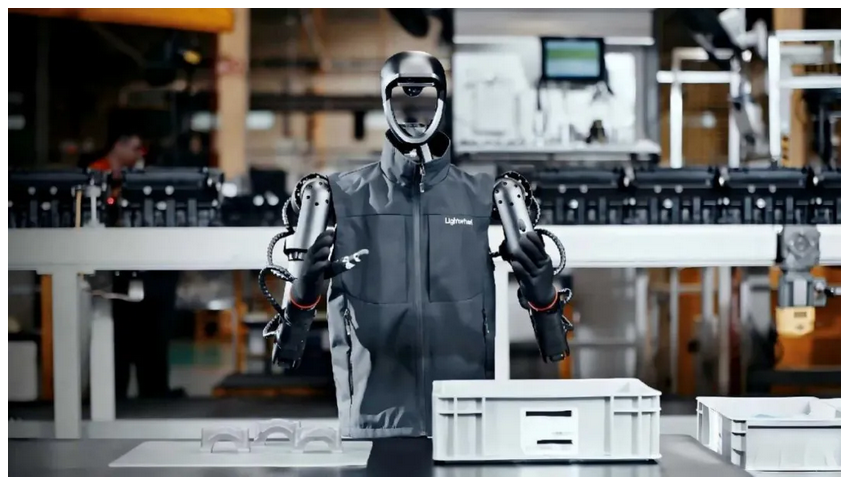
Funding of 1 Billion Yuan! Former NVIDIA Simulation Head Launches Startup, Creating the World's First Embodied Data Unicorn
Guanglun Intelligent Technology has achieved a significant milestone by securing 1 billion yuan in funding, marking its status as the first unicorn in the embodied data sector. This funding will support the company's efforts in advancing its innovative physical simulation engine and comprehensive model evaluation system. These technologies are designed to enhance the capabilities of humanoid robots, pushing the boundaries of what is possible in robotics through sophisticated data analysis and simulation techniques. The investment underscores the growing interest and potential in the field of embodied data, positioning Guanglun at the forefront of this emerging industry.
Embodied Intelligence Physical Simulation AI Data Infrastructure Robot Development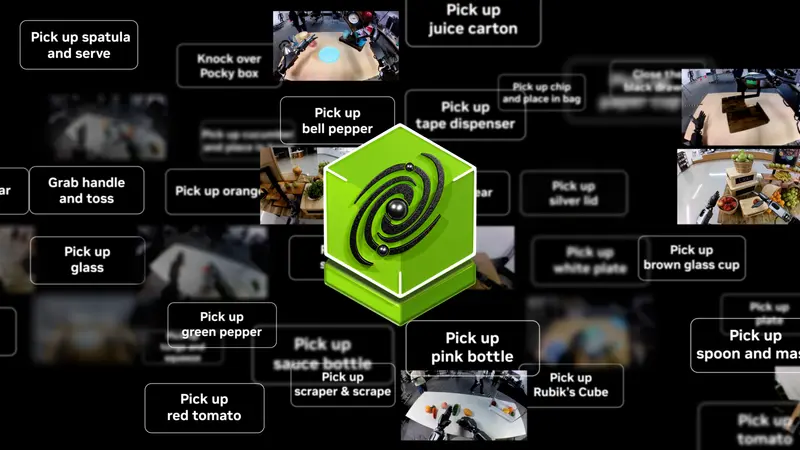
NVIDIA Advances Humanoid AI with GR00T N1.5, Eyeing a Future of Simulated Realities
NVIDIA has introduced its latest innovation, the Isaac GR00T N1.5, along with advanced simulation tools aimed at enhancing the learning capabilities of humanoid robots. This announcement, made during a recent tech conference, highlights the company's commitment to addressing the challenges associated with the 'Physical Turing Test' through the use of synthetic data generation. By leveraging these new tools, NVIDIA aims to improve the performance and adaptability of robots in real-world scenarios. The initiative reflects the growing demand for more sophisticated robotic systems that can seamlessly interact with their environments, ultimately pushing the boundaries of artificial intelligence and robotics.
NVIDIA GR00TRobotics needs a service framework.
RSF defines a common language for robot service capability, lifecycle operations, certification pathways, and service-provider networks.
Join the RobotToday community on LinkedIn
Daily robotics news, in-depth analysis, conference highlights, and discussions with professionals worldwide.







