Industry Briefing
A single destination for timely, editor-curated robotics news from around the world.

Surgical Robots Shine at International Medical Expo: Domestic Innovations Reshape Operating Rooms
From August 14 to 16, the 32nd China International Medical Instrument and Equipment Exhibition took place at the National Convention Center. Surgical robots became the highlight of the event, which focused on showcasing innovative medical devices and digital healthcare technologies. Attendees observed demonstrations of various surgical robots, including both international models like the da Vinci and domestic innovations, highlighting their evolution from auxiliary tools to primary surgical instruments. The significance of this event lies in the emergence of domestic surgical robot companies, whose products span laparoscopic, orthopedic, and neurosurgical applications. Some of these robots have already completed thousands of surgeries in top-tier hospitals, and their competitive pricing compared to imported devices is expected to accelerate their adoption in grassroots healthcare facilities. The exhibition also featured China's medical equipment applications in Africa, reflecting the growing export of Chinese medical devices, with a notable increase in high-value products like surgical robots. Looking ahead, industry experts noted that as the costs of surgical robots decrease and demand from grassroots hospitals rises, the Chinese medical robot market is entering a growth phase. According to Frost & Sullivan, the market size for surgical robots in China is projected to exceed 50 billion yuan by 2030, with domestic production rates expected to surpass 50%. No further timeline was disclosed at the time of publication.
Surgical Robots Medical Devices Healthcare Technology AI in Medicine
Service Robots Sales Surge: 34% in Cleaning and 91% in Medical Applications
In 2025, nearly 200,000 professional service robots were sold globally, marking a 9% increase. Notably, the cleaning robots segment saw a significant rise of 34%, while medical robots experienced an impressive growth of 91%. These statistics indicate a shift from experimental use to economically viable applications in sectors such as logistics, healthcare, and agriculture. The data, derived from the World Robotics 2025 – Service Robots report by the International Federation of Robotics (IFR), highlights the growing maturity of service robotics in various industries. With over 199,000 units sold in 2024, the figures reveal that while some categories like hospitality robots are declining, others are rapidly advancing, particularly in logistics, which surpassed 100,000 units sold. Looking ahead, the service robotics market is expected to continue its strong growth trajectory into 2026 and beyond. The IFR's report underscores the importance of identifying sectors where automation is achieving economic viability, suggesting a promising future for service robots in diverse applications.
À la une Humanoide IA Industrie Robotique AMR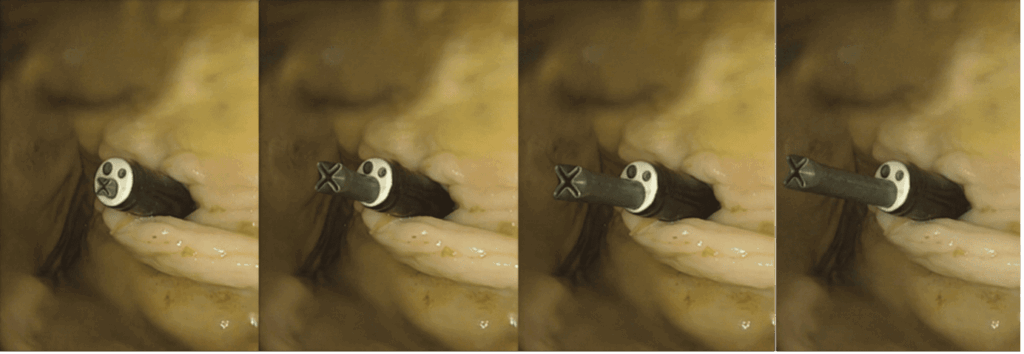
University of Leeds Develops Pressure-Free Growing Robots for Medical Applications
Researchers from the University of Leeds and the University of California San Diego received the Best Paper Award at RoboSoft for their innovative work in soft robotics. They developed a 1.8 mm soft growing robot that operates without internal pressure, allowing for safer interactions with delicate tissues during medical procedures. This advancement is significant as it addresses critical issues in minimally invasive surgeries, such as reducing friction and improving patient comfort. The robot's ability to grow and steer simultaneously enhances its usability, making it a promising tool for complex anatomical regions where precision is vital. Looking ahead, the implications of this technology could lead to improved patient outcomes in various medical applications. No further timeline was disclosed at the time of publication.
Humanoid Robots Excel in Medical Procedures Ahead of Nature Publication
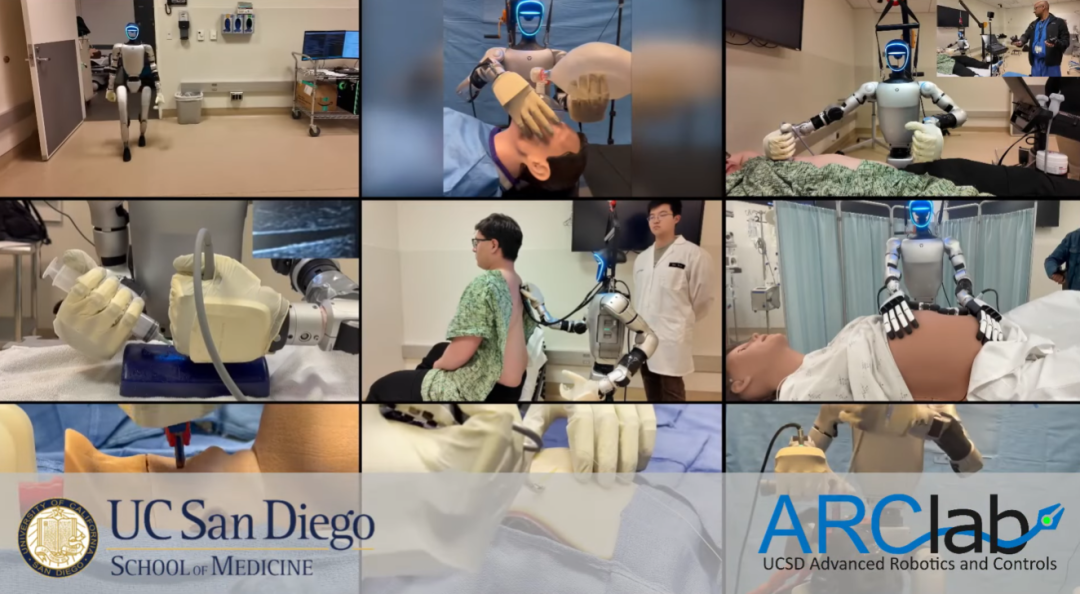
A humanoid robot developed by the Advanced Robotics and Controls Lab at UC San Diego has successfully performed various medical procedures, including the first-ever live minimally invasive surgery, as reported in Nature. This robot, named Yush, demonstrated capabilities in physical examinations, emergency interventions, and fine-needle surgeries, showcasing its potential in clinical settings. The significance of this development lies in the robot's ability to replicate core human medical operations, which could revolutionize healthcare delivery. The lab's focus on humanoid robots aims to create systems that can autonomously operate in hospital environments, utilizing multi-fingered and multi-armed tools to perform a wide range of tasks without the need for specialized equipment. Looking ahead, the lab is exploring the challenges of maintaining stability while the humanoid robot is in motion, which is crucial for its effectiveness in real-world medical scenarios. The ongoing research indicates that humanoid robots could eventually handle nearly all medical tasks independently, enhancing operational efficiency in healthcare facilities. No further timeline was disclosed at the time of publication.
Humanoid Robots Surgical Robotics Medical Automation AI in Healthcare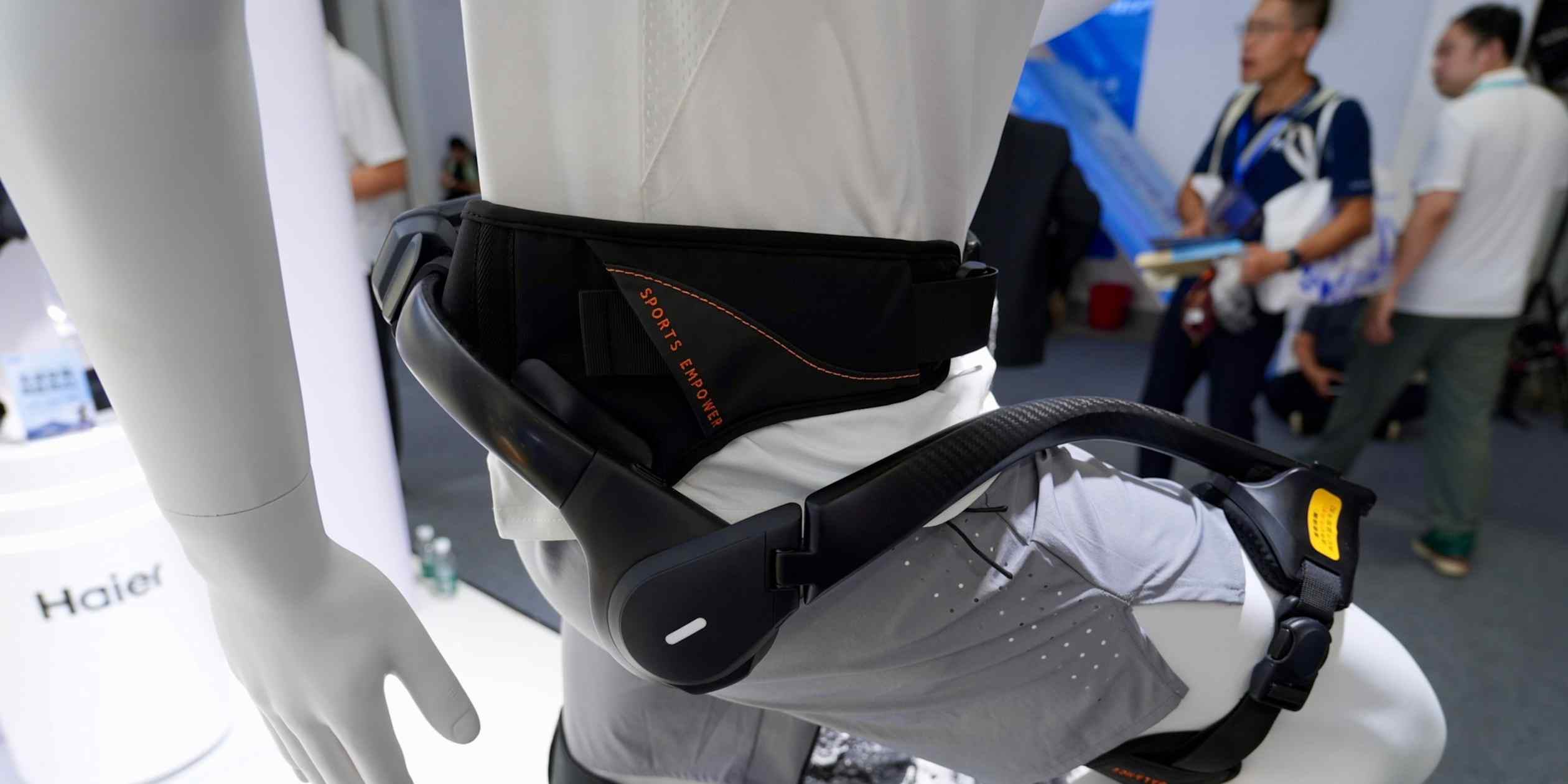
China's Exoskeleton Robots Transition into Consumer Markets Beyond Medical Use
Exoskeleton robots, also known as powered suits, are increasingly entering the consumer market in China, moving beyond their traditional applications in medicine and industry. This shift was highlighted by appliance maker Haier Group, which showcased its exoskeleton products at the World Robot Conference in Beijing in August 2026. The emergence of exoskeletons in everyday life signifies a notable trend in the robotics sector, as companies and startups race to capitalize on this nascent market. The growing interest in these wearable devices reflects a broader movement towards integrating advanced technologies into daily activities, enhancing physical capabilities for consumers. Looking ahead, the competition among appliance makers and startups in the exoskeleton market is expected to intensify. As more companies enter this space, it will be crucial to monitor developments and innovations that could shape the future of consumer robotics. No further timeline was disclosed at the time of publication.
Samsung Medical Center Performs First Surgery with Humanoid Robots Assisting Surgeons
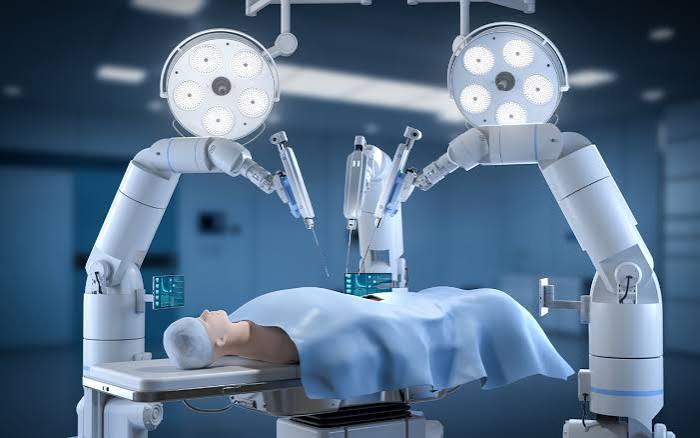
On September 16, Samsung Medical Center in Seoul conducted a simulated surgery with two humanoid robots assisting a surgical team. The robots, dressed in surgical attire, successfully collaborated with the lead surgeon, Professor Woo Nam-ki, by retrieving and delivering surgical instruments upon request. This marks a significant advancement in robotic assistance in surgery, showcasing the potential for robots to work alongside human medical professionals. The importance of this development lies in its potential to address staffing challenges in hospitals, particularly in smaller facilities where skilled surgical assistants may be scarce. Professor Jung Yong-ki emphasized that if a robot can effectively replace a human assistant, it could lead to cost-effective solutions for maintaining surgical operations around the clock. The robots demonstrated a 100% success rate in grasping surgical instruments and a 98.7% success rate in instrument delivery, highlighting their reliability in the operating room. Looking ahead, the project is set to progress with plans for commercialization led by Rainbow Robotics and AIDIN ROBOTICS. The first clinical trials are expected to begin in 2029, starting with low-risk endoscopic tasks before expanding to more complex procedures. The ongoing development of AI capabilities, including tactile feedback and predictive analytics, will further enhance the robots' performance in surgical environments.
Humanoid Robots Surgical Robotics AI in Healthcare Medical Technology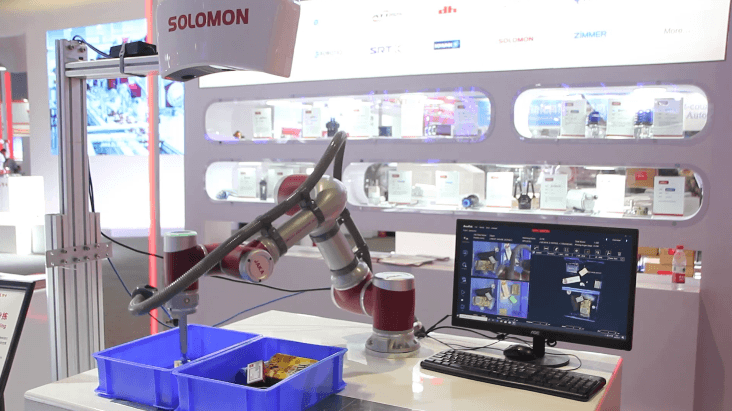
Assembler Robots in Medical Device Manufacturing: Precision and Sterilization
In the rapidly evolving field of medical device manufacturing, JAKA is at the forefront of integrating assembler robots into production lines to enhance precision and maintain strict sterilization standards. These advanced 6-axis robot arms are designed to navigate the complexities of assembling miniature components and delicate materials, ensuring stable motion control and predictable positioning throughout long operating cycles. By minimizing human contact in sensitive environments, JAKA's automation solutions help reduce contamination risks and support adherence to sterilization protocols. The implementation of these robots allows manufacturers to adapt to cleanroom layouts while remaining flexible enough to accommodate product changes. JAKA's lightweight robotic structures can be quickly deployed and adjusted, making them ideal for small-batch and multi-variety manufacturing, which is prevalent in the medical sector. This adaptability not only prevents workpiece loss but also enhances productivity without compromising quality. As the demand for precision and efficiency in medical device assembly continues to grow, JAKA's focus on practical automation solutions positions them as a key player in the industry. Their commitment to developing reliable motion control and adaptive assembly logic ensures that manufacturers can achieve consistent performance while navigating the challenges of regulated production environments. By leveraging the capabilities of assembler robots, JAKA is paving the way for more controlled and efficient medical device manufacturing processes.
Robotics needs a service framework.
RSF defines a common language for robot service capability, lifecycle operations, certification pathways, and service-provider networks.
Join the RobotToday community on LinkedIn
Daily robotics news, in-depth analysis, conference highlights, and discussions with professionals worldwide.