

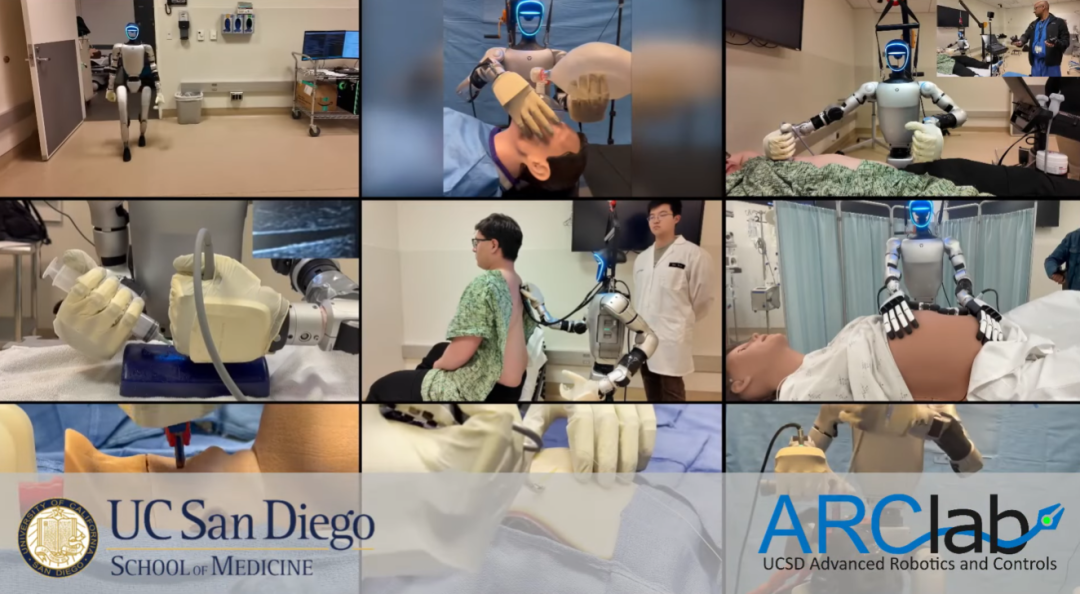
A humanoid robot developed by the Advanced Robotics and Controls Lab at UC San Diego has successfully performed various medical procedures, including the first-ever live minimally invasive surgery, as reported in Nature. This robot, named Yush, demonstrated capabilities in physical examinations, emergency interventions, and fine-needle surgeries, showcasing its potential in clinical settings.
The significance of this development lies in the robot's ability to replicate core human medical operations, which could revolutionize healthcare delivery. The lab's focus on humanoid robots aims to create systems that can autonomously operate in hospital environments, utilizing multi-fingered and multi-armed tools to perform a wide range of tasks without the need for specialized equipment.
Looking ahead, the lab is exploring the challenges of maintaining stability while the humanoid robot is in motion, which is crucial for its effectiveness in real-world medical scenarios. The ongoing research indicates that humanoid robots could eventually handle nearly all medical tasks independently, enhancing operational efficiency in healthcare facilities. No further timeline was disclosed at the time of publication.
Editor's Note
The advancements in humanoid robotics, particularly in medical applications, highlight a significant shift towards integrating AI and robotics into healthcare. As these technologies mature, they promise to enhance surgical precision and operational efficiency, potentially transforming patient care. Stakeholders should monitor developments in this area closely, as they may influence procurement strategies and investment decisions in the healthcare sector.































Leave a comment