

Industry Briefing
A single destination for timely, editor-curated robotics news from around the world.

Mouser Launches Qorvo eBook on RF Solutions for Drones, SATCOM, and IIoT Markets
Mouser Electronics has released a new eBook focusing on RF solutions tailored for modern applications such as drones, satellite communications, and industrial IoT. This resource highlights the evolving landscape of RF systems, emphasizing the need for higher speed, flexibility, and scalability in response to market demands. The eBook addresses the transition from traditional, highly customized architectures to more agile development strategies. This shift is crucial for meeting the rapid timelines associated with next-generation technologies, ensuring that developers can adapt to the fast-paced nature of the industry. As the demand for advanced RF solutions continues to grow, stakeholders should monitor how these developments influence the design and implementation of RF systems. No further timeline was disclosed at the time of publication.

Innovative Smart Waste System Integrates RPA and IoT Sensors for Efficient Collection
A proof-of-concept smart waste system has been developed that utilizes RPA-derived contextual data in conjunction with physical sensors. This integration aims to enhance the prediction of bin overflow and improve collection planning. The significance of this development lies in its potential to optimize waste management processes. By accurately predicting when bins will overflow, municipalities and waste management companies can plan collections more effectively, reducing costs and improving service efficiency. Looking ahead, the focus will be on the implementation and testing of this smart waste system in real-world scenarios. No further timeline was disclosed at the time of publication.
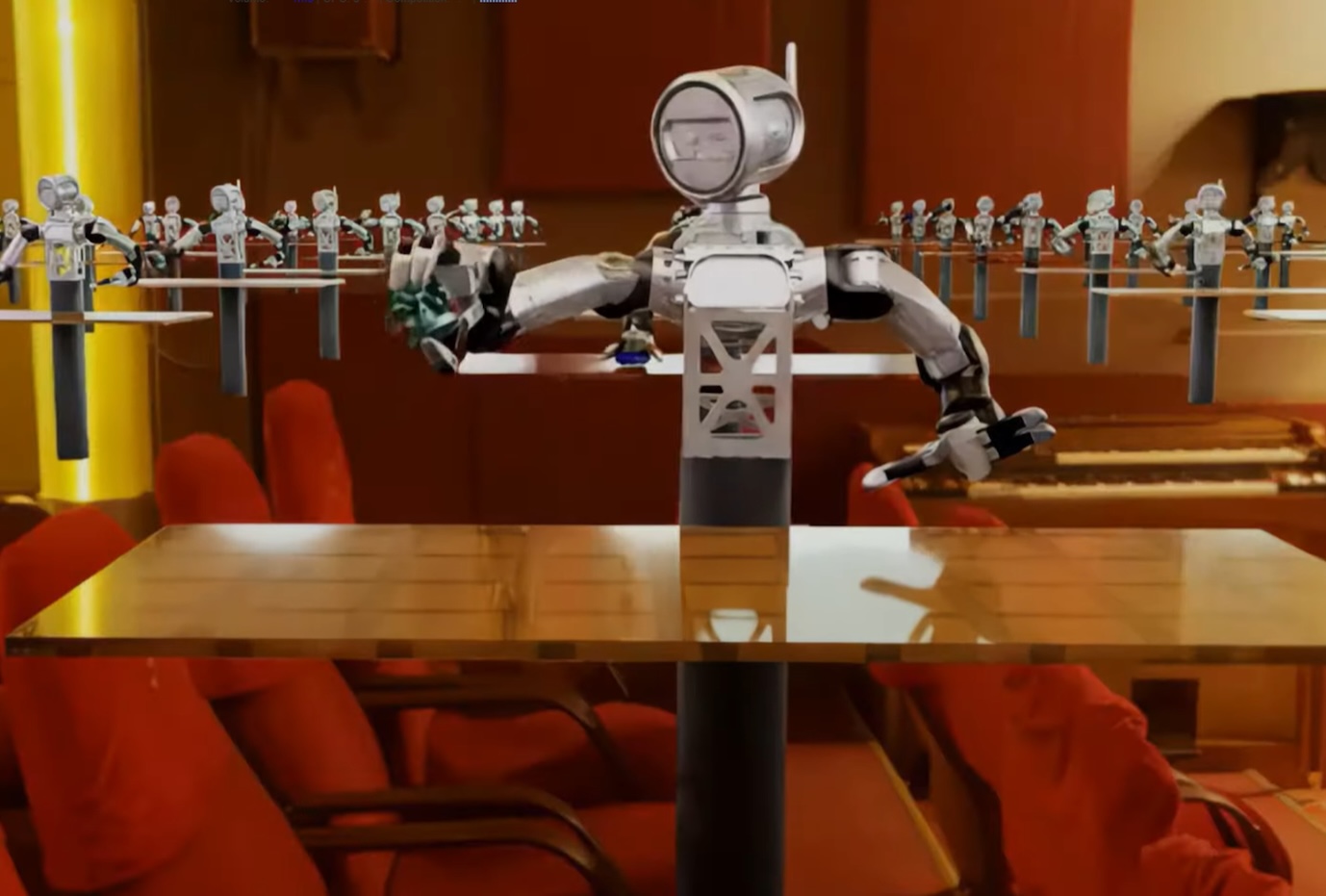
Enhancing Urban Traffic Management Efficiency with IoT-Aided Robotics and Graph Neural Networks
Recent advancements in IoT-aided robotics have shown significant potential for improving urban traffic management. By utilizing a multi-component attention graph convolutional neural network, these systems can enhance real-time traffic monitoring capabilities, leading to more efficient traffic flow and reduced congestion. This development is crucial as urban areas continue to face increasing traffic challenges. The integration of advanced robotics and IoT technologies can provide city planners and traffic management authorities with the tools needed to optimize traffic patterns and improve overall urban mobility. Looking ahead, the focus will be on the implementation of these technologies in real-world scenarios. Continued research and development in this area will be essential to fully realize the benefits of IoT-aided robotics in urban traffic systems. No further timeline was disclosed at the time of publication.
RESEARCH ARTICLE
Integra Sources Transforms Coffee Roasters into Smart IoT Devices for Consistency
Integra Sources has partnered with a coffee roaster manufacturer to convert traditional coffee roasting machines into smart IoT devices. This transformation addresses the challenges of maintaining consistency in flavor, which is critical as businesses scale from single shops to industrial operations. The new system utilizes a controller that aggregates sensor data and communicates with a Raspberry Pi for user interface management, allowing operators to monitor and control the roasting process effectively. The importance of this innovation lies in its ability to minimize human error and adapt to environmental fluctuations, ensuring that each batch of coffee meets customer expectations for flavor consistency. The system features both automated and manual control modes, enabling operators to either follow pre-defined roasting profiles or take full control of the process. This flexibility is crucial for businesses aiming to maintain quality as they expand their operations. Looking ahead, the implementation of this IoT solution could revolutionize the coffee roasting industry by setting new standards for quality control and operational efficiency. The ability to save and upload roasting profiles across machines may also facilitate broader adoption of smart technology in coffee production. No further timeline was disclosed at the time of publication.
Computing Design Internet automation engineering coffee roasters coffee roasting
Advanced 4D Radar Odometry Utilizing Heatmap Feature Encoding and Spatiotemporal Attention Network
A new method for 4D radar odometry has been introduced, focusing on heatmap feature encoding and a spatiotemporal attention network. This innovative approach aims to enhance the accuracy and reliability of radar-based navigation systems. The significance of this development lies in its potential to improve autonomous navigation in complex environments. By integrating heatmap features and attention mechanisms, the method addresses challenges faced by traditional radar odometry techniques, making it a crucial advancement in the field. Looking ahead, researchers and industry professionals should monitor the implementation of this technology in real-world applications. Its effectiveness in various scenarios will be key to determining its impact on future radar navigation systems. No further timeline was disclosed at the time of publication.
RESEARCH ARTICLE
Bhoomika Gandhi Discusses Optical Tactile Sensor for Head Motion Tracking in Radiotherapy
Bhoomika Gandhi's PhD research focuses on developing an optical tactile sensor designed to track head motion during radiotherapy. This innovation addresses significant challenges faced by patients undergoing treatment for head and neck cancers, who are often immobilized using thermoplastic masks or stereotactic frames. Current systems struggle with occlusion and limited motion tracking, which can compromise treatment accuracy. The optical tactile sensor, embedded in a Motion Capture Pillow, aims to enhance patient comfort while providing real-time feedback on both translational and rotational movements. This system is non-ferromagnetic, making it compatible with radiotherapy environments, and it eliminates occlusion issues by maintaining direct contact with the patient's head. The research emphasizes the importance of accurate tracking to improve treatment outcomes and patient experience. Looking ahead, the integration of this technology into clinical workflows will be crucial. Gandhi's work includes contributions such as optimizing marker density and sensor fusion with gyroscopic data to enhance reliability. No further timeline was disclosed at the time of publication.

MBDA Unveils Upgraded ASRAAM for Ground and Unmanned Vehicle Integration
MBDA showcased a new weapon at the recent exhibition, featuring a truck-mounted configuration. This upgraded version of the Advanced Short Range Air-to-Air Missile (ASRAAM) is designed for ground-launch capabilities. The significance of this development lies in its versatility, as the upgraded ASRAAM can also be integrated onto unmanned ground vehicles and unmanned surface vessels. This adaptability enhances operational flexibility for military applications. Looking ahead, industry stakeholders should monitor the integration of this weapon system into various platforms, as it may influence future military procurement strategies. No further timeline was disclosed at the time of publication.
Air Warfare Global Land Warfare Air Force Army ASRAAM
Pelion Survey Highlights IoT Connectivity Challenges in Global Logistics Sector
A recent survey conducted by Pelion and ABI Research reveals that 68% of logistics and transport professionals cite unstable cellular connectivity as a significant barrier to scaling IoT deployments. This survey included 165 decision-makers from logistics organizations worldwide, highlighting the critical need for reliable connectivity in real-time fleet tracking and cold-chain monitoring. The findings underscore the growing pressure on logistics companies to maintain uninterrupted data-driven operations amid complex supply chains. With over 40 billion connected IoT devices expected by 2030, the demand for robust device management and network security is becoming increasingly vital. Additionally, 27% of logistics respondents reported experiencing cellular IoT security incidents, the highest rate across all surveyed industries. Looking ahead, Pelion predicts that by 2030, nearly half of logistics IoT deployments will operate internationally, up from 29% today. As logistics organizations expand their operations across borders, the focus will shift towards simplifying operational complexities and enhancing security measures. No further timeline was disclosed at the time of publication.
IT in Logistics Transport and Distribution challenges Connectivity IoT IT
New AI Framework Helps Robots Answer Spatiotemporal Questions
DAAAM has made significant advancements in enhancing the spatiotemporal capabilities of autonomous systems by integrating real-time 4D scene graphs with detailed language descriptions derived from video input. This innovative approach aims to improve how autonomous systems perceive and interact with their environments, allowing for more sophisticated decision-making processes. The integration of 4D scene graphs enables these systems to understand complex spatial and temporal relationships, while the incorporation of rich language descriptions provides context and clarity to the visual data. This development is expected to have wide-ranging applications in various fields, including robotics, autonomous vehicles, and smart surveillance systems, ultimately leading to more efficient and effective autonomous operations.

LG Chem to invest W15tr in chips, robotics, biotech by 2035
LG Chem has announced a significant investment of 15 trillion won (approximately $9.8 billion) in research and development by the year 2035. During a company-wide town hall meeting on Monday, CEO Kim Dong-choon revealed that 70 percent of this funding will be directed towards advancing materials for semiconductors, mobility, and robotics. This strategic move is part of LG Chem's broader initiative to penetrate high-growth sectors and enhance its competitive edge. In addition to these areas, the company will also focus on oncology therapeutics as a key future business domain, reflecting its commitment to innovation and expansion in critical industries.
All News
Amtagvi Approval Boosted Iovance Biotherapeutics, Inc. (IOVA), But Can the Rally Last?
Iovance Biotherapeutics, Inc. (NASDAQ: IOVA) has seen its stock price rise following the conditional approval of its melanoma treatment, Amtagvi, by the Therapeutic Goods Administration of Australia on June 4, 2026. This approval marks a significant milestone as it is the third marketing authorization for Amtagvi, which is crucial in a country with the highest melanoma rates globally. Despite the initial surge in stock value, IOVA's shares have returned to pre-approval levels, reflecting market volatility. Analysts remain optimistic, with 80% expressing a bullish outlook on the company, although Chardan recently adjusted its price target from $16 to $14, citing revised revenue forecasts. Management anticipates Q2 revenue from Amtagvi to be between $79 million and $81 million. Founded in 2007 and based in California, Iovance specializes in cell therapies for metastatic melanoma and other solid tumors. While the company shows promise as an investment, some analysts suggest that certain AI stocks may present greater potential for returns with less risk.

Iovance Biotherapeutics, Inc. (IOVA) a Top Penny Stock to Buy on Amtagvi Strong Adoption
Iovance Biotherapeutics, Inc. (NASDAQ: IOVA) has been highlighted as a promising penny stock following a recent endorsement from research firm Citizens, which reaffirmed a Market Outperform rating and set a price target of $5. This assessment comes after a compelling presentation at the American Society of Clinical Oncology (ASCO) conference on June 1, where the company showcased the efficacy, safety, and workflow data of its candidate drug, Amtagvi, for treating advanced melanoma. Citizens emphasized the importance of timely referrals to adoptive T-cell therapy centers to improve patient outcomes. Under the leadership of CEO Frederick Vogt, Iovance is actively pursuing commercial expansion and adoption of Amtagvi, responding to a surge in market demand. The company is also making strides in treating non-small cell lung cancer, sarcoma, and first-line melanoma, positioning itself for long-term revenue growth through ongoing and new clinical trials. Iovance specializes in tumor-infiltrating lymphocyte (TIL) therapies, which involve harvesting and multiplying a patient’s immune cells to create personalized treatments aimed at targeting solid tumors. While IOVA shows potential as an investment, analysts suggest that some AI stocks may offer greater upside with less risk.

Iovance Biotherapeutics (IOVA) Gets Australia Nod for Amtagvi, Climbs 15%
Iovance Biotherapeutics Inc. experienced a significant surge in its stock price, rising by 15.57% to close at $4.38 on Thursday, June 4, 2026, following the conditional approval of its melanoma treatment, Amtagvi, by Australia’s Therapeutic Goods Administration (TGA). This marks the third marketing authorization for Amtagvi, which has already received approvals in the United States and Canada. The approval is particularly noteworthy as Australia has the highest melanoma incidence rate globally, with approximately 17,000 new cases and over 1,500 related deaths each year. Frederick Vogt, President and CEO of Iovance Biotherapeutics, emphasized the importance of this milestone, stating it represents a significant advancement for the company in a region heavily affected by melanoma. Iovance is currently in the process of establishing its first treatment center in Australia as part of its strategy to expand Amtagvi into additional markets with high rates of advanced melanoma. The TGA's approval was based on positive safety and efficacy results from the global, multicenter C-144-01 trial, which evaluated Amtagvi in patients with advanced melanoma who had previously undergone anti-PD-1 therapy and, where applicable, targeted therapy.
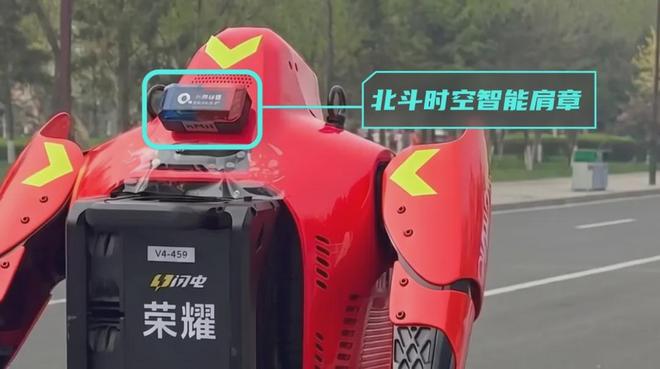
Qianwen Qianxun Collaborates to Launch the Industry's First 'Embodied Spatiotemporal Brain'
On April 19, the 2026 Beijing Yizhuang Half Marathon showcased a groundbreaking event where robots competed autonomously, highlighting advancements in technology. This innovative competition not only entertained spectators but also served as a platform for Qianxun Position to unveil its latest development, the 'Embodied Spatiotemporal Brain.' This new technology is designed to improve the autonomy and decision-making abilities of robots, with aspirations for systematic applications across various fields. The event marks a significant milestone in the integration of robotics into competitive sports and other practical scenarios.
Robotics Autonomous Systems AI Machine Learning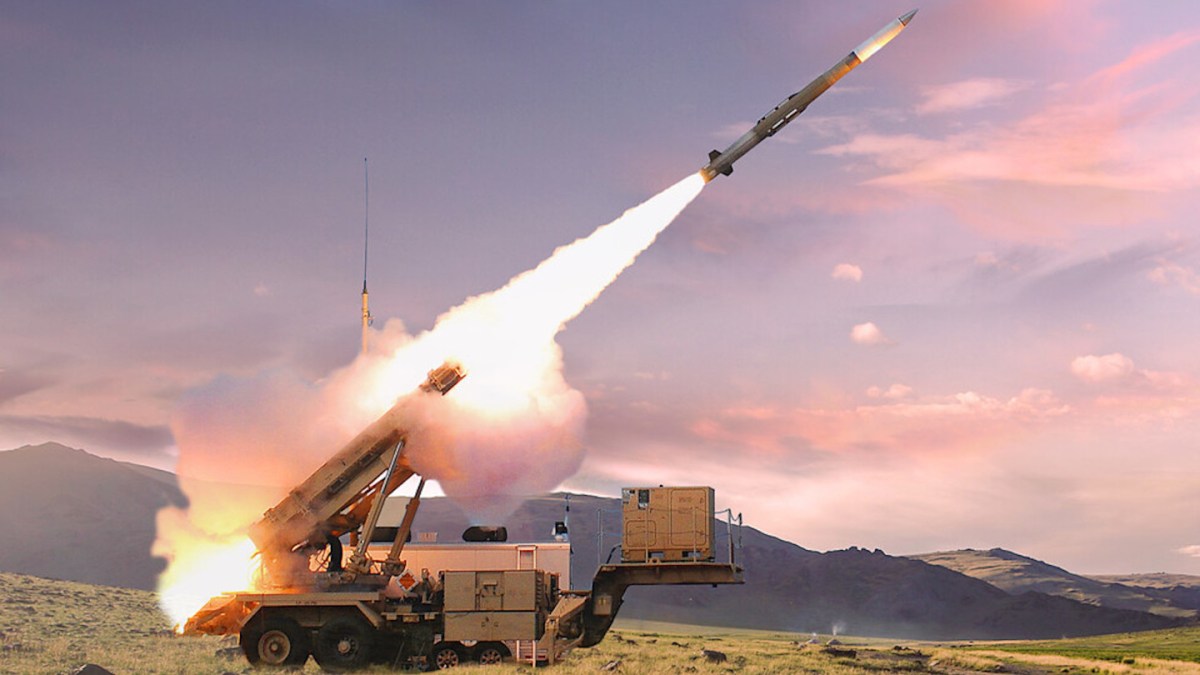
‘Cheap’ Patriot Interceptor Costing Under $1 Million Now Being Sought By Army
The U.S. Army is actively pursuing a more cost-effective version of its Patriot missile defense system in response to evolving threats from adversaries utilizing inexpensive drones and large numbers of ballistic missiles. The initiative aims to develop a new interceptor that would cost under $1 million, making it more affordable and easier to produce. This move reflects the Army's recognition of the need to enhance its defense capabilities against increasingly sophisticated and budget-friendly weaponry employed by potential enemies. The search for this budget-friendly solution underscores the Army's commitment to maintaining a competitive edge in modern warfare while addressing the financial constraints of military procurement.
Land Armies MIM-104 Patriot News & Features Surface-To-Air Missile Systems U.S. Army
Biotech-led boom as 8 China firms flock to Hong Kong’s thriving stock market
In April, eight companies from mainland China, including five biotech firms, successfully passed listing hearings on the Hong Kong stock market, enabling them to access the city's substantial liquidity. This influx features a diverse range of businesses, such as an AI-driven drug discovery company, a developer of driverless technology, and a manufacturer of industrial robots. The move aligns with the ongoing efforts of the China Securities Regulatory Commission (CSRC), which has been encouraging private firms to pursue listings in Hong Kong as a strategic response to market conditions. By facilitating these listings, the CSRC aims to enhance investment opportunities and bolster the financial landscape in the region.
Visual 3D Spatiotemporal Fields‐Driven Obstacle Avoidance Using Model Predictive Control for Nursing Robots in Unstructured Environments
A recent study published in the Journal of Field Robotics highlights advancements in robotic technology aimed at enhancing agricultural efficiency. Researchers from various institutions collaborated to develop a new autonomous robot capable of performing tasks such as planting, weeding, and harvesting crops. This innovative technology was tested in fields across California during the summer of 2023, showcasing its potential to significantly reduce labor costs and increase productivity for farmers. The motivation behind this development stems from the growing demand for sustainable farming practices and the need to address labor shortages in the agricultural sector. By integrating advanced sensors and machine learning algorithms, the robot can navigate complex field environments and make real-time decisions, improving its operational effectiveness. The study emphasizes the importance of robotics in modern agriculture, particularly as the industry faces challenges related to climate change and food security. The researchers believe that widespread adoption of such technology could lead to more efficient resource use and a reduction in the environmental impact of farming practices. As the agricultural landscape continues to evolve, this breakthrough represents a significant step toward the future of farming, where robotics play a crucial role in meeting global food demands.
RESEARCH ARTICLE
Detecting IoT Malware in EV Chargers with Deep Learning
A recent study has introduced a deep learning methodology aimed at improving malware detection in electric vehicle (EV) charging stations. Conducted by a team of researchers, the study addresses significant limitations in current detection systems, ultimately enhancing their accuracy. The findings, which were published in October 2023, highlight the growing need for robust cybersecurity measures in the rapidly expanding network of IoT devices associated with EV infrastructure. By leveraging advanced machine learning techniques, the researchers aim to provide a more effective solution to safeguard these critical charging stations from potential cyber threats, ensuring the safety and reliability of EV charging operations.
Beyond Cobots: Integrating Robotic Automation with AGVs and IIoT Systems
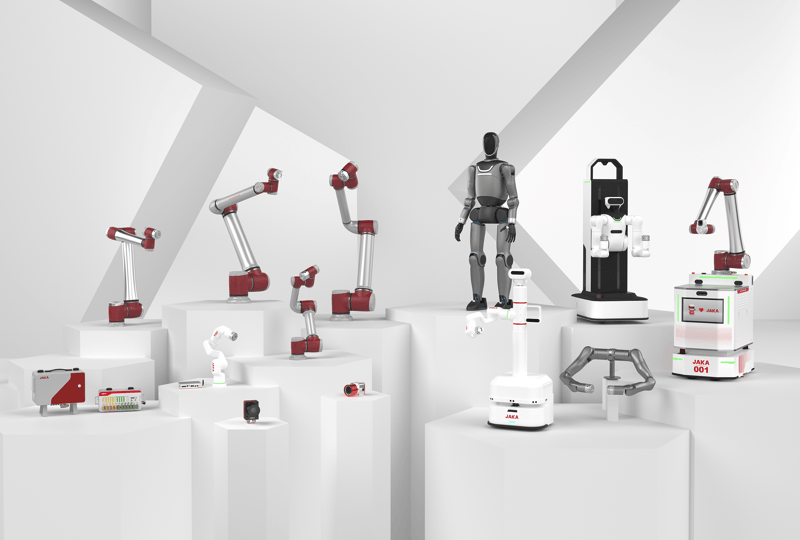
In recent years, manufacturing has experienced a significant transformation as companies shift from standalone automation to interconnected and flexible systems. JAKA, a leader in collaborative robot technology, has observed this evolution, where production environments are increasingly designed around coordinated robots, autonomous guided vehicles (AGVs), and Industrial Internet of Things (IIoT) platforms. This transition enables automation to adapt dynamically to real production conditions while ensuring safety and flexibility in workplaces that prioritize human interaction. Initially, collaborative robots were embraced for their ability to work safely alongside human operators, facilitating smoother automation processes. As their applications have matured, integrating these robots with AGVs and IIoT systems has become a logical progression. This integration allows for synchronized material handling and processing tasks, enhancing efficiency. IIoT connectivity further supports real-time data exchange, enabling predictive maintenance and improved process visibility, which is crucial for maintaining flexibility in production lines. AGVs play a pivotal role in extending automation beyond fixed workstations. When connected through IIoT infrastructure, these vehicles and robots can share crucial information, reducing idle time and manual interventions while enhancing workflow traceability. This coordination not only boosts operational efficiency but also increases transparency, allowing for continuous optimization and informed decision-making. To facilitate this integrated approach, JAKA has developed the Ai12, a collaborative robot designed for easy deployment through wireless teaching and graphical programming. This technology enhances safety and adaptability, allowing for seamless human-robot interaction. JAKA envisions a future where industrial robotic automation is not merely a collection of isolated machines but a cohesive system that evolves with production demands, fostering smarter and more responsive industrial environments.

IoT SIM Cards Become Critical Infrastructure for Industrial Automation, Robotics, and Drone Operations
As industries such as manufacturing, logistics, energy, and infrastructure embrace digital transformation, a significant shift is occurring with the integration of cellular-connected devices. These advancements are replacing traditional isolated machines with interconnected systems that facilitate continuous communication. This transition enables real-time coordination and remote management, enhancing operational efficiency and responsiveness. The push for modernization is driven by the need for improved productivity and adaptability in an increasingly competitive market. By leveraging advanced technology, companies are positioning themselves to better meet the demands of their sectors and optimize their processes.
Robotics needs a service framework.
RSF defines a common language for robot service capability, lifecycle operations, certification pathways, and service-provider networks.
Join the RobotToday community on LinkedIn
Daily robotics news, in-depth analysis, conference highlights, and discussions with professionals worldwide.







