

Industry Briefing
A single destination for timely, editor-curated robotics news from around the world.

Guangdong's Embodied Intelligence Tech Company Secures Investment and Expands Shareholder Base
Guangdong Embodied Intelligence Technology Co., Ltd. recently underwent a business change, adding several shareholders including Yuejiang, Fantuo Digital Creation, and Zhongjin Lingnan, while increasing its registered capital to 300 million yuan. Founded in 2025, the company focuses on the development of artificial intelligence application software, foundational software, algorithms, and internet data services. The involvement of these diverse companies indicates a strategic provincial-level coordination in Guangdong's embodied intelligence sector. Yuejiang specializes in collaborative and embodied intelligent robots, Fantuo Digital Creation focuses on digital creativity and digital twins, and Zhongjin Lingnan operates in the non-ferrous metals industry. This collaboration suggests that the company may serve broader public service functions rather than just producing a specific robot product. With the registered capital raised to 300 million yuan, Guangdong Embodied Intelligence Technology Co., Ltd. is positioned as a mid-to-high scale provincial industrial platform. This investment reflects a significant commitment to the development of embodied intelligence in the region, emphasizing the importance of collaborative efforts across various sectors.
Embodied Intelligence AI Software Development Collaborative Robotics Digital Twin Technology
Investment in Embodied Intelligence Grows, Yet Factory Robot Adoption Remains Low
In the first half of 2026, China saw 172 investment events in embodied intelligence, totaling approximately 109.17 billion RMB. The number of companies valued over 10 billion RMB increased from three in 2025 to 25 in 2026. Despite this growth, only 20% of humanoid robots are utilized in smart manufacturing and logistics, with over 60% directed towards entertainment and education. The disparity between capital market narratives and industry realities is widening, as many products require significant restructuring to meet actual operational needs. A report indicates that around 70% of products need deep reconfiguration during implementation, highlighting a gap between technological demonstration and practical application. As of August 2026, companies like Yushutech and UBTECH reported record revenues in their humanoid robotics sectors, with Yushutech achieving 1.15 billion RMB and UBTECH 1.27 billion RMB. However, both companies face challenges in profitability and market reliance on research institutions rather than industrial scale deployment. The report emphasizes that the key to success in embodied intelligence lies in mastering operational efficiency and cost management.
Embodied Intelligence Industrial Robotics Investment Trends Manufacturing Automation
F-Prime Capital to Present Insights on Robotics Investments at RoboBusiness 2026
F-Prime Capital will present its annual State of Robotics Investments report at RoboBusiness 2026, scheduled for October 20-21 in Santa Clara, California. The report will detail the latest funding trends, emerging technology categories, and sectors attracting investor interest, following a significant $4.87 billion raised in August 2026 across 162 financial transactions. This presentation is crucial as it provides a data-driven analysis of the current investment landscape in robotics, offering actionable insights for building and financing successful robotics companies. The insights will be shared by Sanjay Aggarwal and Betsy Mulé, both partners at F-Prime Capital, who bring extensive experience in technology investments and strategy consulting. Attendees of RoboBusiness 2026 can expect to gain valuable knowledge from industry experts on cutting-edge research and innovative applications in various sectors, including manufacturing, healthcare, and logistics. No further timeline was disclosed at the time of publication.
Events Financial Investments News Startups F-Prime Capital
Huizhou Zhongkai's Embodied Intelligence Industrial Park Project Secures 1.031 Billion Investment
The Huizhou Zhongkai District has approved the Embodied Intelligence Industrial Park project, which will feature a digital infrastructure platform. The project, with a total investment of 1.031 billion yuan, spans 135,600 square meters and is set to commence on December 1, 2026. It aims to deploy 80 intelligent robotic workstations and 4,800 IoT data collection points, alongside an AGV intelligent logistics system. This initiative is significant as it represents a substantial investment in the embodied intelligence sector, focusing on enhancing production and logistics capabilities. The project will also establish a range of digital systems including MES, PLM, and ERP, which will facilitate comprehensive factory operations. The infrastructure aims to reduce the R&D costs for companies within the park by providing shared resources and systems. Looking ahead, the success of the project will depend on its ability to attract sufficient embodied intelligence enterprises and the intended use of the 80 robotic workstations, whether for production or scenario validation. No further timeline was disclosed at the time of publication.
Embodied Intelligence Industrial Automation IoT Smart Robotics
Gix Internet Makes $500K Investment in Ottonomy for Autonomous Delivery Robots
Gix Internet has announced a strategic investment of $500,000 in Ottonomy, a U.S. company specializing in autonomous delivery robots. This investment, made through a SAFE agreement, is expected to close during the week of September 16, 2026. Gix aims to integrate Ottonomy's Level 4 autonomous navigation technology with its Deliverz.ai software, enhancing the management of robots and autonomous systems. This investment is significant as it follows a nonbinding agreement from August that could lead to Gix acquiring a majority stake in Ottonomy. The collaboration is poised to leverage Ottonomy's experience in deploying its Ottobot delivery robots across various sectors, including healthcare and last-mile delivery, thereby expanding Gix's capabilities in the autonomous robotics market. Looking ahead, Gix's potential majority ownership of Ottonomy could reshape the landscape of autonomous delivery solutions. However, the proposed majority investment remains contingent on due diligence and regulatory approvals. No further timeline was disclosed at the time of publication.
AI AI Funding & Investment Robotics autonomous delivery investment Israel
RoboStrategy Leads Series A Investment in Maven Robotics for Intelligent Automation
RoboStrategy has announced its lead investment in Maven Robotics' Series A funding round. Maven Robotics specializes in designing, building, and deploying intelligent robots tailored for logistics and manufacturing sectors. Emerging from stealth mode, the company claims to possess the key to developing general-purpose robotics aimed at enterprise customers. This investment is significant as it highlights the ongoing challenge within the robotics industry, where despite substantial talent and capital, few robots are effectively performing real work. The focus on large enterprises as the primary market for robotics solutions underscores the need for reliable and cost-effective automation that can meet specific job requirements. Looking ahead, the challenge remains for robotics startups to transition from innovation projects to scalable solutions that deliver tangible results. The ability to convert initial interest into substantial contracts will be crucial for the success of Maven Robotics and its competitors in the evolving landscape of intelligent automation. No further timeline was disclosed at the time of publication.
market analysis Maven Robotics RoboStrategy Investment
Recent Investment Surge in Deep-Sea Robotics Sector Highlights Industry Growth
The deep-sea robotics sector has recently seen a surge in investment, with Gongzhi Ocean announcing nearly 100 million yuan in angel funding from several investors including Zhongxin Zhidi and Lihe Financial. Founded in 2024, Gongzhi Ocean focuses on high-end underwater propulsion equipment and bionic underwater vehicles, with its core product, 'Hetu,' being the industry's first integrated underwater robot for detection operations. This influx of capital is significant as it reflects the ongoing demand for underwater operations driven by the rapid development of China's marine economy. The market for underwater robots is expected to grow from 3.5 billion yuan in 2022 to 5.16 billion yuan by 2024, with an annual growth rate exceeding 20%. The competition is shifting from merely selling equipment to providing comprehensive services that reduce operational costs in tasks such as hull cleaning and seabed exploration. Looking ahead, the focus will be on how these companies can translate laboratory technology into reliable, maintainable, and scalable operational capabilities in real marine environments. The successful application of these robots in practical scenarios will be more telling than any financing news, as it will demonstrate their effectiveness in various underwater tasks.
Underwater Robotics Marine Technology Investment Trends Autonomous Systems
Google Announces $15 Billion Investment in AI Infrastructure in Finland
Google has announced a significant investment of 13 billion euros ($15.1 billion) into AI infrastructure in Finland, marking its largest single investment in Europe. This move highlights Finland's growing importance as a prime location for data centers, particularly amid the ongoing AI boom. The investment is crucial as Finland offers abundant land and power resources, which are increasingly scarce in other parts of Europe. This strategic decision by Google reflects the tech giant's commitment to expanding its AI capabilities and infrastructure in a region that is becoming a hub for data center development. Looking ahead, industry watchers will be keen to see how this investment influences the competitive landscape in Europe’s tech sector. No further timeline was disclosed at the time of publication.
Xiamen Tong'an District Launches Investment Model with 'Scenario Lists' for Robotics Firms
At the 26th China International Investment and Trade Fair, Xiamen's Tong'an district unveiled an innovative investment strategy using 'scenario lists' to highlight specific market demands in robotics and smart technology. This initiative is designed to draw in global companies by tackling key challenges within the hard tech industry. The introduction of 'scenario lists' is significant as it aims to stimulate collaboration and innovation across various sectors, including artificial intelligence and smart construction. By clearly defining market needs, Tong'an district seeks to create a conducive environment for robotics firms to thrive and contribute to technological advancements. Looking ahead, it will be important to monitor how effectively this investment model attracts international enterprises and whether it leads to tangible developments in the robotics sector. No further timeline was disclosed at the time of publication.
Robotics Smart Technology Investment AI Construction
Harbin Engineering University Alumni Drive Significant Investment in Deep-Sea Robotics
In the summer and autumn of 2026, the deep-sea robotics sector experienced a surge in funding, with three major investments announced. Shihang Intelligent secured over 1 billion yuan in Series A funding, achieving a unicorn valuation; Deep-Sea Intelligence raised over 500 million yuan, backed by prominent investors including Guohua Venture Capital and others; and Gongzhi Ocean set a new record with nearly 100 million yuan in angel funding. These investments highlight the influence of alumni from Harbin Engineering University, with key figures such as Professor Guo Chunyu, who founded Gongzhi Ocean, and Ma Yiming, the founder of Deep-Sea Intelligence, both having strong ties to the university. Their companies are positioned to lead in various applications, including offshore oil and gas, underwater communication, and deep-sea mining, with Deep-Sea Intelligence already capturing a significant share of the domestic market. The deep-sea robotics industry is gaining momentum, with the Chinese government recognizing deep-sea technology as a strategic emerging industry. The global underwater service market is projected to reach 1.5 trillion yuan, growing at an annual rate of over 20%. As the industry transitions from research to commercialization, deep-sea robotics startups are poised for unprecedented opportunities.
Deep-Sea Robotics Marine Technology Investment Startups
Nvidia's Equity Investments Surge to $99 Billion, Strengthening AI Sector Backing
As of July 26, Nvidia's equity investments reached $99 billion, a significant increase from approximately $7 billion a year prior. This growth reflects the company's strategy to enhance its ecosystem and competitive position in the AI sector, with substantial investments in firms like OpenAI and CoreWeave. The surge in Nvidia's investments underscores its ambition to become a leading corporate backer in technology, particularly in AI. The company has committed over $40 billion in financing rounds within the past year, aiming to leverage its capital reserves to support AI infrastructure and innovation. Looking ahead, Nvidia's focus on diversifying its AI business and expanding its customer base will be crucial. The company plans to acquire AI startup Hugging Face for $12.9 billion and has invested heavily in frontier AI labs, indicating a robust strategy to maintain its market dominance in the GPU sector. No further timeline was disclosed at the time of publication.

President Lee Jae Myung and Hyundai's Euisun Chung Discuss Investment Opportunities
President Lee Jae Myung recently held a closed-door meeting with Hyundai Motor Group Executive Chair Euisun Chung, focusing on potential investment discussions. The meeting, which took place on Wednesday, likely revolved around Hyundai's commitment to invest 9 trillion won (approximately US$6.6 billion) in developing an industrial hub for artificial intelligence, robotics, and energy in the Saemangeum area by 2029. This investment is significant as it aligns with the South Korean government's initiative to foster a new semiconductor cluster and AI data center facilities, part of a broader 'megaproject' strategy. Hyundai's involvement in this initiative underscores the importance of collaboration between major corporations and government efforts to enhance the country's technological infrastructure. Looking ahead, stakeholders will be keen to see how Hyundai's investment plans evolve and their impact on the South Korean economy, particularly in the fields of AI and robotics. No further timeline was disclosed at the time of publication.
All News
Keli Sensor Secures Strategic Investment from Youliqi Worth Tens of Millions
Keli Sensor has successfully secured a strategic investment worth tens of millions from Youliqi. This investment highlights the growing interest in the intelligent sensing sector, which is experiencing significant capital influx. The partnership is expected to enhance Keli Sensor's capabilities in the market, positioning it for future growth. This investment is crucial as it reflects the increasing demand for intelligent sensing technologies, which are becoming integral in various applications. The strategic backing from Youliqi will likely provide Keli Sensor with the necessary resources to innovate and expand its product offerings, thereby strengthening its competitive edge in the industry. Looking ahead, industry observers should monitor how this investment influences Keli Sensor's development and market strategies. No further timeline was disclosed at the time of publication.
Robotics Automation AI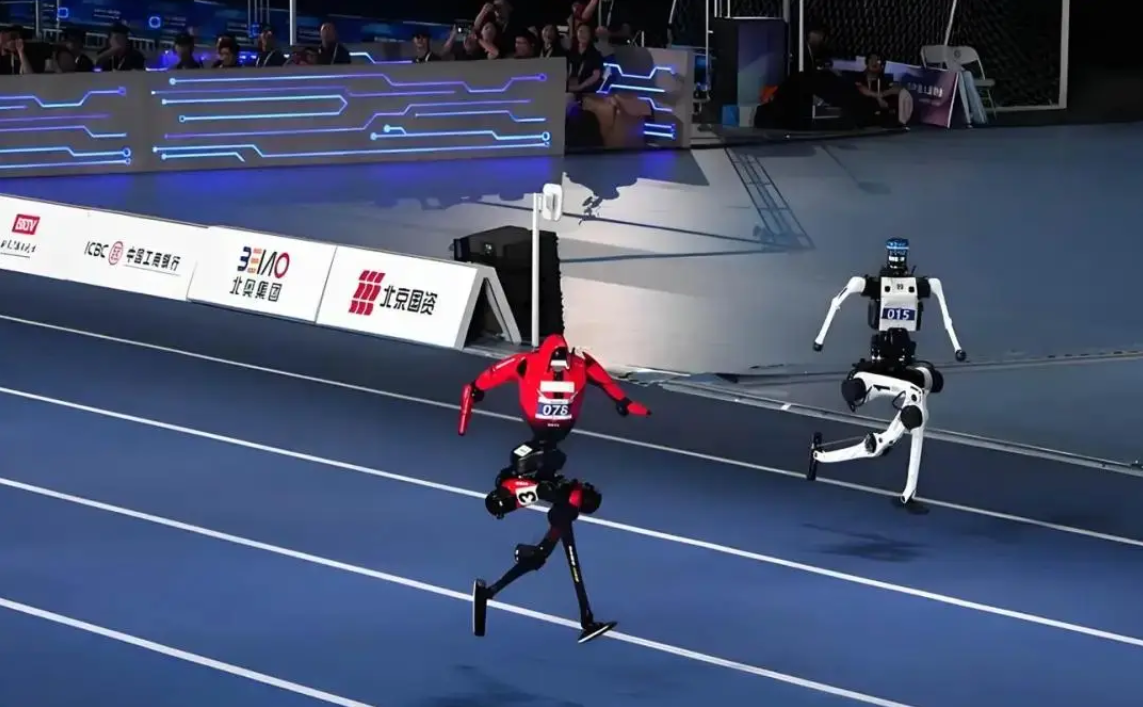
Challenges Facing Humanoid Robots Amidst Investment Fluctuations
On August 19, 2026, Yushu Technology was listed on the STAR Market, becoming the first humanoid robot stock in A-shares. However, the stock price experienced significant volatility, raising questions about whether this marks the beginning of a great industry or the peak before a capital bubble bursts. Concurrently, a humanoid robot competition in Beijing revealed critical issues, such as power depletion and component failures, leading to skepticism about the future of robots. The investment landscape for robotics has reached unprecedented heights, with total financing in the domestic embodied intelligence sector reaching 93.5 billion yuan in the first half of 2026, a fivefold increase from the previous year. Notably, 19 new companies with valuations exceeding 10 billion yuan emerged in this sector during the same period. However, the distribution of funds is heavily skewed, with the top five companies capturing approximately 37% of the total funding, highlighting a growing Matthew effect in the industry. Looking ahead, the competition remains fierce, with major players like Galaxy General Robotics and Zhi Ping Fang securing substantial funding. Yet, concerns persist regarding the authenticity of order data from humanoid robot companies, as some large contracts have reportedly been terminated after initial deposits. The investment strategy of Shoucheng Holdings, which focuses on building a deep community of interests through equity investment in key enterprises, stands out in this competitive environment. No further timeline was disclosed at the time of publication.
Humanoid Robots Investment Trends AI Technology Robotics Industry
IIF Expands Farm Investment Platform Across Canada with Support from Verdex Capital
IIF, an Australian investment platform, is set to launch its services across Canada following a new funding round led by Verdex Capital. This marks Verdex as IIF's first Canadian investor, enhancing the platform's ability to connect farmers and consumers nationwide. The significance of this expansion lies in IIF's unique approach, allowing everyday individuals to invest in various agricultural assets without owning a farm. This model not only provides liquidity and risk management for farmers but also helps them access alternative capital sources beyond traditional agricultural lending, as noted by Verdex CEO Collin Phillip. Looking ahead, IIF's platform could play a crucial role in supporting Canadian farmers, particularly in light of challenges posed by climate change and economic pressures. The ability to secure investments may enable farmers to adopt innovative technologies and practices, ultimately enhancing productivity and sustainability in the agricultural sector. No further timeline was disclosed at the time of publication.
Agtech FoodTech Investing Startups & funding US & Canada
Navi Secures $100 Million Investment from Prosus, First Institutional Funding for Fintech
Indian fintech Navi has successfully raised $100 million from Prosus, marking its first institutional funding since its inception eight years ago by Flipkart co-founder Sachin Bansal. This investment values Navi at approximately $1.3 billion and comes as the startup aims to raise external capital at a projected valuation of $2 billion in 2024. The significance of this funding lies in Navi's plans to go public, with intentions to raise ₹30 billion (about $314 million) in an initial public offering. Previously, Navi had filed for a $440 million IPO in 2022 but withdrew the plan due to a downturn in the IPO market. The investment from Prosus is seen as a strong endorsement of Navi's growth trajectory and its ambition to evolve into a banking institution. Looking ahead, Navi's app, which is the fourth-largest UPI app in India, processed over 947 million transactions valued at ₹483.18 billion (about $5.05 billion) in July. As Navi prepares for its IPO and continues to expand its user base, it will be crucial to monitor its financial performance and market positioning in the competitive fintech landscape. No further timeline was disclosed at the time of publication.
Fintech Startups Navi Prosus Sachin Bansal
July 2026 Sees Significant Investment in Robotics Component Sales
In July 2026, the domestic robotics industry recorded 52 financing events, with seed and angel rounds accounting for 44%. Shanghai led with 14 events, followed by Guangdong and Beijing. Notably, the core components sector saw 13 financing events, a 5.5% increase from June, indicating a growing focus on this area. The rise in investment in core components is significant as it reflects a shift in capital allocation within the robotics industry. With 46% of the 13 component firms in later funding rounds, this suggests that some companies are entering a growth phase, positioning themselves for the next stage of productization and scale delivery. Looking ahead, the demand for upstream components such as sensors and specialized chips is expected to increase as humanoid robot manufacturers continue to secure funding. The financing events in July highlight a robust interest in tactile perception and joint execution technologies, indicating a strategic pivot towards core component autonomy in the robotics supply chain.
Robotics Investment Core Components Humanoid Robots AI Technology
Microsoft Reports $3.2 Billion Gain from Anthropic Investment Amid OpenAI Write-Down
Microsoft's fiscal 2026 fourth-quarter earnings revealed a significant $3.2 billion gain from its investment in Anthropic, enhancing diluted earnings per share by 33 cents. This investment, made in November 2025, was part of a broader agreement involving a $30 billion purchase of Azure services by Anthropic. In contrast, Microsoft's investment in OpenAI experienced a decline, with a $600 million write-down that reduced diluted earnings per share by 7 cents. Despite this setback, Microsoft's overall financial performance remained strong, reporting $90 billion in revenue and a net income of $35.8 billion for the quarter. Looking ahead, Microsoft's OpenAI investment showed a $5 billion gain for the fiscal year, contributing $0.67 to earnings per share. The stark difference in quarterly gains between Anthropic and OpenAI highlights the evolving dynamics of AI investments and their impact on Microsoft's financial strategy. No further timeline was disclosed at the time of publication.
AI TC Microsoft OpenAI Anthropic In Brief
Lenovo Capital Expands Investment Strategy to Focus on Robotics and AI Agents
Lenovo Capital, the venture capital division of Lenovo Group, is intensifying its investment in artificial intelligence, particularly in robotics and AI agents. This strategic shift aims to capitalize on the upcoming industrial cycle, moving beyond foundational AI models to encompass a broader range of technologies, including computing infrastructure. The significance of this move lies in Lenovo Capital's commitment to long-term investments in over 100 AI companies across various sectors. This includes investments in chips, hardware infrastructure, and AI applications, as highlighted by Song Chunyu, chief investment officer and senior partner at Lenovo Capital. The focus on robotics and AI agents indicates a strategic pivot towards emerging technologies that are expected to play a crucial role in future industrial advancements. Looking ahead, industry observers should monitor Lenovo Capital's ongoing investments and partnerships in the robotics sector, as well as its impact on the broader AI landscape. No further timeline was disclosed at the time of publication.

Robotics Investment Reaches Over $10 Billion in First Half of 2026
In the first half of 2026, the robotics investment landscape saw a significant surge, with 311 financing events totaling over $10 billion. This growth was highlighted by a peak in June, where major unicorns like Galaxy General and Zhi Ping Fang secured substantial funding. The data indicates a clear preference for humanoid robots and embodied intelligence, which accounted for nearly 37% of all investments. The shift in funding dynamics reveals a strong focus on core components, which received 68 financing rounds, surpassing traditional sectors like service and industrial robots. This trend signals a critical need for the localization and cost reduction of essential hardware, emphasizing that advanced AI cannot thrive without robust foundational technologies. Looking ahead, the robotics sector remains in the early stages of a technological paradigm shift, with early-stage companies dominating funding rounds. The landscape is increasingly influenced by corporate venture capital and state-backed funds, reshaping the investment narrative as traditional financial VCs adapt to the evolving market demands. No further timeline was disclosed at the time of publication.
Robotics Investment Embodied Intelligence Corporate Venture Capital Humanoid Robots
How State-Backed Investment is Transforming China's Tech Ventures Landscape
China's technology sector is increasingly shaped by state-backed investments, which are altering the funding landscape and igniting discussions on risk versus innovation. Major players like DeepSeek, Zhipu AI, Unitree Robotics, and ChangXin Memory Technologies (CXMT) reflect a shift towards government involvement as Western venture capital recedes. The Chinese government's growing role in funding is evident, with state-affiliated investors providing over 90% of the committed capital in the private-equity market last year, up from 79% in 2021. This trend indicates a structural change in how frontier technologies are financed, as Beijing emphasizes long-term investments in hard technology. Looking ahead, the deployment of this capital will be crucial in determining China's success in becoming a self-reliant tech superpower. The balance between fostering innovation and managing potential overcapacity will be a key area to monitor as the state continues to influence the tech sector's trajectory.
TCS Report Reveals Manufacturers' Long-Term Commitment to Physical AI Investments
On July 22, Tata Consultancy Services (TCS) released the 'Manufacturing for the Future: TCS Physical AI Readiness Report 2026.' The report, based on a survey of CXOs and vice presidents from 300 manufacturing companies in North America and Europe, indicates that no respondents plan to cut physical AI investments, with 26% explicitly stating they will increase spending. Manufacturers are viewing physical AI as a long-term transformation strategy rather than isolated automation trials. The impact of physical AI on operations is becoming clearer, with 77% of respondents anticipating significant or transformative effects on warehouse operations, making it the top deployment priority. Following closely are assembly and manufacturing operations (75%) and logistics and material handling (72%). Anupam Singhal, President of TCS Manufacturing Business, noted that physical AI extends intelligence from screens to the shop floor, enabling machines to perceive, adapt, and act in real-time. Despite strong investment confidence, large-scale deployment remains in its early stages, with 68% of manufacturers still in non-deployment or experimental phases and only 9% successfully scaling pilot projects. Key barriers to broader deployment include traditional system integration, modern data infrastructure, and workforce skills. TCS warns that if governance does not keep pace, scaling will introduce unacceptable operational and regulatory risks.
Physical AI Manufacturing Technology Automation Industry 4.0
Inteq's Jon Roberts Discusses Strategic Shift in Warehouse Automation Investment
Warehouse automation is evolving from a mere operational efficiency tool to a strategic priority for organizations, driven by ongoing labor shortages and rising fulfillment expectations. Inteq, a UK-based warehouse automation specialist, emphasizes the importance of integrating robotics and software to create flexible, hardware-agnostic solutions that adapt to changing operational needs. Jon Roberts, sales director at Inteq, highlights that software, particularly Warehouse Execution Systems, is now the critical component of successful automation projects. These systems serve as the central hub connecting robotics, equipment, and personnel, enabling more efficient operations. The shift towards software-first strategies reflects a broader trend where businesses recognize the risks of inaction in the face of increasing competition and complexity in supply chains. Looking ahead, companies investing in integrated automation platforms are likely to gain a competitive edge in logistics and fulfillment. The conversation also touches on the growing role of AI in predictive operations and the transition of autonomous mobile robots into essential warehouse infrastructure, supported by innovative commercial models like Robotics-as-a-Service. No further timeline was disclosed at the time of publication.
Features Logistics Supply chain Warehouse robots amrs artificial intelligence
Logistics Industry Investments Indicate Strong Future Confidence
The logistics industry is showcasing a robust investment trend, with companies announcing new warehouse developments and technology projects across Europe. This reflects a strong confidence in future demand and the importance of efficient supply chains for business success. Investment in automation is crucial, but companies are prioritizing solutions that integrate with existing operations and provide clear returns on investment. This pragmatic approach highlights the maturity of the logistics market, as businesses also focus on resilience alongside efficiency to handle disruptions. As the year progresses, the industry is expected to continue its steady evolution, with new facilities, partnerships, and improved transport networks. These developments may not always make headlines but are essential for strengthening supply chains and enhancing overall capabilities in logistics.
AI AMR and AGV Automation Systems and Shuttles Couriers and Express IT in Logistics Materials Handling
Investment of 5.08 Billion Yuan in Wuxi Binhu by Xinjie Electric and Longsheng Weir
On July 10, Xinjie Electric signed an agreement to invest 5.08 billion yuan in Wuxi Binhu for a project focused on core components for intelligent and high-end equipment. This project aims to mass-produce upstream core components, including servo systems, frameless torque motors, and high-precision encoders, addressing critical gaps in the domestic humanoid robot industry chain. The significance of this investment lies in the fact that core components account for over 70% of the hardware cost structure in humanoid robots, with domestic supply heavily reliant on overseas manufacturers. Xinjie Electric's project will enhance local production capabilities, reduce reliance on imports, and stabilize the supply chain, which is crucial for the downstream assembly manufacturers. Looking ahead, Xinjie Electric plans to advance the project in two phases, with the first phase focusing on expanding production capacity for servo systems and controllers. No further timeline was disclosed at the time of publication, but the company’s established expertise in motion control positions it well for success in the humanoid robot components market.
Humanoid Robots Core Components Industrial Automation AI Robotics Innovation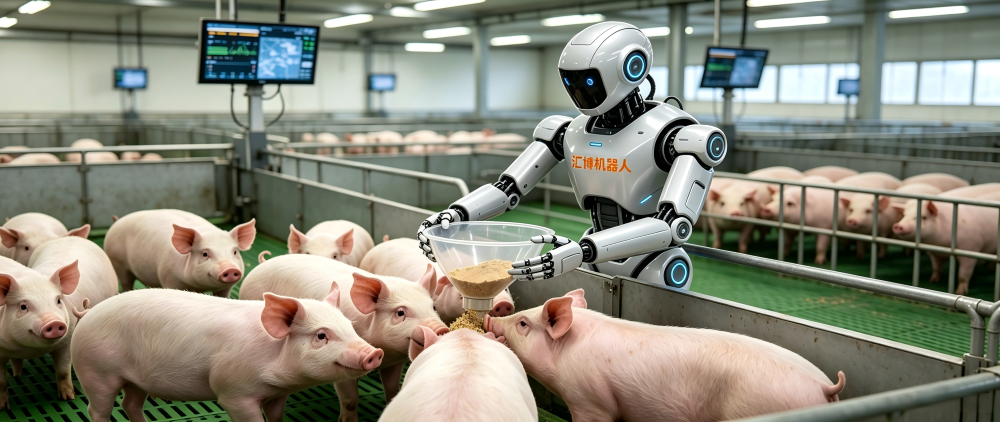
Jinke Smart Agriculture Reduces Robotics Investment from 650 Million to 60 Million Amid Market Challenges
On July 10, Jinke Smart Agriculture's stock surged, prompting speculation about its acquisition of Jiangsu Huibo Robotics. Initially, Jinke planned to invest 650 million yuan to gain control over Huibo, which specializes in humanoid robotics for pig farming. However, by late June, the investment was drastically reduced to 60 million yuan, raising concerns about the viability of the acquisition. This significant cut in investment reflects the broader challenges faced by Jinke, as its revenue is projected to decline by 18.26% in 2025, with a net profit drop of 78.59%. The domestic pig market struggles with prices below 12 yuan per kilogram, while production costs remain high. The shift towards robotics is seen as a potential solution to reduce labor costs and improve efficiency in pig farming. Looking ahead, the feasibility of the investment hinges on whether the robotics can operate effectively in the harsh conditions of pig farming. The debate continues on whether humanoid robots are necessary for the tasks at hand, as their design may offer advantages in precision and flexibility compared to traditional robotic forms. No further timeline was disclosed at the time of publication.
Humanoid Robots Agricultural Robotics Pig Farming AI Technology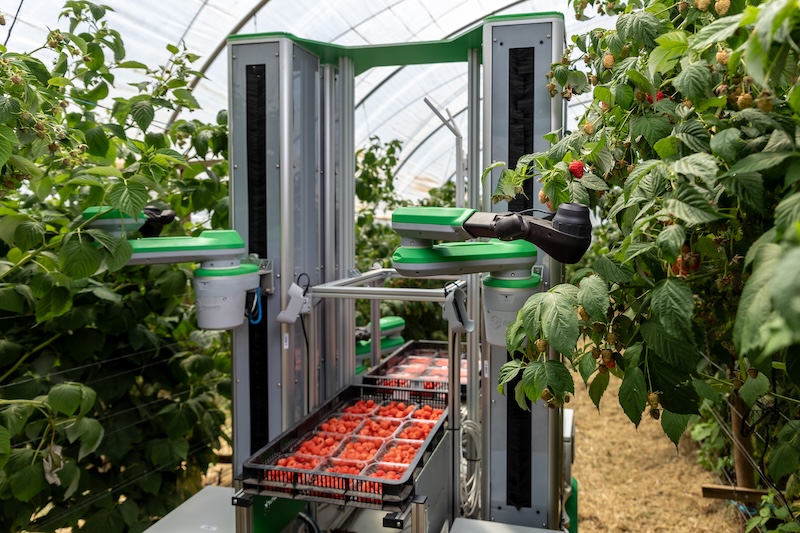
Fieldwork Robotics Receives £2.5 Million Investment for Berry Harvesting Automation
Fieldwork Robotics has secured a £2.5 million investment from SEED Innovations to enhance its selective and modular berry harvesting robots. This funding is part of a Seed+ fundraising initiative announced in April 2026, aimed at addressing labor shortages and rising costs in berry production. The investment will facilitate the transition from technology validation to commercial trials, with production robots already deployed in a two-year program in Norfolk and Stafford. The significance of this investment lies in its potential to alleviate pressing challenges faced by berry growers, including labor shortages and increased harvesting costs. By utilizing autonomous harvesting robots, Fieldwork aims to boost productivity and reduce reliance on seasonal labor, thereby minimizing food waste and stabilizing consumer prices. Jim Mellon, chairman of SEED Innovations, emphasizes the opportunity for robotics and AI to tackle real-world agricultural issues, aligning with Fieldwork's mission to enhance farm efficiency. Looking ahead, Fieldwork Robotics anticipates operating multi-robot fleets on farms by 2027, contingent on the success of ongoing trials. Additionally, the company plans to expand its operations internationally, with trials set to take place in Australia as part of its global growth strategy. No further timeline was disclosed at the time of publication.
Agriculture Financials & Investments agri robotics agricultural robotics agriculture automation
Zhiyuan Robotics Launches AI Company in Hengqin with 5 Million Yuan Capital Investment
Zhiyuan Innovation (Guangdong Hengqin) Technology Culture Co., Ltd. has been established with a registered capital of 5 million yuan. The company focuses on the research and development of intelligent robots, sales of intelligent robots, and the development of artificial intelligence software. It is fully owned by Zhiyuan Robotics' associated company, Zhiyuan Innovation (Shanghai) Technology Co., Ltd. The establishment of this company in Hengqin is significant due to the region's status as part of Guangdong's Free Trade Zone and its special arrangements for cross-border policies, tax incentives, and talent introduction. Zhiyuan's focus on intelligent robotics and AI software development aligns with its previous collaboration with Chimelong Group to create a large-scale intelligent theme park, which features over 300 robots providing various services. No further timeline was disclosed at the time of publication. The new company in Hengqin is expected to enhance Zhiyuan's operations in the Guangdong-Hong Kong-Macao Greater Bay Area, particularly in the cultural tourism sector, where it can integrate operations, content development, and local partnerships effectively.
Intelligent Robots AI Software Development Cultural Technology Tourism Innovation
AIA and Bain Report Highlights Funding Gaps in Defense Technology Sector
A recent study by the Aerospace Industries Association (AIA) and Bain & Company reveals significant funding gaps in the defense technology sector, particularly in critical minerals and components like semiconductors and solid rocket motors. Despite a tenfold increase in venture capital funding for defense since 2019, private equity remains largely untapped, indicating barriers to investment in essential areas. The report emphasizes that while there is no shortage of capital in defense, challenges exist in directing this investment towards critical bottleneck areas. AIA President Eric Fanning noted the need for federal decision-makers to understand how to incentivize private investment and address barriers that hinder capital flow to necessary facilities and technologies. Looking ahead, the study suggests that addressing these funding gaps is crucial for strengthening the defense industrial base and enhancing production capacity. No further timeline was disclosed at the time of publication.
Pentagon Aerospace Industries Association Business & Industry defense industrial base private equity venture capital VC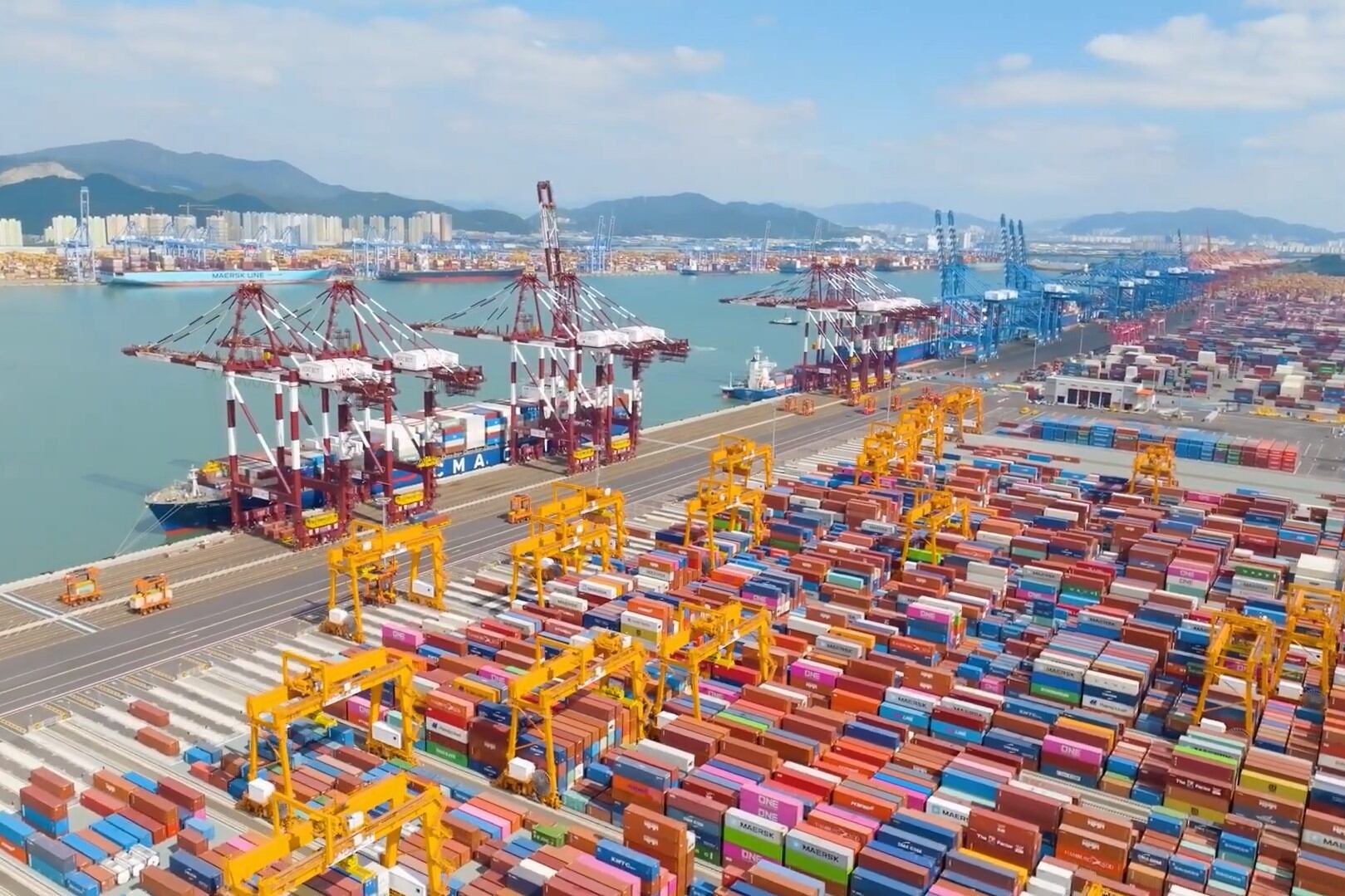
Nearly 500 Million Euros Investment Planned for AI-Managed Port in Busan, South Korea
An investment of nearly 500 million euros is set for the development of a port in Busan, South Korea, which will be managed by computers and potentially artificial intelligence. This initiative aims to enhance operational efficiency and streamline container handling processes. The project is significant as it represents a shift towards automation in port operations, leveraging advanced technologies to improve logistics and reduce human intervention. The automated system will allow cranes to immediately lift containers and transport them autonomously to storage locations. Looking ahead, the integration of AI in port management could revolutionize the industry, making operations faster and more efficient. No further timeline was disclosed at the time of publication.
Transports et logistique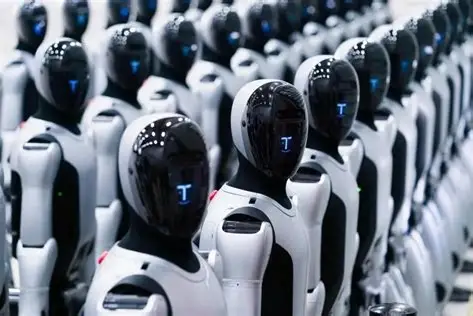
Amazon Announces $100 Million Investment in New Robotics Manufacturing Facility in Indiana
Amazon has revealed plans to invest $100 million in a new robotics manufacturing plant located in Indiana. This strategic move aims to enhance Amazon's capabilities in robotics and automation, aligning with the company's ongoing commitment to innovation in supply chain management. The establishment of this facility is significant as it underscores Amazon's dedication to advancing its robotics technology, which is crucial for improving operational efficiency and meeting growing consumer demands. The investment reflects a broader trend in the industry where major companies are increasingly focusing on automation to streamline processes and reduce costs. Looking ahead, industry observers will be keen to see how this new plant will impact Amazon's supply chain operations and its overall competitiveness in the market. No further timeline was disclosed at the time of publication.
Robotics Automation AI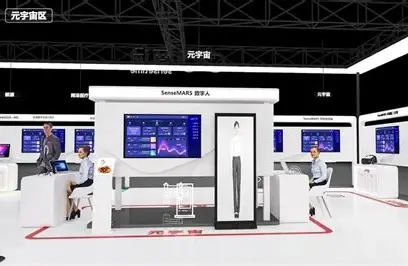
SenseTime's Shanhui Achieves 0.3 Staff Per Store in Retail Operations with Six-Month ROI
SenseTime's Shanhui has optimized retail operations, achieving a staffing level of 0.3 employees per store. This innovative approach allows for significant operational efficiency, which is crucial in today's competitive retail landscape. The ability to maintain such a low staff-to-store ratio highlights the effectiveness of automation in retail, enabling businesses to reduce labor costs while enhancing service delivery. This advancement is particularly relevant as companies seek to improve their return on investment (ROI) in a challenging economic environment. Looking ahead, stakeholders should monitor how this model influences retail strategies and whether other companies will adopt similar technologies. No further timeline was disclosed at the time of publication.
Robotics Automation AI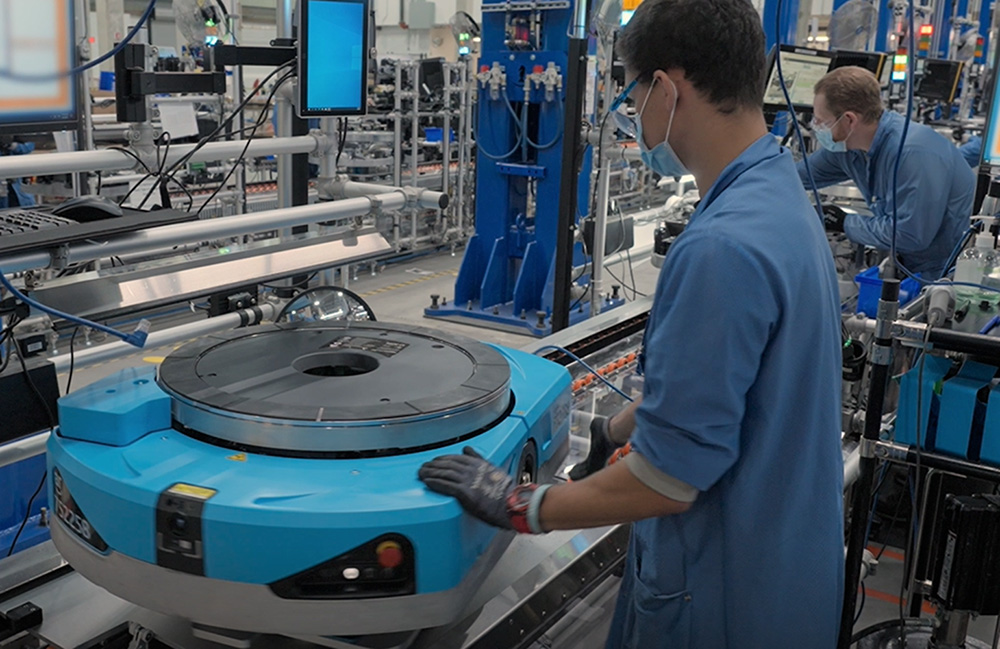
Amazon Plans $100 Million Investment in New Advanced Manufacturing Facility in Indiana
Amazon has announced a significant investment exceeding $100 million to establish a new 585,000-square-foot advanced manufacturing facility in Greenwood, Indiana. This facility is expected to create 300 skilled manufacturing and engineering jobs, producing products that will enhance Amazon’s fulfillment and robotics network across North America. The establishment of this facility is crucial as it aligns with Amazon's ongoing efforts to expand its domestic manufacturing capabilities. With over one million robots already manufactured in the U.S. and deployed across more than 300 facilities globally, this new site will further support the company's logistics and operational efficiency, assisting with 75% of customer orders worldwide. Looking ahead, Amazon aims to launch the Greenwood facility by 2028. This investment follows a recent announcement regarding a robotics manufacturing initiative in Texas, highlighting Amazon's commitment to enhancing its manufacturing footprint and integrating advanced technologies in its operations. No further timeline was disclosed at the time of publication.
Autonomous Mobile Robots (AMRs) Collaborative Robots Manufacturing Markets / Industries News Robots / Platforms
Exploring Agrihealth: Investment Opportunities in Food Systems and Human Health
The concept of agrihealth, as introduced by Antony Yousefian of The First Thirty, focuses on the connection between food production and human health. This emerging investment category emphasizes the importance of understanding what food consumes, starting from the soil. As costs for genomics and AI decrease, the potential for data integration across soil, plants, and animals becomes more feasible. Yousefian argues that the future of health-relevant food systems begins with soil quality, highlighting the need to measure and interpret biological data. The decreasing costs of technology will enable clearer connections between agricultural practices and human health outcomes, making agrihealth a promising area for investment. Investors should watch for advancements in technologies that gather biological intelligence, such as IoT and genomics. The democratization of health data through wearables and AI could lead to broader access to insights, making agrihealth an attractive sector for innovative companies focused on data-driven solutions in food systems.
Agtech Artificial intelligence Deeptech EMEA FoodTech Investing
Laurent Auguste Estimates €5 Billion Investment Needed for Urgent Plastic Recycling Under PPWR
During a press conference on September 22, GreenDot and Léko highlighted the urgent need to revitalize the extended producer responsibility (REP) system for household packaging. With an estimated annual yield of 2.4 million tons, closed-loop plastic recycling could generate €3 billion by substituting imported polymers. The ongoing geopolitical tensions, particularly in the Strait of Hormuz and Bab al-Mandeb, underscore France's heavy reliance on imports. The Packaging and Packaging Waste Regulation (PPWR), effective from August 12, 2026, mandates high recycled material incorporation rates of 35% by 2030 and 65% by 2040. Currently, the recycling rate has stagnated at 26%. This challenge is compounded by the need for recycled plastics suitable for food contact, particularly polyolefins like polyethylene (PE) and polypropylene (PP) used in rigid and flexible packaging. Laurent Auguste believes France must triple its industrial capacity to meet these targets by 2030. GreenDot's CEO estimates that achieving these goals will require approximately €5 billion in industrial investments, potentially creating thousands of jobs in this new industrial sector. GreenDot advocates for breakthrough innovations in chemical and mechanical recycling to make circular plastic economy a competitive reality. France has been paying €1.5 billion in penalties to the EU for its shortcomings in this area, and Auguste aims to improve the country's standing in the circular economy rankings.
Emballage
Invesco Income Fund Provides Q2 2026 Insights on Bond Yields and Investment Opportunities
Invesco Income Fund's Q2 2026 commentary highlights that bond yields, while lower than their peak, still present attractive opportunities for investors. The fund suggests that this environment allows investors to secure income through strategic allocations. The commentary emphasizes the importance of taking advantage of current bond yields, which are considered favorable compared to the last decade. This perspective indicates a potential shift in investment strategies as investors look to optimize their income generation. Looking ahead, investors should monitor the bond market closely for any changes in yield trends and economic indicators that may impact investment decisions. No further timeline was disclosed at the time of publication.
AGOVX AGIVX AGVCX Invesco US Mutual Fund Commentaries
Robotics Sector Secures $4.87 Billion in Funding During August 2026
In August 2026, robotics companies raised $4.87 billion through 162 financial transactions, as reported by The Robot Report. This figure represents disclosed funding, while the total funding amount is likely higher due to undisclosed transactions. China was the leading contributor, securing approximately $2.44 billion, which constitutes nearly half of the total disclosed capital. The significance of this funding surge is underscored by the fact that the five largest transactions alone accounted for over $3.3 billion. Notably, Unitree Robotics led the month with a $905 million IPO, followed closely by XPENG Robotics, which raised $900 million in a Series A round. Both companies are based in China, highlighting the country's dominant role in the robotics investment landscape. Looking ahead, the focus will be on the continued growth of humanoid robotics, which attracted around $943.8 million, or 19.4% of the total disclosed funding for the month. XPENG's Series A was a major contributor to this segment. No further timeline was disclosed at the time of publication.
Analysis eBooks Financial Investments Mergers & Acquisitions News
Bain Capital Ventures Secures $1.6 Billion for AI and Early-Stage Technology Investments
Bain Capital Ventures has successfully raised $1.6 billion for its 11th fund, aimed at investing in early-stage companies across various sectors, including AI infrastructure and physical AI. This fund surpassed its initial target and includes contributions from Bain Capital partners, pensions, endowments, and foundations. The significance of this funding lies in Bain Capital Ventures' commitment to early-stage investments, with over 82% of capital from its previous fund allocated to pre-seed, seed, Series A, or Series B rounds. The firm plans to leverage the broader Bain Capital organization to provide additional resources to portfolio companies, enhancing their growth potential. Looking ahead, Bain Capital Ventures intends to maintain its focus on ambitious founders and innovative technologies. No further timeline was disclosed at the time of publication, but the firm’s strategy suggests ongoing support for the evolving AI landscape and its transformative potential in various industries.
AI AI Funding & Investment Robotics AI infrastructure Bain Capital Ventures Fund XI
Ron Baron Advocates for Tesla Stock Investment, Citing Self-Driving Software Growth
Ron Baron, founder of Baron Capital, expressed strong confidence in Tesla stock during a CNBC interview, emphasizing the potential of the company's self-driving software as a key factor for future growth. His firm holds approximately $5 billion in Tesla shares, highlighting its significant investment in the electric vehicle market. Baron noted that Tesla's Full Self-Driving (FSD) system is rapidly gaining traction, with a reported annual growth rate of 55%. Despite Tesla's own figures showing a 56% increase in active FSD subscriptions, Baron believes that the company's market share is expanding due to traditional automakers slowing their electric vehicle initiatives. Looking ahead, Tesla's upcoming delivery report will be crucial in determining if the demand for FSD and record deliveries can sustain momentum amid a contracting US EV market. No further timeline was disclosed at the time of publication.

Ai Funds Launches AI-Managed ETF Aiming to Outperform S&P 500
Ai Funds has introduced the Ai Funds High Conviction US Equity AI-Managed ETF (HIAI), which utilizes a proprietary AI model to manage a portfolio of 40 to 60 US stocks. The ETF aims to outperform the S&P 500 across a full market cycle while adjusting risk based on market signals, as stated in its prospectus. The significance of this launch lies in the unique approach of having AI manage investment decisions, albeit with human oversight. Tal Schwartz, the founder of Ai Funds, envisions AI-managed funds as a potential third option in the active versus passive investment debate, though he acknowledges the long journey ahead to gain industry acceptance. Looking ahead, the success of HIAI will depend on its ability to establish a three-year track record that demonstrates consistent outperformance against the S&P 500. With a current expense ratio of 0.87%, analysts suggest that HIAI faces challenges in a competitive market where many AI-managed funds have struggled to maintain investor interest and performance.
Wall Street Considers Impact of AI Slowdown on Data Center Investments
Wall Street is evaluating the potential effects of a slowdown in AI model development on data center investments. Companies like Oracle, GE Vernova, and Caterpillar have heavily invested in AI infrastructure, but recent proposals for a slowdown have led to stock declines across the sector. The significance of this slowdown is underscored by the reliance of industrial giants on the continuous demand for AI systems and chips. Analysts warn that any delays could adversely affect Oracle's cloud infrastructure business, which has been a key growth driver. Looking ahead, the market anticipates a rush to secure AI-related debt, with Amazon recently raising nearly $6 billion. As companies navigate these challenges, the pricing of new debt deals is expected to rise, reflecting increased demands from fixed income investors.

Sichuan's Investment in Exoskeleton Robots Enhances Healthcare and Tourism Sectors
Sichuan's Buffalo Robotics has developed a lower limb exoskeleton that improves mobility for individuals with spinal injuries, achieving a 50% sales increase last year. The device, weighing 2.2 kg and made of carbon fiber, incorporates AI and brain-machine interface technology to enhance rehabilitation training. The significance of this development lies in its potential to transform rehabilitation practices, allowing therapists to assist multiple patients simultaneously while maintaining consistent training intensity. The exoskeleton's applications extend beyond healthcare, with partnerships established for tourism assistance in scenic areas like Emei Mountain. Looking ahead, industry experts predict a surge in consumer-grade exoskeletons by 2025, with expectations for prices to decrease significantly as technology advances. Sichuan is actively fostering market growth, having established numerous smart rehabilitation centers to support this initiative.
Exoskeleton Robots Rehabilitation Technology AI in Healthcare Tourism Assistance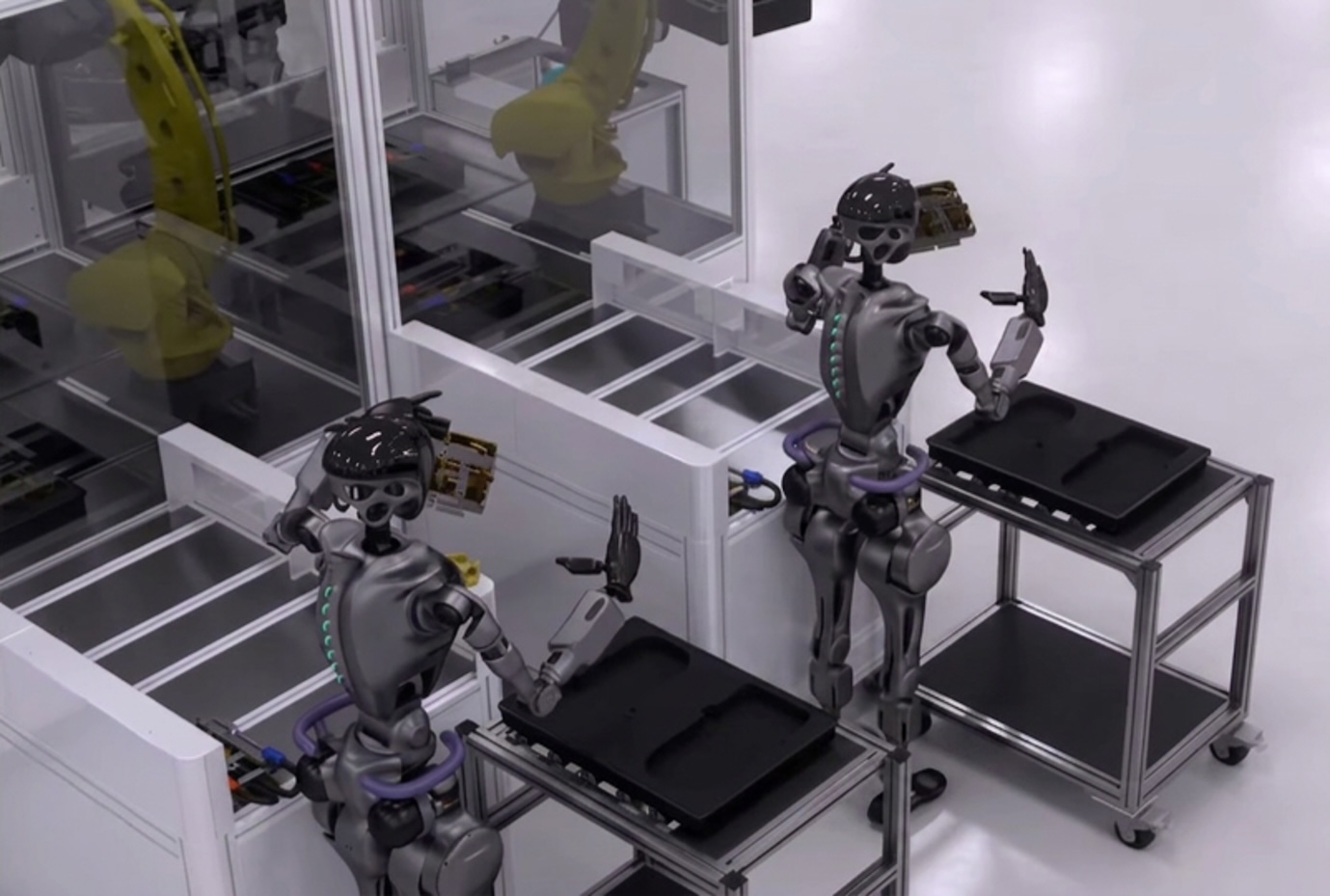
Bosch Ventures Makes Strategic Investment in Asylon Robotics for AI-Enabled Systems
Bosch Ventures has made a significant investment in Asylon Robotics aimed at enhancing the development and deployment of autonomous, AI-driven robotic systems. These systems are designed for security, inspection, and other essential physical operations, addressing the increasing need for effective monitoring and safeguarding of critical infrastructure. The investment is particularly important as operators of critical infrastructure are under mounting pressure to ensure the security and monitoring of complex physical assets continuously. Asylon Robotics specializes in autonomous aerial and ground systems that can meet these demands, thereby contributing to the resilience of critical infrastructure. Looking ahead, stakeholders should monitor how this investment influences the advancement of Asylon's technologies and the broader implications for the security and inspection sectors. No further timeline was disclosed at the time of publication.
Financials & Investments News Robotics asylon asylon robotics autonomous drones
Tabby Achieves $6.5 Billion Valuation in Investment Round Led by Blue Pool Capital
Gulf fintech company Tabby announced a valuation of $6.5 billion following a recent investment round led by Blue Pool Capital. This significant financial milestone positions Tabby ahead of competitors like Klarna in the fintech landscape. The valuation reflects growing investor confidence in Tabby's business model and its potential for expansion in the fintech sector. With the backing of Blue Pool Capital, which manages assets for Alibaba's Chairman Joseph Tsai, Tabby is well-positioned to leverage this investment for further growth. Looking ahead, industry observers will be keen to see how Tabby utilizes this funding to enhance its offerings and market presence. No further timeline was disclosed at the time of publication.
Lockheed Martin Expands Investment in Vectis Stealth Drone with Five Prototypes Planned
Lockheed Martin has announced plans to develop five prototypes of the Vectis stealth drone, with the inaugural flight scheduled for 2027. This initiative underscores Lockheed's commitment to advancing stealth technology and enhancing its capabilities in unmanned aerial systems. The Vectis project is part of Lockheed's broader strategy to innovate within its Skunk Works division, known for pioneering advanced aerospace technologies. As the development progresses, industry stakeholders will be keen to monitor the Vectis program's milestones and its potential impact on future defense applications. No further timeline was disclosed at the time of publication.
Air Warfare AFA 2026 Air Force Business & Industry collaborative combat aircraft Drones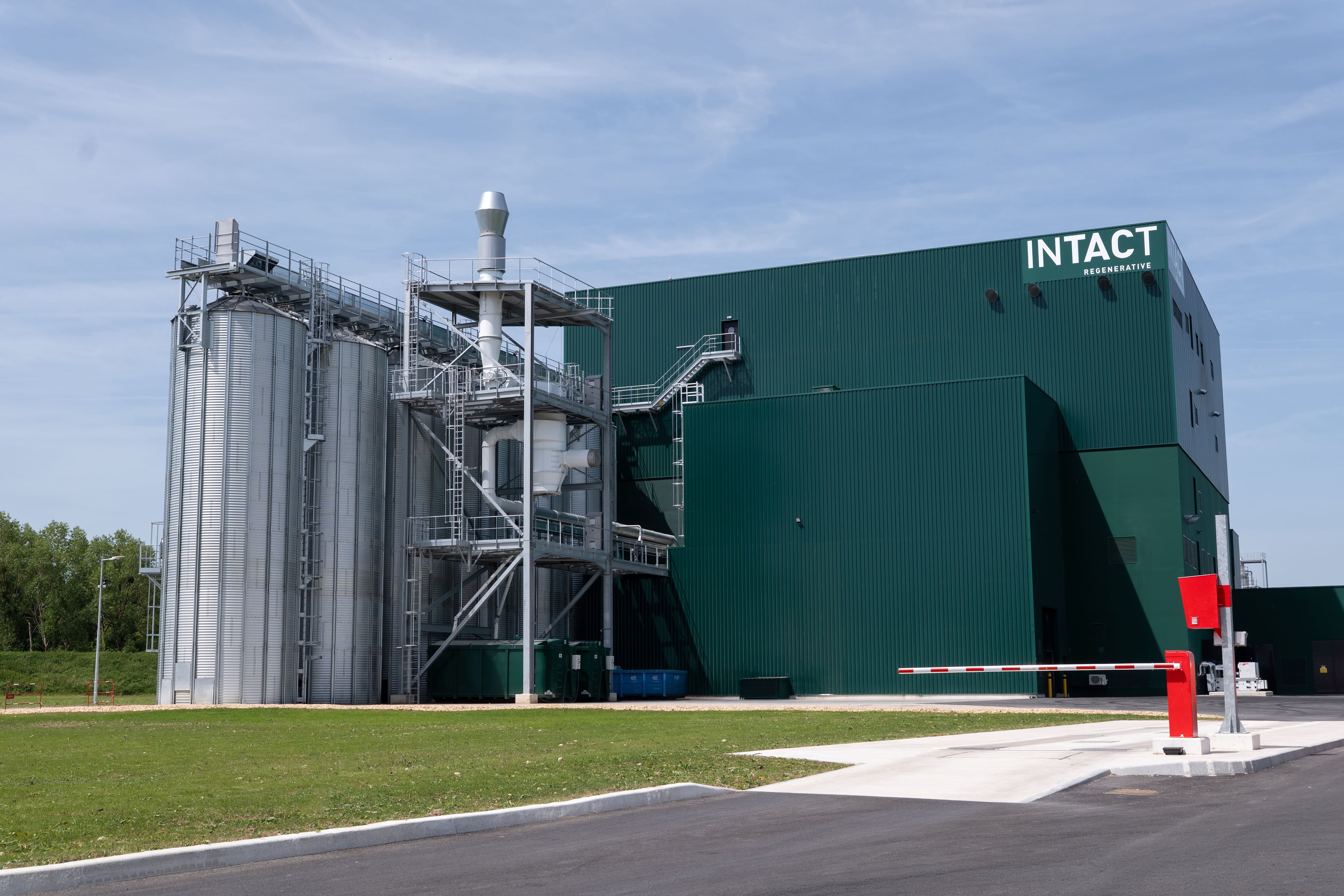
Intact Regenerative Launches First Legume Processing Plant in Baule with €75 Million Investment
Intact Regenerative, a startup focused on sustainable practices, inaugurated its first plant for processing legumes into flour and alcohol on May 29 in Baule, Loiret. This facility represents a significant investment of €75 million and marks a milestone in the company's journey since its inception four years ago. The establishment of this plant is crucial as it aligns with the growing demand for sustainable food sources and innovative processing methods. By focusing on legumes, Intact Regenerative aims to contribute to a lower carbon footprint in food production, which is increasingly important in today's environmentally conscious market. Looking ahead, stakeholders will be keen to observe how this facility impacts the local economy and the broader food industry. No further timeline was disclosed at the time of publication.
Produits alimentaires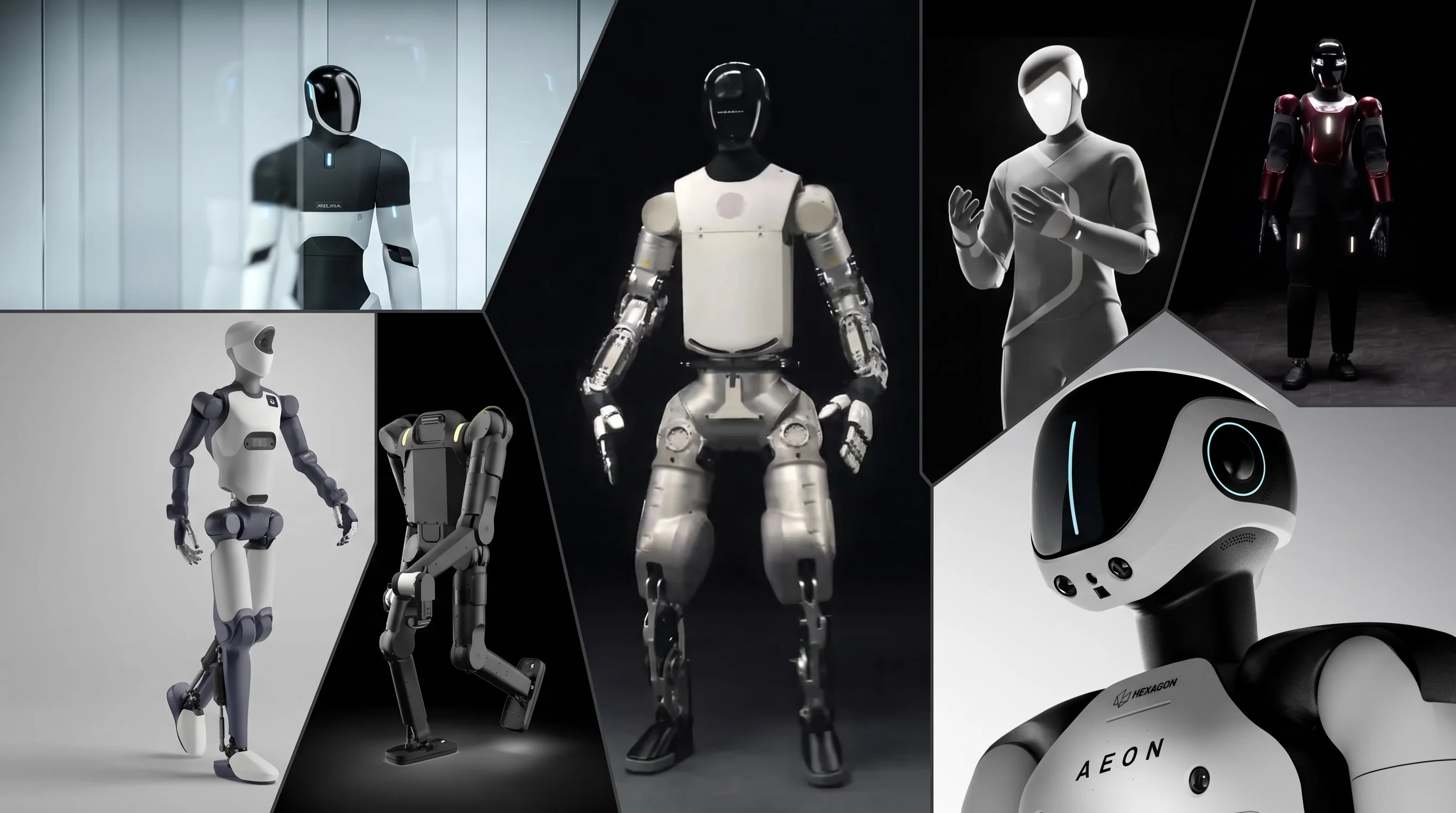
European Humanoid Robotics Market Grows with Significant Deployment Agreements and Investments
In the past year, European manufacturers have signed deployment agreements for thousands of humanoid robots, raising nearly $2 billion in disclosed equity. Companies like Schaeffler, Bosch, Renault, and BMW are leading the charge, integrating humanoid robots into their production lines without relying on demo reels. This shift highlights a structural difference in the European market, where industrial buyers prioritize equity and production capabilities over venture capital. Schaeffler's agreements to deploy NEURA 4NE1 and Hexagon AEON units exemplify this trend, as the company invests in humanoid technology while supplying critical components. Looking ahead, the European humanoid robotics landscape is set to evolve further, with NEURA Robotics planning to launch its Gen 3.5 model by the end of 2026. As companies continue to explore humanoid integration, the phased and revocable nature of these agreements will be crucial in navigating competition from Chinese alternatives.
Calvin Generative Bionics Uma AEON 4NE-1 Neura Robotics
Uber Announces 10% Workforce Reduction to Support $10 Billion Autonomous Vehicle Investment
On September 2, Uber Technologies, Inc. revealed plans to reduce its global corporate workforce by approximately 10%, equating to about 3,300 employees. This marks the company's largest layoffs since the pandemic, aimed at simplifying operations and reallocating resources to invest in autonomous vehicles, with a commitment of over $10 billion in the coming years. The restructuring is significant as it reflects Uber's strategy to enhance operational efficiency and address organizational complexity. CEO Dara Khosrowshahi emphasized that the layoffs are not a reaction to declining demand but rather a proactive measure to streamline the company and focus on its core priorities, including its autonomous vehicle initiative, amid competition from Alphabet's Waymo. Looking ahead, Uber's ambitious $10 billion investment in autonomous vehicles will be closely monitored, especially as the company faces challenges in the market. The restructuring's success will depend on how effectively Uber can execute these changes while maintaining employee morale and operational stability, particularly as it navigates competition and evolving market dynamics.
Grok AI: Understanding Investment Opportunities Through SpaceX Stock in 2026
Grok, a family of AI models developed by xAI, is now part of SpaceX following its acquisition on February 2, 2026. With SpaceX going public on June 12, 2026, investors seeking exposure to Grok must purchase SpaceX stock (NASDAQ: SPCX), as there is no separate ticker or IPO for Grok. The significance of Grok lies in its rapid development and integration into SpaceX's AI segment, which is one of the company's three revenue streams. The acquisition valued xAI at $250 billion, contributing to a combined entity worth $1.25 trillion. Grok's models, including the flagship Grok 4.3, have shown impressive performance metrics, making them a key player in the AI landscape. Looking ahead, Grok's model releases are expected to continue at an accelerated pace, with Grok 5 currently in training. The rollout of Grok 4.3 and Grok 4.5 has been strategically timed to comply with EU regulations, indicating a focus on expanding its user base. No further timeline was disclosed at the time of publication.
Neuralink's Valuation and Investment Insights Ahead of Potential IPO in 2026
Neuralink Corporation, a private company specializing in brain-computer interfaces, has not yet gone public, and its shares are not available on any stock exchange. Following a $650 million Series E funding round in June 2025, the company's valuation stands at approximately $9.65 billion, with a per-share price estimated at $240.03 as of August 25, 2026. The absence of a public stock ticker and no announced IPO date means that Neuralink remains a private entity, with no SEC filings indicating a move toward public trading. The company's innovative technology, including the N1 chip and its application in clinical trials, highlights its potential impact on the medical field, particularly for individuals with paralysis. As Neuralink continues its PRIME clinical trial, which has enrolled 26 patients globally, the results from its two-year study show promising advancements in neural decoding speeds. Investors and stakeholders should monitor any developments regarding a potential IPO, as no timeline has been disclosed at this time.
Robotics needs a service framework.
RSF defines a common language for robot service capability, lifecycle operations, certification pathways, and service-provider networks.
Join the RobotToday community on LinkedIn
Daily robotics news, in-depth analysis, conference highlights, and discussions with professionals worldwide.







