

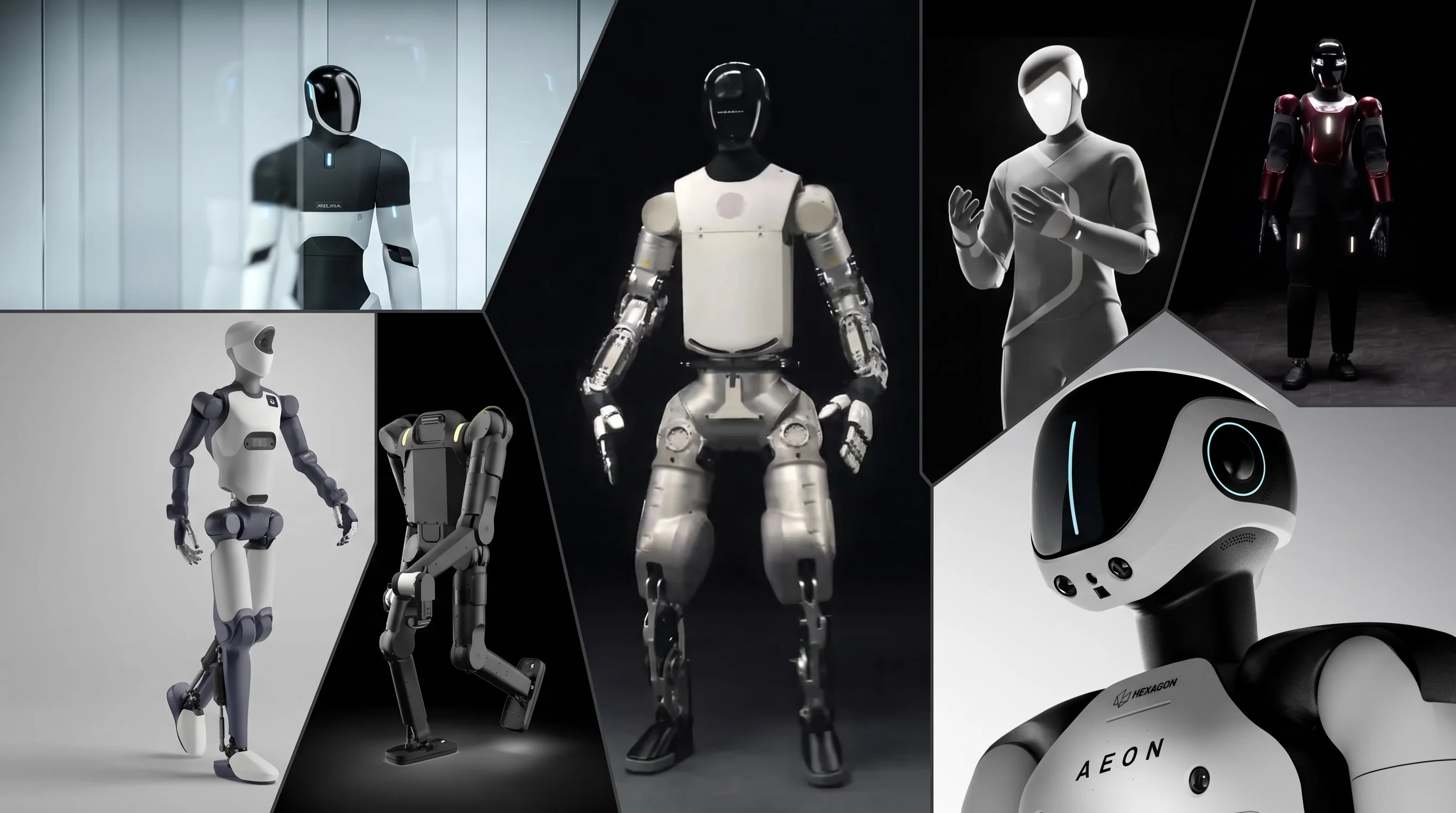
In the past year, European manufacturers have signed deployment agreements for thousands of humanoid robots, raising nearly $2 billion in disclosed equity. Companies like Schaeffler, Bosch, Renault, and BMW are leading the charge, integrating humanoid robots into their production lines without relying on demo reels.
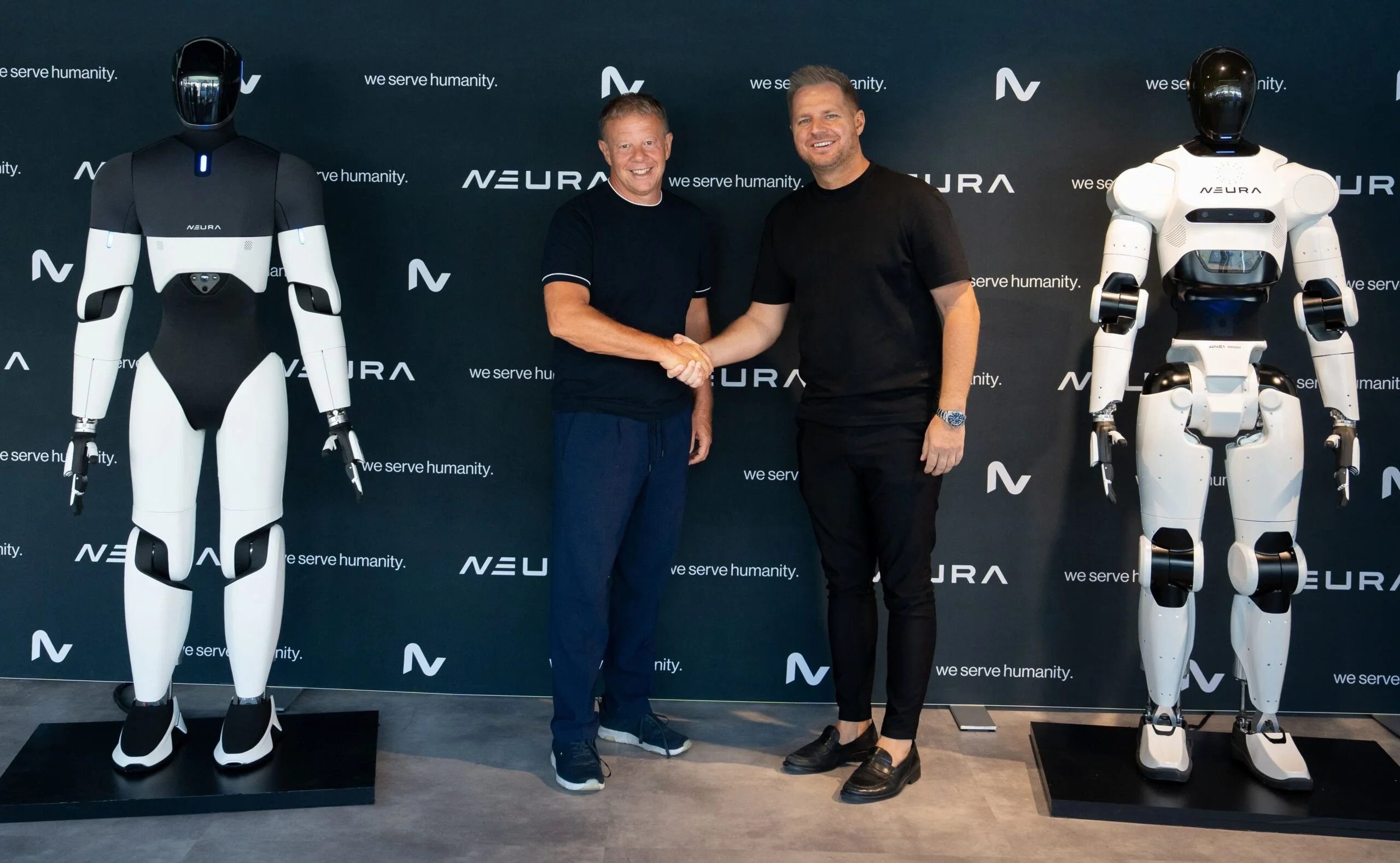
This shift highlights a structural difference in the European market, where industrial buyers prioritize equity and production capabilities over venture capital. Schaeffler's agreements to deploy NEURA 4NE1 and Hexagon AEON units exemplify this trend, as the company invests in humanoid technology while supplying critical components.
Looking ahead, the European humanoid robotics landscape is set to evolve further, with NEURA Robotics planning to launch its Gen 3.5 model by the end of 2026. As companies continue to explore humanoid integration, the phased and revocable nature of these agreements will be crucial in navigating competition from Chinese alternatives.
Editor's Note
The European humanoid robotics sector is experiencing a notable transformation, driven by significant investments and strategic partnerships. This shift emphasizes the importance of local manufacturing and tailored solutions, contrasting with the venture capital-driven approaches seen in the U.S. and China. As companies like Schaeffler and Bosch lead the way, the competitive landscape will likely evolve, requiring careful consideration of cost and technology adoption.





























Leave a comment