

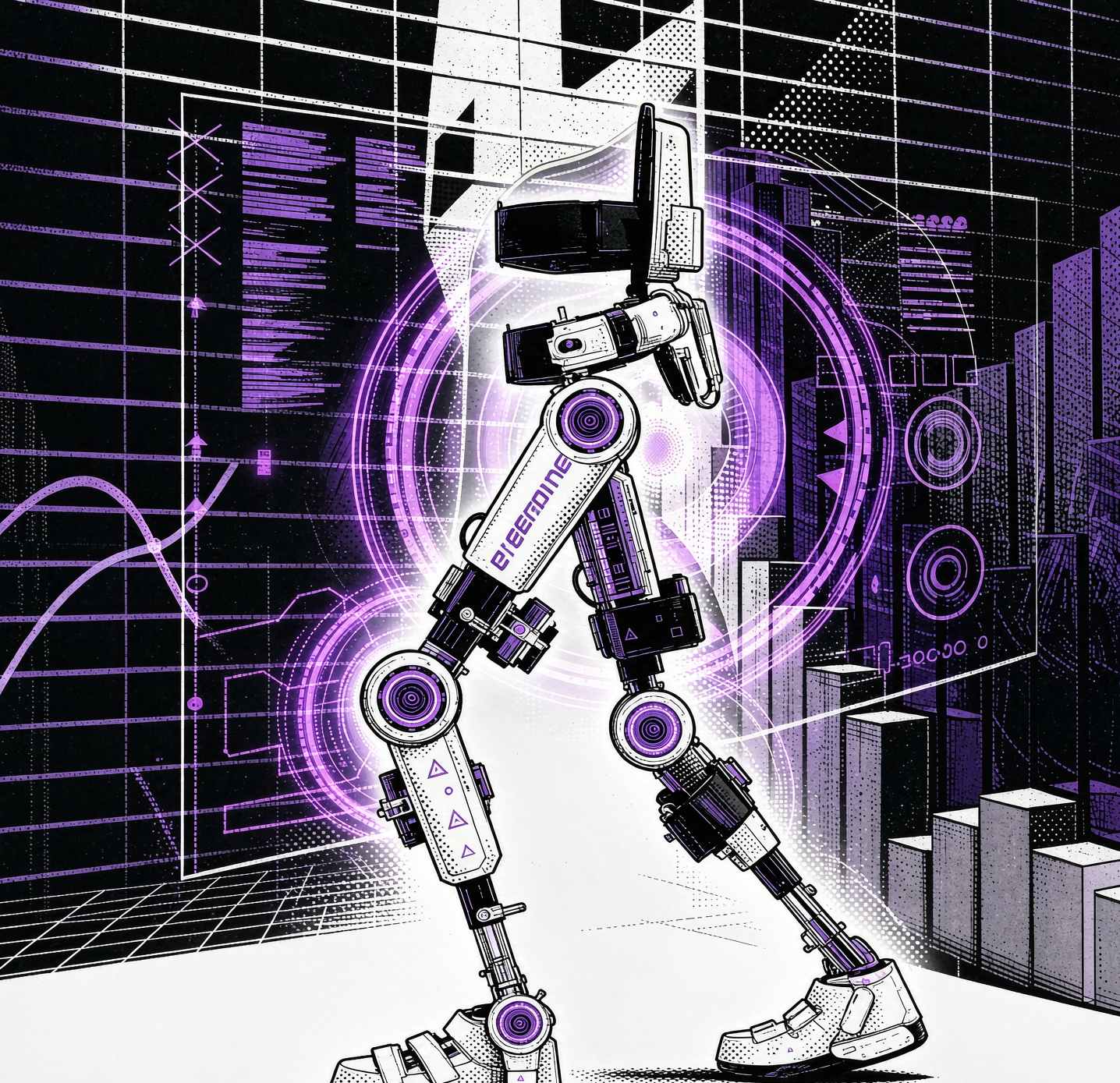
Sichuan's Buffalo Robotics has developed a lower limb exoskeleton that improves mobility for individuals with spinal injuries, achieving a 50% sales increase last year. The device, weighing 2.2 kg and made of carbon fiber, incorporates AI and brain-machine interface technology to enhance rehabilitation training.
The significance of this development lies in its potential to transform rehabilitation practices, allowing therapists to assist multiple patients simultaneously while maintaining consistent training intensity. The exoskeleton's applications extend beyond healthcare, with partnerships established for tourism assistance in scenic areas like Emei Mountain.
Looking ahead, industry experts predict a surge in consumer-grade exoskeletons by 2025, with expectations for prices to decrease significantly as technology advances. Sichuan is actively fostering market growth, having established numerous smart rehabilitation centers to support this initiative.
Editor's Note
The advancements in exoskeleton technology in Sichuan highlight a growing trend towards integrating robotics in healthcare and tourism. As the industry evolves, the focus on reducing costs and enhancing user experience will be crucial for wider adoption. Stakeholders should monitor developments in AI integration and local supply chain capabilities to capitalize on emerging opportunities.



























Leave a comment