

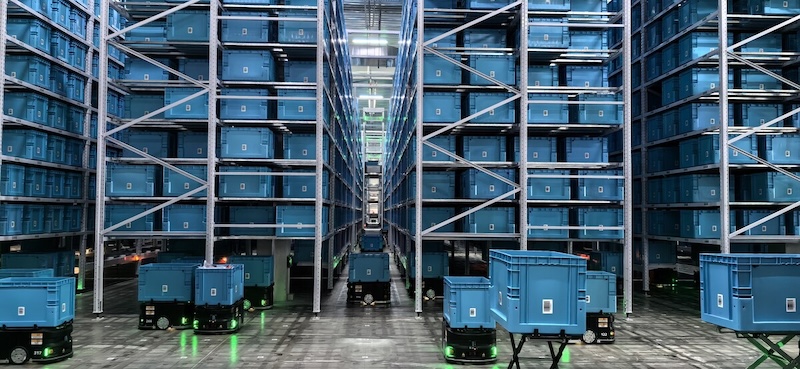
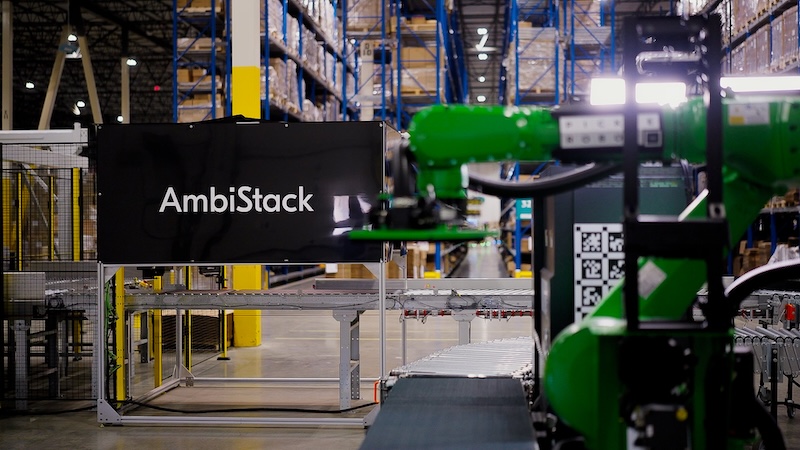
Warehouse automation is evolving from a mere operational efficiency tool to a strategic priority for organizations, driven by ongoing labor shortages and rising fulfillment expectations. Inteq, a UK-based warehouse automation specialist, emphasizes the importance of integrating robotics and software to create flexible, hardware-agnostic solutions that adapt to changing operational needs.
Jon Roberts, sales director at Inteq, highlights that software, particularly Warehouse Execution Systems, is now the critical component of successful automation projects. These systems serve as the central hub connecting robotics, equipment, and personnel, enabling more efficient operations. The shift towards software-first strategies reflects a broader trend where businesses recognize the risks of inaction in the face of increasing competition and complexity in supply chains.
Looking ahead, companies investing in integrated automation platforms are likely to gain a competitive edge in logistics and fulfillment. The conversation also touches on the growing role of AI in predictive operations and the transition of autonomous mobile robots into essential warehouse infrastructure, supported by innovative commercial models like Robotics-as-a-Service. No further timeline was disclosed at the time of publication.
Editor's Note
The shift towards strategic automation investment reflects broader trends in supply chain management and operational resilience. As companies face increasing pressures from labor shortages and complex logistics, the integration of software and robotics becomes essential for maintaining competitiveness. This evolution underscores the need for enterprises to adopt flexible, scalable solutions that can adapt to future challenges.














Leave a comment