

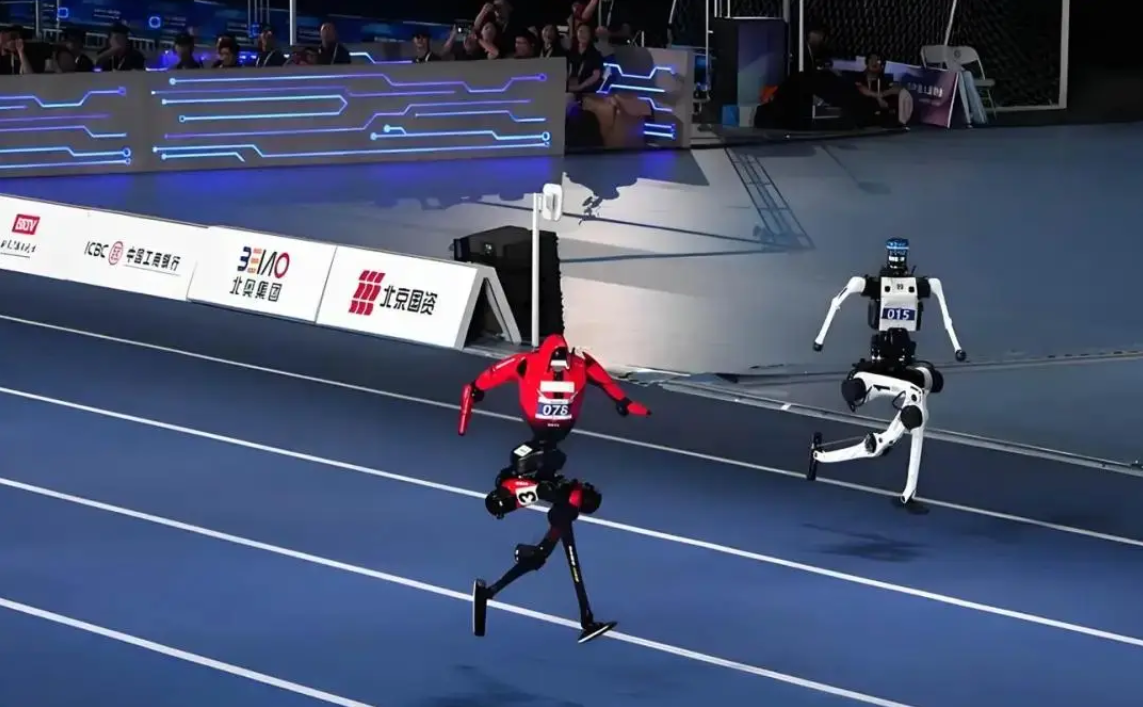
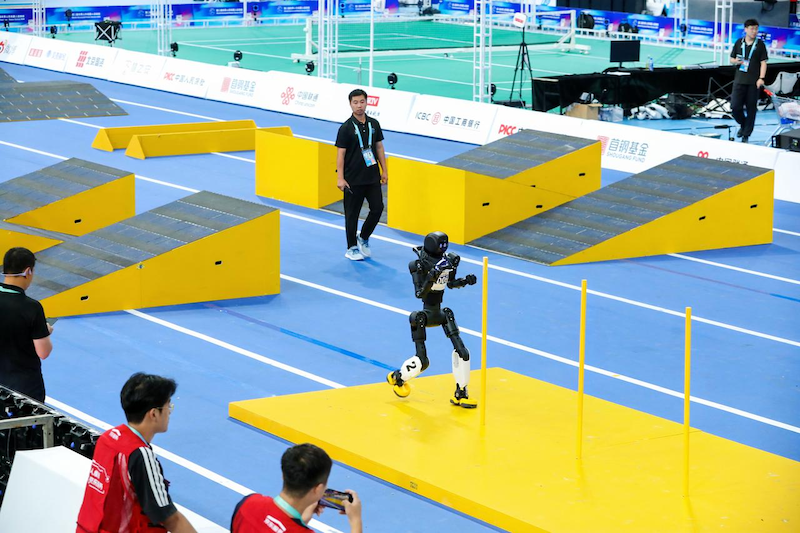
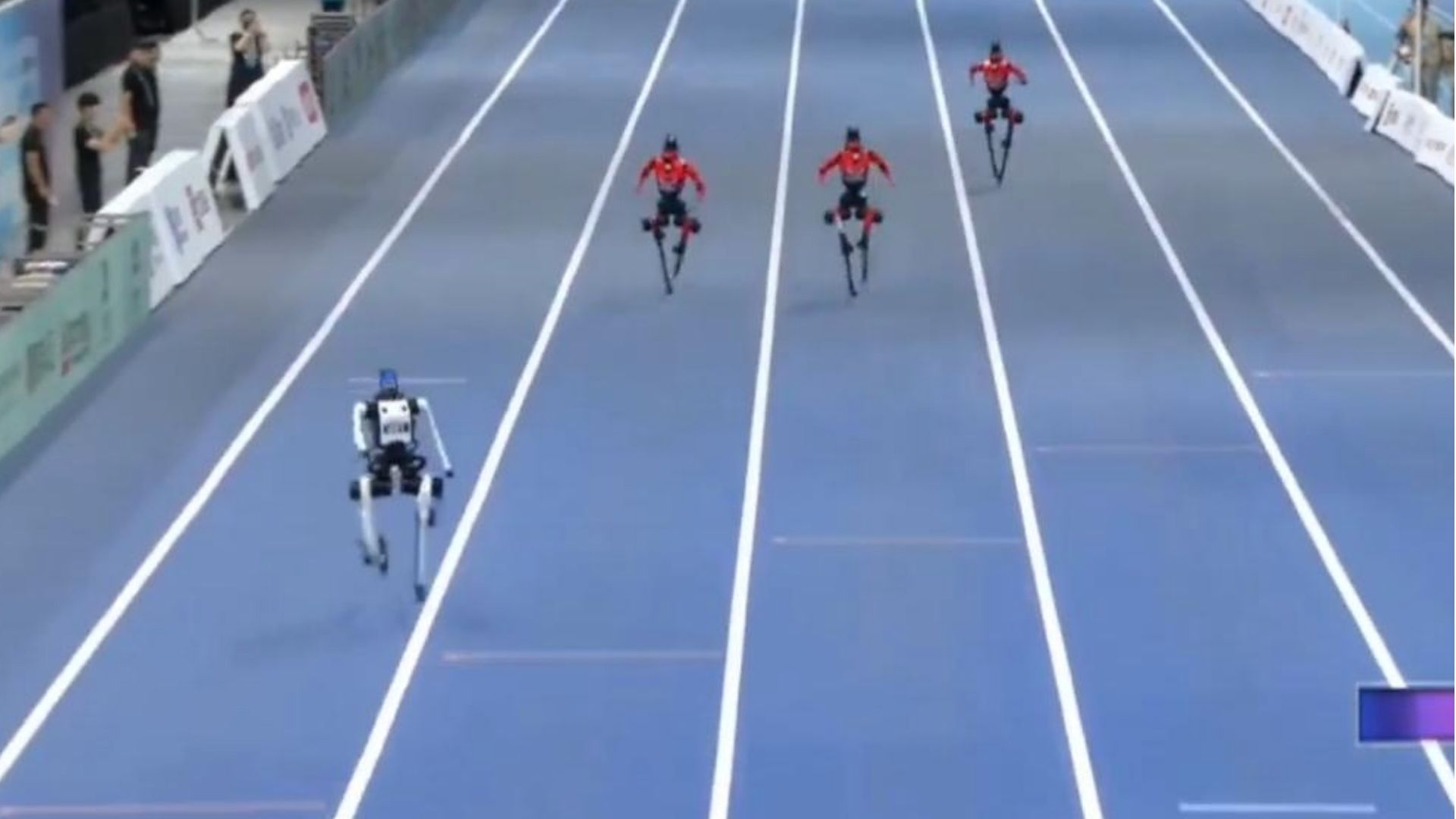
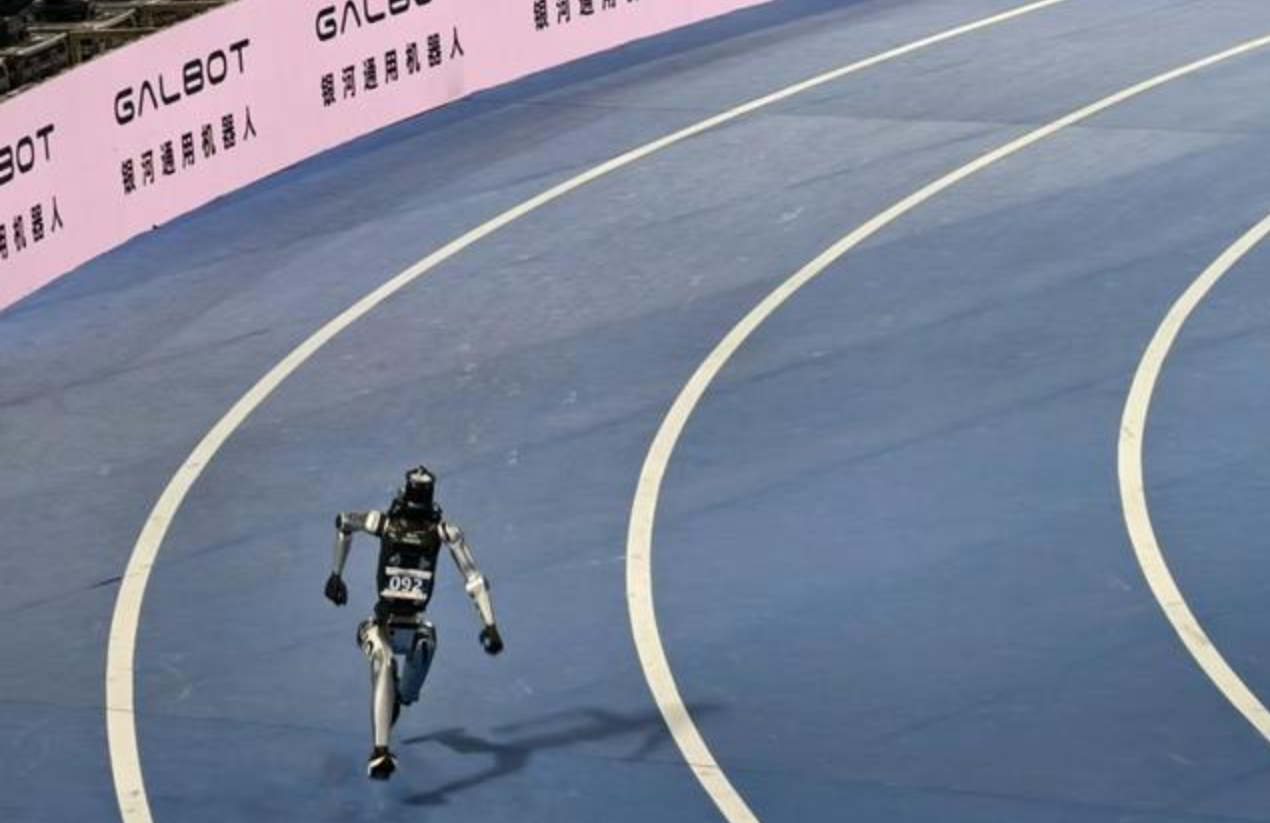
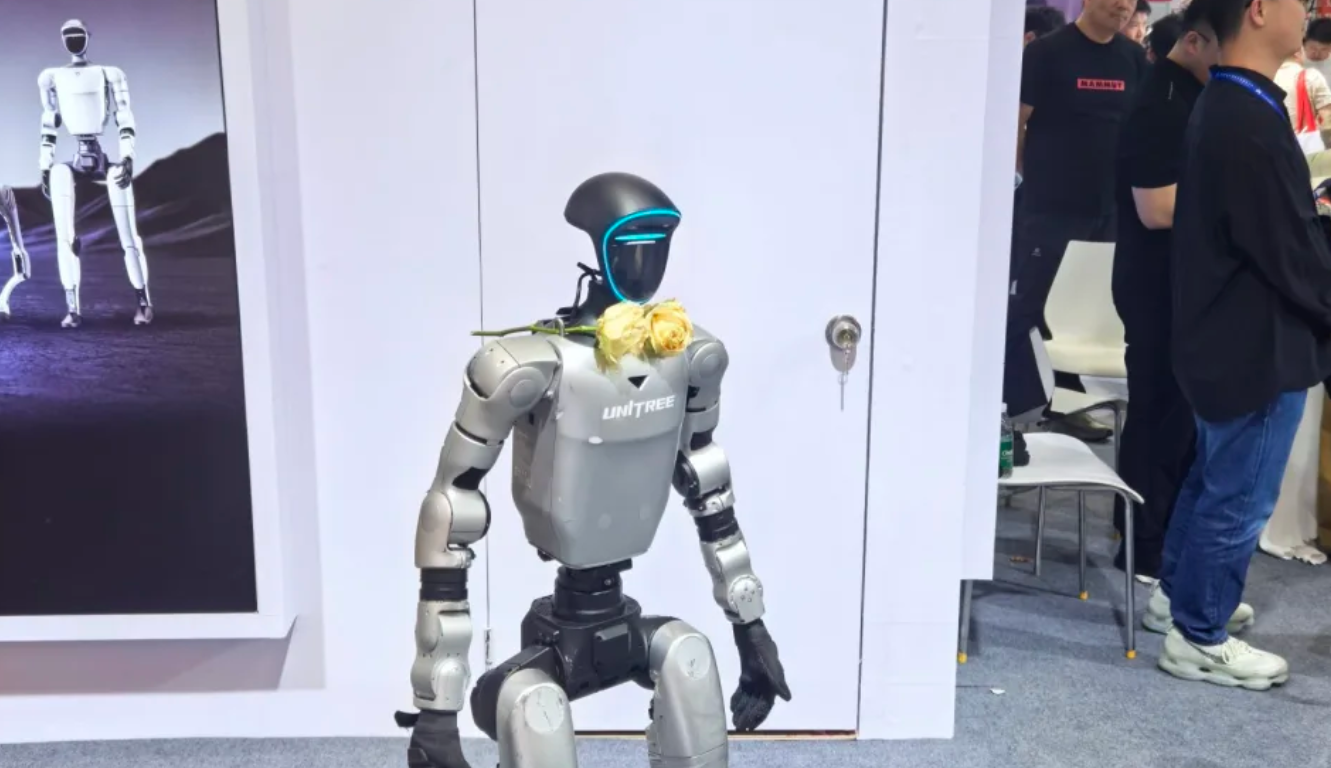
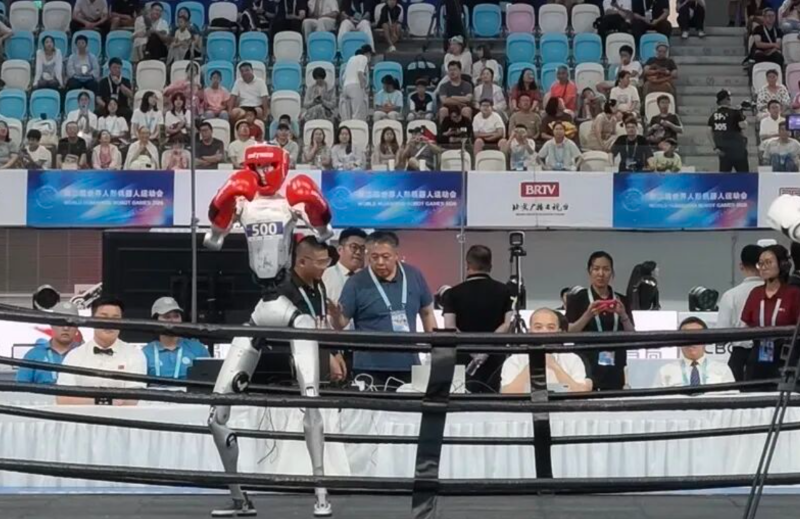
On August 19, 2026, Yushu Technology was listed on the STAR Market, becoming the first humanoid robot stock in A-shares. However, the stock price experienced significant volatility, raising questions about whether this marks the beginning of a great industry or the peak before a capital bubble bursts. Concurrently, a humanoid robot competition in Beijing revealed critical issues, such as power depletion and component failures, leading to skepticism about the future of robots.
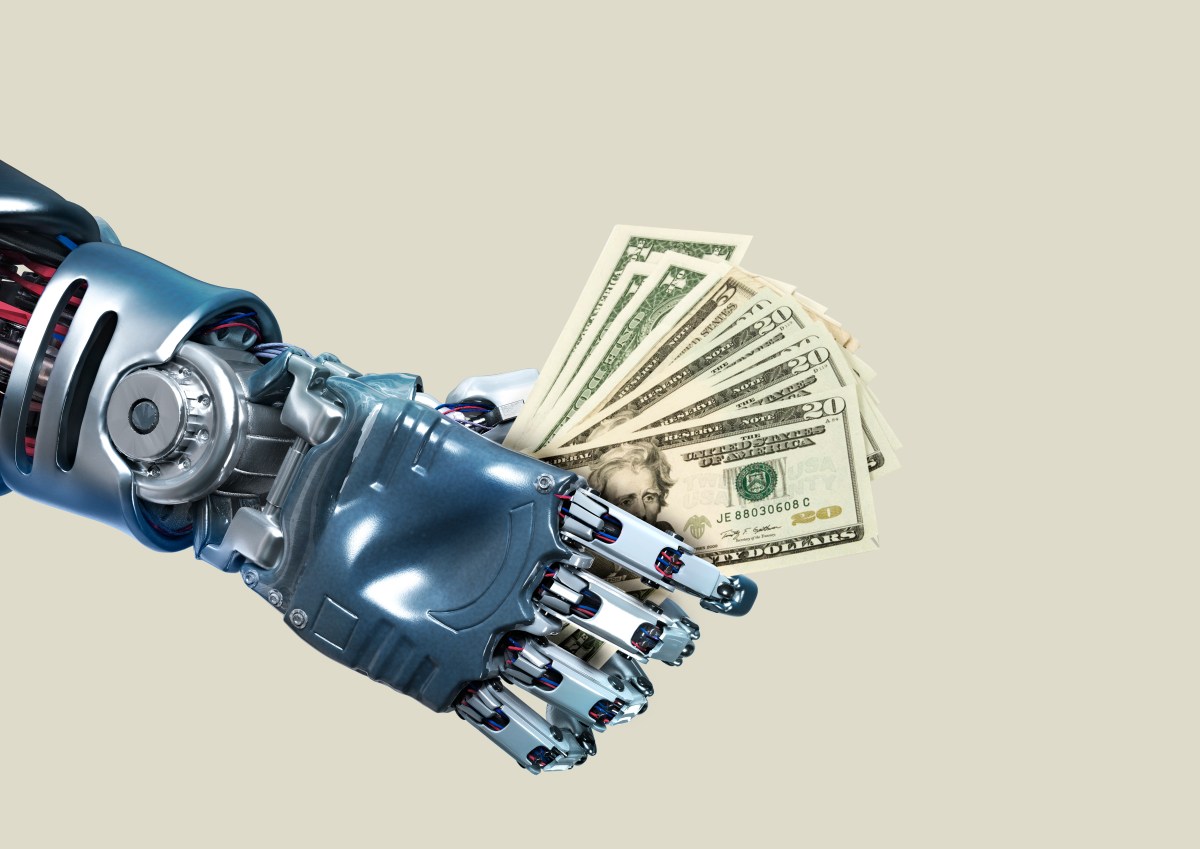
The investment landscape for robotics has reached unprecedented heights, with total financing in the domestic embodied intelligence sector reaching 93.5 billion yuan in the first half of 2026, a fivefold increase from the previous year. Notably, 19 new companies with valuations exceeding 10 billion yuan emerged in this sector during the same period. However, the distribution of funds is heavily skewed, with the top five companies capturing approximately 37% of the total funding, highlighting a growing Matthew effect in the industry.
Looking ahead, the competition remains fierce, with major players like Galaxy General Robotics and Zhi Ping Fang securing substantial funding. Yet, concerns persist regarding the authenticity of order data from humanoid robot companies, as some large contracts have reportedly been terminated after initial deposits. The investment strategy of Shoucheng Holdings, which focuses on building a deep community of interests through equity investment in key enterprises, stands out in this competitive environment. No further timeline was disclosed at the time of publication.
Editor's Note
The robotics industry is currently navigating a complex landscape characterized by rapid investment growth and significant disparities in funding distribution. As companies race to secure capital, the focus on genuine commercial progress versus mere financial metrics is becoming increasingly critical. Stakeholders must remain vigilant about the sustainability of this growth and the potential for market corrections.






















Leave a comment