

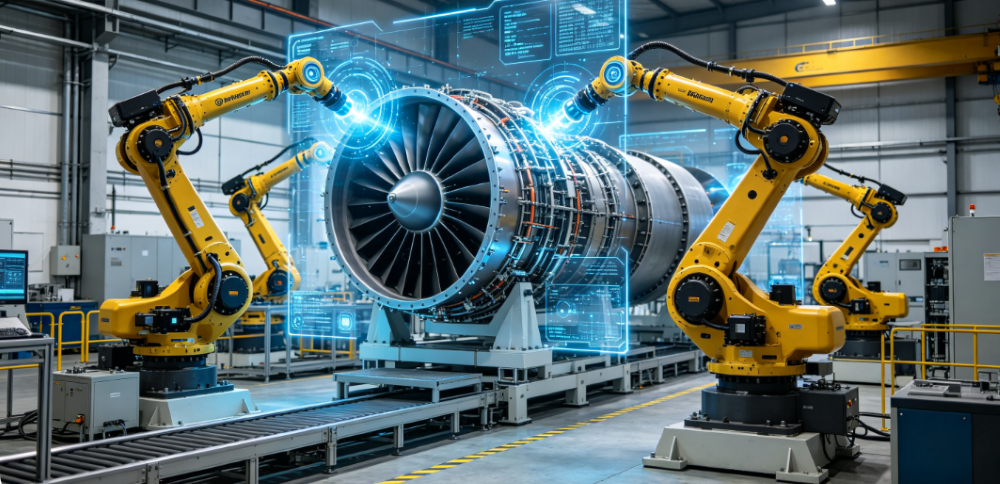
On July 22, Tata Consultancy Services (TCS) released the 'Manufacturing for the Future: TCS Physical AI Readiness Report 2026.' The report, based on a survey of CXOs and vice presidents from 300 manufacturing companies in North America and Europe, indicates that no respondents plan to cut physical AI investments, with 26% explicitly stating they will increase spending. Manufacturers are viewing physical AI as a long-term transformation strategy rather than isolated automation trials.
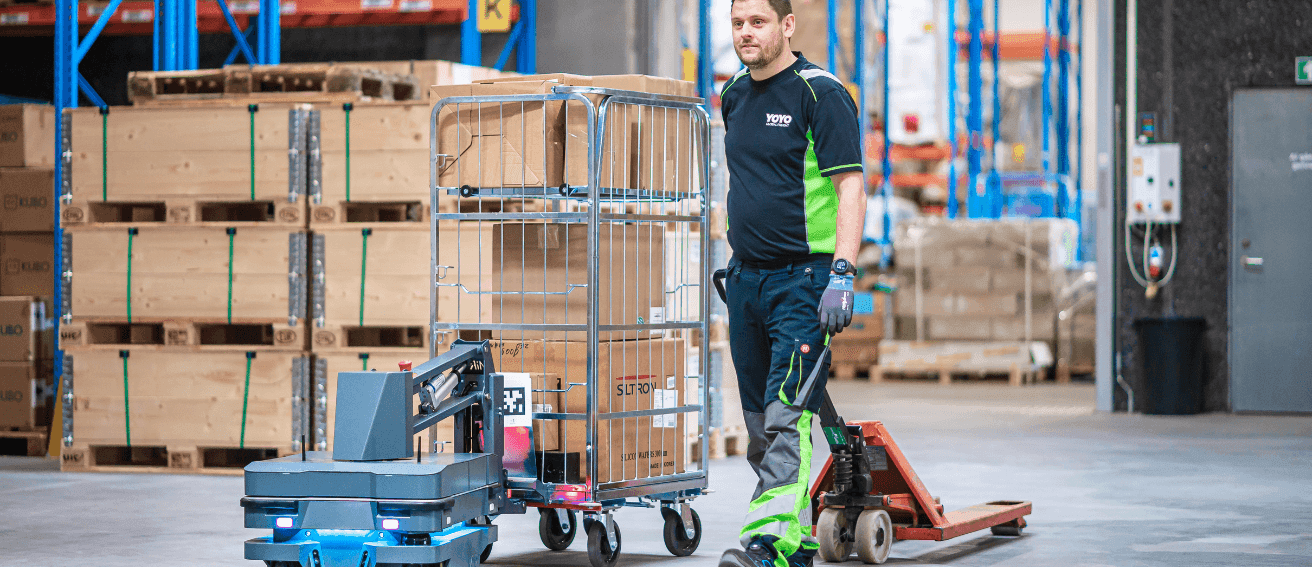
The impact of physical AI on operations is becoming clearer, with 77% of respondents anticipating significant or transformative effects on warehouse operations, making it the top deployment priority. Following closely are assembly and manufacturing operations (75%) and logistics and material handling (72%). Anupam Singhal, President of TCS Manufacturing Business, noted that physical AI extends intelligence from screens to the shop floor, enabling machines to perceive, adapt, and act in real-time.
Despite strong investment confidence, large-scale deployment remains in its early stages, with 68% of manufacturers still in non-deployment or experimental phases and only 9% successfully scaling pilot projects. Key barriers to broader deployment include traditional system integration, modern data infrastructure, and workforce skills. TCS warns that if governance does not keep pace, scaling will introduce unacceptable operational and regulatory risks.
Editor's Note
The TCS report highlights a significant shift in how manufacturers perceive physical AI, moving from experimental phases to long-term strategic investments. This transition reflects a growing recognition of AI's potential to enhance operational efficiency and workforce safety. However, challenges related to governance and skill gaps must be addressed to ensure successful implementation and scaling in the manufacturing sector.



























Leave a comment