Industry Briefing
A single destination for timely, editor-curated robotics news from around the world.

LG Electronics Advances Humanoid Robot Actuator Production Plans Amid Industry Shift
As artificial intelligence technology progresses, the humanoid robot industry is transitioning from proof-of-concept to commercialization. The focus of competition is shifting from showcasing complete robots to the core components that drive scalability. Actuators, which connect the robot's control system to its mechanical structure, are becoming a key area of investment. Recently, LG Electronics announced its commercialization plan for humanoid robot actuators at the IFA 2026 exhibition, revealing plans to establish an automated production line in Changwon, South Korea, to supply its AXIUM series integrated actuators globally. This move indicates LG's transition from a consumer electronics company to a core supplier in the robotics sector, aiming to secure a critical position in the future humanoid robot supply chain. The actuator's performance and cost significantly impact the robot's mobility, stability, and commercialization costs, as a standard humanoid robot typically requires around 30 actuators, which can account for 60% to 70% of the total cost. The competition in the humanoid robot industry will not only revolve around mechanical structures but also the integration of hardware and software capabilities, necessitating industry collaboration to address challenges in power, perception, computation, and algorithms.
Humanoid Robots Actuators AI Technology Robotics Supply Chain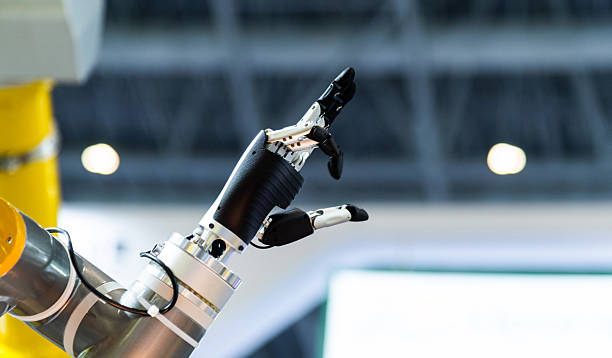
Agibot Leads Global Humanoid Robot Shipments in First Half of 2026
Agibot achieved the top position in global humanoid robot shipments during the first half of 2026, delivering approximately 9,700 units. This accounted for over 43 percent of the global market, as reported by Counterpoint Research. The total global shipments of humanoid robots exceeded 22,000 units, marking a nearly 300 percent increase compared to the same period in 2025. This significant growth highlights the increasing demand for humanoid robots, driven by advancements in technology and the progression of pilot projects into broader commercial deployments. Counterpoint Research anticipates that global shipments will surpass 50,000 units by the end of the year, indicating a robust market for humanoid robotics. Agibot's expansion in various sectors, including industrial, commercial, and research applications, positions it as a leader in this emerging market. Looking ahead, the focus will be on how Agibot continues to innovate and expand its humanoid robot portfolio, particularly with its A3 full-size humanoid and G2 industrial robot. As the demand for industrial and service applications grows, Agibot's technology, which integrates locomotion, interaction, and manipulation intelligence, will likely play a crucial role in shaping the future of humanoid robotics. No further timeline was disclosed at the time of publication.
Financials & Investments Humanoids News agibot AGIBOT A3 Agibot G2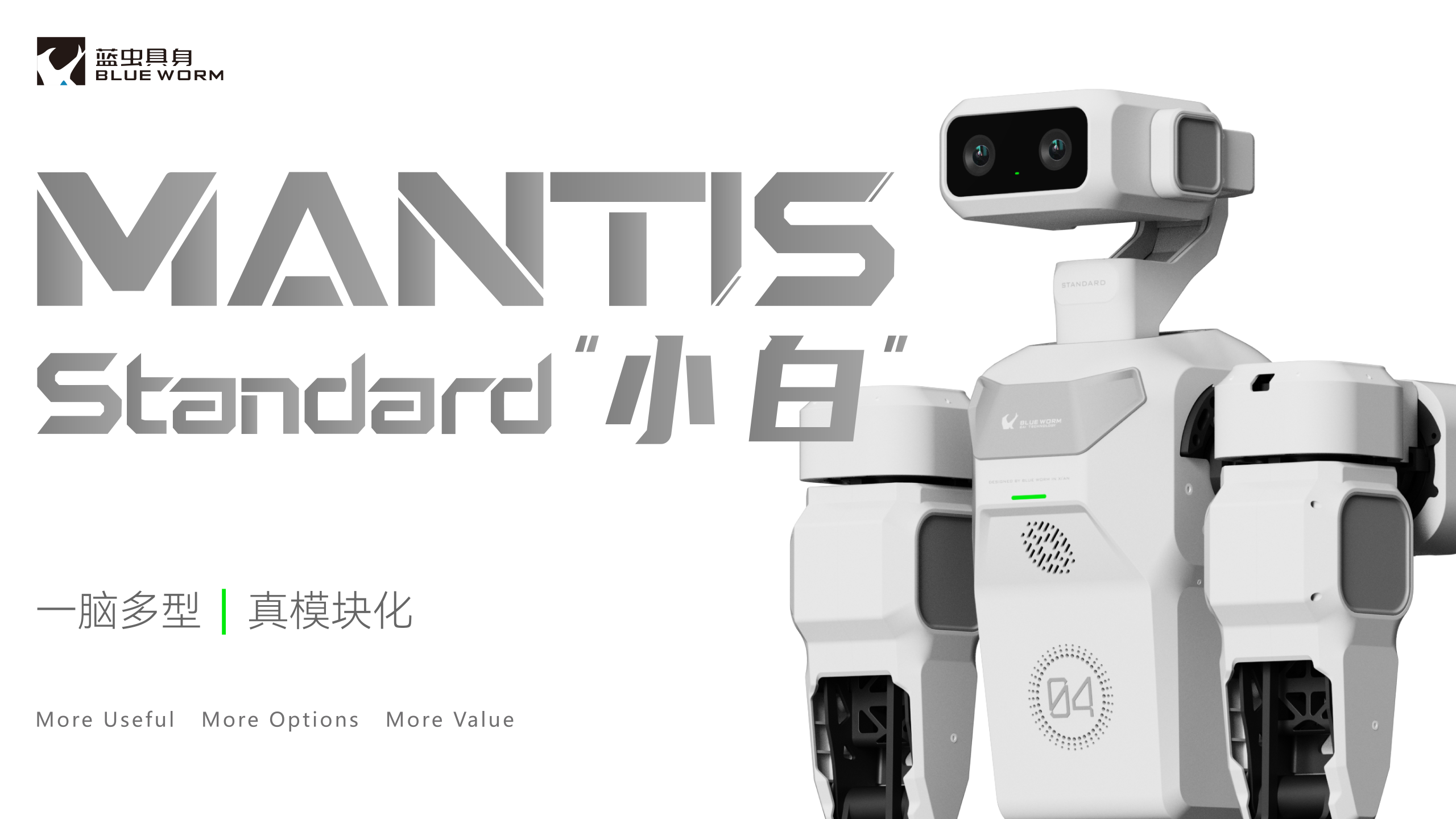
Blue Bug Introduces Modular Humanoid Robot 'Xiao Bai' Starting at 9,800
Blue Bug has launched its modular humanoid robot named 'Xiao Bai,' with a starting price of 9,800. This launch marks a significant breakthrough in the robotics industry, as it lowers the price threshold for humanoid robots, making them more accessible to various sectors. The introduction of 'Xiao Bai' is crucial as it opens up new opportunities for businesses and consumers alike, potentially increasing the adoption of humanoid robots in different applications. This move could stimulate competition within the robotics market, encouraging innovation and further advancements in technology. Looking ahead, industry watchers should monitor the reception of 'Xiao Bai' in the market and its impact on pricing strategies among competitors. No further timeline was disclosed at the time of publication.
Robotics Automation AI
GMO Introduces Japan's First Dedicated Ambulance for Humanoid Robots
GMO AIR has launched Japan's first ambulance specifically designed for humanoid robots. This vehicle addresses the challenge of diagnosing and repairing robots that may malfunction in unpredictable locations, minimizing downtime and operational losses. It is equipped with a professional humanoid robot engineer, diagnostic tools, and spare components, allowing for on-site repairs or transportation to specialized repair centers. The introduction of this ambulance is significant as it marks a transition from trial deployments of humanoid robots to large-scale operations. In environments with multiple robots, any downtime can disrupt overall operations, making after-sales and maintenance capabilities critical factors in procurement decisions. GMO AIR's understanding of downtime costs is more direct than that of traditional robot manufacturers, as they provide robot leasing and operational services. Looking ahead, the effectiveness of this service will depend on its coverage density. If one ambulance can service dozens of robots within a city efficiently, it will enhance operational reliability. However, if robots are spread across multiple cities, the costs of mobile maintenance may increase. The concentration of robot deployments will play a crucial role in the economic viability of this service model.
Humanoid Robots Mobile Repair Solutions Robot Maintenance Automation Services
Kordel Launches Co-Creation Center in Shanghai, Targeting 4 Billion RMB in Humanoid Robot Revenue by 2035
Kordel inaugurated its Co-Creation Center on September 17 in Zhangjiang, Shanghai, marking a strategic collaboration with Zhangjiang Group. This initiative is part of Kordel's 177-year history and aims to deepen its involvement in the humanoid robotics industry. CEO Claus Möhlenkamp emphasized that the center is a pivotal element of Kordel's global strategy, enhancing its role in innovation and collaboration within the robotics ecosystem. The establishment of the Co-Creation Center comes at a time when the industry is poised for mass production of humanoid robots. Key challenges include ensuring the reliability and performance of robotic components like joints and actuators in real-world industrial applications. The center will focus on addressing these challenges by creating a space for testing and data generation, ultimately providing quantifiable performance metrics and testing standards for the industry. Kordel has set ambitious long-term goals for its humanoid robotics business, aiming for 4 billion RMB in revenue by 2035. The center will serve as a hub for collaboration with industry partners like Titanium Tiger Robotics and Beijing University of Technology, fostering innovation and establishing industry standards in sealing, lubrication, and other critical areas of robotics.
Humanoid Robots Robotics Innovation Industrial Automation AI Technology
14 Automakers Announce Timelines for Humanoid Robot Production and Development
On September 12, Xpeng Motors and GAC Group announced their timelines for humanoid robot production. Xpeng's humanoid robot is set to enter mass production by the end of this year, targeting real-world applications in stores and parks. GAC's GoMate Mini has already secured nearly 10 million yuan in orders and plans to achieve large-scale production next year. The entry of 14 automakers, including Xpeng, GAC, and Chery, into the humanoid robot market highlights a significant trend in the automotive industry. Chery has already delivered over 3,000 units of its Moja humanoid robot, with plans to deliver 10,000 units next year. The shared technological foundations between smart vehicles and humanoid robots provide a competitive edge, as over 60% of the supply chain can be reused. Challenges remain, as the market for humanoid robots is still in its infancy, with most products in pilot stages. The distinct customer bases and business models between automotive and robotics sectors complicate the transition. While production timelines are set, the industry's maturity will depend on the ability to meet real customer needs and generate positive commercial returns.
Humanoid Robots Automotive Technology AI Robotics Manufacturing
Inaugural Humanoid Robot Football Carnival Launches in Nanning on September 17
The first Humanoid Robot Football Carnival for middle school students commenced on September 17 in Nanning, coinciding with the 23rd China-ASEAN Expo. This event, part of the expo's South A community exhibition, emphasizes artificial intelligence and features a 3v3 autonomous AI football competition using Booster K1 robots, with over 40 participants from ten local schools. This carnival is significant as it bridges advanced technology with educational settings, showcasing the achievements of youth in science and technology education in Guangxi. The competition format requires robots to operate independently, making real-time decisions on positioning and teamwork, thus highlighting the importance of programming and tactical design skills among students. Looking ahead, it will be crucial to observe whether this innovative competition model can be sustained beyond the expo and if any participants will leverage this experience as a stepping stone towards careers in embodied intelligence and robotics education.
Humanoid Robots AI Educational Technology Robotics Competitions
Odyssey Launches Odyssey-3 World Model for Robots, Humanoids, and Drones
Odyssey has unveiled Odyssey-3, a versatile world model designed to control robots, humanoids, autonomous vehicles, and drones using a unified AI system. This autoregressive diffusion transformer is trained on a diverse set of visual observations, allowing it to adapt with minimal task-specific data. The model has been pre-trained to understand physics, motion, and human behavior, enabling developers to create tailored action decoders for various systems. The significance of Odyssey-3 lies in its potential to streamline the training process for humanoid robots. In collaboration with Flexion, Odyssey is exploring how pretraining can minimize the data required for teaching new skills. Flexion has successfully developed control policies for tasks like object manipulation using only a small amount of teleoperation data, demonstrating improved generalization over traditional models. Looking ahead, Odyssey plans to publicly release Odyssey-3 in the coming weeks. The company is also collaborating with Poke & Wiggle to assess the model's adaptability across different robot types and control systems. This initiative could reshape how robots learn and adapt to new environments, enhancing their operational capabilities significantly.
AI AI Funding & Investment Robotics autonomous vehicles Flexion humanoid robotics
York University Develops CBS Algorithm to Enhance Humanoid Robot Depth Perception
Researchers from York University have introduced the Convergent Binocular Stereo (CBS) algorithm to improve depth perception in humanoid robots. This innovative approach utilizes the movement of the robot's eyes, allowing them to converge on a target while calculating depth based on camera orientation and disparities in the images. This method significantly outperforms traditional depth learning techniques, especially in complex visual scenarios. The advancement is crucial as humanoid robots increasingly rely on sophisticated vision systems to navigate and interact with their environments. By integrating eye movement into depth calculations, the CBS algorithm addresses a long-standing challenge in robotic vision, enhancing the robots' ability to perceive three-dimensional spaces accurately. Looking ahead, the implementation of the CBS algorithm could lead to more advanced humanoid robots capable of better depth perception and spatial awareness. No further timeline was disclosed at the time of publication.
Humanoid Robots Vision Systems Depth Perception Robotics Research
Humanoid Robots Transition from Demonstrative Tasks to Real-World Deployment
Recent advancements in humanoid robotics highlight the shift from mere demonstrations to practical deployment in various environments. Unlike robots that can perform a single impressive task, modern systems are designed to execute thousands of cycles, recover from exceptions, and coexist with humans. This evolution is crucial for integrating robots into existing software and safety architectures within facilities. The significance of this transition lies in the ability of humanoid robots to operate reliably in real-world settings, enhancing productivity and safety. As these robots become more adept at handling complex tasks and interacting with their surroundings, they are poised to play a vital role in industries ranging from manufacturing to healthcare. This evolution marks a pivotal moment in the robotics industry, as the focus shifts from demonstration to practical application. Looking ahead, it will be important to monitor how these humanoid robots are integrated into various sectors and the impact they have on operational efficiency. The ongoing development and deployment of these systems will likely lead to new standards and practices in robotics, shaping the future landscape of automation. No further timeline was disclosed at the time of publication.
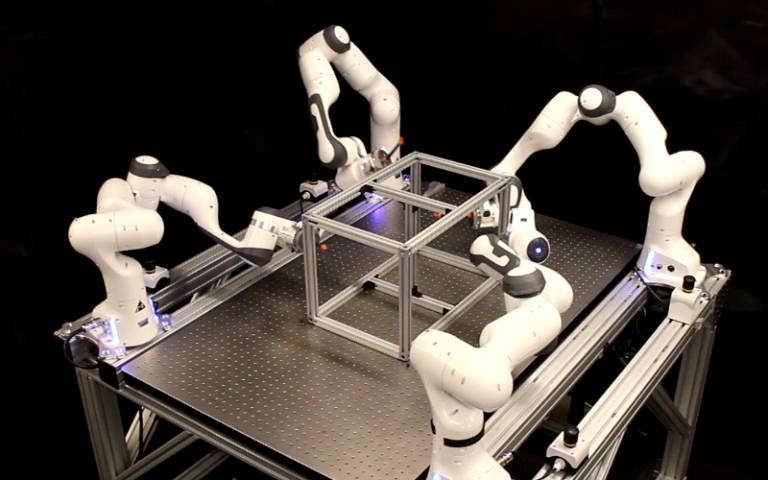
York University Enhances Humanoid Robot Depth Perception with Eye Movement Integration
York University has made significant advancements in humanoid robot vision by integrating eye movement into depth perception. Their research, published in 'Science Robotics', demonstrates that the geometric information generated by eye movements can enhance a robot's understanding of the three-dimensional world. This approach, termed Convergent Binocular Stereo (CBS), allows robots to calculate depth by using the rotation of their cameras to focus on the same target, improving accuracy in depth perception. The importance of this development lies in its potential to overcome limitations in traditional robotic vision systems, which often rely on fixed parallel camera setups. By enabling robots to utilize both horizontal and vertical disparities in visual data, CBS provides a more nuanced understanding of spatial relationships. The study shows that CBS outperforms several conventional and deep learning methods in various scenarios, particularly in cases with repetitive patterns where traditional algorithms struggle. Looking ahead, the research highlights challenges that remain before CBS can be effectively implemented in real-time robotic applications. Current processing times are too slow for immediate perception, and the system's accuracy is sensitive to motor precision and camera calibration. Future work will focus on optimizing the algorithm, enhancing motor accuracy, and addressing the issue of determining the next point of focus, which is crucial for mimicking human-like vision in robots.
Humanoid Robots Depth Perception Computer Vision Robotics Research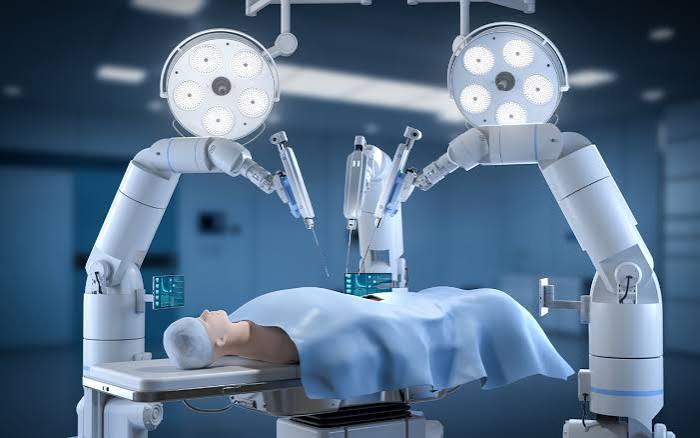
Samsung Medical Center Performs First Surgery with Humanoid Robots Assisting Surgeons
On September 16, Samsung Medical Center in Seoul conducted a simulated surgery with two humanoid robots assisting a surgical team. The robots, dressed in surgical attire, successfully collaborated with the lead surgeon, Professor Woo Nam-ki, by retrieving and delivering surgical instruments upon request. This marks a significant advancement in robotic assistance in surgery, showcasing the potential for robots to work alongside human medical professionals. The importance of this development lies in its potential to address staffing challenges in hospitals, particularly in smaller facilities where skilled surgical assistants may be scarce. Professor Jung Yong-ki emphasized that if a robot can effectively replace a human assistant, it could lead to cost-effective solutions for maintaining surgical operations around the clock. The robots demonstrated a 100% success rate in grasping surgical instruments and a 98.7% success rate in instrument delivery, highlighting their reliability in the operating room. Looking ahead, the project is set to progress with plans for commercialization led by Rainbow Robotics and AIDIN ROBOTICS. The first clinical trials are expected to begin in 2029, starting with low-risk endoscopic tasks before expanding to more complex procedures. The ongoing development of AI capabilities, including tactile feedback and predictive analytics, will further enhance the robots' performance in surgical environments.
Humanoid Robots Surgical Robotics AI in Healthcare Medical Technology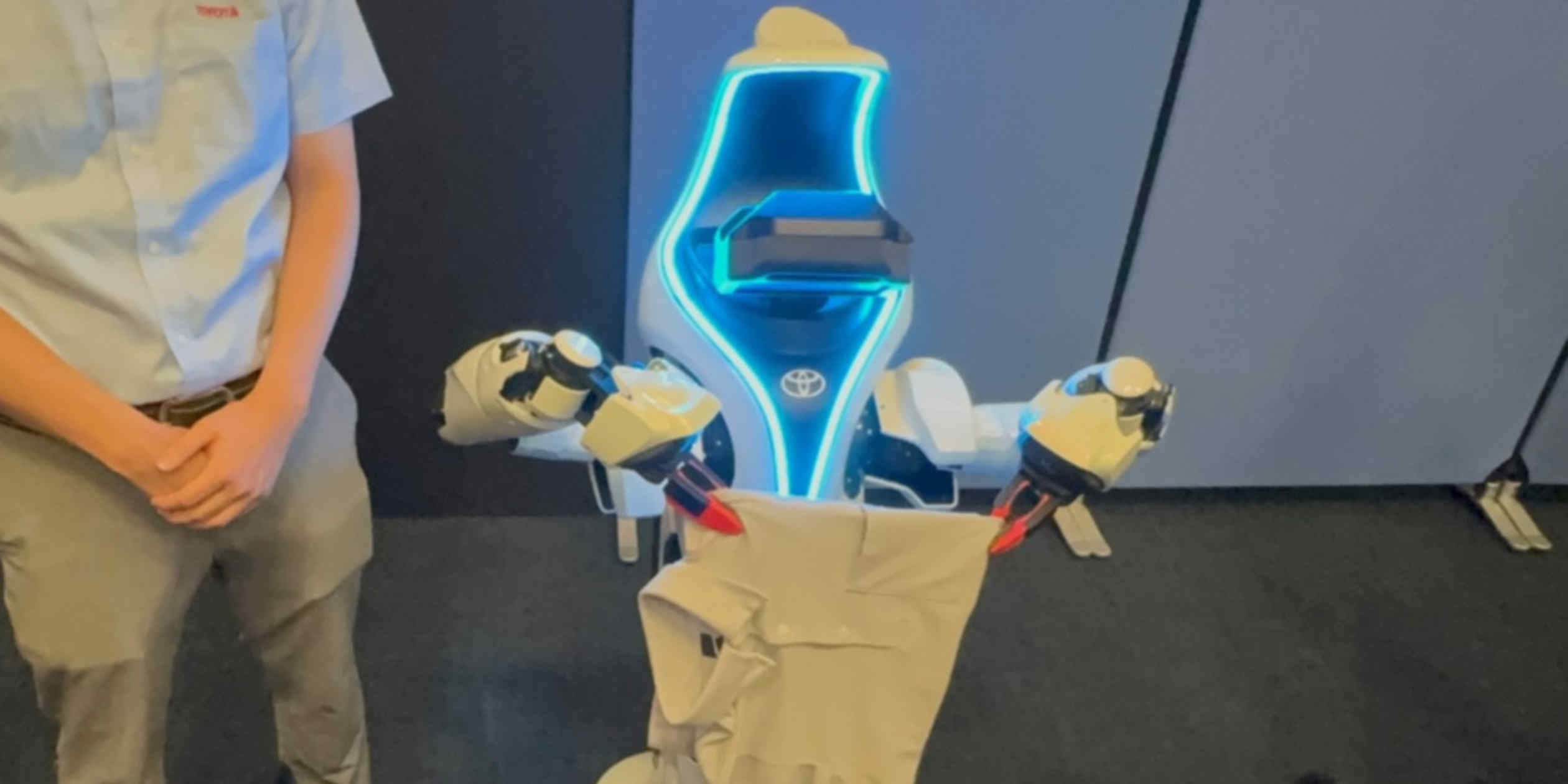
Toyota Plans Global Deployment of 400,000 Humanoid Robots in Factories
Toyota Motor group has announced plans to deploy 400,000 humanoid robots across its production sites worldwide. This initiative is part of the company's strategy to enhance factory operations by integrating robots that can learn from human employees and assist in training new workers. The introduction of these in-house-developed humanoid robots signifies Toyota's commitment to creating a collaborative work environment where humans and robots can work side by side. This move is expected to improve efficiency and productivity in manufacturing processes, aligning with the industry's ongoing trend towards automation and advanced technology integration. As Toyota progresses with this deployment, industry watchers will be keen to see how these humanoid robots perform in real-world factory settings. No further timeline was disclosed at the time of publication.

Stricter IPO Review for Humanoid Robots Mirrors Trends in Unprofitable Firms
Recent reports indicate that the IPO review process for humanoid robot companies has become more stringent, reflecting a broader scrutiny of unprofitable firms. Investment bankers suggest that this heightened focus is not a new policy but rather an intensified examination of the quality of IPO applicants, particularly in light of some projects not yet achieving reasonable commercialization cycles. The profitability outlook for unprofitable companies is a key concern for regulators. For instance, the humanoid robot company Yundong is projected to achieve profitability by 2025, with revenues increasing from 50.11 million yuan in 2023 to 337 million yuan in 2025. Conversely, companies like Yujian Technology and Leju Intelligent are still facing significant losses, raising questions about their future viability in the market. The recent IPO of Yushu Technology, which became the first humanoid robot stock on the A-share market, has also influenced regulatory expectations. Its stock price dropped significantly after an initial surge, highlighting the disparity between primary market pricing and secondary market performance. As a result, regulators are expected to adopt a more cautious approach when evaluating similar companies for IPOs, emphasizing the need for consistent revenue and narrowing losses.
Humanoid Robots IPO Regulations Investment Banking Financial Viability Market Trends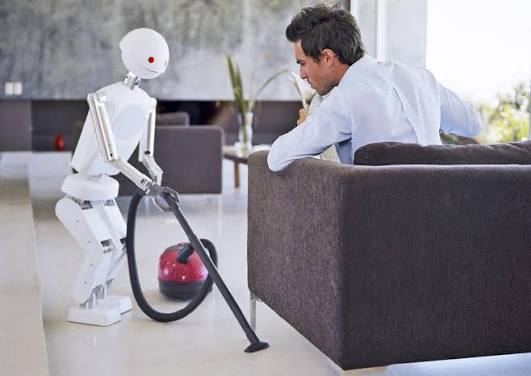
Survey Shows 42% of Respondents Would Trust Humanoid Robots with Household Tasks
A recent survey conducted by Live Science revealed that 42% of over 600 participants would allow humanoid robots to handle household chores. This interest reflects a growing acceptance of robots in daily life, although many still express skepticism about their capabilities. For instance, 36% of respondents indicated they would not trust robots with their dishes, while others preferred to wait for neighbors to test the technology first. The survey highlights a significant gap between the capabilities of humanoid robots being developed and the expectations of potential users. While companies are racing to create robots that can navigate everyday environments, users are concerned about the robots' ability to make nuanced decisions, such as determining which dishes are dishwasher-safe. The comments from participants reveal doubts about robots' dexterity and reliability in performing tasks like dusting or moving furniture. Looking ahead, the results suggest that the first household chore robots may successfully master could be simpler tasks that require fewer judgments. As the technology evolves, there may be more suitable applications for robots in structured environments, such as commercial nurseries, rather than in homes where tasks are more complex and varied. No further timeline was disclosed at the time of publication.
Humanoid Robots Household Automation AI Technology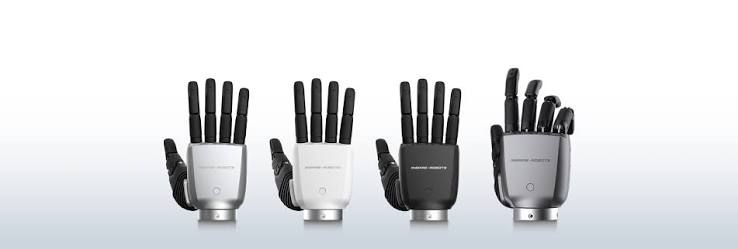
China Launches First Insurance for Intelligent Robotic Components at 2026 Service Trade Fair
On September 11, China Pacific Insurance and Beijing Daqi Yuequan Biomimetic Technology signed a collaboration for insurance covering intelligent robotic components, marking the first such insurance in the country. The policy protects against accidents, natural disasters, design defects, and operational errors, while also covering third-party injuries and property damage caused by equipment use. This insurance product addresses significant concerns for manufacturers and end-users of dexterous hands, which are costly and require high precision. With this coverage, procurement decisions may become easier as risks associated with equipment loss and third-party liabilities are mitigated. The collaboration aims to bolster confidence in the intelligent robotics sector by establishing a risk barrier for core components. The launch of this insurance indicates a shift in the industry, suggesting that key components have moved beyond experimental phases to a stage where tangible investments are necessary. Future developments to watch include the alignment of insurance rates with actual fault data and the potential introduction of similar insurance products for other critical components like joint modules and sensors.
Robotic Components Insurance Embodied Intelligence Risk Management
Zoomlion's Humanoid Robots Showcase Full-Stack Capabilities at World Games
Zoomlion's humanoid robots participated in the World Humanoid Robot Games, facing challenging conditions that tested their gait algorithms, joint responsiveness, and stability during high-speed movements. This event is significant as it allows Zoomlion to gather critical data to enhance its full-stack capabilities, which encompass algorithms, software, hardware, and industrial applications. Looking ahead, the insights gained from these competitions will be crucial for Zoomlion's ongoing development and refinement of its robotic technologies. No further timeline was disclosed at the time of publication.

Humanoid Robot Manufacturers Face Profit Challenges Amid Shift to Dexterous Hands
Humanoid robot manufacturers are struggling with profitability as they face high costs and low margins. A humanoid robot priced at 85,000 yuan typically yields a gross margin of around 10%, with some companies like Yushu Technology projecting a rise to 60.13% by 2025, despite risks from price wars. The cost of dexterous hands, which accounts for 10% to 15% of the overall robot cost, is decreasing rapidly, dropping from 100,000 yuan to below 10,000 yuan. This decline is attributed to economies of scale in the supply chain, contrasting with the slower price reductions for complete robots due to brand premiums and service costs. Market growth for dexterous hands is significant, with sales expected to reach approximately 19,200 units in China by 2025, a 236.84% increase year-on-year. By 2030, sales could exceed 430,000 units, indicating a much faster growth rate compared to complete humanoid robots. The future will reveal whether manufacturers will develop their own dexterous hands to reclaim profits or continue sourcing from suppliers.
Humanoid Robots Dexterous Hands Robotics Manufacturing AI Components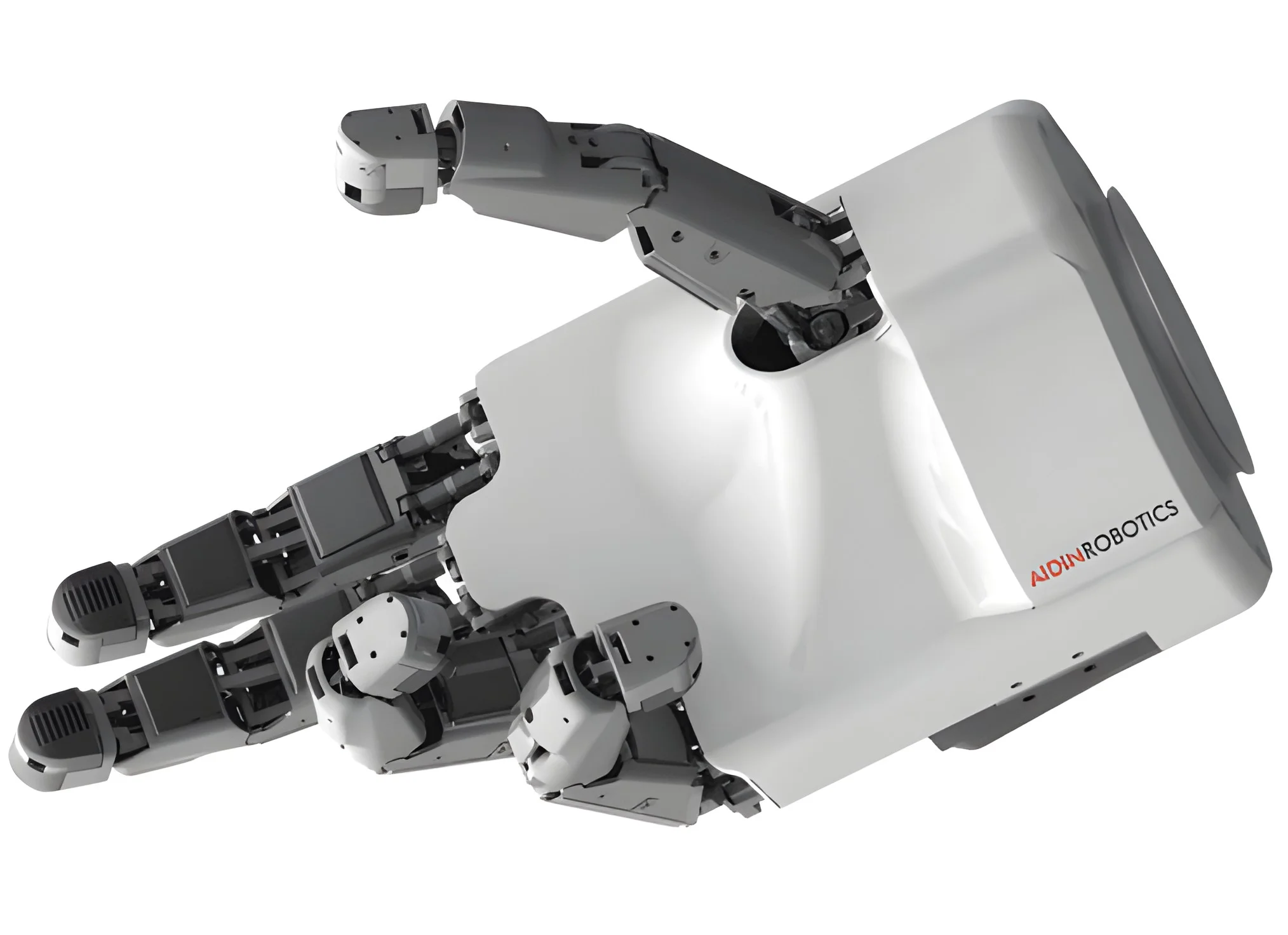
HD Hyundai Robotics Allocates $9.5 Million to Aidin Robotics for Humanoid Development
HD Hyundai Robotics has invested approximately $9.5 million in Aidin Robotics, acquiring an equity stake in the South Korean startup. This investment aims to enhance the development of humanoid components and industrial automation systems, starting with a five-finger robotic hand tailored for shipbuilding and heavy industry. The collaboration is significant as it combines Aidin's advanced force, torque, and tactile sensing technologies with HD Hyundai Robotics' platforms. This integration is expected to facilitate the creation of robotic systems capable of performing complex tasks in shipyards and other industrial environments, ultimately improving efficiency in manufacturing processes. Looking ahead, the partnership plans to conduct field demonstrations before commercializing their innovations. Initial deployments will focus on the shipbuilding sector, with future expansions anticipated into other manufacturing industries and international markets, including U.S. shipyards. No further timeline was disclosed at the time of publication.
AI AI Funding & Investment Robotics Aidin Robotics automation HD Hyundai Robotics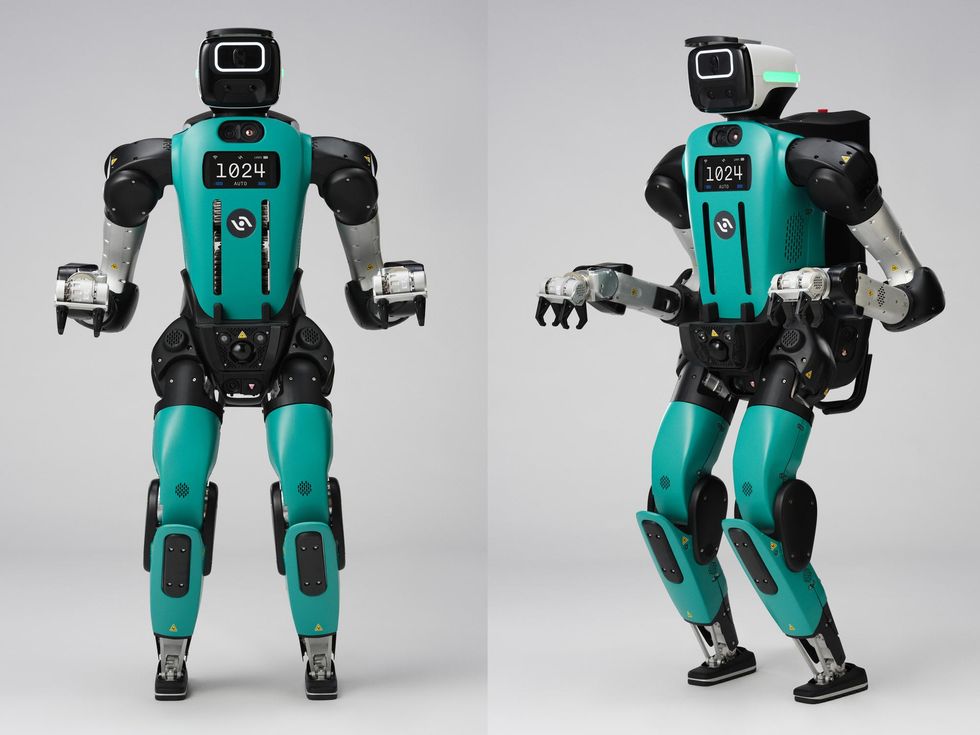
Agility Robotics Unveils Digit 5: A Safe Humanoid Robot Worker for Various Industries
Agility Robotics has announced Digit 5, a humanoid robot designed for safe and efficient work alongside humans. Digit 5 can lift 23 kilograms to a height of 2.1 meters and operates for over 20 hours daily, prioritizing safety by autonomously avoiding falls. This innovative design aims to address the challenges of integrating humanoid robots into the workforce. The significance of Digit 5 lies in its potential to revolutionize labor in manufacturing, warehousing, and logistics. With over $300 million in multi-year customer orders as of May 2026, Agility Robotics is poised to meet the growing demand for humanoid robots that can work safely in close proximity to people. The robot's design focuses on functionality, ensuring that it can perform economically viable tasks while minimizing risks to human workers. Looking ahead, Agility Robotics plans to scale production of Digit 5 following a SPAC merger expected to close soon, aiming to raise over $620 million. The company anticipates that Digit 5 will be available for purchase in the EU and UK by 2027, marking a significant step towards the widespread adoption of humanoid robots in various sectors.
Humanoid Humanoid-robots Functional-safety Safety Agility-robotics
Ubtech Launches 10,000-Unit Capacity Humanoid Robot Factory in Liuzhou, China
Ubtech Robotics has commenced operations at a new humanoid robot factory located in Liuzhou, China. This facility is designed to produce up to 10,000 units annually and can manufacture one industrial humanoid robot every 10 minutes, focusing on the Walker S and Cruzr series. The significance of this factory lies in its innovative use of robotics in the manufacturing process itself. The 14,000-square-meter plant incorporates Cruzr robots and autonomous logistics equipment, enhancing efficiency and productivity while also featuring a 65-square-meter automated warehouse that increases space utilization by over 50%. Looking ahead, the integration of Siemens Digital Industries Software for production management indicates a trend towards more automated and efficient manufacturing processes in the robotics sector. No further timeline was disclosed at the time of publication.
AI AI Funding & Investment Capital Markets Robotics China humanoid robotics
Humanoid Robot Shipments Expected to Reach 26 Million Annually by 2040
A recent report from Berg Insight indicates that the humanoid robotics sector is poised for significant growth. The firm projects that annual shipments of humanoid robots will increase from 16,000 units in 2026 to an impressive 26 million units by 2040, marking a substantial compound annual growth rate. This anticipated surge in shipments highlights the growing demand for humanoid robots across various applications, signaling a shift towards broader adoption in commercial markets. As industries increasingly recognize the potential of humanoid robots, this growth could lead to advancements in technology and new use cases. Looking ahead, stakeholders should monitor developments in the humanoid robotics market, including technological innovations and shifts in consumer demand. No further timeline was disclosed at the time of publication.
Humanoids News 1x technologies agibot agility robotics apptronik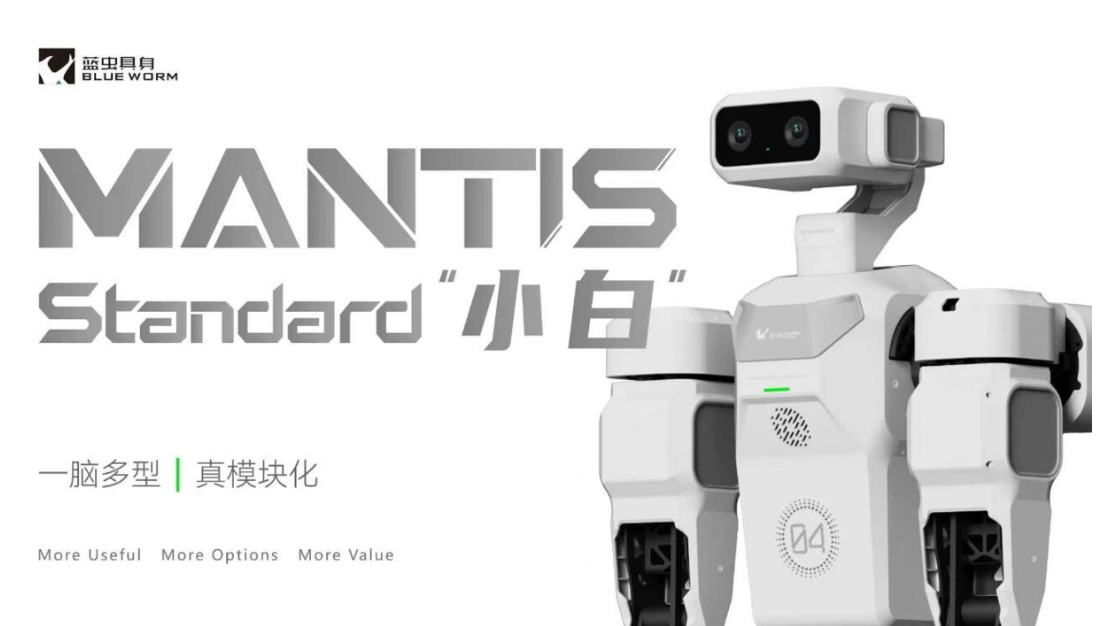
Blue Insect Embodied Introduces Modular Mantis Standard Humanoid Robot Starting at RMB 9,800
Blue Insect Embodied, a technology-transfer company from Xi’an Jiaotong University, has launched the modular Mantis Standard humanoid robot, also known as 'Xiaobai,' with a starting price of RMB 9,800. This robot features a modular design with standardized components, including its chassis, arms, waist, and head, which are connected via quick-install interfaces. The Mantis Standard robot boasts 22 degrees of freedom, a single-arm payload capacity of 7 kilograms, and an arm span of 663 millimeters. It also features a waist lift capability of 550 millimeters and an omnidirectional base that supports three degrees of freedom, achieving a forward speed of 3 meters per second and a battery life of three hours. This launch is significant as it highlights advancements in modular robotics, making humanoid robots more accessible and versatile for various applications. The low starting price may attract interest from educational institutions and research facilities. No further timeline was disclosed at the time of publication.
News Feed
Humanoid Robots Showcase Improved Capabilities at Beijing Half Marathon in April 2026
In April 2026, approximately 300 humanoid robots participated in a half marathon in Beijing. Despite some falls and collisions, the event highlighted the significant advancements in the capabilities of these human-like machines. The participation of humanoid robots in such events underscores the growing integration of robotics in various sectors. Their improved performance indicates a shift towards more sophisticated applications, potentially transforming industries that rely on automation and robotics. Looking ahead, the continued development of humanoid robots will be crucial to watch. As their capabilities expand, they may play increasingly vital roles in sectors such as logistics, healthcare, and customer service. No further timeline was disclosed at the time of publication.
Allgemein Humanoide Robotik Menschen & Meinungen Newsarchiv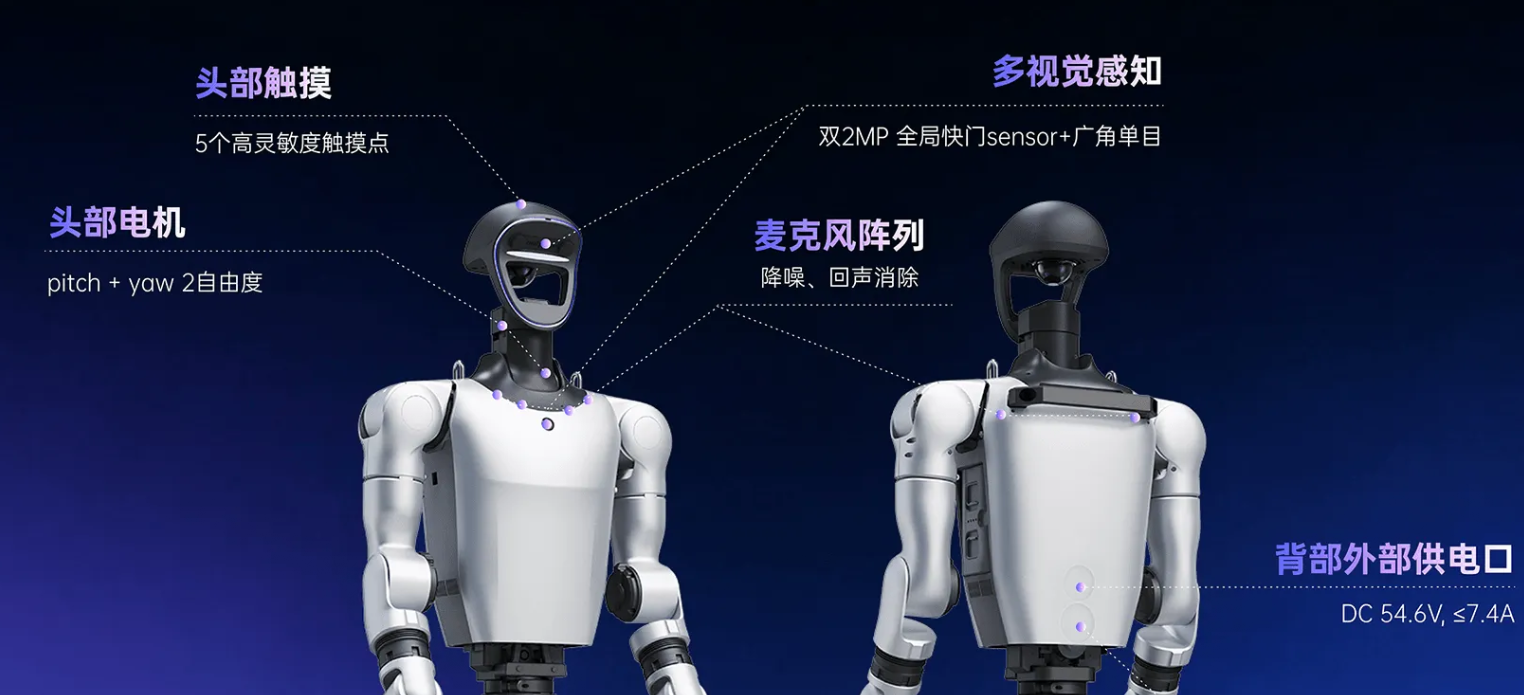
Unitree Introduces Enhanced G1+ Humanoid Robot Featuring Six Key Upgrades
Unitree has unveiled the G1+, an upgraded version of its G1 humanoid robot, featuring six significant enhancements in motion performance, perception, interaction, and endurance. The standard model is priced at RMB 95,000 in China, while the G1+ EDU version is available upon request through sales channels. The G1+ introduces two additional neck degrees of freedom, increases peak shoulder and waist motor torque by 110%, and boosts maximum arm torque by 43%, all while reducing heat generation at the same torque levels. These upgrades enhance the robot's operational capabilities, making it more versatile for various applications. Looking ahead, the G1+ is expected to attract interest in educational and research settings due to its advanced features, including a binocular-plus-wide-angle vision system, head touch sensing, external power support, a six-microphone array, and dual 10-watt speakers. No further timeline was disclosed at the time of publication.
News Feed
Agility Robotics Launches Digit 5 Humanoid Robot for Safe Collaborative Work Environments
Agility Robotics has introduced Digit 5, a next-generation humanoid robot designed for cooperative work in environments where safety is paramount. Built on over 65,000 hours of operation and commercial deployments, Digit 5 can handle full facility workflows and operate alongside humans without the need for physical safety barriers. The significance of Digit 5 lies in its ability to enhance operational efficiency in various settings by allowing robots to work closely with people. This innovation marks a shift in how humanoid robots can be integrated into workplaces, potentially transforming industries that require human-robot collaboration. Looking ahead, the deployment of Digit 5 could pave the way for broader acceptance of humanoid robots in diverse applications. As organizations seek to optimize workflows and improve safety, the capabilities of Digit 5 will be closely monitored to assess its impact on the future of cooperative robotics. No further timeline was disclosed at the time of publication.

Tokyo's MW Develops Ceiling-Mounted Robotic Arms for Home Automation Instead of Humanoids
Tokyo-based MW is innovating in home automation by integrating robotic arms into residential ceilings, diverging from the trend of humanoid robots. The company aims to debut its MW bot by 2028 and produce 10,000 robotic homes annually by 2035, potentially capturing 5% of Japan's new housing market. This approach addresses the challenges of compact Japanese homes, where traditional bipedal robots struggle with space and safety. MW's ceiling-mounted robotic arms are designed to handle everyday tasks like sorting groceries and folding laundry, as demonstrated in a recent showcase in Tokyo's Toyosu waterfront area. MW's business model is unique, controlling the entire process from land acquisition to AI development. With 3 billion yen in seed funding and plans for international expansion by 2029, the company is focused on high-end real estate, with the success of its technology dependent on reducing costs for broader market adoption. No further timeline was disclosed at the time of publication.
Home Automation Robotic Arms Smart Homes AI Technology
Humanoid Robot Successfully Performs Gallbladder Surgery on Live Pigs, According to Nature Study
A research team from the University of California, San Diego, utilized the humanoid robot developed by Yushu Technology to perform gallbladder surgeries on live pigs, marking a significant milestone in robotic surgery. This is the first instance of a humanoid robot conducting live surgeries, showcasing its potential in clinical settings. The significance of this research lies in its exploration of humanoid robots in surgical environments, which have traditionally relied on specialized robotic systems like the da Vinci Surgical System. The study highlights the humanoid robot's ability to operate in existing surgical environments without requiring extensive modifications, potentially reducing costs and increasing accessibility. Looking ahead, while the humanoid robot demonstrated notable advancements, it still faces challenges in precision compared to specialized surgical robots. The study indicates that further developments are needed before humanoid robots can be considered for clinical use. No further timeline was disclosed at the time of publication.
Humanoid Robots Surgical Robotics Medical Technology Robotic Surgery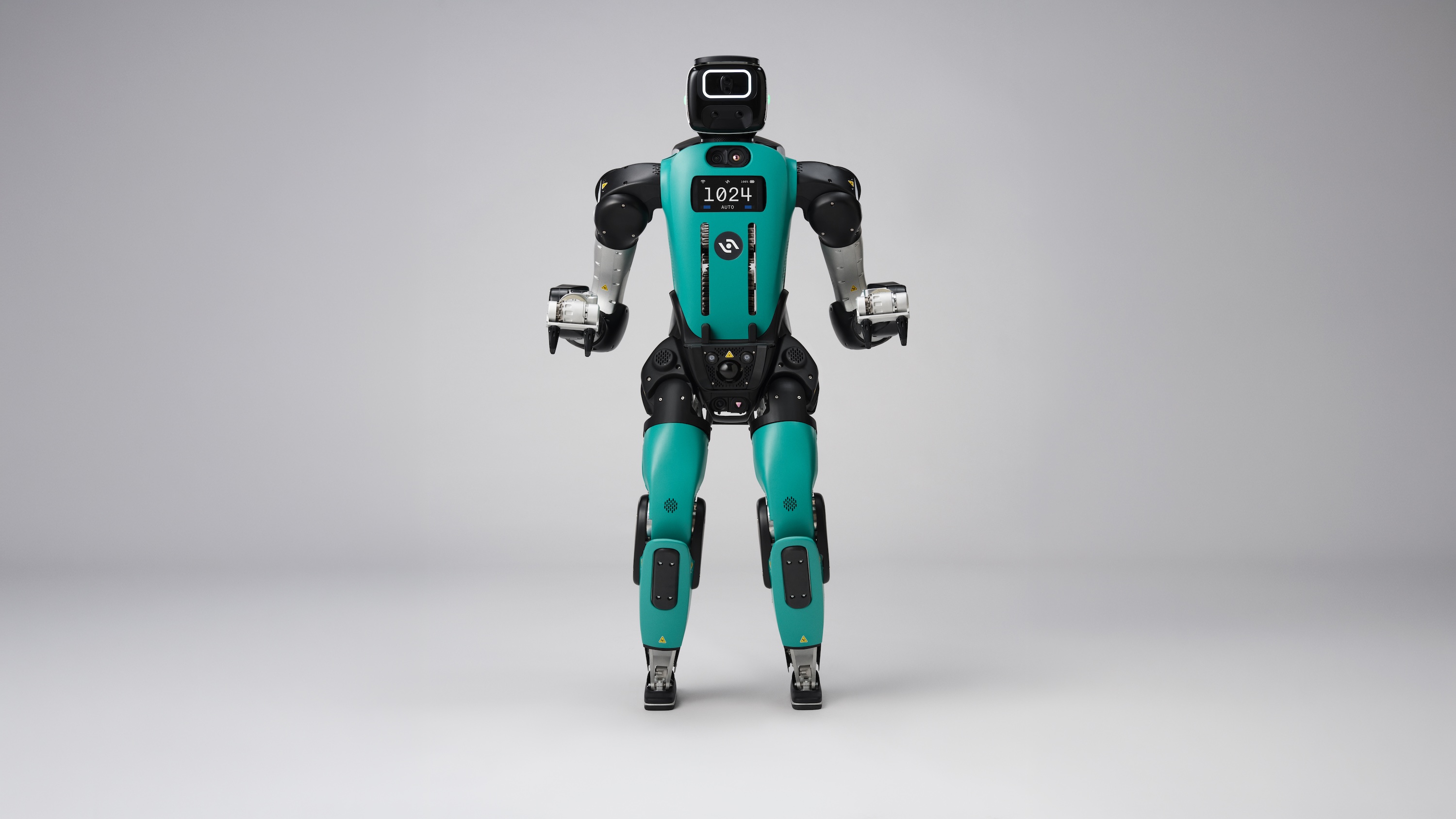
Agility Robotics Launches Digit 5 Humanoid Robot for Safe Industrial Work at Scale
Agility Robotics has introduced Digit 5, its latest humanoid robot designed for safe collaboration in industrial environments. Built on over 65,000 hours of operational experience, Digit 5 allows for close interaction with humans without the need for traditional safety barriers, addressing a significant challenge in scaling humanoid robots in commercial settings. The introduction of Digit 5 is crucial as it responds to customer feedback from three years of using Digit 4, leading to over $300 million in multi-year orders. The robot's advanced safety architecture, developed in partnership with NVIDIA, enhances its ability to operate alongside people and existing automation systems, making it a valuable asset in manufacturing, warehousing, and logistics. Looking ahead, Agility Robotics is poised to expand Digit 5's capabilities further, leveraging its proprietary physical AI technology to enhance manipulation skills and streamline workflows. No further timeline was disclosed at the time of publication.

Kinetic Blocks Introduces Beta Marketplace for Humanoid Robot Training Data
Kinetic Blocks, a startup based in Oslo, has launched a beta version of a marketplace dedicated to the buying and selling of training data for humanoid robots. This platform became available on September 1, following months of development in collaboration with a select group of data suppliers and early users. The introduction of this marketplace is significant as it aims to streamline the acquisition of training data, which is crucial for the development and enhancement of humanoid robots. By facilitating transactions between data providers and developers, Kinetic Blocks is addressing a vital need in the robotics industry, potentially accelerating advancements in humanoid robot capabilities. Looking ahead, Kinetic Blocks has not disclosed any further timeline for expanding access to the marketplace or additional features. Stakeholders in the robotics sector should monitor this development closely, as it may influence the landscape of humanoid robot training and data utilization.
Computing Humanoids News 1x technologies artificial intelligence egocentric video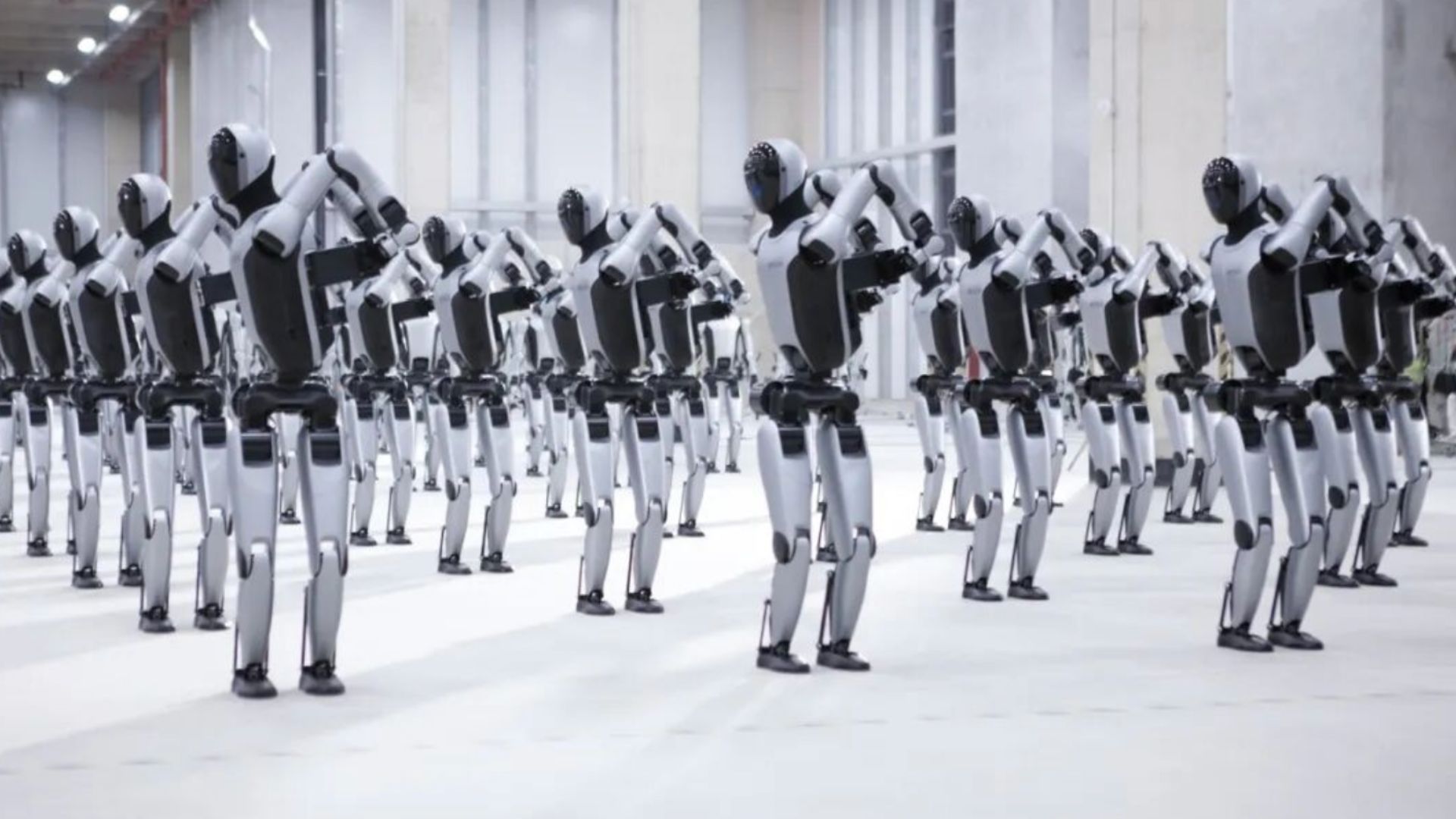
UBTECH Launches New Factory Capable of Producing 10,000 Humanoid Robots Annually
UBTECH has commenced operations at its new humanoid robot factory in Liuzhou, Guangxi, as of September 12. This facility is set to produce over 10,000 humanoid robots each year, marking a significant transition from limited production to large-scale manufacturing. The factory's production line is engineered to assemble one robot every 10 minutes, enhancing UBTECH's manufacturing capabilities. The establishment of this factory is pivotal for UBTECH, as it signifies a major advancement in the commercial production of humanoid robots. The facility, covering 14,000 square meters, will primarily focus on the Walker S Series and Cruzr Series robots. The automation integrated into the manufacturing process, including humanoid robots and collaborative arms, streamlines operations and reduces the need for extensive hardware modifications. Looking ahead, UBTECH's collaboration with Siemens Digital Industries Software is noteworthy, as it encompasses various aspects of digital manufacturing. The development of the Yanshee MOM system and the use of Siemens’ Plant Simulation platform will enhance production efficiency and quality control. No further timeline was disclosed at the time of publication.
AI and Robotics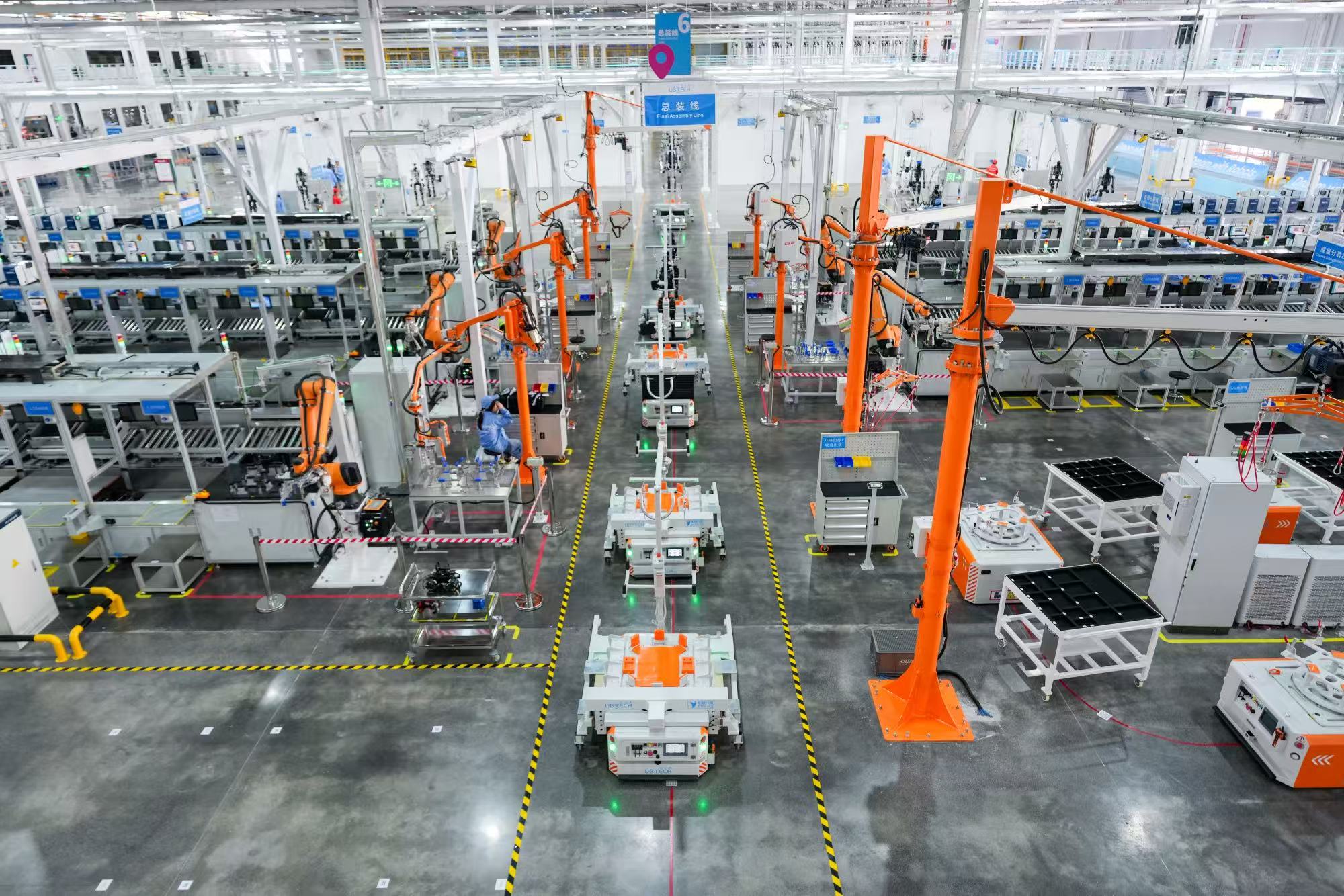
Company Producing 10,000 Humanoid Robots Annually, with Non-Human Workers Dominating Factory Operations
A newly established company has begun producing 10,000 humanoid robots each year, highlighting a significant advancement in robotics manufacturing. This development is noteworthy as it reflects the growing reliance on automation in production processes, where non-human workers are increasingly taking on roles traditionally held by humans. The implications of this trend are profound, as it raises questions about the future of labor and the potential for robots to replace human jobs. The fact that a company can produce such a high volume of humanoid robots annually indicates a shift towards more automated and efficient manufacturing practices. Looking ahead, it will be important to monitor how this company and others in the industry adapt to the challenges and opportunities presented by automation. No further timeline was disclosed at the time of publication.
Robotics Automation AI
Tianjin Robot Town Pursues Advanced Humanoid Robotics Development and Innovation
Tianjin Robot Town is taking a unique approach in the robotics industry by focusing on the establishment of a joint laboratory for intelligent robots, led by Hebei University of Technology and several key enterprises. This initiative aims to create China's first innovation service platform for intelligent robots using domestic products, with a launch expected in October. The significance of this development lies in the shift from mere assembly of robotic components to the integration of domestic chips and operating systems, which is crucial for the future of the robotics ecosystem. Tianjin's strategy emphasizes overcoming challenges related to chip and software dependencies, while also addressing the gap between laboratory results and mass production. Looking ahead, the performance of the upcoming robot, set to be unveiled in October, will serve as a critical test for Tianjin Robot Town's ambitions. The success of this initiative will depend on the speed of domestic adaptation and the depth of scenario validation, which are essential for fostering competitive robotics enterprises in the region.
Intelligent Robots Robotics Innovation Domestic Chips Research and Development Industry Collaboration
UBTECH Launches Liuzhou Super Smart Factory for Humanoid Robot Production
UBTECH has officially commissioned its Liuzhou plant, which spans approximately 14,000 square meters. The facility features a production takt time of around 10 minutes and includes dedicated lines for the Walker S and Cruzr humanoid robots. Additionally, the factory employs robots-building-robots logistics and a Siemens digital-twin stack, targeting an annual output of over 10,000 units. This development is significant as it marks a major step in UBTECH's efforts to enhance its production capabilities for humanoid robots. The integration of advanced technologies and efficient logistics systems is expected to streamline operations and improve overall productivity. With a focus on high-volume manufacturing, UBTECH aims to solidify its position in the competitive robotics market. Looking ahead, industry observers will be keen to see how the new factory impacts UBTECH's production efficiency and market share. The ambitious target of producing more than 10,000 units annually will be a key performance indicator for the company. No further timeline was disclosed at the time of publication.
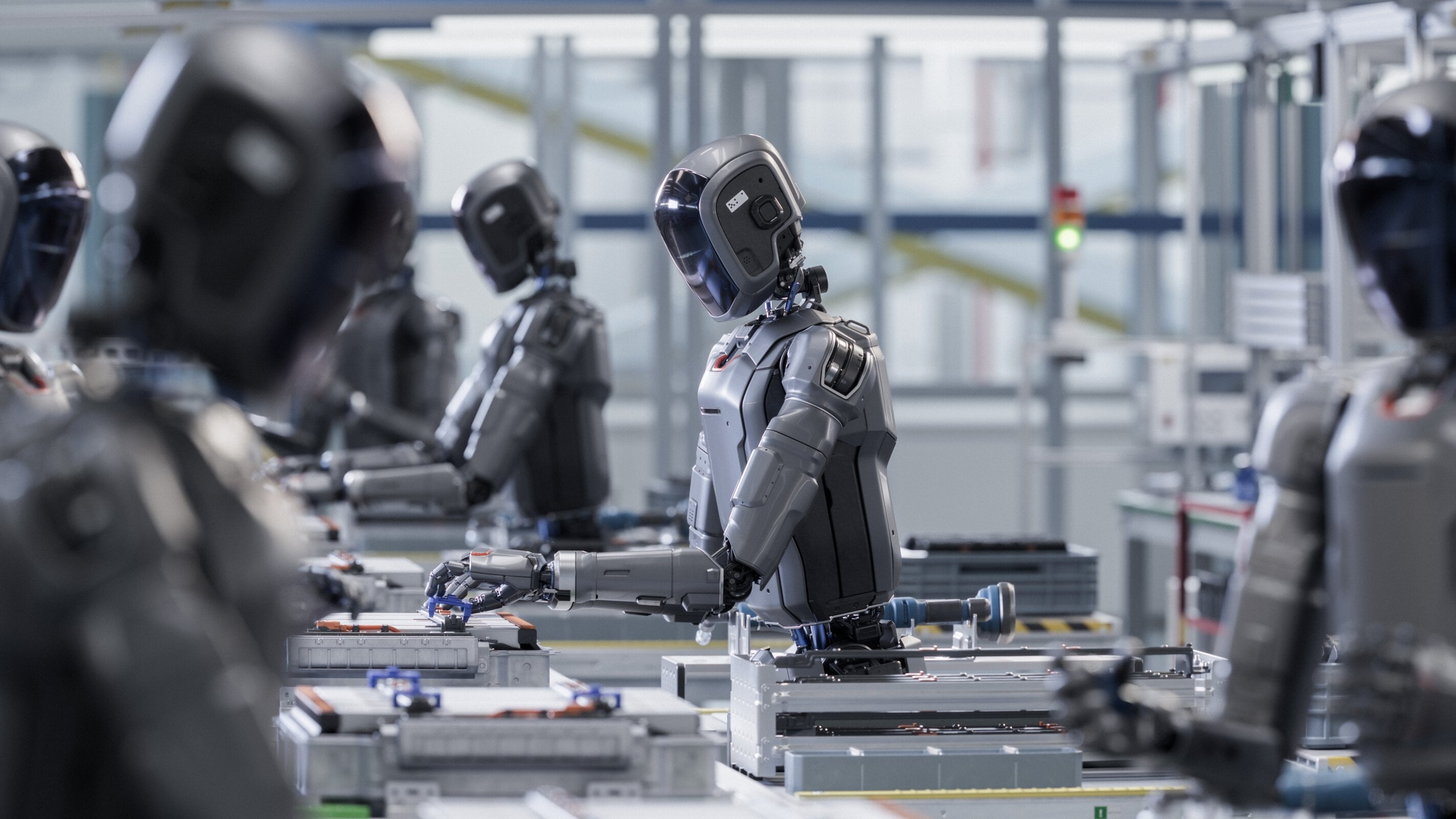
Goldman Sachs Projects 6.5 Million Humanoid Robots by 2035, Driving Market Growth
Goldman Sachs has projected that 6.5 million humanoid robots will be shipped globally by 2035, marking a significant increase from previous estimates. The firm anticipates a phased ramp-up, with 75,000 units expected in 2026 and 890,000 by 2030, representing a $138 billion market opportunity primarily in logistics, warehousing, and automotive sectors. This projection highlights the growing demand for humanoid robots and the necessary infrastructure to support their production, including dedicated production lines and factory-floor automation. The anticipated growth is also linked to a broader AI capital expenditure cycle, which is expected to influence various industries and technologies. Investors should monitor the developments in this sector, particularly the impact of potential AI regulation as flagged by leaders at Anthropic and OpenAI. No further timeline was disclosed at the time of publication.
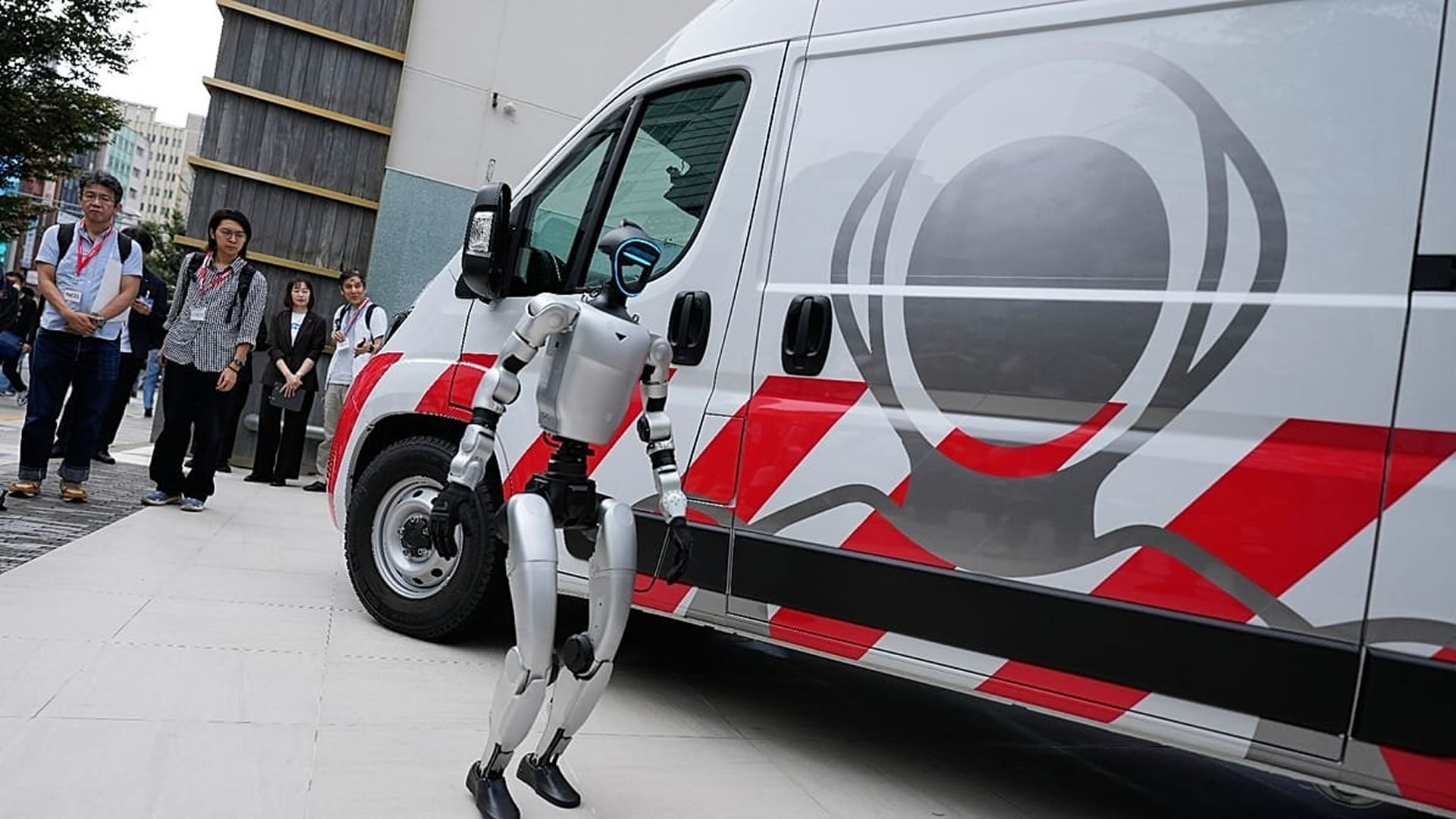
Japan Launches First Robot Ambulance for On-Site Humanoid Repairs
GMO Internet Group has introduced Japan's first 'robot ambulance' designed for humanoid robots. This vehicle will operate in Tokyo, providing on-site repairs and carrying engineers, equipment, and spare humanoids to assist in emergencies. The service aims to minimize downtime for humanoid robots used in various sectors, such as hospitality and warehousing, by allowing engineers to diagnose and repair issues on-site. If repairs cannot be completed, the ambulance will provide a replacement robot, ensuring continued service for customers. Currently, only one robot ambulance is in operation at GMO Air's Tokyo headquarters, serving as a pilot project. The company plans to expand the fleet based on customer demand, highlighting the growing need for maintenance services as humanoid robots become more prevalent in commercial applications.
Innovation Transportation
Seven Humanoid Robot Manufacturers Transforming Factory Operations Worldwide
Humanoid robots are increasingly transitioning from research labs to real-world applications in factories, warehouses, and service centers. These robots, equipped with artificial intelligence, are capable of understanding instructions, recognizing objects, and performing complex tasks. While American companies are pivotal in developing advanced AI and robotic technologies, Chinese manufacturers have gained a significant edge in production, dominating over 80% of global humanoid robot installations by 2025. California-based Figure AI is at the forefront, creating general-purpose humanoids like the Figure 03, which utilizes the Helix AI system to translate visual and language inputs into physical actions. The company has successfully showcased its technology on active production lines, including a BMW facility, where its Figure 02 robot has already loaded over 90,000 components and contributed to the assembly of more than 30,000 vehicles. This practical application highlights the potential of humanoid robots in enhancing manufacturing efficiency. AgiBot, founded in Shanghai in 2023, has rapidly become a leading producer of embodied AI robots, capturing 30.4% of the global market share in 2025. Its diverse portfolio includes humanoids, industrial machines, and service robots, driven by mass production and an open-source approach. The ongoing advancements in humanoid robotics will be crucial to watch as they continue to integrate into various sectors, reshaping the landscape of automation.
AI and Robotics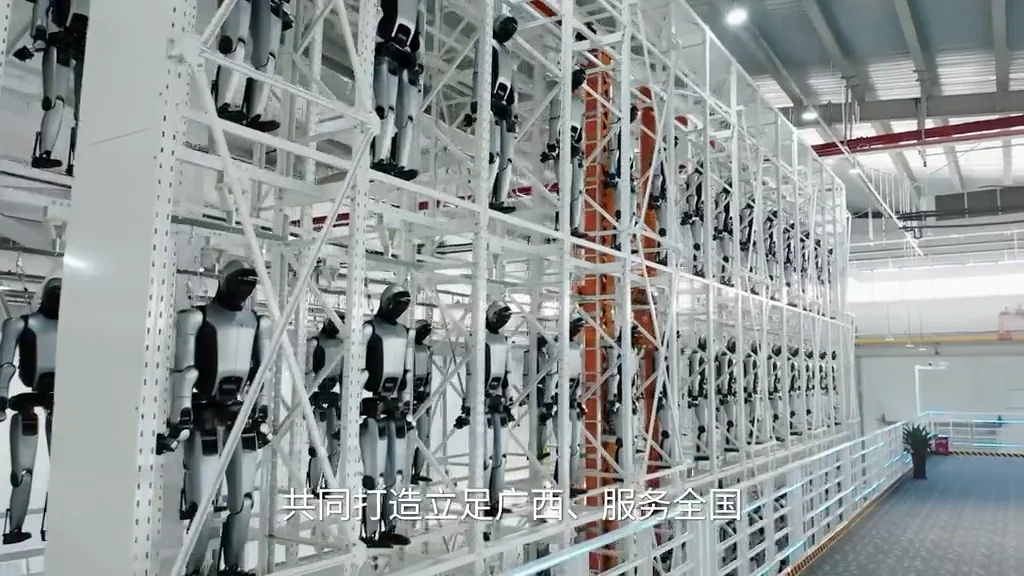
UBTECH Launches 10,000-Unit Super Factory for Humanoid Robots in Liuzhou
UBTECH Robotics has officially launched its Industrial Humanoid Robot Super Smart Factory in Liuzhou, China, on September 12-13, 2026. This facility is designed to produce 10,000 industrial humanoid robots annually, marking a significant shift from traditional batch assembly to high-throughput manufacturing. The establishment of this factory is crucial as it supports UBTECH's ambitious growth targets, especially after a remarkable 1,445% revenue increase in the first half of 2026, driven by 921 bipedal robot deliveries. The factory's design allows for the completion of a humanoid robot every 10 minutes, positioning UBTECH competitively in the global robotics market. Looking ahead, the factory employs a flexible assembly line and a robotic logistics fleet, enhancing efficiency and adaptability in production. The integration of UBTECH's Yanshee MOM platform with Siemens' technology further streamlines operations. No further timeline was disclosed at the time of publication.
Market manufacturing China UBTECH Robotics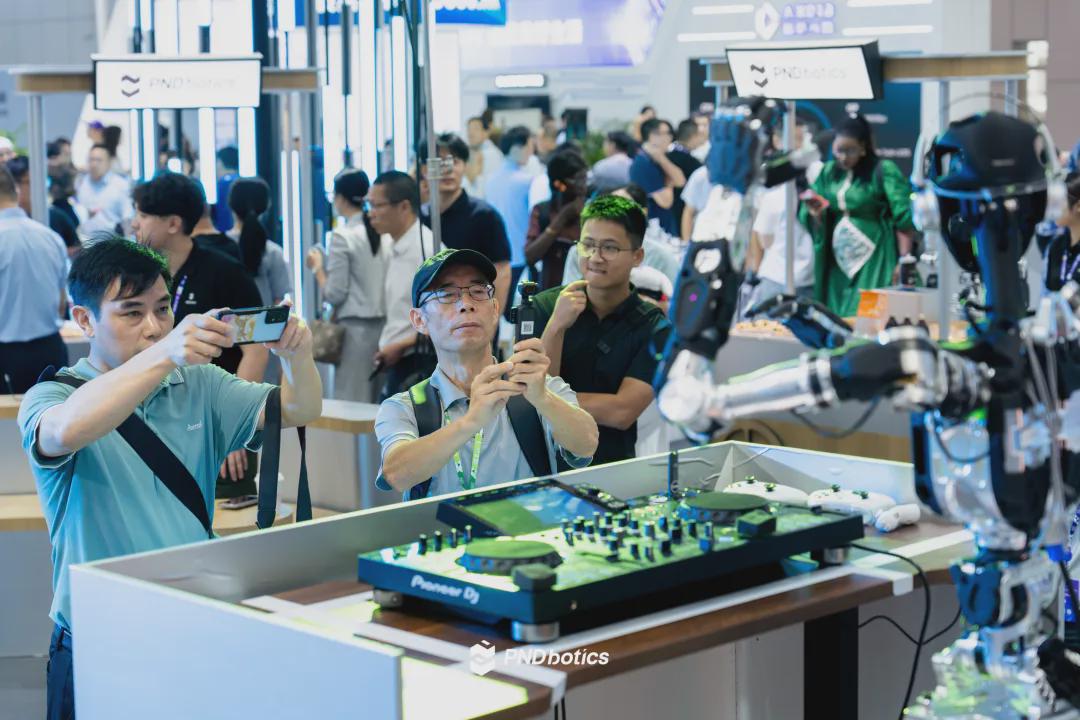
PNDbotics Showcases Humanoid Robots for Real-World Industrial Applications
PNDbotics is exploring the application of humanoid robots in real industrial tasks at the Future Factory exhibition, held from September 11 to 13 at the Ningbo International Exhibition Center. The showcase emphasizes the robots' ability to understand tasks, recognize environments, and adapt execution strategies in dynamic production settings. This initiative is significant as it addresses the challenges of integrating humanoid robots into complex industrial environments, where continuous decision-making is crucial. Unlike controlled lab settings, real factories present fluctuating conditions that require robots to perform a series of interconnected actions, demonstrating their full operational capabilities. Looking ahead, the focus will be on how these robots can effectively connect with real production environments and validate their reliability through successful task execution. The goal is to enhance the robots' system capabilities, moving beyond mere movement to achieving task completion in manufacturing settings.
Humanoid Robots Industrial Automation Robotics Technology AI Manufacturing Solutions
Humanoid Robot Demonstrates Agility on Monkey Bars in Latest Video Showcase
In the latest edition of Video Friday, a humanoid robot showcases its ability to traverse monkey bars, demonstrating advanced agility and perception of complex 3D structures. This task requires the robot to jump onto the structure, navigate through sparse bar interactions, and land safely, highlighting its whole-body motion capabilities. The significance of this demonstration lies in its implications for humanoid robotics, particularly in environments where navigating thin and overhanging geometries is essential. As humanoid robots become more adept at traversing challenging obstacles, the potential applications in search and rescue, disaster response, and other critical fields continue to expand. Looking ahead, the upcoming Humanoids Summit in Seoul and other robotics events scheduled for late 2026 will likely feature further advancements in humanoid robotics. No further timeline was disclosed at the time of publication.
Humanoid-robots Video-friday Drones Robot-videos Center-for-robot-assisted-search Quadruped-robots
Bionic Emotion-Sensing Humanoid Robot Demonstrates Real Tears During Interaction
A new humanoid robot has been developed that can express emotions by shedding real tears while communicating. This advancement highlights the potential for robots to engage more authentically with humans, enhancing their roles in various applications. The ability of this robot to exhibit genuine emotional responses could significantly impact industries such as healthcare and customer service, where human-like interactions are crucial. As robots become more integrated into daily life, their emotional capabilities may improve user acceptance and trust. Looking ahead, the evolution of emotion-sensing technology in robotics will be critical to watch. The implications of such advancements could reshape how robots are utilized across sectors, potentially leading to more empathetic and responsive machines. No further timeline was disclosed at the time of publication.
AI and Robotics
Humanoid Robots Enter Combat Arena: A New Path for EngineAI T800
On September 10, in Riyadh, two humanoid robots, EngineAI T800, engaged in combat in a specially constructed arena. Each robot stands 1.73 meters tall and weighs between 75 to 85 kilograms, showcasing capabilities such as walking, running, punching, and kicking. This event marked the first humanoid robot fighting competition in the Middle East, organized by Hero Esports, a leading esports operator. The significance of this event lies in its potential to commercialize humanoid robots effectively. Unlike traditional roles in factories or service sectors, combat provides a dynamic environment for robots to gather valuable data on physical interactions. This data is crucial for improving robotic movement and decision-making in real-world scenarios, making combat a more viable path for humanoid robots. Looking ahead, Hero Esports plans to host eight competitions across four regions: the Middle East, Europe, America, and Asia. The focus will be on collecting combat data to enhance motion control algorithms. The success of this initiative could transform robot fighting from mere entertainment into a significant driver of technological advancement in humanoid robotics.
Humanoid Robots Robot Combat AI Technology Data Analytics Entertainment Technology
Maven Robotics Raises $100 Million to Advance Warehouse Automation with Humanoid Robots
On September 10, Maven Robotics announced the completion of a $100 million Series A funding round. Founded in 2024, the company, co-founded by Hamza Derbas, started with minimal resources but has since deployed eight robots in a Fortune 250 consumer goods company's warehouse, operating 16 hours a day with over 99% uptime. These robots perform mixed palletizing, a task that traditionally relies on human labor. The significance of Maven's approach lies in its focus on automating the most monotonous and repetitive physical tasks in warehouses rather than pursuing humanoid capabilities. With over 480,000 job vacancies in U.S. manufacturing and a projected 2.1 million unfilled positions by 2030 due to skill gaps, automation is becoming a necessity rather than an option. The funding landscape for robotics has also shifted, with a record $18.8 billion raised in 2026, indicating a growing interest in practical automation solutions. Looking ahead, Maven plans to use the funding to produce 250 third-generation robots and initiate the design of a fourth-generation platform. The company aims to achieve over 100,000 hours of autonomous operating time by the end of 2026 and surpass 1 million hours by the end of 2027. However, the company acknowledges that expanding into more complex material handling and assembly tasks will require capabilities that currently do not exist in their robots.
Warehouse Automation Robotics Manufacturing AI
Humanoid Robots: Moving Beyond Demonstrations to Real-World Profitability
The humanoid robotics sector has long promised productivity, with expectations for significant sales by 2026. Humanoid robots are now capable of walking, sorting components, and performing increasingly complex industrial tasks. However, industrial buyers are shifting their focus from impressive demonstrations to the critical question of return on investment. As the industry transitions from prototypes to production environments, the evaluation criteria are evolving. Successful demonstrations are no longer sufficient; manufacturers must now prove operational availability, throughput, safety, integration costs, and actual customer willingness to pay for their robots' work. Data from September 2026 indicates that this transition is underway, but only a few companies report significant commercial deployments. Agility Robotics stands out as a strong example, with its robot Digit commercially deployed by GXO Logistics since 2024 under a multi-year Robots-as-a-Service agreement. Digit has moved over 100,000 bins at GXO's Flowery Branch site, showcasing its role in a repetitive logistics process rather than a staged demonstration. In 2026, Agility announced over $300 million in multi-year contractual orders for Digit v5, signaling that industrial clients are ready to invest significantly in humanoid automation.
À la une Humanoide IA Industrie Robotique automatisation industrielle.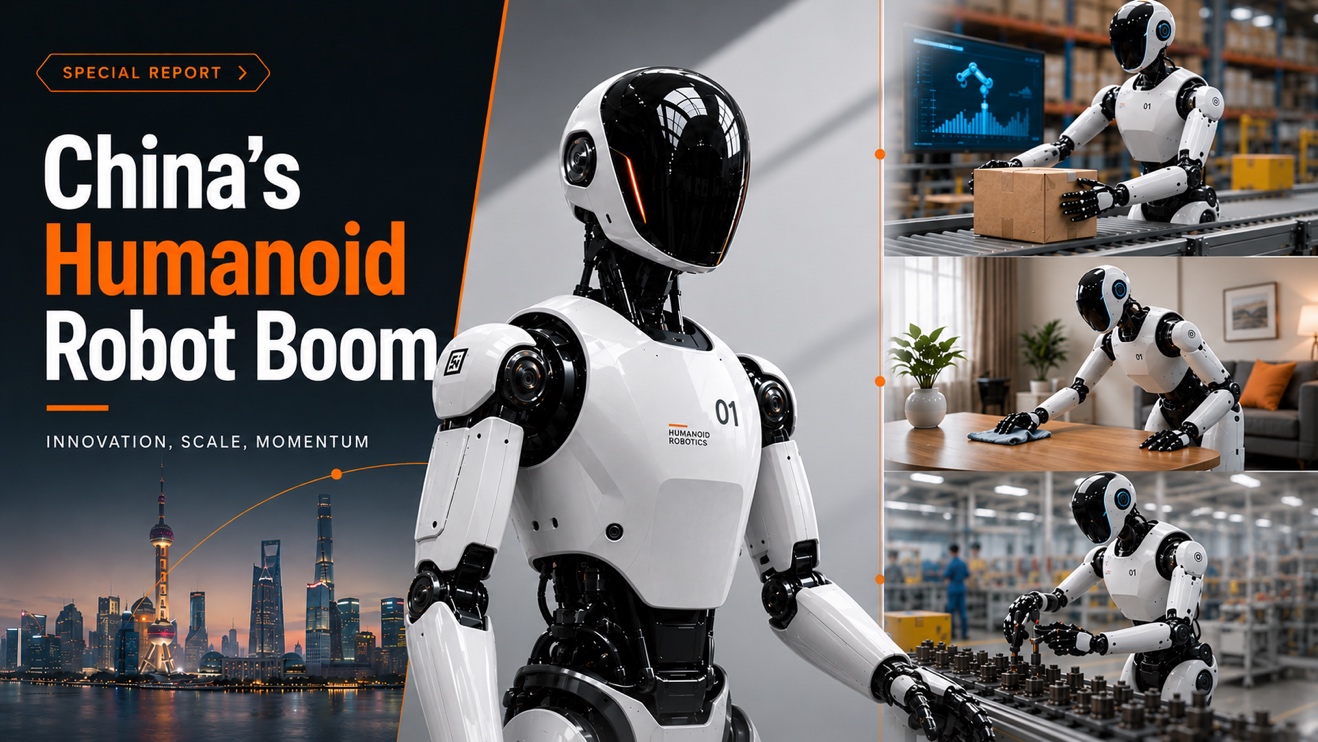
China's Humanoid Robot Industry Faces Challenges on Path to Commercial Success
China's humanoid robot industry is transitioning from impressive demonstrations to practical applications in everyday environments. Companies are exploring roles for these robots in workplaces and services, with a significant lead over U.S. counterparts in terms of speed and scale. In the first half of 2026, five Chinese companies accounted for 86% of global humanoid shipments, highlighting their rapid growth. The industry's success hinges on three key factors: cost, capital, and a vast testing ground for commercialization. With a robust manufacturing base and significant funding, Chinese companies are well-positioned to innovate and lower prices. However, challenges remain, including the need for reliable AI systems and integrated software, as well as the ability to convert physical capabilities into sustainable demand. Looking ahead, the commercialization of humanoid robots is still in its early stages, with limited large-scale orders. Experts emphasize the importance of repeat orders and customer payback periods as indicators of success. As the industry evolves, addressing safety, security, and supply-chain vulnerabilities will be crucial for gaining acceptance in global markets.
Heavy Hitters Highlight News
Supply Chain Challenges Hinder Humanoid Robot Development Despite AI Advances
The primary bottleneck for humanoid robots is not just AI model limitations but also supply chain constraints. A recent McKinsey report highlights that critical hardware components such as precision motor systems and tactile sensing are high-risk areas that won't automatically improve with algorithm upgrades. Renesas Vice President Ivo Marocco emphasizes that the complexity of ecosystem and system integration poses a greater challenge than solving AI issues. Despite expectations for humanoid robots to become mainstream, Omdia data forecasts only 13,000 units shipped globally by 2025, a figure that pales in comparison to automotive and industrial automation markets. Renesas aims to cover 30% of the bill of materials (BOM) costs for humanoid robots, with a long-term goal of reaching 70%. However, this target is often misunderstood as immediate market share, when in fact it represents a future product mix goal. The transition from 30% to 70% BOM coverage faces significant hurdles, particularly in high-risk hardware components. While automotive and industrial components can be repurposed, they do not address the unique challenges of humanoid robots. Renesas is focusing on system-level solutions and has established a physical AI and robotics lab in Beijing to support customers through the entire engineering validation process. The company anticipates a compound annual growth rate of 40% in the physical AI market by 2030-2035, although consumer humanoid robots are expected to take over five years to achieve significant market presence.
Humanoid Robots Supply Chain AI Hardware Components
Xpeng Motors Launches Automated Production Line for Humanoid Robot IRON in Guangzhou
In September 2026, Xpeng Motors officially launched the automated production line for its humanoid robot IRON in Guangzhou, aiming for mass production by the end of the year. This initiative signifies the transfer of quality management systems from automotive manufacturing to the robotics sector, as stated by Xpeng CEO He Xiaopeng during the launch ceremony. This move is part of a broader trend, with over 140 humanoid robot manufacturers in China, which released more than 330 humanoid robot products in the past year. According to Omdia, Chinese companies accounted for nearly 80% of the global humanoid robot shipment volume in 2025, with ZhiYuan Robotics leading in deliveries. The rapid integration of advanced algorithms into hardware by Chinese manufacturers has given them a competitive edge in this emerging market. Despite the excitement, concerns remain about the sustainability of the industry, as many companies are startups focusing on basic functionalities. The launch of Xpeng's production line may serve as a model for integrating established automotive manufacturing practices into robotics, but significant challenges remain before achieving true commercial viability in the humanoid robot sector.
Humanoid Robots Robot Manufacturing Automation AI Industrial Robotics
Humanoid Robots Enhance Mobility with AI-Driven Sprinting and Spin Kicks
Recent advancements in humanoid robots have led to the development of systems capable of sprinting and executing spin kicks, utilizing AI trained on human motion data. This progress signifies a leap in the capabilities of humanoid robots, which have traditionally been limited in their movement repertoire. The ability of humanoid robots to perform complex movements like sprinting and spin kicks is crucial for their potential application in assisting humans with manual tasks across various environments. Enhanced mobility could enable these robots to engage more effectively in real-world scenarios, thereby increasing their utility and acceptance in society. Looking ahead, the focus will likely be on further refining the movement capabilities of humanoid robots and exploring their practical applications in industries such as healthcare, logistics, and personal assistance. No further timeline was disclosed at the time of publication.
Robotics
Xpeng Motors Unveils Robot Production Line, Signaling a New Era in Humanoid Robotics
On September 8, 2026, Xpeng Motors announced the official launch of its robot production line, with the first advanced humanoid robot, IRON, completing automated assembly and autonomously walking off the production line. This production line, designed and built by Xpeng, achieves over 80% automation in core manufacturing processes. The significance of this production line lies not in the robot's ability to walk but in marking a pivotal shift in humanoid robot competition from 'can it be made' to 'can it be mass-produced.' The core challenge in scaling production from dozens to thousands of units is ensuring consistency in manufacturing, particularly in the assembly of thousands of joint modules. Xpeng's approach integrates automotive manufacturing systems into robot production, leveraging established capabilities in supply chain management and quality control. While Xpeng's IRON features unique technology with three self-developed AI chips, the humanoid robot industry still lacks a unified technical route and business model. Xpeng's robot business has completed over $900 million in funding, with plans for initial deployment in its own stores, while commercial sales are set to begin in 2027.
Humanoid Robots Automation Manufacturing Technology AI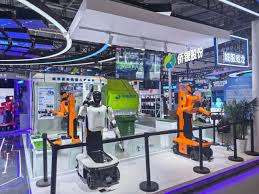
Strategic Partnership to Integrate Humanoid Robots into Urban Sanitation Systems
On September 7, 2026, Qiaoyin Urban Management Co., Ltd. signed a strategic cooperation agreement with the National Local Co-construction Humanoid Robot Innovation Center. The partnership aims to establish the first national application hub for humanoid robots in urban services, integrating advanced technology into real-world sanitation and property management scenarios. This collaboration is significant as Qiaoyin is the only selected partner for urban service applications, indicating that the center's technological innovations will be tested in frontline sanitation operations. The agreement outlines the joint development of two product lines for humanoid robots, with practical training models being created in various urban projects, including those in Guangzhou and Maoming. Looking ahead, Qiaoyin's President, Xia Guanming, has set a timeline for validating sanitation operations by the end of this year and implementing applications in Maoming next year. The integration of humanoid robots into urban sanitation represents a critical step in addressing labor shortages and enhancing operational efficiency in city services, marking a pivotal moment for the industry as it moves towards mass production of humanoid robots.
Humanoid Robots Urban Sanitation Robotics Innovation AI in Urban ServicesRobotics needs a service framework.
RSF defines a common language for robot service capability, lifecycle operations, certification pathways, and service-provider networks.
Join the RobotToday community on LinkedIn
Daily robotics news, in-depth analysis, conference highlights, and discussions with professionals worldwide.