

Industry Briefing
A single destination for timely, editor-curated robotics news from around the world.
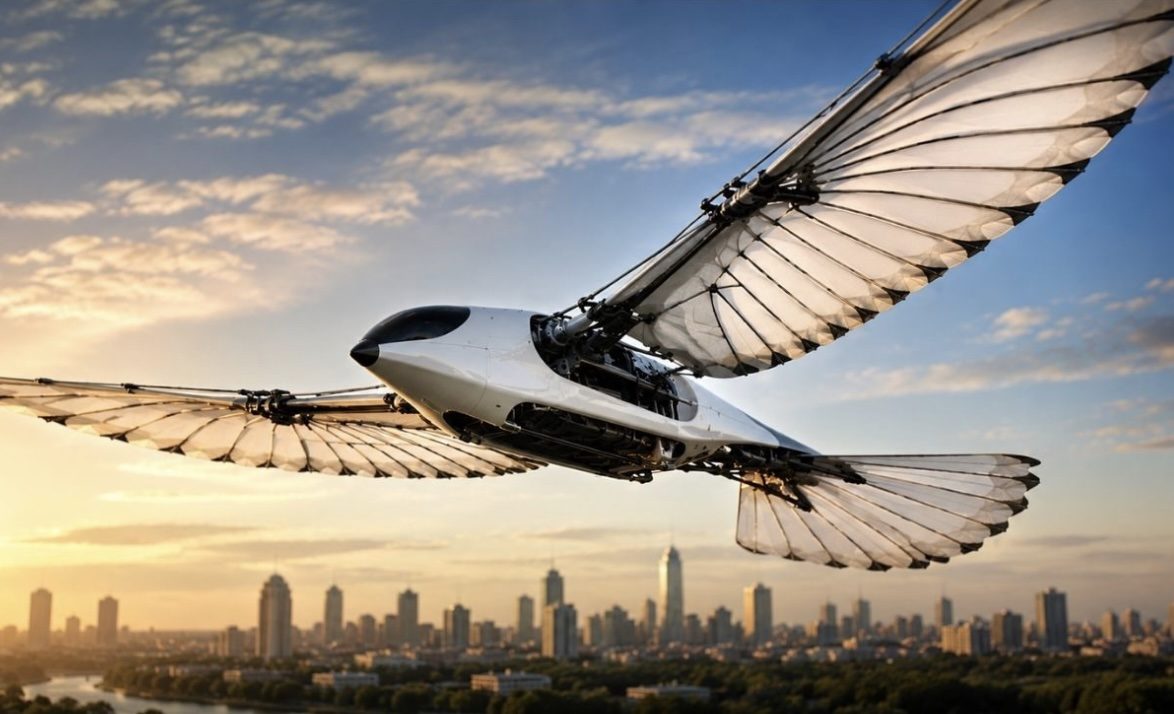
Smart Materials and the Rise of Ornithopters: on this episode of the Drone Radio Show!
Dr. Onur Bilgen, an Associate Professor at Rutgers University’s Department of Mechanical and Aerospace Engineering, recently discussed the future of flapping wing drones on the Drone Radio Show. In the episode, he highlighted the significance of smart materials in the design of next-generation aircraft and explored how bioinspired engineering could drive innovation in unmanned aviation. This conversation sheds light on the potential advancements in drone technology and the integration of nature-inspired designs, emphasizing the evolving landscape of aerial robotics.
DL Exclusive Drone News Drone News Feeds Drones in the News News Podcast
MIT and EPFL Develop Flapping Robot for Seamless Water-Air Transition with Advanced Wing Design
Researchers from MIT and EPFL have created a flapping robot capable of transitioning between water and air without legs. Weighing approximately 250 grams, the robot features a streamlined body, two flexible wings, and a controllable tail. It can flap its wings at frequencies of up to 6 Hz underwater and 5.2 to 11 Hz in the air, mimicking the behavior of diving birds, as detailed in a recent Science publication. This innovation is significant as it addresses the complex physical challenges of transitioning from water to air, a feat that most diving birds achieve with the aid of their legs. The robot's flexible wings reduce drag and allow for a higher flapping frequency underwater compared to rigid wings. This design not only enhances its swimming efficiency but also aligns with biological observations of diving birds, providing insights into their locomotion strategies. Looking ahead, the research team is exploring optimal wing configurations and has tested various sizes and stiffnesses. Future experiments will focus on the robot's ability to transition from water to air solely through wing flapping, a critical milestone that could reveal more about the mechanics of avian flight and inspire advancements in robotic design. No further timeline was disclosed at the time of publication.
Flapping Robots Aerial Robotics Aquatic Robotics Bio-inspired Engineering
MIT and EPFL Develop Flapping-Wing Robot for Air and Water Navigation
Engineers from MIT and EPFL have created a flapping-wing aerial-aquatic vehicle (FAAV) inspired by puffins. Weighing under 300 grams, the robot features a central fuselage, flexible wings, and a steerable tail. Field tests in Lake Geneva demonstrated its ability to swim and then take flight, showcasing its dual-medium capabilities. This innovation is significant for oceanography and marine biology, as it allows for cost-effective data collection from both air and water. The FAAV can fly at speeds of 6 meters per second and swim at 1 meter per second, providing a versatile tool for researchers. The design mimics the natural mechanics of birds, which maintain similar physical dynamics in both environments by adjusting their speed. Looking ahead, the team aims to refine the robot's ability to breach the water's surface, a challenging transition requiring a precise 70-degree pitch. No further timeline was disclosed at the time of publication, but the potential applications for environmental monitoring and research are substantial.
AI and Robotics
EPFL and MIT Develop Flapping Robot That Swims and Flies Like Diving Birds
Engineers at EPFL and MIT have created a flapping-wing aerial-aquatic vehicle (FAAV) that mimics the swimming and flying abilities of diving birds. Weighing under 300 grams, the FAAV is designed to help researchers study the mechanics of how these birds transition between air and water. Experiments revealed optimal combinations of wing size, flapping frequency, and tail angle for effective movement in both environments. This innovation is significant as it could lead to a new class of aerial-aquatic drones capable of accessing aquatic regions that are difficult for traditional vessels. The robot's design allows it to dive for samples and return data at a lower cost, making it a valuable tool for oceanographers and marine biologists. The research findings were published in the journal Science, highlighting the potential for enhanced understanding of bird biomechanics. Future developments will focus on improving wing design for better maneuverability and testing the robot in turbulent conditions. The team aims to deploy the FAAV for ocean science research, potentially revolutionizing how data is collected from challenging aquatic environments. No further timeline was disclosed at the time of publication.

NHS Expands Drone Deliveries for Medical Samples Across London
The UK's National Health Service (NHS) is integrating drones into its logistics for healthcare, following a successful pilot that significantly reduced delivery times for urgent medical samples. This initiative could benefit approximately 1.8 million residents in southwest London, while also cutting costs, lowering emissions, and enhancing patient care. Since February, drones have been transporting blood and diagnostic samples from Nelson Health Centre in Raynes Park to the South West London Pathology (SWLP) laboratory at St George’s Hospital in Tooting, completing the journey in just over three minutes. This is a substantial improvement over the 20-minute road travel time, especially during peak congestion or extreme weather conditions. The SWLP processes around 51 million diagnostic samples annually, and faster deliveries allow for quicker testing and treatment decisions. With plans to extend drone services to additional hospitals and clinics, the NHS aims to make this technology a standard part of its operations. The initiative, operated by British startup Apian in collaboration with Wing, has already shown cost savings of up to 23% compared to traditional delivery methods, while also significantly reducing carbon emissions. No further timeline was disclosed at the time of publication.
News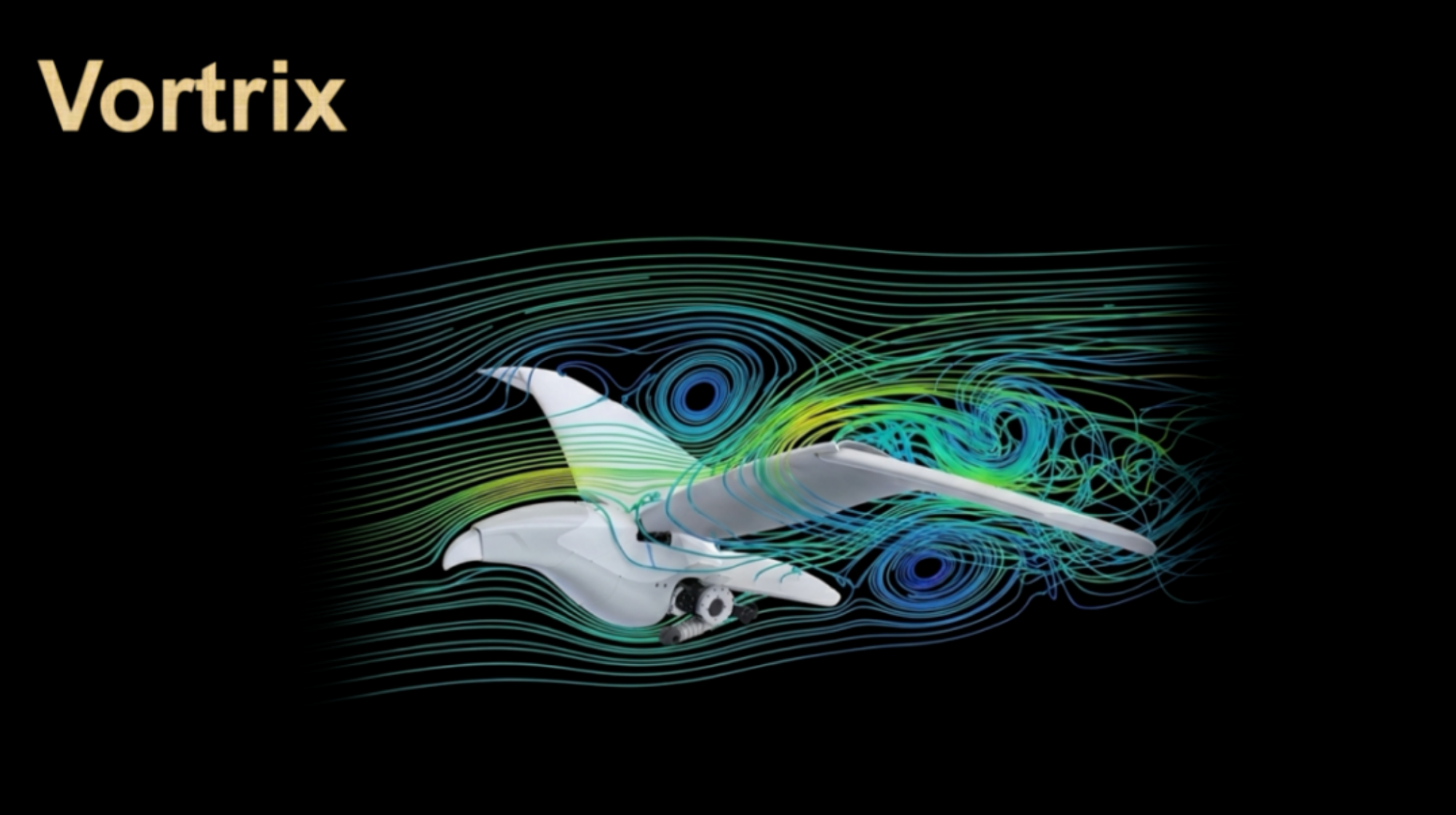
Post-00s PhD Team Secures Funding for Biomimetic Flapping Robot Development
A team of PhD students born after 2000 has developed a biomimetic flapping robot capable of fluid navigation, announced by Eagle Eye Intelligent Wings. The company recently completed a Series A funding round, raising tens of millions of yuan, led by Yuanhe Puhua with participation from Futen Capital and Houxue Capital. This marks the third funding round for the company within three months since its establishment 15 months ago. The funding will primarily support the mass production of their first consumer product, the 'Eagle X,' and the development of the next-generation flapping robot and fluid simulation engine. Founded in March 2025 in Shenzhen, Eagle Eye Intelligent Wings is among the early companies focusing on embodied intelligent flapping robots. The core team consists of over ten members from Shanghai Jiao Tong University, all born after 2000, with notable achievements in research. The 'Eagle X' has completed over 3,000 hours of flight testing and is set to launch on Kickstarter in Q3 of this year. The next-generation product will feature approximately 15 degrees of freedom, allowing for independent wing adjustments. The Vortrix fluid simulation engine is expected to be opened for external use, enhancing training for flying robots and optimizing aerodynamics for fixed-wing aircraft and wind turbine blades. No further timeline was disclosed at the time of publication.
Biomimetic Robots AI Fluid Dynamics Robotics Drone Technology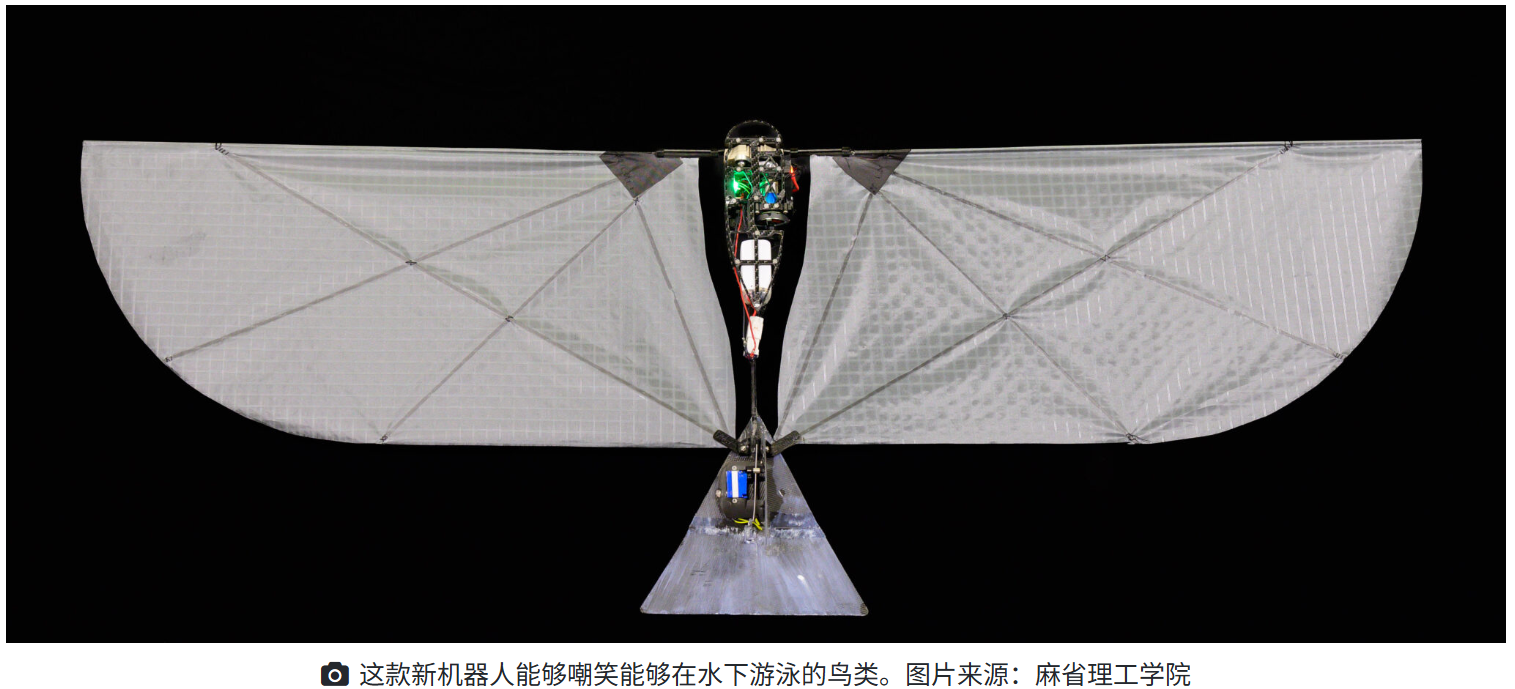
MIT and EPFL Unveil 250g Flapping Robot for Dual Aerial and Aquatic Navigation
MIT and EPFL have developed the Flapping-wing Aerial-Aquatic Vehicle (FAAV), weighing just 250 grams. This innovative robot can navigate both air and water, achieving a cruising speed of 6.3 meters per second in the air and 1 meter per second underwater. Remarkably, it can take off from water using only its wings, without any additional propulsion systems. The significance of the FAAV lies in its ability to overcome the challenges of transitioning between air and water, which have historically hindered the development of amphibious robots. The wings of the FAAV passively deform underwater, allowing for efficient movement and reduced motor load. This design enables the robot to exploit the surface tension of water for takeoff, a feat that has been difficult for previous models reliant on complex propulsion mechanisms. Looking ahead, the research team aims to complete the full flight-dive-flight cycle, which is yet to be validated. The FAAV has already demonstrated its capability to breach the water's surface, marking a significant milestone in the evolution of cross-medium robotic systems. No further timeline was disclosed at the time of publication.
Flapping Robots Aerial-Aquatic Vehicles Robotics Marine Technology
MIT and EPFL Develop Flapping Robot for Aerial and Aquatic Exploration
Engineers from MIT and EPFL have created a flapping-wing aerial-aquatic vehicle (FAAV) that weighs under 300 grams. This robot can swim underwater and transition to flight, mimicking the behavior of diving birds. The research, published in Science, showcases the robot's ability to adapt its mechanics for both mediums, which differ significantly in density and resistance. The significance of this development lies in its potential applications in oceanography and environmental monitoring. The FAAV can access areas that are typically hazardous for traditional vessels, allowing scientists to collect data from locations such as icebergs or marine habitats. This innovation could reduce operational costs and enhance data collection efficiency in marine research. Looking ahead, the research team aims to refine the FAAV's design and functionality. Future experiments will likely focus on optimizing the robot's performance in various aquatic environments. No further timeline was disclosed at the time of publication.
Bioinspiration Drones Mechanical engineering Oceanography and ocean engineering Research Robotics
Cost To Link LUCAS Kamikaze Drones To Starlink Highlights Pentagon’s Ever-Growing Dependence On SpaceX
The Pentagon has responded to concerns regarding significant increases in fees associated with linking LUCAS kamikaze drones to SpaceX's Starlink satellite network. Despite the pushback on these reports, the military's reliance on SpaceX's technology has become increasingly crucial for U.S. operations. This situation underscores the growing dependence of the Pentagon on private aerospace companies for essential services and capabilities in modern warfare. The ongoing integration of commercial satellite systems into military operations highlights the evolving landscape of defense logistics and technology.
News & Features Air Airborne Communications Drones Unmanned
This 22-Year-Old SJTU PhD Is Building Flapping Wing Robots — and Sequoia Just Backed Him
Yingkong Zhivi, a pioneering company established by four PhD students from Shanghai Jiao Tong University, has successfully secured tens of millions of RMB in a Pre-A funding round. The investment was led by Yuanhe Origin, marking a significant milestone for the startup, which is recognized as the world's first entity dedicated to developing flapping wing robots with embodied intelligence. This innovative approach aims to enhance the capabilities of robotic systems, potentially transforming various applications in fields such as robotics and artificial intelligence. The funding will enable Yingkong Zhivi to further its research and development efforts, positioning it at the forefront of this emerging technology.
Robotics
New understanding of insect flight points way to stable flapping-wing robots
Researchers at Cornell University have developed a groundbreaking computational model that analyzes how the physical characteristics of insects influence their flight stability. This innovative study sheds light on the intricate dynamics that allow both bugs and birds to soar gracefully through the air, a phenomenon that has long been challenging to quantify. Conducted recently, the research aims to deepen our understanding of the evolution of animal flight. Additionally, the findings could serve as a valuable framework for the design of advanced flapping-wing robots, potentially revolutionizing the field of robotics.
Robotics
Why humans are staying in the loop with loyal wingman drones
A recent video series exploring the dynamics of manned-unmanned teaming features a panel of experts discussing the advantages and potential drawbacks of utilizing unmanned systems. This second installment highlights the growing reliance on these technologies in various sectors, emphasizing their ability to enhance operational efficiency and safety. The discussion, which took place in October 2023, aims to inform stakeholders about the implications of integrating unmanned systems into existing frameworks. Panelists address concerns related to security, ethical considerations, and the need for robust regulatory measures to mitigate risks associated with their deployment. By examining both the benefits and challenges, the series seeks to provide a comprehensive understanding of how unmanned systems can be effectively and responsibly integrated into modern operations.
Air Warfare Pentagon Air Force collaborative combat aircraft Drones Future Airpower Roundtable
New understanding of insect flight points way to stable flapping-wing robots
Cornell University researchers have developed a sophisticated computational model to analyze the intricate dynamics of insect flight. This groundbreaking study, led by David Nutt, reveals how the physical structure, or morphology, of insects influences their ability to stabilize during flight. The research aims to deepen the understanding of flight mechanics in both insects and birds, which, despite their seemingly effortless wing movements, operate under complex aerodynamic principles. The findings could pave the way for advancements in fields such as robotics and aerodynamics, enhancing the design of flying machines by mimicking the natural flight patterns observed in these creatures.
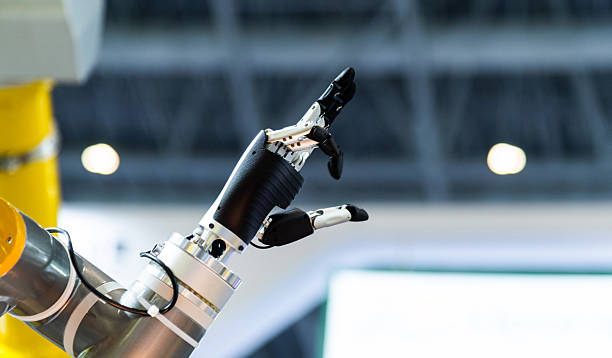
RoboFly.D—A Bio‐Inspired Hover‐Capable Flapping Wing Robot
In a recent publication in the Journal of Field Robotics, researchers have unveiled significant advancements in robotic navigation systems, particularly focusing on enhancing the accuracy and efficiency of autonomous vehicles. This study, released in May 2026, highlights innovative algorithms that enable robots to better interpret complex environments, thereby improving their decision-making capabilities. Conducted by a team of experts in robotics and artificial intelligence, the research aims to address the growing need for reliable navigation solutions in various applications, from urban transportation to agricultural automation. The findings suggest that by integrating advanced sensor technologies and machine learning techniques, robots can now navigate challenging terrains with unprecedented precision. The study was carried out in diverse settings, including urban landscapes and rural fields, to test the algorithms under real-world conditions. The motivation behind this research stems from the increasing reliance on autonomous systems in everyday life, necessitating improvements in their operational reliability and safety. Through extensive field trials and simulations, the researchers demonstrated that the new navigation systems significantly reduce the likelihood of errors, thereby enhancing the overall performance of autonomous vehicles. This work not only contributes to the field of robotics but also paves the way for future innovations in automated systems, ultimately aiming to facilitate safer and more efficient transportation solutions.
RESEARCH ARTICLE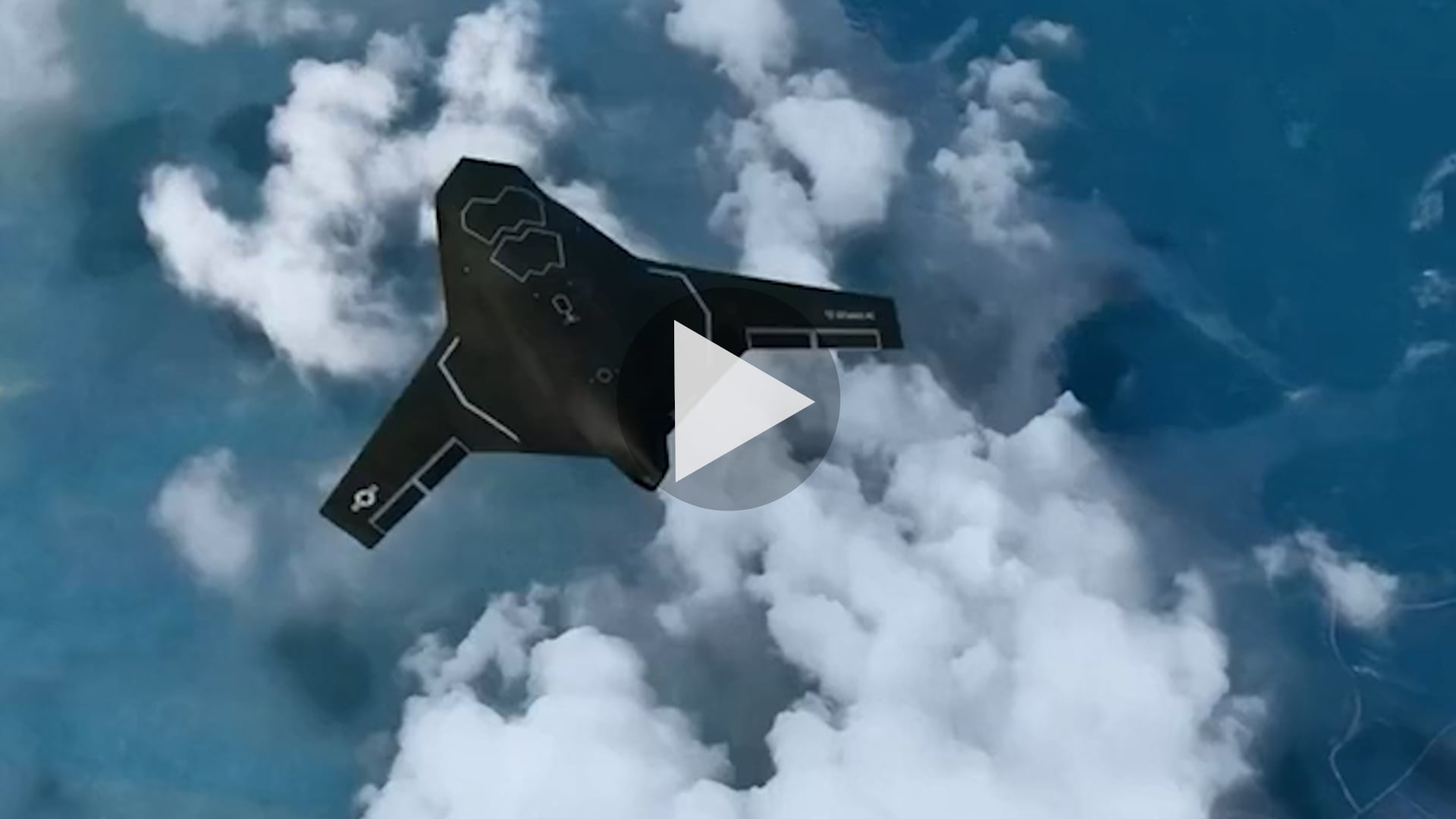
Why loyal wingman drones may be the future of global airpower
Breaking Defense has unveiled a new video series that delves into the concept of manned-unmanned teaming and its implications for the future of military aviation. This initiative aims to explore the integration of human pilots with unmanned systems, highlighting advancements in technology and operational strategies. The series is set to provide insights into how these collaborations can enhance mission effectiveness and reshape aerial combat dynamics. By addressing the evolving landscape of military aviation, Breaking Defense seeks to inform and engage audiences on the critical developments in this field. The launch of the series comes at a time when defense sectors are increasingly focusing on innovative solutions to meet modern warfare challenges.
Air Warfare Pentagon Air Force collaborative combat aircraft Drones Future Airpower Roundtable
Cornell’s insect-inspired 3D model could allow flapping-wing robots to fly stably
Researchers at Cornell University have unveiled a groundbreaking 3D computational model designed to decode complex physical phenomena. This innovative model, which was developed over the past year, aims to enhance our understanding of various scientific processes by simulating intricate interactions within physical systems. The research team, led by a group of physicists and engineers, conducted extensive experiments and simulations to refine the model's accuracy and applicability. The development of this model is particularly significant as it addresses longstanding challenges in the field of physics, providing a tool that can potentially revolutionize how scientists approach problem-solving in areas such as material science, fluid dynamics, and even climate modeling. By leveraging advanced algorithms and high-performance computing, the researchers were able to create a more precise representation of physical interactions, which could lead to new discoveries and innovations. This work not only showcases the capabilities of modern computational techniques but also underscores the importance of interdisciplinary collaboration in advancing scientific knowledge. The findings of this research are expected to be published in a leading scientific journal, contributing to ongoing discussions and developments in the field.
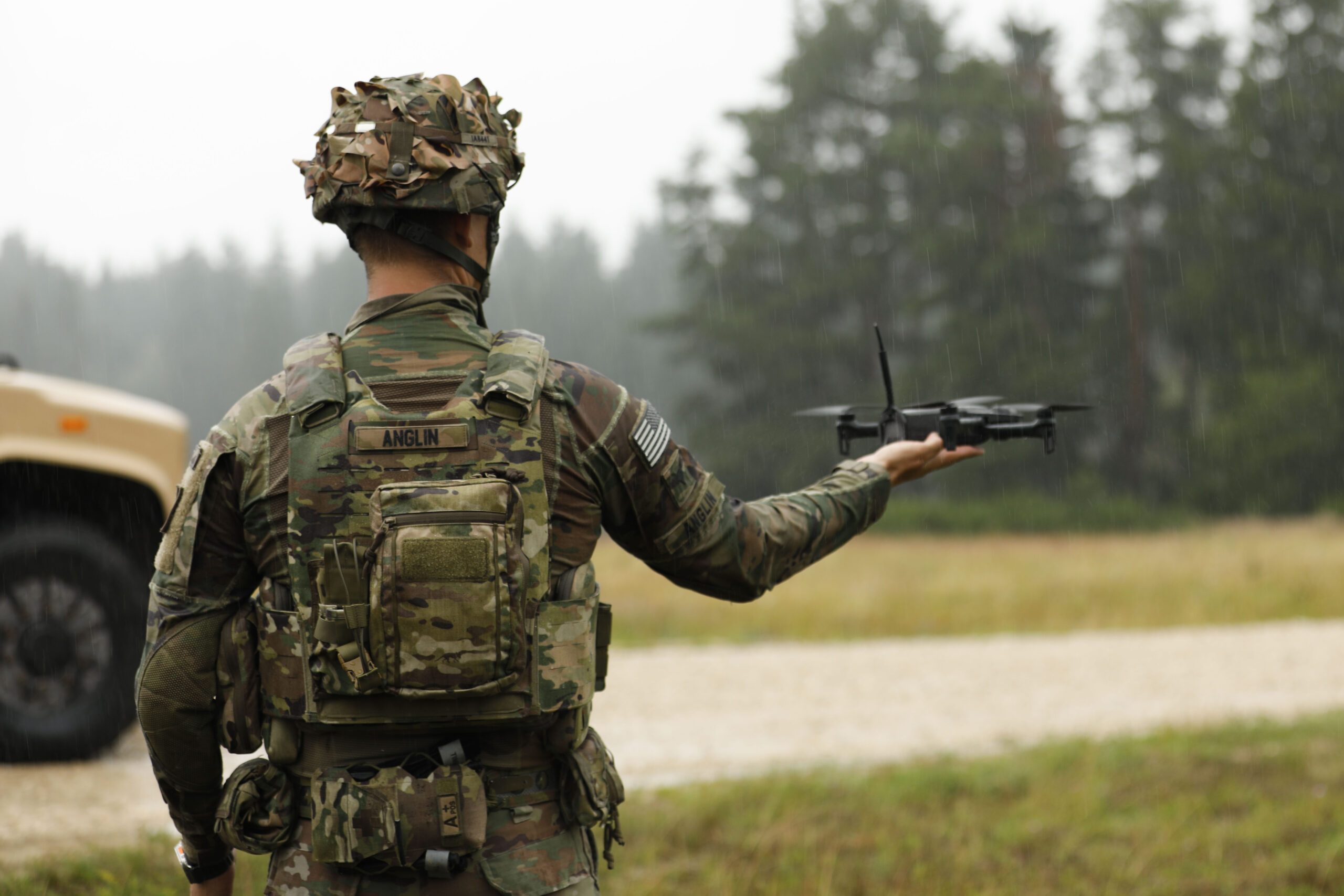
House FY27 NDAA Signals Drones Have Become Core Military Infrastructure
The House Armed Services Committee is shifting its focus regarding military drones, emphasizing the establishment of standards, training, doctrine, and sustainment necessary for integrating unmanned systems into the core infrastructure of the U.S. military. This strategic move comes after years of congressional discussions primarily centered on procurement and supply chain security. The committee's proposal signals a significant transition in how the military views and utilizes drone technology, aiming to make these systems a permanent fixture within its operations. This change reflects a growing recognition of the importance of drones in modern warfare and military strategy.
Applications Defense defense DL Exclusive Drone News Drone News Feeds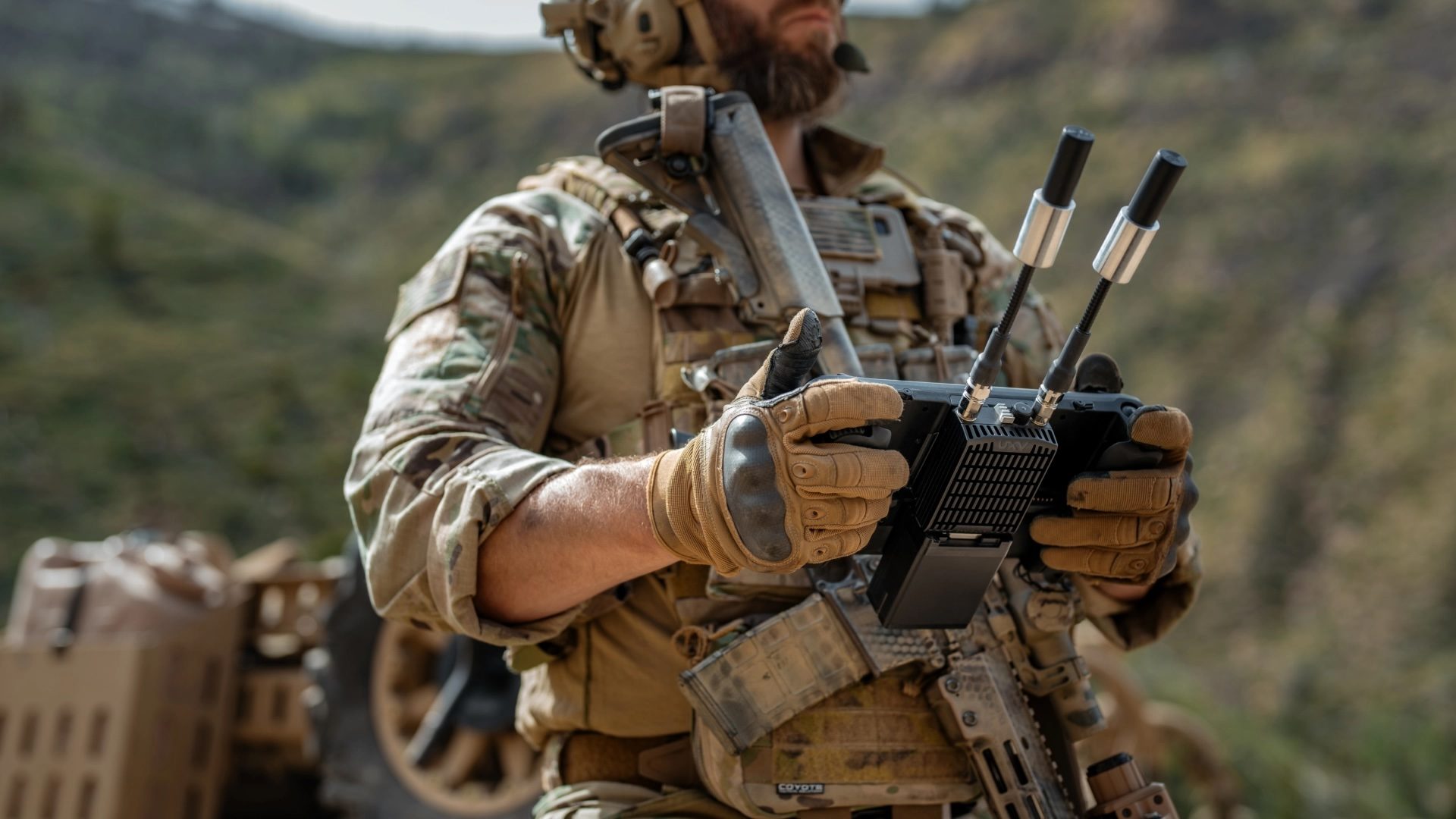
DRONELIFE Exclusive Interview: Inside PDW’s Strategy to Build Drones That Can Operate When GPS and Communications Fail
PDW is advancing the development of sophisticated drone communication systems to enhance military operations in environments where traditional communication methods may fail. As global militaries increasingly depend on drones for surveillance and combat, the need for reliable communication links has become critical, especially in areas with contested communication. The company's strategy focuses on creating drones capable of functioning effectively even when GPS and standard communication systems are compromised. This initiative highlights the growing recognition of the importance of resilient drone technology in modern warfare.
Applications Defense defense Drone News Drone News Feeds Dual Use
Palladyne AI partners with IAI to bring Israeli Harpy, Harop drones to US
Palladyne is set to enhance its capabilities by integrating new AI swarming software into its Israeli drones, according to CEO Ben Wolff in an interview with Breaking Defense. This strategic move aims to position the company competitively for upcoming defense contracts, particularly the U.S. Army's Long-Range Precision Munition (LRPM) initiative. By leveraging advanced technology, Palladyne seeks to capitalize on the growing demand for innovative military solutions, thereby expanding its footprint in the defense sector. The implementation of this software is expected to improve the operational effectiveness of the drones, making them more appealing to military clients.
Air Warfare Networks & Digital Warfare AI & Autonomy Air Force anti-aircraft artificial intelligence AI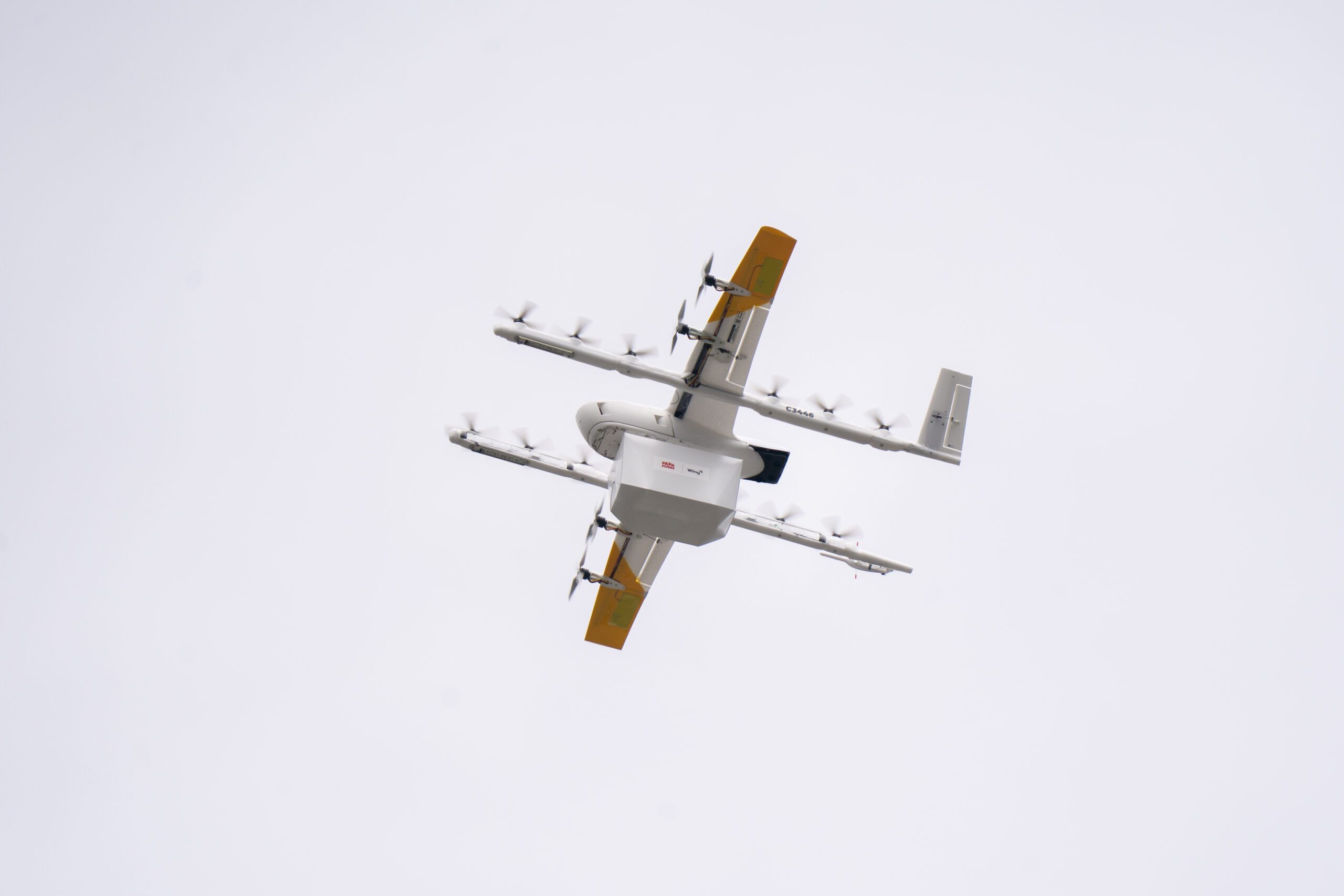
Beyond Pizza Delivery: How AI Agents and Drones Are Building the Next Commerce Infrastructure
Papa Johns and Wing, in collaboration with Google Cloud, are pioneering a future where artificial intelligence, autonomous logistics, and drone delivery converge into a unified ecosystem. This partnership marks a significant step for the commercial drone industry, moving beyond traditional narratives that emphasize the technical aspects of drones, such as payload capacity, battery life, and regulatory challenges. By integrating AI systems with drone technology, the collaboration aims to enhance the efficiency and effectiveness of delivery services, potentially transforming the landscape of commerce. This innovative approach not only promises to streamline operations but also to redefine consumer experiences in delivery logistics.
Applications Delivery DL Exclusive Drone News Drone News Feeds Feature 1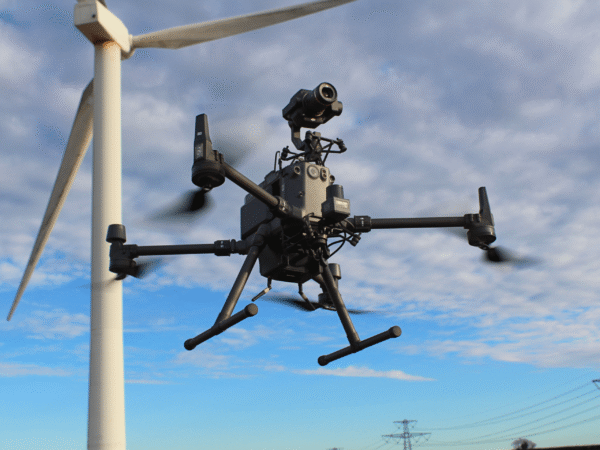
Perceptual Robotics Raises Funding to Automate Wind Turbine Inspection Drones
Perceptual Robotics, a Thessaloniki-based company, has successfully secured new funding to enhance its autonomous wind turbine inspection platform. The investment round, announced on May 5, 2026, was led by Loggerhead Ventures, with additional support from One Planet Capital. This financial backing aims to advance the development of AI-powered drones designed for wind farm maintenance, reflecting the growing demand for innovative solutions in renewable energy infrastructure. The funding will enable Perceptual Robotics to scale its operations and improve the efficiency of wind turbine inspections, ultimately contributing to the sustainability of wind energy production.
Drone News Drone News Feeds Europe Drone Industry European Union infrastructure Inspection
New Intelic Platform Lets European Militaries Find and Deploy Drones Faster
A European defense technology company, Intelic, has launched a new platform called Intelic BASE, aimed at accelerating the deployment of unmanned systems across European militaries. Announced on May 4, 2026, in Amsterdam, this innovative procurement hub is designed to enhance interoperability among various defense systems, enabling governments to more efficiently locate and deploy drones. The initiative responds to the growing need for streamlined processes in military operations, ultimately improving the effectiveness of defense strategies in Europe.
Applications Defense defense Drone News Drone News Feeds Dual Use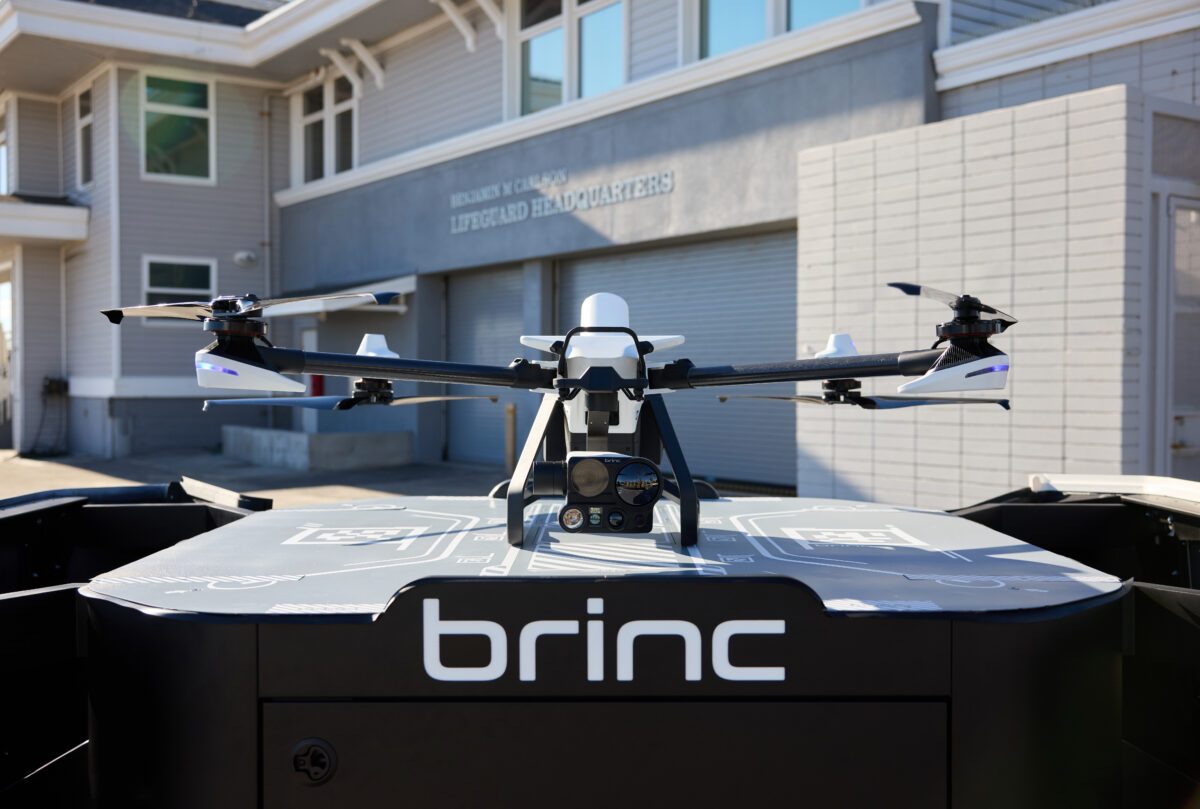
What Starlink Actually Changes for Police Drones: A Look at BRINC’s Guardian
At the recent Motorola Solutions Summit, Blake Resnick discussed the innovative capabilities of BRINC's new Guardian drone, which features integrated Starlink satellite connectivity. This advancement is poised to significantly enhance police drone operations by providing improved connectivity, redundancy, and extended range. The integration of Starlink technology could reshape how law enforcement agencies utilize drones in real-world scenarios, allowing for more effective responses in critical situations. As public safety continues to evolve, the Guardian drone represents a potential new standard for first responders, leveraging cutting-edge technology to meet the demands of modern policing.
Applications DL Exclusive Drone News Drone News Feeds Drones in the News Featured – Safety and Security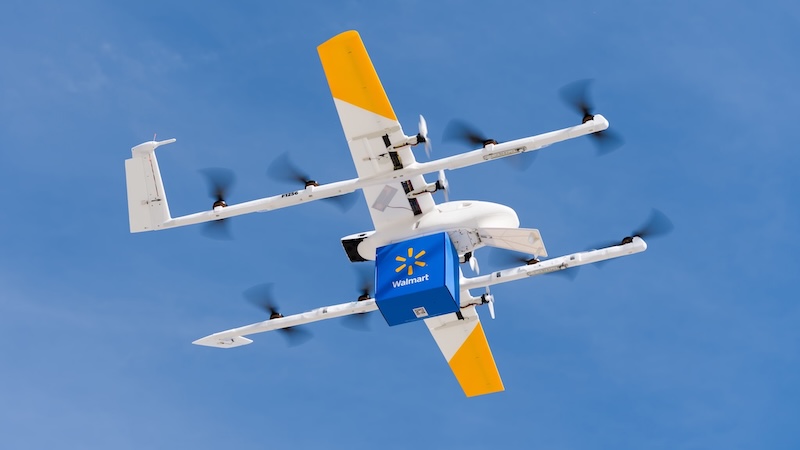
Wing and Walmart expand drone delivery network to seven new US metro areas
Drone delivery company Wing, in partnership with retail giant Walmart, is expanding its residential drone delivery network across the United States, which they claim is the largest of its kind. This initiative will introduce drone delivery services to seven new metropolitan areas, including Memphis, New Orleans, Philadelphia, and Phoenix. The expansion aims to enhance accessibility and convenience for consumers, with a target of reaching 40 million Americans by 2027. The collaboration between Wing and Walmart is part of a broader strategy to leverage drone technology for efficient delivery solutions, responding to the growing demand for rapid and reliable delivery services in urban areas.
Drones News aerial delivery automation news autonomous drones commercial drones
Aeronext Unveils ActiveWing Logistics Drone Prototype for Long-Range Delivery
Aeronext, a Tokyo-based company, has unveiled a new logistics drone prototype designed for long-range deliveries. This innovative drone features the ActiveWing technology, which incorporates independently moving auxiliary wings alongside its 4D GRAVITY airframe, enhancing both range and payload capacity for SkyHub delivery services. The announcement was made in collaboration with the Japan UAS Industrial Development Association (JUIDA), highlighting the company's commitment to advancing drone logistics solutions. The prototype aims to address the growing demand for efficient delivery systems in various sectors, leveraging cutting-edge technology to improve operational performance.
Delivery Drone News Drone News Feeds Japan Drone Industry Japan Drone News Logistics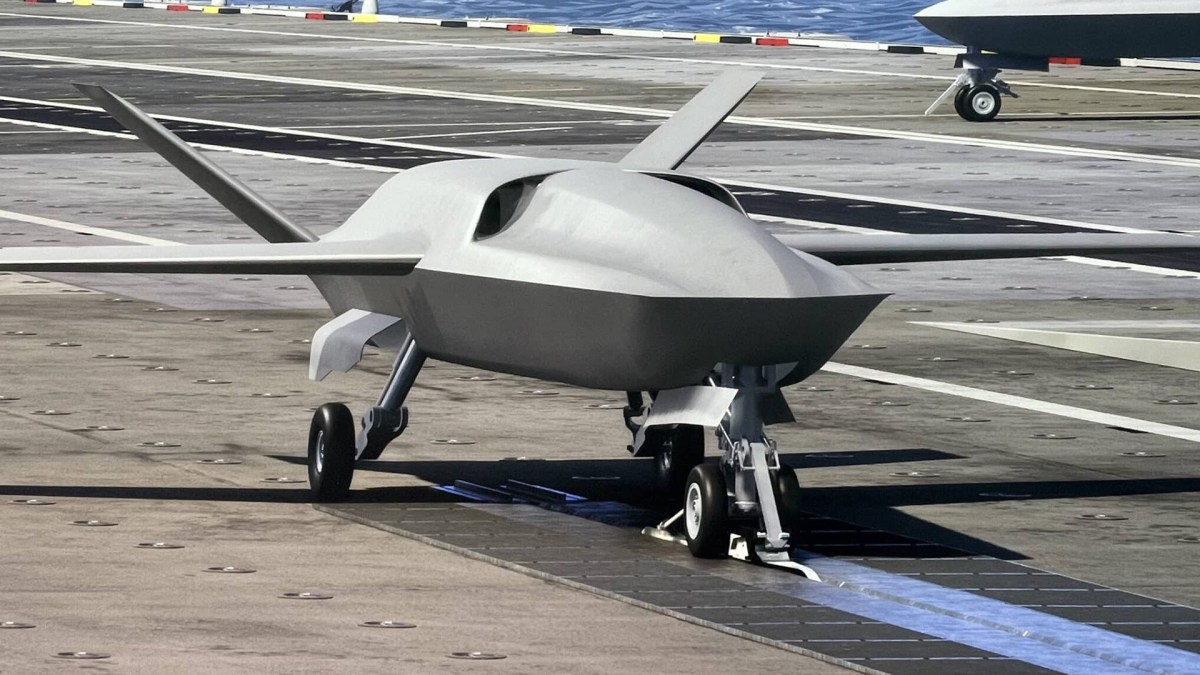
U.S. Navy Seeks 1,000 Nautical Mile Range for Future Carrier-Based Drones
The U.S. Navy is planning to develop carrier-based uncrewed aircraft capable of striking enemy targets at least 1,000 nautical miles away without mid-air refueling. This initiative is part of a broader request for information (RFI) issued by Naval Air Systems Command (NAVAIR) regarding the Air Wing of the Future (AWOTF) family of systems. This capability is crucial as adversary anti-access/area denial strategies evolve, necessitating that carrier air wings operate from greater distances. The Navy's focus on uncrewed systems aims to enhance combat effectiveness over existing platforms while ensuring compatibility with Nimitz and Ford class carriers. Future developments will likely include vertical takeoff and landing drones for use on destroyers, as well as integration with existing U.S. Navy Unmanned Carrier Aviation control systems. No further timeline was disclosed at the time of publication.
Air Carriers Collaborative Combat Aircraft Drones Navies News & Features
France Validates C-UAS Package for Rafale Fighters to Target Shahed-Type Drones
France has confirmed the validation of a Counter-Unmanned Aerial System (C-UAS) package for its Rafale fighters. This package enables the aircraft to engage Shahed-type attack drones using 68mm rockets, enhancing their operational capabilities in drone warfare. The implementation of this C-UAS package is significant as it addresses the growing threat posed by drones in modern combat scenarios. By equipping Rafale fighters with the ability to target these unmanned aerial vehicles, France aims to bolster its defense strategy and ensure air superiority against emerging aerial threats. Looking ahead, the focus will be on the operational deployment of this C-UAS capability within the French Air Force. No further timeline was disclosed at the time of publication.
News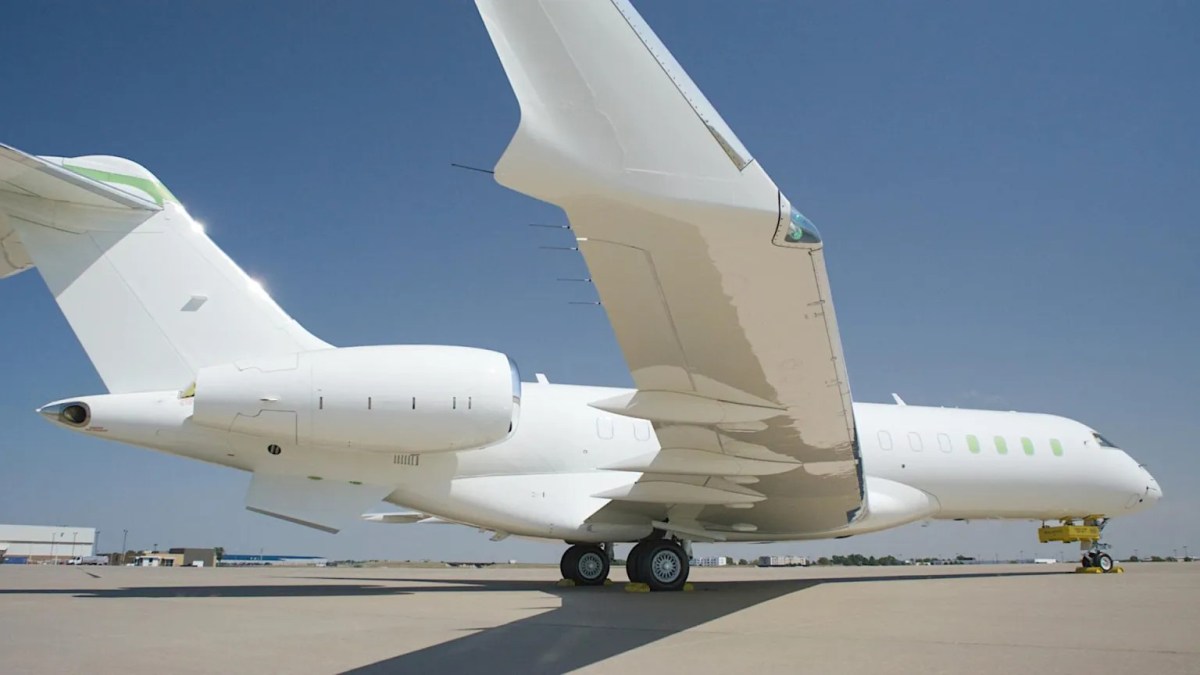
U.S. Army to Establish HADES Aircraft and Drone Battalion at Fort Hood
The U.S. Army has announced that its future fleet of ME-11B High Accuracy Detection and Exploitation System (HADES) aircraft will be stationed at Fort Hood, Texas. This initiative includes the formation of a unique operational drone battalion, aimed at consolidating aerial intelligence, surveillance, and reconnaissance (ISR) assets following the retirement of turboprop ISR planes last year. This development is significant as it marks a pivotal step in modernizing the Army's global aerial ISR capabilities. The relocation of the 116th Military Intelligence Brigade from Fort Gordon to Fort Hood is part of this strategy, enhancing the Army's ability to conduct multi-domain and large-scale combat operations. The ME-11B jets, converted from Bombardier Global 6500 business jets, are expected to improve operational efficiency with higher speed, altitude, and advanced sensor capabilities. Looking ahead, the Army anticipates the delivery of the first ME-11B prototype by the end of the year, with plans to acquire at least six production models. The HADES system is designed to extend the Army's intelligence-gathering reach significantly, utilizing long-range drones to enhance operational effectiveness while minimizing exposure to threats. No further timeline was disclosed at the time of publication.
Air Armies Drones Land Manned ISR News & Features
New Autonomous Drone System Maps Volcanic Gases to Predict Eruptions
Researchers at the Technical University of Munich (TUM) have developed an autonomous measurement system that utilizes drones and lasers to map volcanic gas concentrations with a low measurement error of approximately 5%. This innovative system aims to enhance volcanic eruption forecasting by tracking the ratio of carbon dioxide to sulfur dioxide, providing insights into subterranean volcanic processes. The significance of this technology lies in its potential to prevent natural disasters by offering accurate measurements of volcanic gases. Traditional methods have faced challenges due to background emissions and equipment damage from corrosive plumes. TUM's solution involves a ground station that shoots a laser through gas clouds, allowing for precise data collection while keeping equipment safe from harsh conditions. Looking ahead, TUM plans to further automate the measurement and mapping processes, incorporating artificial intelligence to interpret the data. This advancement could lead to safer volcanic forecasting, particularly on the Aeolian island of Vulcano, which remains in an active degassing phase despite not having experienced a major eruption since the late 19th century.
Science
Researchers teach drones to avoid crashes before it’s too late
An engineer from the University of Houston has created an innovative onboard safety system designed to enhance drone safety by preventing crashes. This new technology enables drones to navigate around obstacles and avoid potential collisions, even in the face of unforeseen circumstances that may disrupt their flight paths. The development of this system addresses growing concerns over drone safety as their use becomes increasingly prevalent in various sectors, including delivery services and aerial photography. By integrating advanced algorithms and sensors, the system allows drones to make real-time adjustments, ensuring safer operations in complex environments. This breakthrough could significantly reduce the risk of accidents, paving the way for broader adoption of drones in urban areas and other challenging settings.
News
Giving drones a sense of 'pain' could help them predict instability before it happens
In a recent discussion on the limitations of current drone technology, experts highlighted the inability of drones to adapt to mechanical failures, such as a worn-out propeller. Drawing a parallel to human resilience, they explained that just as a person instinctively alters their running style after spraining an ankle to avoid exacerbating the injury, drones lack the capability to modify their operation in response to equipment malfunctions. This limitation raises concerns about the reliability and safety of drone operations, particularly in critical applications. The conversation underscores the need for advancements in drone technology that would enable these machines to recognize and respond to mechanical issues autonomously, enhancing their functionality and performance in various environments.
Robotics
ANRA Technologies Surpasses 55,000 Commercial Drone Operations Per Month, Demonstrating Growing Demand for Digital Airspace Infrastructure
A leading drone platform has announced that it now facilitates over 1,800 commercial drone operations beyond visual line of sight each day. This significant milestone encompasses a variety of applications, including delivery services, critical infrastructure monitoring, utility management, and public sector missions. The increase in operational capacity reflects the growing demand for advanced drone technology in various industries, driven by the need for efficient and effective solutions. The platform's capabilities enable businesses and government agencies to leverage drones for tasks that require extended range and precision, ultimately enhancing operational efficiency and safety. The announcement comes as the drone industry continues to evolve, with advancements in technology and regulatory frameworks supporting the expansion of drone usage in everyday operations.

Hear a gunshot? Uruguay’s drones respond before police
In a bid to enhance emergency response efficiency, authorities in Montevideo, Uruguay, are deploying autonomous drones to assist in critical incidents. This innovative approach aims to reduce response times for police and emergency services, allowing them to gather vital information about unfolding situations before arriving on the scene. By utilizing drone technology, officials hope to improve situational awareness and ensure a more effective response to emergencies. The initiative reflects a growing trend in urban areas to integrate advanced technology into public safety measures, ultimately prioritizing the safety and well-being of the community.
News
European startup to make defense drones in Japan, export across Asia
Portuguese drone startup Tekever is set to establish a manufacturing base for defense drones in Japan, marking a significant milestone as it is expected to be the first foreign defense company to do so. The initiative, reported on June 23, 2026, aims to leverage Japan's advanced sensor technology and will involve collaboration with Marubeni, which will serve as the sales agent for Tekever's products across Asia. This move is part of Tekever's strategy to expand its market presence in the region and enhance its technological capabilities by tapping into Japan's expertise in defense systems. The establishment of the manufacturing facility is anticipated to strengthen defense ties between Portugal and Japan while contributing to the growing demand for advanced drone technology in the Asian market.

SPH Engineering and Vets to Drones Partner to Expand Career Paths for Military Veterans
SPH Engineering has launched a new training initiative in collaboration with Vets to Drones, aimed at equipping military veterans with advanced flight planning skills essential for surveying, mapping, and inspection work in the commercial drone industry. This partnership responds to the growing demand for skilled drone operators capable of managing complex missions. By providing veterans with specialized training, the initiative seeks to expand their career opportunities in a rapidly evolving field. The program highlights the commitment of both organizations to support veterans in transitioning to civilian roles while addressing the industry's workforce needs.
Applications Drone News Drone News Feeds Drones in the News Mapping News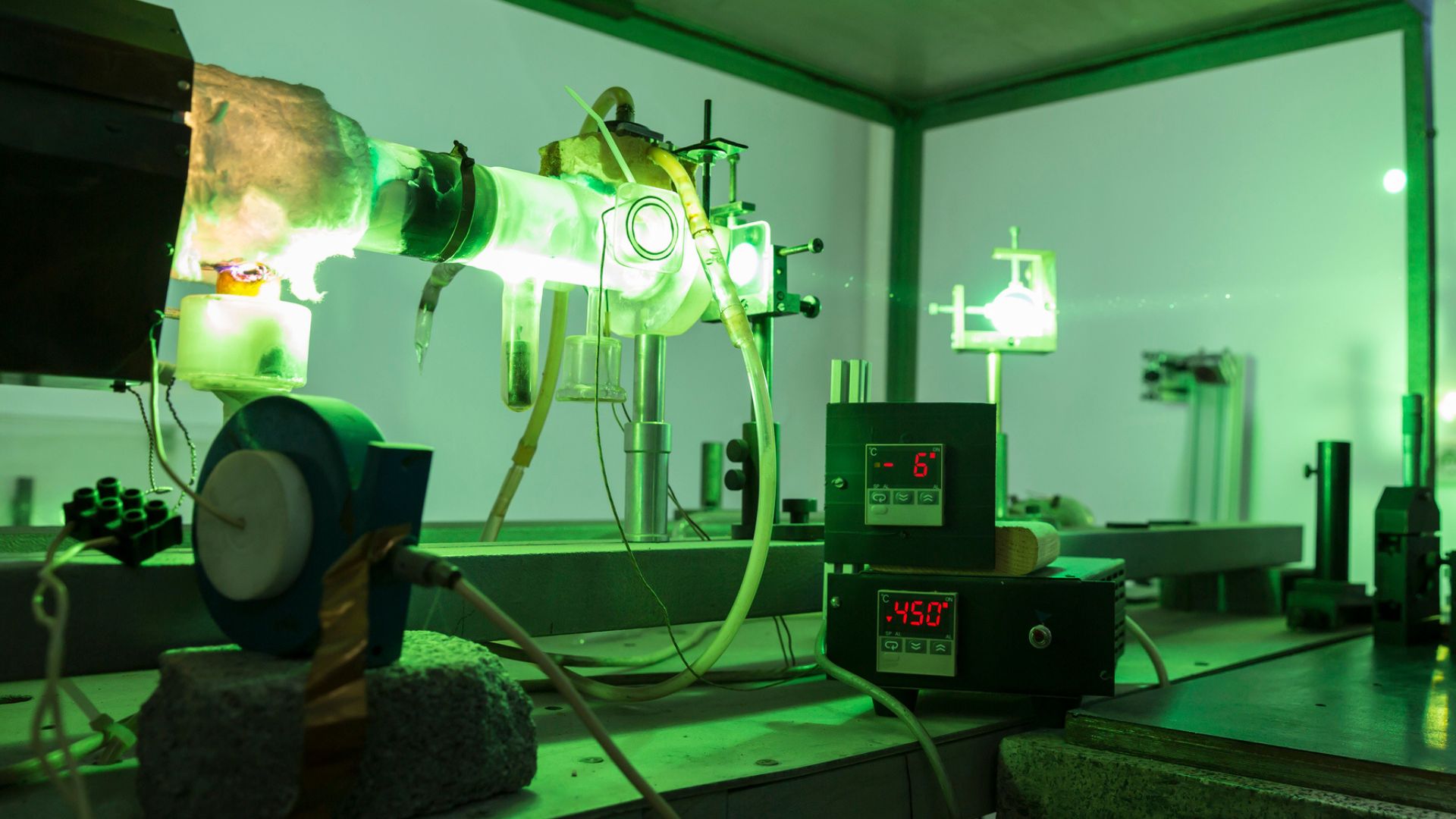
Chinese firm debuts man-portable laser weapon that zaps drones, fits in a backpack
Harbin Xinguang Optic-Electronics Technology, a Chinese defense supplier, has introduced a new man-portable anti-drone laser weapon. The announcement was made recently, highlighting the growing focus on counter-drone technology amid increasing concerns over drone-related threats. This innovative weapon is designed to provide military and security forces with a portable solution to neutralize unauthorized drones effectively. The development reflects a broader trend in defense technology, where nations are investing in advanced systems to safeguard airspace from potential intrusions. The unveiling of this laser weapon underscores the urgency for enhanced security measures in response to the evolving landscape of aerial threats.
Innovation Military
DroneShield, Defenture team up on mobile counter-UAS capabilities
Australia’s DroneShield has partnered with Dutch tactical mobility firm Defenture to enhance their capabilities in mobile counter-uncrewed aerial system (UAS) solutions. The two companies have formalized their collaboration through a memorandum of understanding (MoU), aiming to explore and develop commercial opportunities in this growing sector. This strategic alliance reflects a shared commitment to advancing technology that addresses the increasing challenges posed by uncrewed aerial vehicles. The partnership is expected to leverage each company's expertise, combining DroneShield's innovative drone detection and mitigation technologies with Defenture's tactical mobility solutions. The collaboration marks a significant step forward in enhancing security measures against potential threats from UAS, as both firms look to capitalize on the rising demand for effective countermeasures in various operational environments.
News
Drones learn to squeeze through narrow gaps using onboard AI control
Drones, or unmanned aerial vehicles (UAVs), have become integral tools across diverse sectors, including filmmaking, aerial photography, industrial inspections, precision agriculture, and emergency response. Despite their growing popularity and capabilities, many drones face challenges when navigating cluttered environments. They often struggle to maneuver through tight spaces or access hard-to-reach areas, limiting their effectiveness in certain situations. As the demand for more versatile and agile drones increases, advancements in technology are necessary to enhance their navigation and operational capabilities in complex surroundings.
Robotics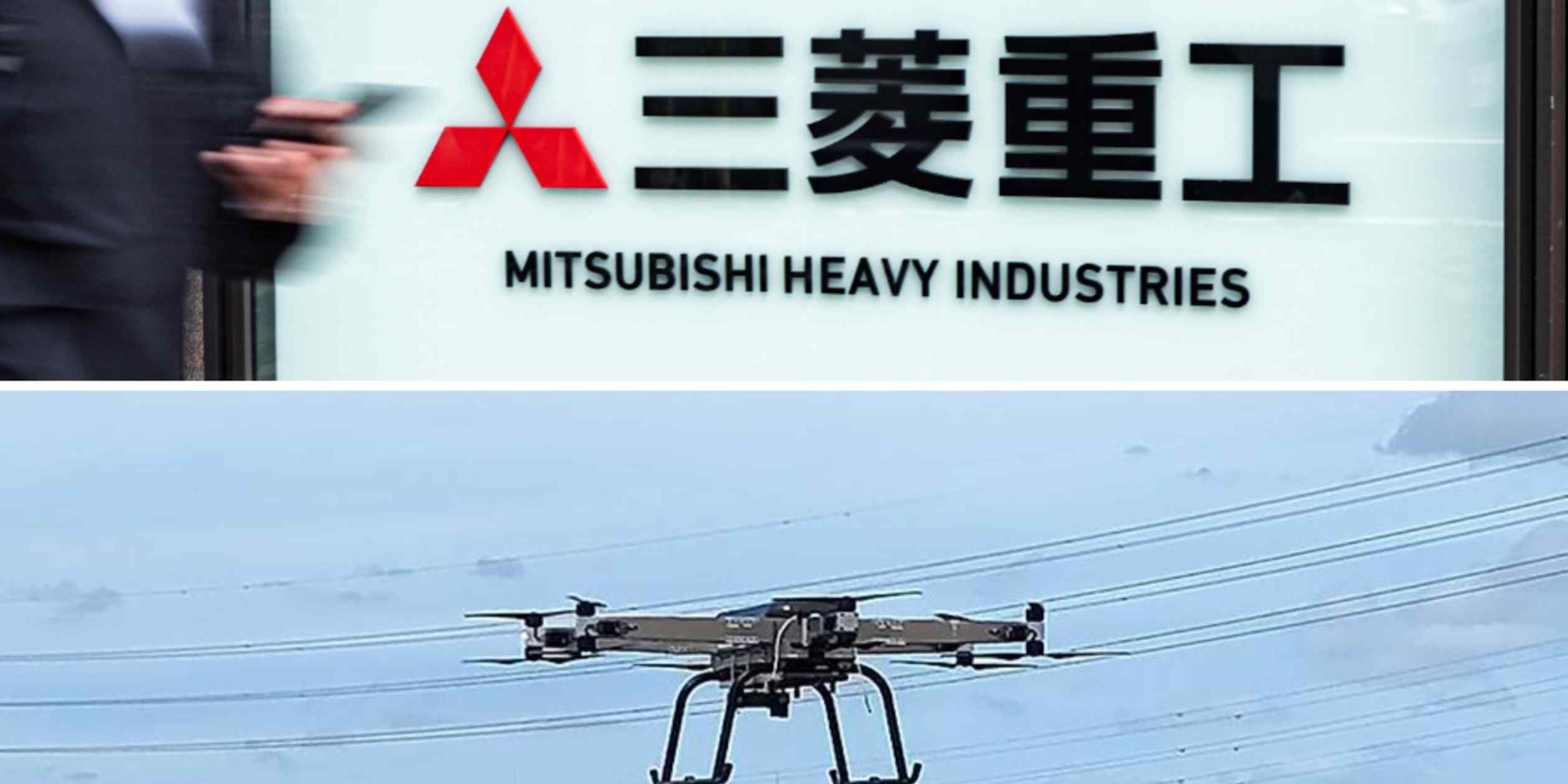
Japan's top defense contractor branches out into small interceptor drones
Mitsubishi Heavy Industries, Japan's leading defense contractor, is shifting its focus towards the development of small interceptor drones in response to the growing significance of low-cost aerial technology amid ongoing conflicts in Ukraine and the Middle East. This strategic move, announced on June 18, 2026, in Tokyo, aligns with Japan's broader initiative to bolster its domestic defense capabilities and establish a self-sufficient drone industry. The company, traditionally known for manufacturing destroyers and missiles, is investing substantial resources into this new sector, reflecting a commitment to adapt to evolving military needs and enhance national security.
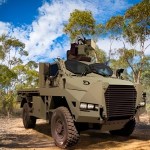
New RapidStriker system uses 360-degree vision and automated fire to neutralize drones
Thales has introduced a new line of advanced battlefield drones as military forces worldwide strive to keep pace with the increasing use of unmanned aerial vehicles in combat. This announcement comes amid growing concerns over the evolving nature of warfare, where drones are becoming a pivotal element on the front lines. The unveiling took place during a defense technology exhibition in Paris, highlighting the company's commitment to enhancing military capabilities in response to modern threats. Thales aims to provide innovative solutions that not only improve operational efficiency but also ensure the safety of personnel in high-risk environments. The new drones are designed to integrate seamlessly with existing military systems, offering enhanced surveillance and combat support. As nations invest heavily in drone technology, Thales's latest offerings reflect the urgent need for armed forces to adapt to these advancements and maintain strategic advantages on the battlefield.
Military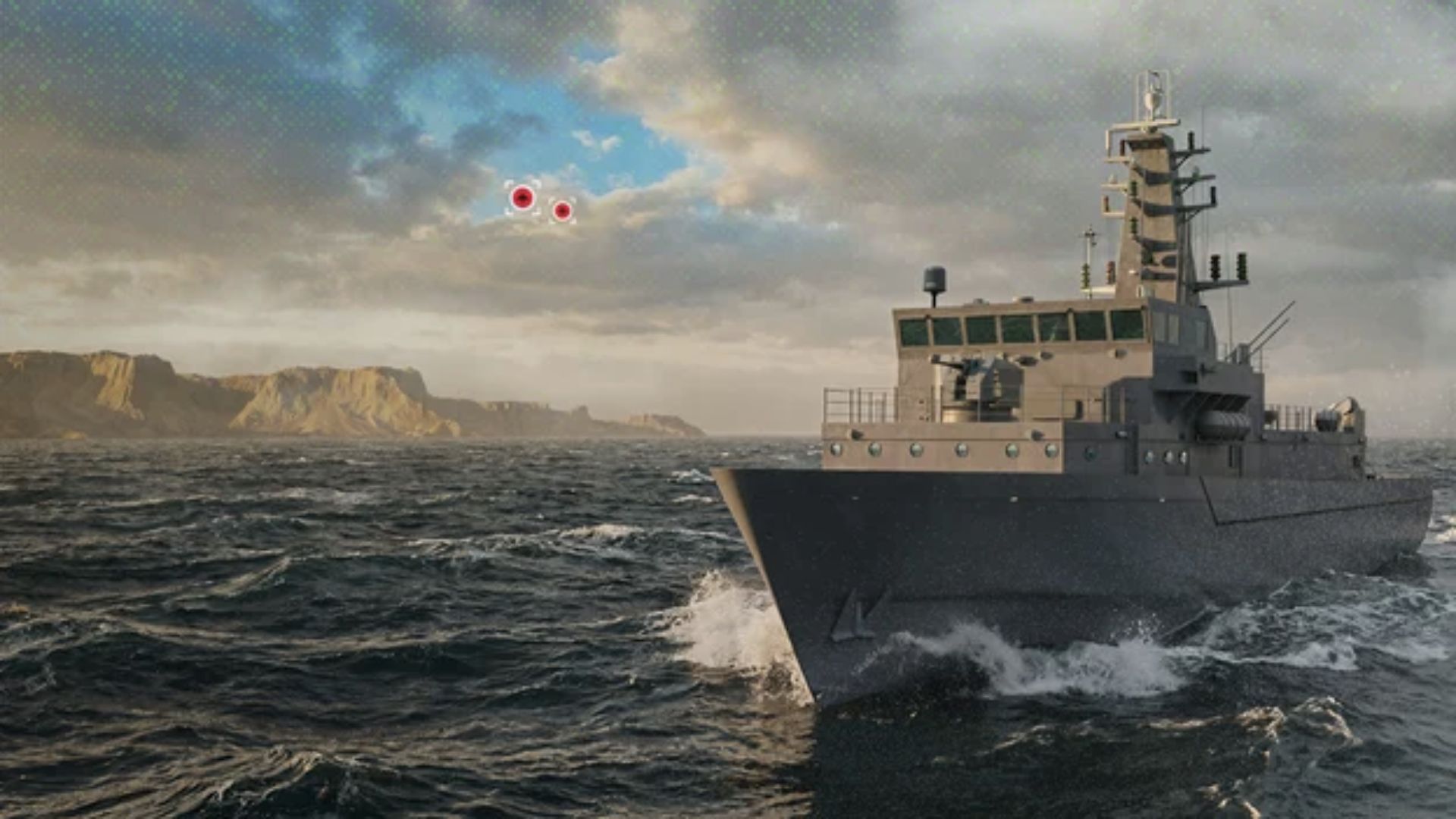
New radar system can detect high-speed drones nearby ports, vessels in extreme environment
A cutting-edge radar system has been developed to enhance the detection of drones operating near ports, vessels, harbors, and other critical maritime areas. This innovative technology aims to bolster maritime security by providing real-time surveillance and threat assessment capabilities. The radar is designed to identify and track drones, which have increasingly become a concern for safety and security in busy maritime environments. The system's deployment is expected to take place in the coming months, with trials set to occur at various strategic locations along coastlines. By integrating advanced detection algorithms and high-resolution imaging, the radar will enable authorities to respond swiftly to potential threats, ensuring the safety of maritime operations and protecting vital infrastructure. This initiative reflects a growing recognition of the need for enhanced security measures in response to the rising prevalence of drone activity in sensitive areas.
Innovation Military
Thales’ new radio frequency weapon destroys 80 drones with zero ammo use in trials
A cutting-edge radio frequency weapon has demonstrated its effectiveness by successfully neutralizing 80 drones in recent tests. Developed by a leading defense technology company, this innovative system aims to address the growing threat posed by unmanned aerial vehicles. The tests were conducted in October 2023 at a designated military facility, showcasing the weapon's capabilities in real-world scenarios. The motivation behind this development stems from increasing concerns over drone usage in both military and civilian contexts, where they can be employed for surveillance or attacks. By disrupting the communication signals of these drones, the radio frequency weapon effectively renders them inoperable, providing a strategic advantage in airspace security. The successful deployment of this technology marks a significant advancement in counter-drone measures, as military forces around the world seek reliable solutions to mitigate potential risks associated with drone operations.
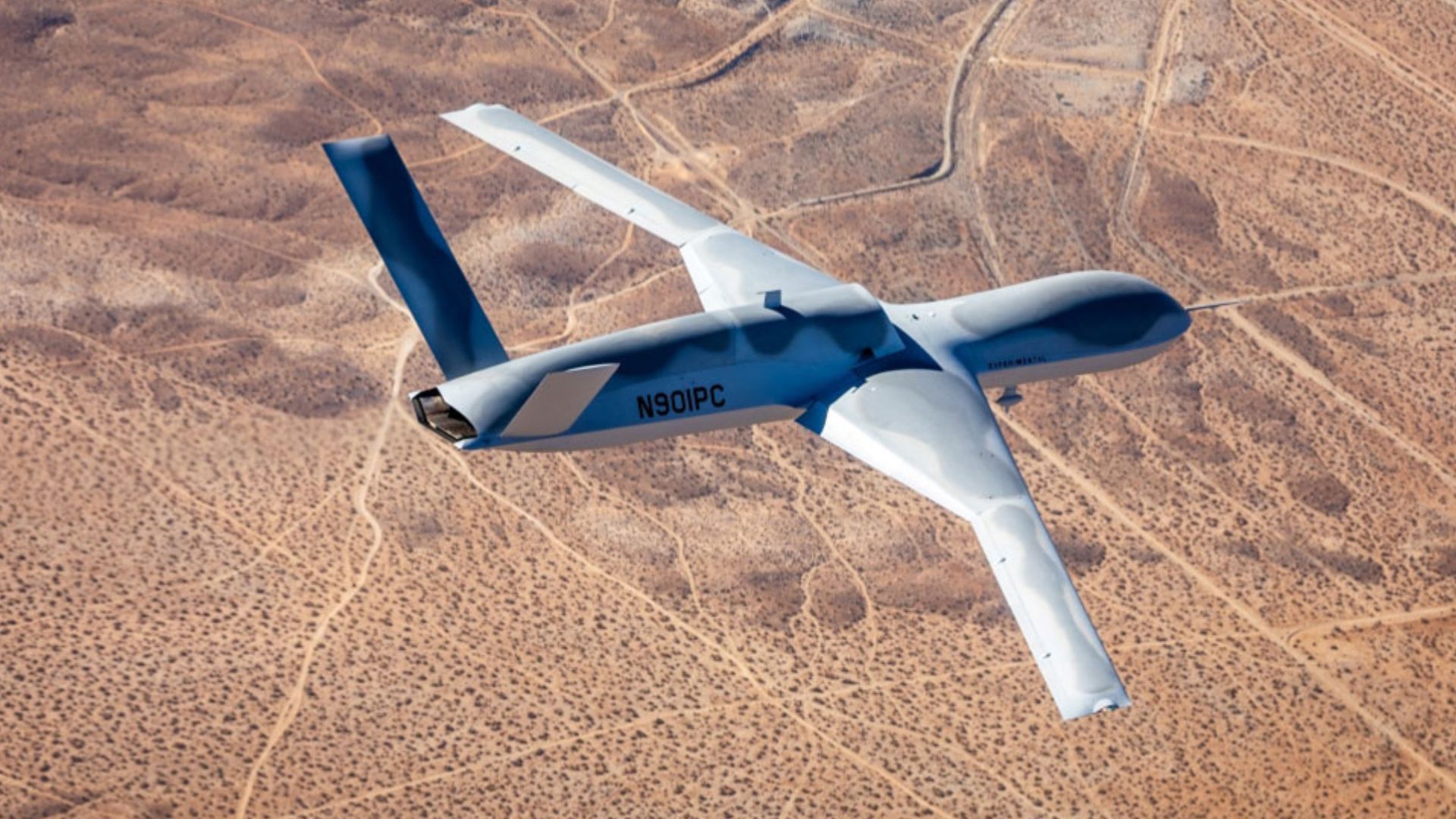
‘Loyal wingman’ test: F-35 fighter jet and MQ-20 drone display manned-unmanned teaming
General Atomics has successfully demonstrated interoperability between the F-35 fighter jet and its advanced drone systems. This achievement, announced recently, marks a significant milestone in enhancing military capabilities and operational efficiency. The demonstration took place at a military testing facility, showcasing how the F-35 can seamlessly integrate with unmanned aerial vehicles (UAVs) to improve mission effectiveness. The motivation behind this development stems from the growing need for advanced warfare strategies that leverage both manned and unmanned systems. By ensuring that the F-35 can communicate and coordinate with drones, General Atomics aims to provide military forces with a more versatile and responsive combat platform. This interoperability is expected to enhance situational awareness and decision-making during complex missions. The successful integration was achieved through rigorous testing and validation processes, which involved real-time data sharing and tactical coordination between the aircraft and drones. This advancement not only underscores General Atomics' commitment to innovation in defense technology but also positions the F-35 as a pivotal asset in future military operations.
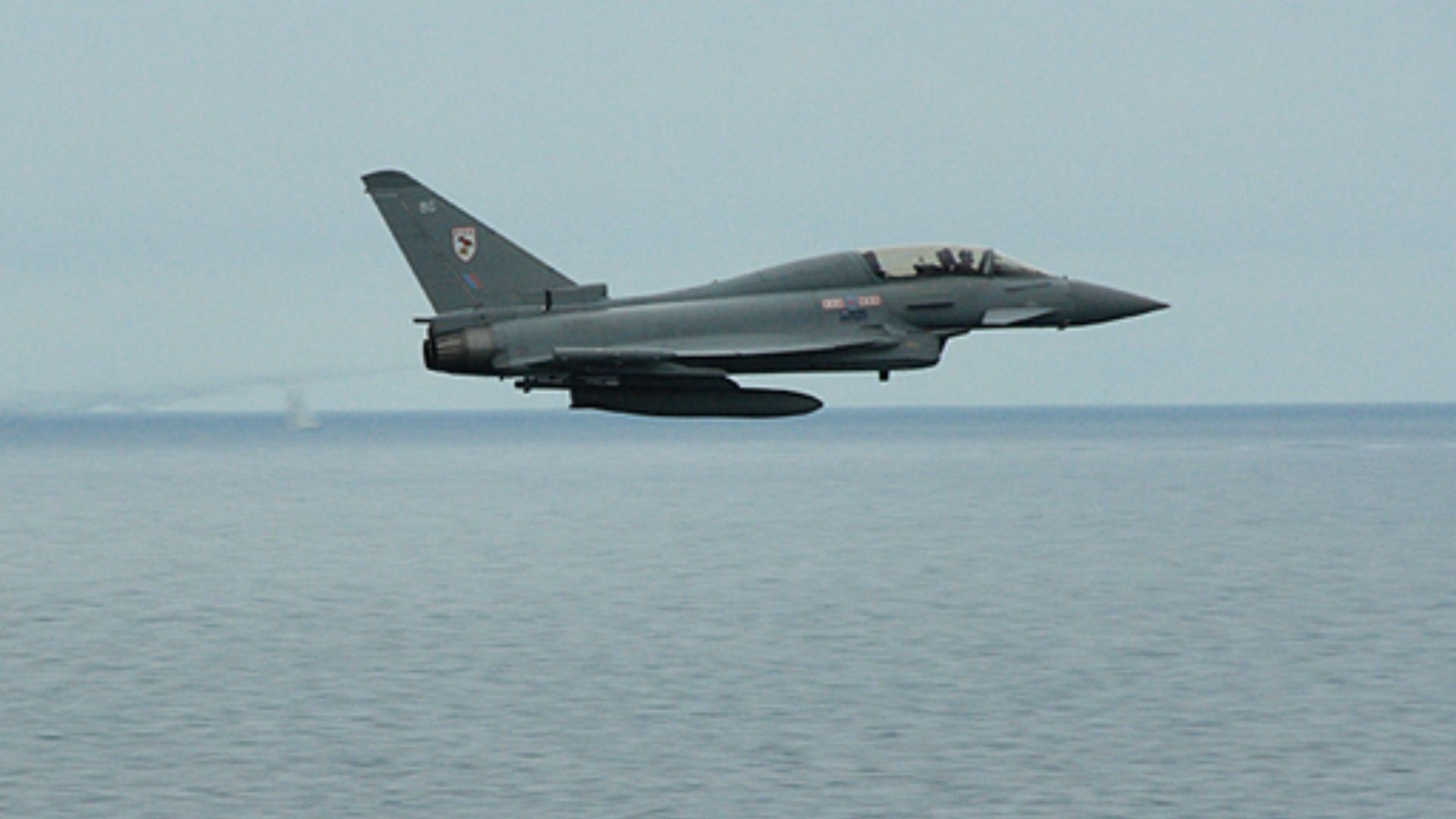
UK military deploys low-cost laser-guided rockets to destroy drones with precision defense
The Royal Air Force (RAF) has initiated the deployment of a cost-effective laser-guided counter-drone weapon system on its Eurofighter Typhoon aircraft. This move comes as part of the RAF's ongoing efforts to enhance its capabilities in addressing the growing threat posed by unmanned aerial vehicles (UAVs). The deployment began in October 2023, as the military seeks to bolster its defense strategies amid increasing concerns over drone-related security risks. By integrating this advanced technology into its fleet, the RAF aims to improve its operational effectiveness in neutralizing potential drone threats, ensuring the safety of airspace and ground operations. The laser-guided system is designed to provide precision targeting, allowing for effective engagement of hostile drones while minimizing collateral damage.
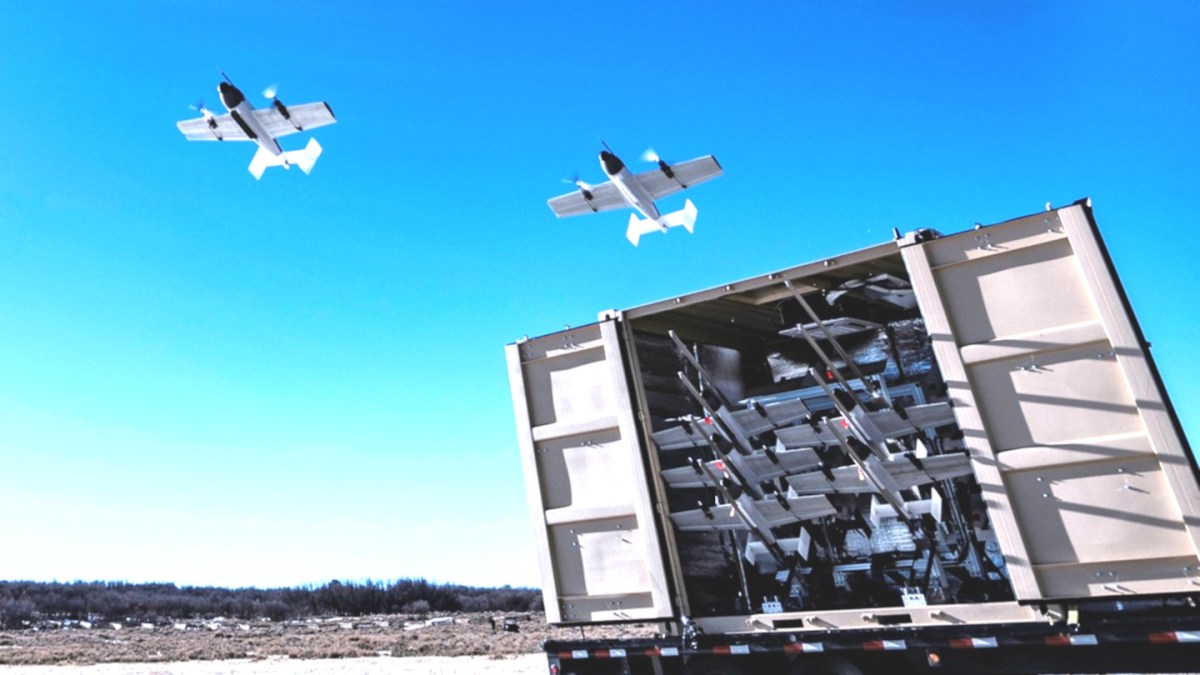
BlitzBox Packs 100 Weaponized Drones Into An Unassuming Container
DZYNE has unveiled its innovative BlitzBox, a containerized drone launcher that aligns with the U.S. military's increasing interest in advanced drone technology. This system is designed to house and deploy up to 100 weaponized drones, offering a discreet and efficient solution for military operations. The introduction of the BlitzBox comes at a time when the U.S. military is actively seeking to enhance its aerial capabilities, particularly in response to evolving battlefield dynamics. By providing a compact and versatile platform for drone deployment, DZYNE aims to meet the growing demand for rapid and effective aerial support in various combat scenarios.
News & Features Air Drones Unmanned
Czech’s U&C to supply reconnaissance drones to US Army units in Europe
The US Army has finalized a contract with Czech manufacturer U&C UAS to supply specialized drones for its units deployed in Europe. This agreement, aimed at enhancing the Army's operational capabilities, underscores the growing importance of advanced unmanned aerial systems in modern military operations. The deal comes as the US continues to bolster its presence in Europe amid rising security concerns in the region. The drones are expected to improve reconnaissance and surveillance efforts, allowing for more effective mission planning and execution. The collaboration with U&C UAS reflects the Army's commitment to integrating cutting-edge technology into its operations to maintain a strategic advantage.
News
FAA and DoD Are Building the Rules for Drones Operating Near Sensitive Airspace
The Federal Aviation Administration (FAA) and the Department of Defense (DoD) are collaborating to address the challenges posed by the increasing presence of drones near airports and military installations. During a recent panel at the XPONENTIAL conference, officials from both agencies discussed the need for effective traffic management and airspace security measures as drone operations expand in proximity to critical infrastructure. This cooperation aims to develop regulations that ensure the safe integration of authorized drones into shared airspace, reflecting the growing demand for drone technology while prioritizing safety and security. The initiative underscores the importance of harmonizing civil and military interests in managing airspace effectively.
Anti-drone technology C-UAS DL Exclusive Drone News Drone News Feeds drone security
Bee-inspired AI reduces computing power needed for autonomous drones
An international team of researchers has unveiled a groundbreaking navigation strategy for drones, dubbed “Bee-Nav,” which draws inspiration from the foraging behavior of honeybees. This innovative approach was presented at a recent conference held in Zurich, Switzerland, where experts gathered to discuss advancements in drone technology. The motivation behind the development of Bee-Nav stems from the need for more efficient and reliable navigation systems in various applications, including agriculture, search and rescue operations, and environmental monitoring. By mimicking the way bees communicate and navigate through complex environments, the researchers have created a system that enhances drones' ability to traverse challenging terrains and locate targets with greater precision. The implementation of this strategy involves advanced algorithms that process environmental data, allowing drones to adapt their flight paths in real-time. This advancement could significantly improve the effectiveness of drone operations, paving the way for broader applications in both commercial and humanitarian efforts.
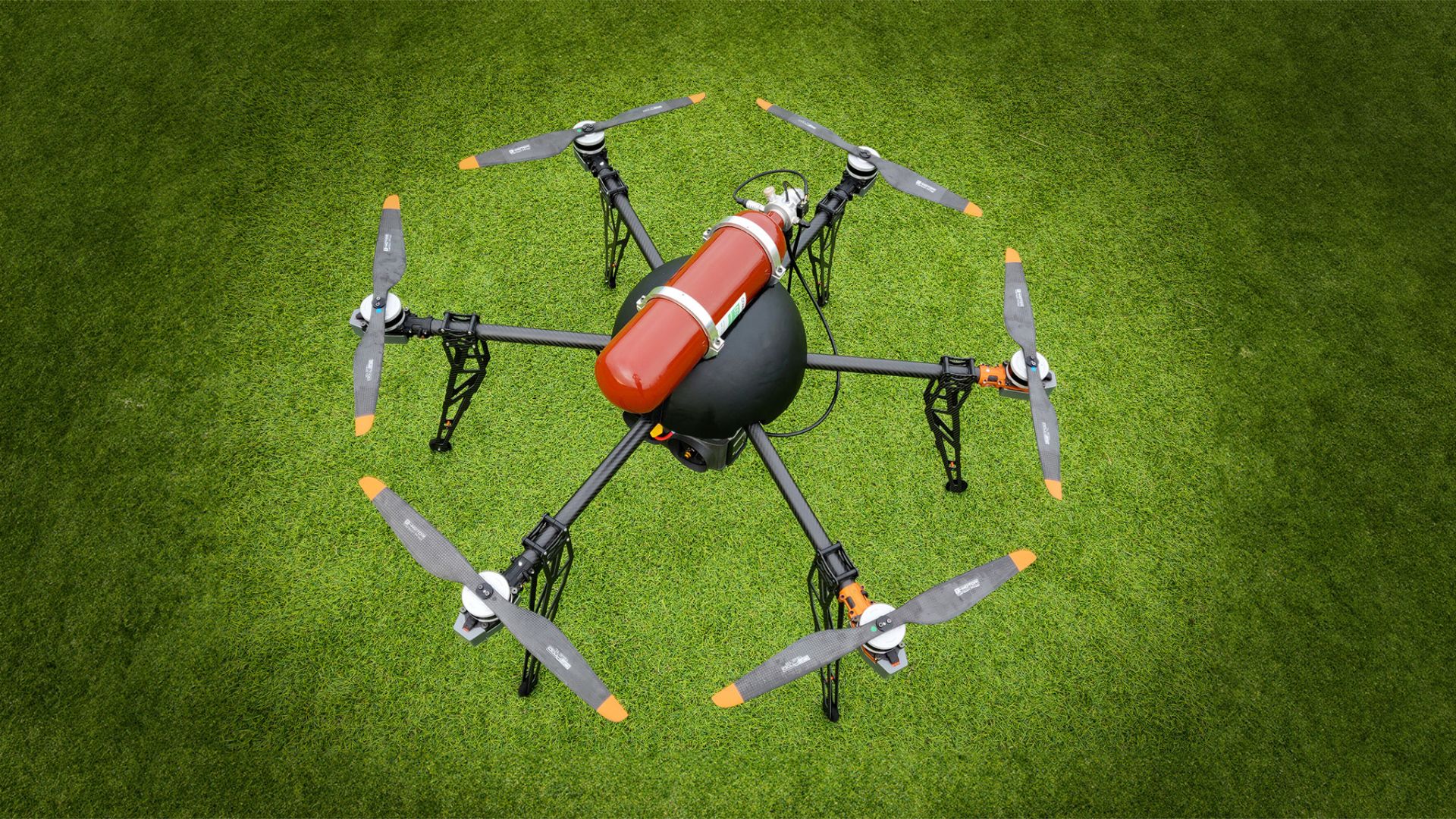
China unveils hydrogen-powered fuel cell stack for long-range industrial drones
China is advancing its hydrogen fuel cell technology for drones, moving closer to commercial deployment. This initiative aims to enhance the efficiency and sustainability of drone operations, addressing growing environmental concerns and the demand for cleaner energy sources. The development comes as part of China's broader strategy to lead in green technology and reduce reliance on fossil fuels. Recent tests have demonstrated the system's potential, showcasing its ability to extend flight times and improve performance compared to traditional battery-powered drones. The government and various tech companies are collaborating to refine the technology and prepare for market introduction, signaling a significant step forward in the integration of hydrogen energy into the aviation sector.
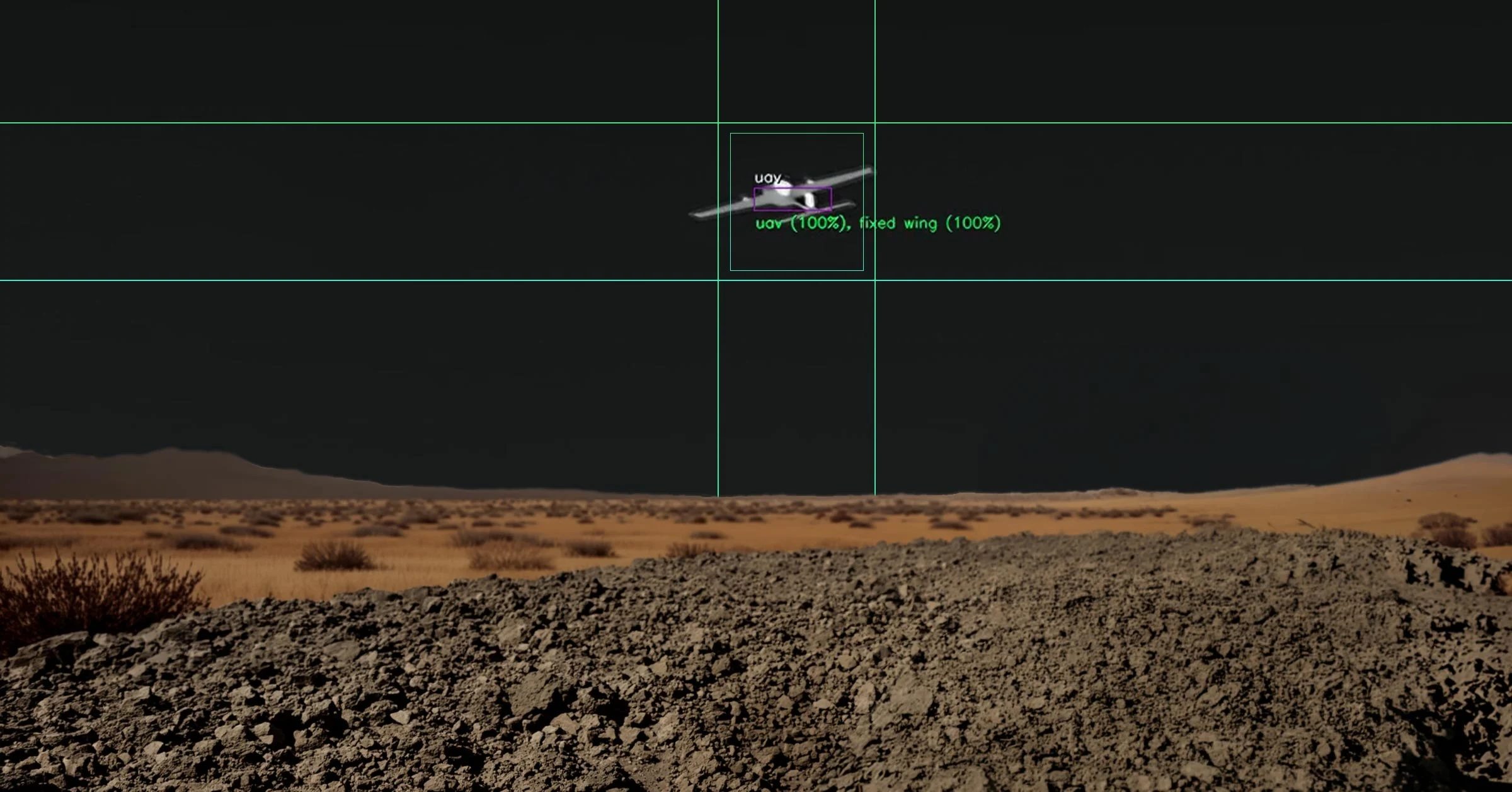
Teledyne FLIR OEM Launches Prism Software to Detect Small Drones at Longer Range
Teledyne FLIR OEM, a division of Teledyne Technologies Incorporated, has introduced a new software solution called Prism C-UAS aimed at enhancing the detection and tracking of small, difficult-to-detect drones. Announced recently, this innovative software is designed to integrate seamlessly with existing systems, allowing for earlier identification of potential drone threats and enabling quicker response times. The launch of Prism reflects the growing need for advanced drone detection capabilities in various sectors, as the prevalence of small drones continues to rise. By improving the range and effectiveness of drone monitoring, Teledyne FLIR aims to bolster security measures and mitigate risks associated with unauthorized drone activity.
Anti-drone technology Applications C-UAS Defense Drone News Drone News FeedsRobotics needs a service framework.
RSF defines a common language for robot service capability, lifecycle operations, certification pathways, and service-provider networks.







