

Industry Briefing
A single destination for timely, editor-curated robotics news from around the world.
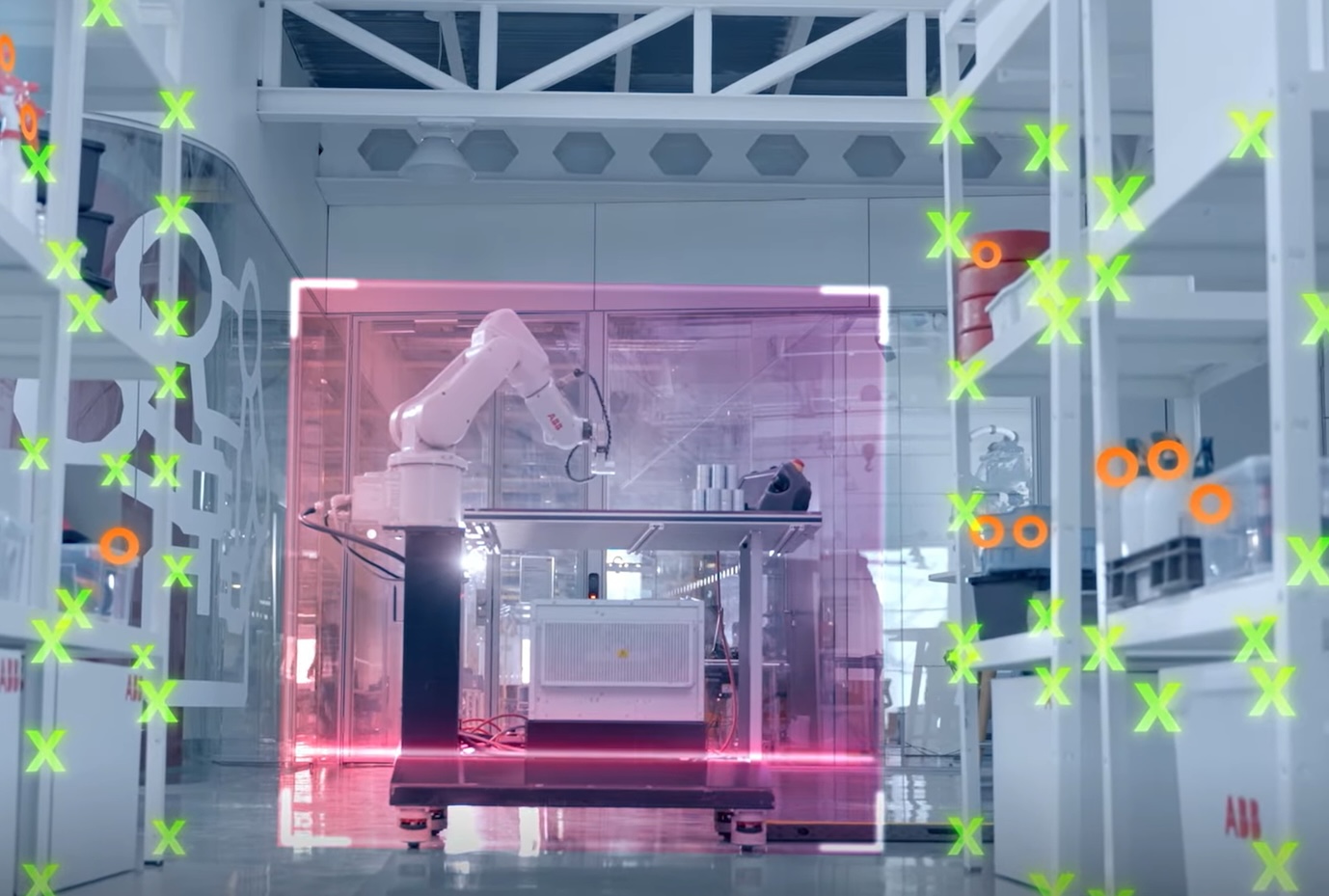
Creation of a Robotic Flying Fish Capable of Operating Across Different Mediums
A new robotic flying fish has been developed, showcasing its ability to operate in both aquatic and aerial environments. This innovative design allows for seamless transitions between water and air, enhancing its versatility for various applications. The significance of this development lies in its potential to revolutionize how robotic systems interact with different environments. By combining functionalities of both aquatic and aerial vehicles, this robotic fish could be utilized in fields such as environmental monitoring, search and rescue operations, and marine research. Looking ahead, the focus will be on further testing and refinement of the robotic fish's capabilities. No further timeline was disclosed at the time of publication.
RESEARCH ARTICLE
Researchers Develop Scalable Robot Fish Ranging from 2 to 10 Feet with Tail Adjustment
Researchers have successfully created a robot fish that can scale in size from 2 feet to 10 feet by simply adjusting its tail. This innovative design allows for versatile applications in various aquatic environments, showcasing the potential for adaptive robotics in real-world scenarios. The ability to modify the size of the robot fish is significant as it opens up new possibilities for underwater exploration and research. This advancement highlights the ongoing efforts in robotics to create adaptable machines that can operate effectively in diverse conditions, enhancing our understanding of aquatic ecosystems. Looking ahead, the implications of this technology could extend beyond research, potentially influencing industries such as marine biology, environmental monitoring, and even entertainment. No further timeline was disclosed at the time of publication.
AI and Robotics
Development and Enhancement of a Deep Sea Bionic Robot Fish Utilizing Phase Change Actuator Technology
A recent study published in the Journal of Field Robotics details the design and optimization of a deep sea bionic robot fish that employs phase change actuator technology. This innovative approach aims to enhance the robot's performance in underwater environments, allowing for more efficient movement and adaptability to various conditions. The significance of this development lies in its potential applications in marine exploration and environmental monitoring. By mimicking the natural movement of fish, the bionic robot can navigate complex underwater terrains, providing valuable data for researchers and contributing to the understanding of marine ecosystems. Looking ahead, advancements in phase change actuator technology may lead to further improvements in the robot's capabilities. Researchers are expected to explore additional functionalities and applications, although no specific timeline for future developments was disclosed at the time of publication.
RESEARCH ARTICLE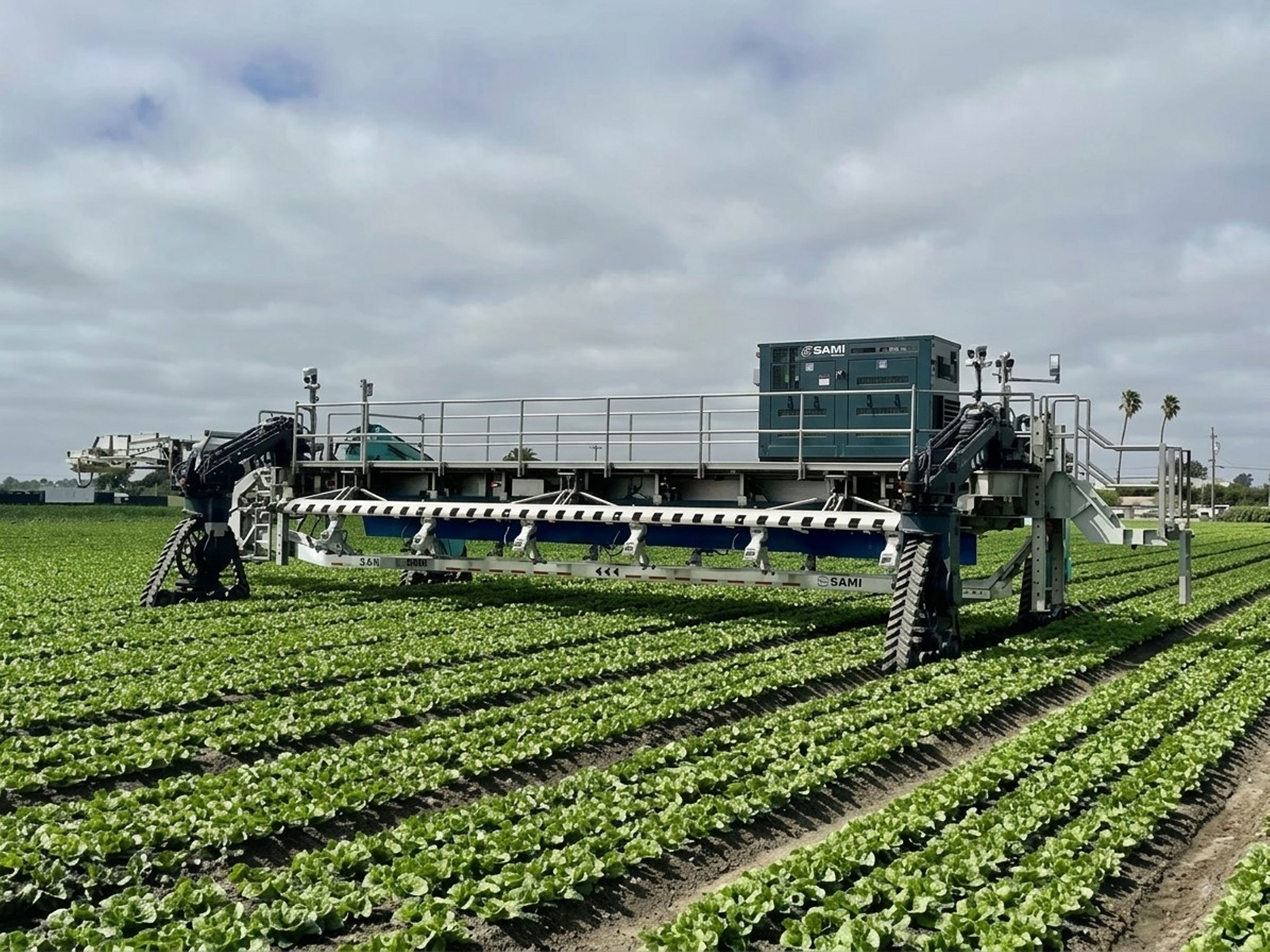
Sami Robotics Advances Broccoli Harvesting with Multi-Crop Platform Development
Sami Robotics, located in Varennes, Québec, has successfully transitioned its broccoli harvesting application from prototype to operational status, utilizing a scalable, multi-arm design. The platform employs 12 to 18 robotic arms that work in parallel to identify and harvest mature vegetables, although specific throughput figures are not disclosed due to varying field conditions. The significance of this advancement lies in Sami Robotics' commitment to automating labor-intensive agricultural tasks through advanced robotics, AI, and data analytics. CEO Pascal Labrecque emphasizes the platform's adaptability for multiple crops and agricultural operations, aiming to enhance efficiency and reduce labor dependency for growers. Looking ahead, Sami Robotics plans to scale commercial deployments while refining its technology. Romaine lettuce is next in line for development, with iceberg lettuce and cauliflower also generating interest. The company envisions a multifunctional platform that could eventually support various agricultural tasks beyond harvesting, although no additional capabilities are currently in development.
Crop solutions Harvest & storage harvest Harvest robot
Intermittent Swimming Enhances Energy Efficiency in Fish-Inspired Robotic Movements
A collaborative research team from EPFL, Duke University, and Instituto Superior Tecnico has developed a robotic platform named ZBot, inspired by larval zebrafish, to explore the energy efficiency of intermittent swimming. This study highlights the advantages of bout-and-glide swimming, which alternates active propulsion with passive gliding, potentially optimizing energy use in robotic systems. The significance of this research lies in its potential to extend operational time for robots while reducing battery load, leading to lighter and more durable designs. By mimicking natural locomotion strategies evolved over billions of years, the ZBot aims to replicate the energy-saving mechanisms observed in aquatic organisms, making it a valuable tool for future robotic applications. Future developments will focus on further refining the ZBot's capabilities and understanding the neural control mechanisms behind intermittent swimming. No further timeline was disclosed at the time of publication.

EPFL, Duke University, and Instituto Superior Técnico Develop Simulated Zebrafish and Robotic Fish to Study Brain Circuits
A collaborative research team from EPFL, Duke University, and Instituto Superior Técnico has created a realistic simulation of larval zebrafish and a robotic fish to investigate how the body influences brain circuits. This study, published in Science Robotics, reveals the essential neural components required for the optomotor response (OMR), enabling autonomous navigation even in low visibility conditions. The significance of this research lies in its ability to provide insights into the neural mechanisms underlying fish behavior without the limitations of live animal experimentation. By utilizing a physics-based simulation called simZFish, researchers can manipulate various aspects of the fish's body and neural connections, allowing for a deeper understanding of the neural computations involved in swimming and navigation. Looking ahead, the findings from this study could pave the way for advancements in neuroscience and brain-inspired robotics. The ability to dissect and analyze the neural circuits in a simulated environment opens new avenues for research, potentially leading to innovative applications in robotics and artificial intelligence. No further timeline was disclosed at the time of publication.
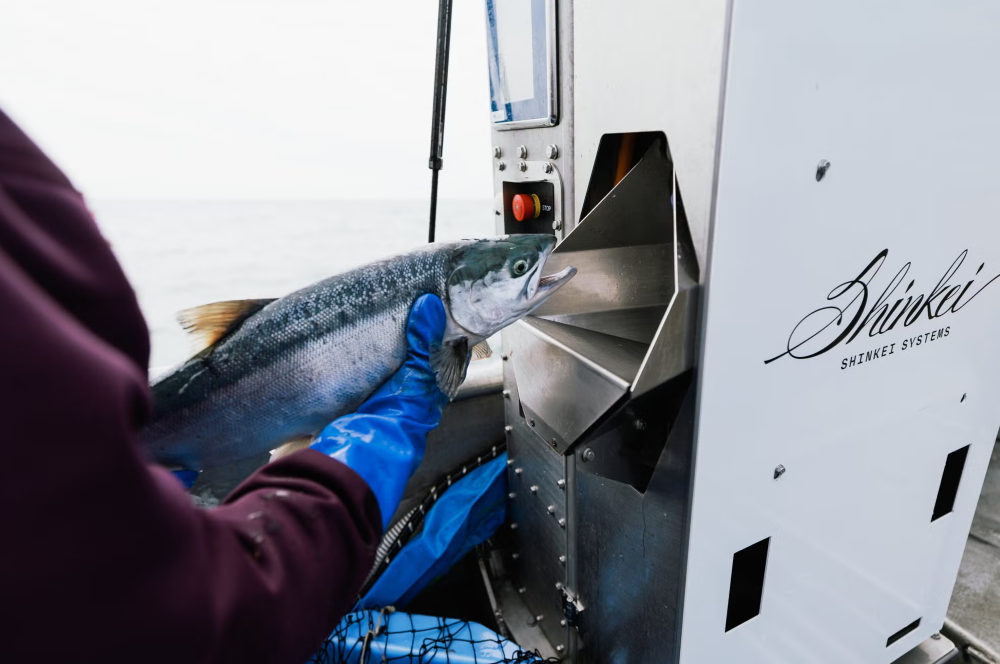
Shinkei Systems Introduces AI Robotics for Enhanced Fresh Fish Processing
Shinkei Systems, based in California, has developed a robotic solution for fish processing on fishing boats. Utilizing computer vision, the robot identifies fish species and performs precise slaughter within six seconds, adhering to the Japanese 'ike jime' technique to maintain meat quality. This innovation addresses the issue of stress hormones affecting fish taste during capture. The significance of this technology lies in its potential to improve the quality of seafood while providing fishermen with a stable supply of premium products. Shinkei offers its robots to Alaskan fishermen for free, purchasing their catch at above-market prices, and markets the fish under the 'Seremoni' brand. The company plans to introduce a new harvesting robot designed for small fishing vessels in the Cook Inlet by 2026. Currently, over 40 Michelin-starred restaurants across the U.S. are using Shinkei's technology, with retail chains like Wegmans and FreshDirect also stocking their products. Shinkei recently secured $22 million in Series A funding to expand its operations, including a new processing center in Tacoma, aiming to make high-quality seafood more accessible while preventing overfishing.
Robotic Processing AI Technology Seafood Industry Sustainable Fishing
China Agricultural University's Professor Li Wei Advances Agricultural Harvesting Robots
Professor Li Wei's team at China Agricultural University is pioneering agricultural harvesting robots, marking a significant shift in modern farming practices. These robots integrate automation and intelligent technologies, enhancing productivity and transforming traditional agricultural labor methods. The team's research has led to the development of cucumber and tomato harvesting robots, which are gradually entering the market. The importance of this innovation lies in its potential to revolutionize agricultural practices, improving efficiency and supporting the growth of modern agriculture. The team's comprehensive research has culminated in a book titled 'Agricultural Harvesting Robots,' which discusses core algorithms such as machine vision and deep learning, and provides case studies on the robots they have developed. Looking ahead, the book serves as a valuable resource for researchers and students in agricultural robotics and intelligent agricultural equipment. No further timeline was disclosed at the time of publication.
Agricultural Robots Harvesting Technology Automation Machine Learning Robotics
Developing Reliable Monocular Visual SLAM for Underwater Bionic Robotic Fish Using Image Enhancement and Deep Feature Matching
Recent advancements in monocular visual simultaneous localization and mapping (SLAM) have been applied to underwater bionic robotic fish. This approach integrates image enhancement techniques with deep feature matching to improve the robustness of navigation and mapping in aquatic environments. The significance of this development lies in its potential to enhance the operational capabilities of underwater robotic systems. By leveraging advanced image processing and machine learning techniques, the integration aims to address challenges faced in underwater navigation, such as low visibility and dynamic environments. Looking ahead, further research and testing will be crucial to refine these techniques and ensure their effectiveness in real-world underwater applications. No further timeline was disclosed at the time of publication.
RESEARCH ARTICLE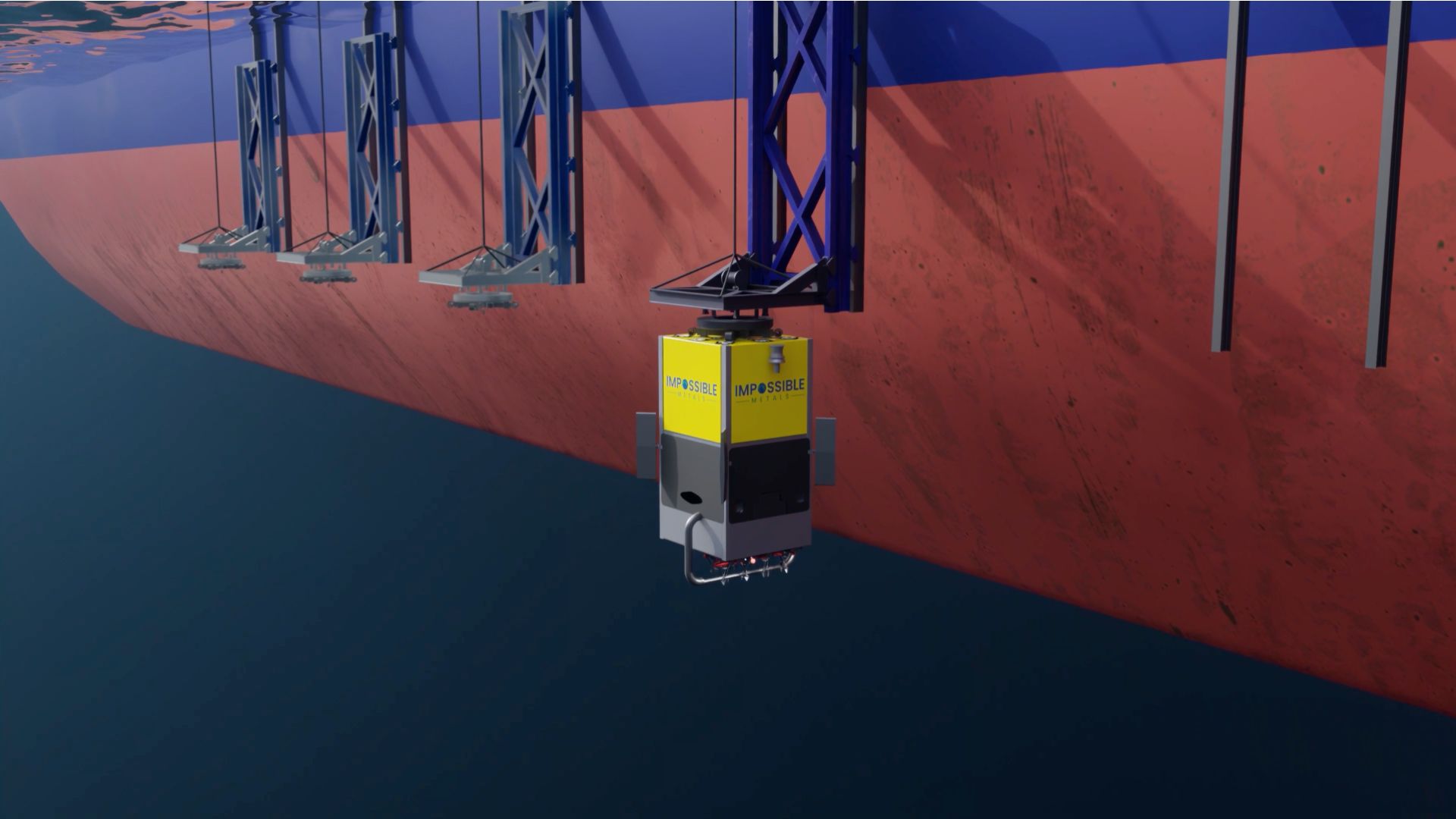
Impossible Metals to Launch Advanced Marine Robotics Hub for Deep-Sea Mineral Harvesting
Impossible Metals, a US mining technology company, has announced plans to establish an Advanced Marine Robotics Hub in Pittsburgh, Pennsylvania. This facility will focus on developing autonomous marine systems for the deep-sea collection of critical minerals, creating over a dozen high-paying engineering and science jobs. The hub aims to enhance US capabilities in marine robotics and critical mineral technologies through collaboration with local universities and researchers. The significance of this initiative lies in its potential to redefine deep-sea mining practices. According to Mike Regan, Chief Growth Officer at Impossible Metals, the hub will enable swarms of autonomous robots to harvest critical minerals like nickel, cobalt, copper, and manganese with minimal environmental impact. This approach not only promises to produce the lowest-cost critical metals on Earth but also aims to strengthen the US supply chain and reduce reliance on foreign sources of essential materials. Looking ahead, the Advanced Marine Robotics Hub will serve as the primary research center for advancing the Eureka autonomous underwater platform and Smart Launch and Recovery Systems. The company plans to continue developing dual-use technologies that cater to both commercial and naval applications. No further timeline was disclosed at the time of publication.
AI and Robotics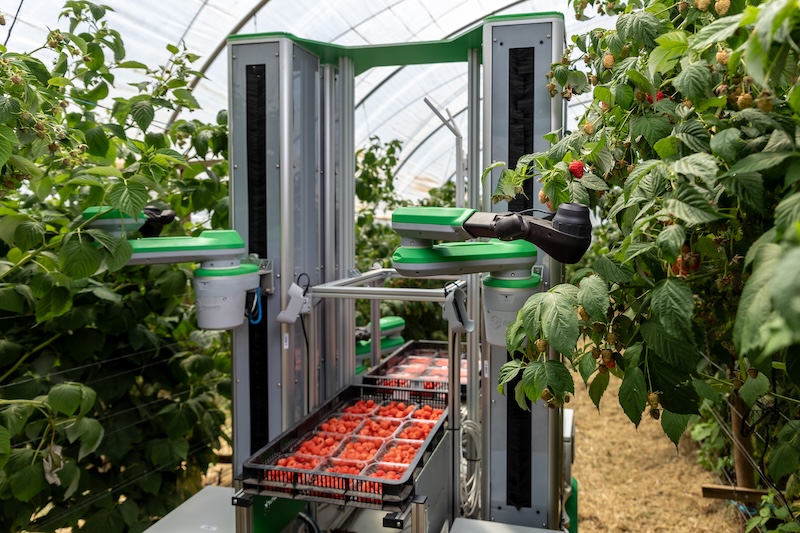
Fieldwork Robotics Receives £2.5 Million Investment for Berry Harvesting Automation
Fieldwork Robotics has secured a £2.5 million investment from SEED Innovations to enhance its selective and modular berry harvesting robots. This funding is part of a Seed+ fundraising initiative announced in April 2026, aimed at addressing labor shortages and rising costs in berry production. The investment will facilitate the transition from technology validation to commercial trials, with production robots already deployed in a two-year program in Norfolk and Stafford. The significance of this investment lies in its potential to alleviate pressing challenges faced by berry growers, including labor shortages and increased harvesting costs. By utilizing autonomous harvesting robots, Fieldwork aims to boost productivity and reduce reliance on seasonal labor, thereby minimizing food waste and stabilizing consumer prices. Jim Mellon, chairman of SEED Innovations, emphasizes the opportunity for robotics and AI to tackle real-world agricultural issues, aligning with Fieldwork's mission to enhance farm efficiency. Looking ahead, Fieldwork Robotics anticipates operating multi-robot fleets on farms by 2027, contingent on the success of ongoing trials. Additionally, the company plans to expand its operations internationally, with trials set to take place in Australia as part of its global growth strategy. No further timeline was disclosed at the time of publication.
Agriculture Financials & Investments agri robotics agricultural robotics agriculture automation
ScaFi: A Robot That Expands from 2 Feet to Nearly 10 Feet for Aquatic Exploration
ScaFi, a novel underwater robot, is designed to grow in size from 2 feet to nearly 10 feet, overcoming limitations of traditional propeller-powered vehicles. Unlike conventional underwater vehicles that can disturb aquatic environments, ScaFi's unique design allows for more effective exploration and monitoring of delicate ecosystems. This innovation is significant as it addresses the challenges faced by scientists when studying aquatic environments, particularly in shallow waters and dense vegetation. Traditional underwater vehicles often disrupt the habitats they aim to observe, making ScaFi a valuable tool for researchers seeking to minimize their impact while gathering data. Looking ahead, the development of ScaFi could lead to advancements in underwater robotics, particularly in applications requiring stealth and adaptability. No further timeline was disclosed at the time of publication.
Robotics
Development of Innovative Gripping Mechanism and Dual Manipulator System for Apple Harvesting with Tractor
A novel gripping mechanism and dual manipulator robotic system designed for apple harvesting using a tractor has been developed. This innovative system aims to enhance the efficiency of apple picking, addressing the labor shortages faced in agriculture. The significance of this development lies in its potential to revolutionize apple harvesting processes, making them more efficient and less reliant on manual labor. By integrating advanced gripping technology with a dual manipulator system, the project seeks to improve productivity in the agricultural sector. Looking ahead, the focus will be on testing the system in real-world conditions to evaluate its performance and effectiveness in apple harvesting. No further timeline was disclosed at the time of publication.
RESEARCH ARTICLE
Nanovel Develops Autonomous Citrus Harvesting Technology to Address Labor Challenges
Israeli ag robotics startup Nanovel is tackling the complexities of robotic citrus harvesting. Their patented autonomous harvester features robotic arms that can reach deep into citrus trees, using a vacuum gripper to collect fruit while minimizing damage. The system employs computer vision and AI to navigate the canopy and manage a fleet of robots. This innovation is significant as manual labor constitutes about 50% of production costs in citrus farming, particularly in regions sensitive to labor availability. Nanovel's technology aims to reduce these costs, with harvesting expenses estimated at $25-30 per 900-lb field bin compared to $42-43 for manual labor. The ability to schedule harvests reliably without dependence on seasonal workers enhances operational efficiency. Looking ahead, Nanovel plans to conduct trials with leading growers in southern Europe in 2027, followed by pilot deployments in 2028 and commercial rollout in 2029. The company has secured a €2.5 million grant from the European Innovation Council to support its development efforts.
Agtech Artificial intelligence Deeptech EMEA Precision agriculture Startups & funding
Dogtooth Secures £14M Investment for AI Robotics in Agriculture
Cambridge-based AI robotics company Dogtooth has successfully raised £14 million in funding to enhance its agricultural technology solutions. This investment aims to accelerate the development of advanced robotics designed for precision farming, addressing the growing demand for automation in the agtech sector. The funding round highlights the increasing interest in AI-driven solutions within the agricultural industry, particularly in the UK market. The significance of this funding lies in its potential to transform agricultural practices through the integration of AI and robotics. As the global agricultural sector faces challenges such as labor shortages and the need for sustainable practices, innovations like those from Dogtooth are crucial. The investment reflects a broader trend of increasing capital flow into agtech, with investors recognizing the importance of technology in enhancing productivity and sustainability. Looking ahead, Dogtooth's next steps will likely focus on scaling its technology and expanding its market presence. No further timeline was disclosed at the time of publication, but the company’s advancements in AI robotics could set new benchmarks in the agricultural sector, paving the way for future innovations and partnerships in agtech.
Agtech FoodTech
Tesla's Optimus Robots to Support Starmind Satellite Production, Not Maintenance
Tesla's Optimus robots will not be used to repair Starmind satellites in orbit, as confirmed by recent statements from Elon Musk. Instead, these robots are intended to assist in the construction and operation of the Terafab chip manufacturing facility in Texas. The AI1 satellites, designed to disintegrate upon reentry, highlight the company's swap-and-replace strategy rather than traditional maintenance practices. This approach is significant as it reflects a broader trend in satellite management, where mass-produced satellites are replaced rather than repaired. The economics of servicing missions are prohibitive, with the cost of launching a replacement satellite being significantly lower than conducting a repair mission. This model aligns with SpaceX's operational history, where rapid replacement of satellites is more efficient than attempting to maintain them in orbit. Looking ahead, the focus will remain on the production capabilities of the Gigasat factory, which is expected to support the continuous replacement of satellites. No further timeline was disclosed at the time of publication, but the demand for rapid satellite turnover suggests a robust future for Optimus robots in terrestrial manufacturing rather than in-space servicing.

Seasats Secures $24 Million in Orders for Lightfish USVs to Enhance Military Surveillance
Seasats, based in New Zealand, has reported securing $24 million in funded orders for its Lightfish unmanned surface vessel (USV) in August and early September. These orders include boats for the US Navy and Marine Corps, indicating a rising demand for small, long-endurance USVs among military users. The Lightfish, an 11-foot solar-powered drone boat, is designed for Intelligence, Surveillance, and Reconnaissance (ISR) missions. Its ability to operate autonomously for extended periods allows military forces to monitor vast maritime areas without deploying crewed vessels, thus providing a cost-effective solution for persistent maritime awareness. Looking ahead, Seasats aims to expand its offerings through its robot-as-a-service (RaaS) model, which allows military customers to utilize the USVs without the need for extensive maintenance and training infrastructure. No further timeline was disclosed at the time of publication.
Innovation Military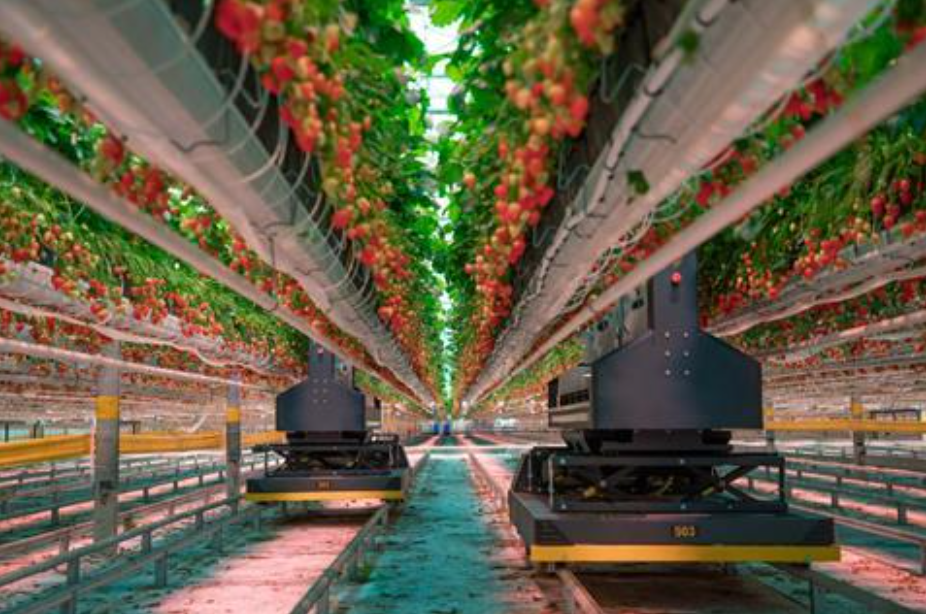
Dogtooth Technologies Secures £14 Million for AI-Powered Strawberry Harvesting
UK-based Dogtooth Technologies has successfully raised over £14 million in funding to enhance its AI-driven strawberry picking robots. The financing, provided by 24 Haymarket, EMV Capital, and ACF Investors, along with a grant from Innovate UK, aims to accelerate the deployment of these robots in both the UK and international markets. The company has already established a fleet of approximately 70 robots operating on commercial farms in the UK and Australia, harvesting tens of tons of fruit each season. The significance of this funding lies in addressing the ongoing labor shortages in agriculture, which have made robotic harvesting a necessity rather than a luxury. Dogtooth's robots utilize advanced computer vision and precision mechanical arms to autonomously navigate complex growing environments, identify ripe fruit, and perform harvesting without damage. This technology allows for continuous operation, even in cooler night conditions, thereby extending the shelf life of harvested produce. Looking ahead, Dogtooth Technologies is poised to expand its market presence, having recently delivered systems to Dyson Farming, a UK indoor berry producer. As the global horticultural industry grapples with seasonal labor shortages and rising costs, the successful deployment of these agricultural robots could signal a shift towards more widespread adoption of embodied intelligence in farming. No further timeline was disclosed at the time of publication.
Agricultural Robotics AI Technology Fruit Harvesting Embodied Intelligence
DeepTrack: A Pressure‐Tolerant Electromagnetically Driven Soft Robotic Fish Platform With Visually Guided Locomotion
The Journal of Field Robotics has published an early view article highlighting advancements in autonomous robotic systems. Researchers from various institutions collaborated to explore innovative algorithms that enhance the navigation and decision-making capabilities of robots in complex environments. This study, released in October 2023, aims to address the growing need for efficient robotic solutions in sectors such as agriculture, search and rescue, and industrial automation. By employing machine learning techniques and real-time data processing, the team demonstrated significant improvements in the robots' ability to adapt to dynamic surroundings. The findings are expected to pave the way for more effective deployment of robotic technologies in real-world applications, ultimately contributing to increased productivity and safety in various industries.
RESEARCH ARTICLE
Research on Harvesting Robots for Fragile Fruit: A Review
A recent study published in the Journal of Field Robotics highlights advancements in autonomous robotics technology. Researchers from a leading robotics institute conducted experiments to improve the navigation and decision-making capabilities of robots in complex environments. The study, released in early October 2023, took place in various outdoor settings, including forests and urban areas, to test the robots' adaptability to different terrains. The motivation behind this research stems from the growing demand for autonomous systems in sectors such as agriculture, disaster response, and urban planning. By enhancing the robots' ability to process real-time data and make informed decisions, the team aims to increase their efficiency and reliability in real-world applications. Through a combination of machine learning algorithms and sensor integration, the researchers developed a new framework that allows robots to better interpret their surroundings and respond to dynamic changes. This innovative approach not only improves navigation but also enables robots to collaborate more effectively with human operators. The findings from this study are expected to pave the way for more sophisticated autonomous systems, ultimately contributing to the advancement of robotics technology and its integration into everyday life.
SURVEY ARTICLE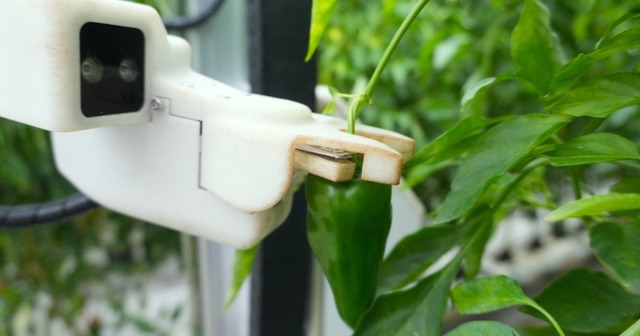
AGRIST partners with Microsoft to tackle global food challenges using AI harvesting robots in advanced agricultural applications.
AGRIST Corporation, based in Shintomi Town, Miyazaki Prefecture, showcased its innovative use of physical AI in smart agriculture at the Microsoft AI Co-Innovation Lab KOBE annual event. The event took place on June 10, 2026, at the Kobe Asahi Hall. AGRIST's presentation highlighted advanced examples of how artificial intelligence can enhance agricultural practices, demonstrating the company's commitment to integrating cutting-edge technology into farming. This initiative aims to improve efficiency and productivity in the agricultural sector, reflecting a broader trend towards modernization in farming techniques.

Fieldwork Robotics secures new funding to accelerate raspberry harvesting robot
Fieldwork Robotics, a UK-based company, has received a significant investment from SEED Innovations, led by entrepreneur Jim Mellon. This funding aims to expedite the commercial rollout of the company's innovative autonomous robot designed for raspberry harvesting. The investment comes at a crucial time as the agricultural sector increasingly seeks automation solutions to enhance efficiency and address labor shortages. By leveraging this financial support, Fieldwork Robotics plans to advance the development and deployment of its technology, positioning itself as a leader in agricultural robotics.
Smart farming autonomous technology harvesting technology investment robotics
Design of Tentacle Structure and Dynamic Parameters for a Biomimetic Jellyfish Robot and Investigation on Its Propulsion Performance
A recent study published in the Journal of Field Robotics highlights advancements in autonomous robotics, focusing on their applications in various fields such as agriculture, search and rescue, and environmental monitoring. Conducted by a team of researchers from leading universities, the study was released in early October 2023. The research aims to address the growing demand for efficient and reliable robotic systems that can operate in unpredictable environments. By integrating advanced machine learning algorithms and sensor technologies, the team demonstrated how these robots can navigate complex terrains and perform tasks with minimal human intervention. The findings underscore the potential for autonomous robots to enhance productivity and safety in critical operations, particularly in areas that are hazardous for human workers. The study emphasizes the importance of continued innovation in robotics to meet the challenges posed by climate change and population growth. As the field of robotics evolves, the researchers advocate for collaboration between academia and industry to accelerate the development and deployment of these technologies. The implications of this research could significantly impact various sectors, paving the way for smarter, more adaptable robotic solutions in the near future.
RESEARCH ARTICLE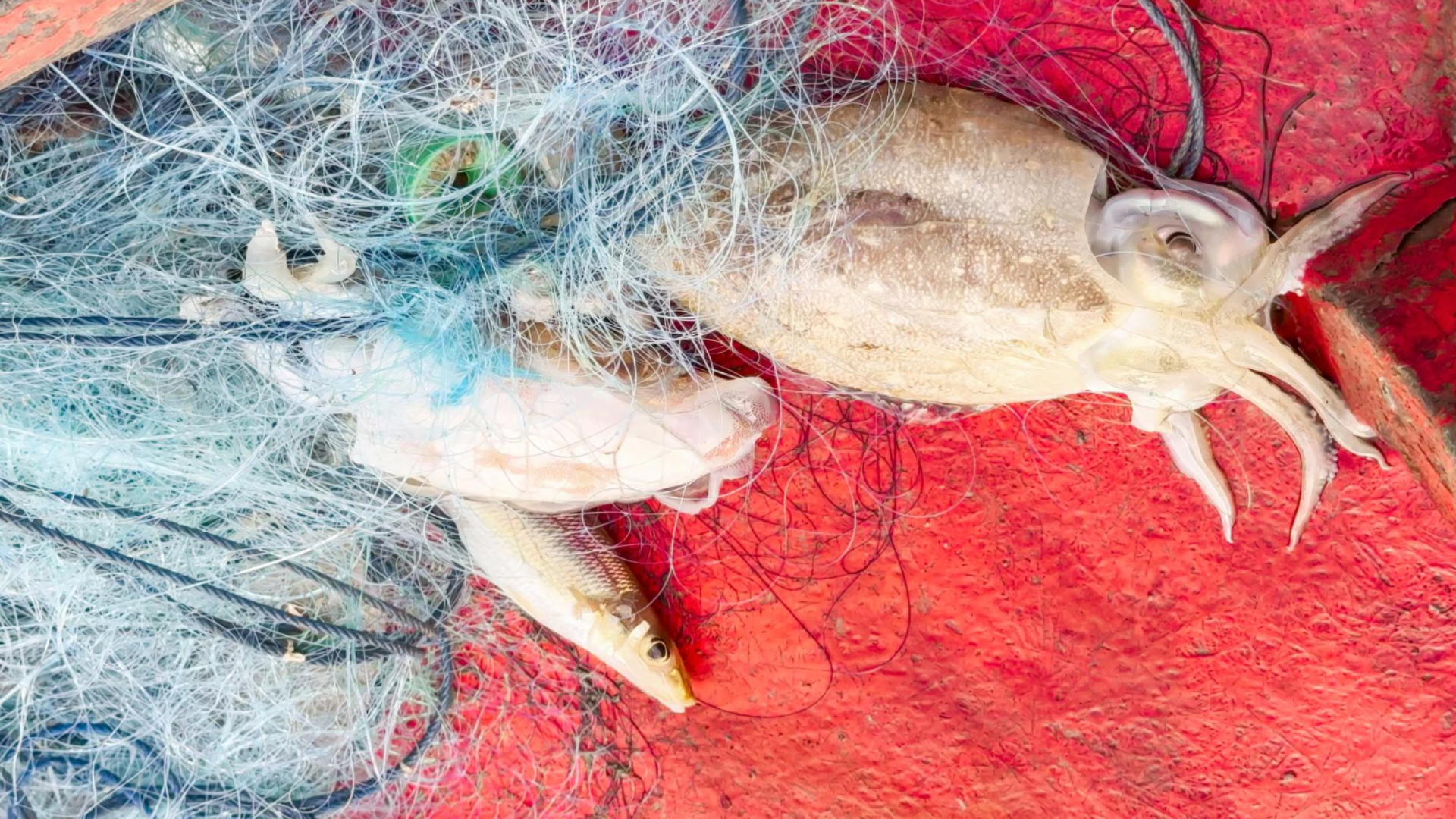
World’s first smart squid-fishing robot that mimics humans begins sea trials in China
A groundbreaking robotic system has been developed in China, touted as the world's first intelligent robotic solution designed for various applications. This innovative technology aims to enhance efficiency and precision across multiple sectors, including manufacturing and healthcare. The system was unveiled at a technology expo in Beijing on October 15, 2023, where industry leaders and experts gathered to witness its capabilities. The motivation behind this development stems from the increasing demand for automation and smart technology in response to labor shortages and the need for improved productivity. By integrating advanced artificial intelligence and machine learning algorithms, the robotic system can adapt to different tasks and environments, making it a versatile tool for businesses looking to streamline operations. Demonstrations at the expo showcased the robot's ability to perform complex tasks with minimal human intervention, highlighting its potential to revolutionize traditional workflows. As industries continue to embrace automation, this robotic system represents a significant step forward in the quest for intelligent solutions that can meet the challenges of modern production and service demands.
Innovation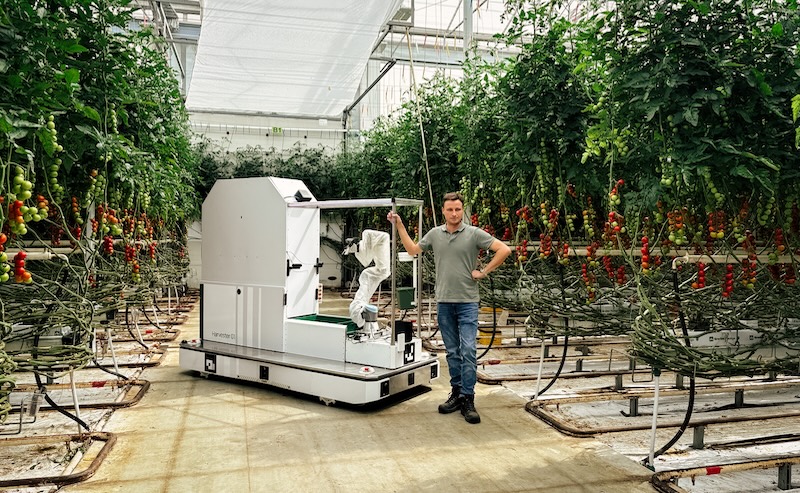
Eternal.ag scales fully-autonomous harvesting robots with first customer Van Noord Growers
Eternal.ag, a German agritech startup, has launched its fully-autonomous greenhouse harvesting robot, known as Harvester, at Van Noord Growers in Zeeland, Netherlands. This deployment is part of a long-term agreement aimed at enhancing the efficiency of Van Noord Growers, which cultivates tomatoes and cucumbers across an 8.5-hectare facility. The Harvester robot is specifically designed for truss harvesting, offering a solution to labor shortages and increasing productivity in greenhouse operations. The collaboration reflects a growing trend in the agricultural sector to integrate advanced technology to streamline processes and improve crop yields.
Agriculture News agribusiness technology agricultural AI agricultural automation agricultural innovation
Design, Development, and Field Testing of a Tomato Bunch Harvesting Robot
The Journal of Field Robotics has recently published an early view article highlighting advancements in robotic technology. This publication, which emerged in October 2023, focuses on the innovative applications of robotics in various fields, including agriculture, search and rescue, and environmental monitoring. Researchers and engineers from leading institutions contributed to the study, aiming to address pressing challenges faced in these sectors. The article emphasizes the importance of integrating advanced algorithms and machine learning techniques to enhance the efficiency and effectiveness of robotic systems. By showcasing real-world applications, the authors illustrate how these technologies can improve productivity and safety, particularly in hazardous environments. The motivation behind this research stems from the increasing demand for automation and precision in industries that require high levels of accuracy and reliability. As global challenges such as climate change and food security become more pronounced, the role of robotics is becoming increasingly vital. Through a combination of theoretical analysis and practical experimentation, the study presents a comprehensive overview of the current state of robotic technology and its potential future developments. This early view article serves as a significant contribution to the ongoing discourse in the field of robotics, paving the way for further innovations that could transform multiple industries.
RESEARCH ARTICLE
Design, Development, and Field Test Analysis of a Multiarm Tomato Harvesting Robot
In June 2026, researchers published a significant study in the Journal of Field Robotics, focusing on advancements in autonomous robotic systems. The study, featured in Volume 43, Issue 4, highlights innovative methodologies for enhancing the navigation and operational efficiency of field robots. Conducted by a team of experts in robotics and artificial intelligence, the research aims to address the growing demand for autonomous technologies in various sectors, including agriculture, construction, and disaster response. The findings reveal novel algorithms that improve the robots' ability to adapt to dynamic environments, thereby increasing their effectiveness in real-world applications. By employing advanced sensor integration and machine learning techniques, the researchers demonstrated how these robots can better interpret their surroundings and make informed decisions in unpredictable situations. This research is particularly timely, as industries increasingly rely on automation to boost productivity and safety. The implications of these advancements could lead to significant improvements in operational capabilities, ultimately transforming how tasks are performed in challenging environments. The study not only contributes to the academic field but also provides practical insights for engineers and developers working on the next generation of autonomous systems.
RESEARCH ARTICLE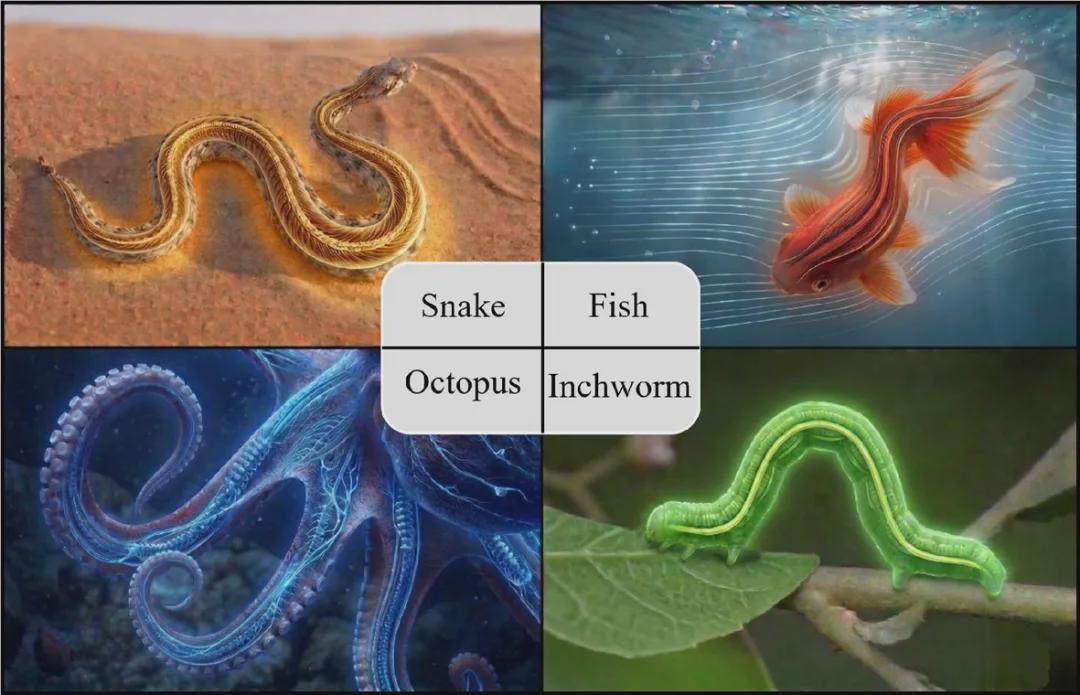
Biomimetic Robots Discover Universal 'Movement Language' from Fish to Octopus
Researchers at South China University of Technology have unveiled a groundbreaking universal kinematic model that captures the complex movements of a variety of animals, such as fish, snakes, and octopuses. This model integrates body curvature equations with nonlinear oscillators, providing a more streamlined and cohesive framework for designing biomimetic robots. The innovation aims to enhance the efficiency of robot movement and control, potentially transforming the field of robotics by simplifying the processes involved in generating and managing movement in these machines.
Biomimetic Robots Kinematics Robotics Research Animal Movement Control Systems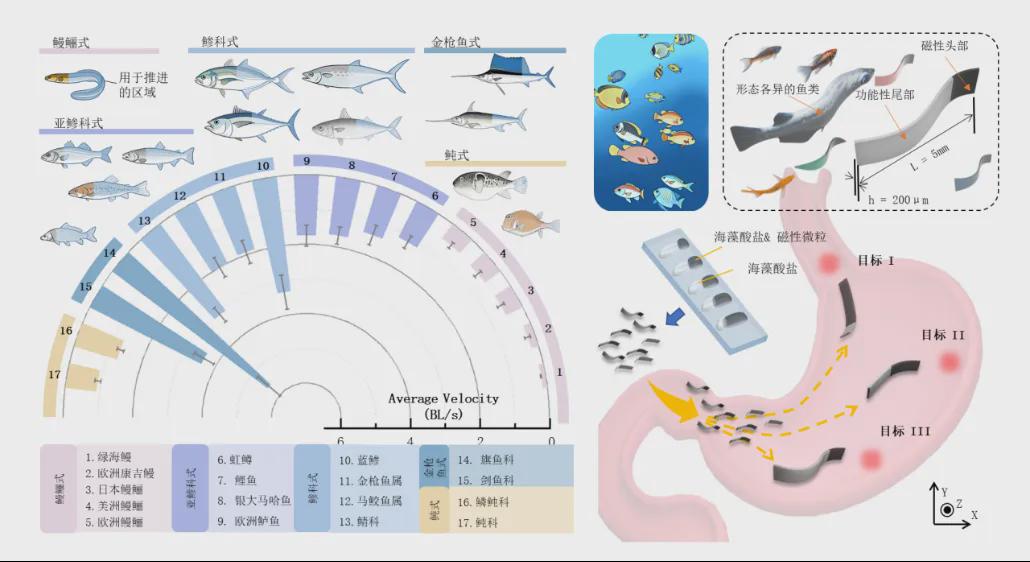
Inspired by Fish Diversity: Beijing Institute of Technology Team Develops Morphology-Encoded Soft Microrobots
A research team at the Beijing Institute of Technology has unveiled a groundbreaking system of soft microrobots that mimic the various swimming styles of fish. This innovative development allows for the selective control of the robots by adjusting their body proportions within a uniform magnetic field. The advancements in this technology hold significant promise for future applications in the biomedical field, potentially enhancing medical procedures and therapies.
Soft Robotics Biomedical Engineering Microrobots Control Systems
Biomedical jellyfish-inspired robot hits record swim speeds without onboard power
Researchers have developed a groundbreaking jellyfish-inspired soft robot capable of navigating through water at unprecedented speeds. This innovative technology, unveiled in a recent study, showcases the potential for advanced underwater exploration and environmental monitoring. The robot mimics the unique propulsion mechanism of jellyfish, allowing it to move efficiently and swiftly. The development took place in a laboratory setting, where scientists aimed to enhance robotic mobility in aquatic environments. By studying the biomechanics of jellyfish, the team was able to replicate their movement patterns, resulting in a soft robot that not only moves faster than existing models but also carries out tasks such as data collection and monitoring marine ecosystems. This advancement comes at a crucial time as researchers seek sustainable solutions for underwater exploration, driven by the need to better understand and protect marine life. The soft robot's design allows for flexibility and adaptability, making it suitable for various applications, from scientific research to environmental conservation efforts. As the technology progresses, the team envisions further enhancements that could lead to even greater speeds and capabilities, paving the way for a new era of robotic exploration in our oceans.
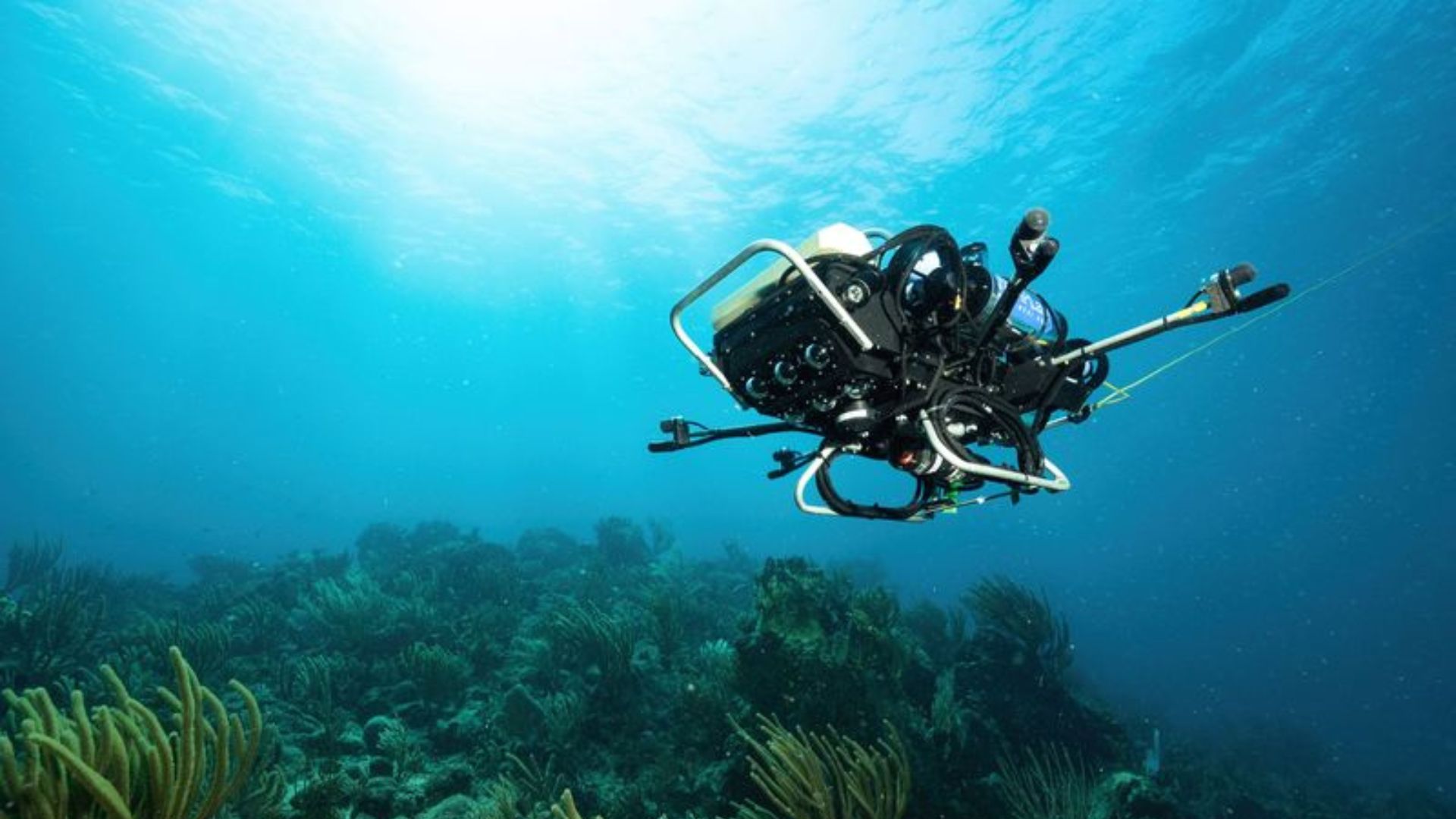
New autonomous reef robot follows shrimp snaps and fish calls to map marine life zones
A team of scientists has unveiled an innovative autonomous underwater robot designed to identify and map biodiversity hotspots in marine environments. This groundbreaking technology was introduced during a recent conference held in San Diego, California, where researchers gathered to discuss advancements in ocean exploration. The motivation behind this development stems from the urgent need to monitor and protect fragile ecosystems threatened by climate change and human activity. The robot utilizes advanced sensors and artificial intelligence to navigate underwater terrains, collect data on various species, and create detailed maps of biodiversity-rich areas. By automating the process of exploration, the scientists aim to enhance the efficiency and accuracy of marine research, allowing for more effective conservation efforts. This initiative represents a significant step forward in understanding and preserving the ocean's diverse ecosystems, which are vital for global health and sustainability.

How fish muscles became blueprints for smarter underwater robots
Researchers at Peking University’s Intelligent Biomimetic Design Lab have unveiled a groundbreaking bio-signal framework that reveals the multifaceted roles of fish muscles beyond mere swimming. Led by Professor Xie Guangming from the School of Advanced Manufacturing and Robotics, the study involved twin brothers Waqar Hussain Afridi and Rahdar Hussain Afridi. Their research utilized electrical signals from fish muscles to reconstruct body postures, assess surrounding flow conditions, and apply biological principles to the development of robotic systems. Conducted recently, these findings pave the way for advancements in biological telemetry, locomotion research, and bio-inspired underwater robotics, highlighting the potential for innovative applications in these fields.
Robotics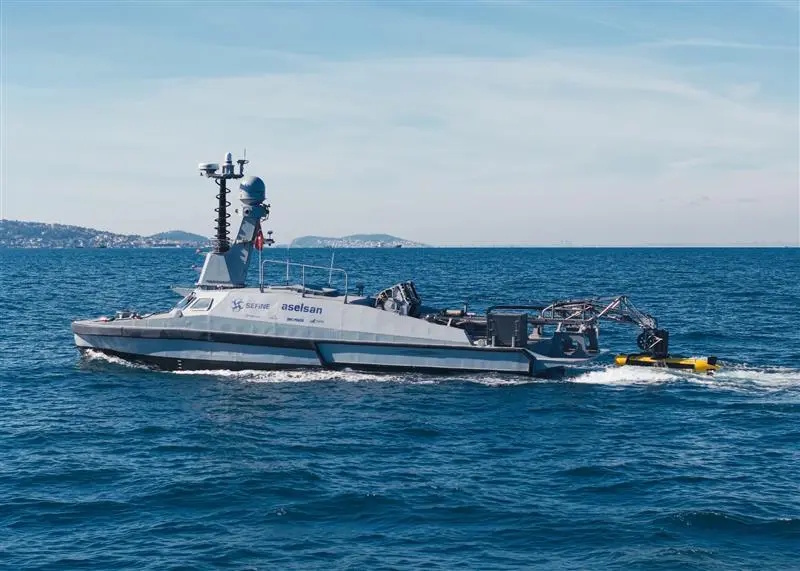
Kraken Robotics Demonstrates KATFISH Autonomous Launch and Recovery from SEFINE USV
Kraken Robotics has successfully integrated and demonstrated its KATFISH towed synthetic aperture sonar system along with an autonomous launch and recovery system (LARS) aboard SEFINE’s RD-22 unmanned surface vessel (USV). This significant event occurred in the first quarter of 2026 off the coast of İstanbul, Türkiye. The collaboration with SEFINE SISAM, the Strategic Unmanned Systems Research Center, highlights the advancements in maritime technology and aims to enhance operational capabilities in underwater exploration and surveillance. The integration of these systems marks a notable achievement in the field of unmanned maritime operations, showcasing Kraken Robotics' commitment to innovation and collaboration in the industry.
kraken robotics katfish autonomous launch and recovery sefine usv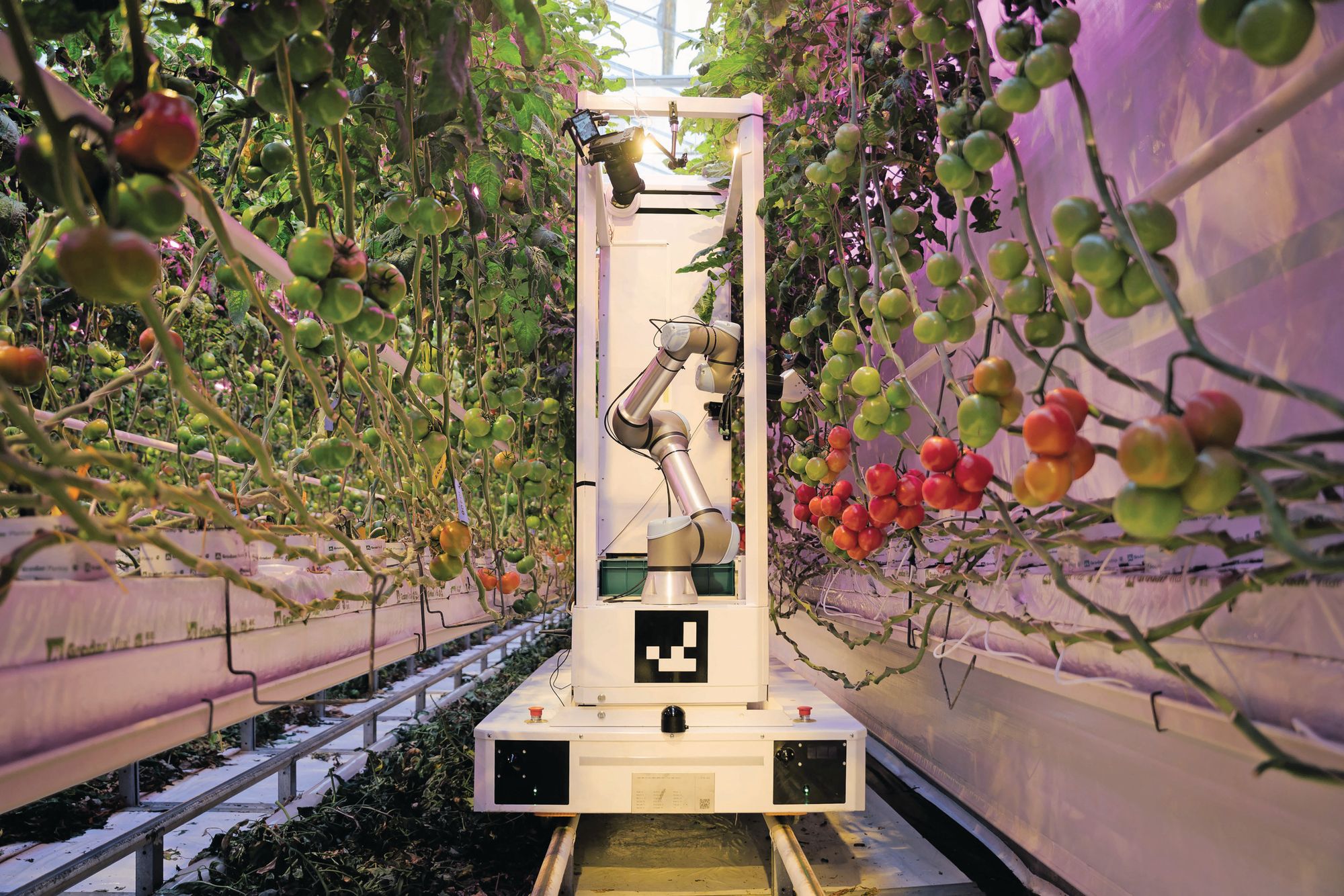
Eternal.ag launches Harvester: a fully autonomous tomato harvesting robot
Eternal.ag, a technology company specializing in agricultural automation, has unveiled its inaugural commercial product: a fully autonomous harvesting robot designed specifically for truss cocktail tomatoes. This innovative solution aims to revolutionize the harvesting process by eliminating the need for human operators, a significant advancement compared to existing robotic systems that typically require one operator for every five to six machines. Co-founder and CEO Renji John highlighted the efficiency of the new robot, stating that it can operate effectively with just one unit per hectare, making it suitable for larger farming operations. The launch of this robot marks a pivotal step in addressing labor shortages in agriculture and enhancing productivity in tomato harvesting.
Field robots field robots harvesting robots
A Breeding Cotton Harvesting Robot: Design, Integration, and Field Evaluation
A recent study published in the Journal of Field Robotics has highlighted significant advancements in robotic technology aimed at improving agricultural practices. Researchers from various institutions collaborated to develop autonomous systems capable of performing complex tasks such as planting, monitoring crop health, and harvesting. The study, released in early October 2023, emphasizes the growing need for innovative solutions in agriculture to address labor shortages and enhance efficiency. Conducted in various agricultural settings, the research showcases how these robots utilize advanced sensors and artificial intelligence to navigate fields and make real-time decisions. The motivation behind this initiative stems from the increasing demand for food production and the challenges posed by climate change, which necessitate more sustainable farming methods. The findings suggest that integrating robotic systems into farming operations can lead to higher yields and reduced environmental impact. As the agricultural sector faces mounting pressures, the introduction of such technology is seen as a crucial step towards modernizing practices and ensuring food security for the future.
RESEARCH ARTICLE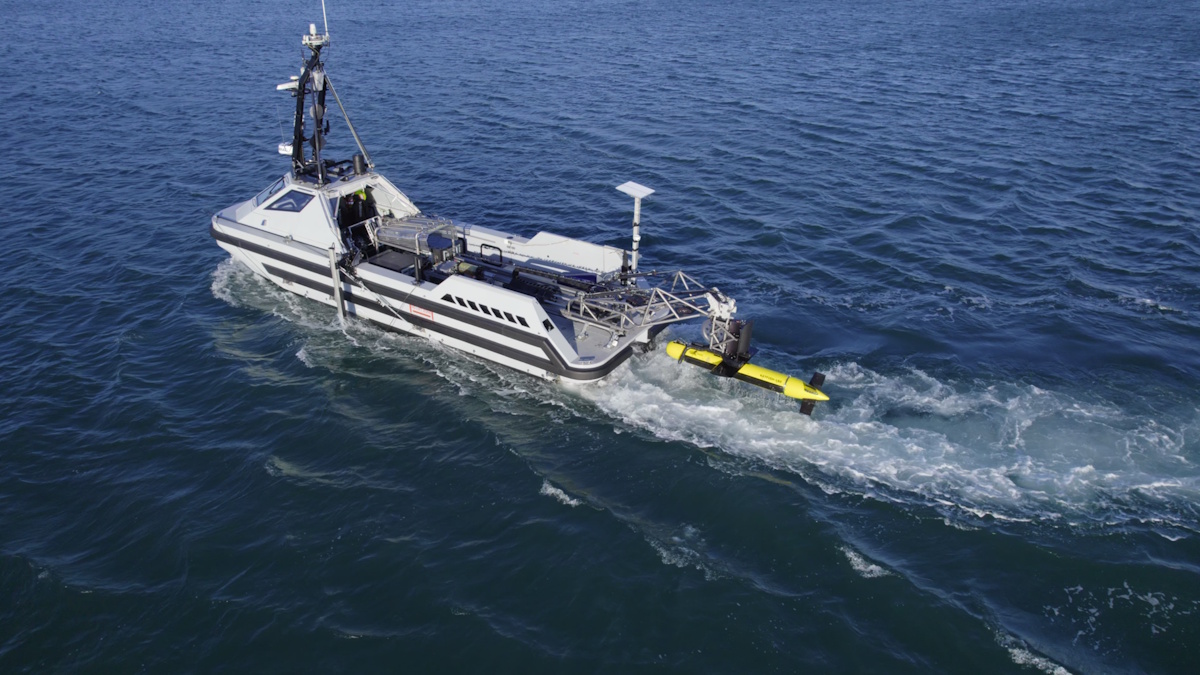
Kraken Robotics and TKMS ATLAS UK Demonstrate KATFISH USV Launch and Recovery System on an in-service UK Royal Navy ARCIMS USV
Kraken Robotics has successfully demonstrated its KATFISH Unmanned Surface Vessel Launch and Recovery System (USV-LARS) aboard TKMS ATLAS UK's 11-meter ARCIMS Unmanned Surface Vehicle (USV). This demonstration highlights a significant advancement in maritime security technology, as the integrated systems deliver a comprehensive autonomous survey solution tailored for mine countermeasure operations and the inspection of critical underwater infrastructure. Notably, the collaboration between ARCIMS and KATFISH USV-LARS marks the introduction of the industry's first air-deployable, 300-meter depth-rated autonomous towed Synthetic Aperture Sonar (SAS) survey system. This innovation aims to enhance operational efficiency and safety in maritime missions.
kraken robotics tkms atlas uk katfish usv launch and recovery system uk royal navy arcims usv
Boxfish Robotics Introduces Reliable and Easy-to-Use Hovering AUV for Marine Research
Boxfish Robotics has unveiled its first generation of fully autonomous tetherless hovering Boxfish AUV (Autonomous Underwater Vehicle), marking a significant advancement in underwater exploration technology. This innovative vehicle, which boasts state-of-the-art autonomy features, aims to redefine standards in the field. The launch took place in October 2023, showcasing the company's commitment to pushing the boundaries of underwater robotics. By eliminating the need for tethering, the Boxfish AUV enhances operational flexibility and efficiency, making it an invaluable tool for researchers and marine explorers. The development of this technology reflects Boxfish Robotics' dedication to advancing marine exploration capabilities and addressing the growing demand for sophisticated underwater vehicles.
boxfish robotics hovering auv marine researchRobotics needs a service framework.
RSF defines a common language for robot service capability, lifecycle operations, certification pathways, and service-provider networks.
Join the RobotToday community on LinkedIn
Daily robotics news, in-depth analysis, conference highlights, and discussions with professionals worldwide.








