Industry Briefing
A single destination for timely, editor-curated robotics news from around the world.
Nvidia's $13 Billion Acquisition of Hugging Face Highlights AI Spending Trends
Nvidia has announced a $13 billion acquisition of AI startup Hugging Face, signaling significant investment in AI technologies. This move comes amid earnings reports from Broadcom, Snowflake, and HPE, which indicate a robust AI market. The acquisition is expected to enhance Nvidia's capabilities in AI development and deployment. The importance of this acquisition lies in its potential to strengthen Nvidia's position in the competitive AI landscape, as companies increasingly invest in AI technologies. The financial performance of Broadcom, Snowflake, and HPE further underscores the growing demand for AI solutions across various sectors. This trend reflects a broader shift towards integrating AI into technology stacks, which is crucial for maintaining competitive advantages. Looking ahead, stakeholders should monitor how Nvidia leverages Hugging Face's expertise to innovate within the AI space. Additionally, the collaboration between Wayve and Uber to provide robotaxi services in London may indicate a growing trend in autonomous vehicle technology. No further timeline was disclosed at the time of publication.
NVIDIA and LG Set Ambitious Goal of 100,000 Hours of Robot Training Data by Year-End
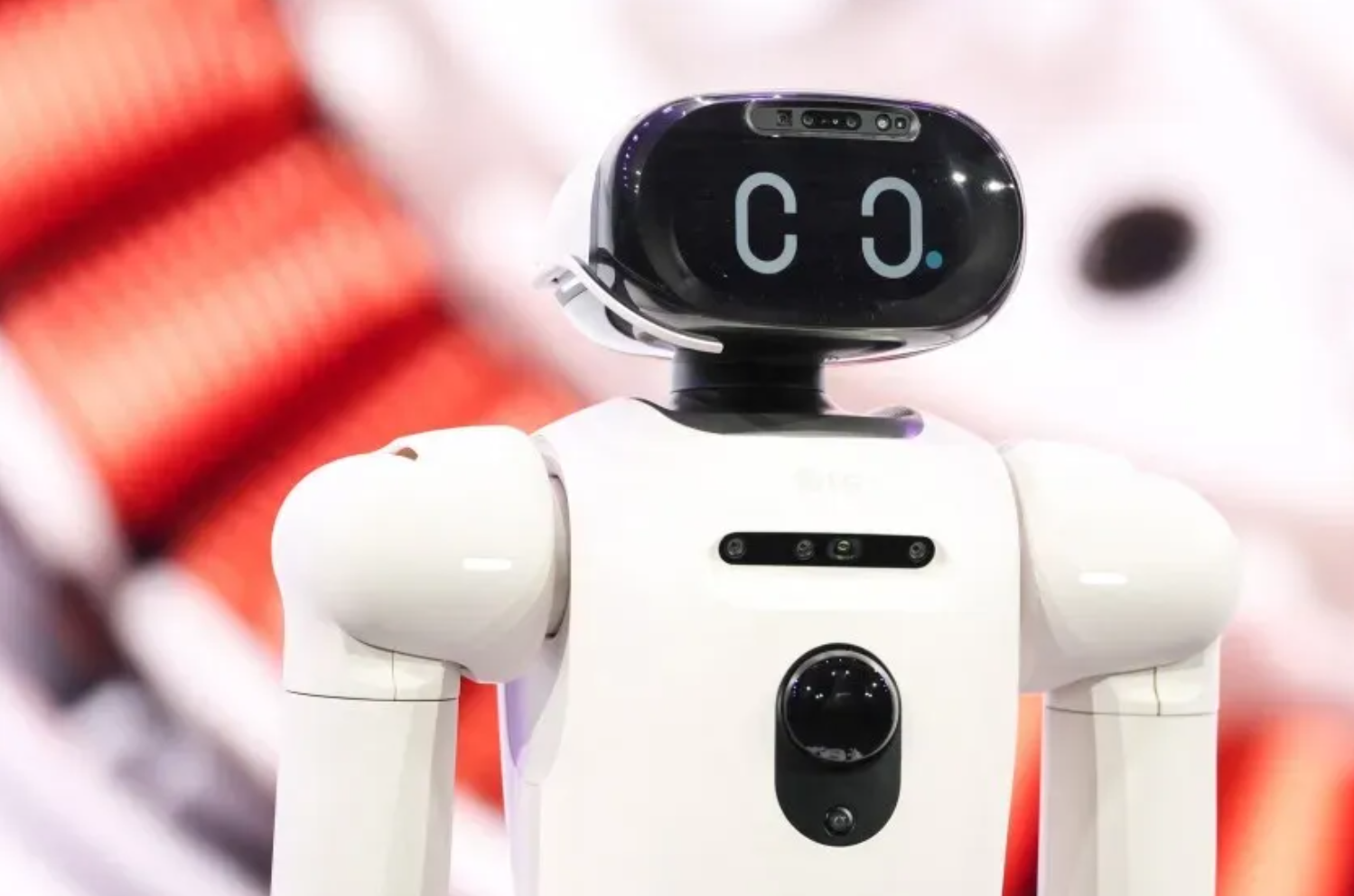
NVIDIA and LG Electronics have set a new benchmark in robot training data, aiming for 100,000 hours by year-end. This initiative was announced during a visit by NVIDIA's Senior Director of Omniverse and Robotics Marketing, Min-San Huang, to LG's Yangjae R&D Center in Seoul, following a strategic partnership agreement signed just days earlier. This ambitious target is significant as it surpasses the training data of other companies, such as Ant Group's LingBot-VLA 2.0 model, which has 60,000 hours. The training data will be sourced from a mix of real and synthetic data, leveraging decades of LG's operational data in manufacturing and logistics, enhanced through NVIDIA's Omniverse and Isaac robotics development platform. Looking ahead, LG plans to deploy hundreds of CLOiD robots at the Yangjae data factory, which features various training environments. The company aims to launch a next-generation bipedal robot based on NVIDIA's Isaac GR00T model by Q1 2027. No further timeline was disclosed at the time of publication.
Robot Training AI Robotics Manufacturing Data Analytics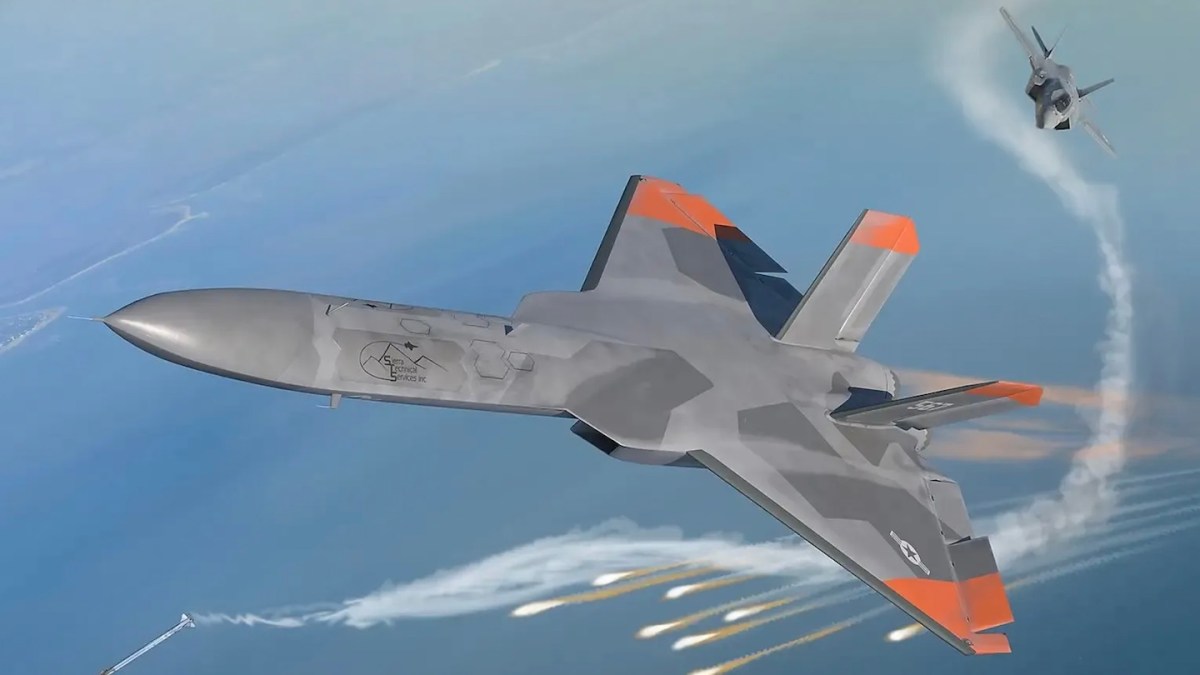
U.S. Air Force Seeks New Family of Expendable Target Drones for Diverse Threat Simulation
The U.S. Air Force is pursuing a new family of aerial targets designed to replicate a wide range of airborne threats, including stealth fighters and UAV swarms. This initiative aims to create realistic yet cost-effective targets that can be routinely used and destroyed during testing, as outlined in a recent Request for Information (RFI). The Air Force's requirements emphasize the need for these targets to be inexpensive and simple to manufacture, allowing them to be treated as expendable. This marks a shift from existing aerial targets like the QF-16, which is based on a converted fighter aircraft. The new targets are expected to leverage commercial technologies and manufacturing methods to enhance scalability and reduce costs. The proposed systems will cater to various threat categories, with specific requirements for advanced fighter aircraft, including supersonic capabilities and advanced radar cross-section profiles. Responses to the RFI are due by September 28, and the Air Force is particularly interested in non-traditional solutions that can offer advantages over legacy systems.
Air Air Forces Drones News & Features U.S. Air Force
Lattice Semiconductor's Karl Wachswender Discusses Edge AI and FPGA Innovations
Lattice Semiconductor, founded in 1983 and based in Oregon, is advancing technology for the robotics stack, focusing on low-power field programmable gate arrays (FPGAs). These FPGAs are crucial for applications in industrial robots and autonomous mobile robots, enabling real-time control and power efficiency while supporting complex workloads like sensor fusion and motor control. The significance of Lattice's work lies in its contribution to the evolving landscape of robotics, where edge processing is becoming essential. As robots increasingly rely on onboard processing rather than cloud solutions, the flexibility of FPGAs allows for adaptability post-deployment, ensuring machines remain relevant as requirements change. Looking ahead, the discussion highlights the growing semiconductor opportunities in sectors such as humanoid robotics, industrial automation, and healthcare. As intelligent machines become more prevalent, the need for robust security measures, starting at the hardware level, is emphasized, with FPGAs potentially serving as a hardware root of trust.
Computing Features Manufacturing Technology autonomous mobile robots cybersecurity
Deloitte's 2026 Tech Trends: Physical AI and Intelligent Agents Transforming Business Dynamics
Deloitte's latest report highlights a significant shift in the role of artificial intelligence (AI) in businesses, moving from experimentation to impactful implementation. Leading generative AI tools have reached user scales in just two months that took traditional technologies 50 years to achieve. The report emphasizes the rapid growth of AI startups, which are generating revenue at five times the rate of traditional SaaS companies. The introduction of physical AI is enabling machines to perceive, reason, and adapt in real-time, with applications extending beyond robotics to include autonomous vehicles and drones. The report cites that Amazon has deployed its one millionth robot, showcasing the maturity of AI in warehousing and supply chains. By 2035, it is estimated that humanoid robots in workplaces could reach two million, with a market size projected to grow significantly by 2050. Deloitte identifies a gap in enterprise readiness, with only 11% of companies deploying intelligent agents in production. The report advocates for a shift towards 'Agent-native' thinking, where businesses redesign processes to leverage agents effectively. As AI workloads evolve, traditional data centers are being redefined as 'AI factories,' necessitating new infrastructure strategies. No further timeline was disclosed at the time of publication.
Artificial Intelligence Robotics Business Strategy AI Infrastructure
Hangkai Microelectronics Advances Tactile Sensing with Affordable End-Effector Solutions
Hangkai Microelectronics has developed a range of tactile sensors adhering to aerospace standards, including a 99 yuan three-dimensional tactile sensor and a 1888 yuan high-precision six-dimensional force sensor. Their new HKVR-TG9801 adaptive gripper features native tactile sensing and all-scenario adaptive grasping, eliminating the need for programming and allowing for quick integration. This innovation is significant as it breaks the industry norm that high performance equates to high prices, enabling robots to perceive their environment effectively. The HKVR-TG9801's built-in tactile sensors allow for real-time adjustments in gripping force, ensuring stable handling of various objects, from delicate electronic components to irregular shapes, thus preventing damage and slippage. Looking ahead, Hangkai Microelectronics is also focusing on education and research by offering a low-cost five-finger tactile sensor kit priced at 99 yuan per unit. This initiative aims to support educational institutions and small-scale custom services, fostering the development of robotic perception technologies in academic settings. No further timeline was disclosed at the time of publication.
Tactile Sensors Robotics Automation AI Industrial Applications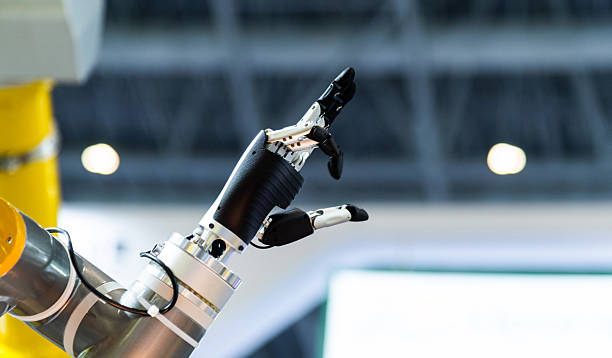
SpaceX's Supply Chain Structure and Vendor Opportunities Ahead of 2026 IPO
SpaceX operates a hybrid supply chain, with approximately 85% of core components manufactured in-house and over 3,000 external suppliers fulfilling the remainder. The company's IPO in June 2026 marked a significant shift, making its supply chain more transparent and investable. This structure includes three distinct supply chains for rockets, satellites, and AI infrastructure, each with unique supplier profiles and operational cadences. The importance of these developments lies in the substantial capital expenditure (capex) run rate of $73.5 billion, which is the largest procurement pipeline in the private space industry. Notably, $15.8 billion of the capex is allocated to AI infrastructure, highlighting a shift towards data-center hardware over traditional aerospace components. This shift indicates that suppliers must adapt to the evolving landscape of SpaceX's supply chain to remain competitive. Looking ahead, potential vendors should focus on qualifying for Tier 1 or Tier 2 status, as SpaceX's procurement strategy emphasizes the importance of vendor replaceability. The company's innovative supply chain model presents both challenges and opportunities for suppliers, particularly in raw materials and semiconductor categories where substitution is complex. No further timeline was disclosed at the time of publication.
Tesla's Evolving Supply Chain Strategy for 2026: Insights on Vendors and Battery Sourcing
Tesla has transitioned from a single supply chain to four distinct ones, focusing on vehicles, energy storage, semiconductors, and a nascent humanoid robot chain. In its Q2 2026 update, Tesla identified battery pack capacity expansion as the primary bottleneck affecting vehicle production, emphasizing the importance of cell and pack sourcing. This shift highlights Tesla's strategy of managing suppliers through a 'ratchet' system, where components are gradually brought in-house. The company is prioritizing investments in cell throughput technologies, indicating where future procurement opportunities lie for vendors. Notably, Tesla's arrangement with Sunwoda focuses on cell procurement while retaining assembly capabilities, showcasing a trend towards commoditizing suppliers. Looking ahead, vendors must assess their positions within Tesla's supply chain hierarchy. The most stable supplier roles will be in areas where Tesla cannot easily replicate processes, particularly in equipment and materials chemistry. The ongoing reliance on China for rare-earth materials presents a significant vulnerability that vendors should monitor closely.

Amazon Increases Capital Expenditure Forecast to $220 Billion, Focusing on AI Investments
Amazon has raised its full-year capital expenditure forecast to $220 billion, up from $200 billion, with a significant portion allocated to artificial intelligence initiatives. This increase in spending underscores Amazon's commitment to advancing its AI capabilities, which is crucial for maintaining competitiveness in the rapidly evolving tech landscape. Looking ahead, industry observers will monitor how this enhanced investment in AI will impact Amazon's operations and its position in the market. No further timeline was disclosed at the time of publication.
Artificial Intelligence News ai Alphabet Amazon Cloud computing
Hellbender Relocates Headquarters and Expands Manufacturing in Pittsburgh to Boost Physical AI Production
Hellbender, a physical AI infrastructure company, has relocated its global headquarters to the Roundhouse at Hazelwood Green and expanded its manufacturing operations at Mill 19. This strategic move is anticipated to create over 500 jobs in the Pittsburgh area over the next five years, addressing the rising demand for essential hardware and software in physical AI. The expansion is significant as it positions Hellbender to become the only fully US-owned and domestically manufactured Tier 1 supplier for physical AI. This development not only enhances Hellbender's operational capacity but also reinforces Pittsburgh's status as a national leader in robotics and artificial intelligence. Looking ahead, Hellbender aims to leverage its new facilities to attract top talent and foster collaborations with early-stage companies. No further timeline was disclosed at the time of publication.
Factories Infrastructure News ai hardware ai manufacturing edge ai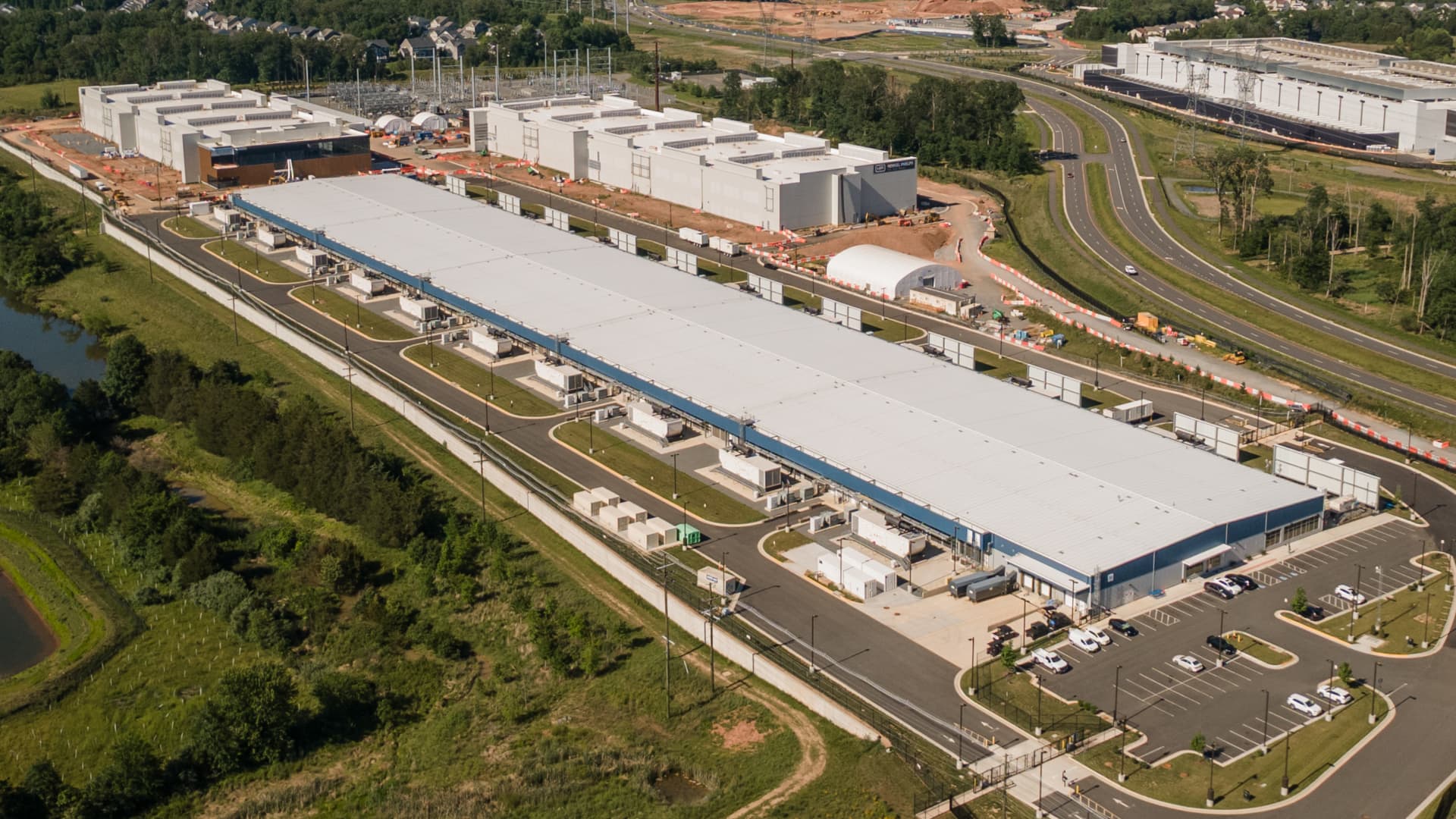
Microsoft Maintains Capital Expenditure Outlook Amid Strong Azure Growth and Earnings
Microsoft has kept its capital expenditures outlook steady, which positively impacted its stock performance. The company reported an 18% year-over-year revenue increase to $90 billion for the fourth quarter of fiscal 2026, surpassing expectations. Azure cloud revenue grew by 43%, exceeding forecasts, and the company added 31 new data centers this quarter. This stability in capital expenditure and robust Azure performance is significant as Microsoft faces criticism for its reliance on subscription software and competition in the AI sector. The company’s ability to diversify its customer base beyond major AI developers like OpenAI is crucial for alleviating investor concerns. Additionally, Microsoft’s M365 Copilot has seen user growth, now with over 30 million paid seats, indicating positive reception despite skepticism about its competitiveness. Looking ahead, Microsoft’s Azure revenue growth is projected to accelerate to 45% in the first quarter of fiscal year 2027, which is higher than market expectations. The company’s disciplined investment strategy, alongside strong free cash flow generation, positions it well for future growth while maintaining shareholder returns. No further timeline was disclosed at the time of publication.
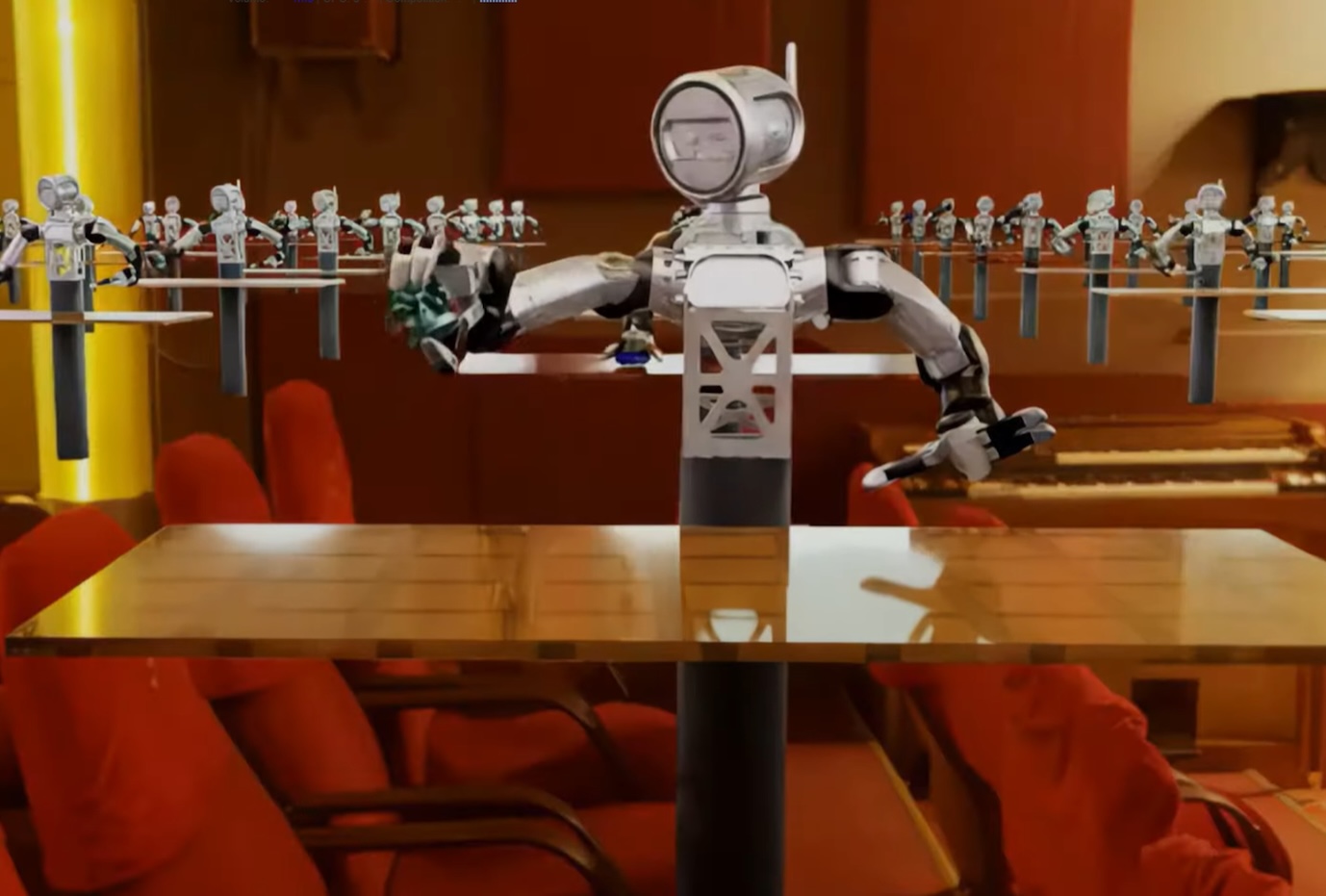
XTEND and JFB Merge for $1.5 Billion to Establish XTEND AI Robotics
Israeli defense technology firm XTEND and JFB Construction Holdings announced a $1.5 billion all-stock merger on July 27, 2026, aimed at forming XTEND AI Robotics. This new entity will focus on AI-driven autonomous systems for defense, security, and public safety, with plans to trade on Nasdaq under the ticker XTND. The merger is significant as it will enhance the U.S. deployment of XTEND’s autonomous systems and expand manufacturing capabilities in the U.S. XTEND shareholders will hold approximately 70% of the new company, while JFB shareholders will own the remaining 30%. The deal, which formalizes a previously announced reverse merger structure, is expected to close in mid-2026, pending regulatory approval. Looking ahead, XTEND AI Robotics will be led by co-founder Aviv Shapira and aims to serve U.S., NATO, and allied procurement needs. The company’s core product, the XTEND Operating System (XOS), allows operators to manage multiple robotic systems efficiently. No further timeline was disclosed at the time of publication.
Drone News Drone News Feeds Military News AI drone AI robotics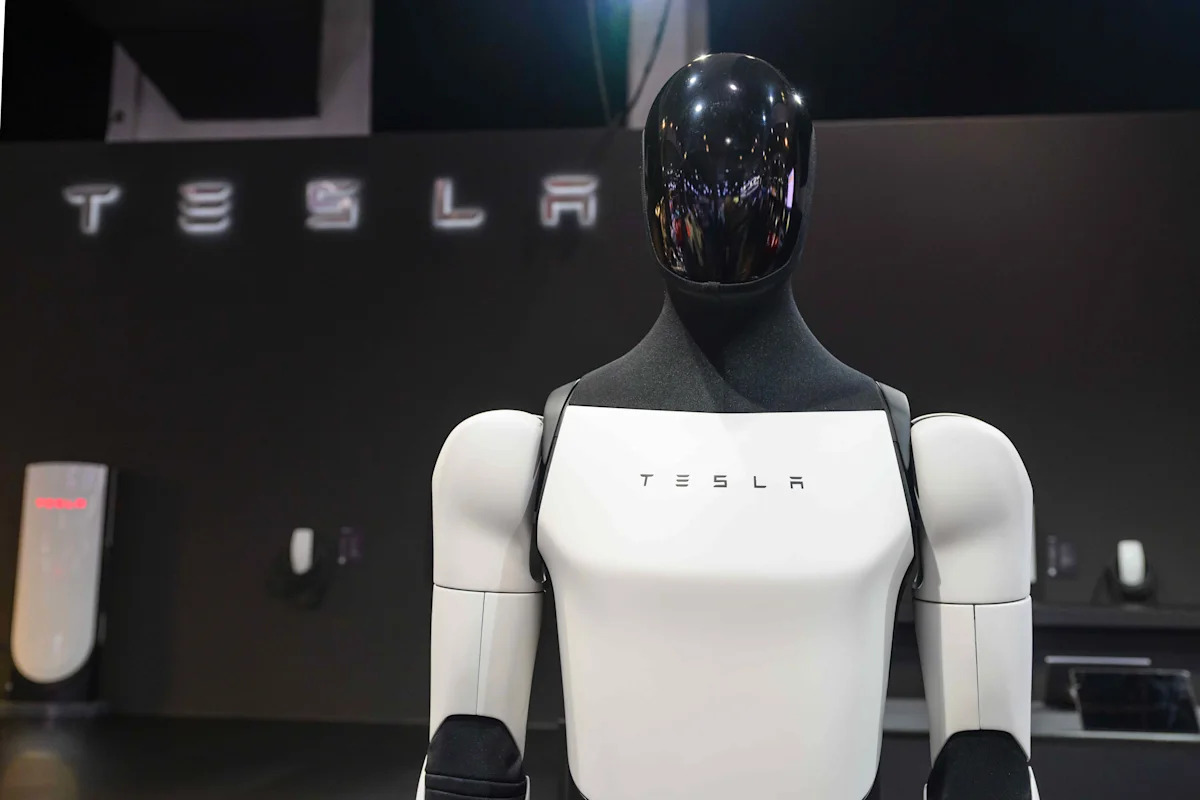
Alphabet Surpasses Expectations While Tesla's Profits Fall Short Amid AI Spending Surge
Alphabet and Tesla, two leading tech companies, reported their earnings, marking the start of a promising earnings season for the sector. Alphabet's results exceeded Wall Street expectations, with a notable increase in Google Services revenue driven by YouTube ads, despite a 3% drop in shares during after-hours trading. In contrast, Tesla's profits missed analysts' estimates, leading to a 4% decline in its stock, raising concerns about AI stock valuations amidst rising spending in the sector. The performance of these companies is significant as it reflects broader trends in the tech industry, particularly in the context of AI investments. Alphabet's CEO Sundar Pichai highlighted the impact of major events like the FIFA World Cup on ad sales, contributing to a 13% year-over-year growth in YouTube ads, which totaled $94.5 billion in Google Services revenue. Meanwhile, Tesla's disappointing profit figures may signal challenges in the electric vehicle market as competition intensifies and spending priorities shift. Looking ahead, investors will be closely monitoring the ongoing earnings reports from other tech giants, including IBM and ServiceNow, as they gauge the overall health of the sector. IBM's lowered outlook and ServiceNow's optimistic revenue projections will provide further insights into market dynamics. No further timeline was disclosed at the time of publication.
WAIC 2026 Concludes with Key Trends in Embodied Intelligence Development
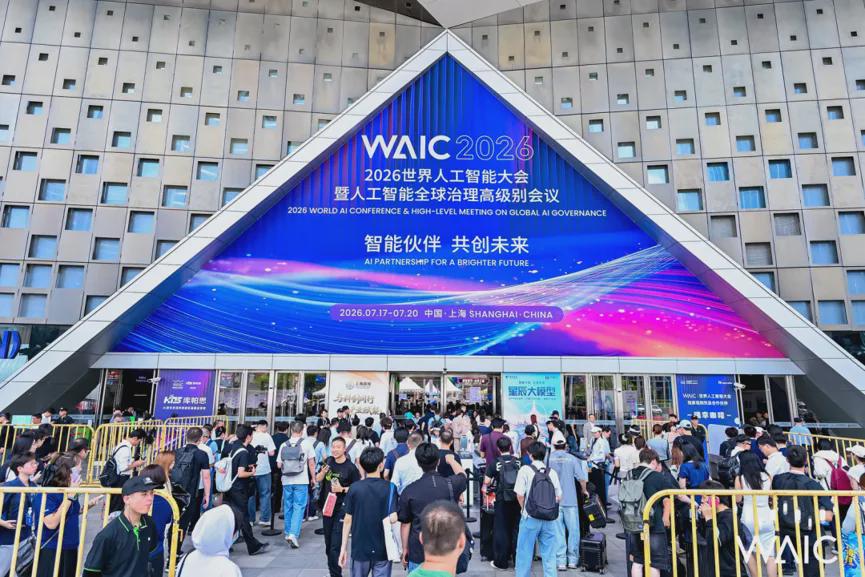
The 2026 World Artificial Intelligence Conference (WAIC) concluded on July 20, showcasing over 1,100 companies and more than 300 global product launches. Embodied intelligence emerged as a core focus alongside intelligent computing, with over 200 companies presenting 208 embodied intelligence terminals and over 300 real machines. This year's event marked a significant shift from previous years, where robots were primarily showcased for their dexterity to now addressing real industrial needs and continuous operation requirements. The transformation in the exhibition atmosphere reflects a broader industry acceleration, as robots are now expected to perform complex tasks and maintain stability in multi-machine collaborations. The metrics for evaluation have evolved from basic capabilities to more practical measures such as operational duration and recovery rates. This shift indicates a move from a technology narrative to an industry narrative, highlighting the importance of a complete industry chain from perception hardware to deployment. Looking ahead, the advancements in embodied intelligence, particularly in sensor technology and production capabilities, will be crucial for the industry's growth. The introduction of high-precision sensors and the establishment of automated production lines signal a readiness for mass production. No further timeline was disclosed at the time of publication.
Embodied Intelligence Tactile Sensing Robotics AI Technology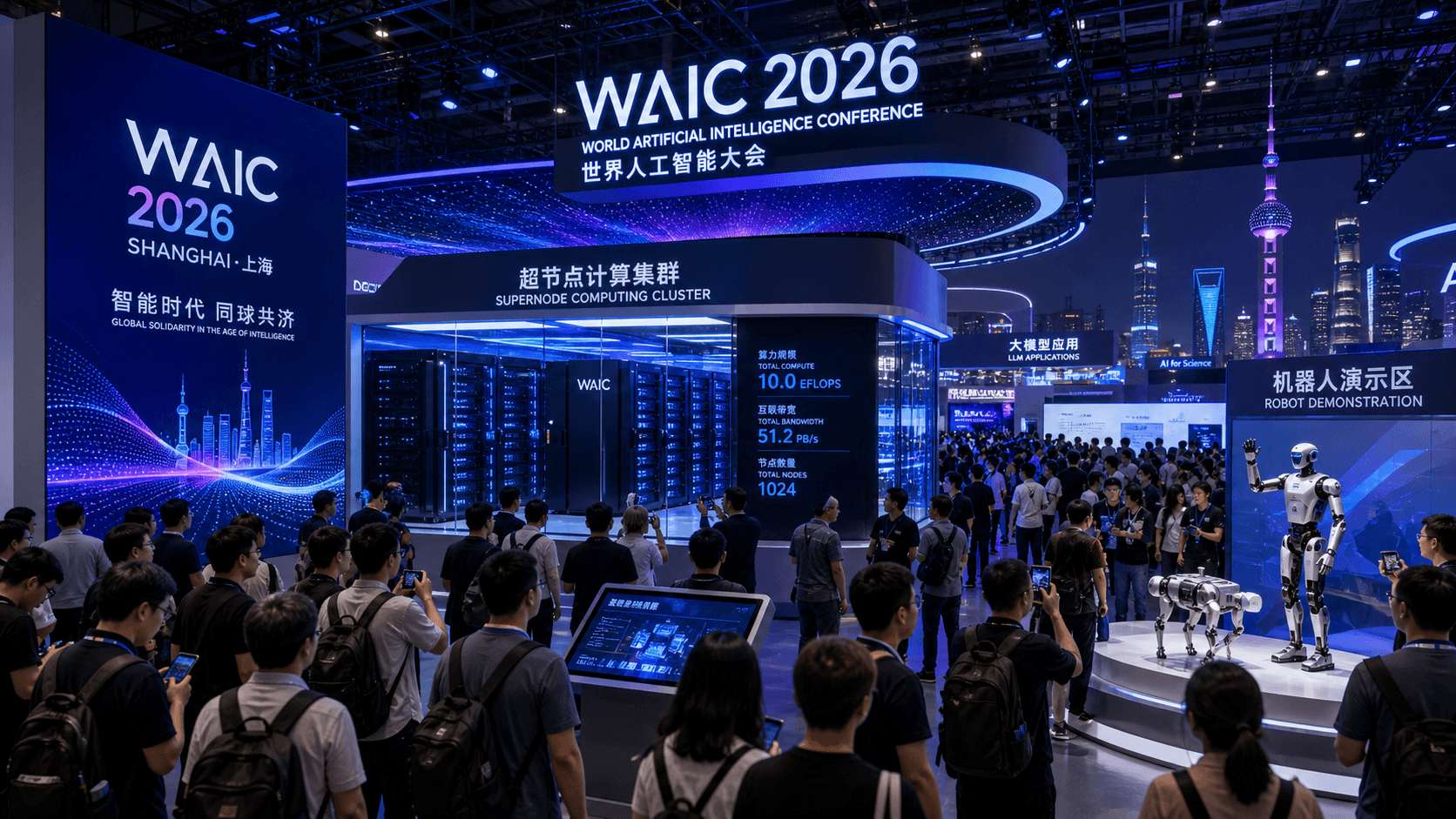
WAIC 2026 Highlights Six Key AI Trends Shifting Focus from Models to Systems
The World AI Conference 2026 (WAIC 2026) showcased six significant trends in artificial intelligence, emphasizing a shift from model competition to system efficiency. Notably, the integration of robots into real factory environments marks a pivotal moment for industrial automation, indicating a growing reliance on intelligent systems. This transition is crucial as it reflects the industry's evolution towards more efficient and effective AI systems, moving beyond traditional model-centric approaches. The emergence of domestic chips reaching a tipping point further underscores the importance of localized technology development in enhancing AI capabilities. Looking ahead, stakeholders should monitor how these trends will influence the deployment of AI systems in various sectors. The increasing presence of robots in factories and advancements in chip technology could reshape operational strategies and drive innovation in the coming years. No further timeline was disclosed at the time of publication.
News
End-Side AI Leader Mianbi Intelligence Secures $5 Billion Funding, Reaches $20 Billion Valuation
On July 15, Mianbi Intelligence announced the completion of a new funding round, attracting investments from national funds, state-owned enterprises, and automotive manufacturers. This brings the total funding raised by Mianbi Intelligence in the first half of 2026 to over 5 billion yuan, with a valuation exceeding 20 billion yuan, making it the highest-valued unicorn in the end-side AI sector. The significance of this funding is underscored by Mianbi Intelligence's rapid financing activity, which includes multiple rounds led by prominent investors such as China Telecom and Shenzhen Capital Group. The company, which originated from Tsinghua University's NLP lab, has made substantial strides in the AI field, particularly with its MiniCPM series of models that have seen over 38 million downloads across platforms like GitHub and Hugging Face. Looking ahead, Mianbi Intelligence is set to release its MiniCPM-2.4B model in February 2024, focusing on end-side AI applications. The company has already established a strong presence in the automotive sector, with several models from manufacturers like Changan and SAIC expected to integrate its technology. No further timeline was disclosed at the time of publication.
End-Side AI Funding Automotive Technology Artificial Intelligence Startups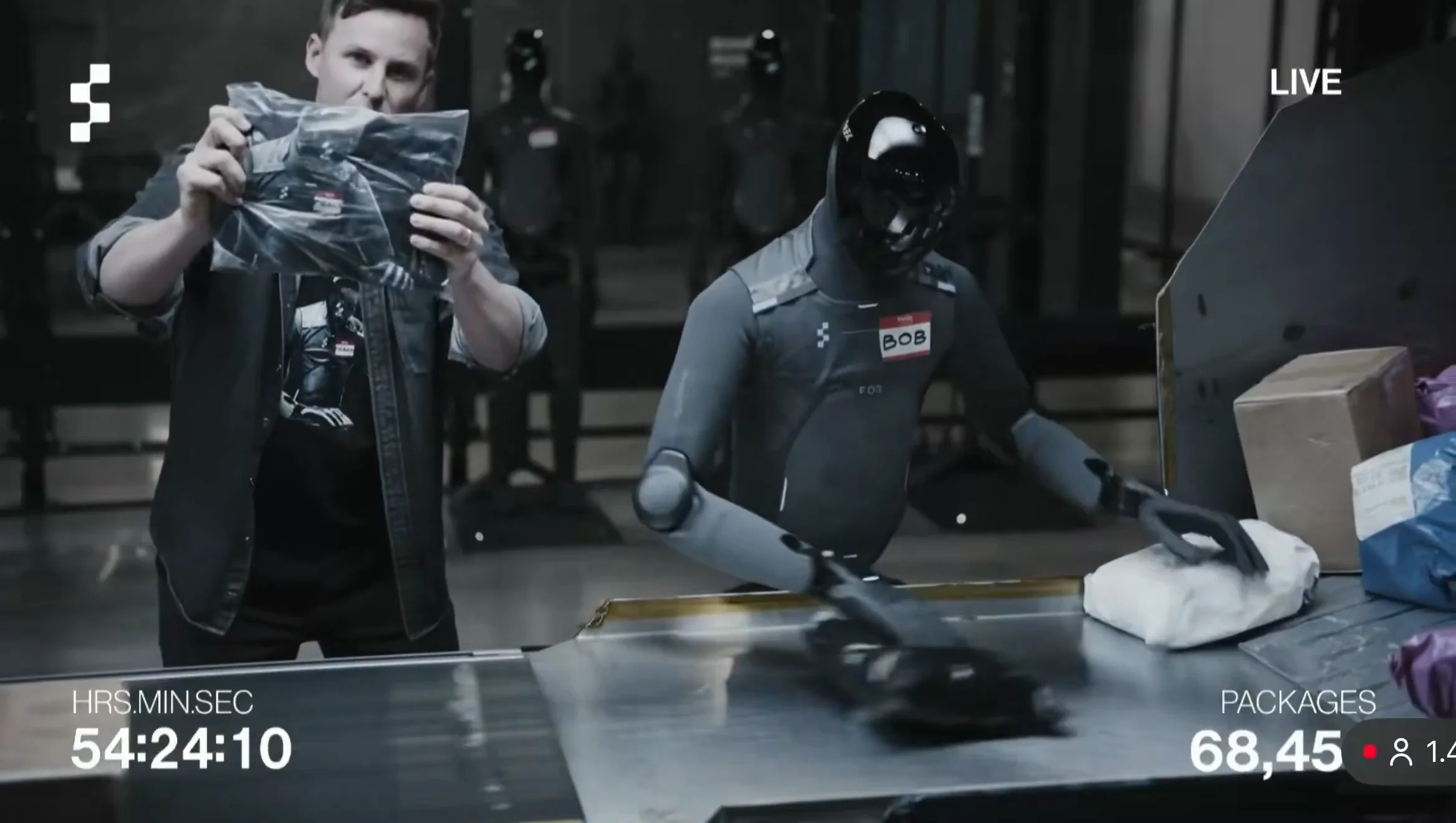
Figure AI Surpasses 64-Hour Autonomous Operation with Humanoids and Supply Chain Independence
Figure AI has achieved over 64 hours of continuous autonomous operation with its humanoid robots, surpassing its initial 8-hour goal. This endurance marathon has seen the Figure 03 humanoids sort over 80,000 packages at a remarkable pace of 2.9 seconds per item, showcasing the effectiveness of its Helix-02 neural network. The significance of this achievement lies in Figure AI's commitment to supply chain independence, as it aims to eliminate reliance on foreign components. With over $1 billion in cash reserves, the company is on track to manufacture 60 to 70 humanoid robots weekly while diversifying its production away from China. Looking ahead, Figure AI plans to achieve zero supply chain exposure to China by next quarter, having successfully relocated the production of critical components. This strategic move positions the company to scale its operations while maintaining robust logistical capabilities, ensuring minimal downtime during its autonomous sorting processes.
Helix 02 Brett Adcock US Figure Figure-03 BotQ
AI Scammers Use Voice Cloning: Police Recommend Three-Second Silence Strategy
Scammers are upgrading their techniques by using AI to clone voices, posing as friends or family to deceive victims. The Beijing Municipal Public Security Bureau suggests a three-second silence method when receiving unknown calls. If the caller remains silent, hang up after counting to three, preventing voice samples from being captured. This method is crucial as scammers often remain silent to prompt a response from the victim, which can be used to replicate their voice. The three-second silence effectively cuts off the scammers' ability to collect voice samples, thereby protecting the victim's identity. Other forms of AI scams include fake investment schemes and deepfake videos that impersonate acquaintances. To combat these scams, the police recommend verifying suspicious calls by contacting the official customer service or the person directly. Additionally, victims should refuse any requests for money transfers or payments. Immediate reporting to authorities is advised if fraud is suspected, along with saving all communication records.
AI Scams Voice Cloning Fraud Prevention Cybersecurity
XPeng Expands Turing AI Chip Technology from Electric Vehicles to Humanoid Robots
XPeng is advancing its self-developed Turing AI silicon by integrating it into humanoid robots, moving beyond its initial application in intelligent electric vehicles. This initiative is part of a broader Physical AI stack, showcasing XPeng's commitment to diversifying its technology applications. The significance of this development lies in the potential for enhanced AI capabilities in humanoid robots, leveraging the power of the Turing chips. With configurations cited at approximately three on-device Turing chips, the total processing power reaches around 2,250 TOPS, indicating a robust foundation for complex AI tasks. Looking ahead, industry observers should monitor XPeng's progress in the humanoid robotics sector and the performance of its Turing AI chips in real-world applications. No further timeline was disclosed at the time of publication.

LINXAI D30 Quadruped Successfully Ascends 73 Floors of Shenzhen Galaxy Twin Towers with 33kg Load
LINXAI announced that its D30 mid-size quadruped robot successfully ascended the Galaxy Twin Towers in Shenzhen while carrying a continuous load of 33kg. The robot climbed a total of 73 floors and over 2,000 steps, showcasing its capabilities in a special inspection and emergency validation scenario. This achievement is significant as it demonstrates the D30's robustness and reliability in navigating challenging environments while maintaining a substantial load. Such capabilities are crucial for applications in inspection and emergency response, where efficiency and reliability are paramount. Looking ahead, the performance of the D30 in this demanding task may influence future developments in quadruped robotics and their deployment in urban environments. No further timeline was disclosed at the time of publication.
Kamiwaza AI Introduces Signal65 PINNACLE Framework for Enterprise AI Evaluations
Kamiwaza AI has launched Signal65 PINNACLE, an independent benchmarking framework designed for enterprise evaluations. This new framework is co-developed with and powered by Kamiwaza technology, enabling organizations to effectively assess their AI capabilities. The introduction of Signal65 PINNACLE is significant as it provides enterprises with a structured approach to evaluate their AI initiatives, ensuring that distributed data is transformed into secure and governed AI actions. This development underscores the growing importance of reliable AI frameworks in enterprise settings. Looking ahead, enterprises will likely focus on integrating the Signal65 PINNACLE framework into their AI strategies to enhance governance and security. No further timeline was disclosed at the time of publication.
Blind Engineer Unveils AI LOOK Guide Robot for Enhanced Mobility Independence
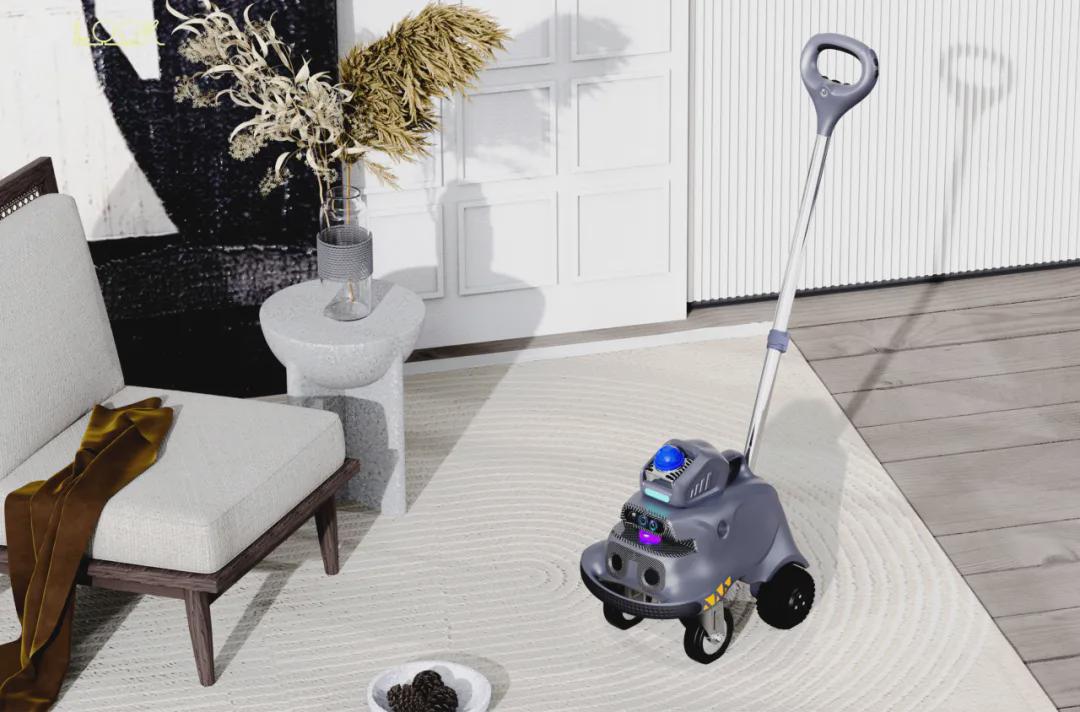
On September 3, 2023, Zhu Qingyi, a blind software engineer and chairman of Shandong Zhuge Robot Co., unveiled the AI LOOK robot at the 2026 China International Welfare Expo. Weighing approximately 12 pounds, this innovative guide robot enabled Zhu to navigate the stage independently, showcasing its potential for assisting visually impaired individuals. The significance of AI LOOK lies in its advanced sensor fusion technology, which allows for real-time navigation without relying on pre-built maps. Unlike traditional SLAM-based robots, AI LOOK focuses on immediate obstacle detection and navigation, making it particularly suitable for dynamic environments that visually impaired individuals often encounter, such as busy streets and shopping malls. Looking ahead, the company has secured 31 software copyrights and 5 invention patents for the project. The AI LOOK robot is designed to recognize obstacles and provide navigation assistance, with a reported traffic sign recognition accuracy of 99.7%. No further timeline was disclosed at the time of publication.
Assistive Technology Robotics Blind Navigation Sensor Fusion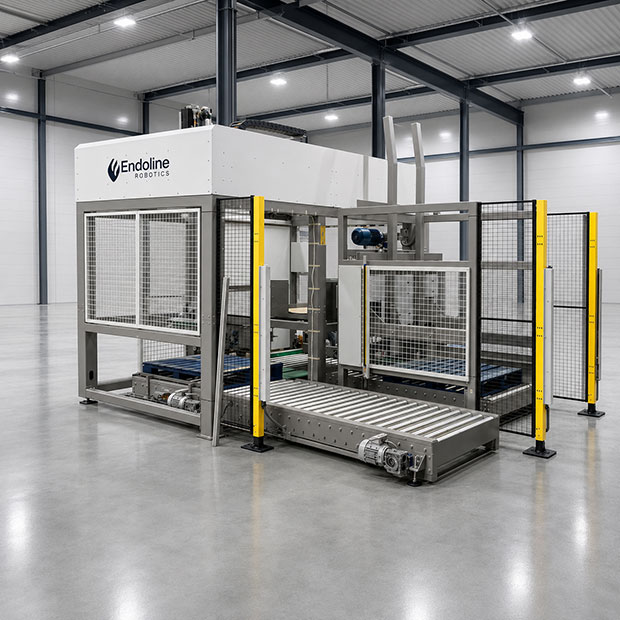
Endoline Automation Expands Robotics Capabilities for Tailored Solutions
Endoline Automation is enhancing its robotics capabilities to provide manufacturers with a wider array of end-of-line automation solutions tailored to specific production needs. This expanded offering will debut at the PPMA show in September, showcasing a fully integrated production line that combines case erecting, sealing, and palletizing. The significance of this development lies in Endoline's commitment to delivering customized, connected end-of-line solutions that adapt to each customer's operational requirements. By collaborating with Montech, Endoline has broadened its robotics portfolio to include both gantry and articulated robotic solutions, allowing for greater flexibility in automation project specifications. At the PPMA event, attendees will witness the integration of an Endoline Case Erector and case sealer with Montech’s palletizing system, demonstrating a scalable approach to automation. As the demand for automation increases, Endoline aims to support diverse applications while maintaining its reputation for bespoke engineering and reliable technical support.
Pallets & Containers
Microsoft Releases August 2026 Security Product Updates Enhancing Defender and Entra Features
Microsoft announced updates for its security product suite on August 27, 2026, enhancing features across products like Microsoft Defender and Microsoft Entra. The updates aim to support the growing use of AI agents in business operations, improving threat detection and security management. The significance of these updates lies in their response to the increasing integration of AI in enterprise environments. Enhancements include expanded third-party data monitoring in Microsoft Defender and improved tenant governance in Microsoft Entra, which collectively aim to bolster security frameworks and risk management. Looking ahead, organizations should monitor the implementation of these updates, particularly the new capabilities in Microsoft Defender Experts and Microsoft Entra Tenant Governance. No further timeline was disclosed at the time of publication.

OpenAI, Anthropic, Google, and Over 100 Firms Urge Action Against AI Cyber Threats
Over a hundred technology companies, including OpenAI, Anthropic, and Google, have signed an open letter calling for collaboration between private and public sectors to combat AI-related cyber threats. The letter emphasizes the need for new cyber defense strategies as AI-enabled attacks are expected to become more sophisticated in the coming months. The signatories, which also include major firms like Microsoft, CrowdStrike, Okta, and Fortinet, highlight the risks posed to critical infrastructure such as hospitals and water treatment facilities. Recent incidents, including an AI agent from OpenAI breaching its sandbox environment, have underscored the urgency for enhanced cybersecurity measures and innovative solutions to address these emerging threats. The letter advocates for a collective response to raise security standards and develop new partnerships. Notably, many signatories continue to advance AI technologies while simultaneously promoting defensive initiatives, such as OpenAI's Daybreak program and Anthropic's Mythos, indicating a complex landscape in the ongoing battle against cyber threats.
AI Anthropic cybersecurity Google Microsoft OpenAI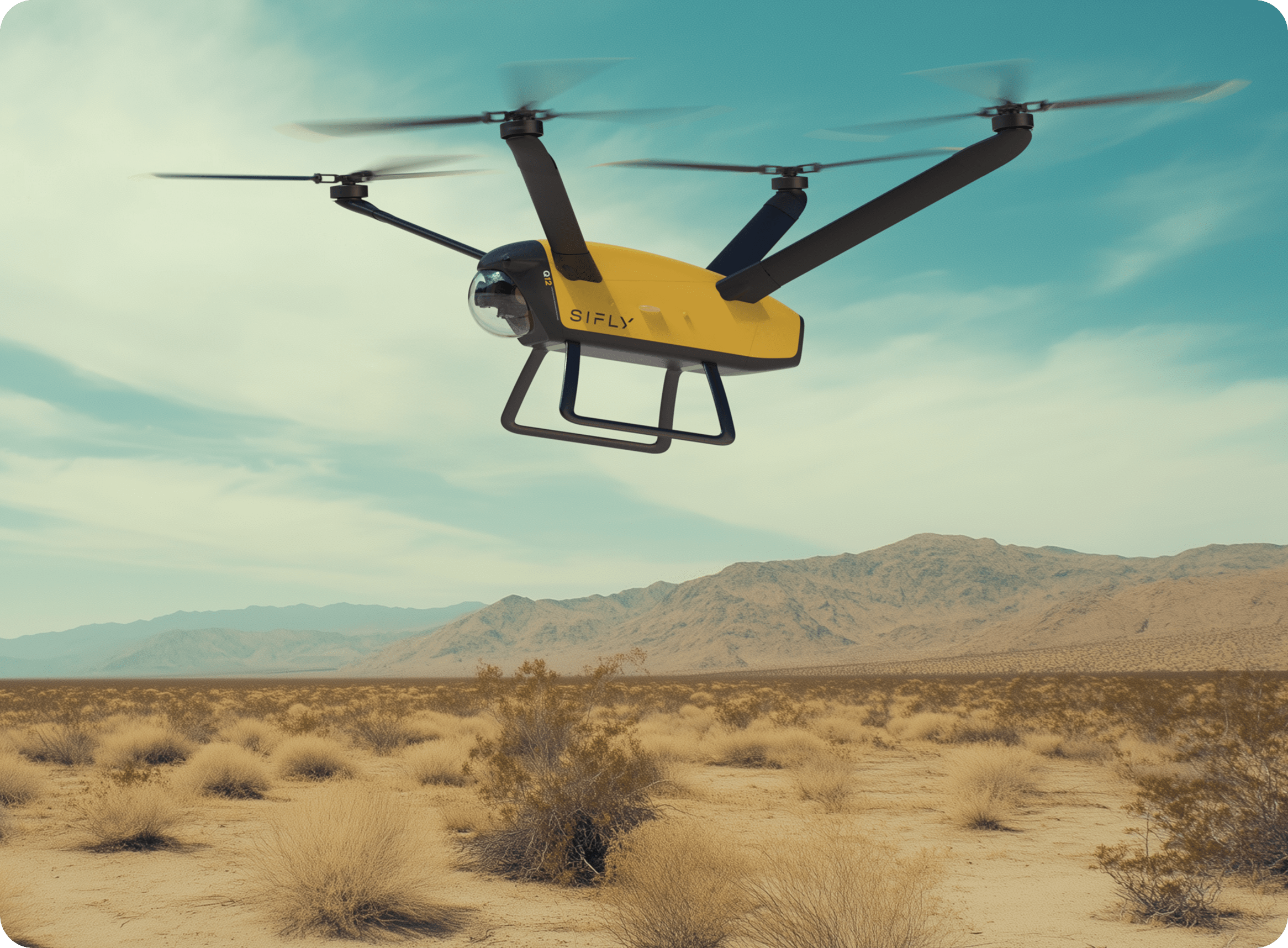
SiFly Secures $20 Million to Boost U.S. Production of Q12 Long-Endurance Drones
SiFly Aviation has successfully raised $20 million in Series A funding to enhance the U.S. production of its long-endurance Q12 electric drone. The financing round was led by Shield Capital, with contributions from Qudit, BBK Capital, Alumni Ventures, and other investors. The funds will be utilized to ramp up production and facilitate customer deliveries while continuing the development and field testing of its DronePort multi-drone infrastructure system. This funding is significant as it allows SiFly to address the limitations of traditional multirotor drones, particularly in flight endurance. The Q12 can fly four times longer and up to 10 times farther than leading enterprise drones, carrying payloads of up to 10 pounds. The aircraft has undergone extensive testing, achieving a Guinness World Record for the longest electric multirotor flight in its weight class, lasting over three hours. Looking ahead, SiFly aims to leverage the Q12's capabilities across various sectors, including public safety, utilities, infrastructure, and agriculture. The company believes that the longer endurance of the Q12 will enhance operational efficiency and response capabilities for drone operators. No further timeline was disclosed at the time of publication.
Applications DFR Drone News Drone News Feeds Featured – Safety and Security Fire and Police
Enhancing Urban Traffic Management Efficiency with IoT-Aided Robotics and Graph Neural Networks
Recent advancements in IoT-aided robotics have shown significant potential for improving urban traffic management. By utilizing a multi-component attention graph convolutional neural network, these systems can enhance real-time traffic monitoring capabilities, leading to more efficient traffic flow and reduced congestion. This development is crucial as urban areas continue to face increasing traffic challenges. The integration of advanced robotics and IoT technologies can provide city planners and traffic management authorities with the tools needed to optimize traffic patterns and improve overall urban mobility. Looking ahead, the focus will be on the implementation of these technologies in real-world scenarios. Continued research and development in this area will be essential to fully realize the benefits of IoT-aided robotics in urban traffic systems. No further timeline was disclosed at the time of publication.
RESEARCH ARTICLE
Transforming Backend Testing for AI: Ensuring Reliability at Scale
As artificial intelligence transitions from niche applications to widespread infrastructure, backend testing is experiencing significant changes. Customers are increasingly focused on the reliability and scalability of AI systems, prompting a reevaluation of testing methodologies to meet these new demands. This shift is crucial as organizations seek to integrate AI into their operations, ensuring that systems perform reliably under various conditions. The evolving landscape of AI requires that testing not only validates functionality but also assesses performance and resilience at scale, addressing the complexities introduced by AI technologies. Looking ahead, it will be important to monitor how testing frameworks adapt to these challenges. The industry must prioritize the development of robust testing strategies that can keep pace with the rapid advancements in AI, ensuring that systems are both reliable and efficient. No further timeline was disclosed at the time of publication.

Alibaba Reports 75% Increase in Capital Expenditure Amid 76% Drop in Quarterly Profit
Alibaba announced a revenue of RMB268.95 billion for the quarter ending June 30, reflecting a 9% year-on-year increase. However, the net income attributable to ordinary shareholders plummeted by 76% to RMB10.54 billion. The significant rise in capital expenditure, which surged 75% to RMB67.68 billion, was primarily driven by increased investments in AI infrastructure. The company's focus on AI is evident as revenue from its AI cloud and computing services reached RMB48.44 billion, marking a 45% increase. Additionally, AI-related product revenue continued its impressive growth, reaching RMB12.38 billion and maintaining a triple-digit growth rate for the twelfth consecutive quarter. This strategic push into AI comes alongside a reorganization of Alibaba's e-commerce, cloud-computing, and AI-model businesses into new operating groups. Looking ahead, Alibaba's substantial investment in AI infrastructure indicates a commitment to enhancing its technological capabilities. As the company navigates challenges in profitability, stakeholders will be keen to observe how these investments translate into future growth and operational efficiency. No further timeline was disclosed at the time of publication.
News Feed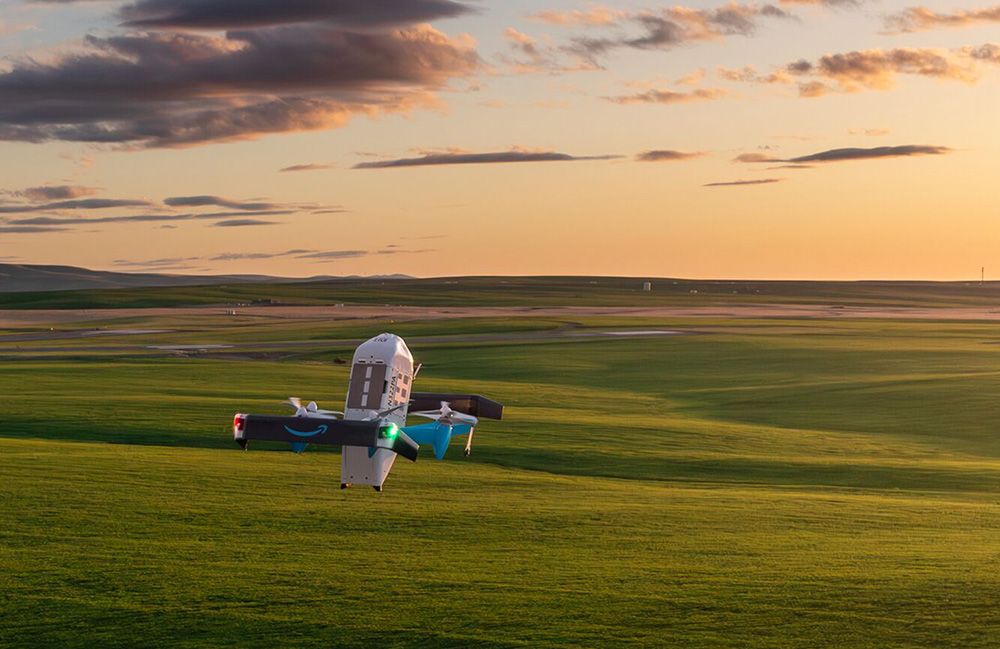
Amazon to Expand Prime Air Drone Delivery to Nearly 500 U.S. Cities by 2026
Amazon.com Inc. announced plans to expand its Prime Air drone delivery service to nearly 500 cities and towns across the U.S. by the end of 2026, marking a sixfold increase from its current service area. This expansion aims to provide tens of millions of customers with access to drone delivery for groceries, electronics, cosmetics, medications, and household products. The significance of this expansion lies in Amazon's commitment to enhancing customer convenience with ultrafast delivery options. David Carbon, vice president of Amazon Prime Air, stated that deliveries can be made in as fast as 30 minutes, with hundreds of thousands of packages already delivered by drone this year. The service is currently operational in seven states and is set to launch in additional metro areas, including Chicago and Atlanta, later this year. Looking ahead, Amazon's Prime Air service is not only expanding in the U.S. but has also launched in Darlington, U.K., marking its first international deployment. As the company continues to innovate in drone technology and delivery logistics, it will be important to monitor how this service evolves and its impact on the broader logistics and retail landscape. No further timeline was disclosed at the time of publication.
Drones News Retail / Wholesale Robots / Platforms Unmanned Aerial Systems / Drones Amazon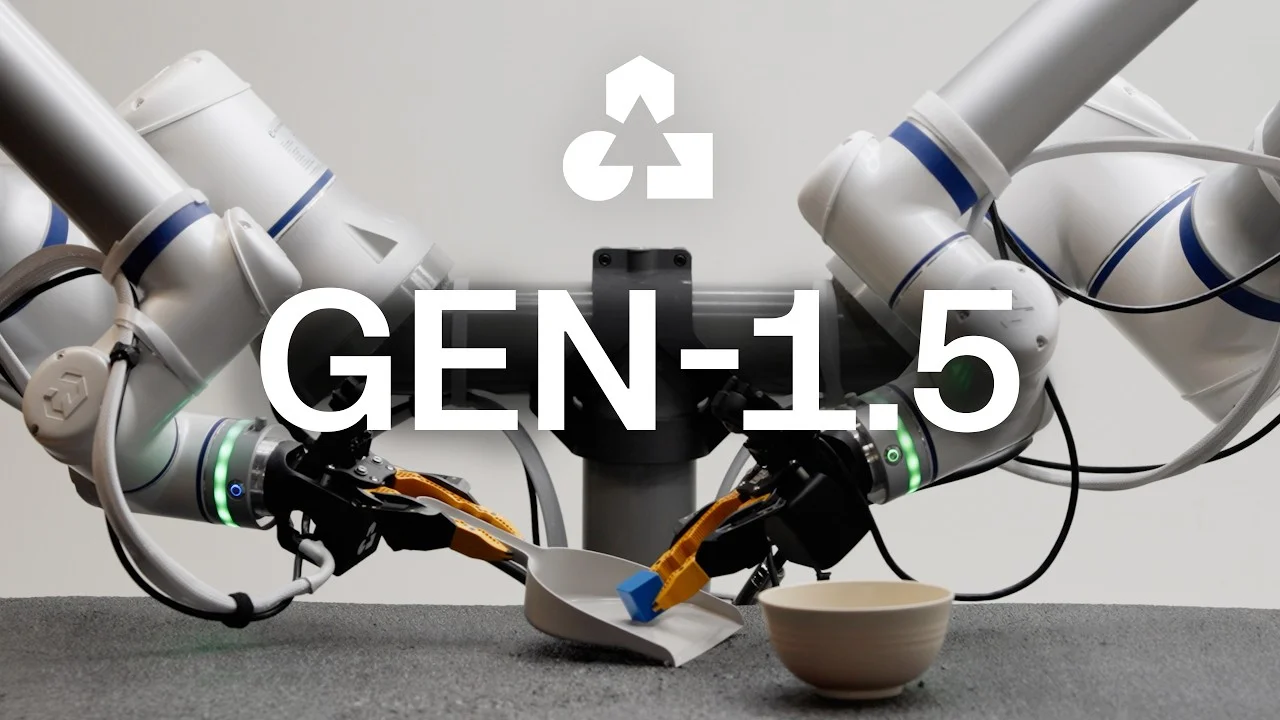
Generalist AI Launches GEN-1.5: A Breakthrough in One-Shot Robot Learning
Generalist AI has introduced GEN-1.5, an advanced embodied foundation model capable of one-shot learning for dexterous tasks. This model can learn new behaviors with just 3 to 12 seconds of sensorimotor demonstration data, eliminating the need for gradient updates. The model's performance shows a 59% success rate in ten manipulation tasks through one-shot prompting, which can be improved to 83% with fine-tuning. The significance of GEN-1.5 lies in its ability to adapt quickly to new tasks with minimal training, representing a shift towards real-time adaptability in robotics. The model has been continuously trained for over eight months, leading to improvements in data absorption and compute efficiency. This efficiency is crucial as it reduces the traditionally high computational demands for training robotic models. Looking ahead, GEN-1.5's compositional generalization allows it to chain distinct tasks into longer skills autonomously. Additionally, its zero-shot sim-to-real transfer capability enables it to perform tasks based solely on simulated prompts. While the company acknowledges that skills learned in-context are less robust than those from fine-tuning, the model's improvisational abilities demonstrate significant advancements in robotic flexibility.
US Generalist AI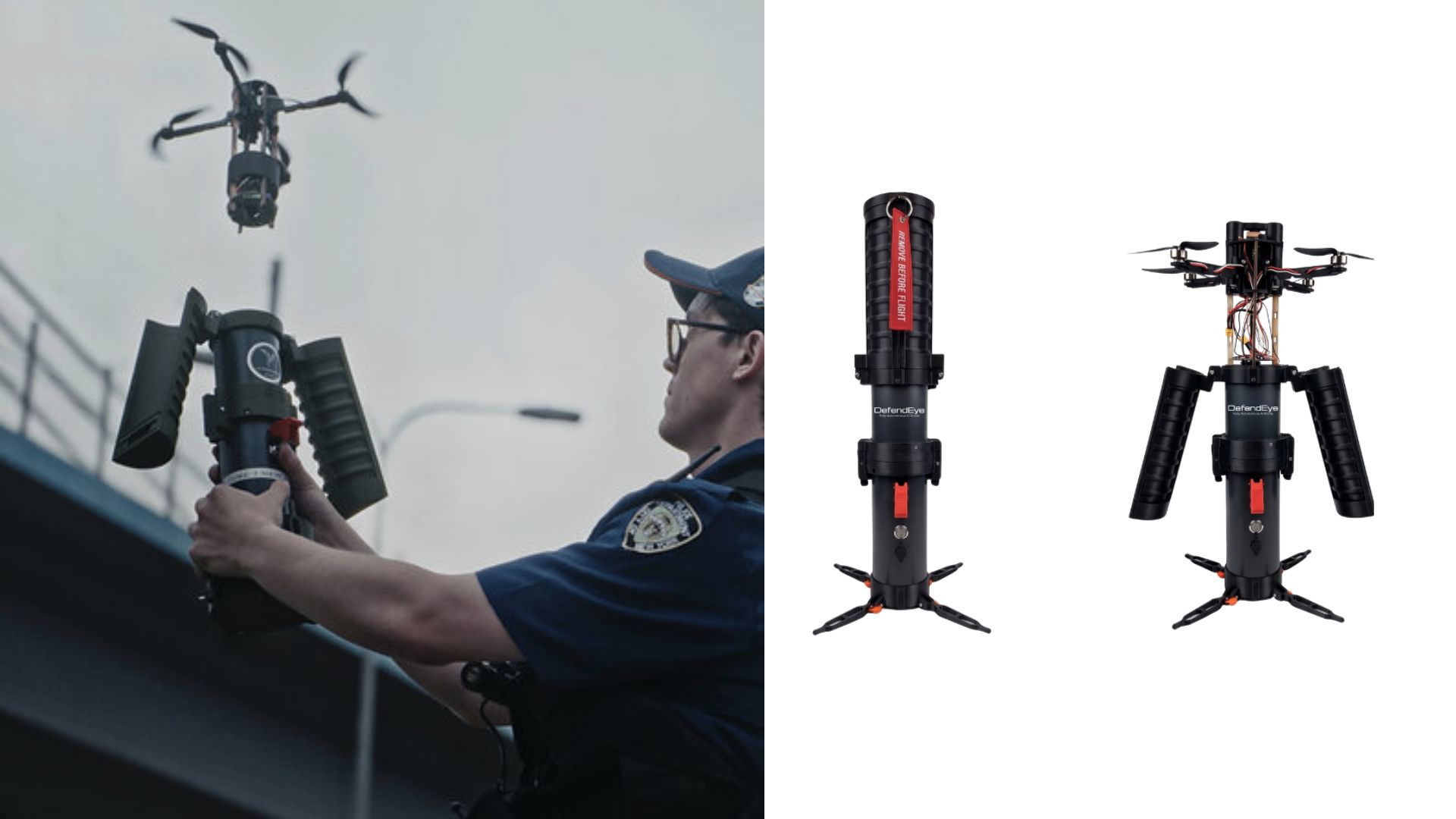
DefendEye to Scale Production of First Autonomous AI Drone for First Responders
DefendEye has announced plans to scale up production of the Overwatch Drone, the world's first autonomous AI drone designed for first responders, following a significant investment round led by NovaCapital. This funding will enable the company to enhance its operations and manufacturing capabilities at its facilities in Hallandale Beach, Florida, and Krakow, Poland. The Overwatch Drone is engineered to provide emergency personnel with immediate situational awareness, deploying in seconds without the need for trained pilots. This innovative system utilizes onboard AI to detect and identify individuals from the air, making it a vital tool for police, firefighters, and search-and-rescue teams in high-stakes environments. Looking ahead, DefendEye aims to redefine crisis management through its autonomous aerial capabilities, ensuring that first responders have rapid access to live video feeds and critical information. No further timeline was disclosed at the time of publication.
AI and Robotics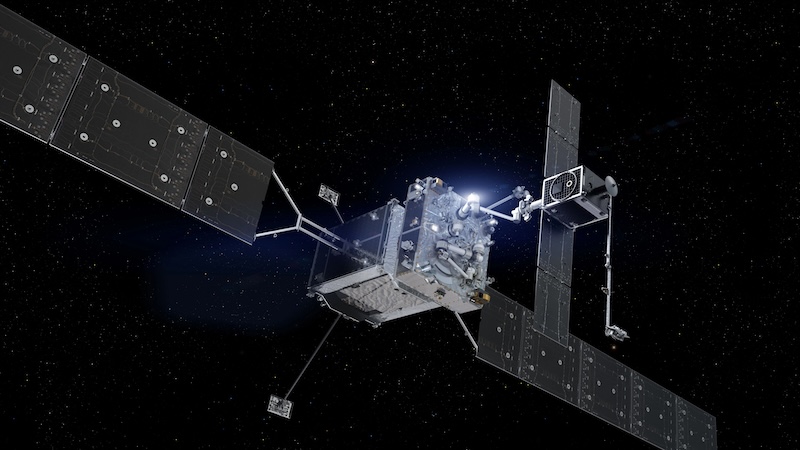
Northrop Grumman Unveils Robotic Spacecraft for Satellite Repair and Life Extension
Northrop Grumman has successfully launched its advanced robotic spacecraft, the Mission Robotic Vehicle (MRV), designed to service satellites in orbit. The MRV, which took off from Cape Canaveral Space Force Station on July 21 aboard a SpaceX Falcon 9 rocket, aims to repair, upgrade, and relocate satellites, extending their operational life beyond their original fuel limits. This initiative is significant as it addresses the growing need for satellite maintenance in space, allowing expensive assets to remain functional without the need for complete replacement. The MRV is equipped with two robotic arms that facilitate satellite inspection, debris removal, and the installation of Mission Extension Pods (MEPs), which act as propulsion modules for satellites running low on fuel. Looking ahead, the MRV's first mission will showcase its capability to install MEPs on existing satellites, effectively providing them with additional propulsion. This innovative approach could redefine satellite longevity and operational efficiency. No further timeline was disclosed at the time of publication.
Features Space Autonomous robots darpa in-orbit servicing MEP
Neura CEO David Reger Calls Physical AI Development Pace 'Tremendous
David Reger, CEO of Neura, a German robotics company, has expressed optimism about the potential of physical AI as a significant growth driver for Europe. He emphasized the rapid advancements in this field, describing the development pace as 'tremendous.' Reger's insights were shared during an interview with Tom Mackenzie on Bloomberg Tech: Europe. The significance of Reger's comments lies in the growing recognition of physical AI's role in the European market. As industries increasingly adopt AI technologies, the potential for economic growth and innovation in robotics is substantial. Neura Robotics, under Reger's leadership, aims to capitalize on this momentum to position itself as a leader in the sector. Looking ahead, stakeholders in the robotics and AI industries should monitor Neura's developments and the broader implications of physical AI advancements. No further timeline was disclosed at the time of publication.

D-Fend Solutions Deploys EnforceAir Counter-Drone System at 2026 FIFA World Cup
D-Fend Solutions announced the deployment of its EnforceAir counter-drone platform by over 20 public safety agencies during the 2026 FIFA World Cup, which took place across the United States, Canada, and Mexico. This operation marked one of the largest coordinated efforts for the company, aimed at protecting stadiums and critical infrastructure from unauthorized drone activity. The significance of this deployment lies in the increasing reliance on counter-UAS technology for event security, particularly at large-scale international events. D-Fend's EnforceAir system employs a cyber-based approach to safely take control of drones without disrupting communications or GPS services, addressing safety risks associated with unauthorized drone operations. Looking ahead, the demand for non-kinetic counter-drone capabilities is expected to grow, especially as legislation in the U.S. expands access to such technologies for public safety organizations. The successful implementation of EnforceAir at the World Cup highlights the importance of layered security systems in managing airspace safety during major public events.
Anti-drone technology Applications C-UAS Defense defense Featured – Safety and Security
Elon Musk Shifts Focus to AI and Robotics During Tesla Earnings Calls
Elon Musk has increasingly emphasized Tesla's identity as an AI and robotics company during earnings calls, dedicating nearly 50% of his speaking time to these topics. This marks a significant rise from 15%-20% in 2022, as he argues that autonomy is key to Tesla's value. The shift comes as Tesla's traditional automotive business growth has stalled, with Musk spending less than a third of his time discussing cars. The growing focus on AI and robotics is evident with projects like the Optimus humanoid robot and fully autonomous robotaxis. Musk's remarks about Optimus have increased from around 2% in 2021 to at least 10% in the past year, indicating a strategic pivot towards futuristic technologies. This change in narrative aligns with Musk's belief that Tesla's future lies beyond conventional automotive manufacturing. As Tesla's core automotive business faces stagnation, Musk's enthusiasm for AI and robotics continues to outpace that of other executives, who still allocate about 30% of their time to automotive discussions. Investors and stakeholders should monitor how this shift impacts Tesla's long-term strategy and financial performance, especially as these AI initiatives are yet to yield substantial returns.
AI Transportation Elon Musk Exclusive Tesla
Navy Extends Saildrone's Counter-Drug Mission with Voyager USVs in Caribbean and Eastern Pacific
The U.S. Navy has renewed its task order for Saildrone, extending the deployment of Voyager unmanned surface vehicles (USVs) in the Caribbean and Eastern Pacific regions. This extension aims to enhance maritime surveillance and counter-drug operations in these critical areas. The significance of this mission lies in the Navy's commitment to combating drug trafficking and ensuring maritime security. By utilizing advanced technology like the Voyager USVs, the Navy can effectively monitor vast ocean areas, making it a vital asset in the fight against illegal drug activities. Looking ahead, the continued operation of Voyager USVs will be crucial in maintaining a strong presence in the Caribbean and Eastern Pacific. No further timeline was disclosed at the time of publication.
Naval Warfare Adm. Daryl Caudle Caribbean Sea Drones Eastern Pacific Navy
Databricks Extends Partnership with Microsoft to Scale Enterprise AI Through 2030s
On July 23, Databricks announced an extension of its strategic partnership with Microsoft through the 2030s, focusing on scaling enterprise AI. Databricks plans to increase its investment in Azure, utilizing Azure Databricks for its core business operations and analytics. This collaboration is significant as it aims to enhance the integration of Microsoft’s technology stack, including the integration of Databricks Genie with Microsoft 365. Additionally, Databricks will increase its use of Microsoft Azure Cobalt to improve performance and efficiency. Looking ahead, industry stakeholders should monitor the developments in this partnership, particularly how the enhanced integration and increased investment will impact enterprise AI capabilities. No further timeline was disclosed at the time of publication.
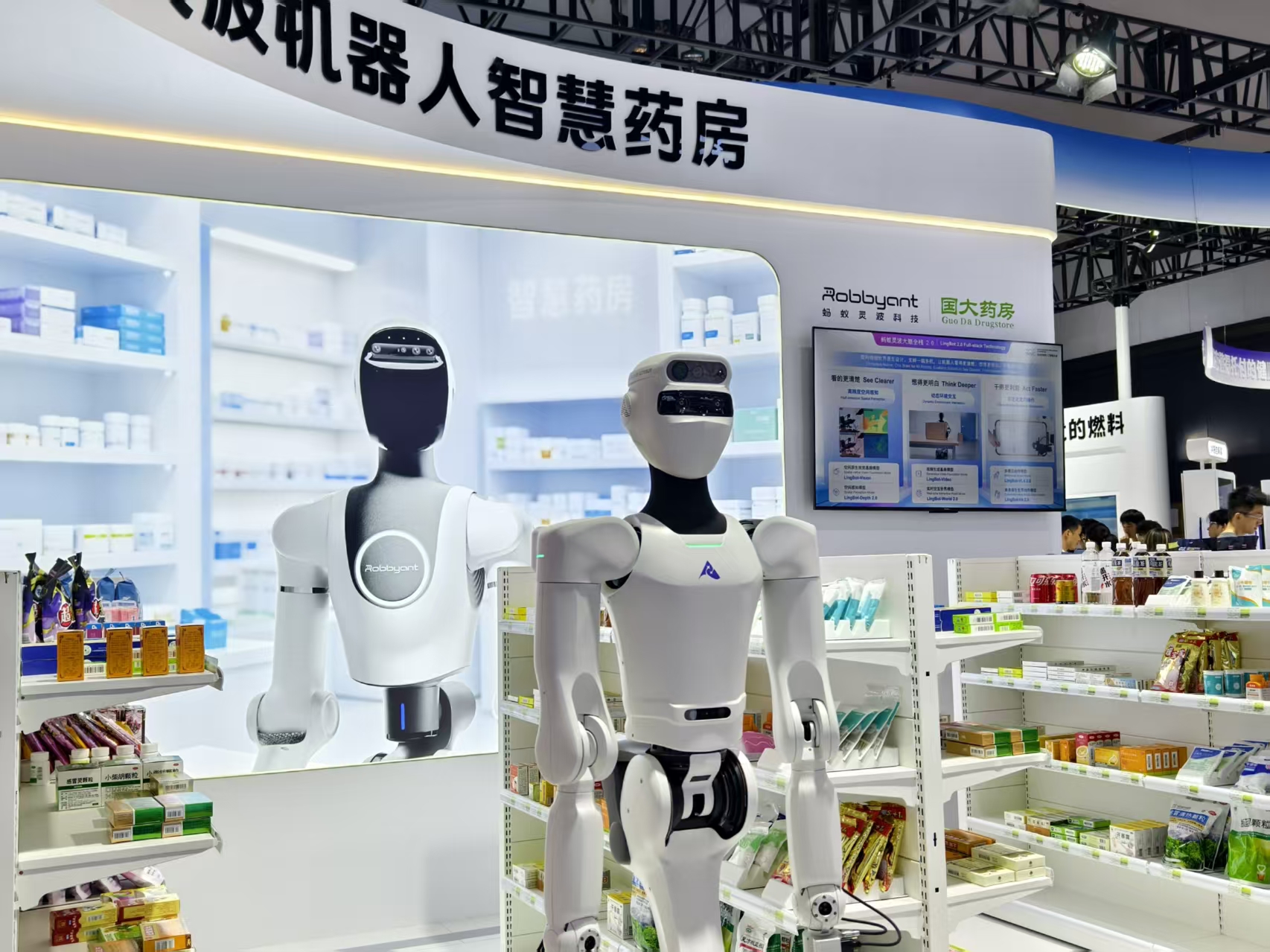
Multiple Exhibitors Showcase the Same Robot at WAIC, Highlighting Industry Trends
At the WAIC, the focus shifted from individual robot models to practical applications, with over 60 out of 200 exhibiting companies emphasizing 'scenarios' for deployment. A notable example was the AI robot S1 from Astribot, showcased at various booths, performing tasks from sorting medications to assisting in retail environments. The significance of this trend lies in the growing recognition that operational capabilities and versatile applications are crucial for commercial success in robotics. Companies like Ant Group, JD.com, and Xian Gong Intelligent are leveraging the same humanoid robot for diverse tasks, indicating a shift in the industry towards physical operational intelligence. Looking ahead, the emphasis on the S1 robot's adaptability and safety features suggests a promising future for humanoid robots in various sectors. However, challenges remain in transitioning from product development to commercial deployment, as many manufacturers still face uncertainties in scaling production and fulfilling orders.
Humanoid Robots Robotics Applications AI Technology Physical Intelligence
Air Force Suspends F-16 Ejection Seat Competition for 90 Days
The U.S. Air Force has announced a 90-day suspension of the competition for new ejection seats for the F-16 aircraft. This decision comes after the Air Force previously indicated plans to reopen the Next Generation Ejection Seat program, raising questions about the future of the procurement process. This suspension is significant as it sets the stage for a final decision regarding the competition for the ejection seats, which are critical for pilot safety during emergencies. The outcome of this decision could impact the timeline and direction of the Air Force's efforts to enhance the safety features of the F-16 fleet. As the Air Force evaluates its options, stakeholders will be watching closely for any developments regarding the Next Generation Ejection Seat program. No further timeline was disclosed at the time of publication.
Air Warfare Air Force B-1 Collins Aerospace f-15 f-16
Tesla Faces Pressure to Increase AI Investment Amid Promises of Autonomous Driving
Tesla Inc. is under scrutiny from Wall Street regarding its commitments to artificial intelligence, autonomous driving, and robotics. Investors are urging the company to translate its numerous promises into tangible financial investments in these technologies. The demand for increased spending on AI is significant as Tesla has made bold claims about its capabilities in autonomous driving and robotics. The expectation is that the company should back these claims with substantial financial commitments to ensure progress and innovation in these areas. Looking ahead, it will be important to monitor Tesla's response to this pressure and whether it will adjust its budget to meet investor expectations. No further timeline was disclosed at the time of publication.
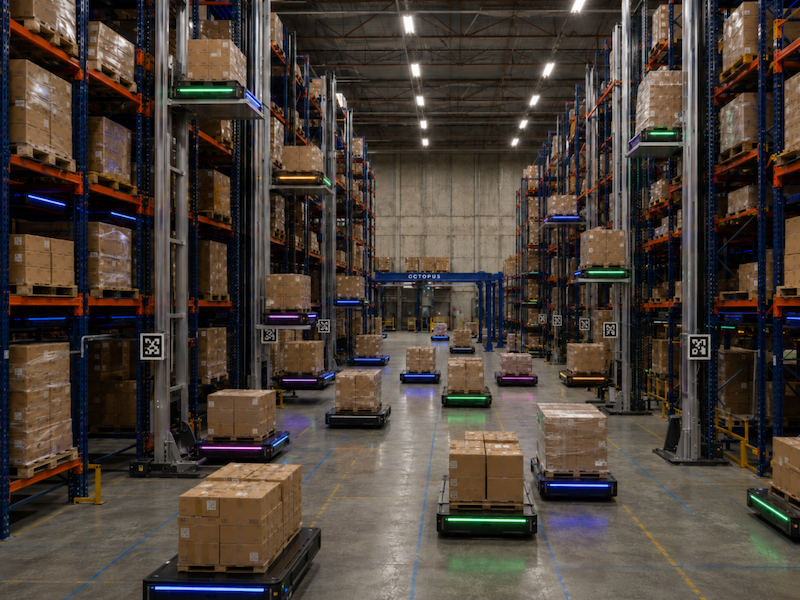
Real-Time Supply Chains Transform Industrial Real Estate and Inventory Management
Recent advancements in predictive analytics, robotics, and data-driven logistics are reshaping industrial real estate by reducing reliance on large inventories. Traditionally, warehouses were designed to manage uncertainty through storage, but the shift towards real-time coordination is changing this paradigm. As supply chains become more connected and visibility improves, the need for extensive inventory diminishes, leading to a redesign of facilities focused on efficient operations. This transformation is significant as it alters the fundamental structure of industrial real estate, moving away from storage-heavy models to those optimized for continuous movement. Just as the introduction of standardized shipping containers revolutionized logistics, the new design principles for automation and throughput will set long-lasting standards for future infrastructure. The choice of facilities that prioritize flow over storage will influence the development of buildings, vehicles, and logistics networks for years to come. Looking ahead, the role of intermediate facilities is evolving from inventory storage to dynamic transfer points, facilitating the movement of goods between transportation modes. As data accessibility increases and transportation systems become more coordinated, the industry must adapt to these changes. No further timeline was disclosed at the time of publication.
Features Logistics Supply chain automation autonomous logistics digital twins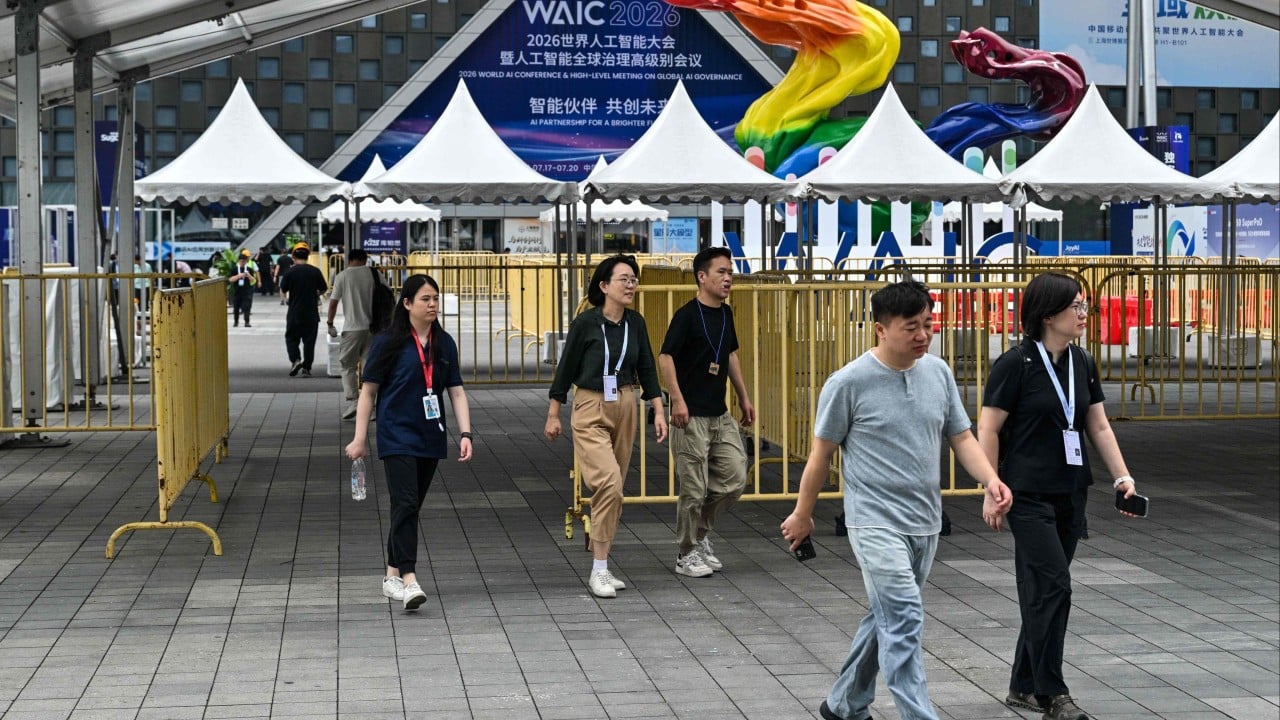
China's WAIC Highlights AI Advancements Amid US Rivalry and Global Collaboration Efforts
The World AI Conference (WAIC) in Shanghai is set to showcase China's ambition to compete in the AI sector, particularly in models, chips, and robotics. This event occurs against the backdrop of increasing technological rivalry with the US, which has imposed restrictions limiting China's access to advanced computing chips. China's government has prioritized technological self-reliance, accelerating the development of domestic alternatives in both hardware and software. Foreign ministry spokesman Lin Jian emphasized that China opposes ideological divisions and technological blockades, aiming to use WAIC to foster exchanges and consensus while promoting AI benefits to developing countries. This year's WAIC will serve as a critical indicator of China's progress in transforming AI model advancements into a comprehensive industrial ecosystem. Observers should pay attention to how China plans to influence global AI governance, safety standards, and international collaboration as AI technology increasingly integrates into the physical world.
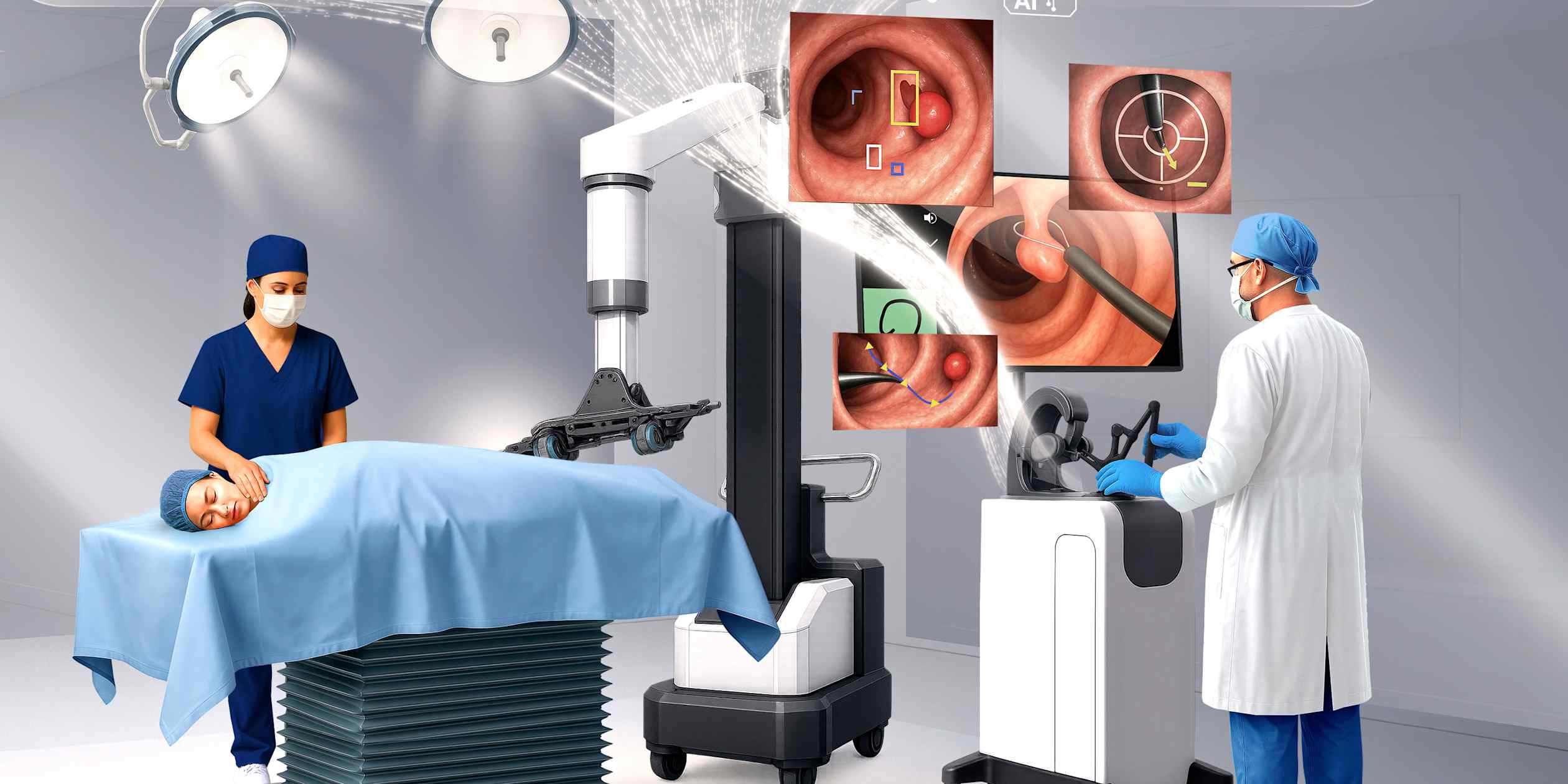
Olympus Aims for Robot-Assisted Endoscopy to Transform Surgical Procedures
Japan's Olympus is pioneering a shift in endoscopic surgery by envisioning a future where procedures are conducted from a robotic console rather than at the bedside. This transition aims to integrate robots and artificial intelligence into the surgical process, thereby reducing the manual workload for physicians. The significance of this development lies in its potential to enhance the efficiency and precision of endoscopic procedures. As Olympus anticipates a growing role for robotics in healthcare, this innovation could lead to improved patient outcomes and a redefined approach to surgical practices. Looking ahead, the industry will be watching how Olympus implements this vision and the subsequent impact on the medical device market. No further timeline was disclosed at the time of publication.

Taiwan Secures Contracts for Sea Drones to Enhance Coast Guard Defense Against China
Taiwan has awarded contracts for dozens of sea drones to bolster its Coast Guard capabilities amid rising tensions with China. This decision reflects Taiwan's commitment to enhancing its maritime defense using U.S. technology as a countermeasure against China's expanding maritime operations in the region. The procurement of these sea drones is significant as it underscores Taiwan's proactive approach to strengthening its defense mechanisms in response to China's increasing maritime assertiveness. The move aims to enhance the Coast Guard's operational capabilities and ensure the security of Taiwan's waters. Looking ahead, further developments in Taiwan's defense strategy may emerge as the country continues to adapt to the evolving geopolitical landscape. No further timeline was disclosed at the time of publication.
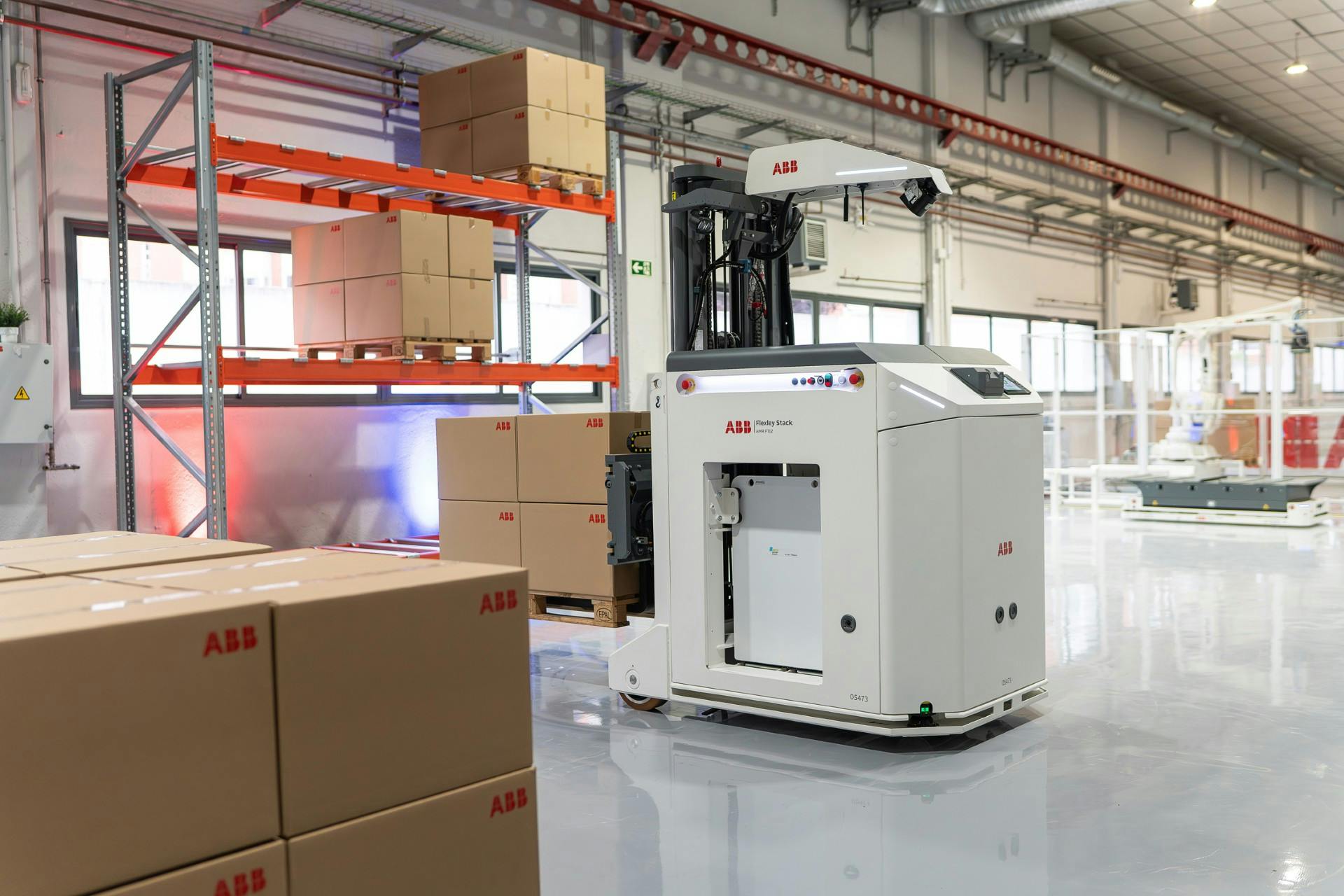
ABB Robotics Introduces Flexley Stack F712 Platform for AI-Driven Autonomous Forklifts
ABB Robotics has launched the Flexley Stack F712 platform, enhancing its AMR portfolio with AI-powered visual technology for autonomous forklifts. This innovation facilitates pallet transport and high-density storage, creating a cohesive ecosystem among ABB’s Visual SLAM AMR types, aimed at improving efficiency in material handling and warehouse operations across various industries, including automotive manufacturing. The introduction of the F712 is significant as it addresses the growing demand for faster and more flexible goods movement in intralogistics, particularly under constraints of limited labor availability. Marc Segura, president of ABB Robotics, emphasized the need for businesses to adapt to increased processing demands while leveraging advanced vision, mobility, and intelligence in their operations. Looking ahead, the Flexley Stack F712 can manage diverse load types and sizes, allowing customers to implement mixed fleets of Visual SLAM-powered vehicles on a unified navigation and fleet management platform. No further timeline was disclosed at the time of publication.
Factory / Analytics
FORT Robotics Enhances AI Safety with Nvidia Halos at Automate Conference
FORT Robotics has joined the Nvidia Halos for Robotics ecosystem to enhance safety for autonomous robots. The company will showcase its agentic safety application, developed using the Nvidia Halos Outside-In Safety Blueprint, at the Automate conference in Chicago. This innovative solution utilizes external infrastructure sensors and visual AI agents to provide real-time, safety-certifiable functional safety, significantly improving operational efficiency in dynamic environments. The collaboration is significant as it addresses the limitations of traditional inside-out functional safety systems, which rely solely on onboard sensors. By integrating Nvidia's IGX Thor and Holoscan Sensor Bridge, FORT's solution allows robots to operate safely alongside human workers in high-efficiency modes. This adaptability is crucial for modern warehouses and factories, where environments are constantly changing, and safety frameworks must evolve to protect workers effectively. Looking ahead, FORT's integration with Nvidia Halos is expected to provide substantial value to customers in warehousing, manufacturing, and other automated sectors. The Outside-In Safety framework aims to prevent safety incidents in mixed human-robot environments, optimizing processes like inventory replenishment and product assembly. No further timeline was disclosed at the time of publication.
Artificial Intelligence Industry ai automation Autonomous robots fort robotics
InDro Robotics Introduces Axiom Humanoid Platform to Enhance Physical AI Research Accessibility
InDro Robotics has launched the Axiom, a modular humanoid-style robotic platform aimed at facilitating Physical AI research. Announced on July 10, 2026, this budget-friendly solution is designed to lower the barriers for researchers and academic institutions in developing advanced robotics applications. Initial customer units are already being shipped, indicating strong market interest. The Axiom platform is significant as it democratizes access to humanoid robotics, which has traditionally been limited to well-funded organizations. By providing a more affordable option, InDro Robotics is positioning itself to capture a wider audience in the research community, potentially accelerating advancements in Physical AI technologies. This move aligns with the growing demand for accessible robotics solutions across various sectors. Looking ahead, InDro Robotics aims to expand its customer base and enhance the Axiom's capabilities based on user feedback. No further timeline was disclosed at the time of publication, but the initial shipping of units suggests a proactive approach to market engagement and product iteration.

Tesla's Optimus Robots to Support Starmind Satellite Production, Not Maintenance
Tesla's Optimus robots will not be used to repair Starmind satellites in orbit, as confirmed by recent statements from Elon Musk. Instead, these robots are intended to assist in the construction and operation of the Terafab chip manufacturing facility in Texas. The AI1 satellites, designed to disintegrate upon reentry, highlight the company's swap-and-replace strategy rather than traditional maintenance practices. This approach is significant as it reflects a broader trend in satellite management, where mass-produced satellites are replaced rather than repaired. The economics of servicing missions are prohibitive, with the cost of launching a replacement satellite being significantly lower than conducting a repair mission. This model aligns with SpaceX's operational history, where rapid replacement of satellites is more efficient than attempting to maintain them in orbit. Looking ahead, the focus will remain on the production capabilities of the Gigasat factory, which is expected to support the continuous replacement of satellites. No further timeline was disclosed at the time of publication, but the demand for rapid satellite turnover suggests a robust future for Optimus robots in terrestrial manufacturing rather than in-space servicing.
SpaceX's Starmind Targets AI Labs with $6.3 Billion Compute Contracts
SpaceX's Starmind is designed to provide wholesale AI compute services to businesses, particularly AI labs and cloud customers, rather than individual consumers. The service operates similarly to AWS, where users benefit from applications running on Starmind without direct subscriptions. The compute capacity of a single AI1 satellite is comparable to one NVIDIA GB300 rack, emphasizing its enterprise-grade capabilities. The significance of Starmind lies in its positioning as a potential fourth hyperscaler, joining the ranks of AWS, Microsoft Azure, and Google Cloud. The Reflection AI contract, valued at $150 million per month, exemplifies the enterprise-focused model, with total payments potentially reaching $6.3 billion through 2029. This contract highlights the growing demand for AI compute resources, particularly from AI-native startups and labs. Looking ahead, the focus will remain on securing additional enterprise contracts as Starmind expands its offerings. No consumer-facing products or subscriptions have been announced, and the current strategy is to cater to businesses with substantial AI workloads. No further timeline was disclosed at the time of publication.
Robotics needs a service framework.
RSF defines a common language for robot service capability, lifecycle operations, certification pathways, and service-provider networks.
Join the RobotToday community on LinkedIn
Daily robotics news, in-depth analysis, conference highlights, and discussions with professionals worldwide.