Industry Briefing
A single destination for timely, editor-curated robotics news from around the world.
Battery-Powered Drone Sets New Endurance Record with Army-assembled Propulsion System
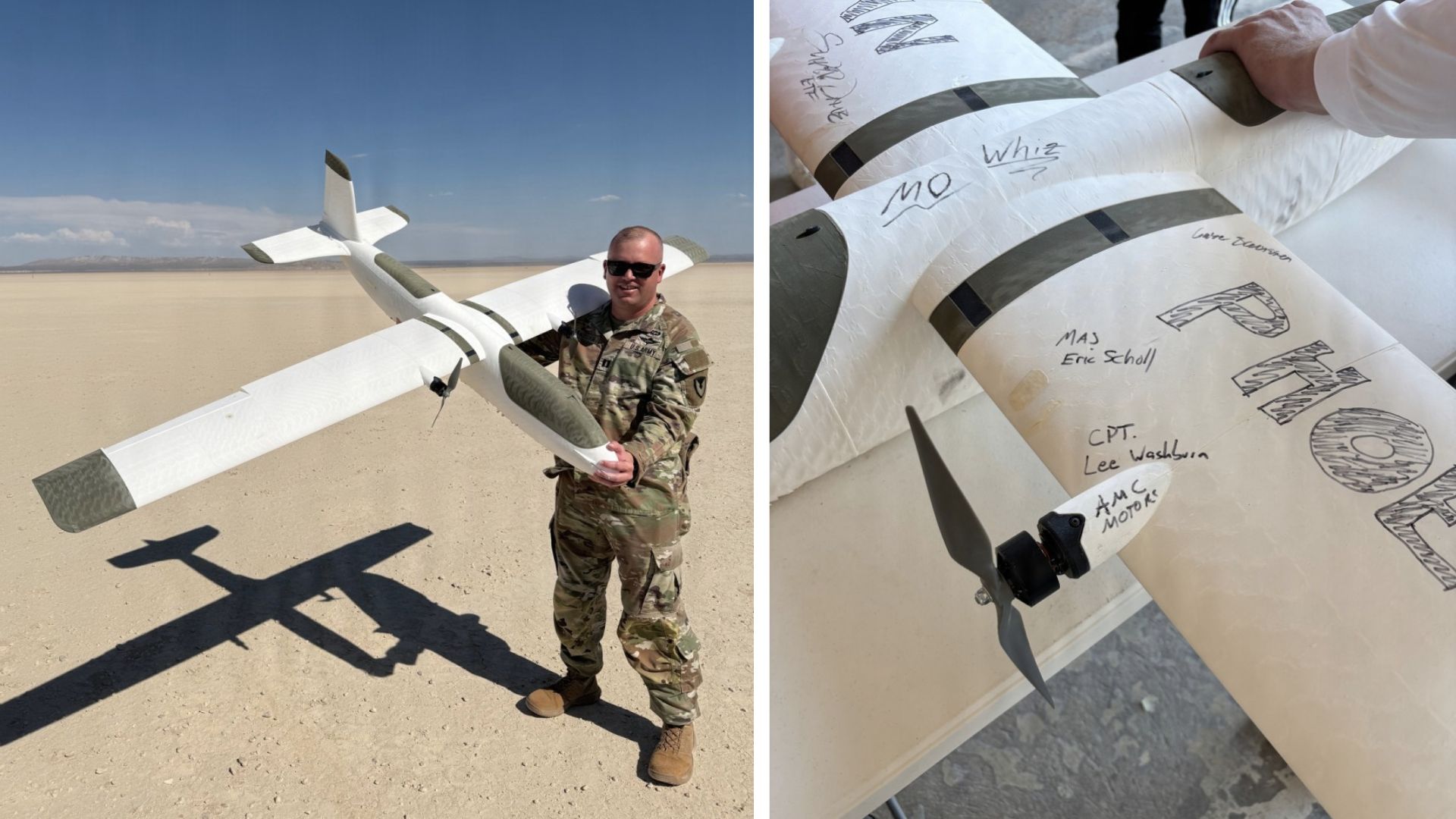
A battery-powered drone has set a new world endurance record by flying for over eight hours in desert conditions. This achievement was made possible by propulsion components assembled at the Army’s organic industrial base, specifically two brushless direct current motors from Tobyhanna Army Depot. The drone, which flew for 300 miles, surpassed the previous record by 50 minutes during the Game of Drones 26-2 demonstration at Edwards Air Force Base, California. This milestone is significant as it showcases the Army's commitment to innovation in uncrewed systems and highlights the importance of domestic production capabilities. Army Capt. Lee Washburn emphasized the role of the Army in providing material solutions to support drone dominance and refining components for operational use. The rapid on-site manufacturing process involved designing the drone in under 10 minutes and fabricating it within 24 hours using commercial 3D printers. Looking ahead, the Army aims to continue enhancing its organic industrial base to reduce foreign dependencies on critical parts. The success of this event illustrates the potential for collaboration between industry and government to achieve remarkable results in defense technology. No further timeline was disclosed at the time of publication.
Military
Lucid Bots Introduces Power Tether for Continuous Flight in Cleaning Drones
Lucid Bots has unveiled the Power Tether, a groundbreaking ground-powered continuous flight system for commercial cleaning and spraying drones. This innovation allows the Sherpa drone to receive external power, minimizing the need for battery changes during extended operations. The introduction of the Power Tether is significant as it enhances operational efficiency in the cleaning drone industry, allowing for uninterrupted service during longer tasks. This development comes at a time when Lucid Bots' fleet has achieved over 8,760 cumulative flight hours, demonstrating the practical application and reliability of their technology. Looking ahead, the impact of the Power Tether on operational workflows in commercial cleaning and spraying applications will be closely monitored. No further timeline was disclosed at the time of publication.

U.S. Army Receives Advanced 20kW Laser Weapon Systems for Counter-Drone Operations
The U.S. Army has received two advanced high energy laser systems developed by AeroVironment, known as Laser Weapon Systems (LWS). These systems feature the 20kW-class LOCUST LWS integrated onto the General Motors Defense Infantry Squad Vehicle (ISV) platform, enhancing mobile counter-unmanned aircraft capabilities. This delivery is part of the Army Multi-Purpose High Energy Laser (AMP-HEL) prototyping effort, marking a significant advancement in directed energy capabilities. Mary Clum from AeroVironment emphasized the importance of these systems in providing reliable and operationally ready solutions for counter-unmanned aircraft operations, supporting the Army's modernization goals. Looking ahead, AeroVironment plans to deliver a second increment of the AMP-HEL program next month, which will include additional vehicles equipped with the LOCUST LWS. This ongoing development reflects the Army's commitment to rapidly fielding directed energy solutions to address evolving threats in dynamic environments.
Military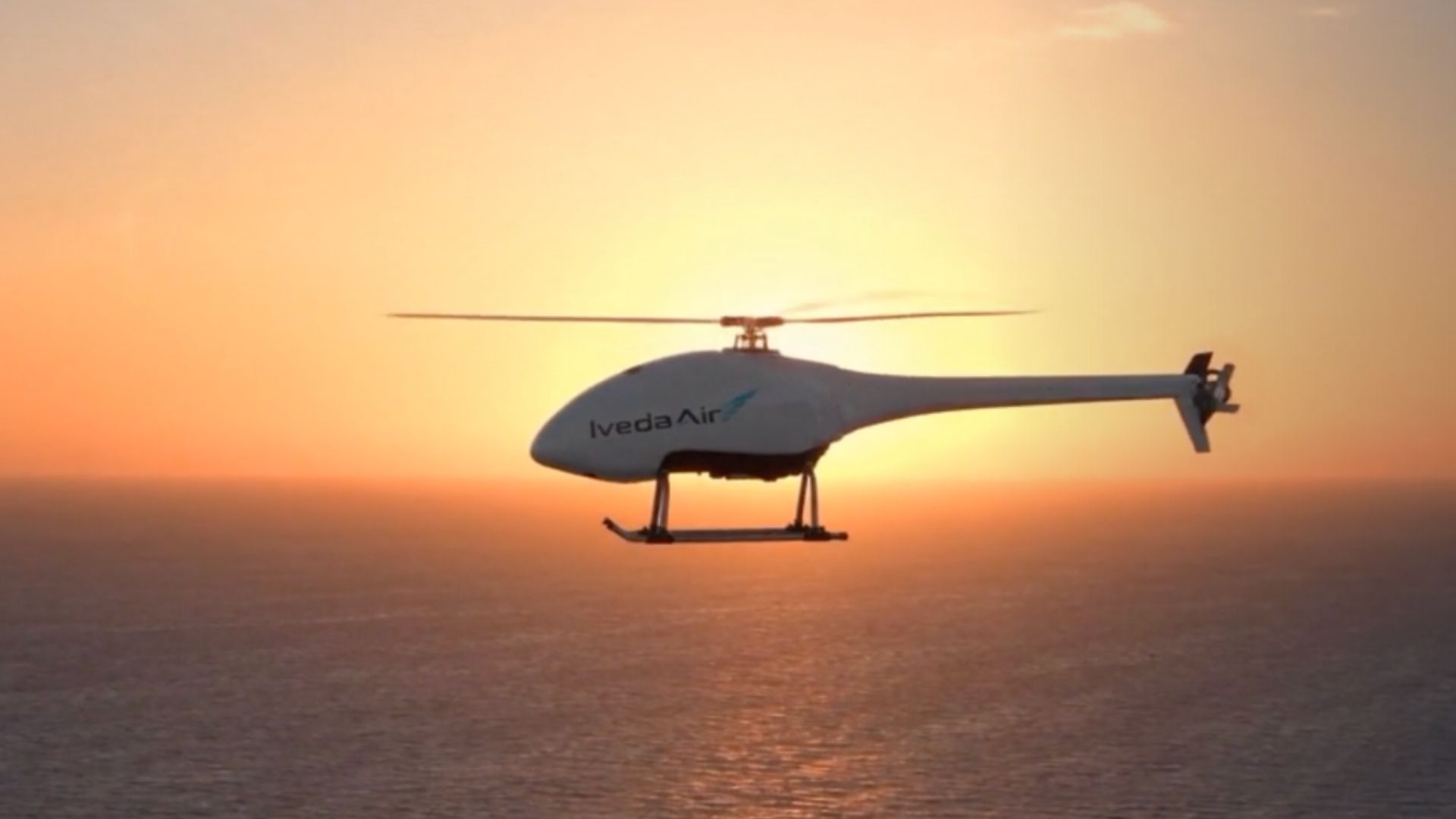
Iveda Launches Gas-Powered GX10-F100 Autonomous Helicopter Drone with 150-Minute Flight Time
Arizona-based Iveda has unveiled the IvedaAir line, featuring the GX10-F100, a gas-powered autonomous helicopter drone. This unmanned aircraft boasts an impressive flight endurance of over 150 minutes, significantly surpassing traditional battery-powered quadcopters. With a cargo capacity of 19 pounds and a maximum speed of 68 mph, the GX10-F100 is designed for military and emergency operations. The introduction of the GX10-F100 is significant as it addresses the limitations faced by conventional drones in challenging environments such as coastlines and isolated terrains. Its extended endurance and cargo capabilities make it suitable for logistics, reconnaissance, and aerial communications in difficult or dangerous areas. Iveda aims to enhance operational efficiency for military users and expand the drone's applications to maritime security, public safety, and emergency response. Looking ahead, Iveda's focus on developing the GX10-F100 for demanding operational environments indicates a shift in drone capabilities. The integration of IvedaAI autonomy software enhances navigation and intelligence missions, allowing for waypoint navigation and real-time video transmission. No further timeline was disclosed at the time of publication.
Military
EPFL Researchers Develop Sound-Powered Miniature Drones Using Helmholtz Resonance
Researchers at the École polytechnique fédérale de Lausanne (EPFL) have developed miniature drones powered by sound, utilizing Helmholtz resonance. This innovative approach allows the drones to convert sound waves into propulsive force, enabling controlled motion and navigation. The significance of this development lies in its potential to revolutionize small-scale robotics. By employing hollow structures that act as acoustic resonators, the EPFL team has created devices that can be made extremely small and lightweight, paving the way for advanced designs in robotics and aeronautics. Looking ahead, the researchers envision integrating multiple sound-responsive structures into a single device, allowing for dynamic shape changes in response to sound frequencies. This could lead to the creation of sophisticated aerodynamic robotic devices capable of versatile movements. No further timeline was disclosed at the time of publication.
U.S. Army Awards ThinKom $49 Million for Mobile High-Power Microwave Drone Defense System
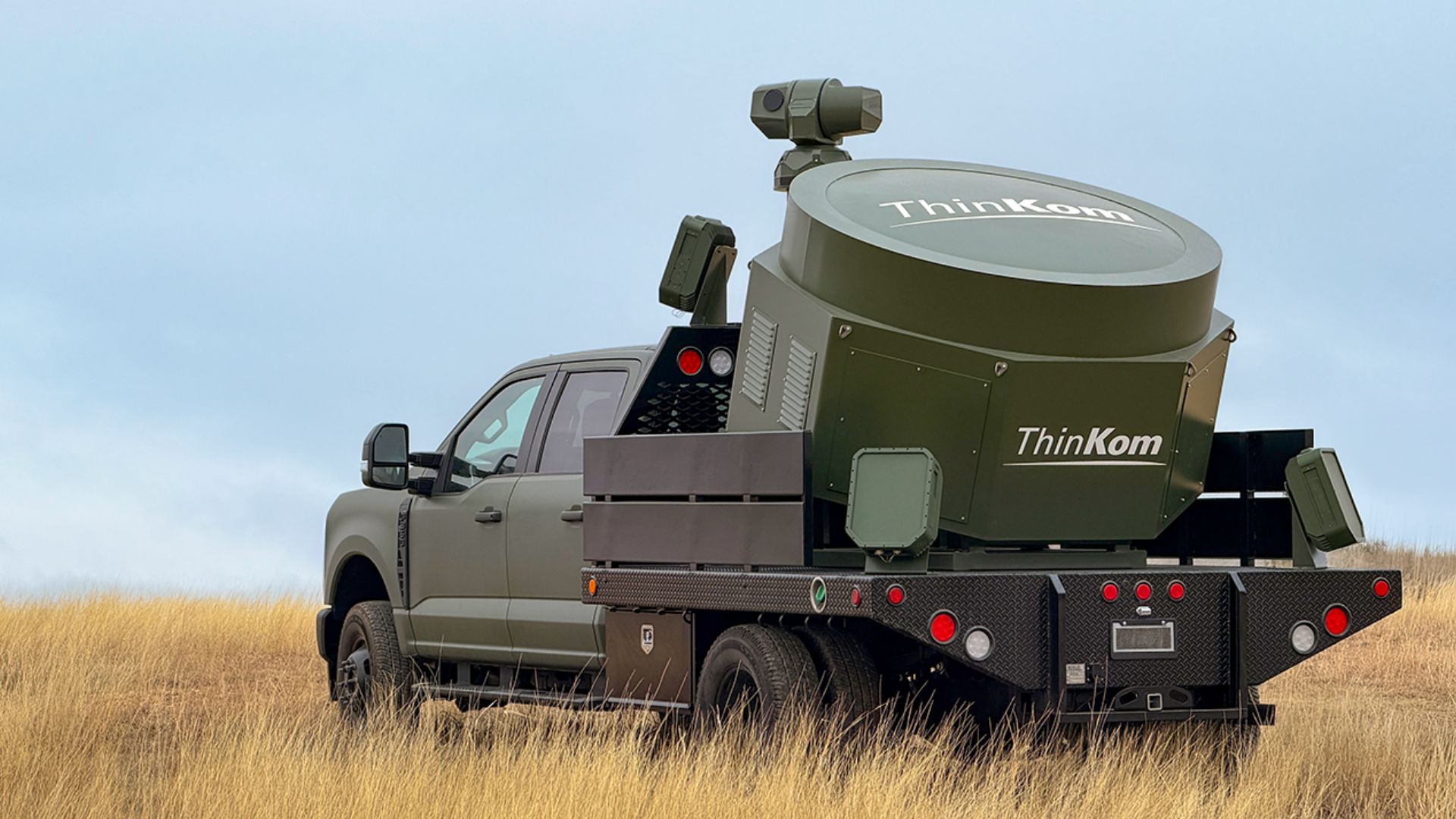
The U.S. Army has awarded ThinKom Solutions a prototype contract valued at up to $49 million to develop a mobile high-power microwave system aimed at countering drones. Announced on August 19, 2026, this contract will fund the testing of ThinKom’s Alecto system, which is designed to target unmanned aircraft from a moving vehicle. This initiative is significant as it addresses the increasing demand for mobile counter-unmanned aircraft systems (C-UAS) due to the rapid proliferation of drones. The Alecto system utilizes ThinKom’s patented VICTS antenna technology to deliver high-power electromagnetic energy to neutralize Group 1 and Group 2 unmanned aircraft, enabling Army units to respond to threats without halting their operations. Field testing of the Alecto system is scheduled for 2027, allowing the Army to evaluate its performance against emerging drone threats. The results will inform future requirements and potential production decisions, although the current agreement does not guarantee procurement of additional systems beyond the prototype phase.
Military
Air Force Funds Research on Wireless Power Beaming for Military Drones to Extend Flight Time
The Air Force has initiated a research project to explore wireless power beaming for drones, led by Reach Power and the University of Nebraska-Lincoln’s NIMBUS Lab. This effort aims to enable unmanned aircraft to operate longer without needing battery swaps, enhancing their role in military communications and ISR missions. This research is significant as it addresses the critical limitation of battery life in small drones, potentially allowing them to function as persistent communication and surveillance nodes. By reducing the need for frequent landings to recharge, the project could simplify logistics and operational demands on military personnel. Looking ahead, the study will assess the feasibility of using wireless power to sustain perched drones during extended missions. A successful outcome could revolutionize military drone operations, improving battlefield communications and expanding the use of unmanned systems in intelligence, surveillance, and reconnaissance roles. No further timeline was disclosed at the time of publication.
Innovation Military
Event 38 and TB2 Collaborate on Modular Drone Payload Systems for Versatile Missions
Event 38 Unmanned Systems and TB2 Aerospace have partnered to integrate TB2’s Drone Recharging Operational Payload System (DROPS) with Event 38’s E455 fixed-wing VTOL unmanned aircraft. This collaboration emphasizes a shift towards modular drone systems capable of executing various missions using a single aircraft platform. The significance of this partnership lies in its potential to transform drone operations by standardizing how drones manage mission equipment. The DROPS platform is designed for autonomous payload handling, which enhances the operational range of electric aircraft and allows for multiple mission configurations without the need for different aircraft. Looking ahead, the integration of the E455 and DROPS could lead to advancements in defense resupply, remote sensor deployment, and public safety operations. No further timeline was disclosed at the time of publication.
Applications Cargo Defense defense Delivery Drone News
easyh2power Secures Funding for Scalable Hydrogen Fuel Cell Systems for Aviation
easyh2power has successfully completed an angel+ funding round worth tens of millions, focusing on the development of hydrogen fuel cell systems. These systems range from 30kW to 110kW and are designed for aviation applications, including a liquid-cooled variant suitable for larger aircraft. The significance of this development lies in easyh2power's role as a supplier for Comac, contributing to the advancement of hydrogen propulsion technologies. Additionally, the company is working on an air-cooled variant aimed at drones, which boasts an impressive endurance of up to 30 hours of flight time. Looking ahead, easyh2power's scalable hydrogen fuel cell systems could play a crucial role in the future of sustainable aviation. No further timeline was disclosed at the time of publication.
Technology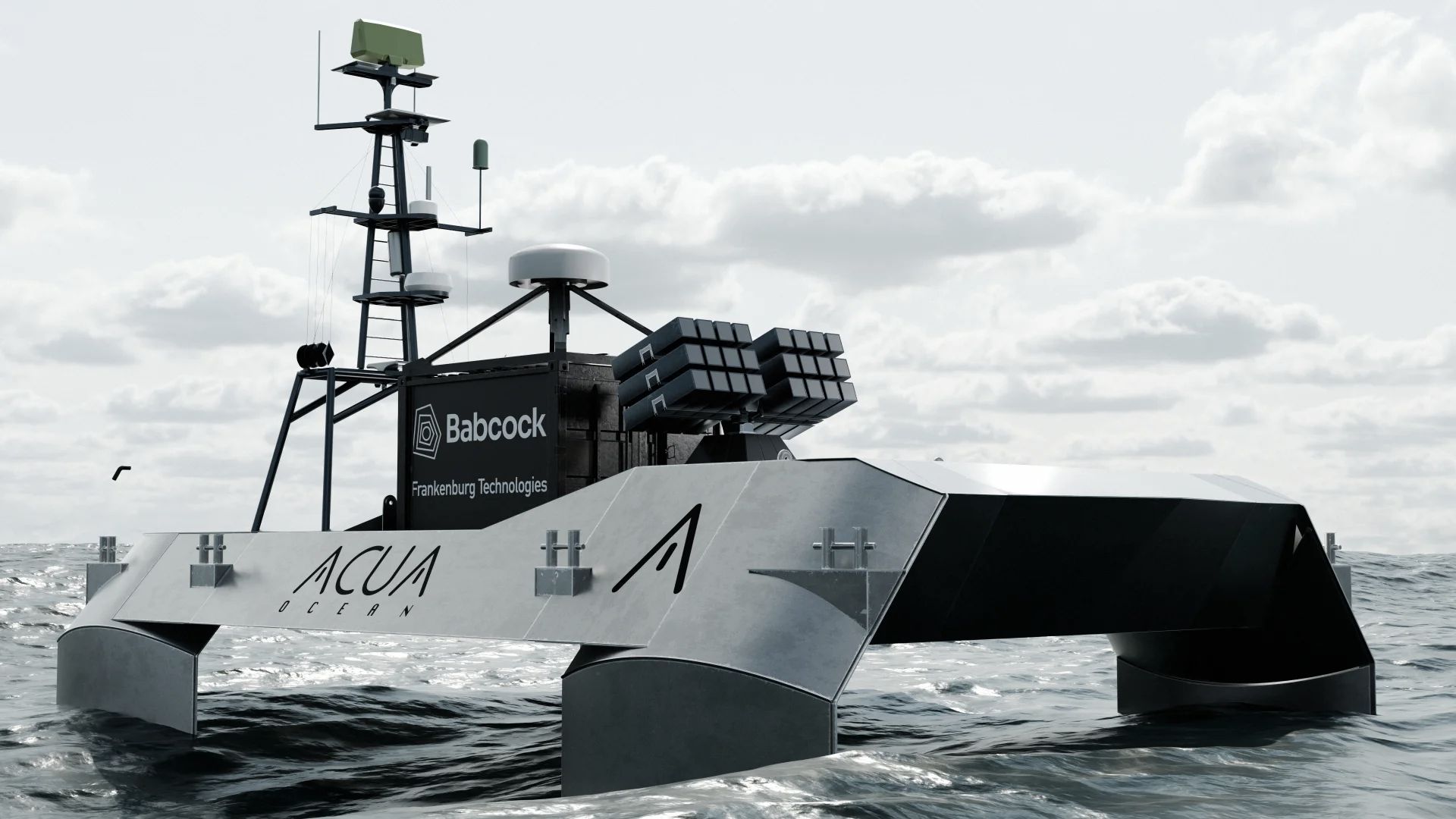
Frankenburg Technologies Partners with Babcock and ACUA to Develop Maritime Counter-Drone Systems
Frankenburg Technologies has signed a Memorandum of Understanding with Babcock International and ACUA Ocean Technologies to develop integrated maritime counter-drone air defense systems. This collaboration aims to address the increasing threat of uncrewed aerial systems in naval environments by combining Frankenburg's low-cost interceptor missile technology, Babcock's defense engineering expertise, and ACUA's autonomous surface vessel platforms. The partnership is significant as it reflects growing concerns among defense organizations regarding the proliferation of low-cost attack drones, which have proven effective in recent conflicts. Traditional air defense systems are often costly, creating a demand for more affordable interception technologies. The integrated solutions being developed will focus on detecting, tracking, and defeating hostile drones in maritime settings, enhancing the protection of naval vessels and critical infrastructure. Looking ahead, the collaboration aims to deliver scalable and cost-effective counter-UAS solutions that can be rapidly deployed and easily integrated into existing defense networks. No further timeline was disclosed at the time of publication.
Military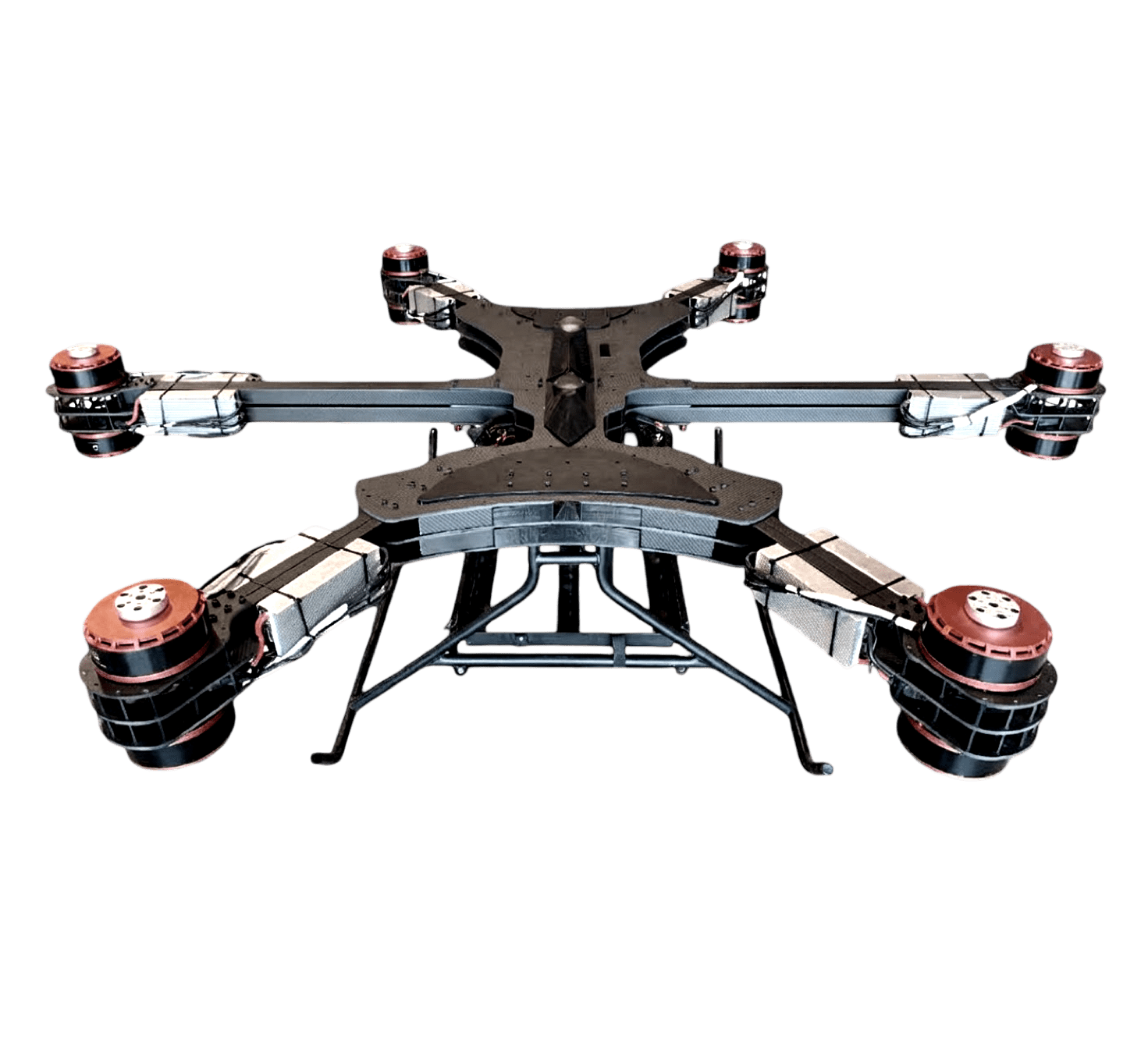
Powerus Launches Agriculture Division for U.S.-Made Heavy-Lift Drones
Powerus, a Florida-based manufacturer of heavy-lift drones, has launched a new agriculture division under its subsidiary Kaizen Aerospace. This initiative aims to market its products both in the United States and internationally, addressing the growing demand for agricultural drones. Powerus has partnered with Sprig Aerospace, which will serve as the distributor for its xFold series of drones, enhancing agricultural applications with advanced payloads and analytics tools. The establishment of this agriculture division is significant as it positions Powerus to meet the needs of a rapidly expanding global market for agricultural drones. Co-founder Brett Velicovich emphasized the importance of U.S.-made drones, which offer a domestic alternative to products typically sourced from China. The partnership with Sprig is expected to enhance the capabilities of the Dragon H1000 drone, which recently received a special airworthiness certificate from the FAA for research and development. Looking ahead, Powerus and Sprig will continue to refine their systems under the FAA certificate, aiming for commercial deployment. Additionally, Kaizen has signed a $60 million distribution agreement with Aerospread Technologies to market its heavy-lift drones in New Zealand and Australia, further expanding its reach in the agricultural sector.
Agriculture Applications DL Exclusive Drone News Drone News Feeds Aerospread Technologies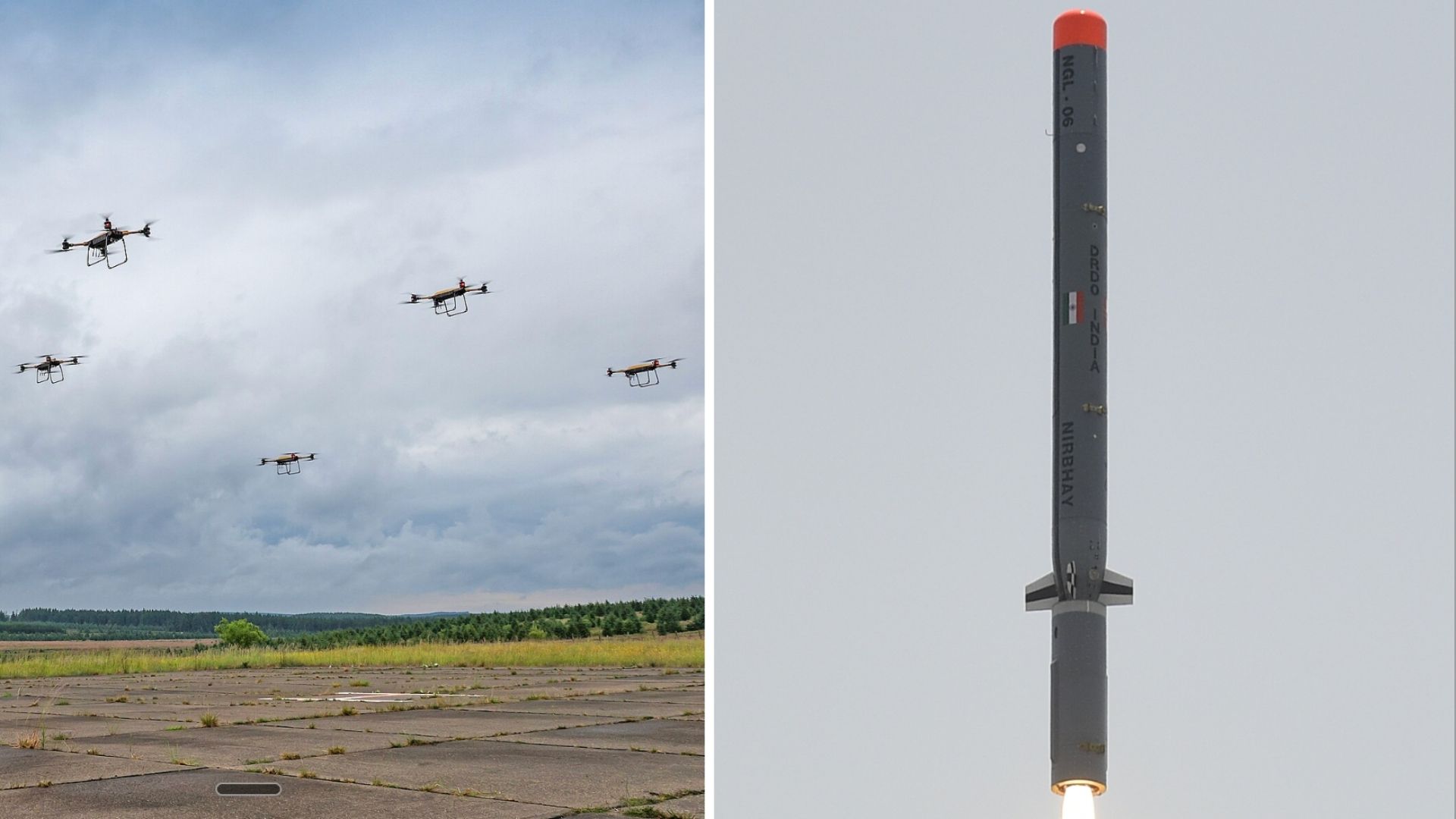
Comparative Analysis of Drone Swarms and Cruise Missiles: Range, Cost, and Power
Drone swarms and cruise missiles serve to challenge modern air-defense systems, albeit through distinct methodologies. Cruise missiles, such as the US Navy's Tomahawk, excel in long-range precision strikes, capable of traveling approximately 900 nautical miles (1,600 kilometers) and delivering powerful warheads. In contrast, drone swarms leverage quantity and coordination, saturating defenses despite their generally shorter ranges and smaller payloads. The significance of this comparison lies in the evolving landscape of military technology, where the choice between cruise missiles and drone swarms can influence operational strategies. While cruise missiles possess greater destructive power with warheads around 1,000 pounds, drone swarms can overwhelm targets through sheer numbers, allowing multiple simultaneous strikes. This capability makes drone swarms an appealing option for modern warfare, where cost-effectiveness and adaptability are crucial. Looking ahead, the development of both technologies will be critical in shaping future military engagements. As advancements continue, the balance between the sophistication of cruise missiles and the tactical advantages of drone swarms will likely dictate their respective roles in combat scenarios. No further timeline was disclosed at the time of publication.
Military
BAE Systems Finalizes BATS Counter-Drone Technology Testing in Eight Months
BAE Systems has successfully completed the integration and deployment testing of its Anti Threat System (BATS), a counter-drone technology developed by its Digital Intelligence division. This achievement marks a significant milestone in the development of advanced counter-drone solutions. The completion of BATS testing is crucial as it enhances BAE Systems' capabilities in addressing the growing threat posed by drones in various environments. The technology aims to provide effective countermeasures against potential drone-related risks, thereby ensuring safety and security in critical areas. Looking ahead, industry stakeholders will be keen to observe the deployment of BATS in real-world scenarios and its effectiveness in countering drone threats. No further timeline was disclosed at the time of publication.
News
Jet Drones Enhance Russia's Capabilities in the Ongoing Drone Conflict in Ukraine
Jet drones have emerged as a significant innovation in the ongoing conflict in Ukraine, providing Russia with enhanced combat capabilities. These advanced robotic systems are designed to operate in the challenging conditions of warfare, showcasing their potential effectiveness in aerial combat scenarios. The introduction of jet drones is crucial as it represents a shift in military technology, allowing for more agile and responsive operations in combat. This advancement may alter the dynamics of the conflict, giving Russia a tactical advantage in drone warfare. As the situation evolves, it will be important to monitor the deployment and effectiveness of these jet drones in combat. Their performance could influence future military strategies and the overall outcome of the conflict in Ukraine. No further timeline was disclosed at the time of publication.
BAE Systems Introduces Shadow Electronic Warfare Family for Enhanced Drone Protection
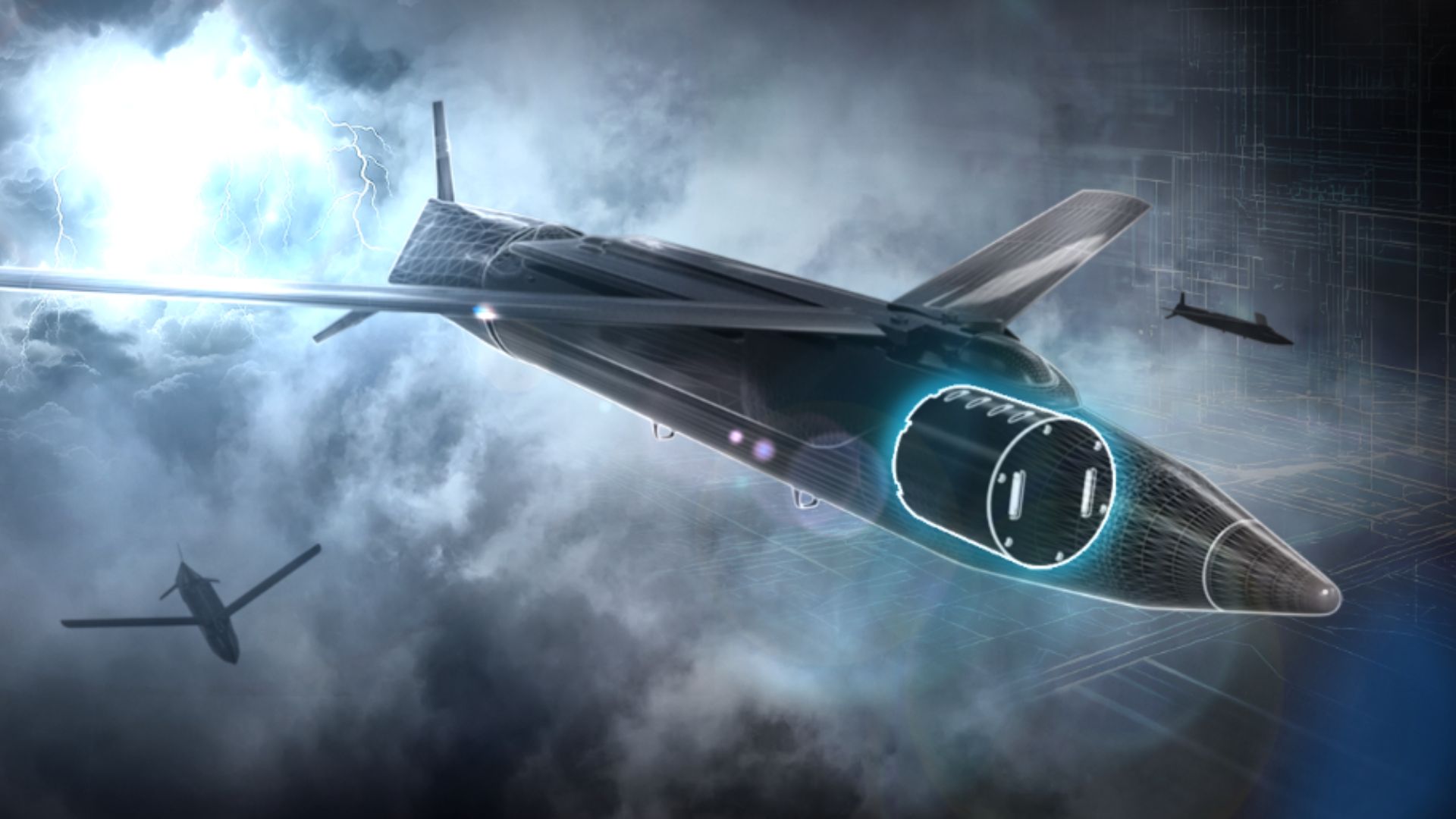
BAE Systems has launched a new family of electronic warfare systems, known as Shadow EW, designed to enhance the protection of small aircraft in contested airspace. This initiative responds to the increasing demand for compact electronic warfare solutions that can be integrated into space-constrained platforms, utilizing commercially available microchips to streamline production and supply chains. The Shadow EW family is significant as it addresses the limitations of traditional electronic warfare systems, which are often too large and heavy for small drones and other airborne systems. By focusing on lightweight hardware and open architecture principles, BAE Systems aims to provide adaptable solutions that can be updated post-deployment, ensuring operators can effectively counter evolving electronic threats. Looking ahead, BAE Systems plans to leverage established manufacturing methods to scale production of the Shadow EW systems, making them more accessible for military applications. As the U.S. military seeks cost-effective ways to equip a growing number of autonomous systems, the ability to produce electronic warfare capabilities at scale will be crucial for maintaining operational effectiveness in complex environments.
Military
Exploring Counter-Drone Technologies and Innovations at AFA Day 2
On the second day of the AFA trade show, various technologies were showcased, including counter-drone lasers and cutaway engine blocks. These innovations highlight the growing focus on addressing drone threats in military applications. The significance of these technologies lies in their potential to enhance security measures against unauthorized drone activities. As drone usage increases, the development of effective countermeasures becomes crucial for defense strategies. Looking ahead, industry professionals will be keen to observe advancements in counter-drone systems and their integration into existing military frameworks. No further timeline was disclosed at the time of publication.
Air Warfare Aerovironment AFA Multimedia 2026 Air Force Anduril Brawlr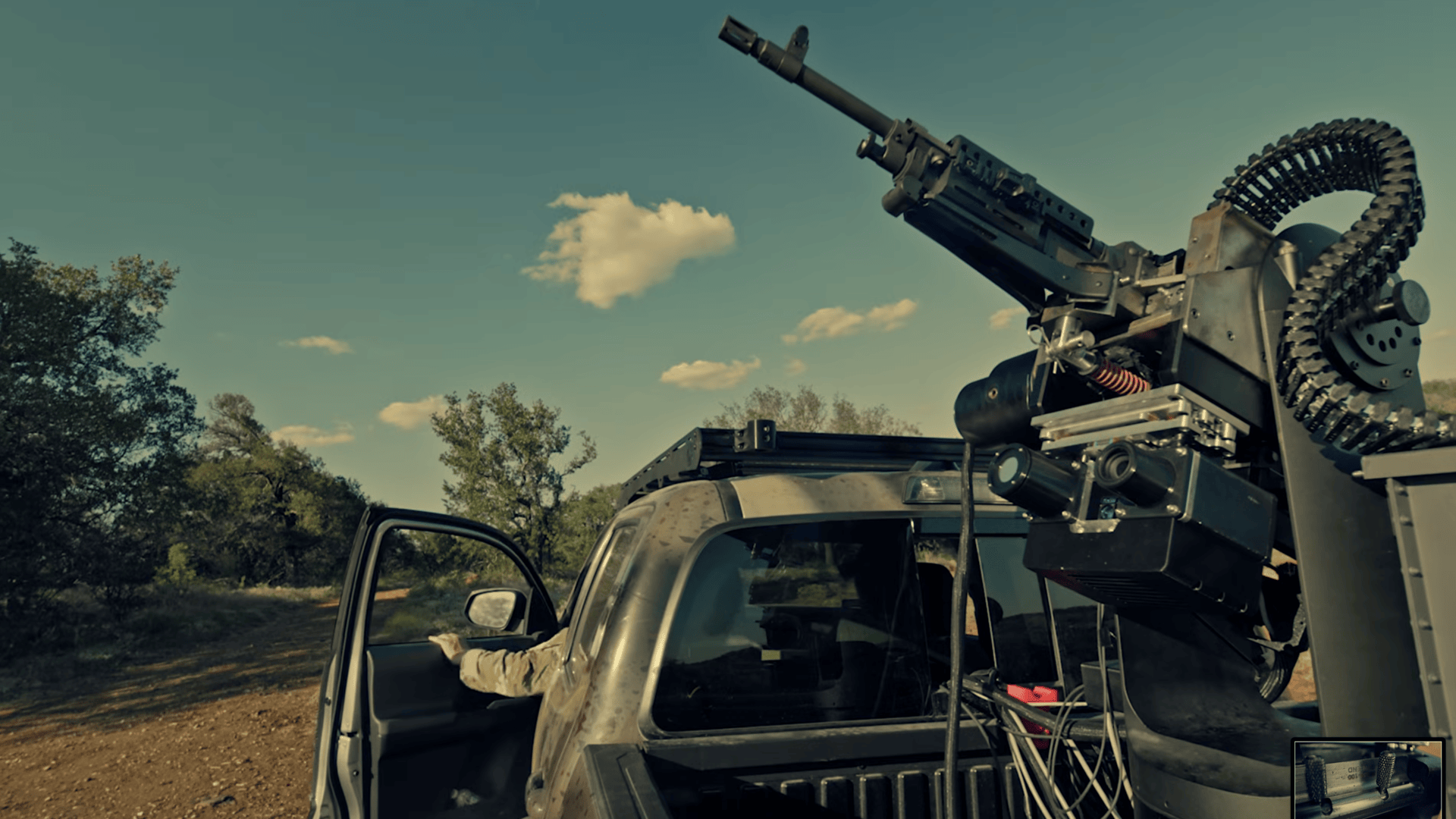
Alien Control Systems Opens 191,000-Square-Foot Facility for Bullfrog Counter-Drone Production
Alien Control Systems (ACS) is launching a new 191,000-square-foot manufacturing facility in Austin, Texas, to enhance production of its Bullfrog counter-drone system. This expansion is a direct response to increased demand from the U.S. and allied nations for effective countermeasures against weaponized drones. The new facility will allow ACS to rapidly scale production of Bullfrog, which integrates computer vision, autonomous control, and precision robotics. The system has already been deployed by the U.S. Army and Navy, and it has contracts with Joint Interagency Task Force 401 and several allied militaries, underscoring its significance in safeguarding critical infrastructure. Looking ahead, ACS aims to further expand Bullfrog's deployment across U.S. military services, following its recent selection by the U.S. Marine Corps for the Ground Based Air Defense program. No further timeline was disclosed at the time of publication.
Military
China Advances Toward Integrated Air, Land, and Sea Drone Swarm Systems
China is progressing from large formations of identical drones to a more complex network that coordinates uncrewed systems across air, land, and sea. The China Electronics Technology Group Corporation (CETC) highlights the evolution of drone swarms from mere numbers to distributed systems capable of communication and local decision-making. This shift is significant as it enhances operational capabilities in diverse environments, particularly in military applications. CETC identifies five key capabilities for effective swarm functionality: survivability, situational awareness, planning and decision-making, mission execution, and autonomous learning. While China has made strides in these areas, challenges remain, especially in integrating different types of uncrewed systems. Looking ahead, CETC envisions a heterogeneous swarm that allows various platforms to work together seamlessly. This integration could enable aerial drones, ground vehicles, and maritime systems to share information and resources, enhancing overall mission effectiveness. However, achieving this level of coordination presents substantial technical challenges.
Military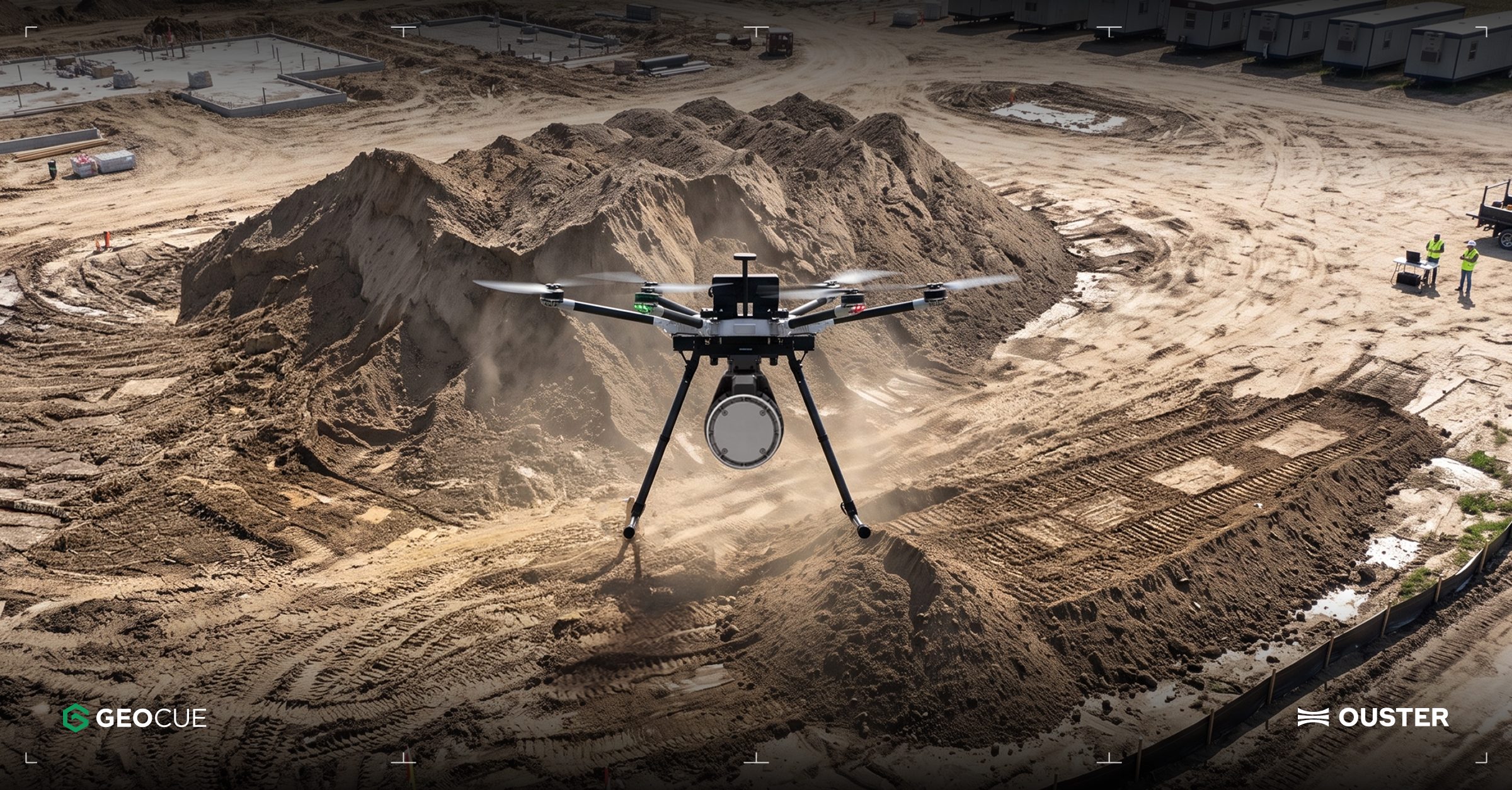
Ouster Partners with Flyability and GeoCue to Enhance Drone Mapping with Lidar Technology
Ouster has announced two significant partnerships aimed at expanding the use of lidar technology in commercial drone operations. The collaboration with Flyability focuses on integrating Ouster's lidar into the Elios 3 drone, which is designed for inspections in confined spaces like mine shafts and wastewater tunnels. Meanwhile, the partnership with GeoCue will see Ouster's Rev8 OS1 Max lidar integrated into TrueView drone mapping systems for utility surveying. These partnerships highlight the growing importance of lidar in enhancing drone capabilities, particularly in challenging environments where traditional GPS and cameras may fail. The Elios 3 drone, equipped with Ouster's compact OS0 lidar, enables real-time localization and collision avoidance, making it suitable for hazardous inspections. Ouster's CEO, Angus Pacala, emphasized the operational value of digital lidar in environments that conventional systems cannot easily access. Looking ahead, Flyability is evaluating Ouster's Rev8 lidar technology for future applications, which promises improved range, resolution, and color data. The companies plan to showcase their advancements at INTERGEO 2026 in Munich, Germany, from September 15-17, demonstrating how lidar is transforming the documentation of complex industrial environments.
Applications Drone News Drone News Feeds Inspection LiDAR News
Texas Senators Propose Drone-Enhanced Smart Wall for Border Security
Texas Democratic lawmakers are advocating for a drone-powered 'smart wall' to enhance border security instead of traditional physical barriers. Senator Judith Zaffirini emphasized that this strategy would integrate technology such as surveillance cameras, sensors, and drones to improve law enforcement's ability to monitor illegal activities along the Texas-Mexico border. The proposal comes in response to federal plans for a physical border wall, which have faced criticism for their environmental impact and limited effectiveness. With over 1,200 miles of border to secure, the senators argue that a smart wall would provide a more adaptable and efficient solution, allowing for better resource allocation and quicker response times to security threats. Looking ahead, the Texas lawmakers believe that a comprehensive approach combining technology with law enforcement personnel is essential. They stress the importance of tailoring security measures to the diverse geographic and demographic conditions along the border. No further timeline was disclosed at the time of publication.
Drone News Drone News Feeds Drones in the News News safety and security Big Bend National Park border wall
YYForce Establishes Facadevision AI to Enhance Drone and AI-Driven Facade Inspection Services
YYForce Inc. has launched Facadevision AI Pte. Ltd., a joint venture aimed at improving integrated facility management (IFM) services in Singapore. This new entity will focus on drone-enabled facade inspection and maintenance, enhancing safety and operational efficiency in the commercial real estate sector. The establishment of Facadevision AI is significant as it marks YYForce's commitment to integrating advanced technologies like drones and AI into its service offerings. This move is expected to streamline facade maintenance processes, reduce risks associated with manual inspections, and ultimately improve service delivery for clients in the region. Looking ahead, YYForce's focus on expanding its IFM capabilities through this joint venture will be crucial in a competitive market. The effectiveness of drone technology in facade inspections will be a key area to monitor, as it could set new standards for safety and efficiency in building maintenance. No further timeline was disclosed at the time of publication.

GeoCue Partners with Ouster to Integrate Rev8 OS1 Max Lidar into TrueView Drone Systems
On September 1, 2026, GeoCue announced a strategic partnership with Ouster to integrate the Rev8 OS1 Max digital lidar into its TrueView product line. This integration aims to enhance utility corridor and large-scale infrastructure mapping across the U.S. The Rev8 OS1 Max sensor is compliant with the Build America, Buy America Act (BABA), which is crucial for federal projects requiring domestic content. The collaboration is significant as it allows GeoCue to provide a high-performance, compliant solution for customers in the utility and infrastructure sectors. The TrueView 1 payloads, combined with the LP360 point-cloud software, will deliver survey-grade data, enhancing the capabilities of drone surveying in critical infrastructure monitoring. Frank Darmayan, CEO of GeoCue, emphasized the importance of American-made technology in this transition. Looking ahead, Ouster will showcase the Rev8 OS1 Max at the Commercial UAV Expo in Las Vegas from September 1-3, 2026. This partnership not only strengthens GeoCue's product offerings but also highlights the growing importance of native color digital lidar in advancing drone mapping technologies and applications in public safety and infrastructure management.
Drone News Drone News Feeds LiDAR Mapping Mapping Technology News
Countering Evolving Drone Threats with Layered Tactical Radar Systems
The threat posed by Shahed-136 one-way attack drones highlights the urgent need for advanced counter-drone strategies. As the unmanned aircraft system (UAS) environment evolves, operational users are adapting to new challenges by employing scalable, layered sensing teams capable of detecting and tracking small, fast, and swarming aerial threats. This approach is crucial for effective air defense in complex scenarios, whether on land or at sea. Ray Bischoff, senior director of business development at Leonardo DRS, emphasizes the importance of integrating various sensor systems, particularly tactical radars, into a networked architecture. This layered defense strategy allows for enhanced coverage and response times, which are critical in high-stakes situations like those in the Strait of Hormuz. By utilizing a combination of technologies, including electro-optic and infrared sensors, the defense systems can maintain functionality even if some sensors are compromised. Looking ahead, the focus will remain on refining these layered systems to address emerging drone threats. The integration of diverse sensor technologies will be key to improving decision-making and operational effectiveness. No further timeline was disclosed at the time of publication.
Sponsored Content Counter-Unmanned Aerial Vehicles (C-UAS) Land
U.S. Army Awards $464.8 Million Contract for 30-kW LOCUST Laser Systems
The U.S. Army has awarded AeroVironment a $464.8 million contract for the production of LOCUST laser systems under the Enduring-High Energy Laser (E-HEL) program. This contract marks a significant milestone as it is the first production contract for a directed-energy weapon in U.S. history, indicating a shift from experimental systems to operational capabilities. The LOCUST X3, a 30-kilowatt laser weapon, is designed to counter Group 1–3 unmanned aircraft systems and can be integrated onto various platforms, including the Army's Joint Light Tactical Vehicle. The contract aims to provide a scalable and cost-effective air defense solution against drones, which have become increasingly prevalent on modern battlefields. Looking ahead, AeroVironment is expanding its production capacity with a $30 million investment in its Albuquerque facility to support the ramp-up of LOCUST systems. The E-HEL program is expected to enhance the Army's defenses against drone threats, marking a significant step towards the routine use of laser weapons in military operations. No further timeline was disclosed at the time of publication.
Military
Venezuela's Earthquakes Highlight Drone Utility and Airspace Challenges in Emergencies
On June 24, 2026, two significant earthquakes hit northern Venezuela, prompting immediate drone deployment for damage assessment and search and rescue operations. Drones provided critical situational awareness, revealing destruction and aiding in the rescue of 6,462 individuals from collapsed buildings, while the confirmed death toll reached 6,509. The rapid response showcased the effectiveness of drones in emergencies but also highlighted the challenges of crowded airspace as multiple organizations deployed their drones simultaneously. Juan Plaza, CEO of Plaza Aerospace, emphasized the need for coordination among drone operators to avoid chaos in the air while ensuring clarity on the ground. Looking ahead, the role of drones is expected to evolve beyond immediate response. Teams are utilizing photogrammetry and LiDAR to document structural damage, which can inform engineering assessments and improve future disaster preparedness. No further timeline was disclosed at the time of publication.
Applications Disaster Response Drone News Drone News Feeds Drones in the News News
Mitsubishi Heavy and NEC Collaborate on Defense Drones and AI Systems
Mitsubishi Heavy Industries and NEC announced their partnership to develop domestic defense drones and AI-driven command and control systems. This collaboration aims to enhance Japan's defense capabilities amid increasing global reliance on drone technology in combat scenarios. The significance of this partnership lies in its potential to strengthen Japan's defense industry and reduce dependence on foreign technology. As drones become integral to modern warfare, the collaboration between these two major Japanese companies could position Japan as a key player in the defense drone market. Looking ahead, it will be important to monitor the progress of this collaboration and its impact on Japan's defense strategy. No further timeline was disclosed at the time of publication.

Powerus Secures $22.3 Million Contract for Counter-Drone Network in Middle East Oil Fields
Powerus, a U.S.-based company, has been officially commissioned to establish a counter-drone detection network for oil and gas fields in the Middle East. The contract, valued at $22.3 million, encompasses hardware, software, installation, and 24-hour maintenance to protect critical infrastructure from drone threats. The significance of this initiative lies in the vulnerability of oil and gas facilities, which are attractive targets due to their large, fixed nature and the presence of flammable materials. Drone attacks can disrupt operations and impact market prices, making effective detection systems crucial for safeguarding these economically vital assets. Looking ahead, the system will initially focus on detection and warning capabilities, with potential future integration of Powerus's Guardian-1 interceptor for active defense. However, details regarding the specific facilities covered, the types of sensors to be deployed, and the timeline for implementation remain undisclosed at this time.
Energy Innovation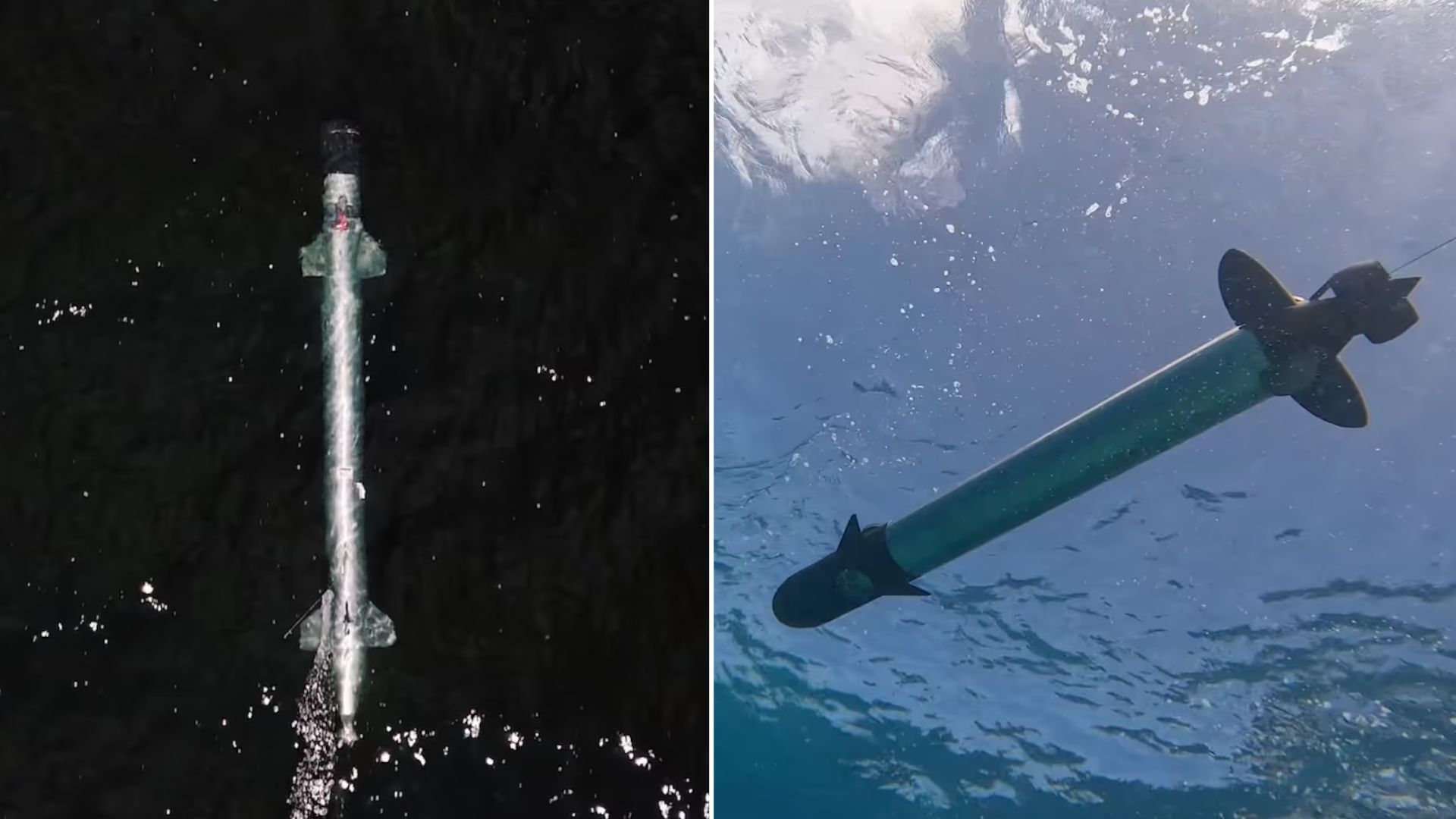
Taiwan Collaborates with U.S. Startup Vatn Systems on 200 nm Submarine Drone Technology
Taiwan has entered into a partnership with U.S. defense startup Vatn Systems to develop autonomous underwater vehicles (AUVs) aimed at enhancing maritime surveillance and defense capabilities. The agreement, signed with the National Chung-Shan Institute of Science and Technology (NCSIST), focuses on AI-enabled command-and-control systems and establishing a local supply chain for AUV technology. This collaboration is significant as it combines Vatn's expertise in undersea autonomy with Taiwan's industrial capabilities, allowing for the development of affordable AUVs like the Skelmir S12. These vehicles can perform various missions, from seabed mapping to mine countermeasures, without the risks associated with manned vessels, thus expanding Taiwan's underwater capabilities. Looking ahead, the partnership not only aims to enhance Taiwan's defense but also supports dual-use applications in critical infrastructure inspection and offshore industries. The initiative is part of a broader strategy by NCSIST to develop indigenous underwater technology while collaborating with foreign firms, including ongoing efforts with Anduril Industries and the Huilong program for local AUV development.
Military
ANKA III Stealth Drone Advances with SÜPER ŞİMŞEK UAVs in Recent Flight Test
Turkish Aerospace Industries (TUSAŞ) has showcased its ANKA III stealth combat drone carrying two SÜPER ŞİMŞEK UAVs in a recent flight demonstration. This flight highlights a new airborne launch concept, allowing the ANKA III to deploy smaller autonomous systems for various missions, including surveillance and electronic warfare. The significance of this development lies in the enhanced capabilities of the ANKA III, which can transport and release UAVs into hostile environments, providing them with altitude and speed for their missions. This advancement builds on previous demonstrations and aligns with Türkiye's strategy for collaborative combat aircraft, enhancing operational flexibility against advanced air-defense systems. Looking ahead, the integration of SÜPER ŞİMŞEK with ANKA III could lead to a multi-layered combat system, potentially involving crewed and uncrewed aircraft working in tandem. While the complete system has yet to be publicly demonstrated, the ongoing progress in these technologies indicates a significant evolution in Türkiye's military aviation capabilities. No further timeline was disclosed at the time of publication.
Military
Flock Safety's Camera Controversy Highlights Need for Drone Industry Regulations
Flock Safety's automated license plate readers (ALPRs) have been instrumental in aiding law enforcement with locating stolen vehicles and missing persons. However, recent controversies surrounding the misuse of this technology underscore the necessity for robust policies governing its access and utilization, particularly in the Drone as First Responder (DFR) market. The implications of these controversies extend beyond Flock, as various agencies globally are increasingly adopting drones for enhanced situational awareness and operational outcomes. While Flock's ALPRs have reportedly assisted in resolving cases involving 1,000 missing individuals and 20,000 stolen vehicles in July alone, the scale of such surveillance raises significant privacy concerns. As the drone industry continues to evolve, it is crucial to monitor how regulatory frameworks develop in response to these challenges. The recent suspension of Flock's technology by the New Bedford police department due to misuse allegations highlights the pressing need for oversight and accountability in the deployment of surveillance technologies in public safety operations. No further timeline was disclosed at the time of publication.
Applications DFR Drone News Drone News Feeds Drones in the News Featured – Safety and Security
Apellix Demonstrates Power Wash Drone for Safe, Scalable Commercial Cleaning in Malibu
On July 25, 2026, Apellix showcased its Power Wash Drone at Pepperdine University in Malibu, demonstrating its capabilities in commercial cleaning without the need for scaffolding or lifts. This event attracted facility managers, building service contractors, and university faculty, highlighting the drone's effectiveness in reducing maintenance costs. The significance of this demonstration lies in Apellix's ability to address safety concerns associated with elevated work in commercial real estate. By utilizing the Power Wash Drone, operators can minimize risks while maintaining building exteriors, thus transforming the approach to facility maintenance. Looking ahead, the continued deployment of the Power Wash Drone across 21 countries indicates a growing trend in the adoption of autonomous cleaning technologies. No further timeline was disclosed at the time of publication.

Archer First Response Systems Launches Whole Blood Drone Delivery in Florida
Archer First Response Systems (ArcherFRS) has initiated a drone program to deliver whole blood directly to emergency scenes in Hillsborough County, Florida. This program, a collaboration with several local organizations, aims to provide critical blood supplies to severe hemorrhagic trauma incidents within an average of three minutes, marking a significant advancement in emergency medical services. The importance of this initiative lies in its potential to enhance patient outcomes during critical situations. By utilizing drones for blood delivery, ArcherFRS is addressing the challenges of timely medical intervention in trauma cases. The program operates from two fire stations and covers a service area of approximately 70 square miles, ensuring rapid response capabilities. Looking ahead, the program is part of the ArcherFRS Champion Hospital Partner Program, which aims to integrate advanced medical technologies into emergency response. No further timeline was disclosed at the time of publication, but the collaboration between ArcherFRS and local healthcare providers is expected to evolve, potentially expanding the capabilities of emergency services in the region.
Applications Delivery Drone News Drone News Feeds Drones in the News emergency response
Baykar's KIZILELMA Drone Achieves Milestone with Internal Weapons Bay Live-Fire Tests
Baykar's KIZILELMA unmanned fighter aircraft has successfully completed its first live-fire tests using munitions from its internal weapons bay. This achievement is crucial for enhancing the aircraft's precision strike capabilities while maintaining a low radar signature, a characteristic of stealth technology. The live-fire tests, conducted at Baykar’s Flight Training and Test Center in Çorlu, involved the successful release of ROKETSAN’s TEBER-82 guided bomb and ASELSAN’s TOLUN precision-guided munition, both achieving direct hits on ground targets. The internal weapons bay configuration allows the KIZILELMA to reduce its radar cross-section and aerodynamic drag, improving performance in contested airspace. Looking ahead, Baykar aims to expand the KIZILELMA's compatibility with indigenous Turkish weapons as part of its ongoing flight-test campaign. The successful integration of internally carried munitions marks a significant step in the aircraft's development, positioning it as a capable unmanned fighter for precision strikes and air-to-air engagements in complex environments. No further timeline was disclosed at the time of publication.
Military
U.S. Department of War Awards Kaizen $15 Million for Counter-Drone Marketplace
The U.S. Department of War has awarded Kaizen a $15 million contract to create a digital marketplace for validated counter-unmanned aircraft systems (C-UAS) technologies. This platform, developed for the Joint Interagency Task Force 401 (JIATF-401), aims to streamline the procurement process for military and law enforcement agencies by providing a centralized location for evaluating and acquiring counter-drone technologies. This initiative is crucial as the proliferation of low-cost commercial drones poses new challenges to security and military operations. Traditional procurement methods often lag behind the rapid evolution of drone technology, making it essential to have a more efficient system. The marketplace allows authorized users to search for products based on operational needs and access verified performance data, thereby expediting the acquisition process. Looking ahead, the marketplace will feature an AI-based Capability Planner that assists users in creating tailored C-UAS solutions. Kaizen anticipates this tool will be operational soon, enhancing the platform's functionality. No further timeline was disclosed at the time of publication.
Anti-drone technology Applications C-UAS Defense News US Government
Lantronix and Swarmer Develop New Edge-Computing Platform for Military Drones
U.S. defense technology firms Lantronix and Swarmer are collaborating to create a compact computing platform that enhances small military drones' onboard processing power by four times. This new system integrates Lantronix’s Open-Q 6490CS System-on-Module with Swarmer’s autonomy software, aiming to improve autonomous operations for Group 1 unmanned aircraft systems. The significance of this development lies in its potential to enable small, cost-effective drones to perform complex tasks such as visual navigation, automated target recognition, and object tracking without relying on cloud computing. This capability is particularly crucial for military operations in environments with disrupted GPS signals and electronic warfare, as highlighted by the ongoing needs of Ukraine and allied forces. Looking ahead, the collaboration aims for a production commitment exceeding 10 years, ensuring the platform's adaptability for future defense programs. No further timeline was disclosed at the time of publication.
Military
US Coast Guard Pursues Advanced Technologies to Detect and Counter Underwater Drones
The United States Coast Guard is enhancing maritime security by exploring advanced technologies aimed at detecting and neutralizing underwater drones. As these unmanned underwater vehicles (UUVs) become more sophisticated, they pose significant threats to critical maritime assets, including ports and naval bases. The Coast Guard's initiative seeks innovative solutions that can continuously monitor underwater environments and respond to potential threats. The growing concern over UUVs stems from their dual-use capabilities, serving both legitimate purposes and potential malicious activities such as espionage and sabotage. The Coast Guard's efforts reflect a broader trend in global maritime security, where nations are investing in autonomous underwater technologies to protect coastlines and critical infrastructure. Experts emphasize the need for integrated surveillance systems to ensure early detection and rapid response to underwater threats. As the US Coast Guard seeks next-generation counter-drone capabilities, the focus will be on developing effective detection and response systems. This initiative is crucial for strengthening maritime security and preparing for future challenges posed by the increasing prevalence of underwater drones in both public and military operations. No further timeline was disclosed at the time of publication.
Military
Tacta Systems Launches AI-Driven Robotic Hand for Advanced Manufacturing Applications
Tacta Systems has introduced a new robotics platform aimed at enhancing industrial automation with human-like dexterity. The TactaBot, the company's inaugural product, integrates a robotic hand, a wearable skill capture system, and an AI engine to perform intricate manufacturing tasks that demand precision and tactile feedback. This innovation is significant as it addresses critical challenges in robotics, such as creating a robotic hand for industrial performance and enabling robots to possess a sense of touch. Tacta's platform, featuring the proprietary Fluidic Tendon actuation technology, is designed to automate complex tasks in sectors like electronics and automotive manufacturing, with initial deployments expected in early 2027. Looking ahead, Tacta plans to expand its technology into additional industries, including medical devices and aerospace. The company aims to revolutionize the way robots interact with their environment, potentially transforming manufacturing processes across various sectors. No further timeline was disclosed at the time of publication.
Components News ai robotics Dexterous Intelligence dexterous robotics industrial robotics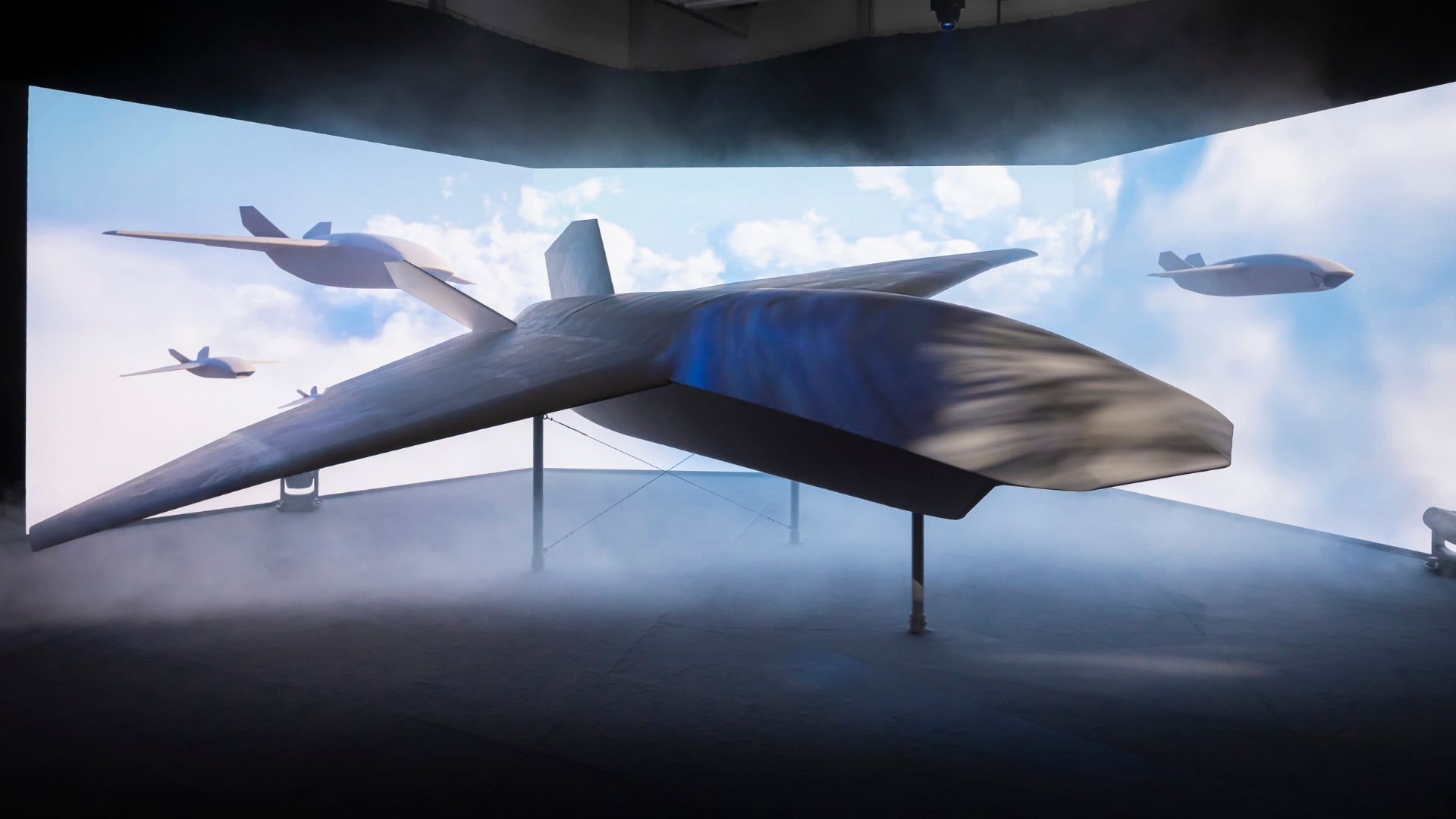
BAE Systems Unveils UK's First Autonomous Combat Drone, Brontanax, at Farnborough Airshow
BAE Systems has launched the UK's first autonomous Collaborative Combat Aircraft (CCA), named Brontanax, at the Farnborough International Airshow. This aircraft is designed to operate alongside crewed fighter jets like the Eurofighter Typhoon, enhancing combat capabilities through missions such as electronic warfare and precision strikes. The introduction of Brontanax is significant as it represents a major advancement in the UK's defense strategy, supported by a £300 million investment from the government through the Storm Fighter program. This initiative aims to establish a sovereign CCA capability for the Royal Air Force, positioning the UK as a leader in next-generation combat aviation in Europe. Looking ahead, ground testing of Brontanax will commence at BAE Systems' Warton facility, with flight trials expected to begin in UK airspace next year. If development proceeds as planned, the aircraft could be operational with the Royal Air Force by the end of the decade, marking a pivotal moment in military aviation technology.
Military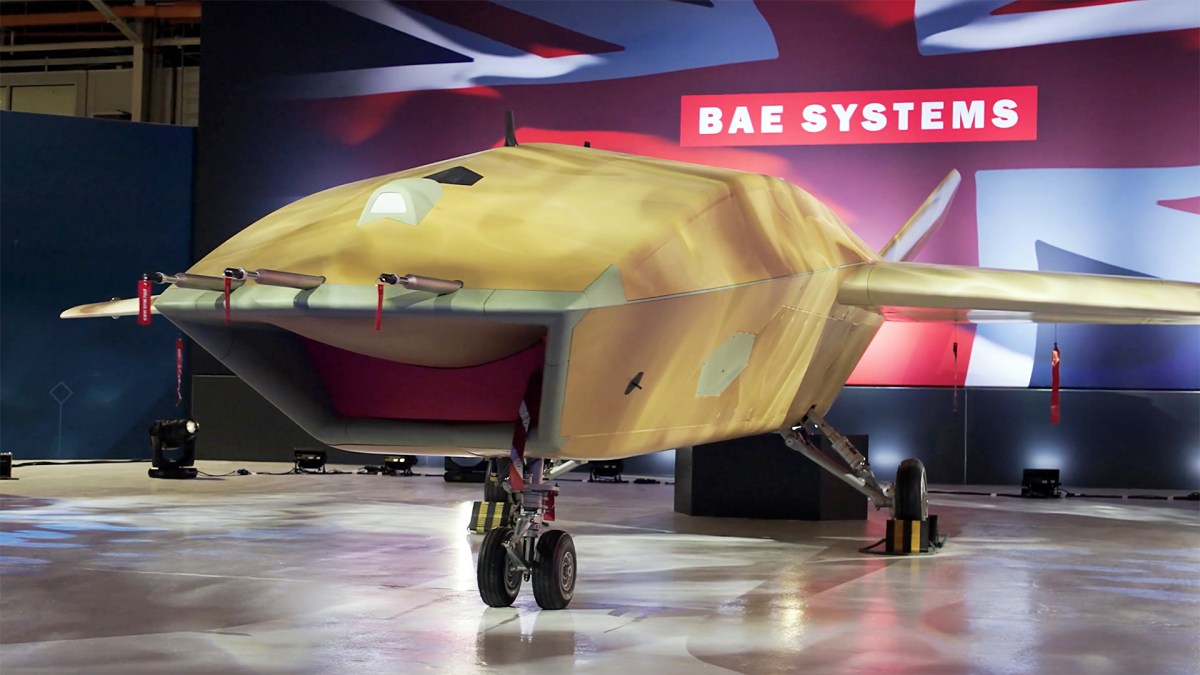
BAE Systems Unveils Brontanax Fighter Drone for UK Royal Air Force's Collaborative Combat Program
BAE Systems has introduced the Brontanax, a new collaborative combat aircraft (CCA) drone designed for the U.K. Royal Air Force. This unveiling coincides with the launch of the Storm Fighter program, aimed at establishing Europe’s first sixth-generation air force. The Brontanax prototype was showcased at the Farnborough International Airshow, attended by the U.K. Defense Secretary Wes Streeting. The significance of the Brontanax lies in its role as an operational prototype, built in secret at BAE Systems’ Warton facility. It is set for ground testing before flight trials in U.K. airspace, with potential participation in a NATO exercise as early as next year. This development reflects the U.K.'s commitment to advancing its military capabilities and integrating new technologies into its air force. Looking ahead, the Brontanax is expected to inform the design of future drones accompanying the U.K. F-35 and Tempest combat jets. While specific performance details remain undisclosed, the drone features a stealthy design with advanced aerodynamics, suggesting a focus on operational versatility and mission capability in various combat scenarios. No further timeline was disclosed at the time of publication.
Air Air Forces Around The Globe Collaborative Combat Aircraft Europe News & Features
BAE Systems Introduces Brontanax, a UK-Designed Collaborative Combat Aircraft Drone
BAE Systems has unveiled the Brontanax, a new collaborative combat aircraft (CCA) drone designed for the UK, during the Farnborough Airshow. The drone, comparable in size to a BAE Hawk trainer jet, aims to enhance electronic warfare and precision strike capabilities against various targets. Defence Secretary Wes Streeting emphasized the significance of Brontanax, calling it a groundbreaking moment for British defense and innovation. The introduction of Brontanax aligns with the UK’s recent announcement of the Storm Fighter CCA program, which aims to develop advanced combat aircraft. Streeting stated that Brontanax will serve as the operational concept demonstrator, with plans to have it airborne by 2027. This initiative is part of a broader strategy to position the Royal Air Force as Europe’s first sixth-generation air force, integrating uncrewed systems with crewed platforms to enhance operational effectiveness. Looking ahead, BAE Systems has indicated that Brontanax may participate in NATO’s Steadfast Defender exercise later this year. The drone's internal weapons bay is compatible with existing RAF armaments, and BAE has self-funded its development with several hundred million pounds to ensure readiness for future operational needs. No further timeline was disclosed at the time of publication.
Air Warfare Air Force BAE Systems Brontanax CCA collaborative combat aircraft
BAE Systems Explores Typhoon Integration with CCA Drones and Meteor Missiles
BAE Systems is investigating the integration of uncrewed collaborative combat aircraft (CCA) with the Eurofighter Typhoon, aiming to enhance combat capabilities. This initiative is part of a broader Long-Term Evolution (LTE) program that seeks to improve the jet's operational effectiveness in modern warfare environments. The integration of CCAs with the Typhoon is significant as it aims to expand the combat mass and operational range of air forces, addressing emerging threats. BAE Systems has accelerated this work over the past year, coinciding with the U.K. Royal Air Force's launch of the Storm Fighter CCA program, which will enable these drones to operate alongside the Typhoon, F-35, and future Tempest jets. Looking ahead, BAE Systems plans to incorporate advanced technologies such as the European Common Radar System (ECRS) Mk 2 and a large-area display cockpit into the Typhoon. These enhancements are expected to improve the aircraft's capabilities in collaborative combat scenarios, as demonstrated in recent simulations off the east coast of Scotland, where Typhoons successfully coordinated with CCAs.
Air Air Forces Collaborative Combat Aircraft Fighters Royal Air Force Typhoon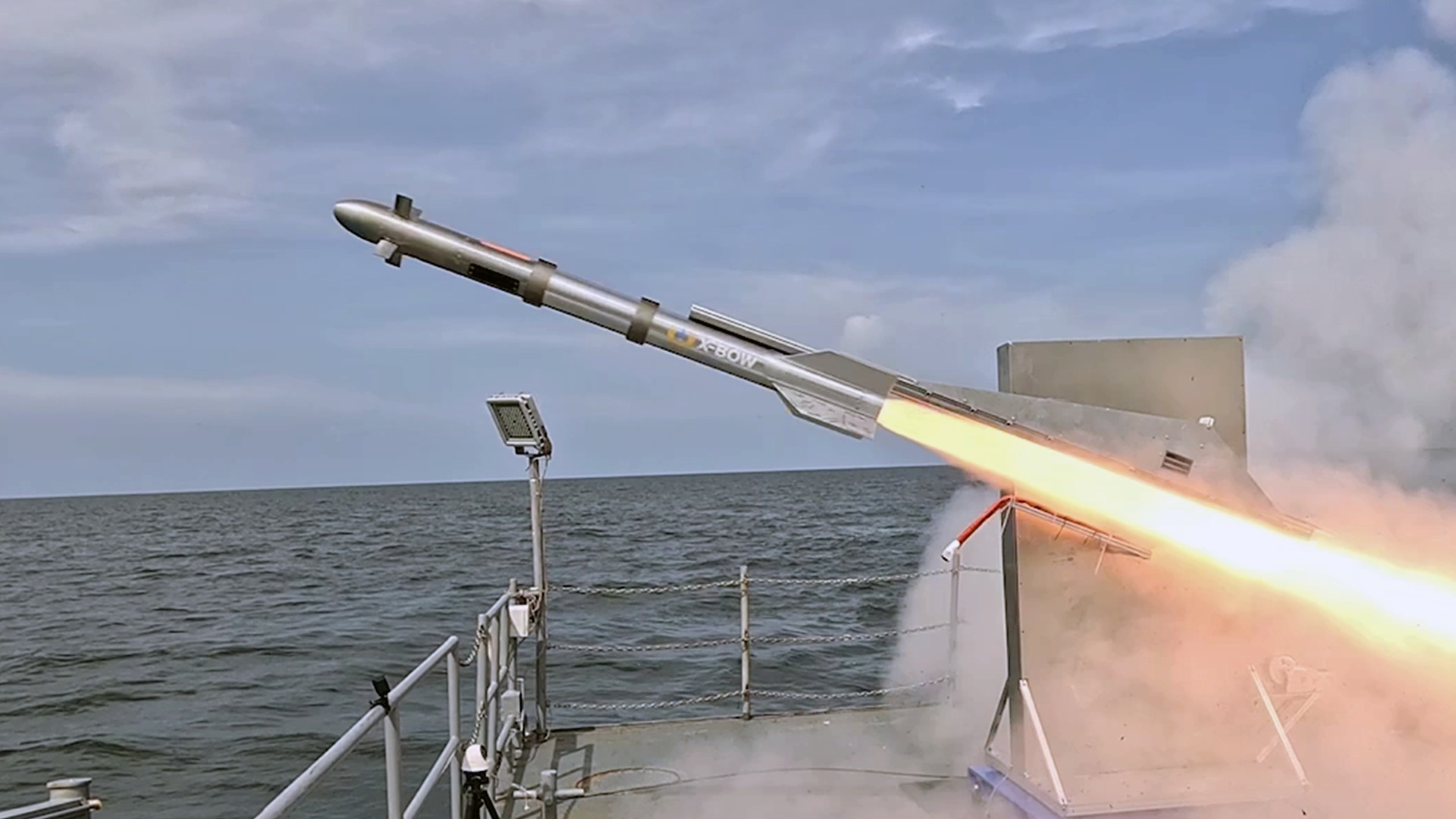
X-Bow Systems Launches Buckler, a Cost-Effective Supersonic Interceptor for Drone Defense
X-Bow Systems, a Texas-based defense company, has unveiled Buckler, a new supersonic interceptor aimed at countering Group 3 drone threats. This system addresses the increasing demand for effective defenses against mass UAV attacks and has successfully completed field testing. The Buckler interceptor is designed to engage Group 3 unmanned aerial vehicles (UAVs), which weigh between 56 and 1,320 lbs and operate below 18,000 feet. Priced under USD 100,000, Buckler combines high-speed performance with a design suitable for large-scale production, making it a cost-effective solution for militaries facing frequent drone assaults. With the successful flight tests validating its propulsion system and overall performance, X-Bow Systems is moving closer to operational deployment of Buckler. The company emphasizes its in-house manufacturing capabilities, which enhance production efficiency and quality control, addressing the industry's reliance on external suppliers for solid rocket motors.
Military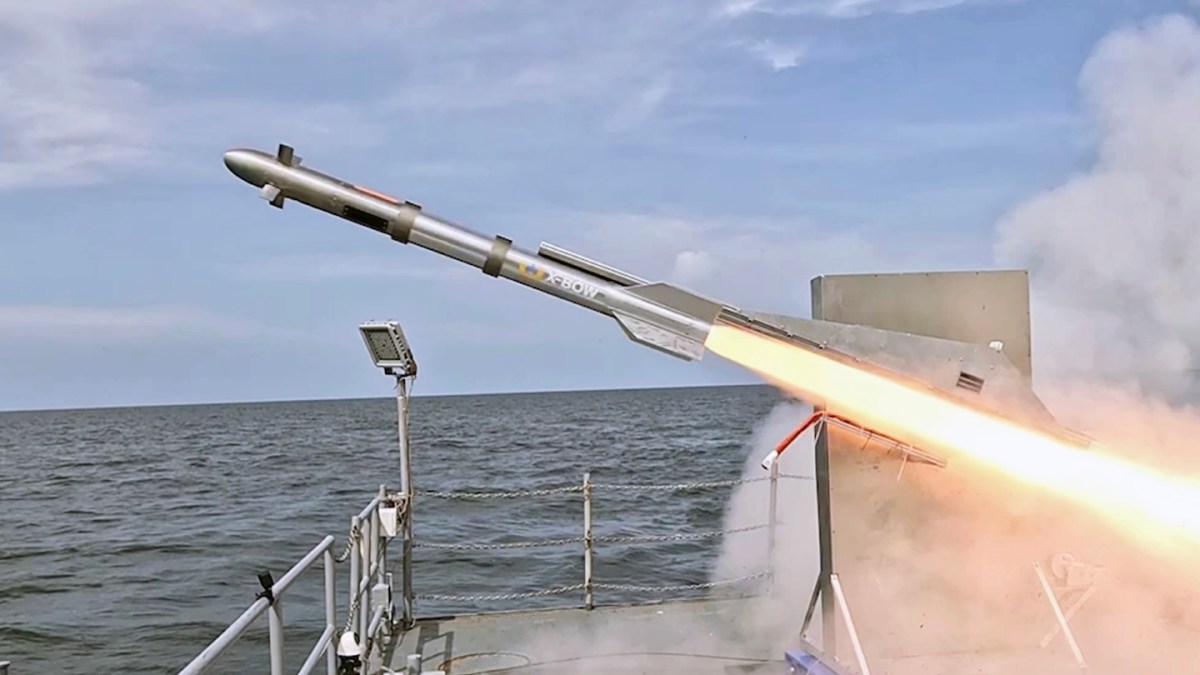
X-Bow Systems Launches Buckler Supersonic Drone Interceptor Under $100K
X-Bow Systems has introduced the Buckler, a cost-effective drone interceptor priced below $100,000. This supersonic interceptor is specifically designed to target Group 3 drones, which include various unmanned aerial vehicles weighing between 56 to 1,320 pounds. The Buckler can also engage other aerial threats, such as subsonic cruise missiles, enhancing its operational versatility. The significance of the Buckler lies in its affordability and speed, addressing the growing need for effective air defense against increasingly sophisticated drone and missile threats. As conflicts in regions like the Middle East and Ukraine have shown, traditional air defense systems often struggle against cheaper, more numerous threats. X-Bow Systems aims to provide a scalable solution that allows military forces to respond effectively without incurring exorbitant costs. Looking ahead, the Buckler represents a strategic response to the evolving landscape of aerial threats. With its ability to engage multiple targets rapidly, it could play a crucial role in modern air defense strategies. No further timeline was disclosed at the time of publication.
Land Armies Counter-Unmanned Aerial Vehicles (C-UAS) Surface-To-Air Missile Systems U.S. Army
Ukraine Aims to Double Drone Production to 20 Million Annually with EU Support
Ukrainian President Volodymyr Zelenskyy announced that Ukraine is currently producing 10 million drones each year. With the assistance of partners, the country aims to increase its drone production capacity to 20 million annually. This initiative is significant as it highlights Ukraine's commitment to enhancing its unmanned systems capabilities amid ongoing challenges. The collaboration with partners, particularly the EU, is expected to accelerate the production process and improve the technological advancements in drone manufacturing. Looking ahead, stakeholders will be keen to monitor the progress of this production increase and the potential impact on Ukraine's defense capabilities. No further timeline was disclosed at the time of publication.
Air Warfare Air Force Drones EU Europe Fincantieri
NHS Expands Drone Deliveries for Medical Samples Across London
The UK's National Health Service (NHS) is integrating drones into its logistics for healthcare, following a successful pilot that significantly reduced delivery times for urgent medical samples. This initiative could benefit approximately 1.8 million residents in southwest London, while also cutting costs, lowering emissions, and enhancing patient care. Since February, drones have been transporting blood and diagnostic samples from Nelson Health Centre in Raynes Park to the South West London Pathology (SWLP) laboratory at St George’s Hospital in Tooting, completing the journey in just over three minutes. This is a substantial improvement over the 20-minute road travel time, especially during peak congestion or extreme weather conditions. The SWLP processes around 51 million diagnostic samples annually, and faster deliveries allow for quicker testing and treatment decisions. With plans to extend drone services to additional hospitals and clinics, the NHS aims to make this technology a standard part of its operations. The initiative, operated by British startup Apian in collaboration with Wing, has already shown cost savings of up to 23% compared to traditional delivery methods, while also significantly reducing carbon emissions. No further timeline was disclosed at the time of publication.
News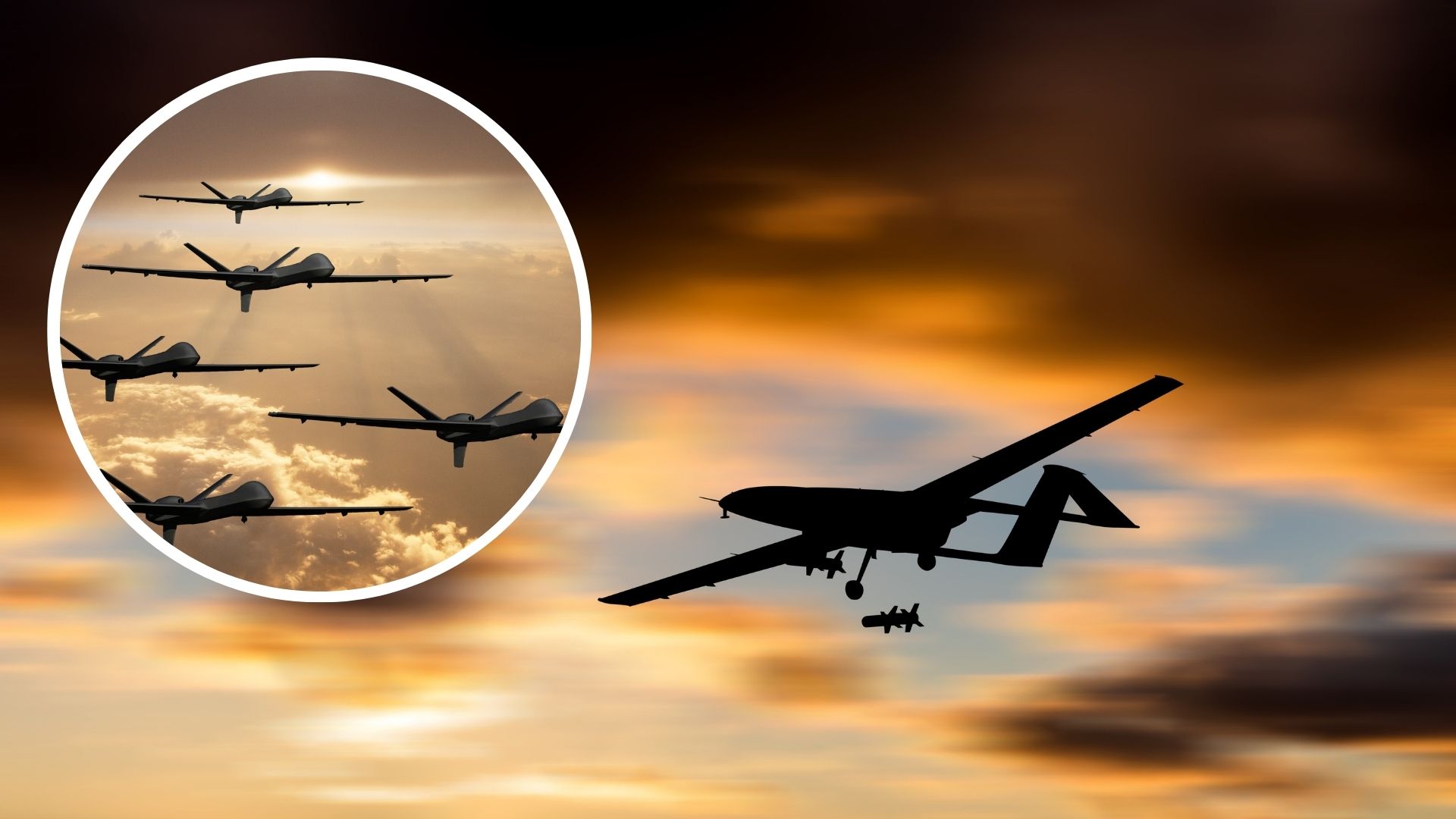
Quantum Systems Group's Apex Recordhunter Drone Achieves 434 mph Speed Milestone
Quantum Systems Group, a German aerospace firm, has announced that its Apex Recordhunter experimental drone reached a remarkable speed of 434 miles per hour. This achievement, pending formal certification, could set a new world record for battery-powered unmanned aerial vehicles. The project emphasizes advancements in electric propulsion and aerodynamics, aiming to enhance military applications for future interceptor drones. The significance of this milestone lies in its potential to reshape aerial defense systems. As military conflicts increasingly utilize high-speed drones, the demand for agile interceptor systems has surged. Traditional surface-to-air missiles are often too expensive for engaging low-cost drones, prompting the development of dedicated UAVs that can effectively counter these threats. The technologies validated through the Apex Recordhunter program are expected to play a crucial role in the next generation of interceptor drones. Looking ahead, Quantum Systems Group plans to conduct further speed trials focused on operational military roles, including FPV platforms and specialized anti-aircraft interceptors. The rapid evolution of drone warfare necessitates breakthroughs in speed and maneuverability, making the Apex Recordhunter a pivotal testbed for future technologies. No further timeline was disclosed at the time of publication.
Military
US turns to AI-powered target recognition systems to destroy drones faster than human operators
The Department of Defense is advancing its efforts to implement artificial intelligence-driven target recognition systems aimed at enhancing the capabilities of military troops and vehicles. This initiative, announced in October 2023, seeks to improve operational efficiency and decision-making on the battlefield. By leveraging AI technology, the Defense Department aims to streamline the identification and engagement of potential threats, thereby increasing the safety and effectiveness of military operations. The move comes in response to the growing complexity of modern warfare, where rapid and accurate target recognition is crucial for mission success. The integration of these advanced systems is expected to transform how military personnel interact with their environments, ultimately leading to more strategic and informed actions in combat scenarios.

Israel Defense Forces Establish New Branch for Unmanned Systems and AI Integration
The Israel Defense Forces (IDF) are launching a new branch dedicated to unmanned systems and artificial intelligence, as announced by Chief of Staff Lt. Gen. Eyal Zamir. This initiative aims to adapt to the rapidly evolving battlefield, emphasizing the integration of robotics, drones, and AI technologies. The establishment of the Unmanned Systems and Artificial Intelligence Branch is a significant step for the IDF, reflecting a strategic shift towards modern warfare capabilities. Zamir highlighted that these advancements will enhance operational effectiveness and save lives, marking a transformative moment for military operations. Looking ahead, the IDF plans to fully inaugurate this new branch by early December. The focus will be on harnessing technologies across land, air, and sea domains, with an emphasis on maritime capabilities as part of the IDF’s broader multi-year plan, Hoshen. No further timeline was disclosed at the time of publication.
Air Warfare Global Land Warfare AI & Autonomy Air Force Army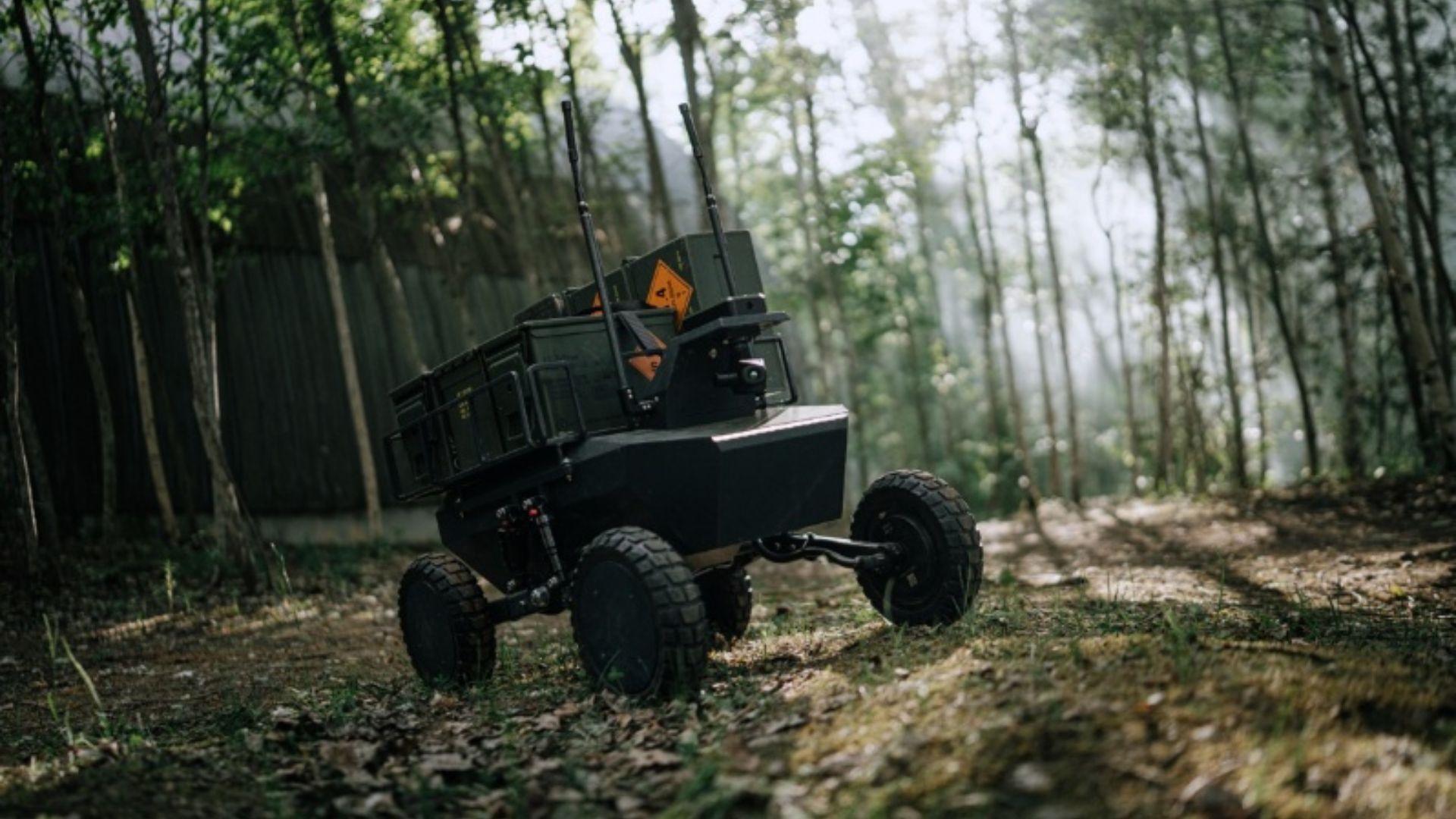
XTEND Expands Robotics Portfolio with AtlasROVER Ground Robot Deployment
Israeli physical AI firm XTEND has launched its AtlasROVER ground robot, marking its first delivery to a customer in the Asia-Pacific region. This deployment integrates XTEND’s XOS operating software, which is designed to unify control across various robotic platforms, including aerial and ground systems. The introduction of the AtlasROVER signifies XTEND's strategic shift to create a cohesive software ecosystem for robots operating in diverse environments. By utilizing XOS, XTEND aims to streamline operator workflows and enhance mission-specific capabilities across its robotic offerings, thereby improving operational efficiency. Looking ahead, XTEND's focus will be on further integrating XOS into its ground robotics portfolio, following the acquisition of Latvia-based Atlas. This move is expected to enhance XTEND's engineering and manufacturing capabilities in Europe, while also expanding the operational roles of its robotic systems. No further timeline was disclosed at the time of publication.
AI and Robotics
Continuous Composites Secures Navy Contract for Innovative UAV Component Manufacturing
Continuous Composites has been awarded a Phase II SBIR contract by the U.S. Navy to develop composite aircraft components that integrate electrical power conductors within their structures. This innovative approach aims to reduce the reliance on traditional wiring and connectors in unmanned aerial vehicles (UAVs), transforming structural components into active elements of the aircraft's electrical system. The significance of this project lies in its potential to streamline UAV design and manufacturing. By embedding electrical functions directly into composite materials, Continuous Composites can enhance the efficiency of UAVs while minimizing the complexity associated with conventional wiring systems. The Phase II work will build on successful demonstrations from Phase I, where engineers validated the concept of multifunctional composite parts with minimal impact on structural performance. Looking ahead, the focus will be on developing higher-capacity electrical pathways that can withstand operational loads. Engineers will conduct tests to ensure that electrical conductors are properly isolated within the composite without compromising structural integrity. No further timeline was disclosed at the time of publication.
MilitaryRobotics needs a service framework.
RSF defines a common language for robot service capability, lifecycle operations, certification pathways, and service-provider networks.
Join the RobotToday community on LinkedIn
Daily robotics news, in-depth analysis, conference highlights, and discussions with professionals worldwide.