Industry Briefing
A single destination for timely, editor-curated robotics news from around the world.
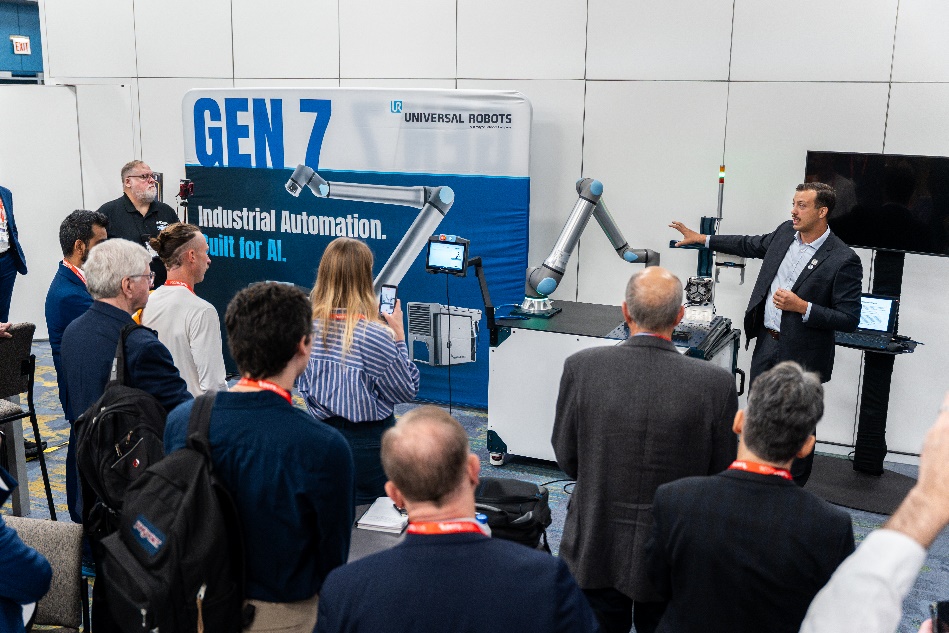
YouRobot Launches Gen 7 Platform for Enhanced Industrial Automation and Physical AI Deployment
YouRobot has introduced its new Gen 7 platform aimed at facilitating large-scale deployment of industrial automation and physical AI. This innovative platform is designed to enhance operational efficiency and adaptability in various industrial settings. The significance of the Gen 7 platform lies in its potential to transform how industries implement automation solutions. By leveraging advanced AI capabilities, YouRobot aims to address the growing demand for intelligent systems that can operate autonomously and improve productivity. Looking ahead, industry stakeholders should monitor the adoption rates of the Gen 7 platform and its impact on operational workflows. The response from the market will be crucial in determining the platform's success and its role in shaping the future of industrial automation.
Robotics Automation AI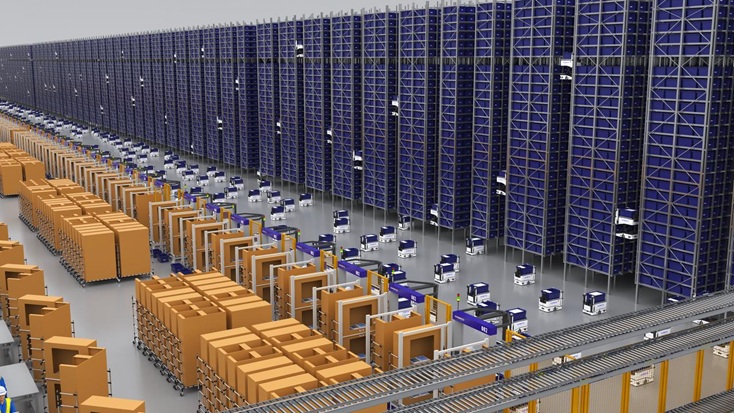
Hai Robotics Chosen for Largest Deployment of Rack-Climbing Warehouse Robots Globally
Hai Robotics has been selected to implement automation technology for a major e-commerce fulfillment center operated by a leading European fashion retailer. This project features the HaiPick Climb system, marking the largest deployment of rack-climbing warehouse robots in the world, with over 1,500 units set to enhance operational efficiency. The significance of this deployment lies in its potential to redefine warehouse automation standards, showcasing HaiPick Climb as a premier solution for high-performance e-commerce fulfillment. The retailer's expansion of its partnership with Hai Robotics emphasizes the growing demand for scalable automation solutions in response to rising online order volumes. Looking ahead, the project underscores the trend towards scalable robotic automation in large-scale fulfillment operations. No further timeline was disclosed at the time of publication.
Industry News
d-Matrix Integrates NVIDIA NVLink Fusion for Enhanced Raptor XPU Deployment
AI inference chipmaker d-Matrix has announced its integration of NVIDIA NVLink Fusion to connect its Raptor XPUs with NVIDIA’s AI infrastructure platform. This move positions d-Matrix alongside a growing list of ecosystem partners, enabling a more efficient path from custom silicon to large-scale deployment. The significance of this integration lies in the increasing demand for inference capabilities, as highlighted by d-Matrix CEO Sid Sheth. He emphasized that NVLink Fusion and the MGX architecture provide a faster and lower-risk deployment route for ultralow-latency inference, crucial for meeting market needs while managing finite resources. Looking ahead, d-Matrix's adoption of NVLink Fusion allows it to leverage NVIDIA's established AI factory platform, which includes essential components such as networking, power, and cooling. This strategic partnership will likely enhance d-Matrix's ability to scale its offerings effectively, although no further timeline was disclosed at the time of publication.
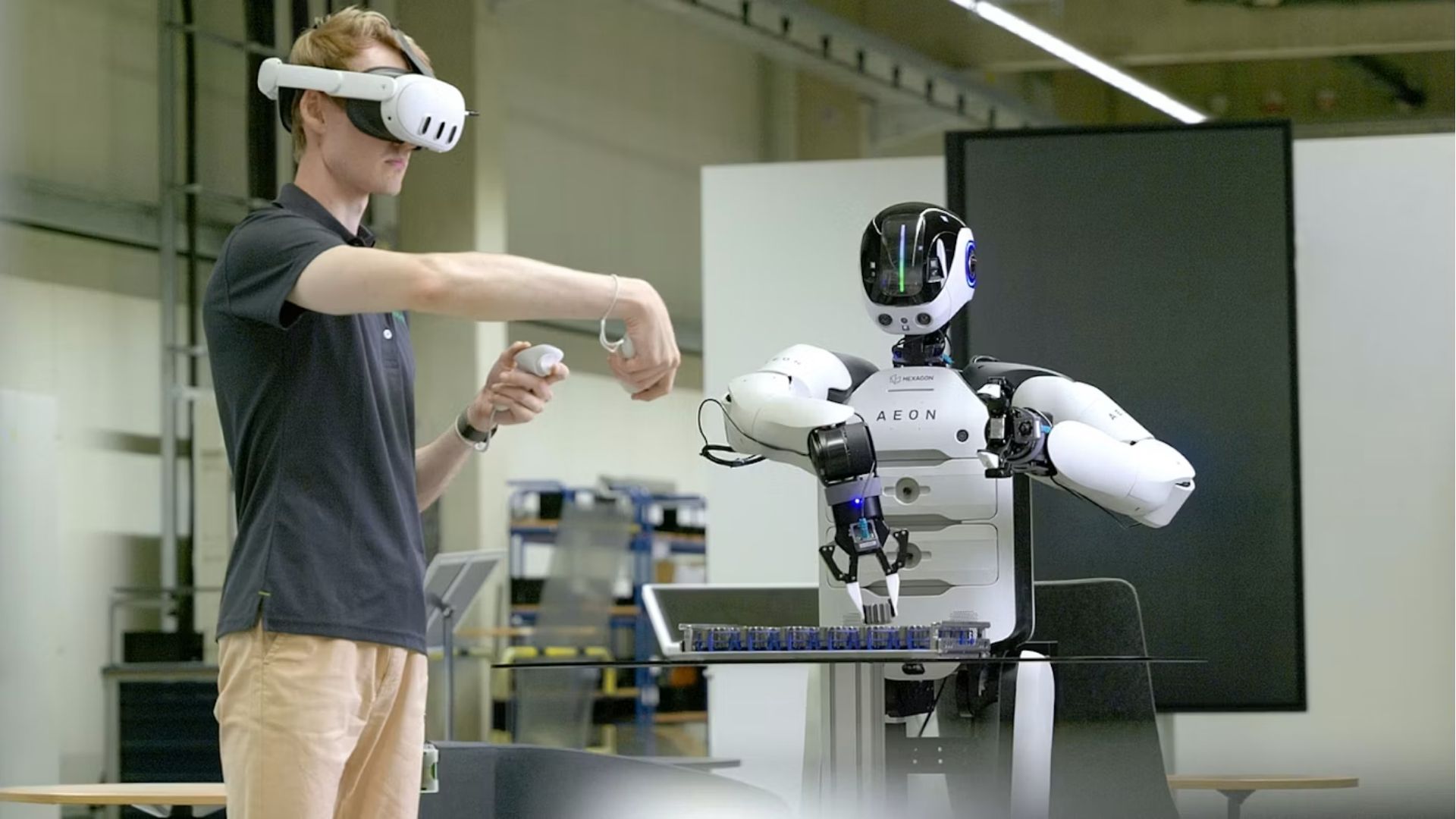
AEON Joins Schaeffler's Humanoid Gym to Enhance Industrial Skills for Robot Deployment
AEON has entered Schaeffler’s Humanoid Gym in Germany, marking a significant step in their collaboration to integrate humanoid robots into industrial settings. This facility will be instrumental in teaching AEON new manufacturing capabilities, validating its learning, and preparing it for a planned deployment of at least 1,000 humanoid robots in the coming years. The importance of this initiative lies in its structured approach to training, validation, and deployment, which will enable AEON to acquire essential industrial skills while Schaeffler builds the necessary expertise to manage and integrate these robots into its operations. This dual focus on technology and organizational readiness is crucial for successful adoption in manufacturing environments. Looking ahead, the collaboration between Hexagon Robotics and Schaeffler is set to evolve as they work towards deploying the humanoids. However, no specific timeline for individual deployments has been disclosed, nor have the initial industrial capabilities or tasks for AEON been identified. The Humanoid Gym will serve as a foundational space for developing these capabilities.
AI and Robotics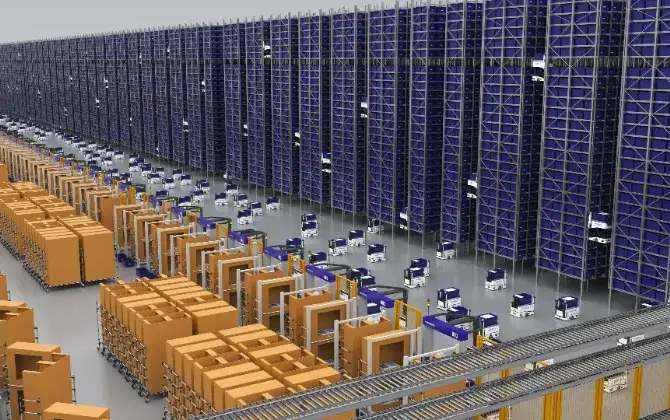
Hai Robotics Chosen for Largest Deployment of Rack-Climbing Warehouse Robots Worldwide
Hai Robotics has been selected to implement automation technology for a new large-scale e-commerce fulfillment center operated by a major European fashion retailer. This project features the HaiPick Climb system, marking the largest deployment of rack-climbing warehouse robots globally, with over 1,500 units set to enhance operational efficiency. The significance of this deployment lies in its potential to revolutionize warehouse automation, establishing a new benchmark in the industry. The retailer's expansion of its partnership with Hai Robotics underscores the reliability of the HaiPick Climb solution in managing high-volume online orders, with a throughput exceeding 24,000 totes per hour across a 30,000m² automated fulfillment operation. Looking ahead, the project exemplifies the increasing trend towards scalable robotic automation in large-scale fulfillment operations. No further timeline was disclosed at the time of publication, but the successful integration of over 1,500 HaiPick Climb robots is expected to enhance the retailer's capacity for omnichannel fulfillment significantly.
Warehouse Automation E-commerce Fulfillment Robotic Systems Logistics Supply Chain Management
Streamlining Deployment of Lift Truck Automation with Configurable Platforms
Recent advancements in lift truck automation focus on simplifying deployment processes. New solutions feature standardized and configurable automation platforms that enable warehouses to initiate operations quickly, often within a single day, and with minimal software engineering involvement. This development is significant as it addresses the common barriers to automation adoption in warehouse settings, such as complexity and the need for extensive technical expertise. By reducing these hurdles, more facilities can leverage automation to enhance efficiency and productivity. Looking ahead, the industry may see an increase in the adoption of these simplified automation solutions. As warehouses continue to seek ways to optimize operations, the demand for quick-to-deploy, user-friendly automation platforms is likely to grow. No further timeline was disclosed at the time of publication.
Inbolt CEO to Address Physical AI Deployment Challenges at RoboBusiness 2023
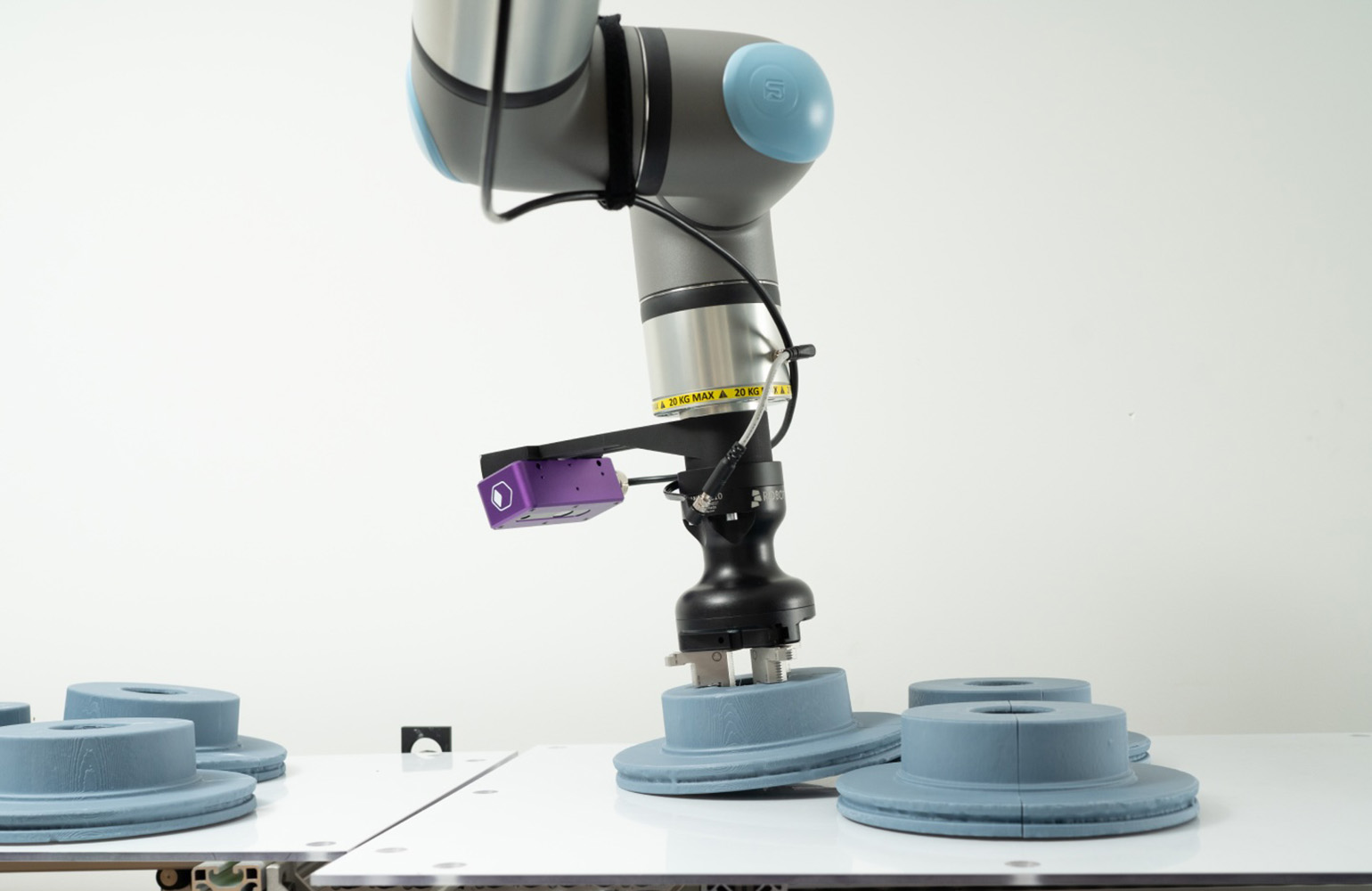
Inbolt's CEO Rudy Cohen will present at RoboBusiness on October 20-21, discussing the deployment challenges of physical AI in robotics. He argues that the real bottleneck lies in the integration between perception and motion, rather than data availability. Cohen's insights are based on experiences from over 100 factories and extensive production data from major automotive companies. The significance of this discussion is underscored by Inbolt's innovative approach to robotics, which combines vision and AI to enhance manufacturing processes. By addressing the integration tax and improving real-time control, Inbolt aims to streamline deployments that currently incur high costs and lengthy timelines. Cohen's presentation will challenge prevailing assumptions about the limitations of physical AI. Looking ahead, attendees of RoboBusiness can expect to gain valuable insights into the practical applications of physical AI in manufacturing. Cohen's talk will highlight how existing production data can demonstrate the commercial viability of physical AI, potentially reshaping industry perspectives on its deployment. No further timeline was disclosed at the time of publication.
Artificial Intelligence Artificial Intelligence / Cognition Design / Development Events News Inbold
Logistik Schmitt Strengthens Partnership with Infios Through Yard Management Solution Deployment
Logistik Schmitt is enhancing its collaboration with Infios by deploying the Infios Yard solution at its Rastatt site, improving visibility and efficiency in yard operations. This Yard Management System (YMS) project extends their successful partnership, which has already seen Infios Warehouse Management support logistics processes at various Logistik Schmitt facilities. The deployment is significant as it addresses the complex logistics needs of the automotive sector, where Logistik Schmitt provides tailored solutions for production supply and distribution. The Infios Yard solution optimizes yard operations by offering real-time visibility over trailer movements and improving process stability, thus enabling more efficient material flow management across approximately 450 daily movements at 150 gates. Looking ahead, Logistik Schmitt and Infios plan to continue their collaboration to further enhance operational performance in automotive manufacturing. No further timeline was disclosed at the time of publication.
Logistics Insight
Innometry Accelerates Deployment of 1PASS-RING CT System for Battery Inspection
Innometry announced an accelerated deployment of its next-generation 1PASS-RING CT system, designed for contactless scanning of battery cells. This innovative system eliminates the need for physical handling, protecting cells from potential damage during inspection. Unlike traditional CT systems that utilize robotic arms, the 1PASS-RING employs a ring-shaped scanner that rotates around a stationary cell, enhancing operational efficiency. The significance of this advancement lies in its ability to streamline battery inspection processes while meeting critical production-line criteria. The system reduces floor space requirements by 50% and increases inspection speeds by 40%, addressing the battery industry's demand for contactless testing. Innometry's technology not only improves logistics routing and scanning speed but also ensures long-term reliability, making it a vital tool for mass-production lines. Looking ahead, Innometry is also finalizing a next-generation Helical CT system that will allow continuous scanning without halting production lines. This development is expected to enhance the capabilities of battery inspection further. No further timeline was disclosed at the time of publication.
All News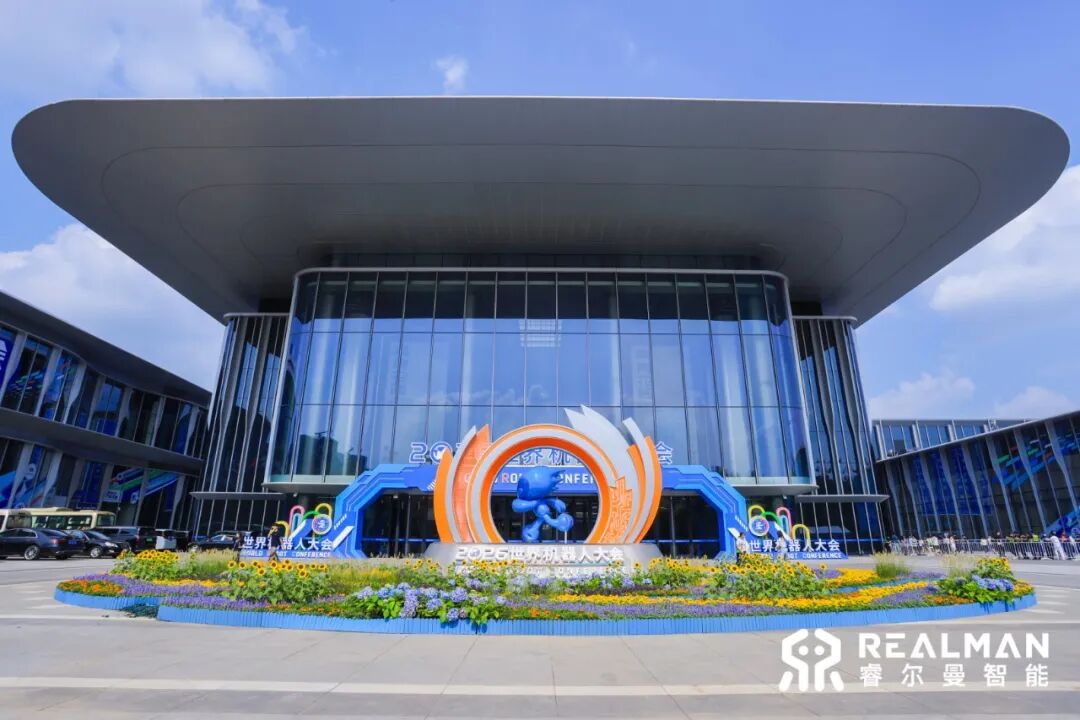
Rui Erman Intelligent Unveils Real-World Robot Deployment Strategy at WRC 2026
On August 19, 2026, the World Robot Conference (WRC) officially opened at the Yichuang International Exhibition Center in Beijing. The event, themed 'Human-Robot Symbiosis and Integrated Production and Demand,' featured over 300 exhibiting companies and more than 2,000 exhibits. Rui Erman Intelligent showcased its 'Real Work Robot' at booth A121, drawing significant attention from global manufacturers, research institutions, and media representatives. The significance of Rui Erman's demonstration lies in its practical applications of the RealBOT robot, which performed tasks such as restocking and dispensing medications in a smart pharmacy and collaborating with a master from Beijing Daoxiangcun to produce traditional mooncakes. The company also highlighted its GLN remote workforce network, which enables real-time control of robots located far away, showcasing the potential for remote labor in real-world scenarios. During the first day of WRC 2026, Rui Erman received a CR L3 certification from the Shanghai Robotics Industry Technology Research Institute, confirming the reliability of its ultra-lightweight humanoid robotic arm. This certification aligns with international standards and establishes a benchmark for the reliability of core robotic components, paving the way for the large-scale deployment of Rui Erman's robots in real-world applications. No further timeline was disclosed at the time of publication.
Robotics Remote Labor Networks Industrial Automation AI Smart Manufacturing
Boeing’s MQ-28 Ghost Bat Demonstrates Deployment Readiness in Valiant Shield 2026
Boeing's MQ-28 Ghost Bat successfully completed multiple operational sorties during the Valiant Shield 2026 exercise, showcasing its deployment capabilities from a remote Pacific location. Conducted by the U.S. Air Force’s Experimental Operations Unit from June 21 to July 1 at Rota in the Northern Mariana Islands, the 11-day deployment assessed the necessary personnel, infrastructure, and resources for sustaining Collaborative Combat Aircraft (CCA) operations away from established bases. This exercise is significant as it moves the MQ-28 beyond controlled testing into a large-force event under operationally relevant conditions. The U.S. Air Force emphasized that insights gained from both successful and unsuccessful activities will inform the future development and employment of CCAs. Major Daniel Pesich highlighted the EOU's role in rapidly experimenting with CCA prototypes to provide valuable feedback to vendors, aiming for quicker integration into operational environments. Looking ahead, the EOU plans to participate in more large-force exercises with the CCA, building on the lessons learned from this event. The support network established by the 21st Air Expeditionary Wing was crucial for the operation, managing essential logistics such as power production and communications, which are vital for the successful functioning of the MQ-28.
Military
Brain Corp Achieves 68% Growth in Global Deployments with 5.3 Million Autonomous Hours in H1 2026
Brain Corp has reported a remarkable 68% growth in global deployments of its BrainOS®-powered robots during the first half of 2026. The company has surpassed 50,000 robots in operation worldwide, reflecting the increasing integration of autonomous robots in various enterprise environments. This significant growth highlights the expanding role of autonomous robots in sectors such as retail, logistics, airports, commercial cleaning, and inventory management. The data indicates that these robots have logged over 5.3 million autonomous hours, showcasing their effectiveness and reliability in real-world applications. Looking ahead, the continued scaling of AI-driven robotics in enterprise operations will be crucial to enhancing efficiency and productivity. No further timeline was disclosed at the time of publication.

Addressing Challenges in Robotics Design and Deployment for Enhanced Performance
Robotic systems face unique challenges once deployed, including unpredictable lighting, human behavior variations, and diverse surfaces. These factors create friction points that are not present in controlled laboratory settings. To ensure successful deployment, robots must be resilient and capable of adapting to real-world environments, which requires iterative design processes that account for operational requirements. The importance of user acceptance and trust in autonomous robotics cannot be overstated. Factors such as signaling intentions and predictability of movement play a crucial role in ensuring that non-experts can understand and trust robotic technologies. A cohesive focus on implementation and consumer trust is essential for the successful adoption of robotics in various environments. To enhance the design feedback loop, it is vital to collect operational data from deployed robots, including performance metrics and error recovery success. This data-driven approach helps improve reliability and prevent design failures. No further timeline was disclosed at the time of publication.
Design Robotics automation Autonomous robots autonomous systems data collection
Distributed Intelligence Enables Large-Scale Deployment of Humanoid Robots
At the 2026 Mobile World Congress, Capgemini showcased a humanoid robot that autonomously moved boxes in a factory setting, winning the 'Best Demonstration' award. This achievement is attributed to a distributed intelligence network that offloads cognitive tasks from the robot to edge AI, allowing for real-time decision-making and reduced energy consumption. The deployment of humanoid robots faces a challenge known as the 'impossible triangle,' where increasing computational power on the robot increases weight, costs, and reduces battery life. Capgemini's approach involves a framework called Human-Machine Understanding (HMU), which interprets human behavior to enhance collaboration between robots and human workers, ensuring quick adaptations to changes in human actions. As humanoid robots transition from labs to real-world applications, the effectiveness of their deployment will depend on their ability to understand and work alongside humans. The telecommunications sector stands to benefit from this shift, as distributed intelligence opens new business opportunities, including guaranteed bandwidth for critical tasks and advanced human behavior recognition services.
Humanoid Robots Distributed Intelligence Edge AI Industrial Automation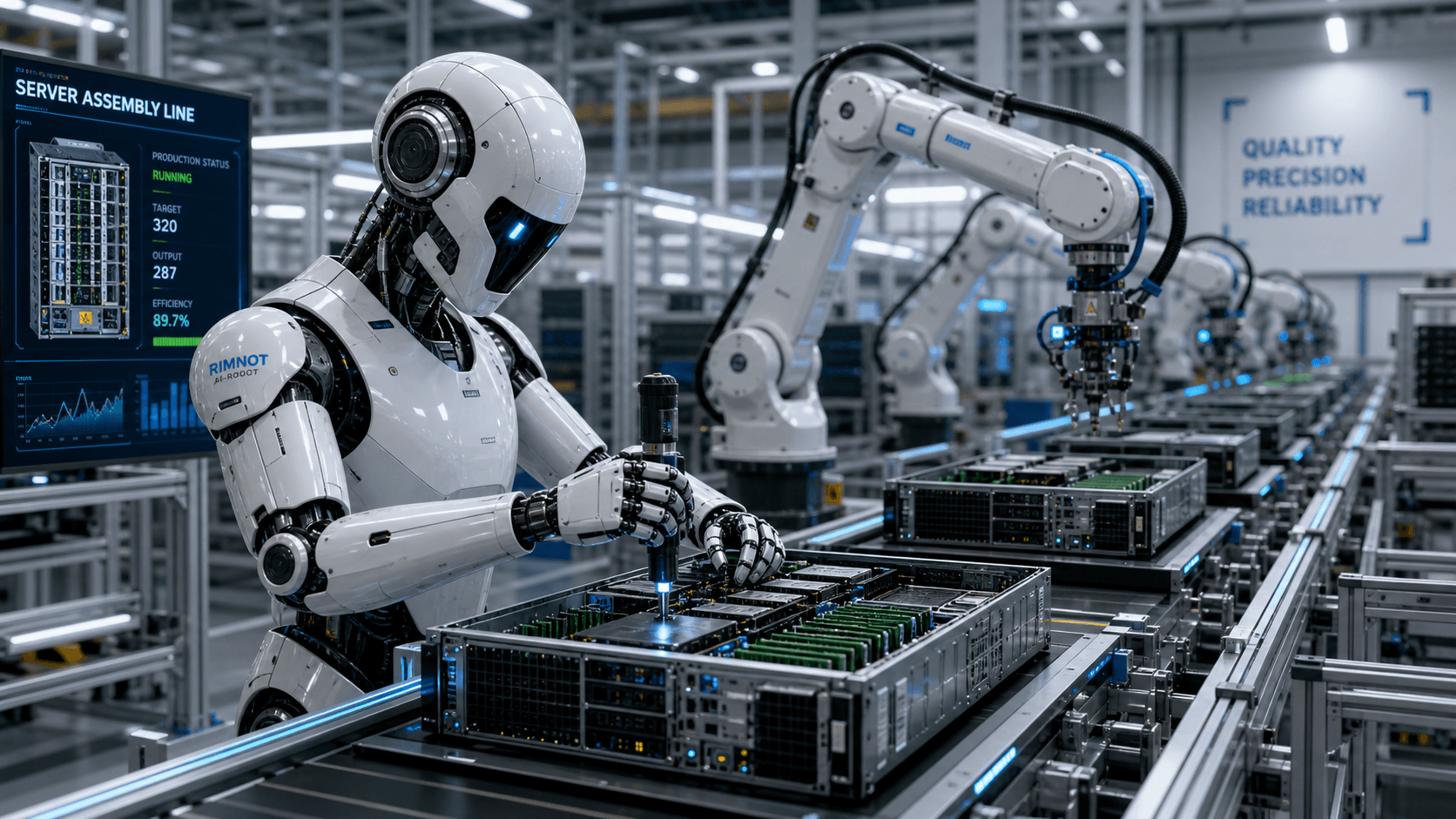
Rimnot and Yuantu Launch 10K-Unit Robot Deployment for Server Manufacturing
Rimnot, a newly established physical AI startup, has announced a partnership with Yuantu to deploy 10,000 industrial robots in server manufacturing. This initiative was unveiled during the World Artificial Intelligence Conference (WAIC), where the companies showcased their robots' capability to adapt to environments in just 30 minutes. This deployment is significant as it represents a major step forward in integrating physical AI into industrial applications, particularly in the server manufacturing sector. The collaboration between Rimnot and Yuantu highlights the growing trend of leveraging advanced robotics to enhance production efficiency and adaptability in manufacturing processes. Looking ahead, industry observers will be keen to monitor the progress of this deployment and its impact on server manufacturing. The ability of these robots to quickly adapt to different environments could set a new standard for operational flexibility in the industry. No further timeline was disclosed at the time of publication.
Technology
SoftServe Introduces Virtual Gyms for Enhanced Robotics Training and Deployment
SoftServe has highlighted the importance of 'virtual gyms' for robotics teams, emphasizing their role in preparing robots for dynamic environments. These high-fidelity simulation environments allow robots to train, fail, and recover safely before real-world deployment, addressing the challenges posed by unpredictable operational conditions. The global robotics market is projected to grow at a 19.6% CAGR from 2026 to 2036, underscoring the need for effective training solutions like virtual gyms to enhance robotic autonomy and performance. The shift from programmed automation to physical AI necessitates that robots adapt to constantly changing environments, which traditional training methods struggle to accommodate. Virtual gyms integrate technologies such as digital twins, reinforcement learning, and sensor modeling to provide a comprehensive training platform. This approach mitigates the risks and costs associated with real-world trials, enabling teams to generate valuable training data in a controlled setting, thus improving deployment success rates. Looking ahead, the adoption of virtual gyms is expected to become a standard practice in robotics development, as they offer a solution to the simulation-to-reality gap. No further timeline was disclosed at the time of publication, but the increasing complexity of robotic tasks suggests that the demand for such training environments will continue to rise as the industry evolves.
Artificial Intelligence Artificial Intelligence / Cognition Autonomous Mobile Robots (AMRs) Development Tools / SDKs / Libraries Industrial Robots Logistics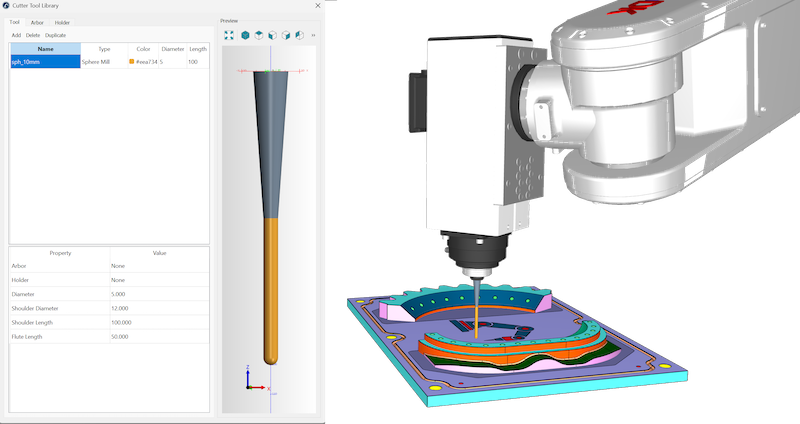
RoboDK Launches CAM Software to Reduce Robotic Machining Deployment Time by 40%
RoboDK has introduced its new CAM software, enabling robotic machining programs to be generated directly from CAD files. This innovation, showcased at the Automate Show, promises to reduce deployment time by up to 40%, allowing users to create toolpaths and collision-free motions without manual coding. The software aims to simplify the robotic machining process for manufacturers and integrators, even those lacking programming expertise. The significance of RoboDK CAM lies in its potential to overcome the traditional complexities associated with robot programming, which have hindered the adoption of robotic machining. By automating the generation of machining programs from CAD designs, RoboDK CAM facilitates rapid integration into production environments, thereby reducing costs and enhancing efficiency. CEO Albert Nubiola emphasized that this approach transforms CAD into the starting point for automation, making deployments faster and more consistent. Looking ahead, RoboDK's recent software update, Version 6.0, enhances performance and simulation capabilities, including support for over 1,400 robot models. The next milestone for RoboDK will be to further expand its software's capabilities and user accessibility. No further timeline was disclosed at the time of publication.
News Robot simulation Software Automate 2026 CAD-to-robot CAM software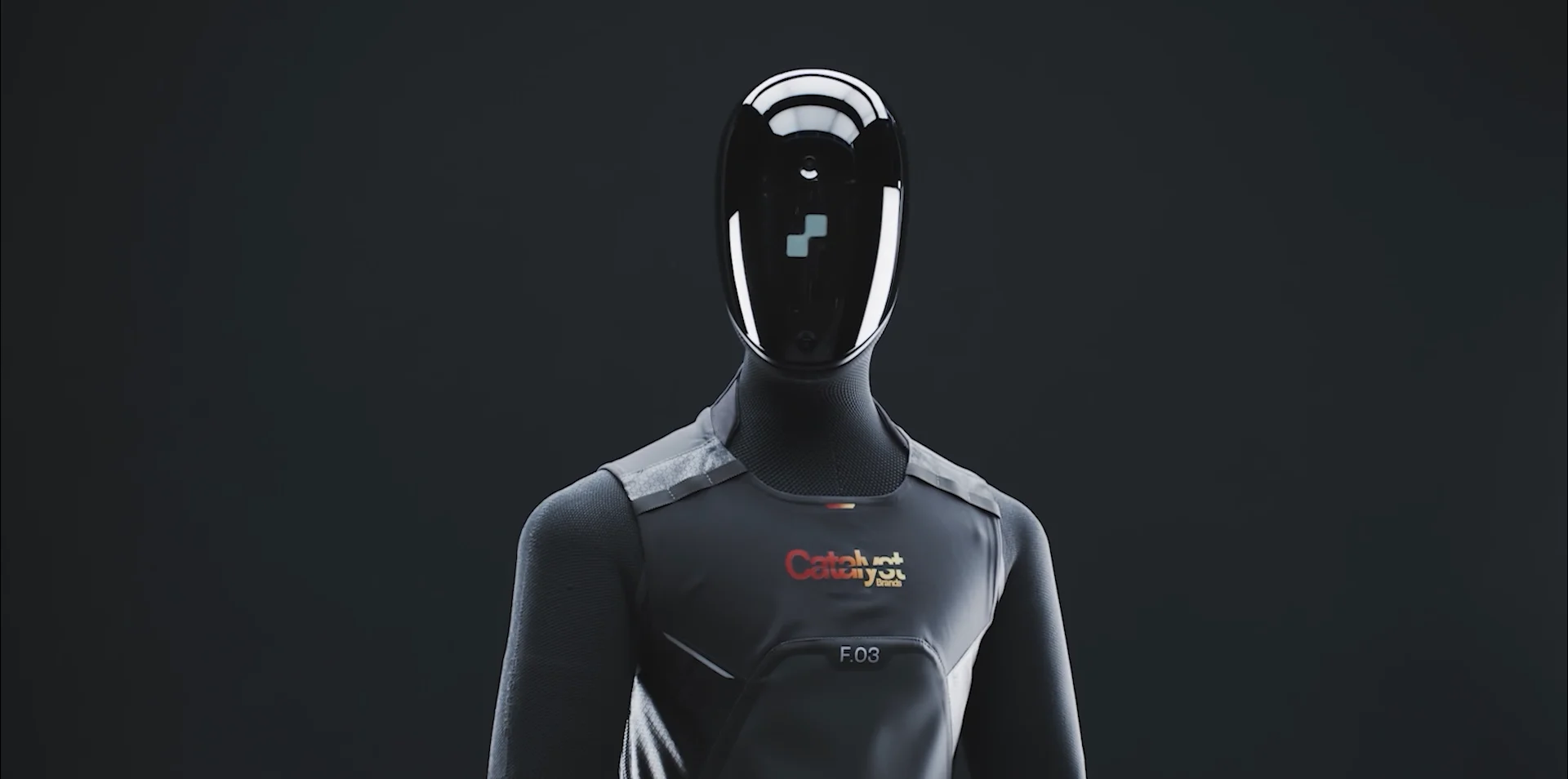
Figure Partners with Catalyst Brands for Large-Scale Humanoid Robotics Deployment
Figure, a humanoid robotics startup, has secured a significant commercial agreement with Catalyst Brands to deploy its autonomous machines at scale. The initial rollout will take place at Catalyst’s Distribution Logistics Center in Reno, Nevada, where the humanoids will automate sorting and packing tasks within the supply chain. This partnership is crucial as it highlights the need for flexible automation solutions in Catalyst's diverse operations, which include over 1,800 retail locations. Figure's humanoids will specifically assist with the Joey Pouch sorting system, part of a $40 million infrastructure upgrade completed in 2024, enhancing operational efficiency. Looking ahead, the collaboration signifies a vital step in real-world commercial validation for Figure. The integration of humanoids into Brookfield-backed Catalyst Brands showcases the potential for advanced robotics to modernize retail operations and improve workforce productivity. No further timeline was disclosed at the time of publication.
US Figure Figure-03 Market
RobotPlusPlus Secures Series C Funding, Expands Climbing Robot Deployment Globally
RobotPlusPlus announced the successful closure of its Series C funding round. The company has reported that its climbing robots are currently deployed in over 100 shipyards around the globe. This development is significant as it highlights the growing adoption of specialized robotics solutions in the maritime sector. The deployment of climbing robots in shipyards enhances operational efficiency and safety, addressing critical needs in ship maintenance and construction. Looking ahead, industry observers will be keen to see how RobotPlusPlus leverages this funding to further expand its technology and market reach. No further timeline was disclosed at the time of publication.
Investments News Robotics Startups China Funding
US Confirms Deployment of Space Weapons Amid Rising Global Tensions
The United States has officially acknowledged the deployment of weapons in space, marking a significant shift in its military strategy. Air Force Secretary Troy Meink revealed at the Air and Space Cyber Conference that these 'on-orbit space control weapons' are designed to protect the Joint Force from hostile actions. However, specifics regarding the types and functionalities of these weapons remain undisclosed. This development is crucial as it highlights the U.S. response to perceived threats from nations like Russia and China, which have been advancing their own space capabilities. The U.S. has previously warned about Russia's anti-satellite weapon developments, emphasizing the importance of satellite communications for national infrastructure. The acknowledgment of space weapons underscores a growing military focus on space, particularly following the establishment of the Space Force in 2019. Looking ahead, the Air Force is expected to evolve significantly by 2032, with an increased emphasis on autonomous systems and one-way attack drones. No further timeline was disclosed at the time of publication.
Politics & Geopolitics Military Headlines Aerospace U.S. Space Command Guns and Weapons
Universal Robots Launches Gen 7 Platform for Enhanced Industrial Automation and AI Integration
Universal Robots has introduced the Gen 7 robot platform, which features a complete redesign from the controller to the tool flange. This new platform is designed to be AI-ready right out of the box, equipping companies with advanced software tools and improved connectivity. The significance of the Gen 7 platform lies in its ability to facilitate the transition of AI technologies from research environments into practical industrial applications. This advancement is crucial for companies looking to enhance their operational efficiency and leverage AI capabilities in their processes. Looking ahead, the industry will be keen to observe how the Gen 7 platform impacts the adoption of AI in industrial settings. No further timeline was disclosed at the time of publication.
European Humanoid Robotics Market Grows with Significant Deployment Agreements and Investments
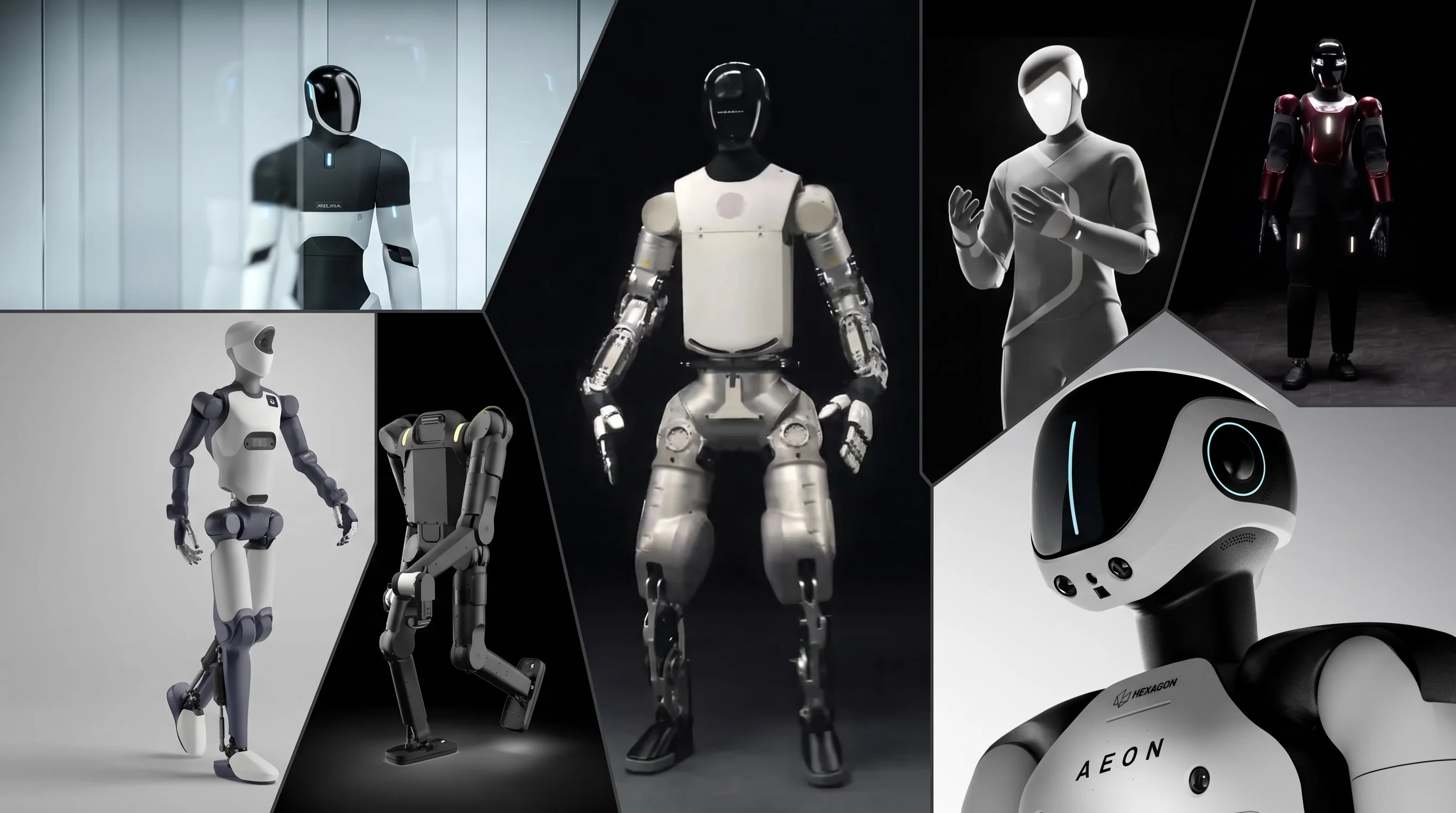
In the past year, European manufacturers have signed deployment agreements for thousands of humanoid robots, raising nearly $2 billion in disclosed equity. Companies like Schaeffler, Bosch, Renault, and BMW are leading the charge, integrating humanoid robots into their production lines without relying on demo reels. This shift highlights a structural difference in the European market, where industrial buyers prioritize equity and production capabilities over venture capital. Schaeffler's agreements to deploy NEURA 4NE1 and Hexagon AEON units exemplify this trend, as the company invests in humanoid technology while supplying critical components. Looking ahead, the European humanoid robotics landscape is set to evolve further, with NEURA Robotics planning to launch its Gen 3.5 model by the end of 2026. As companies continue to explore humanoid integration, the phased and revocable nature of these agreements will be crucial in navigating competition from Chinese alternatives.
Calvin Generative Bionics Uma AEON 4NE-1 Neura Robotics
Tesla Energy Division Achieves $12.8 Billion Revenue with Record Battery Deployments in 2025
Tesla, Inc. reported that its energy division generated $12.8 billion in revenue in 2025, with a record deployment of 46.7 GWh of battery storage. This segment, which includes products like Megapack and Powerwall, is not a standalone stock but part of Tesla's overall operations. The significance of this growth is highlighted by the energy segment's contribution to Tesla's total revenue, increasing from 10% in 2024 to 13% in 2025. Despite a 10% decline in automotive revenue due to competition, the energy division's gross profit reached approximately $3.8 billion, showcasing a robust margin of 29.8%. Looking ahead, Tesla anticipates recognizing $4.96 billion in deferred revenues from energy projects in 2026, indicating strong forward visibility. The energy segment's performance is crucial as it was the only division to achieve both revenue growth and margin expansion in 2025, contributing nearly a quarter of Tesla's total gross profit for the year.

ASI's Mel Torrie to Discuss Advancements in Field Robotics at RoboBusiness 2026
Autonomous Solutions Inc. (ASI) is enhancing existing field equipment with autonomy, addressing challenges in remote and rugged locations. Mel Torrie, ASI's founder and CEO, predicts significant advancements in mobile robotics for outdoor applications over the next decade. He emphasizes the need for autonomous vehicles to support integration and collaboration among platforms to boost productivity. The intersection of autonomous vehicles and advanced robotics is set to revolutionize field deployments, according to Torrie. At RoboBusiness 2026, he will lead a session titled "Designing the Robotics Ecosystem for Outdoor Autonomy," sharing insights on creating a cooperative ecosystem where robotics and autonomous vehicles work together. This collaboration is expected to enhance operational efficiency and safety in challenging environments. Attendees at RoboBusiness 2026 will gain valuable insights into the evolving landscape of robotics and AI, with a focus on practical applications across various sectors. The event will also provide networking opportunities for professionals in the field, fostering connections that could lead to future collaborations and innovations.
Agriculture Construction Events Markets / Industries News asi
Joyx and Hitch Interactive Collaborate on Embodied AI System Development
Joyx and Hitch Interactive have established a strategic partnership aimed at developing and deploying embodied AI systems for commercial applications. Joyx will focus on capturing, reconstructing, and verifying human and robot demonstration data, while Hitch Interactive will provide its Hitch Open robotics platform and necessary control interfaces. This collaboration is significant as it seeks to address the limitations of traditional robot training methods, such as teleoperation and simulation, by utilizing real-world video and sensor data. Joyx's approach aims to create a metric 3D representation of this data, which is then tailored to the physical constraints of specific robots, enhancing their training process. Looking ahead, the partnership intends to build complete systems tailored for specific commercial scenarios, leveraging the strengths of both companies. No further timeline was disclosed at the time of publication.
AI AI Funding & Investment Capital Markets Robotics California embodied AI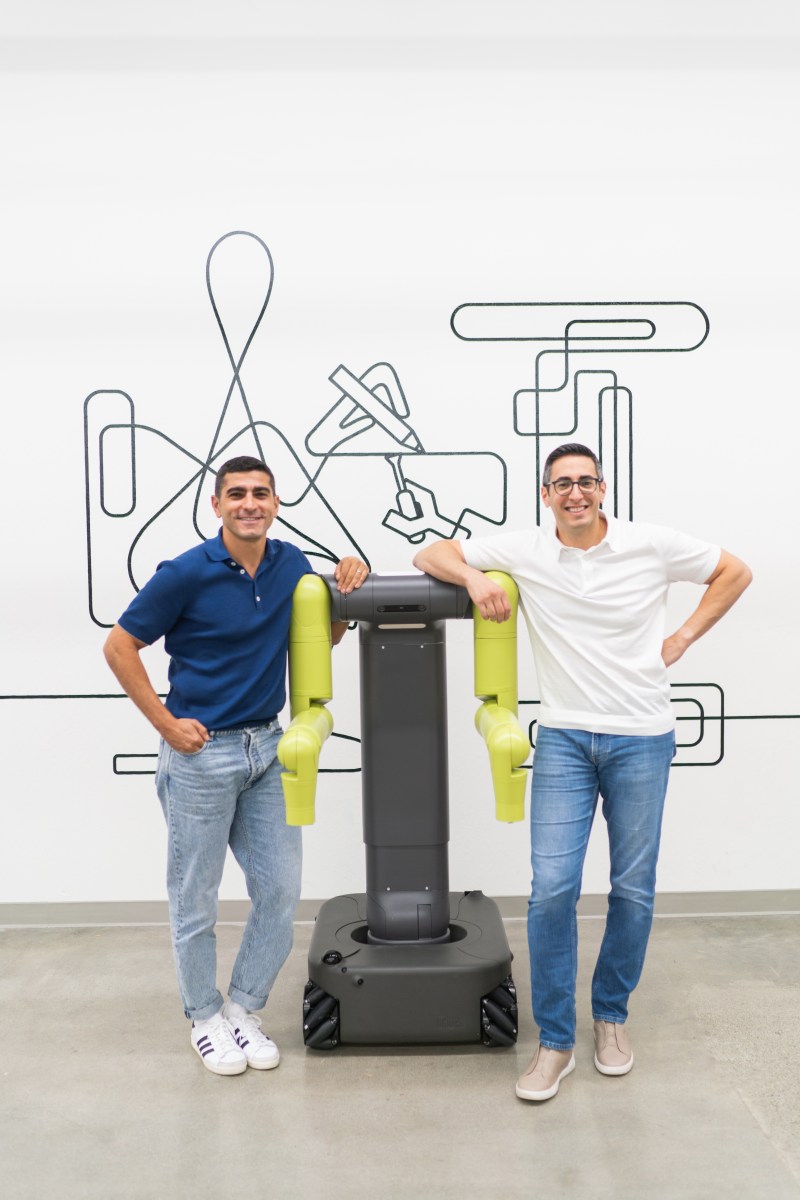
Maven Robotics Emerges from Stealth with $100 Million Funding and Innovative Automation Solutions
In 2024, Maven Robotics, a new startup, secured a significant deal with a major consumer goods company by demonstrating its unique approach to automation. Instead of focusing on single robot solutions, Maven aims to provide end-to-end automation that integrates seamlessly with warehouse management systems. This strategy led to the deployment of eight robots operating 16 hours a day with an impressive uptime of 99% or higher. The importance of Maven's approach lies in its ability to adapt to real-time demand in logistics, particularly in mixed palletizing tasks. Their robots can efficiently create mixed pallets from various products, addressing the need for quick adjustments based on consumer demand. This capability is crucial for distribution centers aiming to optimize their operations and reduce reliance on manual labor. Looking ahead, Maven plans to utilize its recent $100 million funding to build 250 third-generation robots and begin designing a fourth-generation platform. The company’s focus on industrial operations and data-driven training sets it apart in a competitive market, making it a key player to watch in the evolving landscape of robotics and automation.
AI Robotics Exclusive
General Robotics Achieves Milestone with GRID for Automating Robot Development Lifecycle
General Robotics has announced a significant advancement for GRID, its robot intelligence platform. This platform is designed to automate the entire lifecycle of robot development and deployment, enhancing efficiency and effectiveness in the process. GRID operates as an agentic system, continuously improving itself and the robots connected to it, which is crucial for the future of robotics. The importance of this development lies in GRID's ability to auto-engineer its processes, including robot onboarding and skill deployment. This capability not only streamlines operations but also allows for rapid adaptation to new tasks and environments, making it a vital tool for industries relying on robotic automation. As companies increasingly seek to integrate advanced robotics into their operations, GRID positions itself as a leader in this transformative technology. Looking ahead, stakeholders in the robotics and automation sectors should monitor further developments from General Robotics regarding GRID. The potential for this platform to redefine how robots are developed and deployed could have far-reaching implications for various industries. No further timeline was disclosed at the time of publication.
AI agents Computing News agentic ai artificial intelligence fanuc
General Robotics GRID Achieves Milestone as First Auto-Engineering Robot Intelligence Platform
General Robotics has announced a significant advancement for its GRID platform, which now auto-engineers its entire development and deployment lifecycle. This milestone allows GRID to streamline processes from robot onboarding to skill deployment, significantly reducing the time and expertise needed for production. The importance of this development lies in its potential to accelerate the transition from pilot projects to full-scale production for customers. By automating the engineering processes, GRID enhances the efficiency of skill creation, AI training, testing, and evaluation, making it easier for organizations to implement robotic solutions. Looking ahead, the industry will be watching how this innovation impacts the adoption of robotics in various sectors. General Robotics' ability to simplify the integration of robots into production environments could set a new standard for robot intelligence platforms. No further timeline was disclosed at the time of publication.

Vention Launches Leading Physical AI Lab in Montreal for Industrial Robotics Advancement
Vention has inaugurated Canada's premier Physical AI and industrial robotics lab in Montreal, aimed at enhancing robotic manipulation through the integration of advanced AI research into scalable manufacturing solutions. This initiative is significant as it focuses on applied manufacturing use cases, industrial data collection, and the development of post-training foundation models for robotics, leveraging existing intellectual property while generating new innovations. Looking ahead, stakeholders should monitor the lab's progress in bridging AI research with practical manufacturing applications. No further timeline was disclosed at the time of publication.
Datavault AI Expands Edge AI Deployment to Compete with Hyperscalers in Neocloud Market
Datavault AI is expanding its edge AI deployment onto SanQtum, now operational in New York City, Philadelphia, and Washington, DC. The company plans to launch in three additional cities by the end of the year. This expansion is significant as it positions Datavault AI to compete in the burgeoning $400 billion neocloud market, challenging established hyperscalers. The deployment of edge AI technology is crucial for enhancing data processing capabilities closer to the source, which is increasingly important in today's data-driven landscape. Looking ahead, Datavault AI's continued expansion into new cities will be critical to watch, as it seeks to establish a stronger foothold in the competitive neocloud sector. No further timeline was disclosed at the time of publication.
XTEND Expands Robotics Portfolio with AtlasROVER Ground Robot Deployment
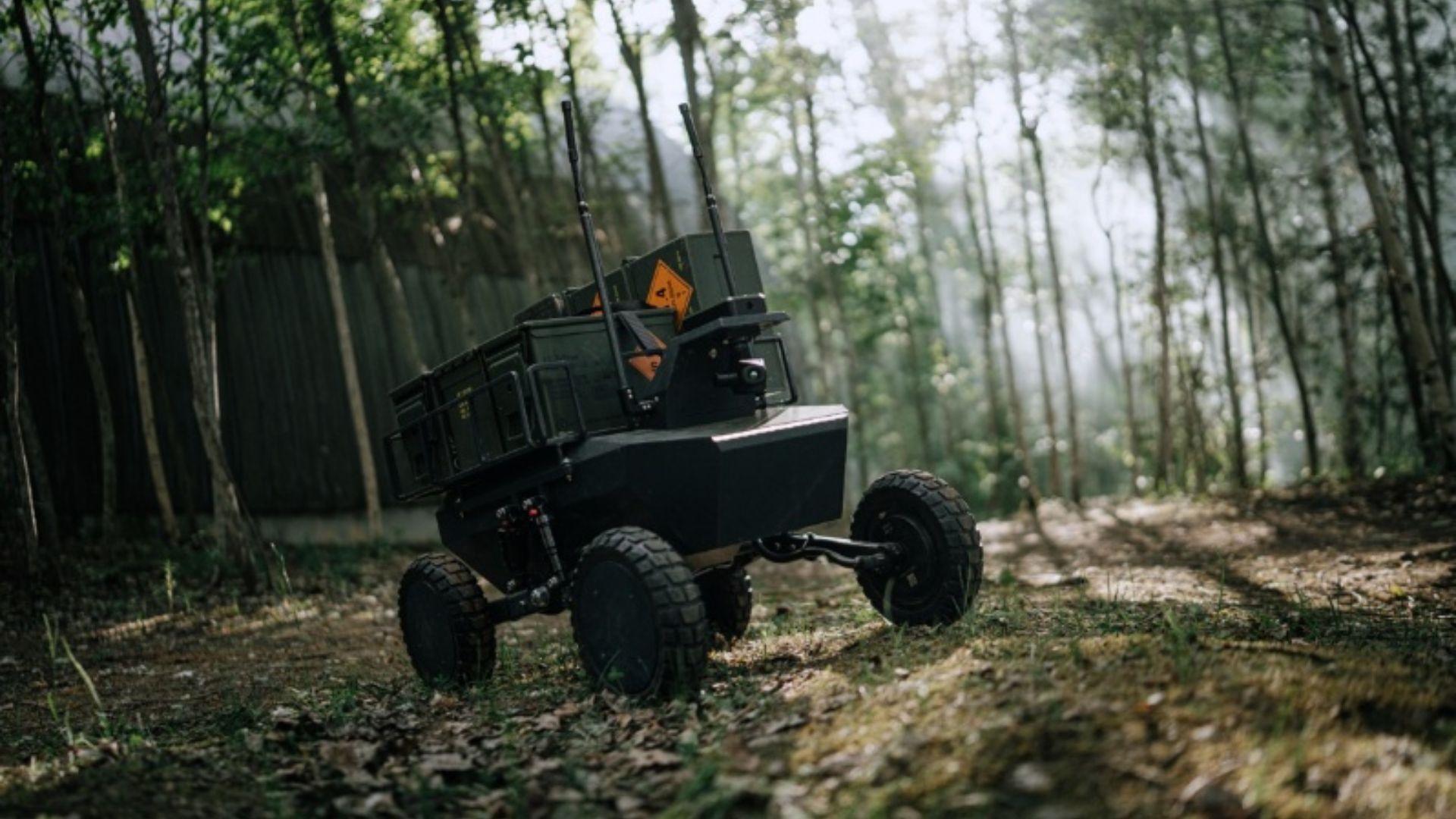
Israeli physical AI firm XTEND has launched its AtlasROVER ground robot, marking its first delivery to a customer in the Asia-Pacific region. This deployment integrates XTEND’s XOS operating software, which is designed to unify control across various robotic platforms, including aerial and ground systems. The introduction of the AtlasROVER signifies XTEND's strategic shift to create a cohesive software ecosystem for robots operating in diverse environments. By utilizing XOS, XTEND aims to streamline operator workflows and enhance mission-specific capabilities across its robotic offerings, thereby improving operational efficiency. Looking ahead, XTEND's focus will be on further integrating XOS into its ground robotics portfolio, following the acquisition of Latvia-based Atlas. This move is expected to enhance XTEND's engineering and manufacturing capabilities in Europe, while also expanding the operational roles of its robotic systems. No further timeline was disclosed at the time of publication.
AI and Robotics
USAF's First F-15EX Eagle II Leaves Boeing for Portland Before Kadena Deployment
The U.S. Air Force has marked a significant milestone in its fighter modernization efforts with the departure of its first F-15EX Eagle II from Boeing's St. Louis facility to Portland Air National Guard Base. This aircraft is set to undergo further preparations before being deployed to Kadena Air Base in Japan, expected in fiscal year 2027. The F-15EX represents a major upgrade from the aging F-15C/D fleet, featuring advanced technologies such as digital fly-by-wire controls, an all-glass cockpit, and the capacity to carry hypersonic weapons. With a payload capacity of 29,500 pounds, it aims to enhance the U.S. Air Force's operational capabilities in the Indo-Pacific region, where air superiority is crucial. As the F-15EX transitions to Kadena, it will not only replace older aircraft but also strengthen U.S.-Japan defense ties through enhanced training opportunities. The aircraft's multi-role capabilities will allow for greater flexibility in mission execution, reinforcing the importance of maintaining credible airpower in a strategically vital area.
Military
Robot.com Expands Partnership with Sodexo for Sidewalk Delivery Robots Deployment
Robot.com has announced a seven-year commercial agreement with Sodexo Group to enhance the deployment of its sidewalk delivery robot, R-Kiwi, which has completed 2.4 million tasks. This partnership builds on their collaboration that began in 2021 and focuses on select Sodexo-operated college campuses in North America. The significance of this agreement lies in addressing labor shortages faced by Sodexo, which employs around 400,000 individuals globally. Felipe Chavez Cortes, CEO of Robot.com, emphasized that the long-standing relationship between the two companies facilitated this substantial contract, marking Robot.com’s largest single enterprise deployment. Looking ahead, Robot.com aims to leverage its Remi implementation platform to improve the economic viability of its robots. This platform combines classical robotics with advanced software and advertising technology, allowing for increased revenue streams beyond just delivery services. No further timeline was disclosed at the time of publication.
Autonomous Mobile Robots (AMRs) Food / Beverage Humanoids Logistics Markets / Industries Mobility / Navigation
NHTSA Investigates Tesla's Cybercab Launch Without Steering Wheel or Pedals
The National Highway Traffic Safety Administration (NHTSA) has initiated an investigation into Tesla's deployment of its new Cybercab, which lacks traditional steering wheels and pedals. This announcement came shortly after Tesla began operating the first Cybercabs in Austin, Texas. This investigation is significant as it raises questions about compliance with federal vehicle safety regulations, which typically mandate manual controls such as brake pedals. Tesla has claimed that it self-certified the Cybercab as compliant with all Federal Motor Vehicle Safety Standards (FMVSS), a common practice among automakers. Looking ahead, the outcome of this investigation could influence the regulatory landscape for autonomous vehicles, especially as the Department of Transportation has proposed easing requirements for vehicles designed for autonomous operation. No further timeline was disclosed at the time of publication.
Transportation cybercab Elon Musk robotaxis Tesla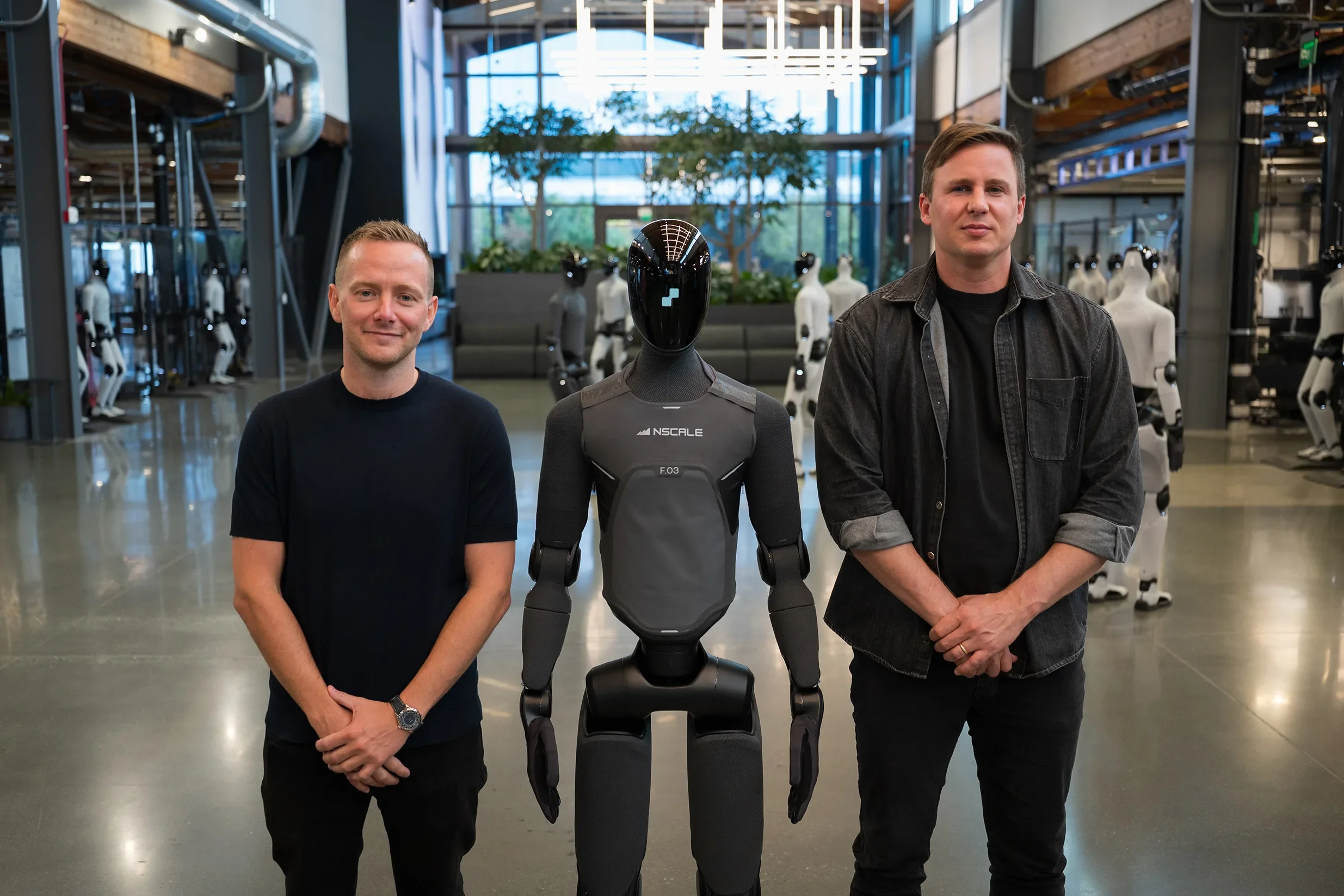
Figure AI Partners with Nscale for $3.5 Billion GPU Deployment to Enhance Humanoid Robotics
Figure AI, a California-based startup, has announced a strategic partnership with Nscale to deploy up to 100,000 NVIDIA GPUs under a multi-year agreement. This partnership includes an initial financial commitment of $3.5 billion, with potential scaling beyond $6 billion, aimed at enhancing the computational capabilities necessary for humanoid robotics. This collaboration is significant as it marks a shift in the robotics industry, where the focus is moving from mechanical engineering to computational power. Figure's leadership emphasizes that the future of autonomous physical labor relies heavily on onboard intelligence and data processing capabilities, particularly for their AI architecture, Helix. Looking ahead, the hardware rollout is set to commence in the second half of 2027 at Nscale's facility in Barstow, Texas. The partnership also involves an undisclosed investment from Nscale into Figure, indicating a deeper integration of Figure's humanoid robots within Nscale's infrastructure supply chains. No further timeline was disclosed at the time of publication.
US Nscale Figure
Barclays Predicts Significant Increase in Humanoid Robot Deployments Ahead
Humanoid robots are transitioning from laboratory settings to practical applications, with a notable increase in deployments anticipated in the coming years. Zornitsa Todorova, head of Thematic FICC Research at Barclays, highlighted that the industry is entering a crucial scale-up phase, which is expected to enhance the presence of humanoid robots in various sectors. This surge in humanoid robot deployment is significant as it indicates a growing acceptance and integration of advanced robotics in everyday environments. However, Todorova pointed out that a critical challenge remains: the lack of sufficient real-world training data, which is essential for the effective operation and development of these robots. Looking ahead, stakeholders in the robotics industry should monitor advancements in data collection and training methodologies, as overcoming this hurdle will be vital for the successful scaling of humanoid robots. No further timeline was disclosed at the time of publication.

HiddenLayer Secures $100 Million to Enhance AI Security Solutions Amid Growing Demand
AI security startup HiddenLayer has successfully raised $100 million in a Series B funding round led by Delta-v Capital. This funding comes as enterprises increasingly prioritize securing their AI deployments, with Gartner projecting a significant rise in spending on AI security tools, expected to reach nearly $4.78 billion next year. The surge in demand for AI security solutions is driven by the growing recognition of potential vulnerabilities in AI models and workflows. HiddenLayer's co-founder and CEO, Chris Sestito, noted that the company's annual recurring revenue has increased more than tenfold over the past year, primarily due to new customer acquisitions in sectors like financial services and large tech companies. Looking ahead, HiddenLayer plans to utilize the new funding to expand its product offerings and enhance its sales and distribution efforts. The company aims to address emerging threats such as prompt injection and malicious tool use, while also exploring opportunities in the European and EMEA markets. No further timeline was disclosed at the time of publication.
AI Fundraising Security Delta-v Capital HiddenLayer M12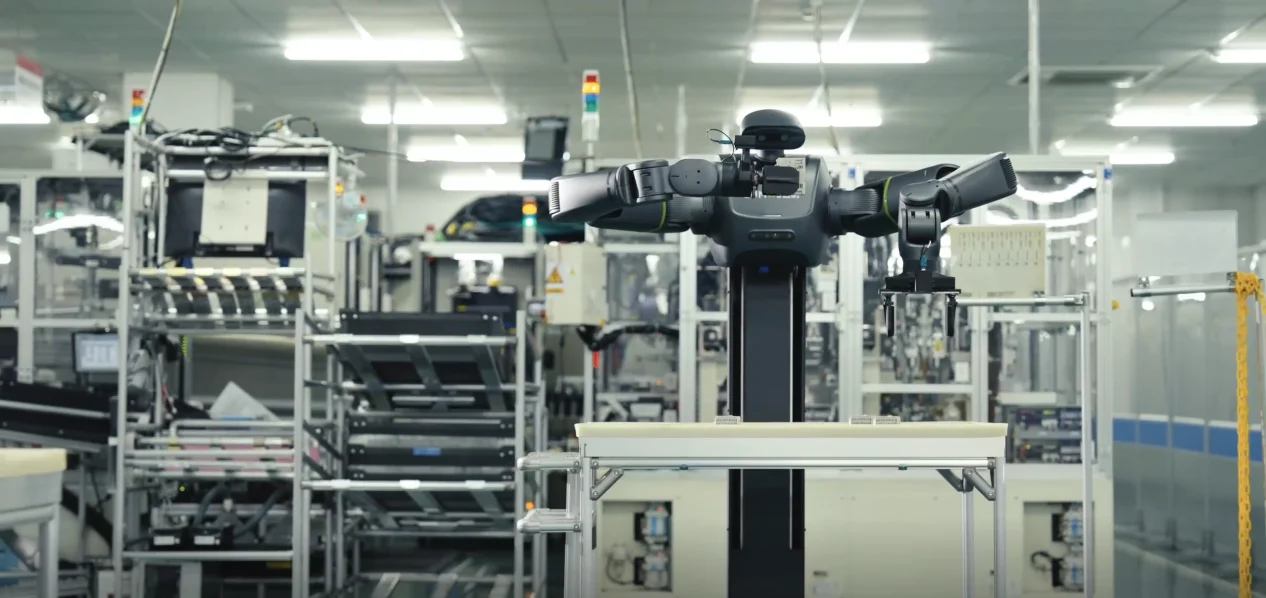
Lumos Robotics Launches MOS 2 Mobile Manipulator for Mitsubishi Factory Operations
Lumos Robotics has introduced the MOS 2, a dual-arm mobile manipulator designed for mass-production environments. Unlike traditional humanoid robots, the MOS 2 is marketed as an 'AI Worker' and is currently operational at Mitsubishi Electric's manufacturing lines, performing tasks such as surface defect inspection and intralogistics. The significance of the MOS 2 lies in its ability to enhance operational stability in industrial settings, addressing the needs of manufacturers who prioritize efficiency over acrobatics. With a payload capacity of 50 kilograms and advanced features like multimodal vision, the robot is engineered to adapt quickly to various tasks, minimizing downtime during retooling. Looking ahead, the MOS 2's successful deployment at Mitsubishi Electric, which began in 2025, highlights the growing trend of integrating robotics into high-mix manufacturing. No further timeline was disclosed at the time of publication.
MOS2 Lumos Robotics Market China
Zhongke Chuangda and Beijing Humanoid Robot Innovation Center Forge Strategic Partnership
On August 28, 2026, Zhongke Chuangda (stock code 300496) signed a strategic cooperation agreement with the Beijing Humanoid Robot Innovation Center during the World Robot Conference 2026. This partnership aims to deepen collaboration in embodied intelligence, robotics technology, and industrial applications, leveraging existing technological foundations and industry practices. The significance of this partnership lies in its potential to transition embodied intelligence from demonstrations to real-world applications. Zhongke Chuangda and Beijing Humanoid will work together to promote technological innovation and scale deployment across various sectors, including manufacturing, logistics, and service robotics. The collaboration is expected to enhance the capabilities of mobile robots, particularly in logistics and industrial applications. Looking ahead, Zhongke Chuangda's ongoing development of customized solutions and its investment in service robotics will likely expand its influence in the robotics industry. No further timeline was disclosed at the time of publication.
Robotics Embodied Intelligence Industrial Automation Logistics Robots Service Robots
Hyundai's Atlas Robot Deployment Sparks Labor Concerns in Korea, Not in the US
Hyundai Motor Group plans to deploy Atlas humanoid robots at its Georgia plant in 2028, highlighting a significant labor debate between Korea and the US. In Korea, union workers are advocating for job protections amid rising automation concerns, while no organized resistance has emerged in Hyundai's nonunion US factories. The Korean union has raised issues regarding the impact of physical artificial intelligence and robotics during labor negotiations, seeking transparency and safeguards against job losses. Although the union has not outright rejected the technology, a tentative agreement acknowledges the necessity of AI and robotics for Hyundai's competitiveness, emphasizing shared information and joint management of the transition. In contrast, the US lacks a comparable collective response, attributed to the weak presence of organized labor in the South and Hyundai's expanding workforce. Experts question whether the current calm will persist as humanoid robots transition from demonstrations to actual factory operations. No further timeline was disclosed at the time of publication.
All News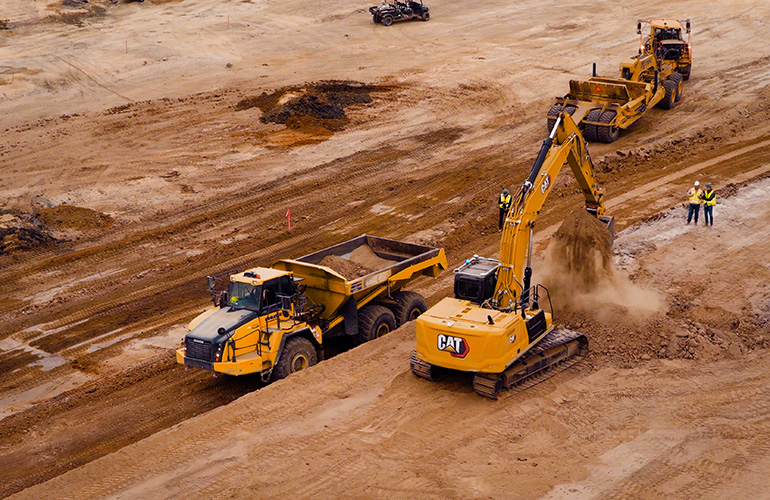
Bedrock Robotics Launches Operator-Free Excavators in Texas and Nevada Projects
Bedrock Robotics Inc. has successfully deployed fully autonomous excavators on active infrastructure projects in Texas and Nevada. This initiative aims to tackle the construction industry's pressing labor shortages and safety concerns, particularly as over 40% of the workforce is expected to retire in the next five years. The company's innovative technology, backed by $350 million in venture capital, transforms traditional earth-moving operations into efficient, software-driven processes. The significance of Bedrock's deployments lies in their potential to revolutionize construction practices by enabling fleets of machines to self-orchestrate and execute tasks at unprecedented scales. Current projects include collaborations with Sundt Construction, Champion Site Prep, and Zachry Construction Corp., focusing on essential earthwork operations. Bedrock's advancements represent a critical shift towards integrating AI into the physical economy, enhancing productivity and safety on job sites. Looking ahead, Bedrock Robotics plans to retrofit existing excavators with its technology, expanding its impact on the construction sector. The company emphasizes safety as a top priority, ensuring that its autonomous systems can operate effectively around human workers. No further timeline was disclosed at the time of publication.
Artificial Intelligence Autonomous Mobile Robots (AMRs) Construction News Bedrock Robotics construction
XPENG Robotics Secures Over $900 Million to Propel Humanoid Robot Development
XPENG's robotics division has successfully raised over $900 million, achieving a post-money valuation exceeding $6.3 billion. This funding marks a significant milestone as the largest single-round private financing in China's embodied AI sector. The investment round was spearheaded by prominent global investors, including IDG Capital, with contributions from Gaorong Ventures and strategic backing from Tencent and Alibaba. This financial boost is set to enhance XPENG's capabilities in mass-producing humanoid robots and advancing Physical AI model research and development. Looking ahead, the funding will facilitate XPENG's efforts to drive its general-purpose humanoid robots toward a new phase of global commercialization. No further timeline was disclosed at the time of publication.
Leading 6D Force Sensor Company Blue Dot Touch Secures Significant Series D Funding for Robotics Expansion
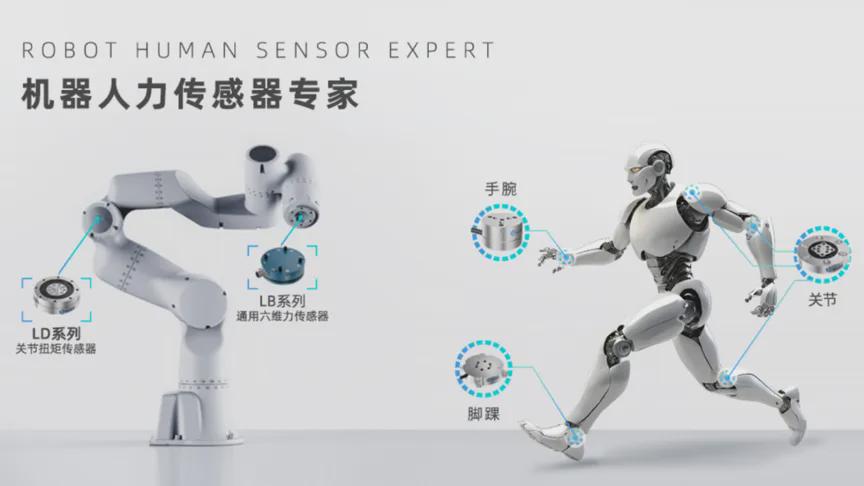
On August 17, Blue Dot Touch, a domestic robotics force sensor company, announced it has completed a Series D funding round worth hundreds of millions of RMB, led by GAC Capital, with participation from DeYue Co. and XiChen Capital. The funding will primarily support the development of next-generation robotic force sensor products, capacity expansion, and global market positioning. This funding round is significant as it reflects the growing recognition of the technology by downstream application partners, indicating an opening market window for the specialized field of force sensors. GAC Capital's investment highlights a shift where automotive manufacturers are increasingly focusing on securing core supply chain components, while DeYue Co. sees potential in the application of force sensors in battery production and renewable energy equipment. Looking ahead, the large-scale application of humanoid robots is projected to transition from prediction to reality by 2026. As robots are expected to operate independently in complex environments, the demand for advanced sensing capabilities will rise. Blue Dot Touch's sensors, with precision up to 0.1% FS and a frequency response exceeding 10 kHz, are positioned to meet these evolving requirements, having already established a strong presence in the domestic humanoid robot market.
Force Sensors Robotics Investment Automation Technology
Understanding Fleet Charging for AMRs: Avoiding Costly Mistakes in Deployment
The charging strategy for Autonomous Mobile Robots (AMRs) is crucial for ensuring optimal fleet performance, particularly during peak demand periods. Properly managing battery chemistry and electrical infrastructure can significantly impact throughput, making it essential for organizations to model these factors before deployment. This issue is critical as many companies overlook the importance of charging logistics, which can lead to operational stalls and inefficiencies. As demand for AMRs increases, understanding and implementing effective charging solutions will be vital for maintaining productivity and meeting customer expectations. Looking ahead, organizations should prioritize the development of robust charging strategies to prevent disruptions in service. No further timeline was disclosed at the time of publication.

State Grid Corporation of China Launches First 220kV Quantum Substation in Hefei
The State Grid Corporation of China has successfully completed an 18-month pilot project involving quantum technology at a 220kV substation in Hefei. This initiative included the deployment of 85 self-developed quantum devices focused on quantum measurement, quantum communication, and quantum computing. This development is significant as it marks a major step towards the integration of quantum technology in the energy sector, potentially enhancing the efficiency and reliability of power distribution. The substation has been operational 24/7 and is now set for nationwide replication, indicating a broader commitment to advancing quantum technologies within the State Grid. Looking ahead, the State Grid Corporation is also validating an 800kV quantum current sensor in the field, which could further enhance the capabilities of quantum applications in power systems. No further timeline was disclosed at the time of publication.

China Leads Global Autonomous Car Adoption with Extensive Robotaxi Deployment
A recent report by eCarsTrade reveals that China is the most prepared nation for self-driving cars, driven by extensive robotaxi deployment and advanced regulations. The study evaluated 15 countries based on robotaxi usage, infrastructure, legal frameworks, and public sentiment, placing China at the forefront with over 17 million recorded robotaxi rides. China's dominance in autonomous vehicle readiness is attributed to its near-universal 5G coverage, which reaches 96% of the population, and the operation of fully driverless vehicles by companies like Apollo Go. While road quality scored an average of 4.8 out of 7, the scale of deployment compensates for infrastructure limitations, supported by over 3 million EV chargers. The United States ranks second, with Waymo completing approximately 500,000 paid rides weekly, totaling around 26 million rides annually. The US benefits from high road quality scores of 5.6 out of 7 and nearly 200,000 EV chargers. As the landscape evolves, attention will be on how other countries, such as New Zealand and Canada, develop their legal frameworks and infrastructure to catch up in the autonomous vehicle sector.
Autonomous Vehicles 5g apollo go autonomous cars autonomous driving autonomous vehicles
RoboStore Establishes Robo Inc. to Enhance Robotics Deployment in the U.S.
RoboStore has launched Robo Inc., a U.S.-based robotics manufacturer and systems integrator, to address the growing demand for localized robotics solutions. With over 4,500 customers and experience deploying more than 1,500 robots, Robo Inc. aims to create a platform that complies with American regulations and meets specific operational needs. The establishment of Robo Inc. is significant as it reflects a trend towards localized robotics production amid increasing labor and competitive pressures. According to Teddy Haggerty, CEO of RoboStore and Robo Inc., the new company will focus on providing practical solutions that can be deployed immediately, rather than distant promises of advanced robotics. Looking ahead, Robo Inc. plans to integrate global supply chains with U.S.-based engineering and support services. The company is also committed to addressing cybersecurity concerns by incorporating safety measures into its integration process. No further timeline was disclosed at the time of publication.
Assembly China Healthcare Robotics Humanoids Manufacturing News
Avatar Robotics Secures $6.5 Million to Accelerate Humanoid Deployment for Labor Shortages
Avatar Robotics, based in San Francisco, has announced the successful raising of $6.5 million in a seed round led by AlleyCorp. The company aims to address the significant structural challenge of labor shortages in the U.S. economy, particularly in warehouses, logistics, and manufacturing sectors. As companies seek to bring production back to the U.S. and demand faster shipping, many are struggling to secure and retain personnel for physically demanding and repetitive tasks. The company is deploying a new industrial infrastructure that combines humanoid robots, human operators for remote control, and AI-driven autonomy. These robots are designed to handle high-value tasks in warehouses and manufacturing, such as picking, packing, sorting, and material movement, operating 24/7. Since its launch in December 2025, Avatar Robotics' robots have assisted in packing, sorting, and shipping over 900,000 products in real customer environments, including major beauty retailers. Looking ahead, the new funding will be allocated to expanding deployments, accelerating the development of autonomy software, scaling the robot fleet, and enhancing engineering and operations teams. Avatar Robotics envisions deploying millions of robots across various sectors, enabling on-demand industrial-level labor availability for businesses of all sizes and allowing workers worldwide to virtually operate fleet-scale physical systems.

Avatar Robotics Secures $6.5 Million to Accelerate Humanoid Deployment for Workforce Shortages
Avatar Robotics, based in San Francisco, has announced the successful raising of $6.5 million in a seed round led by AlleyCorp. The company aims to address the significant structural challenge of labor shortages in the U.S. economy, particularly in warehouses, logistics, and manufacturing sectors. As companies seek to bring production back domestically and demand rapid shipping, many are struggling to maintain adequate staffing for physically demanding and repetitive tasks. The humanoid robots developed by Avatar Robotics will operate 24/7, handling high-value tasks such as picking, packing, sorting, and material movement. Since its launch in December 2025, the robots have assisted in packing, sorting, and shipping over 900,000 products in real customer environments, including major beauty retailers. Following successful pilot programs, the company is entering an expansion phase with several billion-dollar warehouse operators. Looking ahead, the new funding will be allocated towards scaling robot deployment, accelerating the development of autonomy software, and expanding the engineering and operations teams. No further timeline was disclosed at the time of publication.
South Korea's Unmanned Ground Vehicle Deployment Addresses Military Recruitment Challenges
South Korea has initiated a large-scale deployment of unmanned ground vehicles (UGVs) as a strategic response to declining military recruitment numbers. This move highlights the nation's commitment to enhancing its defense capabilities while addressing personnel shortages. The significance of this deployment lies in its potential to modernize South Korea's military operations and maintain national security. By integrating UGVs into their defense strategy, South Korea aims to mitigate the impact of reduced manpower on military effectiveness. Looking ahead, it will be important to monitor how this deployment evolves and whether it successfully addresses the recruitment challenges faced by the South Korean military. No further timeline was disclosed at the time of publication.
NewsRobotics needs a service framework.
RSF defines a common language for robot service capability, lifecycle operations, certification pathways, and service-provider networks.
Join the RobotToday community on LinkedIn
Daily robotics news, in-depth analysis, conference highlights, and discussions with professionals worldwide.