


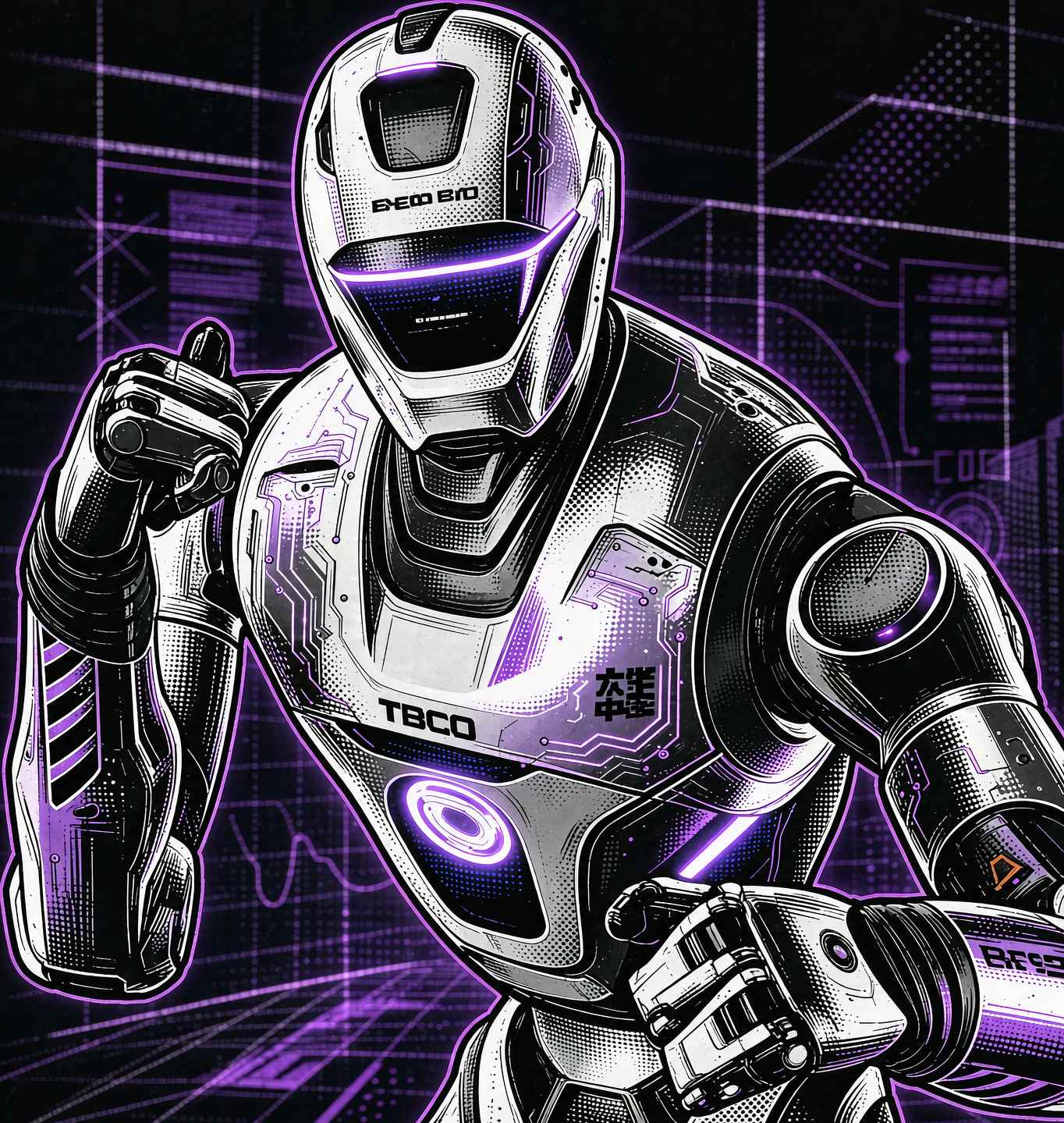
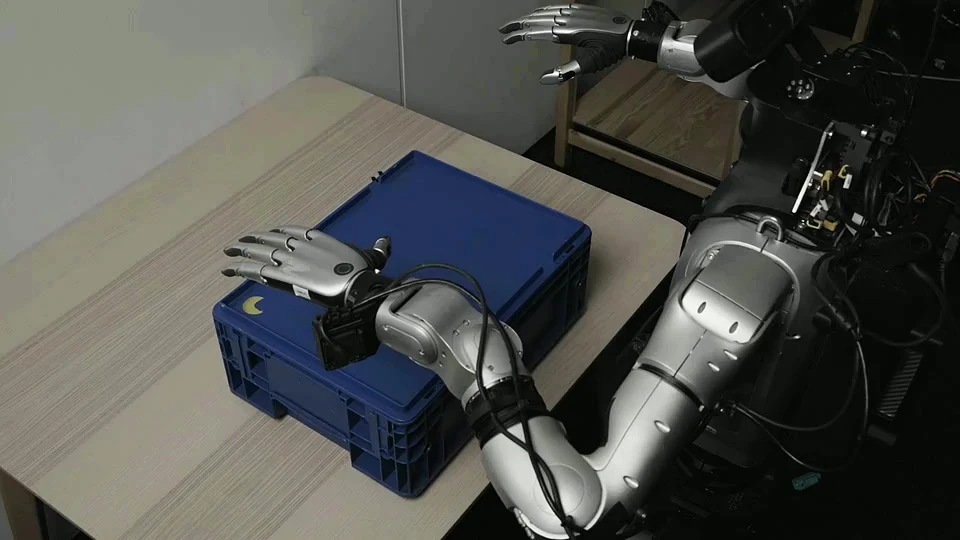
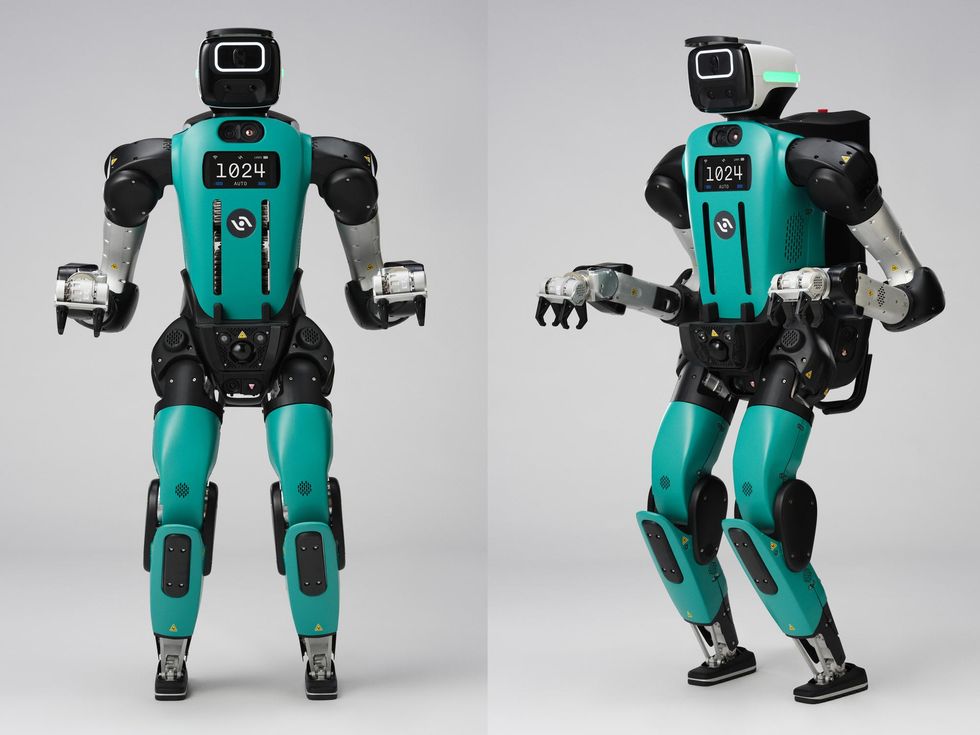
At the 2026 Mobile World Congress, Capgemini showcased a humanoid robot that autonomously moved boxes in a factory setting, winning the 'Best Demonstration' award. This achievement is attributed to a distributed intelligence network that offloads cognitive tasks from the robot to edge AI, allowing for real-time decision-making and reduced energy consumption.
The deployment of humanoid robots faces a challenge known as the 'impossible triangle,' where increasing computational power on the robot increases weight, costs, and reduces battery life. Capgemini's approach involves a framework called Human-Machine Understanding (HMU), which interprets human behavior to enhance collaboration between robots and human workers, ensuring quick adaptations to changes in human actions.
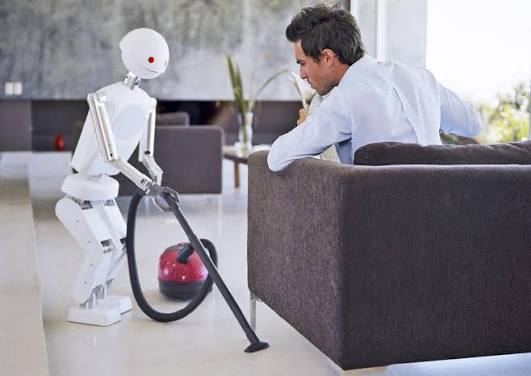
As humanoid robots transition from labs to real-world applications, the effectiveness of their deployment will depend on their ability to understand and work alongside humans. The telecommunications sector stands to benefit from this shift, as distributed intelligence opens new business opportunities, including guaranteed bandwidth for critical tasks and advanced human behavior recognition services.
Editor's Note
The integration of distributed intelligence in humanoid robots represents a significant advancement in robotics and AI. This technology not only enhances operational efficiency but also addresses the complexities of human-robot interaction. As companies explore these innovations, the implications for supply chain management and workforce dynamics will be profound, necessitating new strategies for procurement and deployment.



















Leave a comment