

Industry Briefing
A single destination for timely, editor-curated robotics news from around the world.

MirrorMe Technology Demonstrates VIVA Dexterous Hand and CADA Model in Four-Hand Piano Performance
On September 24, 2026, MirrorMe Technology showcased its VIVA dexterous hand, which features joints capable of exceeding 1000 degrees per second and a fingertip force of 33 Newtons. This demonstration included the CADA music embodied model, enabling a real-time human-robot collaboration for a four-hand piano performance. This event highlights the advancements in robotic dexterity and collaboration, showcasing how the VIVA hand's impressive specifications can facilitate complex tasks alongside human musicians. The ability to perform in real-time with such precision is significant for applications in both entertainment and robotics. Looking ahead, the integration of advanced robotic systems like the VIVA dexterous hand into creative fields may lead to new opportunities for collaboration between humans and robots. No further timeline was disclosed at the time of publication.
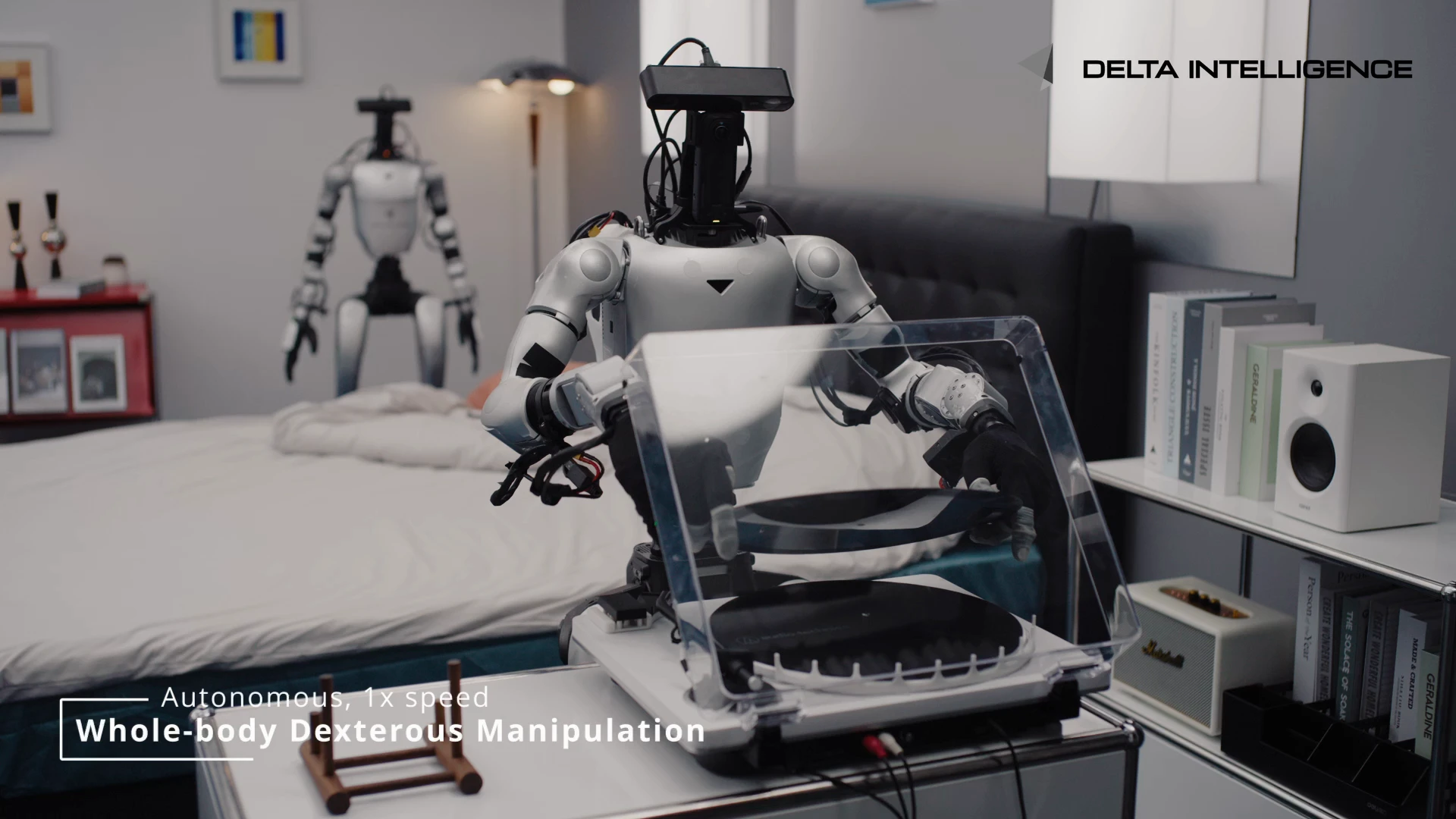
Delta Intelligence Focuses on Energy and Infrastructure with New Humanoid Robot Demo
Delta Intelligence has unveiled a new humanoid robot demo, the Δ₀, showcasing familiar household tasks. However, founder Xiaojian Ma indicates that the company's immediate commercial focus will be on sectors where human labor is less desirable, specifically energy and infrastructure. While household applications are seen as a long-term goal, the pressing needs in these sectors present a more viable opportunity for deployment. The emphasis on energy and infrastructure highlights Delta's strategy to address environments that are often challenging for human workers. Ma describes these target areas as 'Mars on Earth,' including underground facilities, offshore sites, and regions with extreme weather conditions. This approach suggests a market demand for robotic solutions that can operate in hazardous or uncomfortable settings, where companies may be more willing to invest in automation. Looking ahead, Delta Intelligence is developing a hardware configuration that includes a camera-equipped head and a backpack with computing resources, which can be integrated into various humanoid platforms. The company is also collaborating with unnamed robotics and automotive partners to create complete bipedal humanoids, with model development being a current priority. No further timeline was disclosed at the time of publication.
Delta Intelligence China
Polybot Advances Tomato-Picking Robot Learning from Human Demonstrations for Agriculture
Polybot, a startup spun off from the ELLIS Institute and the Max Planck Institute for Intelligent Systems, is developing a tomato-picking robot that learns from human demonstrations. This robot has transitioned from the lab to real greenhouse environments, marking a significant step towards practical agricultural automation in precision-demanding tasks. The importance of this development lies in its potential to support one of the most repetitive and physically demanding aspects of food production. The fully autonomous robot is designed for harvesting cluster tomatoes, utilizing an end-to-end learning approach from human actions rather than relying on manually coded rules. This adaptability could enhance the robot's effectiveness in complex growing conditions, where variations in plant spacing and fruit positioning are common. Looking ahead, the next major test is a complete pilot program scheduled for summer 2026, which will assess the robot's reliability under real production demands. If successful, the first systems could be delivered to growers by early 2027. As agricultural robots move from demonstration to everyday tasks, they promise to improve harvesting efficiency and reduce food loss before products reach store shelves.
Agricultural Robotics Automation Technology AI in Agriculture Robotic Harvesting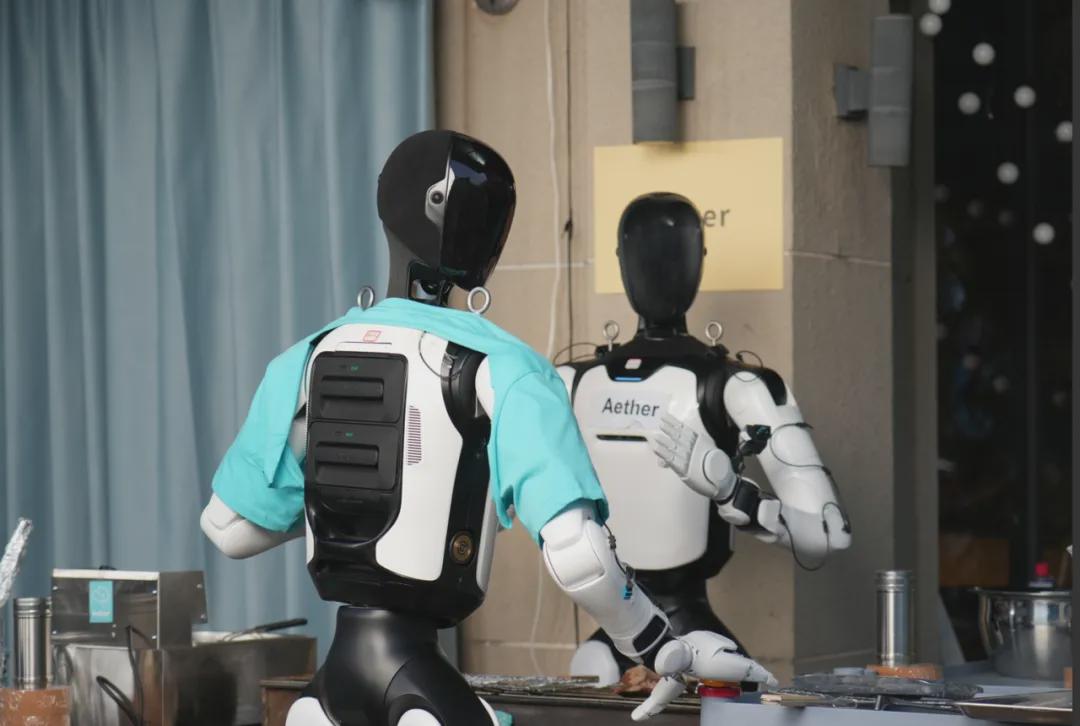
Live Outdoor Demonstration of Autonomous Robots Completing Barbecue Tasks
The embodied intelligence industry is experiencing a 'false prosperity' with frequent demonstrations of robots performing tasks like folding clothes and serving coffee. However, these demos often mask failures and rely on pre-programmed actions or remote control, raising questions about their authenticity. In contrast, LeXiang Technology recently showcased its Ether large model in a live outdoor event, allowing real-time interaction and interruptions from the audience. On September 16, two robots equipped with the Ether model autonomously completed a barbecue task without human intervention. They managed the entire process from taking orders to cooking and serving, while also adapting to unexpected changes from guests. Despite some errors, the live format highlighted the challenges of real-world applications, emphasizing the importance of transparency in robotic capabilities. This demonstration serves as a critical test of the robots' ability to learn and adapt in real-time, rather than just showcasing perfect outcomes. As the industry continues to evolve, the focus on genuine performance under varied conditions will be essential for advancing autonomous technologies.
Autonomous Robots AI Live Demonstrations Robotics Real-World Applications
Northern Plains UAS Test Site Showcases BVLOS Medical and Agricultural Demos on Vantis
On September 16, 2026, the Northern Plains UAS Test Site (NPUASTS) hosted live flight demonstrations at Gorman Field, showcasing medical logistics and agricultural applications using the Vantis UAS system. The event was attended by state aviation officials during the National Association of State Aviation Officials (NASAO) Annual Convention, highlighting the capabilities of beyond-visual-line-of-sight (BVLOS) operations. The demonstrations featured CVS Health's mobile pharmacy concept, which illustrated how BVLOS aircraft can deliver critical medical supplies, emphasizing the potential for unmanned aircraft to enhance healthcare supply chains. Trevor Woods, executive director of NPUASTS, noted the importance of integrating aircraft, infrastructure, and technology to support meaningful community applications. Looking ahead, the event underscored the need for secure communications and scalable infrastructure as BVLOS operations evolve. Thales North America highlighted its role in providing the technology platform necessary for large-scale UAS operations. No further timeline was disclosed at the time of publication.
Advanced Air Mobility Drone News Drone News Feeds News State Government State Legislation
Humanoid Robots Transition from Demonstrative Tasks to Real-World Deployment
Recent advancements in humanoid robotics highlight the shift from mere demonstrations to practical deployment in various environments. Unlike robots that can perform a single impressive task, modern systems are designed to execute thousands of cycles, recover from exceptions, and coexist with humans. This evolution is crucial for integrating robots into existing software and safety architectures within facilities. The significance of this transition lies in the ability of humanoid robots to operate reliably in real-world settings, enhancing productivity and safety. As these robots become more adept at handling complex tasks and interacting with their surroundings, they are poised to play a vital role in industries ranging from manufacturing to healthcare. This evolution marks a pivotal moment in the robotics industry, as the focus shifts from demonstration to practical application. Looking ahead, it will be important to monitor how these humanoid robots are integrated into various sectors and the impact they have on operational efficiency. The ongoing development and deployment of these systems will likely lead to new standards and practices in robotics, shaping the future landscape of automation. No further timeline was disclosed at the time of publication.
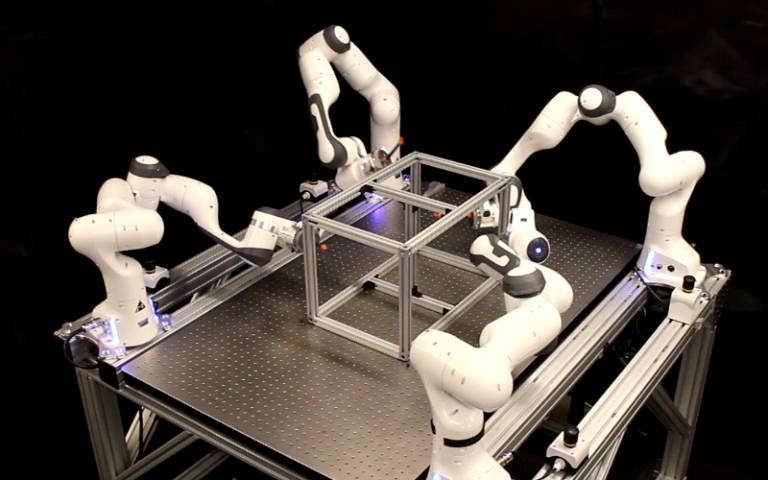
Skild AI Introduces S1 Robot Foundation Model for Learning from Video Demonstrations
Skild AI has launched the S1, a groundbreaking robotics foundation model that allows robots to learn manipulation tasks from just one video demonstration. This innovative model eliminates the need for task-specific fine-tuning or post-training, streamlining the learning process for robotic systems. The significance of the S1 model lies in its use of in-context learning, which parallels the prompting techniques utilized in large language models. This capability enables operators to simply demonstrate a task via video, making it easier for robots to acquire new skills efficiently and effectively. Looking ahead, the implications of the S1 model could reshape how robots are trained and deployed across various industries. As Skild AI continues to develop this technology, industry professionals should monitor advancements and potential applications of the S1 model in real-world scenarios. No further timeline was disclosed at the time of publication.
Computing Design News Software artificial intelligence Autonomous robots
Skild AI Achieves $100 Million ARR in Just 10 Months, Challenging Robotics Demo Culture
Skild AI, a Pittsburgh-based foundation model startup, has announced it surpassed $100 million in annual recurring revenue (ARR) just ten months after its first commercial deployment. This rapid growth marks one of the fastest commercial ramp-ups in enterprise automation, with revenue increasing from approximately $30 million during its $1.4 billion Series C funding round in January to over $100 million by year-end. The significance of this milestone lies in Skild's ability to integrate its general-purpose robot brain into over 60 enterprise customer environments, moving beyond traditional applications like parcel sorting. The company's revenue is primarily driven by complex industrial manipulation tasks, with mobility contributing only 10% of total revenue. Partnerships with major players like Foxconn and NVIDIA further bolster Skild's position in the market. Looking ahead, Skild co-founders Deepak Pathak and Abhinav Gupta emphasize the importance of real-world deployment as a critical research tool, challenging the robotics sector's reliance on polished video demonstrations. No further timeline was disclosed at the time of publication.
Skild AI US Deployment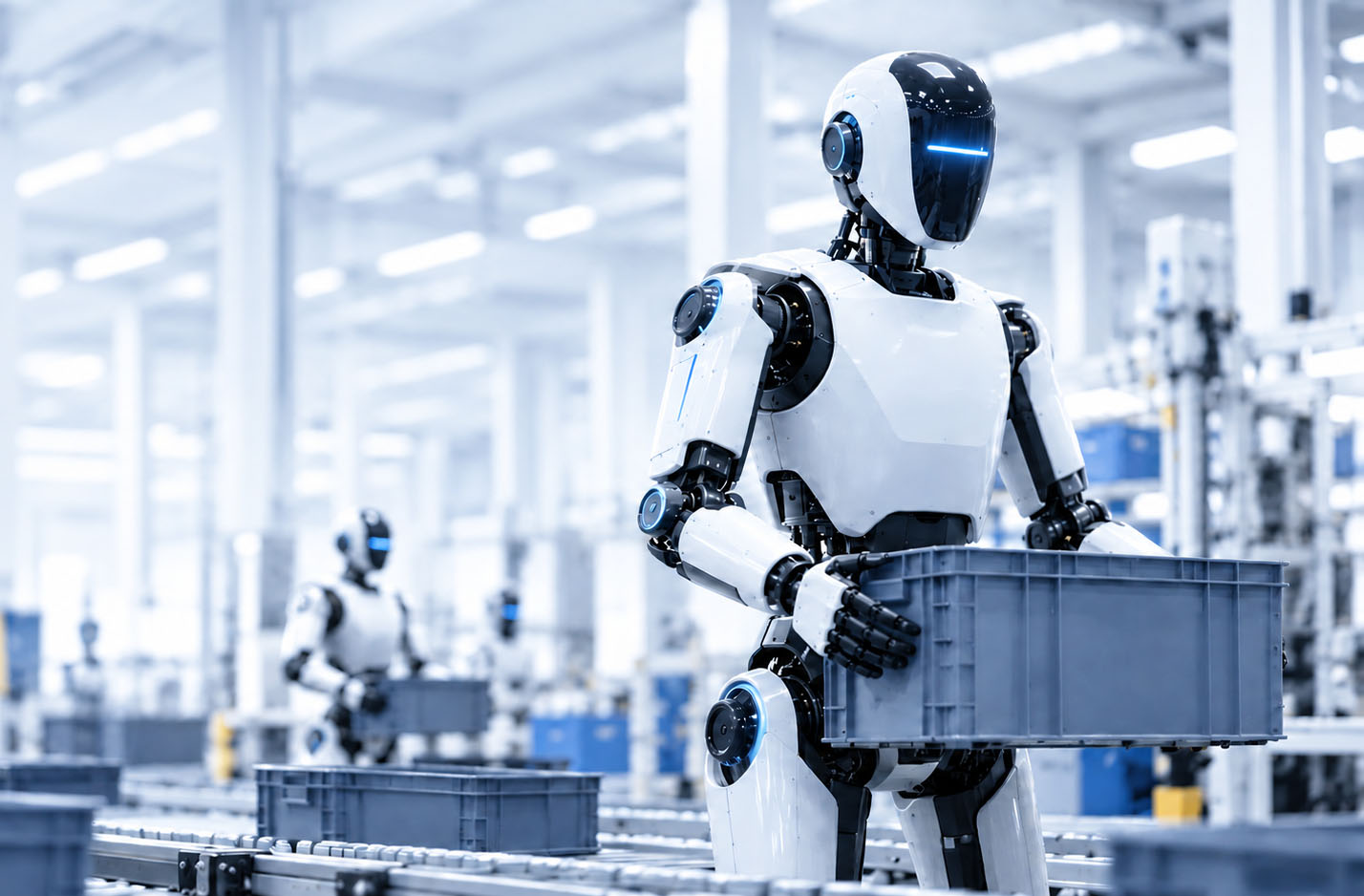
Humanoid Robots: Moving Beyond Demonstrations to Real-World Profitability
The humanoid robotics sector has long promised productivity, with expectations for significant sales by 2026. Humanoid robots are now capable of walking, sorting components, and performing increasingly complex industrial tasks. However, industrial buyers are shifting their focus from impressive demonstrations to the critical question of return on investment. As the industry transitions from prototypes to production environments, the evaluation criteria are evolving. Successful demonstrations are no longer sufficient; manufacturers must now prove operational availability, throughput, safety, integration costs, and actual customer willingness to pay for their robots' work. Data from September 2026 indicates that this transition is underway, but only a few companies report significant commercial deployments. Agility Robotics stands out as a strong example, with its robot Digit commercially deployed by GXO Logistics since 2024 under a multi-year Robots-as-a-Service agreement. Digit has moved over 100,000 bins at GXO's Flowery Branch site, showcasing its role in a repetitive logistics process rather than a staged demonstration. In 2026, Agility announced over $300 million in multi-year contractual orders for Digit v5, signaling that industrial clients are ready to invest significantly in humanoid automation.
À la une Humanoide IA Industrie Robotique automatisation industrielle.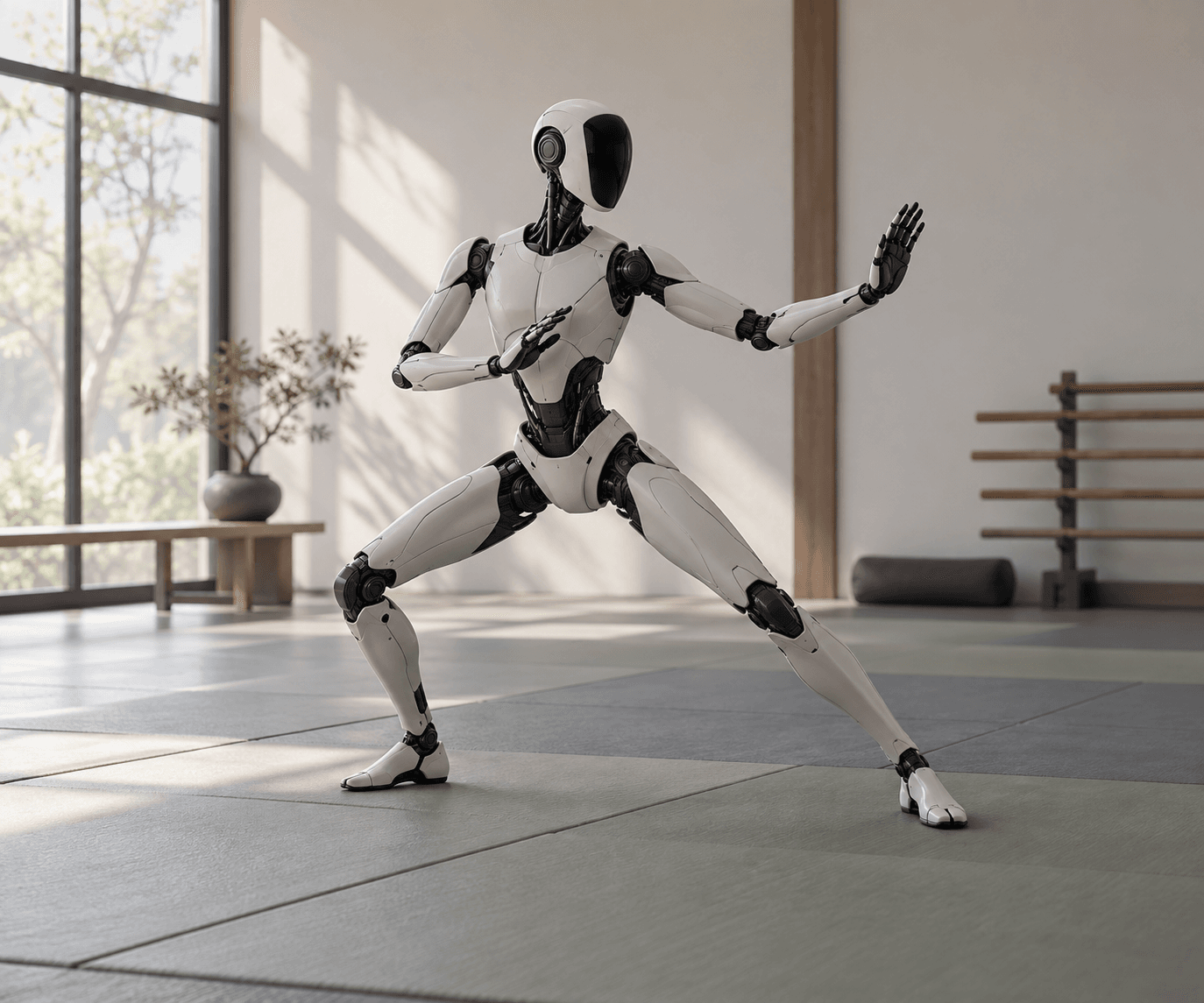
Unitree Demonstrates G1 Humanoid Sparring Using UnifoLM-X2-1.0 Without Teleoperation
Unitree showcased its G1 humanoid robot engaging in sparring with a trainer, utilizing the UnifoLM-X2-1.0 world-action model. This model enables the robot to predict physical states and plan its movements in real time, all without the need for teleoperation. This demonstration highlights the advancements in world-model-driven control for humanoid robots, suggesting that such technology is becoming increasingly feasible. The ability to operate autonomously in dynamic environments marks a significant step forward in robotics. Looking ahead, the implications of this technology could reshape training and interaction scenarios for humanoid robots. No further timeline was disclosed at the time of publication.
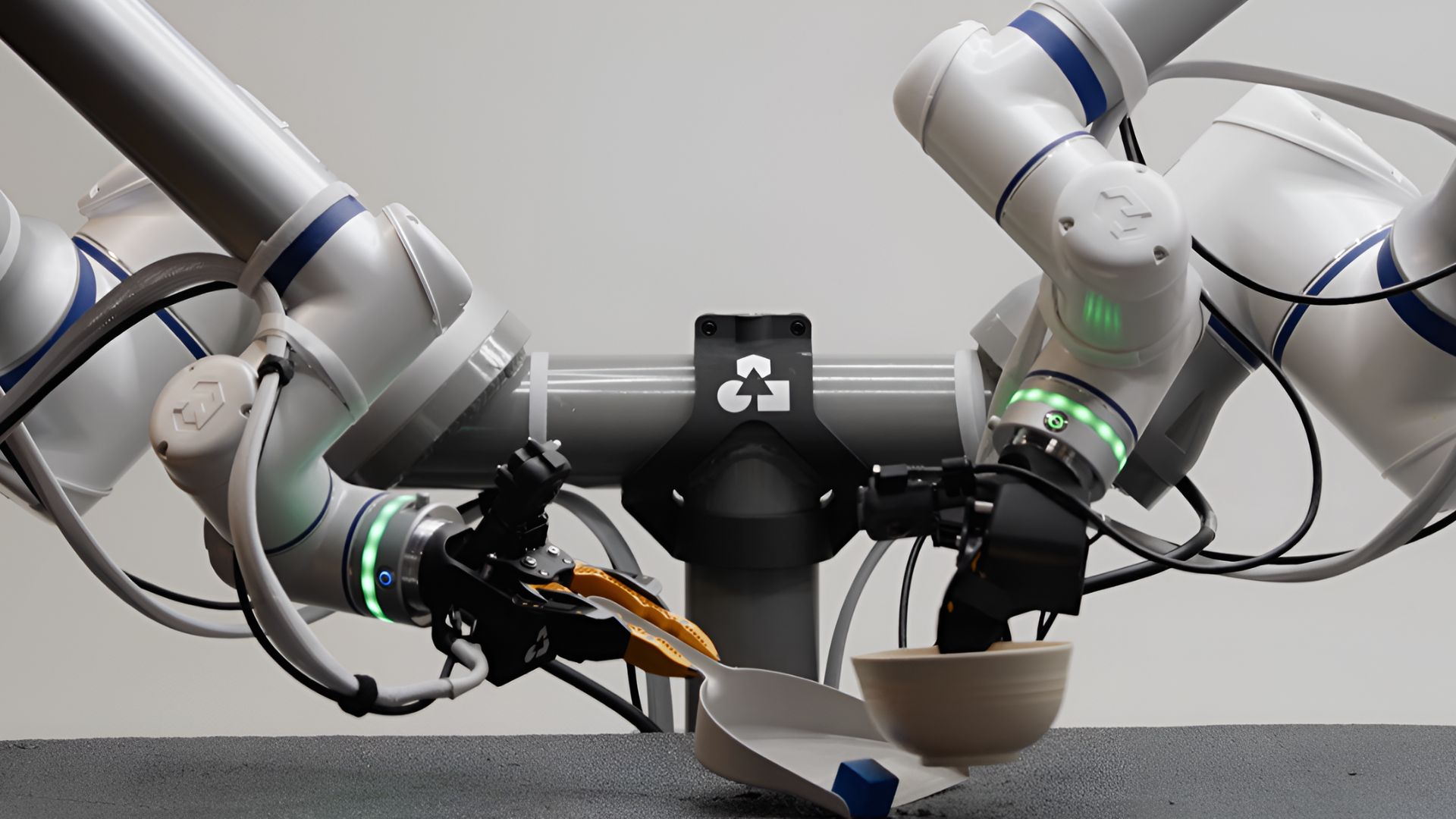
Generalist AI's GEN-1.5 Robot Learns Tasks from 3 to 12 Seconds of Demonstration
Generalist AI has developed a new robot foundation model, GEN-1.5, capable of learning physical tasks from a single demonstration lasting just 3 to 12 seconds. This innovative approach allows the robot to attempt tasks immediately without requiring gradient updates or fine-tuning, marking a significant advancement in robotics. The importance of GEN-1.5 lies in its ability to infer task requirements from short sensorimotor demonstrations, achieving an average success rate of 59% across 10 physical tasks with just one demonstration. When provided with five minutes of task-specific data, its success rate increased to 83%, showcasing the model's efficiency and adaptability in learning. Looking ahead, GEN-1.5's capability to combine physical prompts and generalize beyond specific actions presents exciting possibilities for future applications in robotics. The model's performance in adapting to new tasks with minimal data and steps indicates a shift in how robots can be trained and utilized in various environments. No further timeline was disclosed at the time of publication.
AI and Robotics
Generalist Leverages Human Demonstration Data for Enhanced Robot Learning
Generalist, a robotics startup valued at $2 billion, utilizes human demonstration data to train robots on real-world tasks. Developed through collaboration among Toyota Research Institute, Columbia University, and Stanford University, the Universal Manipulation Interface (UMI) enables the collection of training data via puppet-like end effectors and GoPro cameras. This innovative approach allows collaborative robots to learn tasks such as washing dishes and picking up objects more efficiently. The significance of Generalist's work lies in its ability to create adaptable robots that can recover from errors in real-time, a feature demonstrated at the Automate event. The company showcased its models performing various tasks with Universal Robots and Flexiv arms, highlighting the intelligence of these systems in handling unexpected challenges. This capability has the potential to reshape perceptions of automation in industrial settings. Looking ahead, Generalist aims to further refine its models to maintain a competitive edge in a rapidly evolving market that has seen over $4 billion in investments. The company’s commitment to developing versatile robotic solutions across diverse applications will be crucial for its growth and adoption in the industry. No further timeline was disclosed at the time of publication.
Academia / Research Arms / Manipulators Artificial Intelligence Artificial Intelligence / Cognition Assembly Cobot Arms
Phantom Blade Zero Unveils 11-Minute Gameplay Demo, Surges to Eight Million Views
On Wednesday, S-Game released an 11-minute gameplay demo for Phantom Blade Zero, which quickly garnered around eight million views on Bilibili within a day. The game, a dark wuxia-themed action RPG, has also reached No. 1 on Steam’s global best-sellers chart, showcasing its popularity. This demo provides a substantial look at the game, featuring two complete levels, Fog Forest Hunt and Lone City Showdown. It highlights the fast-paced combat and exploration mechanics, including the newly introduced Reality-Void switching system that allows players to alternate between dimensions during battles, enhancing the gameplay experience. Phantom Blade Zero is set to launch in the fourth quarter of this year on PS5, PC, and other platforms. As pre-orders open for three editions, the focus now shifts to whether the final release can maintain the quality and depth promised in the demo, particularly regarding combat feel and animation quality.
Heavy Hitters Content and entertainment Gaming Highlight News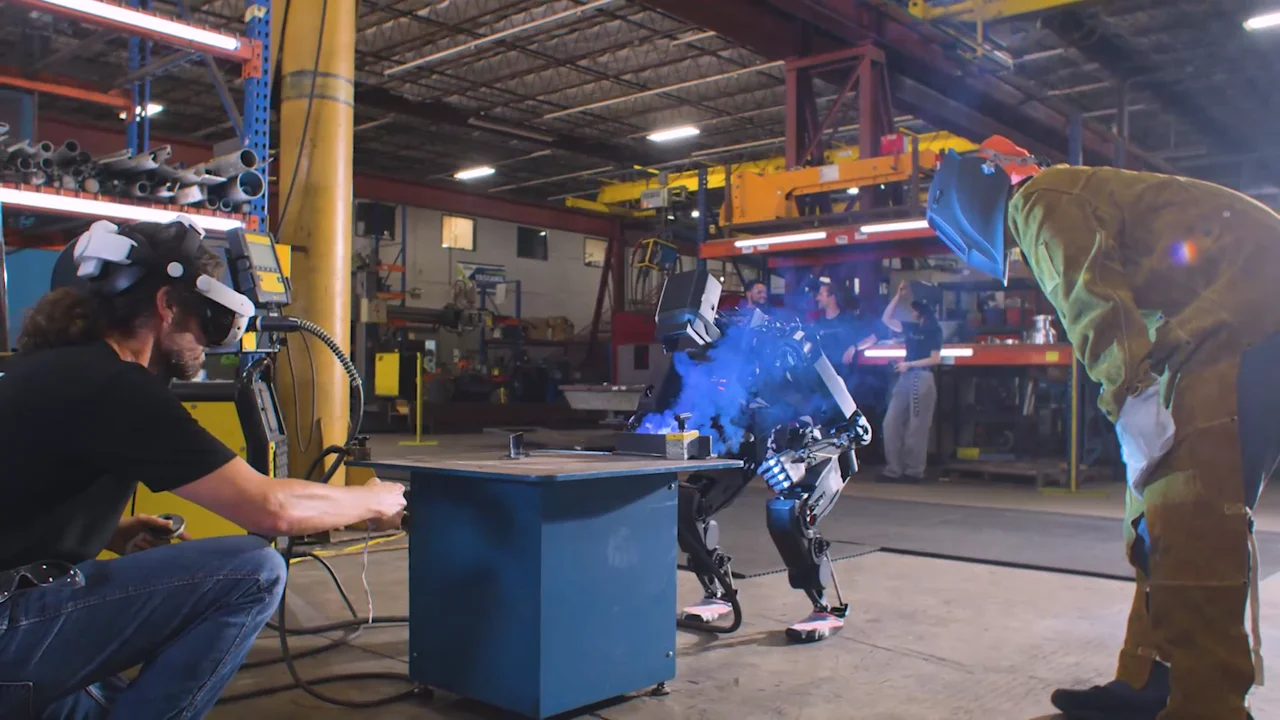
Persona AI's Humanoids Arrive in Korea After Successful Welding Demonstration
Persona AI, a Houston-based robotics firm, has announced the arrival of its humanoid robots in South Korea for early integration work. CEO Nicolaus Radford confirmed that the deployment aligns with the company’s partnership with HD Hyundai, focusing on bipedal welding robots for the shipbuilding sector. The Gen 3 deliveries are expected by the end of the year. This deployment follows a successful proof-of-concept demonstration conducted earlier this summer at ARC Specialties in Houston, where a Gen 1 humanoid robot executed a functional weld in a live industrial environment. The robot showcased advanced capabilities by performing the task without safety tethers, validating its actuation and kinematics in unstructured settings. Looking ahead, Persona AI aims to leverage the data collected during teleoperated movements to enhance its neural networks, paving the way for fully autonomous welding operations. The company’s rapid progress in functional manipulation and international hardware deployment highlights its significant development velocity in the robotics sector. No further timeline was disclosed at the time of publication.
US South Korea Persona AI
A Year-Long Study on Learning from Demonstration Amidst Rising Robotics Publications
A recent study by the IEEE Robotics and Automation Society examined the overwhelming challenge of keeping up with the surge in robotics research publications, particularly in Learning from Demonstration (LfD). In 2024, IEEE alone published 46,968 papers in robotics and automation, highlighting the difficulty researchers face in staying current. The study revealed that only about 20% of the analyzed 300 papers offered significant contributions, while the majority presented incremental improvements. This finding underscores the importance of identifying valuable research to avoid duplication of efforts. The authors also explored the role of AI and large language models (LLMs) in literature review, noting their limitations in recognizing the true significance of research. Looking ahead, the authors recommend developing a research engine to prioritize peer-reviewed work, establishing a blind publication model, and leveraging LLMs for summarization and quantitative assessment. The growth in robotics publications is expected to continue, driven by increased interest and AI tools that facilitate research and writing.

ACUA Ocean and Teledyne FLIR Defense Complete UKDI Funded Demonstration of Integrated Tethered UAS and USV
ACUA Ocean and Teledyne FLIR Defense have successfully conducted a two-day demonstration funded by UK Defence Innovation (UKDI). This event showcased the integration of a tethered uncrewed aerial system (T-UAS) and an uncrewed surface vessel (USV) capability, specifically using Teledyne FLIR’s SkyCarrier™ UAS platform and the USV Pioneer. The demonstration validated the operational performance of the combined system in open-ocean conditions, addressing a critical operational gap for the Royal Navy and UK defence. The USV Pioneer, which has already completed multiple ISR contracts, exhibited superior seakeeping capabilities, significantly enhancing maritime intelligence, surveillance, and reconnaissance. Looking ahead, the successful integration of the T-UAS with the USV Pioneer opens avenues for further development and potential commercial deployment. No further timeline was disclosed at the time of publication.
acua ocean teledyne flir defense ukdi funding demonstration tethered uas uncrewed surface vessel (usv)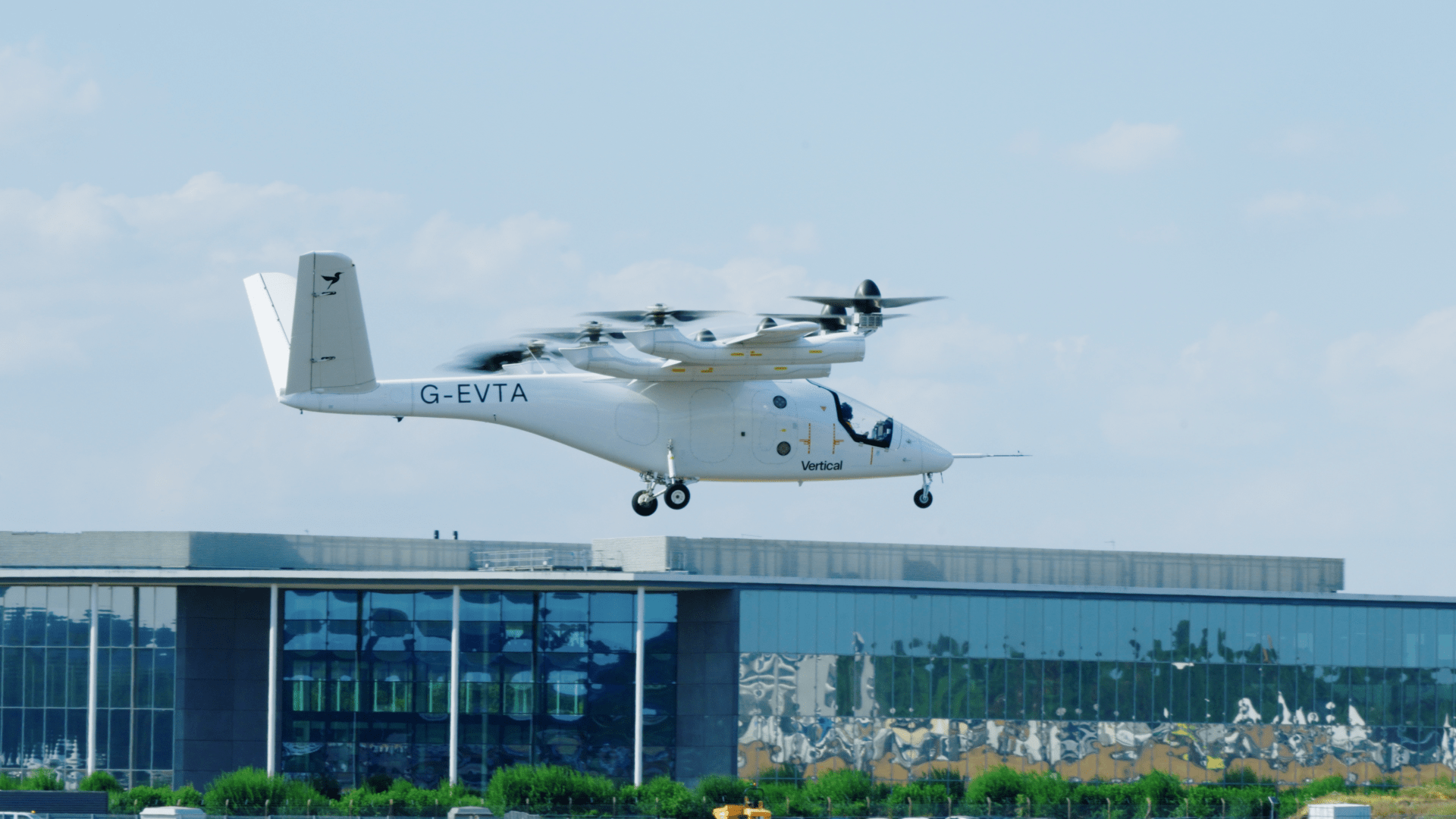
Vertical Aerospace to Showcase First Public eVTOL Flight Demonstrations at Farnborough Airshow
British aerospace company Vertical Aerospace is preparing to conduct its inaugural public electric vertical take-off and landing (eVTOL) flight demonstrations at the Farnborough International Airshow. This event marks a significant milestone in the company's journey toward certification and the launch of commercial electric aircraft services. The demonstrations are crucial as Vertical Aerospace has recently unveiled its Valo aircraft and completed successful piloted transition flights. The company has also strengthened its financial position and expanded its global technology partnerships, all while advancing its certification program. CEO Stuart Simpson emphasized that these milestones are vital for reducing risk and enhancing the company's competitive stance in the electric aerospace sector. Looking ahead, Vertical Aerospace aims to complete its Critical Design Review by the end of 2026, which will establish the certifiable design baseline for its aircraft. The company plans to bring its early production aircraft assembly facility online in Q3 2026 and begin hybrid-electric flight testing in the first half of 2027. No further timeline was disclosed at the time of publication.
Transportation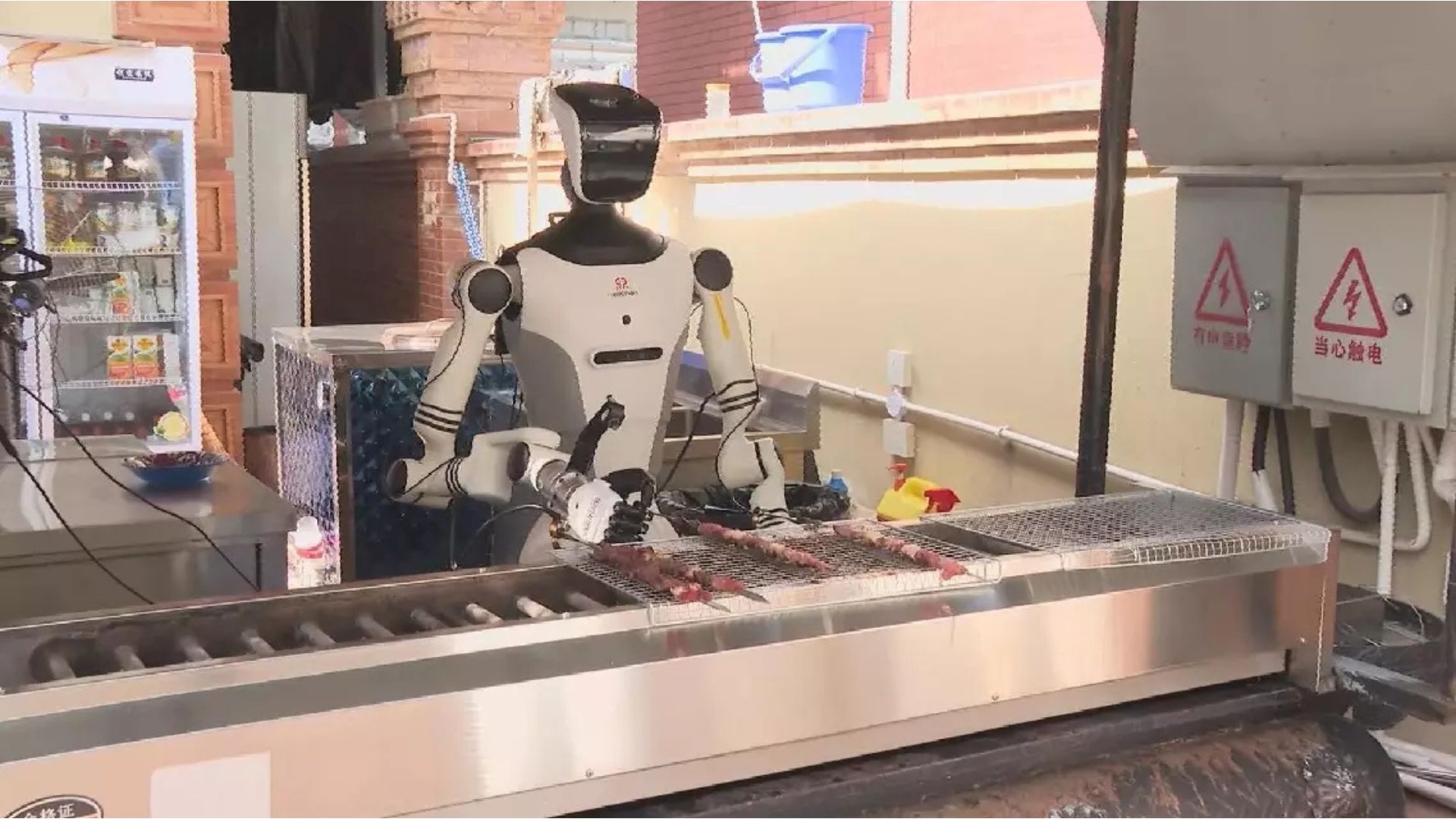
Humanoid Robot Showcases Cooking Skills in Live Demo of Xinjiang Dishes
A humanoid robot demonstrated its culinary abilities by preparing traditional Xinjiang dishes during a live show in Yining City, China. The robot successfully grilled kebabs and skewered meat, showcasing its coordination and force control after less than a week of specialized training, although it still lagged behind experienced chefs. This demonstration is significant as it highlights the advancements in embodied artificial intelligence and robotic dexterity, particularly in complex tasks like food preparation. The event took place on July 15, emphasizing the potential for humanoid robots to tackle real-world challenges that require precision and adaptability. Looking ahead, the demonstration served as a precursor to the second World Humanoid Robot Games in Beijing, scheduled for August 22 to 26. This event will further showcase the progress in humanoid robotics and their applications in various sectors beyond manufacturing, such as hospitality and healthcare.
AI and Robotics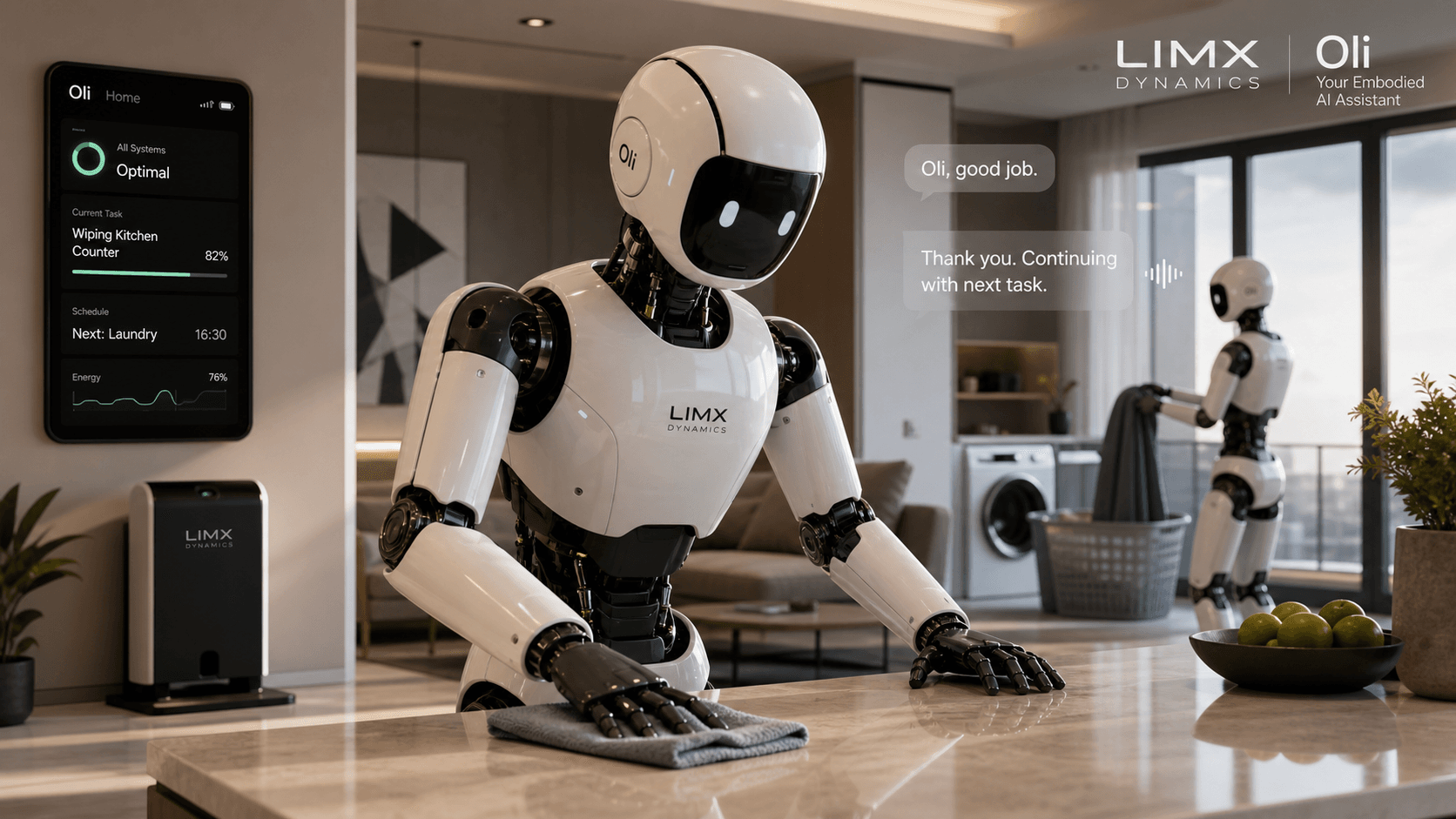
LimX Dynamics Unveils New Demo Showcasing Oli Robot's Household Chores Skills
LimX Dynamics has released a demonstration video featuring its Oli robot performing household chores for three minutes without interruption. This achievement follows a significant funding round of $200 million, which enhances the company's position in the humanoid robotics sector. The demonstration highlights the capabilities of the Oli robot, positioning it as a competitor to Silicon Valley's Figure. This development is crucial as it signifies the advancements in China's humanoid robotics, showcasing that they can rival established players in the market. Looking ahead, industry observers will be keen to see how LimX Dynamics leverages this funding and demonstration to further enhance the capabilities of the Oli robot. No further timeline was disclosed at the time of publication.
Technology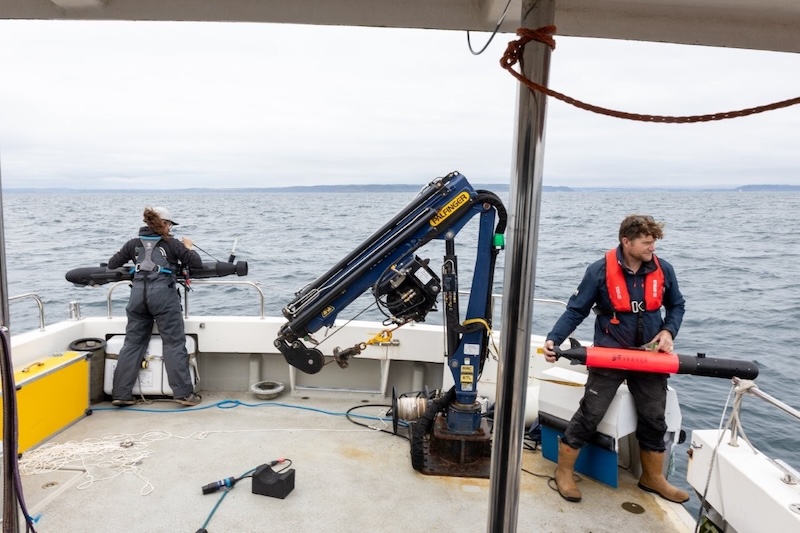
University of Plymouth Launches £1.2 Million Multi-Robot Demonstration at Smart Sound Connect
The University of Plymouth has successfully completed a significant underwater trials demonstration at the Smart Sound Connect Subsurface (SSCS) project, showcasing multi-marine robotic platforms. This event featured collaboration among ACUA Ocean, ecoSUB Robotics, Seaber, and Sonardyne, highlighting the capabilities of the £1.2 million initiative aimed at enhancing marine autonomy and ocean sensing in the UK. The demonstration attracted stakeholders from various sectors, emphasizing the project's role in advancing technology in marine environments. The SSCS project enhances the existing Smart Sound Plymouth testbed by integrating a seabed node array for precise positioning and communication, alongside intelligent sensors. This infrastructure supports advanced testing capabilities for autonomous vehicles, reinforcing Plymouth's status as a leading hub for marine autonomy. The successful demonstration underscores the importance of collaborative efforts in developing ocean observing technologies that can provide actionable intelligence for climate resilience and preparedness. Looking ahead, the SSCS project aims to further develop ocean observing technologies that can transform prototypes into reliable data streams. No further timeline was disclosed at the time of publication, but the ongoing collaboration is expected to drive innovation and strengthen industry partnerships in marine autonomy and sensing technologies.
Marine Research ACUA Ocean automation autonomous underwater vehicles auv
MindOn Robotics Demonstrates Coordination of Humanoids and Dual-Arm Robots Using Unified AI Model
MindOn Robotics has released a video showcasing a coordinated logistics workflow involving two Unitree G1 humanoid robots and two dual-arm systems. The demonstration highlights the robots' ability to work together seamlessly, with the G1 humanoids picking items and the dual-arm robots packing them. The innovation lies in the software that powers this heterogeneous system, which is driven by a single AI model trained on human data without the need for teleoperation. This development is significant as it addresses the industry's need for diverse robotic hardware to navigate human-centric environments while performing structured tasks efficiently. MindOn's approach separates its software architecture into high-level and low-level layers, allowing for better scalability and adaptability across different robot platforms. This decoupling is crucial in overcoming the traditional bottlenecks associated with training unique models for each robot type. Looking ahead, MindOn's advancements in training models on human-centric data and employing a Cross-Embodiment Data Pipeline could revolutionize how robots learn and execute tasks. The company aims to bridge the gap between human motion and robotic action, achieving high precision in manipulation tasks. No further timeline was disclosed at the time of publication.
MindOn China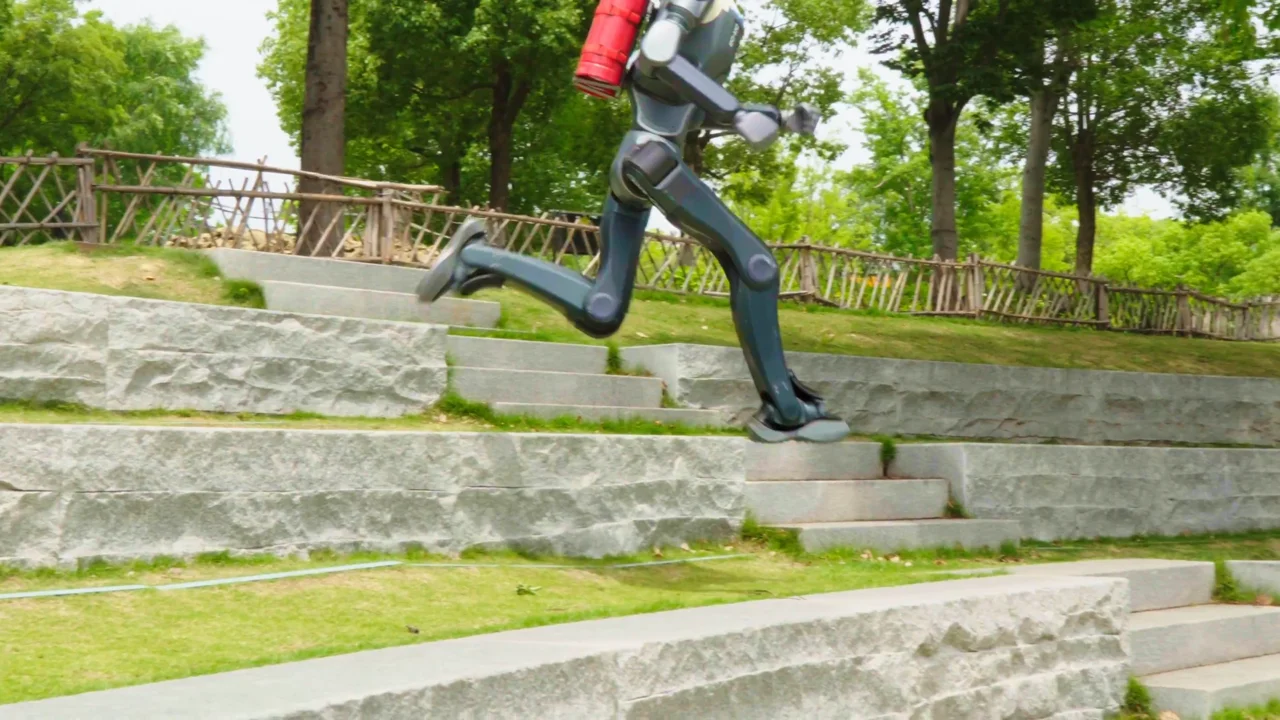
Deep Robotics Unveils Enhanced DR02 Humanoid with Firefighting Capabilities in New Demo
Deep Robotics has released a new video demonstration of its DR02 humanoid robot, showcasing its advanced mobility and utility in hazardous environments. The bipedal robot is seen navigating uneven terrain, jumping over obstacles, and equipped with a fire extinguisher, emphasizing its application in firefighting and industrial inspections. This demonstration is significant as it highlights Deep Robotics' transition from a venture-backed startup to a publicly traded company, with an IPO application accepted by the Shanghai Stock Exchange. The DR02's enhanced capabilities, including increased payload capacity and improved balance control, reflect the company's commitment to evolving its technology in a competitive market. Looking ahead, Deep Robotics aims to leverage the anticipated CNY 2.5 billion from its IPO to fund advancements in embodied AI and scaling manufacturing. The competitive landscape is intensifying, as rival Unitree Robotics also seeks to raise substantial funds through its own IPO, indicating a burgeoning robotics sector in China.
Market Deep Robotics China
BETA Technologies and Metro Aviation Demonstrate Electric Aircraft for Rural EMS in Texas
BETA Technologies and Metro Aviation successfully conducted an electric aircraft demonstration with Washington County Emergency Medical Services in Brenham, Texas. This flight aimed to explore the potential of electric aviation in enhancing emergency response capabilities in rural areas, specifically by transporting disaster-response equipment alongside existing resources. The significance of this demonstration lies in its potential to integrate electric aircraft into emergency medical systems, which currently respond to over 7,000 calls annually across a 700-square-mile area. Washington County EMS Director Taylor Leonard expressed gratitude for the partnership, highlighting the importance of exploring innovative transportation options to improve emergency services. Looking ahead, Metro Aviation has shown interest in expanding its collaboration with BETA Technologies, having placed a deposit-backed order for up to 20 ALIA VTOL aircraft for future operations. The Texas demonstration is part of a broader initiative to assess the role of electric aircraft in medical aviation, with further evaluations planned along routes connecting key Texas locations.
Advanced Air Mobility Applications Drone News Drone News Feeds eVTOL Healthcare
RobotPlusPlus Enhances Industrial Maintenance with HighMate Series at SMM 2026
RobotPlusPlus showcased its HighMate Series at SMM 2026 in Hamburg, focusing on industrial cleaning and corrosion control. The HighMate AP-F-CO Coating Robot+VOC Recovery System aims to reduce workers' exposure to hazardous tasks at height while enhancing the efficiency and consistency of cleaning and surface treatment processes. This development is significant as it addresses safety concerns associated with working at height, a common issue in industrial maintenance. By automating these processes, RobotPlusPlus not only improves worker safety but also increases operational efficiency, which is crucial for industries that rely on regular maintenance and cleaning. Looking ahead, the adoption of the HighMate Series could lead to broader applications in various industrial sectors. No further timeline was disclosed at the time of publication.

Specialized Robots Demonstrate Advanced Functions in Extreme Environments
Recently, several domestic specialized robots have gained attention online for their remarkable capabilities. These include a robotic wolf that can withstand temperatures of 500°C and a flying rescue device from Hangzhou police that autonomously reaches water rescue points at a speed of 14 meters per second. Many observers noted that science fiction scenarios have become a reality. On September 20, the first Intelligent Robot Application Skills Exhibition was launched in Yuhang, Hangzhou, showcasing over 300 robots. Among the exhibits were humanoid robots, but a significant number were uniquely designed robots tailored for specific tasks. These robots are engineered to operate in hazardous environments where humans cannot safely go, emphasizing functionality over human-like appearance. The design logic of specialized robots differs from humanoid robots, focusing on performing tasks in extreme conditions such as high temperatures, toxic gases, and complex underwater environments. Capabilities like 500°C heat resistance, 6-ton towing capacity, and 60-meter range are directly linked to operational scenarios. However, the true value of these robots lies in their ability to work reliably in high-risk environments, necessitating continuous optimization based on real-world conditions.
Specialized Robots Firefighting Robots Rescue Technology Industrial Automation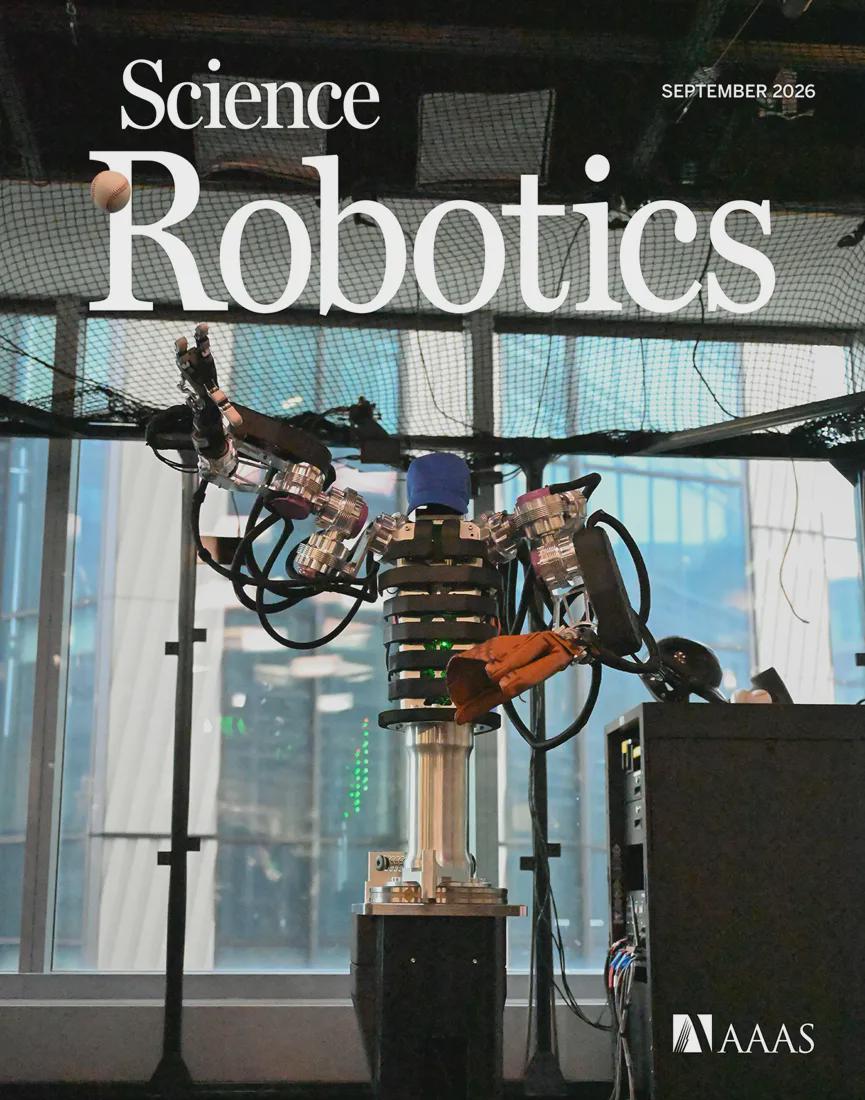
AthenaZero: A Robotic Arm Demonstrating Advanced Baseball Skills and Precision
AthenaZero, developed by the RAI Institute, has showcased its capabilities by successfully catching a baseball from 7.3 meters away, with the ball's flight time being less than 0.4 seconds. Additionally, it demonstrated its batting skills by adjusting its swing based on the pitch location, achieving a hit rate of 27 out of 33 attempts in testing. This innovation is significant as it addresses the challenge of balancing explosive power and precision in robotic arms. By reducing the arm's inertia, AthenaZero can accelerate and decelerate more effectively, allowing for a controlled response upon contact with the ball. This capability is crucial for tasks that require delicate handling, such as catching lightweight objects without deflecting them. Looking ahead, the focus will be on further refining the mechanical structure to minimize inertia, enhancing the arm's performance in dynamic environments. No further timeline was disclosed at the time of publication.
Robotic Arms AI Dynamic Manipulation Baseball Robotics
Innovative Hopping Robot Demonstrates Precise Control Over Jump Height
A new hopping robot has been developed that can accurately control its jump height, showcasing a significant advancement in robotic locomotion. This technology mimics the energy-efficient jumping mechanism found in insects and amphibians, which is nearly two times more efficient than flying. The ability to conserve energy while achieving effective movement could revolutionize how robots navigate various environments. The significance of this development lies in its potential applications across multiple sectors, including search and rescue operations, environmental monitoring, and even entertainment. By adopting a locomotion style that requires less energy than traditional flying methods, this hopping robot could operate longer and more effectively in challenging terrains. This efficiency could lead to broader adoption of hopping robots in real-world scenarios. Looking ahead, it will be important to monitor how this technology evolves and its integration into existing robotic systems. Future advancements may focus on enhancing the robot's capabilities, such as improving its agility and adaptability in diverse environments. No further timeline was disclosed at the time of publication.
Robotics
MVP Robotics Showcases M2P Heavy's Autonomy in Wildfire Vehicle Challenge
MVP Robotics successfully demonstrated the autonomous capabilities of its M2P Heavy, capable of moving up to 800 pounds, during the Autonomous Ground Vehicles Prize Challenge. This event took place at the Beasley Knob Off-Highway Vehicle Trail in Georgia's Chattahoochee-Oconee National Forest, focusing on wildfire response operations. The demonstration is significant as it highlights advancements in heavy-payload autonomous ground operations, which are crucial for effective wildfire management and emergency response. The ability to transport substantial loads autonomously can enhance operational efficiency in challenging terrains, particularly in disaster scenarios. Looking ahead, the performance of the M2P Heavy in such demanding conditions may influence future applications of autonomous vehicles in various sectors, including emergency services and environmental management. No further timeline was disclosed at the time of publication.
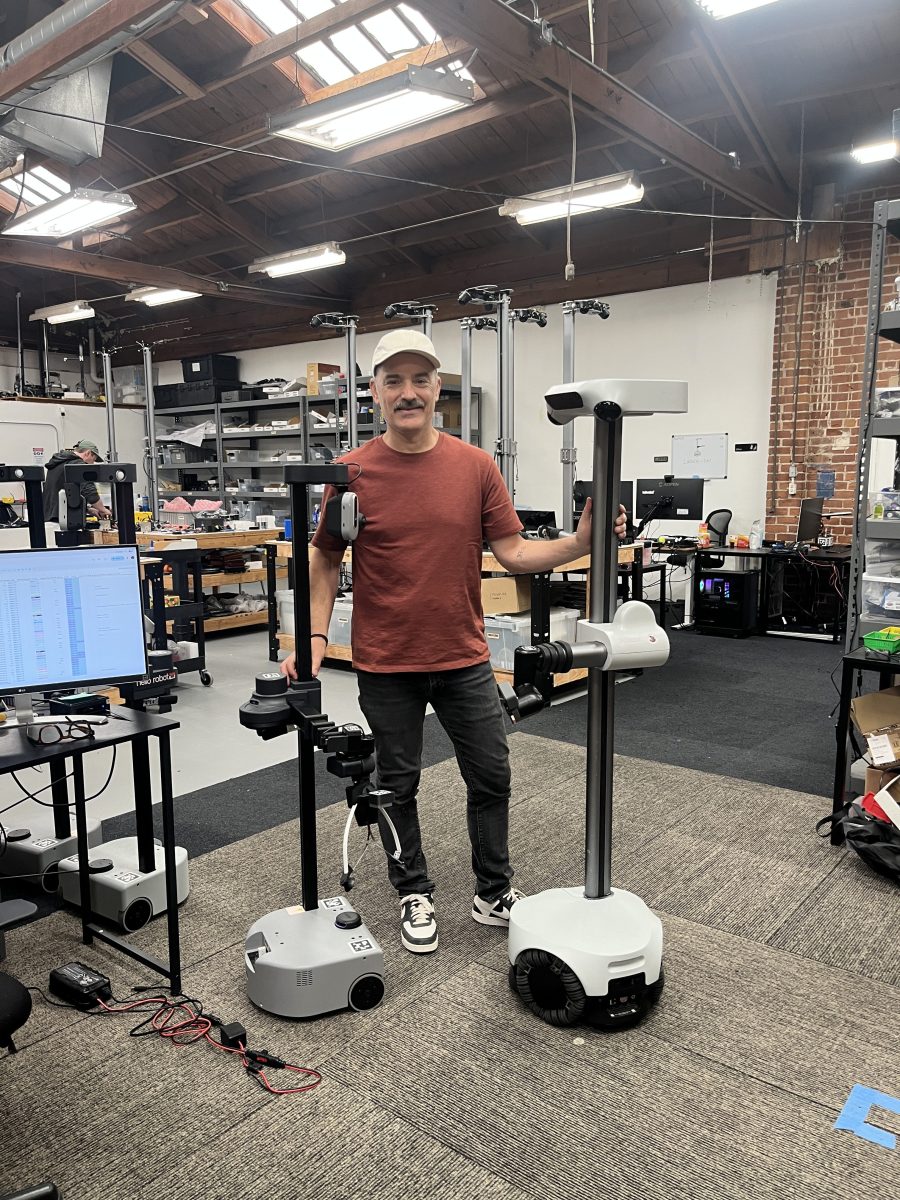
Hello Robot's Stretch 4 Demonstrated by Aaron Edsinger at TechCrunch Disrupt 2026
At TechCrunch Disrupt 2026, Aaron Edsinger, CEO of Hello Robot, showcased Stretch 4, a home-assistance robot designed to aid individuals with severe mobility impairments. Stretch 4, which launched in May, features a compact design with a telescoping arm, enabling it to perform everyday tasks like feeding, closing blinds, and scratching an itch. This demonstration highlights the importance of practical robotics in enhancing independence for users with mobility challenges. Unlike many robots focused on humanoid designs, Stretch 4 emphasizes functionality and accessibility, making it suitable for real-world environments. The robot's first production run sold out shortly after its launch, indicating strong demand and interest in its capabilities. Attendees at Disrupt will witness Stretch 4 in action and learn about Hello Robot's innovative approach to physical AI. The session aims to shift the narrative from flashy demonstrations to real-life applications, showcasing how technology can significantly improve the quality of life for individuals with disabilities. No further timeline was disclosed at the time of publication.
Startups Hardware AI Robotics TechCrunch Disrupt hello robot
Capgemini and Intel Showcase Physical AI with Tower of Hanoi Demonstration
Capgemini and Intel have unveiled a demonstration of Physical AI at the AI Infra Summit 2026, showcasing a robot solving the Tower of Hanoi puzzle. This project illustrates how machines can perceive, understand, and act in the physical world without relying on internet connectivity. The significance of this demonstration lies in its ability to highlight the integration of AI, conventional software, and edge computing. Unlike digital applications, robots require immediate responses and cannot afford delays, making the architecture of Physical AI crucial for effective operation in real-world scenarios. Looking ahead, the collaboration between Capgemini and Intel emphasizes the potential of Physical AI in various sectors such as manufacturing and logistics. No further timeline was disclosed at the time of publication.

AGIBOT Showcases WITA-Omni Robot at Greater Bay Area Film Concert
AGIBOT presented its WITA-Omni robot during a live demonstration at The Greater Bay Area Film Concert. The event highlighted the robot's capabilities in engaging in real-time conversations, recognizing speakers, and coordinating speech and movement seamlessly. This demonstration is significant as it showcases an advanced interaction model based on a Thinker-Talker-Actor architecture. This technology enables robots to comprehend and respond effectively in dynamic environments, which is crucial for enhancing their functionality in various service applications. Looking ahead, the implications of this technology could lead to broader adoption of robots in service sectors. No further timeline was disclosed at the time of publication.
Robotics Artificial Intelligence Human-Robot Interaction Technology Entertainment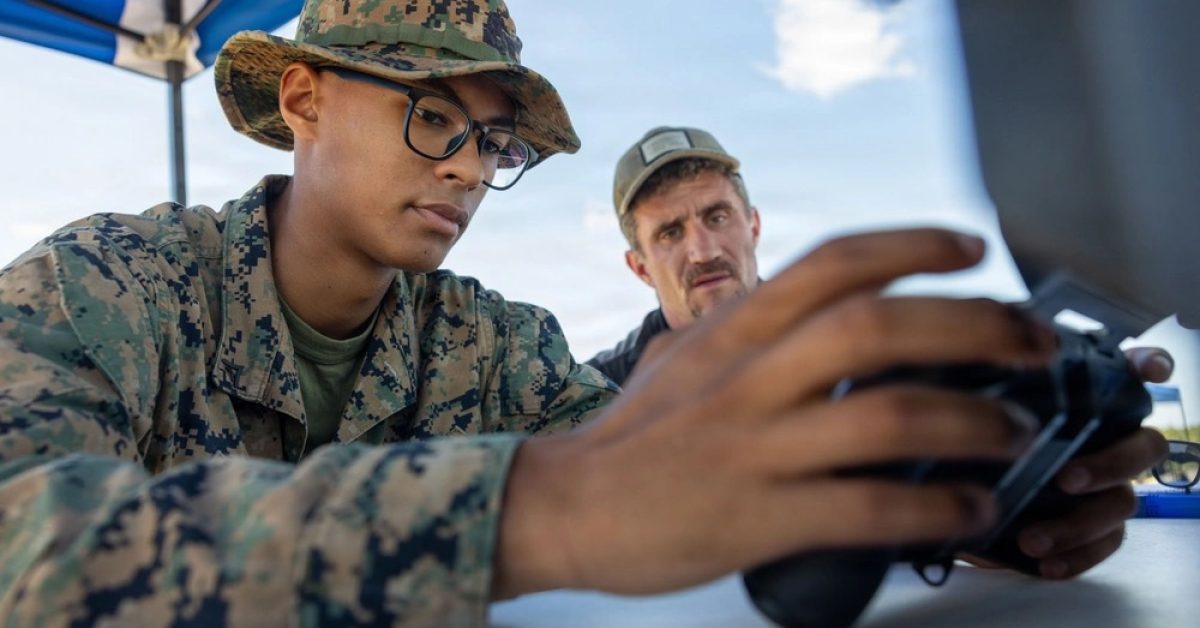
US Marine Corps Demonstrates Drone Training with Skydio's X2D for Enhanced Operations
The US Marine Corps has released a video showcasing training exercises with Skydio's X2D drone, highlighting its integration into military operations. This small drone is utilized for reconnaissance missions, allowing Marines to gain essential skills in operating UAVs effectively. The significance of this training lies in the Department of Defense's directive for better technology integration within military units by 2025. The Marines are establishing a Military Occupational Specialty for sUAS Operators, enabling them to utilize drones in the field without relying on specialized units. Looking ahead, the military's interest in drones is expanding beyond reconnaissance to include attack capabilities and medical supply delivery. Companies like Malloy Aeronautics are developing drones for rapid response, indicating a shift in military logistics and operational strategies.
News
Figure's Helix 2.5 Demonstrates Home Chore Capabilities in 30 Unique Residences
Figure has unveiled its Helix 2.5 humanoid robot, which successfully completed household tasks such as making beds and folding towels in 30 different homes in the Bay Area. The company reported a completion rate of approximately 56% for full-task trials, showcasing the robot's ability to adapt to unfamiliar environments without requiring new training datasets for each household. This development is significant as it enhances the utility of household robots, allowing them to perform learned tasks across various settings. CEO Brett Adcock emphasized the importance of this project, stating that the ability to operate in different homes without extensive retraining could revolutionize the household robotics market. The trials were conducted in rented homes, and the robot's performance was documented through nearly four hours of footage. Looking ahead, the focus will be on refining the Helix 2.5's capabilities and increasing its success rate in diverse environments. While the current completion rate stands at 56%, further advancements in AI and robotics could lead to improved performance in future trials. No further timeline was disclosed at the time of publication.
Figure Artificial Intelligence helix Figure AI Index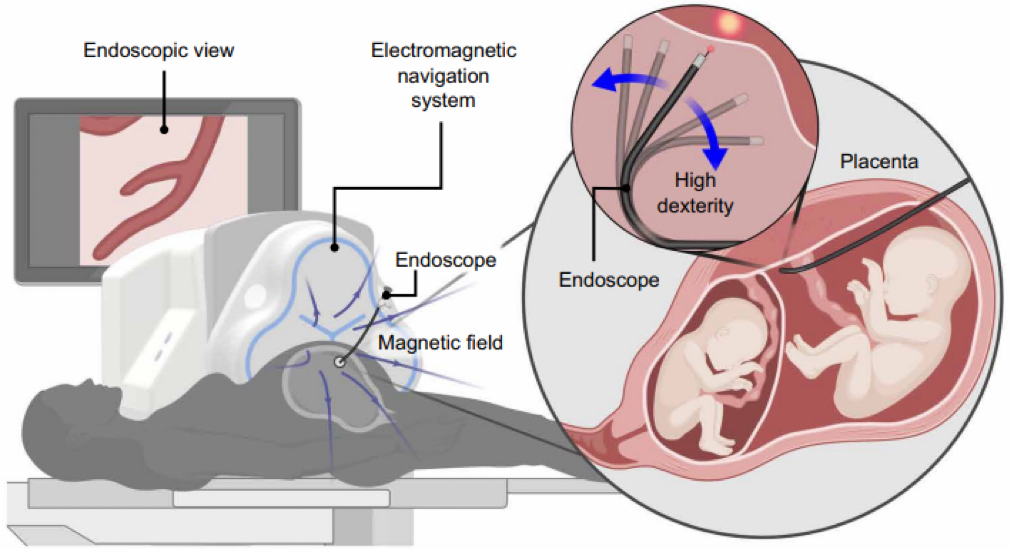
ETH Zurich Team Demonstrates Robotic System for Fetal Surgery in Sheep Using 3.2mm Endoscope
A research team from ETH Zurich has developed a magnetic-controlled flexible endoscope robot platform, successfully validating its navigation and ablation capabilities in a live sheep model for twin-to-twin transfusion syndrome (TTTS) laser surgery. This condition affects 10% to 15% of twin pregnancies sharing a placenta and is treated with fetal endoscopic laser coagulation (FLC). Current methods have a survival rate of about 70%, with significant risks of long-term neurological damage. The new 3.2mm robotic endoscope offers improved access and ablation angles compared to traditional rigid endoscopes, which struggle with visibility and precision. The flexible endoscope's design allows it to navigate through a 10-Fr cannula, crucial for better clinical outcomes. It can bend up to 173° under a 25 mT magnetic field, achieving a 91% coverage rate for optimal ablation angles, significantly outperforming existing tools. The team conducted in vivo experiments using a pregnant black goat, which closely resembles human placental and developmental characteristics. The robotic system demonstrated effective manual and automated navigation strategies, achieving high precision in targeting and image stitching. No further timeline was disclosed at the time of publication.
Robotic Surgery Medical Robotics Fetal Surgery Endoscopic Technology
OLogic to Present on Egocentric Robot Learning at RoboBusiness 2026
OLogic will showcase the potential of egocentric robot learning at RoboBusiness 2026, highlighting how robots can learn from human demonstrations. This innovative approach allows robots to acquire complex skills by observing human behavior, addressing challenges such as labor shortages and operational complexity across various industries. The significance of this technology lies in its ability to reduce the time, cost, and expertise needed for deploying robotic systems. By leveraging egocentric learning, organizations can enhance automation in sectors like manufacturing, logistics, and healthcare, ultimately bridging the gap between research and practical applications. At the event, Ted Larson, CEO of OLogic, will lead a session on the foundations and challenges of egocentric robot learning. Attendees can expect insights into how advancements in embodied AI and large-scale robot learning are transforming the landscape of commercial robotics. No further timeline was disclosed at the time of publication.
Artificial Intelligence / Cognition Design / Development Events Healthcare Robotics Logistics Manufacturing
Robot Showcases Traditional Lacquer Fan Craft at Hong Kong Mid-Autumn Festival
The first International Mid-Autumn Lantern Festival in Hong Kong, held from September 17 to 27 at Victoria Park, featured a theme of reunion and showcased lanterns from 20 countries, including traditional Nanjing Qinhuai lanterns and local Hong Kong crafts. Zhixing Robotics was invited to demonstrate the intricate art of lacquer fan making using their advanced robotic technology. Lacquer fan crafting is a traditional intangible cultural heritage that requires precision in various steps, such as the force used to take the fan, the depth of immersion in lacquer, and the speed of rotation. Zhixing's wheeled humanoid robot, Han Yue, utilized proprietary technologies in force control, 3D visual perception, and adaptive grasping to accurately execute the entire fan-making process. This performance highlighted the blend of mechanical precision and the poetic essence of lacquer art. The choice of the lantern festival as a venue was strategic, as it attracts a diverse audience, making the robot's artistic demonstration more relatable than a technical showcase in a museum. The unique patterns created by the robot's craftsmanship added aesthetic value, allowing viewers to appreciate the cultural significance of the lacquer fan, thus bridging advanced robotics with traditional Chinese heritage.
Robotics Cultural Heritage Automation AI Technology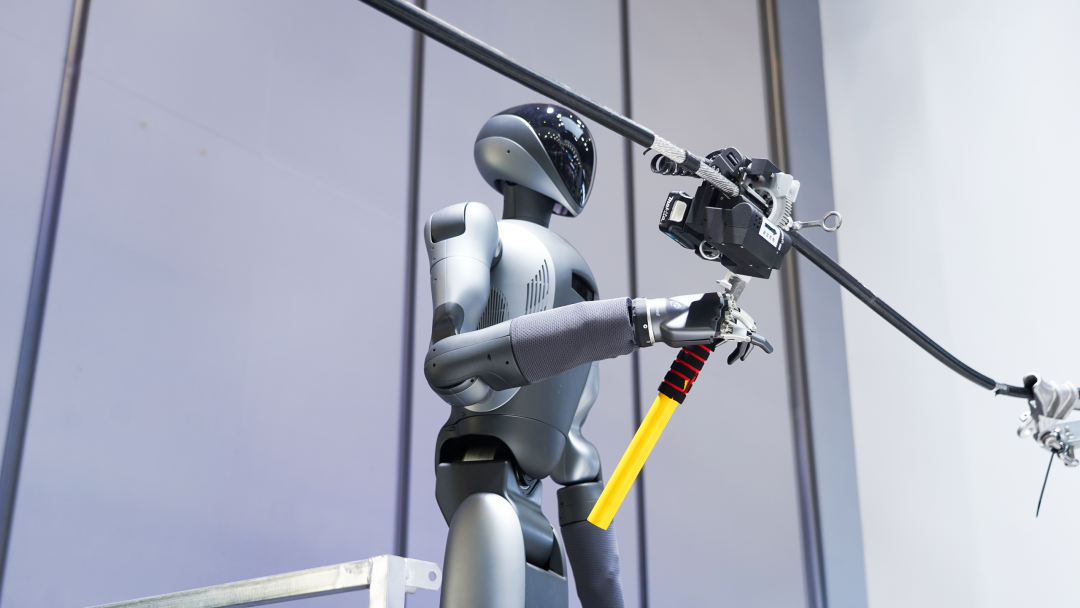
Moon Spring's W-Bot 2.0 Advances from Demonstration to Live Electrical Operations
The humanoid robotics industry is at a pivotal transition from performance-based demonstrations to practical applications. For too long, humanoid robots have been criticized for being visually impressive yet impractical, with a focus on showmanship rather than real-world utility. The recent World Robot Conference showcased Moon Spring's W-Bot 2.0, which successfully performed live electrical operations, indicating a shift towards addressing industry needs. This transition is significant as it highlights the core value of humanoid robots in real-world scenarios, particularly in high-risk environments like urban power grid maintenance. The W-Bot 2.0, designed to operate in hazardous conditions, demonstrates the potential to reduce risks associated with manual labor in dangerous settings, addressing the urgent need for intelligent equipment in the industry. Looking ahead, the successful deployment of the W-Bot 2.0 at the Hefei State Grid marks a crucial step in integrating humanoid robots into operational roles. The robot's ability to navigate confined spaces, withstand environmental challenges, and perform precise tasks positions it as a vital asset in enhancing safety and efficiency in electrical maintenance operations. No further timeline was disclosed at the time of publication.
Humanoid Robots Electrical Maintenance Robotics Technology Automation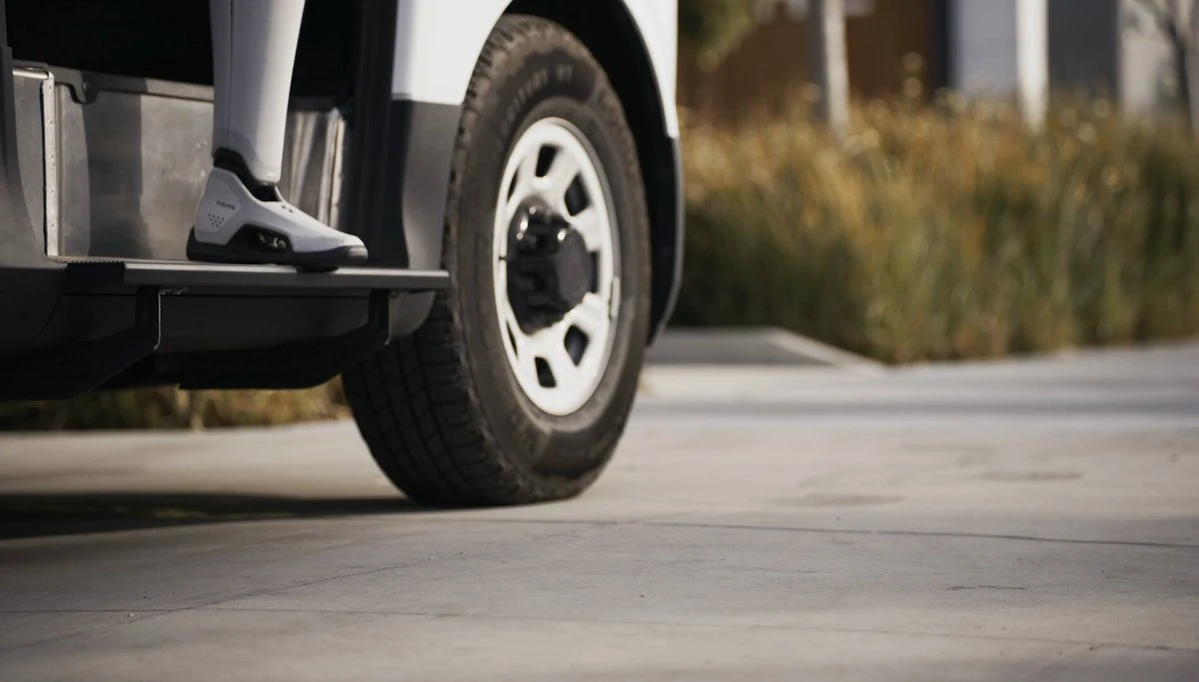
Brett Adcock Shares Clip of Figure 03 Humanoid Robot Exiting Vehicle
Brett Adcock, CEO of Figure, recently shared a brief video clip featuring a humanoid robot stepping out of a vehicle. This seven-second clip, posted on September 14, resembles a scene from the Figure 03 launch video, which showcased the robot delivering a parcel to a home on October 9, 2025. The significance of this clip lies in its potential implications for Figure's delivery vision. While the earlier launch video established delivery as a key use case, the new footage does not confirm any commercial operations or partnerships. The absence of a parcel in the clip leaves its purpose ambiguous, whether as a standalone moment or a precursor to a future announcement. Looking ahead, it remains uncertain if this video will lead to a formal delivery demonstration or further developments from Figure. No additional timeline was disclosed at the time of publication.
Brett Adcock US Figure
North Korea Conducts Live-Fire Drill Showcasing Significant Destructive Capability
North Korea announced on Monday that it executed a joint live-fire drill involving missiles, artillery, and drones, claiming it showcased 'huge destructive power.' The drill aimed to enhance the capability to overwhelm South Korean and U.S. air defenses by firing various weapon types simultaneously. This development is significant as it indicates North Korea's continued testing activities despite U.S. President Donald Trump's recent reduction of military exercises with South Korea, which was intended to foster diplomacy with Kim Jong Un. The North's state media reported that the drill was designed to practice an integrated weapons control system. Looking ahead, North Korea's military activities are likely to persist, especially as Kim Jong Un has expressed a willingness to engage in talks if the U.S. alters its approach towards the North. The recent drill, which included ballistic missile launches, signals ongoing tensions in the region, particularly following a trilateral military exercise involving the U.S., South Korea, and Japan.
Politics & Geopolitics Military Headlines North Korea Global Hot Spots
Huawei Unveils First 7.2T Optical Module Amid Industry Shift to 6.4T Standards
Huawei showcased the first 7.2-terabit near-packaged optics module at the China International Optoelectronic Exposition on September 10. This module operates at 200 gigabits per lane across 36 channels, highlighting Huawei's advancements in optical technology. The demonstration is significant as it comes at a time when the international standards body is concentrating on developing specifications for a lower capacity of 6.4 terabits. Huawei's innovation may influence future standards and drive competition in the optical module market. Looking ahead, industry stakeholders will be monitoring how Huawei's 7.2T module impacts the ongoing discussions around optical technology standards. No further timeline was disclosed at the time of publication.

Humanoid Robot Demonstrates Agility on Monkey Bars in Latest Video Showcase
In the latest edition of Video Friday, a humanoid robot showcases its ability to traverse monkey bars, demonstrating advanced agility and perception of complex 3D structures. This task requires the robot to jump onto the structure, navigate through sparse bar interactions, and land safely, highlighting its whole-body motion capabilities. The significance of this demonstration lies in its implications for humanoid robotics, particularly in environments where navigating thin and overhanging geometries is essential. As humanoid robots become more adept at traversing challenging obstacles, the potential applications in search and rescue, disaster response, and other critical fields continue to expand. Looking ahead, the upcoming Humanoids Summit in Seoul and other robotics events scheduled for late 2026 will likely feature further advancements in humanoid robotics. No further timeline was disclosed at the time of publication.
Humanoid-robots Video-friday Drones Robot-videos Center-for-robot-assisted-search Quadruped-robots
Robotic Dog Demonstrates Autonomous Grocery Shopping Amid Payment Technology Challenges
A robotic dog named 'Tutu' showcased its ability to autonomously find stalls, confirm products, place orders, and make payments at the September Bund Conference. This demonstration marked it as the world's first embodied intelligent product with complete payment capabilities. The significance of this development lies in the challenges of responsibility attribution in autonomous transactions. While traditional payment methods involve clear user intent, the robotic dog must independently assess product quality and pricing, raising questions about accountability in case of errors. Looking ahead, the focus should not solely be on when robotic dogs can replace human shoppers, but rather on how disputes arising from transactions conducted by intelligent agents will be resolved legally. The absence of clear regulatory frameworks for these scenarios poses a significant challenge for the future of embodied intelligent payments.
Robotic Automation AI Payment Systems Financial Technology Risk Management
Bionic Emotion-Sensing Humanoid Robot Demonstrates Real Tears During Interaction
A new humanoid robot has been developed that can express emotions by shedding real tears while communicating. This advancement highlights the potential for robots to engage more authentically with humans, enhancing their roles in various applications. The ability of this robot to exhibit genuine emotional responses could significantly impact industries such as healthcare and customer service, where human-like interactions are crucial. As robots become more integrated into daily life, their emotional capabilities may improve user acceptance and trust. Looking ahead, the evolution of emotion-sensing technology in robotics will be critical to watch. The implications of such advancements could reshape how robots are utilized across sectors, potentially leading to more empathetic and responsive machines. No further timeline was disclosed at the time of publication.
AI and Robotics
GEAIR 2.0 Demonstrates Genetically Modified Tomatoes to Boost Agricultural Robot Efficiency
On September 7, at the Beijing Seed Industry Conference, the GEAIR 2.0 system from the Institute of Genetics and Developmental Biology showcased its capabilities. The robotic arm efficiently pollinates flowers in under ten seconds, achieving a 92.8% accuracy in identifying flower structures, a 7.8% improvement over its predecessor. This advancement highlights the potential of genetically modified tomatoes to enhance agricultural robotics. The significance of this development lies in the concept of crop-robot co-design, where the focus shifts from adapting machines to the existing plant structures to modifying the plants to work better with robots. This approach addresses the challenges faced by agricultural robots in greenhouses, where traditional methods have struggled due to plant design hindrances. The global market for robotic pollination is projected to grow significantly, reaching approximately $847 million by 2025 and $3.2 billion by 2033. Looking ahead, two key areas warrant attention: the potential for crop-robot co-design to be applied to other crops, such as soybeans, and the regulatory pathways for gene-edited crops in China. The success of GEAIR 2.0 could prompt a reevaluation of the agricultural robotics industry, emphasizing a collaborative approach between machines and crops, which could redefine the future of agricultural practices.
Agricultural Robotics Genetic Engineering Crop-Robot Co-Design Pollination Technology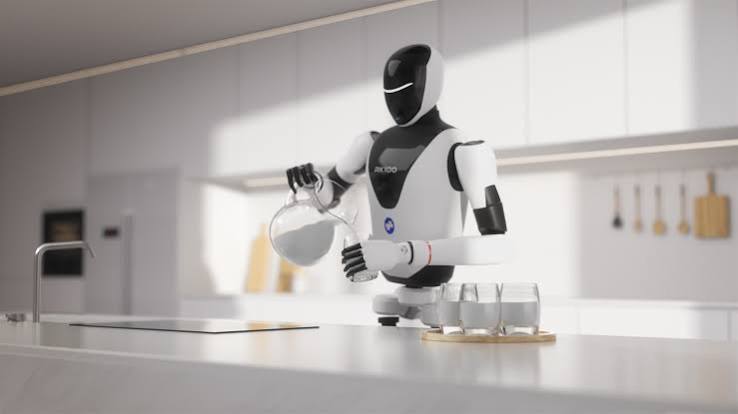
Understanding the Distinction Between Embodied Intelligence and Generalization in Robotics
Recent discussions at technology forums have highlighted the disparity between demonstrations of robotic capabilities and the reality of embodied intelligence. While large models can achieve a 50% task success rate, physical robots struggle to deliver similar results, revealing a fundamental gap between digital and physical realms. Xu Huazhe, founder of Breakthrough Robotics, emphasized two distinct commercialization paths: the post-training route, which offers short-term cash flow but limited generalization, and the large model approach, which aims for broader capabilities but lacks immediate economic returns. The significance of these insights lies in understanding that successful demonstrations in controlled environments do not equate to the commercial viability of general embodied intelligence. The post-training approach can yield high success rates in specific scenarios but requires extensive reconfiguration for new tasks, while the large model route faces challenges in achieving acceptable performance in the unpredictable physical world. This highlights a critical misconception: achieving near-perfect results in closed environments does not guarantee success in open, real-world applications. Moving forward, it is essential to recognize the resource conflicts between these two paths. Companies often find themselves in a dilemma, trying to balance short-term revenue from customized projects with the long-term goal of developing general intelligence. The industry must focus on advancing foundational models to handle diverse, non-predefined tasks, rather than relying solely on tailored solutions for immediate survival. No further timeline was disclosed at the time of publication.
Embodied Intelligence Robotics Automation AI Machine Learning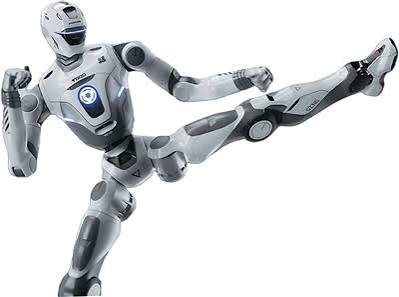
Yushu Robot G1 Showcases Autonomous Fighting, Yet Concerns Persist
Yushu's G1 robot recently demonstrated autonomous fighting capabilities, executing punches and evasive maneuvers without human control. This 38-second video, released on September 7, claims to be the world's first real-time autonomous humanoid robot combat. However, independent analysis revealed console logs suggesting that AI processing may occur on an external computer, raising questions about the true autonomy of the G1. The distinction between 'fully autonomous' and a system relying on external commands is crucial. Yushu has not provided technical documentation to clarify this issue, leaving the term 'fully autonomous' in question. The UnifoLM-X2-1.0 model, which powers the G1, predicts opponent movements and plans actions accordingly, but lacks independent latency benchmarks to validate its performance. While combat scenarios serve as effective stress tests for robotic systems, the leap from successful fighting to reliable operation in dynamic environments remains unproven. A previous incident involving the G1 injuring a child during a demonstration highlights urgent safety concerns. As robots become more capable, the adequacy of safety regulations and frameworks for humanoid robots is increasingly questioned, emphasizing the need for clear guidelines on their operational parameters.
Humanoid Robots AI Robot Safety Autonomous Systems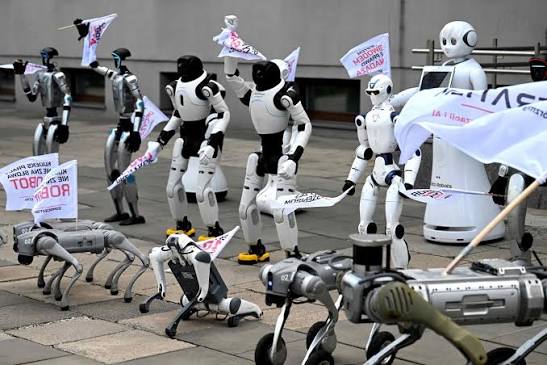
Poland's Robot Demonstration Highlights Urgent Need for AI Responsibility Framework
On September 7, an unusual demonstration took place in Warsaw, Poland, featuring around 30 humanoid and quadruped robots. These robots gathered in front of the Polish Digital Affairs Department, waving flags and broadcasting slogans like 'Defend Jobs' and 'Regulate Now.' The event was organized by a Polish group called Democratism, aiming to spark discussions on the impact of AI and robotics on the labor market. The demonstration, while seemingly initiated by robots, was actually a human-organized PR event, led by Grzegorz Kuliś, who is the CIO of Delta Robots and CEO of a staffing company. This raises questions about the commercial motivations behind the event. Beyond its performative nature, the protest touches on a pressing issue: as AI systems increasingly participate in economic and social activities, who is held accountable for any harm they cause? This question is igniting policy debates globally. In June 2026, Argentine President Milei proposed a bill to create a new legal category for 'non-human companies' operated by AI or robots. However, this proposal has faced opposition, including from historian Yuval Noah Harari, who warns that granting legal personhood to AI could lead to a lack of accountability. A recent poll indicated that 77% of American voters believe AI should always be viewed as a human-controlled tool, highlighting the need for governance structures as AI systems act more autonomously.
AI Accountability Robot Protests Labor Market Impact Legal Personhood Technology Governance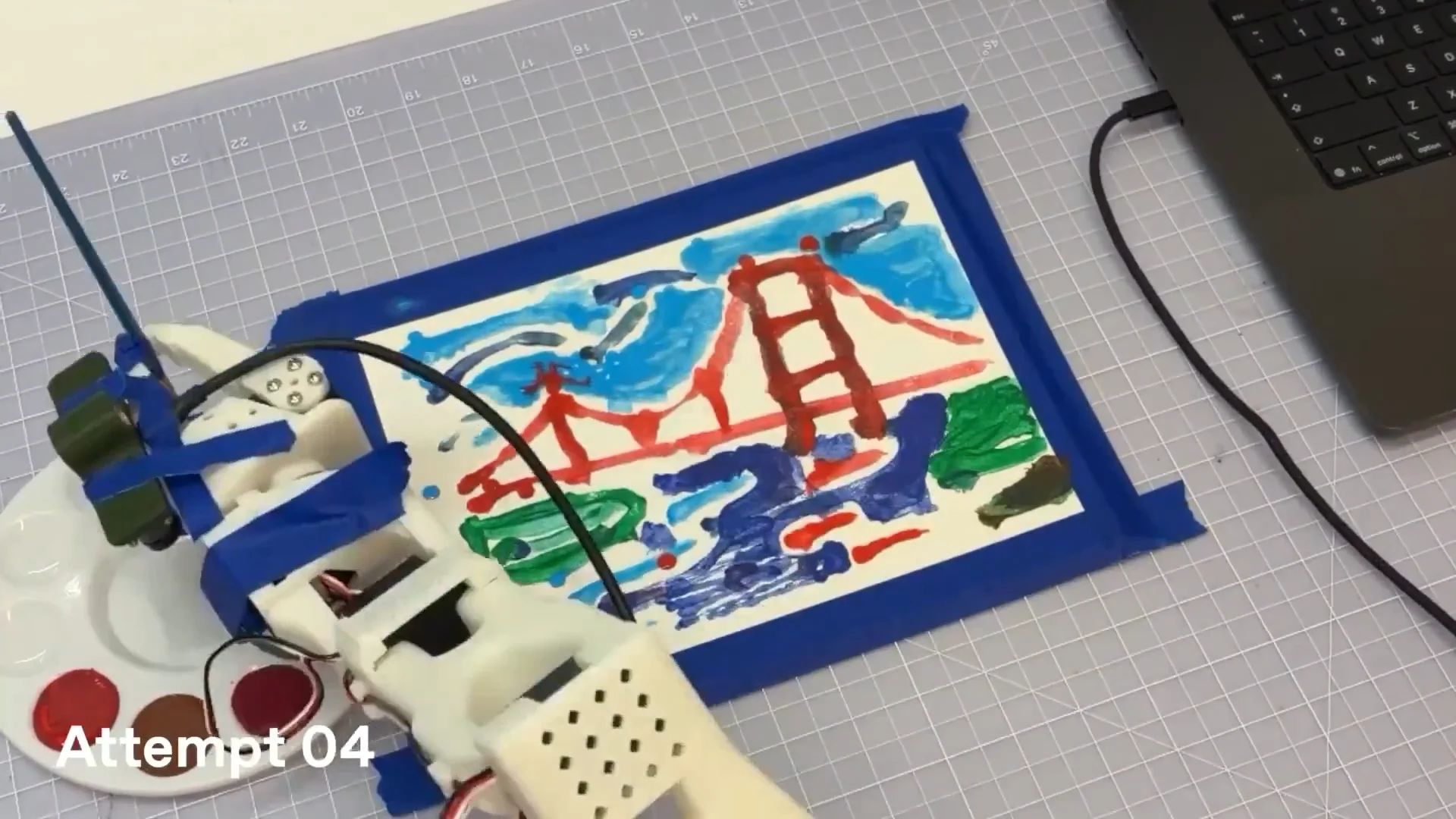
OpenAI's GPT-6 Astra Demonstrates Real-World Painting, Sparking Robotics Debate
OpenAI's GPT-6 Astra has made headlines by painting a rendition of San Francisco's Golden Gate Bridge using a robotic arm, showcasing its visual reasoning capabilities. This experiment, conducted by a 20-year-old roboticist named Thijs, involved Astra autonomously deducing the necessary movements to create the artwork without manual scripting, highlighting a significant advancement in robotics. The implications of this development are profound, as it raises questions about the future of specialized AI startups versus general-purpose models in the robotics sector. Observers are noting that Astra's ability to adapt to physical tasks without prior programming could signify a pivotal moment in the industry, potentially overshadowing dedicated robotics firms that have raised substantial funding for their specialized models. As the debate unfolds, industry experts like Zeeshan Zia from Amazon Alexa suggest that OpenAI may dominate the robotics landscape, challenging the viability of startups like Physical Intelligence and Skild AI. The performance of GPT-6 Astra in hardware benchmarks further complicates the narrative, achieving a 95% success rate in pick-and-place tasks, which may shift the focus towards general models in robotics applications.
Skild AI OpenAI Physical Intelligence
OnLogic to Showcase Physical AI Hardware and Manufacturing Solutions at IMTS 2026
At IMTS 2026, OnLogic will present live demonstrations of its hardware designed for physical AI applications. This event will feature collaborations with notable companies including Microsoft, Nokia, and Inductive Automation, showcasing automated control and private wireless solutions tailored for factory environments. The significance of this demonstration lies in its potential to enhance manufacturing efficiency and automation through advanced technology. By integrating OnLogic's purpose-built hardware with contributions from industry leaders, the event aims to highlight innovative solutions that can transform factory operations and improve productivity. Looking ahead, attendees should watch for the specific applications and use cases presented during the demonstrations. The collaboration with major tech companies suggests a strong emphasis on cutting-edge solutions that could redefine manufacturing processes. No further timeline was disclosed at the time of publication.
Robinson Unmanned Expands Heavy-Lift UAS Capabilities with R44 AIRTRUCK Demonstrations
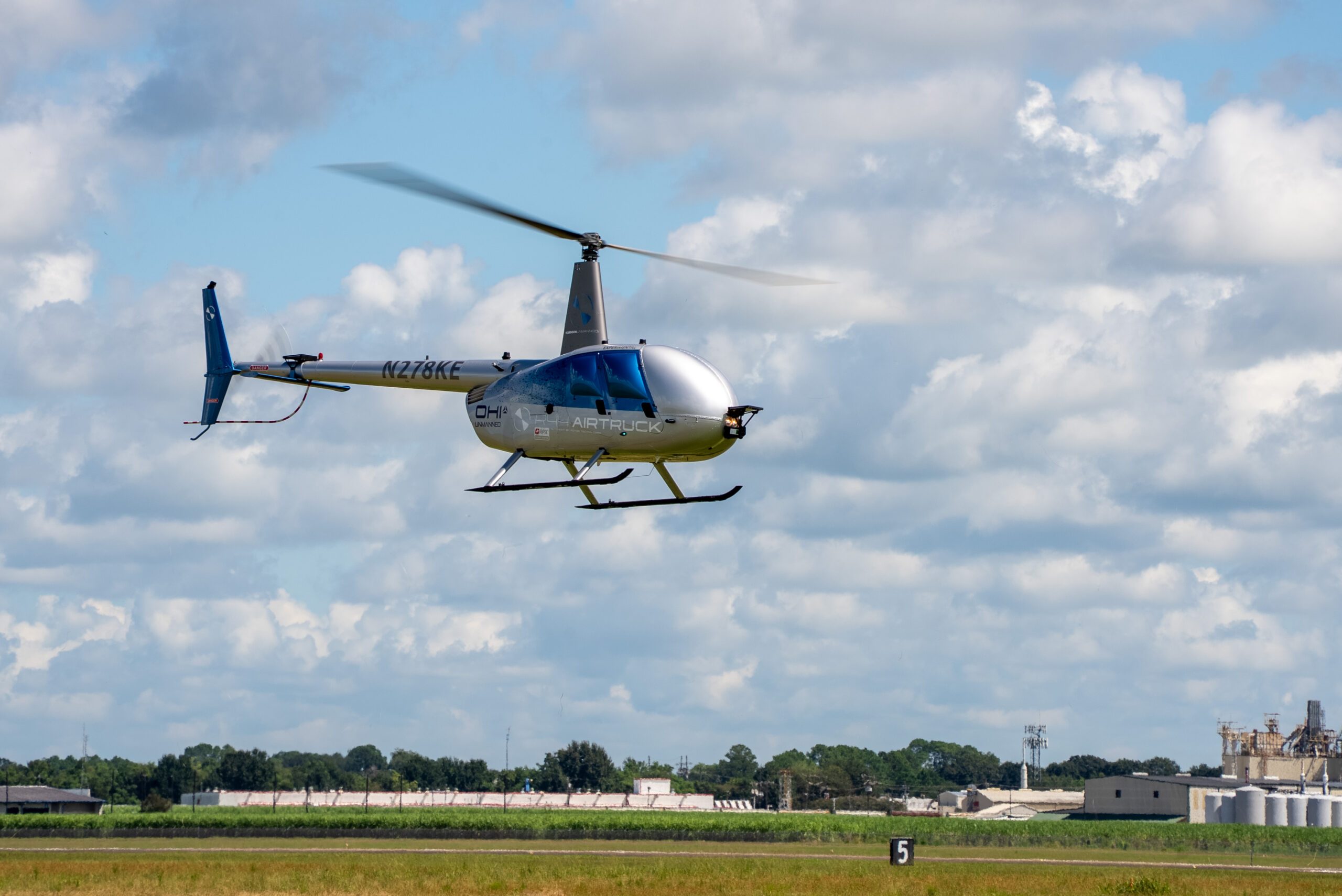
Robinson Unmanned has made significant strides in the U.S. unmanned defense and logistics sector, showcasing its R44 AIRTRUCK in recent demonstrations. The cargo helicopter successfully completed two days of flights at Acadiana Regional Airport in Louisiana, performing various operations such as cargo loading and precision positioning. This expansion is crucial as it highlights Robinson Unmanned's strategy to move beyond small drones into larger, more capable uncrewed aircraft. The R44 AIRTRUCK, with a useful load of up to 1,000 pounds and a cruise speed exceeding 100 knots, represents a heavy-lift UAS designed for logistics and resupply, leveraging the established R44 helicopter ecosystem. Looking ahead, Robinson Unmanned aims to develop a robust U.S. industrial base for rapid drone manufacturing. No further timeline was disclosed at the time of publication.
Advanced Air Mobility Applications Cargo Delivery Drone News Drone News FeedsRobotics needs a service framework.
RSF defines a common language for robot service capability, lifecycle operations, certification pathways, and service-provider networks.
Join the RobotToday community on LinkedIn
Daily robotics news, in-depth analysis, conference highlights, and discussions with professionals worldwide.







