Industry Briefing
A single destination for timely, editor-curated robotics news from around the world.
Mirae Asset Leads $400 Million Funding Round for D-Robotics' Robot Development Platform
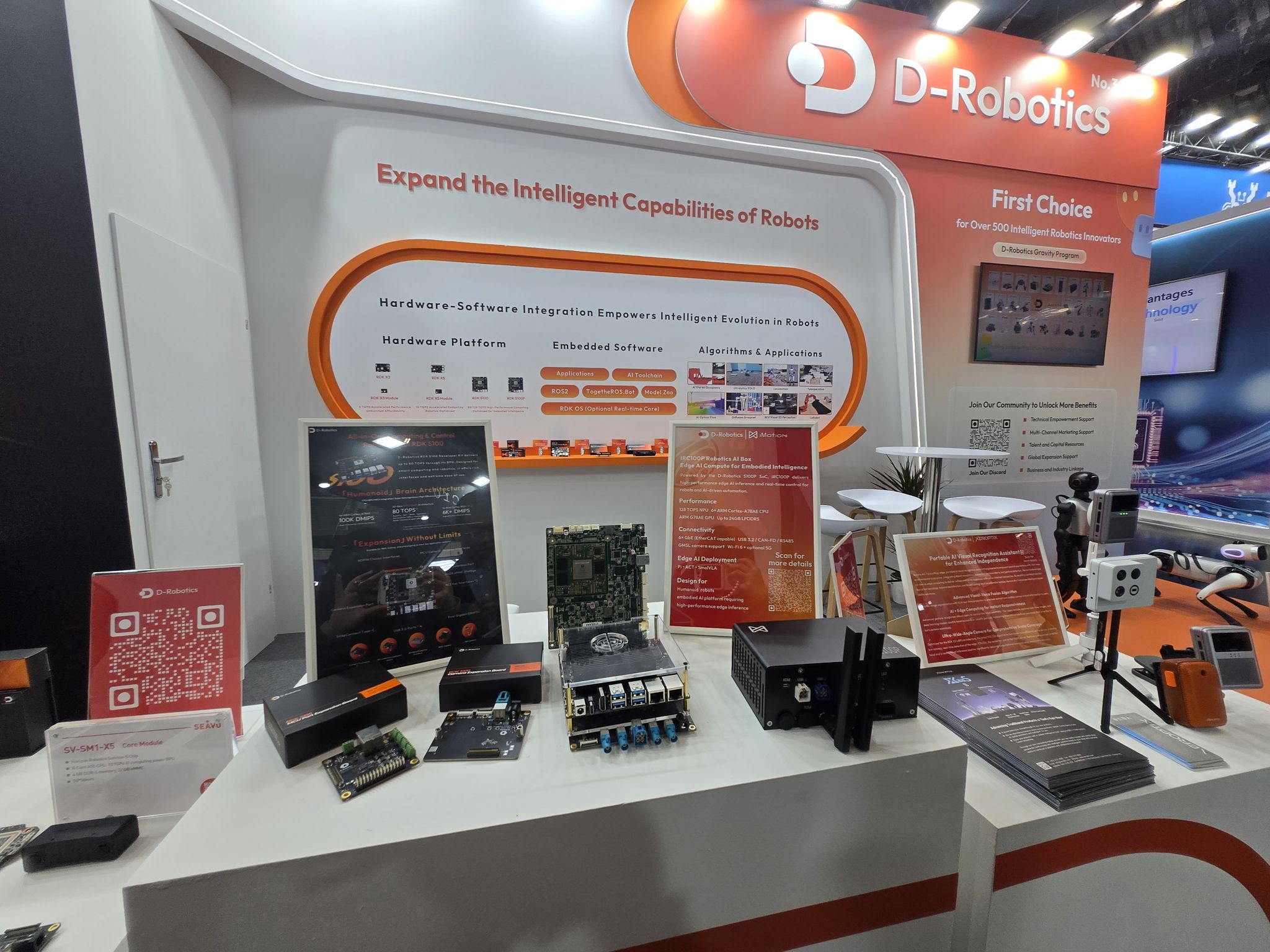
D-Robotics announced that it has secured $400 million in funding, led by Mirae Asset. This investment aims to enhance the company's platform designed to support the development of robots across established categories and general-purpose humanoid robots. The funding is significant as it underscores the growing interest and investment in robotics technology, particularly in the realm of humanoid robots. D-Robotics' focus on developing a versatile platform could position it favorably in a competitive market, attracting further partnerships and innovations in robot design and functionality. Looking ahead, industry observers will be keen to see how D-Robotics utilizes this funding to advance its platform and what new developments may emerge in the humanoid robotics sector. No further timeline was disclosed at the time of publication.
Artificial Intelligence Investments News Robotics China d-robotics
French Startups Mistral, Gobano Robotics, and Ami Labs Aim to Innovate Future Robotics
Mistral, Gobano Robotics, and Ami Labs are among the French startups striving to tackle the next challenges in robotics. These companies are leveraging artificial intelligence to develop advanced robotic solutions that could redefine various industries. The significance of these efforts lies in France's growing reputation as a hub for innovation in robotics and AI. By focusing on cutting-edge technologies, these startups aim to contribute to the global robotics landscape and enhance operational efficiencies across multiple sectors. Looking ahead, it will be important to monitor the progress of these startups as they work towards their ambitious goals. The developments from Mistral, Gobano Robotics, and Ami Labs could potentially lead to breakthroughs that shape the future of robotics. No further timeline was disclosed at the time of publication.
Robotique
Diguo Robotics Raises $400 Million in Series C Funding to Enhance Intelligent Robotics Infrastructure
On September 17, 2026, Diguo Robotics announced the completion of $400 million in Series C funding. This round was led by Future Asset, with participation from major investors including Meituan, Hefei Guotou, and several prominent venture capital firms. The funding aims to strengthen the product layout of Xuri chips and develop a comprehensive software platform that integrates data collection, model training, simulation verification, and inference deployment. The significance of this funding is underscored by Diguo Robotics' impressive revenue growth in the first half of 2026, which saw multiple increases compared to the previous year. The cumulative shipment of Xuri series chips surpassed 8 million units, marking a transition to mass production for their embodied intelligence business. The Xuri S600 chip has gained traction with over 20 leading clients, achieving over 50% customer coverage in the embodied intelligence sector. Looking ahead, Diguo Robotics is poised to play a crucial role in the advancement of embodied intelligence across various applications. Their upgraded DGP Gravity Plan aims to incubate innovative robotics products and support startups throughout the product development lifecycle. No further timeline was disclosed at the time of publication.
Robotics AI Chip Technology Embodied Intelligence
Agility Robotics Unveils New Humanoid Robot 'Digit 5' for Close Human Collaboration
On September 15, Agility Robotics announced the launch of its new humanoid robot model, 'Digit 5'. This model is designed to operate closely with humans without the need for safety barriers, aiming to expand its use in manufacturing and logistics environments. The significance of Digit 5 lies in its advanced safety features, which include multiple sensors and AI algorithms that continuously detect nearby individuals. The robot can autonomously avoid or stop when a person approaches, and it can switch to safe modes, such as sitting down. It also features visual and auditory signals to communicate its intentions and employs a dedicated safety controller to trigger immediate safety actions when unsafe distances are detected. Looking ahead, Agility Robotics has secured multi-year contracts exceeding $300 million for Digit 5, with increasing interest from the manufacturing and logistics sectors. The company plans to expand its deployment beyond North America to the European Union and the UK, with initial implementations expected in early 2027 and general availability by the end of 2027.
Agility Robotics' Journey: From Cassie to the Latest Digit 5 Model
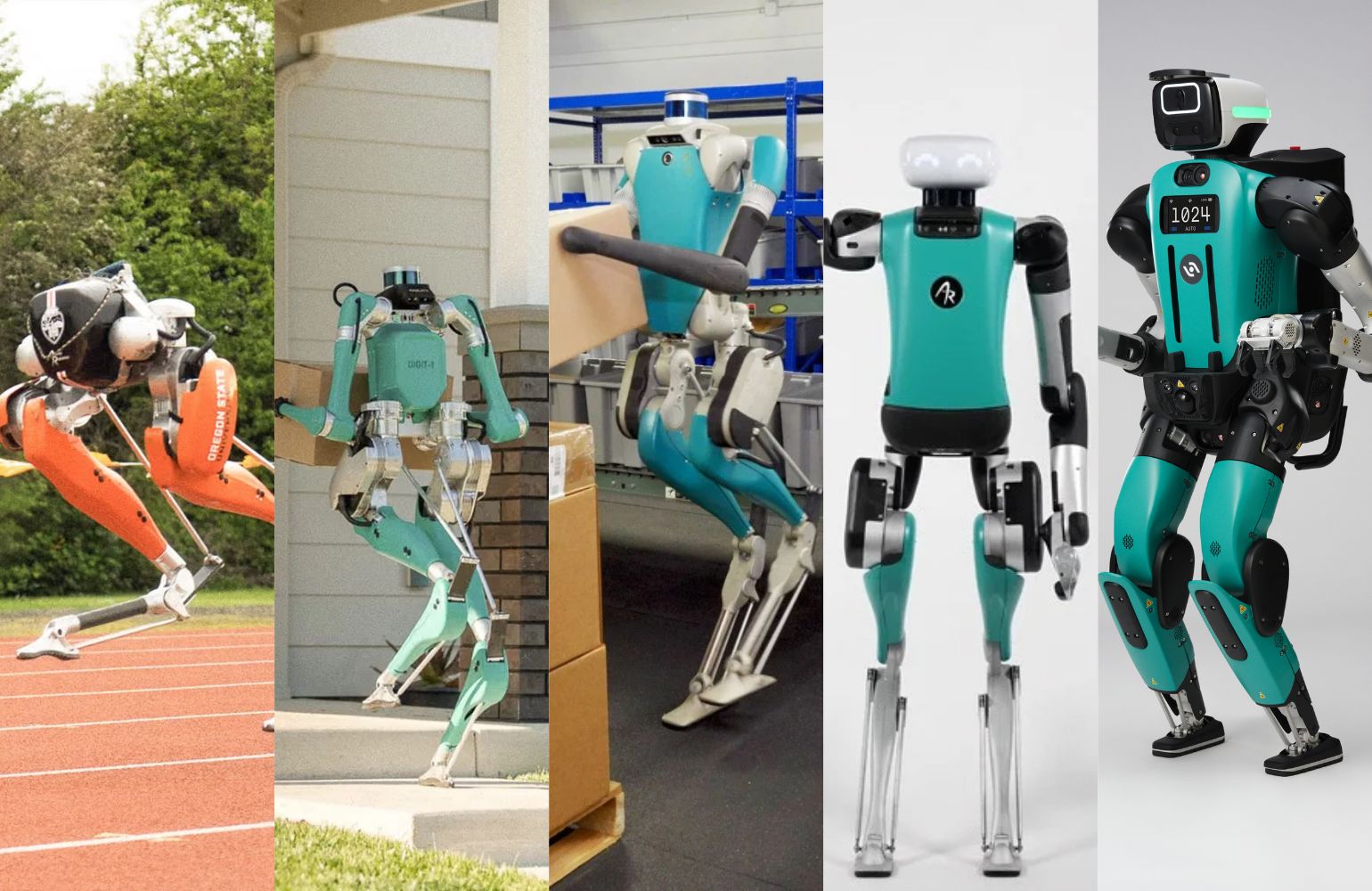
Agility Robotics has developed five versions of its Digit humanoid over the past decade, showcasing significant technological advancements. The company, which originated from the Dynamic Robotics Lab at OSU, has expanded to three offices and over 400 employees, with a factory capable of producing 10,000 robots annually. The latest iteration, Digit 5, reflects the company's focus on practical applications in partner facilities. The evolution from Cassie, a bipedal robot designed for speed, to Digit illustrates Agility's growth and innovation in humanoid robotics. Cassie, introduced in 2016, set a Guinness World Record in 2022 for the fastest 100 meters by a bipedal robot. The first Digit was launched in 2017, marking Agility's entry into the humanoid market, and by 2019, the company began commercializing Digit for tasks like package delivery and warehouse operations. Looking ahead, Agility's Digit 4, released in 2023, was the last model featuring the bird-like legs, transitioning the company into a new phase of deployment and practical use. No further timeline was disclosed at the time of publication.
Humanoids News Robots / Platforms Agility Robotics
Over 40 Robotics Companies Present Innovations at Bund Conference; Youdi Robot Surges 150% on Debut
The Bund Conference showcased over 40 robotics firms from September 9 to 12, emphasizing practical applications in pharmacies and factories. This shift from traditional demonstrations to real-world tasks highlights the industry's evolution towards operational efficiency. Youdi Robot made a significant debut on the Hong Kong Stock Exchange, surging over 150%, marking it as the first AI-conscious robot stock in the market. This performance has positively influenced investor sentiment in the robotics sector, with related ETFs and stocks experiencing gains. The conference's focus on practical applications signals a shift in the robotics industry, moving from mere demonstrations to addressing specific business processes. As robotics firms increasingly engage in real-world tasks, the implications for market valuations and investor expectations are noteworthy. No further timeline was disclosed at the time of publication.
Robotics AI Stock Market Industrial Automation
D-Robotics and GigaAI Collaborate to Integrate GigaBrain-0.7 with Sunrise S600 Edge Platform
D-Robotics and GigaAI are set to adapt the open-source embodied model GigaBrain-0.7 for integration with the Sunrise S600 edge platform, which operates at 560 TOPS INT8. This collaboration aims to enhance the capabilities of various deployments, including Maker, light-pickup, dual-arm, and mobile-chassis systems. The partnership between D-Robotics and GigaAI is significant as it combines advanced AI technologies with edge computing, potentially improving operational efficiency in robotics applications. The integration of GigaBrain-0.7 with the Sunrise S600 platform could lead to more sophisticated and responsive robotic systems, catering to diverse industrial needs. Looking ahead, industry stakeholders should monitor the progress of this integration and its impact on deployment strategies across different sectors. No further timeline was disclosed at the time of publication.

TLD Robotics Established Following ALVEST's Acquisition of EasyMile and TractEasy
TLD Robotics has officially launched as a new entity under the ALVEST Group, following the acquisition of EasyMile and TractEasy. This merger represents a significant milestone after a decade of collaboration, combining autonomous software and industrial vehicle capabilities to enhance ground operations. The formation of TLD Robotics is crucial as it consolidates expertise in autonomous operations, aiming to leverage ALVEST's strong momentum with 35 global operations and 50,000 autonomous missions. This strategic move is designed to streamline deployment and customer support, positioning the company for scalable growth in the autonomous sector. Looking ahead, TLD Robotics will focus on integrating its resources and expertise to enhance operational efficiency. No further timeline was disclosed at the time of publication.
GPT-6 Astra Surpasses Specialist Robotics Models in Recent Evaluations
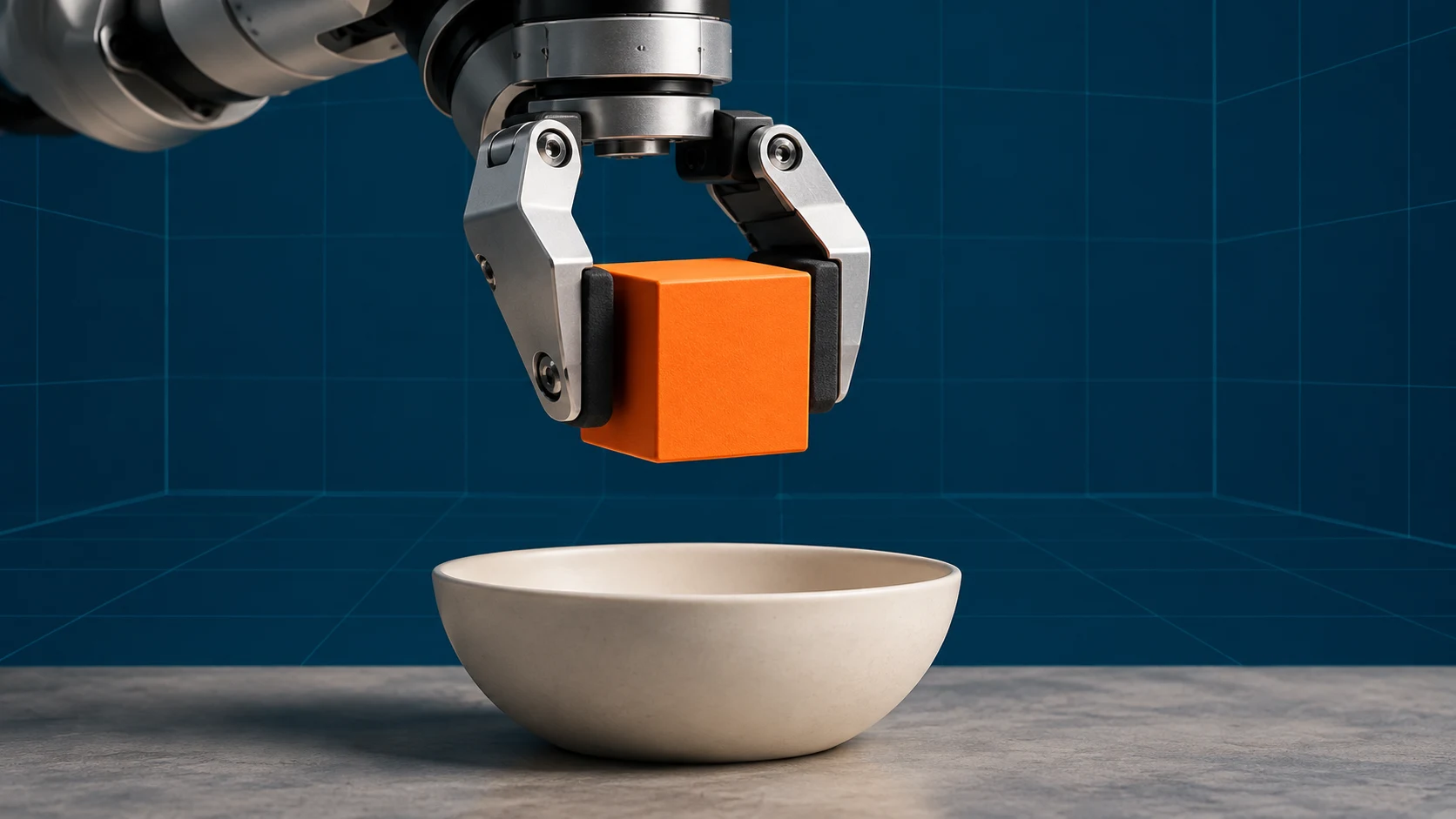
GPT-6 Astra's performance in robotics evaluations has shown significant advancements, surpassing open-source models in a recent MolmoSpaces assessment. The model achieved a score of 70.5%, outperforming competitors like Cosmos3 and MolmoAct-2, which scored 53.0% and 38.6%, respectively. This progress highlights the potential of general-purpose reasoning in robotic control, particularly in tasks that require object identification and movement reasoning. The implications of these findings are substantial for the robotics industry, as they suggest that general-purpose models like Astra can effectively contribute to complex robotic tasks. However, dedicated robotics policies still excel in more challenging manipulation tasks, indicating that while Astra is making strides, there are limitations in its physical task execution capabilities. The ongoing debate about the role of general-purpose reasoning in robotics is gaining traction, especially following Astra's real-world demonstrations. Looking ahead, the robotics community will be keen to observe how Astra's capabilities evolve, particularly in physical environments. The results from the MolmoSpaces benchmarking provide a foundation for further exploration of general-purpose models in robotics, but the need for dedicated solutions in specific manipulation tasks remains. No further timeline was disclosed at the time of publication.
OpenAI Benchmark Research
RoboStrategy Leads Series A Investment in Maven Robotics for Intelligent Automation
RoboStrategy has announced its lead investment in Maven Robotics' Series A funding round. Maven Robotics specializes in designing, building, and deploying intelligent robots tailored for logistics and manufacturing sectors. Emerging from stealth mode, the company claims to possess the key to developing general-purpose robotics aimed at enterprise customers. This investment is significant as it highlights the ongoing challenge within the robotics industry, where despite substantial talent and capital, few robots are effectively performing real work. The focus on large enterprises as the primary market for robotics solutions underscores the need for reliable and cost-effective automation that can meet specific job requirements. Looking ahead, the challenge remains for robotics startups to transition from innovation projects to scalable solutions that deliver tangible results. The ability to convert initial interest into substantial contracts will be crucial for the success of Maven Robotics and its competitors in the evolving landscape of intelligent automation. No further timeline was disclosed at the time of publication.
market analysis Maven Robotics RoboStrategy Investment
Xiaomi Releases Open-Source Robotics-U0 Model and Training Tools with Significant Speedups
Xiaomi has open-sourced the Xiaomi-Robotics-U0, an autoregressive embodied world foundation model featuring approximately 4 billion parameters and full-scale weight lines of around 38 billion. This release includes training and inference tools designed to enhance robotic applications. The significance of this development lies in Xiaomi's claim of achieving FlashAR+ speedups nearing 83 times, which positions the Robotics-U0 model at the forefront of robot-centric scene, transfer, and video synthesis tasks, as evidenced by its top ranking in WorldArena. Looking ahead, the impact of Xiaomi-Robotics-U0 on the robotics landscape will be noteworthy, particularly in applications requiring advanced scene understanding and video synthesis capabilities. No further timeline was disclosed at the time of publication.
RobotPlusPlus Secures Series C Funding to Enhance Global Industrial Robotics Operations
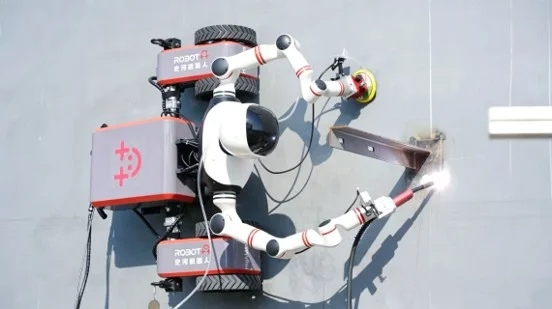
RobotPlusPlus has successfully raised hundreds of millions of yuan in Series C funding to broaden its industrial robotics business on a global scale. The funding round was led by Qianggang Capital Fund, with contributions from GIG Capital Group, Sealand Innovation, and Juntong Capital, while existing investor Fosun RZ Capital increased its stake. This funding is crucial as RobotPlusPlus aims to develop embodied AI systems for hazardous work environments, enhancing safety and efficiency in industrial operations. The company has reported over 2 million operating hours for its robots and has completed hull derusting on more than 10,000 cargo vessels across 100 shipyards, demonstrating its significant market presence. Looking ahead, RobotPlusPlus plans to expand its robotic systems beyond specialized machines to cater to various industrial operations. The Series C funding will support the development of AI models tailored for specific environments, furthering automation in high-risk settings. No further timeline was disclosed at the time of publication.
AI AI Funding & Investment Robotics China funding industrial robotics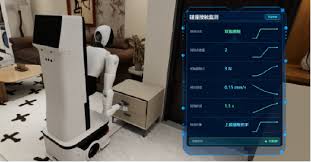
Shangpin Home Introduces Open-source WorldSimReady-Home Dataset for Robotics Training
Shangpin Home, in collaboration with Tangyuan Technology, has launched the WorldSimReady-Home simulation dataset aimed at addressing the challenges of robotic training in complex home environments. This open-source dataset includes 100,000 square meters of high-fidelity home scenes, 10,000 interactive assets, and 1,000 standardized robotic simulation task examples, allowing for extensive training and testing of various robotic forms. The significance of this initiative lies in its potential to bridge the Sim2Real gap, where robots struggle to perform in real homes despite successful laboratory tests. By providing a diverse range of simulated environments, the dataset enables developers to train robots for navigation, object manipulation, and complex household tasks without the risks associated with real-world trials. Looking ahead, the WorldSimReady-Home dataset represents a foundational step in Shangpin Home's strategy for embodied intelligence. As more teams engage with this open-source initiative, the development of additional datasets for industrial, commercial, and specialized scenarios is anticipated. The effectiveness of this approach will depend on the practical application of the dataset and the successful transfer of learned strategies to real-world settings.
Robotics Training Simulation Data Home Automation AI Digital Twins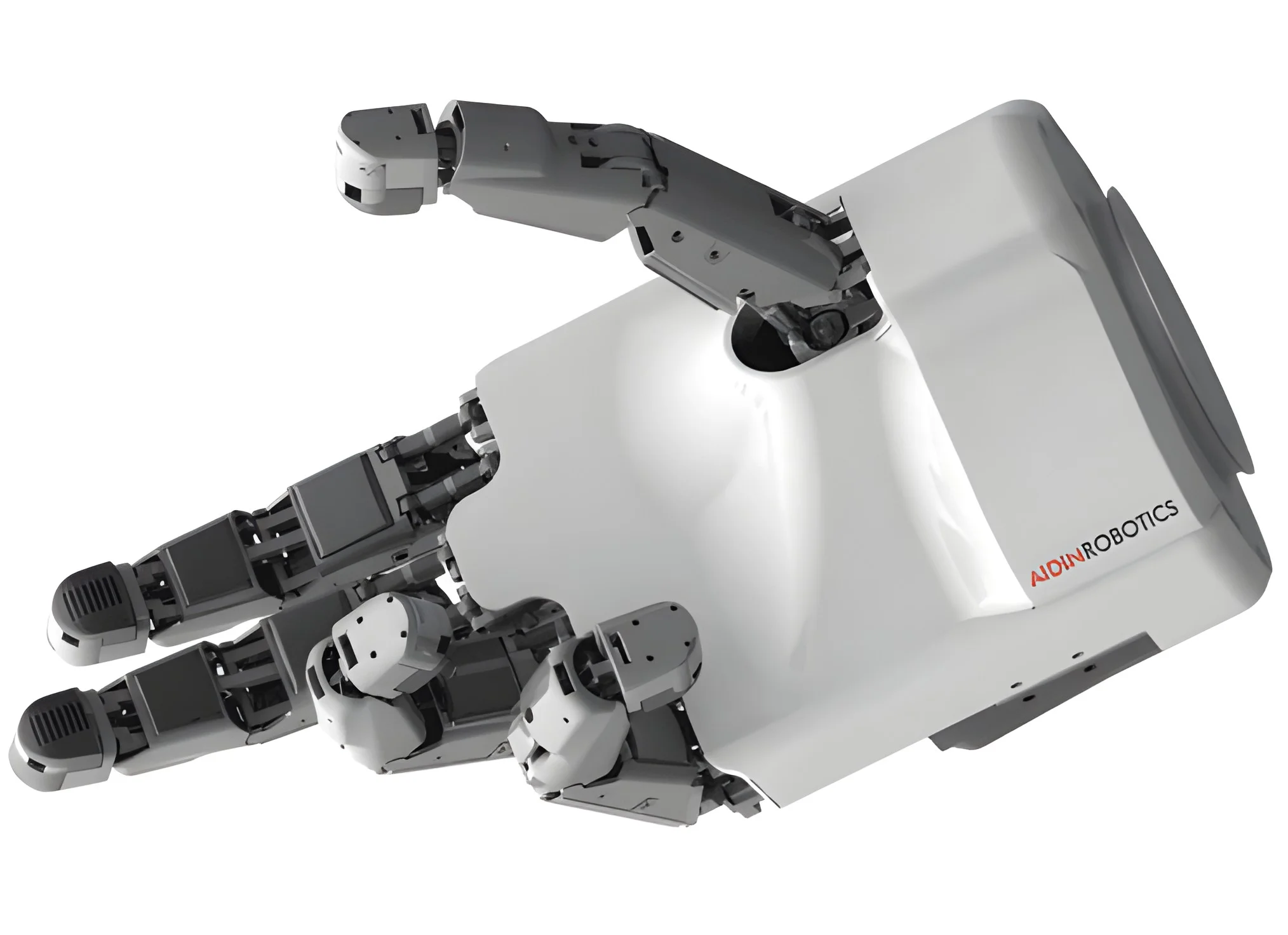
HD Hyundai Robotics Allocates $9.5 Million to Aidin Robotics for Humanoid Development
HD Hyundai Robotics has invested approximately $9.5 million in Aidin Robotics, acquiring an equity stake in the South Korean startup. This investment aims to enhance the development of humanoid components and industrial automation systems, starting with a five-finger robotic hand tailored for shipbuilding and heavy industry. The collaboration is significant as it combines Aidin's advanced force, torque, and tactile sensing technologies with HD Hyundai Robotics' platforms. This integration is expected to facilitate the creation of robotic systems capable of performing complex tasks in shipyards and other industrial environments, ultimately improving efficiency in manufacturing processes. Looking ahead, the partnership plans to conduct field demonstrations before commercializing their innovations. Initial deployments will focus on the shipbuilding sector, with future expansions anticipated into other manufacturing industries and international markets, including U.S. shipyards. No further timeline was disclosed at the time of publication.
AI AI Funding & Investment Robotics Aidin Robotics automation HD Hyundai Robotics
CMU Robotics Institute Launches Fourth Year of Pathways Fellowship Program
The Carnegie Mellon University Robotics Institute has officially commenced the fourth year of its Pathways Fellowship Program. This initiative, in collaboration with InnovatePGH, aims to cultivate non-traditional entrepreneurial talent and drive innovation within the robotics sector. The new cohort consists of seven aspiring engineers, designers, and entrepreneurs. This program is significant as it provides a platform for diverse talent to engage in robotics, which is crucial for fostering creativity and innovation in the field. By supporting individuals from various backgrounds, the fellowship seeks to enhance the entrepreneurial landscape in robotics, ultimately contributing to the industry's growth and evolution. Looking ahead, it will be important to monitor the progress of this new cohort and the impact of their contributions to the robotics community. No further timeline was disclosed at the time of publication.
Announcements
Robocurve Secures $10 Million Seed Funding to Enhance Robotics Benchmarking Efforts
Robocurve has successfully raised $10 million in seed funding aimed at expanding its independent testing of frontier AI models in controlling real robots. The funding round was led by Initialized Capital, with participation from several investors including Notable Capital and Y Combinator. Robocurve plans to utilize this investment to grow its research team and enhance its academic benchmarking programs. This funding is significant as it supports Robocurve's mission to provide unbiased evaluations of AI models, which is crucial for the development of general-purpose robots. The company emphasizes the importance of independent assessments, stating that their research agenda and methodologies are not influenced by the AI companies whose models they test. The implications of their work could reshape the labor market and societal structures as robotics technology advances. Looking ahead, Robocurve's evaluations are expected to evolve, particularly as large language models continue to improve in their ability to perform robotics tasks. The company anticipates that advancements in inference speeds could make real-time robot control feasible by late 2026 to 2029. No further timeline was disclosed at the time of publication.
AI AI Funding & Investment Robotics AI models auditor large language model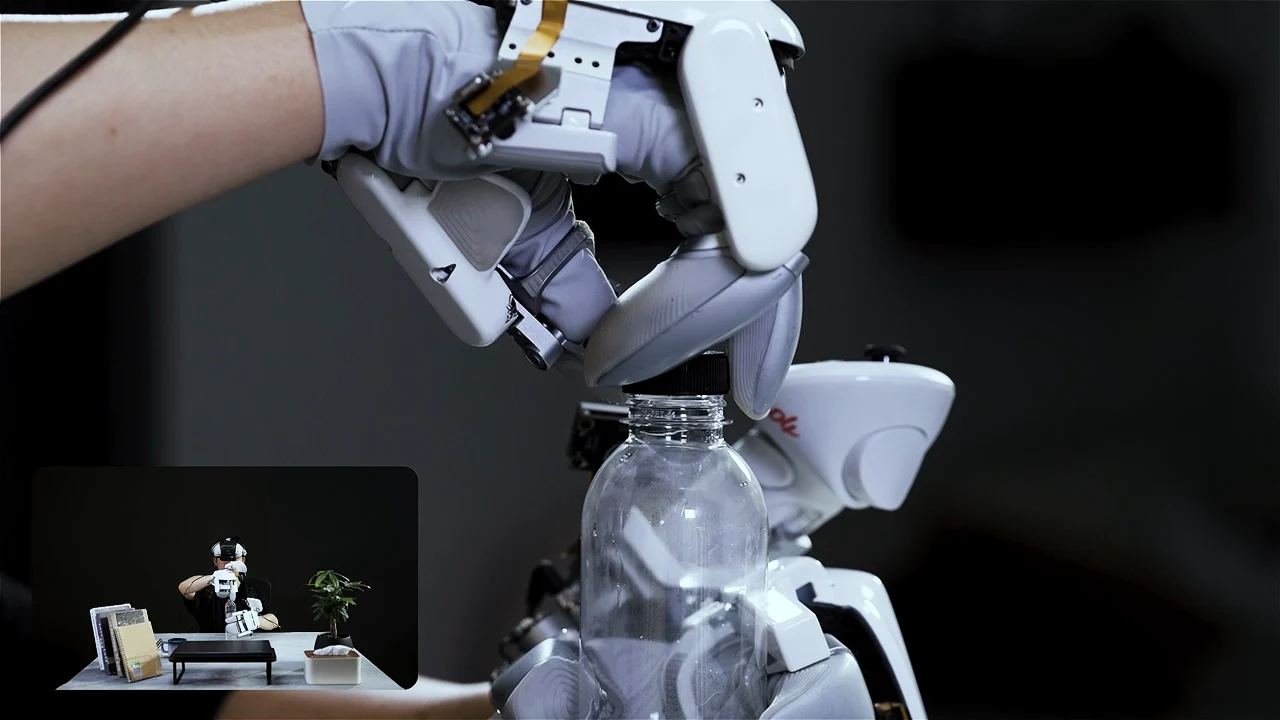
The Rise of Data Collection in Robotics: UMI and Its Impact on Manipulation Techniques
A new trend in robotics focuses on data collection for manipulation tasks, exemplified by projects like Sunday Robotics' Skill Capture Glove and X Square Robot's TwinDEX. These innovations aim to gather useful manipulation data without needing a complete robot for each demonstration, highlighting the significance of the Universal Manipulation Interface (UMI) introduced in 2024. The UMI's handheld gripper, which incorporates a GoPro, allows users to teach robots skills in everyday settings while leaving the robot behind. This approach emphasizes the importance of early engineering decisions regarding data collection methods, which can significantly influence the robot's learning process and overall performance. Looking ahead, the evolution of data collection tools like UMI and Dobb·E's “The Stick” will continue to shape how robots learn from human demonstrations. No further timeline was disclosed at the time of publication.
Data Collection Sunday Robotics Reward AI XSquare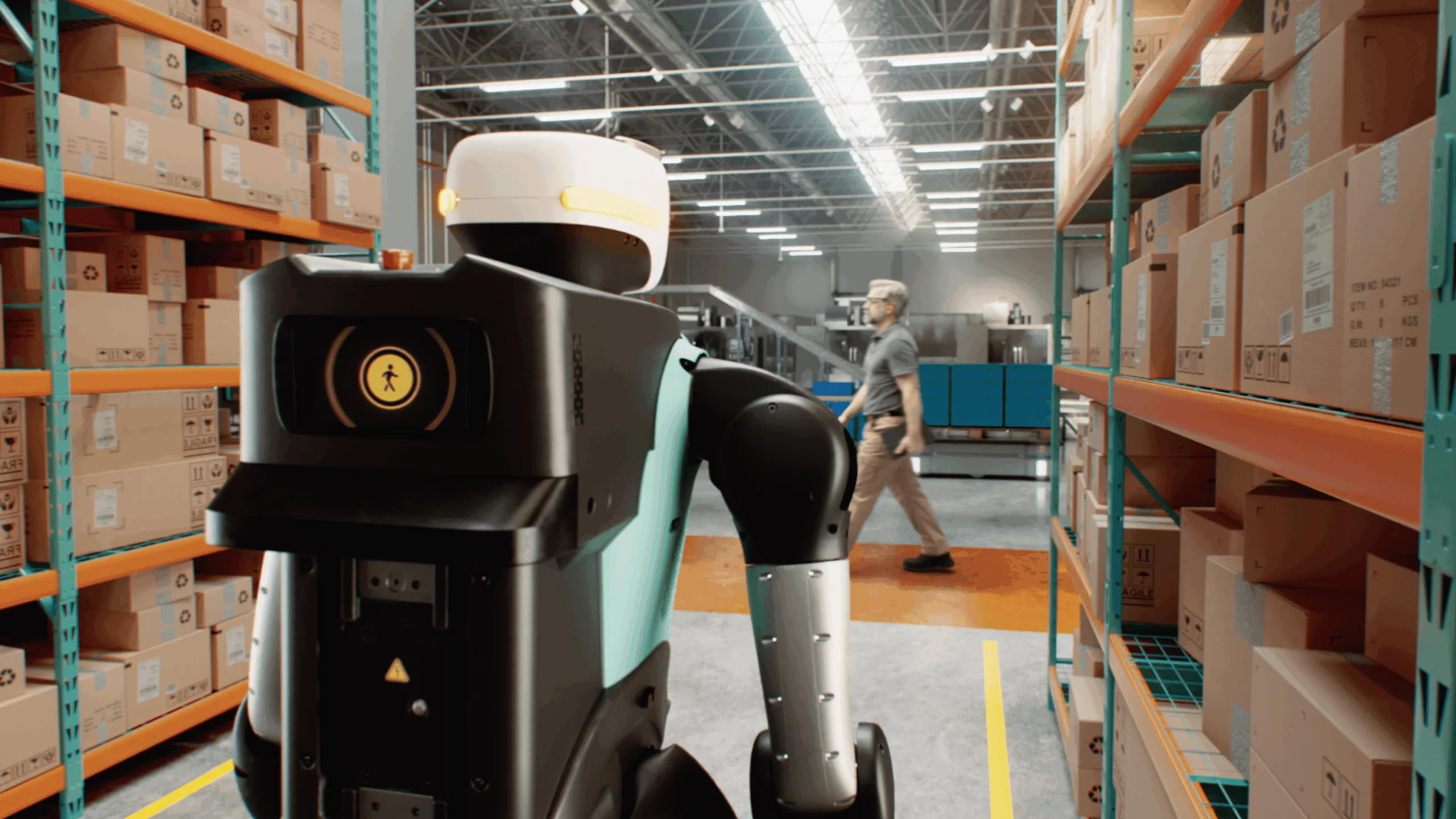
Agility Robotics Launches Digit 5 Featuring Enhanced Payload, Rapid Charging, and Advanced Safety Systems
Agility Robotics has introduced Digit 5, a humanoid robot capable of lifting up to 50 pounds and recharging in just nine minutes. This new model includes advanced safety features that allow it to operate closer to humans in industrial settings, reducing the need for physical barriers. The company plans to make Digit 5 commercially available in the EU and UK starting in 2027, marking its first expansion outside North America. The significance of Digit 5 lies in its enhanced capabilities and safety architecture, which were developed based on customer feedback from the previous model, Digit 4. With features such as human detection, safety cues, and independent motion control, Digit 5 is designed to improve collaboration between robots and human workers in factories and warehouses. Agility's CEO, Peggy Johnson, emphasized that this model addresses key barriers to the adoption of humanoid robots in industrial environments. Looking ahead, Agility Robotics anticipates early access to Digit 5 in the first half of 2027, followed by broader availability by the end of that year. The company is also collaborating with Nvidia to integrate advanced safety systems, which could further enhance the robot's functionality in various industrial applications. No further timeline was disclosed at the time of publication.
AI AI Funding & Investment AI Use Cases Robotics Agility Robotics Amazon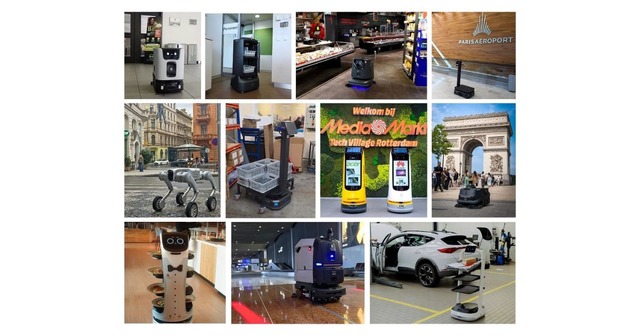
Pudu Robotics Accelerates European Expansion Following IFA 2026 Showcase
Pudu Robotics, a Chinese company specializing in commercial service robots, announced on September 14, 2026, that it will accelerate its expansion in Europe following its participation in IFA 2026 in Berlin, Germany. The company is advancing its business strategy across four key areas: service robots, commercial cleaning robots, industrial logistics, and embodied AI, tailored to regional characteristics. The significance of this expansion lies in Pudu Robotics' established presence in over 85 countries, with more than 130,000 robots delivered globally. Europe, encompassing over 20 countries including Germany, France, and the UK, is a strategically important market for the company, facilitating commercial deployment, product validation, and local business development. Looking ahead, Pudu Robotics plans to establish a new European headquarters in Germany to strengthen its organizational structure. This new headquarters will enhance local management, customer service, partner support, and solution implementation functions, further driving the adoption of commercial and embodied AI robots within the European market.

WaiV Robotics Achieves First Autonomous Nighttime Landing on Moving Vessel
WaiV Robotics has successfully conducted a series of open-sea demonstrations showcasing its autonomous drone launch and recovery system. Notably, the company achieved the first-ever autonomous maritime takeoff and landing at night, marking a significant milestone in maritime technology. This achievement is crucial as it demonstrates the capabilities of WaiV's patented catch-lock-release mechanism and AI-powered predictive algorithms. These technologies enable drones to land on moving vessels, enhancing operational efficiency and safety in maritime operations. Looking ahead, the advancements made by WaiV Robotics could pave the way for further innovations in autonomous maritime systems. No further timeline was disclosed at the time of publication.
Drones News autonomous drones autonomous landing autonomous systems drone landing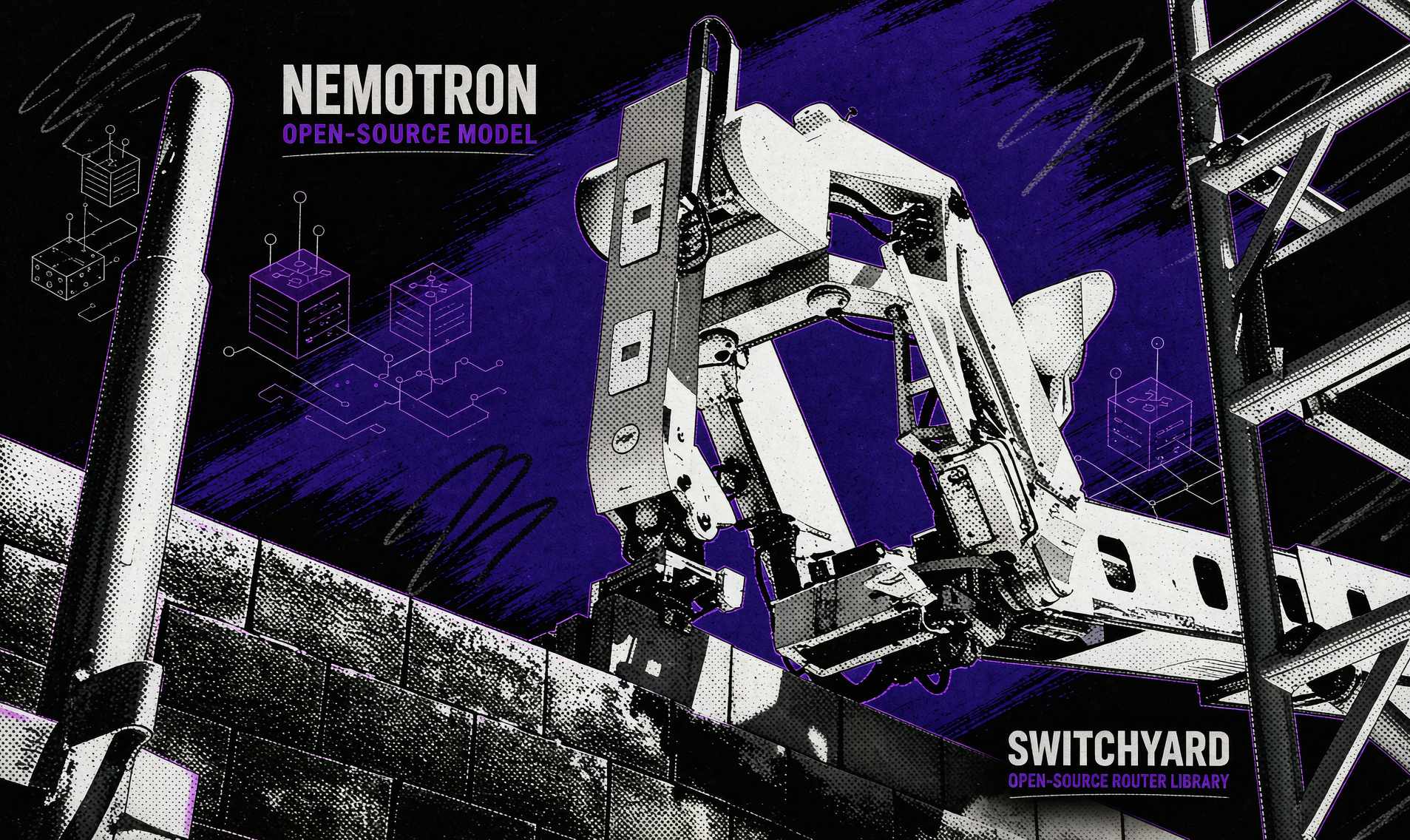
Zinova Innovates Construction Robotics with Tool-Handling Solutions
Zinova, a spinoff from RIC Robotics, has introduced a new approach to construction robotics by focusing on tool-handling capabilities. Co-founder Xu Ziyou emphasized that their goal is to equip robots with the ability to use tools effectively, rather than replicating human dexterity. This approach involves a non-dextrous gripper and a force feedback sensor called TEISI, which captures the interactions between tools, robots, and materials. The construction industry faces significant challenges, including an aging workforce and high project overruns. Zinova aims to adapt robots to existing tools rather than redesigning construction sites. Their demonstration utilized the TRON 2 dual-arm robot to perform a series of tasks, showcasing the potential for robots to handle various tools and processes in a coherent workflow. As Zinova prepares for real-world applications, the focus will be on how their technology performs on actual construction sites. The implications of their approach could lead to greater adaptability in construction robotics, addressing labor shortages and safety concerns in the industry. No further timeline was disclosed at the time of publication.
Construction Robotics Tool Handling Automation Technology AI in Construction
Maven Robotics Secures $100 Million Funding to Expand General-Purpose Industrial Robots
Maven Robotics has officially launched, announcing $100 million in Series A funding from investors including RoboStrategy, LocalGlobe, Vine Ventures, and XTX Ventures. The company specializes in designing, building, and deploying intelligent robotics tailored for logistics and manufacturing applications. This funding is significant as it positions Maven Robotics to scale its operations and enhance its innovative general-purpose robotics systems. Founded in 2024, the company aims to revolutionize the industrial sector by providing versatile robotic solutions that can adapt to various tasks within logistics and manufacturing environments. Looking ahead, industry observers will be keen to see how Maven Robotics utilizes this funding to accelerate product development and market penetration. No further timeline was disclosed at the time of publication.
Industry News Robotics Autonomous robots general purpose robots industrial robotics
Raise Robotics Collaborates with Genie to Elevate AMF Robot to 65 Feet
Raise Robotics has announced a six-month partnership with Genie, the aerial-lift brand of Terex, to enhance its Autonomous Mobile Fabricator (AMF) robot. This collaboration successfully mounted the AMF onto a Genie boom lift, allowing the robot to operate at a height of 65 feet. The integrated system was demonstrated live to customers and partners in July, showcasing its capabilities in a real-world setting. This development is significant as it marks a step forward in the application of robotics in construction, enabling the AMF robot to perform tasks at elevated heights. The collaboration with Genie not only expands the operational range of the AMF but also highlights the growing trend of integrating robotics with traditional construction equipment. This innovation could lead to increased efficiency and safety on job sites. Looking ahead, industry stakeholders will be keen to observe how this collaboration influences the adoption of robotics in construction. The successful demonstration of the AMF on the Genie boom lift may pave the way for further advancements in autonomous construction technologies. No further timeline was disclosed at the time of publication.
Construction News agv amf robot autonomous mobile fabricator Autonomous robots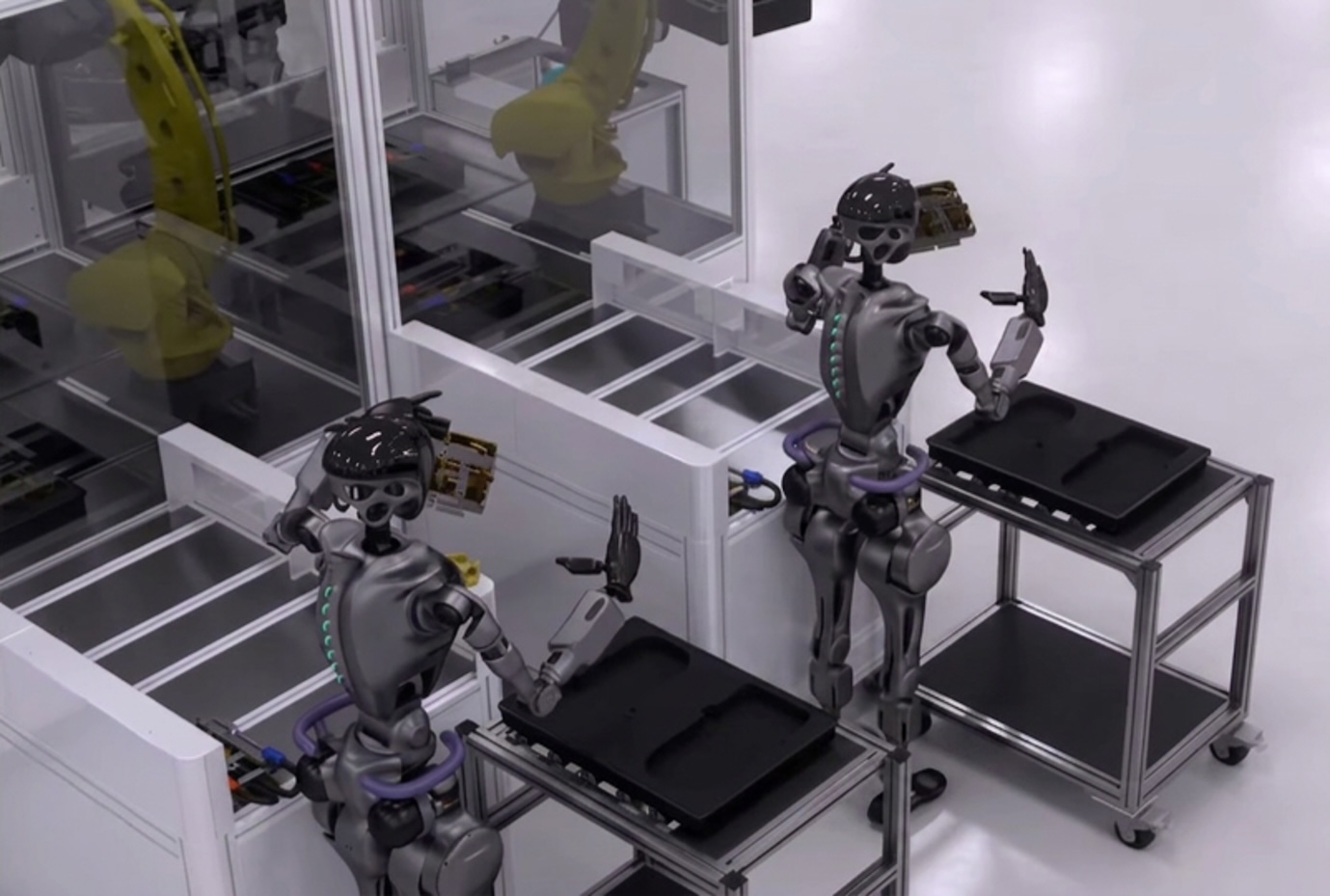
Bosch Ventures Makes Strategic Investment in Asylon Robotics for AI-Enabled Systems
Bosch Ventures has made a significant investment in Asylon Robotics aimed at enhancing the development and deployment of autonomous, AI-driven robotic systems. These systems are designed for security, inspection, and other essential physical operations, addressing the increasing need for effective monitoring and safeguarding of critical infrastructure. The investment is particularly important as operators of critical infrastructure are under mounting pressure to ensure the security and monitoring of complex physical assets continuously. Asylon Robotics specializes in autonomous aerial and ground systems that can meet these demands, thereby contributing to the resilience of critical infrastructure. Looking ahead, stakeholders should monitor how this investment influences the advancement of Asylon's technologies and the broader implications for the security and inspection sectors. No further timeline was disclosed at the time of publication.
Financials & Investments News Robotics asylon asylon robotics autonomous drones
InOrbit.AI Launches OpenRobOps, First ISO 21423 Reference Implementation for Robotics
InOrbit.AI has announced the launch of OpenRobOps (ORO), an open-source robot operations software aimed at providing a production-grade foundation for robotics developers. This software facilitates the creation of a complete fleet manager and supports the forthcoming ISO interoperability standard for mobile robots. The introduction of OpenRobOps is significant as it addresses the robotics build trap, enabling developers to deploy robust fleet management solutions more efficiently. This release includes the first reference implementation of the ISO 21423 standard, marking a milestone in the standardization of mobile robot operations. Looking ahead, the industry will be watching how OpenRobOps influences the adoption of standardized practices in robotics and impacts the scalability of robotic deployments. No further timeline was disclosed at the time of publication.

Agility Robotics Launches Digit 5 Humanoid Robot for Safe Collaborative Work Environments
Agility Robotics has introduced Digit 5, a next-generation humanoid robot designed for cooperative work in environments where safety is paramount. Built on over 65,000 hours of operation and commercial deployments, Digit 5 can handle full facility workflows and operate alongside humans without the need for physical safety barriers. The significance of Digit 5 lies in its ability to enhance operational efficiency in various settings by allowing robots to work closely with people. This innovation marks a shift in how humanoid robots can be integrated into workplaces, potentially transforming industries that require human-robot collaboration. Looking ahead, the deployment of Digit 5 could pave the way for broader acceptance of humanoid robots in diverse applications. As organizations seek to optimize workflows and improve safety, the capabilities of Digit 5 will be closely monitored to assess its impact on the future of cooperative robotics. No further timeline was disclosed at the time of publication.
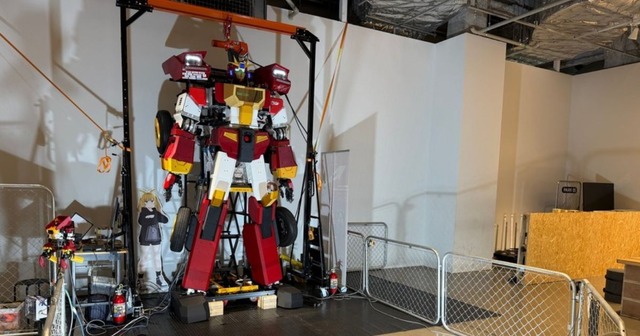
BRAVE ROBOTICS to Showcase Developing Humanoid Robot 'Yuusha Fiberion' in Tokyo
BRAVE ROBOTICS will display its developing robot project 'Yuusha Fiberion' at Tokyo Innovation Base from September 14 to the end of November 2026. This project features a dual design concept combining humanoid and four-wheeled vehicle forms, showcasing a prototype rather than a finished product. The exhibition is significant as it allows visitors to engage with a work-in-progress robot, highlighting the ongoing development and the technology behind it. The display will be static, with safety measures in place, and will include a 1/6 scale movable model representing the anticipated final design. Visitors can participate in remote control experiences of the robot's upper body using a miniature controller, scheduled around TIB's tours. Additional experiences may be arranged based on demand. No further timeline was disclosed at the time of publication.
Renesas Electronics Opens Physical AI and Robotics Lab in Beijing, China
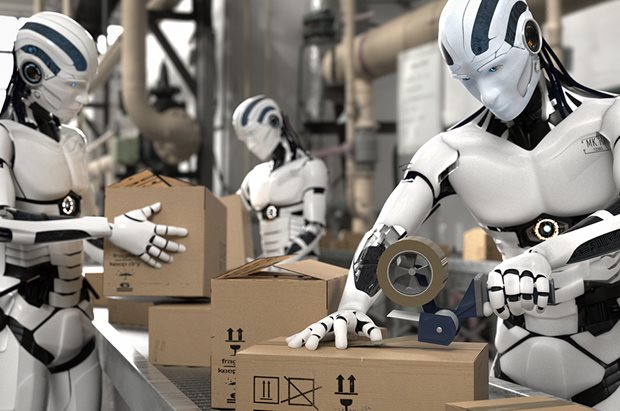
Renesas Electronics has officially launched its Physical AI & Robotics Lab in Beijing, China. This new facility is designed to allow customers to demonstrate, validate, and collaboratively develop next-generation robotic systems. The establishment of this lab is significant as it serves as a central hub for executing Renesas' physical AI strategy, facilitating the transition from proof-of-concept to deployment of advanced robotic solutions. This initiative underscores Renesas' commitment to innovation in the semiconductor industry. Looking ahead, the lab is expected to play a crucial role in advancing the development of robotics and AI technologies. No further timeline was disclosed at the time of publication.
Electronics News Research Robotics artificial intelligence beijing
Symbotic Becomes Member-Sponsor of Stanford Robotics Center's Industrial Affiliates Program
Symbotic has officially joined the Stanford Robotics Center (SRC) Industrial Affiliates Program as a member-sponsor. This membership grants Symbotic access to Stanford's esteemed research community, fostering collaboration aimed at advancing innovations in robotics, autonomy, and artificial intelligence. The significance of this partnership lies in the potential for Symbotic to leverage Stanford's cutting-edge research to enhance its AI-enabled robotics technology for the supply chain. By engaging with leading experts and researchers, Symbotic aims to drive forward its capabilities in automation and robotics, which are critical for modern supply chain solutions. Looking ahead, it will be important to monitor the developments arising from this collaboration, particularly in how Symbotic integrates insights from Stanford into its product offerings. No further timeline was disclosed at the time of publication.
Business Industry News Research Robotics ai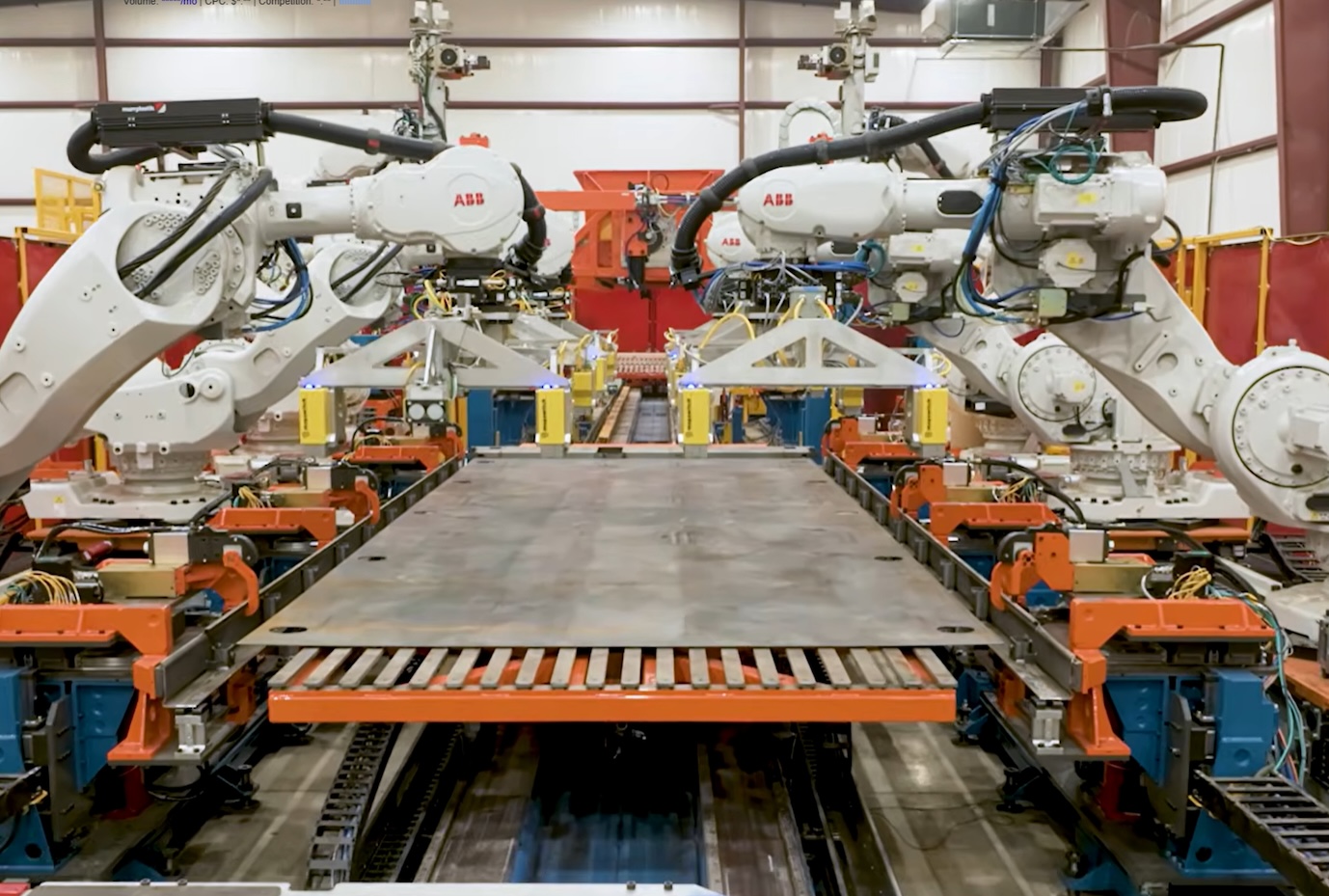
Faraday Future's Chris Chen Discusses Robotics as an Extension of Intelligent Vehicles
Faraday Future, primarily recognized as an electric vehicle manufacturer, is expanding its technological applications to include robotics. The company emphasizes that various technologies initially developed for intelligent electric vehicles, such as artificial intelligence, computer vision, and sensor fusion, are highly relevant to robotic systems. This shift is significant as it highlights the versatility of Faraday Future's technology base, suggesting that advancements in electric vehicle technology can drive innovation in robotics. By leveraging their expertise in localization, connectivity, and simulation, the company aims to enhance the capabilities of robots, potentially transforming multiple industries. Looking ahead, it will be important to monitor how Faraday Future integrates these technologies into robotic applications and the impact this may have on both the automotive and robotics sectors. No further timeline was disclosed at the time of publication.
Artificial Intelligence Automotive Features Robotics AIxCrypto artificial intelligence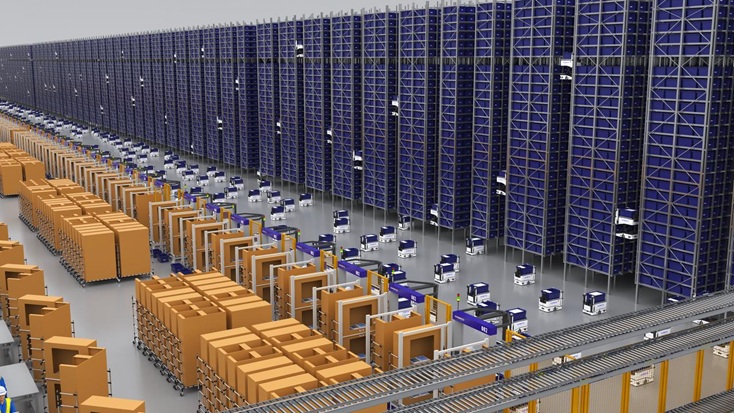
Hai Robotics Chosen for Largest Deployment of Rack-Climbing Warehouse Robots Globally
Hai Robotics has been selected to implement automation technology for a major e-commerce fulfillment center operated by a leading European fashion retailer. This project features the HaiPick Climb system, marking the largest deployment of rack-climbing warehouse robots in the world, with over 1,500 units set to enhance operational efficiency. The significance of this deployment lies in its potential to redefine warehouse automation standards, showcasing HaiPick Climb as a premier solution for high-performance e-commerce fulfillment. The retailer's expansion of its partnership with Hai Robotics emphasizes the growing demand for scalable automation solutions in response to rising online order volumes. Looking ahead, the project underscores the trend towards scalable robotic automation in large-scale fulfillment operations. No further timeline was disclosed at the time of publication.
Industry News
Robotics Price War Intensifies as Mantis Standard Launches Affordable Wheeled Humanoid
The ongoing price war in robotics reveals a significant challenge: most humanoid robots remain as fixed, one-time purchases. According to Counterpoint Research, global shipments of humanoid robots are expected to exceed 22,000 units in the first half of 2026, marking a nearly 300% year-on-year increase. However, over 60% of these robots are used for entertainment and educational purposes, with only 13% in smart manufacturing and a mere 5% in logistics. Despite some price reductions making humanoid robots more accessible, the distinction between a functional robot and a large toy is not as clear-cut as anticipated. The most valuable capabilities for robots are still their ability to perform tasks effectively, which is rarely achieved by low-cost models. On September 14, the company launched its first modular wheeled humanoid robot, Mantis Standard, priced at 9,800 yuan, featuring an omnidirectional wheel chassis, a 7-degree-of-freedom robotic arm, and a 4K60fps dual-vision system. The design of Mantis Standard emphasizes practicality over performance, as wheeled humanoid robots are deemed more suitable for industrial applications compared to bipedal models. PwC's report supports this view, highlighting wheeled robots' advantages in efficient movement and terrain adaptability for commercial applications. Since 2025, the parallel development of wheeled and bipedal robots has been evident, with many companies incorporating both into their product lines, showcasing wheeled robots' stability and flexibility in service and light industries.
Humanoid Robots Modular Robotics Wheeled Robots Robot Automation
Shanghai AI Laboratory Launches Intern Physical World Model W0 for Robotics Applications
Shanghai Artificial Intelligence Laboratory has introduced the Intern physical world model W0, which features native force-tactile sensing and duplex collaboration capabilities. This model is designed to enhance robotics applications by integrating with Intern InkStone and the science model S2, facilitating closed-loop processes in both wet and dry lab environments. The release of the Intern W0 model is significant as it aims to improve the efficiency of tasks such as lipid nanoparticle synthesis, which is crucial in various scientific and industrial applications. By enabling seamless collaboration between different models, the Shanghai AI Laboratory is positioning itself at the forefront of advancements in robotics and AI technologies. Looking ahead, industry observers should monitor how the integration of the Intern W0 with existing systems will impact research and development in robotics. No further timeline was disclosed at the time of publication.

Foxconn and Alt Establish Joint Venture in Robotics with Equal Ownership Stakes
Foxconn Technology Group and Alt Automotive Technology have jointly established a new company, Beijing Futekang Intelligent Robotics Technology Co., Ltd., with equal stakes of 45% each. This unusual ownership structure suggests a collaborative decision-making process, as both companies bring unique resources to the table. The company focuses on manufacturing and selling intelligent and industrial robots, indicating a strong emphasis on production capabilities rather than research and development. The partnership is significant as it reflects the automotive supply chain's shift towards robotics, particularly in humanoid robots, where both companies have overlapping expertise. Foxconn contributes its precision manufacturing and mass production experience, while Alt brings automotive engineering and system integration knowledge. This collaboration aims to leverage existing supply chain resources to create a competitive edge in the robotics market. Future product offerings and target applications remain undisclosed, but the company's operational scope suggests flexibility in both industrial and consumer robotics. The initial products are likely to be tested within the existing ecosystems of Foxconn and Alt, utilizing their established customer bases and operational needs for automation.
Robotics Manufacturing Automotive Engineering Humanoid Robots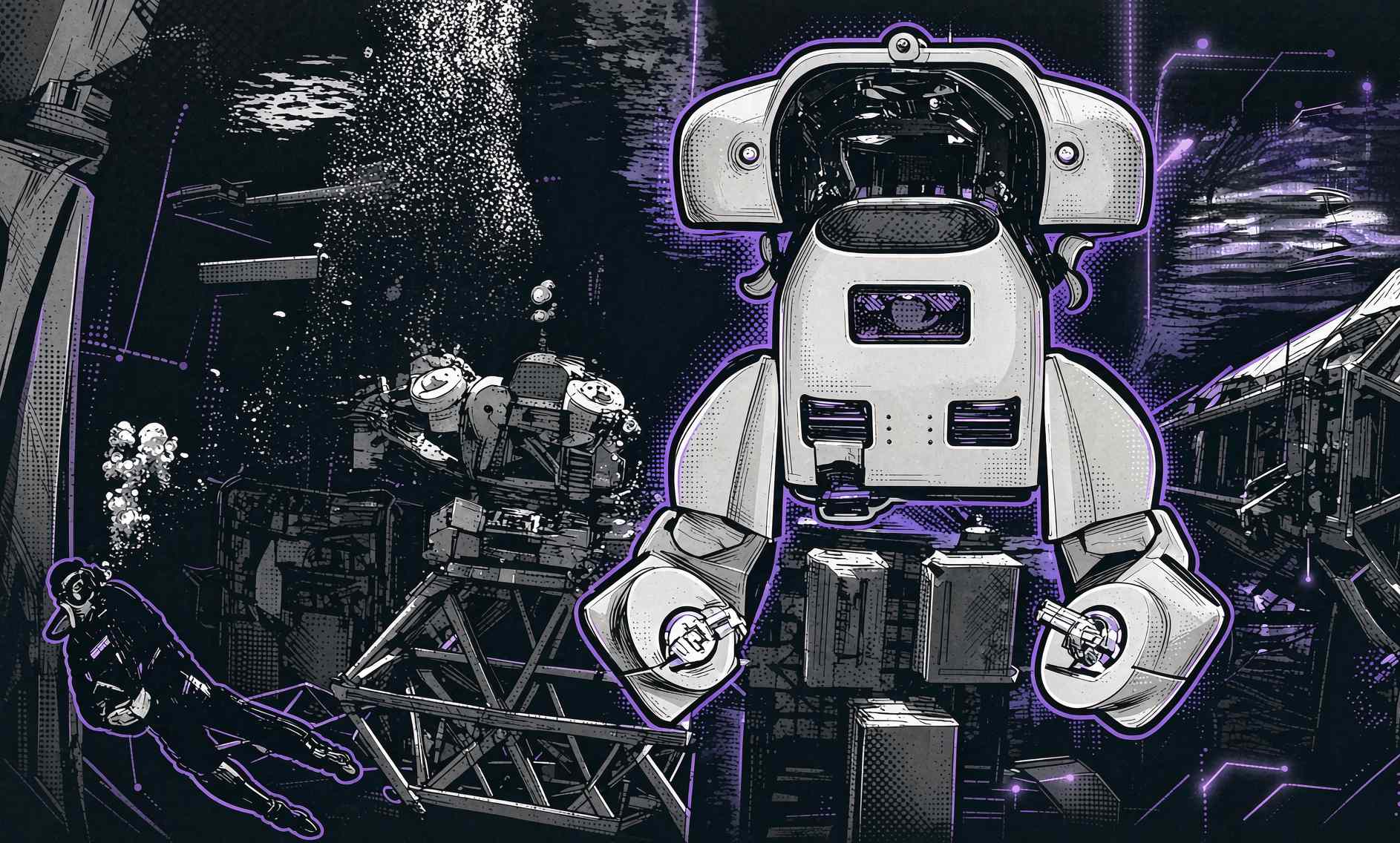
Recent Investment Surge in Deep-Sea Robotics Sector Highlights Industry Growth
The deep-sea robotics sector has recently seen a surge in investment, with Gongzhi Ocean announcing nearly 100 million yuan in angel funding from several investors including Zhongxin Zhidi and Lihe Financial. Founded in 2024, Gongzhi Ocean focuses on high-end underwater propulsion equipment and bionic underwater vehicles, with its core product, 'Hetu,' being the industry's first integrated underwater robot for detection operations. This influx of capital is significant as it reflects the ongoing demand for underwater operations driven by the rapid development of China's marine economy. The market for underwater robots is expected to grow from 3.5 billion yuan in 2022 to 5.16 billion yuan by 2024, with an annual growth rate exceeding 20%. The competition is shifting from merely selling equipment to providing comprehensive services that reduce operational costs in tasks such as hull cleaning and seabed exploration. Looking ahead, the focus will be on how these companies can translate laboratory technology into reliable, maintainable, and scalable operational capabilities in real marine environments. The successful application of these robots in practical scenarios will be more telling than any financing news, as it will demonstrate their effectiveness in various underwater tasks.
Underwater Robotics Marine Technology Investment Trends Autonomous Systems
Robotics Advances: From Entertainment to Practical Household Applications
In recent years, humanoid robots have gained attention at exhibitions and events primarily through performances like singing and dancing. Wang Xingxing, founder of Yushutech, emphasized that while entertainment is an easy application, the goal is to enable robots to perform valuable tasks. At the 2026 World Robotics Conference, the focus shifted towards robots completing practical tasks, showcasing advancements in productivity. The current challenge in the robotics industry lies in the generalization capabilities of embodied intelligence. Wang highlighted that robots often struggle with tasks outside their training scenarios, indicating a significant gap between basic functionality and effective performance. Hu Luhui, founder of Zhicheng AI, pointed out that the industry must enhance robots' understanding of the physical world to overcome these limitations. Looking ahead, the development of world models may offer solutions to improve generalization in robots. Hu noted that the industry is shifting its focus towards enhancing AI models' understanding capabilities. With Zhejiang province leading in robotics initiatives and a growing number of AI enterprises, the future of humanoid robots in domestic roles appears promising, potentially transforming into a significant industry by 2030.
Humanoid Robots AI Robotics Automation
Pudu Robotics Expands European Operations After IFA 2026, Introducing PUDU D7
Pudu Robotics is enhancing its European footprint following its participation in IFA Berlin 2026, where it unveiled its comprehensive range of service robotics. The introduction of the PUDU D7 marks a significant milestone in the company's strategy to establish a stronger presence in the European market. This expansion is crucial as Pudu Robotics aims to tap into the growing demand for commercial service robotics across various sectors, including service delivery, cleaning, and logistics. By showcasing its full portfolio at a major industry event, the company is positioning itself to meet the needs of European customers effectively. Looking ahead, Pudu Robotics' continued focus on localized growth strategies will be key to its success in Europe. No further timeline was disclosed at the time of publication.

Underwater Robotics Secures Nearly $10 Million in Angel Funding Amid Market Potential Focus
Gongzhi Ocean has announced the completion of nearly 100 million yuan in angel funding, attracting investors such as Zhongxin Zhidi and Lihua Financial. This funding reflects a growing interest in the underwater robotics market, particularly in integrated detection and operational capabilities. The investment landscape for underwater robotics has seen significant activity, with companies like Shihang Intelligent and Deep Sea Zhiren also securing substantial funding in recent months. This trend indicates a proactive search for investment opportunities within the sector, highlighting the industry's potential for growth and innovation. Looking ahead, the focus will shift from merely achieving depth capabilities to enhancing operational efficiency and reducing costs in underwater tasks. Companies must demonstrate their ability to translate technical specifications into practical, scalable solutions in real-world marine environments, as the competition intensifies in this evolving market.
Underwater Robotics Marine Engineering Investment Automation Technology
Digua Robotics and Giga Vision Collaborate to Integrate World Models into Edge AI Chips
On September 14, Digua Robotics and Giga Vision announced a strategic collaboration focused on integrating their respective technologies. Giga Vision will provide world models, embodied foundational models, and real-world application experience, while Digua Robotics will contribute an edge AI computing platform, algorithm toolchain, and robotics ecosystem. The initial integrated model chosen is GigaBrain-0.7, utilizing the Xuri S600 hardware base and GigaWorld's capabilities. This partnership aims to create an affordable, integrated solution for embodied intelligence at the edge. GigaWorld will handle scene generation, action consequence prediction, strategy evaluation, and retraining of failure samples, providing a virtual training environment for robots. GigaBrain will serve as the edge intelligence core, managing natural language tasks, spatial perception, task decomposition, skill routing, and decision-making, while the Xuri S600 will support multimodal reasoning and task scheduling. Looking ahead, both companies plan to accelerate the practical application of GigaBrain-0.7 across various robotic platforms, including industrial manufacturing and home services. The success of this collaboration will depend on the performance of GigaBrain-0.7 in real-world robotic applications, particularly in terms of task success rates and system stability.
Robotics AI Edge Computing Embodied Intelligence
Serve Robotics Faces Challenges Amid Revenue Guidance Cut and High Short Interest
Serve Robotics (SERV) has seen its shares drop approximately 20% following a reduction in its 2026 revenue guidance on August 6, despite a remarkable 404% year-over-year revenue increase. The company may also not renew its partnership with Uber (UBER) after it ends in early 2027, coinciding with a decline in Uber Eats delivery volume for the first time in 17 quarters. This situation raises questions about the company's strategic direction, especially as it seeks to diversify into DoorDash (DASH), healthcare robotics, and advertising. With $240 million in cash, Serve Robotics is positioned to navigate these challenges, but the high short interest of 31.3% in its stock suggests a potential for a short squeeze if retail interest increases. Investors should monitor developments closely, particularly the impact of the new partnership with Wonder for autonomous delivery in select cities. However, the overall sentiment around SERV stock remains cautious, as the company has experienced a 61% decline over the past year, reflecting broader concerns about unprofitable micro-cap robotics firms.

Finalists for the CIIF Robotics Award Showcased at the 26th China International Industry Fair
On September 9, the 26th China International Industry Fair (CIIF) hosted the presentation of finalists for the CIIF Robotics Award. This event was organized by the CIIF Robotics Exhibition Department in collaboration with the Shanghai Robotics Industry Association, ensuring a thorough evaluation process to select benchmark products in the industry. A total of 36 products from 36 companies across the country were nominated for the award. The significance of this event lies in its role in promoting innovation and excellence in robotics. Among the finalists is FANUC's new generation of heavy-duty industrial robots, designed for automation scenarios with a load capacity ranging from 120kg to 300kg. This series emphasizes performance upgrades, energy efficiency, and reduced operational costs, aiming to enhance production efficiency and support the transition to high stability and intelligent automation in industrial production. Looking ahead, the competition highlights the advancements in robotics technology, including the MOTOMAN NEXT from Yaskawa, which integrates AI capabilities for improved operational efficiency. No further timeline was disclosed at the time of publication, but the ongoing developments in robotics are expected to drive significant changes in manufacturing processes and automation solutions in the near future.
Industrial Robotics Automation Technology AI Robotics Collaborative Robots
Vecna Robotics Secures $31 Million to Enhance Warehouse Automation Solutions
Vecna Robotics has successfully raised $31 million to further develop its autonomous mobile robot business and enhance warehouse automation capabilities for handling cases and pallets. This funding round was led by Unless, with contributions from Drive Capital, Tiger Global, Highland Capital Partners, and Tectonic Ventures. The company aims to scale its deployment teams and expand its market presence while introducing new functionalities such as pallet stacking, de-stacking, and trailer loading and unloading. The significance of this funding lies in the increasing demand for Vecna's CaseFlow system, which has seen a year-over-year growth of over 100% since its launch in 2025. A deployment at GEODIS demonstrated the effectiveness of the system, doubling picking throughput and reducing training time for new employees. This reflects a broader trend where customers seek comprehensive automation solutions to streamline their material movement processes. Looking ahead, Vecna Robotics plans to leverage this investment to enhance its existing capabilities and meet the growing needs of its clients. The company is focused on providing a reliable, U.S.-based robotics platform that supports extensive automation across various operations. No further timeline was disclosed at the time of publication.
AI AI Funding & Investment Robotics Autonomous Mobile Robots Drive Capital funding
Monumental's Salar al Khafaji Discusses Robotics in Construction and 'Walls as a Service
Salar al Khafaji, founder and CEO of Monumental, recently appeared on Episode 261 of The Robot Report Podcast to discuss the concept of 'Walls as a Service' and the potential for robotics in the construction sector. He emphasized the need for scalable automation in construction, a field known for its limited digitization and reliance on traditional methods. The discussion highlights the significance of integrating robotics and AI into construction processes, aiming to transform it into a more efficient and technology-driven industry. Al Khafaji's vision focuses on making construction software-defined and hardware-enabled, which could lead to substantial improvements in productivity and cost-effectiveness. Listeners should keep an eye on Monumental's developments as they continue to innovate in the construction space. No further timeline was disclosed at the time of publication.
Artificial Intelligence Autonomous Mobile Robots (AMRs) Construction News Opinion Podcast
ASI's Mel Torrie to Discuss Advancements in Field Robotics at RoboBusiness 2026
Autonomous Solutions Inc. (ASI) is enhancing existing field equipment with autonomy, addressing challenges in remote and rugged locations. Mel Torrie, ASI's founder and CEO, predicts significant advancements in mobile robotics for outdoor applications over the next decade. He emphasizes the need for autonomous vehicles to support integration and collaboration among platforms to boost productivity. The intersection of autonomous vehicles and advanced robotics is set to revolutionize field deployments, according to Torrie. At RoboBusiness 2026, he will lead a session titled "Designing the Robotics Ecosystem for Outdoor Autonomy," sharing insights on creating a cooperative ecosystem where robotics and autonomous vehicles work together. This collaboration is expected to enhance operational efficiency and safety in challenging environments. Attendees at RoboBusiness 2026 will gain valuable insights into the evolving landscape of robotics and AI, with a focus on practical applications across various sectors. The event will also provide networking opportunities for professionals in the field, fostering connections that could lead to future collaborations and innovations.
Agriculture Construction Events Markets / Industries News asi
Maven Robotics Emerges from Stealth with $100M Funding for Industrial Mixed Palletizing
Maven Robotics, based in Santa Clara, has announced its emergence from two years of stealth with a $100 million Series A funding round. Led by RoboStrategy, this funding will support the production of 250 third-generation robots and early engineering for a fourth generation. Maven's focus is on addressing the challenges of mixed palletizing in industrial logistics, a critical bottleneck in distribution centers. The significance of Maven's approach lies in its pragmatic strategy to capture industrial logistics before expanding its intelligence capabilities. By utilizing a wheeled mobile base and dual-arm manipulation, the robots can operate efficiently at speeds of up to 10 miles per hour, handling payloads of up to 30 kilograms. This operational reliability is crucial, as the company maintains a 99% uptime rate across its robots, which currently operate in client facilities. Looking ahead, Maven Robotics aims to enhance its end-to-end workflow by integrating directly with warehouse management systems. No further timeline was disclosed at the time of publication. CEO Hamza Derbas emphasizes the importance of return on investment, critiquing the complexity and costs associated with bipedal robots in warehousing applications.
US Maven Robotics RoboStrategy
Addressing the Fall Challenge in Commercial Robotics with Light REACT Technology
A significant challenge in commercial robotics is the frequent occurrence of falls and malfunctions, which can halt operations and increase maintenance costs. Many potential applications remain unexploited due to the inability of robots to recover from such incidents. On September 9, 2026, Liangyuan Innovation introduced the Light REACT technology, focusing on adapting to faults and disturbances in real-world environments, rather than merely enhancing speed and agility. The importance of this technology lies in its ability to redefine how robots respond to unexpected challenges in various settings, such as factories and homes. Traditional methods rely on pre-set emergency protocols that often fail in unpredictable situations, leading to increased downtime and operational costs. By shifting the focus to in-context learning, Liangyuan aims to enable robots to autonomously adjust to their physical conditions, making them more resilient and capable of functioning in diverse environments. Looking ahead, the success of Light REACT could pave the way for broader adoption of robotics across industries. The shift from a reactive to a proactive approach in fault adaptation is crucial for scaling robotic applications. No further timeline was disclosed at the time of publication.
Robotics Operational Efficiency Adaptive Technology Commercialization
Robotics Teams Are Reevaluating Their Manufacturing Roadmaps for Better Outcomes
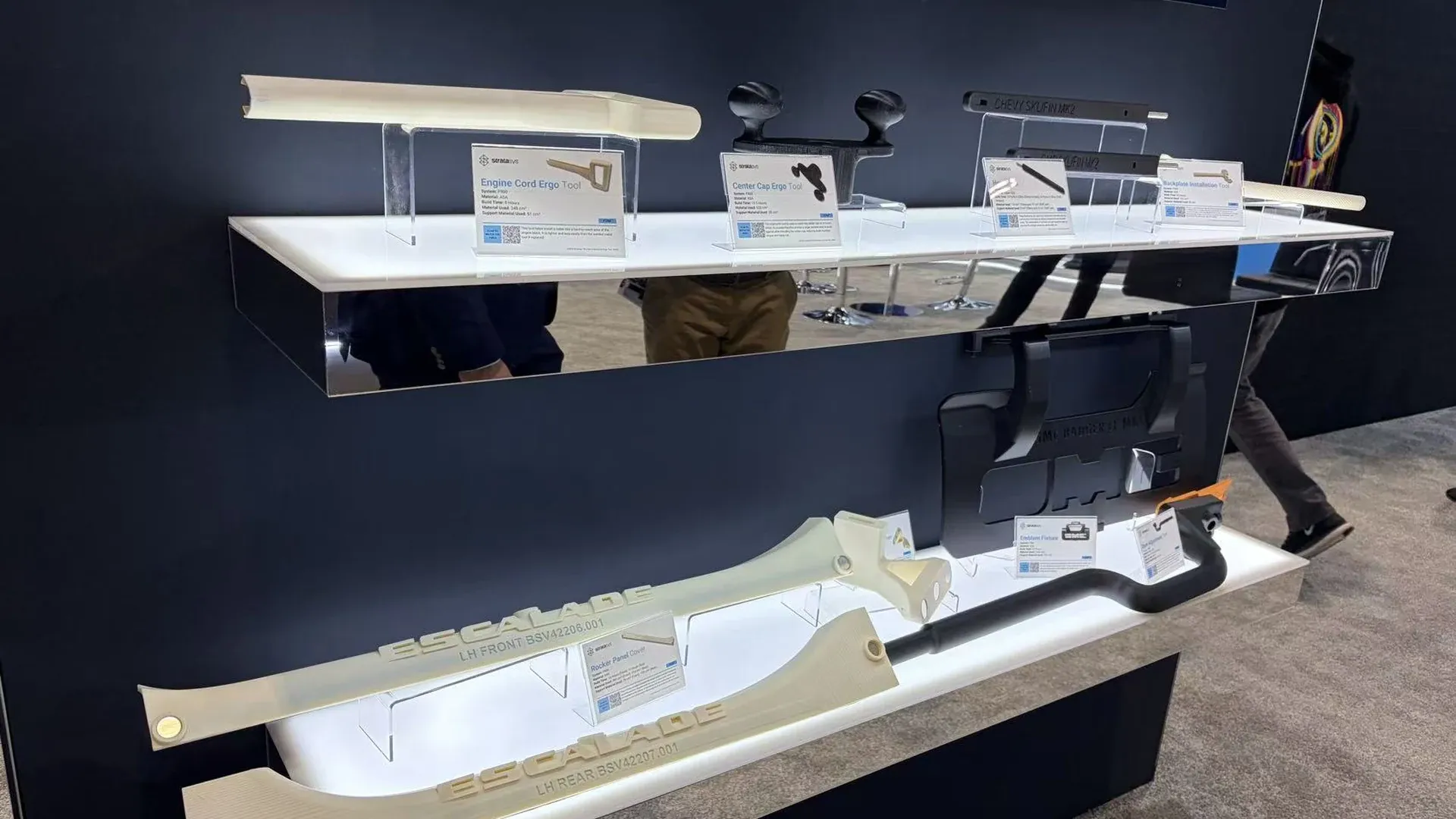
Robotics teams are increasingly recognizing that the journey from prototype to market-ready robot is rarely linear. Various manufacturing methods can be employed throughout the development process, requiring teams to adapt and rethink their strategies at multiple stages. This reevaluation is crucial as it allows teams to optimize their designs and production techniques, ultimately leading to more efficient and effective robots. By embracing a flexible approach, robotics teams can better respond to challenges and improve the overall quality of their products. Looking ahead, it will be important to monitor how these teams implement new manufacturing strategies and the impact on their timelines. No further timeline was disclosed at the time of publication.
Manufacturing Robotics 3d printing additive manufacturing hybrid manufacturing injection molding
Maven Robotics Raises $100 Million to Advance Warehouse Automation with Humanoid Robots
On September 10, Maven Robotics announced the completion of a $100 million Series A funding round. Founded in 2024, the company, co-founded by Hamza Derbas, started with minimal resources but has since deployed eight robots in a Fortune 250 consumer goods company's warehouse, operating 16 hours a day with over 99% uptime. These robots perform mixed palletizing, a task that traditionally relies on human labor. The significance of Maven's approach lies in its focus on automating the most monotonous and repetitive physical tasks in warehouses rather than pursuing humanoid capabilities. With over 480,000 job vacancies in U.S. manufacturing and a projected 2.1 million unfilled positions by 2030 due to skill gaps, automation is becoming a necessity rather than an option. The funding landscape for robotics has also shifted, with a record $18.8 billion raised in 2026, indicating a growing interest in practical automation solutions. Looking ahead, Maven plans to use the funding to produce 250 third-generation robots and initiate the design of a fourth-generation platform. The company aims to achieve over 100,000 hours of autonomous operating time by the end of 2026 and surpass 1 million hours by the end of 2027. However, the company acknowledges that expanding into more complex material handling and assembly tasks will require capabilities that currently do not exist in their robots.
Warehouse Automation Robotics Manufacturing AI
ACE Robotics and NTU S-Lab Release Open-Source Puffin-World Multimodal Model
ACE Robotics and NTU S-Lab have announced the open-source release of Puffin-World, a multimodal world model that integrates physics, geometry, and appearance. This model utilizes the Puffin-16M dataset and achieves state-of-the-art camera absolute pose errors, reporting sub-degree accuracy across four public benchmarks. The significance of this release lies in its potential to enhance various applications in robotics and computer vision by providing a unified framework for understanding complex environments. By achieving such high accuracy in pose estimation, Puffin-World could facilitate advancements in autonomous navigation and scene understanding. Looking ahead, the impact of Puffin-World on the robotics community will be closely monitored, particularly in how it influences future research and development in multimodal models. No further timeline was disclosed at the time of publication.

Teradyne Robotics Initiates Patent Infringement Case Against JAKA Robotics Over Universal Robots Patents
Teradyne Robotics A/S has filed a patent infringement lawsuit against JAKA Robotics GmbH, alleging violations of three Universal Robots patents. The case, filed on August 24, 2026, in the Unified Patent Court's Copenhagen Local Division, involves both hardware and software related to JAKA's collaborative robots sold in Europe. This lawsuit is significant as it highlights the ongoing competition in the collaborative robotics market, where Teradyne Robotics is a leading developer with over 100,000 robots sold since its inception in 2005. The patents in question cover essential aspects of robotic technology, including programmable systems and joint safety mechanisms, which are critical for the functionality of collaborative robots. Moving forward, it will be important to monitor how JAKA Robotics responds to the allegations, as they have stated they have not received official notification of the lawsuit. The outcome of this case could impact the competitive landscape in the collaborative robotics sector, particularly in Europe, where both companies operate extensively. No further timeline was disclosed at the time of publication.
China Collaborative Robots News JAKA Robotics Teradyne Robotics Universal RobotsRobotics needs a service framework.
RSF defines a common language for robot service capability, lifecycle operations, certification pathways, and service-provider networks.
Join the RobotToday community on LinkedIn
Daily robotics news, in-depth analysis, conference highlights, and discussions with professionals worldwide.