Industry Briefing
A single destination for timely, editor-curated robotics news from around the world.

D-Fend Solutions Deploys EnforceAir Counter-Drone System at 2026 FIFA World Cup
D-Fend Solutions announced the deployment of its EnforceAir counter-drone platform by over 20 public safety agencies during the 2026 FIFA World Cup, which took place across the United States, Canada, and Mexico. This operation marked one of the largest coordinated efforts for the company, aimed at protecting stadiums and critical infrastructure from unauthorized drone activity. The significance of this deployment lies in the increasing reliance on counter-UAS technology for event security, particularly at large-scale international events. D-Fend's EnforceAir system employs a cyber-based approach to safely take control of drones without disrupting communications or GPS services, addressing safety risks associated with unauthorized drone operations. Looking ahead, the demand for non-kinetic counter-drone capabilities is expected to grow, especially as legislation in the U.S. expands access to such technologies for public safety organizations. The successful implementation of EnforceAir at the World Cup highlights the importance of layered security systems in managing airspace safety during major public events.
Anti-drone technology Applications C-UAS Defense defense Featured – Safety and Security
Exploring Counter-Drone Technologies and Innovations at AFA Day 2
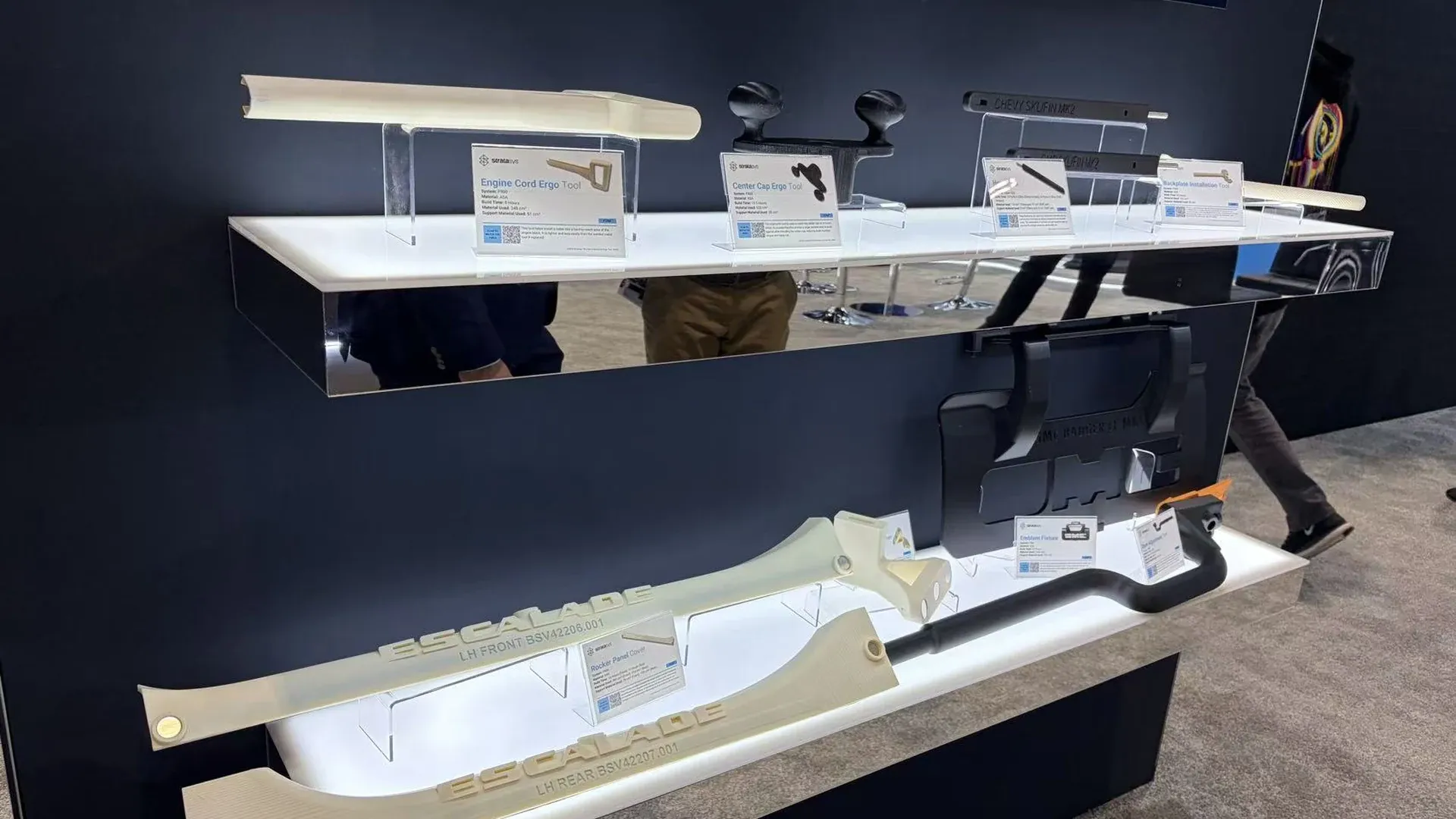
On the second day of the AFA trade show, various technologies were showcased, including counter-drone lasers and cutaway engine blocks. These innovations highlight the growing focus on addressing drone threats in military applications. The significance of these technologies lies in their potential to enhance security measures against unauthorized drone activities. As drone usage increases, the development of effective countermeasures becomes crucial for defense strategies. Looking ahead, industry professionals will be keen to observe advancements in counter-drone systems and their integration into existing military frameworks. No further timeline was disclosed at the time of publication.
Air Warfare Aerovironment AFA Multimedia 2026 Air Force Anduril Brawlr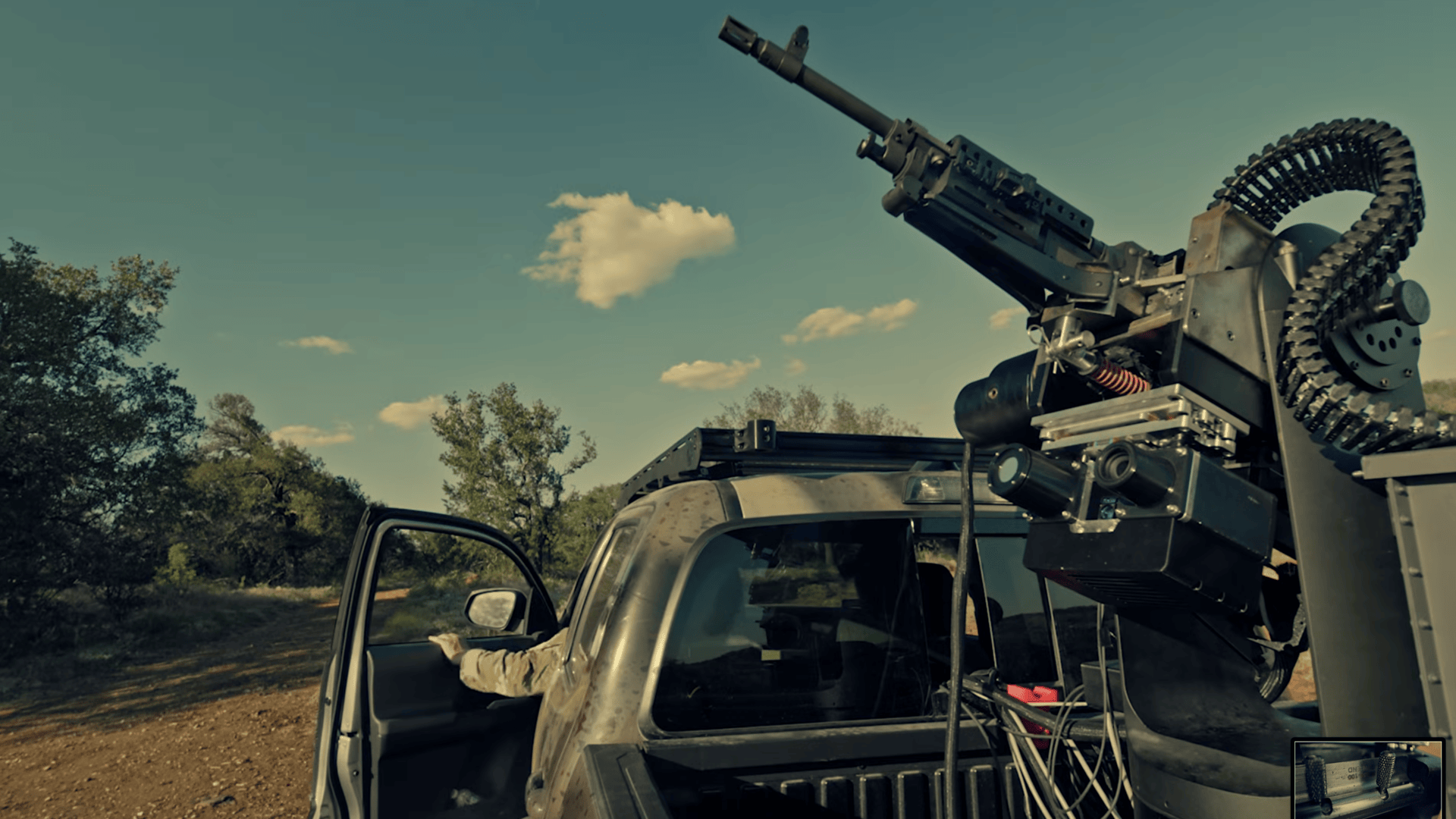
Alien Control Systems Opens 191,000-Square-Foot Facility for Bullfrog Counter-Drone Production
Alien Control Systems (ACS) is launching a new 191,000-square-foot manufacturing facility in Austin, Texas, to enhance production of its Bullfrog counter-drone system. This expansion is a direct response to increased demand from the U.S. and allied nations for effective countermeasures against weaponized drones. The new facility will allow ACS to rapidly scale production of Bullfrog, which integrates computer vision, autonomous control, and precision robotics. The system has already been deployed by the U.S. Army and Navy, and it has contracts with Joint Interagency Task Force 401 and several allied militaries, underscoring its significance in safeguarding critical infrastructure. Looking ahead, ACS aims to further expand Bullfrog's deployment across U.S. military services, following its recent selection by the U.S. Marine Corps for the Ground Based Air Defense program. No further timeline was disclosed at the time of publication.
Military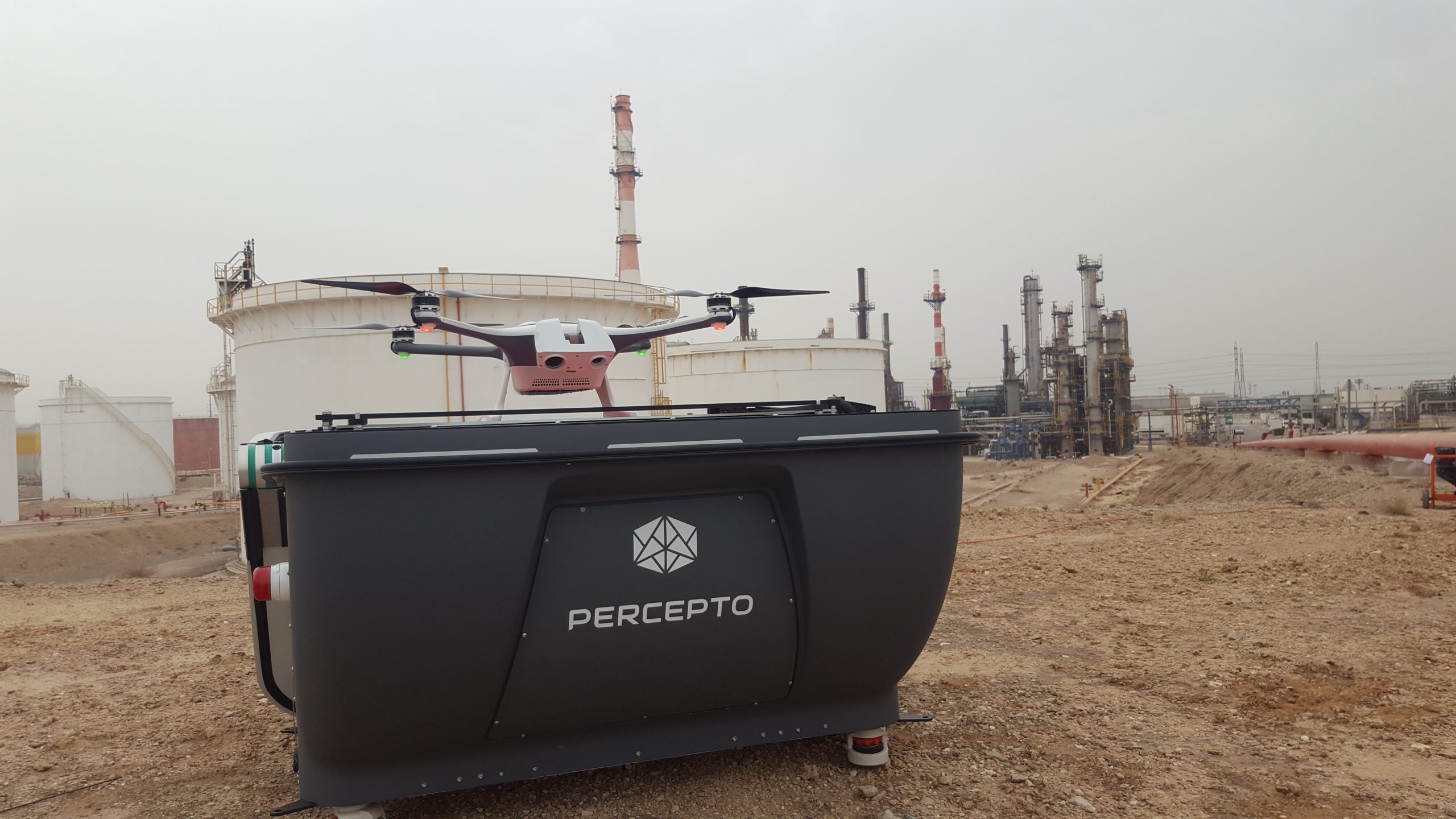
AI's Role in Managing Data Overload from Commercial Drone Operations
As commercial drone programs expand, artificial intelligence is addressing the challenge of data overload created by drones. This was highlighted during a session at the Commercial UAV Expo in Las Vegas, where industry experts discussed AI's practical applications in analyzing vast amounts of data generated by drones. Ismar Avdic from Stratus Autonomous noted that AI can efficiently process thousands of images, a task that would overwhelm human operators. The significance of AI in drone operations is underscored by the shift towards more autonomous systems, which generate exponentially more data. Vikhyat Chaudhry of Buzz Solutions explained that utility customers utilizing drone-in-a-dock systems can produce 10 to 20 times more data through frequent inspections. This increase necessitates efficient data analysis to derive actionable insights, making AI's role critical in identifying patterns and standardizing processes in infrastructure inspections. Looking ahead, the integration of AI in commercial drone operations will continue to evolve. While AI can enhance data processing and contextual understanding, experts emphasize the importance of human oversight. Chaudhry pointed out that organizations must justify AI conclusions, ensuring that results are not merely derived from opaque algorithms. The ongoing need for subject matter experts to validate AI outputs remains crucial for mission-critical applications.
Digital Twins DL Exclusive Drone News Drone News Feeds Inspection News
U.S. Marine Corps Acquires Tempest Vehicles for Enhanced Counter-Drone Capabilities
The U.S. Marine Corps is set to enhance its counter-drone capabilities with the acquisition of 10 Tempest vehicles, designed by V2X. This $19 million contract, announced on September 8, includes not only the vehicles but also software management, spare parts, training, maintenance, and engineering support. The Tempest system is engineered to detect and engage unmanned aerial threats quickly while maintaining mobility to evade enemy targeting. The significance of the Tempest vehicle lies in its innovative design, which combines a lightweight off-road platform with advanced radar and missile systems. Unlike traditional air-defense vehicles, Tempest prioritizes mobility and a small footprint, allowing it to operate alongside maneuvering forces. This approach addresses the growing challenge posed by inexpensive drones in modern warfare, as seen in conflicts like Ukraine, where traditional air-defense systems may not be the most effective solution. Looking ahead, the Marine Corps' integration of the Tempest system could reshape its counter-drone strategies, particularly as drone warfare continues to evolve. While the exact specifications of the vehicles have not been fully disclosed, the Tempest's ability to quickly engage and relocate may prove crucial in future operations against increasingly sophisticated unmanned threats. No further timeline was disclosed at the time of publication.
Military
TSA Invites Drone Industry to Discuss Security Standards for Part 108 BVLOS Operations
The Transportation Security Administration (TSA) is engaging the drone industry to gather input on security requirements for beyond visual line of sight (BVLOS) operations. This initiative follows the FAA's proposed Part 108 framework, which aims to streamline BVLOS operations without the need for individual waivers. The TSA's notice, published on September 4, emphasizes the importance of establishing security protocols as routine BVLOS operations become more common. As the drone industry transitions to routine BVLOS operations, compliance with security requirements will be crucial. TSA is particularly interested in feedback from companies already conducting BVLOS operations under FAA waivers, as well as those planning to operate under the final rule. The deadline for participation requests in the upcoming technical roundtables is October 19, 2026, highlighting the urgency for industry input on these critical security measures. Looking ahead, the TSA aims to finalize security requirements in collaboration with the FAA, focusing on vetting personnel and the establishment of TSA-approved security programs. Participants in the roundtables will discuss existing measures for securing BVLOS operations, which will help shape the future of UAS security standards in the industry.
BVLOS Drone News Drone News Feeds Featured - FAA and Regulations News US Government
Taiwan's Aerospace Contractor Develops Countermeasures Against China's Drone Advancements
Taiwan's leading aerospace contractor is shifting focus from traditional aircraft manufacturing to developing counter-drone systems. This strategic move comes in response to the increasing capabilities of China's unmanned aircraft systems (UAS), as emphasized by an executive from the company, who highlighted the urgent need for a counter-UAS system. The significance of this development lies in Taiwan's heightened concerns regarding China's aggressive drone development. The shift towards counter-drone technology reflects Taiwan's proactive approach to enhancing its defense capabilities amid rising tensions in the region. The need for a dedicated, low-cost shield against potential threats underscores the urgency of this initiative. Looking ahead, it will be crucial to monitor Taiwan's advancements in counter-drone systems and how these developments may influence regional security dynamics. No further timeline was disclosed at the time of publication.

Mehler Protection to Launch SCILT NAVAL Counter-Drone System for Naval Vessels
German company Mehler Protection is preparing to introduce its new ship-mounted counter-drone system, SCILT NAVAL, at SMM 2026. This system is specifically designed to protect naval vessels from threats posed by FPV drones, loitering munitions, and other unmanned aircraft that can bypass conventional air defenses. SCILT NAVAL aims to serve as a last line of defense, particularly in high-risk areas such as ports and confined waters where response time is critical. The increasing prevalence of low-cost drones presents significant challenges for naval forces, as even well-equipped ships can be vulnerable to simultaneous drone attacks. Traditional long-range air defense systems may struggle to engage targets that approach closely or operate in restricted environments. SCILT NAVAL addresses this gap by providing a comprehensive onboard solution that can engage both individual and multiple drone threats effectively. Looking ahead, SCILT NAVAL's capabilities include a three-stage response process: detection, warning, and engagement. The system utilizes commercially available shotgun calibers for close-range strikes and offers various ammunition types for different operational needs. While human operators will initially make engagement decisions, Mehler Protection indicates that future automation may be possible as regulations evolve. No further timeline was disclosed at the time of publication.
Military
Countering Evolving Drone Threats with Layered Tactical Radar Systems
The threat posed by Shahed-136 one-way attack drones highlights the urgent need for advanced counter-drone strategies. As the unmanned aircraft system (UAS) environment evolves, operational users are adapting to new challenges by employing scalable, layered sensing teams capable of detecting and tracking small, fast, and swarming aerial threats. This approach is crucial for effective air defense in complex scenarios, whether on land or at sea. Ray Bischoff, senior director of business development at Leonardo DRS, emphasizes the importance of integrating various sensor systems, particularly tactical radars, into a networked architecture. This layered defense strategy allows for enhanced coverage and response times, which are critical in high-stakes situations like those in the Strait of Hormuz. By utilizing a combination of technologies, including electro-optic and infrared sensors, the defense systems can maintain functionality even if some sensors are compromised. Looking ahead, the focus will remain on refining these layered systems to address emerging drone threats. The integration of diverse sensor technologies will be key to improving decision-making and operational effectiveness. No further timeline was disclosed at the time of publication.
Sponsored Content Counter-Unmanned Aerial Vehicles (C-UAS) Land
FAA Discusses Challenges of Scaling BVLOS Drone Operations Beyond Part 108
The FAA is advancing towards a regulatory framework for routine beyond visual line of sight (BVLOS) drone operations, emphasizing the need for comprehensive systems to manage advanced aviation. At the Commercial UAV Expo in Las Vegas, FAA officials, including Jessica Jones and Ben Supko, highlighted the importance of modernizing airspace systems to support scalable operations and enhance security measures. This shift in the FAA's approach signifies a move away from individual approvals towards a more structured regulatory environment, with the proposed Part 108 rule playing a crucial role. Jones noted that this change would allow companies to develop their businesses more effectively, while also addressing the integration of counter-UAS capabilities to distinguish legitimate operators from unauthorized ones. Looking ahead, the FAA aims to modernize the National Airspace System (NAS) to facilitate BVLOS operations at scale. The discussion underscored that increased routine operations could enhance security by providing more data on normal drone activity, enabling authorities to better identify anomalies. No further timeline was disclosed at the time of publication.
Advanced Air Mobility Drone News Drone News Feeds Drones in the News News Policy
Royal Air Force Enhances Counter-Drone Capabilities with Saab's Giraffe 1X Radars
Saab UK has successfully supplied its Giraffe 1X radar systems to the Royal Air Force (RAF) to combat the rising threat from uncrewed aerial systems (UAS). This delivery is significant as it enhances the RAF's capabilities in counter-drone defense, addressing a growing concern in modern military operations regarding UAS threats. Looking ahead, the integration of the Giraffe 1X radars into the RAF's defense strategy will be crucial in maintaining airspace security. No further timeline was disclosed at the time of publication.
News
U.S. Army Receives Advanced 20kW Laser Weapon Systems for Counter-Drone Operations
The U.S. Army has received two advanced high energy laser systems developed by AeroVironment, known as Laser Weapon Systems (LWS). These systems feature the 20kW-class LOCUST LWS integrated onto the General Motors Defense Infantry Squad Vehicle (ISV) platform, enhancing mobile counter-unmanned aircraft capabilities. This delivery is part of the Army Multi-Purpose High Energy Laser (AMP-HEL) prototyping effort, marking a significant advancement in directed energy capabilities. Mary Clum from AeroVironment emphasized the importance of these systems in providing reliable and operationally ready solutions for counter-unmanned aircraft operations, supporting the Army's modernization goals. Looking ahead, AeroVironment plans to deliver a second increment of the AMP-HEL program next month, which will include additional vehicles equipped with the LOCUST LWS. This ongoing development reflects the Army's commitment to rapidly fielding directed energy solutions to address evolving threats in dynamic environments.
Military
L3Harris and ARX UK Evaluate Passive Counter-Drone Technology on Autonomous UGVs
L3Harris and ARX UK have tested the CORVUS-RAVEN sensors mounted on unmanned ground vehicles (UGVs) to enhance battlefield awareness. These sensors are designed to track approaching threats, allowing operators to maintain a safe distance from potential dangers. The implementation of the CORVUS-RAVEN technology is significant as it improves situational awareness for military operators, enabling them to respond effectively to drone threats without direct engagement. This advancement in counter-drone capabilities is crucial in modern warfare, where unmanned aerial vehicles pose increasing risks. Looking ahead, the focus will be on the further development and deployment of these passive counter-drone systems. No further timeline was disclosed at the time of publication.
News
L3Harris and ARX Robotics Test Counter-Drone Sensing on Uncrewed Ground Vehicle
L3Harris Technologies and ARX Robotics have successfully demonstrated a robotic ground vehicle equipped with a counter-drone sensing system during the US Army’s Project Convergence-Capstone 6 experimentation campaign. This innovative approach allows for the deployment of sensors on a remotely controlled robot, reducing the risk to soldiers by keeping them away from potential drone threats. The demonstration utilized L3Harris' CORVUS-RAVEN counter-drone capability mounted on ARX Robotics' GEREON uncrewed ground vehicle. This setup enhances situational awareness by passively detecting signals associated with drone threats and providing critical bearing information. The ability to reposition the robotic vehicle as tactical situations evolve offers commanders a flexible alternative to fixed sensor locations. As small drones pose increasing challenges for modern militaries, the collaboration between L3Harris and ARX Robotics highlights the importance of modularity and adaptability in military technology. No further timeline was disclosed at the time of publication.
Military
Finland and Sweden Enhance Military Cooperation to Strengthen Counter-Drone Capabilities
Finland and Sweden have agreed to bolster military collaboration by enhancing Finland's counter-drone capabilities amid rising tensions due to Russia's war against Ukraine. Finland's Ministry of Defence emphasized this initiative as a demonstration of the two nations' commitment to regional security and NATO's eastern flank. Minister Antti Häkkänen highlighted the importance of existing air and maritime cooperation in this joint effort. The significance of this collaboration lies in the recent aerial incursions Finland has experienced, which are linked to the ongoing conflict in Ukraine. Reports indicate that Sweden has approved sending Gripen fighter jets and warships to assist Finland in patrolling areas along the Finnish-Russian border. Finland's President Alexander Stubb expressed confidence in the strength of their partnership, stating that mutual trust enhances their security. Looking ahead, Finland has allocated €50.2 million ($58.3 million) for new counter-drone capabilities, with €44 million designated for the Finnish Border Guard. No further timeline was disclosed at the time of publication.
Air Warfare Global Air Force Drones Europe Finland
Pentagon's Counter-Drone Task Force to Conduct Live Fire Test of Directed Energy Weapons
The Pentagon's counter-drone task force is set to conduct a live fire test of directed energy weapons in December, as stated by Army Brig. Gen. Matt Ross. If successful, these systems could be purchased immediately to expedite their deployment in the field. This initiative is significant as it aims to enhance the military's capabilities against unmanned systems that threaten domestic and overseas installations. The pilot program, launched by the Joint Interagency Task Force 401, focuses on evaluating various directed energy systems, particularly lasers and high-powered microwaves, for their cost-effectiveness and operational efficiency. Looking ahead, the task force is exploring the broader implications of directed energy technology, including its integration into existing military operations without disrupting critical functions. No further timeline was disclosed at the time of publication.
Air Warfare Land Warfare Air Force Army Department of Homeland Security directed energy
Powerus Secures $22.3 Million Contract for Counter-Drone Network in Middle East Oil Fields
Powerus, a U.S.-based company, has been officially commissioned to establish a counter-drone detection network for oil and gas fields in the Middle East. The contract, valued at $22.3 million, encompasses hardware, software, installation, and 24-hour maintenance to protect critical infrastructure from drone threats. The significance of this initiative lies in the vulnerability of oil and gas facilities, which are attractive targets due to their large, fixed nature and the presence of flammable materials. Drone attacks can disrupt operations and impact market prices, making effective detection systems crucial for safeguarding these economically vital assets. Looking ahead, the system will initially focus on detection and warning capabilities, with potential future integration of Powerus's Guardian-1 interceptor for active defense. However, details regarding the specific facilities covered, the types of sensors to be deployed, and the timeline for implementation remain undisclosed at this time.
Energy Innovation
Saildrone Expands European Operations with New Manufacturing and Headquarters in Copenhagen
Saildrone has announced a significant expansion in Europe, establishing multiple manufacturing sites and its EU headquarters in Copenhagen. This expansion includes contracts for building the 52-meter Saildrone Spectre in the Netherlands, the next-generation Saildrone Surveyor in Norway, and Surveyor wings in Poland. This move is crucial as it enhances Saildrone's capacity to support European customers with unmanned surface vehicles (USVs) that address maritime challenges such as illegal fishing and drug trafficking. The establishment of local operations will enable Saildrone to provide direct support and maintenance for its USVs in the region. Looking ahead, Saildrone's new headquarters will facilitate business development and operational activities across Europe. The company aims to strengthen its presence and capabilities in the European market, responding to the growing demand for advanced maritime technology solutions. No further timeline was disclosed at the time of publication.
saildrone major european expansion production operations usv
Taiwan's Counter-Drone Network Faces Challenges Amid Testing Failures and Evolving Threats
Taiwan's counter-drone network is under scrutiny following an audit revealing technical deficiencies in a $111 million defense program. The system, designed to safeguard military facilities, struggles to detect and jam frequencies utilized by advanced Chinese drones, highlighting vulnerabilities in Taiwan's defense strategy. The findings coincide with the termination of a procurement for 26 fixed-site systems due to repeated testing failures, raising concerns about Taiwan's ability to adapt to rapidly evolving drone technology. The significance of these issues extends beyond Taiwan, as they reflect a global challenge for military forces adapting to the fast-paced advancements in drone capabilities. Analysts emphasize the need for a layered defense approach that integrates electronic warfare, radar, and lower-cost interceptors, rather than relying solely on expensive missile systems. Taiwan's defense ministry acknowledges the need for upgrades to address the identified gaps, but questions remain regarding the speed of these developments. Looking ahead, Taiwan's defense officials are working on enhancements to counter emerging threats, including fiber-optic and AI-guided drones. However, the effectiveness of these upgrades and the overall adaptability of Taiwan's defense systems will be critical in addressing the evolving landscape of drone warfare. No further timeline was disclosed at the time of publication.
Military
Federal Lawsuit Filed by Michigan Journalist Challenges Drone Flight Restrictions Near Police Operations
A federal lawsuit has been filed by Michigan photojournalist Ray Rocha against Bay County Sheriff Troy Cunningham and Deputy Chris Berg, challenging restrictions on drone flights near police operations. The suit, initiated on August 9, 2024, stems from an incident in November 2024 where Rocha was operating his drone during a police search. Despite following federal regulations, Rocha was charged with a misdemeanor for allegedly interfering with police duties. The lawsuit argues that the state’s drone law, as enforced by local authorities, violates Rocha’s First Amendment rights to gather information on newsworthy events. It also claims the law is unconstitutionally vague under the 14th Amendment, lacking clear guidelines and allowing arbitrary enforcement by officers. Rocha seeks to prevent future charges unless his drone operations materially disrupt law enforcement activities. The outcome of this case could have significant implications for drone operation regulations in Michigan. Attorney Philip Ellison noted that if the court finds the law unconstitutional, it may prompt legislative changes. As Rocha is known for using drone footage to report on local law enforcement, the case highlights the ongoing tension between public information gathering and law enforcement operations.
Applications DL Exclusive Drone News Drone News Feeds Journalism Legal
FlybyOps Introduces New Platform for Scaling BVLOS and Autonomous Drone Operations
FlybyOps has unveiled an enterprise drone operations platform tailored for large-scale Beyond Visual Line of Sight (BVLOS) and autonomous drone initiatives. This Finland-based company aims to tackle the complexities faced by commercial drone operators as they expand their fleets, requiring effective management of flights, locations, aircraft, and personnel while ensuring regulatory compliance. The significance of this platform lies in its ability to centralize management of flight operations, personnel qualifications, and compliance requirements, thereby enhancing operational control. With features such as role-based access, configurable workflows, and structured compliance processes, FlybyOps is designed to support organizations transitioning to more frequent and autonomous BVLOS flights, creating an auditable record of operations. As the drone industry gears up for larger fleets and increased autonomy, FlybyOps is positioned to facilitate this evolution. The platform is already being utilized globally for BVLOS operations, with potential applications in logistics and infrastructure. No further timeline was disclosed at the time of publication.
Applications Drone News Drone News Feeds News autonomous drones BVLOS
Ondas to Deliver Counter-Drone Solutions for Jacksonville Jaguars NFL Home Games
Ondas Inc. has announced that its subsidiary Sentrycs will provide counter-drone protection for the Jacksonville Jaguars during the upcoming NFL season. This initiative marks the Jaguars as the first NFL team to implement a counter-UAS system aimed at enforcing Temporary Flight Restrictions under the SAFER SKIES Act. Trained law enforcement officers will operate the portable system to address the increasing concern of unauthorized drones at stadiums. The significance of this deployment lies in the Jaguars' proactive approach to security, as stated by Bobby Lyle, the Jaguars’ Director of Events and Facilities Security. The Sentrycs Cyber-over-RF (CoRF) system is designed to detect and mitigate unauthorized drones without disrupting communications or posing risks to spectators. This move reflects a growing trend among sports franchises and event venues to enhance security measures against evolving drone threats. Looking ahead, the Jaguars' contract with Ondas follows other notable deployments, including a project for the 2026 FIFA World Cup. As the demand for effective counter-UAS systems increases, organizations responsible for public safety are expected to adopt similar technologies to ensure secure environments during large gatherings. No further timeline was disclosed at the time of publication.
C-UAS Drone News Drone News Feeds drone security News airspace security
Army Seeks Counter-Drone Missile Under $150K Compatible with Raytheon Coyote Launcher
The U.S. Army has initiated a search for a counter-drone missile, referred to as the Next Generation C-sUAS Missile, with a budget cap of $150,000. This missile is required to be compatible with Raytheon's Coyote launcher, as specified in the Request for Information (RFI). This initiative is significant as it highlights the Army's ongoing efforts to enhance its capabilities in countering unmanned aerial systems (UAS). The integration with Raytheon's Coyote launcher suggests a focus on leveraging existing technologies to improve operational efficiency and effectiveness against drone threats. Looking ahead, the Army's search for this missile indicates a growing emphasis on developing advanced defense systems to address the evolving challenges posed by drones. No further timeline was disclosed at the time of publication.
Land Warfare Army counter drone Counter UAS cUAS coyote Drones
Enhancing Safety in Drone Operations by Addressing Fatigue and Workload Management
Commercial drone operations are increasingly complex, necessitating improved safety measures that support human performance. Experts Aloha Ley and Giovanni Carnaroli highlight the importance of addressing operator fatigue and workload through better practices and emerging technologies. Their insights reveal that even short shifts can lead to significant fatigue, impacting safety in high-demand sectors like package delivery and public safety. The findings from a 2025 Clemson University dissertation emphasize that passive monitoring can introduce fatigue pathways, challenging the notion that drone oversight is less demanding than piloting. A case study in utility aviation demonstrated the effectiveness of structured fatigue risk management, achieving a 25% reduction in scheduling exceedances and a 20% decrease in fatigue-related incidents. Looking ahead, the integration of advanced technologies is crucial for managing human factors in drone operations. New tools are being developed to dynamically manage workload and monitor operator performance in real-time. This adaptive approach signifies a shift from traditional control paradigms, aiming to enhance safety and operational efficiency in commercial drone fleets. No further timeline was disclosed at the time of publication.
DL Exclusive Drone News Drone News Feeds education News AI for drones
U.S. Department of War Awards Kaizen $15 Million for Counter-Drone Marketplace
The U.S. Department of War has awarded Kaizen a $15 million contract to create a digital marketplace for validated counter-unmanned aircraft systems (C-UAS) technologies. This platform, developed for the Joint Interagency Task Force 401 (JIATF-401), aims to streamline the procurement process for military and law enforcement agencies by providing a centralized location for evaluating and acquiring counter-drone technologies. This initiative is crucial as the proliferation of low-cost commercial drones poses new challenges to security and military operations. Traditional procurement methods often lag behind the rapid evolution of drone technology, making it essential to have a more efficient system. The marketplace allows authorized users to search for products based on operational needs and access verified performance data, thereby expediting the acquisition process. Looking ahead, the marketplace will feature an AI-based Capability Planner that assists users in creating tailored C-UAS solutions. Kaizen anticipates this tool will be operational soon, enhancing the platform's functionality. No further timeline was disclosed at the time of publication.
Anti-drone technology Applications C-UAS Defense News US Government
Navy Extends Saildrone's Counter-Drug Mission with Voyager USVs in Caribbean and Eastern Pacific
The U.S. Navy has renewed its task order for Saildrone, extending the deployment of Voyager unmanned surface vehicles (USVs) in the Caribbean and Eastern Pacific regions. This extension aims to enhance maritime surveillance and counter-drug operations in these critical areas. The significance of this mission lies in the Navy's commitment to combating drug trafficking and ensuring maritime security. By utilizing advanced technology like the Voyager USVs, the Navy can effectively monitor vast ocean areas, making it a vital asset in the fight against illegal drug activities. Looking ahead, the continued operation of Voyager USVs will be crucial in maintaining a strong presence in the Caribbean and Eastern Pacific. No further timeline was disclosed at the time of publication.
Naval Warfare Adm. Daryl Caudle Caribbean Sea Drones Eastern Pacific Navy
UK Civil Aviation Authority's New Vision for BVLOS Drone Operations in Airspace
The UK Civil Aviation Authority has unveiled its Airspace Architecture Concept of Operations, aiming to transition Beyond Visual Line of Sight (BVLOS) drone operations from isolated trials to widespread commercial use across UK airspace. Published on July 30, 2026, the document outlines how drones and other airspace users can operate routinely at scale, emphasizing the need for integrated commercial operations rather than bespoke approvals. This initiative is part of the CAA’s Airspace Modernisation Strategy and Future of Flight programme, which recognizes the current limitations of BVLOS flights that rely on dedicated airspace arrangements. The Concept of Operations builds on the UK BVLOS Roadmap and introduces five key technology and process pillars, including electronic detection systems, conflict-avoidance systems, reliable communication links, digital traffic management services, and information sharing among operators and air traffic services. The CAA envisions a future where drone technology can deliver significant economic and societal benefits, with target use cases including faster inspections of critical infrastructure and support for emergency services. As technology evolves, the CAA expects the document to adapt, paving the way for a more integrated airspace system that maintains safety standards while fostering innovation. No further timeline was disclosed at the time of publication.
Drone News Drone News Feeds News aerial infrastructure inspection Airspace Architecture Concept of Operations Airspace Modernisation Strategy
U.S. Air Force Enhances $500M Counter-Drone Shield with New Multi-Sensor Technology
The U.S. Air Force is enhancing its counter-drone capabilities by integrating Teledyne FLIR Defense’s Argus XL platform into AeroVironment’s Titan Multi-Sensor system. This initiative is part of a three-year, $500 million contract under the Domestic Shield Program, aimed at protecting military installations from aerial threats. This expansion is significant as it strengthens the layered counter-unmanned aircraft system (UAS) coverage across domestic sites, addressing the growing concern of small unmanned aircraft that pose risks to sensitive locations. The Argus XL platform enhances detection and tracking capabilities, allowing operators to respond more effectively to potential threats. Looking ahead, the integration of Argus XL is expected to improve operational efficiency and situational awareness for military users. The system's ability to incorporate third-party sensors and adapt to emerging threats will be crucial as drone technology continues to evolve. No further timeline was disclosed at the time of publication.
Military
Ukraine and NATO Initiate Joint Funding Program for Counter-Drone Innovations
Ukraine's defense technology cluster Brave1, in collaboration with NATO, has launched a new innovation program aimed at funding defense companies. This initiative, which opened on Tuesday, focuses on developing counter-drone systems specifically targeting FPV and Shahed-type drones. The program allows for funding of up to €500 million ($569.6 million) per partner for joint ventures between Ukrainian firms and NATO member companies. This program is significant as it addresses the urgent need for advanced counter-drone technologies amid ongoing conflicts, particularly with the increasing use of drones by Russian forces. Brave1 has identified five key areas of interest for development, including active protection systems and electromagnetic attack technologies. The initiative aims to leverage Ukraine's expertise in drone warfare while enhancing the capabilities of NATO allies in countering drone threats. Looking ahead, stakeholders will be monitoring the progress of applications and the development of technologies funded through this program. The collaboration between Ukraine and NATO is expected to strengthen defense capabilities against the growing number of unmanned systems deployed by Russia. No further timeline was disclosed at the time of publication.
Air Warfare Global Land Warfare Air Force Army Business & Industry
Global Efforts to Address Human Factors in Drone Operations and Safety Standards
As commercial drone operations evolve, regulators worldwide are increasingly focusing on human factors affecting safety. Experts Aloha Ley and Giovanni Carnaroli highlight how aviation authorities in the U.S., Europe, the U.K., Australia, Japan, and ICAO are addressing these challenges. The FAA's approach remains tied to general airman fitness standards, while EASA is integrating human factors into risk frameworks. The UK promotes the IMSAFE checklist for operator self-assessment, and Australia and New Zealand provide fatigue guidelines for drone operators. The emphasis on human factors is crucial as the regulatory landscape for UAS continues to develop. The FAA's research programs aim to enhance understanding of operator behavior and workload impacts on safety, particularly in BVLOS operations. EASA's SORA methodology requires structured risk assessments that consider operator competency, while the UK’s IMSAFE checklist serves as a practical tool for promoting safety culture among drone operators. Looking ahead, the challenge remains in standardizing and enforcing human factors requirements across jurisdictions. As the Asia-Pacific region expands its drone ecosystem, the lack of uniform guidelines poses a safety risk. Future developments in human factors regulations will be essential for ensuring safe and efficient drone operations globally. No further timeline was disclosed at the time of publication.
DL Exclusive Drone News Drone News Feeds Drones in the News FAA Feature 1
FIFA World Cup's Counter-Drone Operations: Lessons from 700 Drone Seizures
The FIFA World Cup concluded with the Federal Aviation Administration (FAA) reporting over 700 unauthorized drones seized in restricted airspace. This operation marked one of the largest security efforts in U.S. history, involving nearly 250 Temporary Flight Restrictions (TFRs) across 11 host cities. The comprehensive airspace security and drone mitigation effort showcased the effectiveness of coordinated actions among federal, state, and local agencies. This event is significant for the drone industry as it highlights the evolution of counter-drone operations. Experts noted that no single technology could address the drone threat; instead, a multi-layered approach was necessary. The collaboration between the FAA, FBI, Department of Homeland Security, and local law enforcement exemplified how various components, including detection systems and trained personnel, can work together to enhance security. Looking ahead, the FAA believes this operation has set a new standard for protecting major events, which will influence future preparations, including for the 2028 Olympic Games. However, it is crucial to recognize that the resources and coordination seen during the World Cup may not be replicable for every event, indicating ongoing challenges in counter-drone efforts.
Anti-drone technology C-UAS Drone News Drone News Feeds FAA News
New Counter-Drone Solutions for Ukraine and Gulf States Unveiled at Farnborough Airshow
During the Farnborough International Airshow, various vendors presented innovative counter-unmanned aerial systems (C-UAS) technologies aimed at supporting Ukraine and Gulf states. These advancements are crucial as they address the growing need for effective drone defense mechanisms in conflict zones and regions facing aerial threats. The introduction of these C-UAS technologies is significant due to the increasing reliance on drones in modern warfare and surveillance. By providing enhanced capabilities to detect and neutralize hostile drones, these solutions can play a vital role in safeguarding national security for Ukraine and Gulf states, which are currently navigating complex geopolitical landscapes. Looking ahead, stakeholders in the defense and technology sectors will be monitoring the adoption and effectiveness of these new C-UAS solutions. The ongoing developments in counter-drone technology will likely influence future procurement strategies and defense policies in the affected regions. No further timeline was disclosed at the time of publication.
Analyst Comment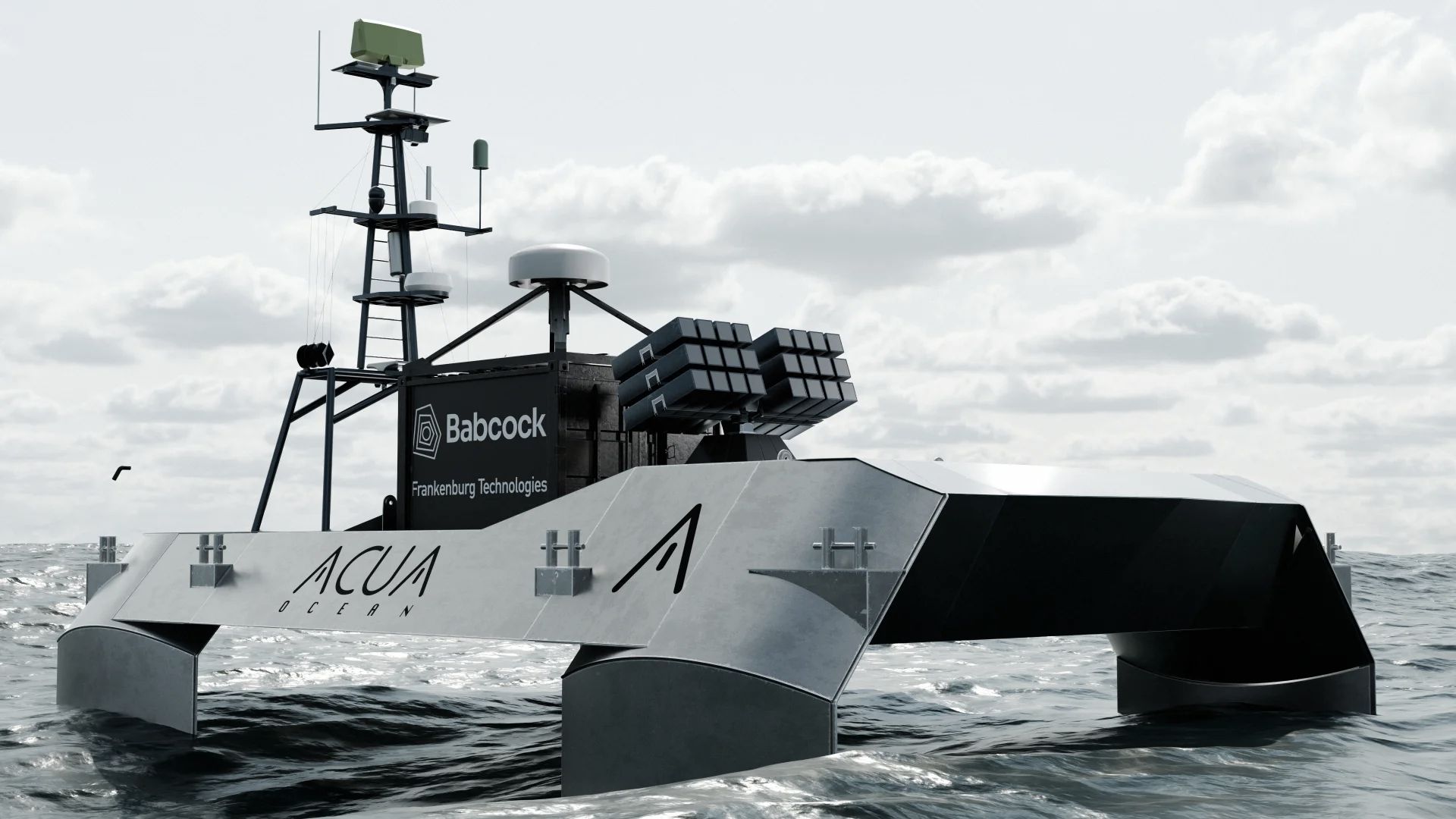
Frankenburg Technologies Partners with Babcock and ACUA to Develop Maritime Counter-Drone Systems
Frankenburg Technologies has signed a Memorandum of Understanding with Babcock International and ACUA Ocean Technologies to develop integrated maritime counter-drone air defense systems. This collaboration aims to address the increasing threat of uncrewed aerial systems in naval environments by combining Frankenburg's low-cost interceptor missile technology, Babcock's defense engineering expertise, and ACUA's autonomous surface vessel platforms. The partnership is significant as it reflects growing concerns among defense organizations regarding the proliferation of low-cost attack drones, which have proven effective in recent conflicts. Traditional air defense systems are often costly, creating a demand for more affordable interception technologies. The integrated solutions being developed will focus on detecting, tracking, and defeating hostile drones in maritime settings, enhancing the protection of naval vessels and critical infrastructure. Looking ahead, the collaboration aims to deliver scalable and cost-effective counter-UAS solutions that can be rapidly deployed and easily integrated into existing defense networks. No further timeline was disclosed at the time of publication.
Military
U.S. Department of War's New Guide Indicates Shift in Counter-Drone Strategy
The U.S. Department of War’s Joint Interagency Task Force 401 has published a guide titled 'Small Drones, Big Problems: A First Principles Approach to Countering-UAS.' This document signals a significant shift in how government leaders perceive drones, advocating for a comprehensive understanding of drone threats rather than viewing them as isolated challenges. The report emphasizes that drones have become a permanent aspect of the security landscape, akin to the historical 'Happy Time' of German U-boats during World War II. It argues that while drones have enjoyed advantages due to inadequate defenses, the long-term battle will be one of adaptation between attackers and defenders. Looking ahead, the guide encourages a systems approach to counter-UAS strategies, focusing on understanding the operator, platform, control process, and payload. This perspective is crucial for federal agencies, law enforcement, and critical infrastructure operators as they integrate counter-drone measures into broader security frameworks, reflecting an evolving landscape in drone technology and security planning.
C-UAS defense Drone News Drone News Feeds Dual Use News
Axon Vision Launches ForceField Counter-Drone System to Combat FPV Drone Threats
Israeli defense technology firm Axon Vision has unveiled ForceField, a counter-drone system designed to neutralize first-person view (FPV) drones, including those controlled via fiber optics. The system's development followed successful live-fire evaluations, demonstrating its capability to detect and engage FPV drone threats in real time, thereby enhancing protection for military forces against evolving battlefield risks. The significance of ForceField lies in its ability to address the growing challenge posed by FPV drones, which are increasingly utilized for precision strikes at low costs. Traditional electronic warfare measures often fail against fiber-optic-controlled drones, making ForceField's passive sensor technology crucial. By employing Edge AI software, the system allows operators to assess threats without relying on external networks, streamlining the engagement process and reducing the need for extensive modifications to existing military platforms. Looking ahead, Axon Vision is actively engaging with military customers and partners to evaluate ForceField's capabilities. The system's modular design offers flexibility for integration with current weapon systems, potentially simplifying deployment across various military fleets. No further timeline was disclosed at the time of publication.
Military
Japan's ATLA Selects Terra Drone Interceptor for 2026 Counter-UAV Trials
Japan's Acquisition, Technology & Logistics Agency (ATLA) has chosen Terra Drone's interceptor drone as a test article for its Interceptor Drone Rapid Acquisition Programme. This selection marks a significant step in Japan's efforts to enhance its counter-UAV capabilities. The decision to utilize Terra Drone's locally developed technology underscores the importance of domestic innovation in addressing emerging threats in aerial security. The trials scheduled for 2026 will evaluate the effectiveness of the interceptor drone in real-world scenarios, contributing to Japan's defense strategy. As the trials approach, stakeholders will be keen to observe the performance of the Terra Drone interceptor and its potential integration into Japan's defense systems. No further timeline was disclosed at the time of publication.
News
BAE Systems Finalizes BATS Counter-Drone Technology Testing in Eight Months
BAE Systems has successfully completed the integration and deployment testing of its Anti Threat System (BATS), a counter-drone technology developed by its Digital Intelligence division. This achievement marks a significant milestone in the development of advanced counter-drone solutions. The completion of BATS testing is crucial as it enhances BAE Systems' capabilities in addressing the growing threat posed by drones in various environments. The technology aims to provide effective countermeasures against potential drone-related risks, thereby ensuring safety and security in critical areas. Looking ahead, industry stakeholders will be keen to observe the deployment of BATS in real-world scenarios and its effectiveness in countering drone threats. No further timeline was disclosed at the time of publication.
News
U.S. Army Partners with Auriga Space to Develop Electromagnetic Counter-Drone Technology
The U.S. Army has entered a three-year partnership with Auriga Space to develop electromagnetic (EM) counter-drone technology. This collaboration aims to create a high-speed defense system against enemy Unmanned Aerial Systems (UAS) using Auriga's innovative propulsion methods, which rely on electricity and magnetic levitation rather than traditional chemical propellants. This partnership is crucial as military forces face the economic challenge of countering inexpensive drones with costly missiles. Current air defense systems struggle to balance effectiveness and affordability, making the development of sustainable counter-drone solutions a top priority. Auriga's EM technology promises to provide a cost-effective alternative, enabling rapid and repeatable launches from a compact system. Looking ahead, both organizations will share expertise and data to refine the EM-based counter-drone technology for field deployment. The focus will be on overcoming the limitations of existing counter-drone methods, with the potential for a significant shift in military air defense strategies. No further timeline was disclosed at the time of publication.
Military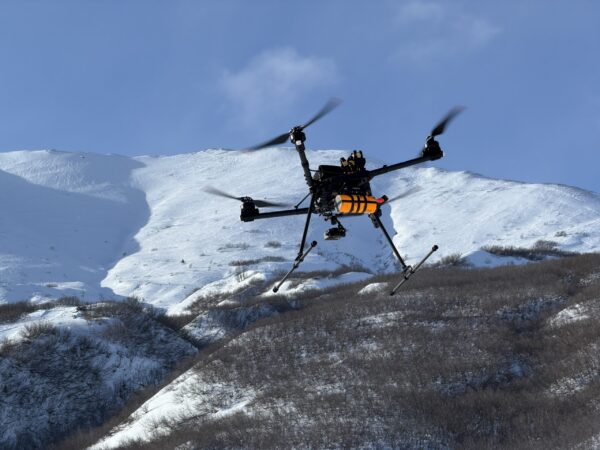
Drone Amplified Receives FAA Approval for MONTIS Avalanche Control Drone Operations
Drone Amplified, a Nebraska-based company, announced on July 8, 2026, that it has received regulatory approval from the Federal Aviation Administration (FAA) for its MONTIS drone, designed for avalanche control operations. This approval establishes a legal framework for the commercial deployment of the remote avalanche mitigation system across the United States, enhancing safety measures in avalanche-prone areas. The FAA's endorsement is significant as it allows Drone Amplified to offer its innovative technology to U.S. customers, potentially transforming avalanche management practices. The MONTIS drone is expected to improve response times and operational efficiency in avalanche control, addressing a critical need in mountainous regions where avalanches pose serious risks to safety and infrastructure. Looking ahead, the company aims to expand its market presence and operational capabilities following this regulatory milestone. No further timeline was disclosed at the time of publication, but stakeholders will be keen to see how quickly Drone Amplified can roll out its services and establish partnerships in the avalanche control sector.
Disaster Response dispatch Drone News Drone News Feeds Drones in the News Environmental Research
Chinese Military Scientists Support Trump's Battleship Plan with Large-Caliber Gun Defense Against Drones
Chinese military scientists have endorsed a segment of Donald Trump’s proposed battleship fleet, suggesting that large-caliber naval guns could effectively counter drone swarms. Their research indicates that explosive shells could scatter fragments over a wide area, potentially damaging multiple drones in a single shot. This approach aligns with ongoing discussions within the US Navy regarding the need to adapt naval defense strategies in response to the increasing threat posed by inexpensive drones. The significance of this research lies in its implications for naval warfare, particularly as modern warships typically rely on advanced missile systems and lasers. The study highlights the potential for large-caliber guns to serve as area weapons, offering a cost-effective solution to engage swarms of drones without the need for direct hits. The findings suggest that a single shell could damage approximately 1.19 drones in a swarm of 30, emphasizing the need for a reevaluation of ammunition expenditure in the face of mass drone attacks. Looking ahead, the researchers advocate for a comprehensive defense strategy that integrates large-caliber guns with electronic warfare and laser systems. This multi-layered approach could enhance the defensive capabilities of warships, addressing the challenge posed by the cost disparity between inexpensive drones and costly interceptors. No further timeline was disclosed at the time of publication.
Military
Dronetag Integrates Remote ID into Airwise Platform for Enhanced Drone Operations
Dronetag and Airwise Solutions have formed a strategic partnership to integrate Dronetag's Remote ID infrastructure into Airwise's airwiseOS platform. This collaboration aims to provide a comprehensive view of low-altitude airspace, enhancing the safety and management of Beyond Visual Line of Sight (BVLOS) operations for various enterprise users, including public safety agencies and critical infrastructure operators. The integration allows operators to access real-time Remote ID data alongside telemetry and sensor inputs within a single dashboard, streamlining the monitoring process. This unified operational environment is particularly beneficial as drone fleets expand and more autonomous missions are conducted, enabling faster decision-making and improved coordination among teams. The integration is now available for Airwise customers using Dronetag transmitters or receivers. Dronetag, which operates the largest commercial drone detection network globally, aims to extend its Remote ID ecosystem into enterprise mission management, while Airwise seeks to support the next generation of autonomous aviation through a unified operational platform.
News
A2Z Drone Delivery Introduces Longtail Dual for Enhanced BVLOS Urban Operations
A2Z Drone Delivery launched the Longtail Dual on August 31, 2026, in Torrance, California. This innovative dual-battery drone ensures full flight control even if one battery fails, maintaining a one-to-one flight-to-charge ratio on A2Z AirDocks. The design is aimed at meeting FAA Part 107 waivers and EASA Specific Operations Risk Assessment requirements. The Longtail Dual is significant as it enhances safety for drone missions in complex urban environments, according to CEO Aaron Zhang. With approximately 85% of drone delivery missions involving payloads under 6 pounds, the Longtail Dual effectively balances safety and operational capability without exceeding the 55-pound commercial UAV weight limit. Looking ahead, the Longtail Dual is designed for various applications, including delivery and surveillance missions, with a maximum payload capacity of 11 pounds. Its advanced features, such as dual-redundant cellular connections and onboard battery heating, position it as a robust solution for beyond-visual-line-of-sight operations. No further timeline was disclosed at the time of publication.
BVLOS Delivery Drone News Drone News Feeds News 48MP drone camera
Flying Lion Launches Remote Staffing Service for Public Safety Drone Operations
California-based Flying Lion has introduced a Remote Staffing Service aimed at assisting public safety agencies and security organizations in maintaining 24/7 drone operations. This service combines their pilot management software with a network of trained remote pilots, addressing the staffing challenges faced by agencies running Drone as First Responder (DFR) programs. The significance of this service lies in its ability to provide immediate aerial support during emergencies, enhancing situational assessment for responders. As DFR programs gain traction across the U.S., the need for qualified pilots available around the clock has become a pressing issue for many agencies. Flying Lion's offering allows organizations to scale staffing based on demand without the need for extensive in-house pilot training. Looking ahead, Flying Lion's platform-agnostic service could facilitate the integration of drone operations for agencies with existing fleets. The company emphasizes that their experienced remote pilots can support various hardware and software combinations, potentially transforming how agencies approach 24/7 DFR and security operations. No further timeline was disclosed at the time of publication.
News
Infinit Drones Launches Dock M400 for DJI Matrice 400 Autonomous Operations
Infinit Drones has unveiled the Dock M400, an autonomous docking platform designed for the DJI Matrice 400 drone. This innovation allows for remote launching, recovery, and battery management without the need for on-site personnel, addressing a significant gap in the enterprise drone market. The Dock M400 is particularly important as it enhances the capabilities of the DJI Matrice 400, which is known for its heavy-lift capacity and advanced sensor support. With features like automatic battery replacement and dock-to-dock relay missions, the Dock M400 enables organizations to maintain drones in a mission-ready state, thereby improving operational efficiency in sectors such as utilities and emergency services. Looking ahead, the demand for autonomous drone solutions is expected to rise, especially with the growing interest in Drone as First Responder (DFR) programs and favorable regulatory changes in Canada. Infinit Drones aims to capitalize on these trends by offering a solution that combines the Matrice 400's capabilities with autonomous deployment, potentially transforming aerial operations across various industries.
News
Response to Drone Overflights During Spokane Wildfires Disrupts Firefighting Efforts
Federal and local officials have condemned drone overflights during recent wildfires in eastern Washington, which led to the temporary grounding of firefighting aircraft. The wildfires, which affected Spokane, resulted in the destruction of approximately 800 buildings and the evacuation of tens of thousands of residents. In response, the FAA issued a temporary flight restriction from August 2 to August 15, limiting airspace up to 7,000 feet MSL. The presence of unauthorized drones in the restricted airspace raised significant concerns for firefighting operations. Phil Randolph, a supervisory special agent with the FBI’s Seattle office, highlighted the potential impact on firefighting efforts, questioning whether the grounding of aircraft delayed critical operations that could have saved neighborhoods. The FBI Counter-UAS Task Force, which includes local law enforcement agencies, was deployed to monitor the situation and mitigate risks associated with drone activity. On August 2, the Task Force detected 26 unauthorized drones, followed by an additional 13 the next day, prompting the grounding of firefighting aircraft due to safety concerns. Although no arrests were made, the Task Force collected pilot information for potential FAA investigation. The ongoing situation underscores the need for stricter enforcement of airspace regulations during emergencies.
Anti-drone technology Drone News Drone News Feeds Drones in the News emergency response Fire and Police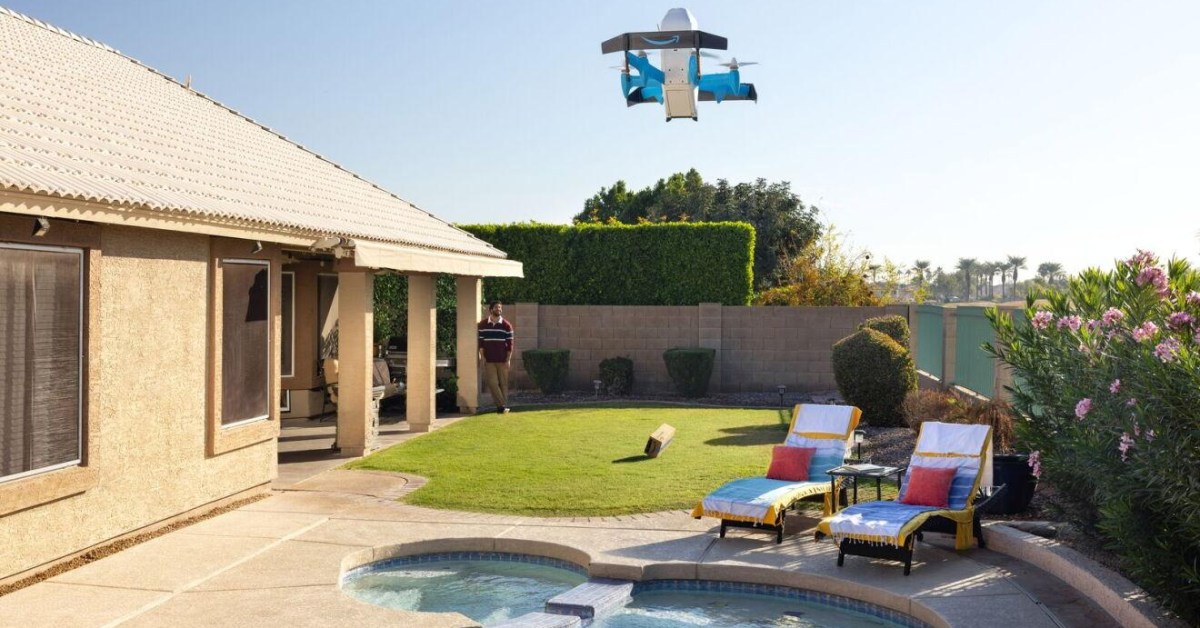
Amazon's Drone Deliveries Encounter Challenges with Water Landings in Texas
Amazon's Prime Air drone service recently delivered a package into a customer's pool in Texas, highlighting potential issues with delivery locations. As the service expands to 500 cities across the U.S., incidents of drones dropping packages into water bodies raise concerns about delivery accuracy and safety. Previous occurrences include packages landing near pools in Arizona and ponds, prompting questions about the drones' delivery protocols. The significance of these incidents lies in the implications for Amazon's drone delivery service as it scales. With the expansion to more cities, the likelihood of similar mishaps increases, potentially affecting customer satisfaction and operational efficiency. Amazon's commitment to ensuring safe deliveries is called into question, especially when packages end up in unintended locations like water. Looking ahead, it will be important to monitor how Amazon addresses these delivery challenges. The company has previously faced setbacks, including drone crashes and collisions, which could impact its reputation and operational plans. No further timeline was disclosed at the time of publication.
Amazon Drones News Tech Transportation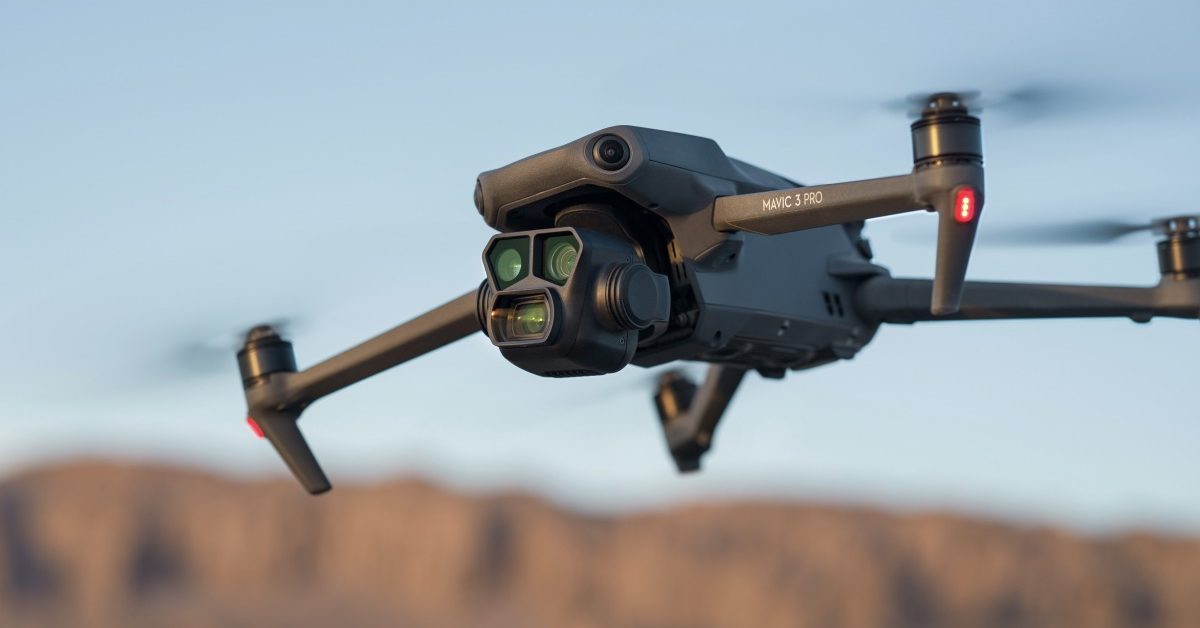
US Air Force to Acquire DJI Drones for Counter-Drone Training at F.E. Warren Base
The US Air Force is set to purchase refurbished DJI drones for counter-drone training at F.E. Warren Air Force Base in Wyoming. This initiative aims to enhance the preparedness of security personnel against potential drone threats, particularly as DJI dominates the global drone market with an estimated 80% to 85% share. The decision to utilize DJI drones, rather than American-made alternatives, stems from the unique capabilities and characteristics of DJI aircraft that cannot be replicated by US manufacturers. The Air Force's procurement documents highlight the operational necessity of training with the technology most likely to be encountered in real-world scenarios, as evidenced by a significant rise in drone incursions at military installations. Looking ahead, the Air Force's acquisition of these drones is part of a broader strategy to address the evolving landscape of drone threats. The training will incorporate US-made RIZER software to ensure cybersecurity, aligning with Defense Secretary Pete Hegseth’s memorandum that permits limited foreign drone purchases for military training and electronic warfare testing. No further timeline was disclosed at the time of publication.
News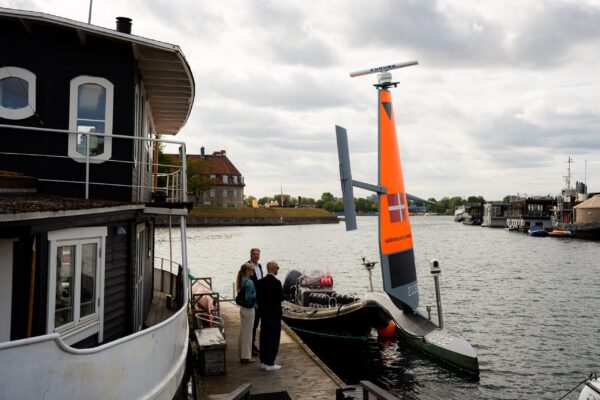
Saildrone Expands European Operations with New Copenhagen HQ and Three Build Contracts
Saildrone has announced a significant expansion in Europe, establishing its new headquarters in Copenhagen and securing three build contracts across Northern Europe. This expansion, revealed on August 18, 2026, includes partnerships with Van Der Valk Shipyard in the Netherlands for the construction of the first European-produced 52-meter Saildrone Spectre, Umoe Mandal in Norway for the next-generation Surveyor, and Southern Spars in Poland for the production of wings. This move is crucial for Saildrone as it aims to enhance its presence in the European market, targeting unmanned surface vehicles (USVs) for local customers. The new headquarters, located at the historic Quintus Bastion, will support business development, maintenance, and piloting activities across Europe. Richard Jenkins, Saildrone's founder and CEO, emphasized the importance of these projects in reinforcing the company's commitment to European operations. Looking ahead, Saildrone's participation in DALO Industry Days on August 19-20, 2026, will be an opportunity to showcase its capabilities and foster partnerships within the region. No further timeline was disclosed at the time of publication.
Drone News Drone News Feeds News ocean Oceans seadrones
Drones Transform Military and Infrastructure Protection Strategies
Drones are changing the landscape of military operations and the protection of critical infrastructure. They offer innovative solutions for safeguarding deployed forces and government sites, enhancing security measures significantly. The adoption of drones in these sectors is crucial as they provide a non-traditional approach to countering threats. This shift not only improves operational efficiency but also ensures better protection for citizens and vital assets. Looking ahead, the continued evolution of drone technology will likely lead to further advancements in military and infrastructure security. No further timeline was disclosed at the time of publication.
Features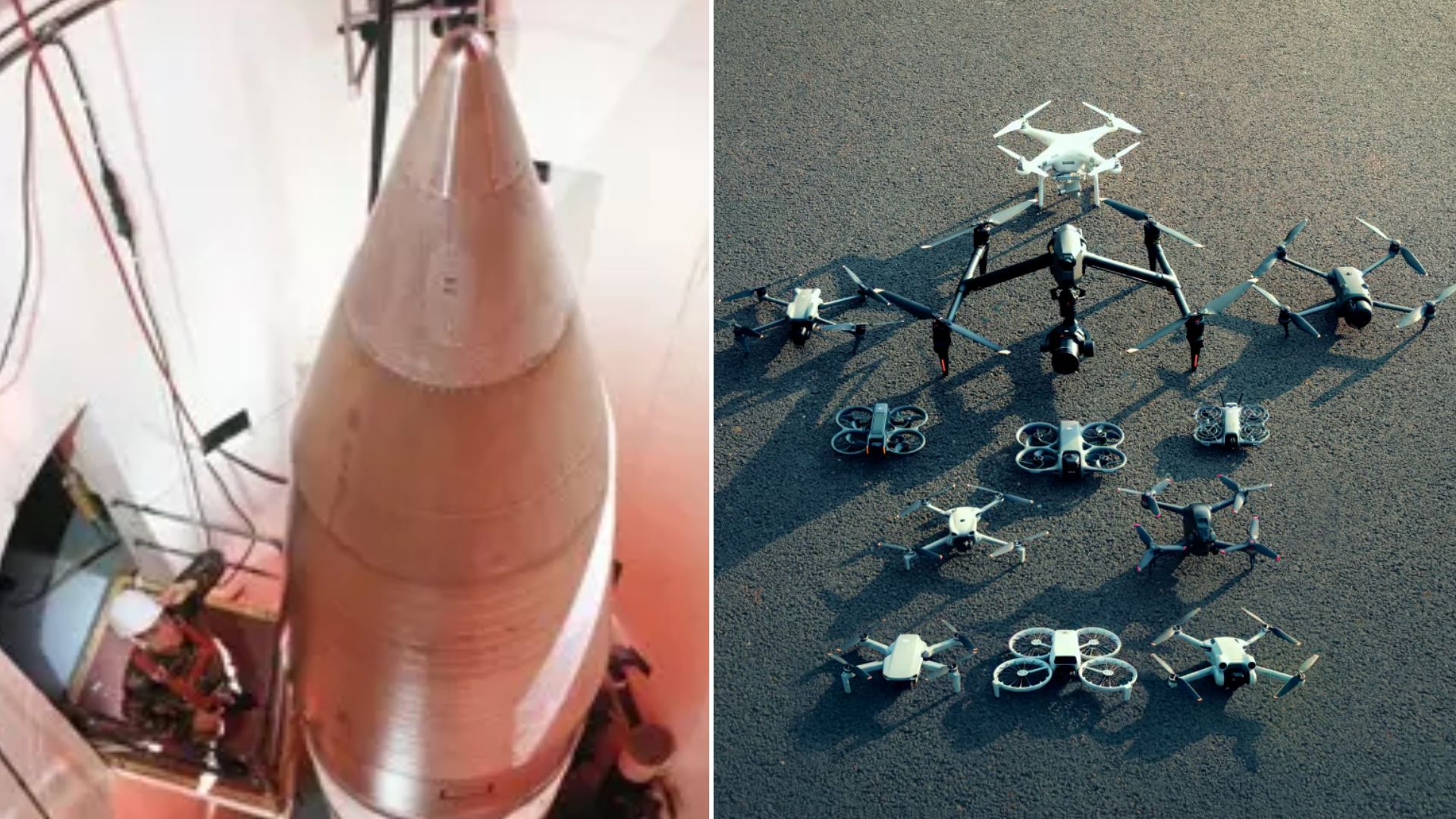
U.S. Air Force Plans to Acquire DJI Drones for Counter-Drone Training at Missile Base
The U.S. Air Force intends to purchase DJI drones for counter-drone training at F.E. Warren Air Force Base, which is part of the Minuteman III missile system. This initiative, led by the 90th Missile Security Operations Squadron, aims to enhance personnel's ability to detect and neutralize drone threats in the vicinity of the base. This procurement is significant as DJI drones dominate the commercial market, accounting for 80% to 85% of global sales, making them ideal for realistic training scenarios. The Air Force's decision to use these drones, despite existing restrictions on Chinese technology, highlights the need for effective training against prevalent drone threats, especially given the 350 reported incursions over U.S. military installations in 2024. Looking ahead, the Air Force plans to modify the acquired drones with RIZER software to ensure data security while allowing personnel to train against the unique characteristics of DJI systems. No further timeline was disclosed at the time of publication.
MilitaryRobotics needs a service framework.
RSF defines a common language for robot service capability, lifecycle operations, certification pathways, and service-provider networks.
Join the RobotToday community on LinkedIn
Daily robotics news, in-depth analysis, conference highlights, and discussions with professionals worldwide.