Industry Briefing
A single destination for timely, editor-curated robotics news from around the world.
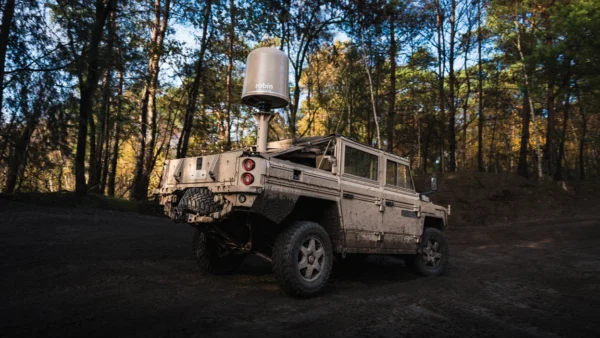
Robin Radar Systems Expands Capacity with New Headquarters in Delft, Netherlands
Robin Radar Systems has inaugurated a new 9,000-square-meter headquarters in Delft, Netherlands, significantly increasing its operational capacity. This facility will enhance radar research, engineering, production, testing, and customer service, complementing a recently opened operations center in Northern Virginia. The expansion aligns with the company's impressive 60% year-over-year growth over the past three years, with over 800 radar systems now installed globally. The new headquarters is strategically located near Delft University of Technology, facilitating access to engineering talent. Robin Radar aims to boost series production through partnerships and expects to employ over 300 people by the end of 2026. The facility also enhances customer support, increasing service capacity fourfold, which is crucial as European governments emphasize regional supply chains for defense technologies. Looking ahead, Robin Radar is focused on advancing its IRIS drone detection radar, which has seen improvements based on operational feedback. Notable enhancements include a Long Range Mode that extends the detection range from five to 12 kilometers and new maritime capabilities for operation aboard large vessels. The company is poised to meet the growing demand for counter-drone systems across various sectors, including defense and critical infrastructure.
Drone News Drone News Feeds Dual Use News C-UAS Counter UAS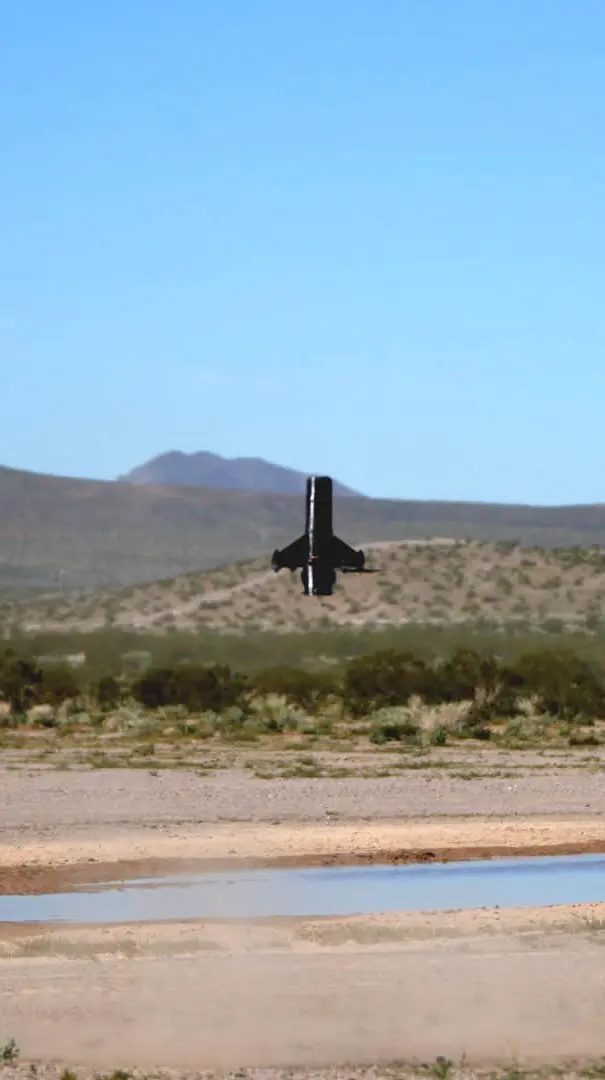
Powerus Secures $22.3 Million Counter-UAS Contract with Private Middle East Oil Company
Powerus, a U.S.-based autonomous systems firm, has signed a $22.3 million contract to provide counter-UAS technology to a private oil company in the Middle East. This deal marks a significant shift in the defense sector, as it is one of the first instances where a private entity has opted to procure military-grade counter-drone systems for its own infrastructure protection. The contract involves the delivery of networked systems designed for detection, tracking, classification, and early-warning capabilities to safeguard critical oil and gas infrastructure. Powerus CEO Brett Velicovich emphasized that this transaction could redefine how UAS defense contractors approach the market, as private companies increasingly seek to protect themselves from aerial threats without relying solely on government intervention. Looking ahead, the initial deployment will focus on threat detection and identification, with plans for future integration of Powerus' Guardian interceptor technology. Velicovich noted that the rise in drone usage in conflicts worldwide has prompted private infrastructure owners to consider developing their own counter-drone capabilities, as traditional security measures may no longer suffice against aerial threats.
Anti-drone technology C-UAS defense DL Exclusive Drone News Drone News Feeds
Royal Air Force Enhances Counter-Drone Capabilities with Saab's Giraffe 1X Radars
Saab UK has successfully supplied its Giraffe 1X radar systems to the Royal Air Force (RAF) to combat the rising threat from uncrewed aerial systems (UAS). This delivery is significant as it enhances the RAF's capabilities in counter-drone defense, addressing a growing concern in modern military operations regarding UAS threats. Looking ahead, the integration of the Giraffe 1X radars into the RAF's defense strategy will be crucial in maintaining airspace security. No further timeline was disclosed at the time of publication.
News
Robin Radar Systems Expands Operations in Northern Virginia Amid Rising U.S. C-UAS Demand
Robin Radar Systems has officially opened a new facility in Northern Virginia on August 26, 2026, adding 20 roles to support its growing U.S. operations. The company reported a remarkable 75% increase in IRIS radar sales in the first half of 2026 compared to the previous year and closed its largest U.S. deal to date, facilitated by a counter-UAS integrator for various government customers. This expansion is significant as it reflects Robin Radar's commitment to becoming an integral part of the American security ecosystem. CEO Siete Hamminga emphasized the importance of being close to customers and collaborating with American companies to enhance their capabilities in the U.S. market. The facility's opening was attended by notable figures, including Ambassador Birgitta Tazelaar, highlighting the investment's importance in strengthening transatlantic relations. Looking ahead, Robin Radar's IRIS radar technology, designed for detecting small and low-flying drones, will continue to play a crucial role in counter-UAS operations, especially with over 30 units deployed during the FIFA World Cup 2026. No further timeline was disclosed at the time of publication.
C-UAS Drone News Drone News Feeds News radar
Thales and Destinus Partner to Enhance Counter-UAS and Air Defense Solutions
Thales has formed a strategic partnership with Destinus to advance counter-unmanned aircraft systems (C-UAS), long-range strike capabilities, and integrated air defense solutions. This collaboration aims to enhance Europe's defense preparedness amid rising security challenges. The integration of Thales' advanced radar and defense technologies with Destinus' interceptor systems is expected to create a robust layered air defense architecture. The partnership is significant as it reflects Europe's commitment to strengthening its defense capabilities in response to evolving aerial threats. By combining their expertise, Thales and Destinus aim to deliver scalable and interoperable defense solutions for European and allied armed forces. This initiative is particularly focused on improving counter-drone capabilities and developing long-range strike systems. Looking ahead, the collaboration will explore advanced ground-based air interception capabilities aligned with NATO's Integrated Air and Missile Defense architectures. The success of this partnership could significantly impact the development of next-generation air defense capabilities for Europe and its allies, reinforcing strategic autonomy in defense technologies.
Military
Versatile Attack Plane Expands Role to Counter Unmanned Aerial Systems
A leading attack aircraft is now being utilized for counter-unmanned aerial systems (C-UAS) missions, enhancing its operational versatility. This shift allows the aircraft to engage drones at greater distances from protected assets, thereby improving the safety of critical infrastructure. The new capabilities are expected to alter the cost-per-kill dynamics in aerial engagements, making it a significant development in military aviation strategies.
Air Warfare Sponsored Post A-29 Super Tucano AFA 2026 Air Force C-UAS
Countering Evolving Drone Threats with Layered Tactical Radar Systems
The threat posed by Shahed-136 one-way attack drones highlights the urgent need for advanced counter-drone strategies. As the unmanned aircraft system (UAS) environment evolves, operational users are adapting to new challenges by employing scalable, layered sensing teams capable of detecting and tracking small, fast, and swarming aerial threats. This approach is crucial for effective air defense in complex scenarios, whether on land or at sea. Ray Bischoff, senior director of business development at Leonardo DRS, emphasizes the importance of integrating various sensor systems, particularly tactical radars, into a networked architecture. This layered defense strategy allows for enhanced coverage and response times, which are critical in high-stakes situations like those in the Strait of Hormuz. By utilizing a combination of technologies, including electro-optic and infrared sensors, the defense systems can maintain functionality even if some sensors are compromised. Looking ahead, the focus will remain on refining these layered systems to address emerging drone threats. The integration of diverse sensor technologies will be key to improving decision-making and operational effectiveness. No further timeline was disclosed at the time of publication.
Sponsored Content Counter-Unmanned Aerial Vehicles (C-UAS) Land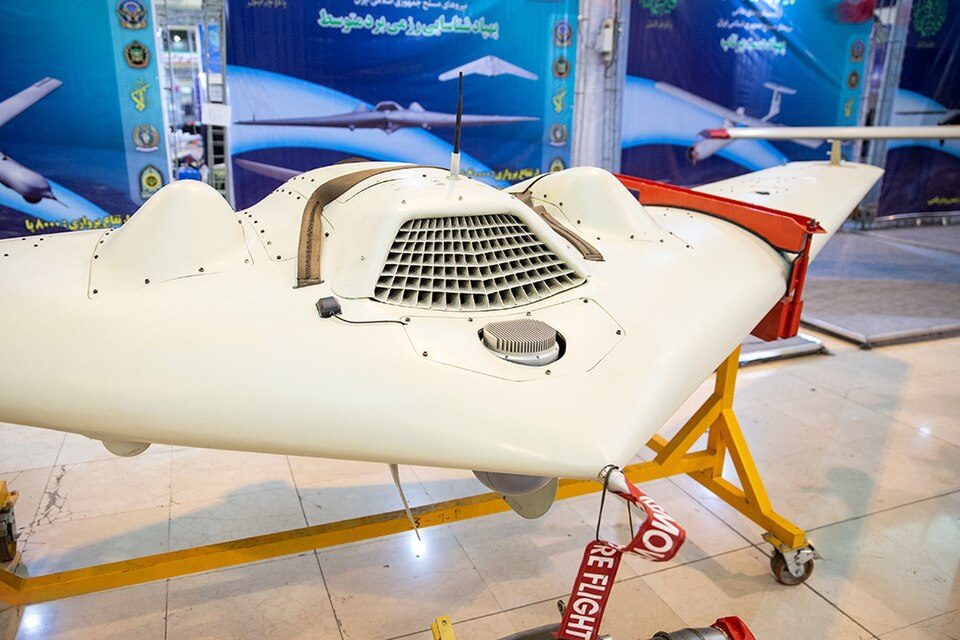
U.S. Department of War's New Guide Indicates Shift in Counter-Drone Strategy
The U.S. Department of War’s Joint Interagency Task Force 401 has published a guide titled 'Small Drones, Big Problems: A First Principles Approach to Countering-UAS.' This document signals a significant shift in how government leaders perceive drones, advocating for a comprehensive understanding of drone threats rather than viewing them as isolated challenges. The report emphasizes that drones have become a permanent aspect of the security landscape, akin to the historical 'Happy Time' of German U-boats during World War II. It argues that while drones have enjoyed advantages due to inadequate defenses, the long-term battle will be one of adaptation between attackers and defenders. Looking ahead, the guide encourages a systems approach to counter-UAS strategies, focusing on understanding the operator, platform, control process, and payload. This perspective is crucial for federal agencies, law enforcement, and critical infrastructure operators as they integrate counter-drone measures into broader security frameworks, reflecting an evolving landscape in drone technology and security planning.
C-UAS defense Drone News Drone News Feeds Dual Use News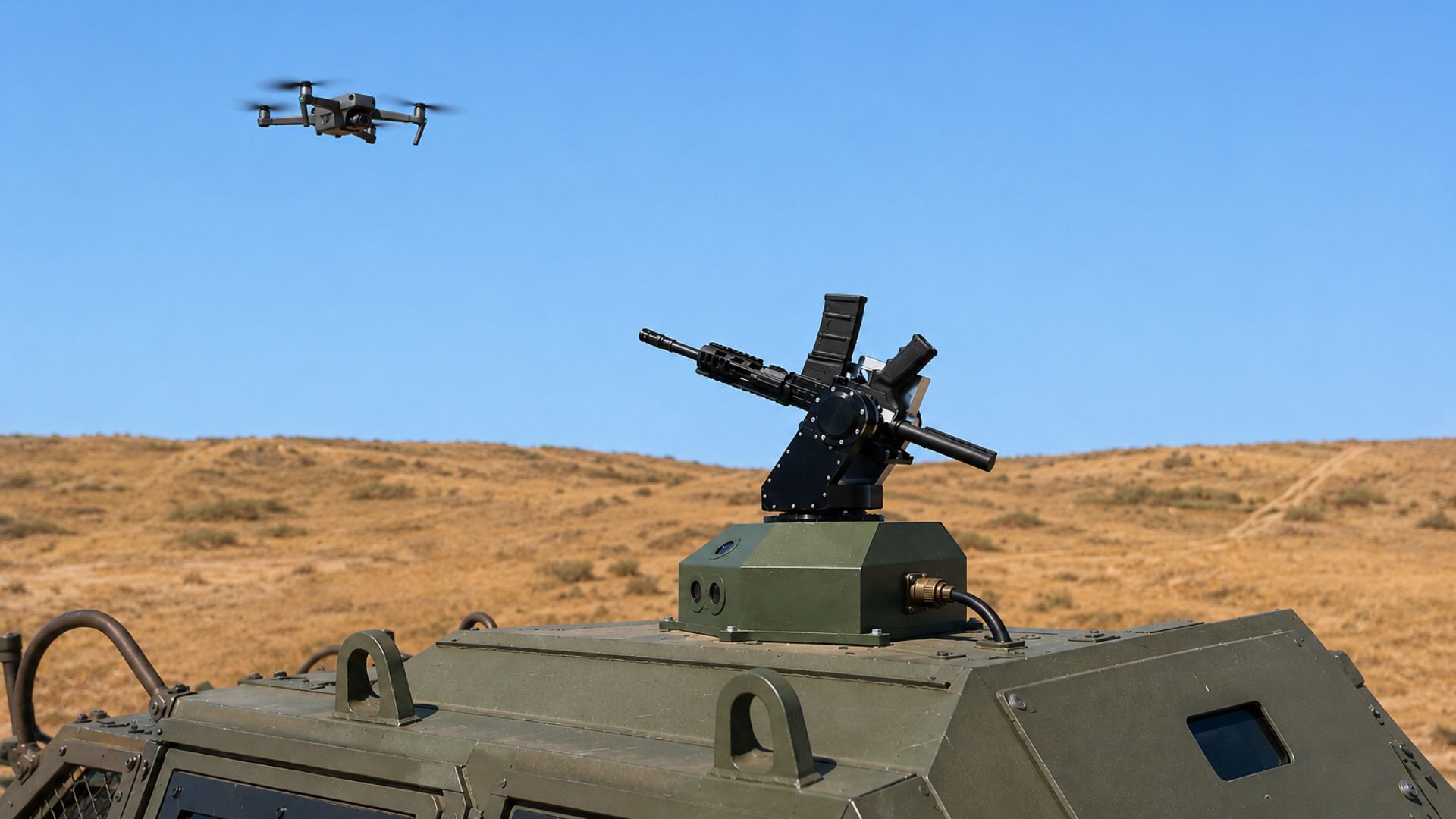
Axon Vision Launches ForceField Counter-Drone System to Combat FPV Drone Threats
Israeli defense technology firm Axon Vision has unveiled ForceField, a counter-drone system designed to neutralize first-person view (FPV) drones, including those controlled via fiber optics. The system's development followed successful live-fire evaluations, demonstrating its capability to detect and engage FPV drone threats in real time, thereby enhancing protection for military forces against evolving battlefield risks. The significance of ForceField lies in its ability to address the growing challenge posed by FPV drones, which are increasingly utilized for precision strikes at low costs. Traditional electronic warfare measures often fail against fiber-optic-controlled drones, making ForceField's passive sensor technology crucial. By employing Edge AI software, the system allows operators to assess threats without relying on external networks, streamlining the engagement process and reducing the need for extensive modifications to existing military platforms. Looking ahead, Axon Vision is actively engaging with military customers and partners to evaluate ForceField's capabilities. The system's modular design offers flexibility for integration with current weapon systems, potentially simplifying deployment across various military fleets. No further timeline was disclosed at the time of publication.
Military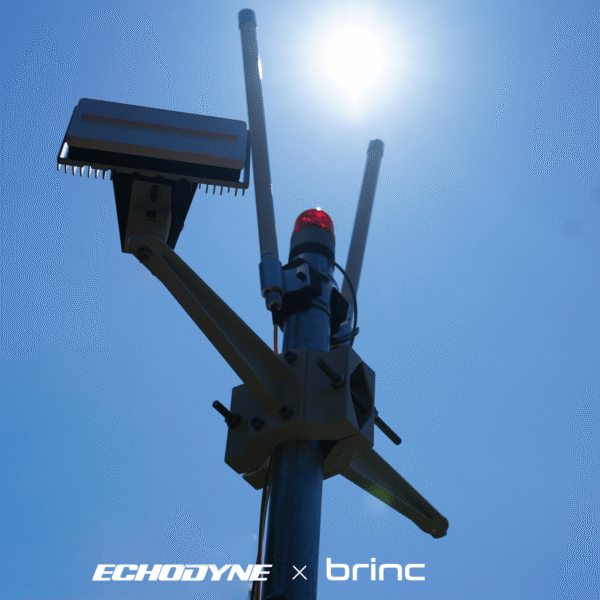
Echodyne Launches 86,350-Square-Foot Radar Facility to Boost MESA Production
Echodyne, a radar manufacturer based in Kirkland, Washington, has inaugurated an 86,350-square-foot facility designed to produce over 30,000 MESA radars annually. This new plant, announced on July 9, 2026, aims to address the growing global demand for counter-unmanned aerial systems (C-UAS) technology, enhancing the company's production capabilities significantly. The expansion is crucial as the market for counter-UAS solutions continues to grow, driven by increasing security concerns and the proliferation of drones. Echodyne's MESA radar technology is known for its advanced capabilities, making it a key player in the C-UAS sector. This facility will allow the company to scale operations and meet the rising needs of both domestic and international clients. Looking ahead, Echodyne's new manufacturing site is expected to play a pivotal role in fulfilling orders and enhancing supply chain efficiency. No further timeline was disclosed at the time of publication regarding additional production milestones or expansion plans for the facility.
Drone News Drone News Feeds NDAA Compliant News US Government $490 million contract
UK Defence Innovation Initiates Project PANOPTES to Enhance Integrated C-UAS Capabilities
The UK Defence Innovation (UKDI) has officially launched Project PANOPTES, which focuses on developing integrated counter-unmanned aerial systems (C-UAS) capabilities for enhanced force protection. This initiative is significant as it addresses the growing threat posed by mass drone attacks, ensuring that military forces are better equipped to safeguard their operations and personnel against such risks. Looking ahead, stakeholders will be keen to monitor the progress of Project PANOPTES and its impact on the UK's defense strategies against drone threats. No further timeline was disclosed at the time of publication.
News
Response to Drone Overflights During Spokane Wildfires Disrupts Firefighting Efforts
Federal and local officials have condemned drone overflights during recent wildfires in eastern Washington, which led to the temporary grounding of firefighting aircraft. The wildfires, which affected Spokane, resulted in the destruction of approximately 800 buildings and the evacuation of tens of thousands of residents. In response, the FAA issued a temporary flight restriction from August 2 to August 15, limiting airspace up to 7,000 feet MSL. The presence of unauthorized drones in the restricted airspace raised significant concerns for firefighting operations. Phil Randolph, a supervisory special agent with the FBI’s Seattle office, highlighted the potential impact on firefighting efforts, questioning whether the grounding of aircraft delayed critical operations that could have saved neighborhoods. The FBI Counter-UAS Task Force, which includes local law enforcement agencies, was deployed to monitor the situation and mitigate risks associated with drone activity. On August 2, the Task Force detected 26 unauthorized drones, followed by an additional 13 the next day, prompting the grounding of firefighting aircraft due to safety concerns. Although no arrests were made, the Task Force collected pilot information for potential FAA investigation. The ongoing situation underscores the need for stricter enforcement of airspace regulations during emergencies.
Anti-drone technology Drone News Drone News Feeds Drones in the News emergency response Fire and Police
Drones Transform Military and Infrastructure Protection Strategies
Drones are changing the landscape of military operations and the protection of critical infrastructure. They offer innovative solutions for safeguarding deployed forces and government sites, enhancing security measures significantly. The adoption of drones in these sectors is crucial as they provide a non-traditional approach to countering threats. This shift not only improves operational efficiency but also ensures better protection for citizens and vital assets. Looking ahead, the continued evolution of drone technology will likely lead to further advancements in military and infrastructure security. No further timeline was disclosed at the time of publication.
Features
Monava Secures Funding to Enhance AI Drone Detection Amid Growing Security Concerns
Monava, a Swedish-Finnish defense technology company, has successfully raised new funding to bolster its AI-driven drone detection capabilities. This investment round, led by Gungnir Capital with participation from Foundry Ventures and Hede Capital, aims to commercialize Monava's technology and expand operations to meet the rising demand from defense customers. The significance of this funding lies in the increasing investment in counter-uncrewed aircraft system (C-UAS) technologies, driven by heightened security concerns globally. As drones become integral to modern conflicts, Monava's passive acoustic systems, which detect and classify drones without emitting detectable signals, position the company favorably in the defense sector. Looking ahead, Monava's CEO, Alexander Hebbe, noted a sharp increase in demand for their technology, indicating a growing order book necessitating production scaling. No further timeline was disclosed at the time of publication.
Applications C-UAS defense Defense Drone News Drone News Feeds
CACI Secures $500 Million Contract for SkyValor Counter-Drone System with JIATF-401
CACI International has been awarded a three-year contract worth $500 million to supply its non-kinetic SkyValor counter-drone system to the Joint Interagency Taskforce (JIATF) 401. This contract includes full-rate production of counter unmanned aerial systems (cUAS) and aims to enhance the Pentagon's Domestic Shield program, which protects military installations from drone threats. The significance of this contract lies in its potential to provide warfighters with advanced capabilities against increasingly sophisticated drone threats. CACI's SkyValor system offers long-range detection and precision defeat, utilizing radio frequency sensing and AI-enabled electronic warfare to neutralize drone threats effectively. This aligns with the Pentagon's recent focus on streamlining counter-drone efforts for both domestic security and international operations. Looking ahead, the integration of SkyValor systems into critical mission locations will be closely monitored, although specific deployment timelines remain undisclosed. Additionally, CACI's previous contract to deliver four SkyValor units for mobile counter-UAS solutions indicates a growing emphasis on adaptable defense strategies against drone threats in various operational contexts.
Land Warfare Aerovironment Army border security CACI Counter UAS cUAS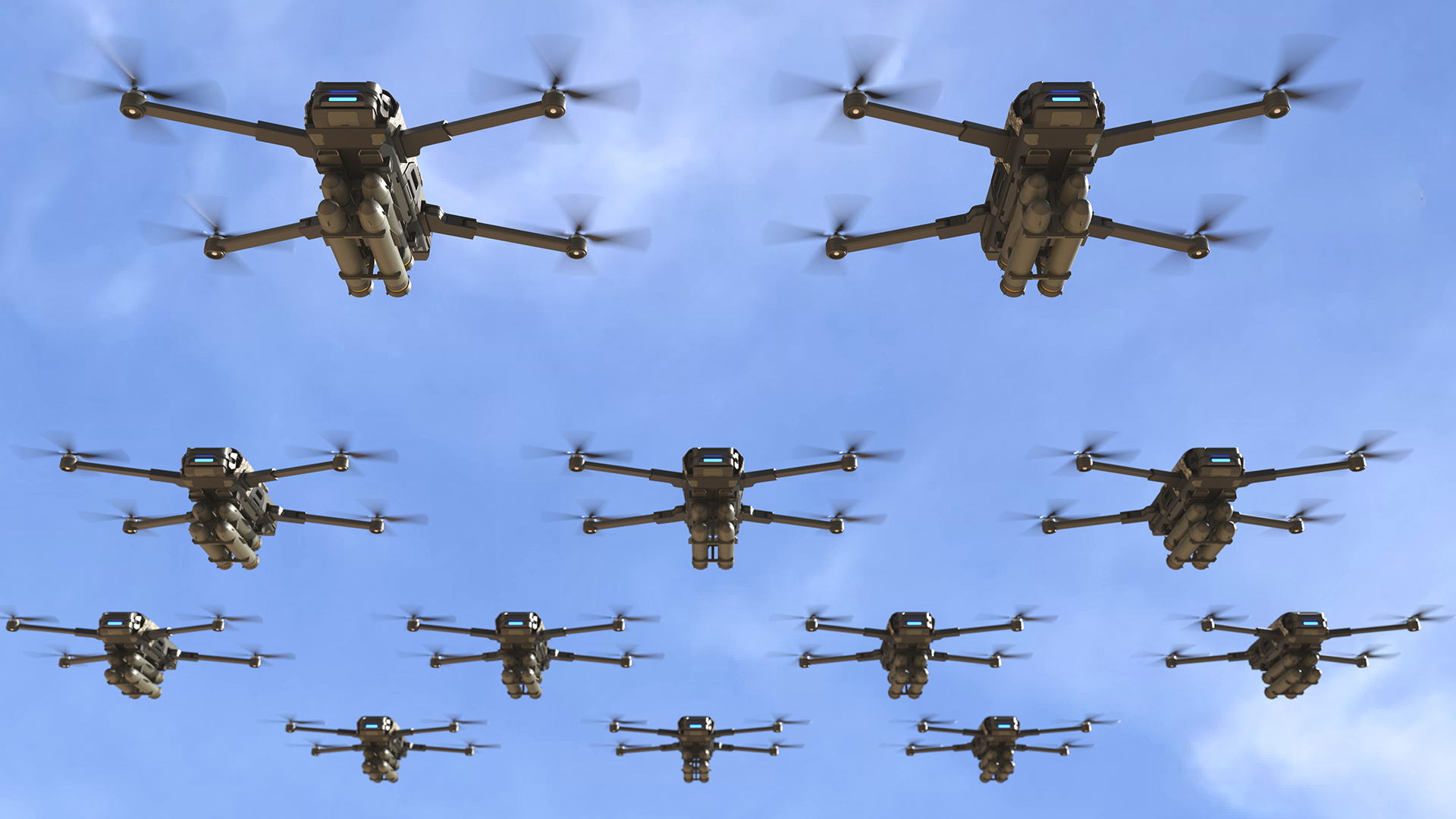
Laser dazzler blinds drone sensors in breakthrough counter-UAS technology trials
NUBURU, a U.S. defense technology company, has announced promising preliminary findings from its recent tests of a laser dazzler system. Conducted in October 2023, these tests aim to evaluate the effectiveness of the laser dazzler in countering potential threats. The system is designed to temporarily blind or disorient adversaries, enhancing the safety of military personnel and operations. The encouraging results indicate that the technology could play a crucial role in modern defense strategies, addressing the increasing need for non-lethal deterrents in various combat scenarios. NUBURU's advancements in laser technology reflect a growing trend in the defense sector to develop innovative solutions for protecting forces while minimizing collateral damage.
Military
DroneShield, Defenture team up on mobile counter-UAS capabilities
Australia’s DroneShield has partnered with Dutch tactical mobility firm Defenture to enhance their capabilities in mobile counter-uncrewed aerial system (UAS) solutions. The two companies have formalized their collaboration through a memorandum of understanding (MoU), aiming to explore and develop commercial opportunities in this growing sector. This strategic alliance reflects a shared commitment to advancing technology that addresses the increasing challenges posed by uncrewed aerial vehicles. The partnership is expected to leverage each company's expertise, combining DroneShield's innovative drone detection and mitigation technologies with Defenture's tactical mobility solutions. The collaboration marks a significant step forward in enhancing security measures against potential threats from UAS, as both firms look to capitalize on the rising demand for effective countermeasures in various operational environments.
News
Europe rearms: Battle management, counter-UAS, and real AI at the edge
In a recent initiative aimed at enhancing military capabilities, European defense experts are focusing on the integration of advanced technologies, including drones and artificial intelligence, into modern warfare. This modernization effort is particularly evident in Eastern Europe, where the deployment of drone walls has become a strategic priority. The initiative underscores the growing recognition of the need for innovative solutions to address contemporary security challenges. Taking place throughout 2023, this movement is centered in various Eastern European nations, which are increasingly investing in cutting-edge military technologies to bolster their defense systems. The motivation behind this modernization is driven by the evolving geopolitical landscape and the necessity to respond effectively to potential threats. Experts are collaborating on developing systems that incorporate AI into military vehicles, such as tanks, enhancing their operational efficiency and decision-making capabilities. This integration of technology aims to create a more agile and responsive military force, capable of adapting to rapidly changing combat environments. As Europe navigates these advancements, the emphasis on modernization reflects a broader commitment to maintaining security and stability in the region, ensuring that military forces are equipped to meet future challenges. The ongoing efforts highlight the importance of innovation in defense strategies, positioning European nations at the forefront of military technology development.
Networks & Digital Warfare Sponsored Post artificial intelligence AI Counter UAS cUAS CUAS cyber security
FBI, DHS Take On the Challenge of Building Counter-UAS System
Federal security officials, including the FBI and DHS, are actively working to establish new counter-drone protocols aimed at safeguarding high-profile sporting events and critical infrastructure from potential threats posed by drones. This initiative follows a year of comprehensive legislative, legal, and physical preparations to address the risks associated with careless or hostile drone operations. The efforts reflect a growing recognition of the need for enhanced security measures in an era where drone technology is increasingly accessible and potentially dangerous.
defense Drone News Drone News Feeds drone security News Security
Texas DPS Launches Counter-UAS Strategy for World Cup
The Texas Department of Public Safety (DPS) has implemented a counter-drone strategy in preparation for the upcoming World Cup. This initiative aims to safeguard high-profile sporting events and critical infrastructure from potential threats posed by drones, particularly those operated irresponsibly. The deployment of this technology reflects a growing concern over drone-related incidents and highlights the state's commitment to ensuring safety during major events. The counter-UAS protocols are part of a broader effort to enhance security measures in the U.S., particularly in light of the increasing prevalence of drone usage.
Anti-drone technology C-UAS defense Drone News Drone News Feeds drone security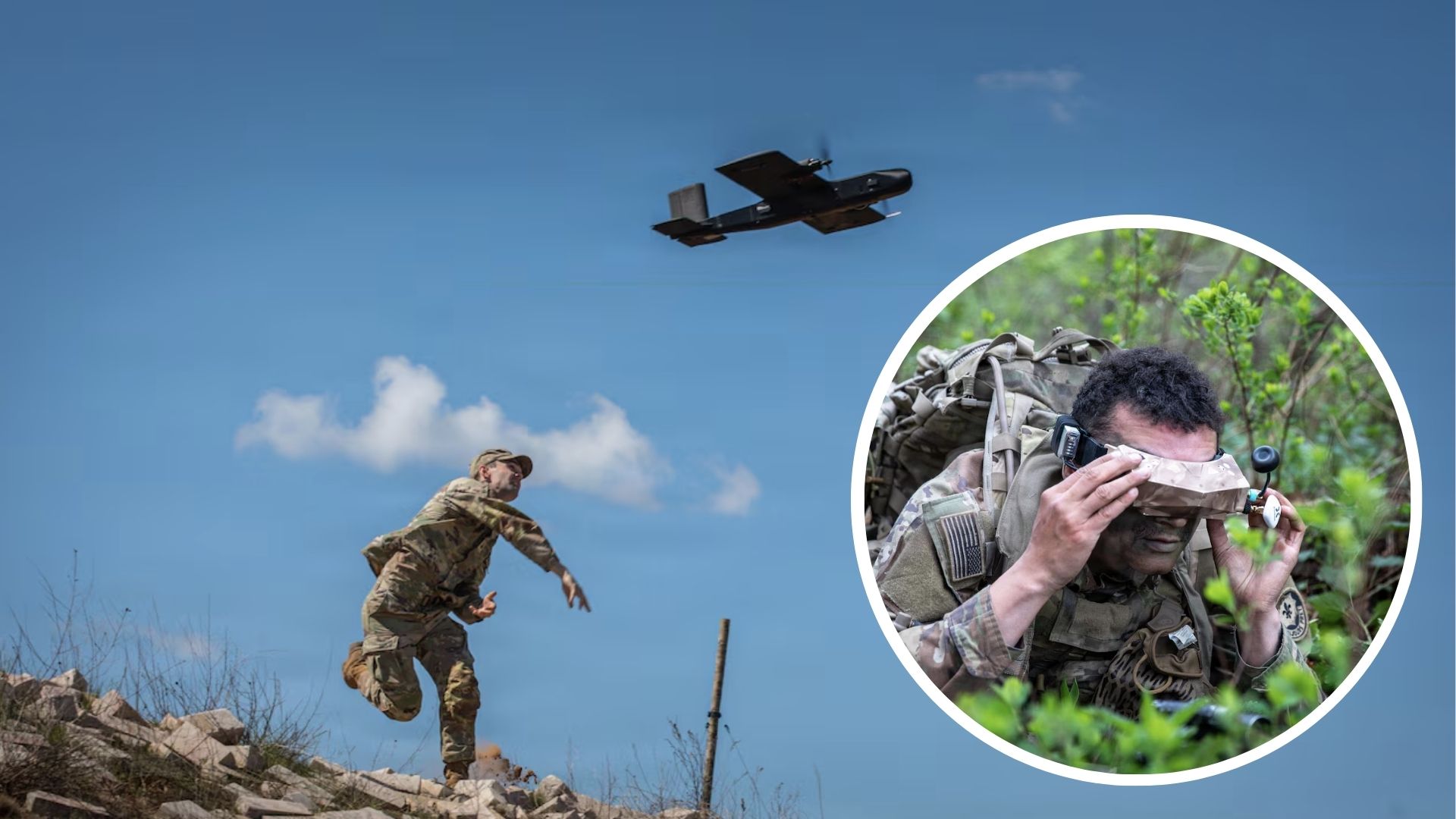
NATO integrates radars, kinetic interceptors to hit target; boost counter-drone lethality
NATO troops have been observed enhancing their counter-drone capabilities through recent training exercises. The soldiers were seen engaging in drills aimed at improving their skills in detecting and neutralizing unmanned aerial vehicles. This initiative comes amid rising concerns over the increasing use of drones in modern warfare and the potential threats they pose to military operations and security. The training sessions took place at various military installations across Europe, where troops utilized advanced technology and tactics to prepare for potential drone-related challenges. By bolstering their counter-drone strategies, NATO aims to ensure the safety and effectiveness of its forces in the face of evolving threats.
MatrixSpace Brings Portable Counter-Drone Radar to Lithuanian Exercise
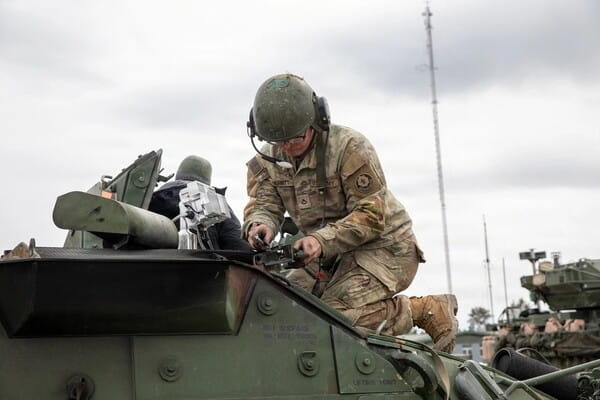
MatrixSpace, a Massachusetts-based company, is enhancing low-altitude airspace awareness for M-SHORAD units in Pabradė, Lithuania, by deploying its portable AI-powered radar system. This initiative is part of the U.S. Army’s Flytrap 5.0 counter-drone exercise, taking place from May 1 to May 15, 2026. The announcement of MatrixSpace's involvement was made on May 12, following their recent success in the xTechCounter Strike competition during the previous Flytrap 4.5 exercise. The deployment aims to bolster the Army's capabilities in counter-drone operations, reflecting the growing need for advanced technologies in modern military exercises.
Defense defense Drone News Drone News Feeds Military News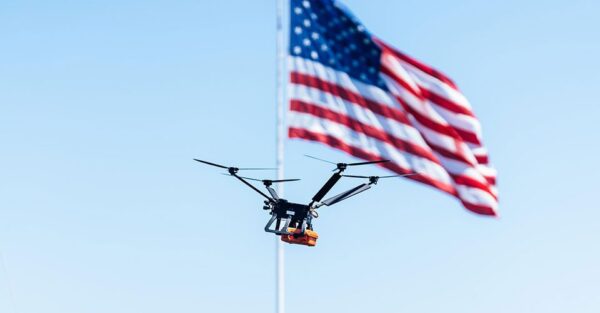
How DHS Is Helping World Cup Host Cities Get Counter-UAS Ready Before FIFA 2026
The Department of Homeland Security (DHS) is enhancing security measures in cities hosting the FIFA World Cup 2026 by providing guidance on counter-drone technology. As part of a broader initiative to establish effective counter-unmanned aerial systems (UAS) protocols, the DHS aims to protect high-profile sporting events and critical infrastructure from potential threats posed by drones. This effort is crucial as the tournament approaches, ensuring that host cities are adequately prepared to mitigate risks associated with careless or hostile drone activity. The collaboration underscores the importance of safeguarding public safety during major international events.
Defense DHS Drone News Drone News Feeds Drones in the News News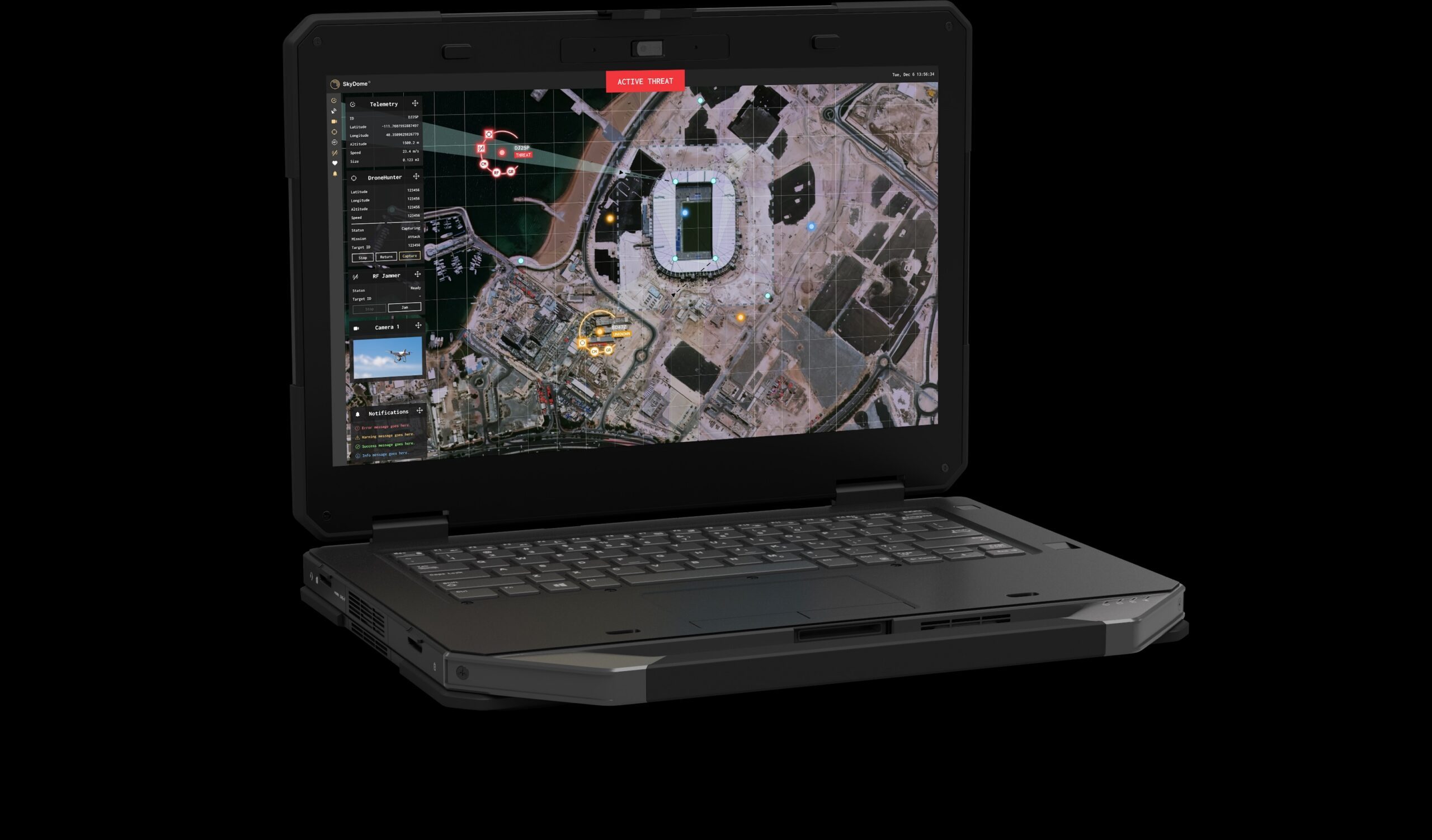
“Much Bigger Than Stadiums”: Fortem CEO Raises Concerns Over U.S. Counter-UAS Gaps
Fortem Technologies CEO has expressed concerns regarding the inadequacy of current counter-unmanned aerial systems (UAS) protections in the United States. Speaking during a series of reports focused on enhancing counter-UAS protocols, the CEO highlighted the need for stronger measures to safeguard high-profile events, such as the FIFA World Cup, as well as critical infrastructure from potential drone threats. The remarks come amid ongoing discussions about improving security measures to address vulnerabilities that extend beyond just sporting venues. The call for action emphasizes the importance of developing comprehensive strategies to mitigate risks associated with drone usage in various contexts across the nation.
Anti-drone technology Applications C-UAS Defense Drone News Drone News Feeds
The future of unmanned surface vessels includes ISR and counter-UAS
Red Cat, a prominent player in the aerial drone industry, has announced the launch of Blue Ops, a new venture focused on the mass production of unmanned surface vehicles (USVs). This strategic move comes as part of Red Cat's ongoing efforts to diversify its product offerings and capitalize on the growing demand for advanced maritime technology. The announcement was made recently, signaling the company's commitment to innovation and expansion within the unmanned vehicle market. By establishing Blue Ops, Red Cat aims to leverage its expertise in drone technology to develop and manufacture USVs that meet the evolving needs of various sectors, including defense, surveillance, and environmental monitoring. The initiative reflects a broader trend in the industry, where companies are increasingly investing in unmanned systems to enhance operational capabilities and efficiency.
Naval Warfare Sponsored Post Blue Ops Counter UAS cUAS gray zone ISRRobotics needs a service framework.
RSF defines a common language for robot service capability, lifecycle operations, certification pathways, and service-provider networks.
Join the RobotToday community on LinkedIn
Daily robotics news, in-depth analysis, conference highlights, and discussions with professionals worldwide.