


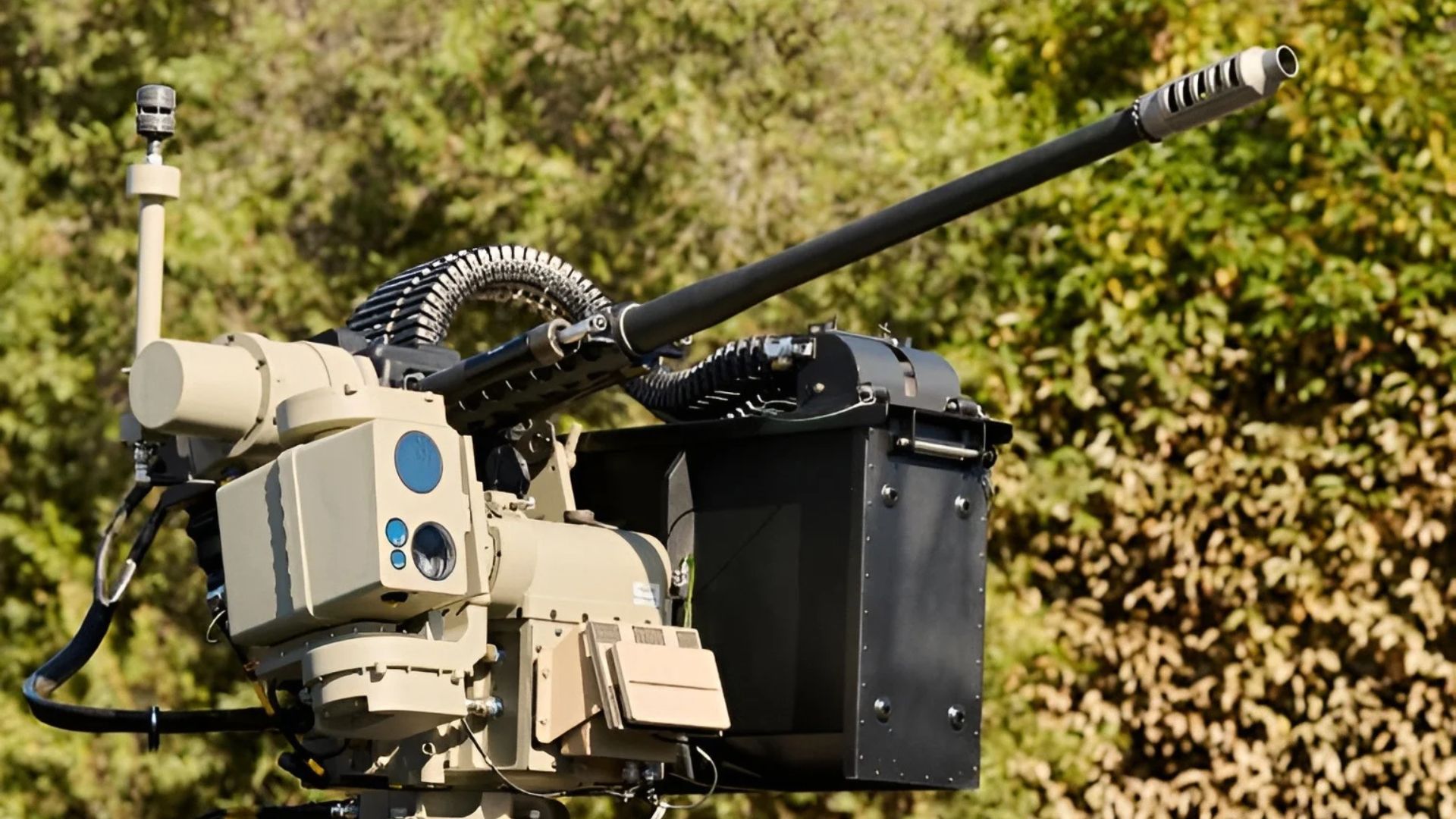
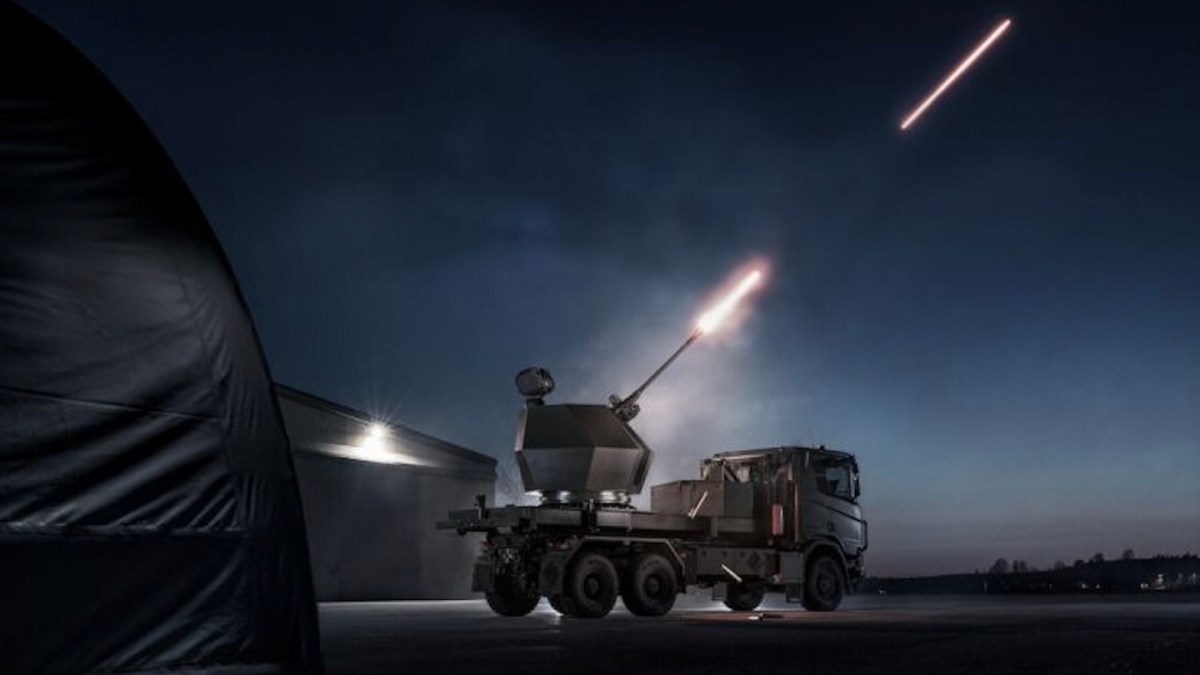
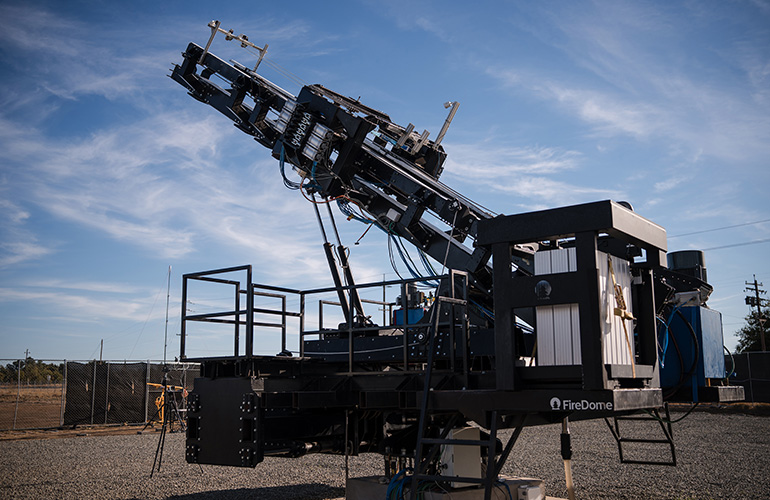
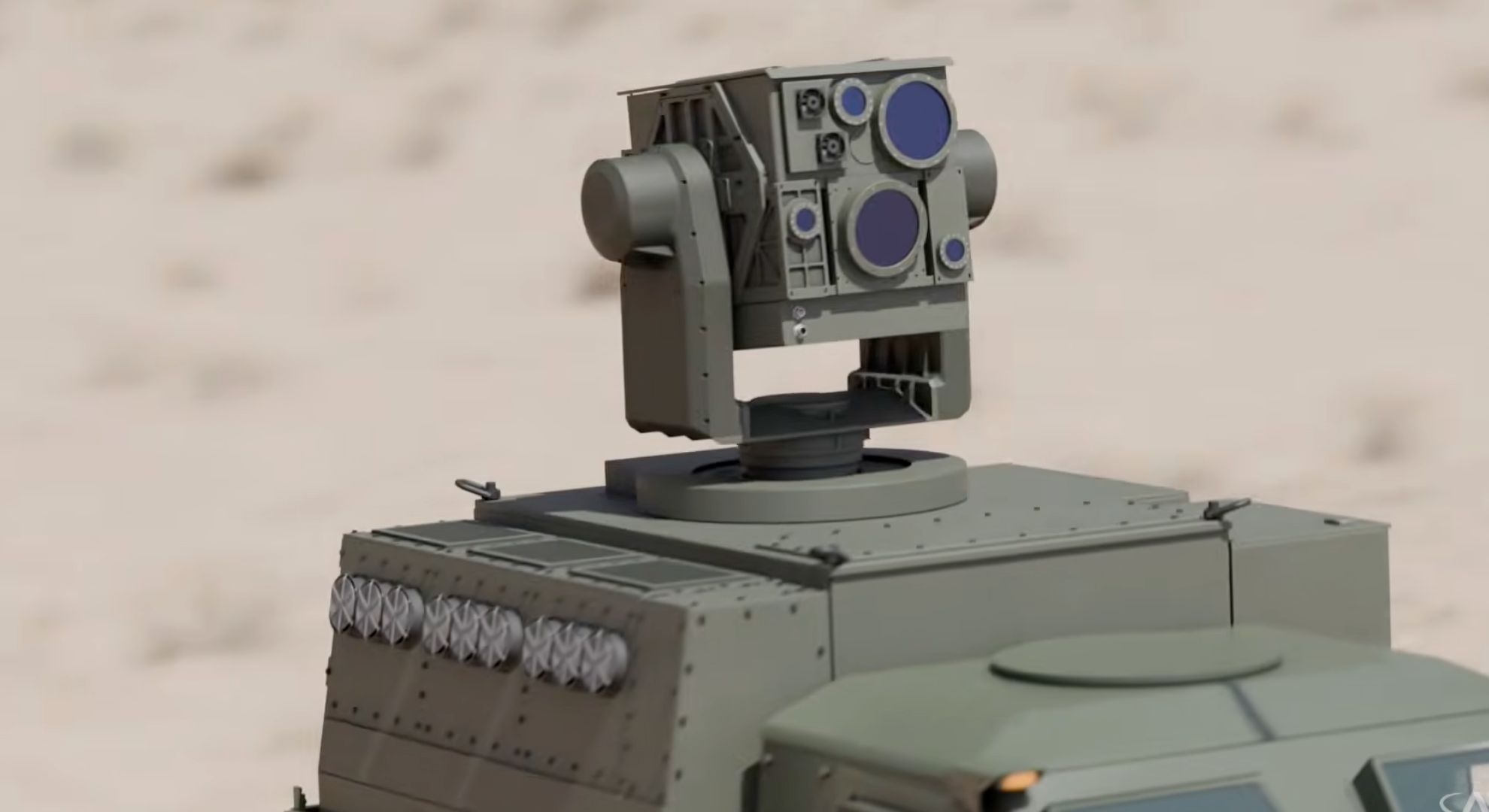
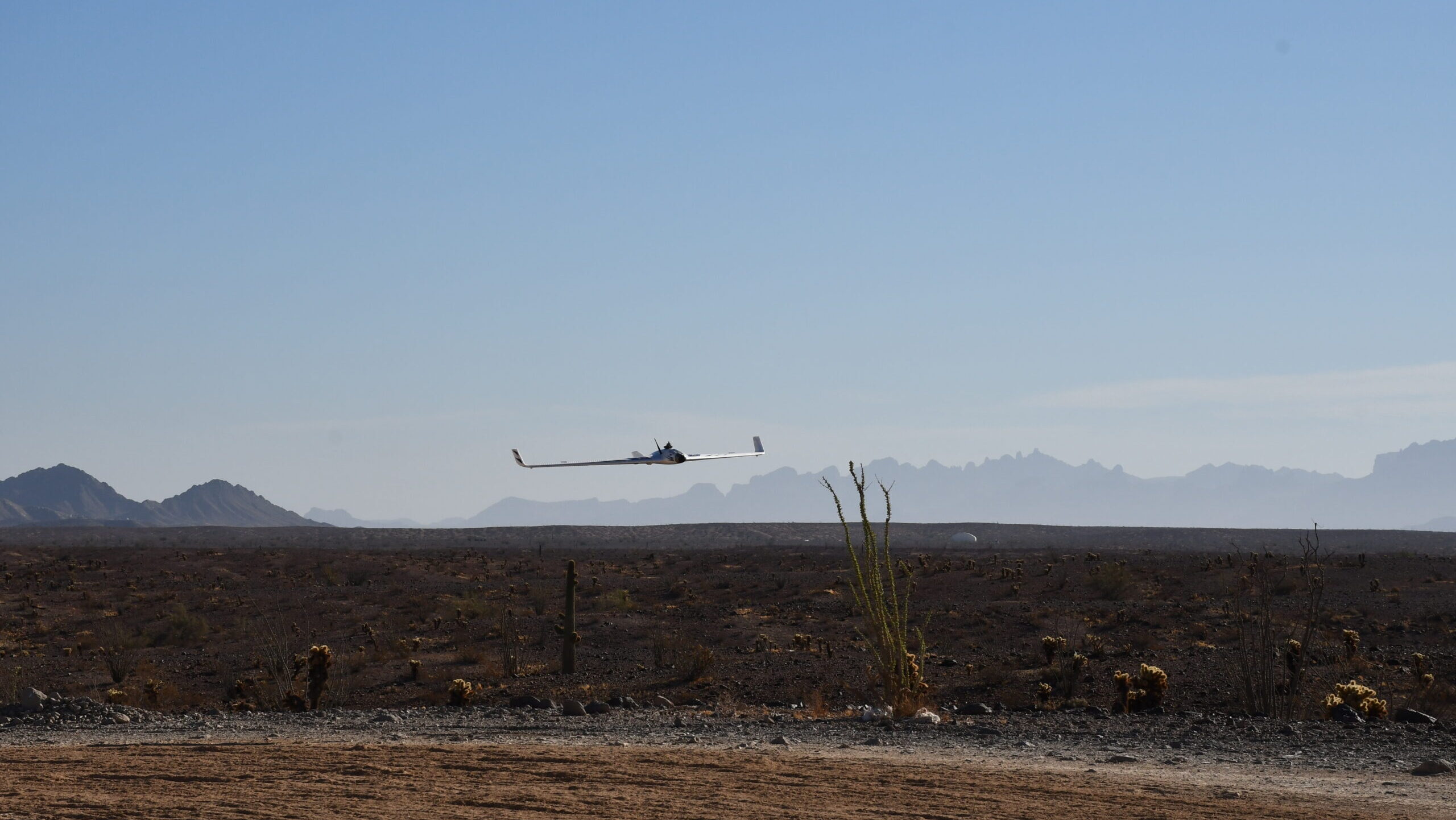
The Joint Interagency Task Force-South (JIATF-401) is broadening its approach to counter unmanned aerial systems (UAS) by integrating directed energy and artificial intelligence technologies. This shift reflects the Pentagon's recognition that there is no one-size-fits-all solution to the growing drone threat.
The expansion of counter-UAS capabilities is significant as it allows for a more versatile defense strategy against various drone threats. By employing a mix of advanced technologies, JIATF-401 aims to enhance operational effectiveness and adaptability in the face of evolving challenges in aerial warfare.
Looking ahead, stakeholders in defense and technology sectors should monitor JIATF-401's developments closely. The task force's ongoing efforts to innovate and implement diverse counter-UAS strategies could influence future military engagements and defense procurement decisions. No further timeline was disclosed at the time of publication.
Editor's Note
The evolving landscape of drone warfare necessitates a multifaceted approach to countermeasures. JIATF-401's integration of directed energy and AI highlights the importance of innovation in defense strategies. As threats become more sophisticated, the ability to adapt and deploy a range of technologies will be crucial for military effectiveness and operational readiness.
Copyright Notice
This briefing is an independently written summary based on publicly available reporting and is provided for industry information and news discovery. The original report and source publication are credited and linked where applicable. RobotToday does not claim ownership of third-party source material.
Rights concerns? If you believe any material in this briefing infringes your copyright or other rights, please contact [email protected] with the relevant URL and details. We will review the matter and take appropriate action where warranted.























Leave a comment