Industry Briefing
A single destination for timely, editor-curated robotics news from around the world.

PIA Automation Develops BMW E-Drive Assembly Line Featuring 46 Robots and Digital Twin Technology
PIA Automation is constructing a highly automated assembly line for E-Drive units at the BMW Group facility in Steyr, Austria. This project includes 78 processing stations, 27 robotic cells, and 46 industrial robots spread over 5,600 square meters across two levels, marking one of PIA Automation's largest undertakings to date. The significance of this assembly line lies in its role in the transition to electric mobility, which necessitates advanced automation, robotics, and quality monitoring systems. Although electric drivetrains have fewer mechanical components than traditional combustion engines, their assembly is complex and requires precise coordination, making automation essential for efficiency and accuracy. Looking ahead, the commissioning of the final sections of the production line is scheduled for 2027. PIA Automation's use of digital twin technology and Virtual Commissioning aims to streamline the development process by identifying potential issues early, thereby reducing costly modifications during physical commissioning and enhancing overall project reliability.
Automation Engineering Manufacturing News austria automotive manufacturing
BMW Integrates Humanoid Robots at Spartanburg Factory with $25 Hourly Cost
At BMW's Spartanburg factory in South Carolina, humanoid robots are actively sorting parts on the production line as part of a ten-year 'Physical AI' experiment. This initiative aims to transform the facility, which employs over 11,000 staff and produces more than 400,000 vehicles annually, into a global automotive manufacturing showcase. The significance of this experiment lies in its potential to reshape the manufacturing workforce. The Figure 02 robot, deployed for an 11-month trial, assisted in producing over 30,000 BMW X3 vehicles by handling more than 90,000 metal parts with high precision. According to Brett Adcock, CEO of Figure AI, the deployment demonstrates that humanoid robots can be valuable assets in creating a flexible and reliable manufacturing labor force. Looking ahead, the upgraded Figure 03 robot is set to take on more complex logistics sorting tasks, requiring advanced operational and decision-making capabilities. With a cost of $25 per hour, Figure 03 is part of BMW's broader $1.7 billion investment in expanding the Spartanburg plant and establishing a new battery factory, which will support the production of the iX5 electric vehicle by the end of 2026.
Humanoid Robots Automotive Manufacturing AI Technology Logistics Automation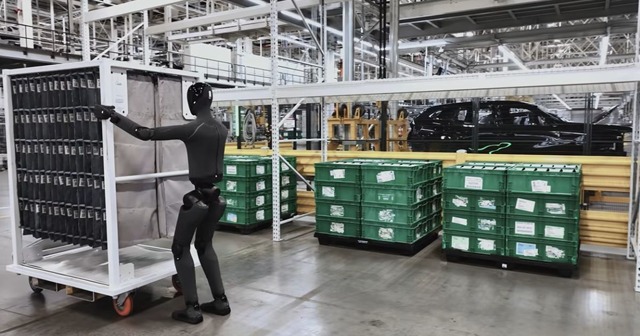
BMW introduces humanoid "Figure 03" at factory for physical AI coordination and sequencing tasks.
Figure AI has introduced its humanoid robot, Figure 03, at BMW Group's Spartanburg plant, showcasing its capability to perform parts sorting tasks. This demonstration highlights the integration of advanced robotics in manufacturing processes, aimed at enhancing efficiency and productivity in the automotive industry. The event marks a significant step in the collaboration between technology and manufacturing, reflecting the ongoing trend of automation in production environments.
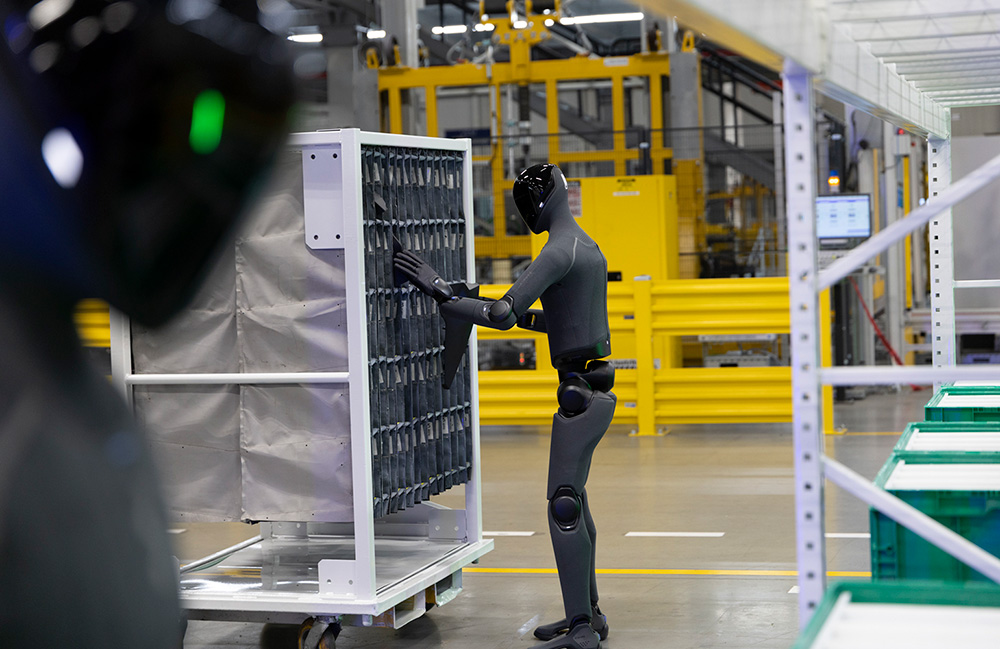
BMW to Deploy Figure 03 Humanoid Amid Cost Challenges in Manufacturing Automation
BMW announced plans to deploy the Figure 03 humanoid robot at its Spartanburg, S.C. plant following a successful pilot with Figure 02. Despite advancements in AI and robotics, the high costs associated with humanoid automation remain a significant barrier for manufacturers. Current robotic unit economics make it difficult to justify the investment, especially when specialized robots outperform humanoids in productivity. The evolution of physical AI has led to improved manipulation capabilities, with robots now able to perform tasks previously deemed challenging. However, the conversation has shifted from whether robots can perform tasks to whether their costs can be justified. Human oversight remains essential, particularly in unexpected situations, with some developers relying on teleoperation, which limits scalability. While humanoids offer flexibility for various tasks, their cost-effectiveness is questioned compared to specialized robots optimized for specific workflows. For instance, humanoids achieve around 1,000 picks per hour in parcel sorting, while specialized robots can reach up to 3,000 picks per hour. The primary challenge for humanoid robots lies in their economics, as they are currently too expensive for widespread adoption in most applications.
Humanoids News Opinion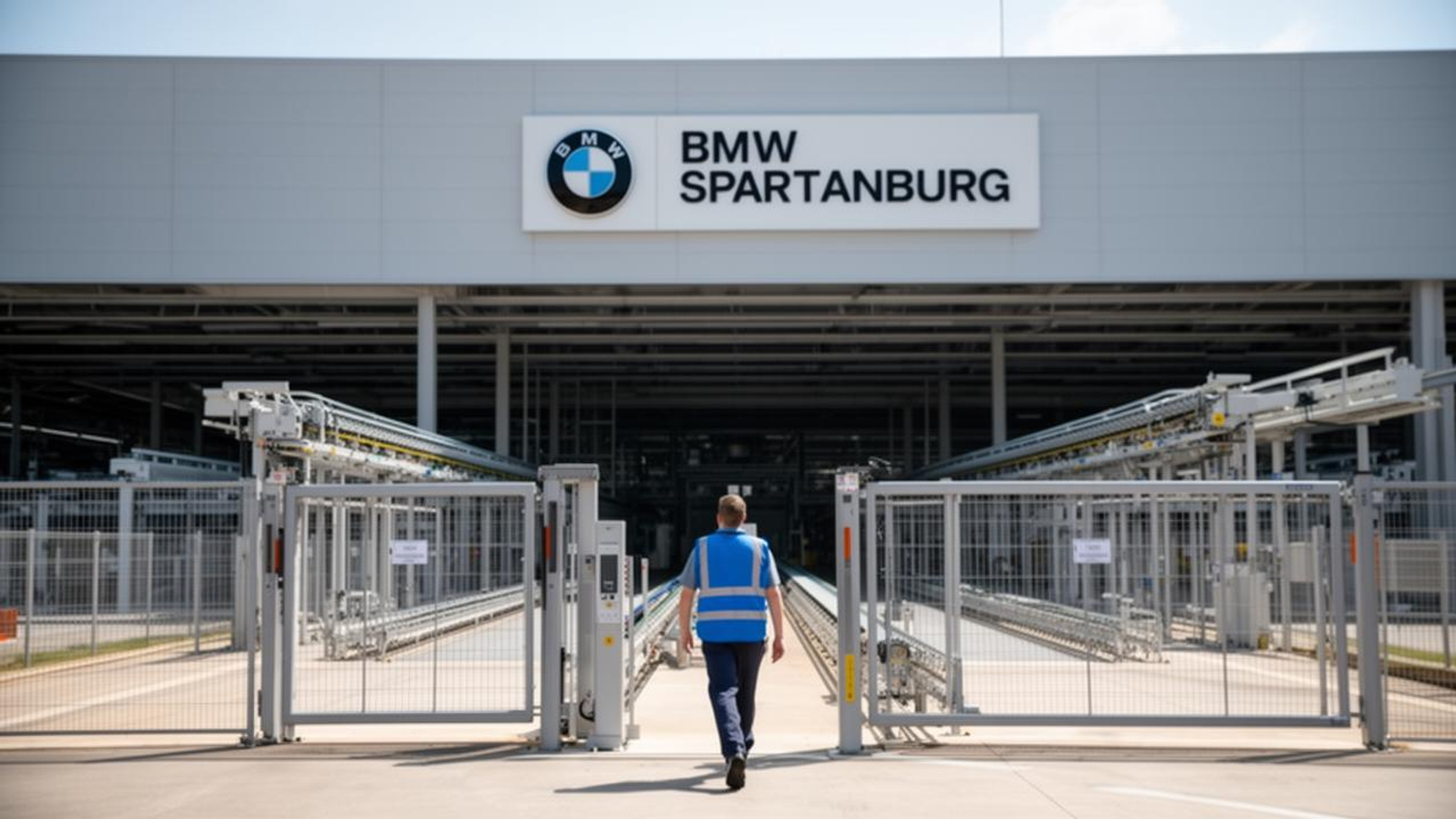
Figure 03 Launches at BMW Plant: Physical AI Moves to Mass Production
BMW has introduced the Figure 03 humanoid robot at its Spartanburg factory, a move that signifies a notable advancement in the integration of physical AI within the automotive sector. This state-of-the-art robot is designed to improve assembly line efficiency by handling repetitive tasks, thereby enabling human employees to concentrate on more complex and valuable processes. The deployment of the Figure 03 is part of BMW's broader strategy, which includes a $1.7 billion investment aimed at expanding electric vehicle production by 2026. This initiative underscores the company's commitment to innovation and efficiency in response to the evolving demands of the automotive market.
Humanoid Robots Automotive Manufacturing AI Warehouse Automation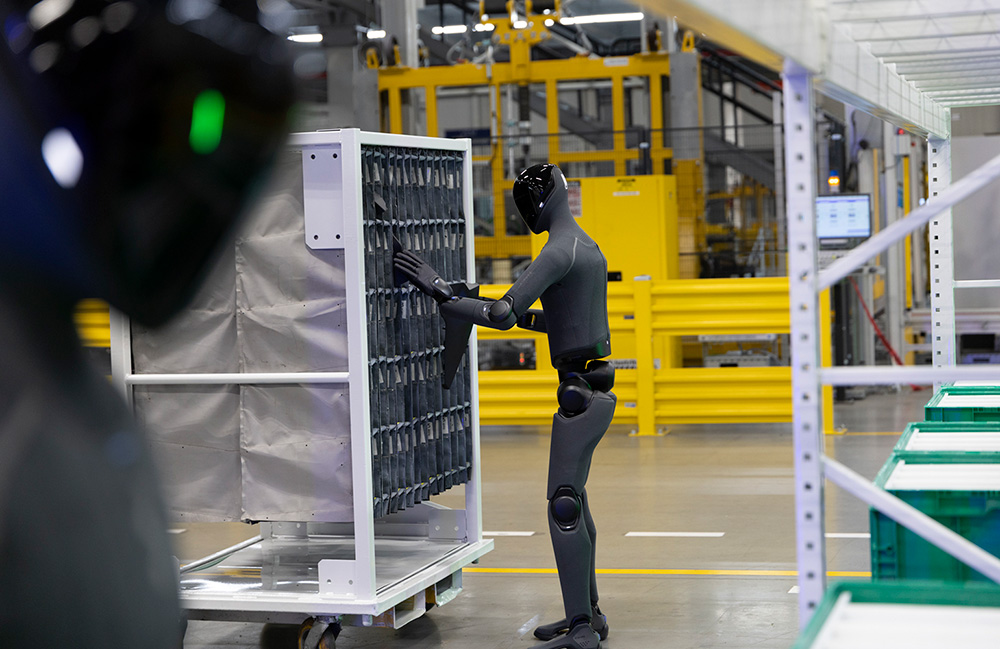
BMW Group deploys Figure 03 humanoid after tests with previous version
In a significant advancement for automotive manufacturing, BMW Group has successfully utilized the Figure 02 robot to aid in the production of over 30,000 X3 vehicles over an 11-month period at its South Carolina facility. This deployment highlights the company's commitment to integrating advanced robotics into its production processes, enhancing efficiency and output. Following extensive testing of the Figure 02, BMW is now set to introduce the next iteration, the Figure 03 humanoid robot, further indicating the company's focus on innovation in manufacturing technology. The initiative not only aims to streamline operations but also reflects a broader trend in the automotive industry towards automation and robotics to meet increasing demand.
Artificial Intelligence Artificial Intelligence / Cognition Assembly Automotive Design / Development Humanoids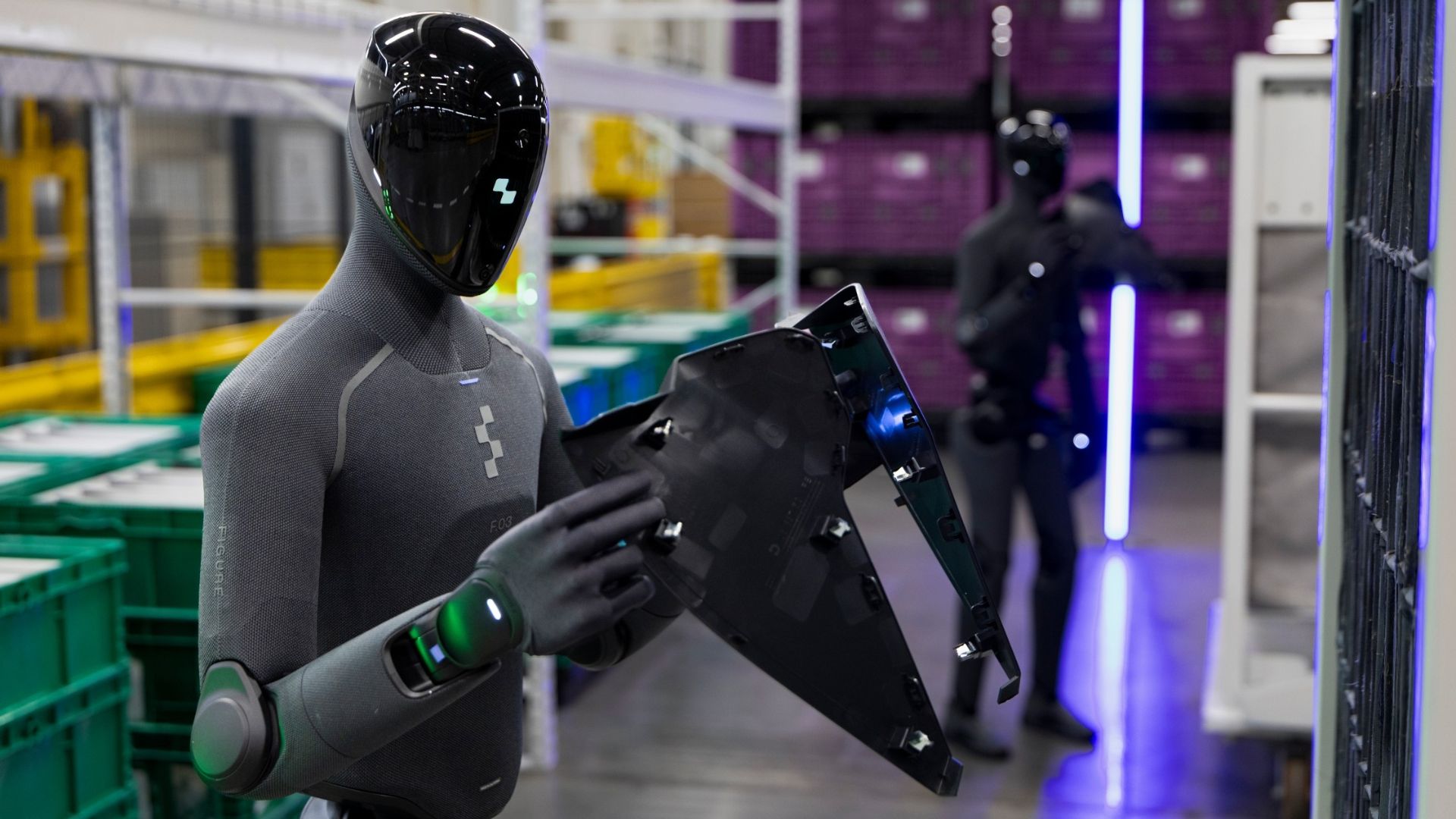
BMW’s smart factory in US gets Figure 03 humanoid robot for advanced logistics work
BMW Group has enhanced its manufacturing processes by integrating next-generation Physical AI technologies. This initiative, announced recently, aims to improve efficiency and precision in production lines. The implementation of these advanced AI systems is taking place at various BMW facilities worldwide, reflecting the company's commitment to innovation and modernization in the automotive industry. By leveraging Physical AI, BMW seeks to streamline operations, reduce costs, and enhance product quality, ultimately responding to the growing demand for smarter manufacturing solutions. The integration process involves upgrading existing machinery and training staff to work alongside AI systems, ensuring a seamless transition into this new era of manufacturing.
AI and Robotics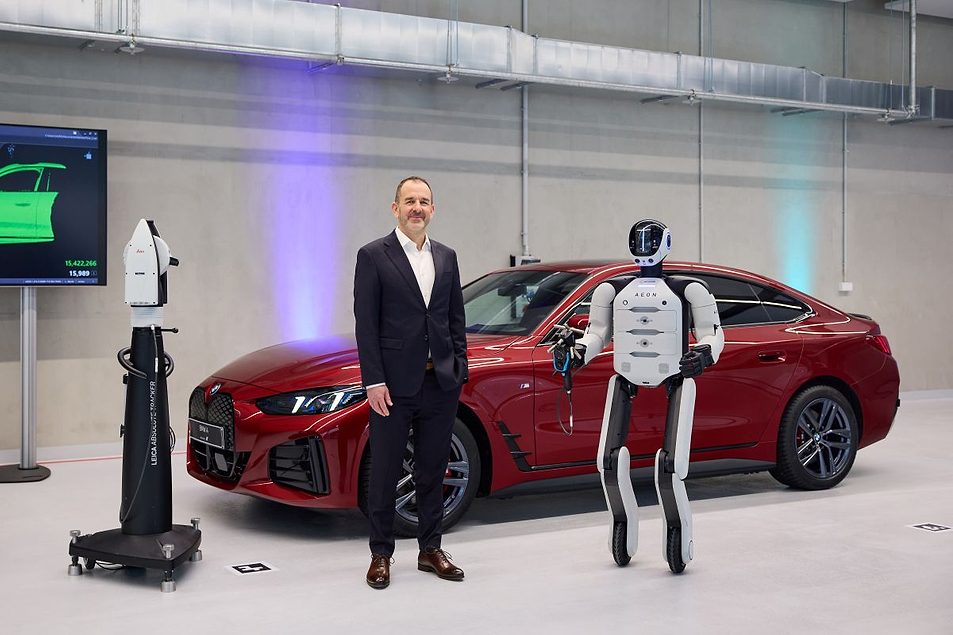
BMW to Use Humanoid Robots to Make Cars in Europe
A recent analysis highlights the potential of humanoid robots to transform the workforce by replacing human workers in various industries. This shift could significantly reduce costs associated with redesigning assembly lines, which are often prohibitively expensive. As companies seek to enhance efficiency and cut operational expenses, the integration of humanoid robots presents a viable solution. The development and deployment of these robots are gaining traction as businesses explore innovative ways to streamline production processes without the need for extensive infrastructure changes. This trend is expected to reshape the labor market and redefine roles within manufacturing and other sectors, prompting discussions about the future of work and the implications for human employment.
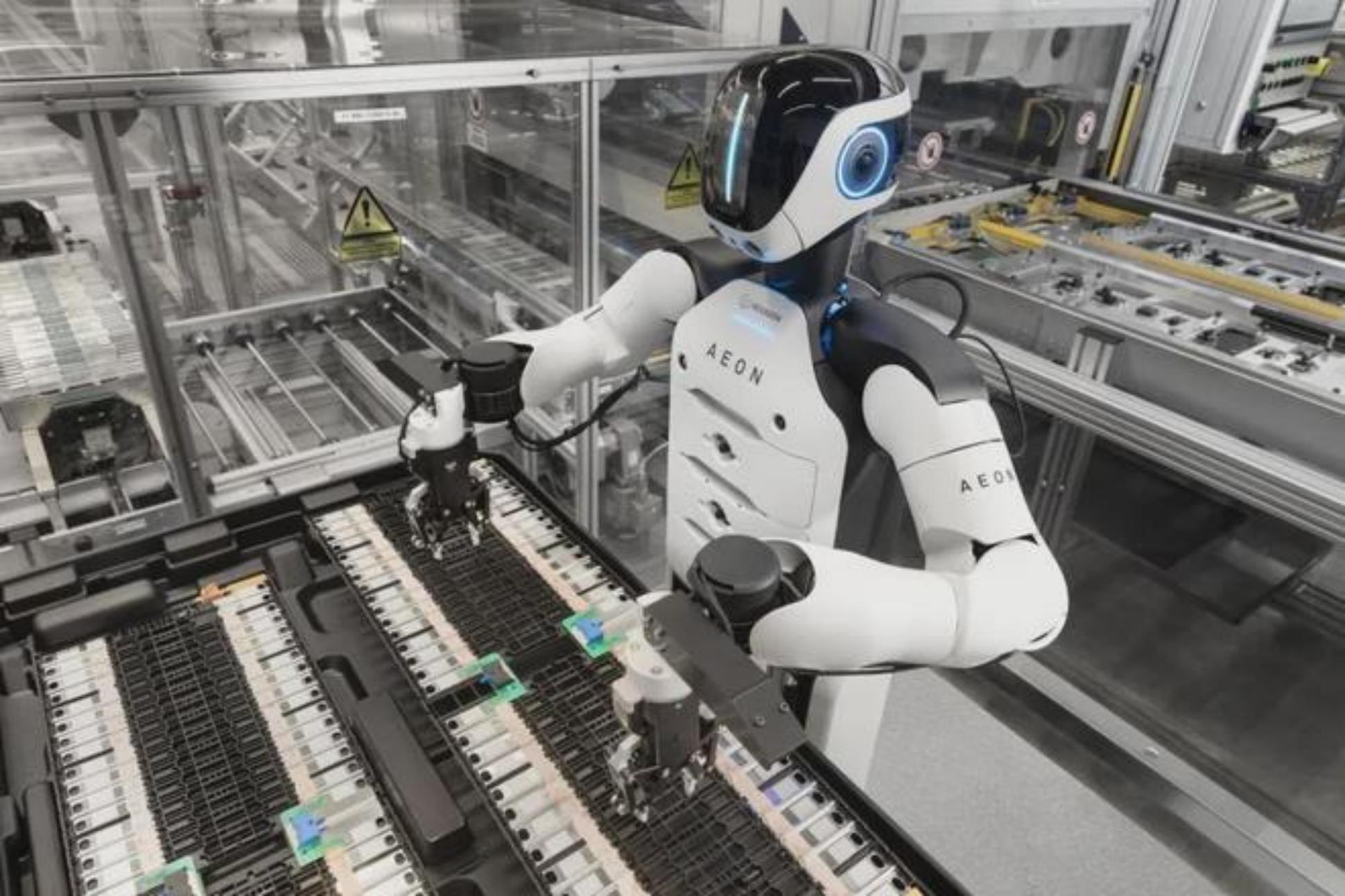
World's First! BMW Introduces Humanoid Robots on Production Line, Powered by Chinese Technology!
BMW has made a significant leap in industrial automation by integrating humanoid robots into its production line at the Leipzig plant, becoming the first German automaker to do so. The AEON robot, developed by Hexagon, will be responsible for high-pressure battery assembly and the production of precision components. This innovative move, which underscores BMW's commitment to enhancing efficiency and precision in manufacturing, was officially announced recently. The implementation of the AEON robot is expected to streamline operations and improve the overall quality of the production process, reflecting the growing trend of automation in the automotive industry.
Humanoid Robots Automotive Manufacturing Industrial Automation AI Technology
BMW i Ventures Closes $300M Fund III to Back AI Across the Automotive Ecosystem
BMW i Ventures has launched a new $300 million fund dedicated to investing in startups focused on artificial intelligence and advanced manufacturing within the automotive sector. This initiative, announced recently, represents the largest investment to date by the independent corporate venture capital arm of BMW AG. The fund, known as Fund III, aims to enhance the development of what BMW refers to as physical AI and agentic AI, reflecting the company's commitment to innovation in the automotive industry. By supporting these emerging technologies, BMW seeks to strengthen its competitive edge and drive advancements in vehicle manufacturing and functionality.
AI AI Funding & Investment Robotics automation automotive industry BMW i Ventures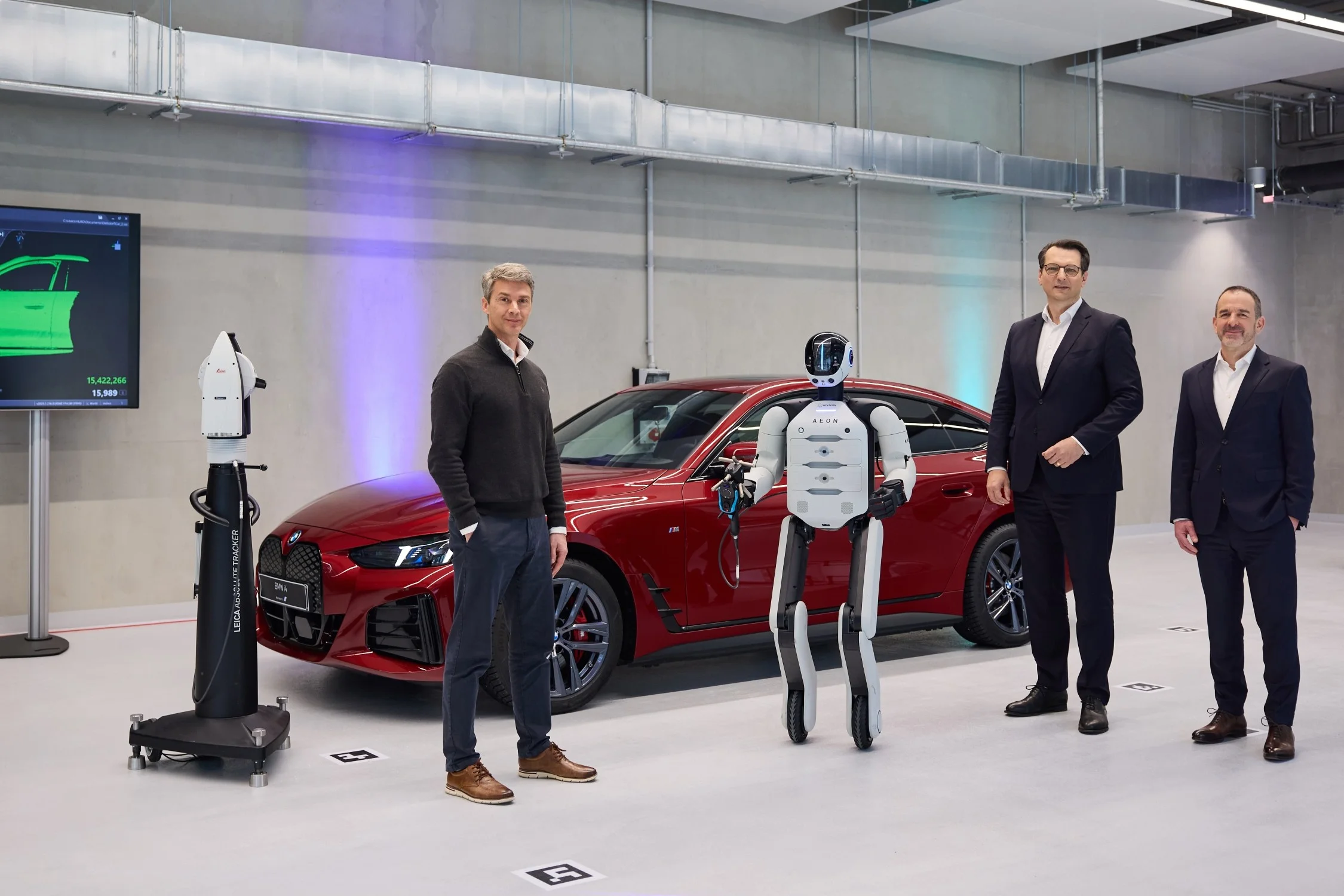
BMW Brings "Physical AI" to Germany with Hexagon’s AEON Humanoid
BMW is set to launch its inaugural European humanoid robotics project at its Plant Leipzig, following a successful pilot program in the United States. The initiative will feature the Hexagon AEON robot, which is designed to enhance manufacturing efficiency and productivity. This move reflects BMW's commitment to integrating advanced robotics into its production processes, aiming to streamline operations and reduce labor costs. The deployment of the AEON robot is expected to begin shortly, marking a significant step in the company's efforts to innovate and modernize its manufacturing capabilities in Europe.
aeon BMW Europe hexagon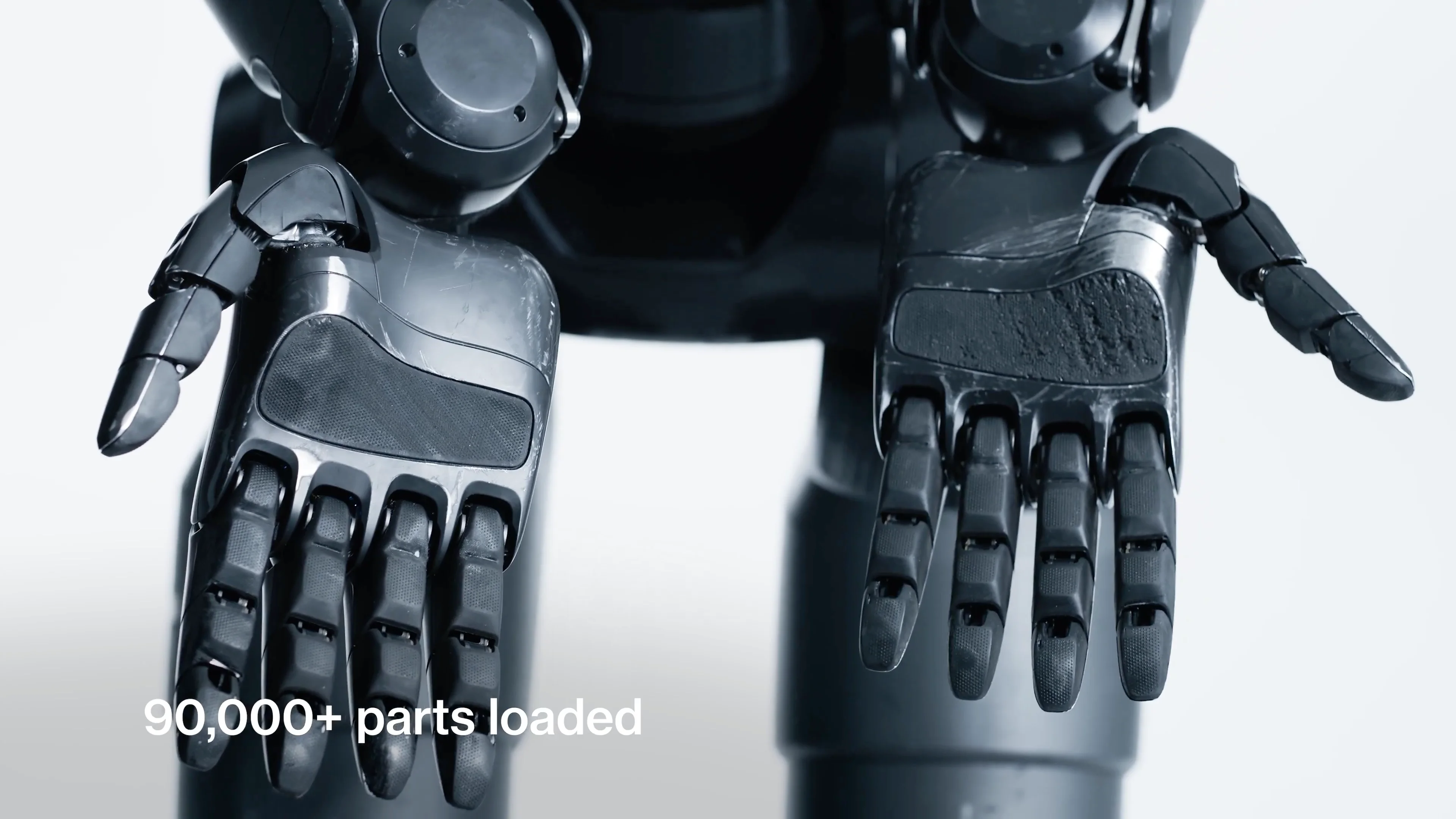
Figure Retires the F.02: ''Battle-Scarred'' Robots, 30,000 BMWs, and Hard Lessons Learned
Figure, a technology company, has announced the retirement of its F.02 fleet following an 11-month deployment at BMW's Spartanburg plant. The decision comes after the fleet successfully contributed to the production of 30,000 vehicles. In conjunction with the retirement, Figure released comprehensive performance data and footage showcasing the worn and grimy condition of the hardware used during the operation. This move reflects the company's commitment to transparency and innovation in automotive manufacturing.
Figure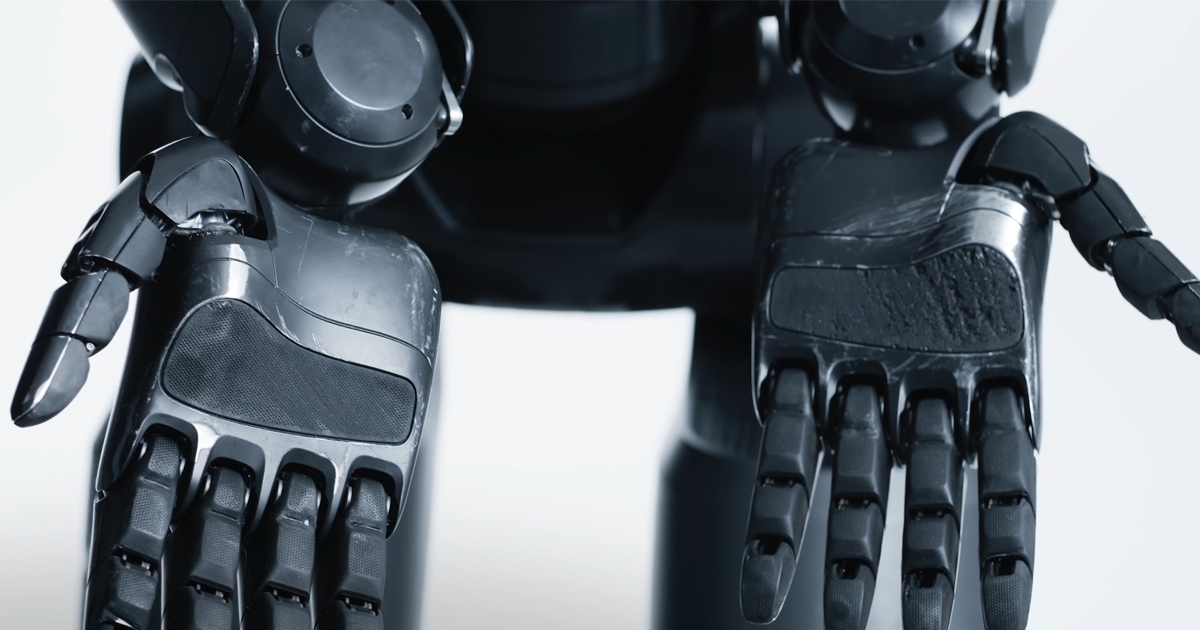
F.02 Contributed to the Production of 30,000 Cars at BMW
The Figure 02 robot has been successfully deployed at BMW's Spartanburg plant, playing a crucial role in the production of over 30,000 X3 vehicles within an 11-month period. This achievement highlights the robot's effectiveness in enhancing manufacturing processes. Insights gained from this project are expected to guide the development of the next-generation Figure 03 robot, aimed at further improving operational efficiency and reliability in automotive production.
robotics automotive manufacturing technology deployment industrial automation humanoid robots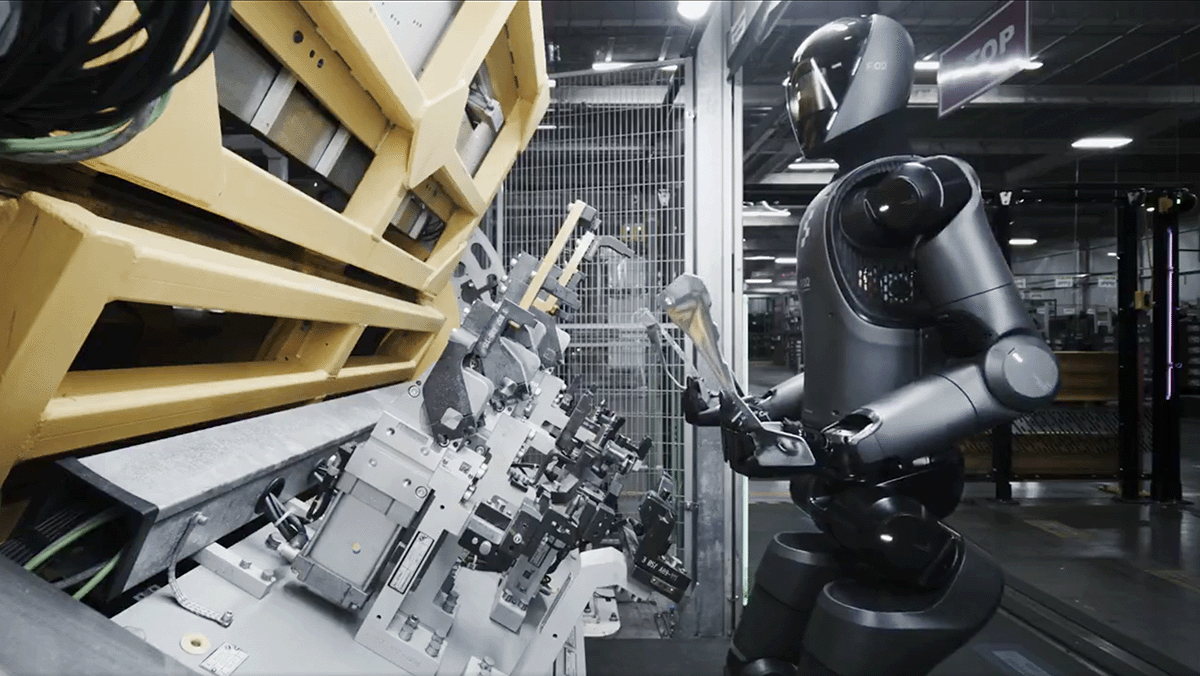
Figure Claims Humanoid Robot Has Worked Five Months on BMW Production Line
Brett Adcock, the CEO of a robotics company, has announced that a humanoid robot named Figure has successfully operated for 10 hours a day on the BMW X3 production line. This achievement marks a significant milestone for the company, particularly following previous concerns regarding the extent of its robotic deployment in manufacturing processes. The announcement highlights the growing integration of advanced robotics in automotive production, showcasing how such technology can enhance efficiency and productivity in the industry.
Figure BMW humanoid robotics manufacturing automation
Figure Robot Reportedly Completes 20-Hour Continuous Shift at BMW Plant
Brett Adcock, CEO of Figure AI, has announced a significant achievement for the company as its humanoid robot successfully completed a continuous 20-hour operation at BMW's production facility. This milestone marks a crucial advancement towards Figure's ambitious goal of deploying autonomous humanoids in practical applications by 2025. The successful run demonstrates the robot's potential to enhance productivity and efficiency in manufacturing environments, showcasing the capabilities of advanced robotics in real-world settings.
Figure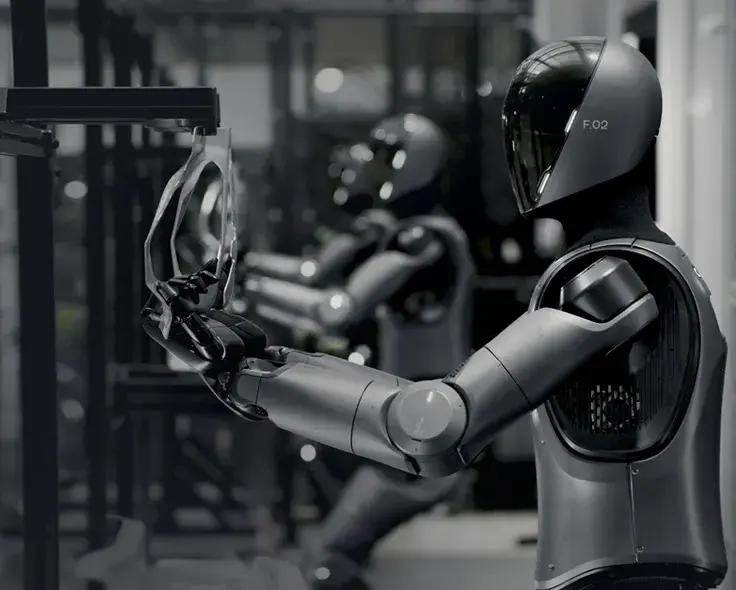
Figure AI's BMW Partnership: Reports Detail Cautious First Steps for Humanoid Robots in Manufacturing
Figure AI is conducting a small-scale feasibility study involving the deployment of its humanoid robots at BMW's Spartanburg plant. This initiative, which is not intended for immediate large-scale integration into production tasks, aims to explore potential use cases for advanced robotics in a complex industrial environment. The move reflects a cautious approach to the incorporation of innovative technology in manufacturing, emphasizing the need for careful evaluation before broader implementation.
Figure BMW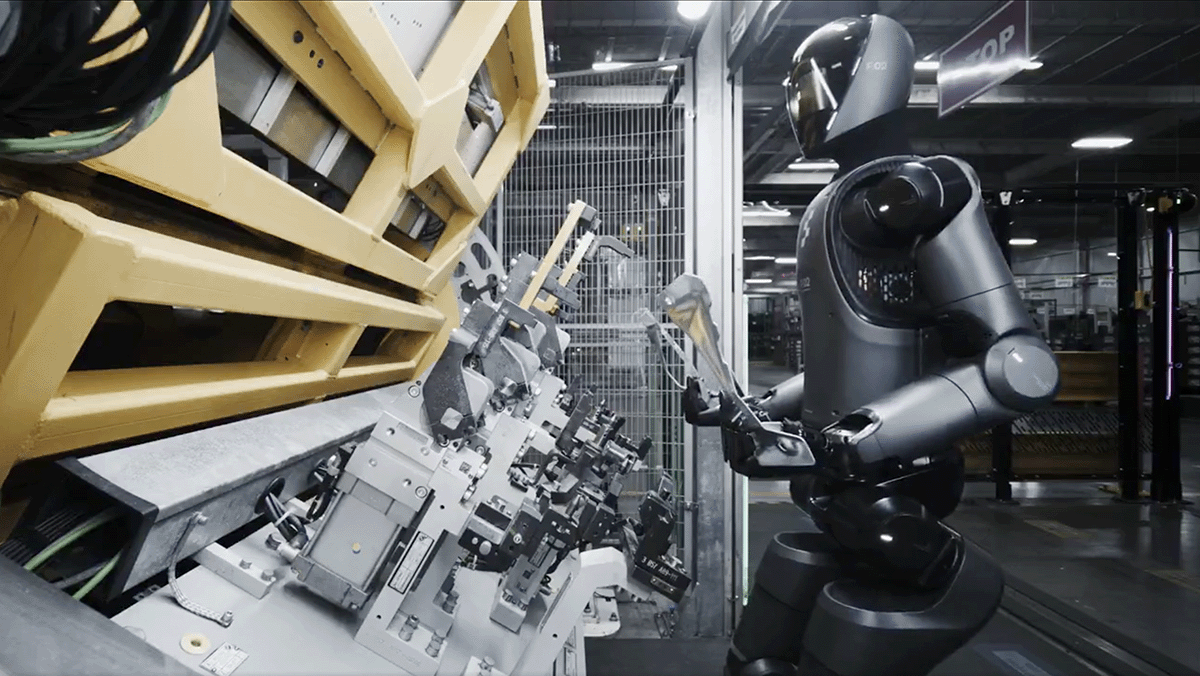
Figure Humanoids Clock In for Duty at BMW Production Plant
Figure AI has introduced its humanoid robots, specifically the Figure 01 model, to perform material handling tasks at BMW's production facility in Spartanburg, South Carolina. This demonstration represents a significant transition from controlled testing environments to actual automotive manufacturing operations. The event highlights the growing integration of advanced robotics in the automotive industry, showcasing how these technologies can enhance efficiency and productivity on the factory floor.
Figure BMWRobotics needs a service framework.
RSF defines a common language for robot service capability, lifecycle operations, certification pathways, and service-provider networks.
Join the RobotToday community on LinkedIn
Daily robotics news, in-depth analysis, conference highlights, and discussions with professionals worldwide.