

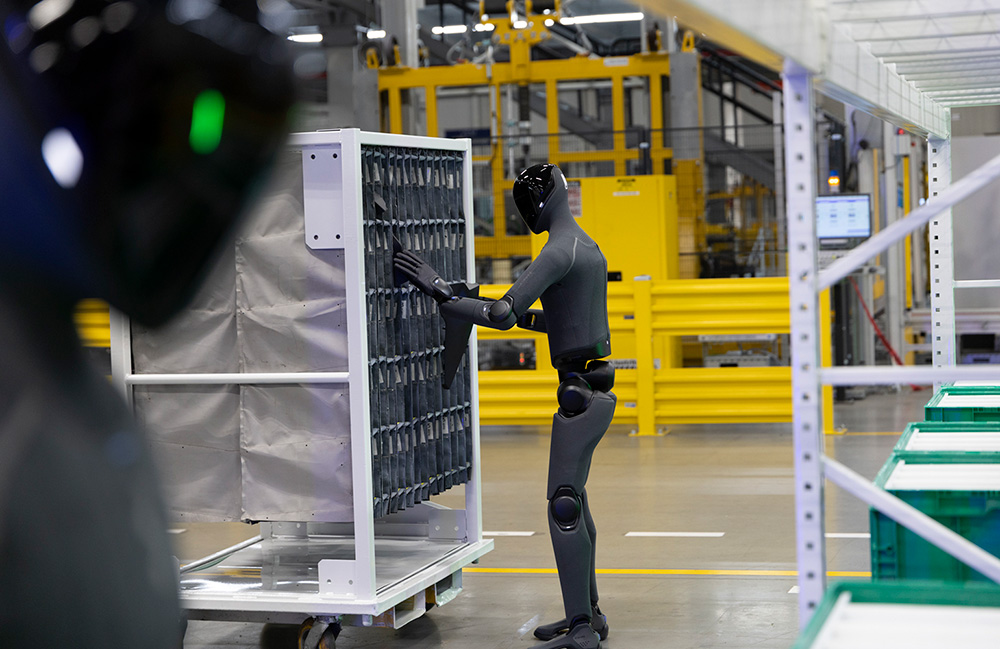
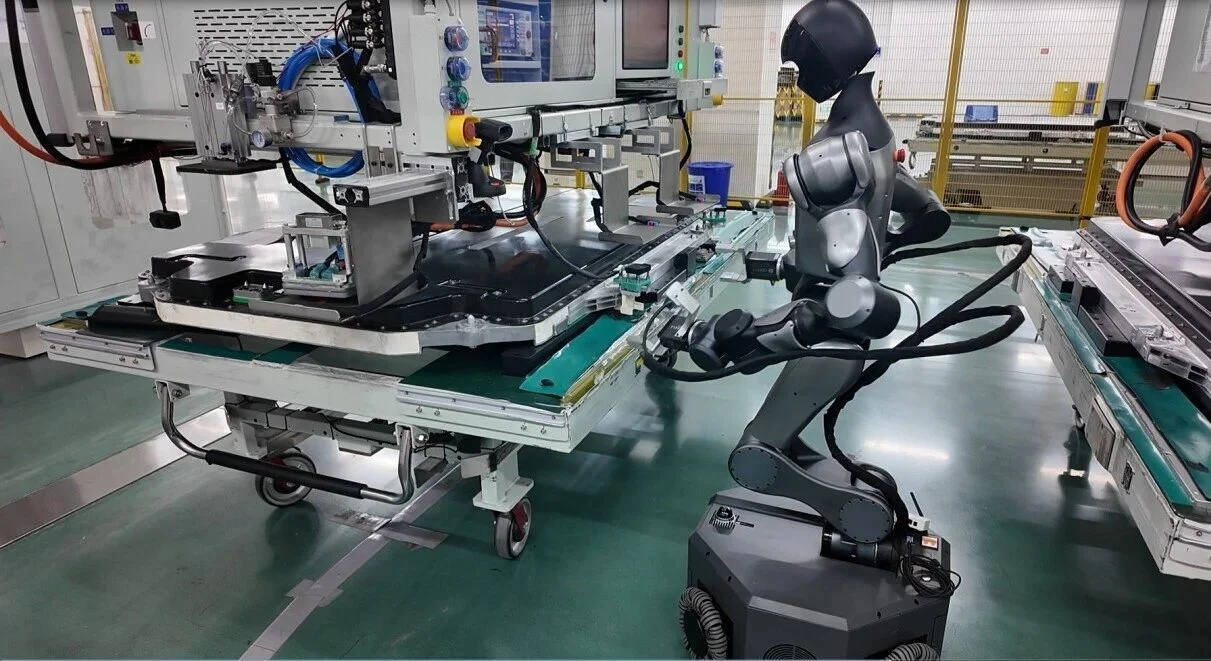
BMW announced plans to deploy the Figure 03 humanoid robot at its Spartanburg, S.C. plant following a successful pilot with Figure 02. Despite advancements in AI and robotics, the high costs associated with humanoid automation remain a significant barrier for manufacturers. Current robotic unit economics make it difficult to justify the investment, especially when specialized robots outperform humanoids in productivity.
The evolution of physical AI has led to improved manipulation capabilities, with robots now able to perform tasks previously deemed challenging. However, the conversation has shifted from whether robots can perform tasks to whether their costs can be justified. Human oversight remains essential, particularly in unexpected situations, with some developers relying on teleoperation, which limits scalability.
While humanoids offer flexibility for various tasks, their cost-effectiveness is questioned compared to specialized robots optimized for specific workflows. For instance, humanoids achieve around 1,000 picks per hour in parcel sorting, while specialized robots can reach up to 3,000 picks per hour. The primary challenge for humanoid robots lies in their economics, as they are currently too expensive for widespread adoption in most applications.
Editor's Note
The robotics industry is at a pivotal moment as advancements in AI and hardware continue to evolve. However, the economic viability of humanoid robots remains a critical concern for manufacturers. As companies like BMW explore deployment, the focus will likely shift towards finding a balance between flexibility and cost-effectiveness in automation solutions.



















Leave a comment