Industry Briefing
A single destination for timely, editor-curated robotics news from around the world.
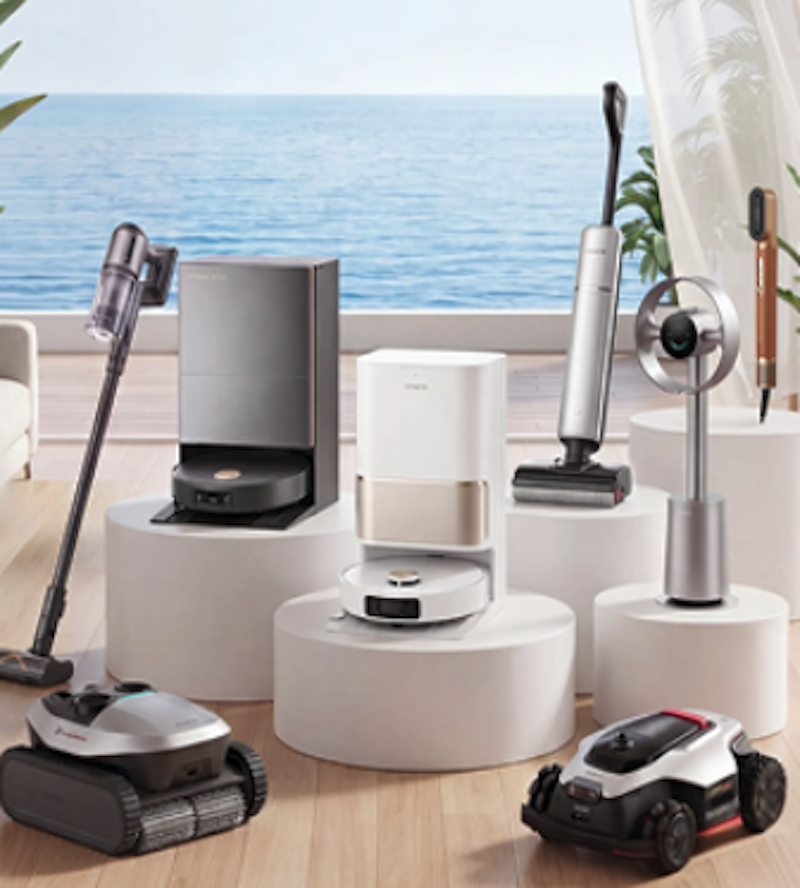
How to Choose a Robot Vacuum and Mop That Actually Fits Your Home
In the evolving landscape of home cleaning technology, combination robots that vacuum and mop have transitioned from novelty items to essential household tools. However, the market is saturated with options, making it challenging for consumers to discern which models truly deliver on their promises. As two machines priced similarly can yield vastly different performances in actual home environments, potential buyers must navigate a plethora of marketing claims that often emphasize specifications not necessarily relevant to effective cleaning on various floor types. This complexity highlights the need for informed decision-making when selecting a cleaning robot that best suits individual home needs.
Cleaning robots best robot vacuum and mop floor cleaning hardwood floor cleaning home automation home technology
Anker Eufy Robot Vacuum Omni E25 with wide roller mop now 33% off at ¥99,900.
Amazon.co.jp is currently offering a time-limited sale on Anker's advanced robotic vacuum cleaner, which features a fully automatic cleaning station. This high-end model, known for its powerful floor cleaning capabilities and automatic debris collection, is available at a discounted price of 99,900 yen, reflecting a 33% reduction. The promotion highlights the growing demand for efficient home cleaning solutions, particularly as consumers seek convenience and enhanced functionality in household appliances.

Eufy’s Omni C28 is one of the best Prime Day deals on robot vacuums
During Amazon Prime Day, a significant event for online shoppers, consumers are finding numerous discounts on various products, particularly in the home appliance sector. Among the standout deals is the Eufy Omni C28, a robot vacuum and mop hybrid that has garnered attention for its impressive features and affordability. This model combines advanced cleaning technology with a competitive price point, making it an attractive option for those looking to enhance their home cleaning routine. The promotion, which runs for a limited time, aims to boost sales and attract new customers by offering high-quality products at reduced prices. As shoppers take advantage of these deals, the Eufy Omni C28 is emerging as a top choice for its blend of functionality and value.
Deals Gadgets Prime Day Tech Verge Shopping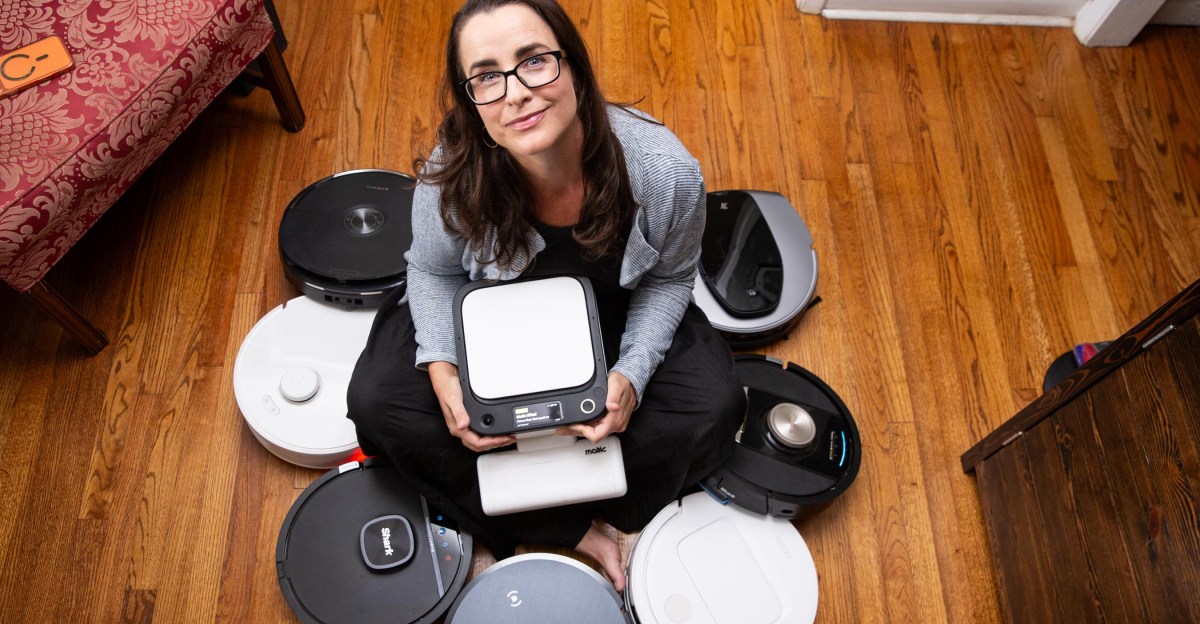
These are the robot vacuum-mops I recommend for every type of home
The decision to incorporate a robot vacuum-mop into one’s home is increasingly common, as these autonomous cleaning devices promise to simplify household chores. While their ability to navigate and clean floors can be seen as a significant advantage, users often face challenges, including potential damage to personal items such as rugs and electronics. Instances of these machines running over delicate objects or leaving behind messes, like smearing food on carpets, have raised concerns about their reliability and effectiveness. Despite these drawbacks, many homeowners find that the convenience of automated cleaning may outweigh the occasional mishaps, leading to a growing acceptance of these technologies in daily life. As the market for smart home devices expands, consumers are weighing the pros and cons of integrating such innovations into their routines.
Buying Guides Gadgets Robot Smart Home Tech Verge Shopping
iRobot Launches Roomba® Mini Robot Vacuum & Mop + AutoEmpty™ Dock in UK and Europe
iRobot Corporation, a prominent player in the consumer robotics market, has unveiled the Roomba Mini, marking the launch of its smallest Roomba robot to date. This innovative device, introduced today, features a robust cleaning system capable of both vacuuming and mopping, catering to diverse cleaning needs. The Roomba Mini is designed to enhance convenience for users, providing a compact solution for maintaining cleanliness in various home environments. With its advanced technology, iRobot aims to further solidify its position in the competitive landscape of home automation and smart cleaning solutions.
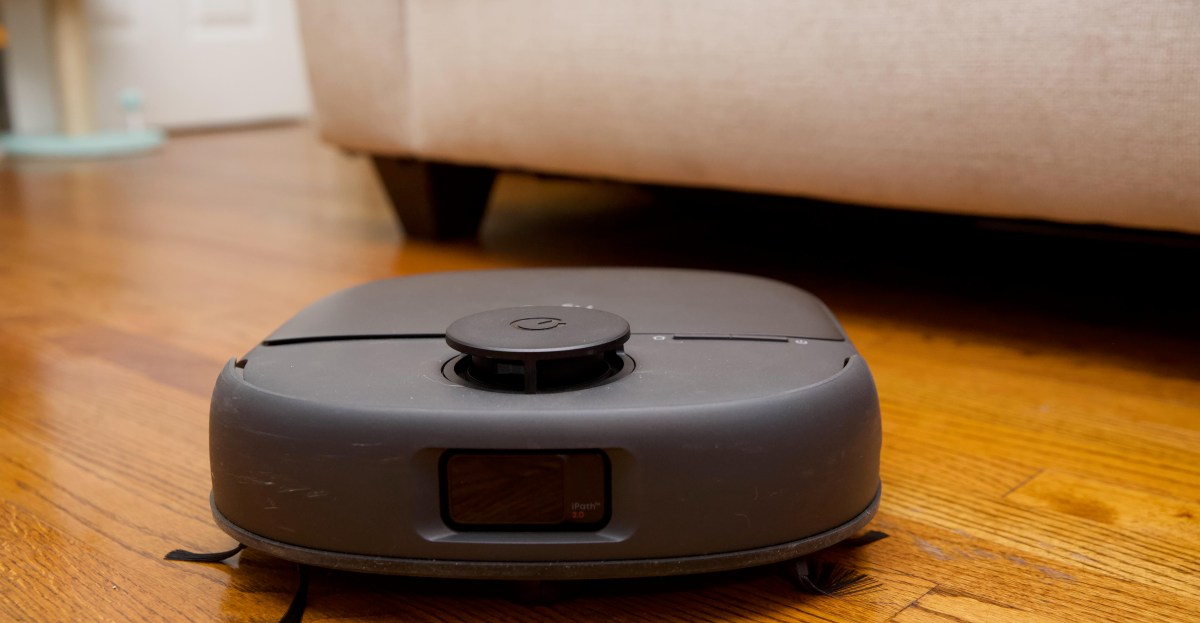
The best robot vacuum deals available ahead of Prime Day
As consumers seek affordable options for robot vacuums, retailers are responding with early discounts ahead of Prime Day next week. Various brands, including Roborock, are offering deals on tested models, making it an opportune time for potential buyers to explore their options. With prices often a barrier to entry for many, these promotions aim to attract budget-conscious shoppers looking for efficient cleaning solutions. The early sales reflect a competitive market as retailers strive to capture consumer interest before the major shopping event.
Deals Gadgets Prime Day Smart Home Tech Verge Shopping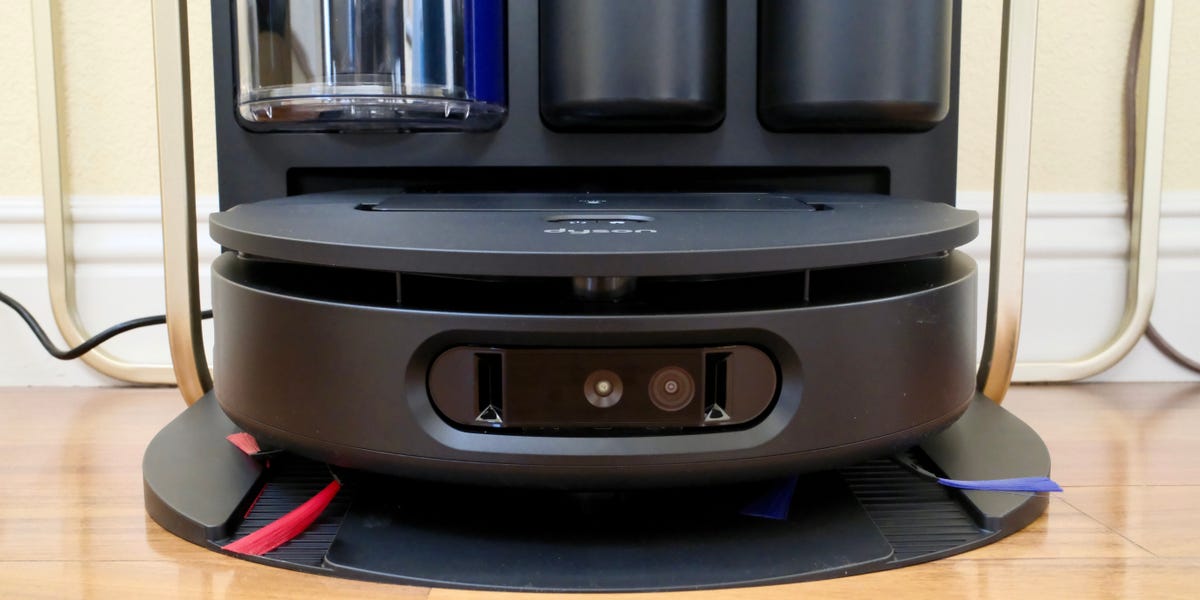
Dyson Spot + Scrub Ai review — Is this $1,200 robot mop worth it?
The Dyson Spot + Scrub Ai, the latest premium robot vacuum and mop from Dyson, has been put to the test in a comprehensive review. This innovative cleaning device is designed to tackle a variety of household challenges, including stubborn stains, pet hair, and carpet cleaning. The review assesses its performance and efficiency in real-world scenarios, highlighting its advanced features and capabilities. With a focus on user experience, the evaluation provides insights into how effectively the Spot + Scrub Ai meets the demands of modern cleaning needs. As consumers increasingly seek smart home solutions, Dyson aims to position this product as a versatile tool for maintaining cleanliness in homes.
Home (Reviews) Reviews ip-home cleaning insider-picks vacuum-cleaners
DJI to launch first robot vacuum ROMO next month
DJI has revealed plans to launch its inaugural robot vacuum cleaner, named ROMO, on August 6. The announcement, made on Wednesday, was accompanied by a teaser poster that highlights the product’s slogan, “Power in Every Sweep,” underscoring its performance and ability to maintain a dust-free environment. The development of this all-in-one vacuum and mop robot has reportedly been in the works for over four years, indicating DJI's commitment to expanding its product line beyond drones and into home cleaning technology.
News Feed
DJI reportedly set to launch robotic vacuum cleaner next month
DJI, the renowned drone manufacturer, is set to enter the home robotics market with its new robotic vacuum cleaner, which has reportedly begun mass production. Sources from China Securities Journal’s Jinniuzuo indicate that the product, designed to perform both sweeping and mopping functions, is anticipated to launch in June. This venture into home automation comes after more than four years of development, reflecting DJI's ambition to diversify its product offerings and tap into the growing demand for smart home devices. The company's strategic move aims to leverage its expertise in technology and innovation to enhance household cleaning solutions.
News Feed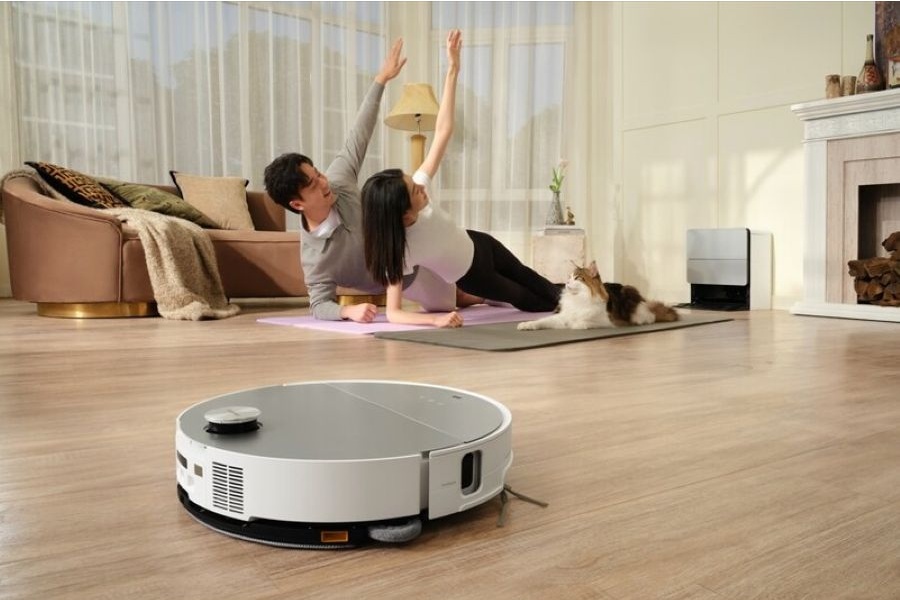
Roborock Launches Roborock Saros 10 – Ultra-Slim Robotic Vacuum Flagship with RetractSense Navigation System
Roborock has introduced the Saros 10, a sleek robotic vacuum equipped with the cutting-edge RetractSense Navigation System, which improves maneuverability beneath low furniture. This latest model, unveiled recently, incorporates advanced cleaning technologies, including the VibraRise 4.0 mopping system and anti-tangle features, aimed at delivering efficient and thorough home cleaning solutions. The Saros 10 reflects Roborock's commitment to innovation in smart home technology, enhancing user convenience and cleaning effectiveness.
Robotic Vacuum Home Automation Smart Home Technology Cleaning Technology CES 2025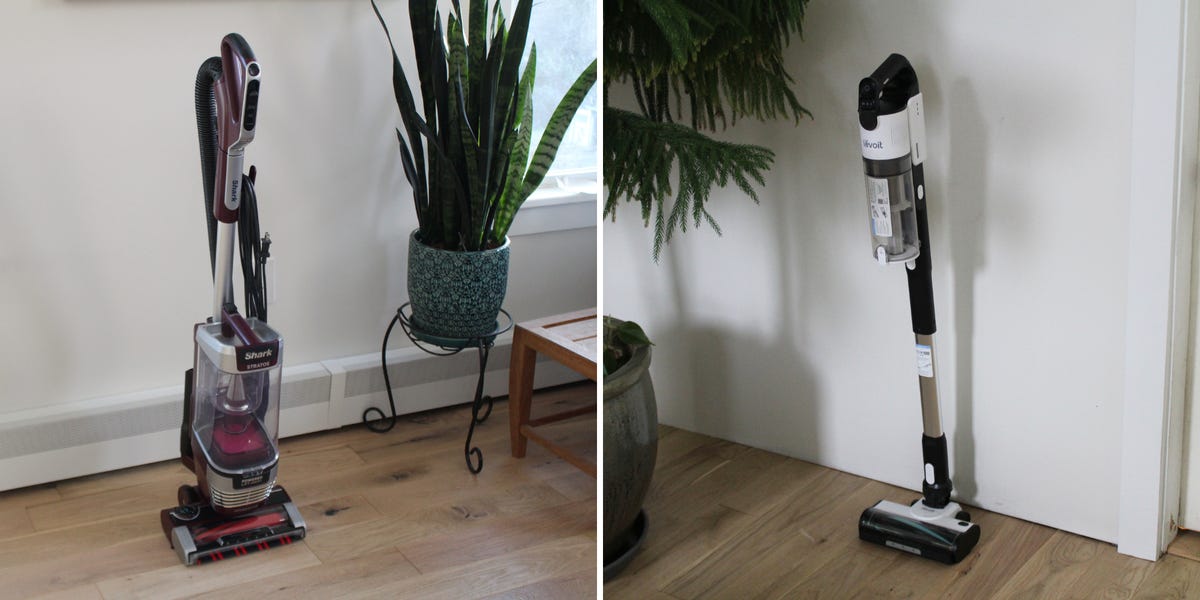
The best vacuum cleaners (2026)
In a comprehensive evaluation of vacuum cleaners, a team of experts has tested numerous models, including cordless, upright, and robot vacuums, to determine the most effective options for tackling pet hair, dust, and everyday messes. The testing process involved rigorous assessments of performance and efficiency, with a focus on how well each vacuum could handle various types of debris commonly found in households. The results highlight the top-performing vacuums that stood out from the competition, providing consumers with informed choices for maintaining a clean living environment. This analysis, conducted in October 2023, aims to guide pet owners and households seeking reliable cleaning solutions.
Home (Reviews) Reviews cordless-stick-vacuums vacuums handheld-vacuums cleaning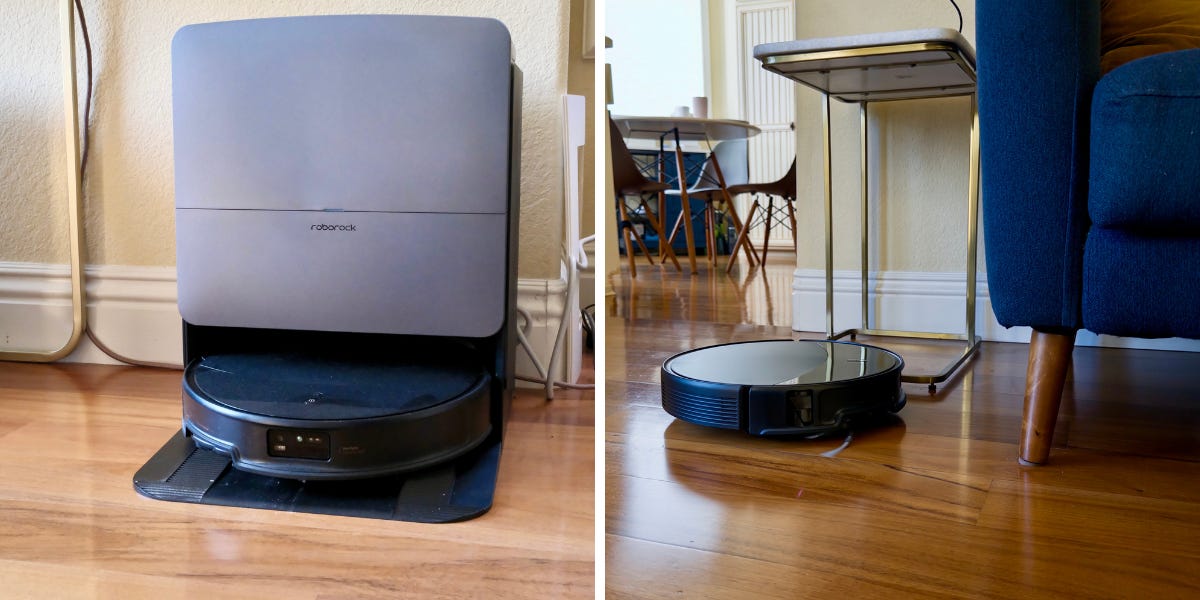
Roborock Saros 20 review: A smarter, more refined robot vacuum, but is it worth the upgrade?
The Roborock Saros 20, a new robotic vacuum, has been designed to navigate various surfaces by raising over three inches to effectively clear rugs and thresholds. However, recent testing has revealed that its cleaning performance does not consistently meet expectations given its price point. While the innovative height adjustment feature aims to enhance usability across different flooring types, users may find that the overall cleaning efficiency falls short of what is anticipated for a product in this price range.
Home (Reviews) Reviews ip-home cleaning insider-picks vacuum-cleaners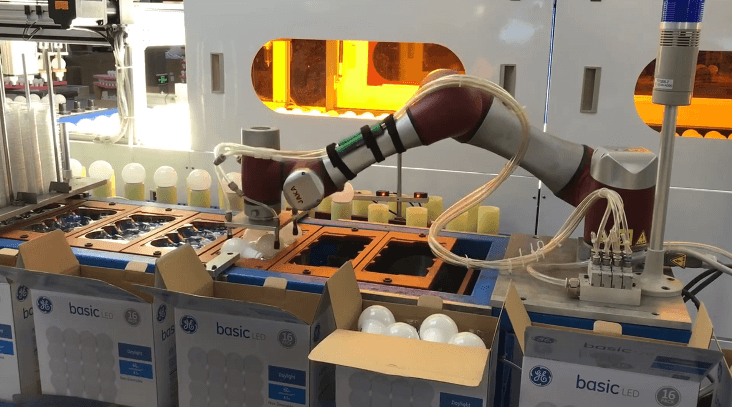
Best Practices for Calibrating and Maintaining Manufacturing Robotic Arms
In the evolving landscape of modern manufacturing, robotic arms and collaborative robots have emerged as essential tools, enhancing efficiency and precision while minimizing human error. JAKA, a leading provider of collaborative robots, emphasizes the importance of scientific calibration and regular maintenance to ensure the stable operation of these machines, which directly impacts production quality and safety. To maintain optimal performance, JAKA outlines best practices for calibrating and servicing robotic arms, particularly its JAKA Zu12 model. Regular kinematic calibration is crucial for correcting geometric errors and ensuring accurate motion trajectories, which is vital for collaborative robots that interact closely with humans. The JAKA Zu12’s integrated design facilitates efficient calibration during assembly, maximizing its reach and payload capabilities. Daily and periodic maintenance is also critical in reducing failure rates. Daily tasks include cleaning, checking cable connections, and ensuring joint operation, while periodic maintenance focuses on lubricating joints, inspecting wear on components, and updating software. For collaborative robots like the JAKA Zu12, regular safety checks are essential to ensure safe human-robot interactions. JAKA also advocates for scenario-based maintenance tailored to specific application needs, such as handling and palletizing tasks, to enhance processing precision and operational reliability. By implementing systematic calibration and maintenance strategies, JAKA aims to help enterprises optimize the performance of their robotic arms, ultimately reducing costs and boosting production efficiency in automated manufacturing environments.

DJI Unveils ROMO 2 Robot Vacuum: Incremental Upgrades, but Early Adopters May Have the Last Laugh
DJI has unveiled its second-generation robot vacuum, featuring a series of incremental upgrades that enhance its performance compared to the original model. This latest release aims to solidify the company's position in the mid-to-high market segment, appealing to consumers seeking advanced cleaning technology. The announcement was made recently, showcasing DJI's commitment to innovation and improvement in home automation products. By refining the design and functionality of its robot vacuum, DJI seeks to attract a broader audience while addressing the evolving needs of consumers in the competitive smart home market.
Gadgets
The Litter-Robot 4 bundle is back down to its best price of the year
The Litter-Robot 4, a highly-rated self-cleaning litter box, is now available for $799, reflecting a $60 discount at major retailers Amazon and Best Buy. This innovative product aims to alleviate the hassle of manually scooping cat litter after each use, making it an appealing option for cat owners seeking convenience. The promotion comes at a time when pet care solutions are increasingly in demand, particularly among busy households. The Litter-Robot 4's performance and its accompanying accessory bundle further enhance its value, positioning it as a leading choice in the market for automated pet care products.
Deals Gadgets Smart Home Tech Verge Shopping
AGIBOT's Humanoid Robots Take Home Multiple Best of CES 2026 Awards Following U.S. Debut
At CES 2026, AGIBOT showcased its advanced humanoid and quadruped robots, marking a significant milestone in the company's U.S. debut. The innovative designs garnered multiple Best of CES awards, underscoring AGIBOT's emergence as a leader in the robotics industry. The A2 Series and other models were praised for their operational maturity and practical applications across various sectors, demonstrating AGIBOT's effective transition from research and development to market deployment. This achievement reflects the company's commitment to advancing robotics technology and addressing real-world challenges.
Robotics Humanoid Robots Artificial Intelligence Technology CES 2026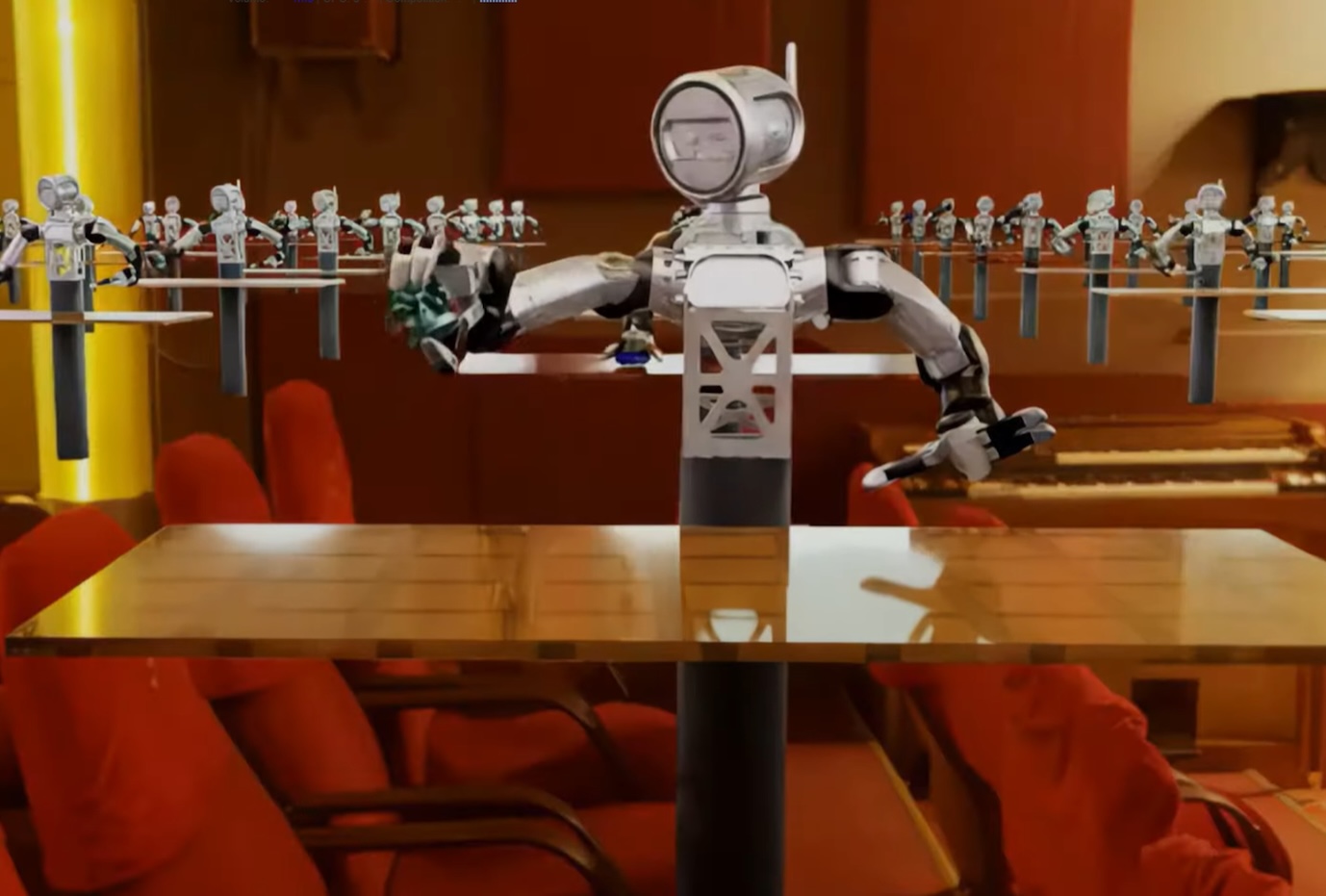
CES 2026: This Concept Robot Vacuum Grows Legs to Climb Stairs
Dreame has unveiled its innovative Cyber X concept, a vacuum cleaner designed to autonomously navigate stairs and uneven surfaces, eliminating the need for users to transport it between floors. First introduced at the IFA technology trade show, the Cyber X features retractable rubber tracks that enable it to ascend steps up to 25 centimeters high and tackle inclines of 42 degrees. This advancement aims to enhance user convenience by allowing the device to operate seamlessly across multiple levels of a home. The Cyber X represents a significant leap in robotic cleaning technology, promising to simplify household chores for users.
News Feed CES 2026
CES 2026: world’s first wheel-legged robot vacuum designed to tackle stairs and multi-level homes
At CES 2026, Roborock introduced the G-Rover, a groundbreaking concept device that is being hailed as the world's first wheel-legged robot vacuum capable of navigating stairs and multi-level homes. This innovative prototype features a unique dual wheel-leg architecture, allowing each leg to lift independently and adjust its height for optimal maneuverability. Enhanced by advanced AI algorithms and 3D spatial perception technology, the G-Rover is designed to efficiently clean various surfaces and adapt to complex environments. The unveiling of this device highlights Roborock's commitment to pushing the boundaries of home automation and robotics, aiming to provide consumers with a versatile cleaning solution for modern living spaces.
News Feed CES 2026
CES 2026: Roborock releases the world's first robotic vacuum with wheel-leg architecture as it joins hands with Real Madrid Football Club
At CES 2026, Roborock made headlines with the introduction of the Saros Rover, a groundbreaking robotic vacuum featuring a unique wheel-leg architecture that enables it to navigate stairs and slopes with remarkable agility. This innovative product marks a significant advancement in robotic cleaning technology. In addition to the Saros Rover, Roborock announced a strategic partnership with Real Madrid Football Club, further enhancing its brand visibility and market reach. The company also expanded its smart cleaning product lineup with the launch of the Saros 20 and the RockMow X1 LiDAR, showcasing its commitment to innovation in home and garden maintenance solutions.
Robotics Smart Home Consumer Electronics AI Technology Partnerships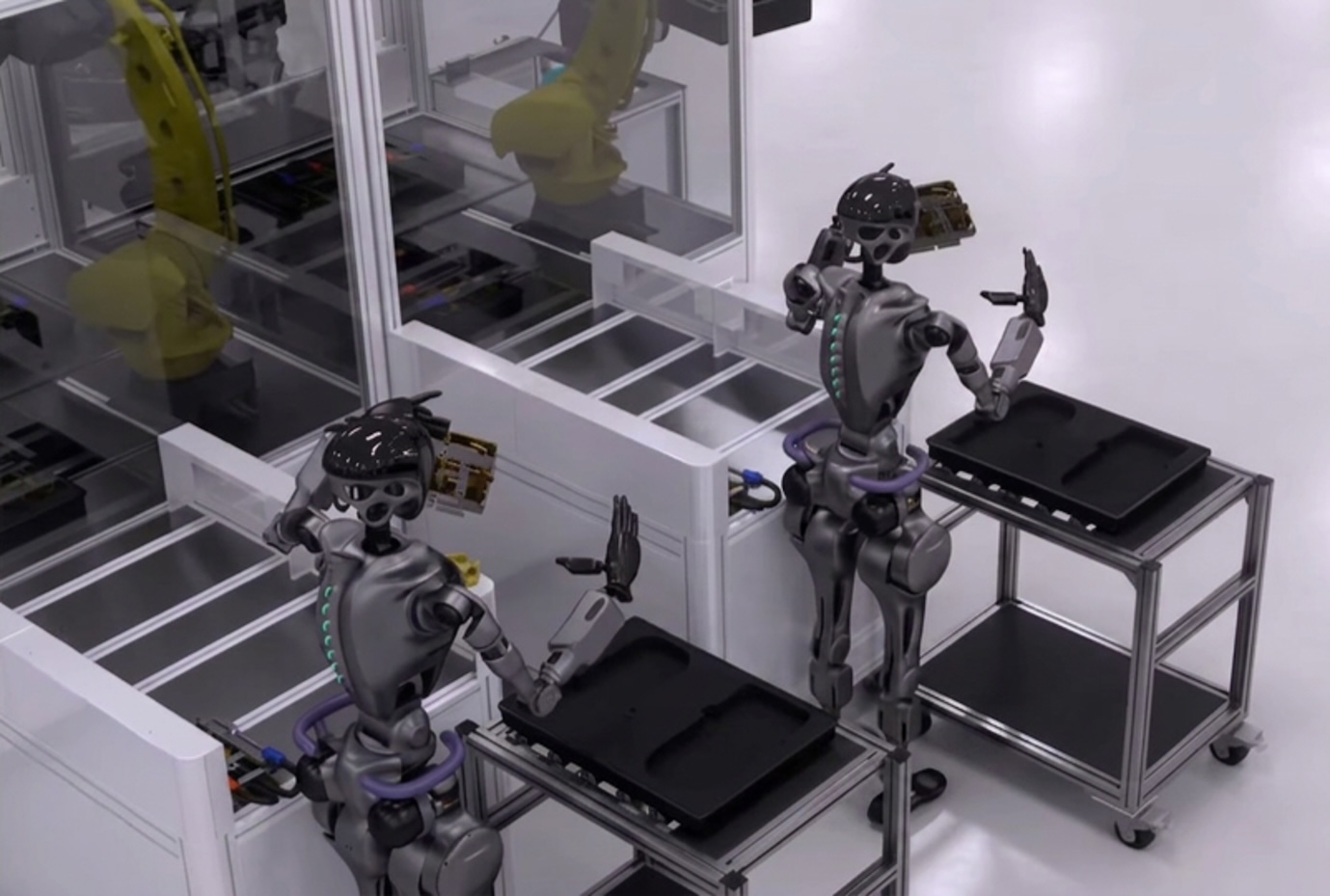
Robotic vacuum pioneer iRobot files for bankruptcy, Chinese firm Picea to acquire 100% ownership
iRobot, a leading name in the robotic vacuum cleaner industry, has filed for Chapter 11 bankruptcy protection with the US Bankruptcy Court for the District of Delaware. The filing, which took place yesterday, marks a significant step for the company as it seeks to restructure its finances amid ongoing challenges. iRobot aims to complete this restructuring process by February 2026, utilizing the Chapter 11 provisions designed to assist financially troubled businesses in reorganizing their debts and operations. This move reflects the company's efforts to navigate its current financial difficulties and reposition itself in the competitive market.
News Feed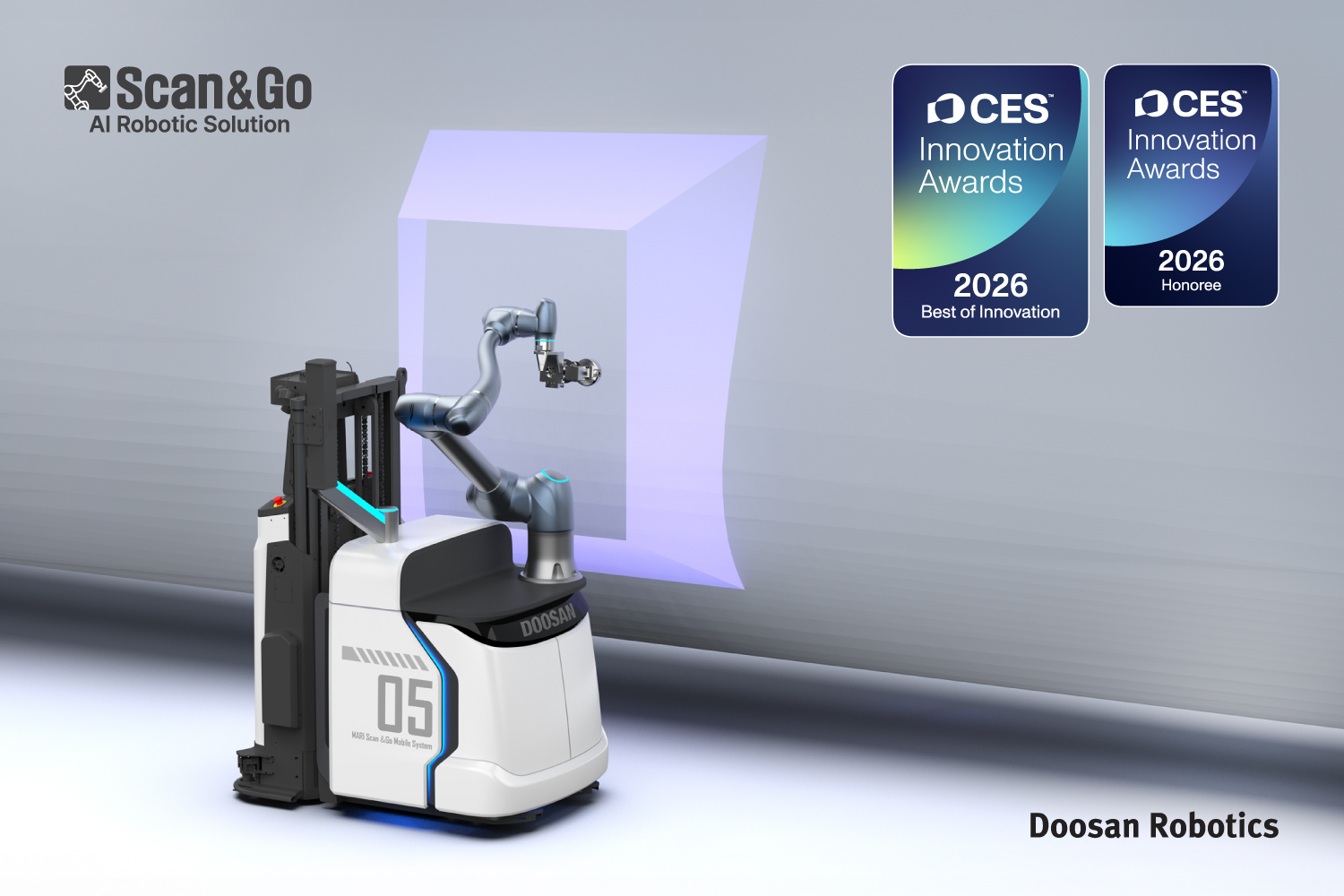
Doosan Robotics Wins Two CES Innovation Awards® 2026 Including “Best of Innovation” in AI Category
Doosan Robotics has received prestigious accolades at the CES Innovation Awards, being recognized as the Best of Innovation in the Artificial Intelligence category and as an Honoree in the Robotics category for its Scan & Go Autonomous Robotic Solution. These awards, presented by the Consumer Technology Association (CTA), highlight exceptional design and engineering in technology products ahead of CES 2026, scheduled for January 6–9 in Las Vegas. The Scan & Go solution, developed in partnership with Canada-based Maple Advanced Robotics Inc. (MARI), is an AI-driven robotic platform designed to enhance large-scale manufacturing and composite repair processes. Utilizing cognitive learning and 3D perception, the system interprets complex geometries in real time, generating optimized tool paths without the need for CAD modeling or programming. Mounted on a self-driving forklift, it autonomously navigates and operates on large, irregular structures, performing tasks such as sanding, grinding, and inspection with minimal preparation. This innovation aims to automate hazardous and labor-intensive maintenance tasks, addressing safety concerns related to noise, dust, and repetitive strain injuries. With advanced safety features, including torque-sensing collision detection, Scan & Go enhances workplace safety and productivity, earning recognition from leading wind energy manufacturers. Kevin Kim, CEO of Doosan Robotics, emphasized the company's commitment to developing immediate, on-site AI robotic solutions, marking Scan & Go as the beginning of a broader initiative to tackle real-world industrial challenges. This recognition at CES 2026 signifies Doosan's strategic transformation into an AI Robot Solution company, aimed at bolstering its global competitiveness in the robotics sector.

Dental City Wins Supply Chain Excellence Award for Best Use of Robotics with Locus Robotics
Dental City, a prominent distributor of dental supplies in the United States, has been awarded the title of Best Use of Robotics at a recent industry event. This recognition highlights the company's innovative approach to integrating robotic technology into its operations, aimed at enhancing efficiency and improving service delivery. The announcement was made today, underscoring Dental City's commitment to leveraging advanced technology in the dental supply sector. The award reflects the growing trend of automation in the industry, as companies seek to streamline processes and better meet customer needs.
Global robotic vacuum shipments reach 5.1 million in Q1, top four Chinese brands hold 54.1% market share
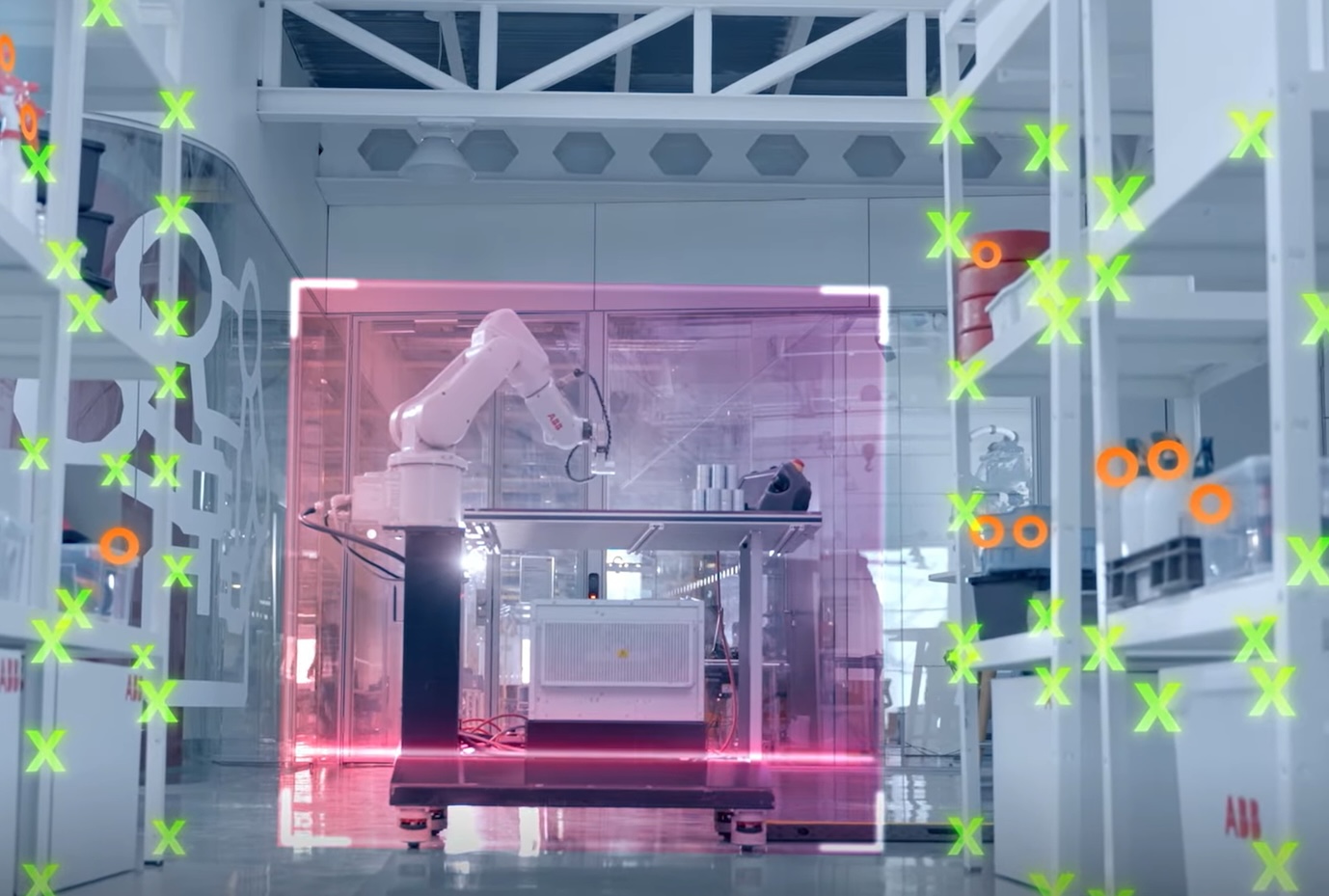
Global shipments of smart robotic vacuum cleaners reached 5.096 million units in the first quarter of 2023, according to data from market research firm IDC. This figure represents an 11.9% increase compared to the same period last year, continuing a trend of robust growth with shipment rates exceeding 20% for two consecutive quarters. The surge in demand for these devices reflects a growing consumer preference for automated cleaning solutions, driven by advancements in technology and increased awareness of home automation benefits. Leading brands in the market, including Roborock, Ecovacs, Dreame, and Xiaomi, have contributed significantly to this growth, showcasing their competitive edge in innovation and market reach.
News Feed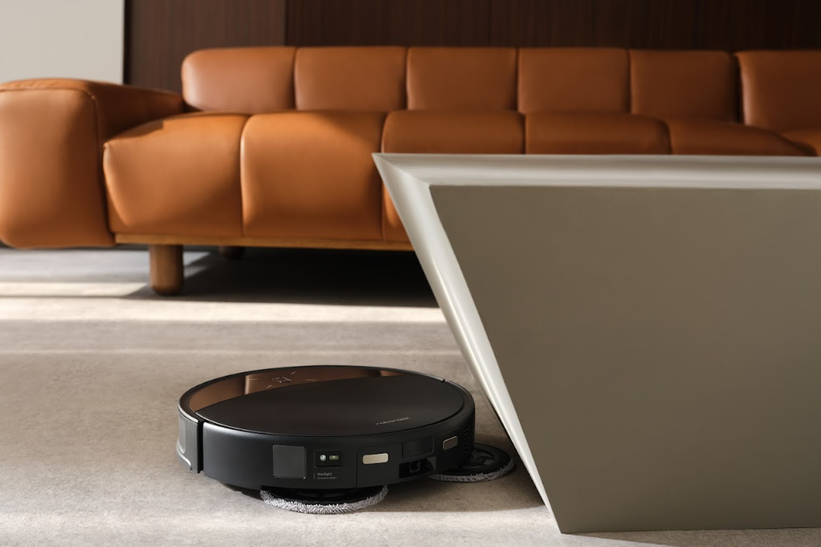
Roborock launches Saros 10R at CES 2025: ultra-slim and highly intelligent robotic vacuum flagship
Roborock introduced its latest flagship robotic vacuum, the Saros 10R, during the CES 2025 event. The vacuum stands out with its ultra-slim design and incorporates advanced AI navigation along with innovative cleaning technologies. This new model aims to enhance home cleaning efficiency and intelligence, catering to the growing demand for smart home solutions. The unveiling at CES, a prominent platform for tech innovations, underscores Roborock's commitment to pushing the boundaries of home automation and convenience.
Robotics Home Automation Smart Appliances AI Technology Consumer Electronics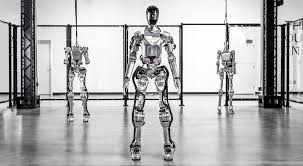
Is your robot vacuum cleaner spying on you?
In a groundbreaking study published in the June 2026 issue of Science Robotics, researchers have unveiled a new robotic system designed to enhance surgical precision and efficiency. This innovative technology, developed by a team of engineers and medical professionals, aims to reduce the risks associated with complex surgical procedures. The research team conducted extensive trials over a two-year period, testing the robotic system in various surgical environments. Their findings indicate that the robot can perform intricate tasks with a level of accuracy surpassing that of human surgeons, potentially leading to improved patient outcomes. The motivation behind this development stems from the increasing demand for safer and more effective surgical methods, particularly in high-stakes operations. By integrating advanced robotics with surgical practices, the team hopes to address common challenges such as human error and fatigue during lengthy procedures. The trials took place in multiple hospitals across the United States, where the robotic system was utilized in real-time surgeries. Observations showed a significant decrease in operation times and recovery periods for patients, highlighting the potential of robotics to revolutionize the field of surgery. As the medical community continues to explore the implications of this technology, the research team is optimistic about future applications, including training programs for surgeons and expanded use in various medical specialties. This advancement marks a significant step forward in the intersection of robotics and healthcare, promising to enhance the capabilities of surgical teams worldwide.
Focus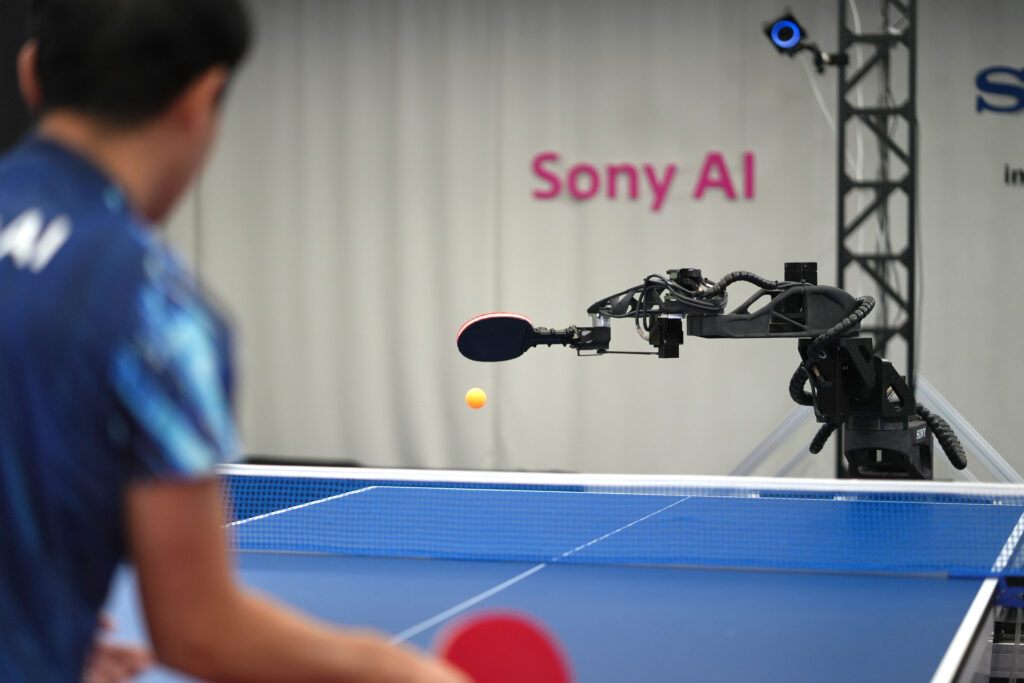
Table tennis robot defeats some of world’s best players – why this has major implications for robotics
In December 2025, a groundbreaking table tennis robot named Ace demonstrated its advanced capabilities by outperforming elite human players, including renowned competitor Yamato Kawamata, during a series of evaluations. Developed by Sony AI, Ace's performance signifies a notable advancement in artificial intelligence and robotics, showcasing the potential for machines to excel in complex sports environments. This achievement highlights the ongoing integration of AI technology in competitive settings, raising questions about the future of human versus machine competitions in sports.

Table tennis robot defeats some of world's best players. Why this has major implications for robotics
In a groundbreaking development for artificial intelligence, a table tennis robot named Ace has demonstrated superior performance against elite players in recent evaluations. This achievement highlights a significant advancement in AI technology, showcasing its ability to function effectively in fast-paced and unpredictable real-world scenarios. The evaluations took place in October 2023, marking a pivotal moment in the integration of AI into competitive sports. The success of Ace not only illustrates the potential for AI systems to excel in complex environments but also raises questions about the future of human competition in sports as technology continues to evolve.
Robotics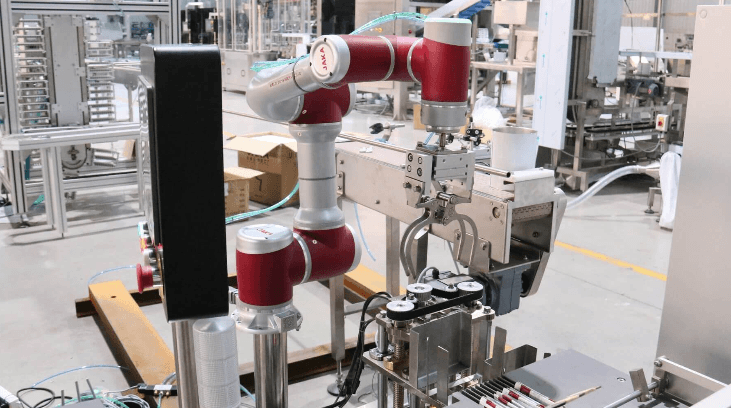
6-Axis Articulated Robot vs. SCARA Robot: Which is Best for Assembly?
In the evolving landscape of industrial automation, the choice of mechanical architecture is crucial for optimizing production lines. Key players in this field are exploring two primary configurations: SCARA (Selective Compliance Assembly Robot Arm) and articulated robots, alongside the emerging collaborative robots that offer enhanced flexibility and safe interaction with human workers. The SCARA robot, designed for high-speed, linear assembly tasks, excels in pick-and-place and packaging operations but lacks the flexibility to handle complex movements. Conversely, the 6-axis articulated robot mimics human joint movements, enabling it to perform intricate tasks such as inserting screws at angles and navigating tight spaces, making it essential for complex assembly processes. As factories increasingly shift towards high-mix production, the demand for collaborative robots has surged. These systems combine the agility of articulated robots with the safety of human interaction, allowing for complex movements without compromising worker safety. JAKA, a leader in automation solutions, emphasizes the importance of adaptability in modern assembly. Their JAKA A series robots offer the precision of traditional articulated systems while ensuring ease of use and safety. With a repeatability of ±0.02mm, these robots are suited for high-speed assembly and testing. For larger applications, the JAKA Zu series provides diverse payload options, catering to various assembly needs. JAKA's collaborative robots come equipped with an intuitive wireless teaching system, enabling teams to program complex paths quickly, thus enhancing efficiency and flexibility in smart manufacturing.
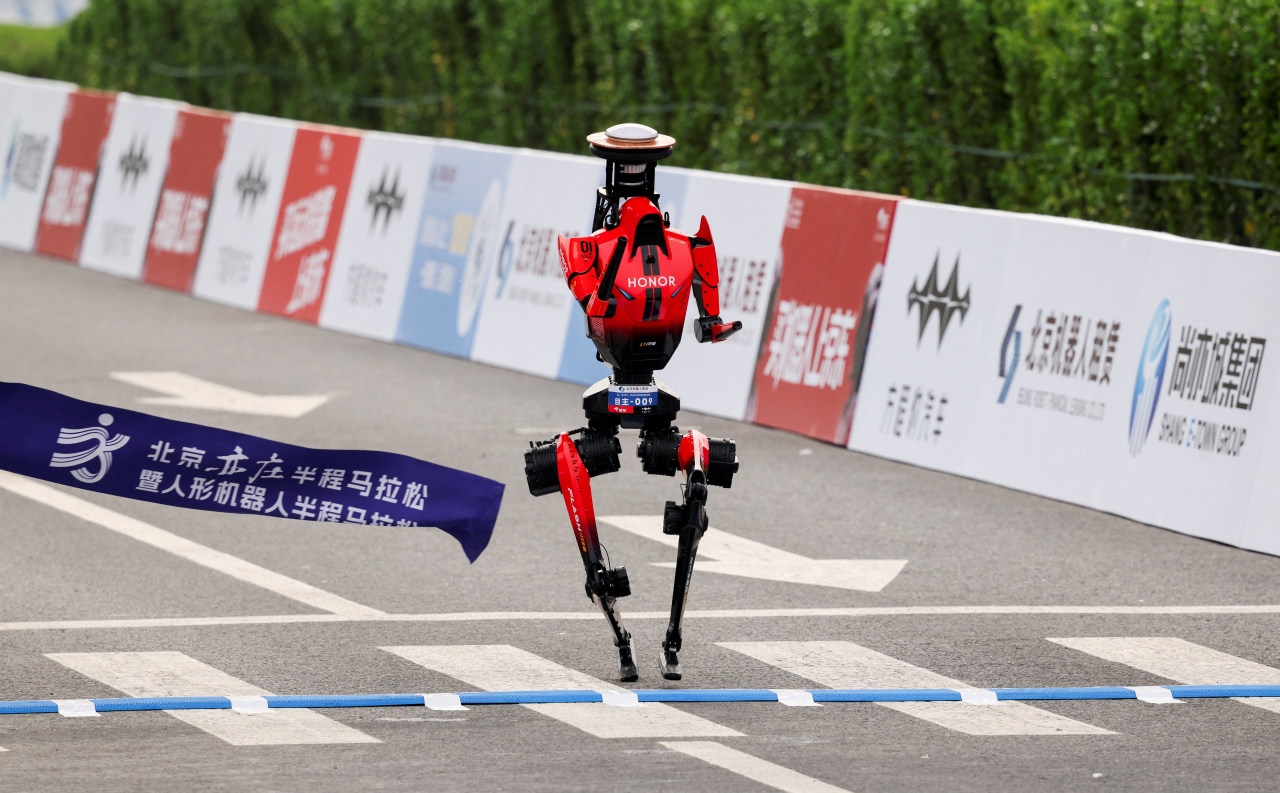
Chinese Robot Beats Human Best Time in Half-Marathon, After a Stumble
Tech companies are advancing their efforts to address malfunctions in humanoid robots designed for running. These developments come as part of a broader initiative to enhance the reliability and performance of robotic systems, which have garnered significant attention for their potential applications in various fields, including athletics and rehabilitation. As of October 2023, engineers and researchers are implementing innovative solutions to rectify issues that have previously hindered the functionality of these robots. The ongoing work aims to improve not only the mechanical aspects but also the software algorithms that govern their movement. This progress is crucial as the demand for efficient and capable humanoid robots continues to grow, driven by the increasing interest in automation and robotics technology.
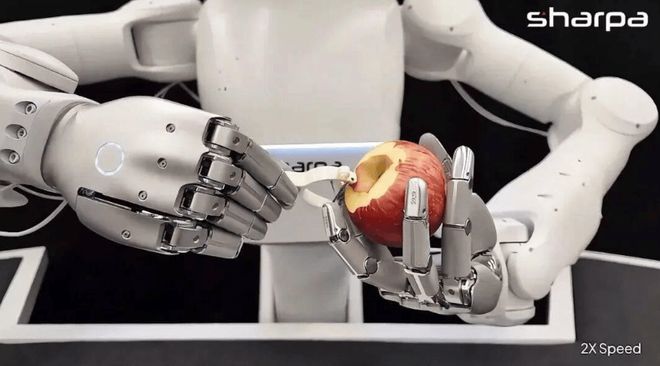
What is the Best Solution for Collecting Robotic Hand Movement Data?
Researchers in a robotic lab are grappling with significant challenges in gathering effective training data for a highly dexterous robotic hand. Despite utilizing advanced hardware, their current data collection methods have proven inadequate, resulting in low success rates for even basic tasks. This situation highlights the limitations of existing tools and underscores the urgent need for innovative solutions to improve data collection processes. The findings emphasize the critical role that robust training data plays in enhancing the performance of robotic systems, calling for a reevaluation of methodologies to advance the field of robotics.
Robotic Hands Data Collection AI Training Robotics Research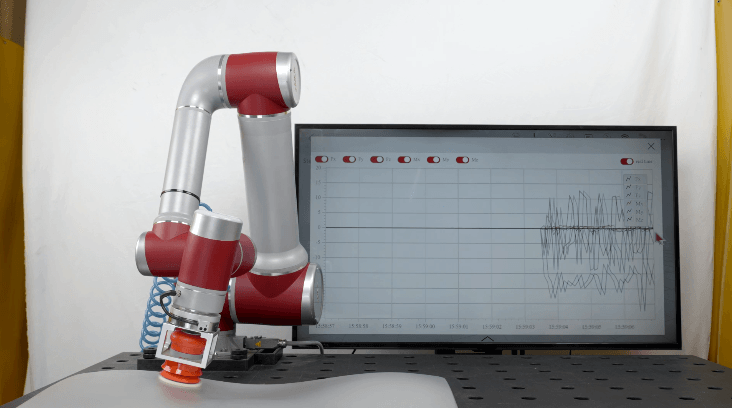
Polishing Robots for Complex Curvatures: Best Option You Can't Miss
JAKA, a leader in robotic automation, has unveiled its innovative polishing robots designed to enhance surface finishing on parts with complex curvatures. These automated solutions, which significantly outperform manual polishing in terms of consistency, efficiency, and safety, are now available for deployment across various production environments. The JAKA S5, a standout model in their lineup, excels in both polishing and screwdriving tasks, offering high efficiency and stability. Its adaptable torque settings and independent axis adjustments make it particularly suited for applications requiring precision on intricate surfaces. This adaptability allows operators to achieve flawless finishes on materials with varying hardness and shapes, reducing the need for manual adjustments. Key factors influencing the selection of polishing robots include part geometry, material type, desired surface finish, and production volume. JAKA emphasizes the importance of aligning robotic solutions with specific operational goals while minimizing the learning curve for operators. By integrating collaborative robot technology, JAKA aims to transform production quality and workflow management, reinforcing its commitment to practical automation solutions. The adoption of these robots not only enhances surface finishing but also streamlines processes, making them an essential asset in modern manufacturing.
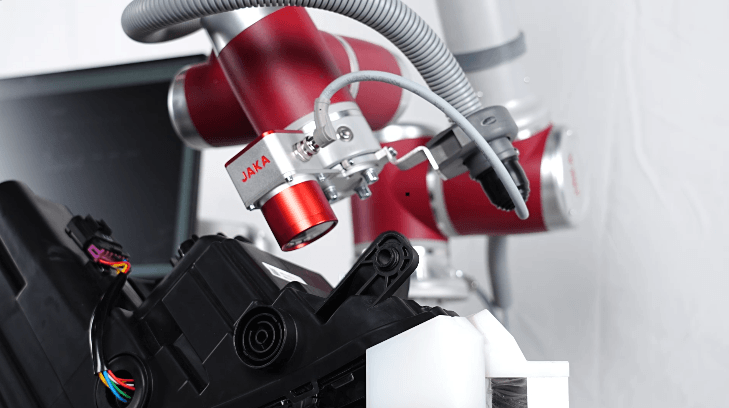
21 6 Axis Robot Arm Best Practices for Researchers and Academia
In an effort to enhance research efficiency and data reliability, academic institutions and laboratories are increasingly adopting automation technologies, particularly 6 axis robot arms. JAKA, a leading provider in this field, emphasizes the importance of flexibility over production speed when integrating robotic systems into experimental workflows. Researchers are prioritizing features such as stable motion control and compatibility with existing laboratory instruments, allowing for seamless inspection, sample handling, and measurement tasks. The integration of these robotic arms is designed to be straightforward, enabling connections with vision systems and data acquisition devices already in use. JAKA’s Zu7 Inspection solution exemplifies this approach, automating manual inspection processes to improve efficiency and ensure consistent quality. By alleviating repetitive tasks, researchers can focus more on analysis and validation. Given the dynamic nature of academic research, which often involves changing experiments and funding cycles, JAKA's robotic systems are built for expandability. This allows laboratories to scale automation according to project needs without significant hardware changes. The open interface design facilitates the integration of additional sensors or tools over time, ensuring that the robotic systems remain valuable and adaptable. By prioritizing flexibility, compatibility, and expandability, JAKA aims to support researchers in building reliable automation foundations that can evolve alongside their scientific endeavors, ultimately enhancing the accuracy of inspections and reducing manual workloads in laboratory settings.
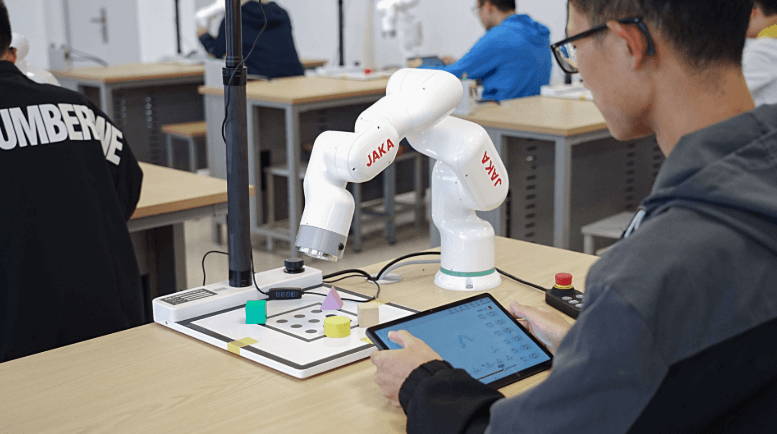
Educational Robotic Arm Best Practices for K-12 STEM Curriculum
In an effort to enhance K-12 STEM education, JAKA has introduced mini robot arm solutions designed to foster critical thinking and hands-on learning among students. This initiative aims to make STEM concepts more interactive and accessible, addressing the growing need for practical educational tools. The JAKA MiniCobo, a lightweight and cost-effective robotic arm, allows students to engage in incremental, project-based activities that build their skills from simple tasks to complex programming exercises. By integrating these robotic arms into classrooms, educators can facilitate real-world applications of STEM principles, encouraging teamwork and problem-solving through projects such as assembling components and simulating industrial processes. The MiniCobo's user-friendly design ensures that teachers can easily incorporate robotics into their lessons without extensive preparation, making it suitable for daily classroom use. Safety and accessibility are prioritized in JAKA's educational solutions, which comply with strict safety standards and feature intuitive programming interfaces. This design enables students to experiment confidently while allowing teachers to focus on guiding learning objectives. By providing robust and approachable robotics technology, JAKA aims to inspire the next generation of innovators and engineers, ultimately advancing educational outcomes in STEM fields.
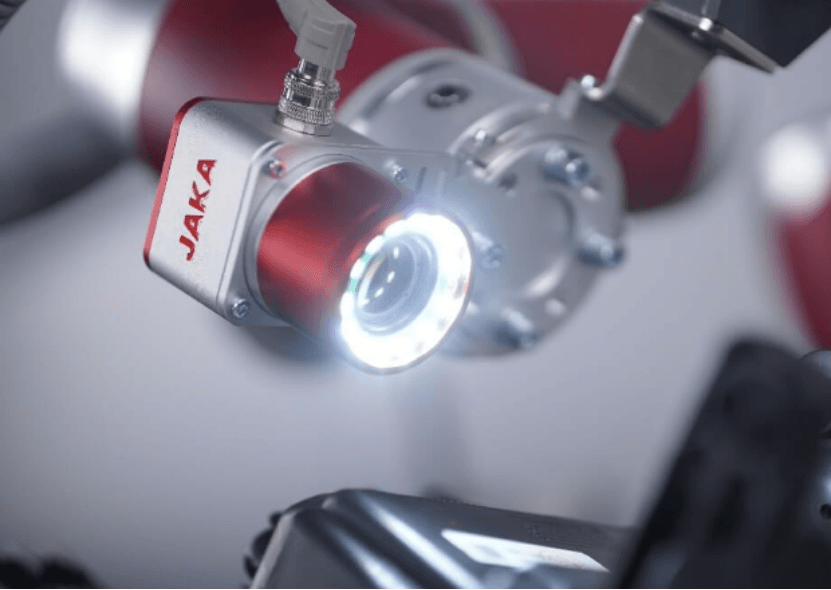
6-Axis Robot Arms for Welding and Grinding: 2 Best Options You Can't Miss
In a bid to enhance efficiency in the competitive manufacturing sector, JAKA has introduced advanced 6-axis robot arms designed for welding and grinding operations. These robots, such as the JAKA Zu Inspection, significantly improve precision and consistency while minimizing human error, thereby helping manufacturers uphold high-quality standards and streamline production processes. The implementation of collaborative robot (cobot) solutions allows human operators to work safely alongside machines, focusing on more complex tasks rather than repetitive manual labor. This shift is crucial as the manufacturing landscape grows increasingly complex, making flexible automation a necessity. The JAKA Zu Inspection not only automates labor-intensive tasks but also integrates seamlessly with vision systems and measuring instruments, enabling non-destructive testing and high-precision inspections of small-batch components. Its lightweight design and compact footprint facilitate installation in constrained environments, making it adaptable to various production lines. JAKA's robots feature intuitive programming and force control capabilities, enhancing human-robot interaction and allowing manufacturers to quickly adjust to changing production demands without significant downtime. By adopting these innovative automation technologies, companies can optimize workflows, reduce dependence on manual labor, and ensure consistent product quality, positioning themselves for a more efficient and future-ready manufacturing environment.
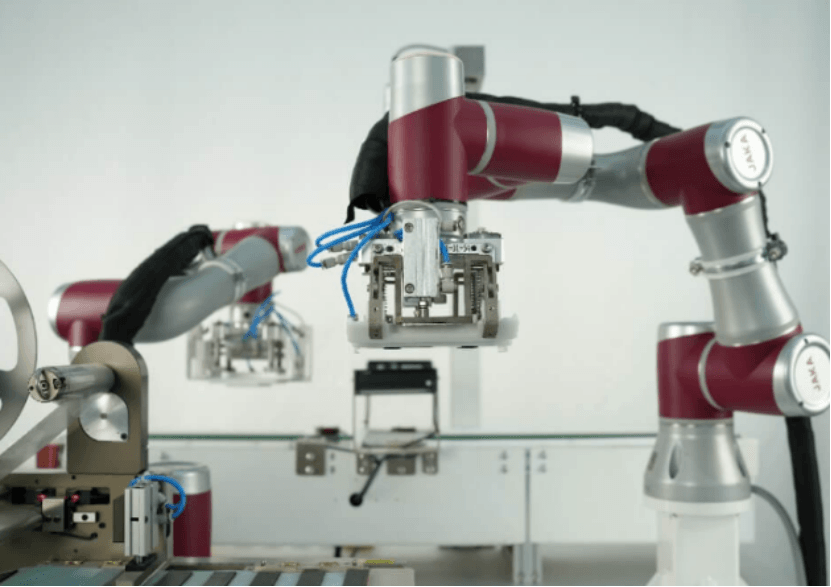
Jointed Arm Robot vs. Cartesian Robot: Selecting the Best Kinematics for Large Workspaces
In the realm of modern manufacturing, JAKA emphasizes the importance of selecting the appropriate robotic system to enhance efficiency and quality. The company evaluates the suitability of 6-axis robot arms versus Cartesian robots for large workspaces, with decisions hinging on factors such as flexibility, reach, and specific application needs. JAKA's expertise in various kinematic configurations enables them to guide clients toward solutions that optimize precision and adaptability while mitigating operational risks. Jointed arm robots are highlighted for their superior flexibility, allowing them to navigate complex geometries and obstacles in expansive environments. In contrast, Cartesian robots are limited to linear movements, which can hinder access in cluttered spaces. JAKA's 6-axis robot arm solutions, particularly the JAKA Zu Adhesive Application system, demonstrate the ability to maintain processing precision across diverse points, thereby reducing defect rates and minimizing manual intervention. Programming ease is another critical consideration. JAKA offers highly reprogrammable systems that enable users to efficiently adjust parameters for different workpieces, shortening product modification cycles and reducing equipment investment. This adaptability allows clients to swiftly switch production tasks, ensuring high throughput and minimal downtime. Safety is also a paramount concern in manufacturing. Jointed arm robots can replace human operators in hazardous settings, thus reducing direct exposure to dangerous equipment. The JAKA Zu system exemplifies this advantage by performing tasks with precision while safeguarding personnel. Overall, JAKA advocates for the use of jointed arm robots in large workspaces, citing their flexibility, adaptability, and safety benefits as key factors in optimizing manufacturing processes.
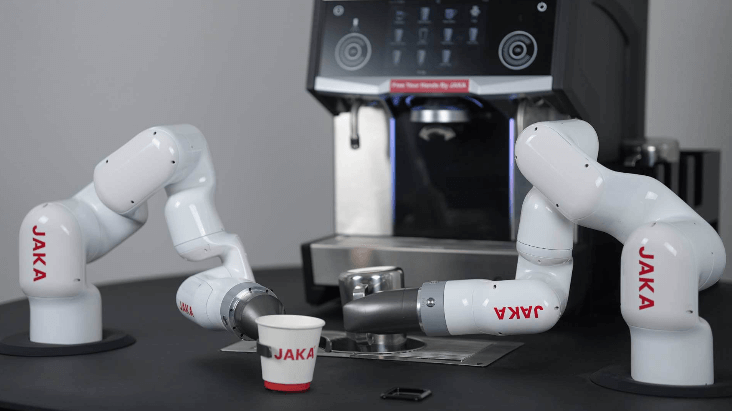
Mini Robot Arm Buying Guide: How to Choose the Best 6-Axis Desktop Model?
In a recent guide, JAKA emphasizes the importance of selecting the right mini robot arm for limited-space environments, particularly for tasks requiring precision on a benchtop scale. The guide outlines how to choose a 6-axis desktop robot arm by focusing on specific payload and reach requirements essential for effective operation. JAKA's MiniCobo is highlighted as an ideal solution, designed to deliver adequate strength and reach while maintaining a compact footprint, facilitating quick deployment in production lines. The selection process also underscores the significance of an intuitive programming environment. JAKA aims to simplify control through graphical interfaces, allowing operators familiar with the tasks to program the robot easily, thus enhancing productivity and adaptability for new processes. Safety is another critical aspect addressed in the guide, as mini robot arms operate in close proximity to personnel. JAKA's robotic arms incorporate features such as built-in force sensing for collision detection and rounded designs to ensure safe operation. Furthermore, the availability of standard communication ports allows seamless integration with other devices, creating an efficient micro workcell. By adhering to these guidelines, businesses can effectively identify a 6-axis desktop robot arm that meets their automation needs, ultimately improving production efficiency and product quality.
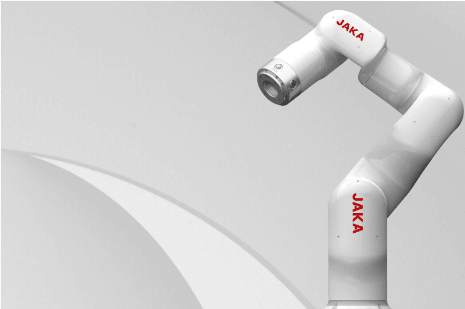
7 Best Practices for Integrating a Small Robotic Arm with Existing PLCs
JAKA, a leader in robotic automation, has outlined a systematic approach for integrating its mini robotic arms into existing control systems that utilize legacy Programmable Logic Controllers (PLCs). This guidance comes as manufacturers seek to enhance automation flexibility without major disruptions to their operations. The integration process begins with identifying the specific communication protocols of the PLC system, ensuring compatibility with JAKA's robotic arms, which feature advanced communication interfaces. A clear Input/Output (I/O) handshake protocol is essential for effective command and status updates, while safety signals must be integrated into the control environment to maintain operational safety. JAKA emphasizes the advantages of its compact robotic design, which allows for easy deployment without significant modifications to existing layouts. This adaptability not only reduces integration costs but also minimizes the time required for mechanical adjustments. To ensure a smooth transition, JAKA recommends a phased testing approach, starting with independent tests of the robotic arm, followed by communication checks with the PLC, and finally, integrated cycle tests at reduced speeds. This method helps isolate potential faults early in the process. Additionally, JAKA advocates for centralized error handling and diagnostics, enabling operators to quickly identify issues within the system. Comprehensive documentation of the integration architecture is also crucial for future troubleshooting and staff training. By following these structured practices, manufacturers can effectively integrate JAKA's robotic arms, enhancing their automation capabilities while maintaining the reliability of their existing PLC-controlled systems.
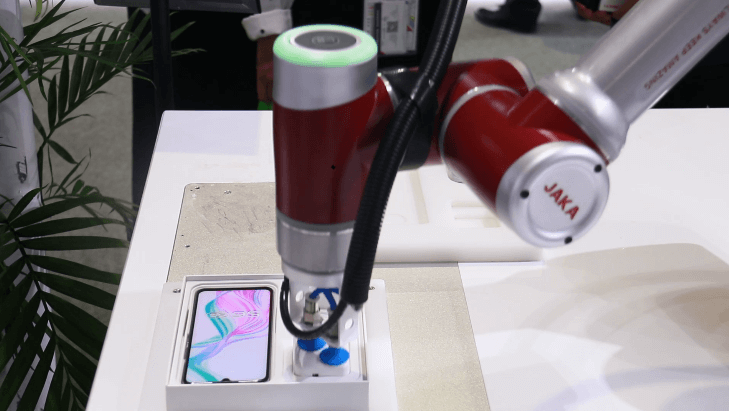
Robot Arm Best Practices for High-Precision Electronics Assembly
JAKA, a leader in electronics manufacturing solutions, has unveiled its latest industrial robot arm designed to meet the stringent demands of modern assembly applications. With a focus on achieving micron-level accuracy, the robot arm utilizes high-resolution encoders and adaptive servo algorithms to maintain precision within 0.2mm, crucial for tasks such as delicate component placement and precise assembly. The company emphasizes that precision must be coupled with consistency to avoid costly defects. To address this, JAKA implements low-noise circuit designs and stringent production controls, ensuring that their robots perform reliably throughout production shifts, even in challenging environments like semiconductor manufacturing. Additionally, JAKA's design philosophy prioritizes adaptability to high-density production lines and rapid model changeovers. The compact Zu series robot arm is engineered for confined spaces and features intuitive graphical programming, allowing operators to quickly redeploy systems for new product lines without requiring specialized programming skills. By integrating these principles into their assembly robots, JAKA aims to enhance the accessibility, reliability, and consistency of electronics assembly for manufacturers, ultimately transforming precision from a challenge into a standard practice.

Uber Technologies, Inc. (UBER): One of the Best Falling Stocks to Invest In Amid Robotaxi Service Growth Prospects
Uber Technologies, Inc. is gaining attention as a promising investment opportunity amid its declining stock prices, according to analysts. On June 17, 2026, the company, in partnership with Lucid, announced plans to expand its autonomous ride-hailing service to Houston, marking it as the second market for this initiative. The robotaxi service is expected to launch in mid-2027, following the establishment of a base in the San Francisco Bay area, where a commercial launch is anticipated later this year. Currently, autonomous vehicle testing is already taking place in Houston, supported by Uber's extensive engineering fleet of 100 vehicles operating across California and Texas. To facilitate operations, Uber has secured a 50,000-square-foot facility in Houston for charging, maintenance, and repairs. This announcement coincides with Lucid's recent acquisition of $750 million in funding, which includes a significant investment from Saudi Arabia’s Public Investment Fund and additional backing from an Uber subsidiary. As Uber continues to innovate in the ride-hailing sector, analysts suggest that while the company shows potential, other AI stocks may offer greater upside with lower risk.

Finding the best ways for humans and robots to work together requires 'swarm' thinking
As the landscape of warehouse work evolves, experts are exploring the most effective methods for human-robot collaboration. With advancements in automation and robotics, the integration of these technologies into the workforce is becoming increasingly prevalent. The discussion centers around optimizing the interaction between human workers and robots to enhance productivity and safety in warehouse environments. This exploration is particularly relevant as companies seek to adapt to changing demands and improve operational efficiency. The focus on collaboration strategies aims to ensure that both humans and robots can work together seamlessly, leveraging each other's strengths to meet the challenges of modern logistics.
Business
Locus Robotics Named Finalist for Best New Innovation at MODEX 2026 for Locus Array
MHI has acknowledged Locus Array as a groundbreaking innovation that is redefining the possibilities in material handling. This recognition highlights the significant advancements Locus Array brings to the industry, showcasing its potential to enhance efficiency and effectiveness in operations. The announcement was made during a recent industry event, where MHI emphasized the importance of innovation in driving progress within the material handling sector. By integrating cutting-edge technology, Locus Array aims to streamline processes and improve overall productivity for businesses. This development underscores the ongoing evolution of material handling solutions, reflecting a commitment to embracing new technologies that meet the demands of modern logistics and supply chain management.

iRobot Launches Roomba® Max 705 Combo Robot + AutoWash™ Dock The Company's Most Advanced 2-in-1 Cleaning System
iRobot Corp. has unveiled its latest innovation, the Roomba Max 705 Combo, which features advanced heated mopping capabilities and an impressive suction power that is 175 times greater than previous models. This new robotic vacuum, announced on July 22, 2025, in Bedford, Massachusetts, also introduces a unique cover designed to protect carpets from water damage during the mopping process. The development aims to enhance home cleaning efficiency and address common concerns about wet messes on carpets, positioning the Roomba Max 705 Combo as a significant advancement in smart home technology.

iRobot Introduces Suite of Innovative ROOMBA® Floor Cleaning Robots
iRobot Corp., a prominent player in the consumer robotics industry, has unveiled a new range of Roomba® vacuums and innovative 2-in-1 vacuum and mop devices. This announcement was made today, showcasing the company's commitment to integrating advanced technology into household cleaning solutions. The new products are designed to enhance user convenience and efficiency, reflecting iRobot's ongoing efforts to lead in the smart home market. With these latest offerings, the company aims to meet the evolving needs of consumers seeking effective and automated cleaning solutions for their homes.
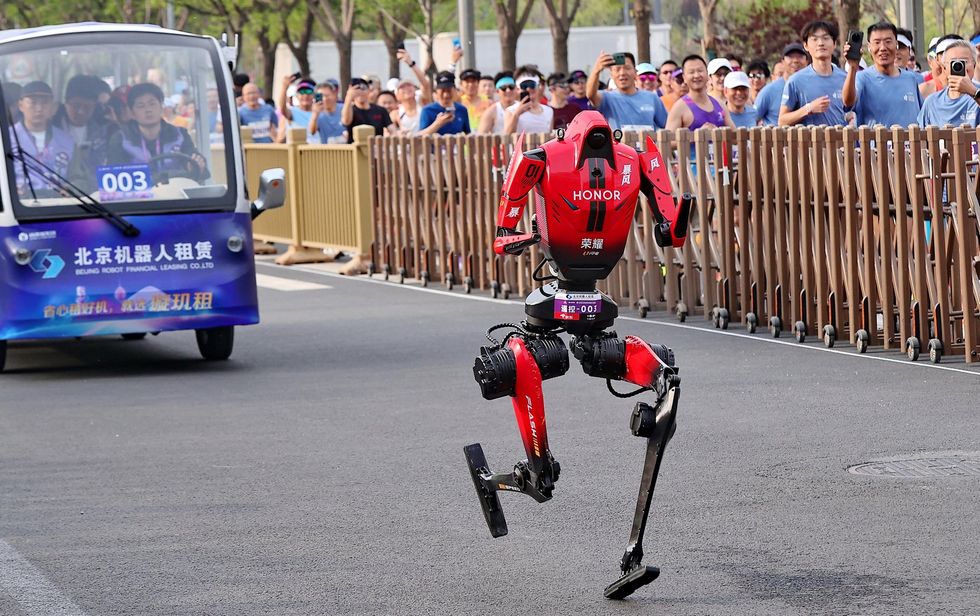
The Secret to Marathon-Winning Humanoid Robots
On April 19, 2026, the Honor Lightning humanoid robot set a remarkable record by completing a half-marathon in just 50 minutes and 26 seconds, surpassing the previous human world record by seven minutes and outperforming the best robot time from 2025 by nearly two hours. This achievement has sparked interest in the technology behind its performance, particularly in comparison to competitors like Unitree, which struggled with overheating issues during the race. The Lightning's success can be attributed to its innovative design, particularly its advanced liquid cooling system that prevents overheating during prolonged exertion. Unlike traditional air cooling methods, the robot utilizes capillary-like liquid cooling pipes that circulate over four liters of coolant per minute through its motors, allowing it to maintain optimal performance without succumbing to heat-related limitations. While the robot's motor specifications remain undisclosed, its engineering emphasizes an optimal gear ratio of 45:1, which balances torque and speed effectively for running. This design contrasts with other humanoid robots, which may be optimized for walking but struggle with the demands of running, resulting in higher power consumption and inefficiencies. Honor's achievement highlights not only the potential of humanoid robots in athletic endeavors but also the engineering trade-offs necessary for different tasks. While the Lightning excels in speed, it may not be as versatile for other applications, underscoring the importance of targeted engineering in robotics. The event has reignited discussions about the capabilities of machines versus humans, emphasizing that comparisons between the two should be approached with caution, as their strengths and limitations differ significantly.
Robotics Running-robots Robot-sports Humanoid-robots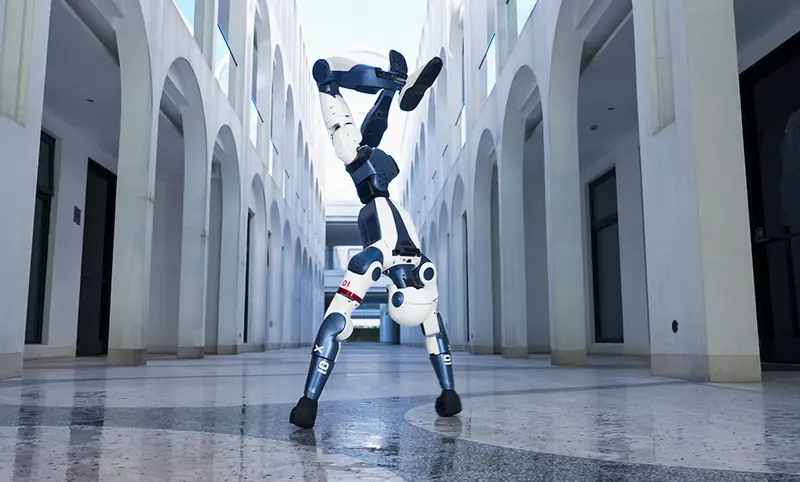
Unitree R1 and Figure 03 Named to TIME's Best Inventions of 2025, Highlighting Humanoid Momentum
TIME Magazine has included two humanoid robots, the Unitree R1 and Figure 03, in its annual Best Inventions list, highlighting their significance in the evolving field of bipedal robotics. The recognition comes as the demand for affordable and domestically-oriented robotic solutions increases, showcasing the technology's potential to integrate into everyday life. The Unitree R1 is noted for its cost-effectiveness, while the Figure 03 is designed with a focus on home use. This acknowledgment by a prominent publication underscores the growing relevance and acceptance of robotics in mainstream society, reflecting advancements in technology and consumer interest.
Unitree Robotics Figure Figure-03 time-magazine R1 robotics
NEURA Robotics Set to Unveil Next-Gen 4NE-1 Humanoid at Automatica 2025
NEURA Robotics is set to unveil the third generation of its 4NE-1 humanoid robot at Automatica 2025, taking place in Munich, Germany. This launch, scheduled for the upcoming event, is highly anticipated as it promises to highlight significant advancements in the robot's actuation, dexterity, and sensory capabilities, including innovative "robot skin." These enhancements aim to bring the 4NE-1 closer to being a market-ready, versatile machine suitable for both industrial and domestic applications. CEO David Reger has expressed his ambition for this iteration to become the "best humanoid robot on the planet," reflecting the company's commitment to pushing the boundaries of robotic technology.
Automatica 2025 4NE-1 humanoid-robots Cognitive Robotics Neura Robotics AI
How Roomba started a robot revolution
In the early days of robotic vacuum technology, the Roomba was characterized by its simplicity and limited functionality. These devices navigated homes by randomly bumping into obstacles while attempting to clean, often ceasing operation once their batteries depleted or their dust containers filled. Despite these shortcomings, the Roomba gained popularity among consumers for its convenience, marking a significant step in the evolution of home cleaning appliances. As technology has advanced, newer models have incorporated sophisticated navigation systems and improved suction capabilities, reflecting the growing demand for more efficient and user-friendly cleaning solutions.
Gadgets Podcasts Smart Home Tech Version History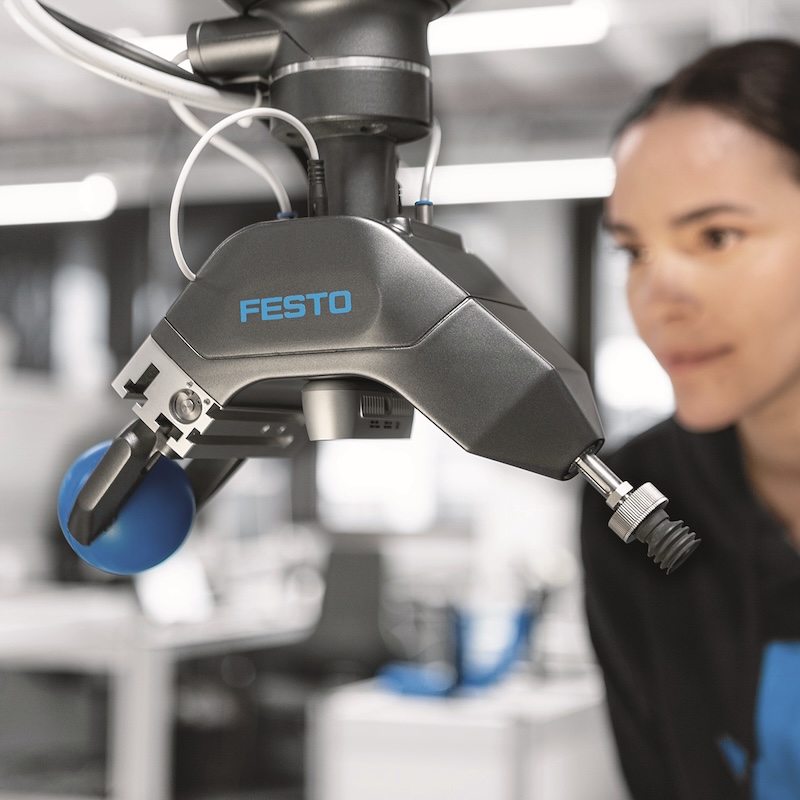
Festo launches GripperAI software to simplify flexible robot handling
Festo has launched GripperAI, an innovative AI-driven software designed to enhance robotic handling capabilities. This solution allows robots to manage a variety of mixed, unfamiliar, and randomly positioned products without requiring extensive programming or specialized vision systems. The introduction of GripperAI aims to provide manufacturers with increased flexibility in their automated handling processes. By automatically determining the best gripping point for each item, the software streamlines operations and improves efficiency in manufacturing environments. This advancement reflects Festo's commitment to integrating cutting-edge technology into automation solutions, catering to the evolving needs of the industry.
Components Industrial robots News AI software automation news cobots
This AI startup will clean your home for free to train future robots
AI training startup Shift has launched an unconventional initiative, offering free home cleaning services in exchange for the opportunity to record the cleaning process. The company aims to capture footage of cleaners as they perform various tasks such as scrubbing, vacuuming, dusting, tidying, and washing, which will be utilized to enhance the training of robots. This unique offer was announced on social media, sparking interest and curiosity among potential participants. Shift's motivation behind this initiative is to gather real-world data that can improve robotic cleaning technology, ultimately aiming to create more efficient and effective automated solutions for household chores.
AI News Robot Tech
GigaDevice Explains Why EtherCAT is Essential for Robot Joint Control
GigaDevice recently conducted a web seminar titled "Secure Robotics in Motion," focusing on the advancements in robot control systems. The event highlighted the company's commitment to enhancing security measures within robotic technology, addressing the growing concerns surrounding safety and reliability in automated systems. Industry experts shared insights on the latest developments and future trends in robotics, emphasizing the importance of secure communication protocols and robust control mechanisms. The seminar aimed to educate participants on best practices for implementing secure robotics solutions, fostering a deeper understanding of the challenges and opportunities in this rapidly evolving field. The session attracted a diverse audience, including engineers, developers, and technology enthusiasts, eager to learn about the integration of security in robotic applications.
RoboticsRobotics needs a service framework.
RSF defines a common language for robot service capability, lifecycle operations, certification pathways, and service-provider networks.