Top News

Industry Briefing

A single destination for timely, editor-curated robotics news from around the world.
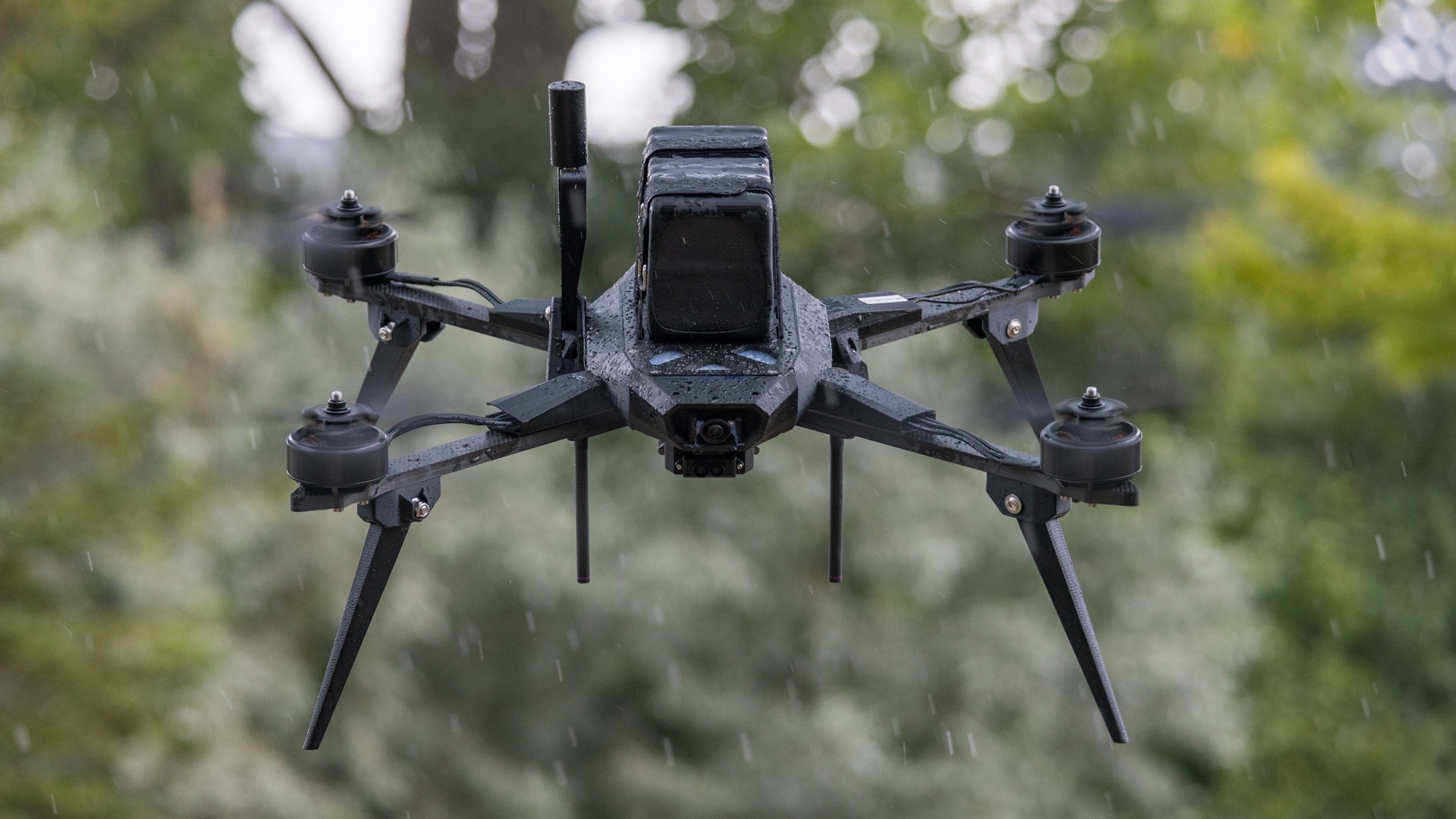
Tesla starts testing Cybercab without pedals or a steering wheel in Austin

Tesla starts testing Cybercab without pedals or a steering wheel in Austin

Tesla is poised to take significant steps towards fulfilling Elon Musk's long-standing vision of establishing a robotaxi network. The company has been working on this ambitious project for several years, and recent developments suggest that it may soon be ready to launch the service. This initiative aims to revolutionize urban transportation by providing a fleet of autonomous vehicles that can operate without human drivers. As Tesla prepares for this next phase, the rollout of the robotaxi network could reshape the landscape of mobility, offering a new, efficient alternative to traditional ride-sharing services. The timeline for the launch remains uncertain, but the company’s advancements in autonomous driving technology indicate that the long-awaited service may soon become a reality.

Transportation autonomous vehicles avs cybercab robotaxis Tesla
Waymo and Uber quietly part ways in Phoenix

Waymo and Uber quietly part ways in Phoenix

In a surprising turn of events, two companies have announced the conclusion of their partnership in Phoenix, which lasted nearly three years. The decision to end the collaboration was confirmed to TechCrunch, although specific reasons for the dissolution have not been disclosed. This partnership, which had garnered attention for its unique approach, has now come to a close, leaving industry observers curious about the implications for both companies moving forward.

Transportation autonomous vehicles avs Exclusive phoenix robotaxis
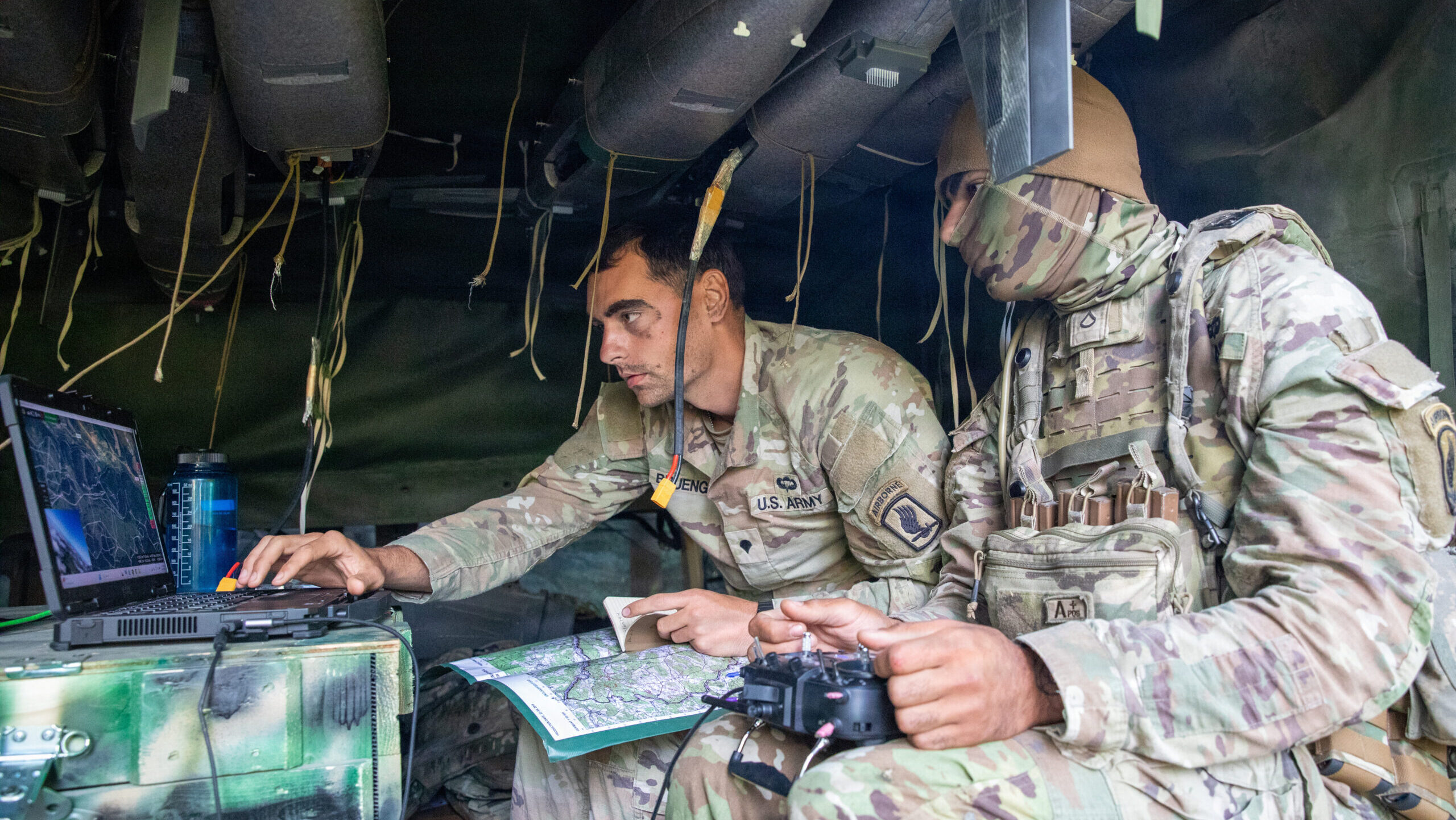
US Army develops advanced counter-drone system capable of engaging UAVs on the move

US Army develops advanced counter-drone system capable of engaging UAVs on the move

The U.S. Army has reached a pivotal advancement in counter-unmanned aerial systems (C-UAS) technology, marking a significant step in enhancing national security. This breakthrough was announced on October 15, 2023, during a demonstration at a military facility in Fort Bragg, North Carolina. The development aims to address the increasing threat posed by drones in both military and civilian contexts, driven by the need for effective defense mechanisms against potential aerial attacks. The Army's new C-UAS technology employs advanced radar systems and artificial intelligence to detect, track, and neutralize unauthorized drones swiftly and accurately. This innovative approach not only improves response times but also minimizes collateral damage, ensuring the safety of personnel and infrastructure. The successful demonstration showcased the system's capabilities in real-time scenarios, highlighting its potential for deployment in various operational environments. As drone usage continues to rise, the U.S. Army's commitment to advancing C-UAS technology underscores its proactive stance in safeguarding airspace and maintaining operational superiority. This milestone reflects ongoing efforts to adapt to evolving threats and reinforces the Army's role in national defense.

Military
Trump admin proposes axing brake-pedal requirement for AVs in a boost for Tesla

Trump admin proposes axing brake-pedal requirement for AVs in a boost for Tesla

The Department of Transportation has proposed a significant regulatory change that would eliminate the requirement for brake pedals in vehicles intended solely for operation by automated driving systems. This initiative aims to streamline the design of autonomous vehicles, potentially accelerating their development and deployment. The announcement comes as part of ongoing efforts to adapt existing transportation regulations to better accommodate advancements in technology. By removing the brake-pedal requirement, the Department seeks to encourage innovation in the automotive industry and enhance the safety and efficiency of future transportation solutions. The proposal is currently under review, with stakeholders from various sectors invited to provide feedback on the implications of this change.

Government & Policy Transportation autonomous vehicles robotaxis Tesla zoox
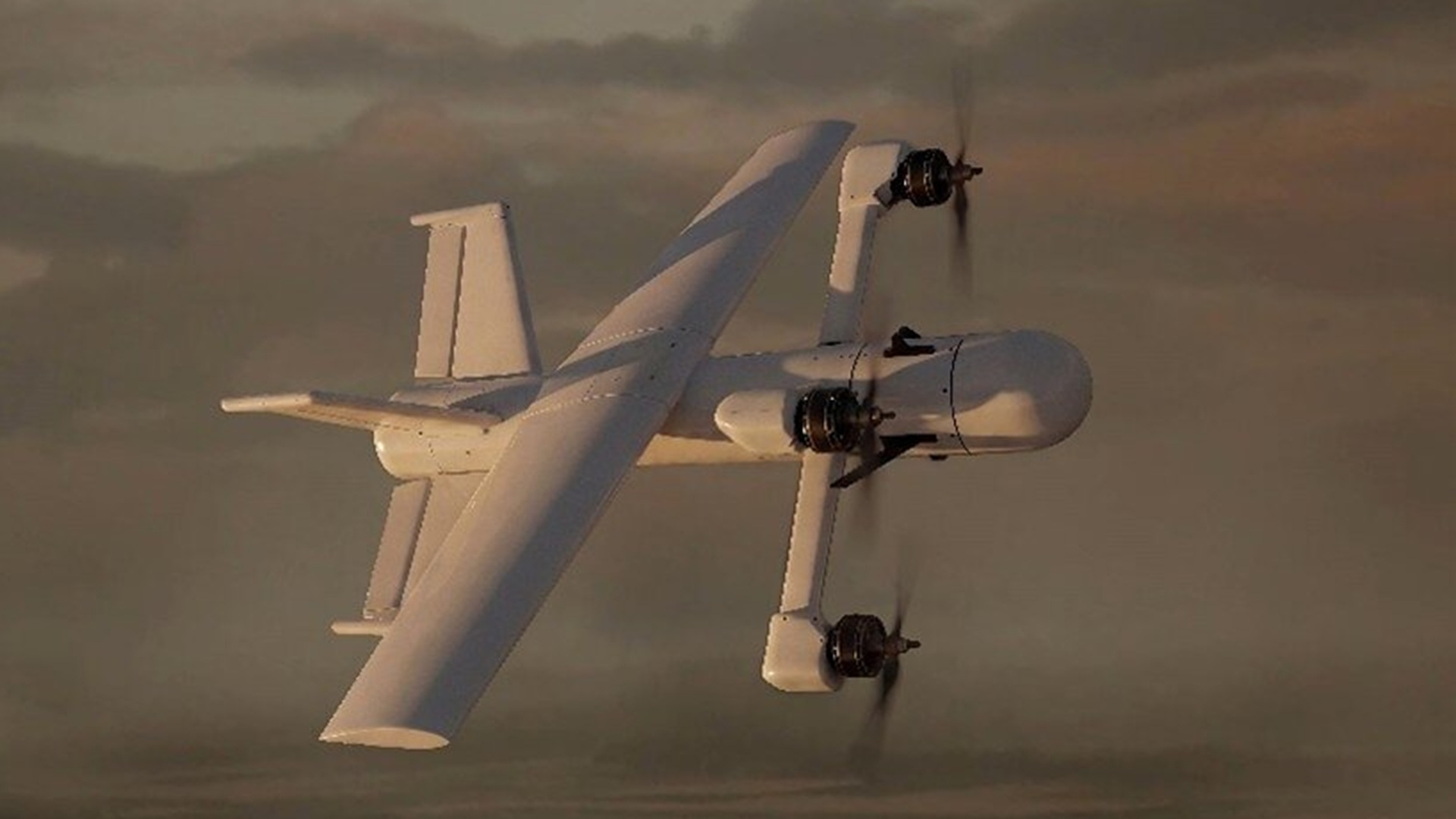
Poland buys V-Bat UAVs from Shield AI for naval forces

Poland buys V-Bat UAVs from Shield AI for naval forces

In Ukraine, V-Bat drones have demonstrated resilience against electronic warfare attacks that have successfully incapacitated other unmanned aerial vehicles (UAVs). This development highlights the increasing sophistication of drone technology amid ongoing conflicts, where electronic warfare tactics are commonly employed to disrupt enemy operations. The ability of V-Bat drones to withstand such attacks is significant, as it enhances their operational effectiveness and provides a strategic advantage in the battlefield. The situation underscores the evolving nature of warfare and the critical role that advanced drone systems play in modern military engagements.

Uncategorized Drones Europe Global Navy Poland
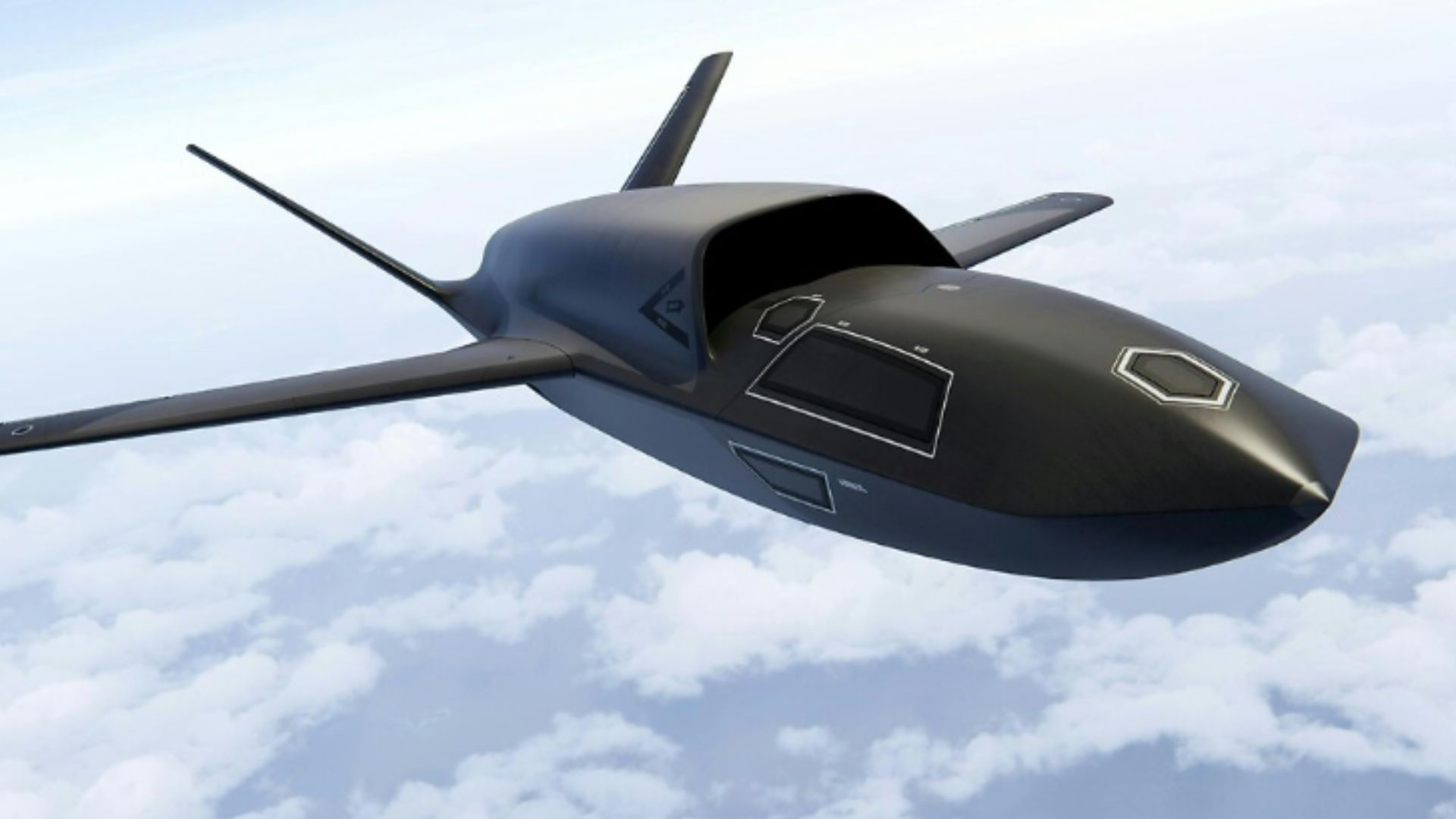
Ultraefficient chip could help tiny robots traverse complex environments

Ultraefficient chip could help tiny robots traverse complex environments

Researchers at MIT have developed an innovative chip designed to enhance the navigation capabilities of small, low-power unmanned aerial vehicles (UAVs) as they maneuver through confined spaces, such as industrial HVAC systems, to detect gas leaks. This breakthrough, announced recently, enables these autonomous robots and other battery-operated devices to create detailed three-dimensional maps of their surroundings in real time while consuming minimal energy—approximately the same amount as a single LED light. By utilizing these maps, the robots can effectively plan collision-free routes to their objectives, significantly improving their operational efficiency and safety in complex environments.

Hardware
Drones learn to squeeze through narrow gaps using onboard AI control

Drones learn to squeeze through narrow gaps using onboard AI control

Drones, or unmanned aerial vehicles (UAVs), have become integral tools across diverse sectors, including filmmaking, aerial photography, industrial inspections, precision agriculture, and emergency response. Despite their growing popularity and capabilities, many drones face challenges when navigating cluttered environments. They often struggle to maneuver through tight spaces or access hard-to-reach areas, limiting their effectiveness in certain situations. As the demand for more versatile and agile drones increases, advancements in technology are necessary to enhance their navigation and operational capabilities in complex surroundings.

Robotics
First DroneShield Products Roll Off Production Line in Europe

First DroneShield Products Roll Off Production Line in Europe

Western European nations are responding to increasing threats from drones operated by malicious actors by enhancing their domestic production of unmanned aerial vehicles (UAVs) and counter-drone technology. This initiative aims to streamline supply chains and bolster regional manufacturing capabilities. In a significant development, the first products from DroneShield’s production line in Europe have recently been completed, marking a step forward in the region's efforts to address these challenges. The move is part of a broader strategy to ensure that UAS manufacturing is localized, thereby improving security and reducing reliance on external suppliers.

Anti-drone technology Defense Drone News Drone News Feeds Europe Drone Industry European Union
Wing-shape tests could unlock smoother water-to-air drone launches

Wing-shape tests could unlock smoother water-to-air drone launches

Researchers are making significant strides in developing unmanned aerial vehicles (UAVs), or drones, capable of executing the challenging maneuver of transitioning from water to air. This complex task, often performed effortlessly by birds and marine animals like mobula rays, has proven to be a formidable challenge for drone technology. As of October 2023, advancements in engineering and design are being explored to enhance the capabilities of these aerial vehicles, aiming to improve their performance in various applications, including search and rescue missions, environmental monitoring, and recreational use. The ongoing research highlights the potential for drones to operate in diverse environments, ultimately expanding their utility and effectiveness in real-world scenarios.

Robotics
MBDA showcases hybrid high-energy laser, interceptor counter-drone system

MBDA showcases hybrid high-energy laser, interceptor counter-drone system

The European missile manufacturer has announced plans for a new hybrid defense platform aimed at countering the increasing threat posed by small, fast, and low-cost unmanned aerial vehicles (UAVs). This innovative system is expected to be operational in Germany by the end of the decade. The initiative reflects a strategic response to evolving aerial threats, highlighting the need for advanced defense solutions in modern warfare. The development of this platform underscores the commitment to enhancing national security and adapting to the changing landscape of military challenges in Europe.

Air Warfare Global Air Force Drones Europe ILA Berlin 2026
Kratos to upscale engine production to 3000 units for powering one way attack drones

Kratos to upscale engine production to 3000 units for powering one way attack drones

Kratos Defense & Security Solutions is significantly increasing its manufacturing capacity for the Spartan family of unmanned aerial vehicles (UAVs) to meet growing demand. This strategic move comes as the company aims to enhance its production capabilities in response to heightened interest from both military and commercial sectors. The expansion is set to take place at Kratos' facilities in California, with plans to streamline operations and implement advanced technologies to boost efficiency. The decision to ramp up production is driven by the rising need for advanced drone systems, which are increasingly being utilized for surveillance, reconnaissance, and various defense applications. By enhancing its manufacturing capabilities, Kratos seeks to solidify its position as a leader in the UAV market and ensure timely delivery of its products to clients.

News
Airbus unveils Ravenstorm drone wingman for combat mission alongside other UAVs

Airbus unveils Ravenstorm drone wingman for combat mission alongside other UAVs

European aerospace firm Airbus is set to unveil its latest drone wingman, the U760 Ravenstorm, at the upcoming Paris Air Show. Scheduled for June 19-25, 2023, this event will showcase the innovative capabilities of the U760 Ravenstorm, designed to enhance military operations by providing advanced support and reconnaissance. The introduction of this drone reflects Airbus's commitment to advancing defense technology and addressing the evolving needs of modern warfare. The U760 Ravenstorm is expected to demonstrate its versatility and effectiveness in various combat scenarios, marking a significant step forward in unmanned aerial systems.

Military
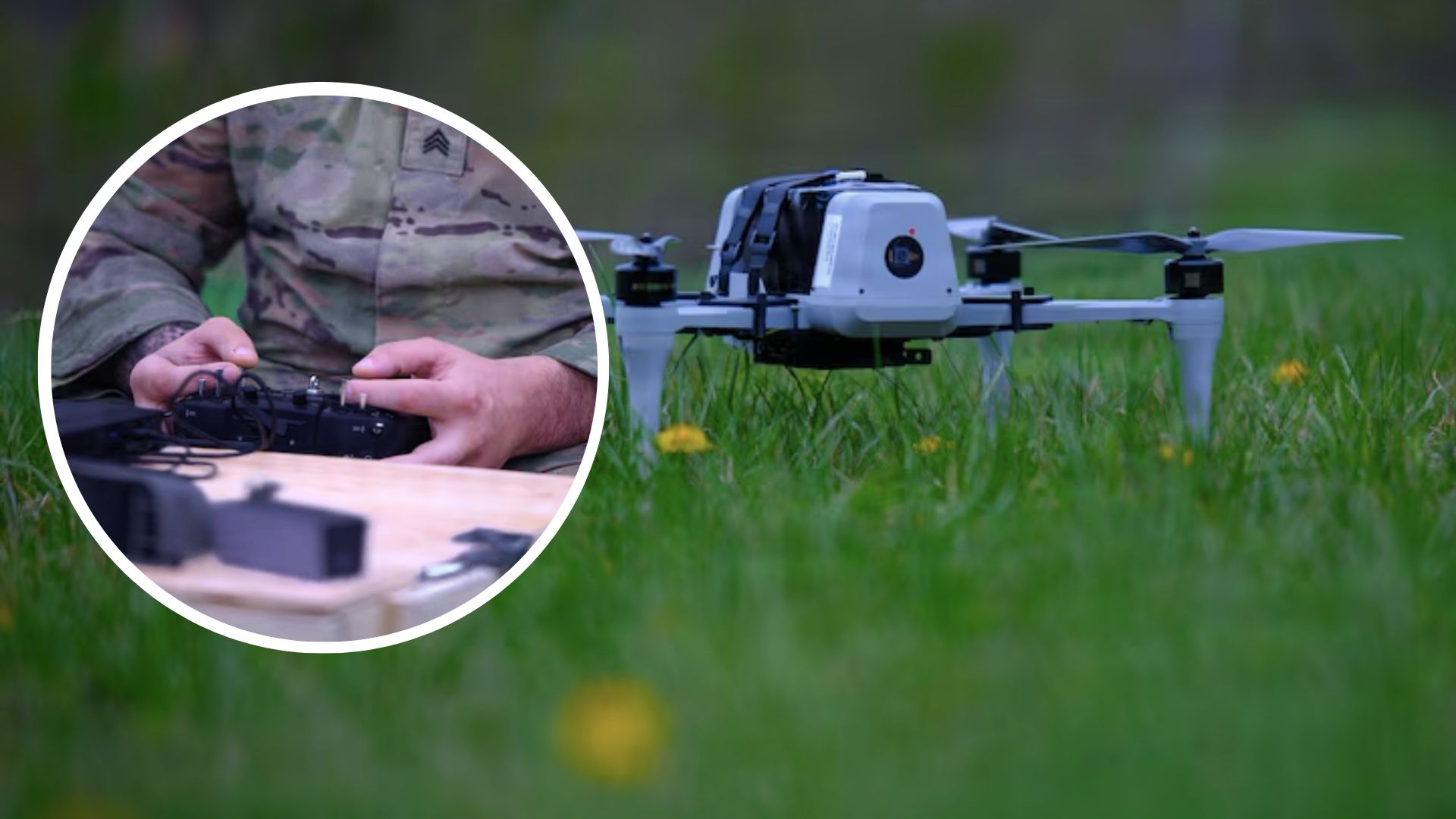
Video Captures Rafale Fighter’s Drone Kill Over Baltic

Video Captures Rafale Fighter’s Drone Kill Over Baltic

Recent footage has emerged capturing a Rafale fighter jet successfully engaging and destroying a drone over the Baltic Sea, marking a significant development in NATO's air policing efforts. This incident, believed to be the first of its kind in Europe, highlights the increasing challenges that unmanned aerial vehicles (UAVs) present to military operations in the region. The event underscores the evolving nature of aerial warfare and the necessity for NATO forces to adapt to the growing prevalence of drones in conflict scenarios. As tensions continue to rise in Eastern Europe, this engagement illustrates the strategic importance of maintaining air superiority and the ongoing efforts to counter emerging threats in the skies.

Air Air Forces Around The Globe Baltic Sea Europe Fighters
WINGGATE and Konishi Model launch joint project for domestic drone control development.

WINGGATE and Konishi Model launch joint project for domestic drone control development.

WINGGATE Co., Ltd. and Konishi Model Co., Ltd. have entered into a joint development agreement to create control systems for unmanned aerial vehicles (UAVs) and robots. The collaboration marks the beginning of a new development project aimed at advancing technology in the UAV and robotics sectors. This partnership is expected to leverage the expertise of both companies to enhance the capabilities and efficiency of their respective products, responding to the growing demand for innovative solutions in these fields.

Anti-Drone 5.56mm Rifle Rounds That Break Into Multiple Projectiles Sought By Marines

Anti-Drone 5.56mm Rifle Rounds That Break Into Multiple Projectiles Sought By Marines

Marines are seeking specialized 5.56mm rifle rounds designed to enhance their capability to neutralize small unmanned aerial vehicles (UAVs). This initiative aims to equip Marines with ammunition that breaks into multiple projectiles upon firing, thereby increasing the likelihood of successfully targeting and disabling these uncrewed attackers. The development of these anti-drone rounds reflects a growing recognition of the evolving threats posed by drone technology on the battlefield. By improving their firepower against such aerial threats, the Marines hope to bolster their operational effectiveness in various combat scenarios.

Land Assault Rifles Drones M16/AR15/M4 Pattern News & Features Sea
ePropelled launches new integrated propulsion unit for agricultural drones

ePropelled launches new integrated propulsion unit for agricultural drones

The agricultural drone market is experiencing rapid growth, prompting manufacturers to enhance their technology to secure a larger share of this expanding sector. Recently, a new drone unit featuring advanced propulsion and power technology has been introduced, aimed at significantly improving performance in agricultural applications. This innovation is expected to meet the increasing demand for efficient and effective farming solutions, as farmers seek to leverage UAVs for precision agriculture and crop management. The launch of this cutting-edge technology underscores the industry's commitment to advancing aerial capabilities in agriculture, ultimately enhancing productivity and sustainability in farming practices.

Drones autonomous technology drone technology precision agriculture
‘Loyal wingman’ test: F-35 fighter jet and MQ-20 drone display manned-unmanned teaming

‘Loyal wingman’ test: F-35 fighter jet and MQ-20 drone display manned-unmanned teaming

General Atomics has successfully demonstrated interoperability between the F-35 fighter jet and its advanced drone systems. This achievement, announced recently, marks a significant milestone in enhancing military capabilities and operational efficiency. The demonstration took place at a military testing facility, showcasing how the F-35 can seamlessly integrate with unmanned aerial vehicles (UAVs) to improve mission effectiveness. The motivation behind this development stems from the growing need for advanced warfare strategies that leverage both manned and unmanned systems. By ensuring that the F-35 can communicate and coordinate with drones, General Atomics aims to provide military forces with a more versatile and responsive combat platform. This interoperability is expected to enhance situational awareness and decision-making during complex missions. The successful integration was achieved through rigorous testing and validation processes, which involved real-time data sharing and tactical coordination between the aircraft and drones. This advancement not only underscores General Atomics' commitment to innovation in defense technology but also positions the F-35 as a pivotal asset in future military operations.

UK military deploys low-cost laser-guided rockets to destroy drones with precision defense

UK military deploys low-cost laser-guided rockets to destroy drones with precision defense

The Royal Air Force (RAF) has initiated the deployment of a cost-effective laser-guided counter-drone weapon system on its Eurofighter Typhoon aircraft. This move comes as part of the RAF's ongoing efforts to enhance its capabilities in addressing the growing threat posed by unmanned aerial vehicles (UAVs). The deployment began in October 2023, as the military seeks to bolster its defense strategies amid increasing concerns over drone-related security risks. By integrating this advanced technology into its fleet, the RAF aims to improve its operational effectiveness in neutralizing potential drone threats, ensuring the safety of airspace and ground operations. The laser-guided system is designed to provide precision targeting, allowing for effective engagement of hostile drones while minimizing collateral damage.

Waymo expands pause to four cities as robotaxis keep driving into floods

Waymo expands pause to four cities as robotaxis keep driving into floods

Waymo has temporarily halted its robotaxi service in Atlanta and San Antonio due to concerns over vehicles navigating flooded roads. The decision comes as the company aims to enhance safety measures and prevent potential accidents during adverse weather conditions. This suspension reflects Waymo's commitment to ensuring the reliability of its autonomous vehicle technology while addressing environmental challenges. The company is currently assessing the situation and implementing necessary adjustments before resuming operations in the affected areas.

Transportation autonomous vehicles avs robotaxis Waymo
Waymo halts freeway rides after robotaxis struggle in construction zones

Waymo halts freeway rides after robotaxis struggle in construction zones

Waymo has suspended its robotaxi services in several cities, including Atlanta and San Antonio, following incidents where its vehicles navigated into flooded streets. The decision to halt operations is part of the company's ongoing efforts to ensure safety and reliability in its autonomous vehicle technology. The service suspension reflects a growing concern over the challenges posed by adverse weather conditions and highlights the need for improved navigation systems in urban environments. As Waymo continues to refine its technology, it remains committed to addressing these issues to enhance the safety of its services.

Transportation autonomous vehicles avs robotaxis Waymo
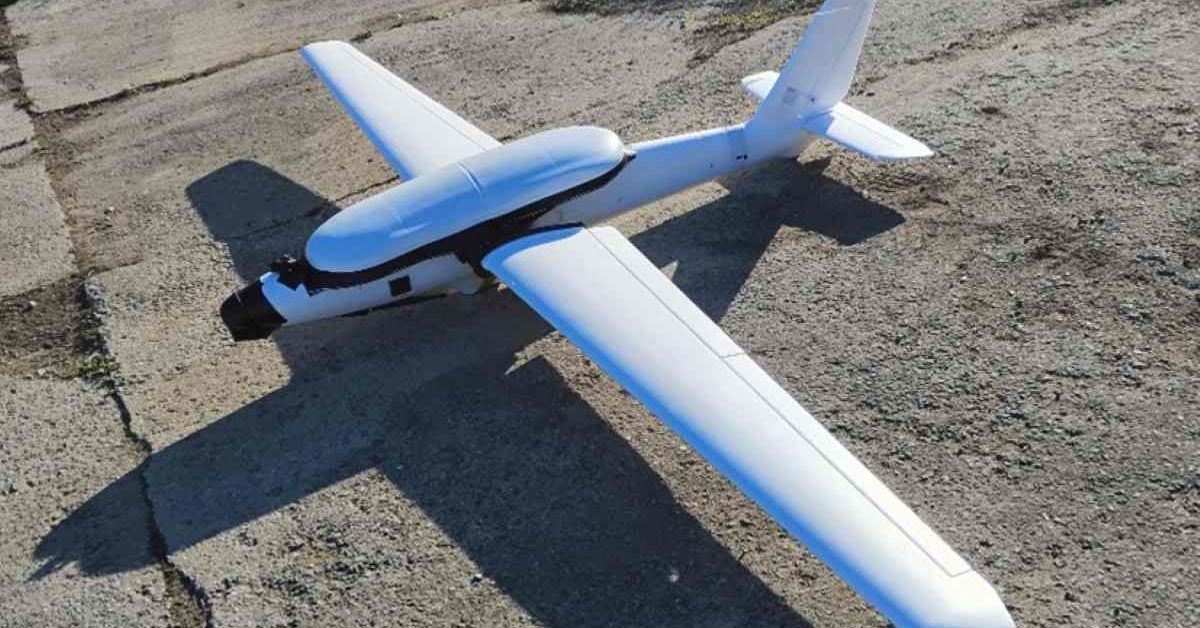
Advanced recon drones to support US Army scouting and base security in Europe

Advanced recon drones to support US Army scouting and base security in Europe

The US Army units stationed in Europe are set to enhance their operational capabilities with the acquisition of unmanned aerial vehicles (UAVs) from a Czech drone manufacturer. This development comes as part of a broader strategy to modernize military assets and improve reconnaissance and surveillance operations. The delivery of these UAVs is expected to take place in the coming months, although specific dates have not been disclosed. The initiative aims to bolster the Army's readiness and effectiveness in a rapidly evolving security landscape, particularly in response to increasing geopolitical tensions in the region. The integration of these advanced drones into military operations will allow for improved situational awareness and tactical advantages on the ground.

Waymo pauses Atlanta service as its robotaxis keep driving into floods

Waymo pauses Atlanta service as its robotaxis keep driving into floods

Waymo has temporarily suspended its robotaxi service in Atlanta and San Antonio due to safety concerns regarding its vehicles navigating flooded roads. The decision comes as the company aims to address the issue and ensure the safety of passengers and pedestrians. The suspension reflects Waymo's commitment to maintaining operational safety standards while it investigates the circumstances leading to the incidents.

Transportation autonomous vehicles avs robotaxis Waymo
Pentagon taps US firm for coordinated attack by intelligent, low-cost drone swarms

Pentagon taps US firm for coordinated attack by intelligent, low-cost drone swarms

The Pentagon has chosen Shield AI to implement its Hivemind autonomy software on the Low-Cost Attritable Strike Unmanned Aerial Vehicle (UAV). This decision, announced recently, aims to enhance the operational capabilities of the military's drone fleet. By integrating advanced artificial intelligence, the Pentagon seeks to improve mission efficiency and effectiveness in various combat scenarios. The collaboration with Shield AI is part of a broader initiative to leverage cutting-edge technology in defense operations, ensuring that the U.S. military remains at the forefront of innovation in unmanned systems. The integration process is expected to commence shortly, with the goal of deploying the enhanced UAVs in upcoming military exercises.

Open-source framework lets drones dodge obstacles in milliseconds while minimizing travel time

Open-source framework lets drones dodge obstacles in milliseconds while minimizing travel time

In the wake of a catastrophic earthquake, researchers are exploring the use of unpiloted aerial vehicles (UAVs) to assist in rescue operations by navigating through collapsed structures. These UAVs are designed to create detailed maps of disaster zones, providing critical information that can help rescuers locate and reach survivors more efficiently. However, the implementation of this technology presents significant challenges, as the autonomous drones must be capable of rapidly adjusting their flight paths to avoid unexpected obstacles while maintaining their intended course. The development of such advanced UAV systems aims to enhance emergency response efforts and improve outcomes in disaster scenarios.

Robotics
Tulip Tech Expands European UAV Battery Production with New Investment

Tulip Tech Expands European UAV Battery Production with New Investment

Tulip Tech, a Dutch battery manufacturer, has announced a strategic investment aimed at enhancing the supply chains for drones and increasing their operational endurance. This announcement comes amid a rising demand for non-Chinese drone components and the need for more robust regional supply chains. The investment is backed by Parcom and Keen Venture Partners, reflecting a growing interest in strengthening European production capabilities for unmanned aerial vehicles (UAVs). Tulip Tech intends to utilize these funds to expand its battery production, positioning itself to meet the increasing market demands effectively.

battery technology Drone Manufacturing Drone News Drone News Feeds News battery manufacturing
Tattu Launches 5.0 Smart Battery Platform as Heavy-Lift Drones Demand Faster Charging and Smarter Fleet Power Management

Tattu Launches 5.0 Smart Battery Platform as Heavy-Lift Drones Demand Faster Charging and Smarter Fleet Power Management

A new platform has been developed for 100kg-class agricultural and logistics unmanned aerial vehicles (UAVs), showcasing advanced technological features aimed at enhancing operational efficiency. This innovative system integrates high-discharge performance capabilities, enabling rapid energy release during flight. Additionally, it supports 6C fast charging, significantly reducing downtime for UAVs between missions. The platform also incorporates an intelligent Battery Management System (BMS) that optimizes battery performance and longevity, while providing access to lifecycle data for better maintenance and operational planning. This development is expected to revolutionize the agricultural and logistics sectors by improving the reliability and efficiency of UAV operations, ultimately contributing to increased productivity in these industries.

Tesla reveals two Robotaxi crashes involving teleoperators

Tesla reveals two Robotaxi crashes involving teleoperators

Recent revelations from newly unredacted crash reports highlight the challenges Tesla has faced in its efforts to scale its robotaxi program. The reports, which were made public this month, detail various incidents that have raised concerns about the safety and reliability of the autonomous vehicles. As Tesla pushes forward with its ambitious plans to revolutionize transportation through self-driving technology, these findings underscore the complexities involved in achieving a fully operational fleet. The company aims to address these issues as it continues to innovate and refine its autonomous driving systems, striving to reassure consumers and regulators about the safety of its robotaxis.

Transportation autonomous vehicles avs electric vehicles robotaxis Tesla
Rafael introduces miniature EW system for uncrewed aerial platforms 

Rafael introduces miniature EW system for uncrewed aerial platforms 

Israeli defense technology company Rafael has unveiled its latest innovation, the Storm Shield, a compact electronic warfare system tailored for uncrewed aerial vehicles (UAVs). This announcement highlights Rafael's commitment to advancing military technology and enhancing the capabilities of UAVs in modern warfare. The Storm Shield is designed to provide robust electronic countermeasures, ensuring that UAVs can operate effectively in contested environments. The launch took place in October 2023, reflecting the growing demand for sophisticated defense solutions amid increasing geopolitical tensions. By integrating advanced electronic warfare capabilities into UAVs, Rafael aims to bolster the operational effectiveness of military forces, allowing them to counter threats more efficiently and maintain dominance in the air.

News
Brushless DC (BLDC) Machines — Where They Outperform

Brushless DC (BLDC) Machines — Where They Outperform

Mosrac has unveiled insights into the advantages of Brushless DC (BLDC) machines over traditional drives in various applications, including unmanned aerial vehicles (UAVs), robotics, e-bikes, and industrial drives. This announcement, made in October 2023, highlights the growing importance of advanced motion control technologies in enhancing performance and efficiency across these sectors. By optimizing the use of BLDC machines, Mosrac aims to support the development of next-generation motion control solutions, which are increasingly vital for the evolving demands of modern industries. The company’s expertise in this area positions it as a key player in driving innovation and improving operational capabilities in high-tech applications.

Waymo issues recall to deal with a flooding problem

Waymo issues recall to deal with a flooding problem

Waymo has announced a software recall aimed at enhancing the safety of its robotaxis in response to concerns about their performance in flooded areas. This decision comes as the company seeks to address potential risks associated with adverse weather conditions. The recall is part of ongoing efforts to improve the technology and ensure passenger safety, with a "final remedy" currently under development. The implementation of this software update is expected to make the autonomous vehicles more cautious when navigating through areas affected by flooding.

Transportation autonomous vehicles avs robotaxis self-driving cars Waymo
Indiana Scores First Drone Deer Hunting Conviction in Landmark UAV Poaching Case

Indiana Scores First Drone Deer Hunting Conviction in Landmark UAV Poaching Case

Indiana has made headlines with its first conviction related to drone-assisted deer hunting, marking a significant legal precedent in the regulation of unmanned aerial vehicles (UAVs) in hunting practices. The case arose as hunters increasingly turned to drones to enhance their chances of capturing trophy animals, prompting state lawmakers and regulators to take action. The conviction underscores the growing need for clear rules governing the use of drones in hunting, aimed at preserving ethical standards and wildlife conservation. As this legal framework develops, it reflects a broader trend of integrating technology into traditional hunting methods while addressing the associated ethical and regulatory challenges.

Drone News Drone News Feeds Drones in the News hunting News commercial drone news
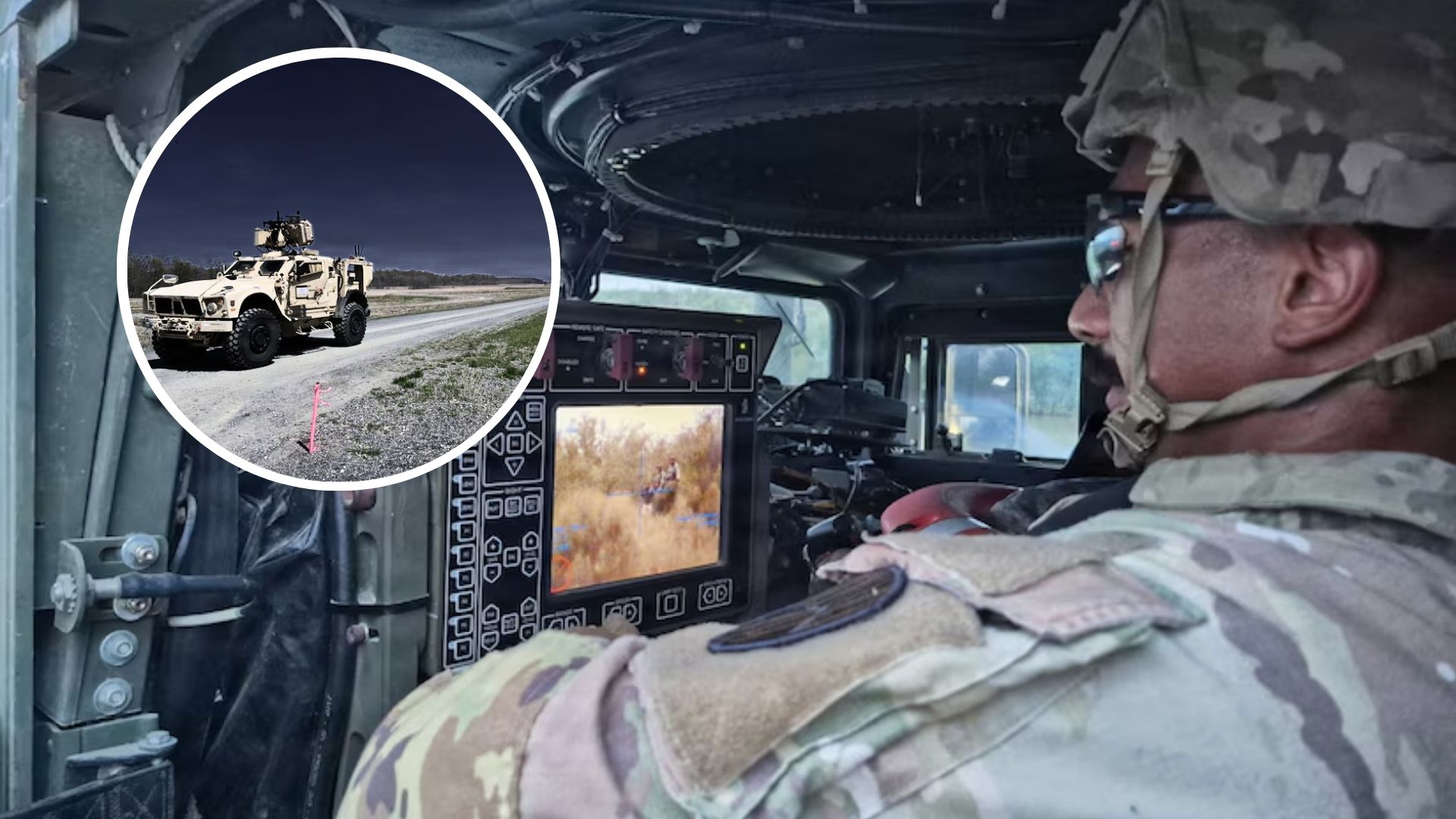
US Army showcases counter-drone system that intercepts hostile UAVs with limited operator input

US Army showcases counter-drone system that intercepts hostile UAVs with limited operator input

The U.S. Army is currently engaged in training exercises focused on an advanced counter-drone system, with soldiers from the 10th Mountain Division participating in the initiative. This training, which is taking place at Fort Drum in New York, aims to enhance the Army's capabilities in neutralizing drone threats, a growing concern in modern warfare. The initiative comes in response to the increasing use of drones by adversaries, highlighting the need for effective countermeasures to protect troops and assets. Soldiers are being equipped with new technology and tactics to identify and disable hostile drones, ensuring they are prepared for potential future conflicts where such threats may be prevalent. The training is part of a broader effort to modernize military operations and maintain a strategic advantage in the evolving landscape of warfare.
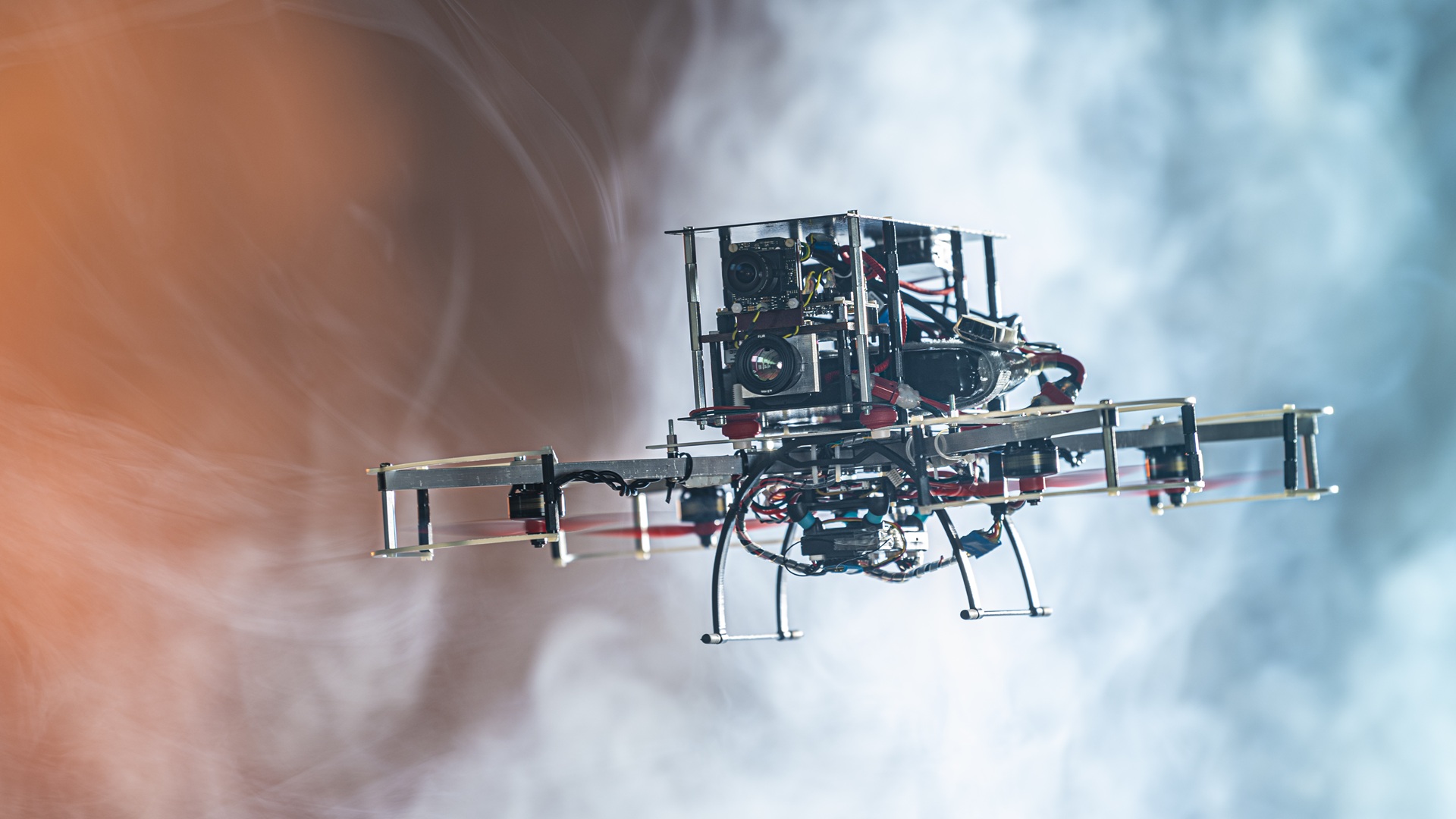
Uber partner Avride is under investigation for self-driving crashes

Uber partner Avride is under investigation for self-driving crashes

The National Highway Traffic Safety Administration (NHTSA) has launched an investigation into Avride following reports of over a dozen crashes associated with the ride-sharing service, which have resulted in one minor injury. The inquiry aims to assess the safety protocols and operational practices of the company in light of these incidents. The investigation underscores the agency's commitment to ensuring the safety of transportation services and addressing any potential risks to passengers and other road users. The timeline for the investigation has not been specified, but it reflects growing scrutiny of ride-sharing companies as they expand their operations across various regions.

Transportation autonomous vehicles avride avs nhtsa robotaxis
Latvia confirms drone incursion from Russia, launches investigation 

Latvia confirms drone incursion from Russia, launches investigation 

On May 7, 2026, Latvia reported that two uncrewed aerial vehicles (UAVs) originating from Russia breached its airspace and subsequently crashed within its territory. The incident raises concerns regarding airspace security and potential violations of national sovereignty. Latvian authorities are investigating the circumstances surrounding the UAVs' entry and crash, seeking to understand the motivations behind the incursion. This event underscores ongoing tensions in the region and highlights the need for vigilance in monitoring airspace integrity.

News
Pentagon tests Locust laser that downs drones without harming nearby civilian aircraft

Pentagon tests Locust laser that downs drones without harming nearby civilian aircraft

AeroVironment's LOCUST laser weapon successfully completed a significant counter-drone test in collaboration with the Pentagon, showcasing its advanced capabilities in neutralizing aerial threats. This testing took place recently, highlighting the growing emphasis on innovative defense technologies amid rising concerns over drone warfare. The LOCUST system is designed to provide military forces with an effective means to counteract the increasing prevalence of unmanned aerial vehicles (UAVs) on the battlefield. By utilizing cutting-edge laser technology, the weapon aims to enhance the operational effectiveness of U.S. military operations. The successful demonstration of the LOCUST laser weapon underscores the Pentagon's commitment to integrating advanced systems into its defense strategy, ensuring that military forces are equipped to address evolving threats in modern warfare.

Drone killer launches thin metal chains to take down enemy UAVs in seconds

Drone killer launches thin metal chains to take down enemy UAVs in seconds

Researchers in Germany have unveiled an innovative drone interceptor designed to enhance aerial security. This cutting-edge technology employs thin metal chains to effectively capture and neutralize rogue drones, addressing growing concerns over unauthorized drone activities. The development comes amid increasing incidents of drone-related threats, particularly in urban areas and near sensitive infrastructure. The new interceptor was tested successfully in various scenarios, demonstrating its ability to entangle and bring down drones without causing collateral damage. This method not only minimizes risks to surrounding environments but also provides a non-destructive solution to drone interference. The research team aims to contribute to public safety and security by offering a reliable defense mechanism against potential drone misuse. As drone technology continues to advance, the need for effective countermeasures becomes increasingly critical, prompting this significant breakthrough in drone interception capabilities.

Canada tests drones dropping explosives for avalanche control

Canada tests drones dropping explosives for avalanche control

Aerial Vehicle Safety Solutions (AVSS), a Canadian drone safety company, has recently completed real-world testing of an innovative system that utilizes drones to remotely trigger avalanches. This groundbreaking approach involves the precise deployment of explosives in controlled conditions, marking a significant advancement in drone utility within avalanche management. The testing aims to enhance safety measures in avalanche-prone areas, providing a more efficient and effective method for avalanche control. By leveraging drone technology, AVSS is exploring new frontiers in both safety and environmental management, potentially transforming how avalanche risks are mitigated in the future.

News
ideaForge Signs MoU with Japan’s DMP to Develop AI Drones

ideaForge Signs MoU with Japan’s DMP to Develop AI Drones

ideaForge Technology Limited, India’s largest manufacturer of unmanned aerial vehicles (UAVs), has entered into a strategic partnership with Tokyo-based Digital Media Professionals Inc. (DMP) to develop advanced AI-driven drones and penetrate the Japanese defense market. The collaboration was announced on April 28, 2023, and aims to leverage cutting-edge edge AI silicon technology in the co-development of next-generation UAVs. This initiative reflects ideaForge's commitment to expanding its international presence and enhancing its technological capabilities in response to the growing demand for sophisticated drone solutions in defense applications.

Drone News Drone News Feeds India Drone Industry India Drone News Japan Drone Industry Japan Drone News
Ukraine, Norway agree to jointly produce mid-strike drones

Ukraine, Norway agree to jointly produce mid-strike drones

Ukraine and Norway have entered into a groundbreaking agreement to collaboratively produce unmanned aerial vehicles (UAVs), marking a significant milestone in their bilateral relations. This partnership, announced recently, represents the first joint venture between the two nations in the defense sector. The initiative aims to bolster Ukraine's military capabilities amid ongoing tensions in the region, particularly in light of the conflict with Russia. By leveraging Norway's advanced technology and expertise in UAV manufacturing, the collaboration is expected to enhance Ukraine's operational efficiency and strategic defense posture. The production will take place in Ukraine, fostering local industry and creating job opportunities while strengthening ties between the two countries. This agreement underscores a commitment to mutual support and cooperation in addressing security challenges.

News
25,000 ground robots in battlefield planned by Ukraine for frontline logistics

25,000 ground robots in battlefield planned by Ukraine for frontline logistics

Ukraine’s Defense Ministry is advancing its military capabilities by planning to acquire 25,000 unmanned aerial vehicles (UAVs) as part of its strategy for fully autonomous warfare. This initiative reflects the country's ongoing efforts to enhance its defense systems amid the ongoing conflict with Russia. The procurement aims to bolster Ukraine's operational effectiveness and adapt to modern warfare demands. The announcement comes as Ukraine seeks to leverage technology to gain a strategic advantage on the battlefield. The integration of these UAVs is expected to occur over the coming months, marking a significant step in the evolution of Ukraine's military tactics.

US’ bunker-buster warhead delivered from drone, destroys fortified target in battlefield test

US’ bunker-buster warhead delivered from drone, destroys fortified target in battlefield test

The United States has successfully conducted a test of its ability to deploy bunker-buster warheads using unmanned aerial vehicles (UAVs). This significant development took place recently, underscoring the U.S. military's commitment to enhancing its precision strike capabilities. The test was carried out at a designated military facility, demonstrating the effectiveness of drone technology in delivering powerful munitions to penetrate fortified structures. This initiative is part of a broader strategy to ensure national security and maintain a tactical advantage in potential conflict scenarios. The successful demonstration reflects ongoing advancements in military technology and the U.S. defense strategy's focus on adapting to evolving threats.

Transition Strategy for Unmanned Aerial‐Aquatic Vehicles (UAAVS): A Survey

Transition Strategy for Unmanned Aerial‐Aquatic Vehicles (UAAVS): A Survey

In the May 2026 issue of the Journal of Field Robotics, researchers present groundbreaking advancements in robotic technology, focusing on the development of autonomous systems designed for complex field operations. This comprehensive study highlights innovations that enhance the efficiency and safety of robots deployed in various environments, including agriculture, disaster response, and exploration. The research team, comprised of leading experts in robotics and artificial intelligence, conducted extensive field tests to evaluate the performance and adaptability of these autonomous systems. Their findings reveal significant improvements in navigation, obstacle avoidance, and decision-making capabilities, which are crucial for real-world applications. The motivation behind this research stems from the increasing demand for reliable robotic solutions that can operate in unpredictable and hazardous conditions. By addressing these challenges, the team aims to pave the way for more widespread adoption of robotics in critical sectors, ultimately improving operational outcomes and reducing human risk. The study's implications are far-reaching, suggesting that these advanced robotic systems could revolutionize industries by providing enhanced support in tasks that are currently labor-intensive or dangerous. As the field of robotics continues to evolve, this research marks a significant step forward in harnessing technology to meet the needs of society.

SURVEY ARTICLE
What Military Drones Can Teach Self-Driving Cars

What Military Drones Can Teach Self-Driving Cars

Self-driving cars are facing significant challenges in navigating common driving scenarios, such as construction zones and interactions with pedestrians, often leading to unpredictable behavior and traffic disruptions. To mitigate these issues, companies in the autonomous vehicle sector employ human operators to remotely supervise and intervene when necessary. This practice, reminiscent of military operations with unmanned aerial vehicles (UAVs), has revealed that self-driving firms have not fully adopted critical lessons learned from decades of military experience. A recent analysis highlights the importance of addressing latency issues, as communication delays can severely impact the effectiveness of remote control. Historical data shows that early UAV operations suffered from high accident rates due to similar challenges. Furthermore, poor interface design and operator workload management have been identified as key factors contributing to errors in both military drone operations and self-driving car supervision. The military's extensive experience underscores the necessity for rigorous training programs and robust contingency planning, areas where self-driving companies currently lack transparency and standards. Incidents, such as the 2025 San Francisco power outage that left Waymo vehicles immobilized, illustrate the potential dangers of inadequate emergency protocols. As the self-driving industry continues to evolve, it is crucial for these companies to learn from military drone operations to enhance safety and reliability. A comprehensive paper on these findings will be presented at the 2026 IEEE International Conference on Human-Machine Systems in Singapore.

Drones Military-robots Self-driving-cars
PaVSF: A Multimodal Fusion Power Consumption Prediction Model for Autonomous Wheeled Vehicles in Off‐Road Environments

PaVSF: A Multimodal Fusion Power Consumption Prediction Model for Autonomous Wheeled Vehicles in Off‐Road Environments

A recent study published in the Journal of Field Robotics highlights advancements in robotic technology aimed at improving agricultural efficiency. Researchers from various universities collaborated to develop autonomous systems capable of performing tasks such as planting, monitoring crop health, and harvesting. The findings, released in early October 2023, emphasize the potential of these innovations to address labor shortages and enhance productivity in the agricultural sector. The research was conducted in diverse agricultural settings, allowing for a comprehensive evaluation of the robots' performance in real-world conditions. By integrating artificial intelligence and machine learning, the robots can adapt to varying environmental factors and optimize their operations accordingly. This adaptability is crucial as farmers face increasing pressures from climate change and the need for sustainable practices. The motivation behind this initiative stems from the growing demand for food production and the challenges posed by a declining workforce in agriculture. By deploying autonomous robots, the study suggests that farmers can not only increase efficiency but also reduce reliance on manual labor, ultimately leading to more sustainable farming practices. The researchers conducted extensive field tests to validate the robots' capabilities, demonstrating their effectiveness in various agricultural tasks. The promising results indicate a significant step forward in the integration of robotics into farming, potentially transforming the industry and paving the way for future innovations.

RESEARCH ARTICLE
Video Friday: Multitasking Robots Smoothly Do the Things Together

Video Friday: Multitasking Robots Smoothly Do the Things Together

IEEE Spectrum robotics has released its weekly roundup of notable robotics videos and upcoming events, including the ICRA 2026 conference scheduled for June 1-5, 2026, in Vienna. Among the highlights, Westwood Robotics unveiled THEMIS Gen2.5, the first commercial full-size humanoid robot capable of walking and manipulating objects simultaneously. This advancement builds on Helix's previous work, which demonstrated a single neural network controlling a humanoid's upper body, now expanded to encompass the entire robot's functions. In a demonstration of practical applications, Kimberly Elenberg from Carnegie Mellon University showcased how data from robotic responders can enhance life-saving efforts during mass casualty incidents. Meanwhile, Sphero continues to thrive in the competitive educational robotics market since its inception in 2011. Innovative flight testing methods were discussed by Zipline, emphasizing the importance of testing drones in extreme conditions. Additionally, researchers from the University of Tokyo introduced a concept of 3D-printing both skin and skeleton, while LimX presented small bipedal robots capable of skiing and resembling dinosaurs. The EPFL Reconfigurable Robotics Lab introduced a novel user-guided control system for modular robots, demonstrating its effectiveness through various tasks. Texas A&M University showcased its Quadrotor Biplane Tailsitter (QBiT) UAVs, which combine the agility of quadrotor drones with the efficiency of fixed-wing aircraft. Lastly, DARPA announced a new challenge aimed at developing drones capable of carrying payloads exceeding four times their weight, promising to transform drone usage across multiple sectors.

Humanoid-robots Video-friday Commercial-robots Drones Educational-robots Bipedal-robots
Formation Control of UAVs Based on Dynamic Vector Velocity Obstacle Method

Formation Control of UAVs Based on Dynamic Vector Velocity Obstacle Method

A recent study published in the Journal of Field Robotics highlights advancements in autonomous robotic systems designed for agricultural applications. Conducted by a team of researchers from various universities, the study was released in early October 2023. The research focuses on the development of robots capable of performing tasks such as planting, monitoring crop health, and harvesting, which are crucial for enhancing agricultural productivity. The motivation behind this research stems from the increasing demand for food production and the need for sustainable farming practices in the face of climate change. By integrating advanced technologies such as artificial intelligence and machine learning, the researchers aim to create robots that can operate efficiently in diverse agricultural environments. The study outlines the methodologies employed in designing and testing these robotic systems, including field trials that demonstrate their effectiveness in real-world farming scenarios. The findings suggest that these autonomous robots can significantly reduce labor costs and improve crop yields, offering a promising solution to the challenges faced by modern agriculture. As the agricultural sector continues to evolve, this research underscores the potential of robotics to transform farming practices, making them more efficient and sustainable. The implications of these advancements could lead to a new era of agriculture, where technology plays a pivotal role in meeting global food demands.

RESEARCH ARTICLE

NVIDIA Announces Alpamayo Family of Open-Source AI Models and Tools to Accelerate Safe, Reasoning-Based Autonomous Vehicle Development

NVIDIA Announces Alpamayo Family of Open-Source AI Models and Tools to Accelerate Safe, Reasoning-Based Autonomous Vehicle Development

NVIDIA has announced the launch of the Alpamayo family of open AI models, along with simulation tools and datasets aimed at enhancing the development of safe, reasoning-based autonomous vehicles. This unveiling took place today, marking a significant step forward in the company’s efforts to advance technology in the autonomous vehicle sector. The initiative is driven by the need for improved safety and reasoning capabilities in AVs, addressing growing concerns about the reliability of autonomous systems. By providing these resources, NVIDIA aims to foster innovation and collaboration within the industry, enabling developers to create more sophisticated and dependable autonomous driving solutions.

PHOENIX ASSISTS US NAVY WITH SUCCESSFUL RECOVERY OF TWO AIRCRAFT IN THE SOUTH CHINA SEA

PHOENIX ASSISTS US NAVY WITH SUCCESSFUL RECOVERY OF TWO AIRCRAFT IN THE SOUTH CHINA SEA

Phoenix’s International recently collaborated with the Naval Sea System Command’s Supervisor of Salvage and Diving to successfully recover an MH-60R helicopter and an F/A-18F Super Hornet fighter jet. The incident occurred on October 26, 2025, when both aircraft went down within a half-hour of each other during routine flight operations off the USS NIMITZ (CVN-68) in the South China Sea. Fortunately, all crew members aboard the aircraft survived and were rescued following the mishap. The operation highlights the effectiveness of coordinated recovery efforts in ensuring the safety of military personnel during flight operations.

phoenix international us navy naval sea system command (navsea) supervisor of salvage and diving (supsalv) hydros rov
SBG Systems Introduces New GNSS Receiver Variants for Navsight, Apogee and Ekinox

SBG Systems Introduces New GNSS Receiver Variants for Navsight, Apogee and Ekinox

SBG Systems has announced an expansion of its high-performance inertial navigation systems, including Ekinox, Apogee, and Navsight, by introducing new GNSS receiver options. This enhancement aims to provide users with increased flexibility while ensuring the precision and reliability that the company is recognized for. The update reflects SBG Systems' commitment to advancing navigation technology and meeting the evolving needs of its clients.

sbg systems gnss receiver navsight apogee ekinox
China Post Group ventures into drone sector

China Post Group ventures into drone sector

China Post Group has launched a new subsidiary focused on unmanned aerial vehicles (UAVs) in Beijing, marking a significant step in the state-owned postal service's efforts to enhance the low-altitude drone economy. The initiative, which is backed by a registered capital of RMB 100 million (approximately $13.7 million), aims to capitalize on the growing demand for drone technology in logistics and delivery services. The establishment of this drone firm reflects China's broader strategy to innovate within the postal sector and improve operational efficiency through advanced technology.

News Feed
RobotToday Initiative

Robotics needs a service framework.

RSF defines a common language for robot service capability, lifecycle operations, certification pathways, and service-provider networks.