Industry Briefing
A single destination for timely, editor-curated robotics news from around the world.
Preparing for the future fight: How one brigade is sacrificing robots in lieu of humans
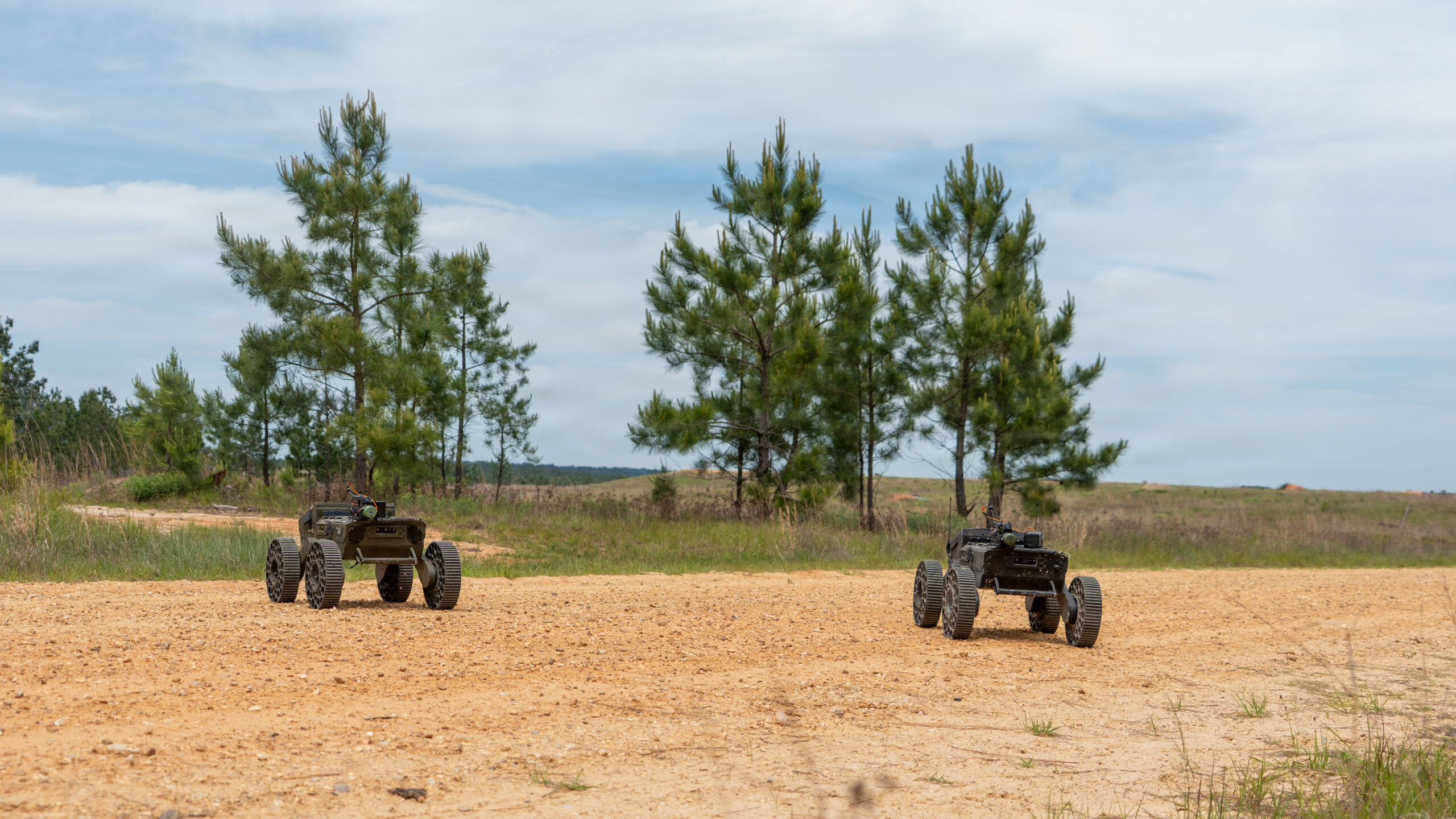
The 3rd Mobile Brigade Combat Team of the 101st Airborne Division recently executed a successful robotic combined arms breach during a rotation at the Joint Readiness Training Center (JRTC). This operation, highlighted by the brigade's commander in an interview with Breaking Defense, showcases the unit's advancements in integrating robotic technology into combat scenarios. The exercise aimed to enhance operational effectiveness and readiness in modern warfare, reflecting the military's ongoing commitment to innovation and adaptation in response to evolving threats. The successful breach demonstrates the brigade's capability to leverage advanced technologies to improve tactical operations on the battlefield.
Land Warfare 101st Airborne Division Army autonomy Drones UGV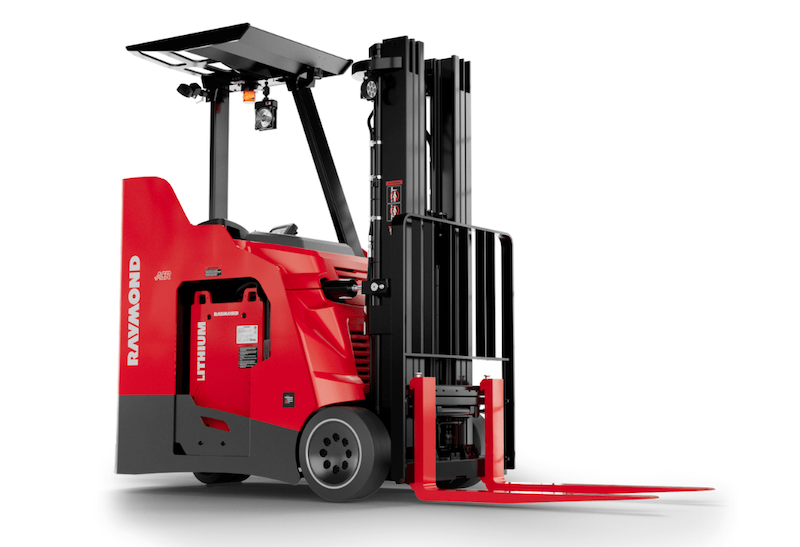
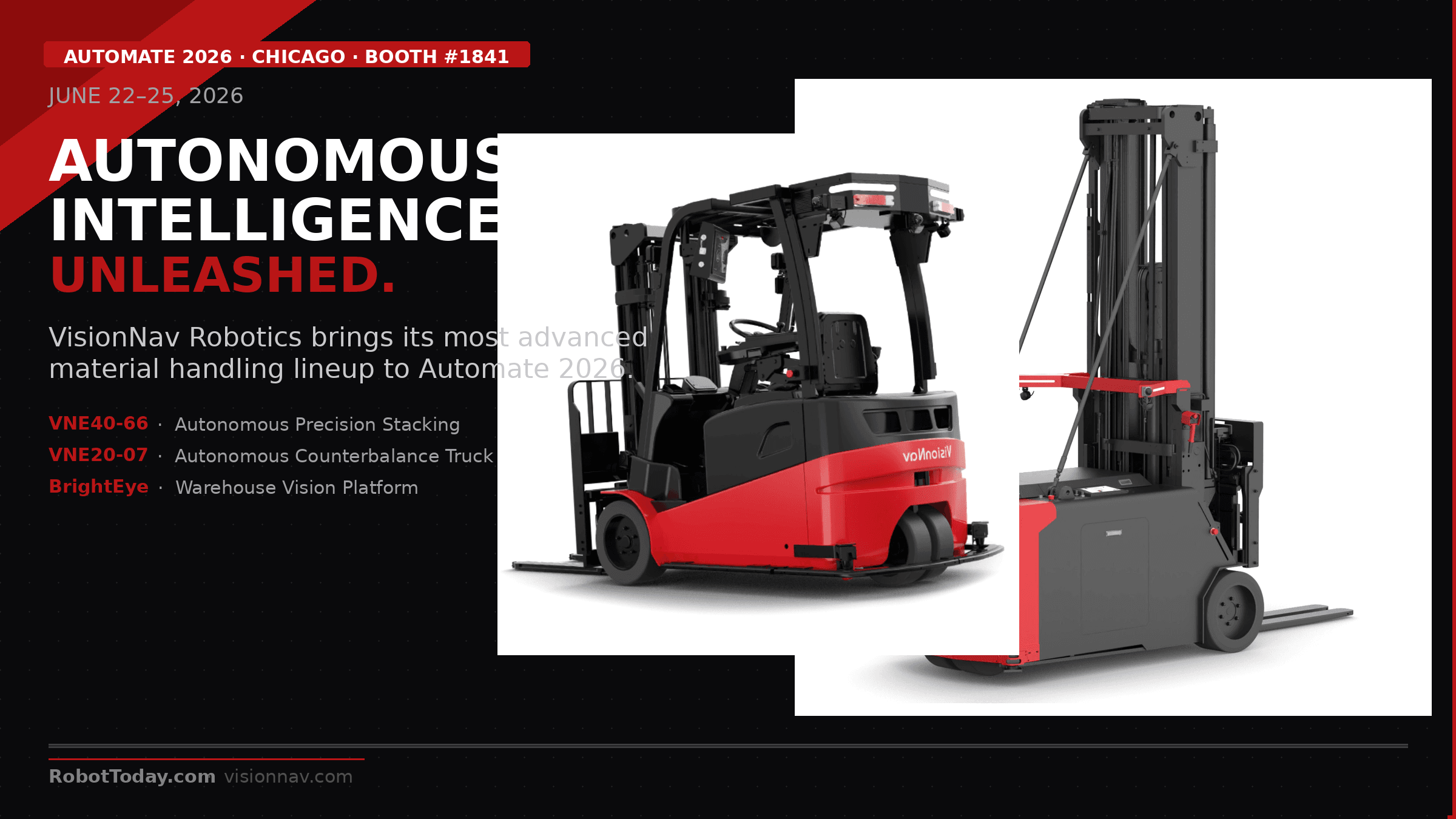
Raymond partners with Third Wave Automation to expand physical AI across lift truck fleets
Third Wave Automation has partnered with The Raymond Corporation, a subsidiary of Toyota Material Handling North America, to enhance AI-enabled physical automation capabilities in select automated Raymond lift trucks. This collaboration, which builds on years of joint development and operational insights since 2021, is supported by investments from Toyota Ventures. The initiative aims to improve efficiency and productivity in material handling operations, reflecting the growing trend towards automation in the industry. The integration of advanced AI technology into Raymond's lift trucks is expected to streamline processes and optimize performance in various operational settings.
Artificial Intelligence Material handling News AI-powered forklifts automation news autonomous forklifts
Boston Dynamics Atlas shows signs of general intelligence for factory work, reports say
Recent reports indicate that Boston Dynamics' humanoid robot, Atlas, is nearing the level of autonomy required for practical use in industrial settings. This advancement comes as the company continues to refine Atlas's capabilities, enhancing its ability to navigate complex environments and perform tasks with minimal human intervention. The development is seen as a significant step forward in robotics, potentially transforming various industries by increasing efficiency and safety. Boston Dynamics aims to address the growing demand for automation in sectors such as manufacturing and logistics, where robots can assist in repetitive or hazardous tasks. As the technology progresses, the company is exploring partnerships and pilot programs to facilitate the integration of Atlas into real-world applications.
AI and Robotics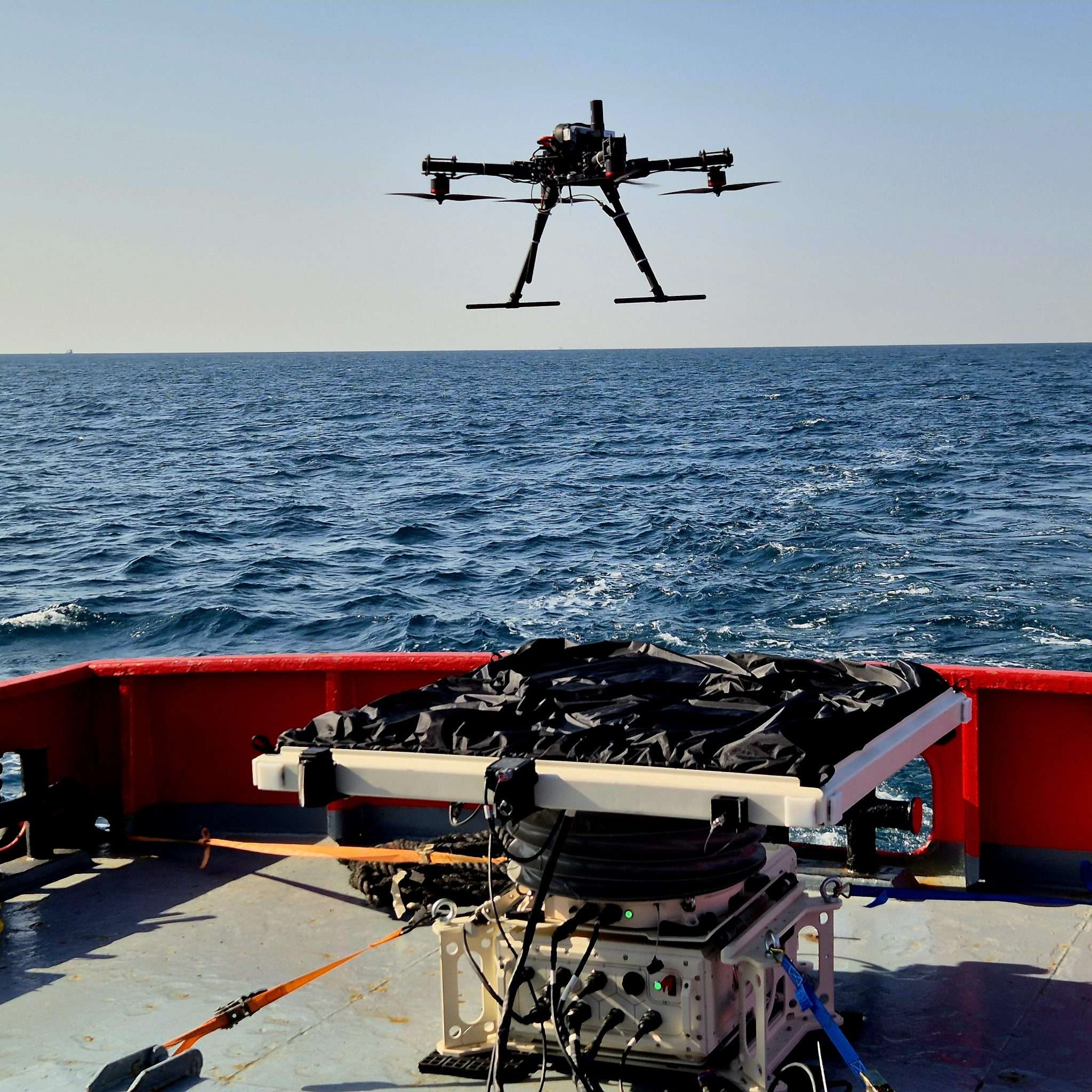
WaiV Robotics Brings Autonomous Drone Recovery at Sea to U.S. Offshore Operators
WaiV Robotics, a London-based maritime autonomous infrastructure developer, has officially launched its services in the U.S. market this week. The company aims to address the increasing challenges faced by offshore energy operators in inspection, maintenance, and emergency response as assets are positioned further from shore. By introducing its innovative autonomous drone launch and recovery technology, WaiV Robotics seeks to enhance operational efficiency for offshore operators across the country. The platform is designed to streamline processes and improve safety in the demanding offshore environment.
Applications Drone News Drone News Feeds Drones in the News News ocean
Atlas moves closer to real-world autonomy, KB says
Hyundai Motor Group is rapidly advancing its humanoid robot initiatives, particularly as Boston Dynamics' Atlas robot approaches the necessary level of autonomy for industrial use. A report published on Monday by KB Securities analyst Kang Sung-jin highlights that recent footage from Boston Dynamics, a subsidiary of Hyundai based in the United States, indicates substantial progress in the development of "general intelligence" for humanoid robots. This capability allows robots to adapt to various tasks and environments, marking a significant step towards their practical application in industries.
All News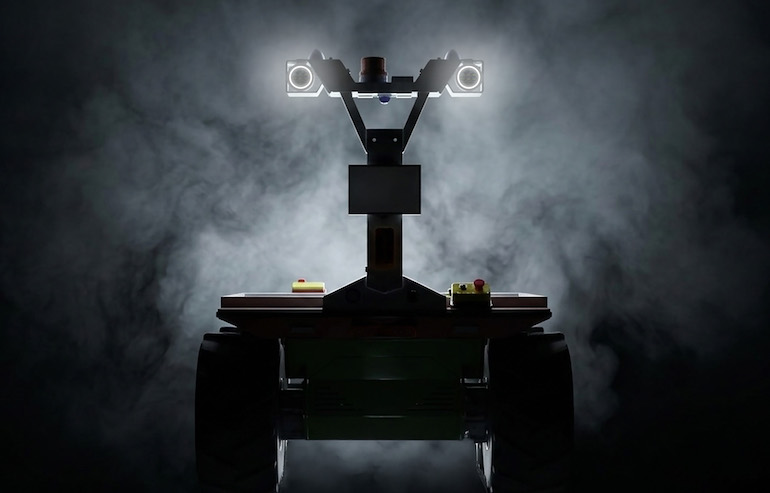
Burro introduces Grande 44 with proven outdoor autonomy built for heavy industry
Burro has unveiled its latest innovation, the Burro Grande 44, a robust autonomous vehicle designed specifically for heavy industry applications. This new model boasts over 1 million hours of real-world operational experience in industrial towing, site logistics, and facilities management. By integrating proven outdoor autonomy, the Burro Grande 44 aims to enhance efficiency and productivity in demanding environments. The introduction of this advanced vehicle marks a significant step forward in the automation of industrial processes, reflecting Burro's commitment to providing reliable and effective solutions for the challenges faced by heavy industry.
Agriculture Artificial Intelligence Autonomous Mobile Robots (AMRs) Construction Logistics Manufacturing
ASI Releases CEO Playbook for Scaling Autonomy Across Industrial Operations
A new white paper has been released, providing a comprehensive roadmap for organizations looking to transition from pilot programs to full-scale automation. This document, developed by industry experts, aims to guide businesses through the complexities of implementing automated systems effectively. The white paper highlights best practices and strategies that have proven successful in various sectors, emphasizing the importance of a structured approach to automation. Released in October 2023, it addresses the growing demand for efficiency and innovation in the workplace. By outlining key steps and considerations, the white paper serves as a valuable resource for companies eager to enhance their operational capabilities and stay competitive in an increasingly automated landscape.

Defining Autonomy for Wellness Robots in Senior Care
A recent examination highlights the potential of socially assistive wellness robots in enhancing senior wellness across seven key dimensions. This analysis, aimed at addressing the escalating senior care crisis, underscores the challenges posed by demographic shifts, workforce shortages, and gaps in daily wellness programming that traditional care models face. The study defines wellness robots distinctly from companion and medical devices, emphasizing their unique features and functions. It introduces a framework for measuring the autonomy of these robots using the Care Robot Autonomy Scale (CRAS), a six-level scale inspired by the SAE J3016 driving standard, which assesses four critical care dimensions. Furthermore, the research outlines a roadmap for achieving full autonomy in wellness robots, detailing necessary technical capabilities, clinical evidence, and a phased approach leading into the early 2030s. This comprehensive analysis aims to inform stakeholders about the transformative role of wellness robots in senior care and the urgent need for innovative solutions in the face of growing demands. A free whitepaper summarizing these findings is available for download.
Type-whitepaper Wellness-robots Autonomous-robots Robotics
Hey, Siri, here’s what I actually want from AI
In a world increasingly reliant on technology, many individuals are grappling with the desire for personal AI assistants to enhance daily life. As of October 2023, the growing dependence on these digital companions raises concerns about the implications of relying too heavily on artificial intelligence. While the convenience of having a friendly robot voice to assist with tasks is appealing, some fear that it may lead to a diminished ability to function independently. This tension highlights a broader societal debate about the balance between leveraging technology for efficiency and maintaining personal autonomy. As more people consider integrating AI into their routines, the question remains: will this reliance ultimately empower or hinder human capability?
AI Apple siri WWDC 2026
Industrial Automation Is Quietly Becoming a Software Discipline
A recent exploration into software-defined automation highlights its pivotal role in advancing toward autonomous systems. Industry experts gathered at a technology conference in San Francisco on October 15, 2023, to discuss the transformative potential of this innovative approach. The event showcased how organizations are increasingly adopting software-defined automation to enhance operational efficiency and reduce human error in various sectors, including manufacturing and logistics. The motivation behind this shift stems from the growing demand for smarter, more responsive systems capable of adapting to real-time data and changing environments. By leveraging advanced algorithms and machine learning, companies are streamlining processes and achieving greater levels of autonomy in their operations. Participants emphasized the importance of collaboration between technology providers and end-users to ensure successful implementation. Demonstrations of real-world applications illustrated how software-defined automation can optimize workflows and improve decision-making capabilities. As industries continue to evolve, the integration of these technologies is expected to drive significant advancements in productivity and innovation. The discussions also touched on the challenges that accompany this transition, including the need for robust cybersecurity measures and the potential impact on the workforce. As organizations navigate these complexities, the journey toward full autonomy remains a focal point for future developments in technology.
Factory / Control
Tesla Sales in China Are Popping, But That Means Nothing If You Can’t Stomach TSLA Stock’s Absurd P/E Ratio
Tesla has reported a significant surge in sales in China, with deliveries from its Shanghai plant rising by 39.4% in May 2026, totaling 85,982 new energy vehicles. This increase comes amid a broader recovery in the electric vehicle market, where Chinese automakers collectively sold 1.36 million passenger EVs, marking a 12% year-over-year rise. The sales boost coincides with the rollout of Tesla's Full Self-Driving (FSD) system in China, which is seen as a potential growth driver for the company. However, Tesla faces legal challenges from a group of Chinese owners who allege that the FSD was marketed before receiving full regulatory approval. Despite the positive sales figures and the expansion of its software capabilities, Tesla's stock remains highly valued, trading at 169 times its projected earnings for 2027. Analysts predict a compounded annual growth rate of 46% for the company's earnings per share, but the elevated price-to-earnings ratio raises concerns for potential investors. Tesla's capital expenditures are expected to exceed $25 billion in 2026, which could impact free cash flow. As the company transitions from being solely an electric vehicle manufacturer to a player in software and autonomy, the timing of investments in its stock will be crucial for long-term investors.
Interview with Columbia professor and co-founder of SceniX Yunzhu Li: ‘Simulation is central’
The robotics industry is currently experiencing a significant influx of investment and media coverage, driven by ambitious projections regarding the future of humanoid machines. Numerous companies have unveiled plans to produce thousands of robots, leveraging recent advancements in artificial intelligence that have heightened expectations for the integration of general-purpose robots into various environments, including factories, warehouses, workplaces, and homes. This surge in interest reflects a growing belief that robots could soon become a standard presence in everyday life. However, amidst the enthusiasm, there are underlying challenges and considerations that the industry must address to realize these ambitious goals.
Artificial Intelligence Features Robotics ai robotics artificial intelligence automation news
1X Launches World Model Lab to Advance Humanoid Robot Autonomy
1X, a Norwegian-American company specializing in humanoid robotics, has unveiled its new facility, the 1X World Model Lab, aimed at advancing artificial intelligence. This initiative is designed to develop large-scale foundation models that will enable robots to better understand, predict, and interact with their environments. The lab's focus is on pretraining these models using essential data from the outset, enhancing the robots' capabilities in various applications. The launch reflects 1X's commitment to pushing the boundaries of robotics and AI technology.
AI AI Funding & Investment AI Research & Advances Robotics Uncategorized 1X
Why robotics can’t advance without physical AI
Recent advancements in robotics are shifting focus from enhancing processors and mechanical designs to improving data quality, particularly through realistic training environments. This emerging field, known as Physical AI, emphasizes the creation of 3D assets and simulation environments that incorporate genuine physical properties. By accurately mimicking real-world behaviors, these simulations aim to enhance the training of robotic systems, enabling them to perform more effectively in various applications. As researchers and developers prioritize realistic data over traditional methods, the potential for breakthroughs in robotic capabilities is becoming increasingly evident. This evolution in robotics is expected to redefine how machines interact with their environments, paving the way for more sophisticated and adaptable technologies.
Artificial Intelligence Robotics ai robotics automation news Autonomous robots digital twins
Interview with Christina Gomez-Terry of Plus One Robotics: Why warehouse robotics succeeds or fails at scale
Warehouse automation is evolving as logistics operators increasingly focus on scaling robotic systems. While the effectiveness of robotics in tasks like parcel picking, depalletizing, sorting, and palletizing has been demonstrated through various pilot projects and controlled deployments, the industry now faces the challenge of implementing these technologies on a larger scale. This shift comes as companies seek to enhance efficiency and productivity in their operations, responding to growing demands for faster and more reliable logistics solutions. As the sector moves forward, the emphasis will be on integrating robotics into existing workflows and expanding their capabilities across multiple facilities.
Computing Features Material handling Software automation news depalletizing
Airbus downplays total FCAS failure, shifts focus to network and drones
Michael Schoellhorn, CEO of Airbus Defence and Space, has dismissed concerns regarding the complete failure of the Franco-German Future Combat Air System (FCAS) programme. This statement comes amid ongoing disputes that are straining the collaboration between the project's primary industrial partners. Despite the challenges faced, Schoellhorn remains optimistic about the future of the initiative, emphasizing the importance of continued dialogue and cooperation among stakeholders to address the unresolved issues. The FCAS programme, aimed at developing advanced military aircraft, is crucial for enhancing European defense capabilities and ensuring strategic autonomy.
News
Shadow IT: Risks, Realities, and How to Manage it
In a growing trend, many employees are increasingly utilizing shadow IT—tools and services that bypass official approval from their organization's IT departments. This practice includes actions such as storing company files in personal cloud accounts or employing external password managers for convenience. While these alternatives may offer ease of use, they pose significant risks to data security and compliance, as they are not vetted by the organization's security protocols. As businesses grapple with the implications of this unauthorized technology usage, experts emphasize the need for clear policies and employee training to mitigate potential vulnerabilities. The rise of shadow IT highlights the ongoing challenge organizations face in balancing employee autonomy with the necessity of maintaining robust cybersecurity measures.
Computing Technology access control automation news browser security cloud security
Turkey’s defense industry is leaning into autonomy and targeting Gulf markets
Agnes Helou, the Middle East Bureau Chief, recently reported insights gained from attending Turkey’s SAHA defense expo. The event showcased the latest advancements in defense technology and attracted a diverse array of industry professionals and government officials. Held in Turkey, the expo served as a platform for exhibitors to demonstrate innovations in military equipment and defense systems. The motivation behind the event was to enhance Turkey's defense capabilities and foster international collaboration in the defense sector. Helou's observations highlighted the significance of the expo in promoting Turkey's growing role in the global defense market and its efforts to establish partnerships with other nations. Through a series of presentations and demonstrations, attendees engaged with cutting-edge technologies, reflecting the evolving landscape of defense and security in the region.
Global Air Force Business & Industry Drones Europe Havelsan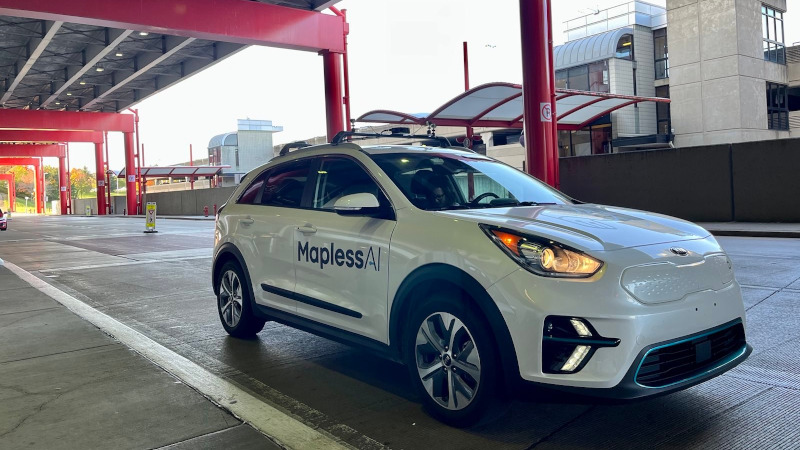
Fort Robotics acquires Mapless AI to expand supervised autonomy and physical AI safety platform
Fort Robotics, a company specializing in trust solutions for physical AI, has acquired Mapless AI, a prominent firm based in Boston and Pittsburgh known for its expertise in vehicle teleoperation and autonomy supervision. This acquisition marks a strategic move for Fort, enhancing its Trust Platform with two essential capabilities: remote human-in-the-loop teleoperation and onboard active safety. By integrating Mapless AI's technologies, Fort aims to broaden its commercial offerings and improve the safety and efficiency of autonomous systems. The deal underscores Fort's commitment to advancing the development of reliable and secure AI-driven solutions in the robotics sector.
Artificial Intelligence Financials & Investments Logistics active safety systems ai robotics automation news
NVIDIA Research Advances Robotics From Simulation to the Real World
At the International Conference on Robotics and Automation (ICRA), NVIDIA Research showcased advancements in robotics that signal a significant shift towards achieving reliable embodied autonomy in real-world applications. This transition marks a departure from traditional controlled demonstrations and scripted automation, emphasizing the need for robots to operate effectively in unpredictable environments. The event, held recently, highlighted eight innovative projects that illustrate how robotics can adapt and function autonomously outside of laboratory settings. This evolution is driven by the increasing demand for robots to perform complex tasks in diverse scenarios, enhancing their utility across various industries. By leveraging cutting-edge technology and research, NVIDIA aims to pave the way for a future where robots can seamlessly integrate into everyday life, improving efficiency and productivity.

FORT Robotics Acquires Mapless AI to Expand Its Trust Platform with Remote Supervision and Active Safety Capabilities
A recent acquisition has enhanced FORT's capabilities, transitioning its functionality from safe remote control to supervised autonomy. This advancement aims to meet the increasing demands for human-in-the-loop systems and proactive safety measures in the field of physical AI. The integration of these features is expected to significantly improve operational efficiency and safety in various applications, addressing the growing need for intelligent systems that can operate autonomously while still allowing for human oversight. This development marks a significant step forward in the evolution of AI technologies, reflecting ongoing trends in automation and safety in complex environments.
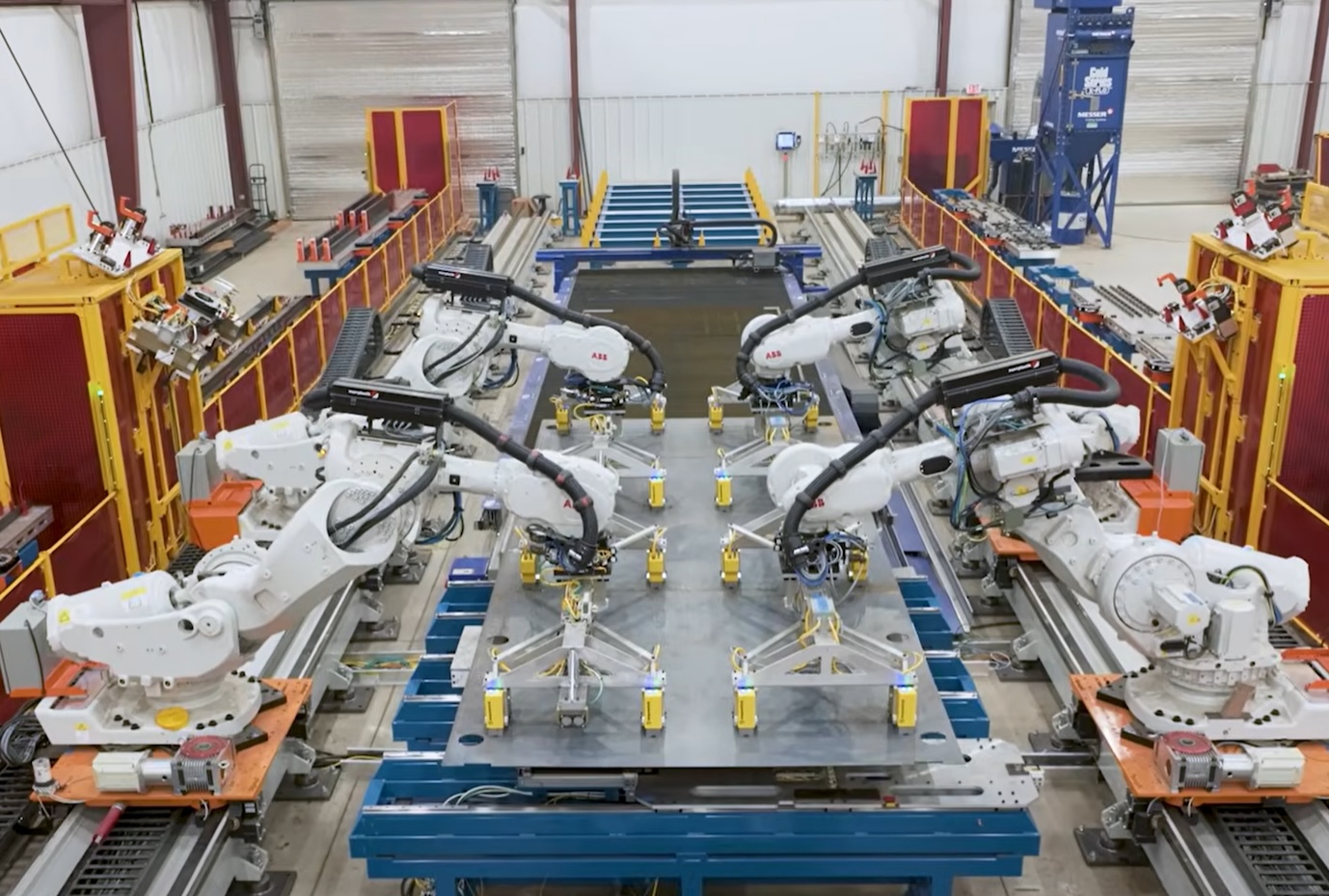
Design of a Multi‐Sensor Integrated Control System for Vehicle‐Mounted Tunnel Lining Inspection With Real‐Time Velocity and Posture Tracking
In June 2026, researchers published a comprehensive study in the Journal of Field Robotics, focusing on advancements in robotic technologies and their applications in various fields. The study highlights innovative methodologies that enhance the efficiency and effectiveness of robotic systems, particularly in challenging environments such as disaster response and exploration. The research team, comprised of experts in robotics and engineering, conducted extensive field tests to evaluate the performance of these advanced robotic systems. Their findings demonstrate significant improvements in navigation, autonomy, and adaptability, which are crucial for tasks that require precision and reliability. This study aims to address the growing demand for sophisticated robotic solutions in sectors like agriculture, search and rescue, and environmental monitoring. By showcasing the potential of these technologies, the researchers hope to inspire further development and investment in robotics, ultimately contributing to safer and more efficient operations in critical situations. The publication serves as a pivotal resource for industry professionals and academics alike, providing insights into the future of robotics and its role in addressing complex challenges faced by society.
RESEARCH ARTICLE
A Season‐Robust Long‐Term Localization Method Using Trunk Semantic Features in Dynamic Orchard Environments
In a recent study published in the Journal of Field Robotics, researchers explored advancements in robotic navigation systems, highlighting significant developments in autonomous technology. The findings, released in June 2026, reveal innovative algorithms that enhance the ability of robots to navigate complex environments without human intervention. This research was conducted by a team of engineers and computer scientists at a leading robotics institute, aiming to address challenges faced in real-world applications such as disaster response and exploration. The study emphasizes the importance of improving robotic autonomy to increase efficiency and safety in various fields, including search and rescue operations, agricultural automation, and urban planning. By employing cutting-edge machine learning techniques, the researchers demonstrated how robots can better interpret sensory data and adapt to dynamic surroundings. The implications of this research are profound, as it paves the way for more reliable and versatile robotic systems capable of operating in unpredictable conditions. As industries increasingly turn to automation, these advancements could significantly impact the future of robotics, making them indispensable tools in both everyday tasks and critical missions.
RESEARCH ARTICLE
Beyond satellites: Why FOG inertial navigation is the new imperative for land warfare
The landscape of military navigation is undergoing a significant transformation as counterspace threats and electronic warfare challenge the previously uncontested dominance of GPS technology. Exail is at the forefront of this shift, introducing its Fiber Optic Gyro (FOG) technology, which offers enhanced stability and serves as a reliable "source of truth" for land maneuvering and precision targeting in environments where Global Navigation Satellite Systems (GNSS) are compromised. This innovation is crucial for modern military operations, enabling forces to maintain operational effectiveness despite the increasing prevalence of electronic warfare tactics. As the battlefield evolves, Exail’s advancements in navigation technology are poised to play a vital role in ensuring that military units can navigate and execute missions with precision and confidence, even in the most challenging conditions.
Land Warfare Sponsored Post Army autonomy electronic warfare (EW) Exail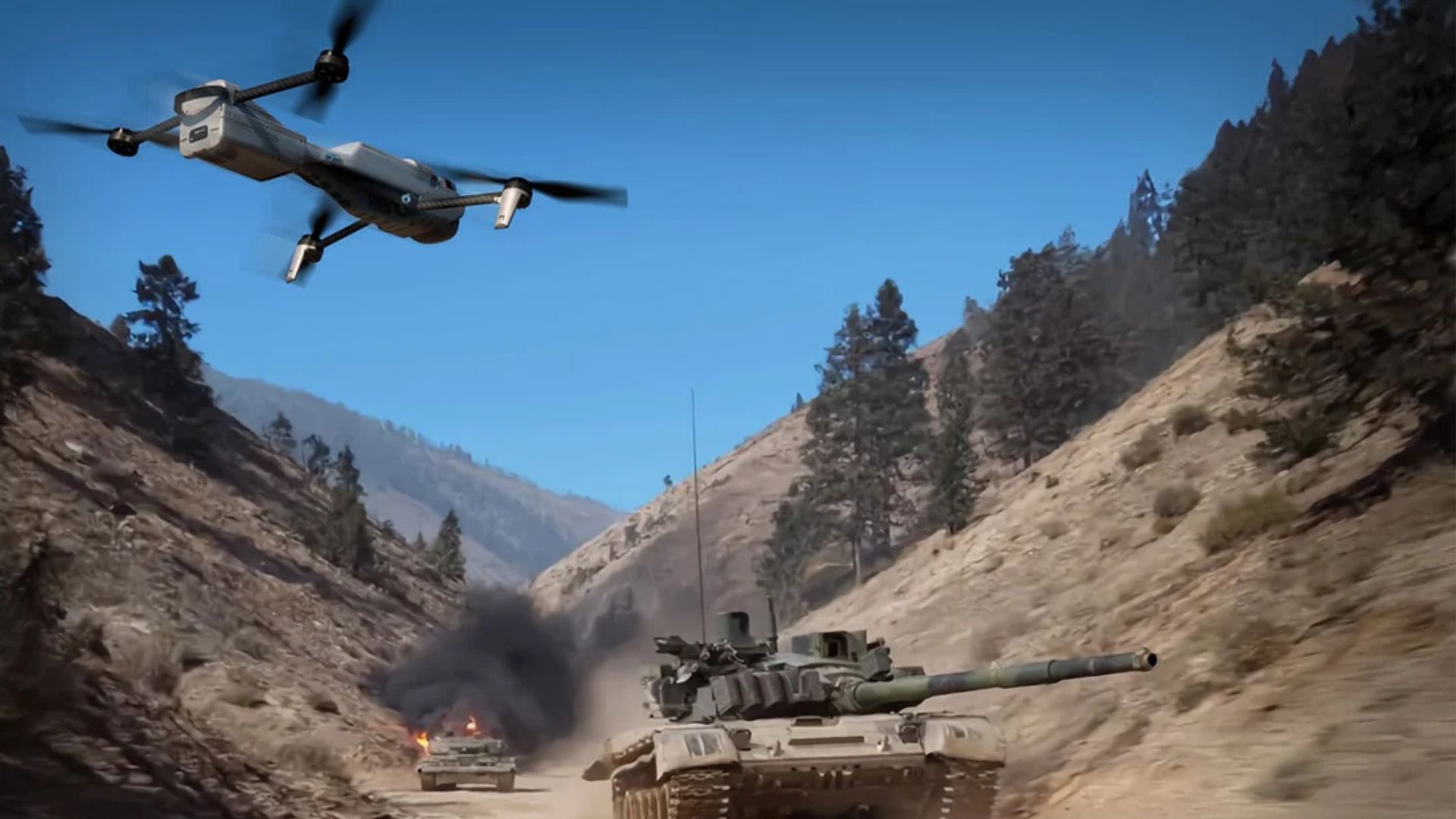
Upgraded Rogue 1 kamikaze drone boosts range, autonomy and 12-mile strike capability
Teledyne FLIR Defense has unveiled the Rogue 1 Block 2, a significantly enhanced iteration of its advanced unmanned aerial vehicle (UAV). This latest model was introduced during a recent defense technology exhibition, showcasing its capabilities to meet evolving military requirements. The upgrades aim to improve operational efficiency and effectiveness in various defense scenarios, responding to the increasing demand for sophisticated aerial surveillance and reconnaissance tools. The Rogue 1 Block 2 features advanced sensors and enhanced flight performance, allowing for greater versatility in missions. Teledyne FLIR Defense continues to prioritize innovation in defense technology, ensuring that their products remain at the forefront of military applications.

Tesla Is Chasing the Future of Driving. Its Stock Is Stuck in a 350x Earnings Trap
Tesla Inc. is intensifying its hiring efforts for Full Self-Driving (FSD) roles in China, signaling its commitment to advancing autonomous driving technology despite a challenging electric vehicle market. This move comes as the company faces increasing competition from local manufacturers in the world's largest auto market. The urgency of these job openings highlights Tesla's strategy to bolster its FSD capabilities and maintain its position in the industry. The hiring initiative coincides with a period of mixed performance for Tesla's stock, which has seen a 25% increase over the past year, fueled by investor enthusiasm for its potential in autonomy and artificial intelligence. However, the stock's price-to-earnings ratio remains significantly high at approximately 346.7, raising concerns among analysts about its valuation. In its recent quarterly earnings report, Tesla reported a revenue increase of 16% year-over-year, totaling $22.39 billion, with net income rising to $477 million. Despite this progress, the company anticipates capital expenditures exceeding $25 billion in 2026, which could impact free cash flow. Analysts are divided on Tesla's outlook, with some expressing caution over spending and execution risks, while others maintain a bullish stance, citing the long-term value of its autonomous driving initiatives. Overall, Tesla's latest hiring push and financial results keep the narrative of its growth potential alive, even as it navigates regulatory challenges and competitive pressures in China.

Rajant Health (RHI) and Chord Robotics Expand Cowbell Platform to Enable Scalable, Multi-Domain Collaborative Autonomy
Rajant Health (RHI) and Chord Robotics have announced an expanded partnership to enhance their Cowbell platform, introducing advanced "Flying Cowbell" capabilities aimed at enabling scalable, multi-domain collaborative autonomy. This collaboration, revealed on May 22, 2026, integrates RHI's Kinetic Mesh® networking with Chord Robotics' TEMPO™ software, facilitating real-time control of mixed fleets operating across air, land, and sea. The "Flying Cowbell" system transforms mobile nodes, including unmanned aerial systems (UAS) and unmanned surface vehicles (USVs), into active participants in a distributed compute and autonomy framework. This architecture allows for distributed workload execution, dynamic cluster formation, and transport-agnostic operations, even in connectivity-constrained environments. The partnership aims to address the need for persistent coverage and dynamic mission adaptation in complex scenarios where traditional infrastructure may be lacking. By leveraging Rajant's InstaMesh® networking capabilities alongside TEMPO, operators can manage heterogeneous fleets effectively, ensuring that each vehicle can make independent decisions while collaborating seamlessly. RHI's CEO, Robert J. Schena, emphasized that the initiative represents a shift from static infrastructure to a mobility-native system, while Chord Robotics' CEO, James Cooney, highlighted the potential for scaling autonomous fleets in challenging environments. Together, the companies are poised to redefine collaborative autonomy in unmanned systems, enhancing operational efficiency and adaptability.

Enabling Autonomous Machines: Advancing 3D Sensor Fusion With Au-Zone
A new technological advancement in autonomous systems has been announced, emphasizing the integration of radar and vision with edge AI processing into a single unit. This innovative approach aims to enhance the speed, reliability, and robustness of next-generation autonomous solutions. The development is crucial for meeting the increasing demands for advanced autonomy in various applications. The system is designed to operate efficiently, leveraging cutting-edge technology to ensure optimal performance in real-time scenarios. This breakthrough is expected to significantly impact industries reliant on autonomous technologies, paving the way for more sophisticated and dependable systems in the near future.
Pentagon taps US firm for coordinated attack by intelligent, low-cost drone swarms
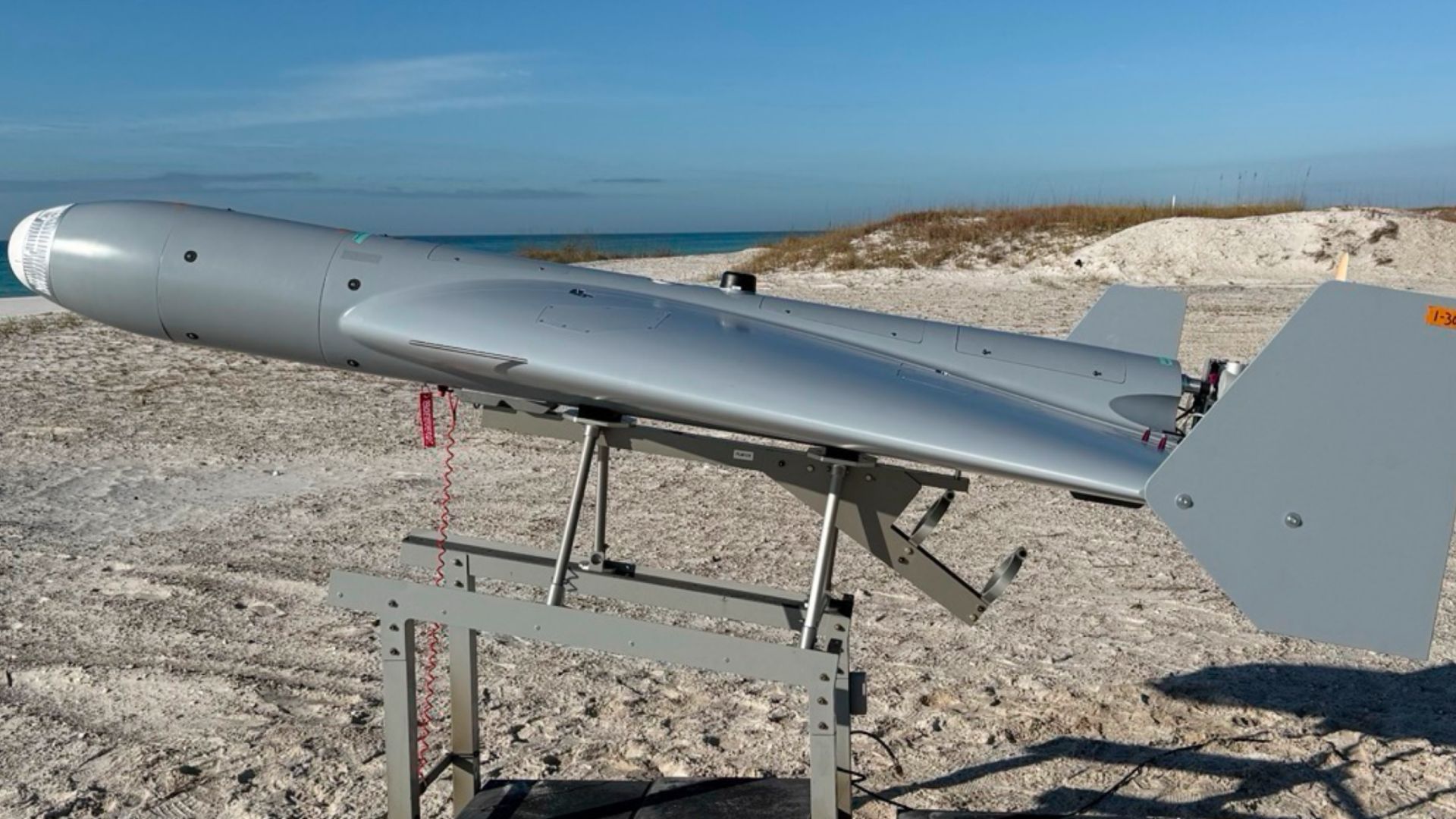
The Pentagon has chosen Shield AI to implement its Hivemind autonomy software on the Low-Cost Attritable Strike Unmanned Aerial Vehicle (UAV). This decision, announced recently, aims to enhance the operational capabilities of the military's drone fleet. By integrating advanced artificial intelligence, the Pentagon seeks to improve mission efficiency and effectiveness in various combat scenarios. The collaboration with Shield AI is part of a broader initiative to leverage cutting-edge technology in defense operations, ensuring that the U.S. military remains at the forefront of innovation in unmanned systems. The integration process is expected to commence shortly, with the goal of deploying the enhanced UAVs in upcoming military exercises.
Will Robotics Have a ChatGPT Moment?
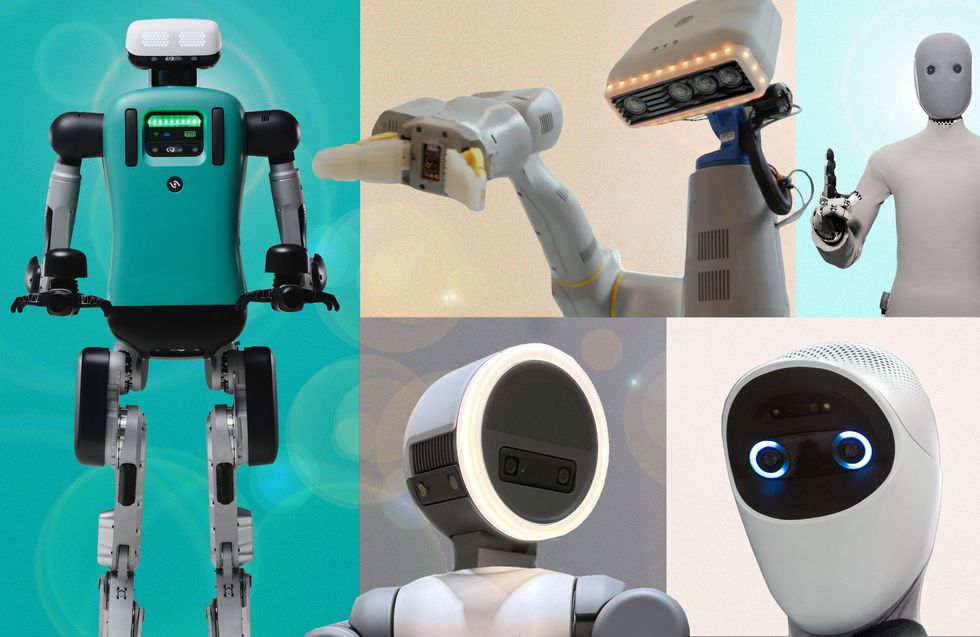
In the coming decades, billions of AI-powered robots are expected to collaborate with humans across various sectors, including factories, warehouses, elder care, disaster response, and home assistance. By 2025, investments in robotics reached a record $40.7 billion, highlighting the growing interest in this technology. Despite ambitious claims from robotics companies about humanoid robots entering homes soon, significant challenges remain in bridging the gap between current capabilities and the promises made. Experts in AI and robotics, including a professor from Oregon State University and a former Google X executive, emphasize that while AI is revolutionizing robotics, the complexity of real-world environments poses substantial hurdles. Current demonstrations of humanoid robots, such as those showcased at the 2026 Spring Festival Gala in China, often rely on scripted performances rather than genuine autonomy, revealing the limitations of existing technology. The development of general-purpose robots is hindered by the need for vast amounts of high-quality training data and the challenge of creating hardware that can safely interact with humans. As robotics evolves, the focus will shift to practical applications that address real-world needs, with an emphasis on safety and reliability. The path forward involves a series of incremental advancements rather than a single breakthrough, as AI-driven robots gradually begin to deliver tangible benefits across various industries, potentially transforming the economy and improving daily life.
Robotics Everyday-robots Agility-robotics Artificial-intelligence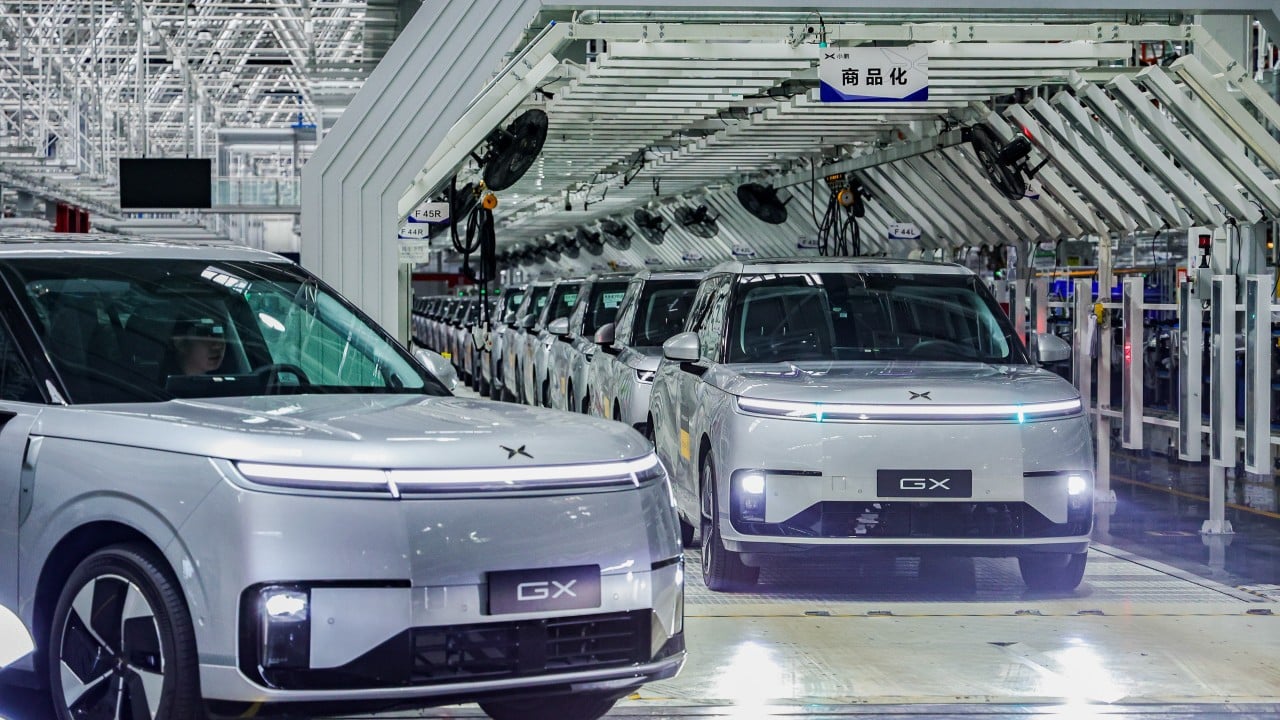
Chinese firm Xpeng builds driverless cabs, likely to challenge Tesla’s FSD software in AI race
Chinese electric vehicle manufacturer Xpeng has initiated mass production of autonomous cabs equipped with its proprietary chips, marking a significant advancement in the competitive landscape of self-driving technology. This development comes as both Xpeng and Tesla intensify their efforts to dominate the burgeoning market for robotaxis, following their previous competition in smart electric vehicles and humanoid robotics. Based in Guangzhou, Xpeng announced that its robotaxis will operate at level 4 (L4) autonomy, indicating a high degree of self-sufficiency in driving capabilities. The push into this sector is fueled by the rapid evolution of physical artificial intelligence technologies, which are reshaping the future of transportation. As both companies strive for leadership in autonomous driving, Xpeng's entry into the robotaxi market poses a formidable challenge to Tesla, further escalating the race for innovation in the electric vehicle industry.

Agentic AI for Robot Teams
Researchers at the Johns Hopkins Applied Physics Laboratory are making strides in the development of agentic artificial intelligence aimed at enhancing collaborative robotic teams. During a recent presentation, they outlined the significant challenges associated with achieving autonomy, coordination, and adaptability among diverse robotic systems. To address these issues, the team introduced a scalable architecture designed to facilitate agentic behaviors in multi-robot environments. The presentation also featured demonstrations of this innovative approach, showcasing its application in hardware with a varied group of robots. Additionally, the researchers shared valuable insights gained from their ongoing research and development efforts, highlighting key challenges faced and lessons learned throughout the process. This work not only advances the field of robotics but also sets the stage for future developments in agentic AI technology.
Type-webinar Agentic-ai Robotics Llms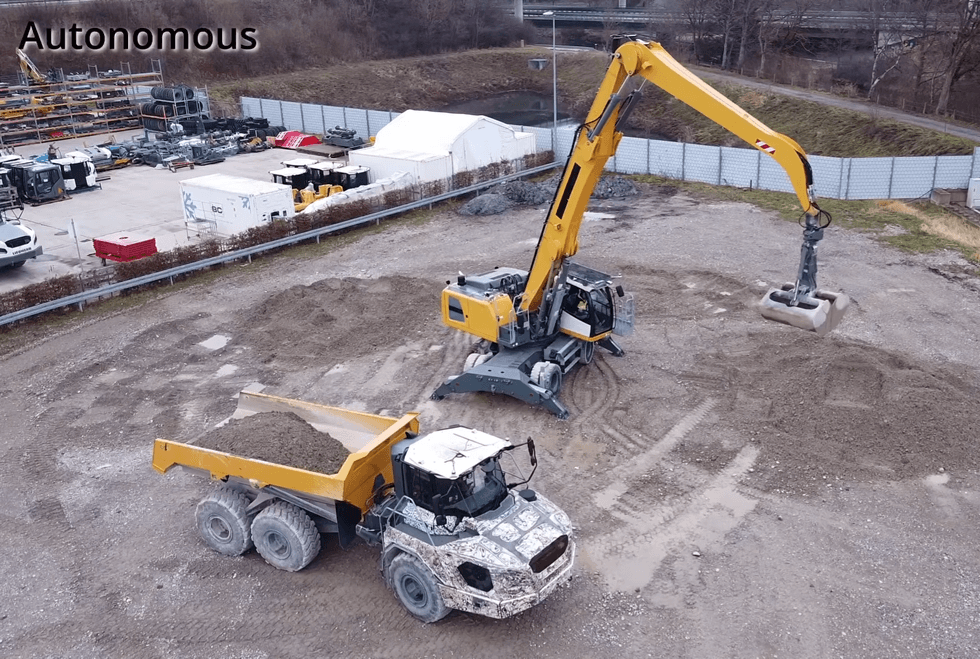
Video Friday: Heavy Robotic Machinery Operates Itself
IEEE Spectrum robotics has released its latest edition of "Video Friday," showcasing a variety of innovative robotics videos and announcing upcoming robotics events. Notable conferences include ICRA 2026 in Vienna from June 1-5, and the Summer School on Multi-Robot Systems in Prague from July 29 to August 4, 2026. Among the featured content is a groundbreaking autonomous material-handling solution developed by ETH Zurich, capable of operating a 40-ton material handler, traditionally a labor-intensive task. Other highlights include the introduction of the world's first production-ready manned mecha by Unitree, and the launch of NIX, an embodied AI exploring dance and movement, which will be made available for free to select partners. NTNU has unveiled the Unified Autonomy Stack, a robust system designed for aerial and ground robots, enhancing their autonomy through advanced perception and navigation capabilities. This system has been validated in challenging environments, showcasing its effectiveness in exploration and object discovery. Robotics expert Rodney Brooks, cofounder of Robust AI, shared insights on the challenges of innovation in robotics and the implications of the current AI surge during a Q&A session ahead of his panel at the Forbes America Innovates event in San Francisco. As the field continues to evolve, the integration of data collection methods remains a significant challenge, with the Koala platform exemplifying innovative approaches to enhance robotic manipulation tasks.
Home-robots Humanoid-robots Video-friday Material-handling-technology Robot-videos Robot-grippers
Army’s autonomy office looks beyond drone, robot platforms to ‘packages of capability’
The CPE Mission Autonomy initiative is set to prioritize combat engineering, fires, and logistics, according to the office’s leader. This strategic focus aims to enhance operational efficiency and effectiveness within military operations. By concentrating on these critical areas, the initiative seeks to streamline processes and improve resource allocation. The announcement comes as part of a broader effort to adapt military capabilities to meet evolving challenges. The implementation of this focus will involve collaboration among various military branches and the integration of advanced technologies to support mission objectives.
Land Warfare Army AUVSI/MDEX 2026 Drones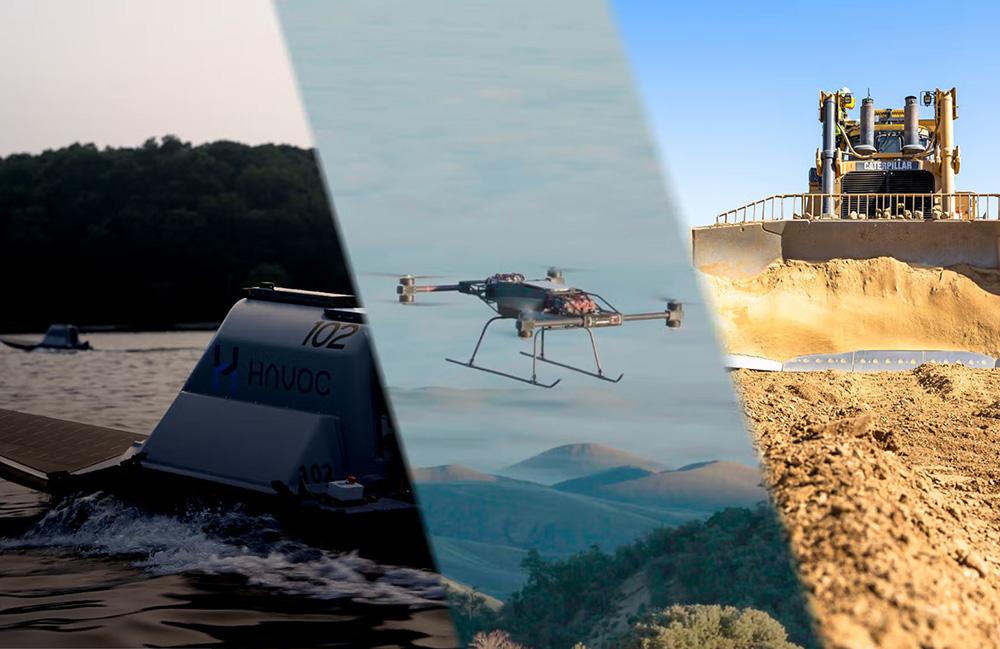
Havoc raises $100M to unify defense autonomy in the land, sea, and air
Havoc, a defense technology company, has announced a significant funding round, securing $100 million to advance its mission of creating unified, all-domain autonomy for national security. This investment comes at a time when the demand for integrated defense solutions across land, sea, and air is becoming increasingly critical. The company aims to leverage this capital to innovate and enhance its technology, addressing the evolving challenges in defense and security. By focusing on a cohesive approach to autonomy, Havoc seeks to meet the urgent needs of national security priorities in an era marked by complex threats and the necessity for seamless operational capabilities.
Artificial Intelligence / Cognition Defense / Security Financial Investments Markets / Industries Mobility / Navigation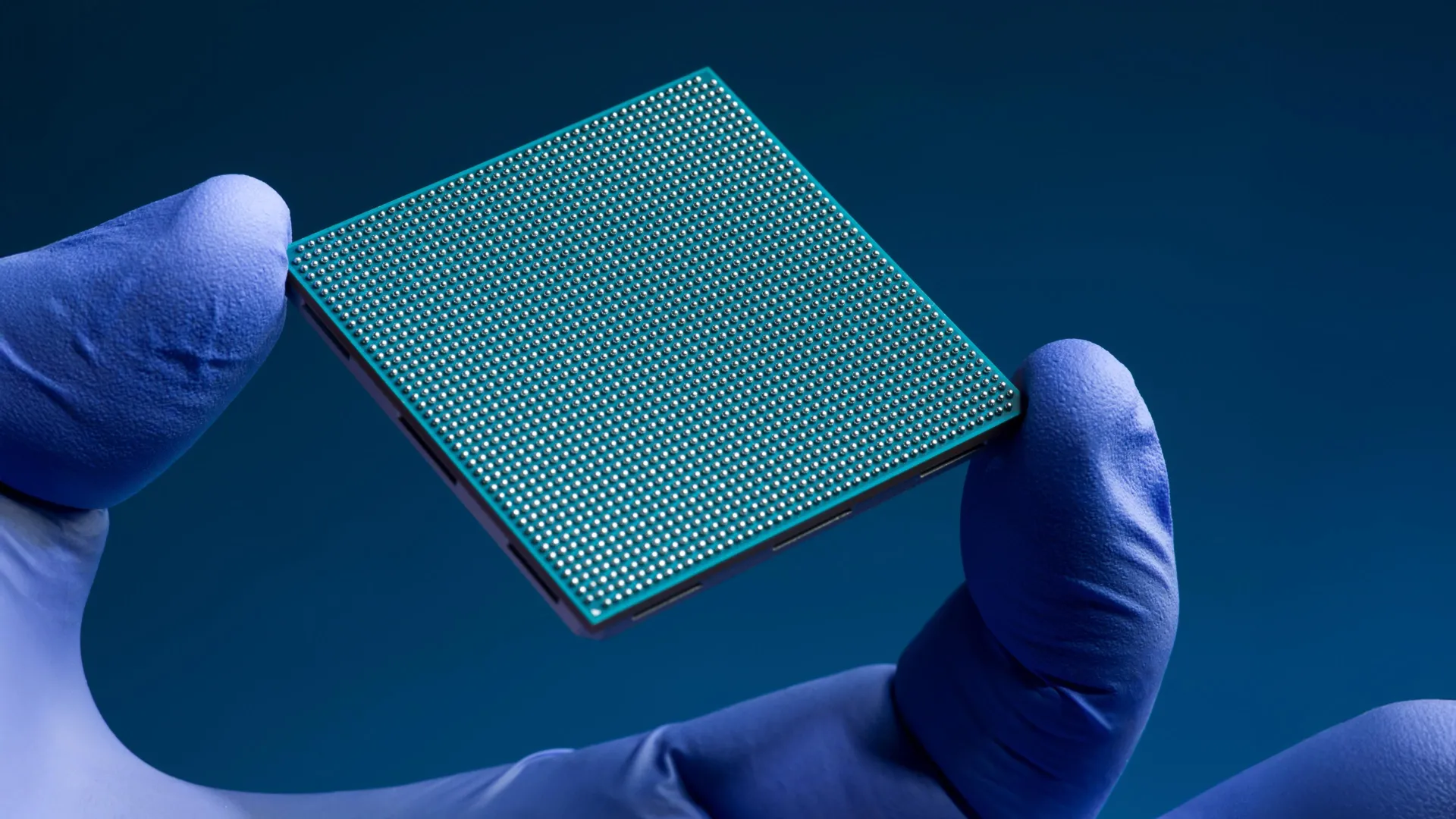
NASA’s new AI space chip could let spacecraft think for themselves
NASA is currently conducting tests on an advanced space computer chip designed to enhance the autonomy of spacecraft in deep space. This radiation-hardened processor has demonstrated performance capabilities that exceed current spaceflight computers by hundreds of times. The rigorous testing simulates the extreme conditions of space, ensuring the chip's resilience. This innovative technology aims to facilitate the development of AI-powered spacecraft, accelerate scientific discoveries, and optimize missions to the Moon and Mars. By improving the operational independence of spacecraft, NASA seeks to enhance exploration efforts and expand our understanding of the cosmos.

The Evolution of Vision Connectivity in Robotics: From USB and Ethernet to GMSL
As robotic systems advance in autonomy, perception, and scalability, the technologies facilitating the transmission of image data are also evolving. This shift highlights the transition from traditional connectivity methods such as USB and Ethernet to more sophisticated solutions like GMSL (Gigabit Multimedia Serial Link). The evolution of vision connectivity is crucial for enhancing the performance and capabilities of modern robotics, ensuring that these systems can effectively process and analyze visual information in real-time. This development reflects the broader trends in robotics, where improved connectivity plays a vital role in enabling smarter and more efficient machines. The insights into these technological advancements were discussed in detail in a recent article on The Robot Report.
Analog Devices: Architecting Trusted Mobility Analog Devices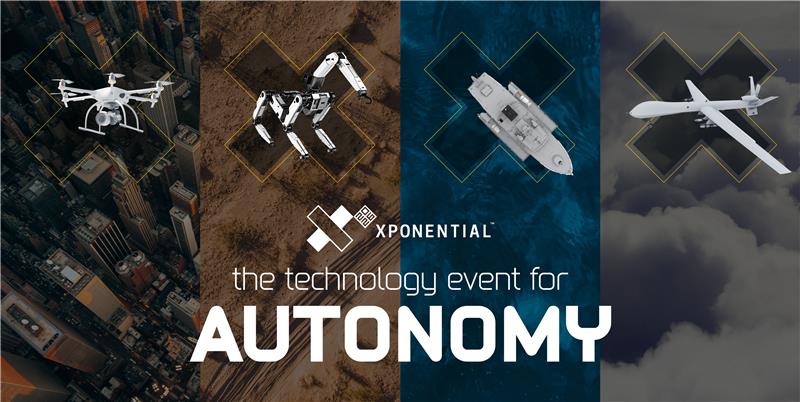
At XPONENTIAL 2026, AUVSI Signals a New Phase for the Drone Industry
At XPONENTIAL 2026, held this week in Detroit, AUVSI President Michael Robbins highlighted a significant transition in the drone and autonomy sector. In his keynote address, Robbins underscored the industry's shift from a focus on emerging technologies and experimentation to prioritizing manufacturing, operational deployment, and supply chain resilience. This change reflects the growing need for the drone industry to integrate advanced technologies into practical applications, signaling a new phase of development aimed at enhancing operational efficiency and reliability.
Applications Defense defense Drone News Drone News Feeds Dual Use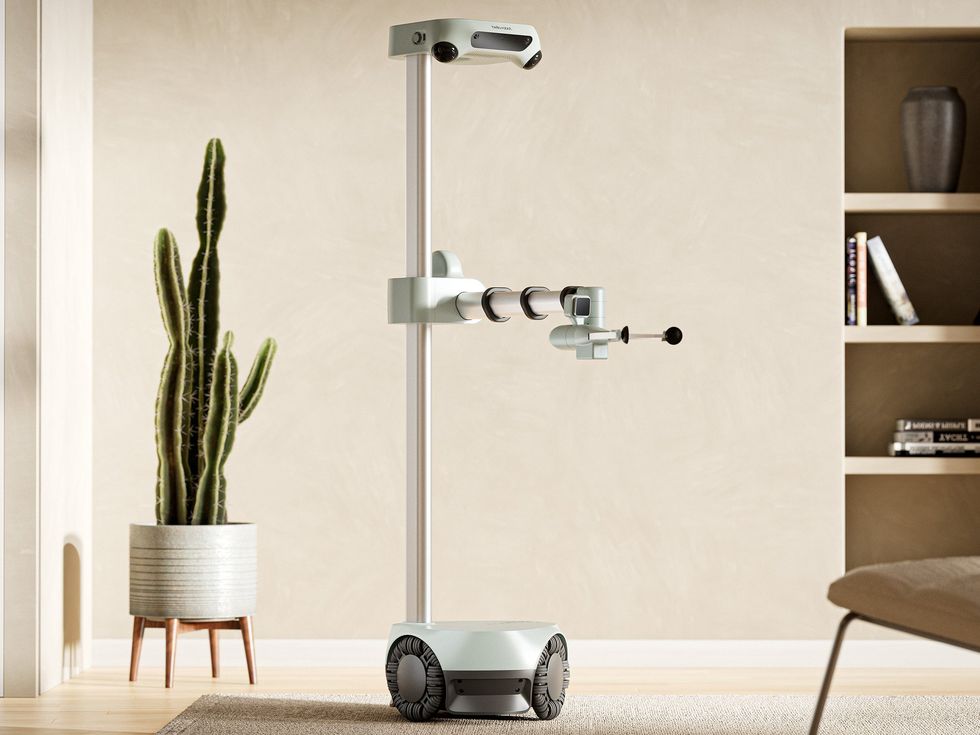
Hello Robot Sets the Standard for Practical, Safe Home Robots
Hello Robot has announced the launch of Stretch 4, a new version of its mobile robot designed for practical household tasks. This announcement comes as the company aims to transition from research-focused robotics to a deployable solution for home use, particularly for individuals with severe mobility impairments. The unveiling took place today, with the robot's design emphasizing mobility and manipulation over humanoid features. Stretch 4 features an advanced omnidirectional base allowing it to move in any direction, enhancing user control. The robot is equipped with a sophisticated sensor suite for improved navigation and autonomy, including cameras and lidar technology. Co-founders Aaron Edsinger and Charlie Kemp highlighted the challenges faced during the design process, aiming to avoid overcomplicating the robot while ensuring it meets real-world needs. The robot is intended for pilot deployments in homes, with the goal of gathering data to refine its capabilities for everyday use. Unlike humanoid robots, which may not effectively serve individuals with disabilities, Stretch 4's wheeled design is seen as more practical and safer for home environments. Priced at $29,950, Stretch 4 is positioned as an affordable option in the mobile manipulation market, with plans for further development leading to a commercially viable assistive robot in the near future.
Hello-robot Home-robots Humanoid-robots Mobile-manipulator Mobility-impaired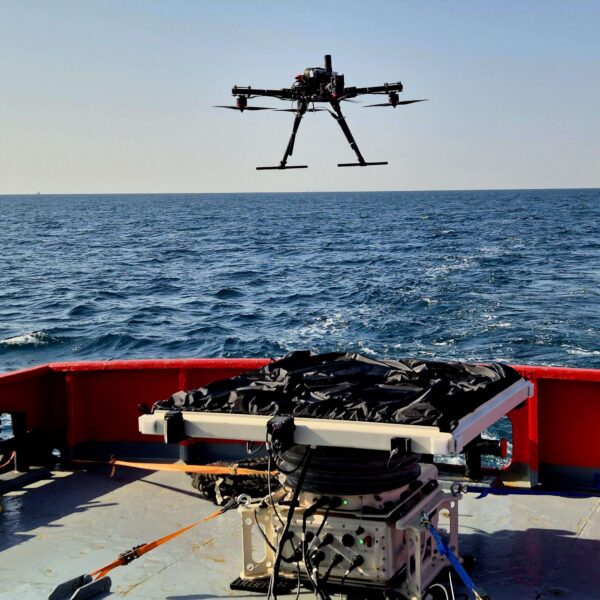
WaiV Robotics Debuts Maritime VTOL Landing Pad with $7.5M Seed Round
WaiV Robotics, a London-based maritime startup, has introduced an innovative gyro-stabilized landing pad designed to recover vertical takeoff and landing (VTOL) drones on vessels as small as 10 meters, even in challenging sea conditions. The company unveiled this fully automatic landing and takeoff platform on May 5, 2026, following a successful seed funding round that raised $7.5 million. This advancement aims to enhance the operational capabilities of VTOL drones at sea, addressing the growing demand for reliable drone recovery systems in maritime environments.
Drone News Drone News Feeds News ocean Oceans seadrones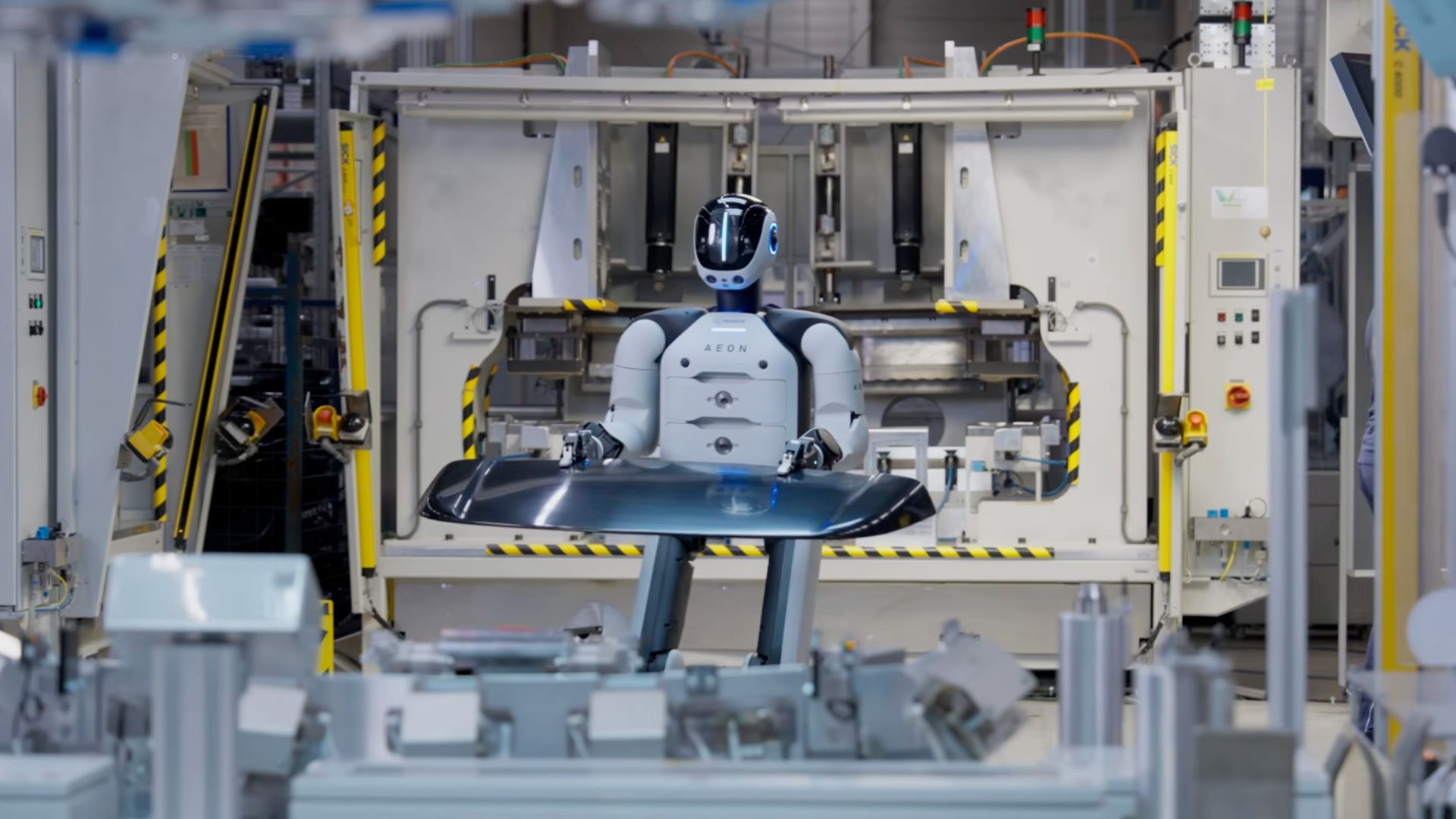
AEON humanoid robot to handle factory operations in real-world autonomy push
European companies Hexagon Robotics and Fill Maschinenbau have joined forces to advance manufacturing autonomy by developing humanoid robots. This collaboration aims to enhance efficiency and productivity in production processes, responding to the growing demand for automation in the manufacturing sector. The partnership was announced recently, signaling a significant step towards integrating advanced robotics into various industrial applications. By leveraging their respective expertise in robotics and machinery, the two firms intend to create innovative solutions that can adapt to dynamic manufacturing environments, ultimately reducing labor costs and improving operational flexibility. This initiative reflects a broader trend in the industry, where companies are increasingly investing in automation technologies to remain competitive in a rapidly evolving market.

From Demo to Deployment, Where Robotics Actually Fails
Recent advancements in robotic vision have highlighted a significant gap in achieving true autonomy in unstructured environments: the need for tactile intelligence. Experts emphasize that while robots can effectively process visual information, the ability to 'feel' pressure and tension is crucial for reliable object handling. This capability is essential for various applications, including agricultural harvesting and medical device operation. As the field progresses, researchers are focusing on integrating tactile sensors and feedback mechanisms to enhance robots' interaction with their surroundings, ultimately aiming to bridge this critical gap in robotic functionality.
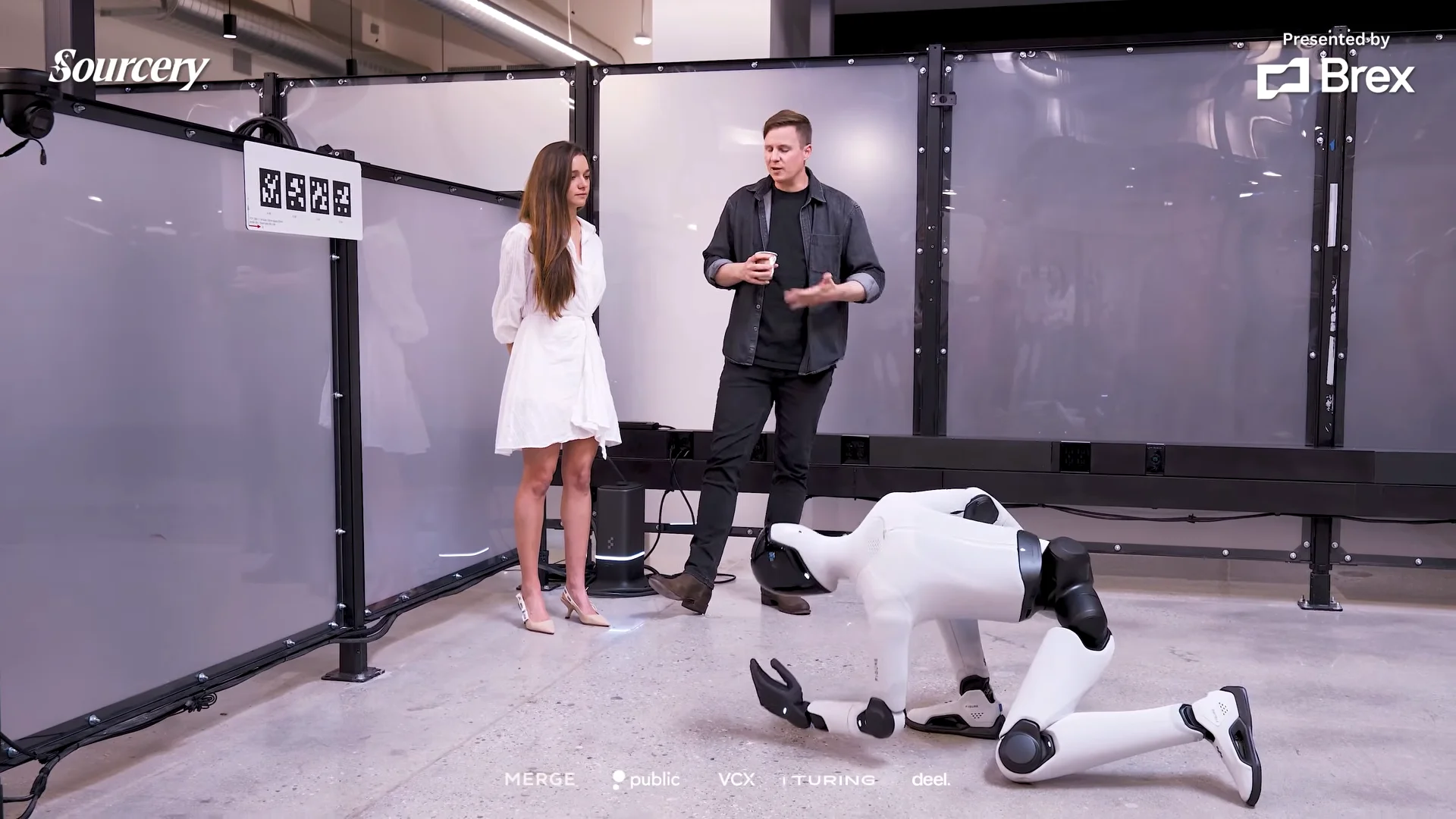
Inside the Campus: Figure’s Plan for 24/7 Autonomy and Leasable Home Robots
During a recent facility tour, CEO Brett Adcock provided insights into Figure's innovative technologies, including the "Never Fall" protocol and wireless inductive charging. The event, which took place in the second half of the tour, highlighted the company's commitment to advancing embodied artificial general intelligence (AGI). Adcock emphasized the significance of these developments in enhancing the safety and efficiency of robotic systems. By integrating cutting-edge charging solutions and safety protocols, Figure aims to pave the way for more reliable and autonomous robotic applications in various industries. This initiative reflects the company's broader vision of revolutionizing the interaction between humans and machines, positioning Figure at the forefront of the AGI landscape.
Brett Adcock US Figure Figure-03
Inside the Future of Drones: Policy, Security with Michael Robbins, CEO and President of AUVSI on the Drone Radio Show
In a recent episode of the Drone Radio Show, Michael Robbins, CEO and President of the Association for Uncrewed Vehicle Systems International (AUVSI), engaged in a discussion with host Randy Goers about the pivotal factors influencing the uncrewed systems industry. The conversation highlighted key issues such as supply chain security, regulatory challenges, and the increasing impact of defense priorities on the sector's evolution. Robbins provided insights into how these elements are shaping the future of autonomy in the industry. Additionally, the dialogue included a preview of XPONENTIAL 2026, an upcoming event focused on advancements in drone technology and policy. This discussion underscores the complexities and opportunities that lie ahead for the uncrewed systems landscape.
Drone News Drone News Feeds Dual Use News Podcast US Government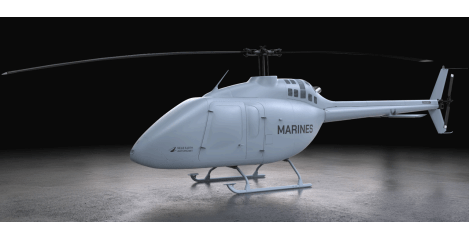
Near Earth Autonomy Wins MARV-EL Contract for Marine Corps Logistics Drone
The Naval Air Systems Command has selected Near Earth Autonomy, a Pittsburgh-based autonomy specialist, to collaborate with Bell Textron, Moog, and XP Services on the development of an uncrewed Bell 505 aircraft. This partnership is part of the Medium Aerial Resupply Vehicle – Expeditionary Logistics (MARV-EL) Increment 2 program, which aims to create a prototype autonomous logistics aircraft for the U.S. Marine Corps. The contract, awarded recently, is intended to enhance the Marine Corps' logistical capabilities by providing a reliable and efficient aerial resupply solution.
AI Drone News Drone News Feeds Logistics News US Government
SkyfireAI Raises $11M in Seed Funding to Develop Autonomous Drone Fleet Platform for First Responders and Defense
SkyfireAI, a U.S. startup specializing in drone autonomy, has successfully secured $11 million in seed funding to advance its innovative software solutions. The funding round, primarily led by Mucker Capital, also saw contributions from notable investors including AI Fund, SaaS Ventures, and Halogen. This financial boost aims to enhance the company's capabilities in developing technology that enables organizations to efficiently manage fleets of drones without the need for a proportional increase in pilots or operational staff. The investment comes at a time when the demand for drone coordination and automation is rapidly growing, reflecting a broader trend towards increased efficiency in various sectors.
AI AI Funding & Investment Robotics autonomous drones Mucker Capital Seed Funding
Forterra, Polaris tout new autonomous vehicle for CASEVAC, logistics
The MESA vehicle, engineered for logistics and casualty evacuation operations, is set to enhance military capabilities by effectively reaching the "last tactical mile." This innovative vehicle is designed to support troops in challenging environments, ensuring that essential supplies and medical assistance can be delivered where they are most needed. With its advanced features, the MESA aims to improve operational efficiency and response times during critical missions. The introduction of this vehicle reflects a growing emphasis on modernizing military logistics and enhancing support for personnel in the field.
Land Warfare Army autonomy casualty evacuation Drones Forterra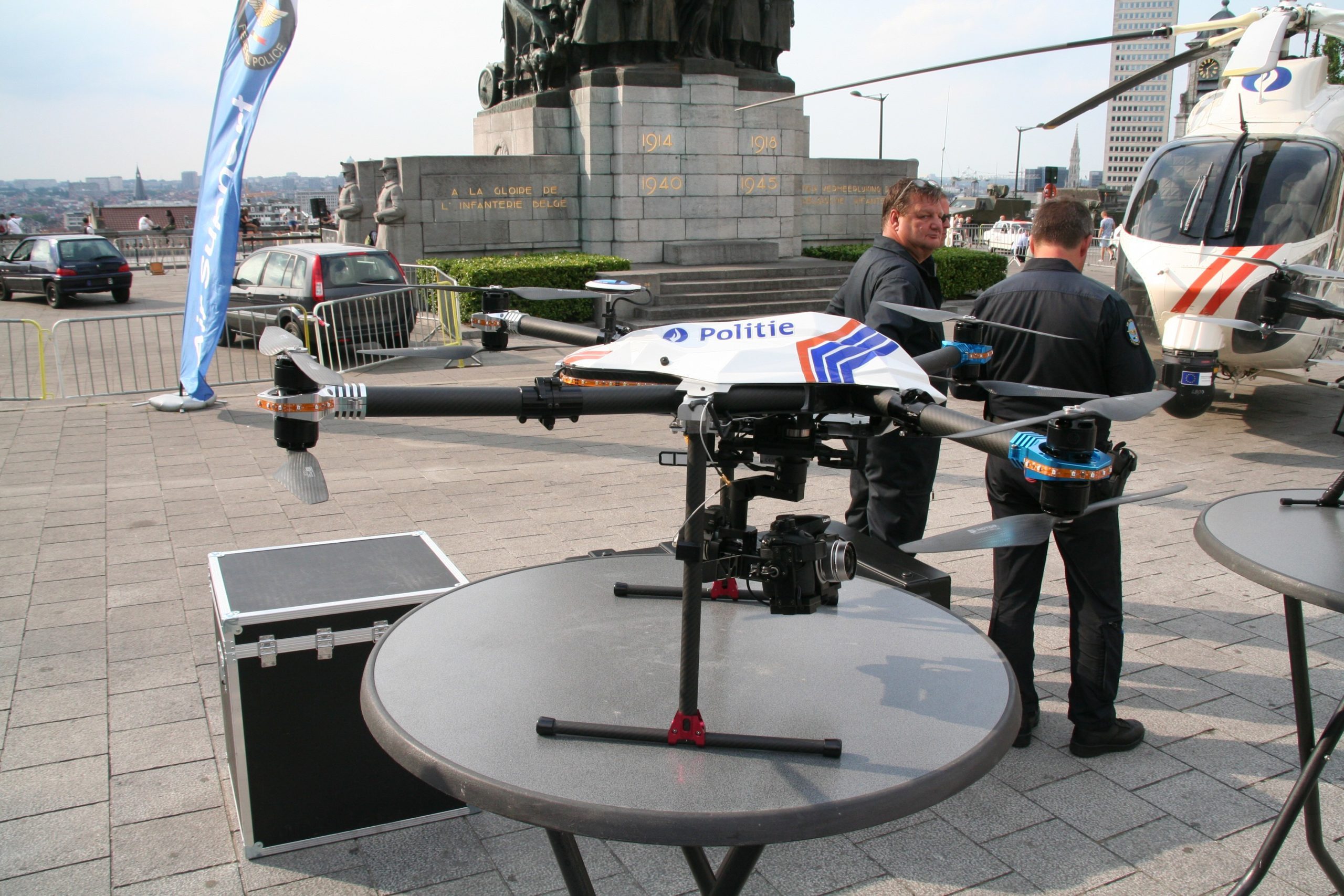
SkyfireAI Raises $11M to Advance Autonomous Multi-Drone Operations for Public Safety
SkyfireAI, a company based in Huntsville, Alabama, has successfully secured $11 million in seed funding to enhance its AI-driven platform designed for autonomous multi-drone operations. The funding round, led by Mucker Capital and supported by investors including AI Fund and SaaS Ventures, aims to reduce the workload for operators while facilitating large-scale coordinated drone responses, particularly in the realm of public safety. This financial boost will accelerate the development of the platform, which is expected to improve efficiency and effectiveness in emergency situations.
Applications Drone News Drone News Feeds Featured – Safety and Security Fire and Police Law Enforcement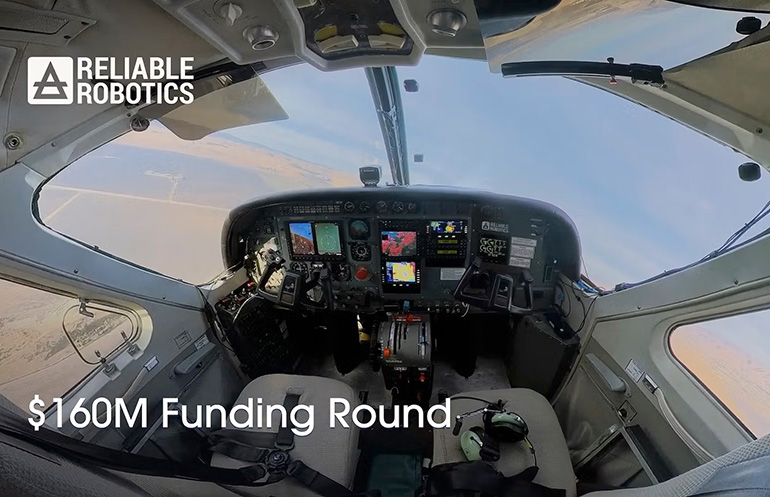
Reliable Robotics raises funding for fully automated aircraft
Reliable Robotics has successfully secured $160 million in funding to advance its development of the Reliable Autonomy System, aimed at achieving FAA certification for fully automated aircraft. This significant investment will support the company's efforts to enhance both civilian and military aviation through automation technology. As the demand for innovative solutions in the aerospace sector grows, Reliable Robotics is positioning itself at the forefront of this transformation, striving to revolutionize how aircraft operate autonomously.
Aerospace Defense / Security Drones Investments Mobility / Navigation News
Intelligent Autonomy: A Novel Hybrid Navigation System for Autonomous Load‐Haul‐Dump Vehicles
A recent study published in the Journal of Field Robotics highlights advancements in autonomous robotic systems designed for agricultural applications. Researchers from various institutions collaborated to develop innovative algorithms that enhance the efficiency and accuracy of these robots in tasks such as planting, monitoring, and harvesting crops. The findings, released in early October 2023, emphasize the growing importance of robotics in addressing labor shortages and increasing productivity in the agricultural sector. By employing machine learning techniques, the team demonstrated how these robots can adapt to changing environmental conditions and improve decision-making processes. This research aims to support farmers in optimizing their operations while minimizing resource use, ultimately contributing to sustainable agricultural practices. The study was conducted in diverse agricultural settings, showcasing the versatility of robotic applications in different crop types and farming methods.
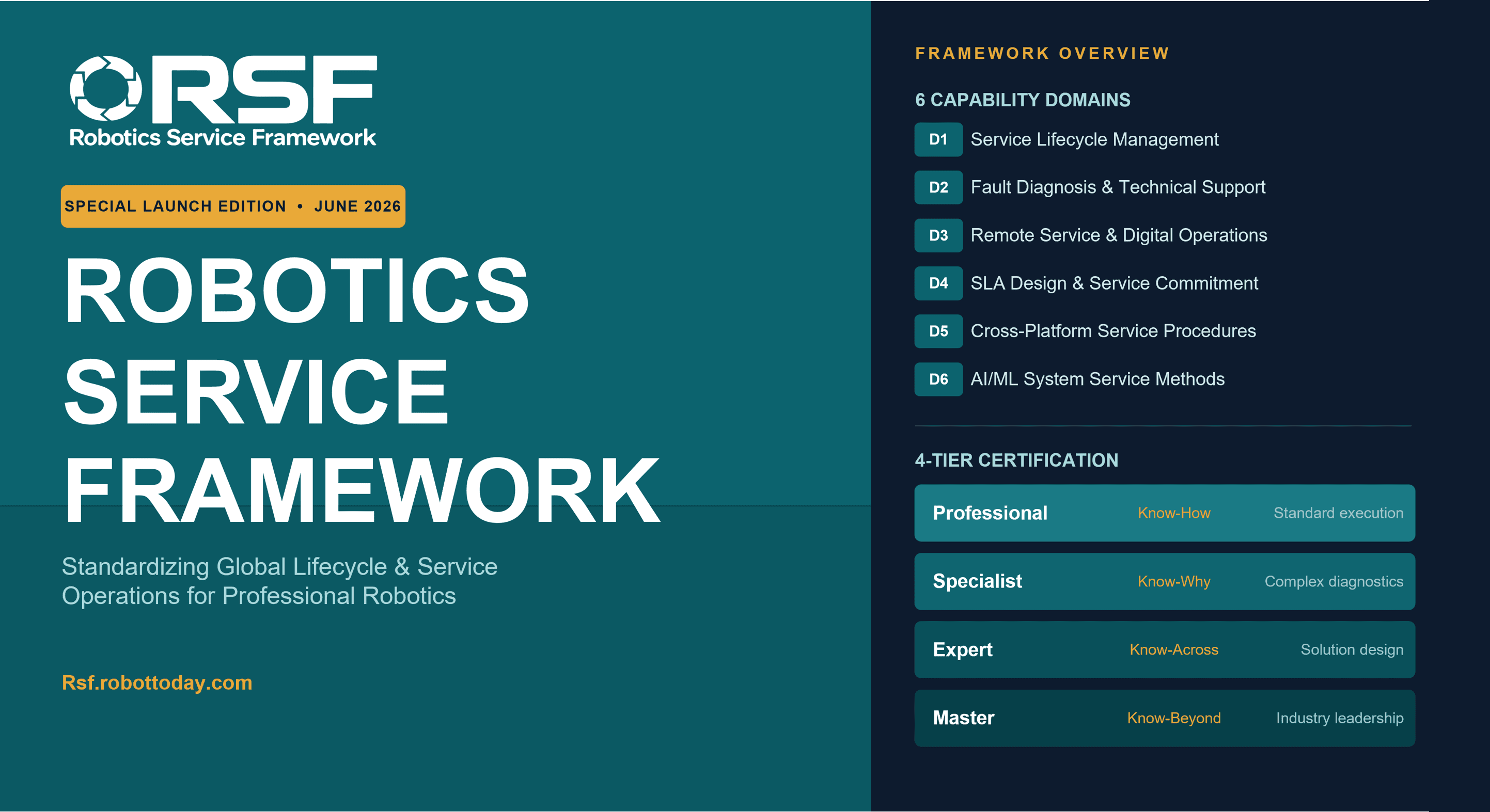
RESEARCH ARTICLERobotics needs a service framework.
RSF defines a common language for robot service capability, lifecycle operations, certification pathways, and service-provider networks.