Industry Briefing
A single destination for timely, editor-curated robotics news from around the world.
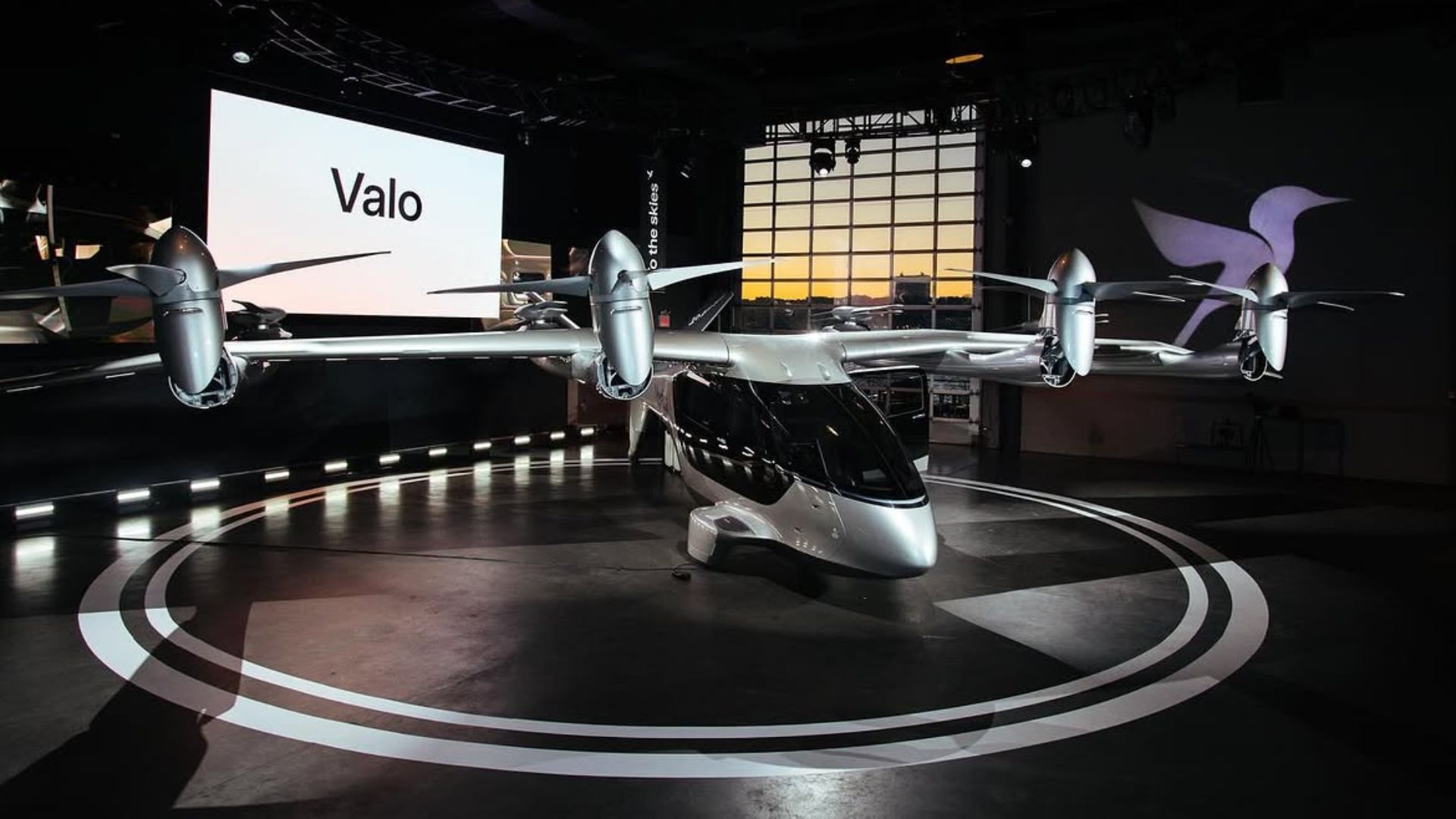
Vertical Aerospace Partners with Near Earth Autonomy for Valo Aircraft's Autonomous Flight Capabilities
Vertical Aerospace has partnered with Near Earth Autonomy to enhance its Valo aircraft with advanced autonomous flight capabilities. This collaboration aims to integrate Near Earth's autonomy software with Honeywell Aerospace's Anthem digital cockpit, facilitating the development of self-flying technology for defense and commercial aviation. The partnership is significant as it allows Vertical to leverage Near Earth's extensive experience in autonomous aviation, which includes systems developed for military applications. By utilizing a shared technology stack, the companies aim to reduce technical risks associated with expanding autonomous features in the Valo aircraft, which is designed for both defense and commercial markets. Looking ahead, Vertical plans to pursue defense programs while also preparing for automated commercial operations. The Valo aircraft, featuring hybrid-electric propulsion, is capable of flying up to 1,000 miles and carrying payloads of up to 2,400 pounds, making it a versatile option for various operational roles. No further timeline was disclosed at the time of publication.
Transportation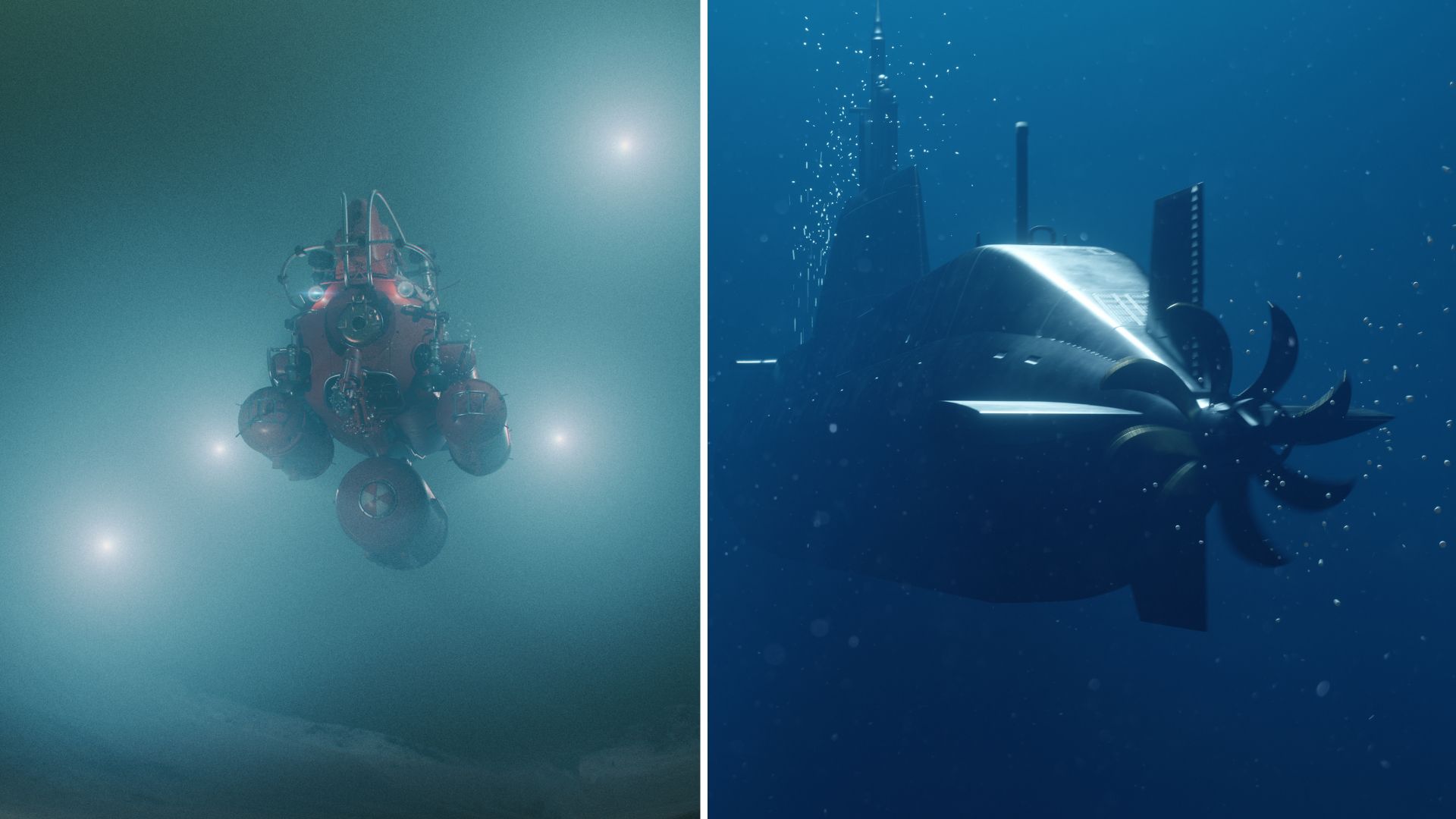
China Explores Autonomous Defense Systems for Contested Islands in South China Sea
A recent report indicates that China is investigating a maritime defense model utilizing autonomous drones to protect contested islands in the South China Sea. Researchers from the China Coast Guard Academy and Dalian Maritime University propose a network of aerial, surface, and underwater drones, which would create a multi-layered defense system, enhancing surveillance and response capabilities. This shift from traditional defense methods to a system reliant on uncrewed platforms reflects the evolving nature of naval warfare. The economic advantages of deploying inexpensive drones to monitor maritime environments are significant, as they can challenge larger military assets. The interconnected architecture aims to maintain operational capability even if some drones are compromised, emphasizing redundancy in defense strategies. As the South China Sea remains a focal point of territorial disputes among several nations, China's initiative to integrate autonomous systems into its defense strategy could further complicate regional security dynamics. However, it is crucial to note that this concept is still a research proposal and does not confirm the operational deployment of such systems at this time.
Military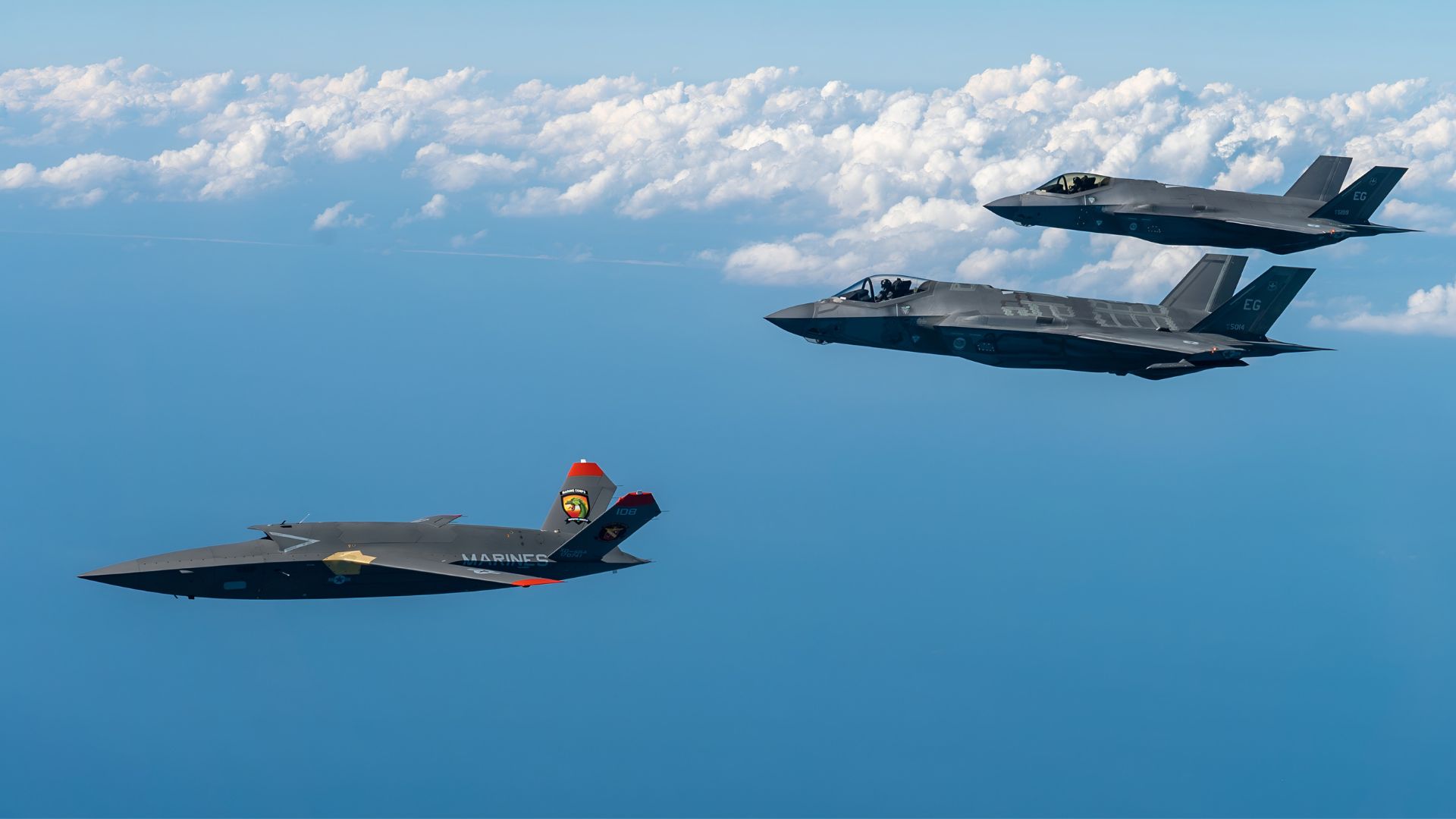
Kratos Defense's Valkyrie Drone Completes Successful Flight with F-35 Fighters
The US military is advancing towards integrating uncrewed aircraft with advanced fighter jets, specifically the F-35 and F/A-18. Kratos Defense & Security Solutions has showcased its XQ-58A Valkyrie drone's capabilities during a recent flight test in Southern California, where it successfully operated alongside Marine Corps fighters. This demonstration is significant as it highlights the potential for autonomous aircraft to enhance mission capabilities in contested airspaces. The Valkyrie's successful launch from a zero-length system and its ability to transition control between different systems underscore the importance of interoperability in military operations. Looking ahead, Kratos plans to scale production of the Valkyrie, aiming for over 150 unmanned aircraft systems by 2026. The ongoing collaboration with Northrop Grumman for the MUX TACAIR program will further adapt the Valkyrie for advanced missions, emphasizing the need for open-architecture systems in modern military aviation.
Military
Neya Systems and GS Engineering Collaborate to Enhance Robotic Construction Equipment for Defense
Neya Systems and GS Engineering have announced a strategic collaboration aimed at advancing robotic and autonomous construction equipment for defense applications. This partnership combines Neya's N-Drive™ autonomy technology with GS Engineering's Remote Expeditionary Autonomous Pioneer (REAPr) unmanned ground vehicle, focusing on creating an integrated solution that enhances operational efficiency in military engineering tasks. The collaboration is significant as it seeks to improve the safety and effectiveness of warfighters by automating the most hazardous and labor-intensive engineering tasks. By leveraging proven autonomy technology and advanced UGV capabilities, the initiative aims to streamline construction processes in defense operations, ultimately contributing to enhanced mission readiness and operational success. Looking ahead, the integration of these technologies is expected to lead to the development of field-ready autonomous solutions that can significantly reduce the risks faced by military personnel. No further timeline was disclosed at the time of publication.

Defense manufacturing readiness hinges on autonomous finishing, says GrayMatter Robotics
A recent review of the Navy's industrial base has revealed a significant demand for 174,000 new workers to support defense manufacturing. In response to this workforce challenge, GrayMatter Robotics has proposed that robotics technology could effectively address the labor shortage. The company emphasizes that the integration of autonomous finishing processes in manufacturing could enhance efficiency and productivity, thereby meeting the urgent needs of the defense sector. As the military seeks to bolster its operational capabilities, the adoption of advanced robotics may play a crucial role in ensuring readiness and sustainability within the industry.
Collaborative Robots Defense / Security Manufacturing Maritime Markets / Industries News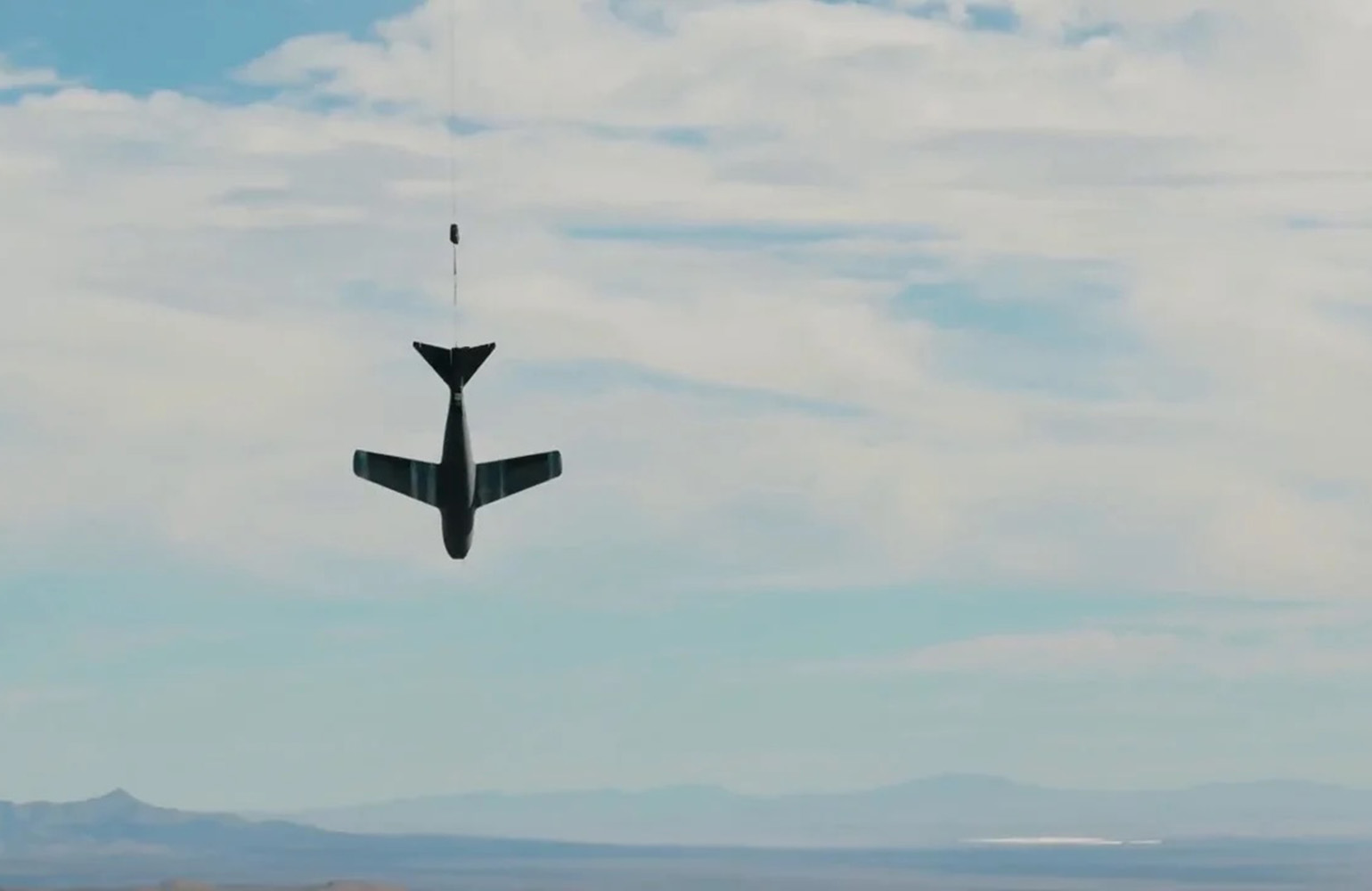
Autonomous defense manufacturer Mach Industries raises $300M
Mach Industries, an autonomous defense manufacturer, has successfully raised $300 million in funding. This significant financial boost will enable the company to expedite the execution of government contracts, enhance its talent acquisition efforts, develop new products, and broaden its operational network. The funding is expected to play a crucial role in advancing Mach Industries' capabilities and expanding its presence in the defense sector.
Defense / Security Drones Financial Investments Manufacturing Markets / Industries
SkyfireAI Raises $11M in Seed Funding to Develop Autonomous Drone Fleet Platform for First Responders and Defense
SkyfireAI, a U.S. startup specializing in drone autonomy, has successfully secured $11 million in seed funding to advance its innovative software solutions. The funding round, primarily led by Mucker Capital, also saw contributions from notable investors including AI Fund, SaaS Ventures, and Halogen. This financial boost aims to enhance the company's capabilities in developing technology that enables organizations to efficiently manage fleets of drones without the need for a proportional increase in pilots or operational staff. The investment comes at a time when the demand for drone coordination and automation is rapidly growing, reflecting a broader trend towards increased efficiency in various sectors.
AI AI Funding & Investment Robotics autonomous drones Mucker Capital Seed Funding
Autonomous Defense Startup Scout AI Raises $100M Series A to Build Foundation Model for Unmanned Warfare
Scout AI, a defense-focused artificial intelligence startup, has successfully secured $100 million in an oversubscribed Series A funding round aimed at advancing its foundation model for autonomous military operations. The funding, which was co-led by Align Ventures and Draper Associates, attracted investments from several notable firms including Decisive Point, Booz Allen Ventures, BVVC, Neman Ventures, Evolution VC Partners, and Heraclitus Capital Management, among others. This significant financial backing will enable Scout AI to enhance its technological capabilities and accelerate the development of solutions designed to improve military efficiency and effectiveness. The funding round reflects growing interest and investment in AI technologies within the defense sector, highlighting the increasing reliance on advanced technology for national security operations.
AI AI Funding & Investment Robotics Align Ventures autonomous autonomous uncrewed surface vessel technology
Cellula Robotics USA Inc. Selected to Deliver Autonomous Underwater Vehicle Prototype Under the CAMP Defense Innovation Unit Project
Cellula Robotics USA Inc. has announced its involvement in the development of a long-endurance Autonomous Underwater Vehicle (AUV) following a contract awarded by the Defence Innovation Unit (DIU). This initiative is part of the Combat Autonomous Maritime Platform (CAMP) program, aimed at enhancing national defense capabilities. The collaboration underscores Cellula's dedication to providing reliable solutions for defense while emphasizing the importance of strategic partnerships that integrate commercial innovation with military requirements.
cellula robotics usa autonomous underwater vehicle prototype camp defense innovation unit (diu)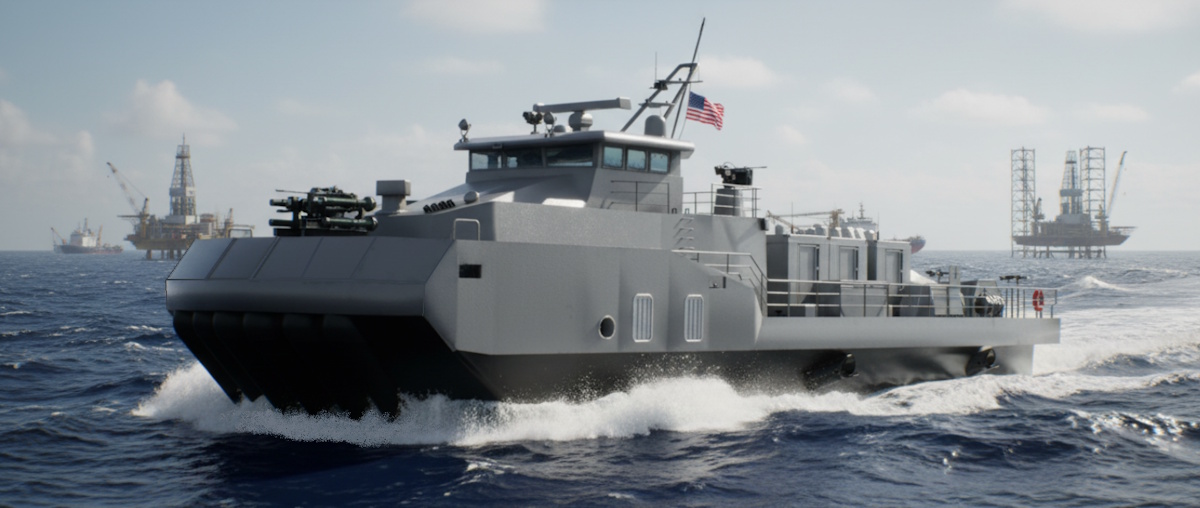
ABS, Eureka Naval Craft, AIRCAT Vessels, Team to Advance Safe, Dual-Use High-Speed Autonomous Vessels for Defense and Offshore Energy
Eureka Naval Craft, AIRCAT Vessels S.A.S., and the American Bureau of Shipping (ABS) have entered into a significant agreement aimed at advancing the safe development of high-speed Unmanned and Autonomous Surface Vessels (USVs/ASVs). This collaboration, announced today, focuses on enhancing naval defense capabilities and improving offshore energy operations. By leveraging their combined expertise, the partners intend to establish rigorous safety standards and innovative technologies that will facilitate the deployment of these advanced vessels. The initiative underscores the growing importance of autonomous maritime solutions in addressing modern security and energy challenges.
Robotics needs a service framework.
RSF defines a common language for robot service capability, lifecycle operations, certification pathways, and service-provider networks.
Join the RobotToday community on LinkedIn
Daily robotics news, in-depth analysis, conference highlights, and discussions with professionals worldwide.