

Industry Briefing
A single destination for timely, editor-curated robotics news from around the world.

Humanoid Robots May Lead the Way for Solid-State Battery Applications
Recent developments suggest that humanoid robots could be the first large-scale commercial application of solid-state batteries, rather than electric vehicles. This shift highlights the potential for advanced battery technology to enhance robotic capabilities, making them more efficient and versatile in various applications. The significance of this trend lies in the growing demand for improved energy storage solutions in robotics, which can lead to enhanced performance and longer operational times. As companies like Fangqi Technology and Tiangong Robotics explore these innovations, the integration of solid-state batteries could revolutionize the robotics industry, providing a competitive edge in the market. Looking ahead, stakeholders should monitor the advancements in solid-state battery technology and its adoption in humanoid robots. No further timeline was disclosed at the time of publication, but the ongoing research and development in this area could pave the way for new applications and partnerships in the robotics sector.
Robotics Automation AI
Stardust OS Hackathon in Beijing Sees 15 Teams Create Over 10 Robot Applications in 36 Hours
The Stardust OS Hackathon, hosted by Stardust Intelligence, concluded in Beijing, featuring 15 teams that developed over 10 functional robot applications within 36 hours. This event marked a significant shift in the industry by allowing participants with little to no robotics development experience to create applications using the Stardust AOS platform, which simplifies the development process. The importance of this hackathon lies in its low-barrier approach to robotics application development, enabling diverse creators to participate without needing extensive coding skills. Teams utilized the Skill and Meta packages of Stardust AOS to transform simple verbal requests into deployable robot applications, showcasing the potential for rapid development in robotics. Looking ahead, the final competition is scheduled for October 24-25, 2026, in Shenzhen. Judges will evaluate submissions based on scene value, completeness of the closed loop, feasibility with physical robots, and the ability to distribute applications, rather than solely on algorithm complexity.
Robotics Hackathon AI Applications Robot Operating Systems
Boston Dynamics Launches Metaplant Application Center for Atlas Humanoid Training
Boston Dynamics has inaugurated its Robotics Metaplant Application Center (RMAC) near Savannah, Georgia, aimed at training Atlas humanoids for integration into Hyundai's automotive manufacturing processes. This facility will serve as a testbed for developing specific skill sets necessary for general-purpose automation in the automotive sector. The RMAC represents a significant advancement in the collaboration between Boston Dynamics and Hyundai Motor Group, focusing on optimizing supply chain and production capabilities. Zack Jackowski, chief product and technology officer at Boston Dynamics, emphasized the importance of this partnership in pioneering physical AI at an enterprise scale, aiming to enhance productivity and safety in manufacturing. Looking ahead, Boston Dynamics plans to expand Atlas's capabilities to include component assembly by 2030, with the humanoids expected to take on more complex tasks involving repetitive motions and heavy lifting. The RMAC will play a crucial role in refining these applications through real-world training and data collection.
Artificial Intelligence Artificial Intelligence / Cognition Assembly Automotive Food / Beverage Humanoids
Qianxun Position's Chen Jinpei Discusses Enhancing Beidou Applications with Spatial Intelligence
During the fifth Beidou Scale Application International Summit held on September 15-16, Qianxun Position CEO Chen Jinpei emphasized the shift from quantity to quality in Beidou applications. He stated that the next phase involves leveraging valuable spatial data generated through Beidou's spatial intelligence to enhance various scenarios, integrating this data with AI technologies. Chen highlighted the evolution of machines from simple manual control to advanced physical AI capable of interacting with the physical world. He proposed building a comprehensive infrastructure based on Beidou satellites, which would provide centimeter-level positioning, millimeter-level perception, and nanosecond-level timing. This infrastructure, termed the third network of physical AI, is essential for stable robot operation in real environments. At the summit, Qianxun Position launched the SpatiXBot, an embodied spatial intelligence platform designed for applications in inspection, security, and emergency rescue. With over 10,000 GNSS stations globally, Qianxun's services support approximately 70 million smartphones and over 500,000 smart vehicles, indicating significant deployment in the robotics sector. The success of the third network will depend on the penetration and depth of spatial services in robotics, with 80,000 terminals marking a promising starting point.
Spatial Intelligence Robotics AI Beidou Navigation Automation
Robotics Advances: From Entertainment to Practical Household Applications
In recent years, humanoid robots have gained attention at exhibitions and events primarily through performances like singing and dancing. Wang Xingxing, founder of Yushutech, emphasized that while entertainment is an easy application, the goal is to enable robots to perform valuable tasks. At the 2026 World Robotics Conference, the focus shifted towards robots completing practical tasks, showcasing advancements in productivity. The current challenge in the robotics industry lies in the generalization capabilities of embodied intelligence. Wang highlighted that robots often struggle with tasks outside their training scenarios, indicating a significant gap between basic functionality and effective performance. Hu Luhui, founder of Zhicheng AI, pointed out that the industry must enhance robots' understanding of the physical world to overcome these limitations. Looking ahead, the development of world models may offer solutions to improve generalization in robots. Hu noted that the industry is shifting its focus towards enhancing AI models' understanding capabilities. With Zhejiang province leading in robotics initiatives and a growing number of AI enterprises, the future of humanoid robots in domestic roles appears promising, potentially transforming into a significant industry by 2030.
Humanoid Robots AI Robotics Automation
Quadruped Robot Competition Opens for Participants to Showcase Specialized Applications
A new competition has been announced, inviting participants to demonstrate the capabilities of quadruped robots in specialized scenarios. This event is designed to challenge the limits of robotic applications and encourage innovation within the industry. The significance of this competition lies in its potential to advance the development of robotic technologies, particularly in specialized applications. By showcasing the unique abilities of robotic dogs, the event aims to inspire new ideas and solutions in the field of robotics. Looking ahead, participants will have the opportunity to present their innovations, which could lead to breakthroughs in various applications. No further timeline was disclosed at the time of publication.
Quadruped Robots Robotics Competition Specialized Applications Innovation in Robotics
2026 Bund Conference Showcases Ant Group's Robots Integrating Intelligence into Real-World Applications
At the 2026 Bund Conference, Ant Group showcased robots that perform practical tasks such as accurately retrieving medication from shelves and sorting in logistics. Unlike previous demonstrations focused on flashy movements, these robots are designed to understand their environment and adapt to complex scenarios without human intervention. This shift is significant as it addresses the industry's long-standing challenge of creating versatile robots capable of operating in real-world settings. The demonstration included a 'smart pharmacy' where robots autonomously received orders, identified medications, and delivered them, proving the feasibility of deploying such technology in retail environments without requiring store modifications. Looking ahead, Ant Group's LingBot-VLA 2.0 model is set to support various robot configurations, enhancing the scalability of robotic services in real-world applications. The conference also featured discussions on the evolution of embodied intelligence, with insights from leading scientists and industry leaders, indicating a promising future for robotics in practical scenarios.
Robotics AI Warehouse Automation Pharmacy Automation Intelligent Systems
New Profession Emerges as Embodied Intelligent Robot Application Technicians Begin Work
The rise of embodied intelligent robots has led to the emergence of a new profession: Embodied Intelligent Robot Application Technicians. These technicians are responsible for the deployment and maintenance of robots that have recently started working in various sectors. This development is significant as it highlights the growing integration of robots into the workforce, creating new job opportunities for humans. The demand for skilled technicians to manage and support these intelligent systems is expected to increase as more industries adopt robotic solutions. Looking ahead, the continued evolution of robotics technology will likely lead to further job creation in this field. No further timeline was disclosed at the time of publication.
Robotics Automation AI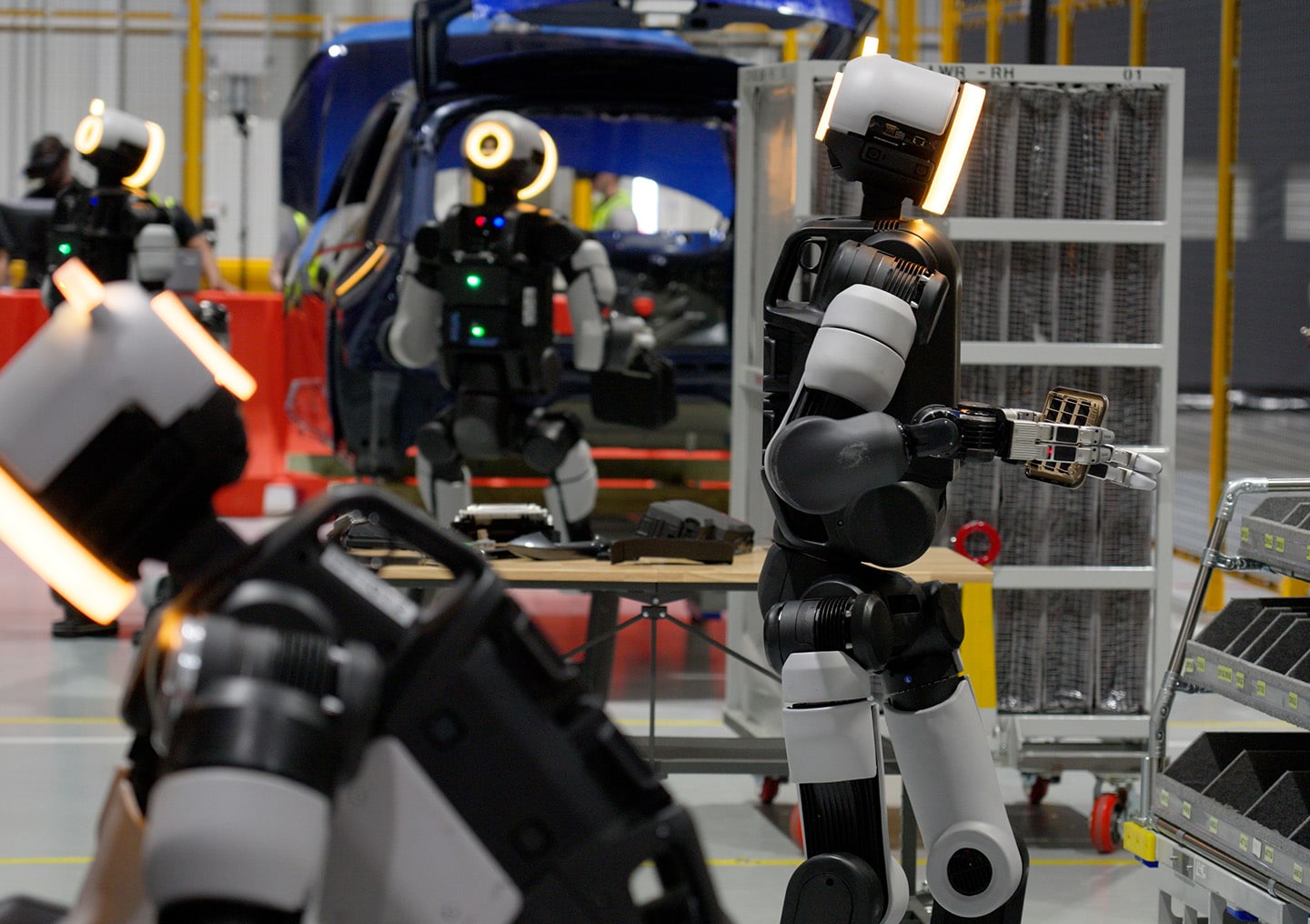
Boston Dynamics Launches Robotics Metaplant Application Center for Atlas Robot Training
Boston Dynamics has unveiled the Robotics Metaplant Application Center (RMAC) at Hyundai Motor Group Metaplant America, marking a significant advancement in its robotics and AI strategy. This facility will serve as a training ground for Atlas robots, integrating them into Hyundai's automobile manufacturing processes, with plans to expand applications to component assembly by 2030. The collaboration with Hyundai Motor Group is crucial as it aims to deploy 25,000 Atlas robots across global plants in the coming years. The RMAC will enhance supply chain and production capabilities, reinforcing the shared vision of making work safer and more efficient through robotics. The first phase of RMAC is operational, with plans for significant expansion next year. Looking ahead, Boston Dynamics intends to explore additional industry applications for Atlas, engaging with existing customers in sectors such as aerospace and logistics to enhance data collection and training processes. No further timeline was disclosed at the time of publication.

Over 300 Companies Present Robotics Applications at WRC 2026 Amid Technical Debates
The 11th World Robot Conference held in Beijing Yizhuang featured over 300 companies showcasing robots performing various applications. This event highlighted the advancements in robotics technology and its practical implementations in real-world scenarios. Despite the impressive demonstrations, closed-door sessions at the conference revealed ongoing debates regarding the technical routes for embodied intelligence. This divergence in approaches underscores the complexity and evolving nature of robotics technology. Looking ahead, industry stakeholders will be keen to monitor how these technical discussions evolve and influence future developments in robotics. No further timeline was disclosed at the time of publication.

Robotics Industry Transitions from Demonstrations to Real-World Applications
The 2026 World Robotics Conference, held in Beijing from August 19 to 23, showcased a significant shift in the robotics industry from mere demonstrations to practical applications. With 373 companies exhibiting over 3,000 products, including more than 150 new releases, the event highlighted the industry's focus on real-world problem-solving. This transition is underscored by the introduction of 'Procurement Day' and the launch of the 'Global Robot Application Exploration Program.' Innovations such as the Tian Gong Omni humanoid robot and the Ant Lingbo 'robot pharmacist' demonstrate the industry's commitment to integrating robotics into everyday tasks, moving beyond the showcase mentality. Looking ahead, industry leaders emphasize the need for large-scale production and the evolution of AI models to meet real-world challenges. The conference signaled a pivotal moment for the robotics sector, indicating a move towards high-quality, scalable solutions that address genuine operational needs.
Robotics Industrial Automation AI Healthcare Robotics Manufacturing Solutions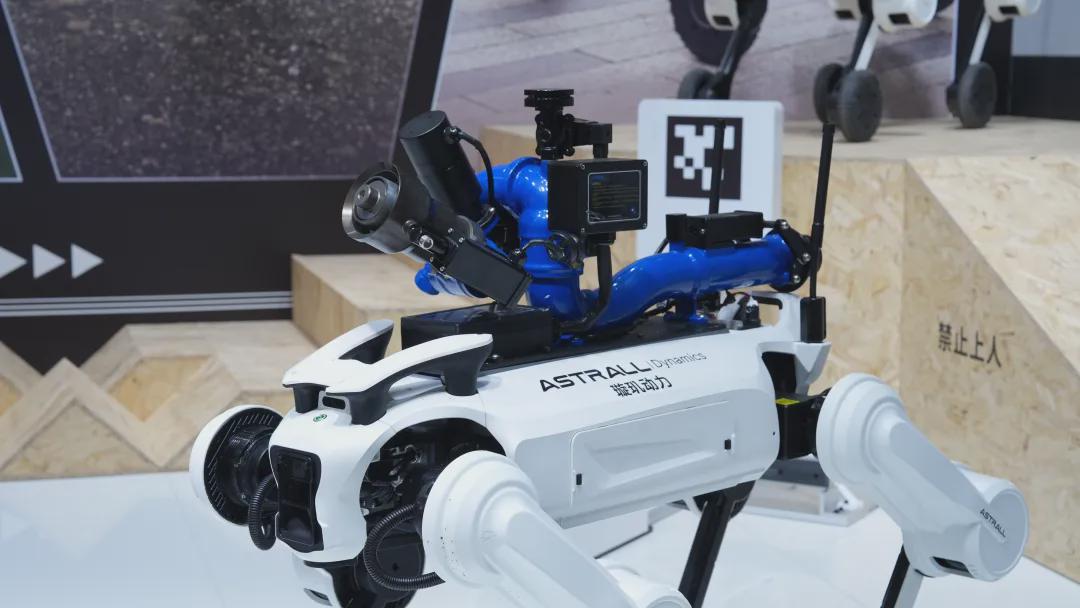
Insights from WRC 2026: Quadruped Robots Transition to Practical Applications with Xuanji Power
The 2026 World Robot Conference (WRC) commenced on August 19 in Beijing, showcasing over 300 exhibitors and more than 2,000 products. A notable shift in the robotics industry was observed, moving from mere demonstrations to practical applications, particularly in quadruped robots. Attendees showed increased interest in the specialized equipment on these robots rather than just their performance. In the past five years, China's quadruped robot sector has transitioned from technology validation to commercial exploration. While there has been significant investment and rapid advancements in gait algorithms and motion control, many companies have struggled with practical deployment in industrial settings. The demand for robots capable of operating in hazardous environments has grown, highlighting the need for reliable and adaptable solutions. At WRC 2026, a clear divide emerged between consumer-grade products and those targeting industrial markets. Xuanji Power has distinguished itself by mastering the design and production of axial flux motors, which offer higher torque and power density. This innovation allows for the development of robust quadruped robots that can meet the rigorous demands of various applications, ensuring product consistency and stability through in-house production of core components.
Quadruped Robots Industrial Automation Robotics Technology AI Energy Sector
Key Takeaways from WRC on Progress and Challenges in Embodied Intelligence Applications
On August 19, during the 2026 World Robotics Conference (WRC), Baidu Intelligent Cloud hosted a specialized event focused on embodied intelligence applications in Beijing. Nearly 20 industry pioneers gathered to discuss technological innovation, practical scenarios, and commercialization pathways for embodied intelligence. This event highlighted a shift in focus within the embodied intelligence sector, as noted by Baidu Group Vice President Yuan Foyu. The emphasis is moving from merely completing actions to maintaining task performance in dynamic environments, and from data scale to real-world interactions. The industry is transitioning from 'emergent capabilities' to 'realizing productivity' in sectors like energy, manufacturing, and logistics. Looking ahead, the industry must address the economic viability of deployments and the value of training, as highlighted by CITIC Securities analyst Li Chenxiao. The Chinese market shows significant advantages in diverse application scenarios compared to overseas counterparts. No further timeline was disclosed at the time of publication.
Embodied Intelligence Robotics AI Applications Industrial Automation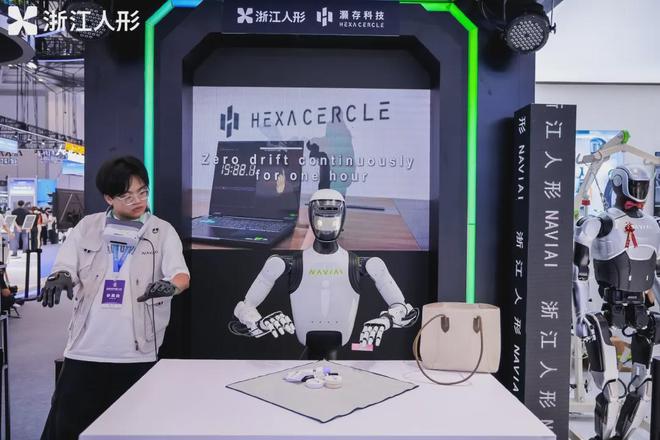
Haocun Technology and Zhejiang Humanoid Robotics Collaborate to Enhance Practical Applications
From August 19 to 23, the World Robot Conference (WRC) was held at the Beiren Yichuang International Exhibition Center, showcasing cutting-edge technologies in humanoid robotics and industrial intelligence. During the event, Zhejiang Humanoid Robotics Innovation Center's humanoid robot NAVIAI demonstrated its capabilities by synchronizing its arm movements with an operator wearing motion data gloves, achieving precise gestures without pre-programmed instructions. This collaboration between Haocun Technology and Zhejiang Humanoid Robotics marks a significant step in addressing the challenges faced by the humanoid robotics industry, which is transitioning from prototype development to practical applications. The partnership aims to overcome bottlenecks in skill transfer, training time, and operational reliability, which have hindered the deployment of humanoid robots in real-world scenarios. Looking ahead, the integration of Haocun Technology's motion perception and data collection capabilities with Zhejiang Humanoid's hardware platform is expected to accelerate the adoption of embodied intelligence technologies. No further timeline was disclosed at the time of publication.
Humanoid Robots Motion Capture Technology Industrial Automation Robotics Collaboration
PI's X-365 Gantry System Delivers Configurable Motion for Precision Applications
PI has introduced the X-365 gantry system, which features extensive travel ranges and high precision, making it ideal for semiconductor handling and advanced manufacturing applications. The significance of the X-365 lies in its ability to provide configurable and affordable motion solutions, catering to the needs of high-throughput and high-accuracy tasks in various industrial sectors. Looking ahead, industry professionals should monitor the adoption of the X-365 system in semiconductor and advanced manufacturing processes, as it may set new standards for efficiency and precision in these fields. No further timeline was disclosed at the time of publication.

Chengdu's Robot Training Facility Prepares Robots for Real-World Applications
Chengdu's new robot training facility, located in the W7 building of the Chengdu Science and Technology Innovation Island, has commenced trial operations. The facility features various training zones focused on electronic skin, home services, industrial operations, retail services, and rehabilitation, creating a comprehensive hardware system that includes robots, mechanical arms, and sensory devices. This initiative is significant as it addresses the limitations of traditional laboratory training by simulating real-world scenarios. The facility's design ensures that data collected during training reflects practical applications, which is crucial for the future development of robots capable of gentle handling and safe interactions. The training center not only supports local enterprises but also extends its services to robotics research teams across the province. Looking ahead, the facility aims to enhance the integration of artificial intelligence in everyday life. As robots learn tasks such as cash handling in simulated environments, they move closer to becoming integral parts of our daily routines. The opening of this training school marks a pivotal step towards advancing embodied intelligence from mere mobility to functional autonomy.
Robotics Training AI Applications Industrial Automation Data Collection Smart Home Technology
Embodied Intelligence Emerges as a Crucial Application for GPUs, Says Tang Zhimin
As the demand for artificial intelligence computing continues to rise, a significant new application is emerging for GPUs: embodied intelligence. Tang Zhimin, founder of Xiangdi, emphasized that embodied intelligence is not only a potential application area for GPUs but also one of the key physical domains capable of supporting large model computing power. This shift is crucial because embodied intelligence presents unique computational demands that differ fundamentally from traditional applications. While traditional AI applications are often static and can be batch processed in cloud or desktop environments, embodied intelligence requires real-time processing and complex interactions in the physical world. Robots must complete perception, decision-making, and execution in a closed-loop process within milliseconds, aligning perfectly with GPUs' strengths in parallel computing and low-latency inference. Looking ahead, the widespread adoption of embodied intelligence will significantly influence GPU manufacturers' positioning in the smart hardware ecosystem over the next decade. Companies that can effectively integrate chips, algorithms, and real-world applications will gain a competitive edge in this intelligent transformation, making advancements in embodied intelligence a critical foundation for the future of smart societies.
Embodied Intelligence GPU Technology Robotics AI Algorithms
WAIC 2026 Highlights Practical Applications of Embodied Intelligence with Increased Participation
At this year's WAIC, embodied intelligence made its debut as a standalone exhibition, with participating companies increasing from over 80 last year to more than 200. Unlike previous years, where robots showcased performances, this year's focus shifted to real operational scenarios, reflecting a consensus in the industry to move from mere demonstrations to practical applications. The transition to practical applications is significant as it highlights the industry's evolution towards functionality. While some companies are still refining their gait algorithms, others have successfully achieved mass production and delivery. Notably, Xuanji Power showcased its Hypertron series quadruped robots, emphasizing operational tasks such as inspection, maintenance, firefighting, reconnaissance, and transportation, distinguishing itself from competitors focused on flashy demos. Xuanji Power's approach to fully self-developed technology creates three competitive barriers: a comprehensive technical loop, mass production capabilities, and an open ecosystem for collaboration. Their successful delivery of quadruped robots positions them favorably in the market, where cost control and delivery capabilities will be crucial in future industry price wars. No further timeline was disclosed at the time of publication.
Quadruped Robots Embodied Intelligence Industrial Automation Robotics Technology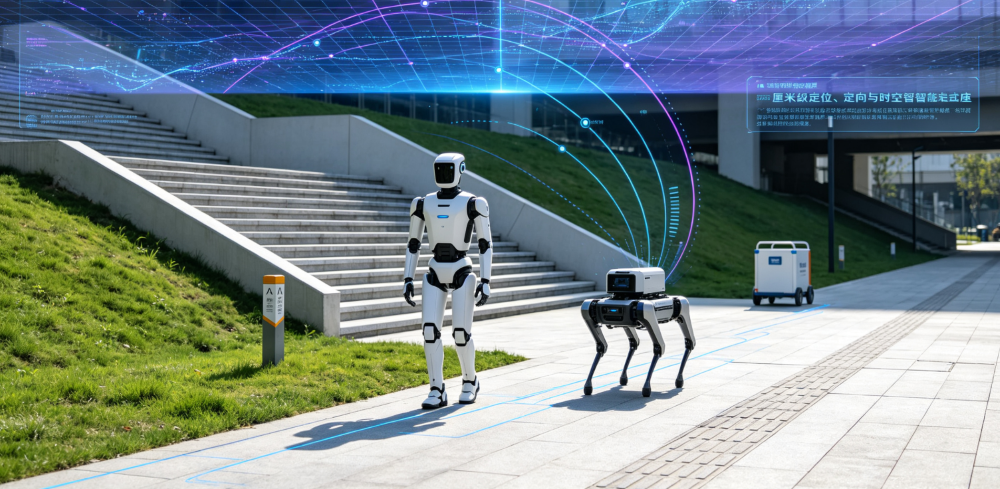
Advancing Embodied Intelligence: Practical Applications from the 2026 AI Conference
The 2026 World Artificial Intelligence Conference highlighted embodied intelligence, with over 300 robots showcased. Companies like Qianxun Positioning and 58 Intelligent participated, indicating a deeper integration of spatial intelligence into the embodied intelligence supply chain. For robots, large models are essential for understanding and decision-making, but they also need to know their location and movement dynamics. Qianxun Positioning introduced the SpatiXBot, a spatial intelligence platform that aids various embodied forms like robots and drones in autonomous navigation and environmental perception. This was exemplified during the Beijing Yizhuang Humanoid Robot Half Marathon, where Qianxun provided spatial intelligence kits to over two-thirds of the autonomous navigation teams, enabling precise positioning and orientation for independent running. The shift towards practical applications was further demonstrated at the 2026 Hangzhou International Embodied Robot Application Competition, where Qianxun and 58 Intelligent helped quadruped robots navigate real-world obstacles. Qianxun's technology also supported training exercises in urban scenarios. CEO Chen Jinpei emphasized the importance of spatial intelligence in enhancing robotic capabilities, bridging the gap between demonstration and industrial productivity.
Embodied Intelligence Spatial Intelligence Robotics AI Technology
ITEC2026 Smart Robot Application Competition Features 5 Million Yuan Grand Prize
The ITEC2026 Smart Robot Application Competition has been launched, offering a top prize of 5 million yuan. This event emphasizes the importance of robots performing reliably in real-world environments, addressing practical challenges rather than merely showcasing capabilities. The competition, co-hosted by the Asian Games Village Street Office and Beijing Beichen Commercial Management Co., aims to connect innovative projects with regional industrial resources and market demands across eight scenarios, including airports, healthcare, and hospitality. The focus on practical applications highlights a shift in the robotics industry towards demonstrating real-world utility. Participants will engage in various testing scenarios, such as inspection robots, delivery robots, and smart cleaning robots, which are designed to solve specific problems in their respective environments. This approach encourages teams to validate their products and gather data in realistic settings, moving beyond mere demonstrations. Looking ahead, the competition will showcase a range of advanced robotic technologies, including AI-driven emotional support robots and autonomous care systems. As the event progresses, it will be crucial to monitor how these innovations perform in practical applications and their potential impact on industries like healthcare and hospitality. No further timeline was disclosed at the time of publication.
Smart Robots Industry Applications Innovation Competition Talent Development
Importance of Professional Guidance in National-Level 'Little Giant' Applications
In recent years, the application policies for national-level specialized 'Little Giant' enterprises have been continuously optimized, with increasingly stringent review criteria focusing on the relevance of intellectual property, R&D cost compliance, and the logical integrity of application materials. Companies relying solely on basic metrics are finding it increasingly difficult to pass reviews. The significance of this trend lies in the realization that many enterprises, despite having strong technical capabilities, struggle with self-prepared applications due to a lack of understanding of the latest policy details and review standards. This often results in poorly written materials and missed opportunities for valuable qualifications, ultimately extending the cultivation cycle for these companies. Looking ahead, it is crucial for enterprises to consider professional assistance to navigate the complexities of the application process. The establishment of specialized platforms that offer comprehensive support can help identify and present core advantages effectively, thereby increasing the chances of successful qualification for national-level recognition.
National-Level Certification Application Process Professional Services Innovation Technology Development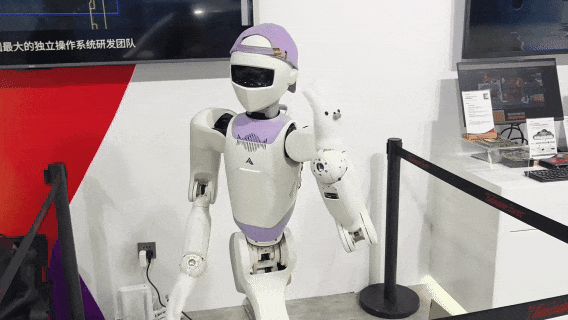
Ant Group and JD's Star Robot Showcase Versatile Applications at WAIC
At the WAIC, the focus shifted to practical applications of robotics, with over 60 out of 200 exhibiting companies emphasizing 'scenarios' for deployment. Notably, Ant Group and JD showcased their capabilities through a humanoid robot that efficiently sorted medications and assisted customers in retail environments. The significance of these demonstrations lies in the shift from theoretical models to real-world applications, highlighting the importance of operational capabilities in diverse scenarios. The humanoid robot, developed by Astribot, has been adopted by various companies, indicating a growing consensus on the need for versatile robotic solutions across different industries. Looking ahead, the industry is expected to continue evolving towards practical implementations of robotics, as highlighted by recent insights from Morgan Stanley. The emphasis on physical operational intelligence over general intelligence suggests that companies will increasingly seek robots that can perform complex tasks safely and effectively in various environments. No further timeline was disclosed at the time of publication.
AI Robotics Physical Intelligence Retail Automation Logistics Solutions
Custom Application Development Services Enhance Customer Portal Solutions
The evolution of software development for customer portals has transitioned from basic ticket dashboards to sophisticated omnichannel hubs. These modern portals utilize API-first backends to deliver seamless content across various platforms, including web and mobile applications, addressing the specific needs of regulated industries. As off-the-shelf portal solutions often fall short for sectors like healthcare and finance, the demand for custom application development services is rising. Companies are increasingly seeking tailored solutions to overcome limitations such as rigid data models and licensing constraints, which hinder their ability to support complex workflows and customer journeys. Looking ahead, organizations must focus on defining their portal vision and selecting the right development partner to ensure a successful implementation. The article emphasizes the importance of planning for cross-platform development and long-term support to align with business goals, particularly in industries that require secure and user-friendly experiences.
Computing Software API integration business software cloud computing cloud engineering
First Dutch Humanoid Application Center Opens at Mechatronica Innovatie Campus Schiedam
The Humanoid Application Center (HAC) has officially opened at the Mechatronica Innovatie Campus Schiedam (MICS), marking a significant advancement in the development of humanoid robots in the Netherlands. This center aims to assist businesses, educational institutions, and governments in not only demonstrating humanoid robots but also integrating them into daily work processes. The HAC is the first center in the Netherlands dedicated to the development, testing, and implementation of humanoid robotics applications, focusing on sectors facing labor shortages and physically demanding work, such as industry, logistics, construction, horticulture, healthcare, and facility services. During its opening, various humanoid robots showcased their capabilities in logistics, packaging, and construction tasks, illustrating the transition from experimental models to practical tools for supporting employees. One of the first organizations to utilize the HAC is Dura Vermeer, which is exploring how humanoid robots can assist in construction tasks. The center also aims to provide companies with a testing environment for humanoid robots under realistic conditions, enabling them to evaluate the technology's feasibility before large-scale implementation. No further timeline was disclosed at the time of publication.
Nieuws algemeen Humanoids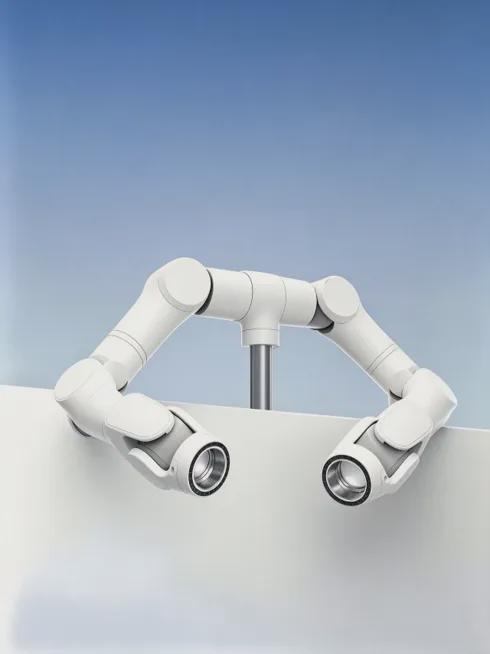
Bionic Force Control: Dual-Arm System for Industrial and Home Use
Shanghai Weiyi Technology has developed a dual-arm robotic system that integrates high-precision joint modules and collaborative control technology. This system is designed to operate effectively in both industrial environments and home settings, addressing the need for versatile robotic solutions. It can perform tasks such as assembly, polishing, and palletizing in factories, while also assisting with household chores and delicate operations at home. The significance of this dual-arm system lies in its ability to provide a unified force control technology that meets the demands of both industrial production lines and home services. By utilizing a native closed-loop force control system, the robot can adapt to various operational conditions, ensuring safety and efficiency in both settings. This innovation represents a shift towards more adaptable robotic solutions that can transition seamlessly between different environments. Looking ahead, the dual-arm system's capabilities for high stability in industrial applications and safety in home environments will be crucial. The system supports a range of payloads and features a dual-mode safety system that adjusts its operation based on the environment. No further timeline was disclosed at the time of publication.
Humanoid Robots Industrial Automation Home Robotics Bionic Technology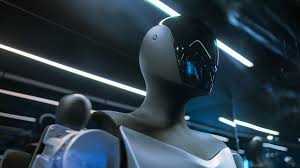
Uvision and Lendurai Collaborate to Integrate Systems for NATO Military Applications
Uvision, an Israeli company, and Lendurai from Estonia have announced a collaboration to integrate their systems for NATO military applications. The specifics of the military branch involved in this partnership remain undisclosed. This collaboration is significant as it highlights the increasing cooperation between technology firms and military organizations, particularly within NATO. By integrating their systems, Uvision and Lendurai aim to enhance operational capabilities and support NATO's strategic objectives. Looking ahead, industry observers will be keen to see how this partnership develops and what specific technologies will be integrated. No further timeline was disclosed at the time of publication.
Air Warfare Global AI & Autonomy Air Force Business & Industry Drones
Cellios Leverages MERLIC for Rapid Development of Machine Vision Applications
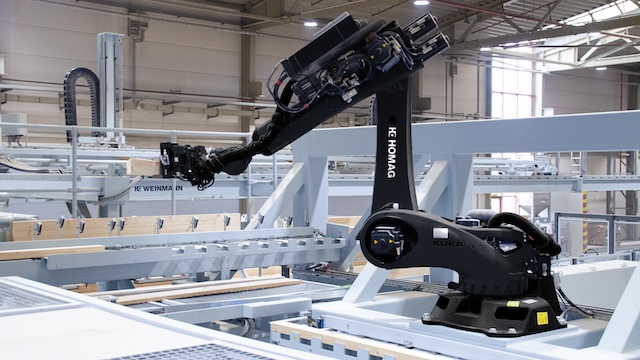
Cellios is utilizing MERLIC, a machine vision application development tool, to enhance its wire harness manufacturing processes. The intuitive user guidance of MERLIC allows users to quickly develop applications without needing extensive programming or image processing knowledge. This capability is particularly important for innovative companies like Cellios, where time to market is a critical factor. The integration of MERLIC into Cellios' operations signifies a step forward in automating and streamlining manufacturing processes. By reducing the complexity of machine vision application development, Cellios can focus on improving efficiency and productivity in its wire harness production. This advancement showcases the growing importance of user-friendly technologies in the manufacturing sector. Looking ahead, it will be interesting to see how Cellios continues to leverage MERLIC to enhance its manufacturing capabilities. The emphasis on rapid application development could lead to further innovations in wire harness manufacturing. No further timeline was disclosed at the time of publication.
Tutor Intelligence Launches Advanced Cassie and Sonny Robots for Industrial Applications
Tutor Intelligence has introduced the next-generation Cassie and Sonny robots, enhancing their capabilities for material handling and e-commerce fulfillment. The new Cassie robot is fully autonomously mobile, enabling it to navigate between workstations and perform various tasks in factories and warehouses. It has already been utilized for applications such as depalletization and palletization, completing millions of bulk picks across the United States. The advancements in Cassie are significant as they allow for seamless integration into existing facilities without requiring major infrastructure changes. Powered by Tutor's Turing 200-million-parameter foundation model, Cassie can perceive its environment and execute tasks autonomously. The robot is equipped with a four-wheel mobile base, onboard vacuum generation, and multiple LiDAR units for navigation and human detection. Additionally, Tutor has unveiled a new version of Sonny, designed for tasks requiring higher dexterity, particularly in e-commerce fulfillment. Sonny will be the first platform powered by the Ti0 4.5-billion-parameter vision-language-action model, allowing it to autonomously navigate warehouses and manage order fulfillment. No further timeline was disclosed at the time of publication.
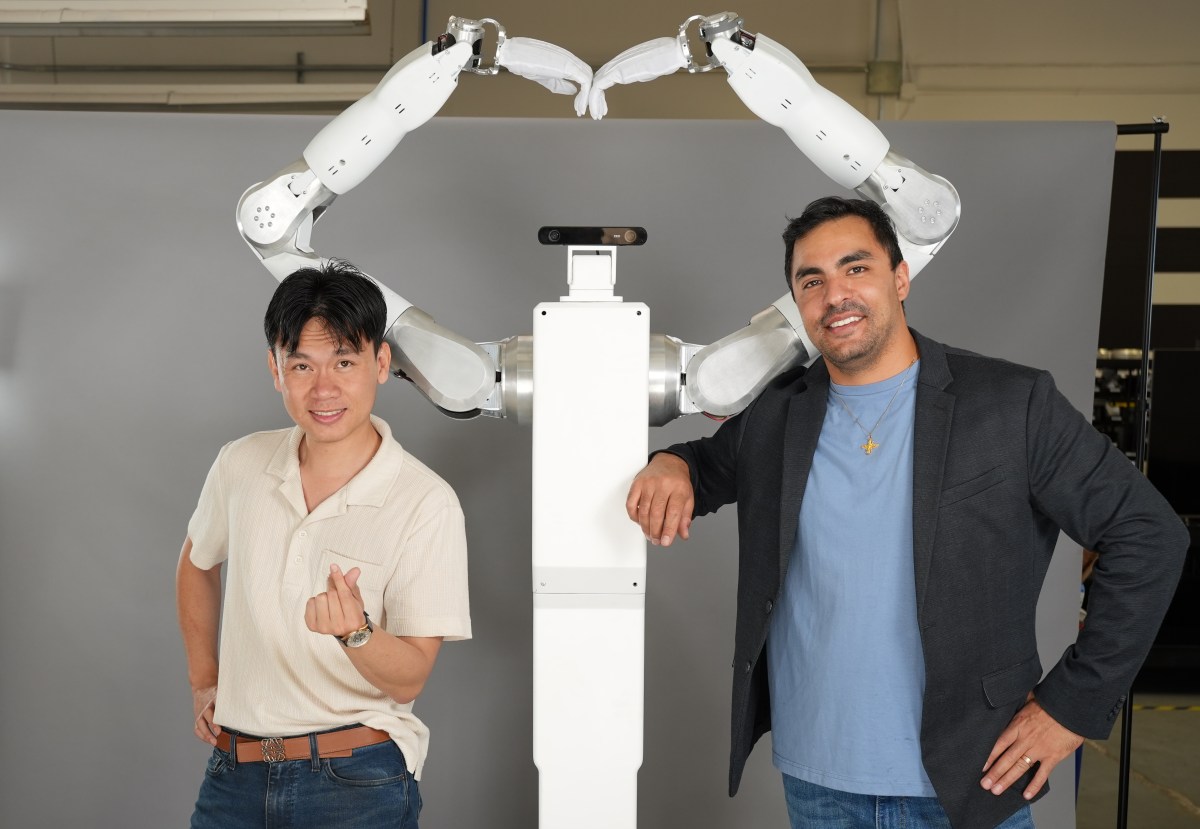
Feather Robotics Develops Modular Humanoid Robots for Diverse Applications
Feather Robotics, a startup founded in 2025, is creating a modular humanoid robot designed for developers to address real-world tasks. Unlike competitors like Tesla, Feather focuses on providing a hardware and software toolkit that is deployable now, allowing customization for various applications, including cooking and cleaning. The startup has gained traction, surpassing $1 million in revenue and securing a $7.6 million pre-seed round from Gradient Ventures. Feather's approach is unique in the U.S. market, as it offers a homegrown alternative to foreign models, with a price point of $30,000, significantly lower than competitors. Looking ahead, Feather is preparing for a major product launch after resolving issues from field testing. The company aims to capitalize on the growing demand for robotic solutions in various sectors, positioning itself as a cost-effective labor alternative in the robotics landscape.
Robotics Startups Gradient Ventures humanoid humanoid robots
Nvidia Unveils Jetson Orin Nano 2 for Enhanced Robotics and Edge AI Applications
Nvidia has launched the Jetson Orin Nano 2, a compact robotics computer that enhances AI inference performance while reducing power consumption. This new module achieves 78 trillion operations per second and features 8 GB of memory along with an eight-core Arm CPU. Compared to its predecessor, the Jetson Orin Nano Super, it offers double the inference performance and consumes 40% less power in 15-watt mode. This development is significant as it positions the Jetson Orin Nano 2 as an entry-level platform for advanced physical AI applications, enabling real-time intelligence on edge devices. With over 3 million developers utilizing Nvidia's robotics stack, the new computer supports local processing of large language and vision-language models, minimizing reliance on cloud computing. This advancement allows for improved perception, reasoning, and decision-making capabilities in various applications. Looking ahead, Nvidia anticipates that the Jetson Orin Nano 2 will facilitate a wide range of applications, including home robots, industrial vision systems, and delivery drones. No further timeline was disclosed at the time of publication.
Computing Design Engineering News artificial intelligence delivery drones
SoftGripping Develops Optimized Finger Geometry for Food Industry Applications
SoftGripping has developed an optimized finger geometry for soft grippers, aimed at improving the handling of sensitive food products in the food industry. This innovation, supported by the Central Innovation Program for SMEs (ZIM), addresses the limitations of traditional grippers in tight spaces and under high loads. The new finger design allows for precise force transmission, ensuring that delicate items can be handled quickly, reproducibly, and hygienically. This advancement is crucial for the food industry, where maintaining product integrity and hygiene is paramount, especially in constrained environments. Looking ahead, the collaboration with PFIF, a partner for innovation and funding, highlights the importance of strategic partnerships in driving technological advancements. No further timeline was disclosed at the time of publication.
Allgemein Anwendungen & Lösungen Greifer & Werkzeuge Lebensmittel & Verpackung Robotik
Google's Intrinsic Launches Open-Source Robotics Software for Industrial AI Applications
Intrinsic, a subsidiary of Google, has released Intrinsic Core as open-source robotics software, enabling developers to create AI-enabled industrial robot applications from prototype to production. This software includes features such as real-time robot control, pose estimation, and motion planning, available on GitHub under an Apache 2.0 license. The significance of this release lies in its potential to streamline the development process for robotics applications, reducing the infrastructure developers need to build independently. Intrinsic Core is designed to work seamlessly with existing products like Intrinsic Flowstate and supports various hardware configurations, enhancing its adaptability in manufacturing environments. Looking ahead, Intrinsic plans to introduce additional open reference solutions for industrial automation, further expanding the capabilities of Intrinsic Core. The Open Machine Tending Solution, which runs on Intrinsic Core, serves as a reference design for CNC machine tending, showcasing practical applications of the software in real-world scenarios. No further timeline was disclosed at the time of publication.
AI AI Funding & Investment AI Infrastructure & Compute Robotics Google industrial roboticcs
Ambitious Bio Unveils Corpus, a Comprehensive Human Protein Atlas for AI Applications
Ambitious Bio has launched Corpus, a detailed protein map of healthy human tissues, which reportedly enhances protein detection by 28% to 78% in 181 comparisons with existing studies. This advancement allows for the identification of 56% more proteins in shared tissues compared to the Human Protein Atlas, aiding drug developers in assessing potential safety risks related to disease-targeted proteins. The significance of Corpus lies in its potential to fill the data gap in human biology, which is crucial for the advancement of biological AI. As AI technology evolves, the demand for comprehensive biological data becomes increasingly vital for developing effective medical interventions. Ambitious Bio aims to lead in this space by systematically generating reliable biological measurements. Looking ahead, the success of Corpus could pave the way for further innovations in biological AI, as the company continues to build the necessary infrastructure for data generation. No further timeline was disclosed at the time of publication.
AI AI Funding & Investment AI FUNDING & INVESTMENT AI in Healthcare AI Startups Business
Faraday Future Launches Nine New Robots for Diverse Applications in AI and Robotics
Faraday Future has introduced nine new robot configurations across five models, enhancing its humanoid and quadruped offerings for various applications including research, education, security, inspection, and industrial use. The lineup features the All-New Futurist humanoid starting at $89,900, Master Mini humanoids beginning at $9,990, and Aegis quadruped robots priced between $12,990 and $137,900. This expansion is significant as it aligns with Faraday Future's vision of an integrated AI ecosystem, which combines robotics with advanced data processing capabilities. The company emphasizes the coexistence of multiple robot forms to tackle a wider range of tasks and generate valuable real-world data, thereby enhancing the training and evolution of its AI systems. Looking ahead, Faraday Future's robotics solutions are set to impact K-12 education, research, and industrial inspection sectors. The company has not disclosed any further timeline for upcoming developments, but the availability of these products through various platforms indicates a strategic move to penetrate multiple markets effectively.
AI AI Funding & Investment AI Use Cases Robotics embodied AI Faraday Future
Universal Robots Unveils Gen 7 Platform for Industrial Automation and Physical AI Applications
Universal Robots, a subsidiary of Teradyne Robotics, showcased its seventh-generation robot platform, Gen 7, at the IMTS trade show. This new platform is designed to enhance industrial automation and support Physical AI applications, reflecting the company's commitment to innovation in robotics. The introduction of Gen 7 is significant as it represents a step forward in the capabilities of collaborative robots, which are increasingly being integrated into various manufacturing processes. This advancement is crucial for industries looking to improve efficiency and productivity through automation. Looking ahead, the industry will be watching how the Gen 7 platform is adopted across different sectors and its impact on the future of industrial automation. No further timeline was disclosed at the time of publication.
Allgemein Cobots & MRK Humanoide Robotik Künstliche Intelligenz & maschinelles Lernen Robotik
Humanoid Robots Break Bolt's Record but Struggle with Practical Applications
Last month, humanoid robots broke Usain Bolt's 100-meter record at the World Humanoid Robot Games in Beijing. However, while their running and jumping feats are impressive, their practical utility remains unclear. Performing tasks like folding clothes or working on factory assembly lines is more challenging than simply sprinting, as these require complex hand movements and cognitive understanding. According to a report by Citrini Research, observers may underestimate the risks as robots are learning complex tasks at an increasing pace. Citrini suggests that the robotics industry will not experience a singular breakthrough moment akin to ChatGPT, but rather multiple advancements from various sources. Recent developments have led analysts, including those at Citrini, to raise their expectations for the industry. Generalist showcased a robot capable of learning simple tasks like cup stacking through its GEN-1.5 AI model, while Skild demonstrated a similar robot learning to flip pancakes. Additionally, Figure's humanoid team sorted 250,000 packages, and Spirit AI's wheeled robots are now operational in a factory. However, high costs remain a barrier to mainstream adoption, with estimates around $120,000 per robot, while companies like Xpeng aim to reduce costs significantly.
Humanoid Robots Robotics Technology AI Automation Manufacturing
Boston Dynamics Launches Robotics Metaplant Center to Train Atlas Robots for Manufacturing
Boston Dynamics has inaugurated a new facility within Hyundai Motor Group's Metaplant America campus located near Savannah, Georgia. This center focuses on training Atlas® robots, which are pivotal for advancing AI robotics commercialization and enhancing operations across the Group's extensive network. The establishment of this training center is significant as it marks a strategic move towards integrating humanoid robots into manufacturing tasks. By laying the groundwork for AI robotics, Boston Dynamics aims to facilitate the adoption of advanced robotic solutions within the automotive sector and beyond. Looking ahead, Boston Dynamics has plans to broaden the training capabilities for Atlas robots and is already preparing to transition to a larger facility by 2027. This expansion indicates a commitment to furthering the development of humanoid robotics in manufacturing applications.

Hygon Information Technology Expands AI Chip Focus from Data Centers to Robotics Applications
Hygon Information Technology is preparing to launch a new chip aimed at physical-world applications, including robotics. This marks a significant shift from the company's current focus on data centers, as reported by Chinese media. The new chip, an iteration of the CPU1000 series, is designed to fulfill low-power, embedded, and edge computing needs. It targets various physical AI applications, particularly in robotics, machine vision, and intelligent manufacturing, highlighting the growing demand for AI solutions in these sectors. The launch event is scheduled to take place in Shenzhen, where Hygon will promote its vision of integrating computing power into the physical world. No further timeline was disclosed at the time of publication.

Exploring Brain-Computer Interfaces: From Pattern Matching to Real-World Applications
Recent reports on brain-computer interfaces (BCIs) often create the impression that machines can read thoughts directly. In reality, BCIs operate through pattern matching, where repeated thoughts generate stable neural activity patterns that the system learns to associate with specific commands. This method requires individual training for each user and has limitations in the number of recognizable commands. Despite misconceptions about mind reading, BCIs have made significant strides in medical rehabilitation. By March 2026, China's self-developed 'Beina No. 1' completed seven human implants, successfully restoring motor and speech functions. This product is noted for being the first high-throughput, wireless, semi-invasive BCI with over a hundred channels, having achieved nearly 30 implants and over 70,000 hours of stable operation. The progress of invasive BCIs is also noteworthy, with Neuralink's N1 implant using over 1,000 electrodes to record brain signals. In the UK, patients have begun using computers and phones through thought alone. While BCIs can map neural signals to commands, they do not comprehend the meaning behind those signals. As standardization efforts advance, the industry aims to address challenges in data collection and processing, ensuring the technology's future development remains grounded in realistic expectations.
Brain-Computer Interfaces Medical Rehabilitation Neural Technology AI in Healthcare
Nvidia Launches Jetson Orin Nano 2 for Robotics and Edge AI Applications
Nvidia has introduced the Jetson Orin Nano 2, a new robotics computer designed for entry-level edge AI applications. This innovative computer aims to empower millions of developers globally to create robots, drones for delivery and inspection, and vision AI systems tailored for advanced physical AI tasks. The significance of the Jetson Orin Nano 2 lies in its enhanced performance and energy efficiency. It offers double the inference performance of its predecessor while consuming 40% less power, making it an attractive option for developers seeking compact and efficient robotics solutions. With over 3 million developers utilizing the Nvidia robotics stack, early adopters like Cognex, Doosan Bobcat, and Matic are already exploring its capabilities. Looking ahead, Nvidia's Jetson Orin Nano 2 is set to redefine entry-level edge AI by providing frontier-class generative AI performance to a broader audience. As AI models become more efficient, the potential for autonomous edge devices to perform real-time tasks will expand significantly. No further timeline was disclosed at the time of publication.
Computing News Robotics ai computing Autonomous robots drones
Zoomlion's Humanoid Robot Utilizes Data from World Robot Games for Industrial Applications
Zoomlion Heavy Industry Science & Technology showcased its self-developed humanoid robot at the 2nd World Robot Games in Beijing. The robot participated in three events: standing long jump, 100-meter dash, and standing high jump, which tested its walking algorithms, joint responsiveness, and overall stability under complex conditions. This participation provided valuable data to enhance the company's full-stack technology across algorithms, software, and hardware for industrial applications. The significance of this event lies in its ability to evaluate not just speed and strength but also the AI capabilities of the robots in real-world environments. According to Zeng Guang from Zoomlion, competing against teams from around the world has helped refine their technology and systems, improving reliability and adaptability in industrial settings. The company has already deployed dozens of humanoid robots in its smart factories for various tasks, including sorting materials and conducting inspections. Looking ahead, Zoomlion plans to continue developing embodied AI technology and expand the practical use of humanoid robots in industrial manufacturing and specialized tasks. No further timeline was disclosed at the time of publication.
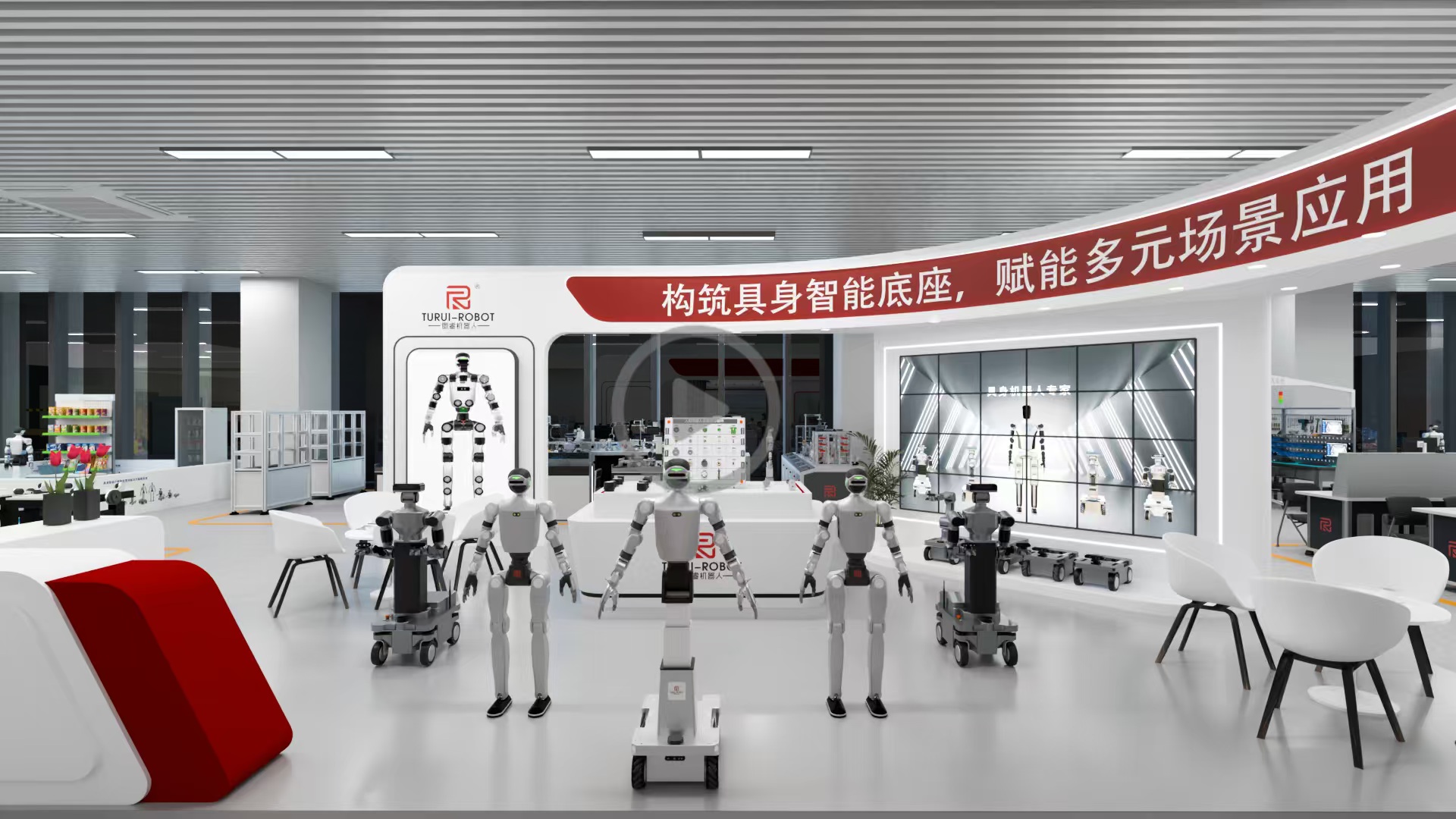
TuRui Smart Secures Millions in First Funding Round to Expand Embodied Intelligence Applications
TuRui Smart Equipment Co., Ltd., linked to Zhejiang University, has announced the completion of its first funding round, raising several tens of millions of RMB. The funding, backed by industry investors including Power Future Technology and Tongli Technology, will focus on building a pilot base for embodied intelligence applications, scaling production lines, and expanding high-end talent teams. This funding is significant as it reinforces TuRui Smart's commitment to developing core technologies in embodied intelligence, establishing a comprehensive product system that includes core robotic components and application development platforms. The company aims to become a leader in the embodied intelligence sector by ensuring self-controllable core components and adapting robots to various real-world scenarios. Looking ahead, TuRui Smart plans to accelerate the construction of its pilot base for embodied intelligence applications and scale up production lines. This will enable the company to provide substantial real-world data for algorithm training and enhance its delivery capabilities, addressing the industry's challenges of hardware adaptation and data acquisition costs. No further timeline was disclosed at the time of publication.
Embodied Intelligence Robotics ODM Services Smart Manufacturing AI Technology
FCC Approves Nationwide Testing of Cellular Networks for Drone Safety Applications
The Federal Communications Commission (FCC) has eliminated a regulatory barrier to facilitate nationwide testing of commercial wireless networks on drones and general aviation aircraft. This order, effective September 11, supports the Department of Transportation's Mobile Network Aviation Assessment Program (MNAAP), which aims to evaluate wireless signal quality across various locations and altitudes in the contiguous United States. This initiative is significant as it seeks to determine the capability of commercial networks to support safety-related aviation services, including UAS command and control, autonomous detect and avoid systems, and counter-UAS detection. The waiver creates a controlled testing environment for participants approved by the Department of Transportation, allowing for the collection of crucial data on mobile broadband service performance. Looking ahead, the MNAAP may authorize up to 2,000 general aviation pilots to utilize a dedicated app on standard devices to report findings to a centralized database. Additionally, dedicated modules may be deployed on up to 200 UAS for targeted testing. This program could enhance understanding of airborne network performance, although the effectiveness of ground-based cellular infrastructure in aerial operations remains to be fully assessed.
Drone News Drone News Feeds News US Government BVLOS cellular connected drones
Shanghai AI Laboratory Launches Intern Physical World Model W0 for Robotics Applications
Shanghai Artificial Intelligence Laboratory has introduced the Intern physical world model W0, which features native force-tactile sensing and duplex collaboration capabilities. This model is designed to enhance robotics applications by integrating with Intern InkStone and the science model S2, facilitating closed-loop processes in both wet and dry lab environments. The release of the Intern W0 model is significant as it aims to improve the efficiency of tasks such as lipid nanoparticle synthesis, which is crucial in various scientific and industrial applications. By enabling seamless collaboration between different models, the Shanghai AI Laboratory is positioning itself at the forefront of advancements in robotics and AI technologies. Looking ahead, industry observers should monitor how the integration of the Intern W0 with existing systems will impact research and development in robotics. No further timeline was disclosed at the time of publication.
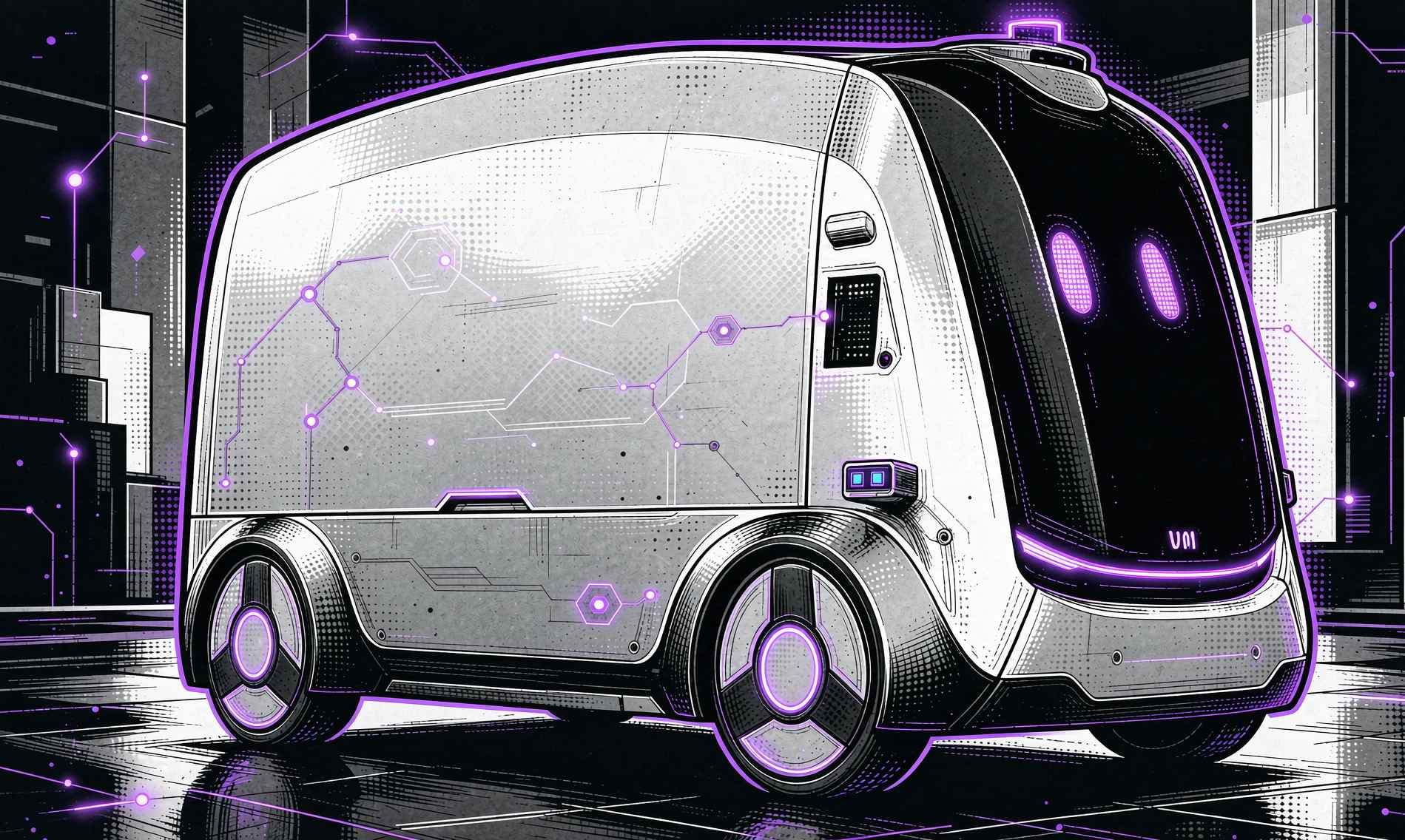
Jiushi Expands Its 30,000 Autonomous Vehicles into Urban Governance Applications
Jiushi has announced a strategic upgrade to its urban-level physical AI, aiming to extend its 'Jiushi Brain' capabilities beyond autonomous logistics vehicles. CEO Kong Qi emphasized that the company will leverage its extensive operational experience and data from over 30,000 vehicles, which have collectively traveled more than 250 million kilometers across 300 cities, to enhance urban governance scenarios. This shift is significant as Jiushi seeks to redefine its role in the autonomous vehicle industry, moving from a logistics-focused approach to utilizing its vehicles as a sensor network for urban management. By transforming data from real-world operations into actionable insights for city governance, Jiushi aims to address the complexities of urban environments while ensuring compliance and safety standards. Looking ahead, Jiushi's collaboration with GAC Aion to integrate L4 autonomous driving technology with commercial vehicle manufacturing could help overcome long-standing reliability issues in the industry. The success of this new direction will depend on Jiushi's ability to implement its technology in various cities, transitioning its vehicles from cargo transport to integral components of urban infrastructure.
Autonomous Vehicles Urban Governance AI Technology Data Analytics
Dürr Unveils EcoRS Generation 2 Robot Platform for Paint Shop Applications
Dürr has launched the EcoRS Generation 2, a new robot platform tailored for diverse paint shop applications. This series features four distinct robot models, each designed to accommodate varying load capacities and reach requirements, ensuring high process quality while simplifying planning, operation, and service. The introduction of the EcoRS Generation 2 is significant as it addresses the need for efficient and versatile robotic solutions in paint shops. By combining advanced technology with user-friendly features, Dürr aims to enhance operational efficiency and reduce complexity for manufacturers in the automotive and industrial sectors. Looking ahead, industry stakeholders should monitor the adoption of the EcoRS Generation 2 in various applications, as it may set new standards for performance and ease of use in robotic systems. No further timeline was disclosed at the time of publication.

MIT Researchers Develop New AI Technique for Safety-Critical Applications
MIT researchers have introduced a novel method that enhances generative artificial intelligence models for high-stakes problem-solving. This technique allows models to generate outputs that not only provide plausible solutions but also adhere to strict safety and task-specific requirements, known as hard constraints. By allowing more freedom during the generation process and enforcing constraints only on the final output, the method consistently delivers better solutions across various applications, including robotics and computer vision. The significance of this development lies in its potential to improve the reliability of AI in safety-critical environments. Traditional methods often struggle to balance the generative capabilities of AI with the necessity of meeting stringent safety standards. The new approach enables pretrained generative models to be adapted for use in scenarios where compliance with safety rules and physical laws is essential, thus expanding their applicability in real-world situations. Looking ahead, the adaptability of this technique suggests a promising future for generative AI in complex environments. As industries increasingly rely on AI for tasks like robot path planning, the ability to enforce hard constraints without compromising output quality will be crucial. No further timeline was disclosed at the time of publication.
Research Computer science and technology Artificial intelligence Machine learning Algorithms Mechanical engineering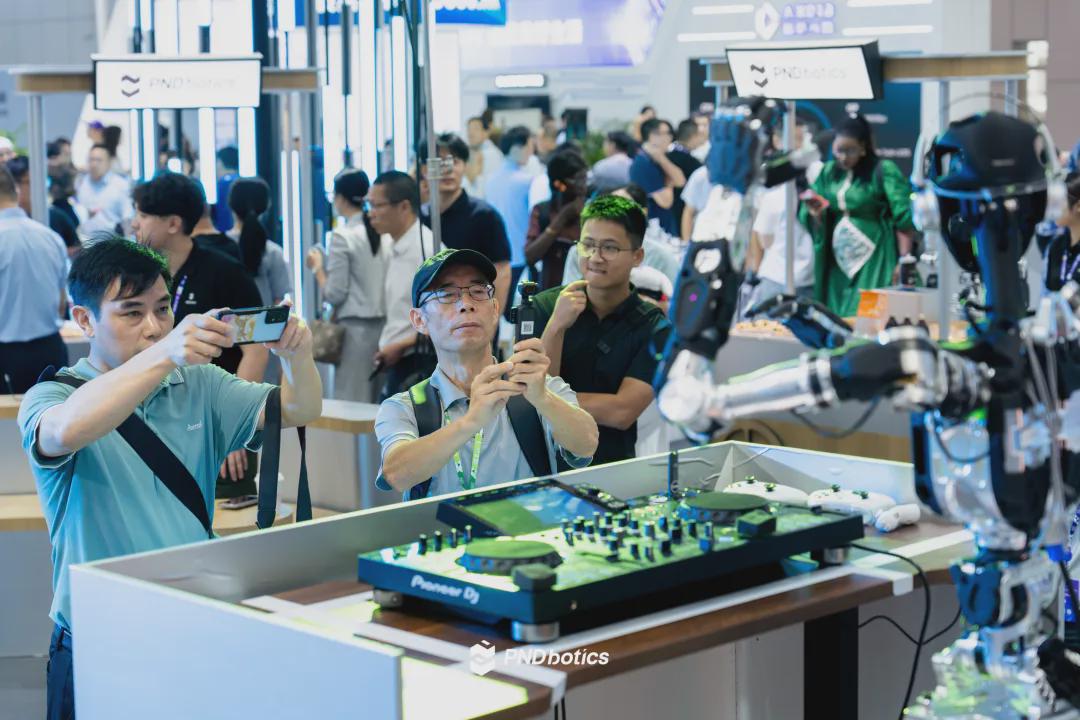
PNDbotics Showcases Humanoid Robots for Real-World Industrial Applications
PNDbotics is exploring the application of humanoid robots in real industrial tasks at the Future Factory exhibition, held from September 11 to 13 at the Ningbo International Exhibition Center. The showcase emphasizes the robots' ability to understand tasks, recognize environments, and adapt execution strategies in dynamic production settings. This initiative is significant as it addresses the challenges of integrating humanoid robots into complex industrial environments, where continuous decision-making is crucial. Unlike controlled lab settings, real factories present fluctuating conditions that require robots to perform a series of interconnected actions, demonstrating their full operational capabilities. Looking ahead, the focus will be on how these robots can effectively connect with real production environments and validate their reliability through successful task execution. The goal is to enhance the robots' system capabilities, moving beyond mere movement to achieving task completion in manufacturing settings.
Humanoid Robots Industrial Automation Robotics Technology AI Manufacturing Solutions
Selecting the Optimal Rack and Pinion System for Precision Linear Motion Applications
GAM has developed rack, pinion, and gearbox systems designed for high performance across all components. A rack and pinion system operates by converting rotational motion from the pinion into linear motion via the rack. Choosing the correct system is crucial, as improper selection can lead to performance issues and increased costs. According to Matt Ruggles, senior design engineer at GAM, selecting the right size for the rack and pinion is essential to avoid breakage or space constraints. The size of the pinion must match the rack to achieve the desired speed and feed force. Additionally, the overall dimensions influence inertia matching between the motor and load, impacting system smoothness. The selection process typically begins with either speed or feed force requirements. If feed force is prioritized, the rack must be adequately sized to transmit the necessary force. Conversely, if speed is the focus, the system must be configured to meet the target speed. Higher precision applications may require specific tooth sizes and shapes, with helical teeth providing smoother motion compared to straight teeth.
Actuators / Motors / Servos Motion Control News Sponsored Content GAM sponsored
Anthropic Reports Misuse of Claude AI by Iran and Russia for Military Applications
Anthropic PBC has reported that its AI model, Claude, has been misappropriated for military purposes by Iran and Russia. The misuse includes efforts to develop kamikaze drone swarms, missile navigation systems, and research associated with potential biological weapons. This situation raises significant concerns regarding the security implications of AI technologies. The involvement of state actors like Iran and Russia in military applications of AI highlights the urgent need for regulatory frameworks to prevent misuse and ensure responsible development and deployment of AI systems. Looking ahead, stakeholders in the AI and defense sectors should monitor developments related to the misuse of AI technologies. The ongoing research and military applications could lead to further advancements in weaponry, necessitating a collaborative approach to address these challenges. No further timeline was disclosed at the time of publication.
Robotics needs a service framework.
RSF defines a common language for robot service capability, lifecycle operations, certification pathways, and service-provider networks.
Join the RobotToday community on LinkedIn
Daily robotics news, in-depth analysis, conference highlights, and discussions with professionals worldwide.







