


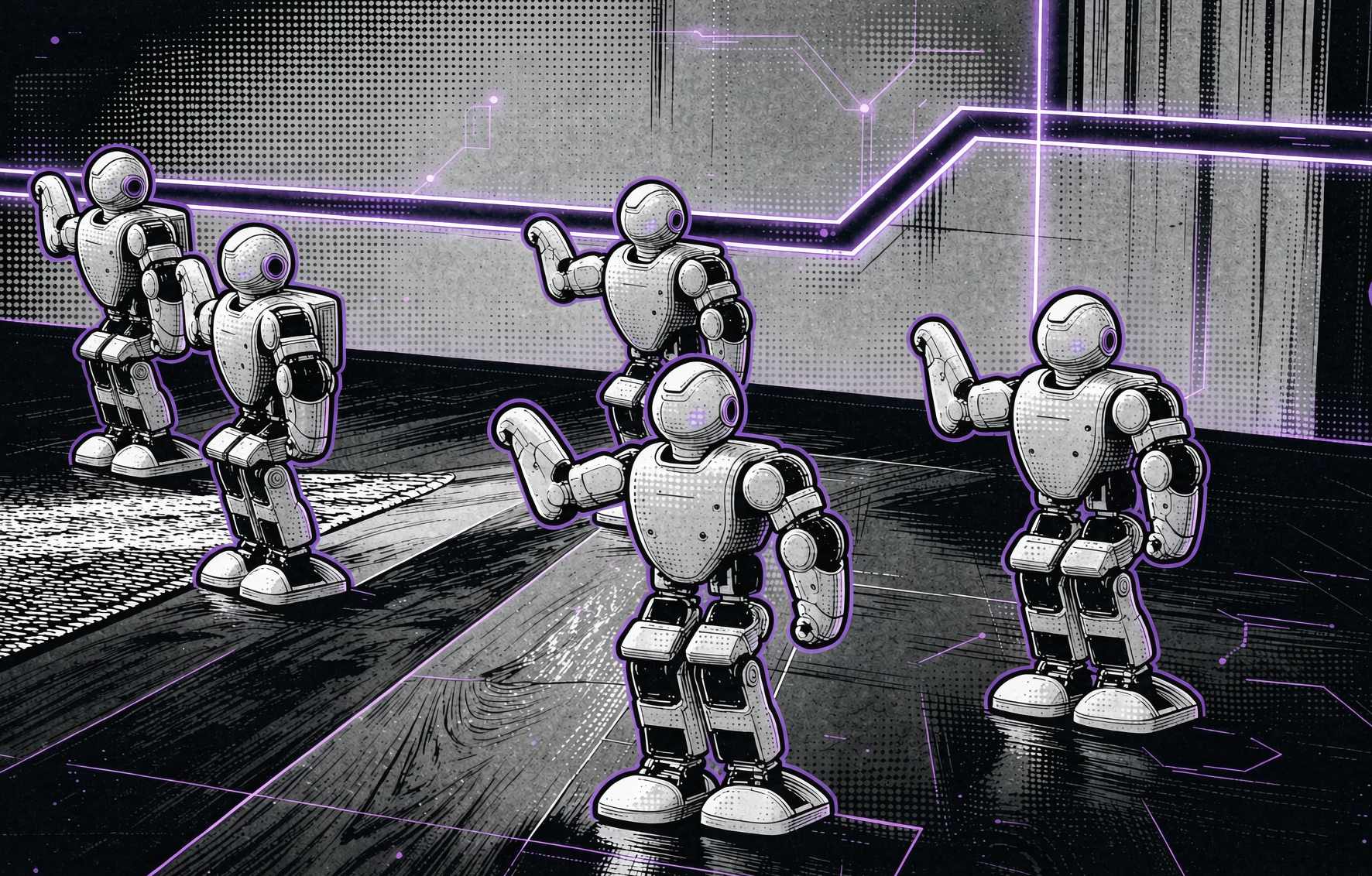
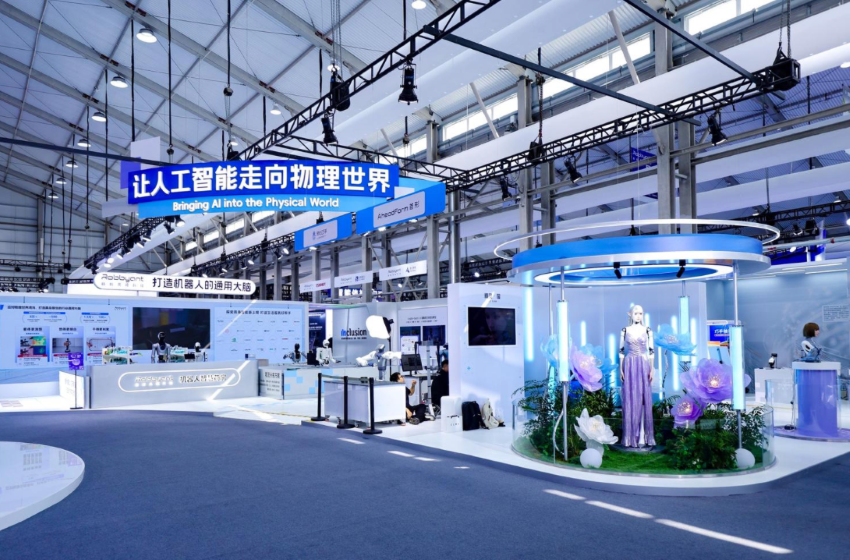
As the demand for artificial intelligence computing continues to rise, a significant new application is emerging for GPUs: embodied intelligence. Tang Zhimin, founder of Xiangdi, emphasized that embodied intelligence is not only a potential application area for GPUs but also one of the key physical domains capable of supporting large model computing power.
This shift is crucial because embodied intelligence presents unique computational demands that differ fundamentally from traditional applications. While traditional AI applications are often static and can be batch processed in cloud or desktop environments, embodied intelligence requires real-time processing and complex interactions in the physical world. Robots must complete perception, decision-making, and execution in a closed-loop process within milliseconds, aligning perfectly with GPUs' strengths in parallel computing and low-latency inference.
Looking ahead, the widespread adoption of embodied intelligence will significantly influence GPU manufacturers' positioning in the smart hardware ecosystem over the next decade. Companies that can effectively integrate chips, algorithms, and real-world applications will gain a competitive edge in this intelligent transformation, making advancements in embodied intelligence a critical foundation for the future of smart societies.
Editor's Note
The rise of embodied intelligence represents a pivotal shift in the GPU industry, as it necessitates a redefinition of product capabilities and technological pathways. This trend highlights the importance of real-world applications in validating AI algorithms, which can lead to enhanced robustness and generalization. As companies adapt to these demands, the competitive landscape will evolve, emphasizing the need for integrated solutions that combine hardware and software effectively.



























Leave a comment